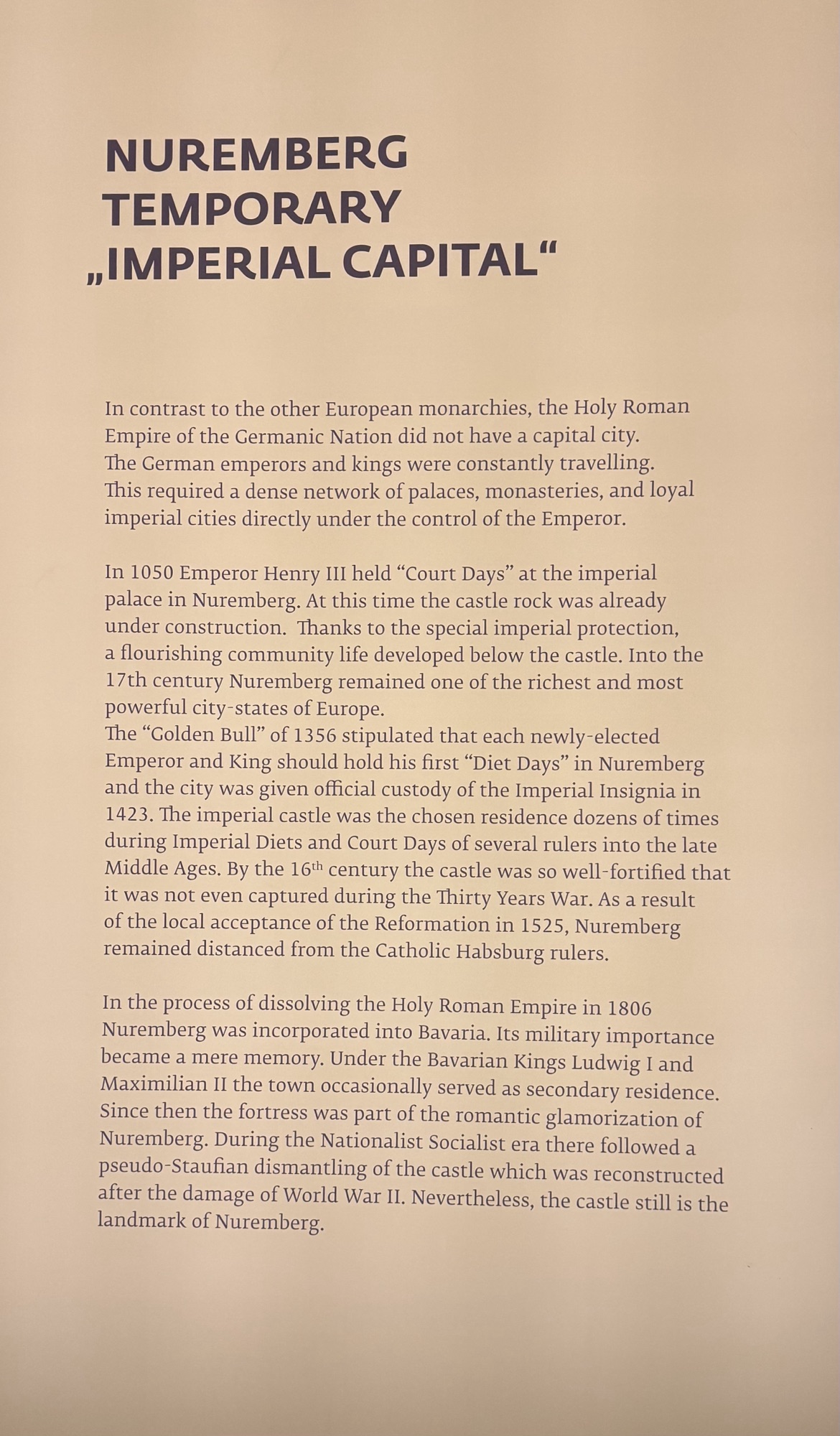
Let’s start here. The tourist brochures and interpretive signs read like this:
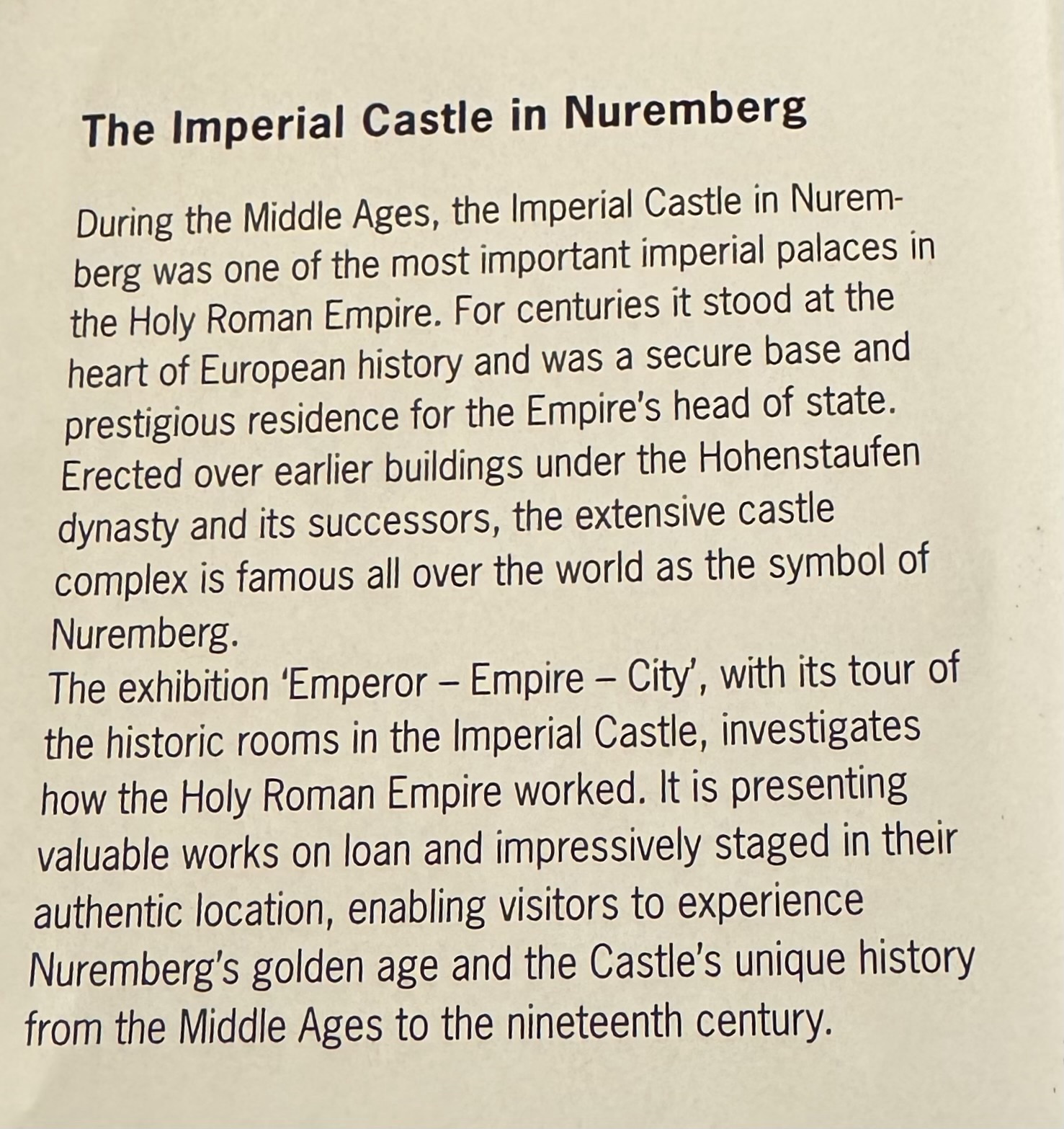
“Most important imperial palaces.” “Secure base”. “Prestigious residence”.
That all sounds pretty impressive, and the edifice certainly is, but as our guide in the well house explained this was more of a conference centre than a castle or fortress. It had all the accoutrements, but that was because the Nuremberg merchants and nobles were so rich that they could build whatever they wanted – and what they wanted was prestige and to show off their wealth.
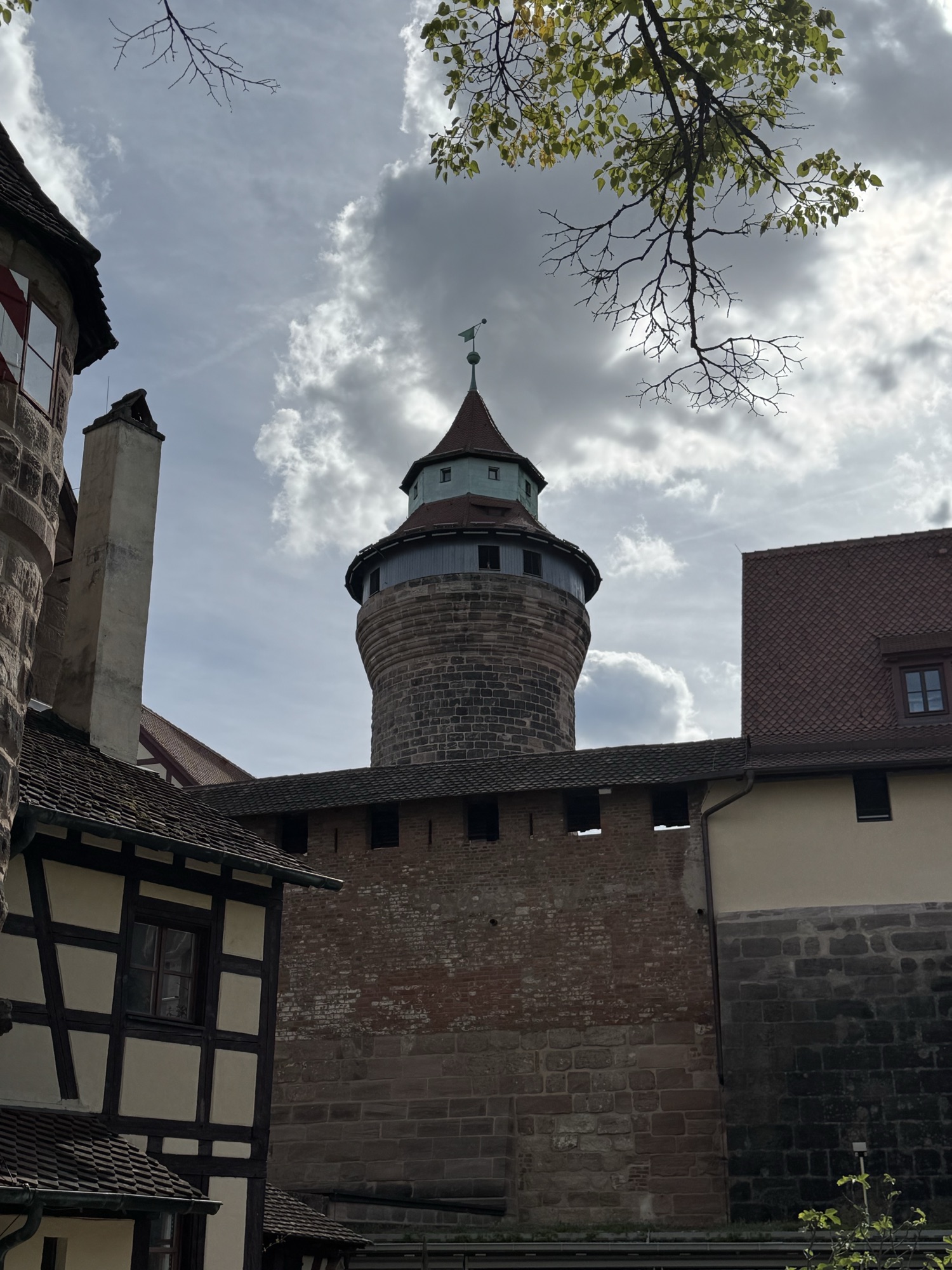
The Emperors never lived here, although they visited regularly to meet with their vassals. The rooms were only cleaned and richly furnished for each temporary stay.
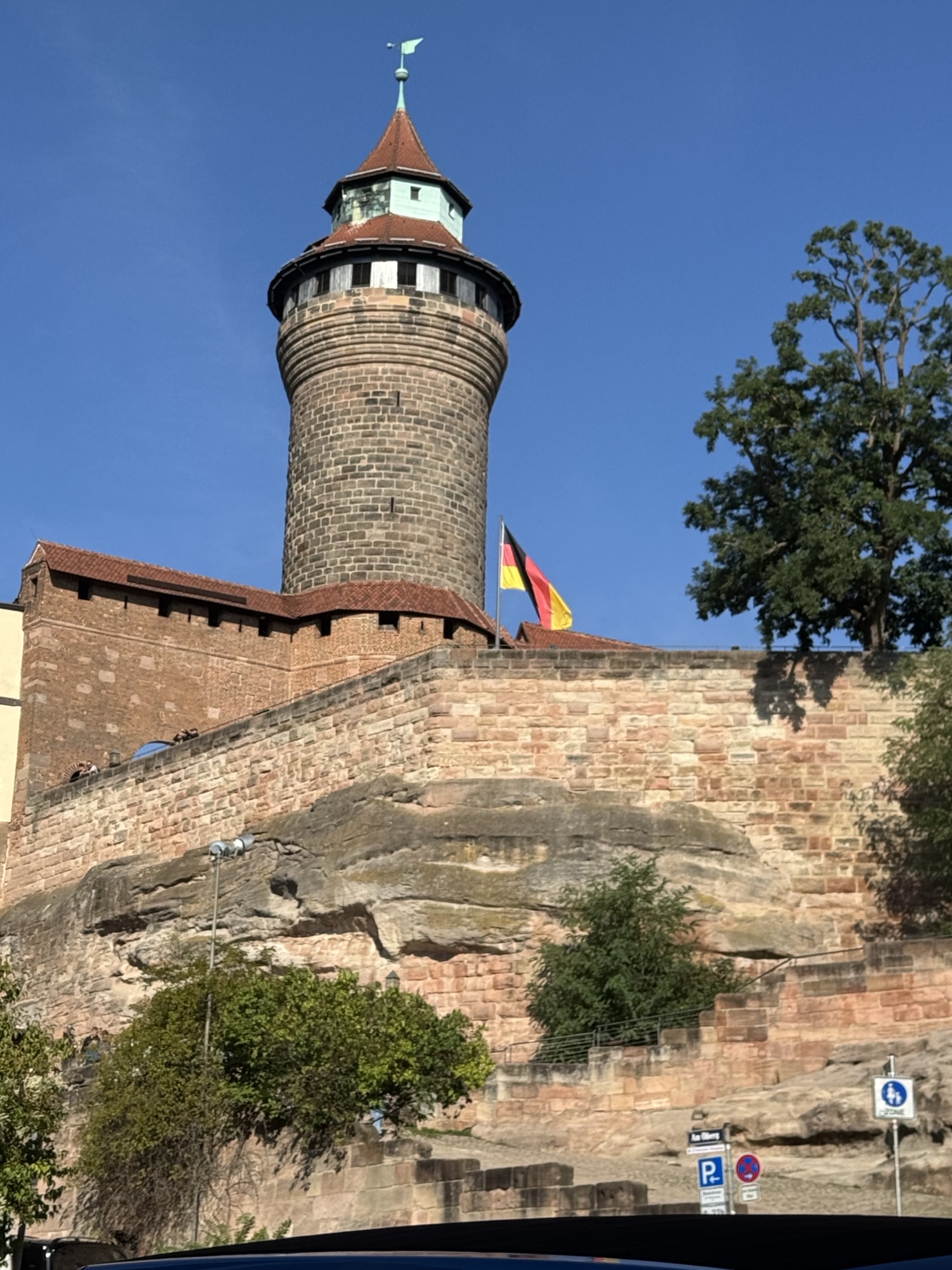
Even the fact of the “palace” being built on a hilltop was to make an impression, and not for defensive reasons. Nuremberg’s official website acknowledges that the town was “a favourite stopping place for rulers on their journeys through the realm, and court assemblies and Imperial Diets were held here. In order to provide an appropriate setting for these events, the Hohenstaufens built an extended castle complex on the rocky elevation.”
With that in mind, the palace was the perfect place to learn about Nuremberg’s imperial history.
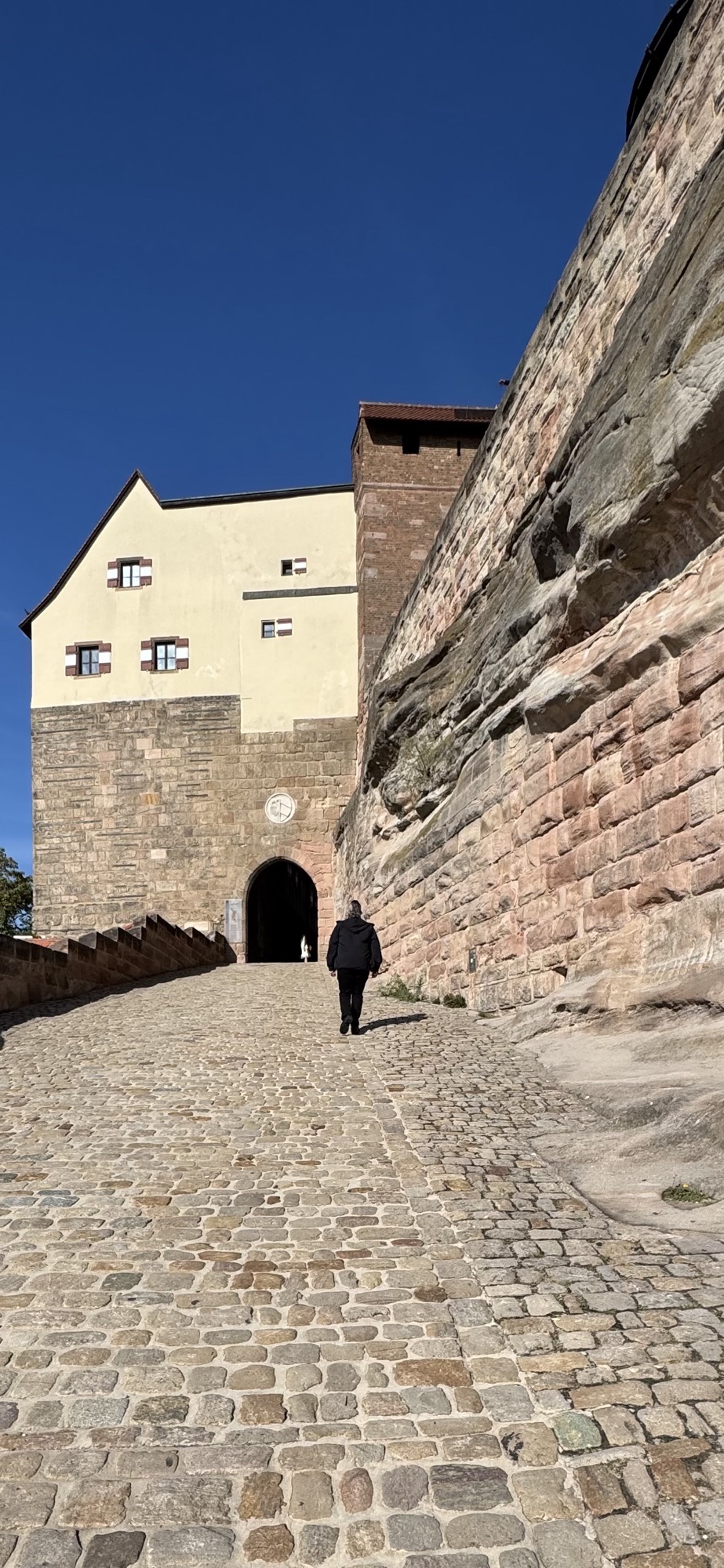
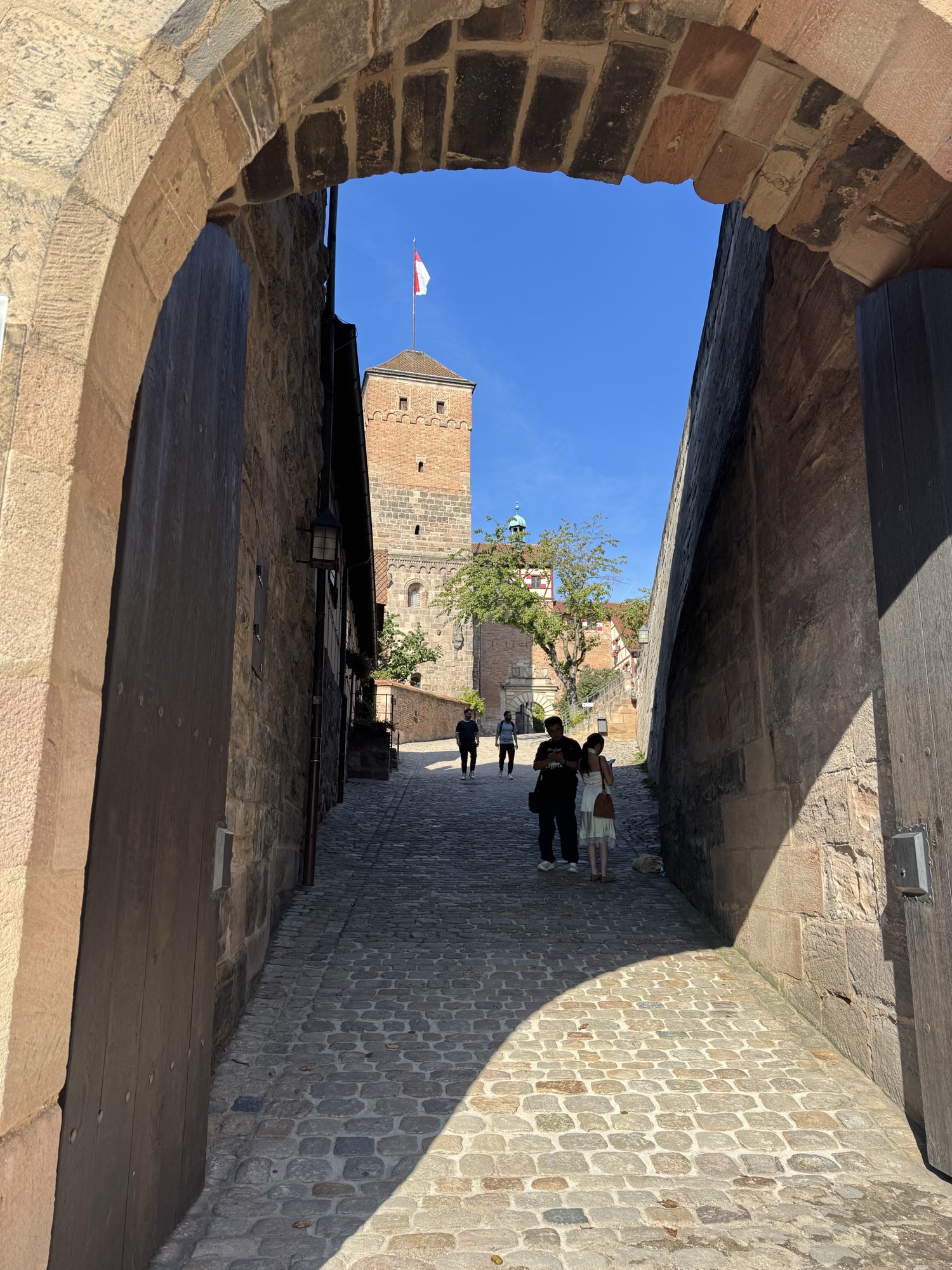
Entering the complex reminded me of visiting Marksburg Castle (Episode 90), a real royal residence and fortification. That castle dates to around 1117CE, putting it in the same era.
The Emperor – Empire – City exhibition in the Imperial Palace was really interesting. We learned a lot about Nuremberg’s role during the centuries when this area was part of the Holy Roman Empire.
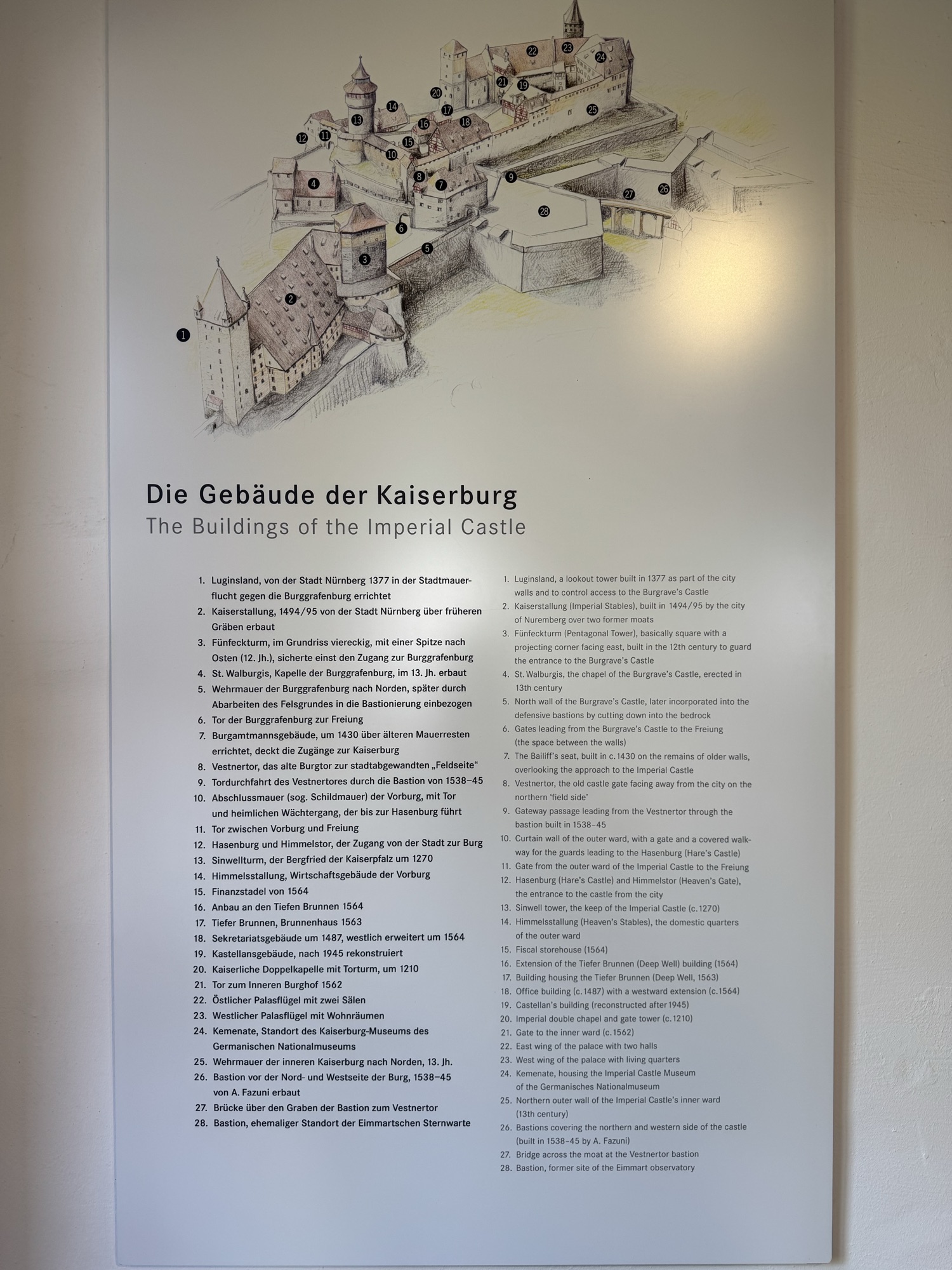
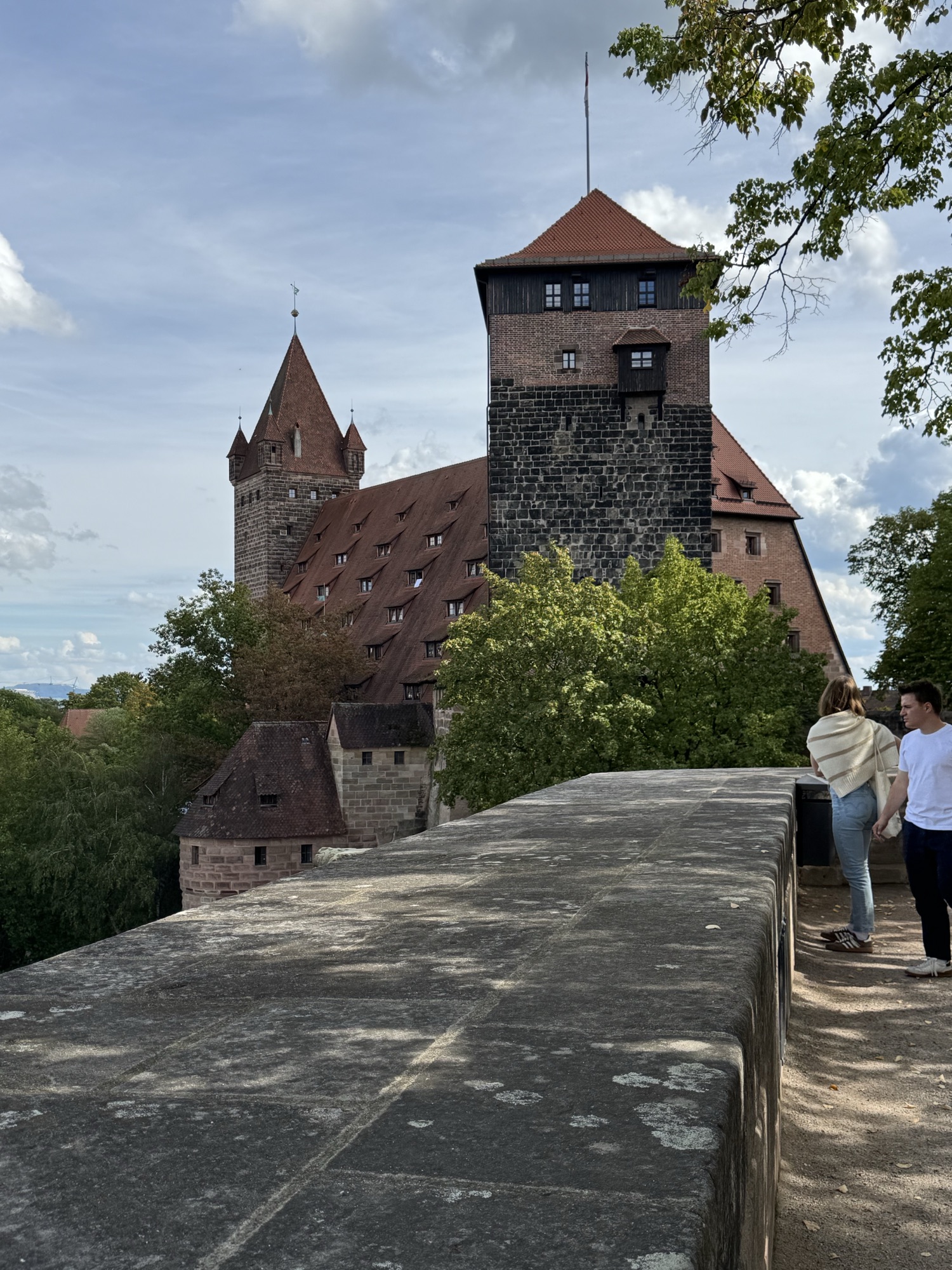
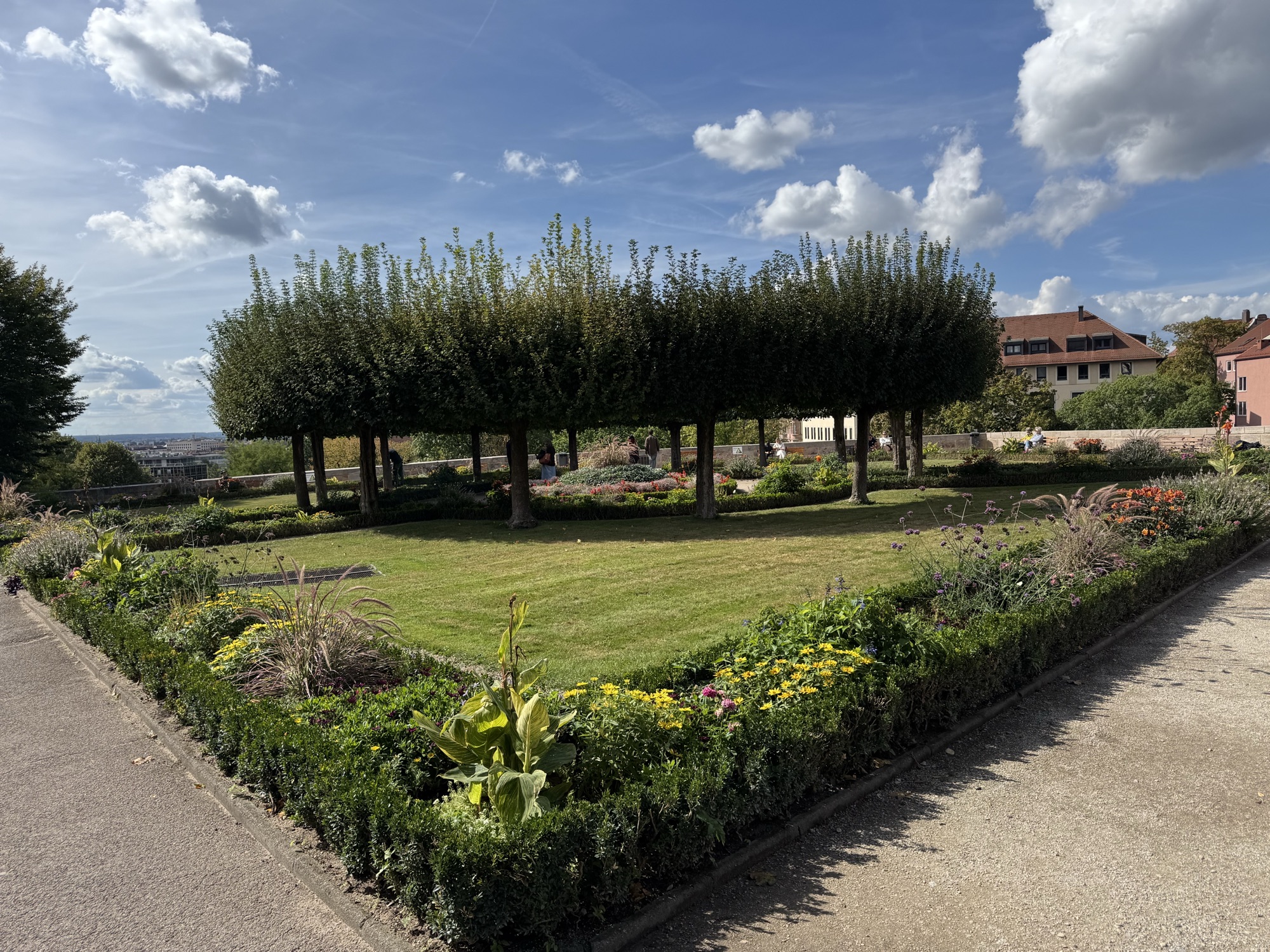
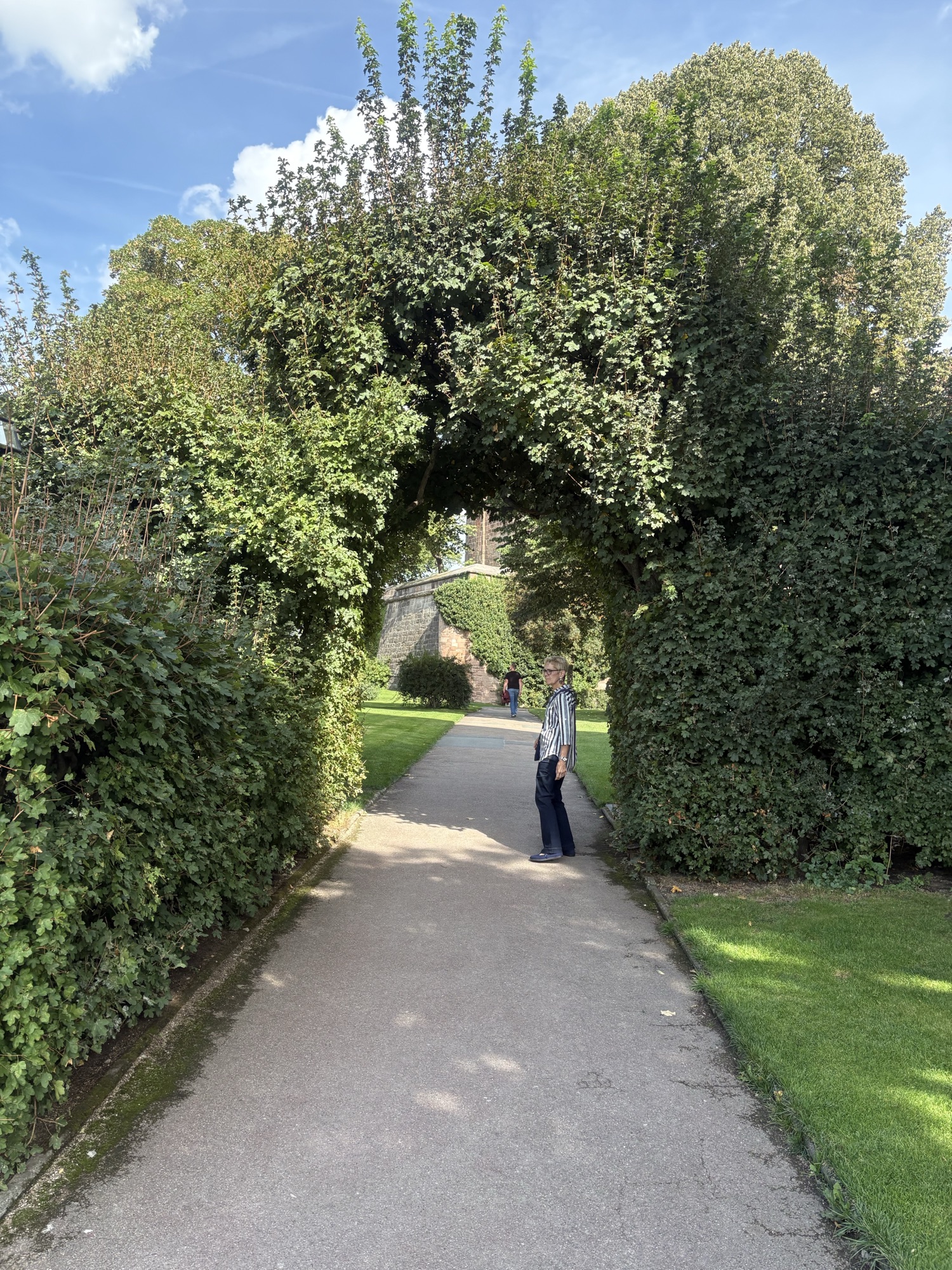
Upon entering the palace, we were able to see all the areas down below. Of the many other buildings on site, we climbed Sinwell Tower, entered the Deep Well building for a really well narrated explanation of its importance to the complex, ate at the cafe in the Secretarial Building, and walked in the gardens on the bastions.
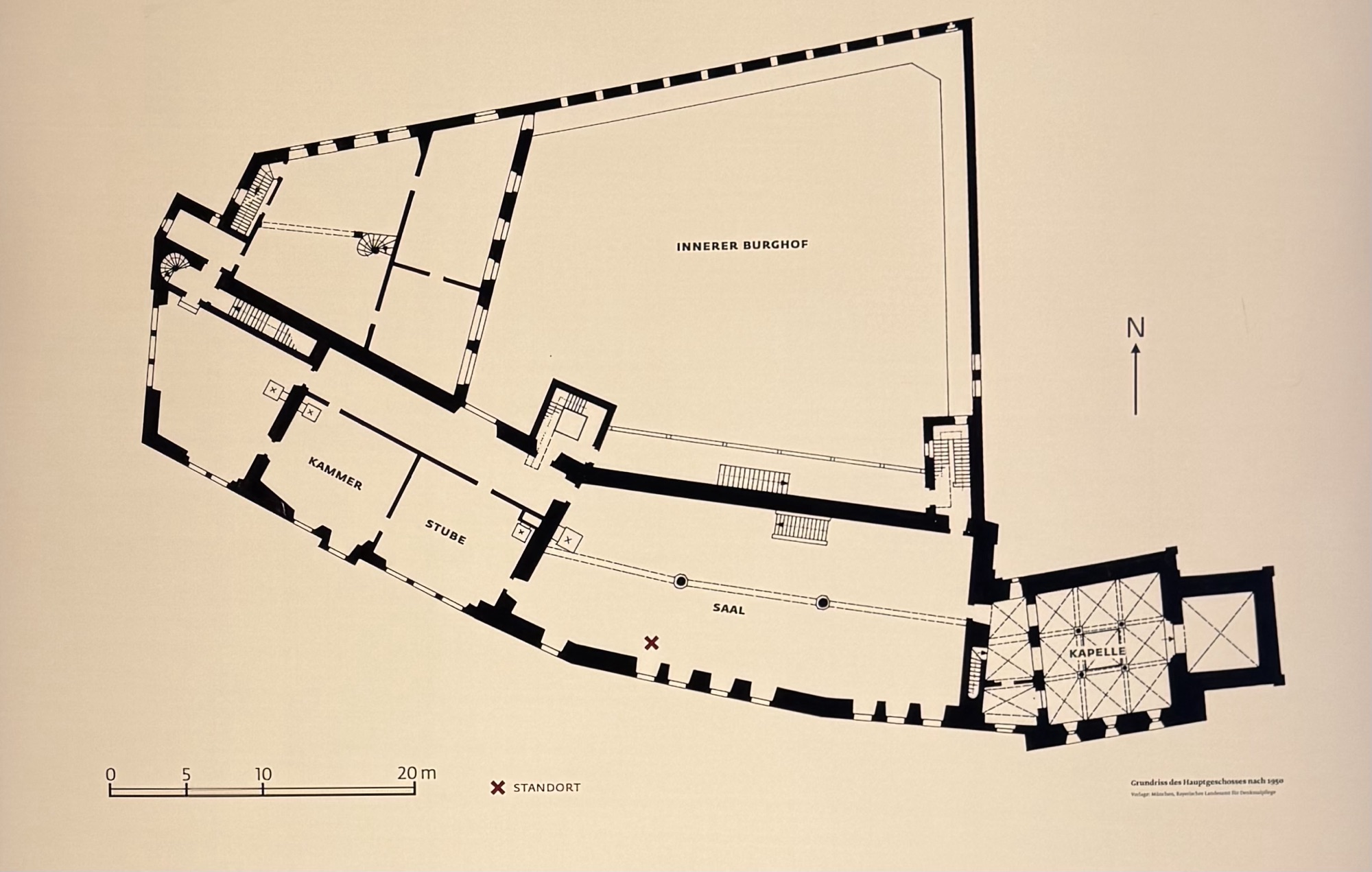
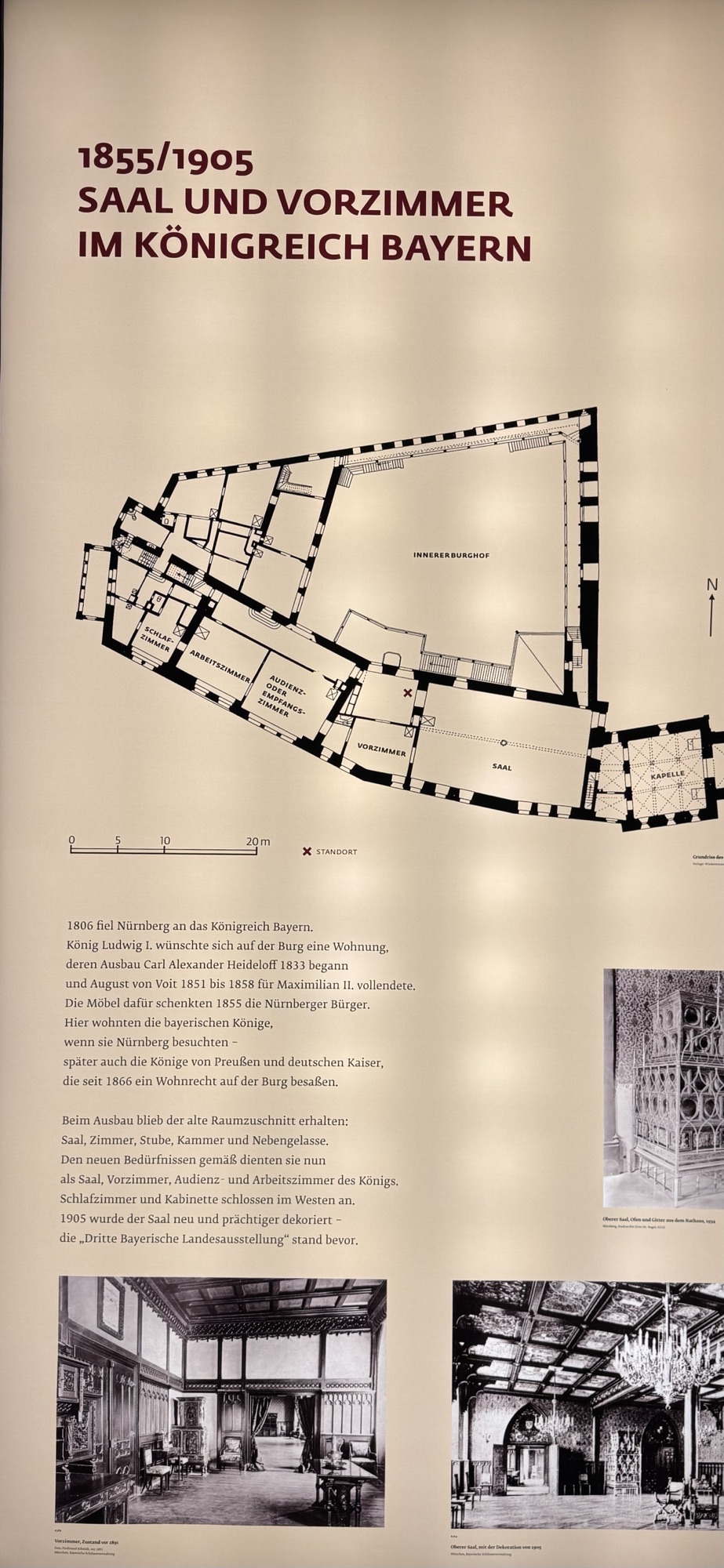
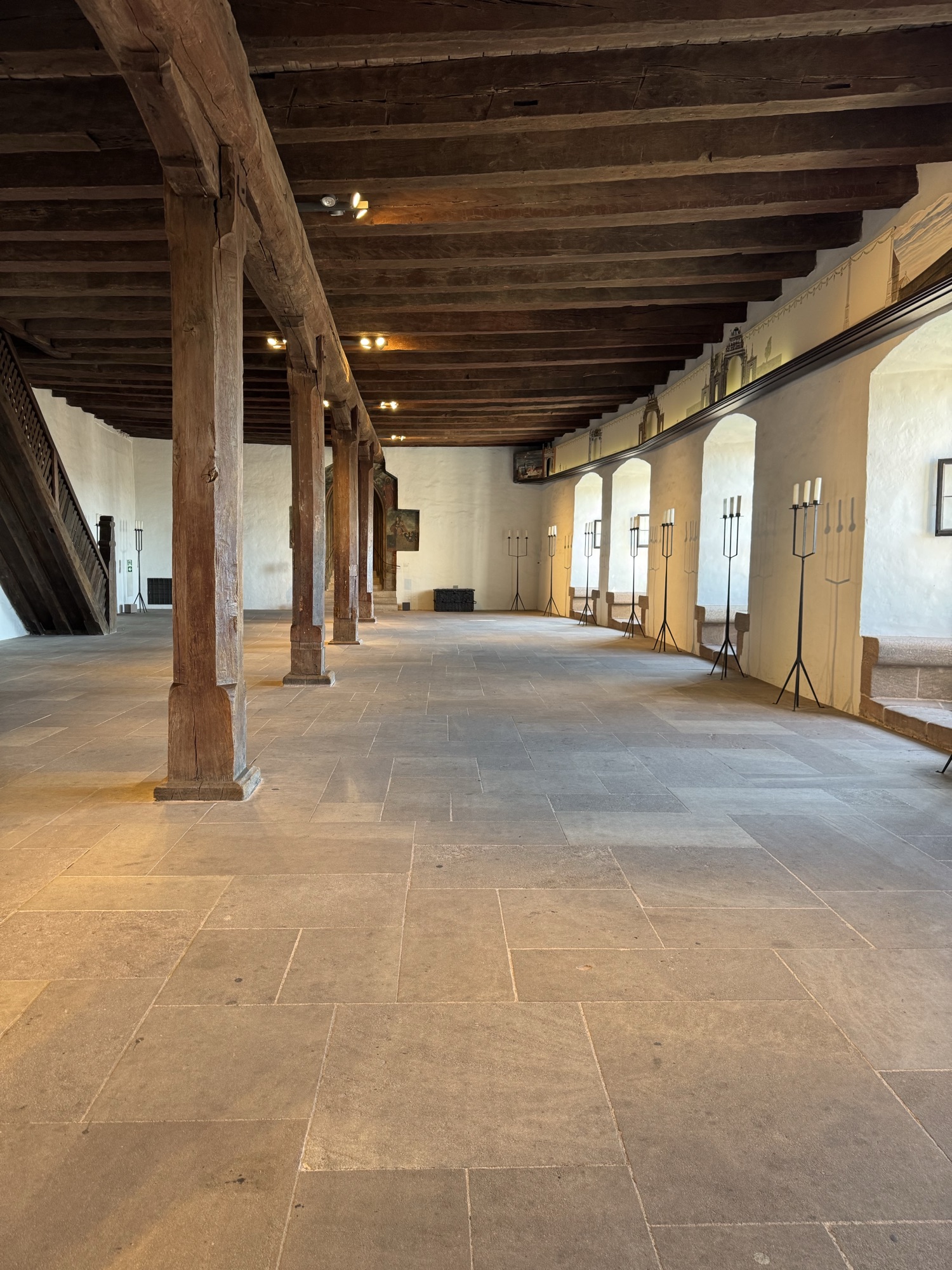
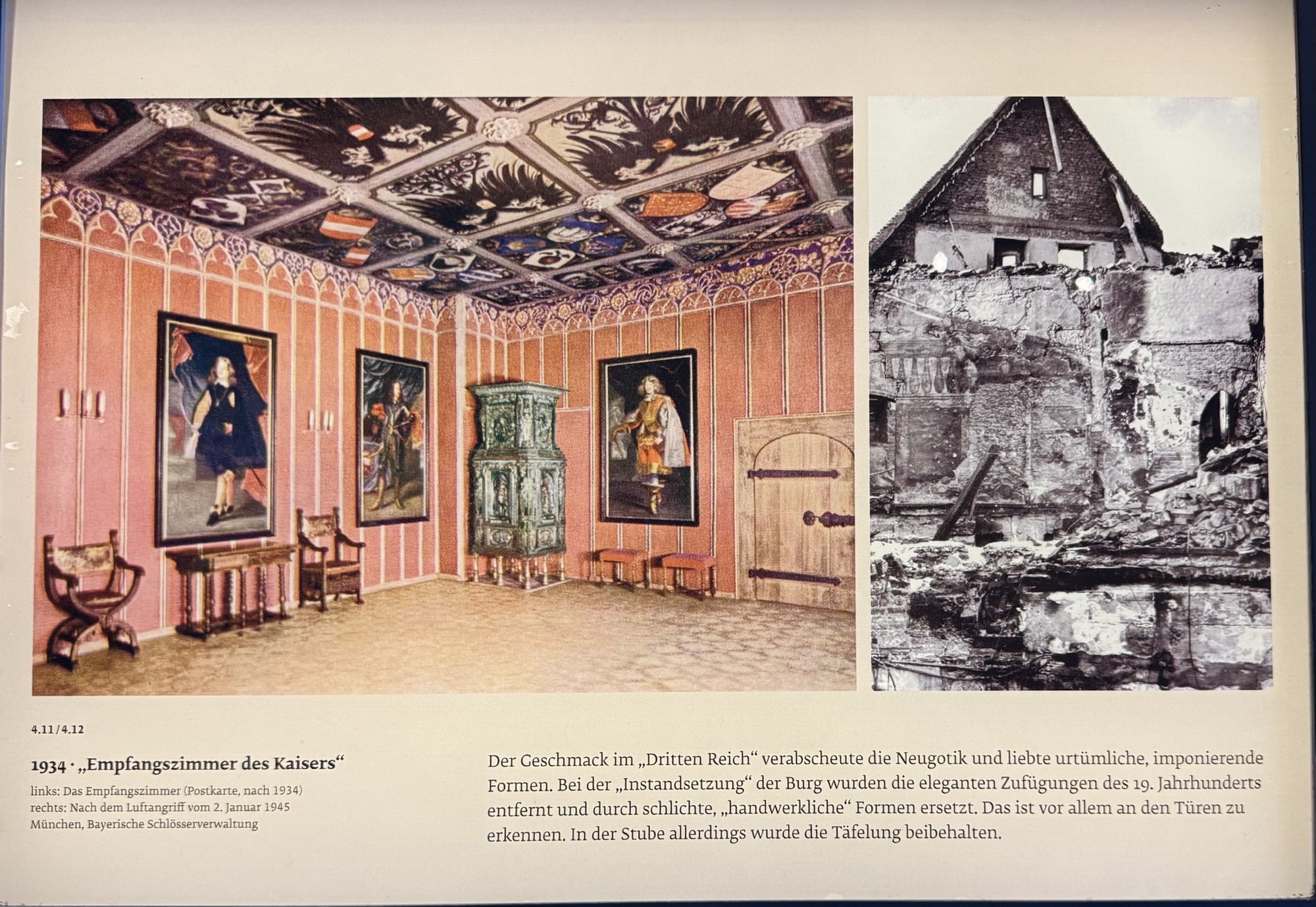
The main meeting hall by the mid 10th century had some fairly opulent permanent fixtures and decorative treatments intended to be suitable for imperial visits(photos at the bottom of the poster)
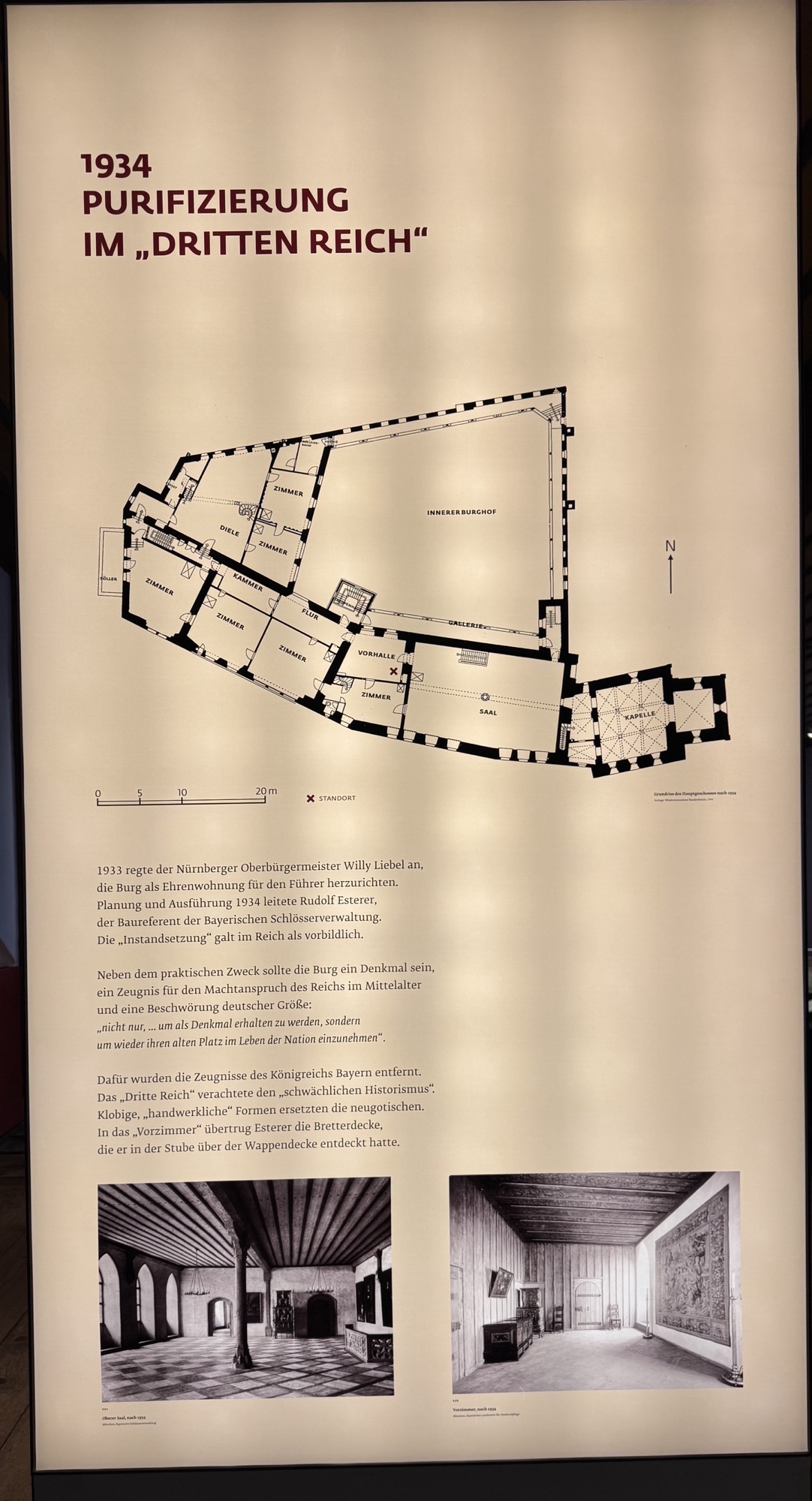
The N-S naturally decided the place would be “perfect” for Hitler, and changed the aesthetic completely. The word they used to describe their changes was “purification”.
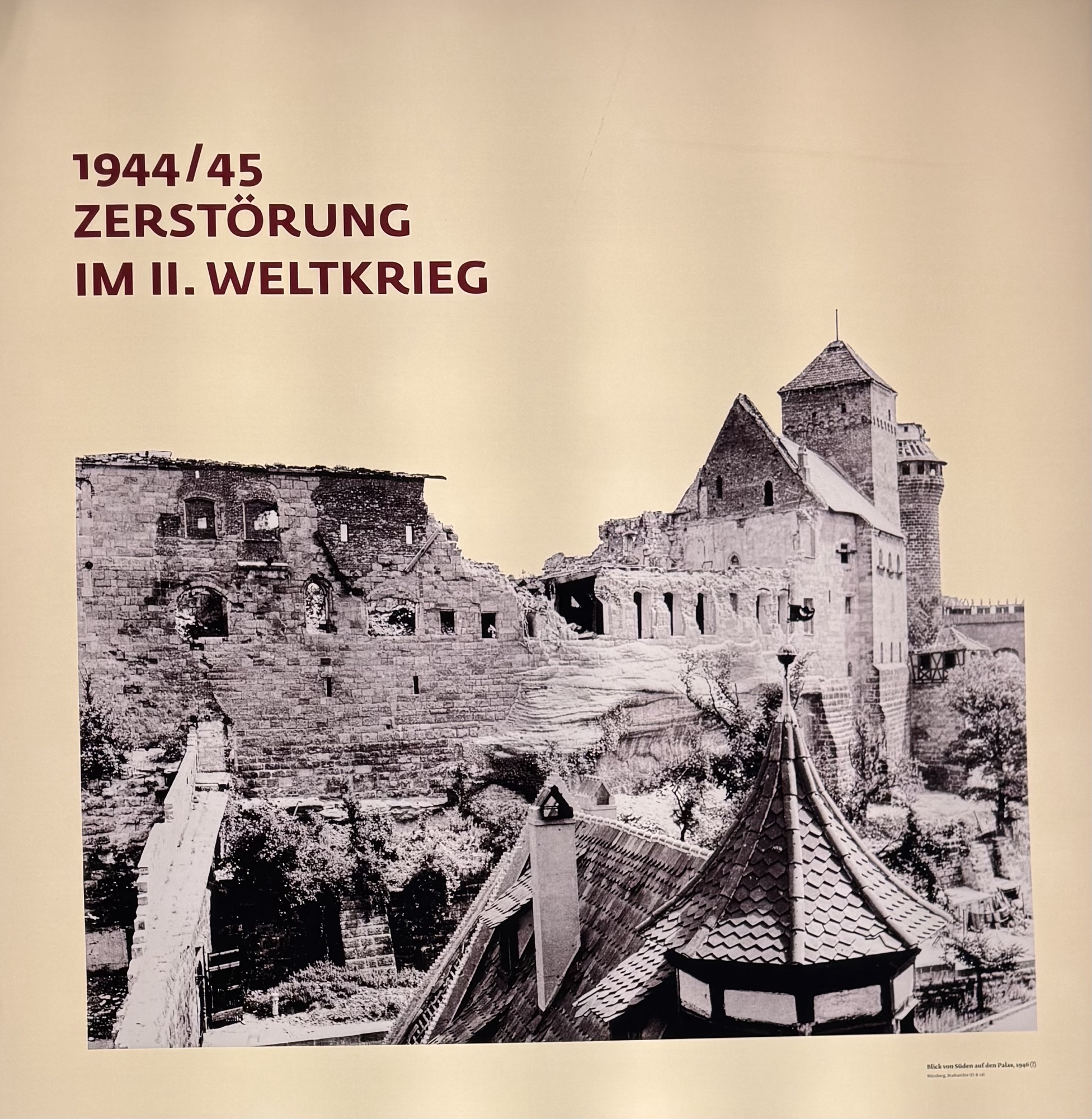
The restoration after WWII’s damage was to the pre-war condition.
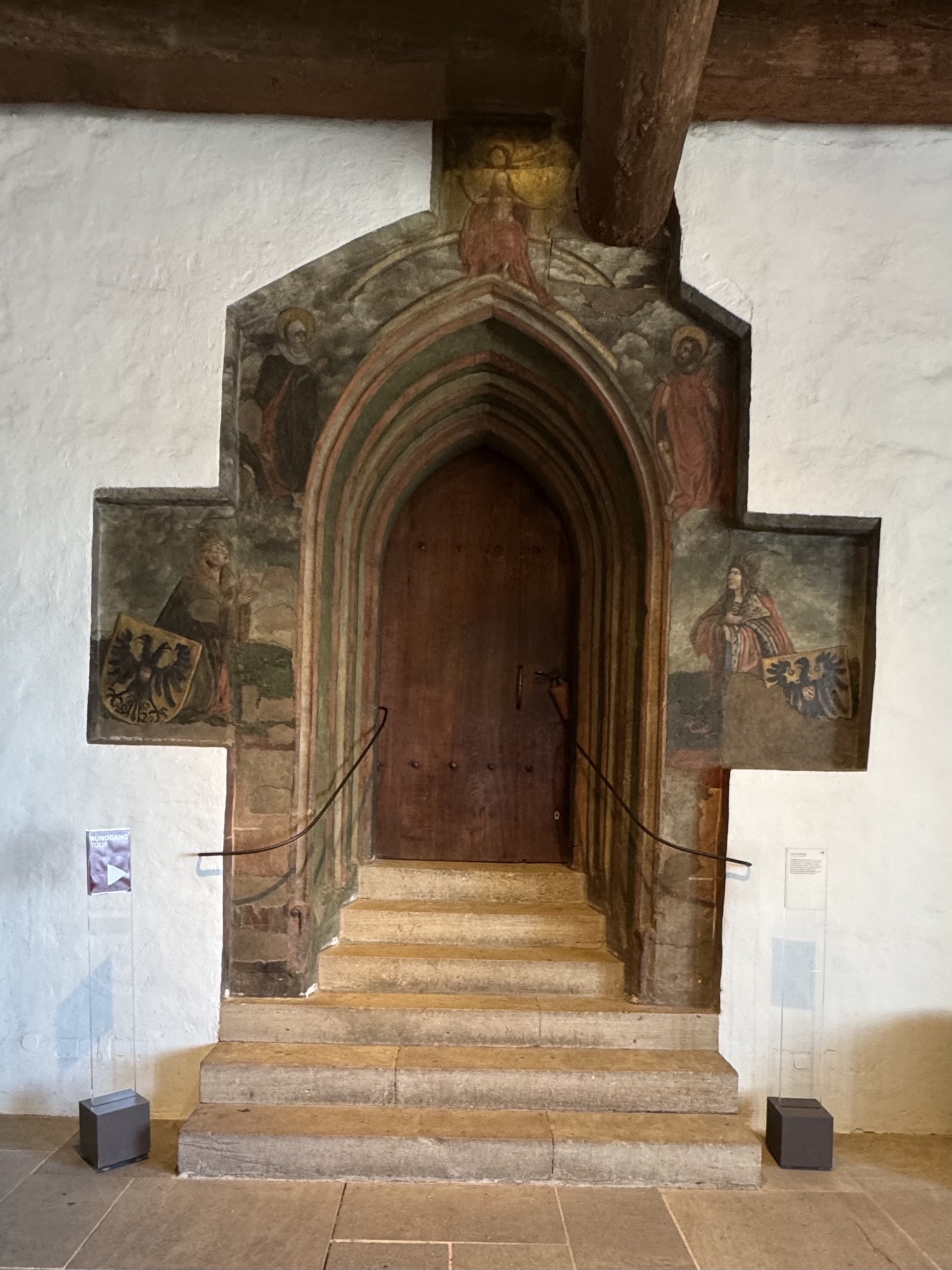
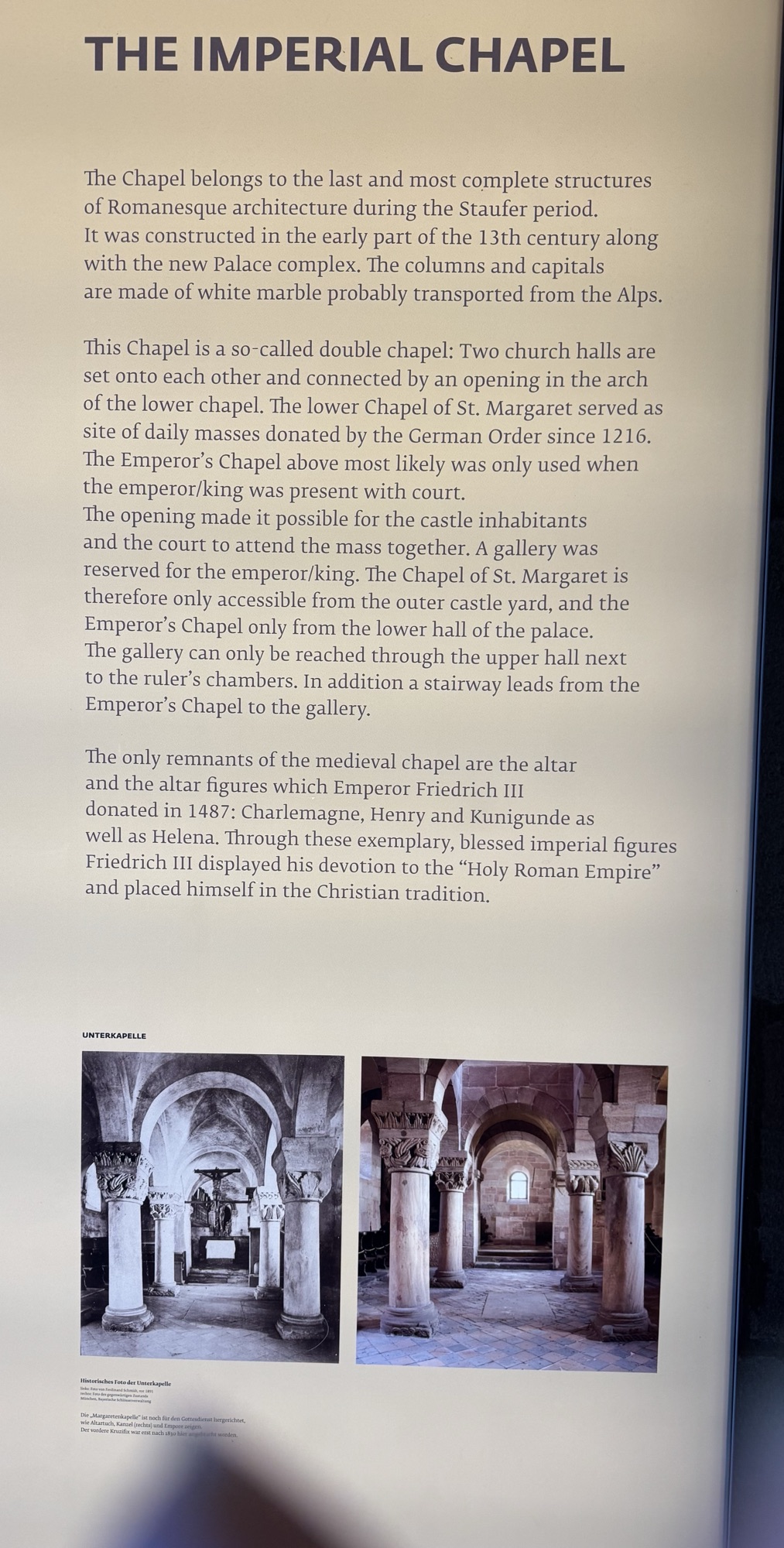
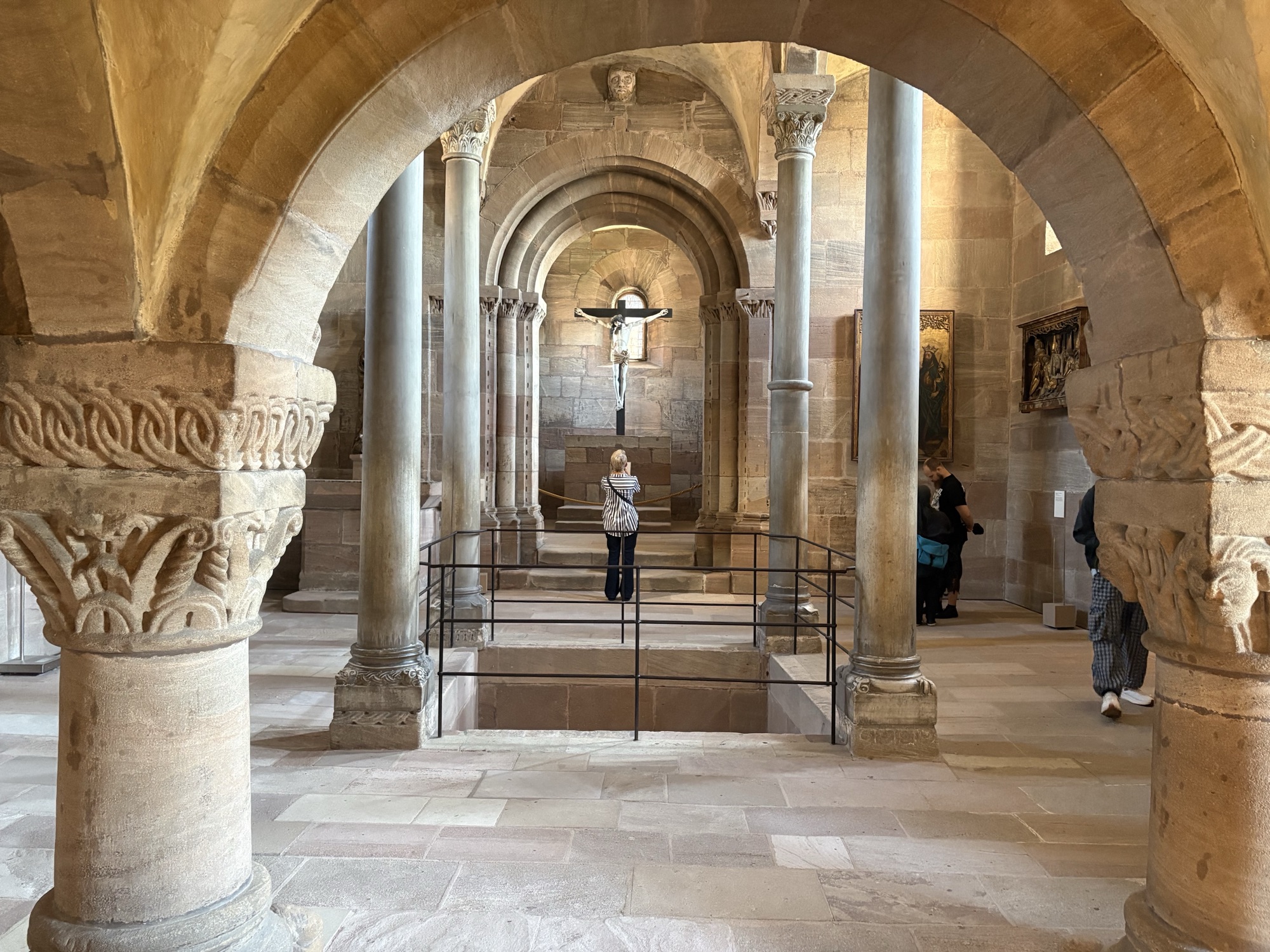
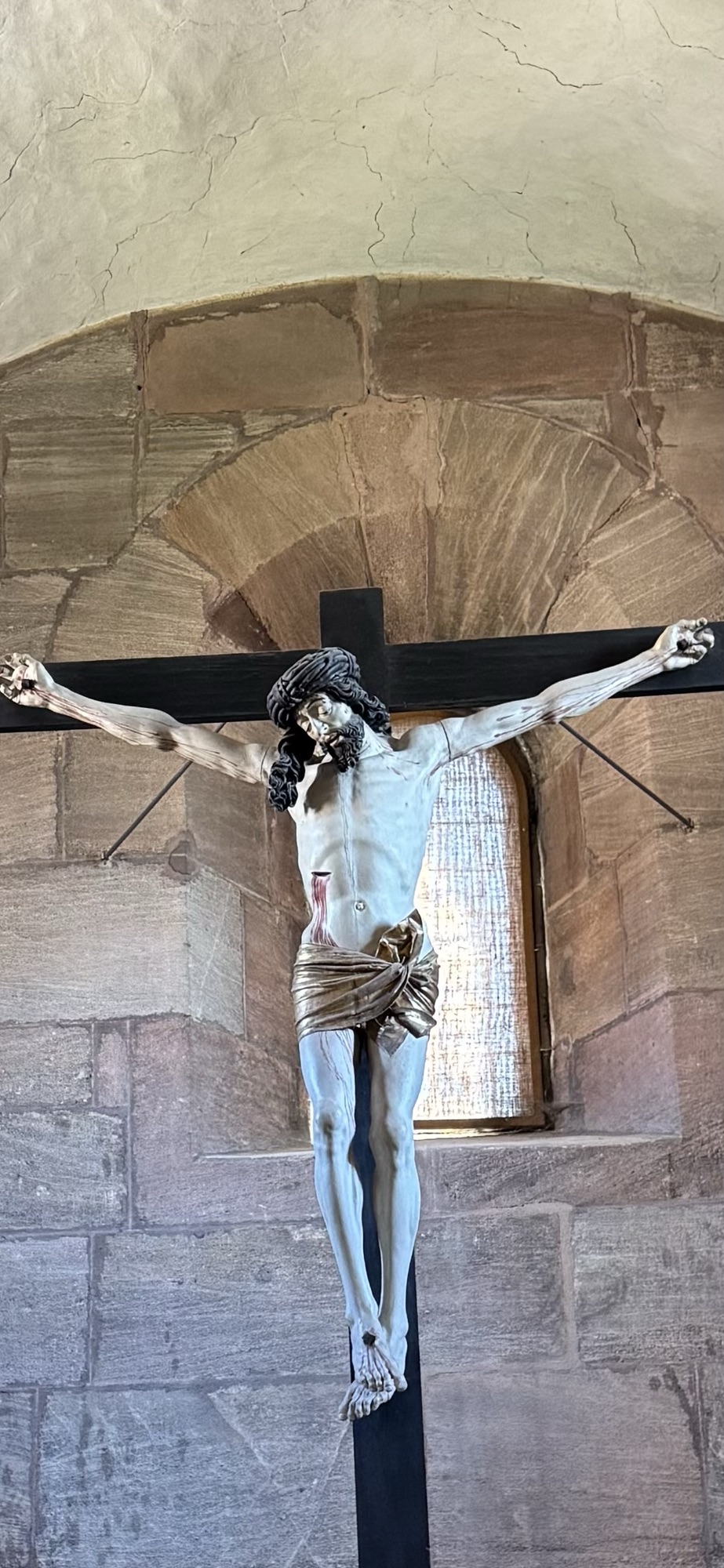
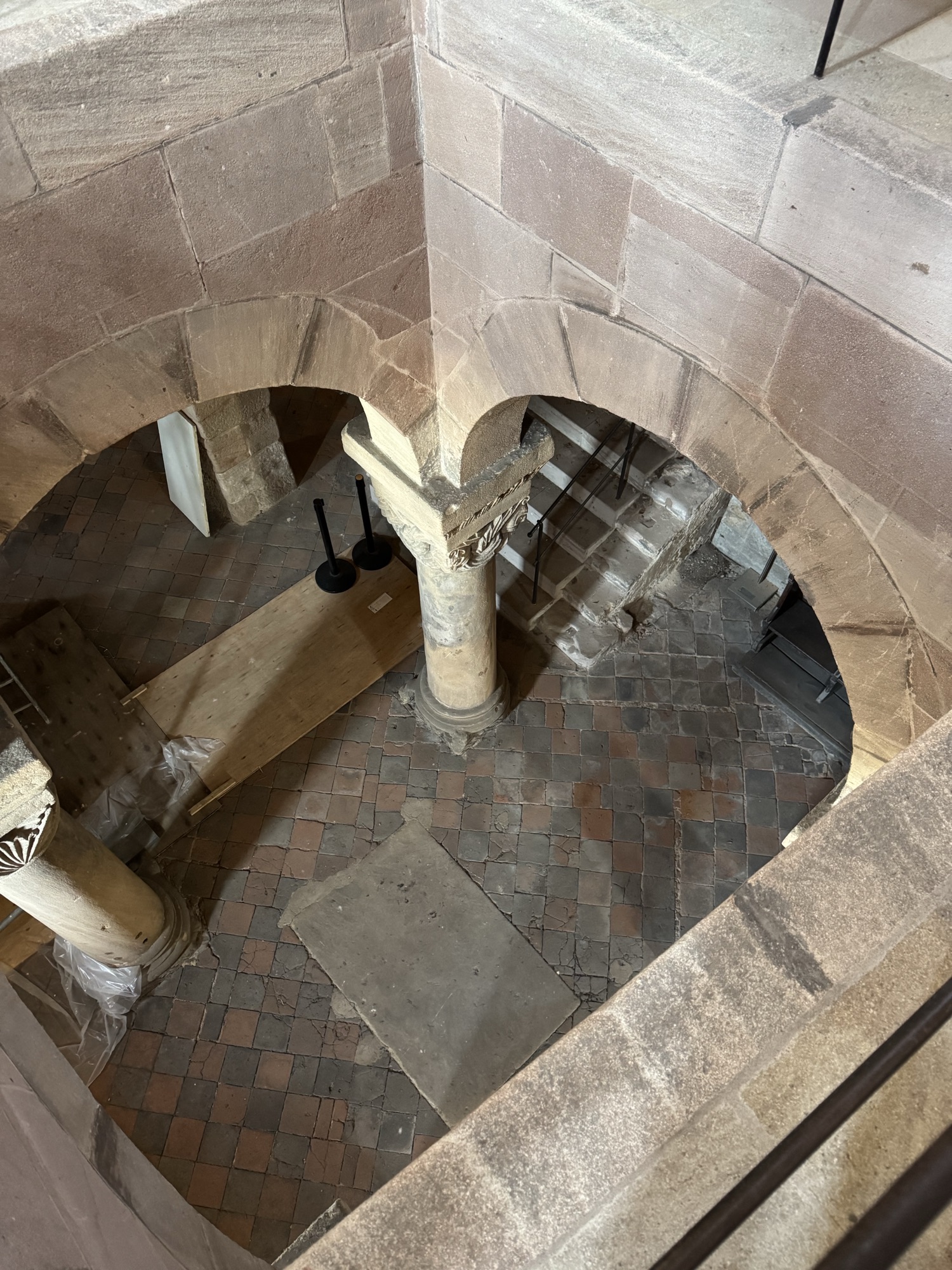
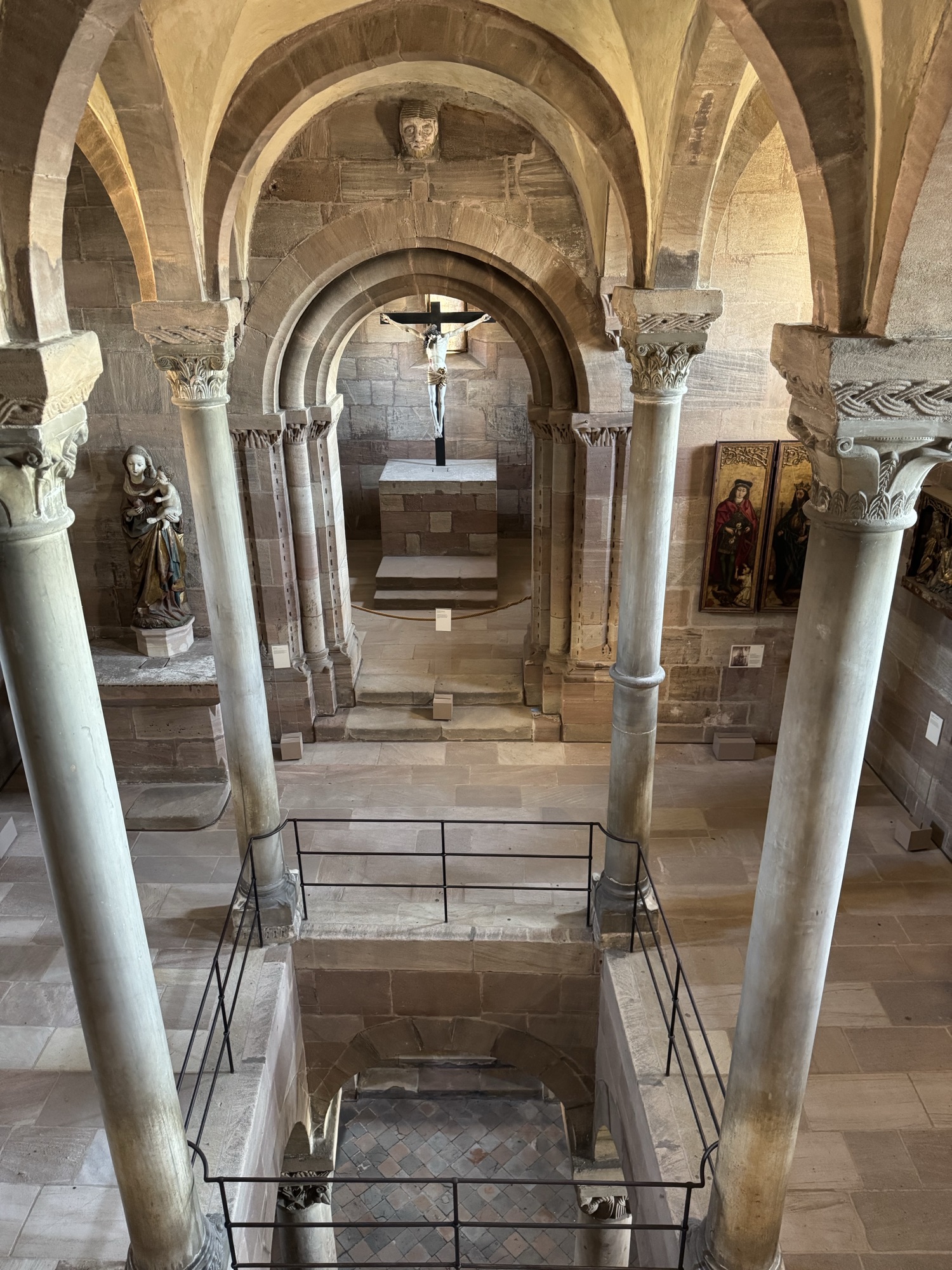
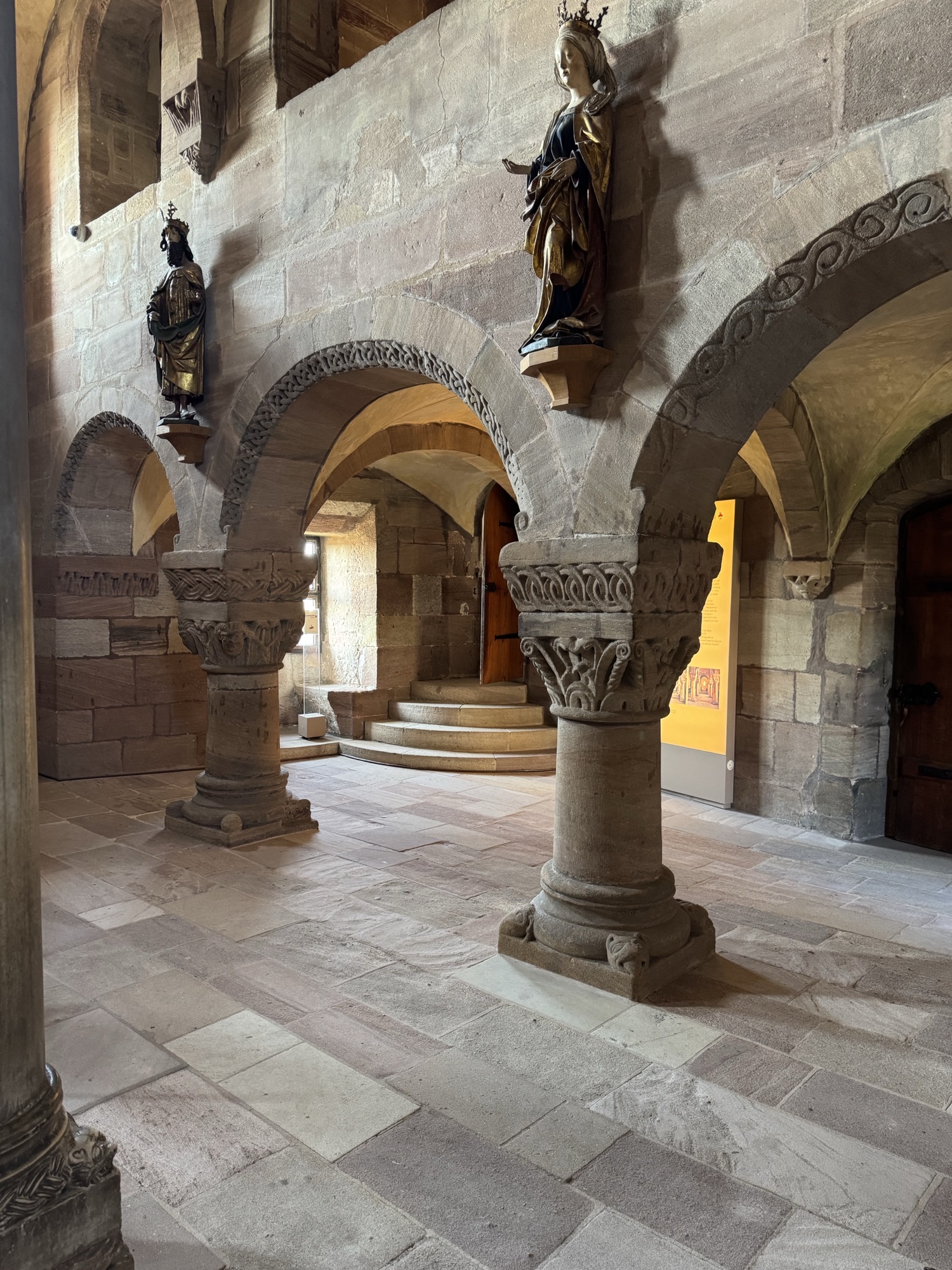
From the entry hall we proceeded through a highly decorated doorway into the three storey chapel, whose design allowed the emperor to worship literally above his vassals.
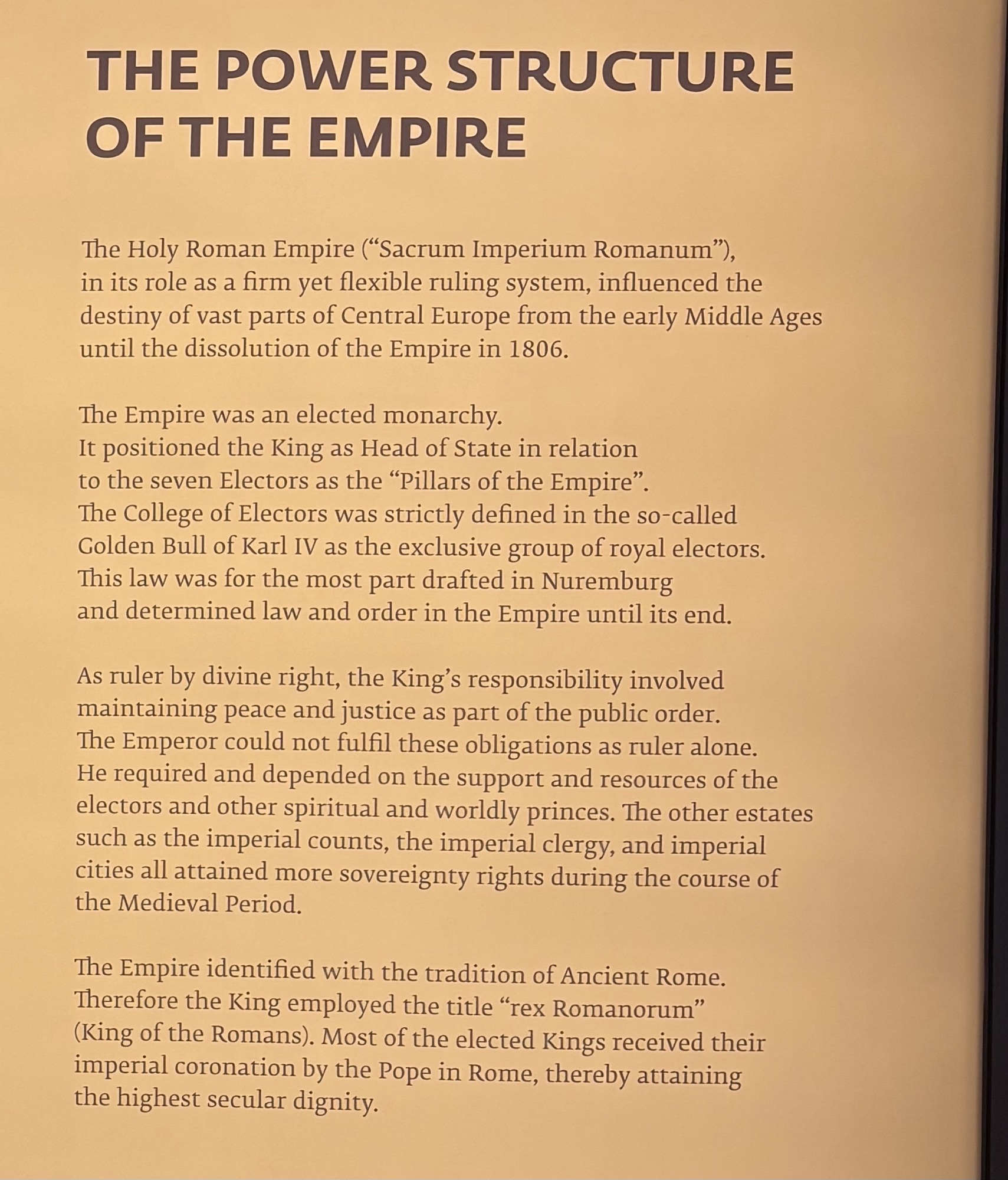
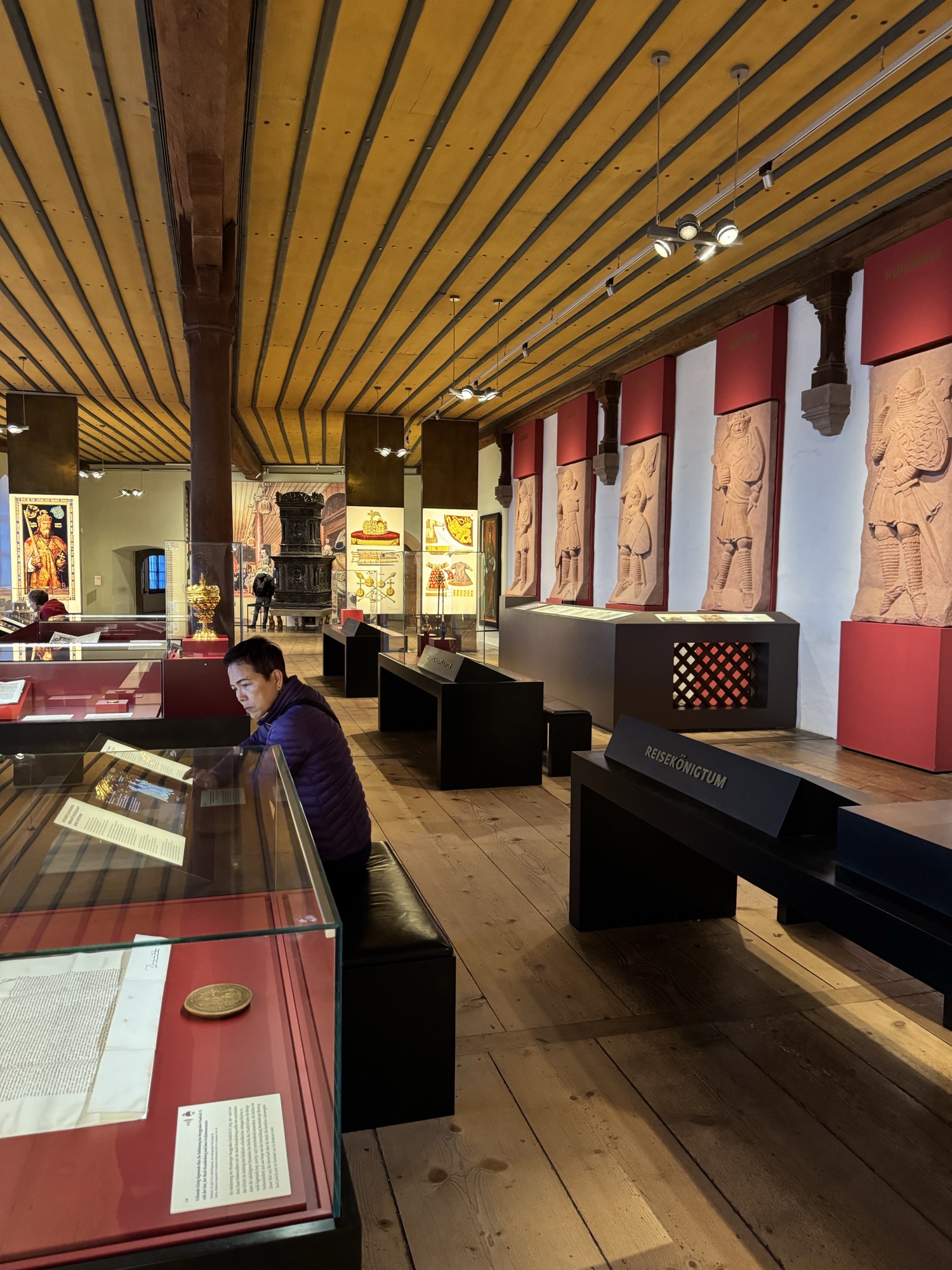
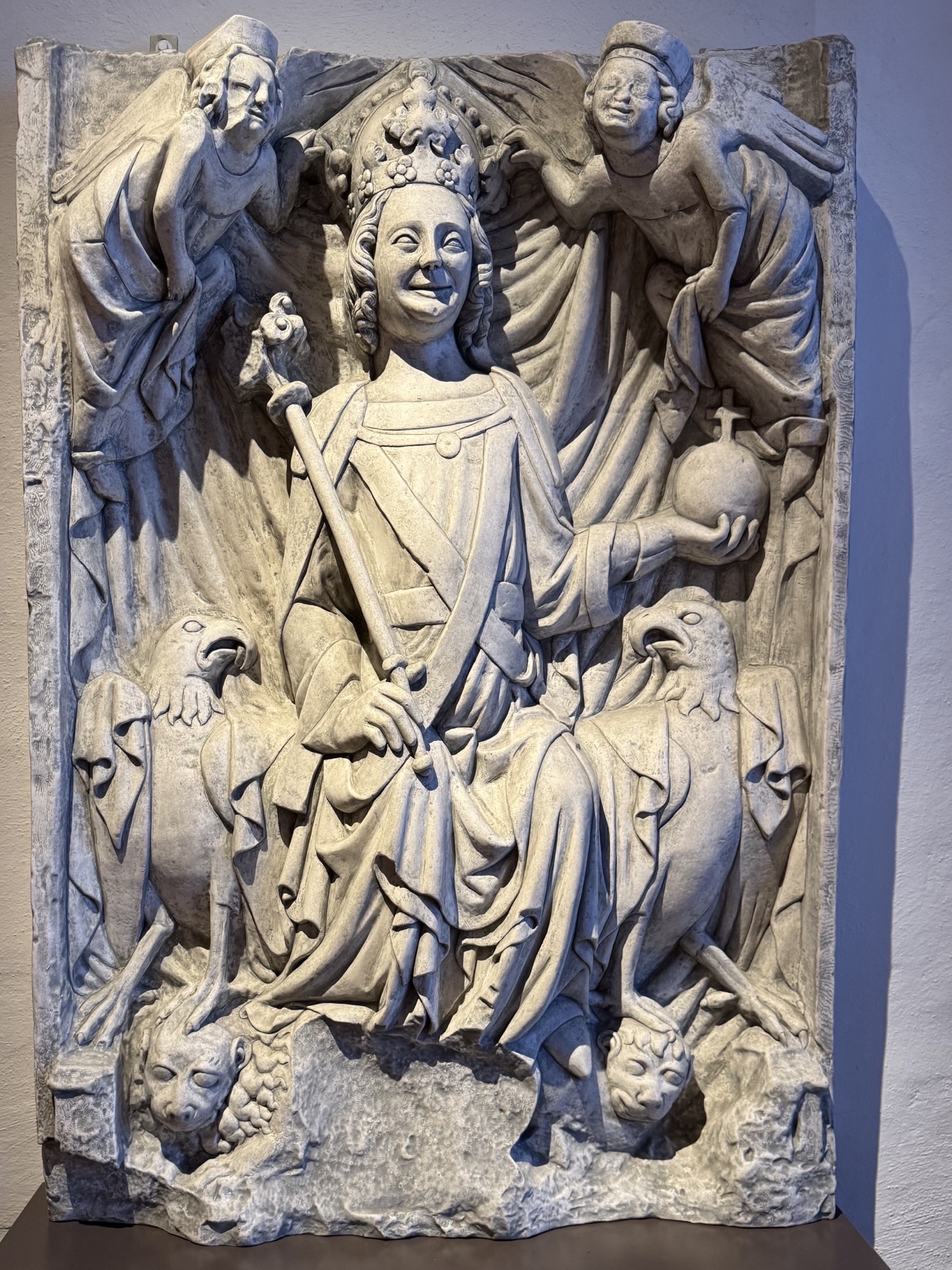
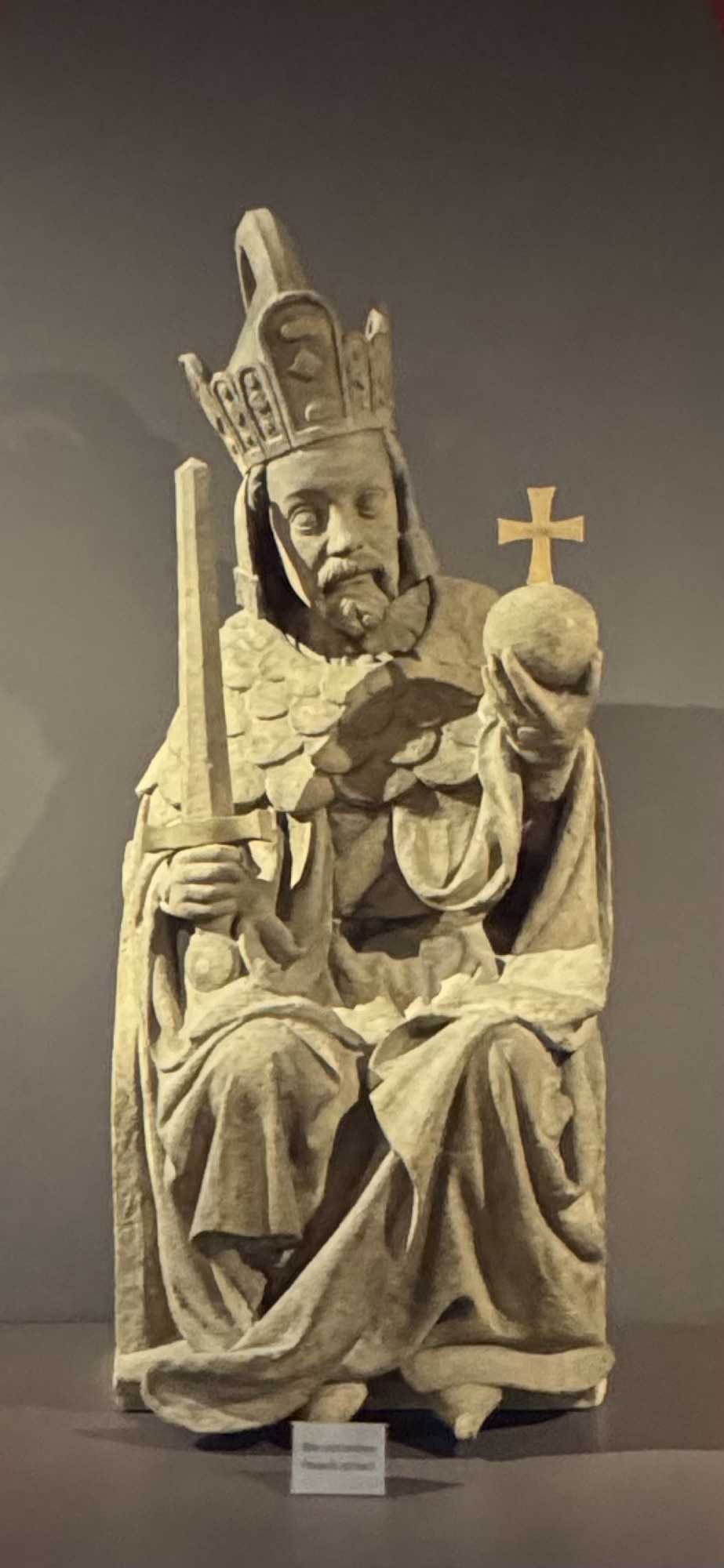
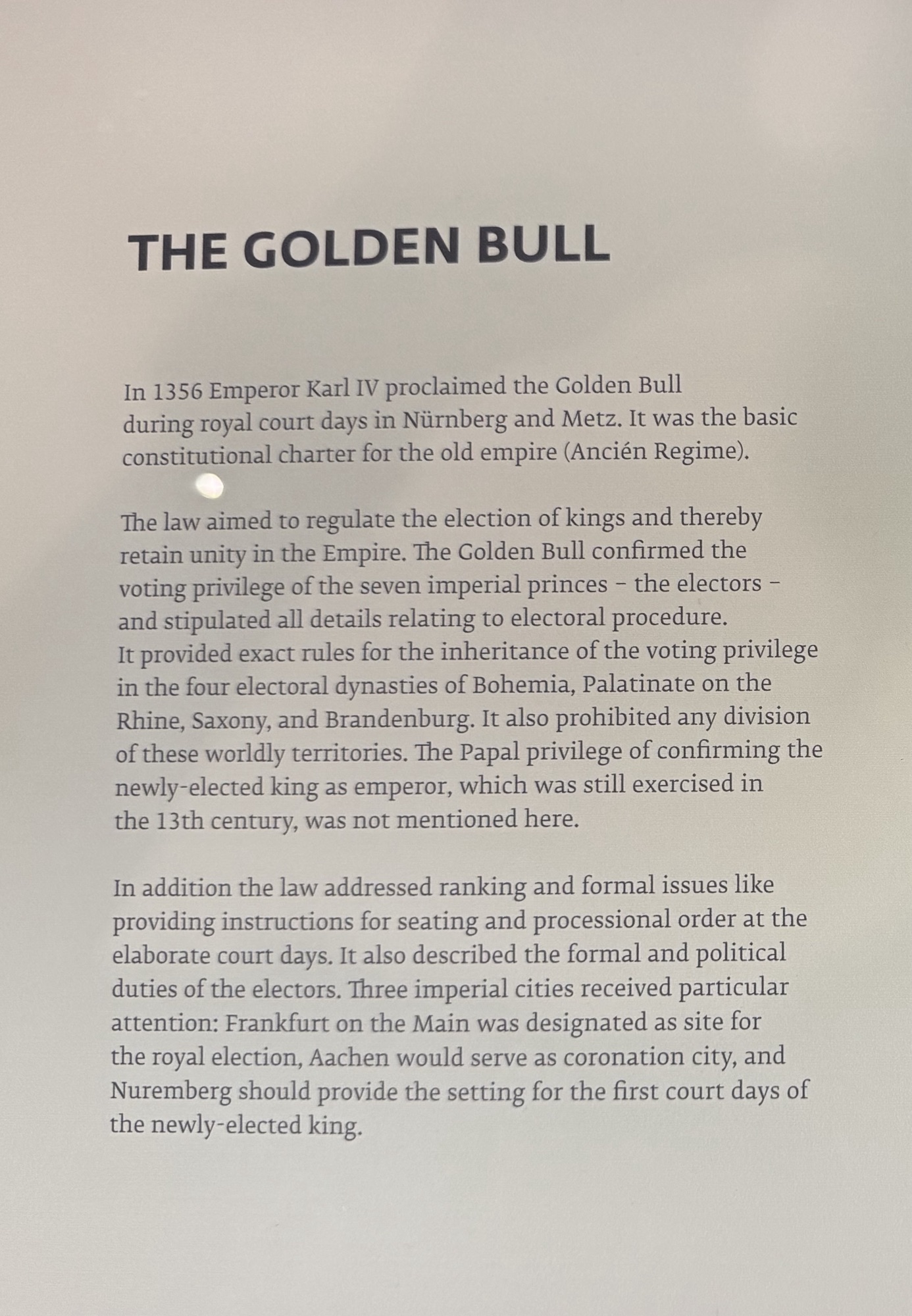
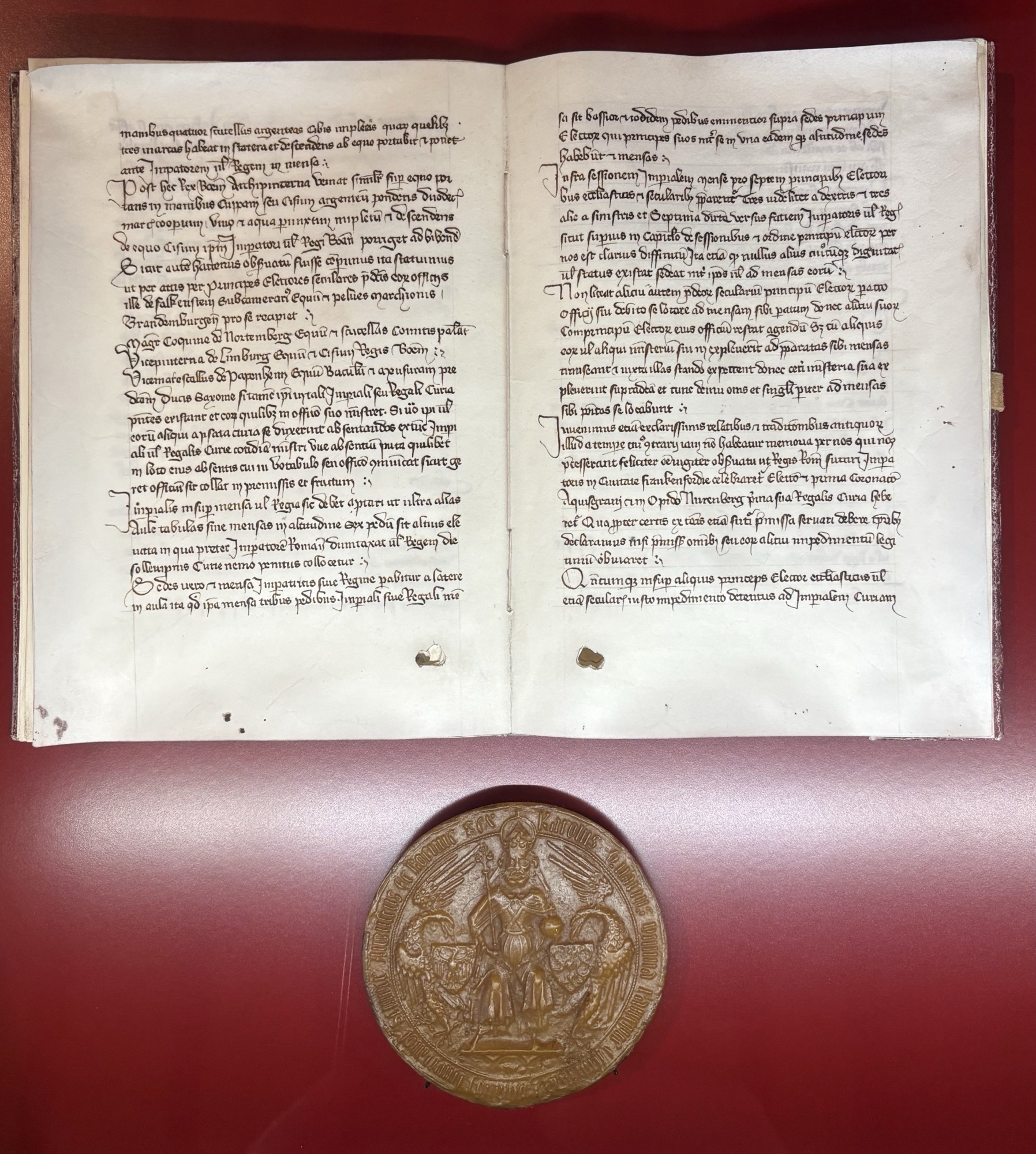
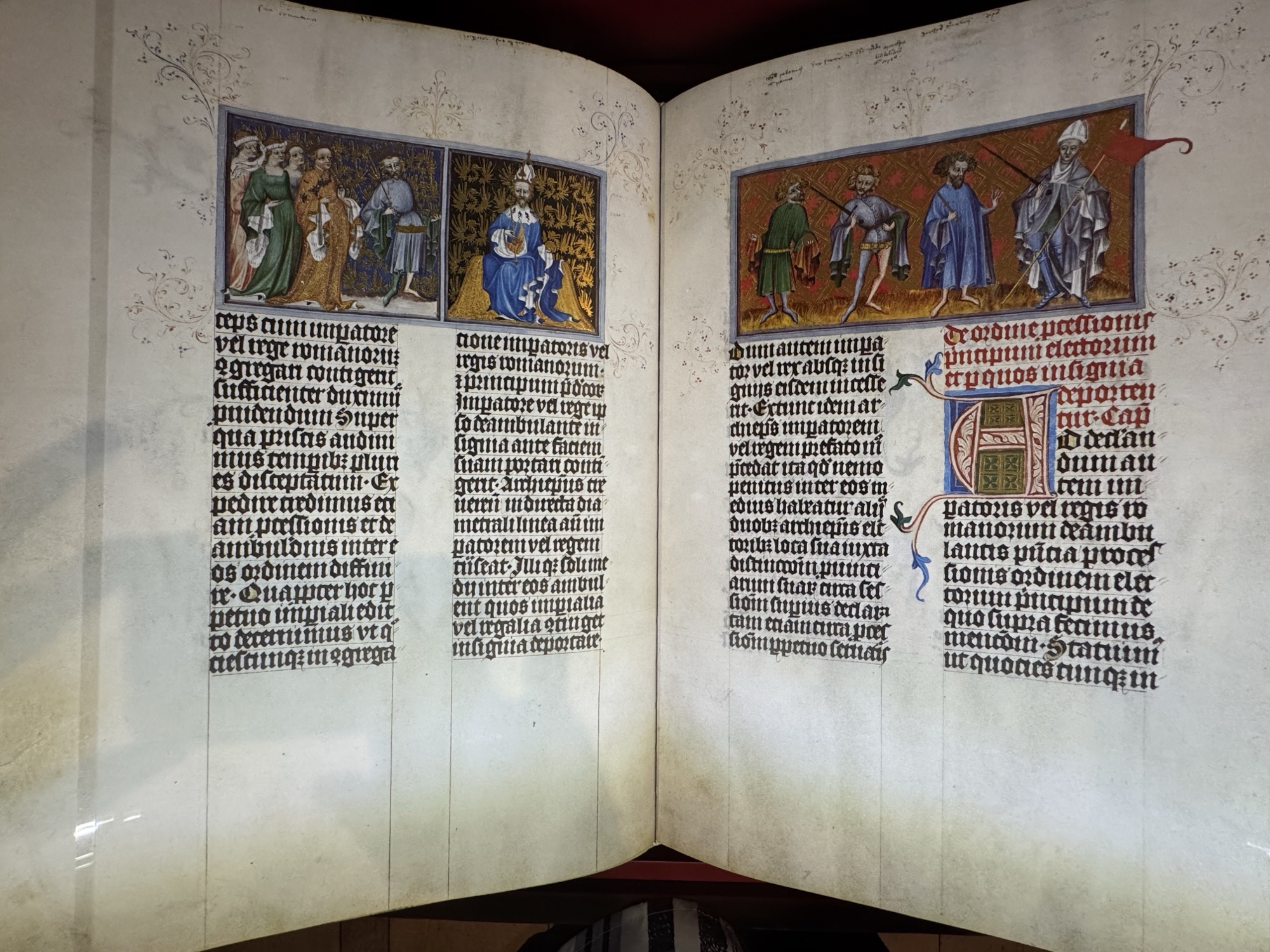
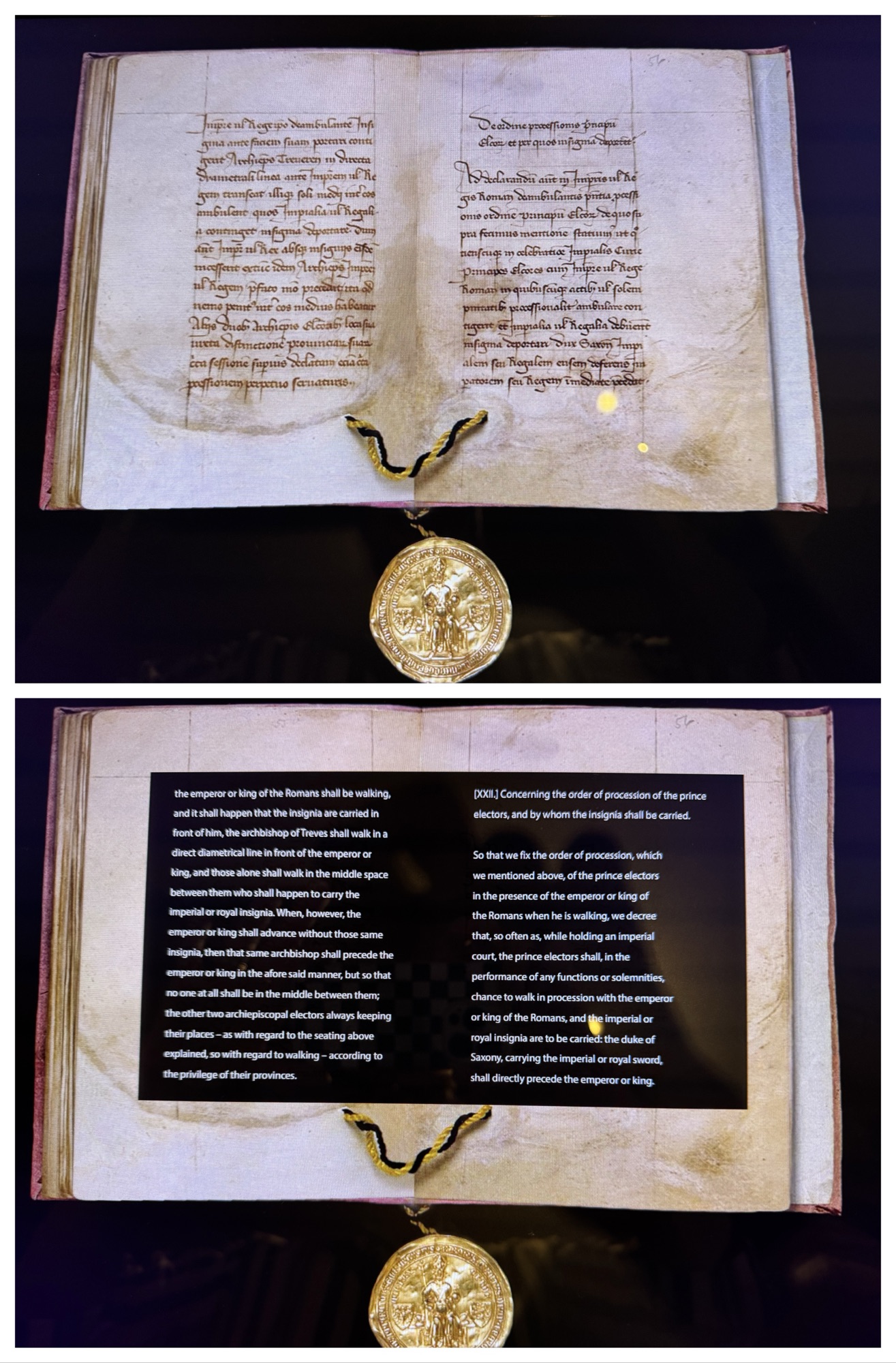
Particularly interesting was all the information pertaining to the Golden Bull, the legal document with 30 chapters covering all aspects of how the empire was to be governed. An interactive station allowed us to view images of the original text and then choose “translate” to overlay it with English.
Charles IV (reigned 1346–1378) of the House of Luxembourg was responsible for declaring the Golden Bull in Nuremberg in 1356.
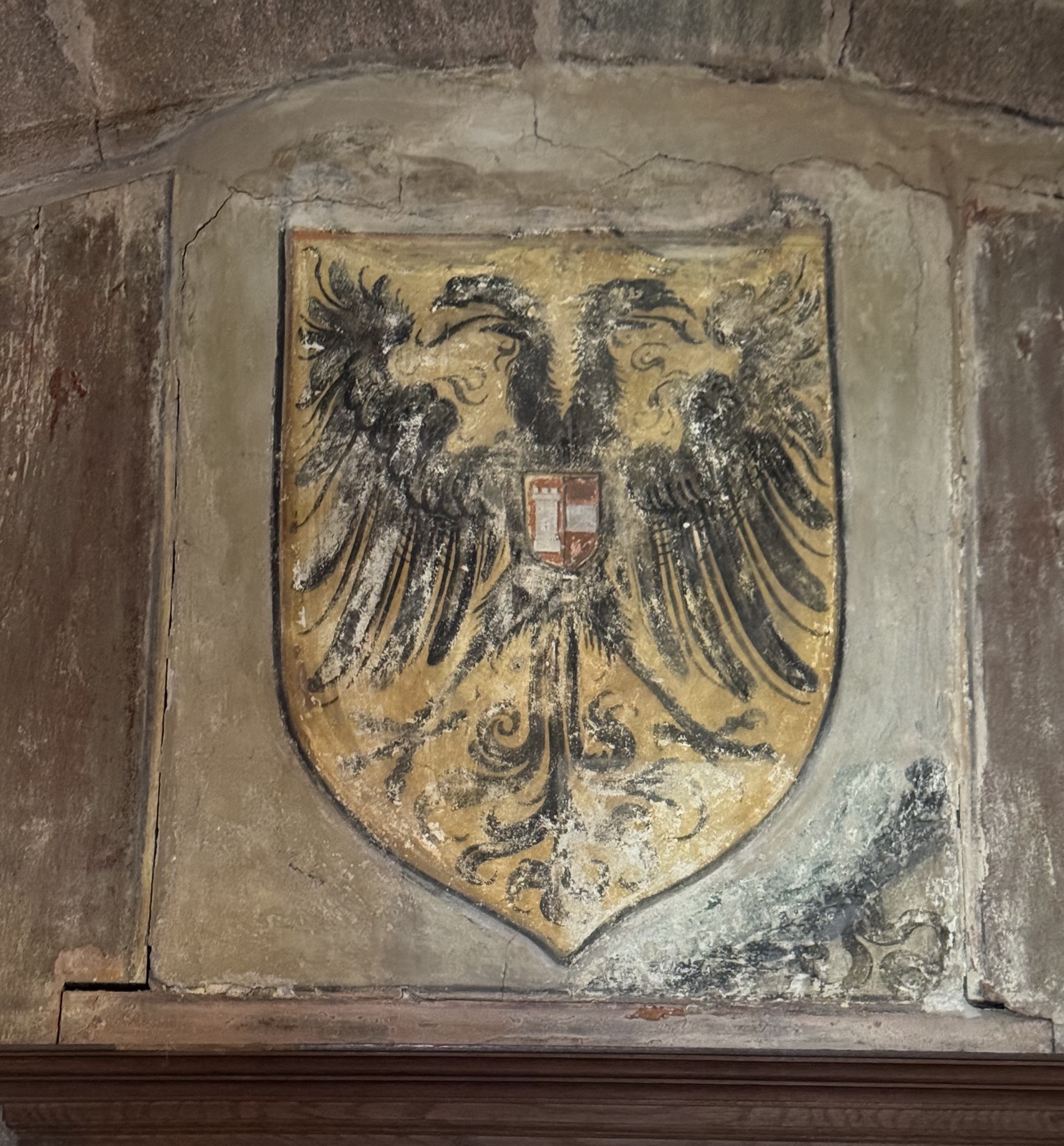
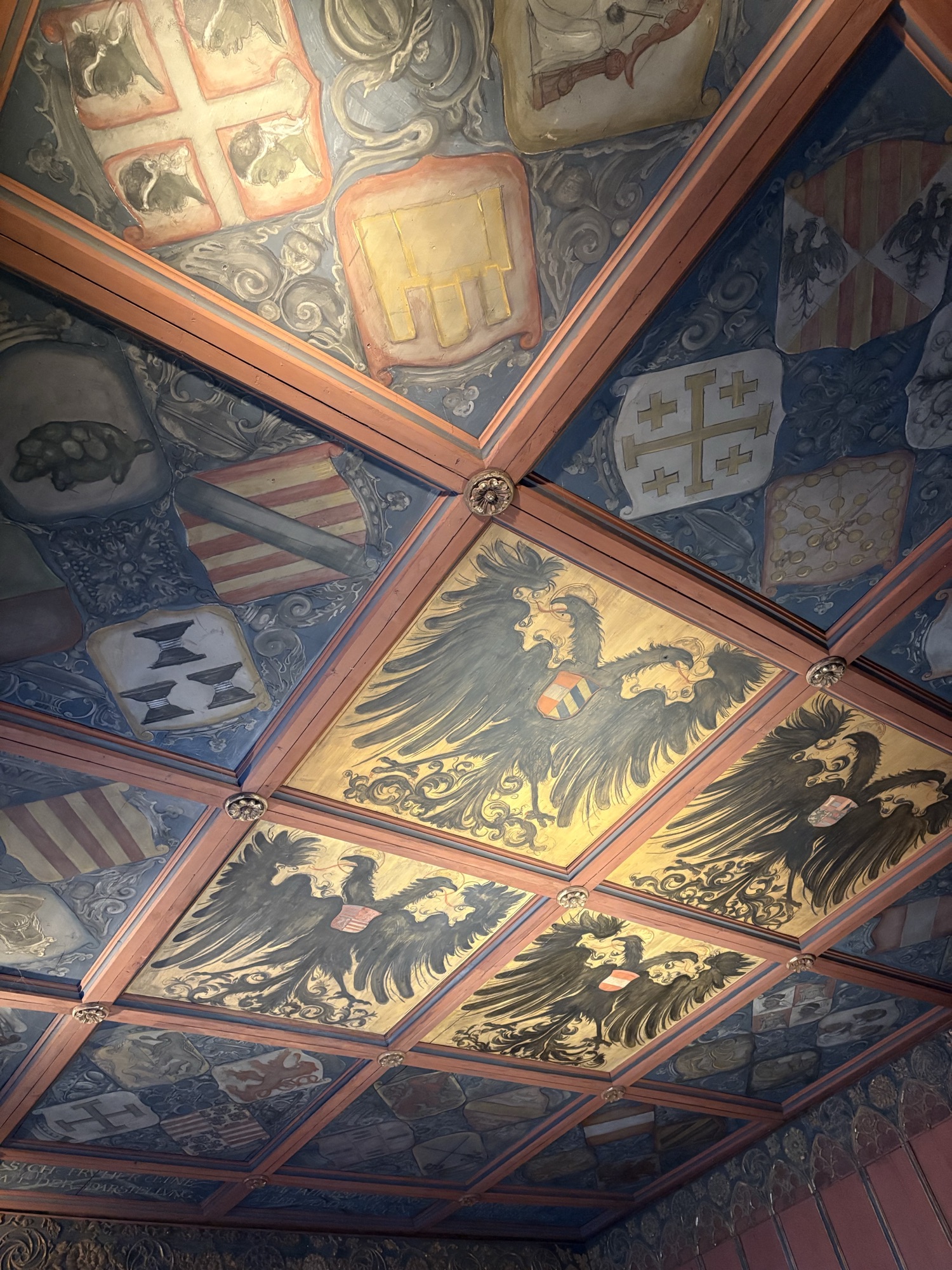
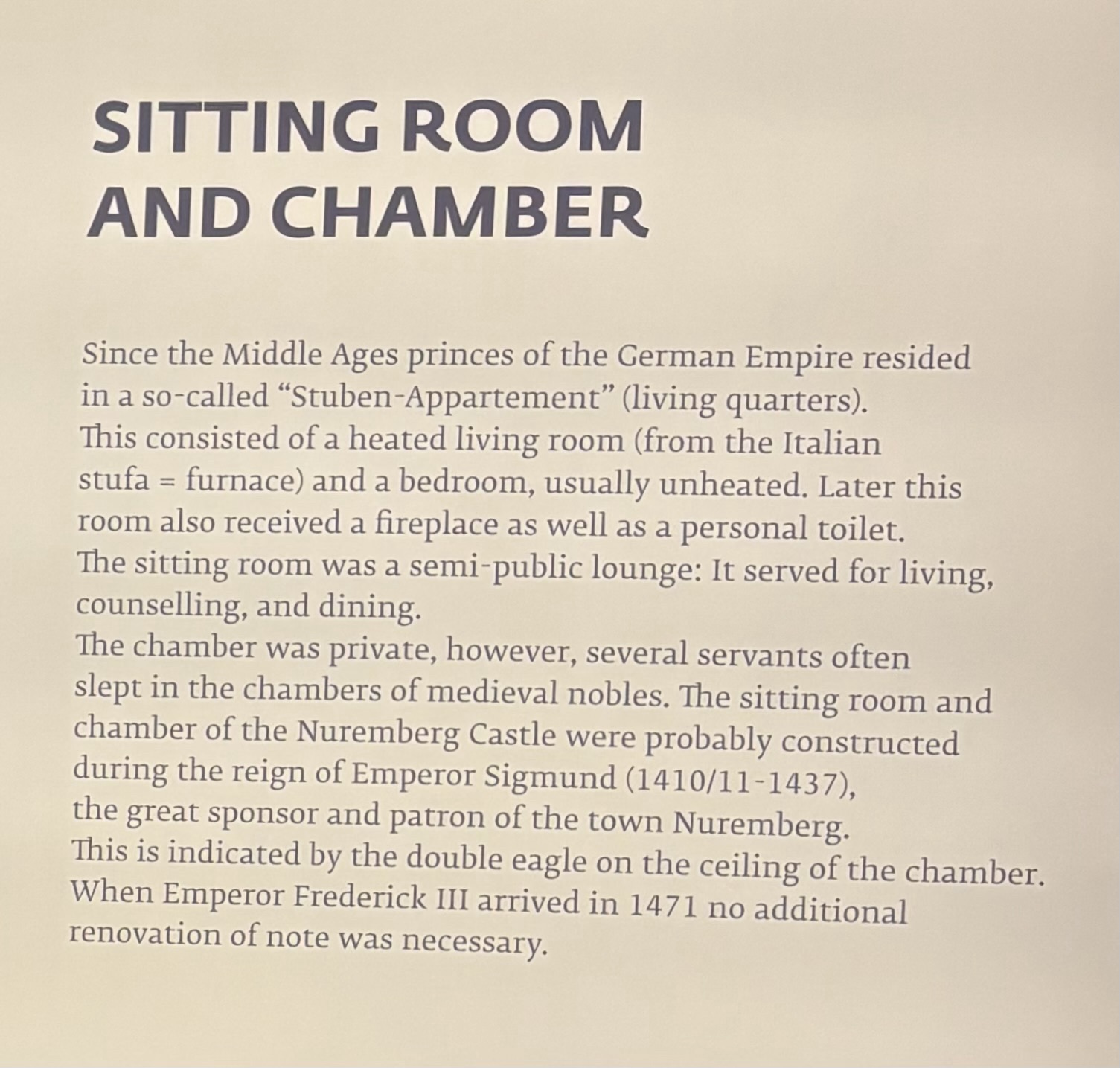
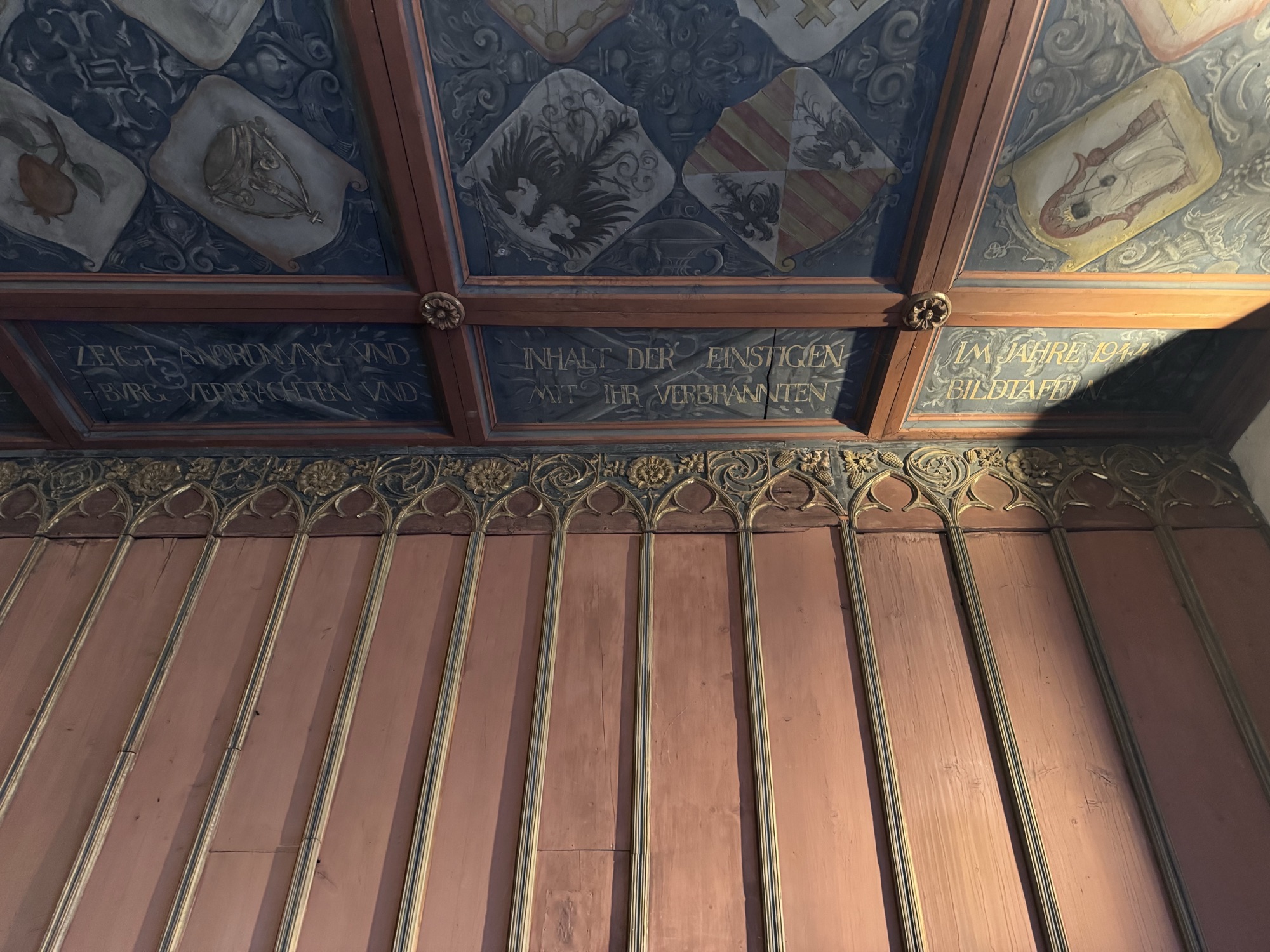
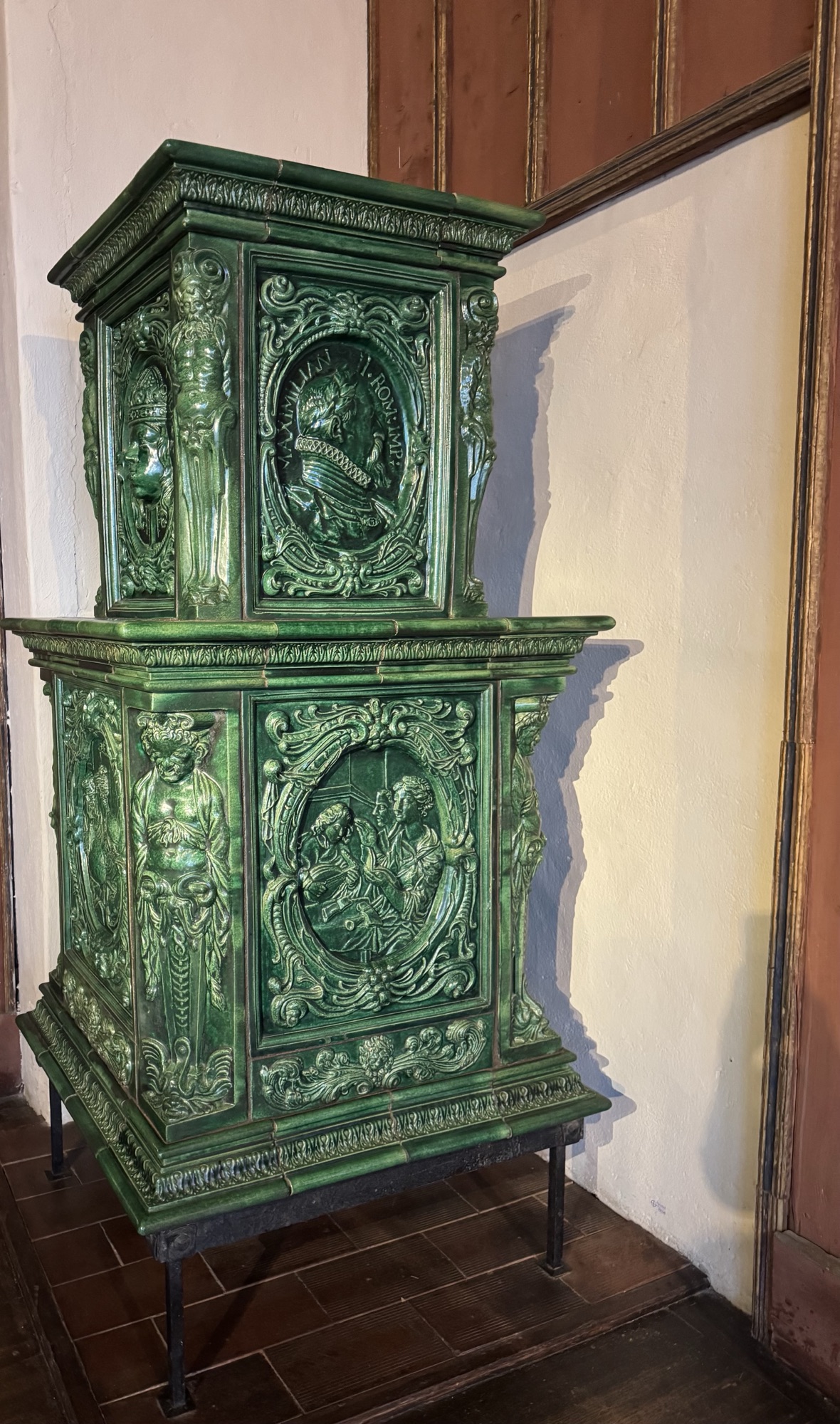
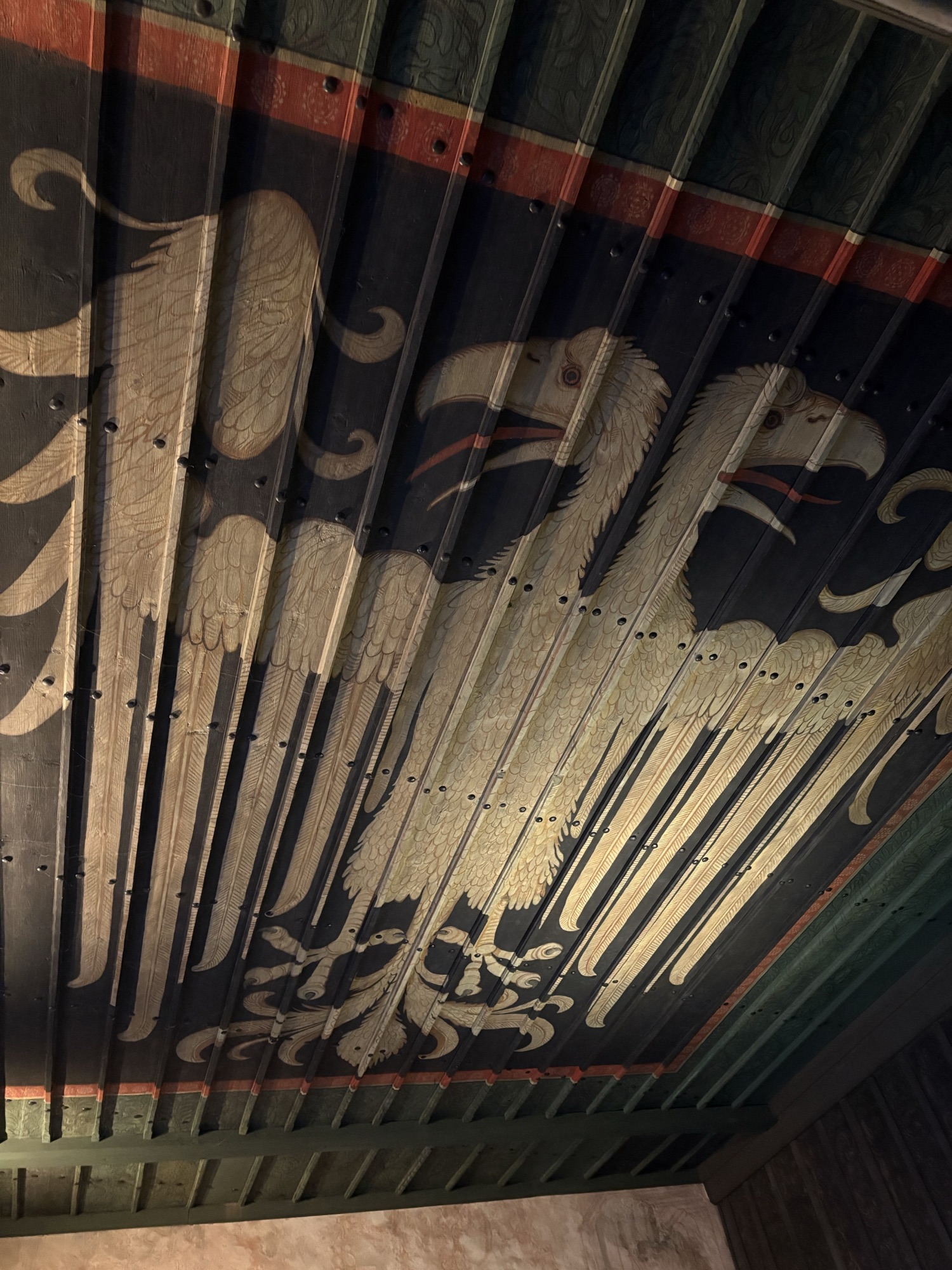
We moved on to the reception hall, where the most interesting feature was the ceiling, a combination of original pre-war and restoration. The imperial eagle, a symbol heartening back to a connection with imperial Rome, figured prominently.
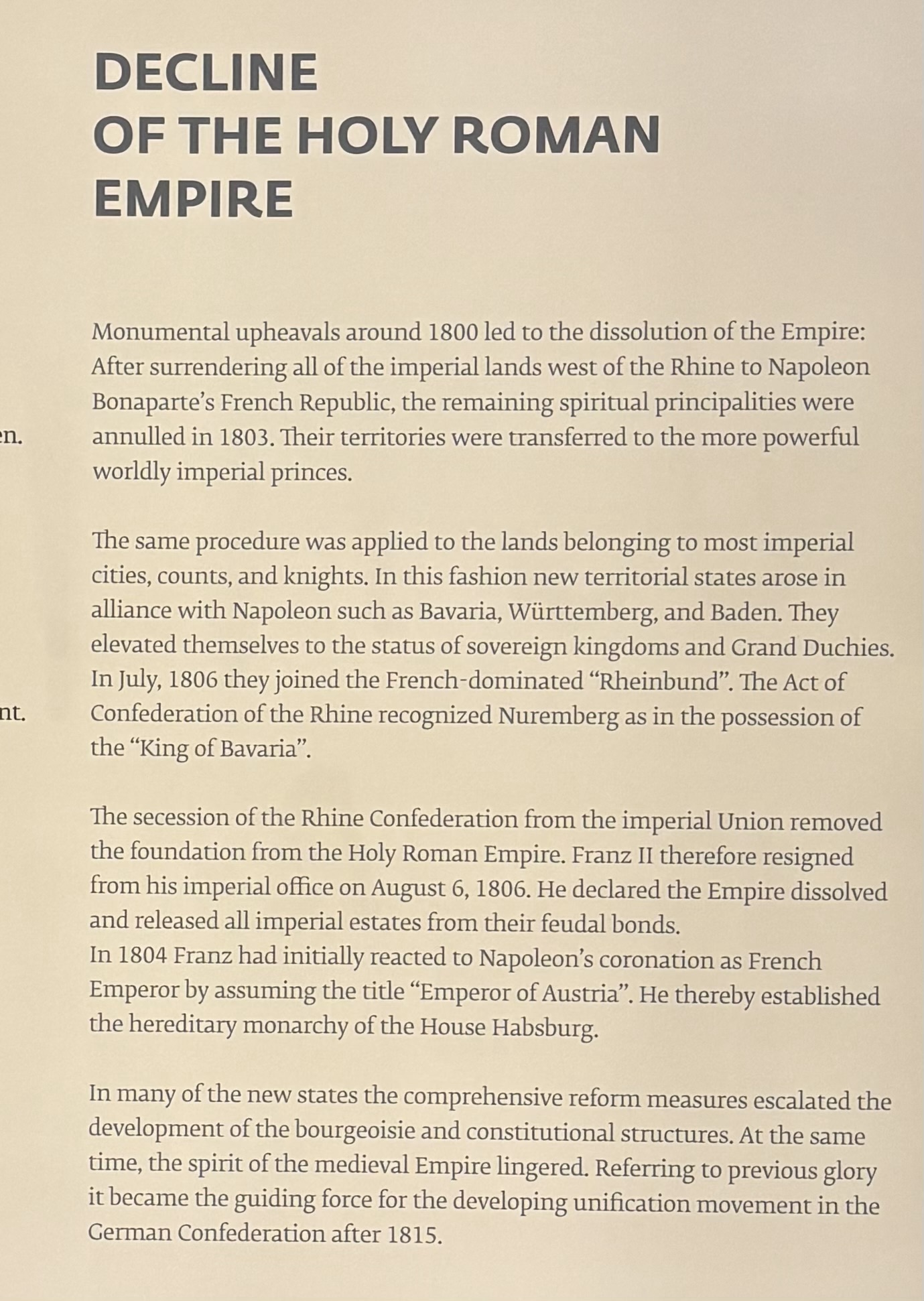
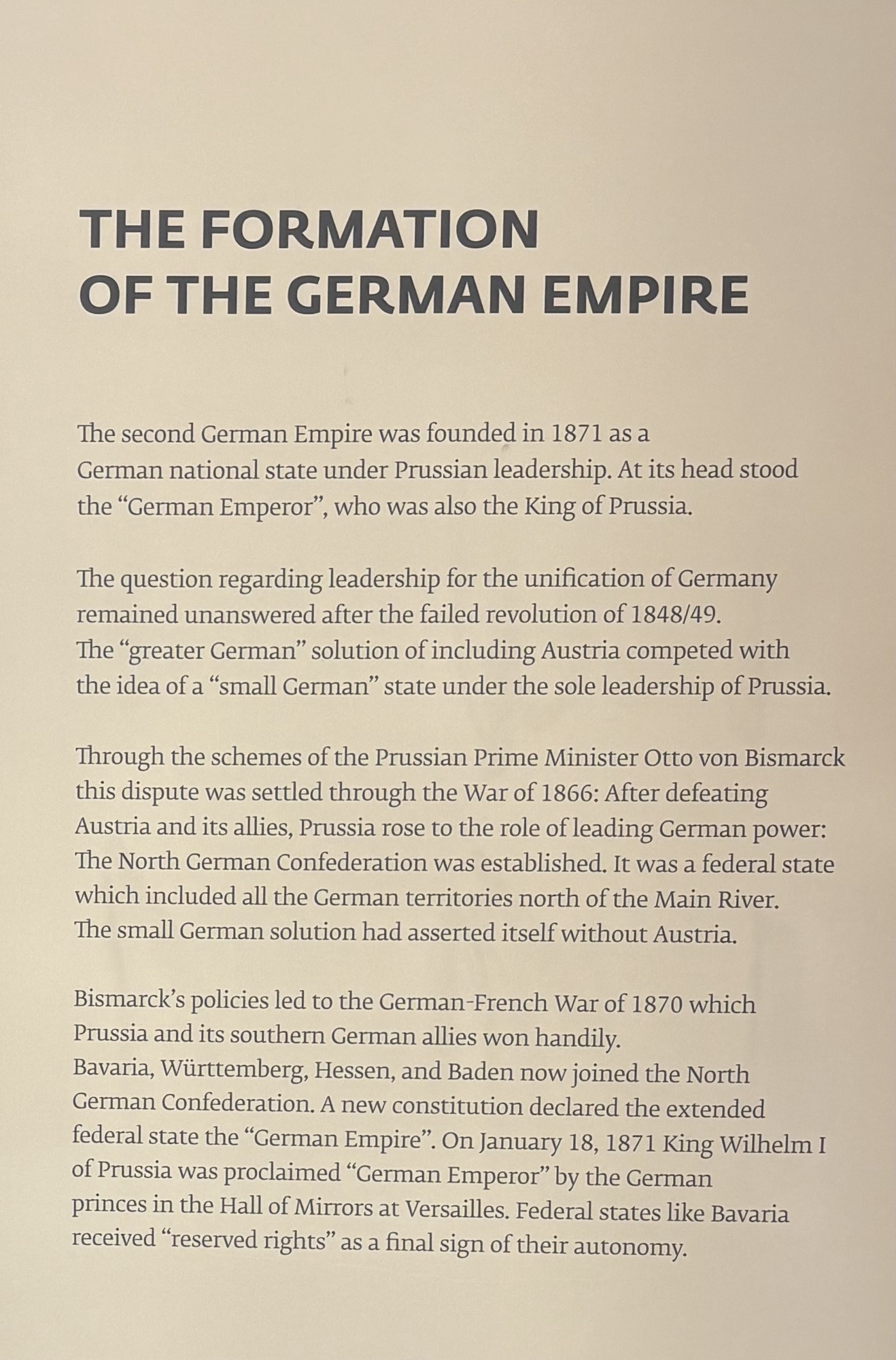
We were taken through the transition from Holy Roman Empire to “Germany”
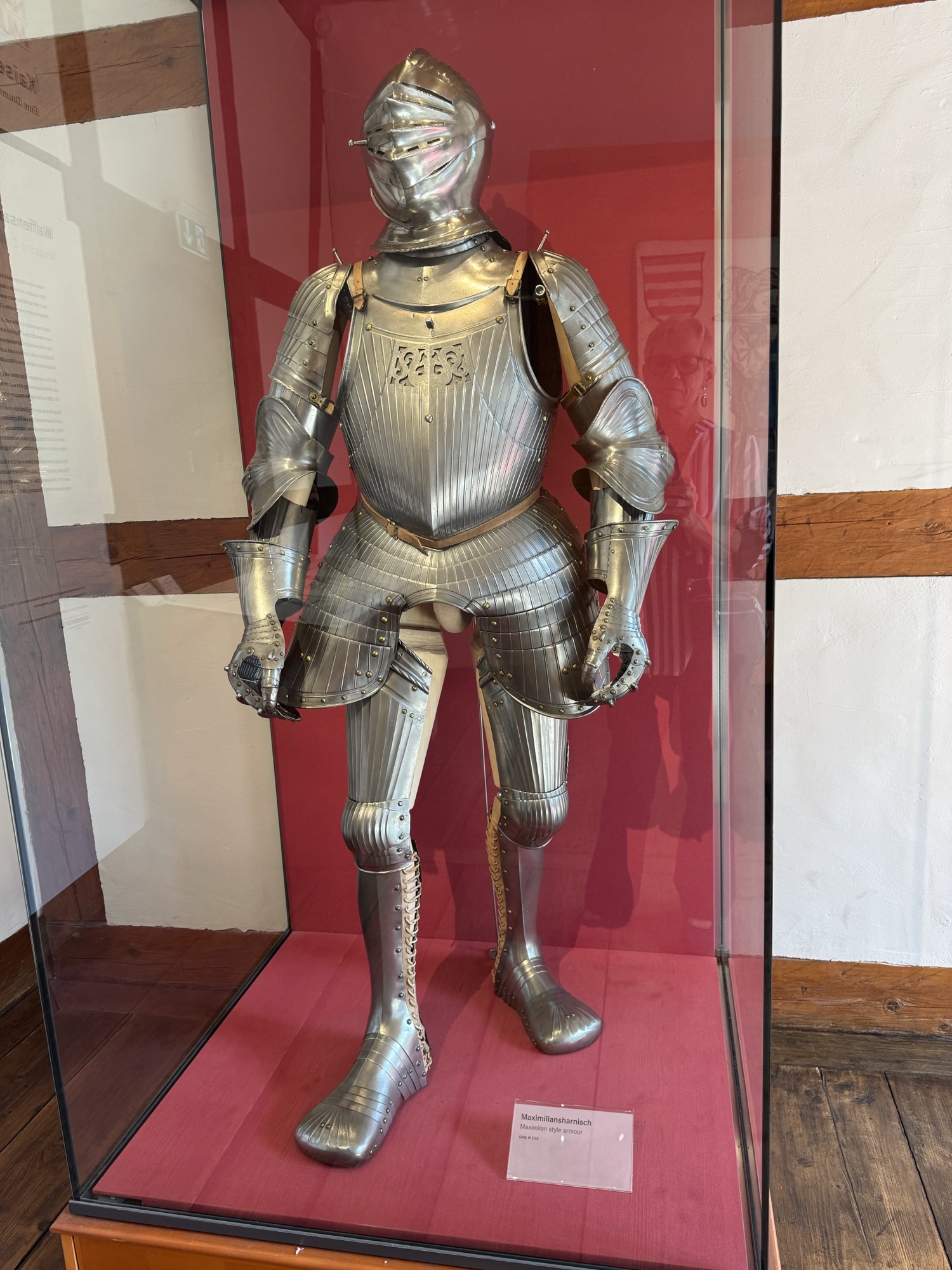
A portion of the Weapons & Armour exhibit space in the Germanisches National Museum that was closed was temporarily being housed in several rooms here.
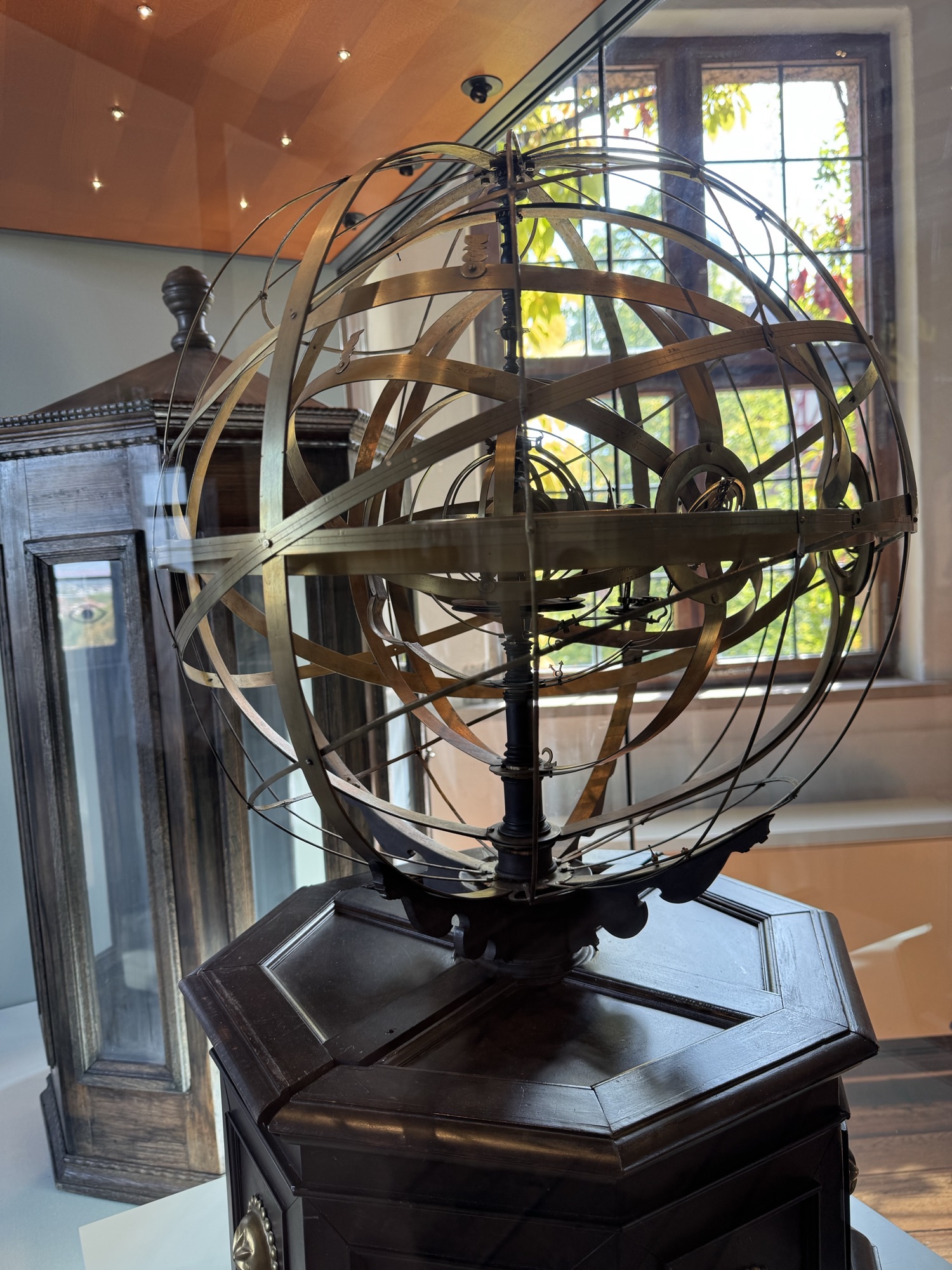
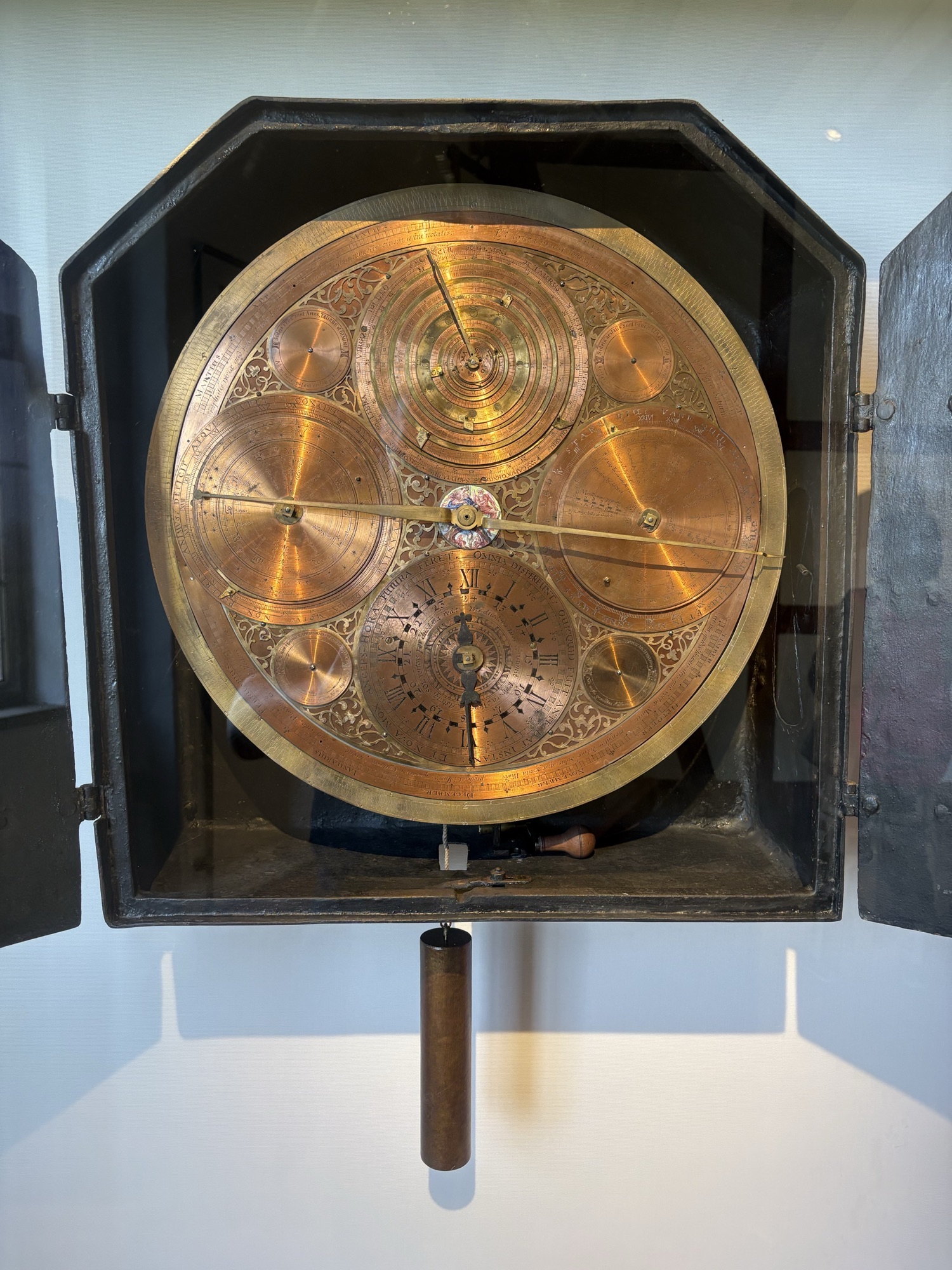
There was also an area dedicated to “Science st the Castle”, which included an interesting model of the solar system. The artist and astronomer Georg Christoph Eimmart started setting up an observatory near the castle from 1677, using the grounds of the bastion above Vestnertor gate. The observatory allowed extremely exact measurements, and was operated well into the mid-18th century.
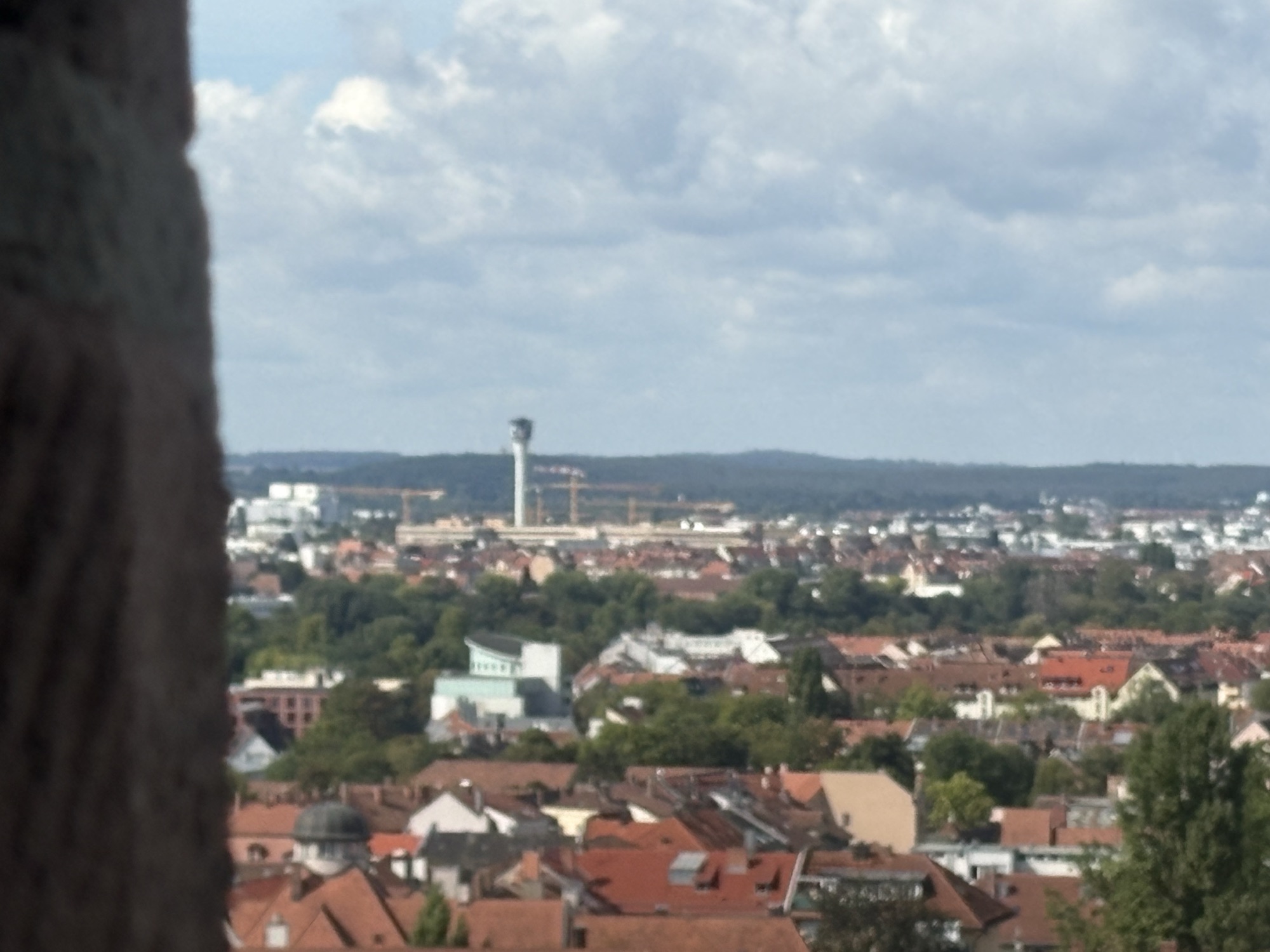
From one of the upper windows we could see directly west towards the horizon on the left – a slight hill with a small tower (below and left of the high tower). In the summer of 1632 this marked the site of Albrecht Wallenstein’s camp near the present observation tower of the Alte Veste fortress in Zirndorf. The Swedish army was camped in the low-lying area in front of it.
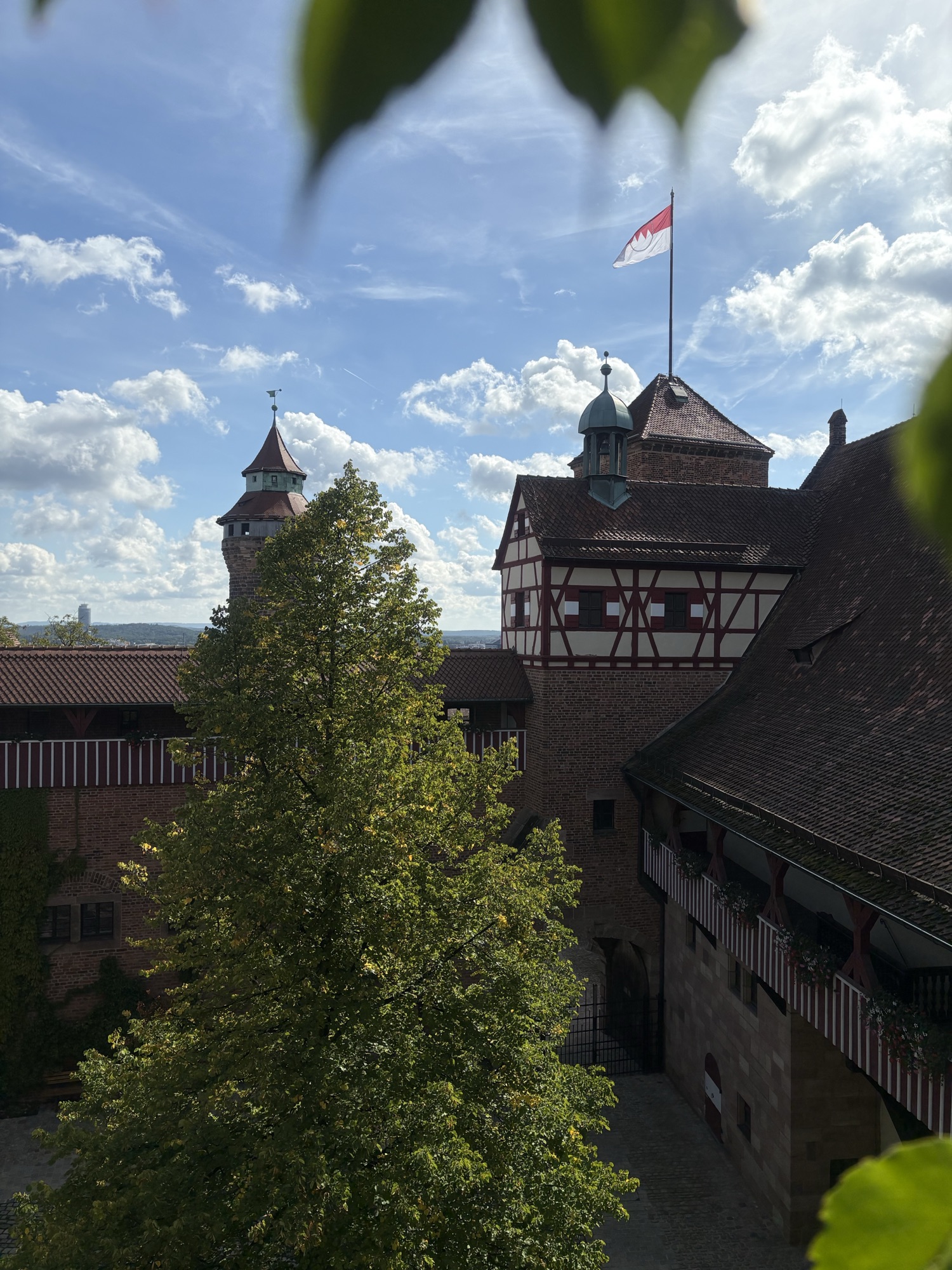
We also got a view of the complex’s other wing and tower across the courtyard.
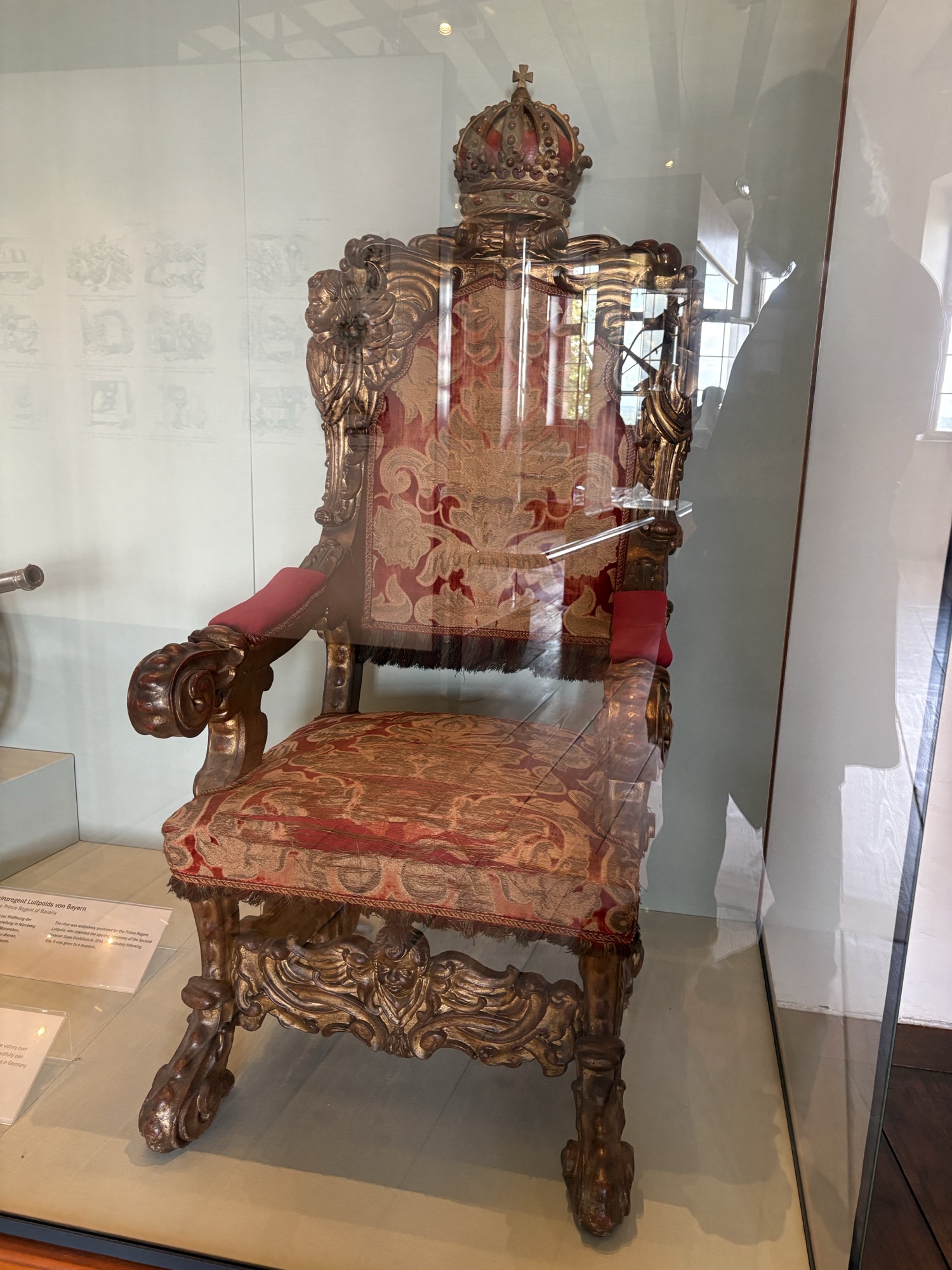
After the rooms of weaponry and armour, a throne – sadly behind glass, because everyone knows how much I love to strike a regal pose on any unprotected throne!
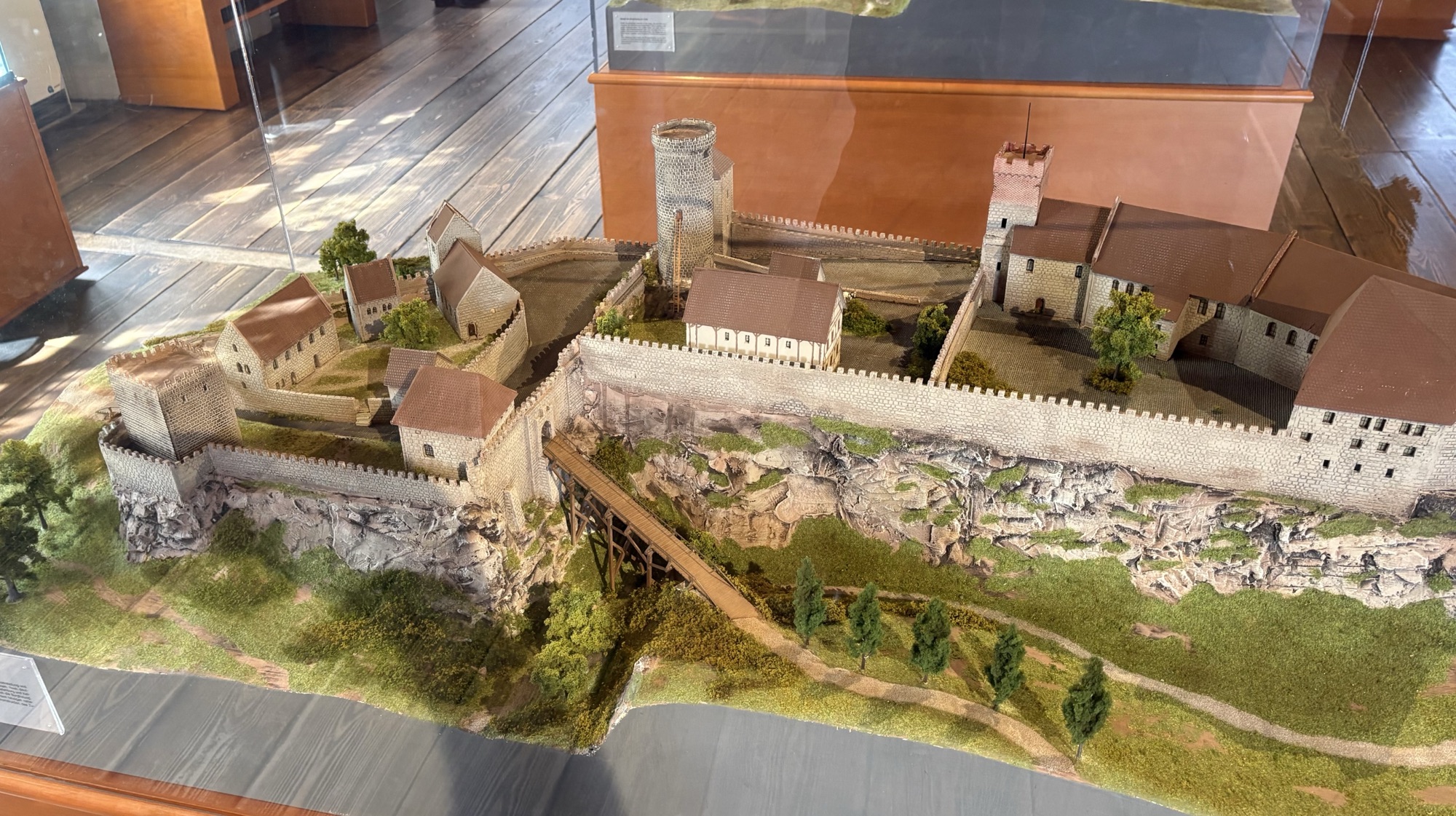
Just before the exit from the palace tour area, there was a model of the complex’s other wing as it would have been in 1300CE.
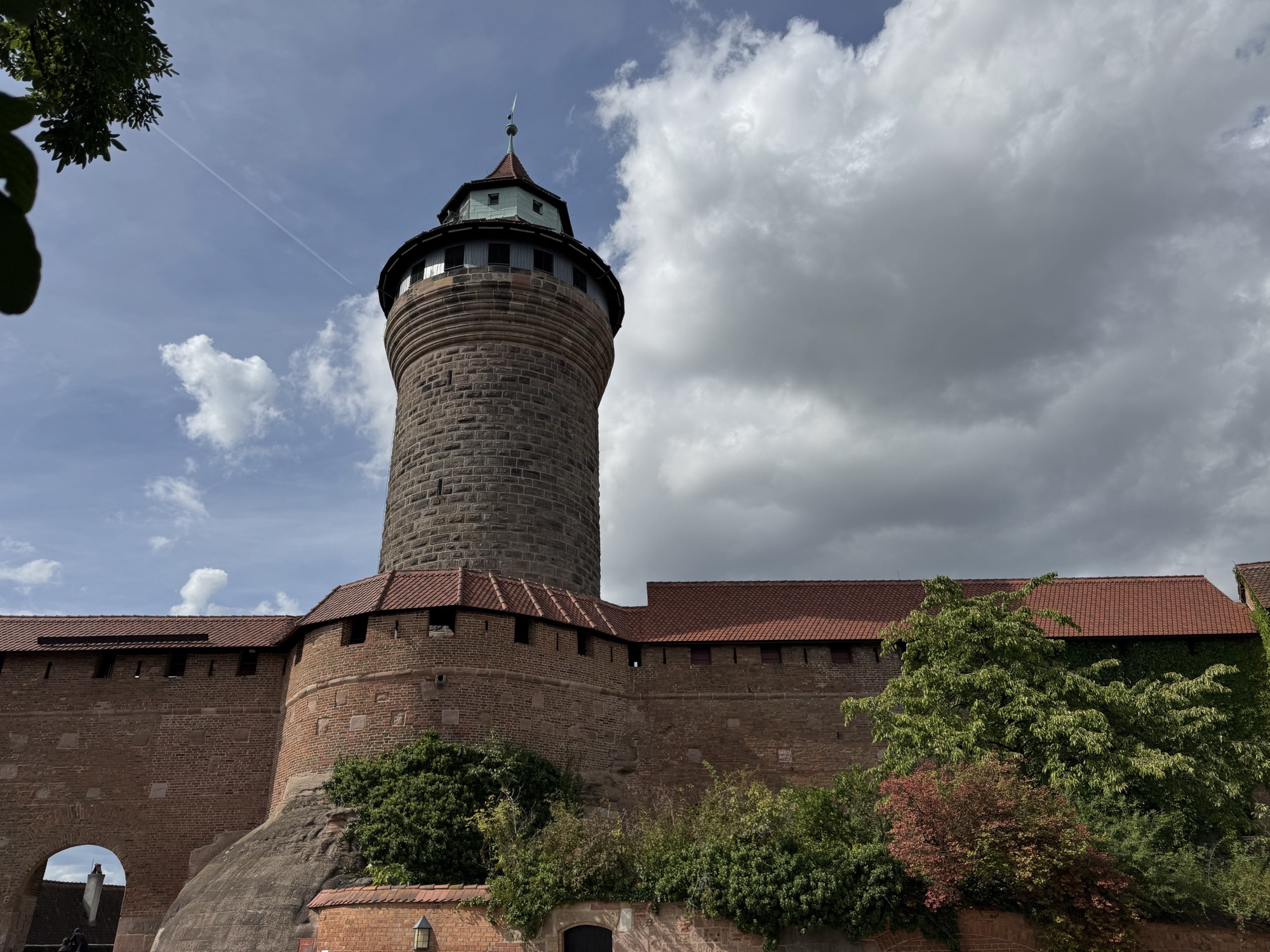
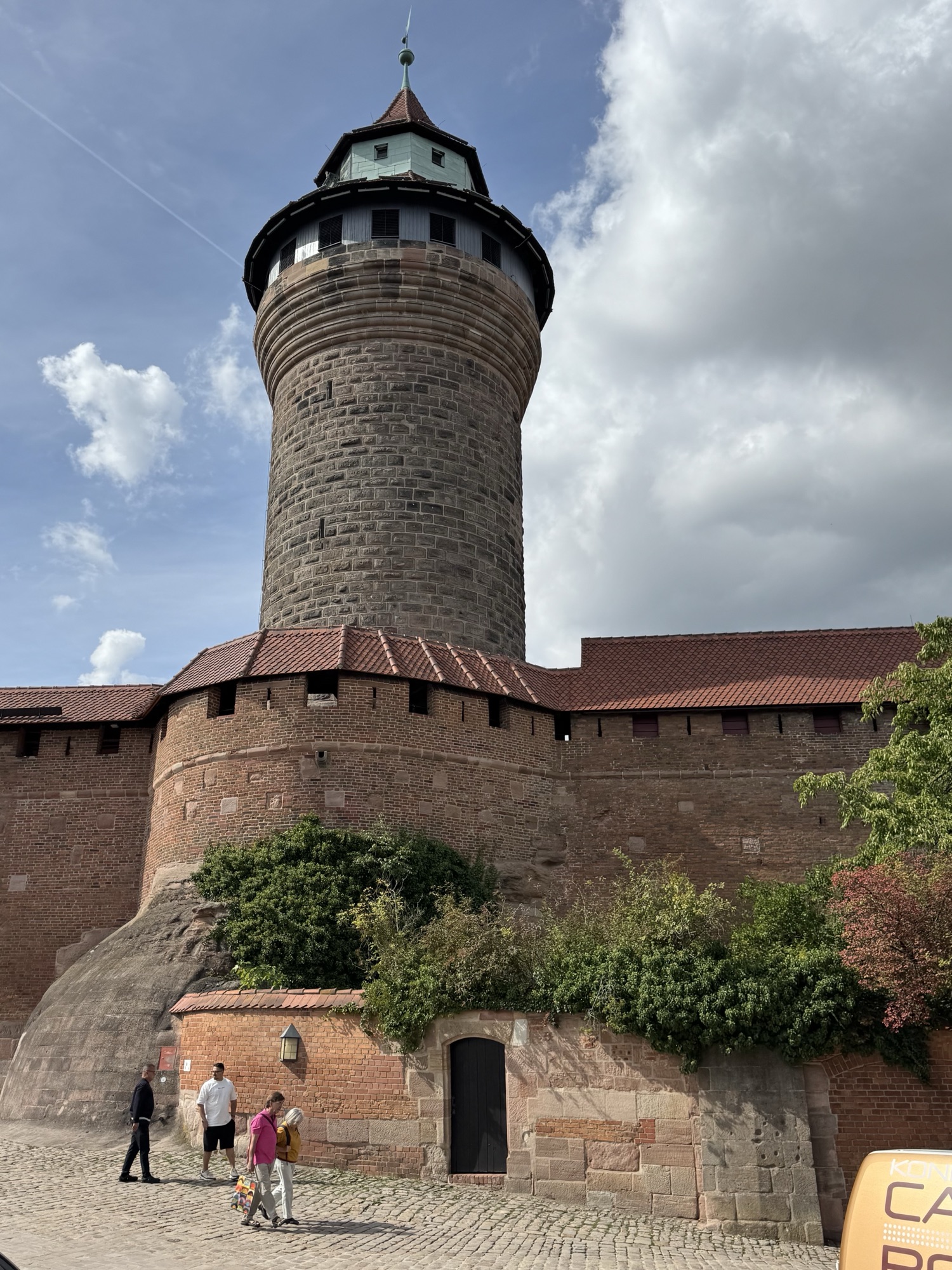
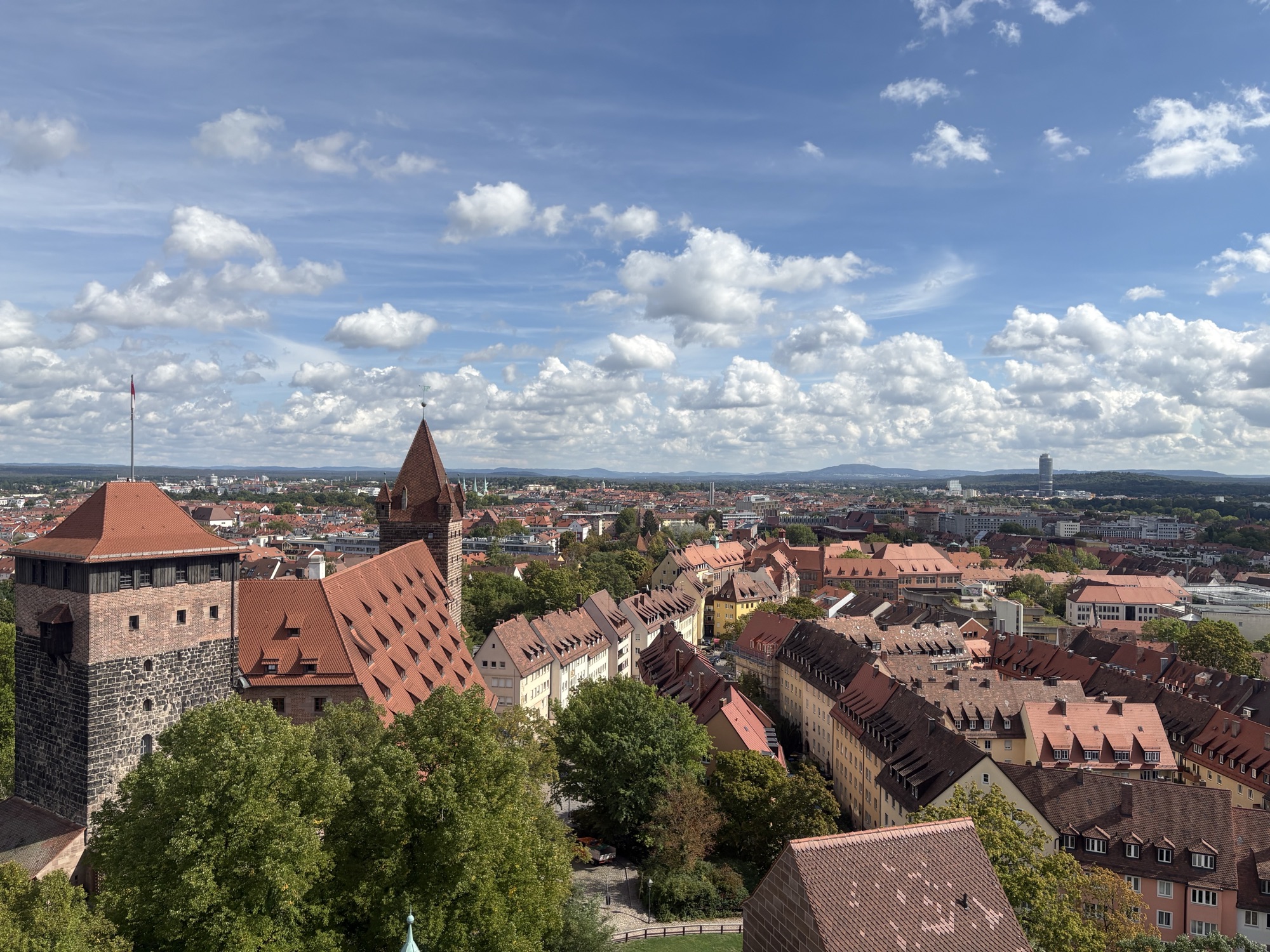
We headed back out into the sunshine and crossed the courtyard to the Sinwell Tower, where we climbed a mere 113 steps to get a wonderful panoramic view of Nuremberg. Although the tower is only 41m/135 ft above the level of the castle grounds, it is 385m/1263ft above the city centre. That lends some perspective to the ramps we climbed to get to the castle.
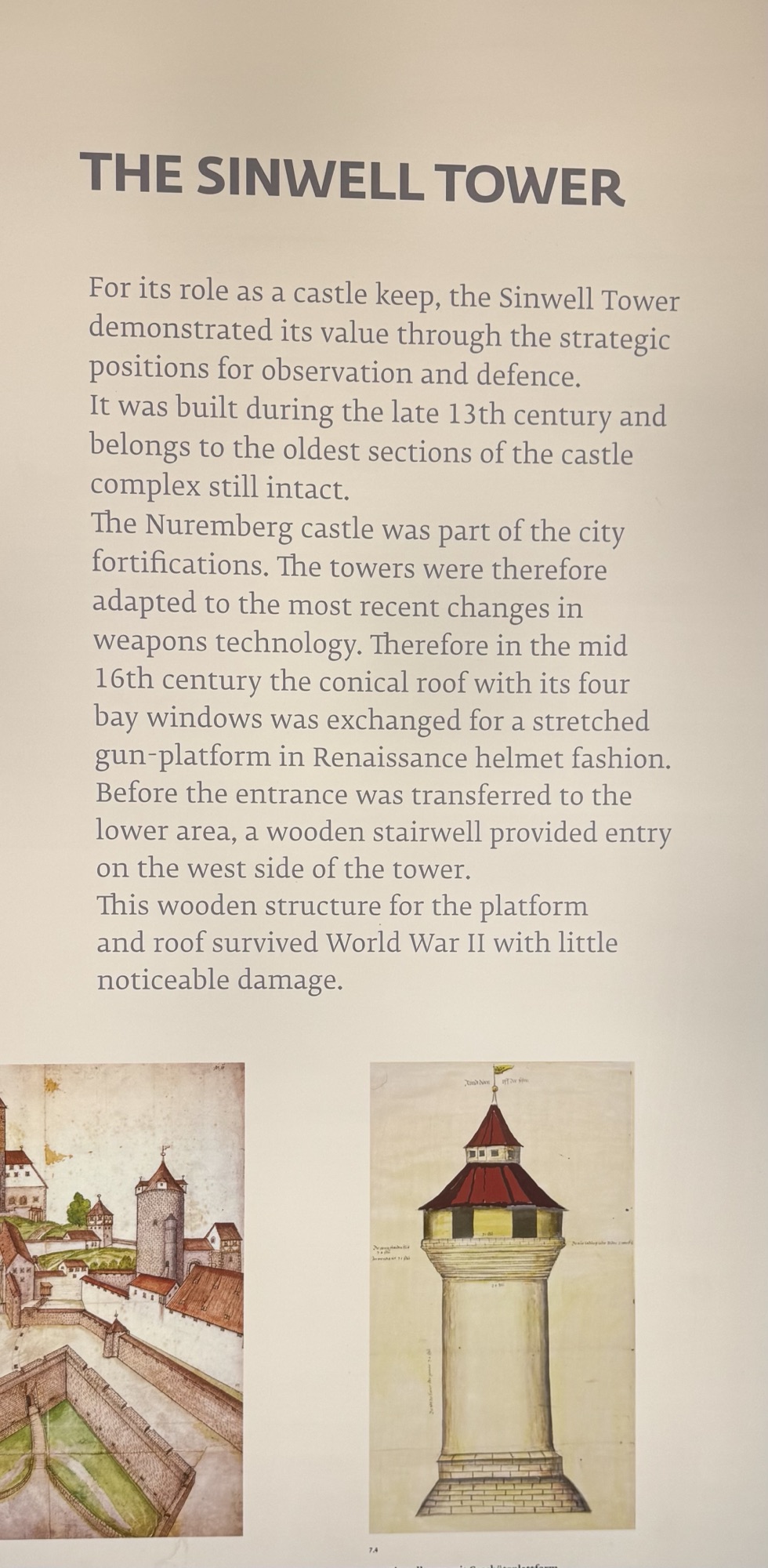
The round Sinwell Tower (“sinwell” is Middle High German for “round”) was built in the late 13th century as the keep for the Imperial Castle. Today it is still the main representative tower of the entire complex. During the 1560s the upper level was raised by the projecting, cornice-like ashlar rings.
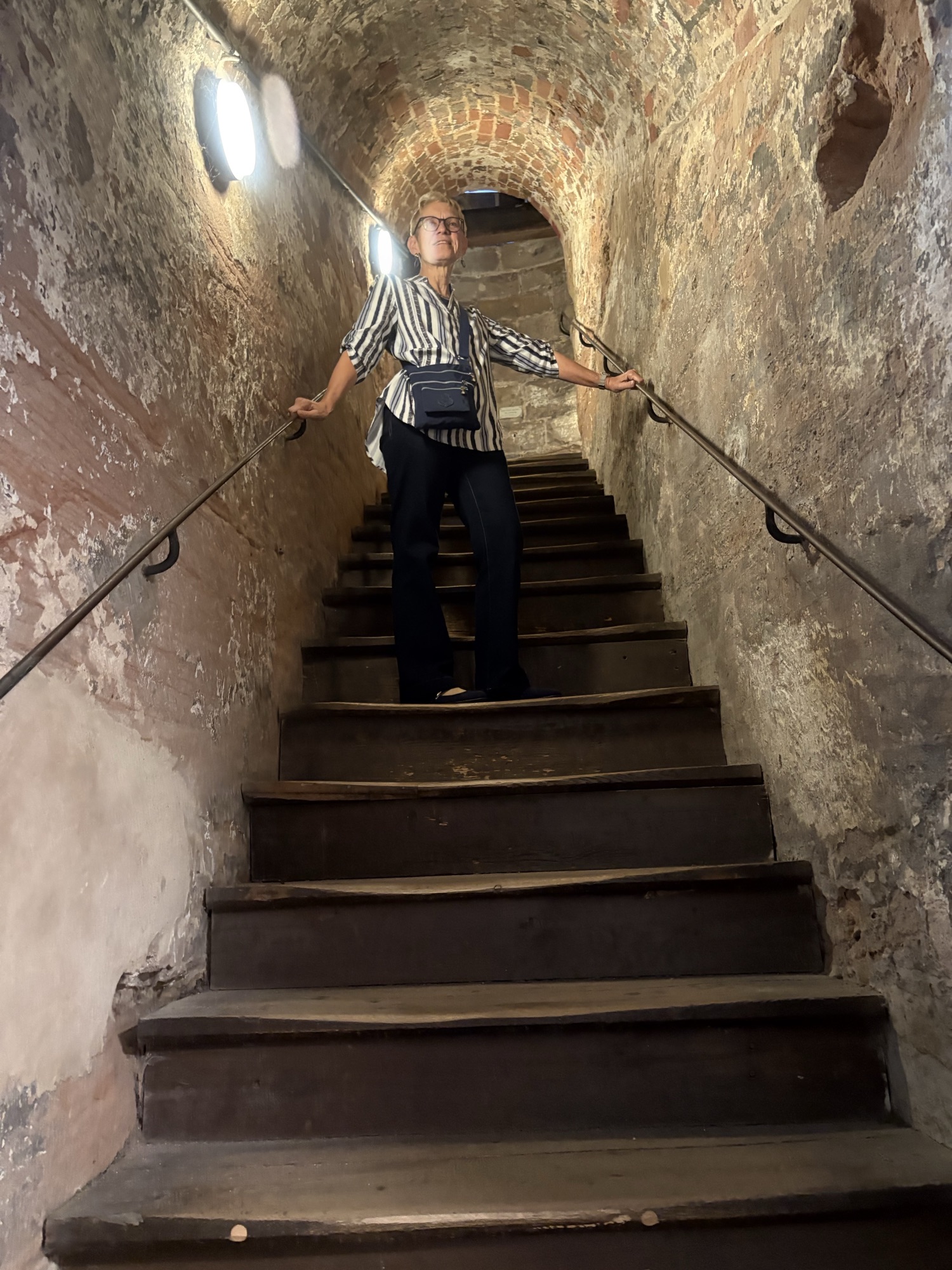
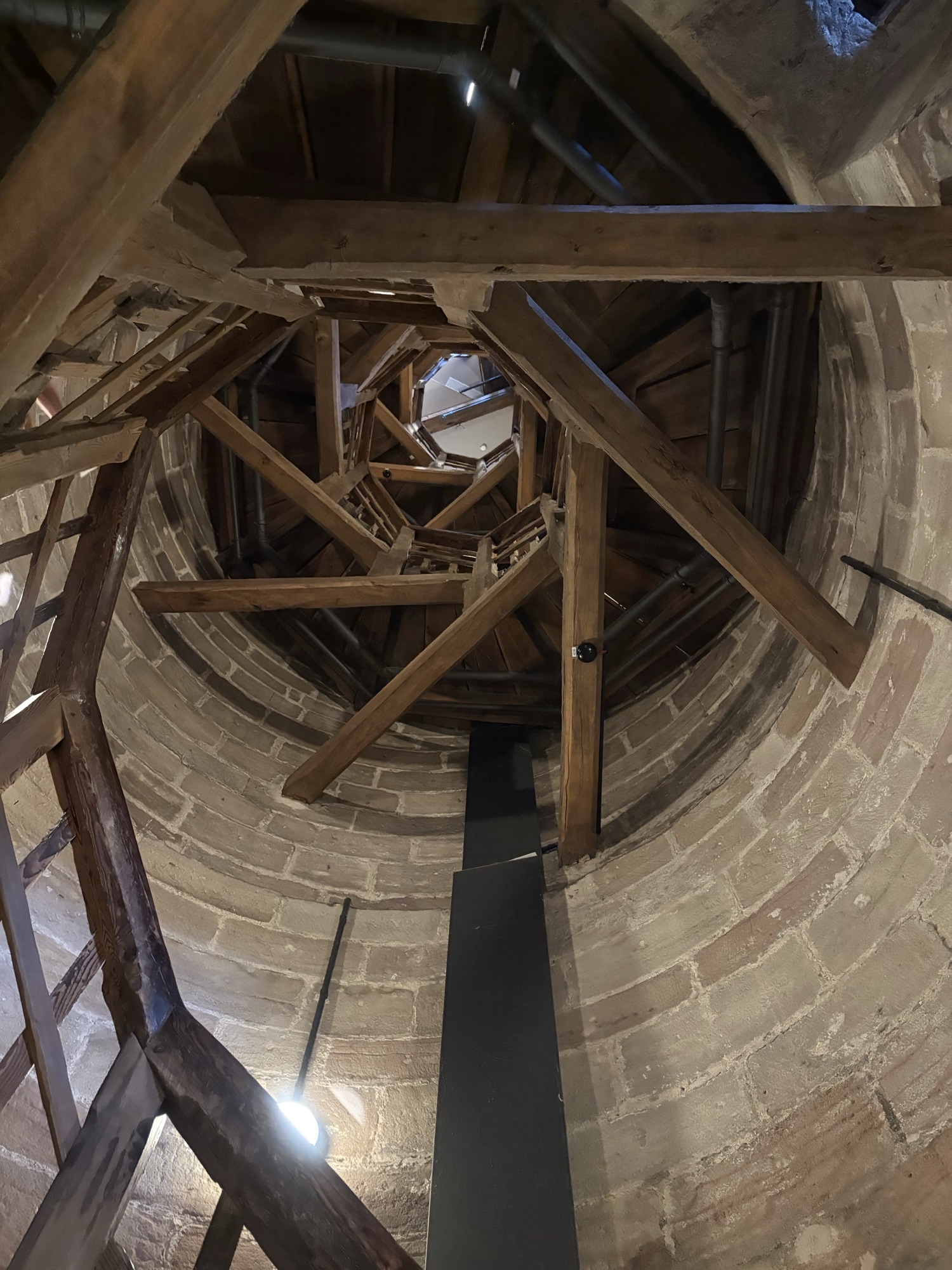
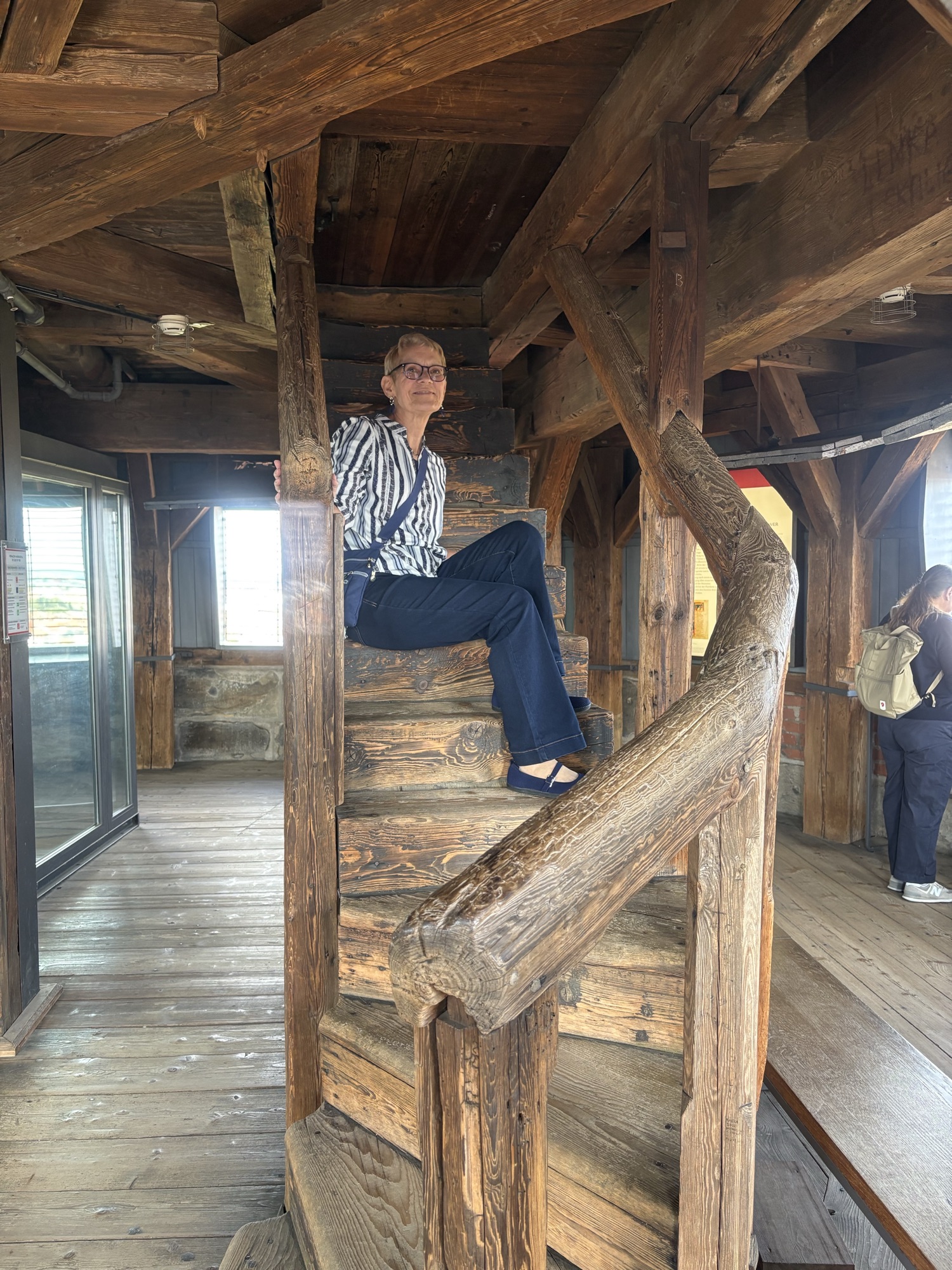
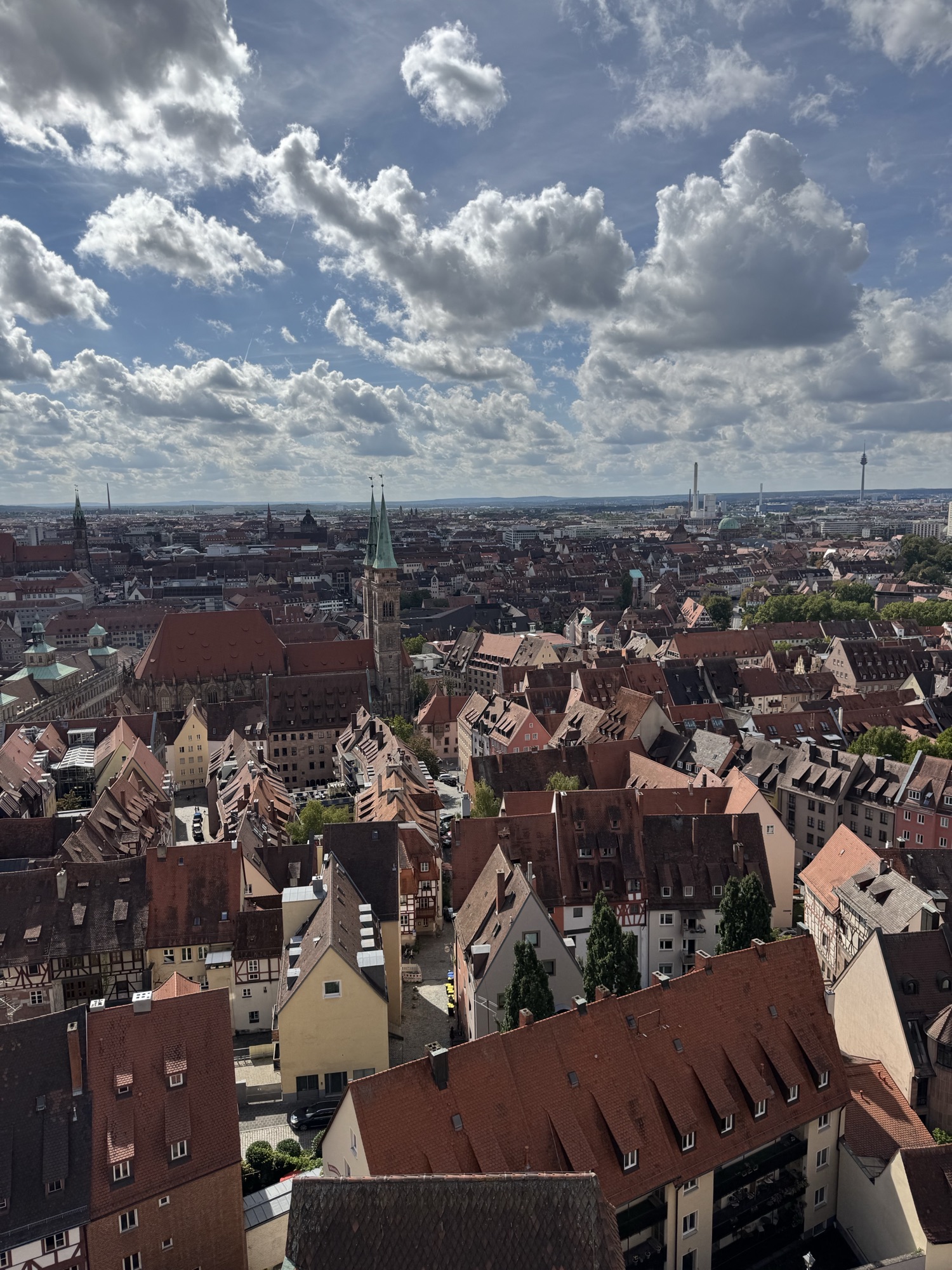
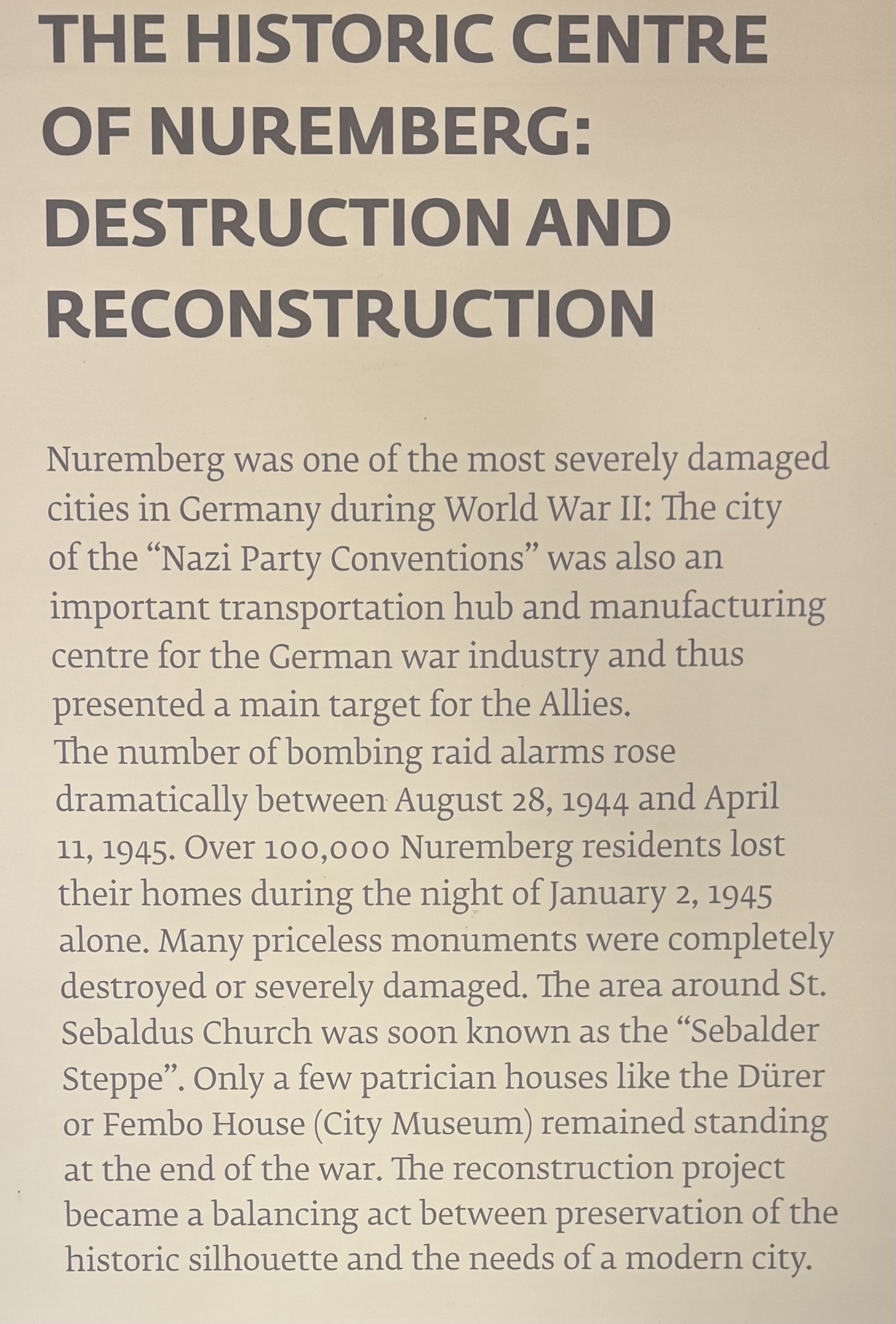
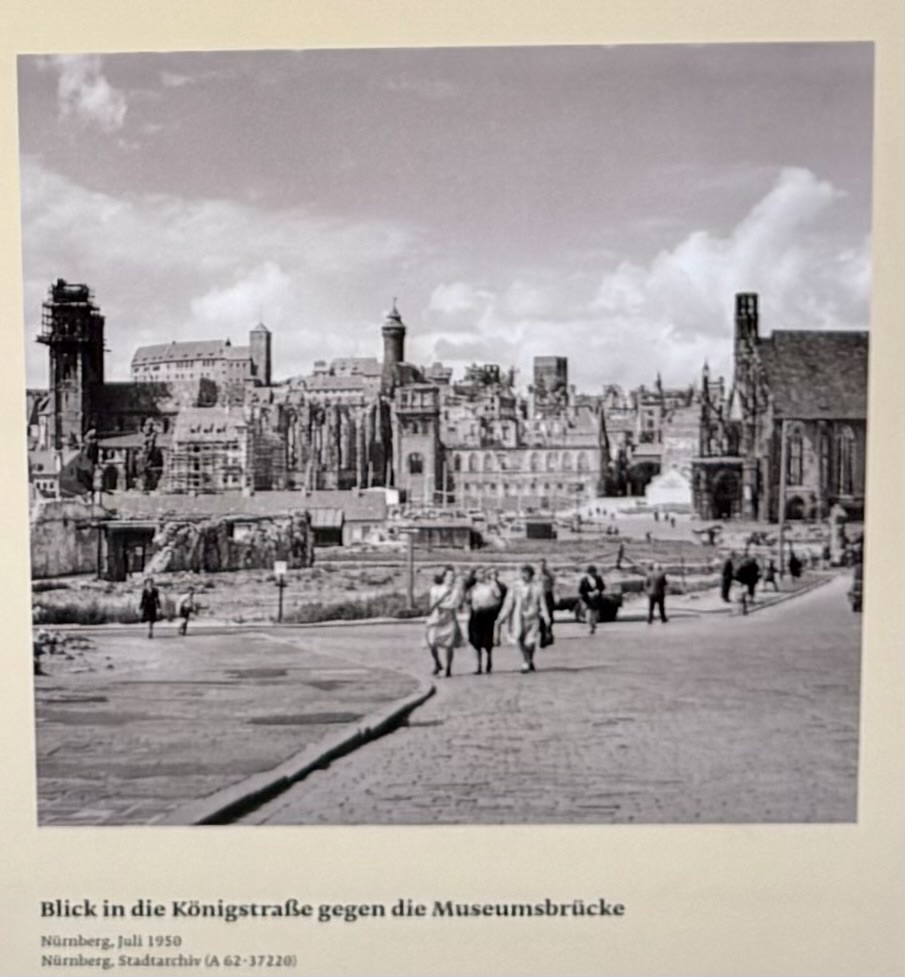
I was quite thrilled to see the photograph under this poster in the observation deck. Taken in 1950, it makes for a close match to what my mother would have seen here en route through in 1949.
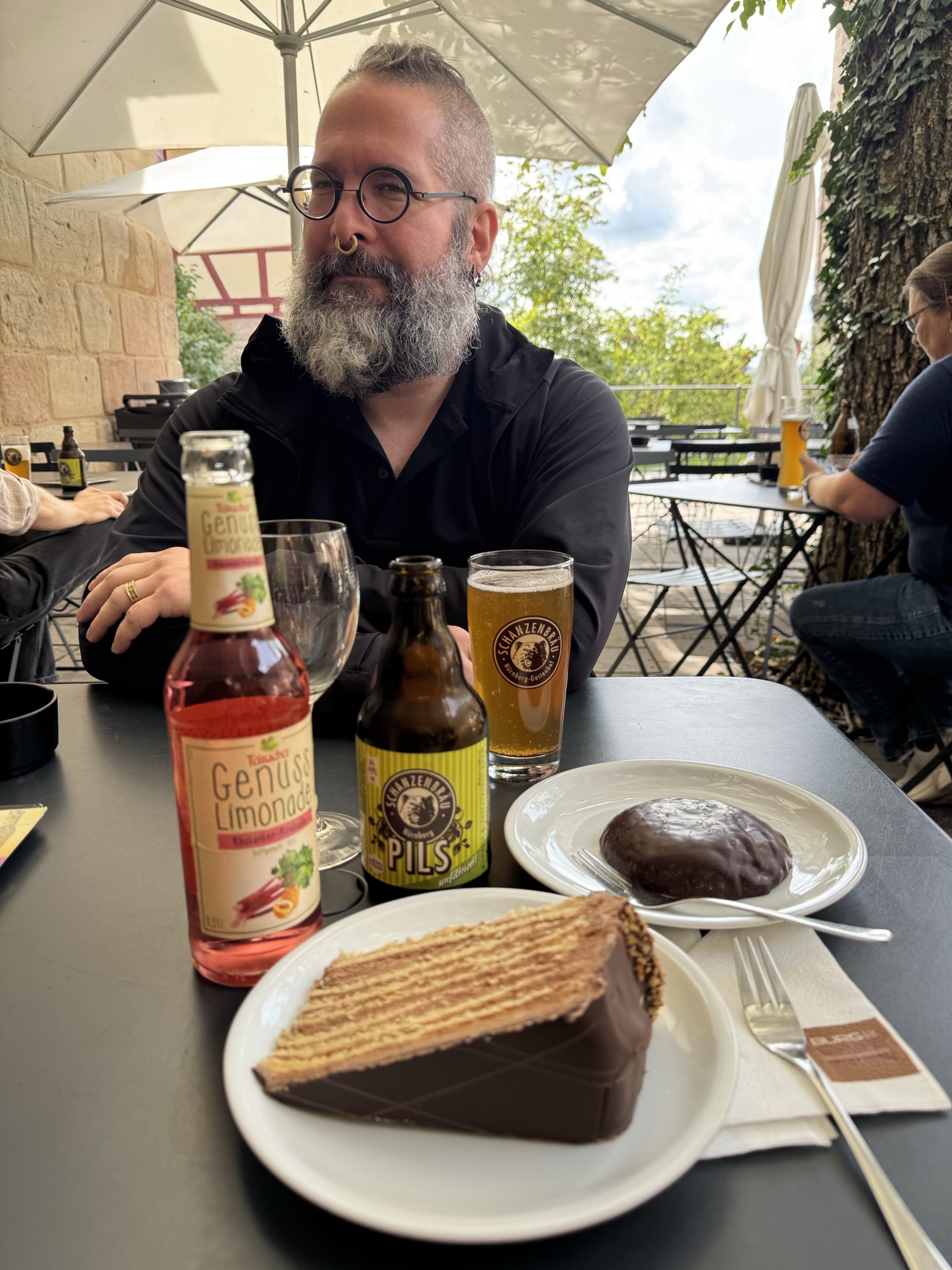
We took a short break after coming back down the tower in order to have one of Nuremberg’s iconic chocolate covered Lebkuchen and a slice of Prince Regent’s torte.
Then it was from high to low as we joined a short tour of the Tiefer Brunnen, literally “deep well”.
The Deep Well in the weil house of the Outer Court-yard probably dates from the very earliest days of the Imperial Castle. It is mentioned in documents from the 14th century onwards. The well-shaft extends 47 metres/154 ft down inside the castle rock.
During times when large quantities of water were needed – imperial visits, or court sessions – water was also brought up to the castle additionally in pails from the city. We did that walk, and it wouldn’t be fun hauling water.
Our guide joked (in German) that only the “stupidly rich” would build at the very top of a hill for no reason other than prestige, and then need to dig a ridiculously deep well.
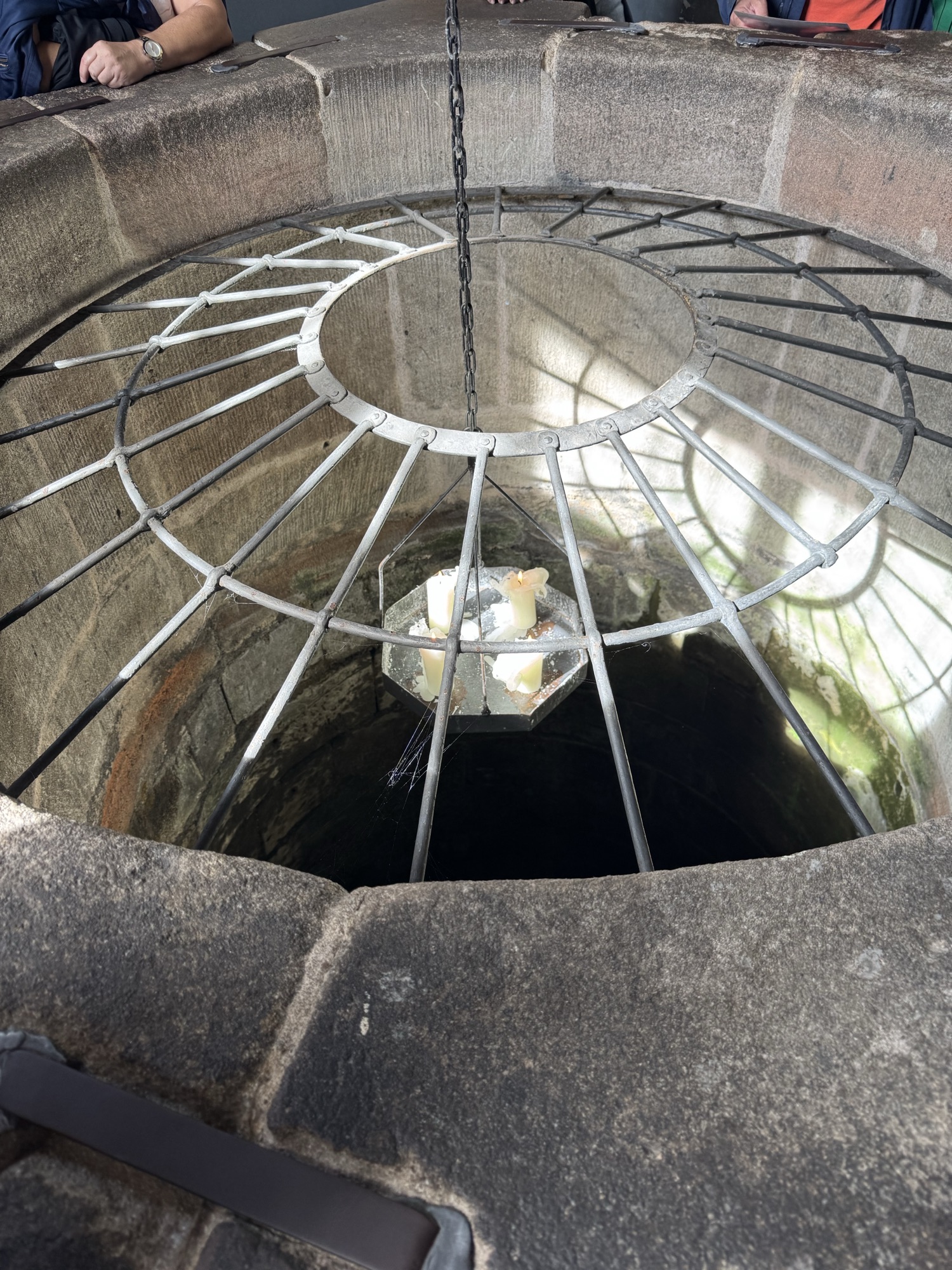
At one point in his talk our guide poured water into the well and we counted 5 full seconds to hear it splash into the water below.
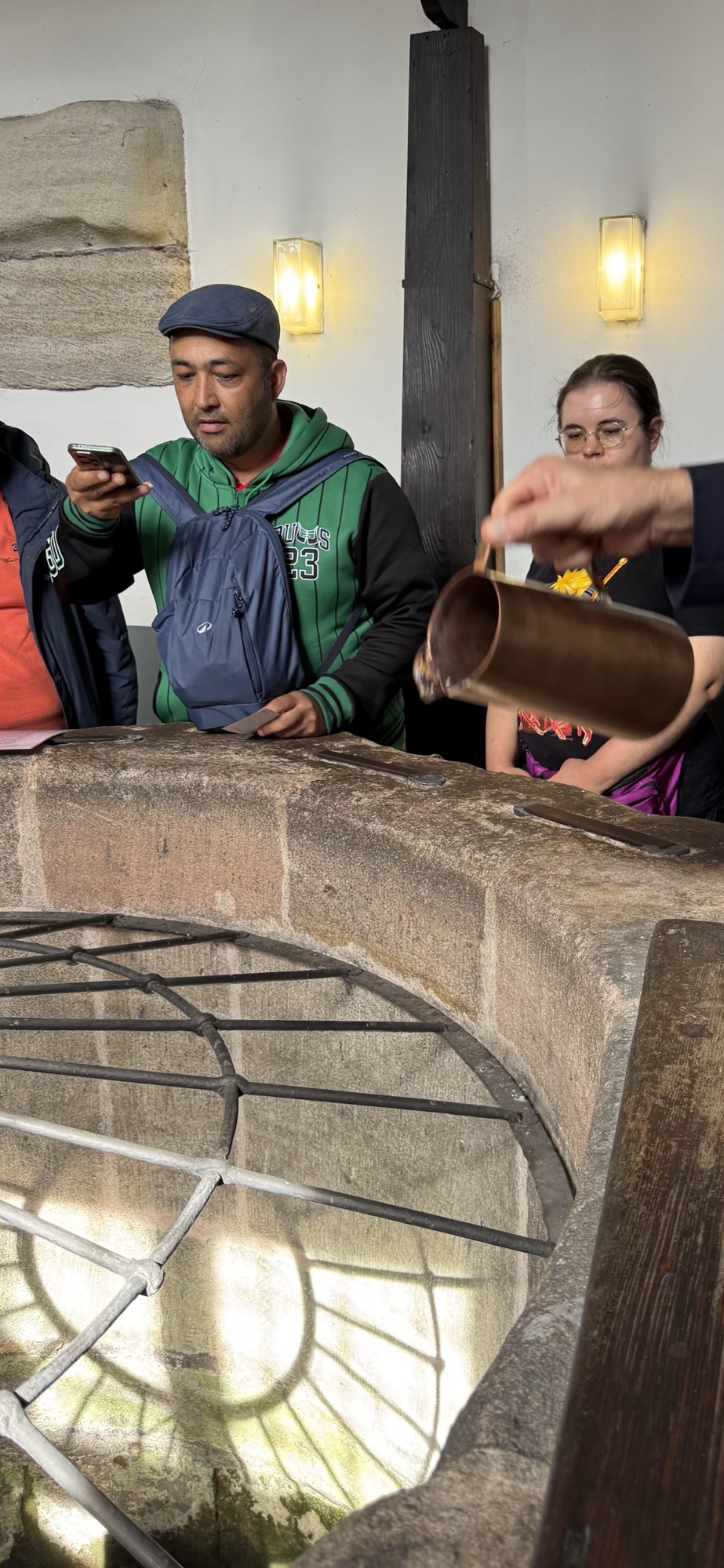
He also talked a lot about the drinking water quality in the Middle Ages. Four men would be assigned to clean the well, monitor the building’s security, and dispense the water. At a time when nothing was known about microorganisms, their job was both important and risky, because if anyone got sick by drinking the water it would be blamed on evil deeds, or even someone putting a spell or curse on the water. The well building has walks thicker than those of the palace itself, and yet also windows to allow sunlight in so that the workers could see better when cleaning.
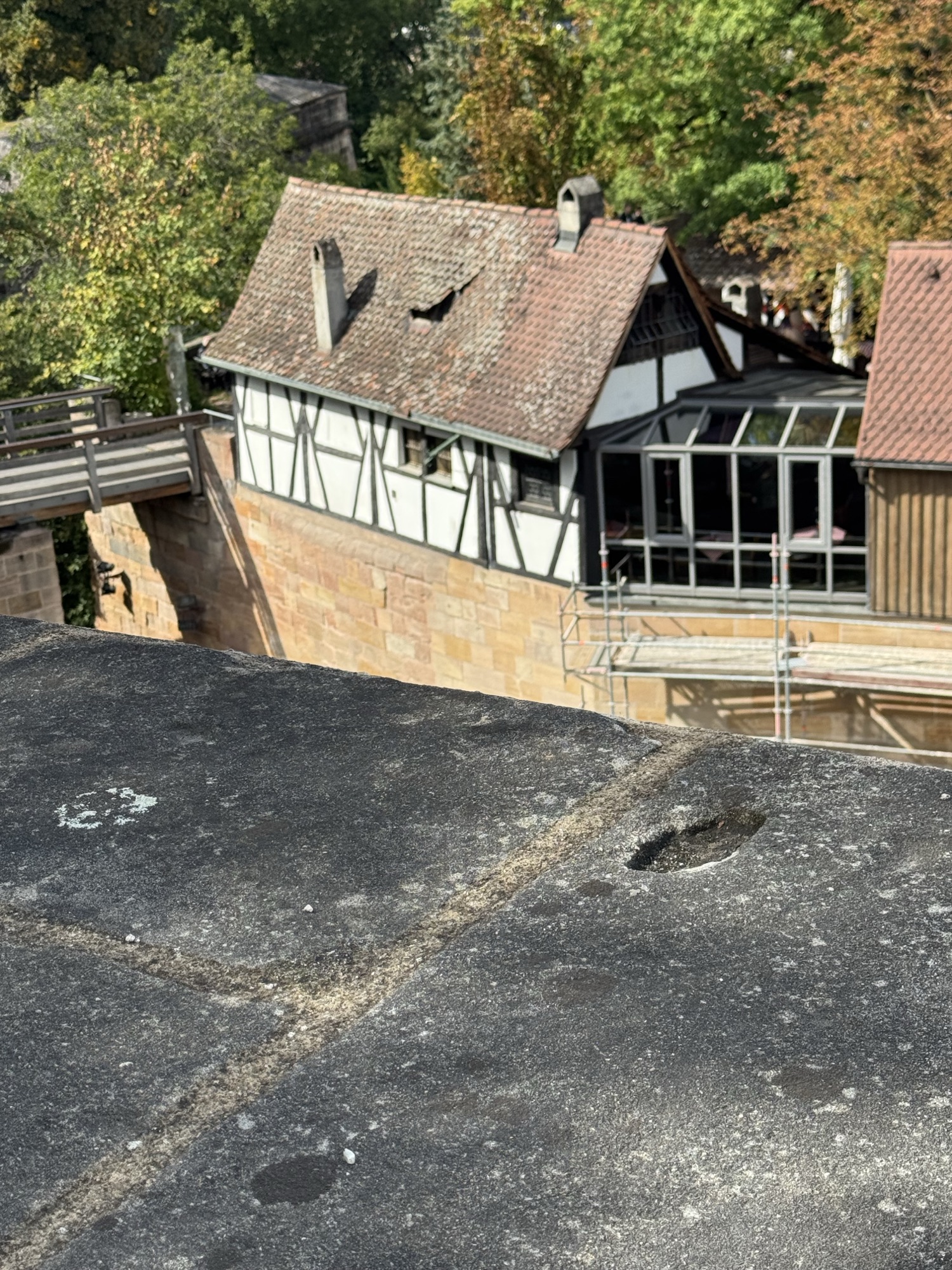
We did a bit of a walk around the grounds before heading to Dürer Haus.
Our second destination for the day was the home of Albrecht Dürer, arguably Germany’s most famous artist.
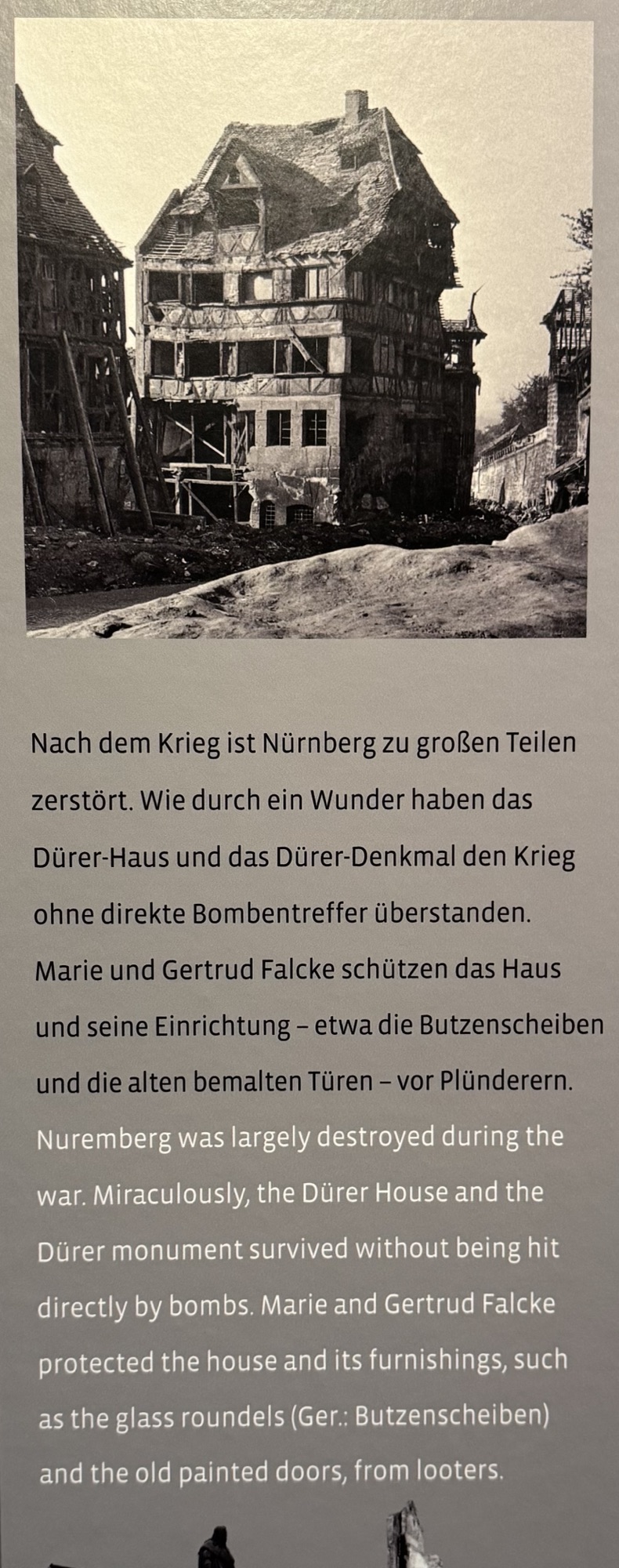
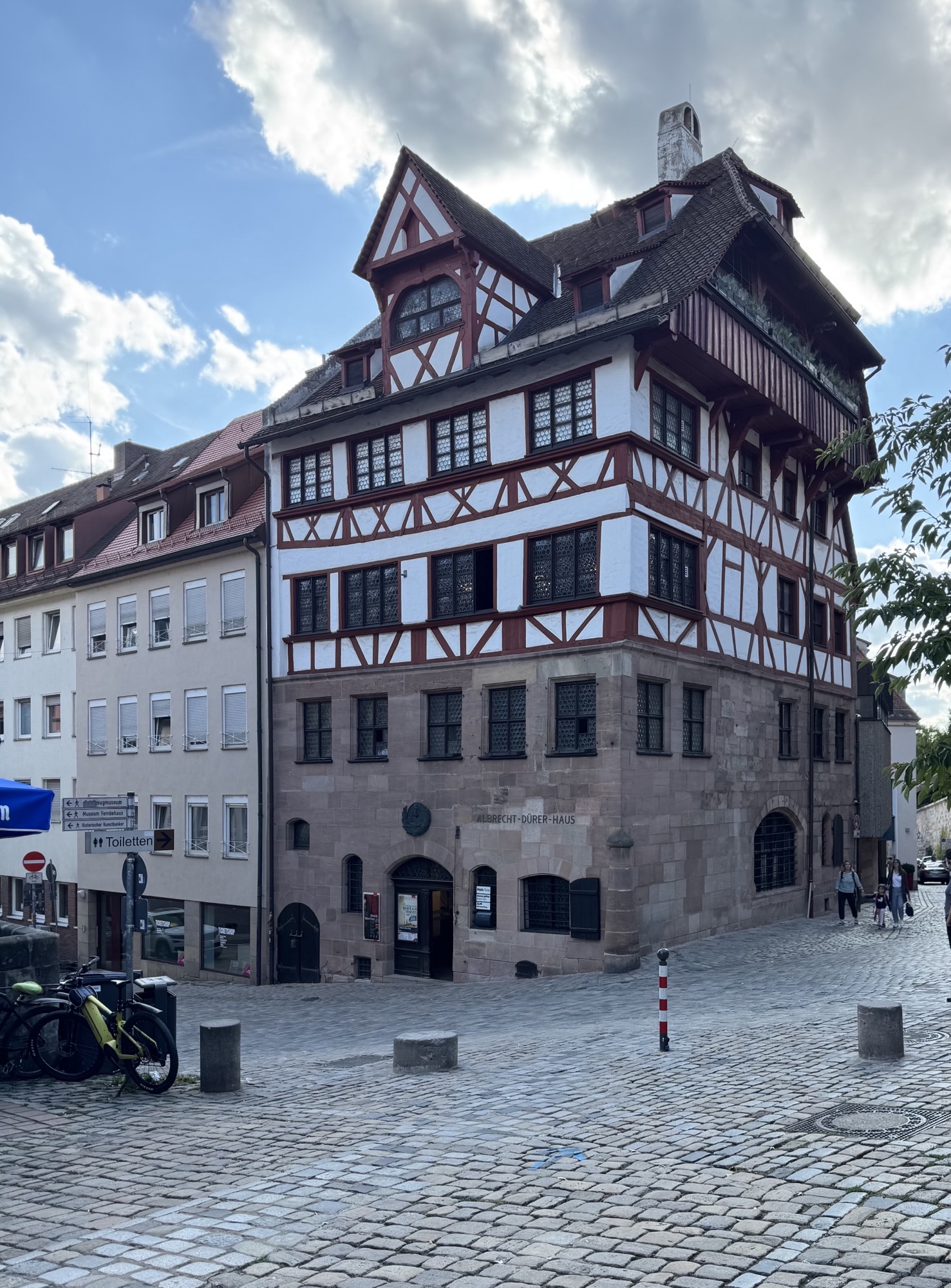
His home is not a gallery of his works, in fact those displayed here are all copies. The originals are in the major international art galleries all over the world, although we saw a few – including his famous portrait of his mother – in the Germanisches National Museum yesterday.
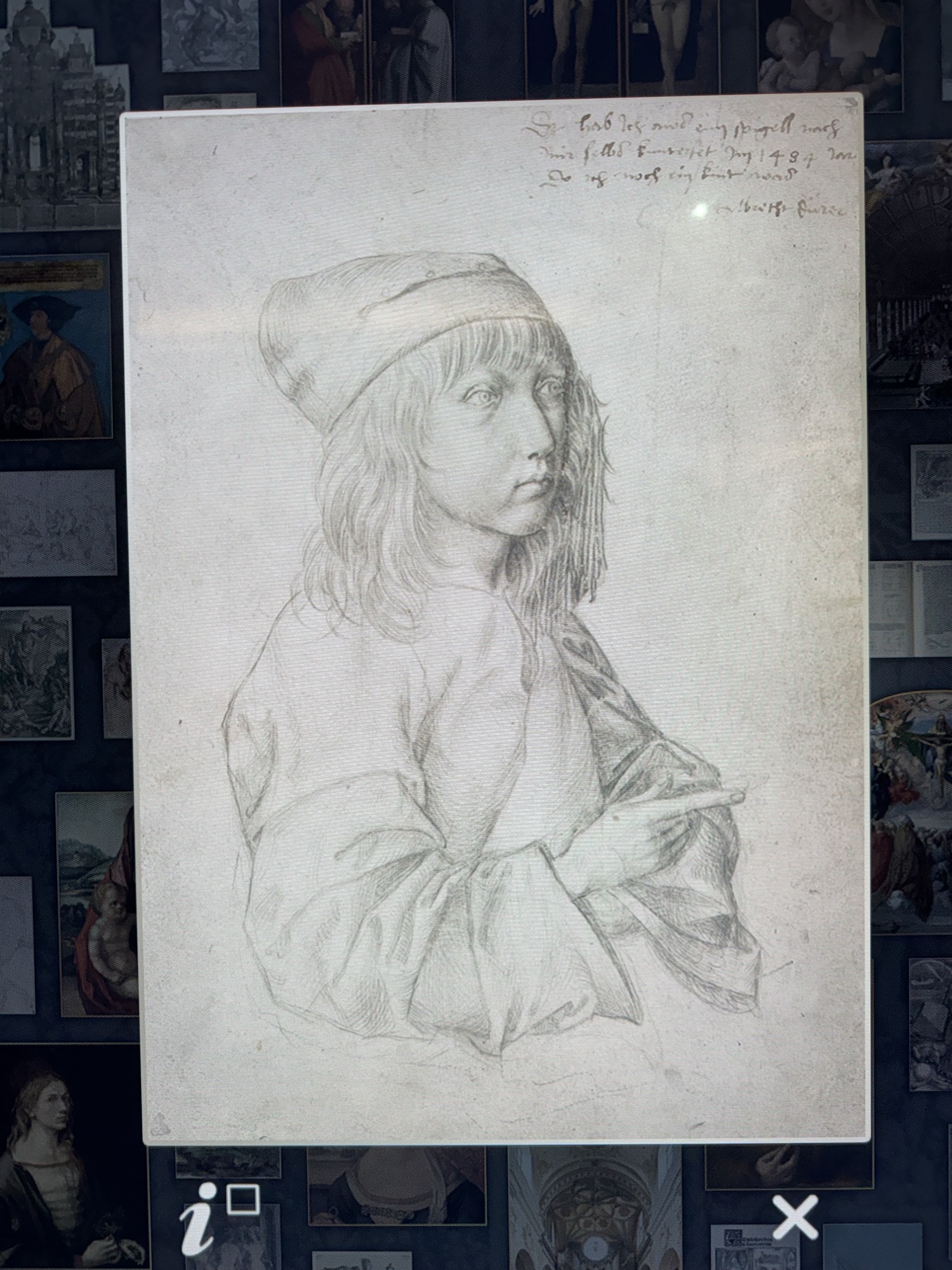
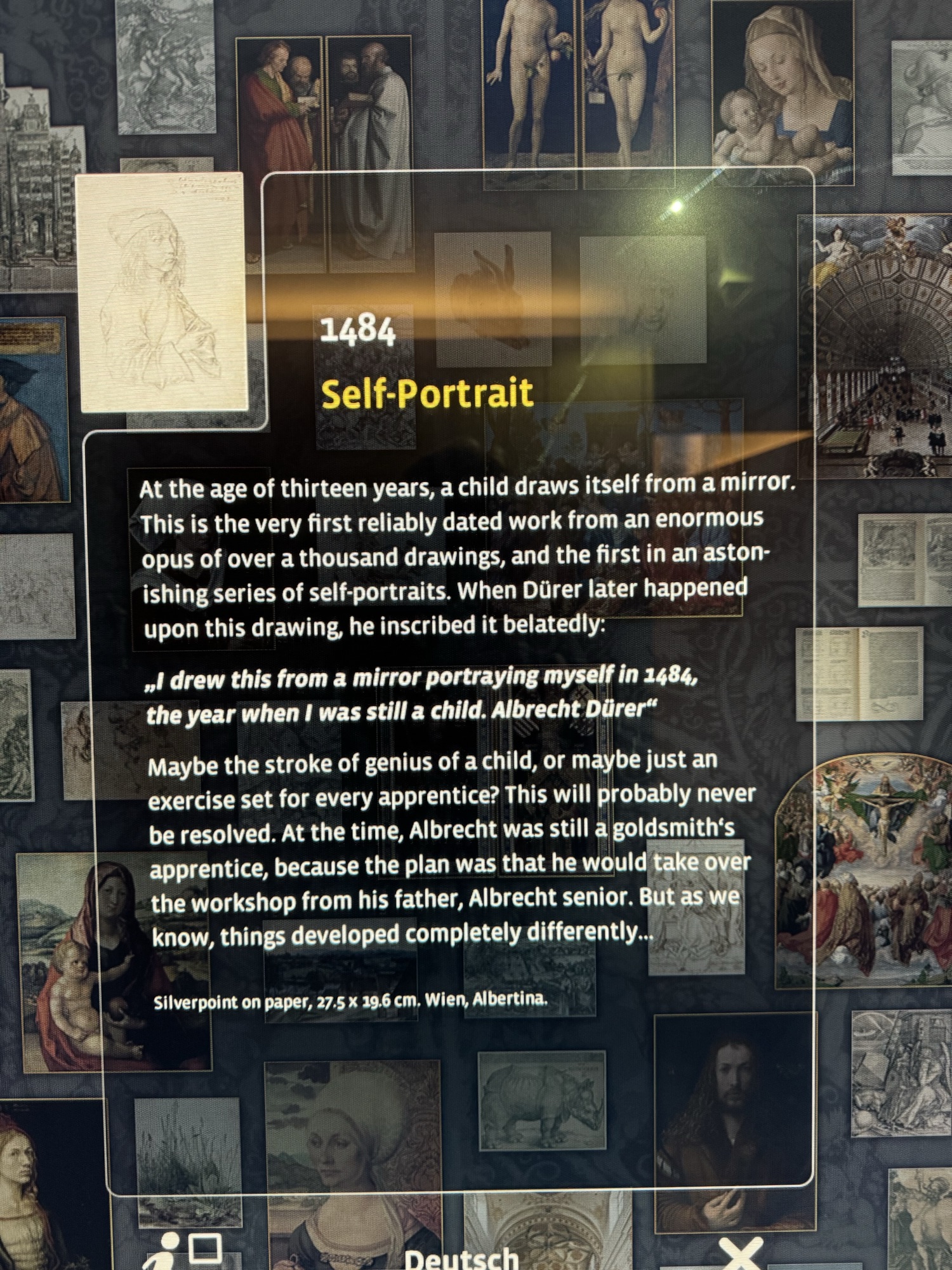
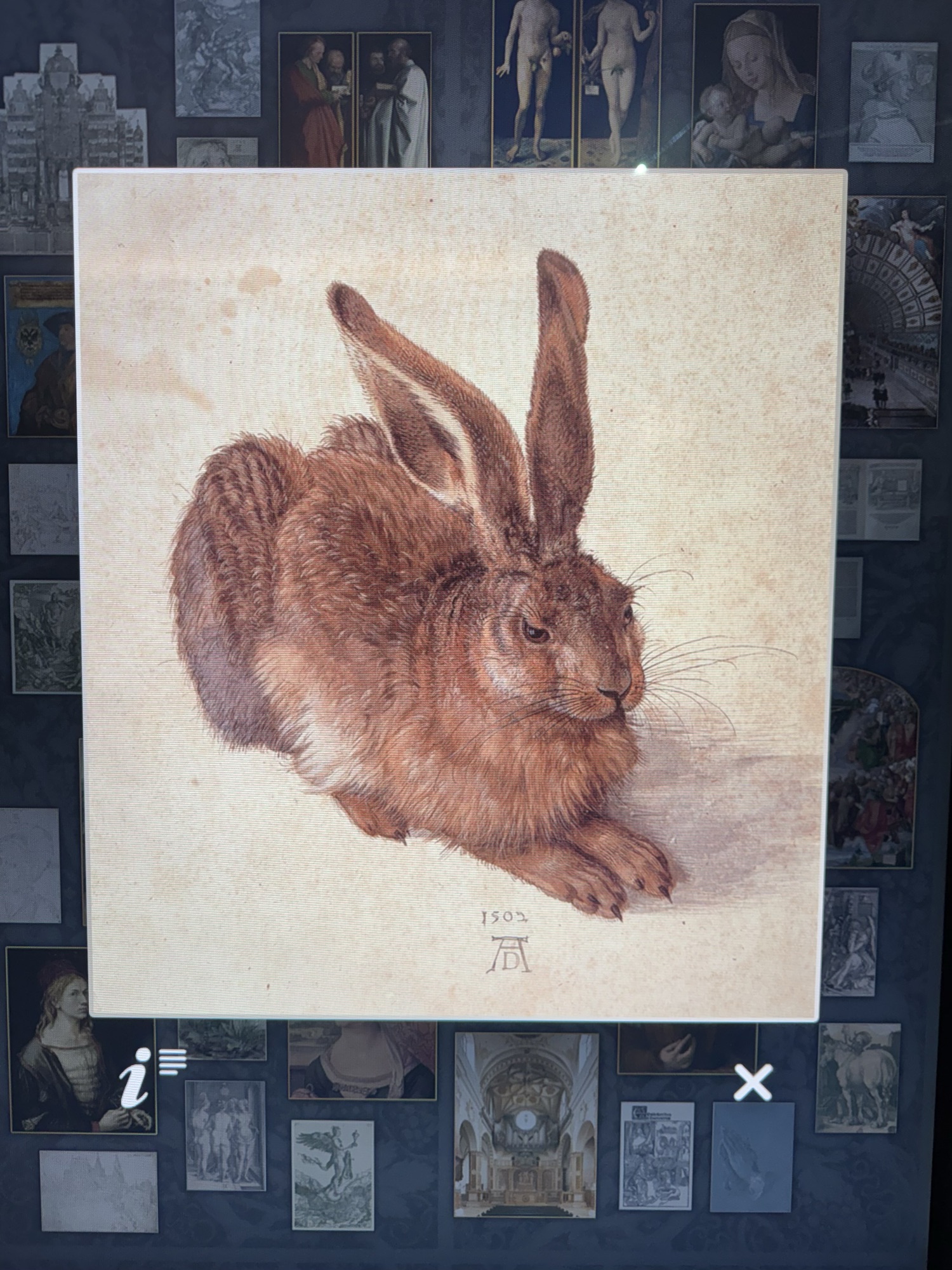
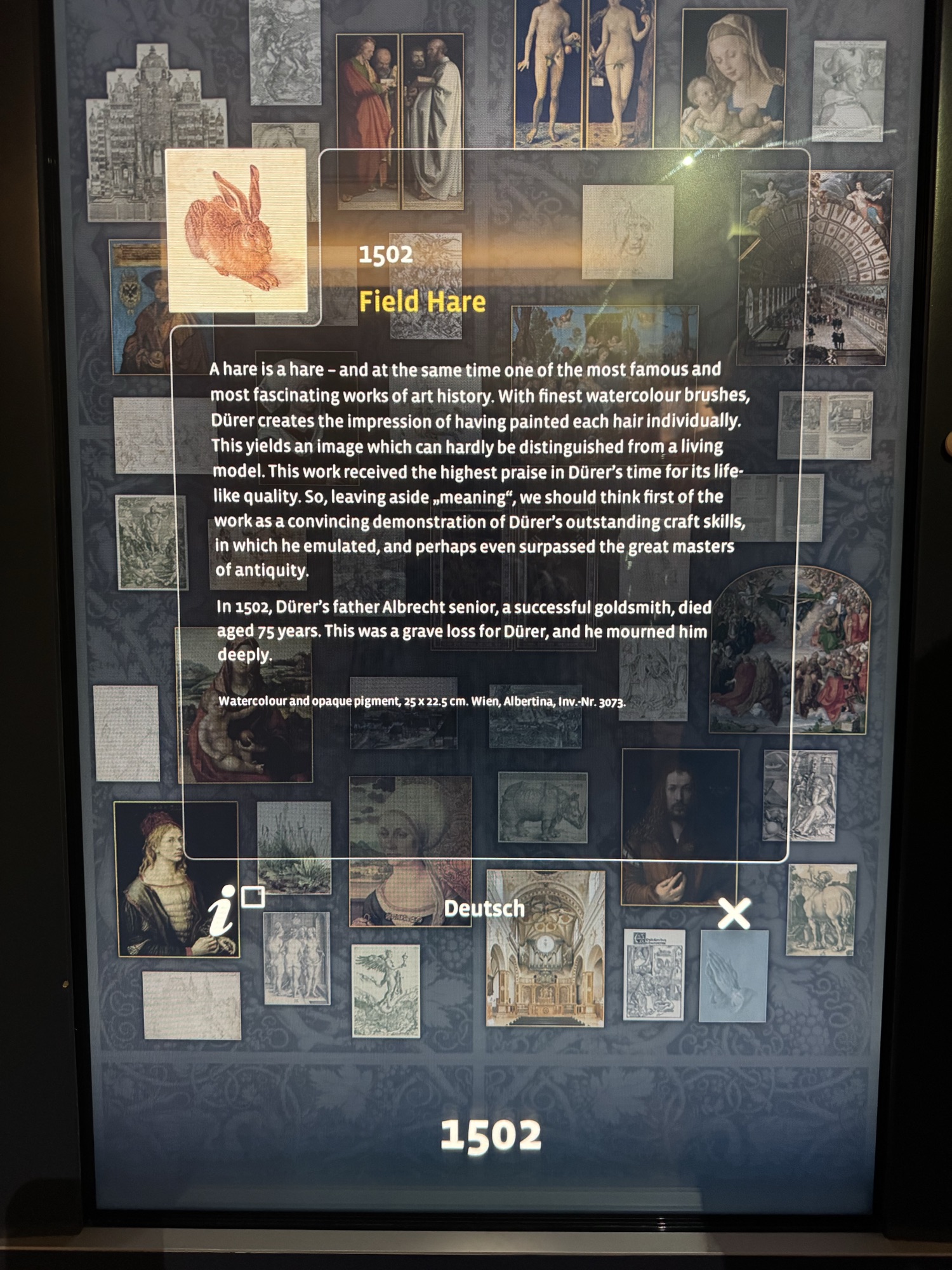
Instead, on the ground floor is a huge touchscreen with images of some of his most recognizable works. Choose a year, then touch the icon of the work to enlarge it, and then touch the screen again to flip the painting over for a description.
Perhaps most impressive was Dürer’s self portrait, done at just 13 years of age, and the impetus for a life of art instead of the family trade of goldsmithing.
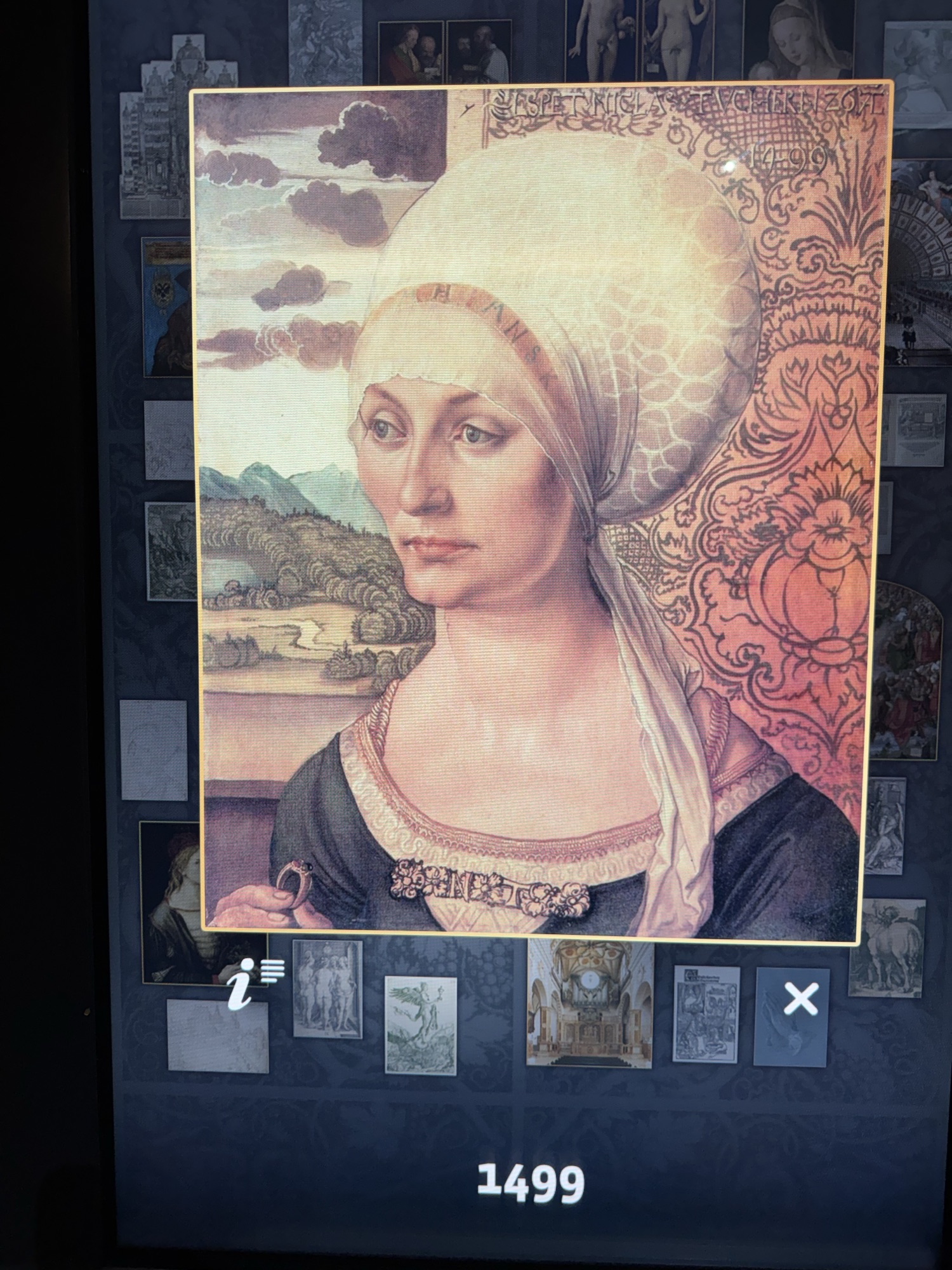
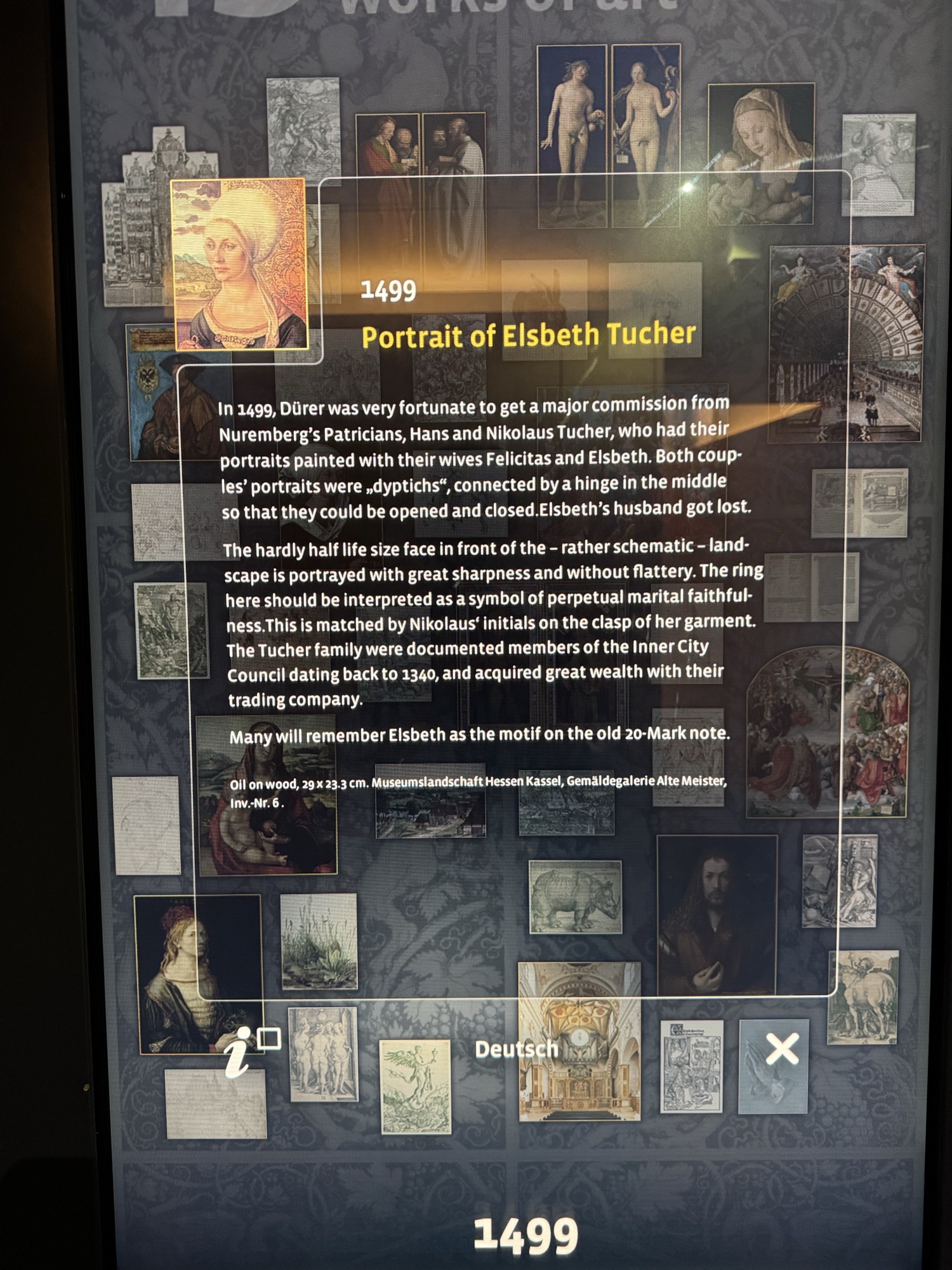
Of course I had to include my absolute favourite Dürer.
We were able to tour several rooms of the house, which were simply typical of an upper middle class family of the time, and this not terribly interesting.
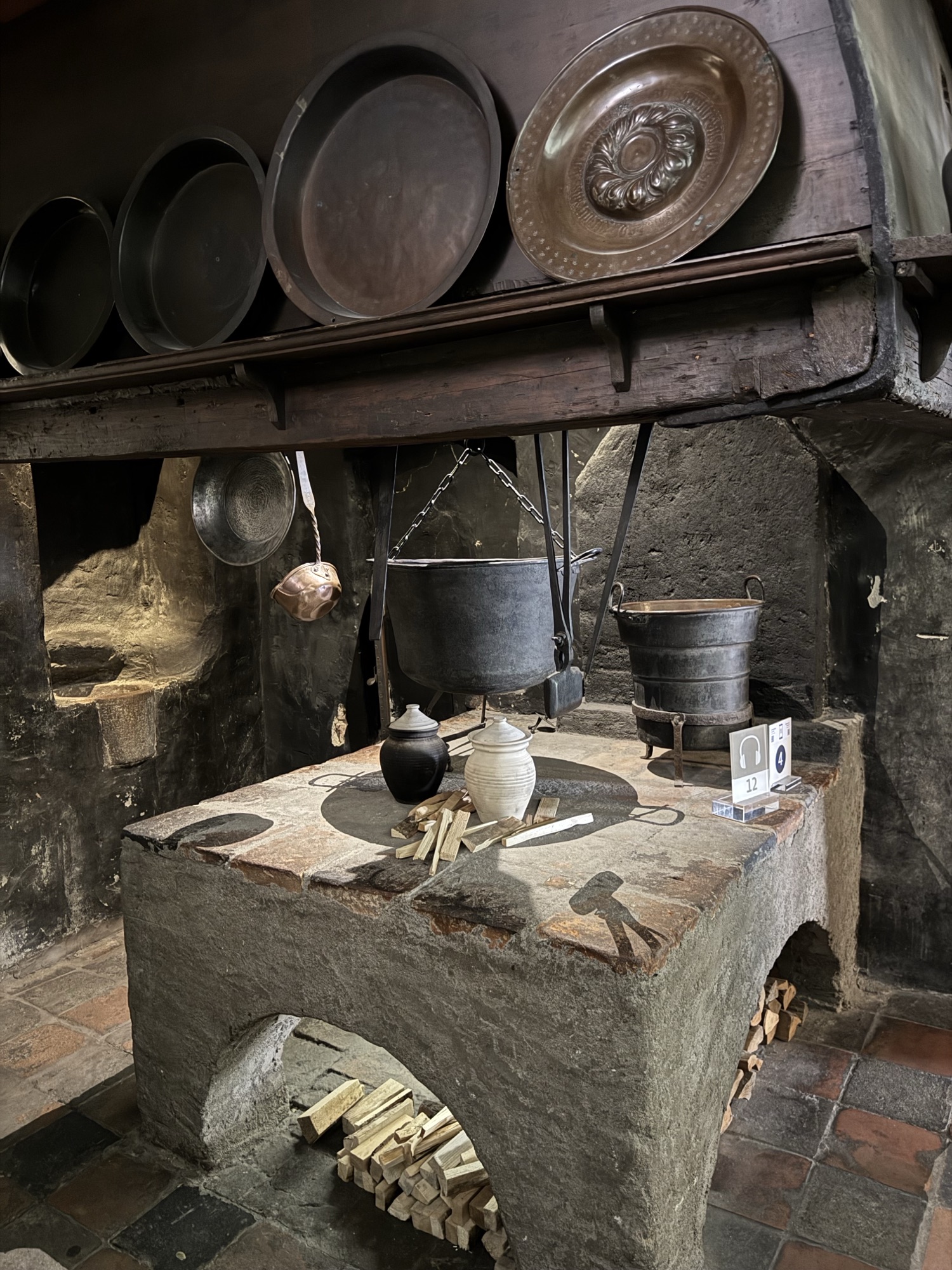
What I did find really interesting was the following display.
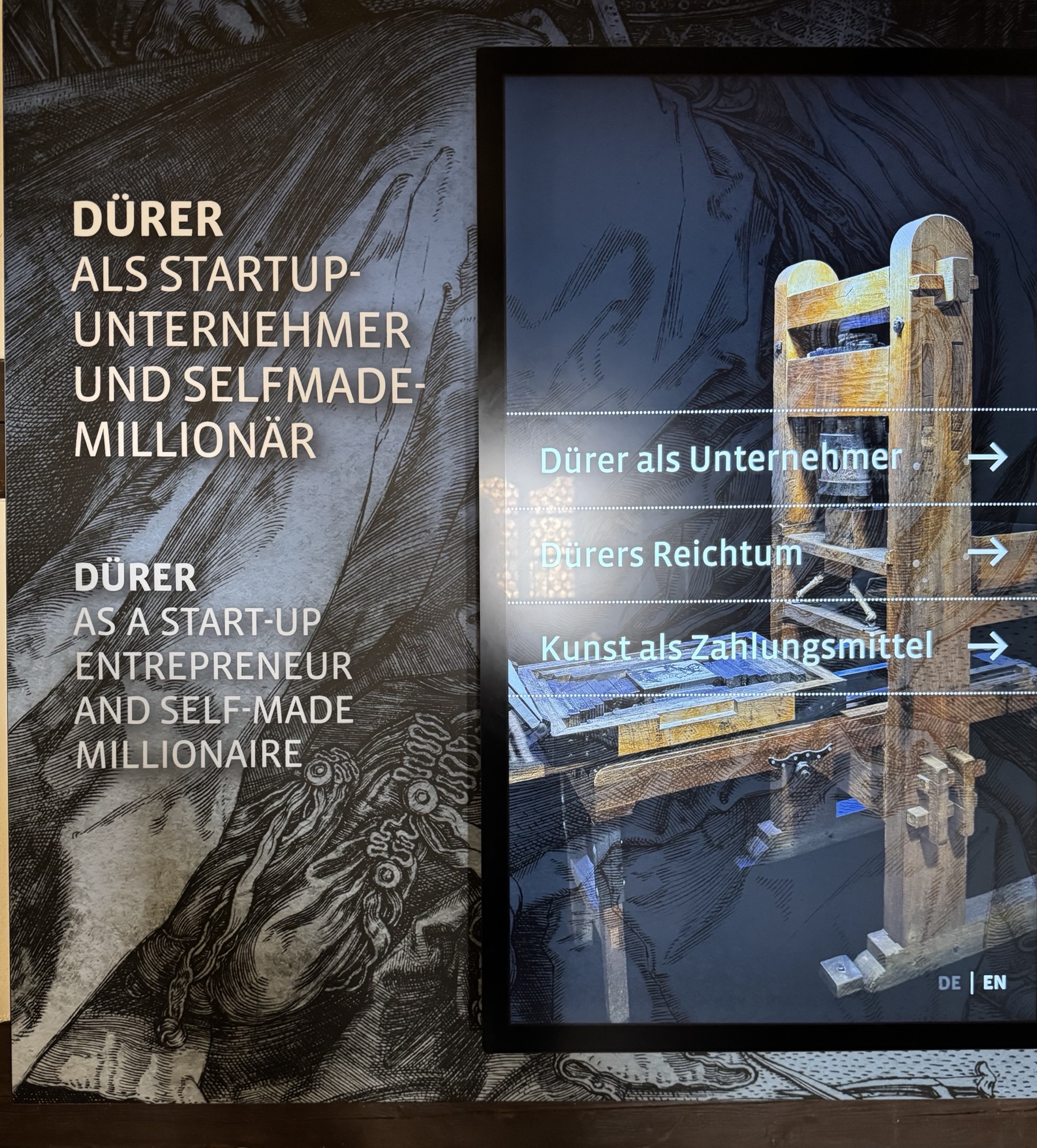
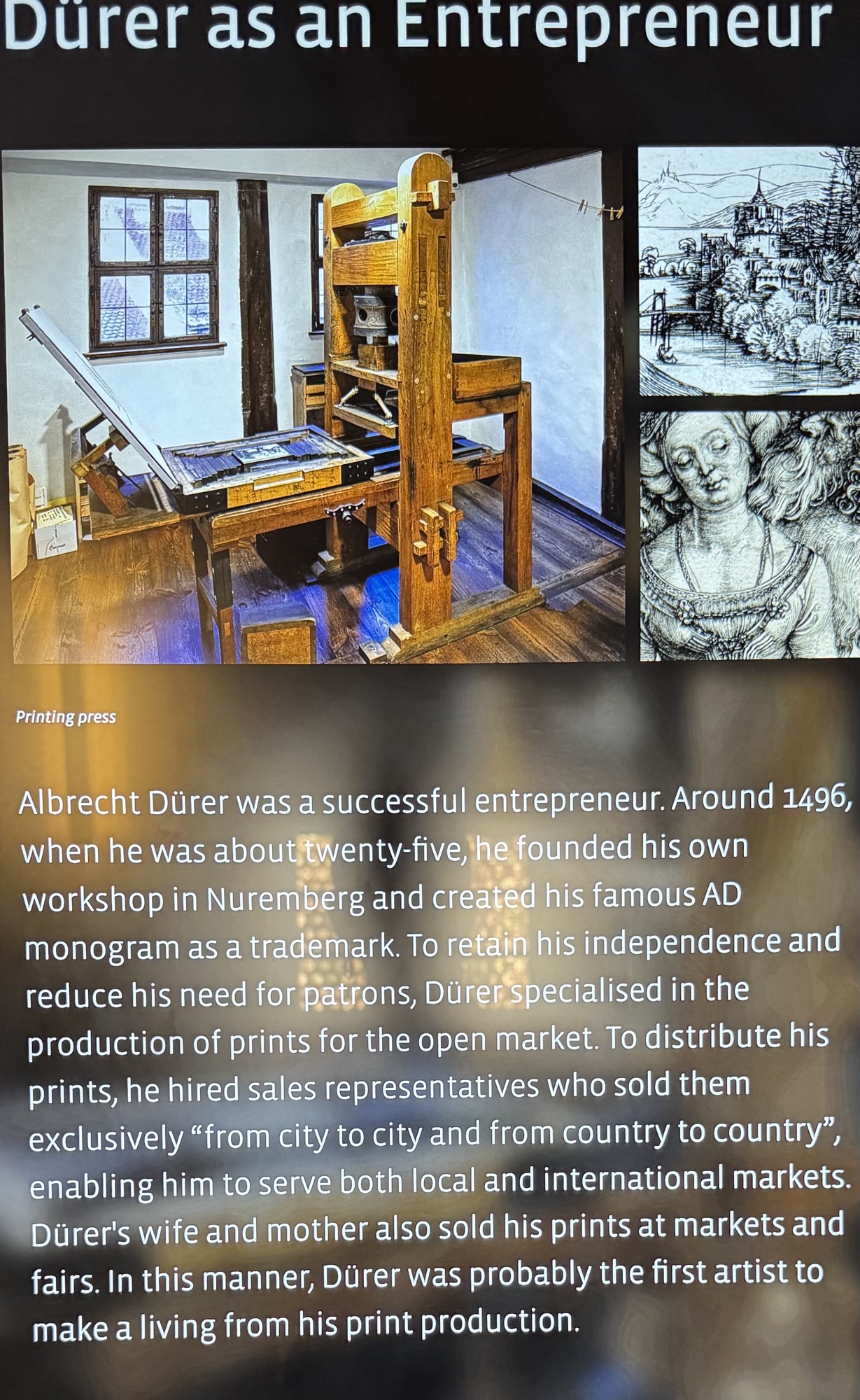
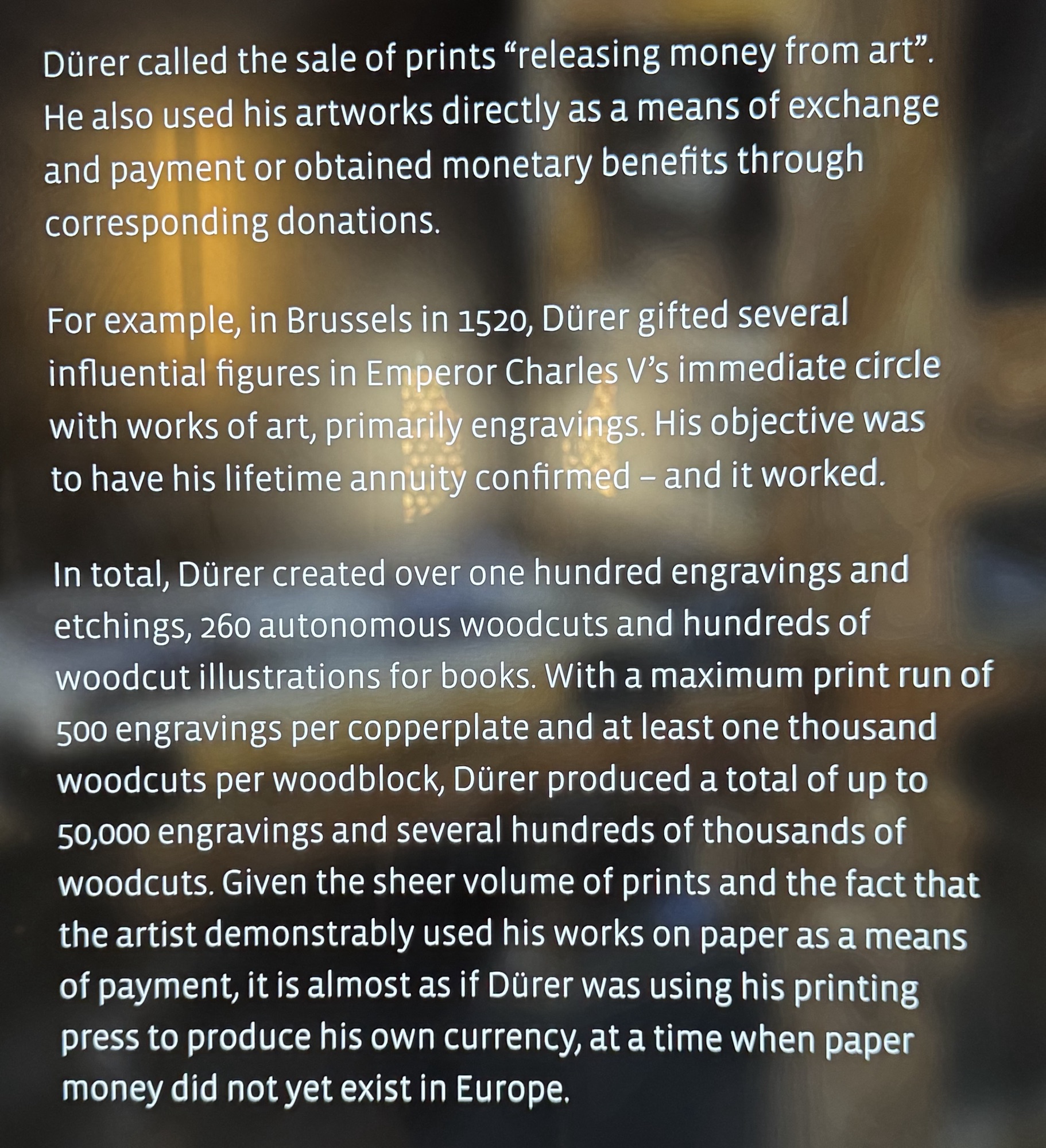
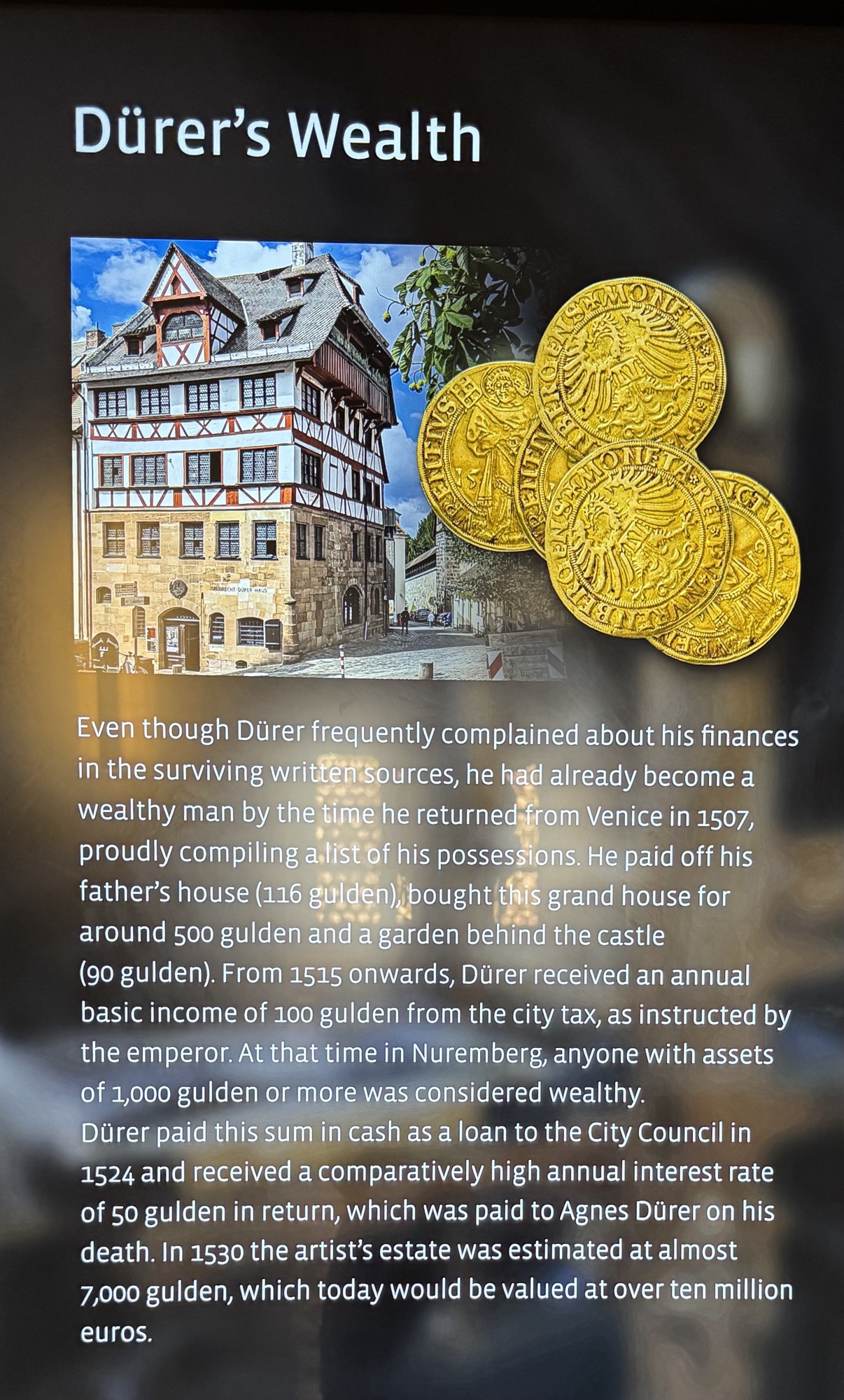
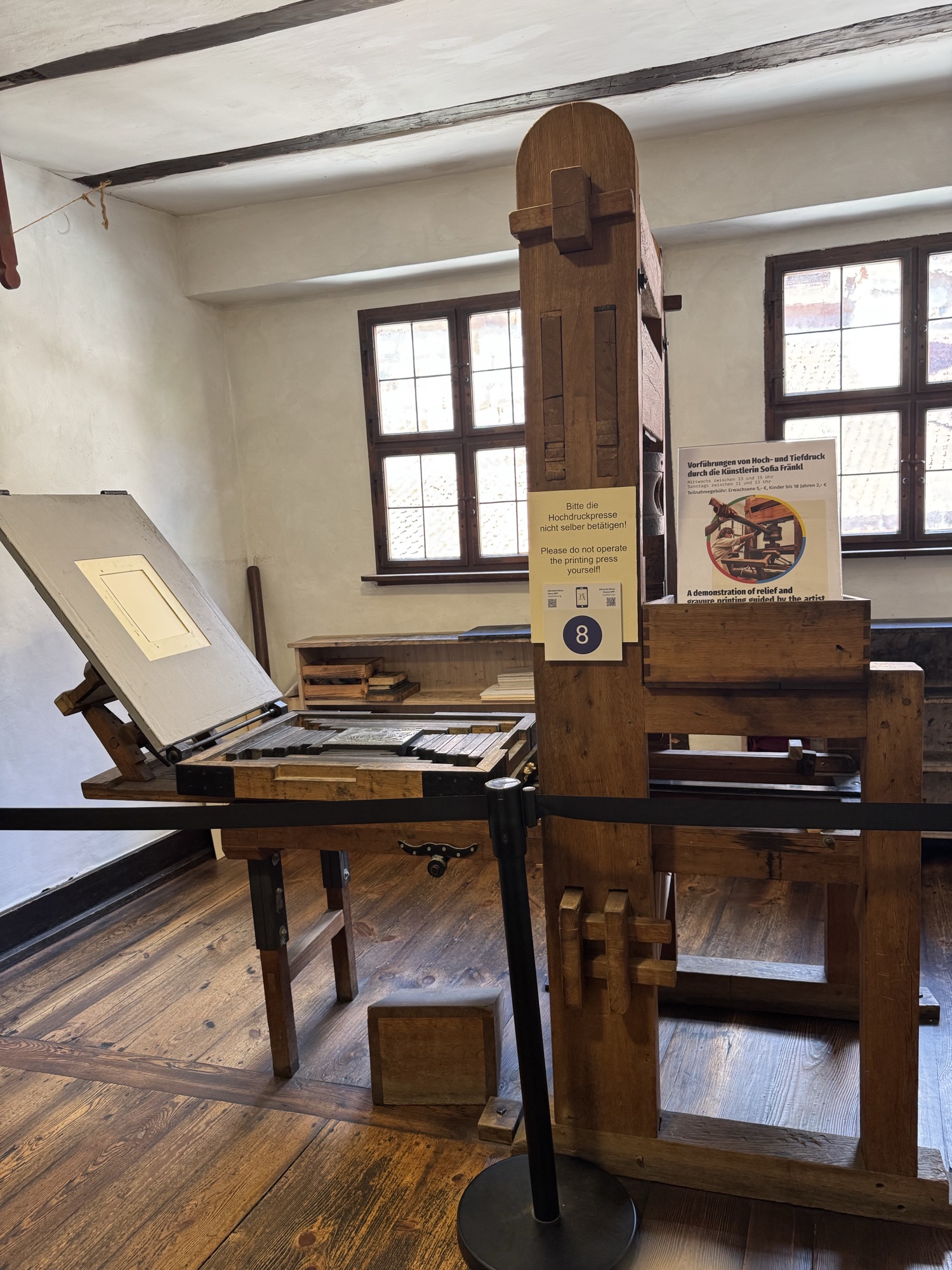
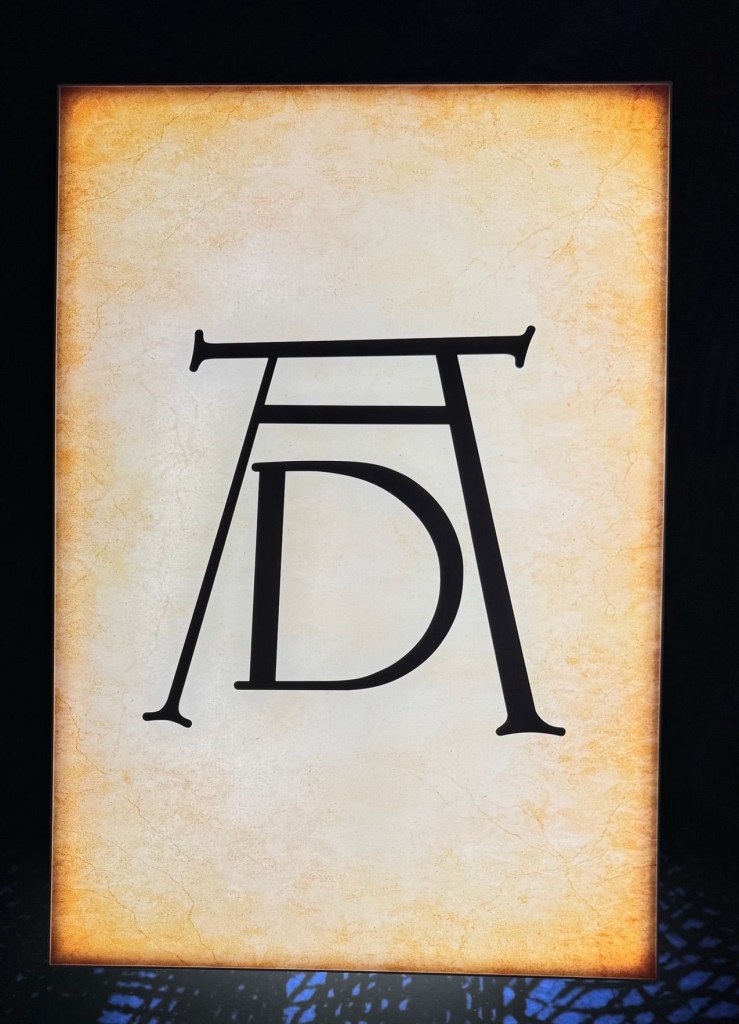
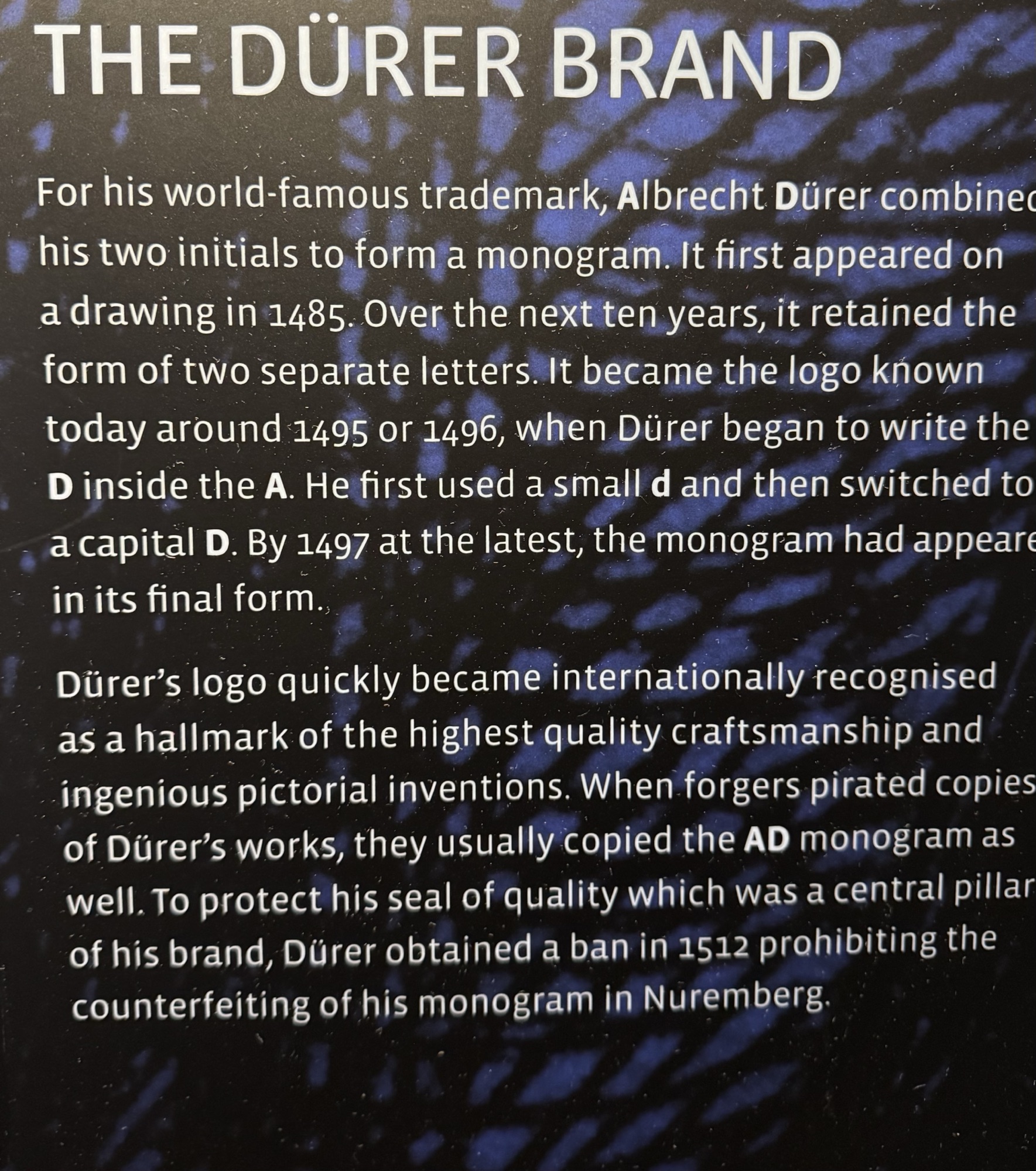
The displays also included some of Dürer’s personal letters, also translated into English, giving an insight into the artist’s relationships with friends and family.
Today was the first official day of the Herbstmarkt, the fall market, in the Hauptmarkt in front of the Frauenkirche. There were fewer food booths than at a Christian market, and it was less decorated, but otherwise it was a precursor of what the square would look like before Christmas.
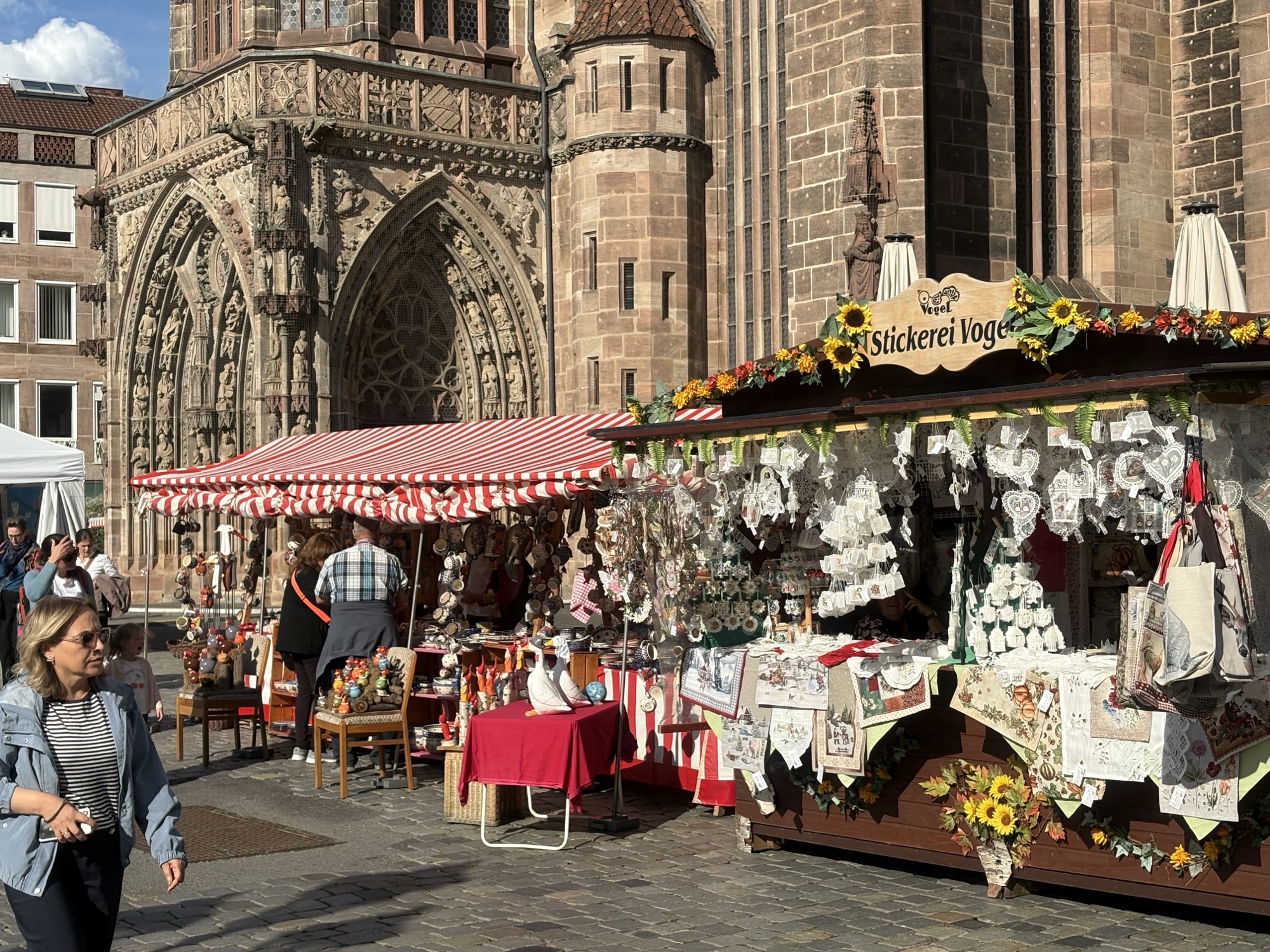
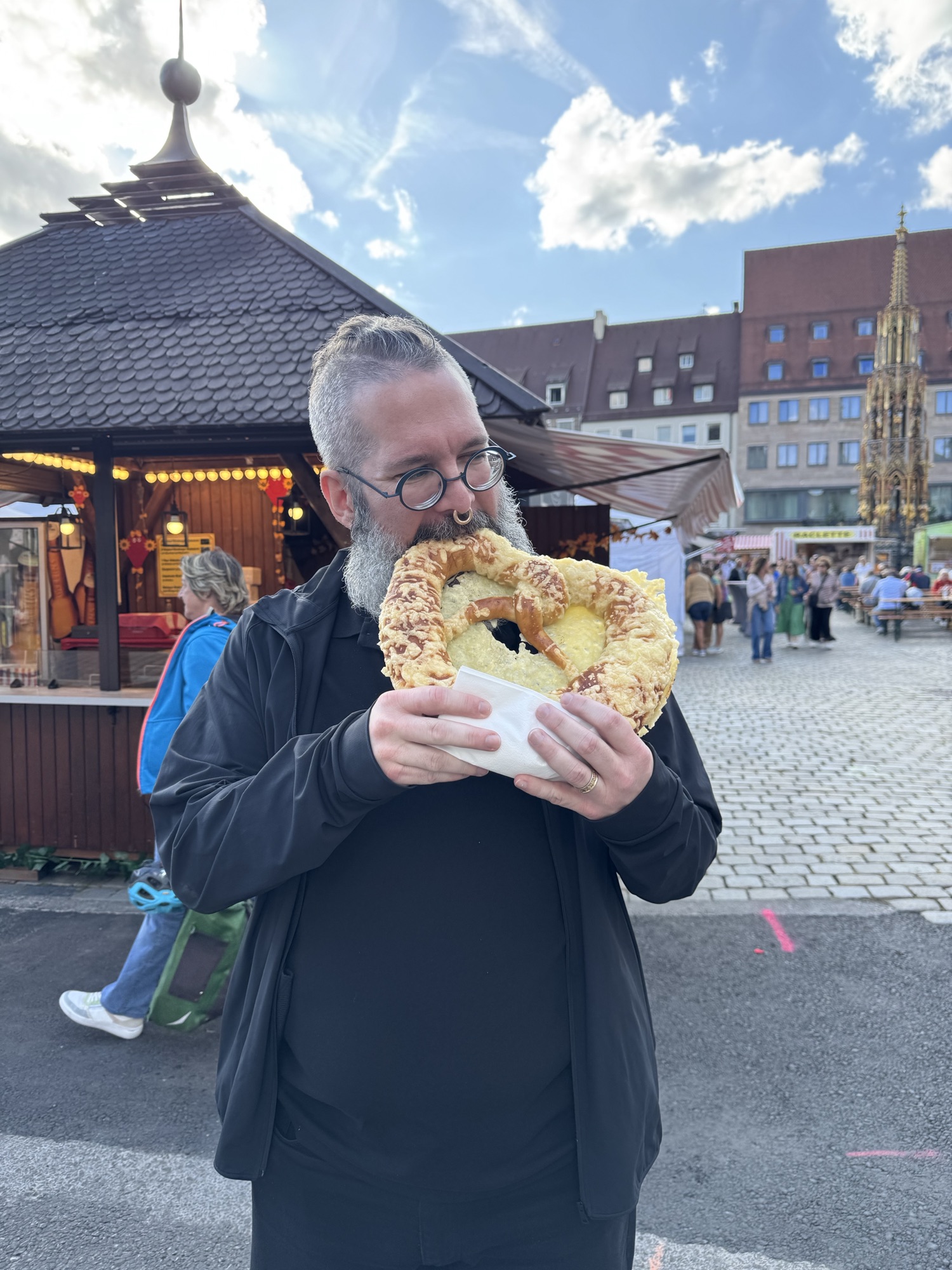
Son #1 managed to find a tasty snack in the form of a giant cheese pretzel.
We headed back to our hotel for a couple of hours do that I could charge my phone while we drank a complimentary beer and glass of Riesling (a reward for choosing not to have our beds made). #1 chose a short nap while I stayed plugged in in the lounge and began work on this very long post.
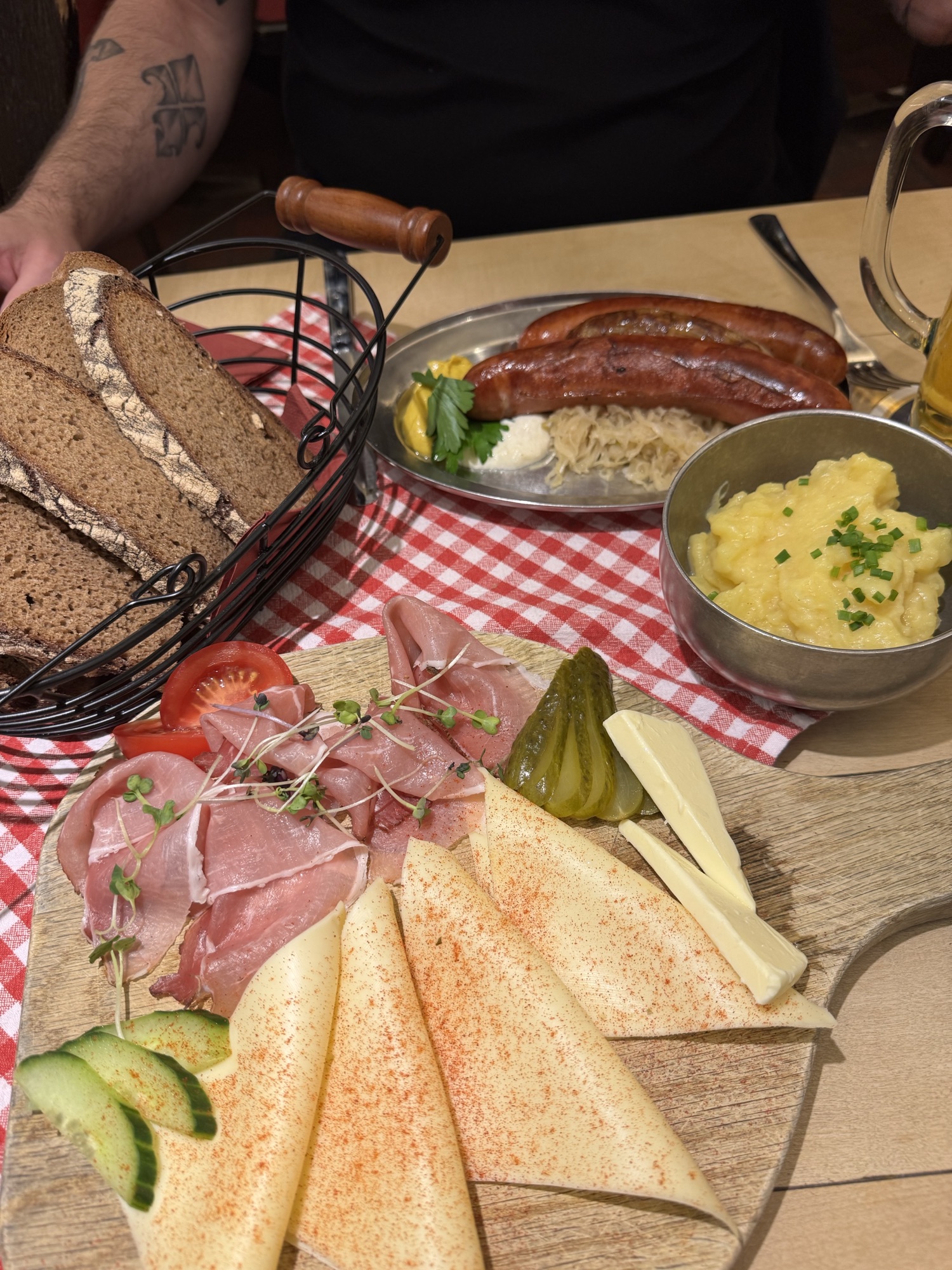
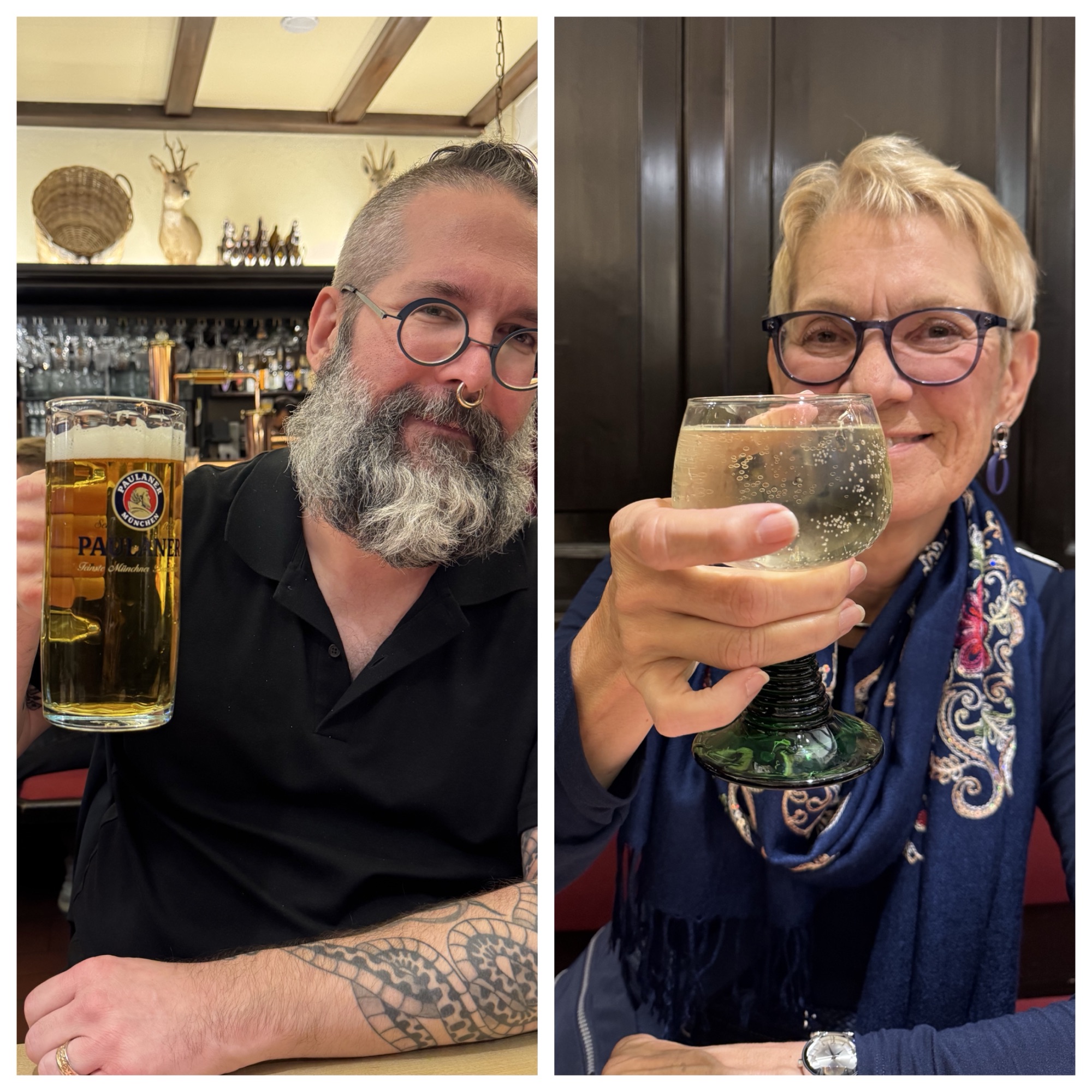
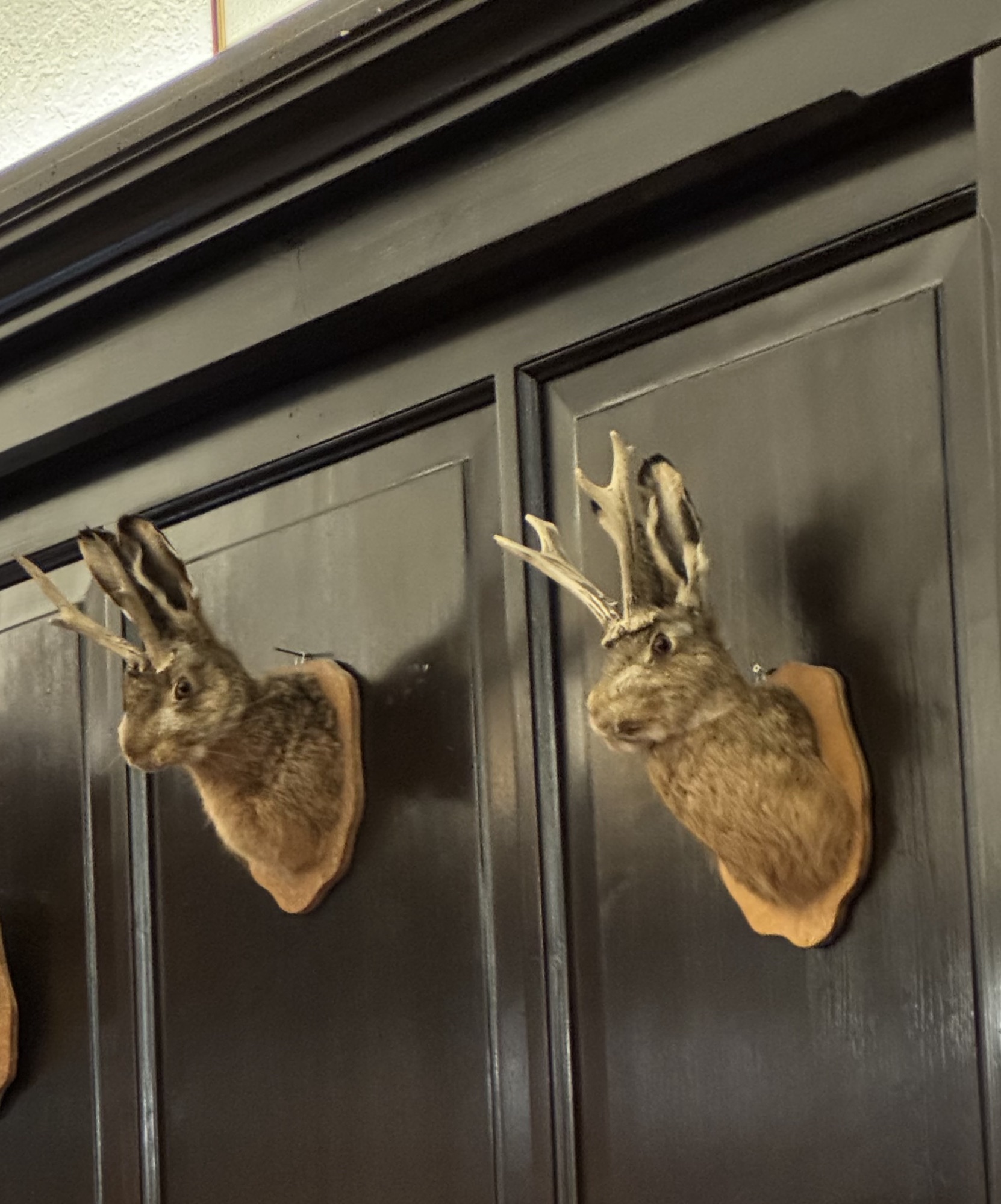
We enjoyed a late dinner at the Paulaner Gasthaus, a very typical Bavarian pub, inexplicably decorated with atypical “jackelopes”.
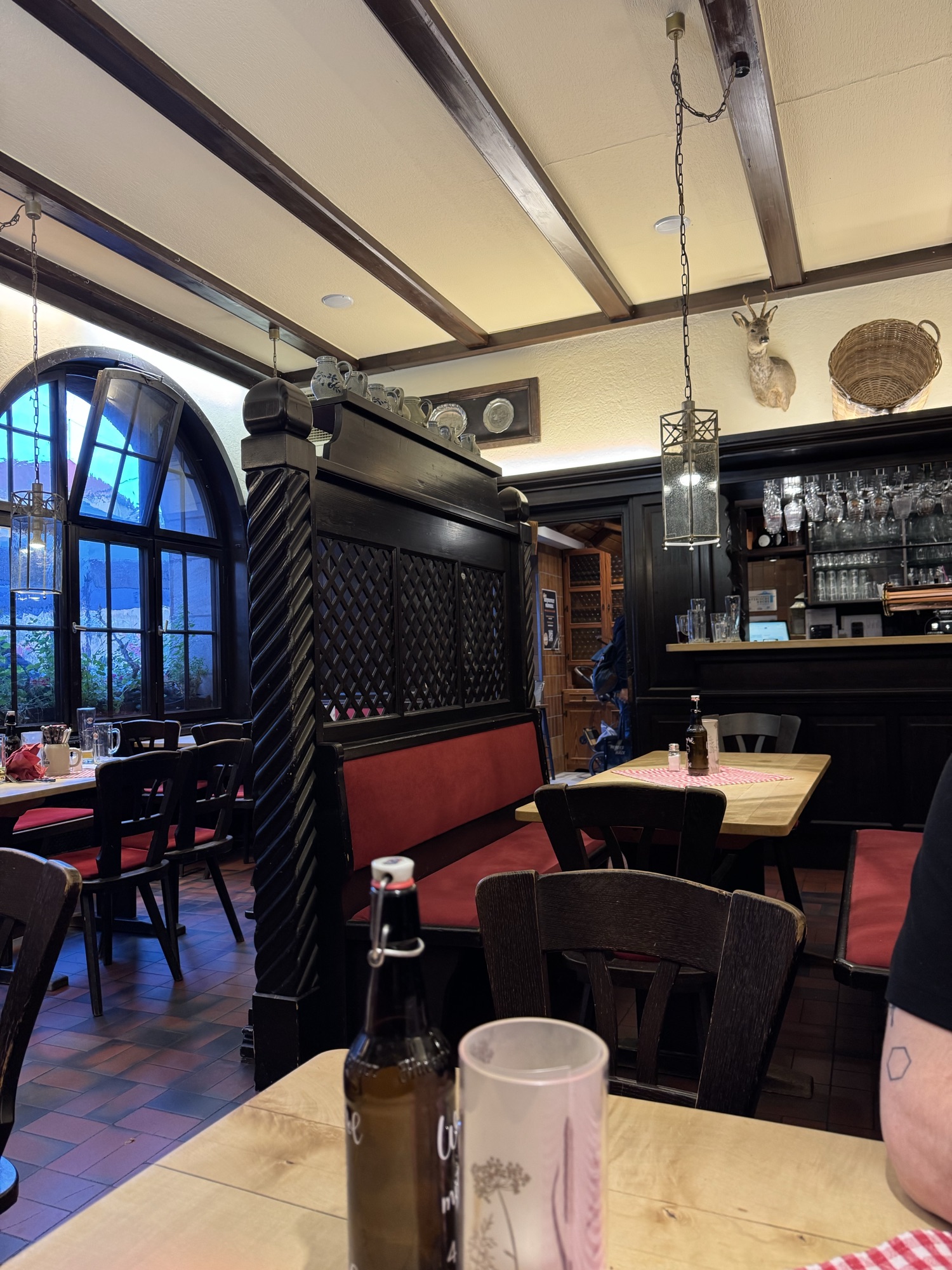
One more kick at beer and sausages before we move on to slightly less rustic food in Vienna.