A fellow traveller commented on my gushingly positive blogs about Warsaw that Warsaw was like Disneyland, because it is newly built (and so very clean), and that they preferred Kraków because it was “real”.
We, on the other hand, loved knowing that the Polish people and especially those Varsovians who survived the war drove the effort to rebuild their city to reflect its best days. It’s the city’s spirit as much as its architecture that impressed us.
Nonetheless, the comment led me to wonder why Kraków escaped with its infrastructure relatively unscathed (its Jewish population is a different story). The best explanation I’ve found is this article on the Warsaw Institute’s website: Why Kraków Survived.
Precisely because it was not destroyed, Kraków is considered by UNESCO to be one of Europe’s premiere mediaeval cities.
While the area around the Market Square is lovely, it is also crammed absolutely full of restaurants, souvenir shops, vendor carts, and tourists. I’m not in love with it.
However, once we ventured past the Wawel Castle and Florian’s Gates at the two extremes of The Royal Route, there were far fewer tourists and some truly amazing places to see.
By complete chance, after searching out the much hyped and less than awe-inspiring fire-breathing metal sculpture of the Kraków dragon, we ended up exploring two very different monasteries: the Pauline and Augustine complexes.
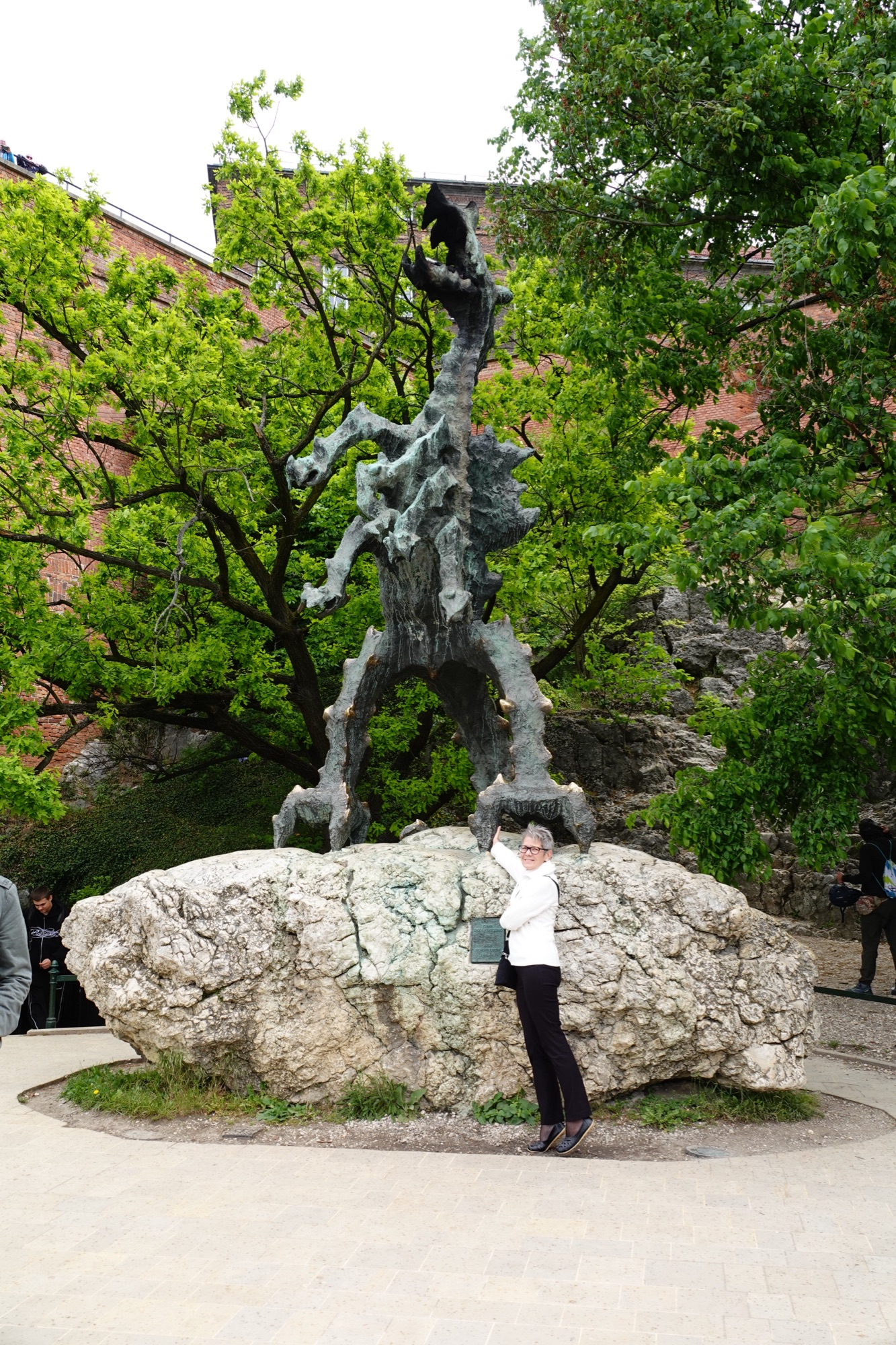
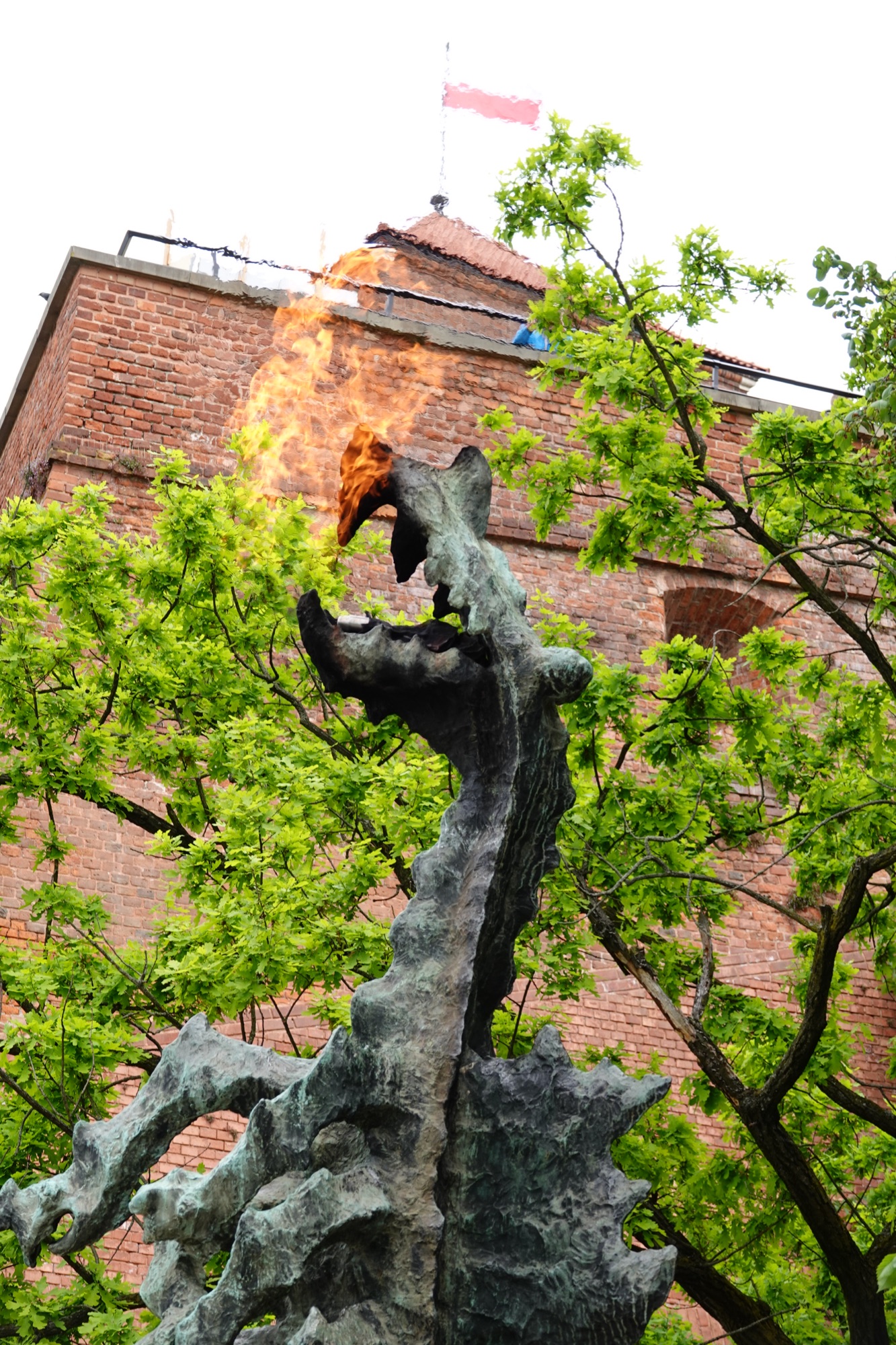
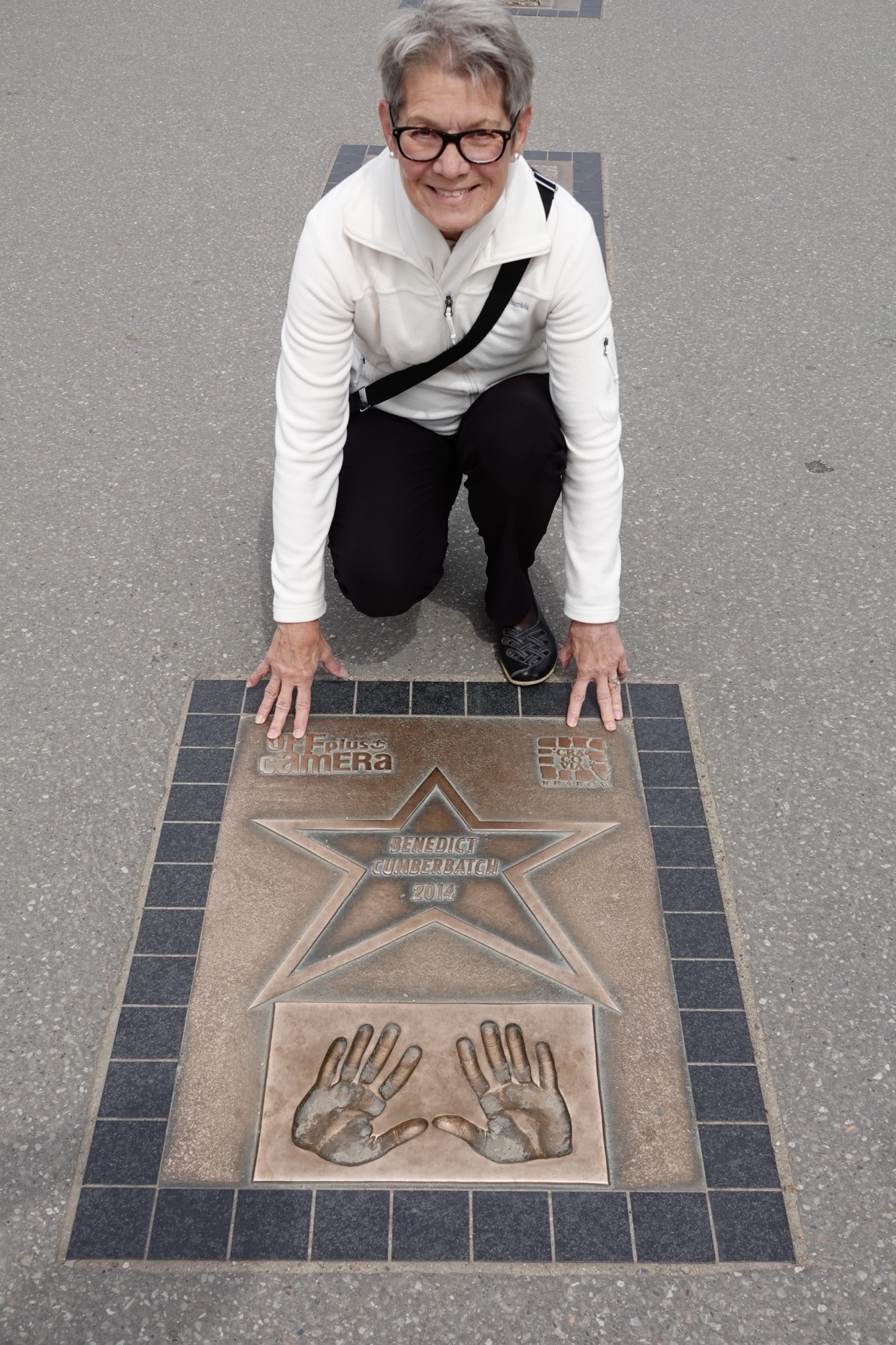
I was more impressed with Benedict Cumberbatch’s handprints on Kraków’s riverside Walk of Fame.
Nonetheless, stuffed dragons are the quintessential Kraków souvenir.
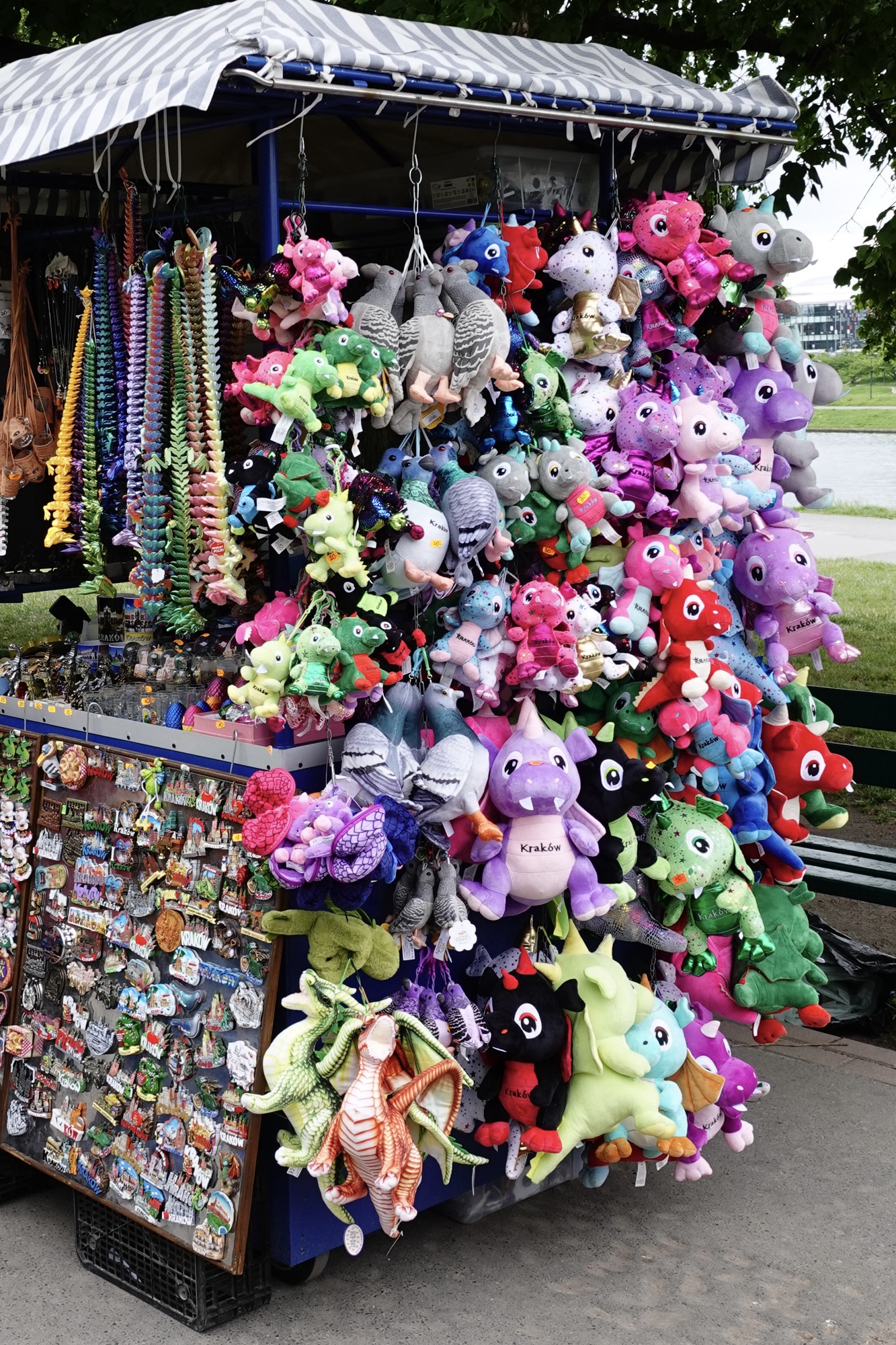
Why dragons? Because, according to legend, defeating the Wawel dragon led to the founding of the city. Smocza Jama (“Dragon’s Den”) is a real natural cave under Wawel Hill that mediaeval people believed was once the the lair of a dragon that devoured livestock — and in some versions of the story young maidens, because maidens in peril have forever been part of heroes’ quests — until someone finally outsmarted it. Whether it was one of King Krak’s sons or a humble shoemaker who left a tasty lamb stuffed with sulphur for the dragon to eat is moot; either way the dragon ate it, and then drank water from the Vistula River and exploded. It’s a messy version of the grade 9 chemistry experiment where we got to put a tiny sliver of sulphur in water to watch it burn. Someone got to marry a princess and establish a dragon-free city.
And King Krak? Not a real person, but mentioned in stories as early as the 12th century. The city was founded some time in the 7th century, so in the interim I suppose they needed their own Romulus and Remus, or maybe more analogously their own King Arthur. It makes for a good story, and a terrific souvenir theme.
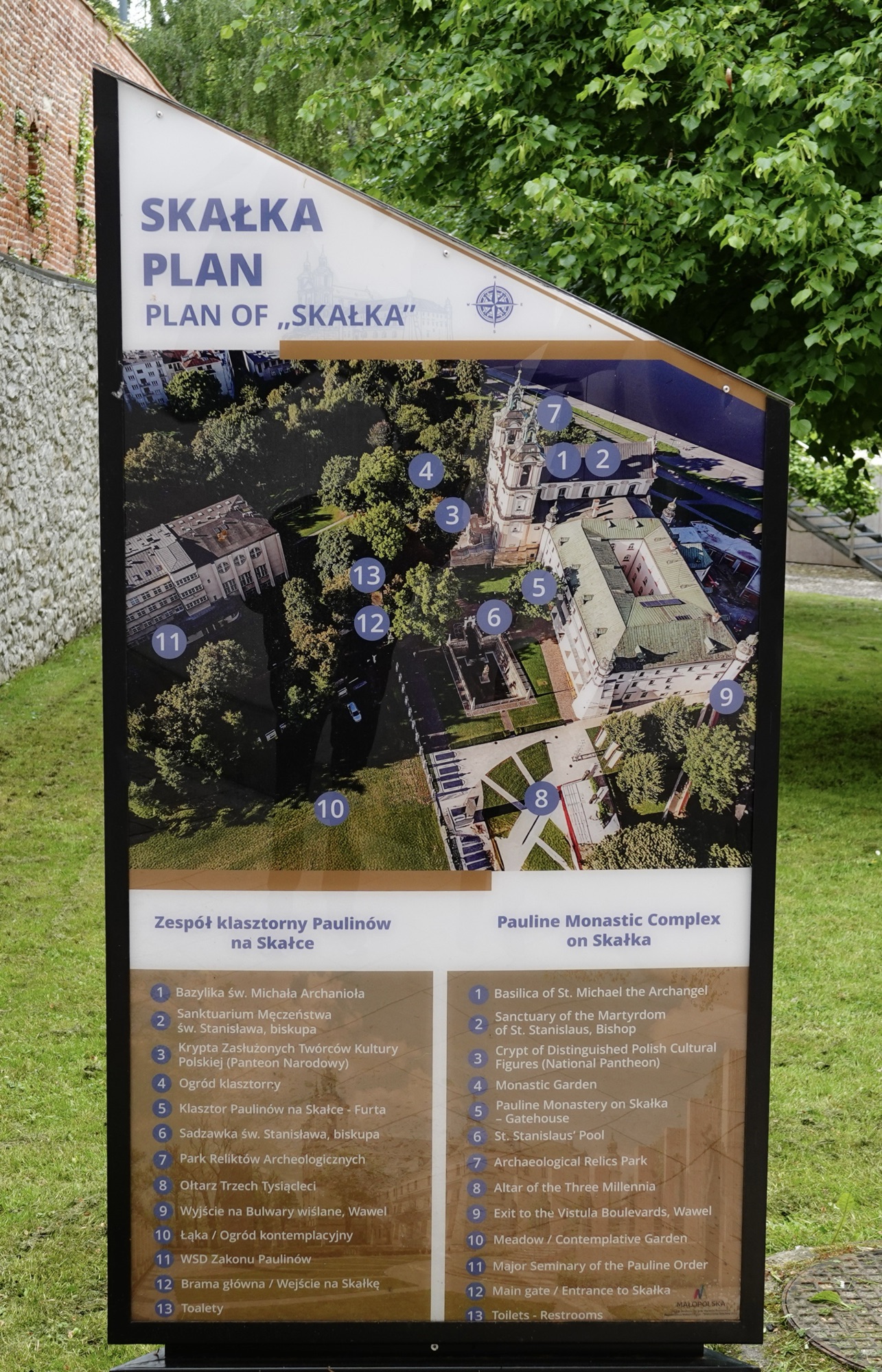
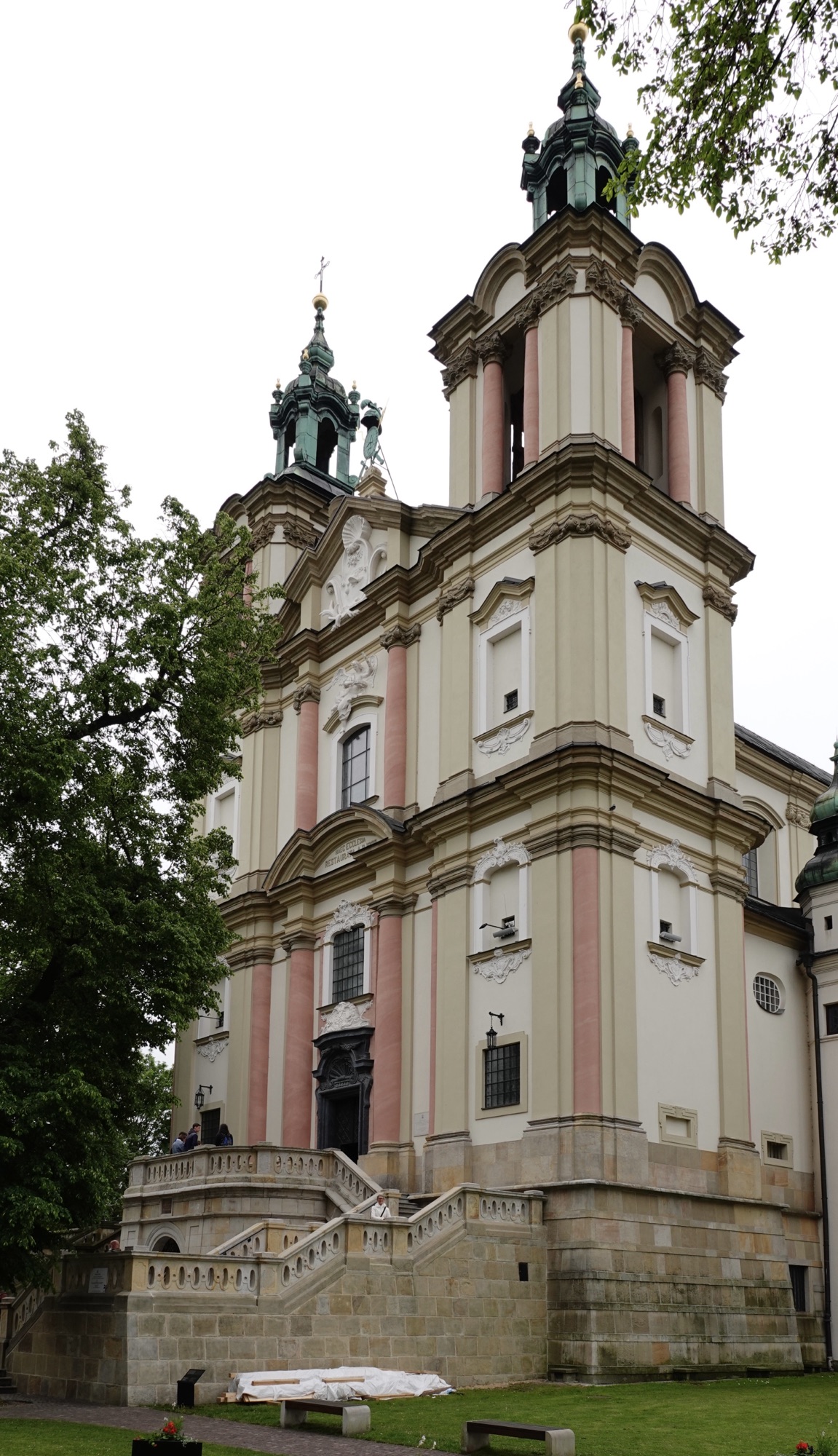
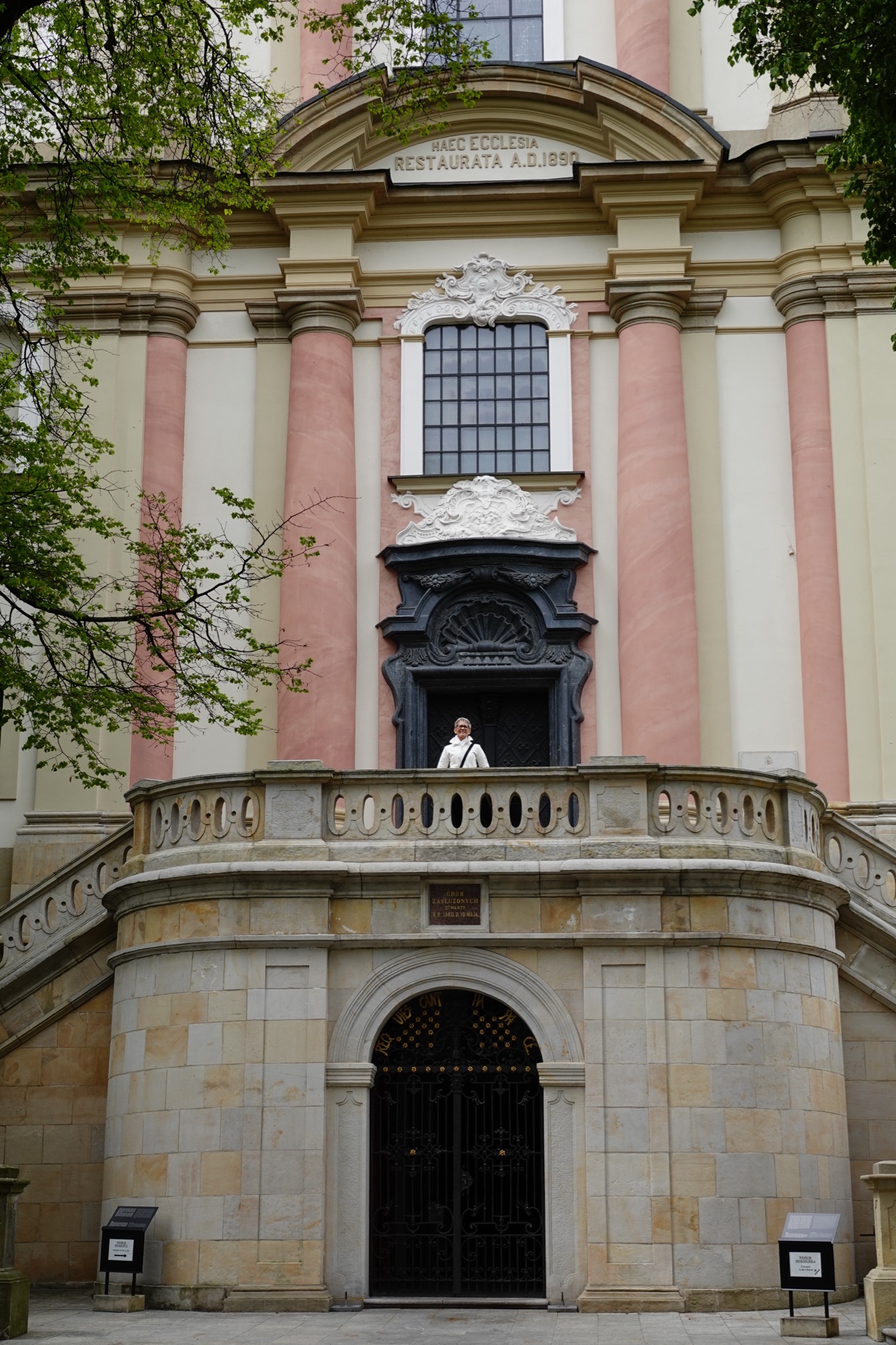
Our walk further out of the Old Town led us to the gates of a very beautiful looking church, which turned out to be a Pauline Monastery and the associated Basilica of the Archangel Saint Michael and Bishop & Martyr Saint Stanisława.
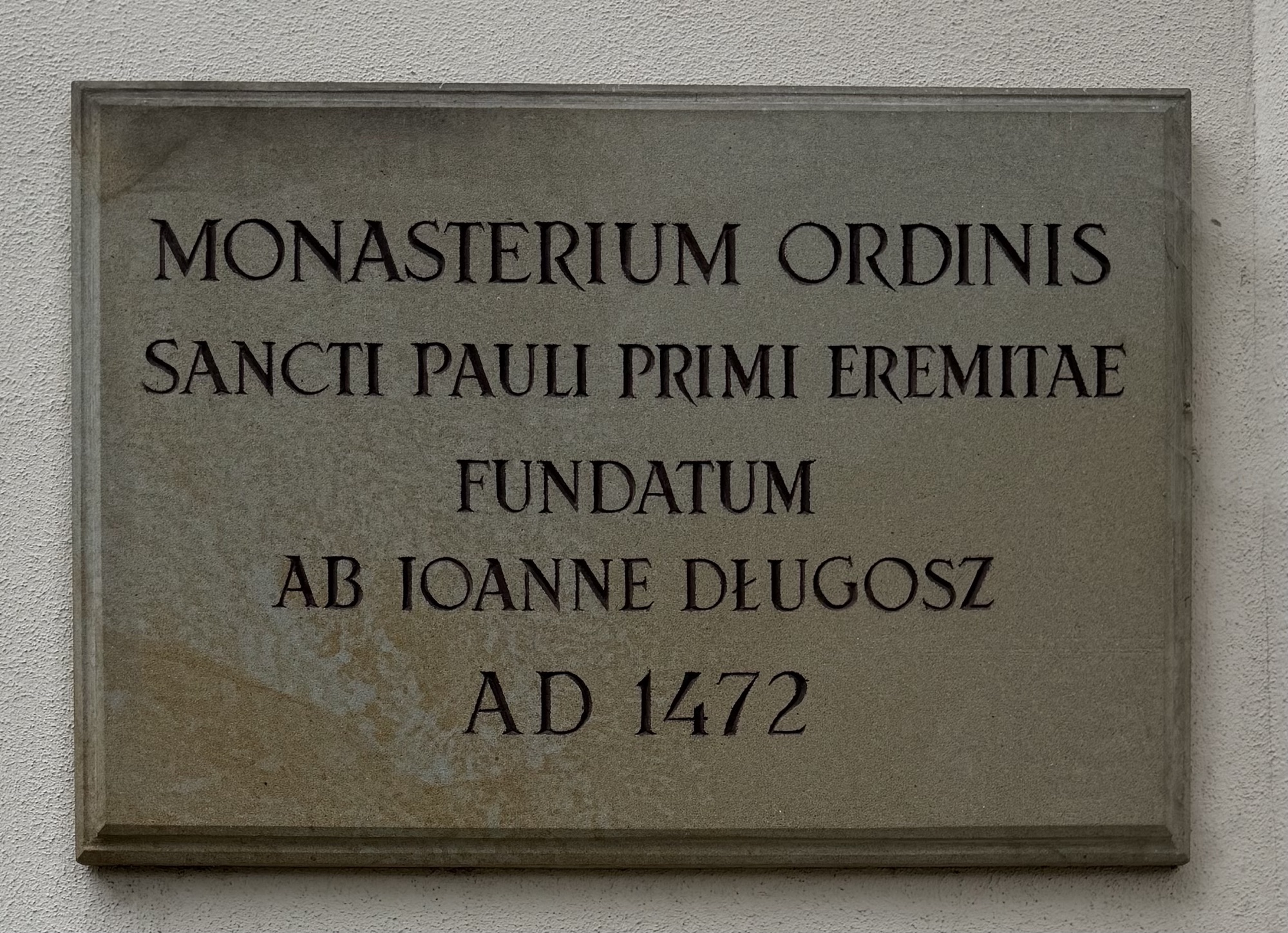
The entrance to Skałka Monastery features a very welcoming message that includes much of the history of the order and the place.
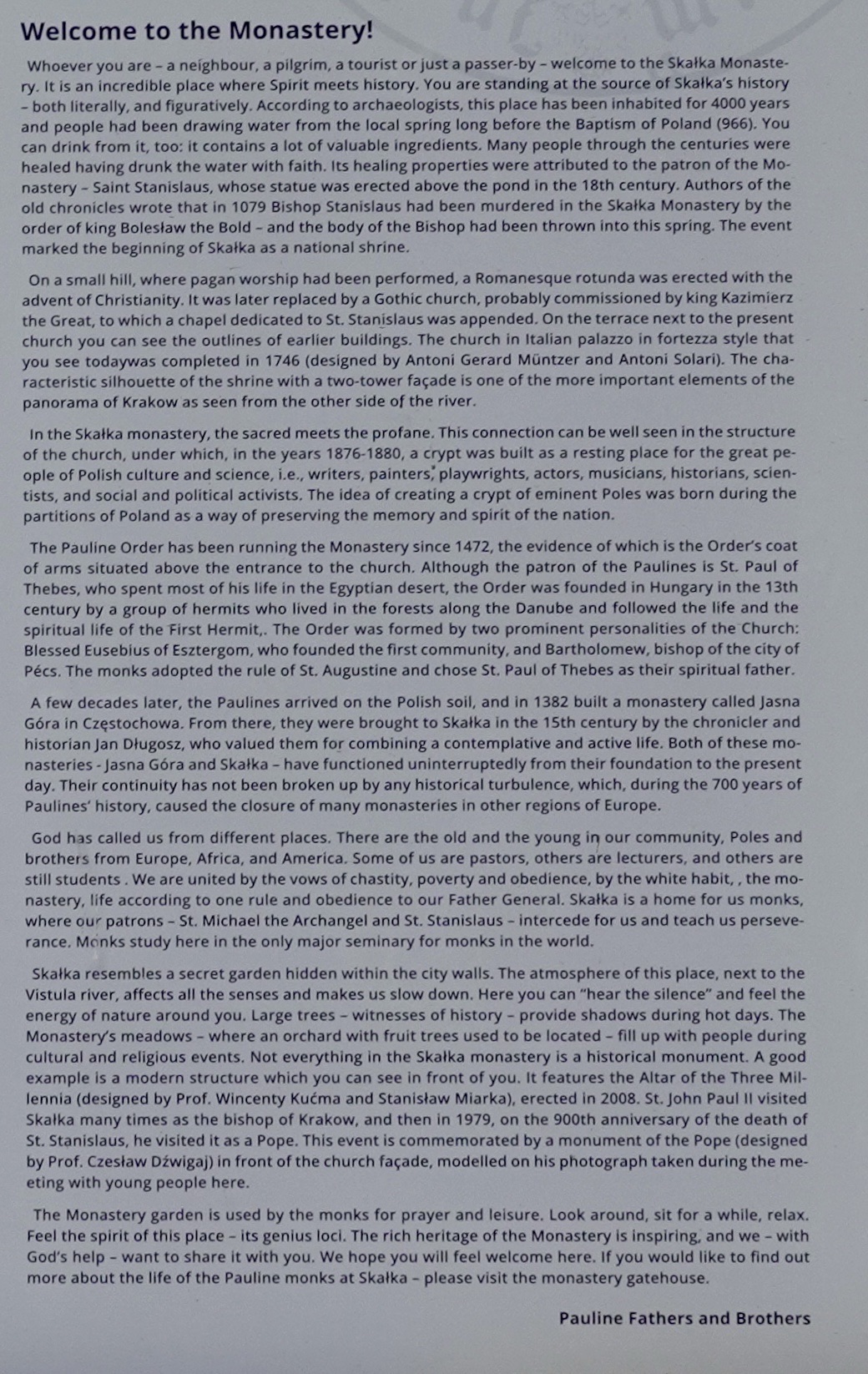
As the sign indicated, it really did feel like finding a secret peaceful garden away from the crush of tourists and commercialism.
That said, it was very much set up to encourage visitors to learn about its history and workings. A few of the signs had English on them, but the majority were only in Polish. We heard only Polish being spoken by the few people we encountered.
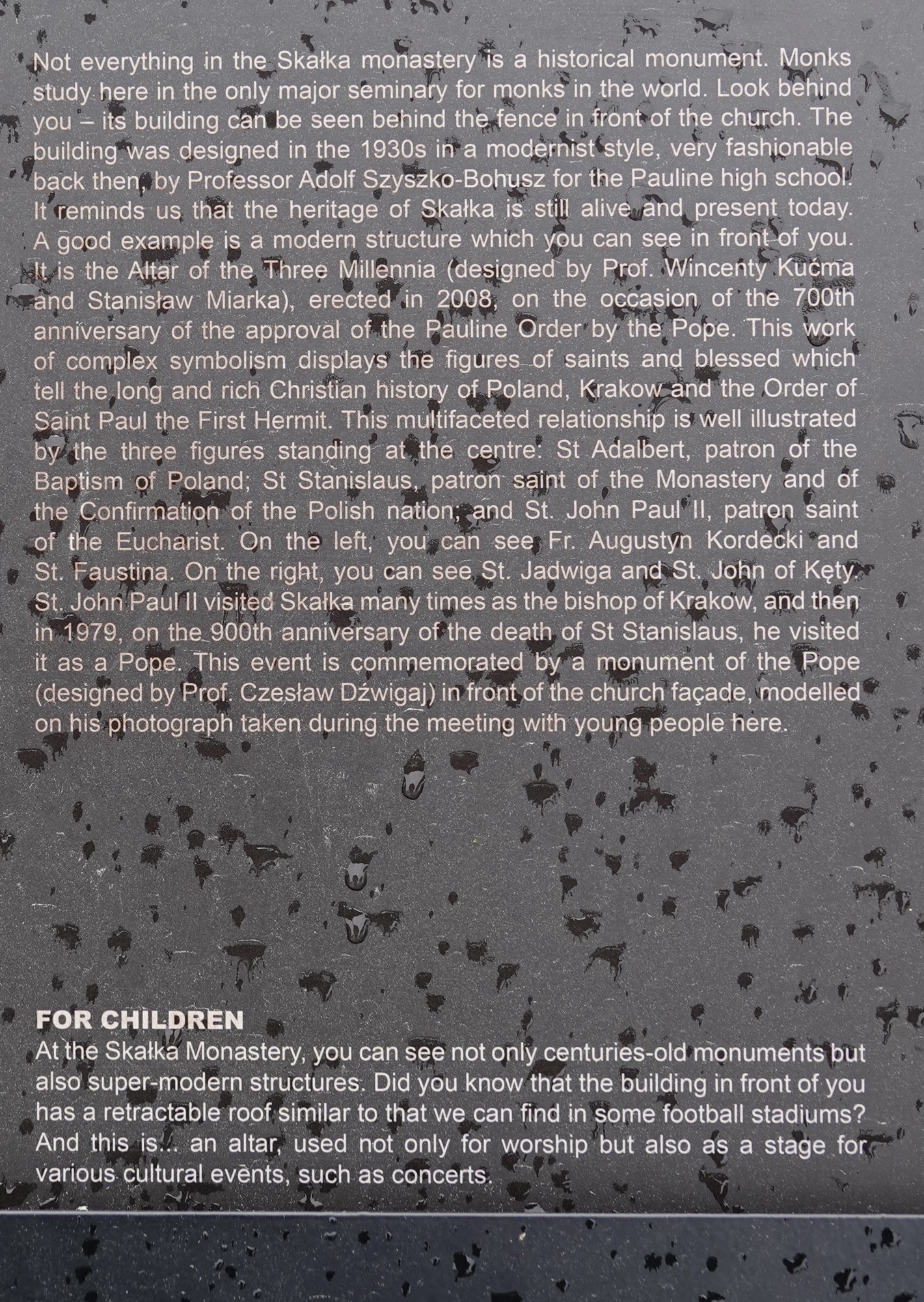
Interestingly, the few signs that were in both languages often featured a special message to engage children visiting the site.
The one below was beside the Altar of the Three Millennia, a truly awe-inspiring space.
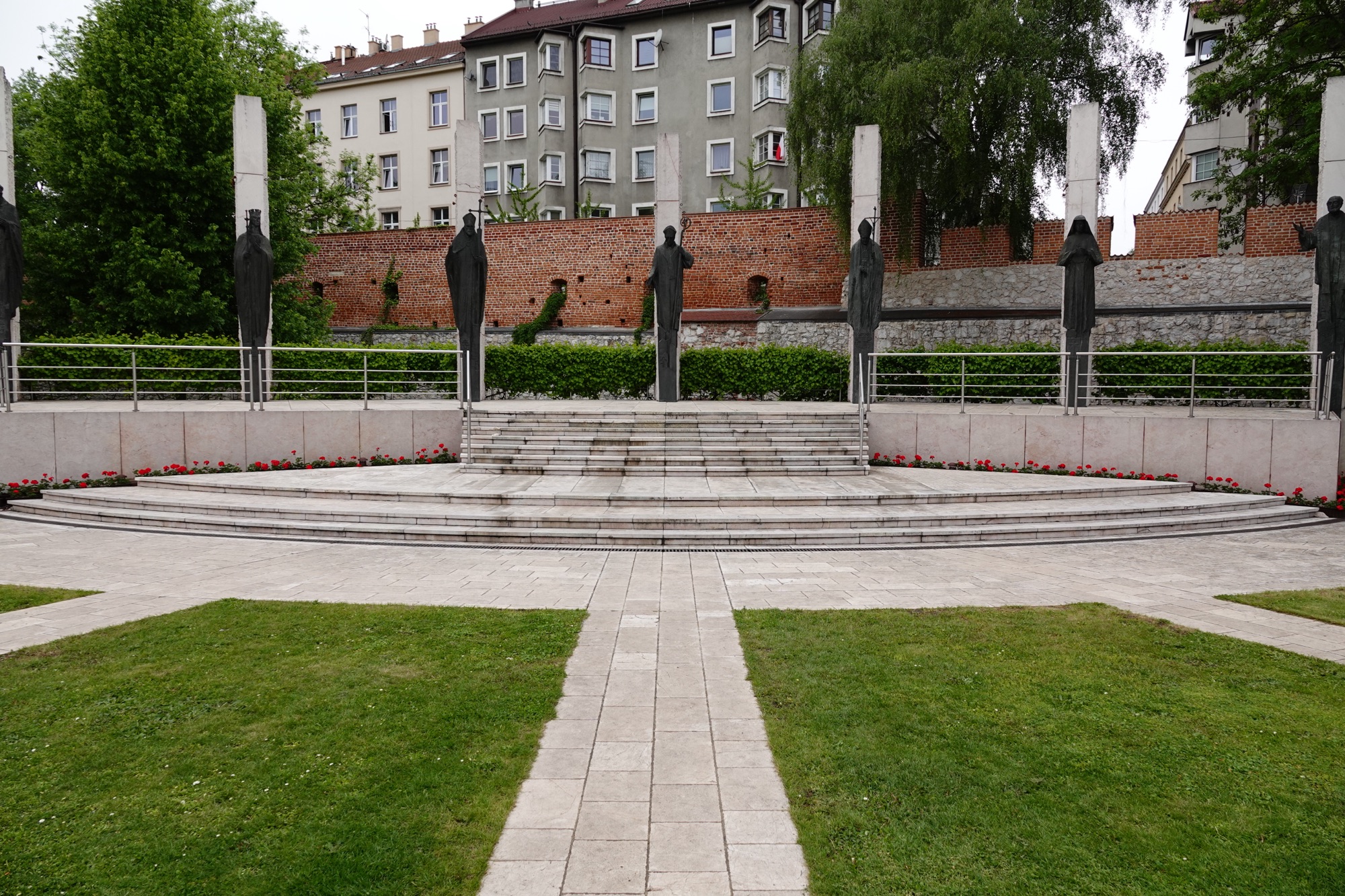
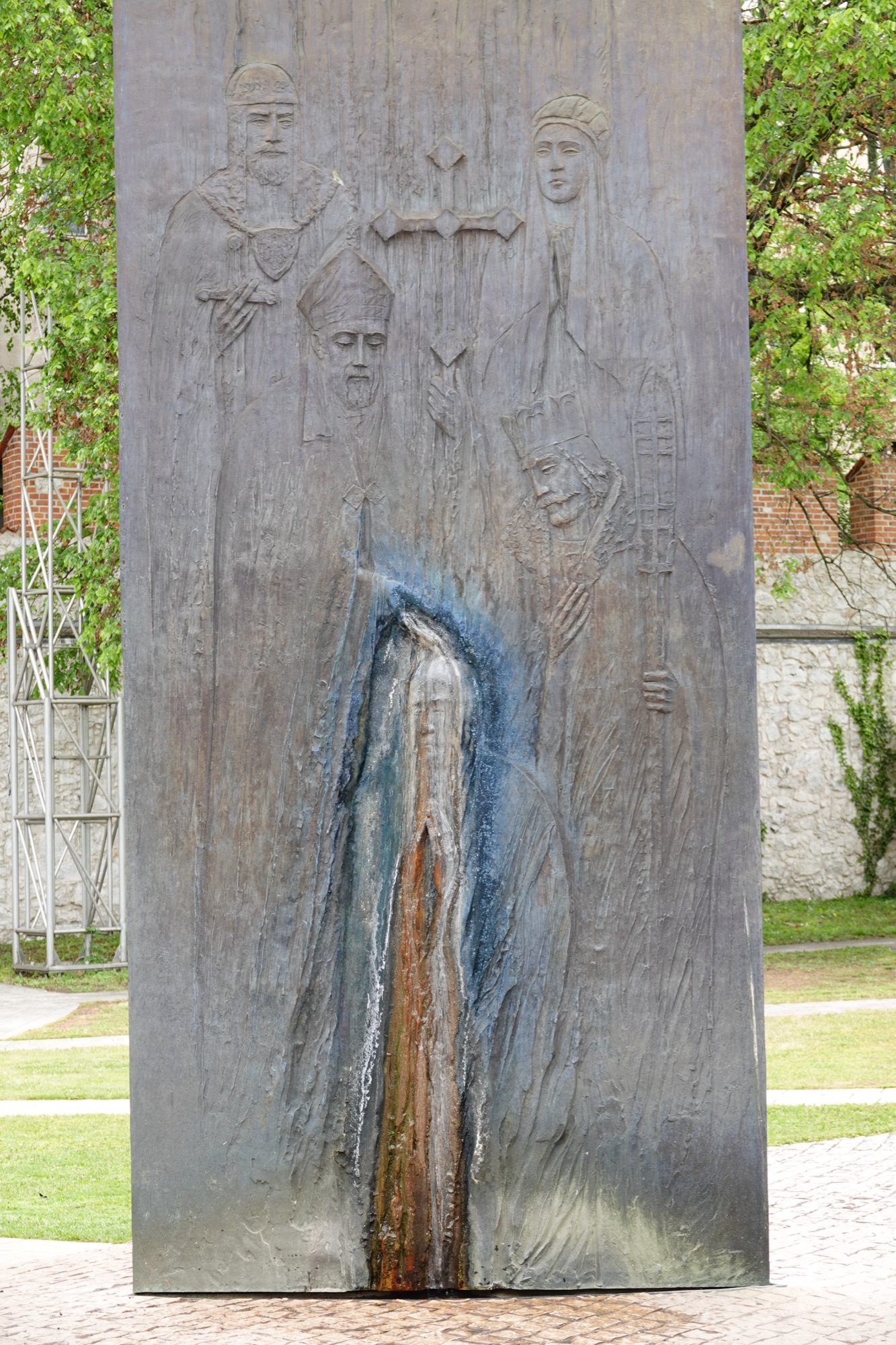
In the centre of the space is a 7 meter high monolith in the form of a triangle (the pillar and the symbol of the three sacraments), placed in front of the sacrificial table at the entrance to the monaster’s garden. The pillar is intended to convey the idea of construction and provides support for the retractable roof, shaped like a sail (which was not there today) This bronze prism with a triangle as its base recalls the three sacraments of Baptism, Confirmation and the Eucharist. Each of its three walls consists of two sections: an upper section with biblical references and a lower section referring to the history of Poland.
There’s a lot of symbolism packed into that monolith, explained (in much longer format than what I’ve condensed here for the Baptism image) in both Polish and English.
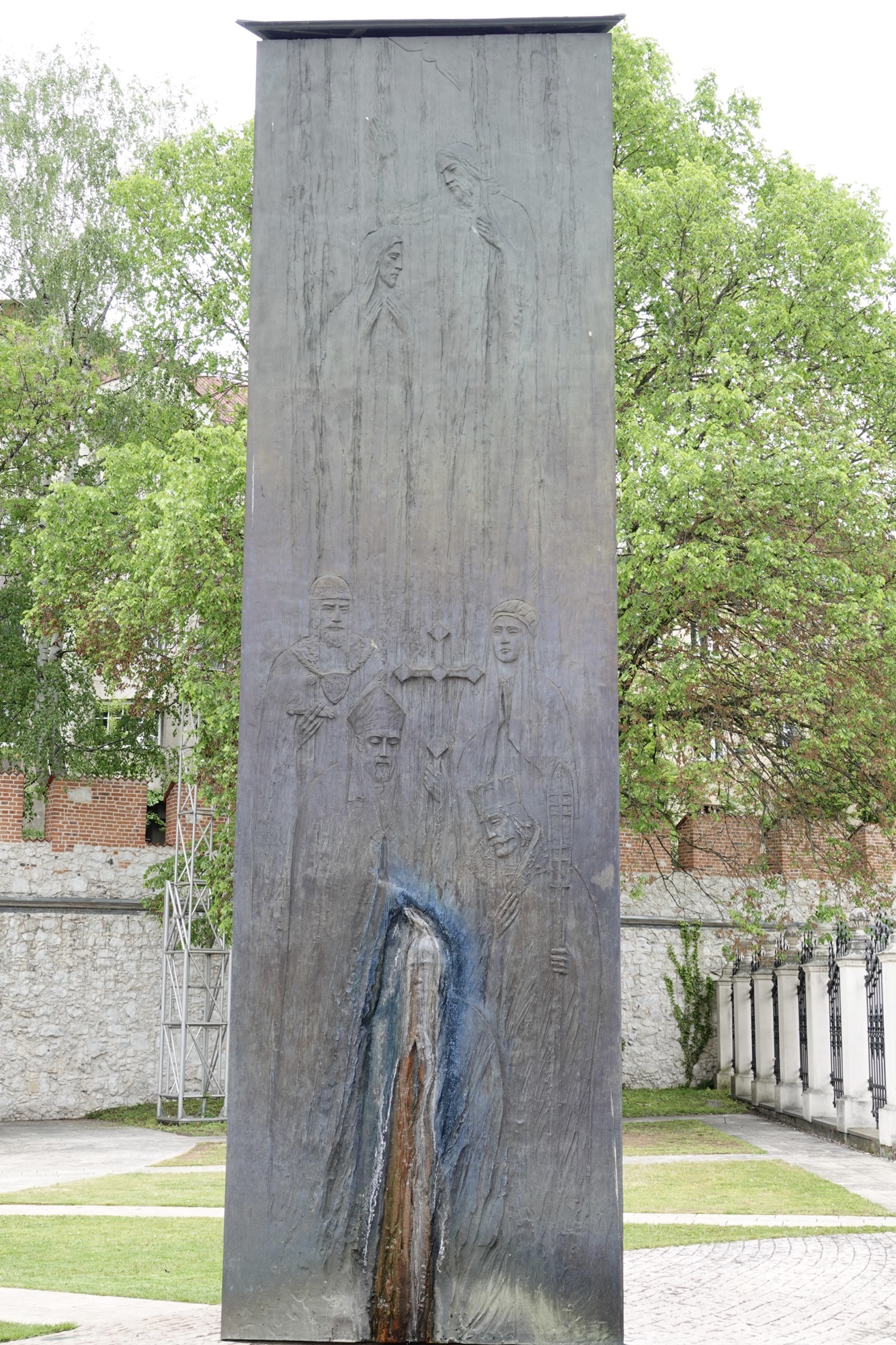
The Sacrament of Baptism.
The corresponding biblical scene is the Baptism of Christ in the River Jordan. The water blessed by Him flows from heaven through the hand of St. John the Baptist on the head of Christ. The lower part of the composition depicts the baptism of Poland in 966. St. Adalbert commands the stream of water, redirecting it onto the head of a representation of pagan Prussia. A relief located underneath shows King Boleslav Chrobry (967-1025) holding the spear of St. Maurice that he has received from Emperior Otto II. The symbolic water on the hand of St. Adalbert becomes the water from the pond of St. Stanislaus known as the “Baptistery of Poland”. As it flows over the baptized, it fills the baptismal vessel at the base of the pillar where it can be touched by visitors today.
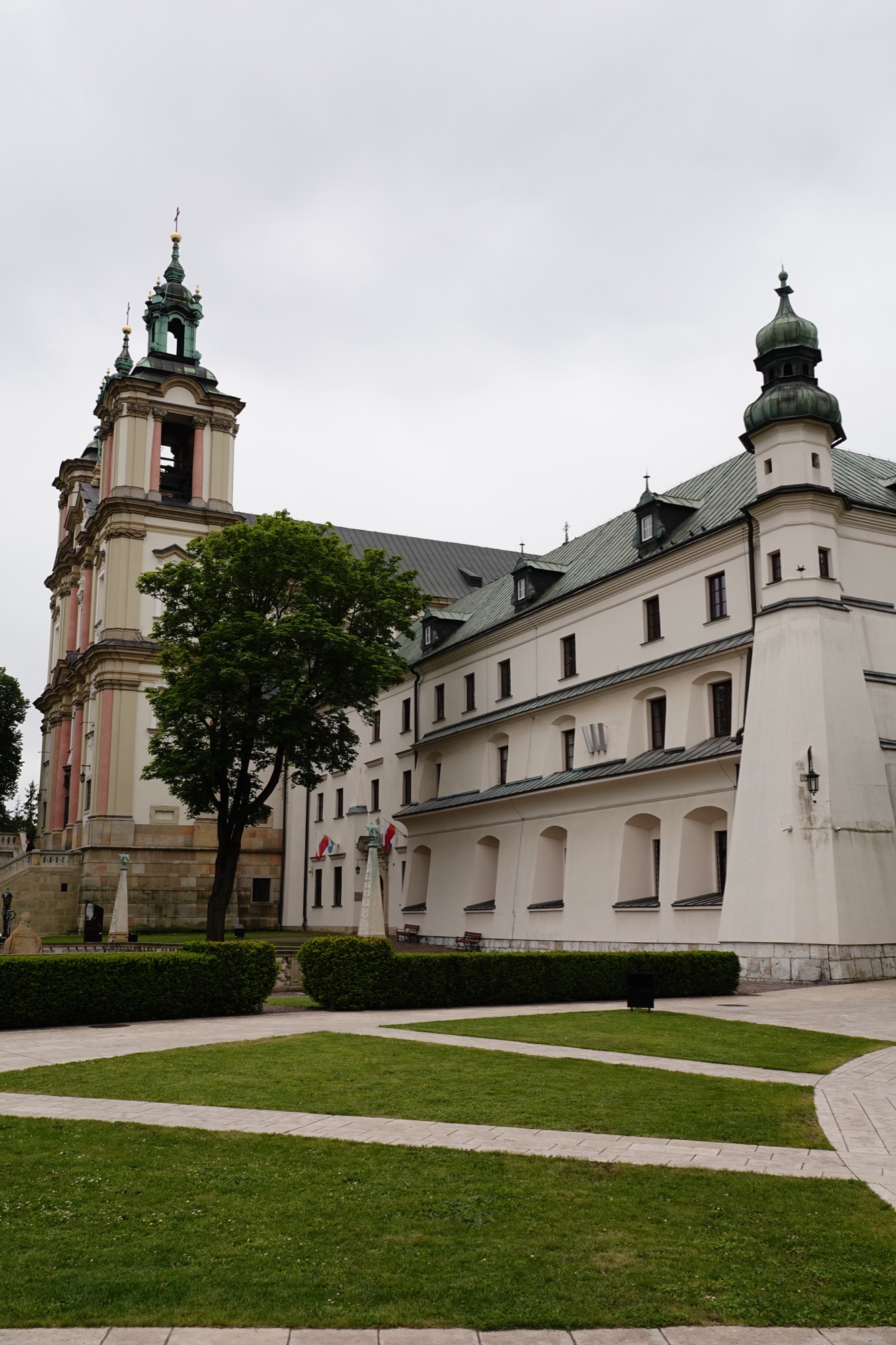
But while part of the monastery complex is modern, the current Baroque church was built between 1734 and 1751; the Pauline monastery, was erected in several stages between 1633 and 1723.
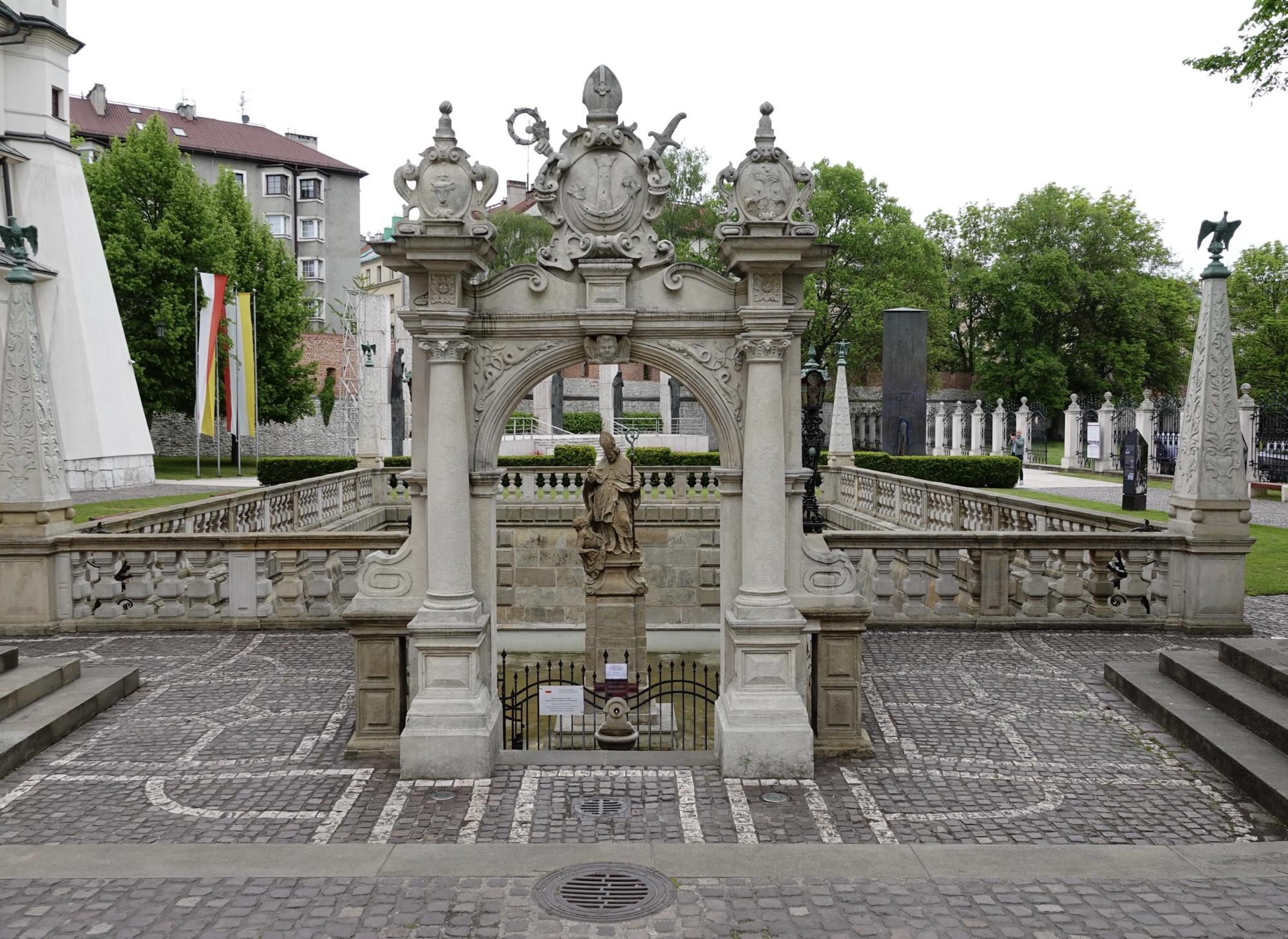
In front of the basilica is the well of Saint Stanisława, currently dry due to ongoing drought conditions. Pilgrims have been coming here to drink the water since the 12th century, but the statue and surround were part of the Baroque reconstruction of the basilica.
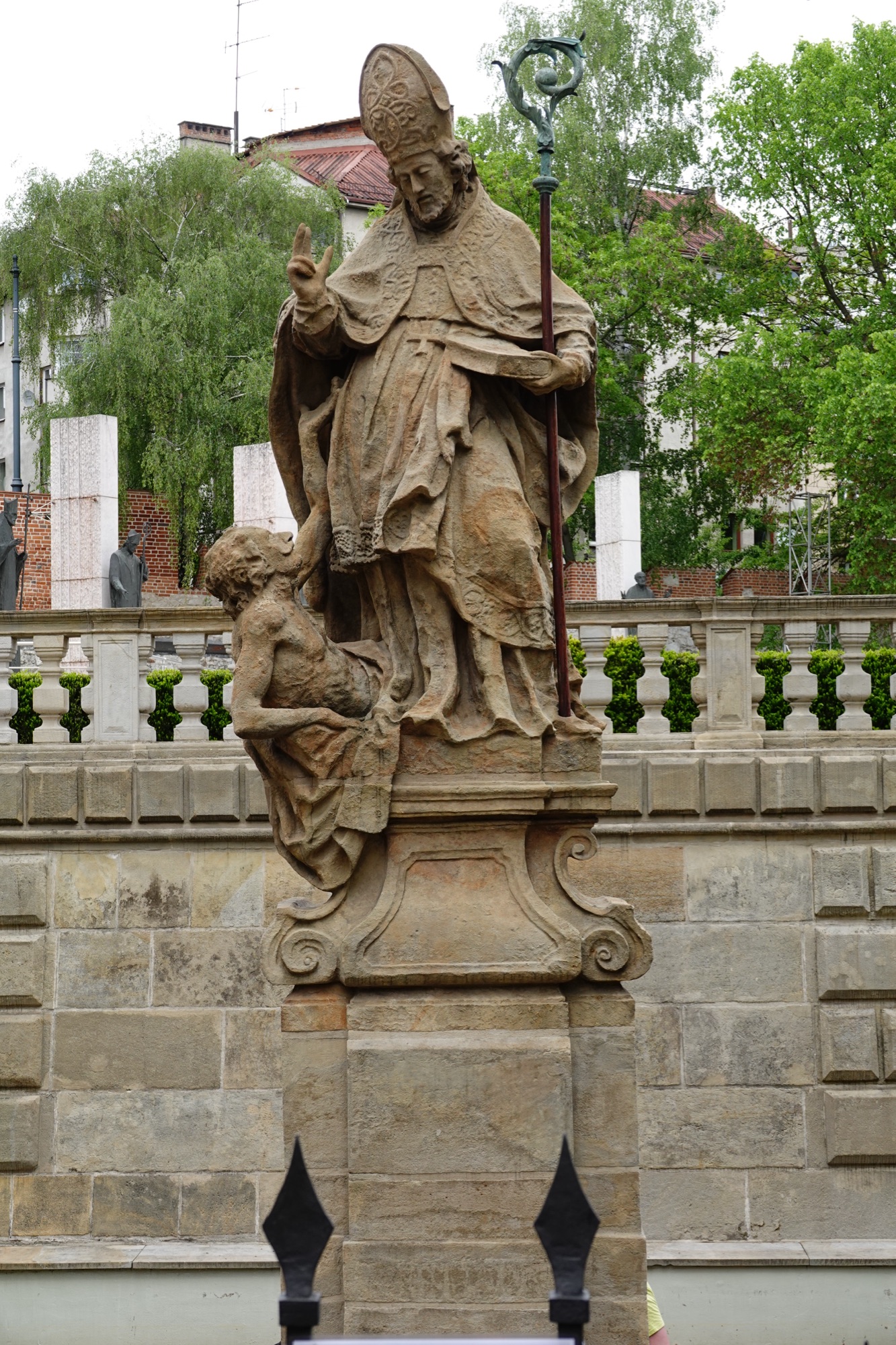
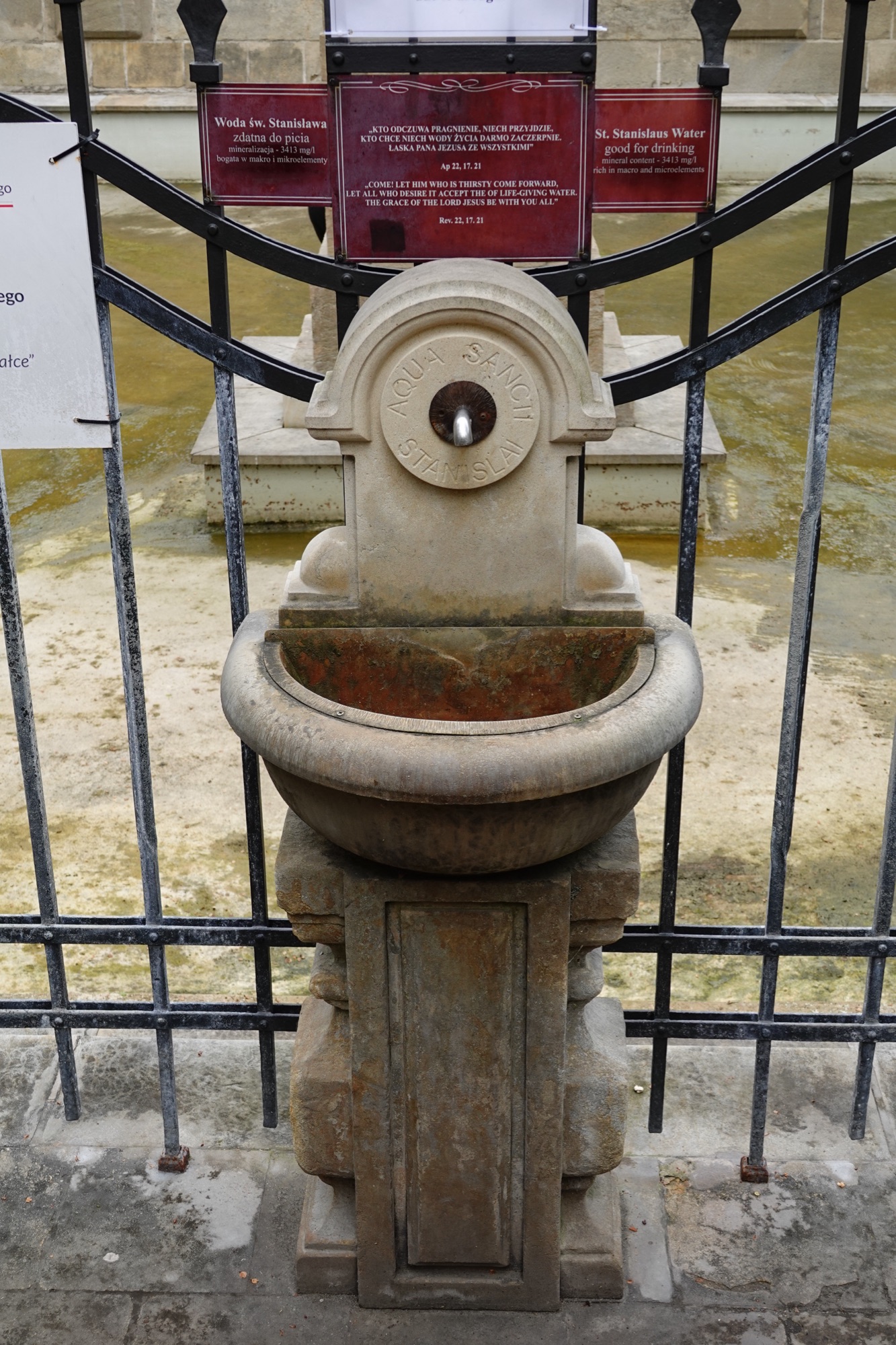
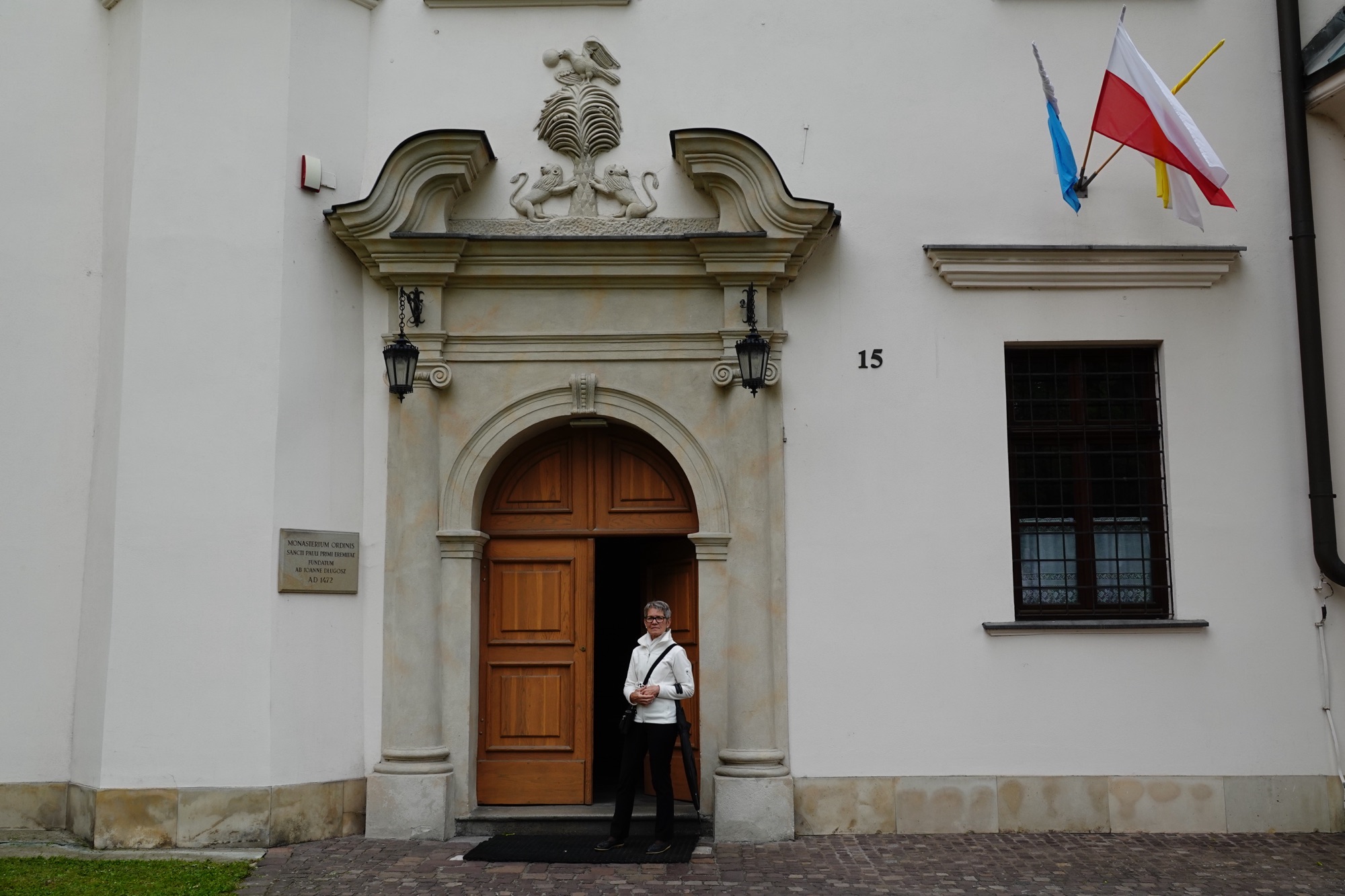
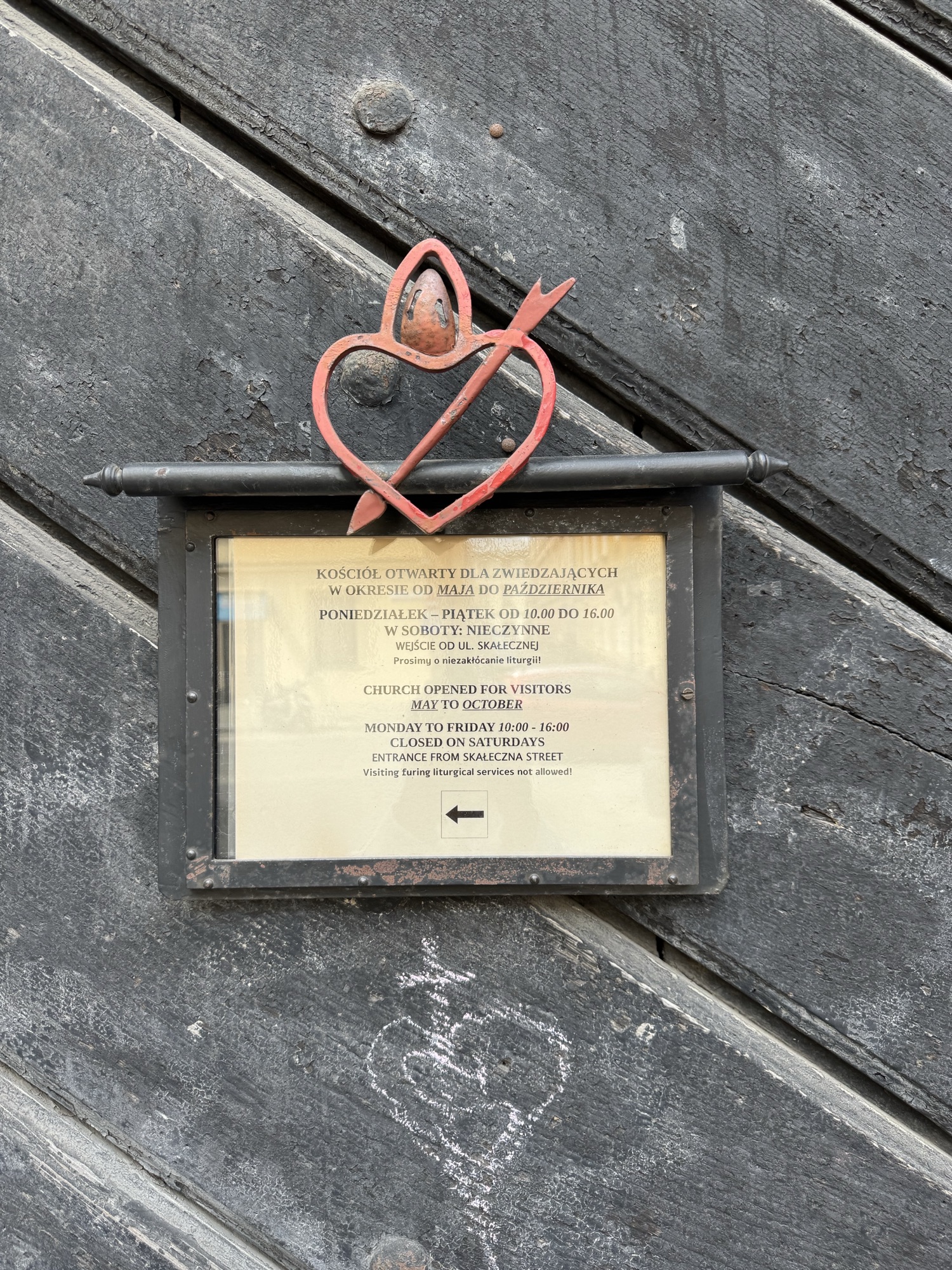
The sign beside the door of the monastery:
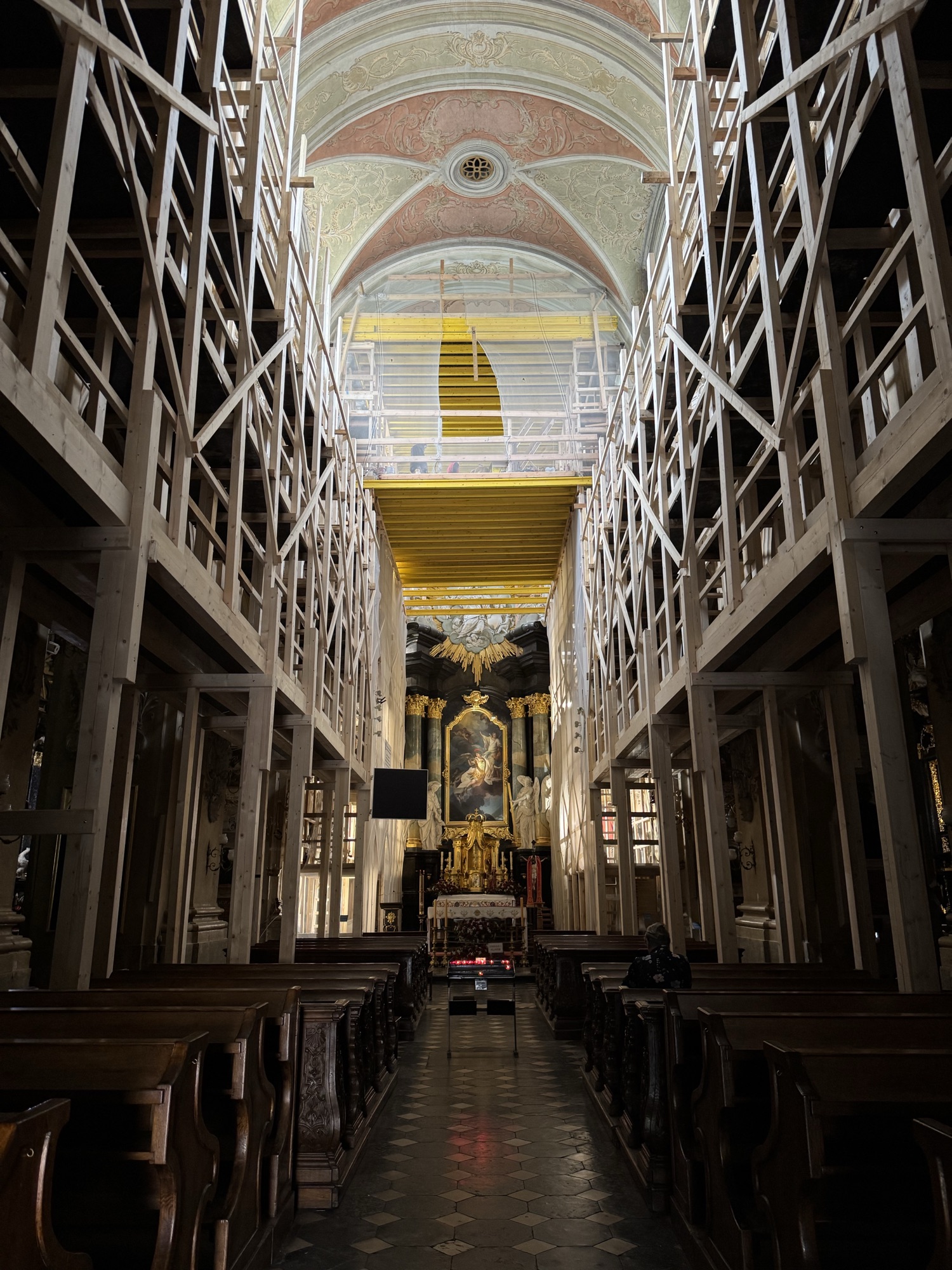
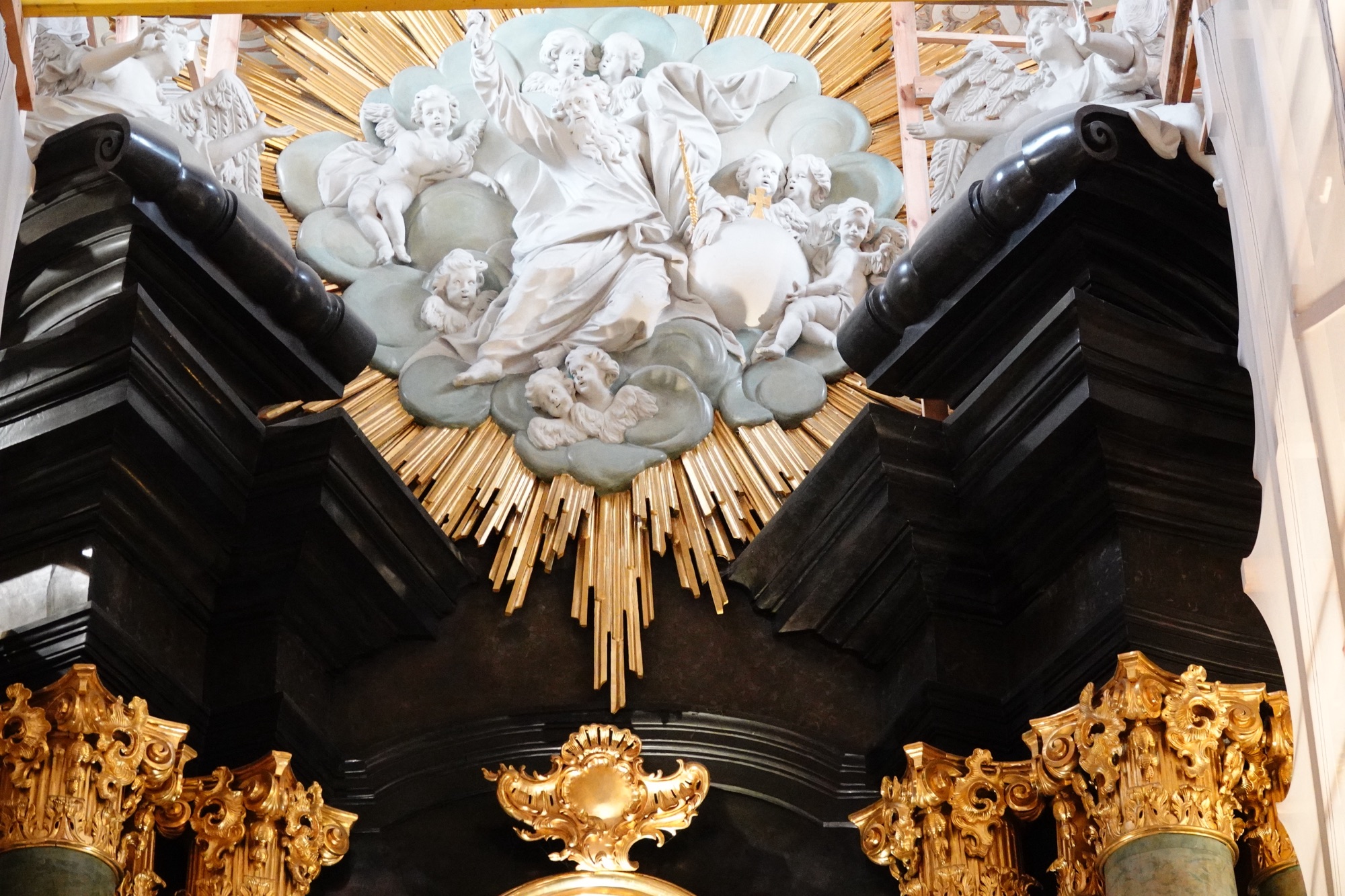
Unfortunately for Ted’s photo-taking, the interior of the basilica is being restored. That meant scaffolding and hoarding everywhere, and very little interior lighting.
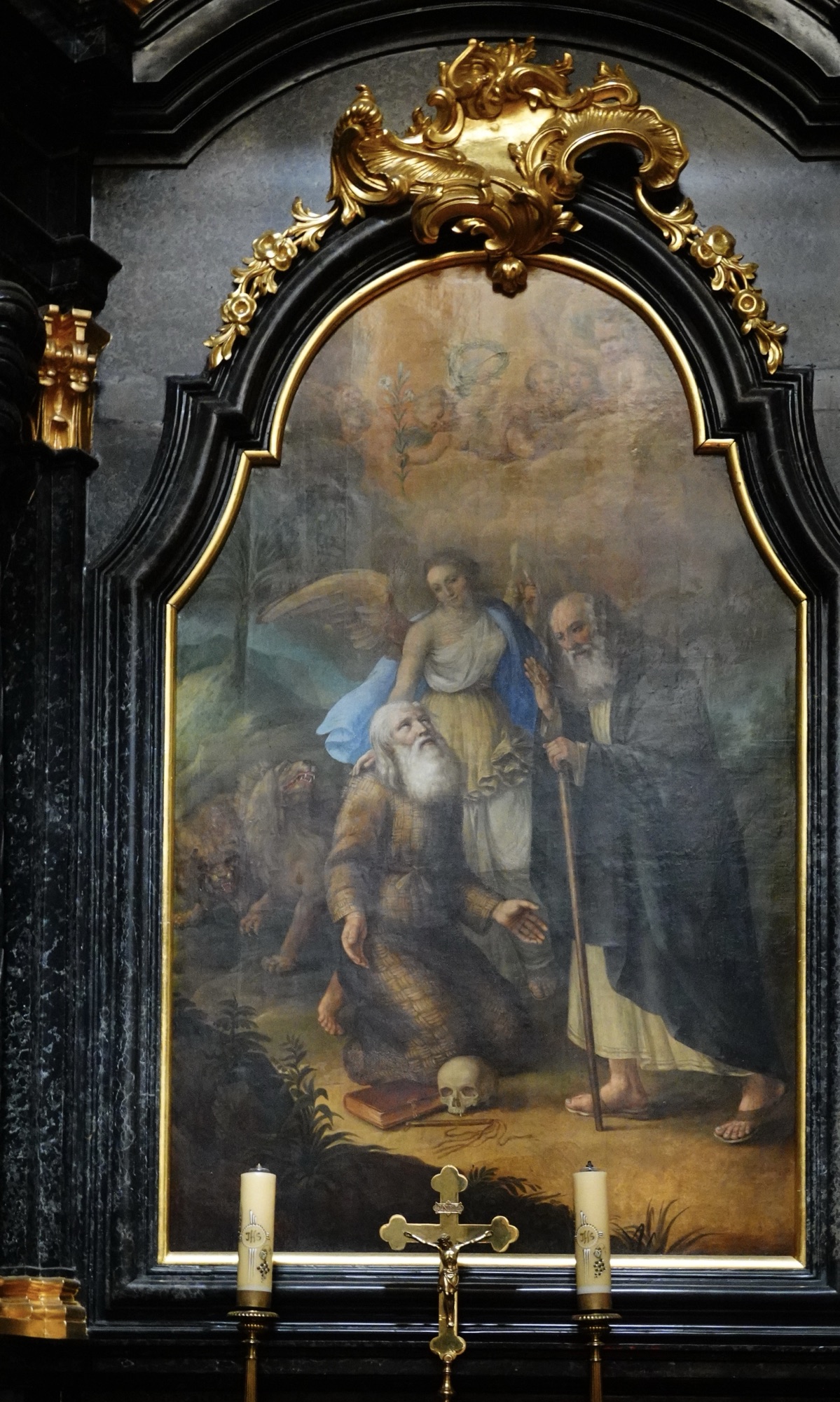
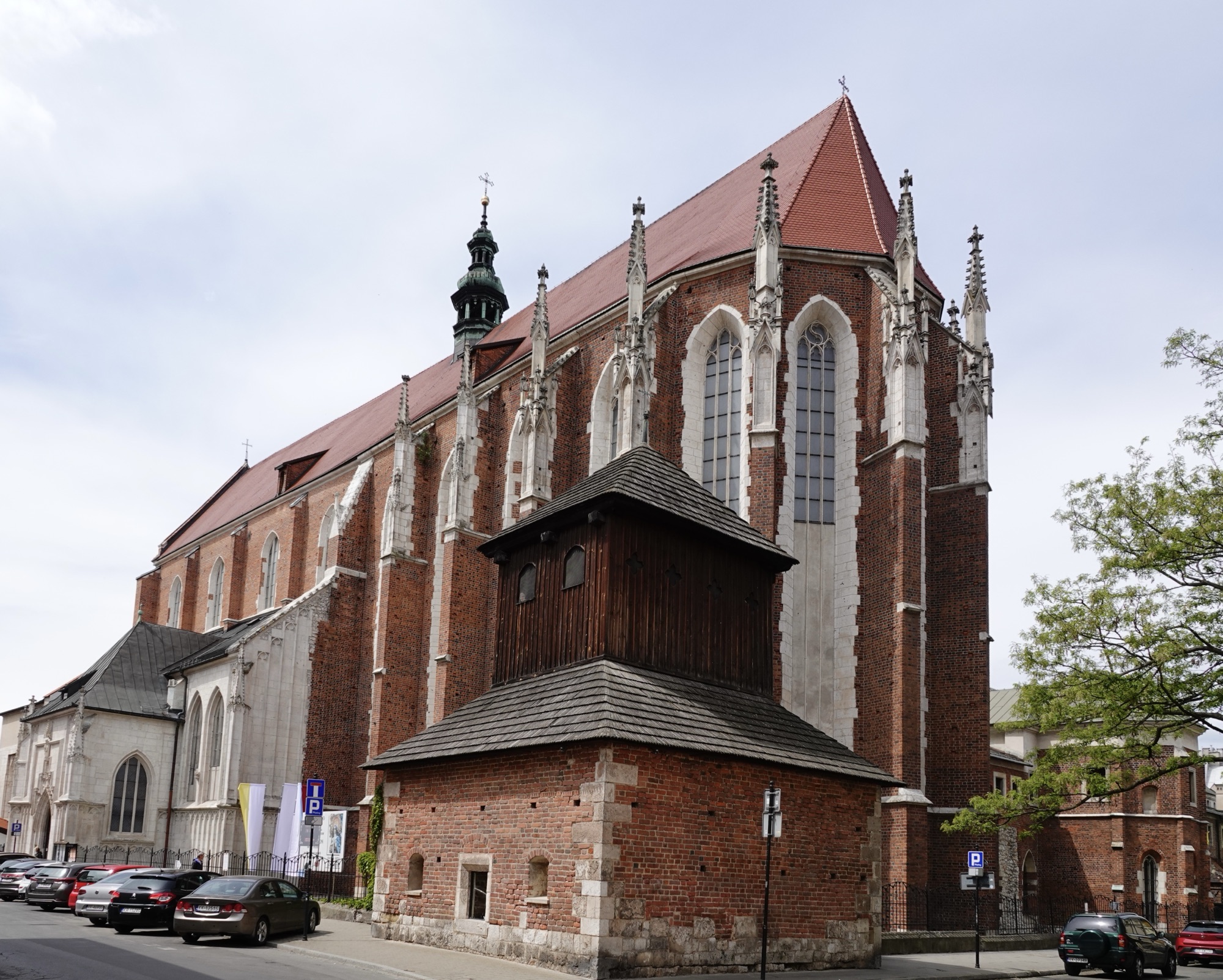
We wandered only a few blocks from the Pauline Monastery before noticing a large Augustine Cloister and Church.
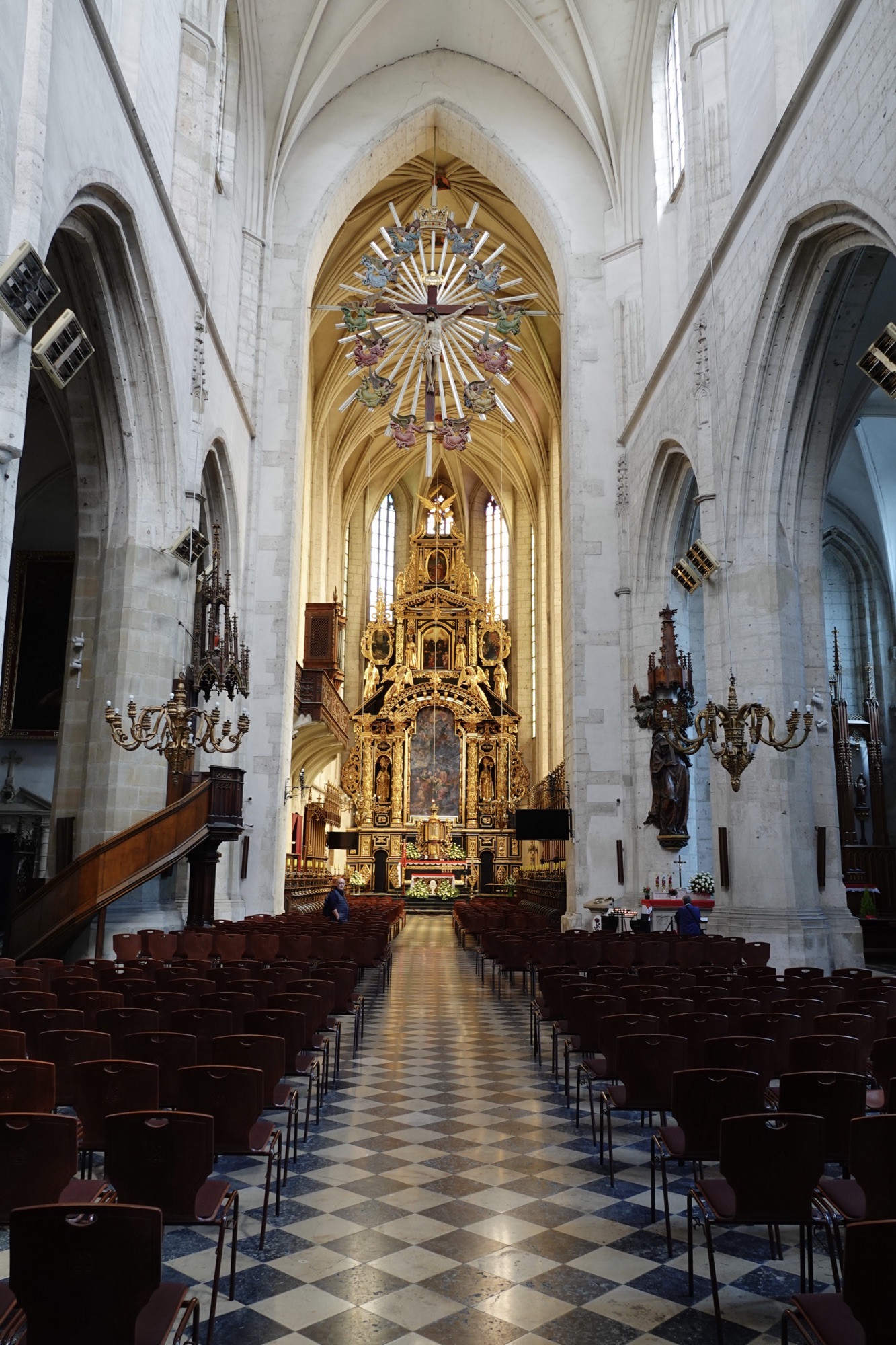
Fortunately, this church is not currently being restored, so Ted was able to get some wonderful interior photos.
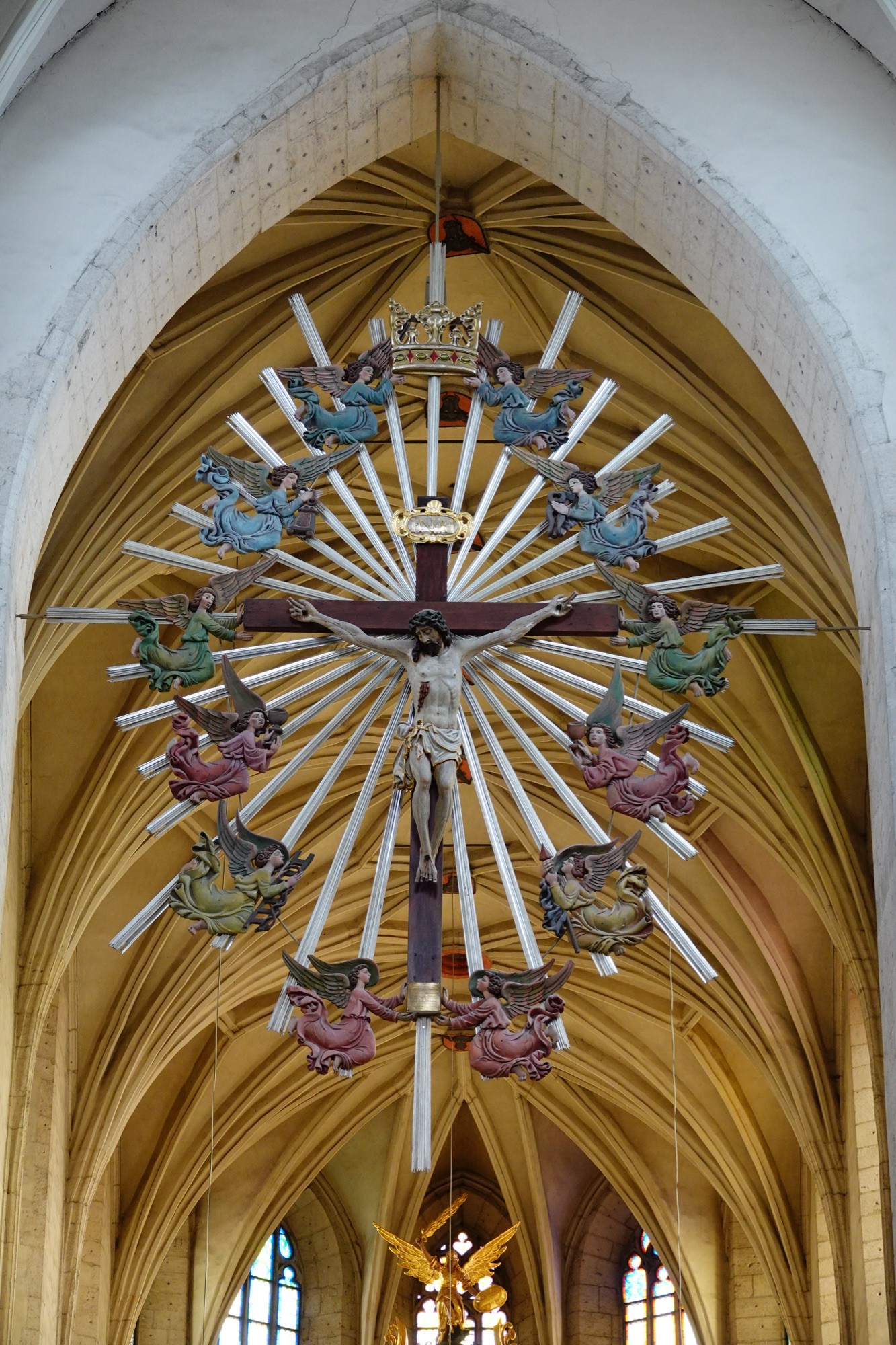
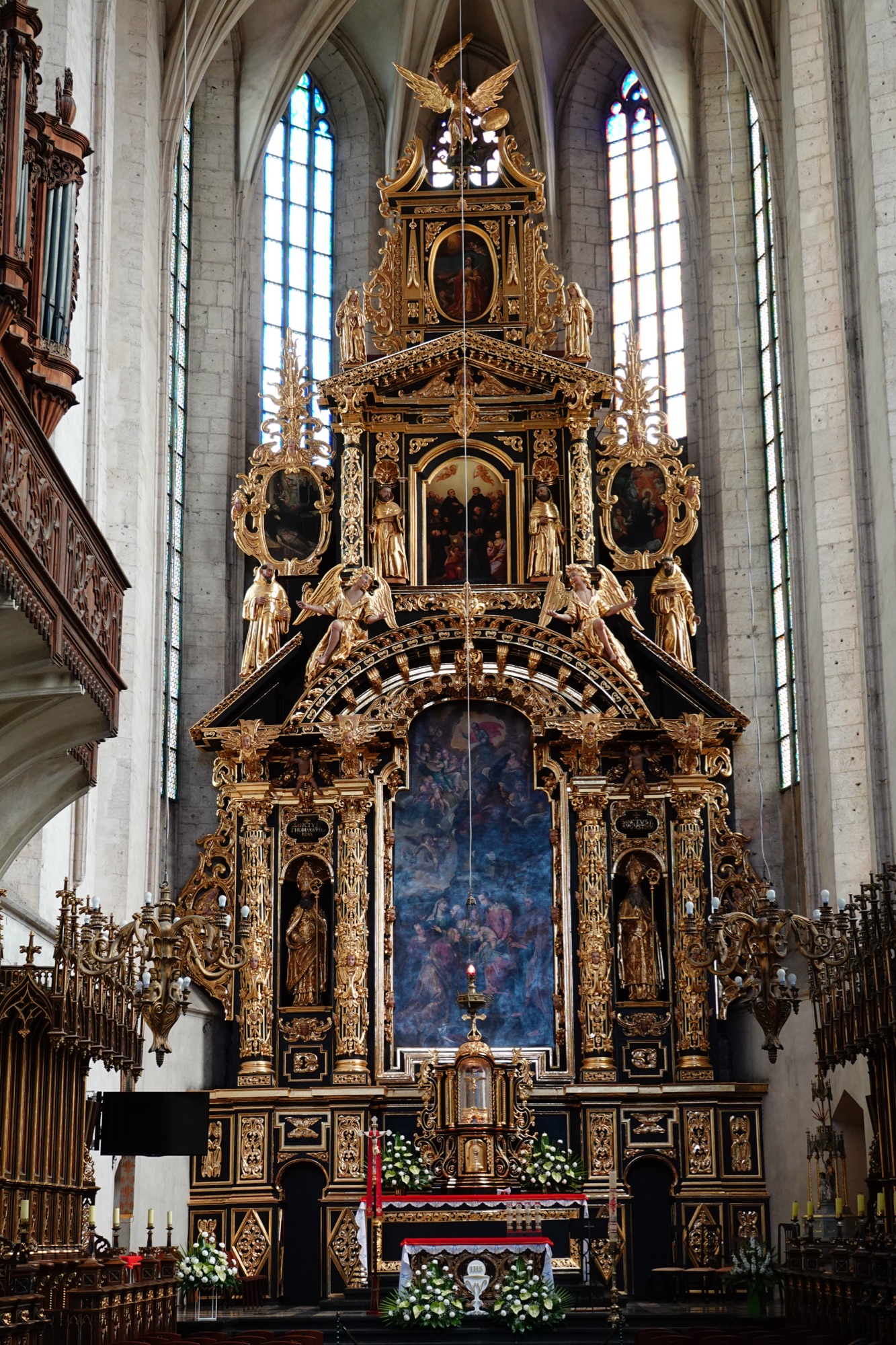
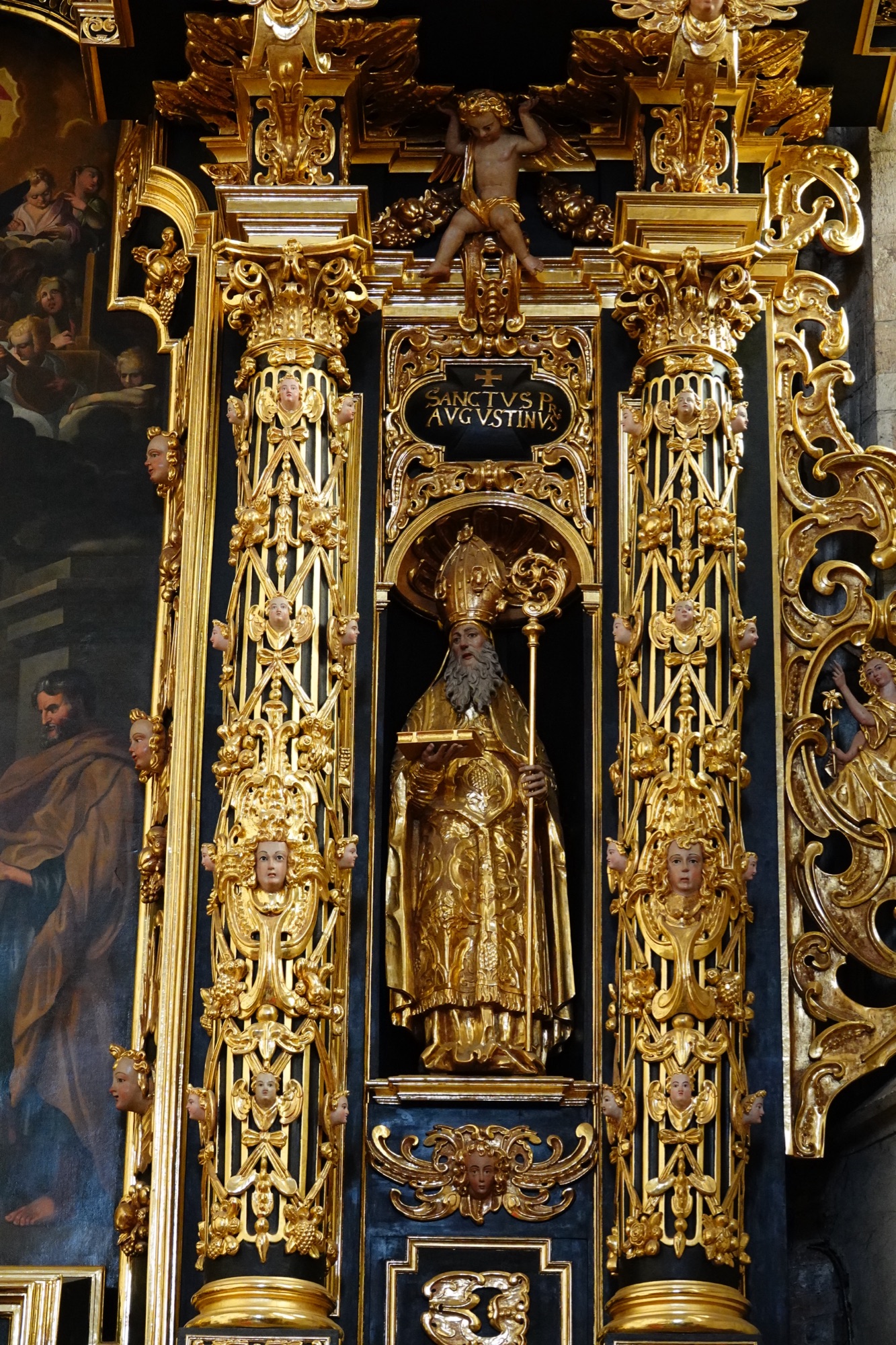
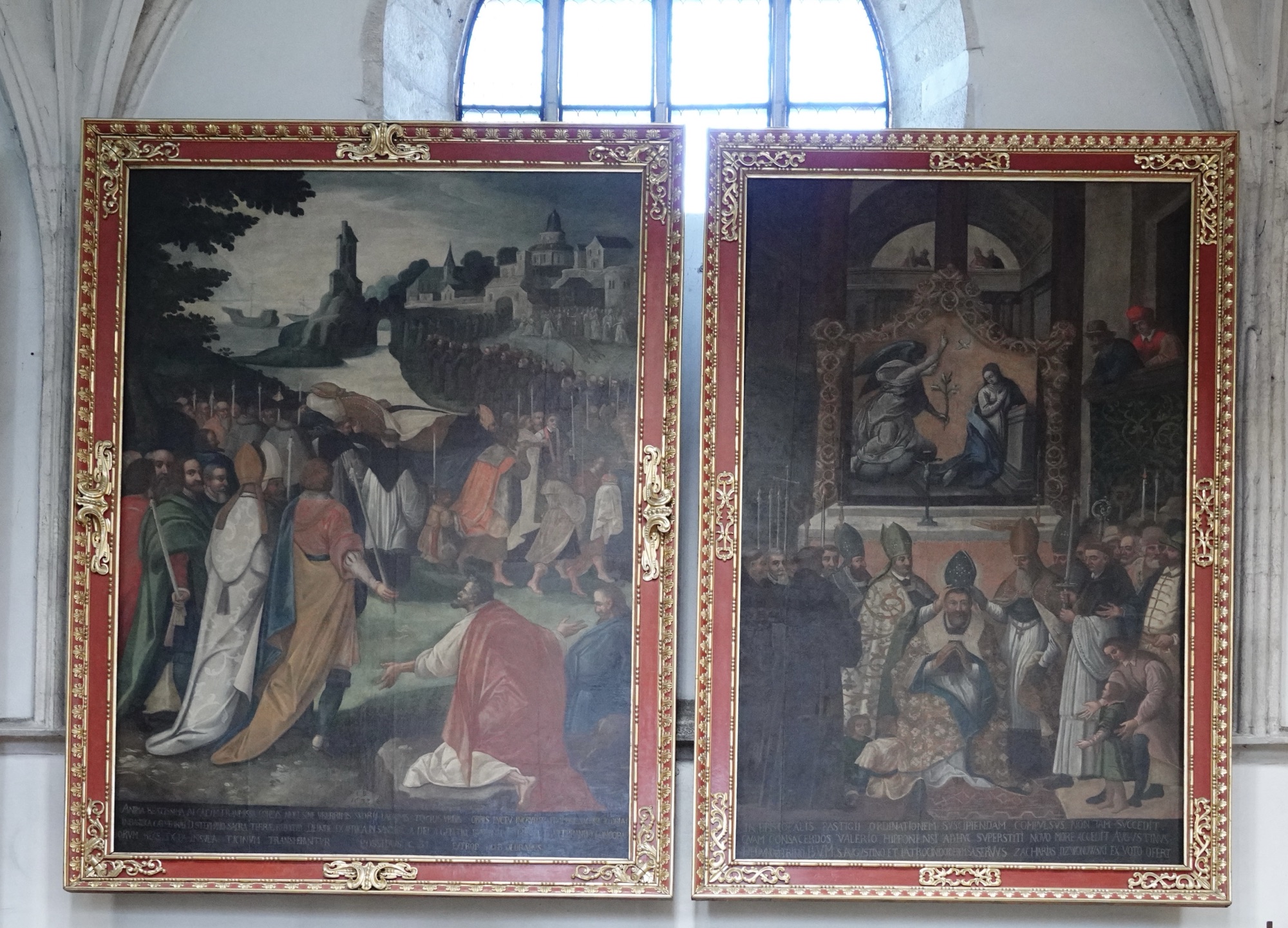
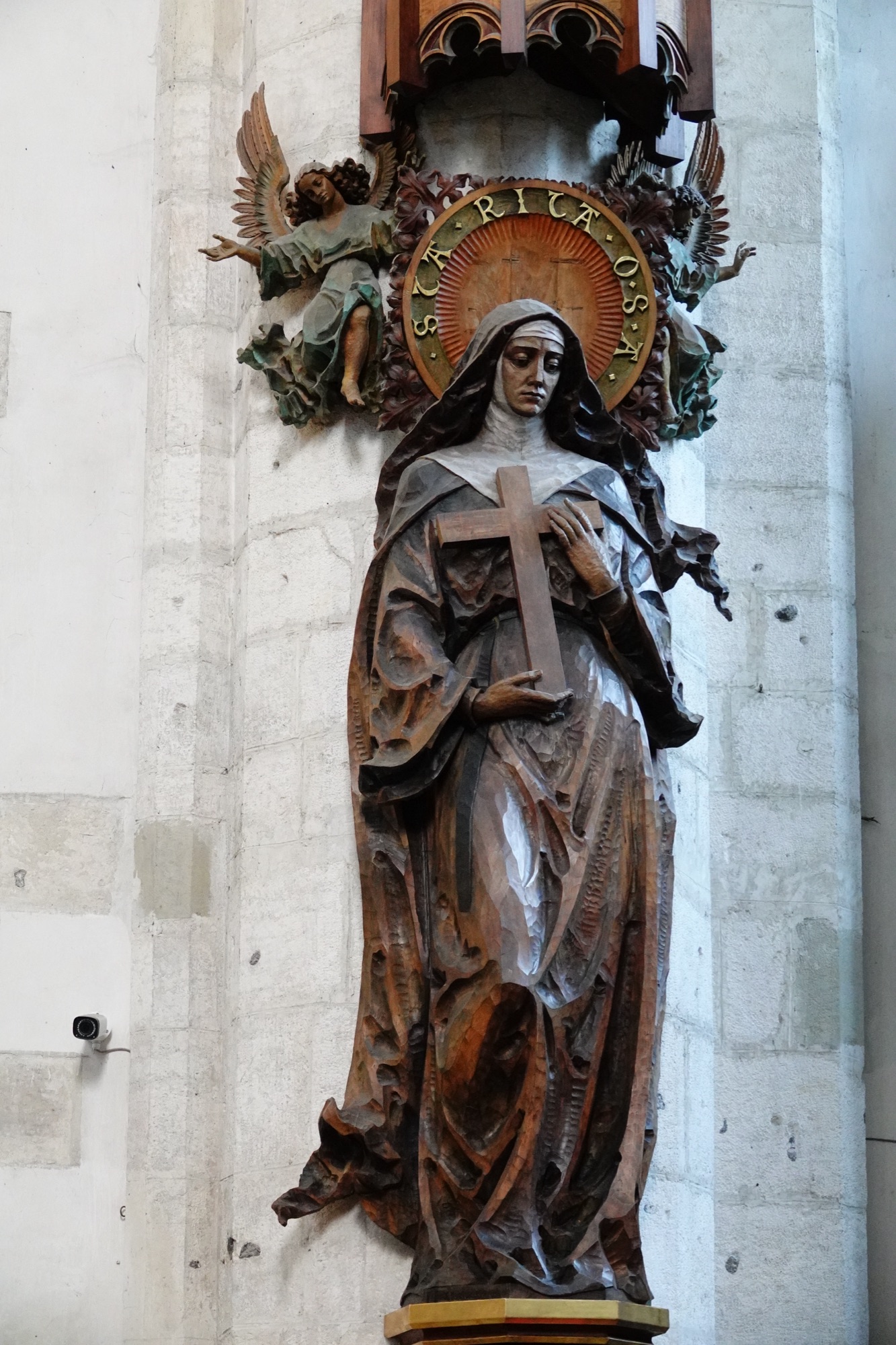
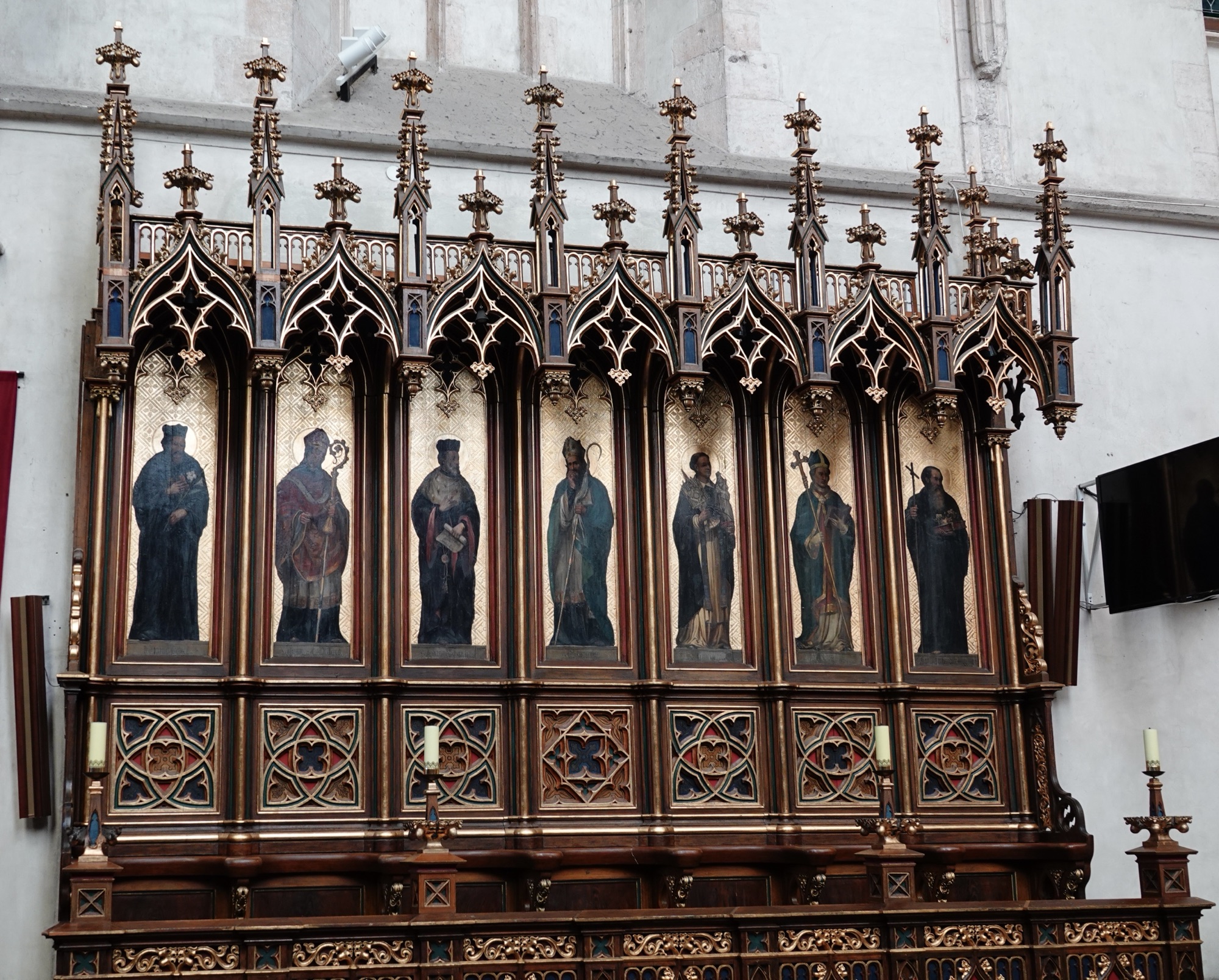
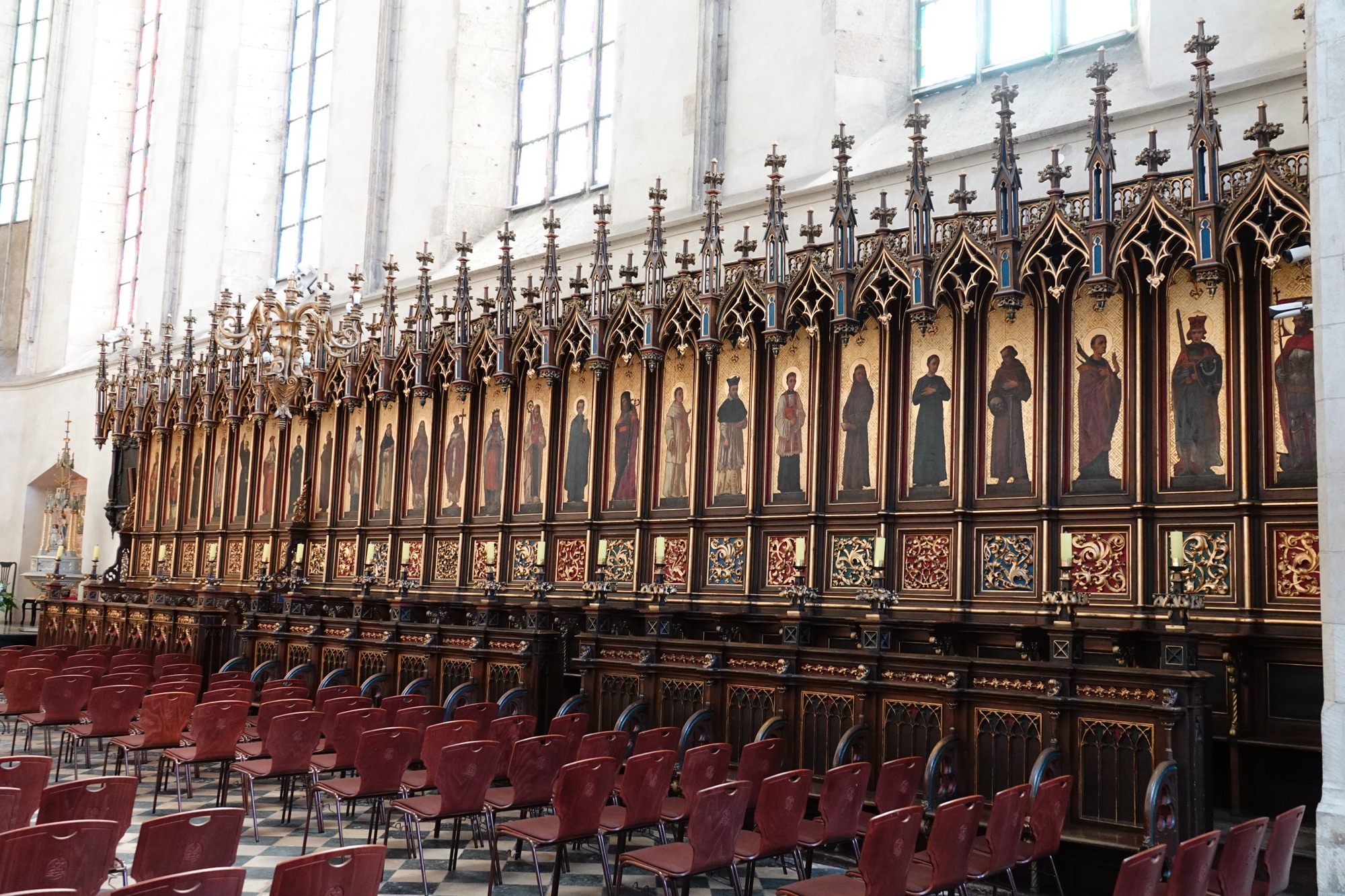
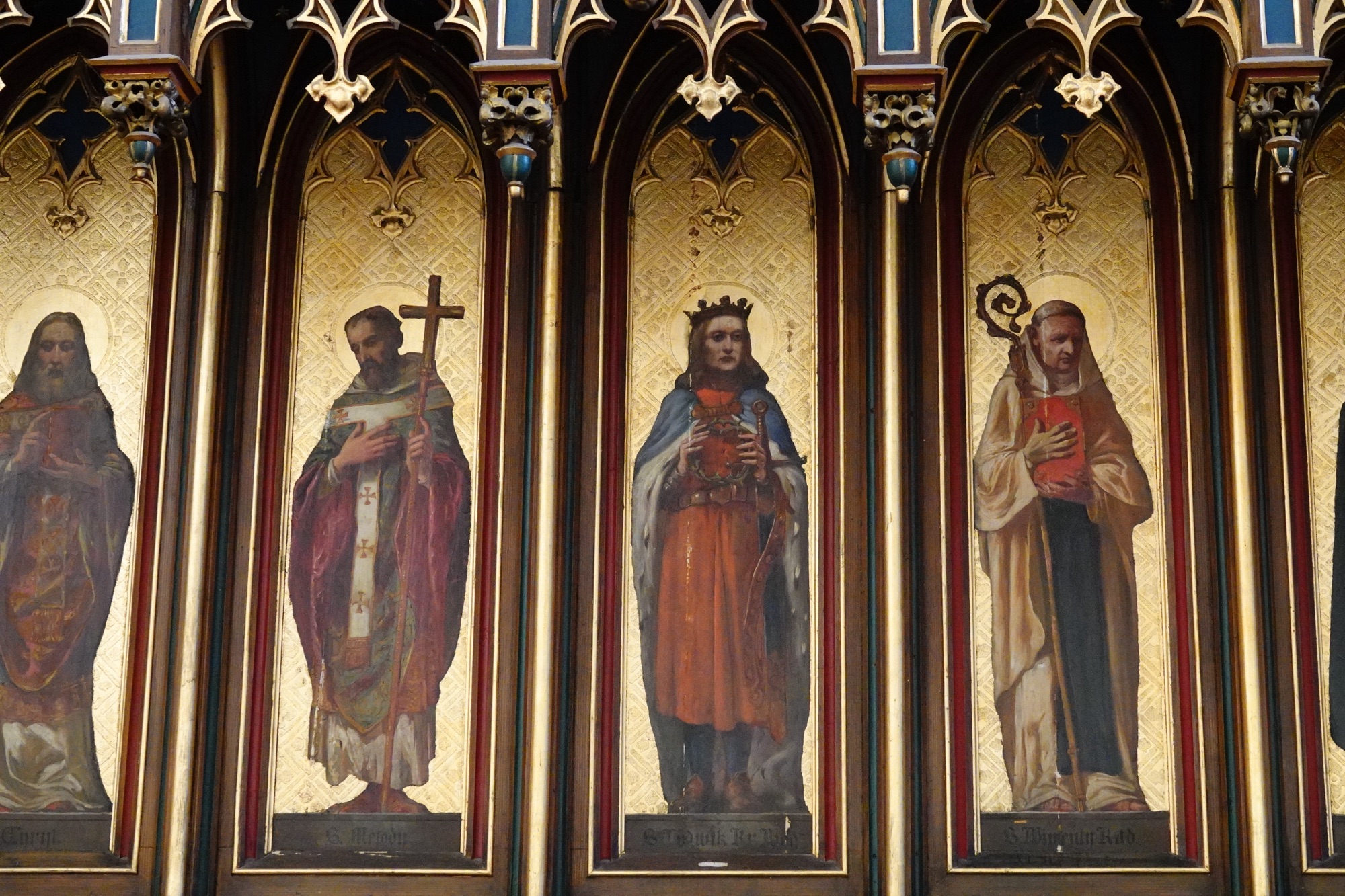
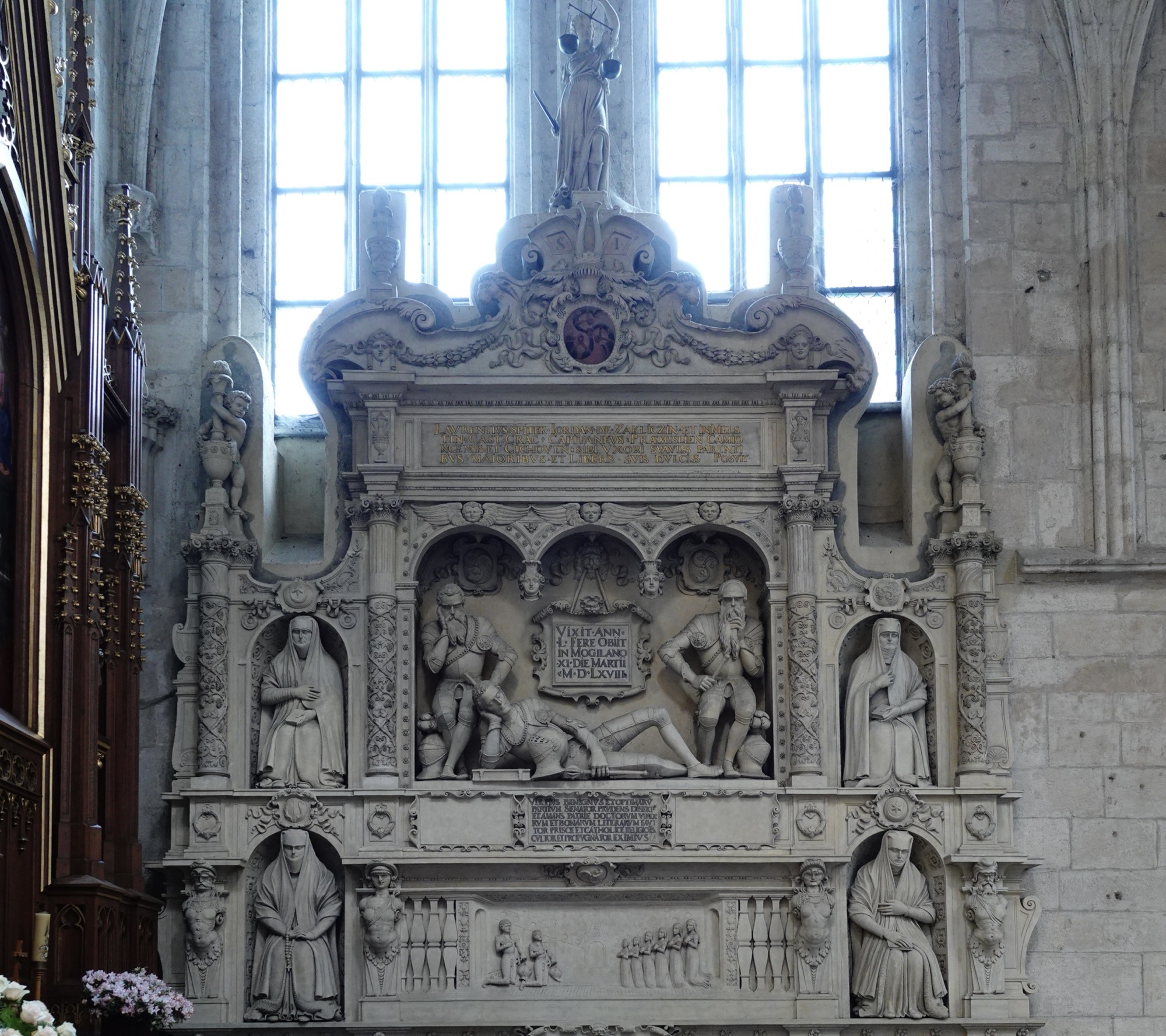
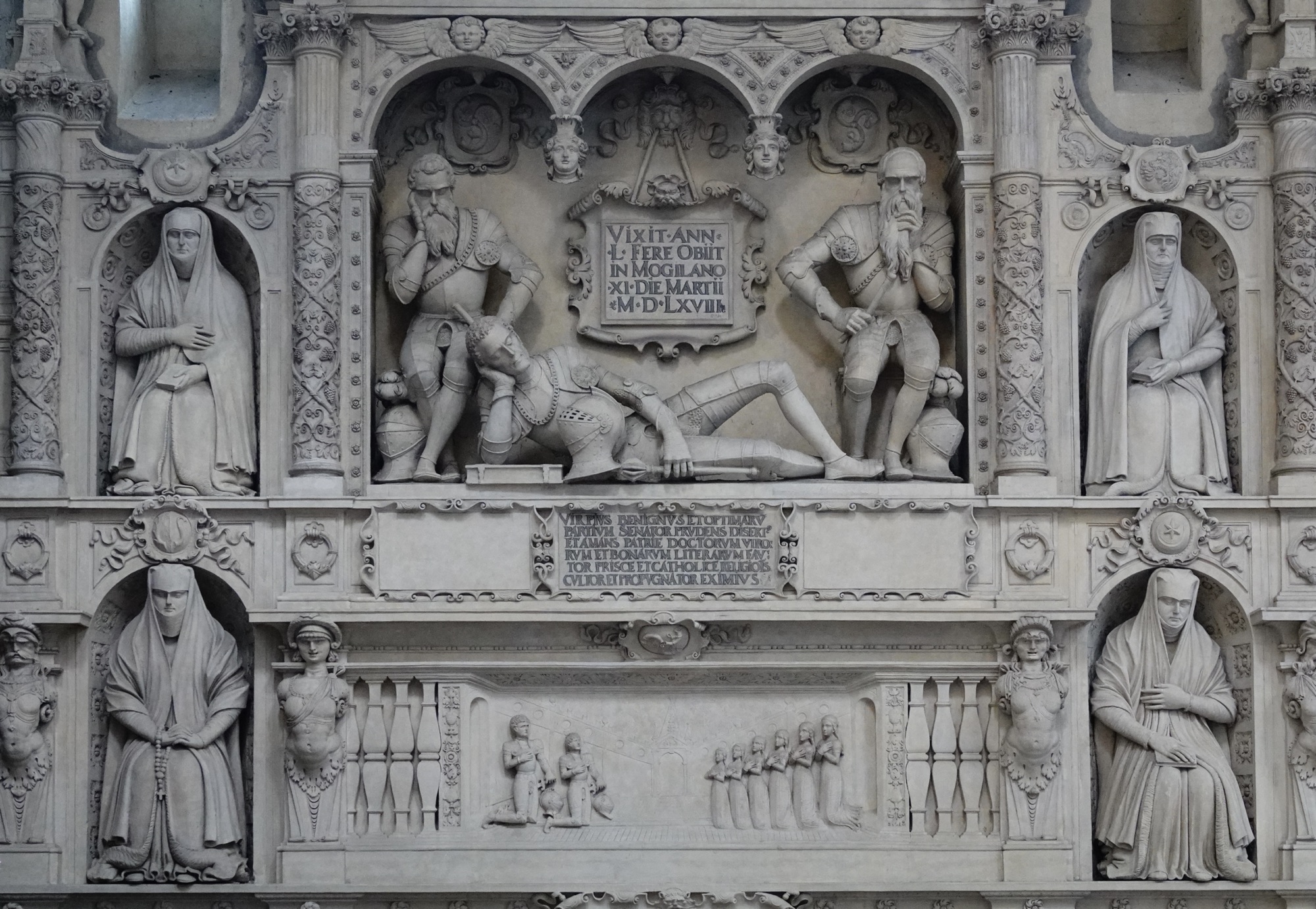
Adjacent to St Rita’s altar was this absolutely incredible monument dating to 1568CE.
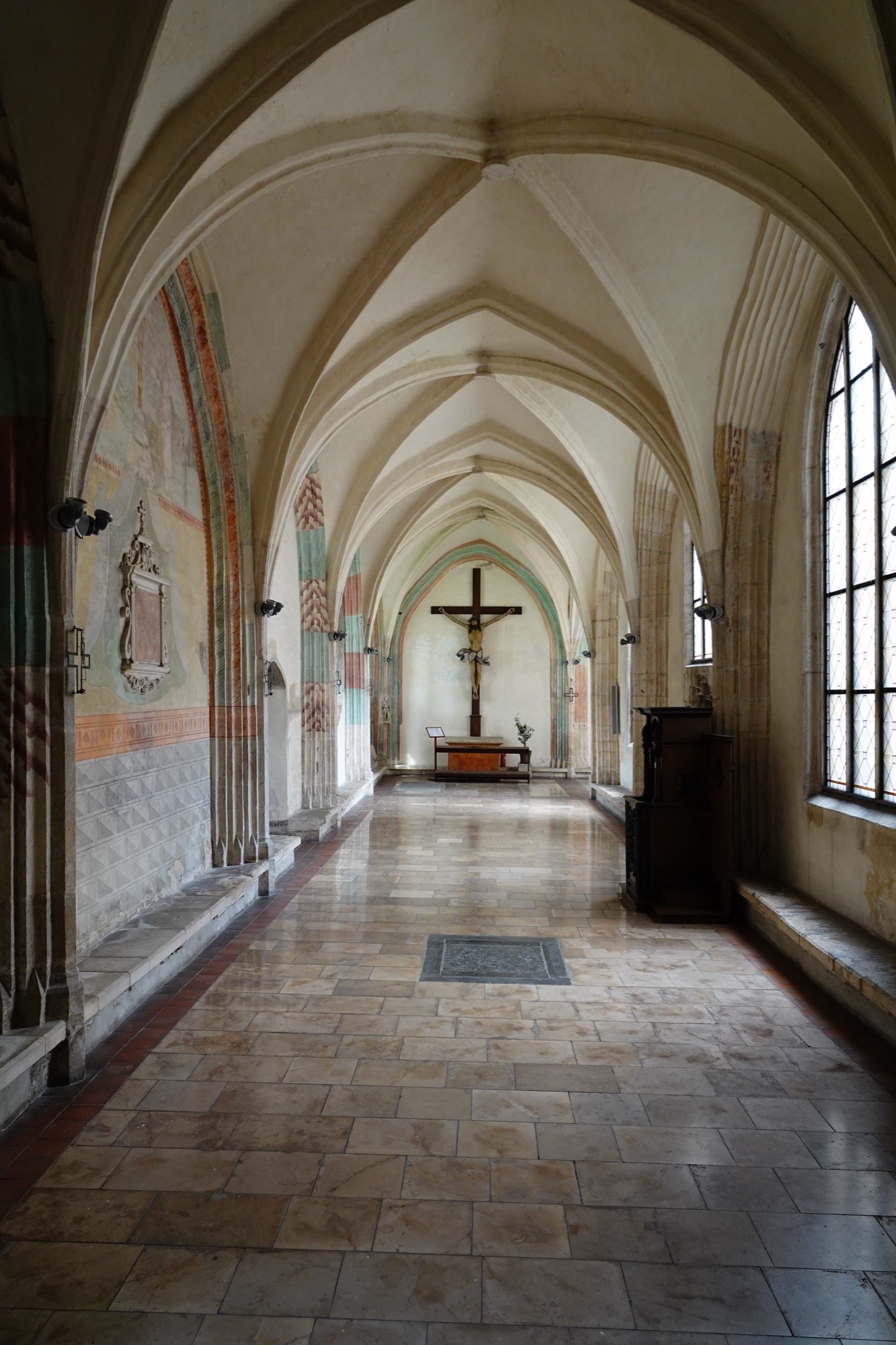
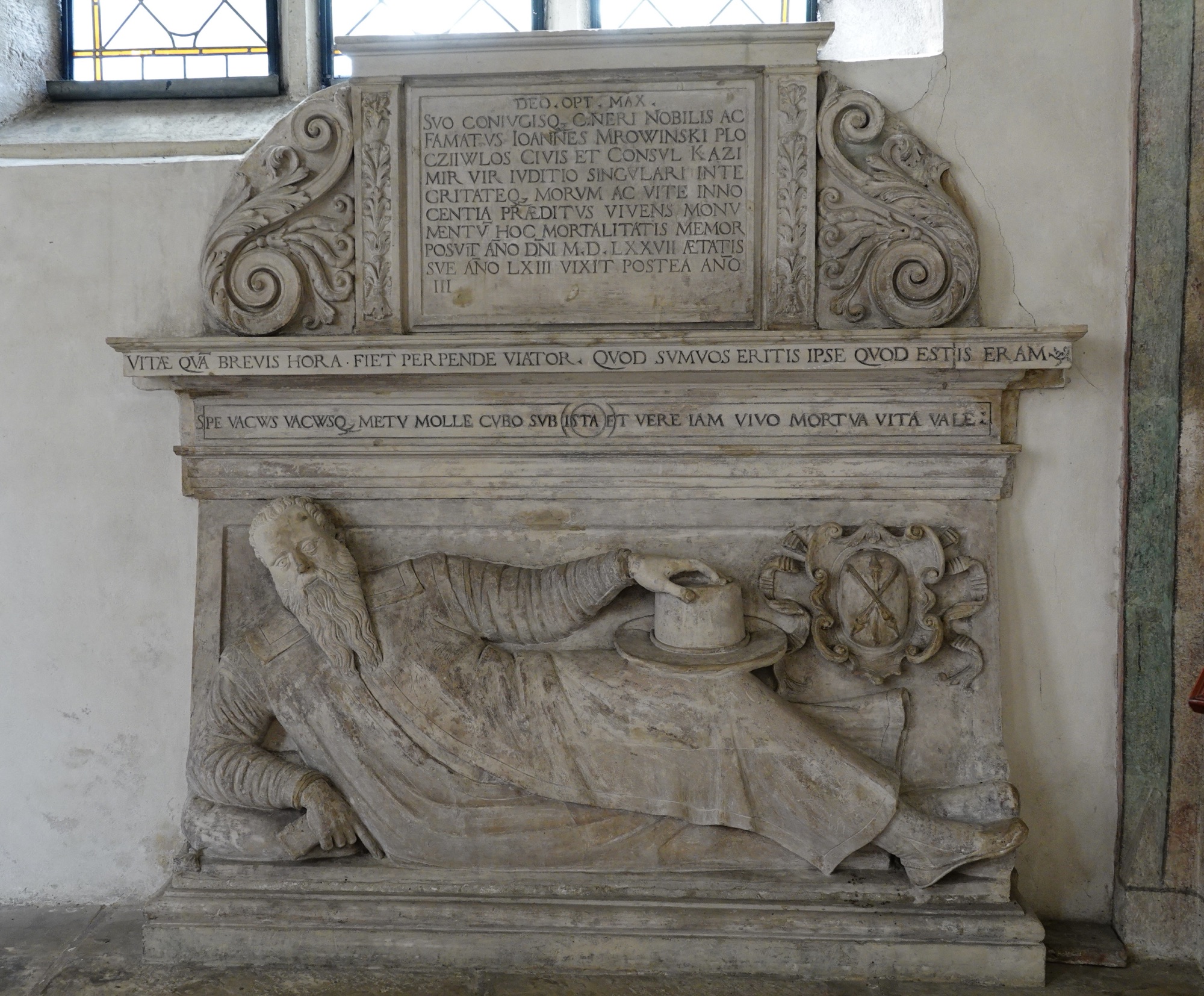
We also had access to the cloisters, containing tombs from the mid 16th century and the remains of frescoes from the 15th century.
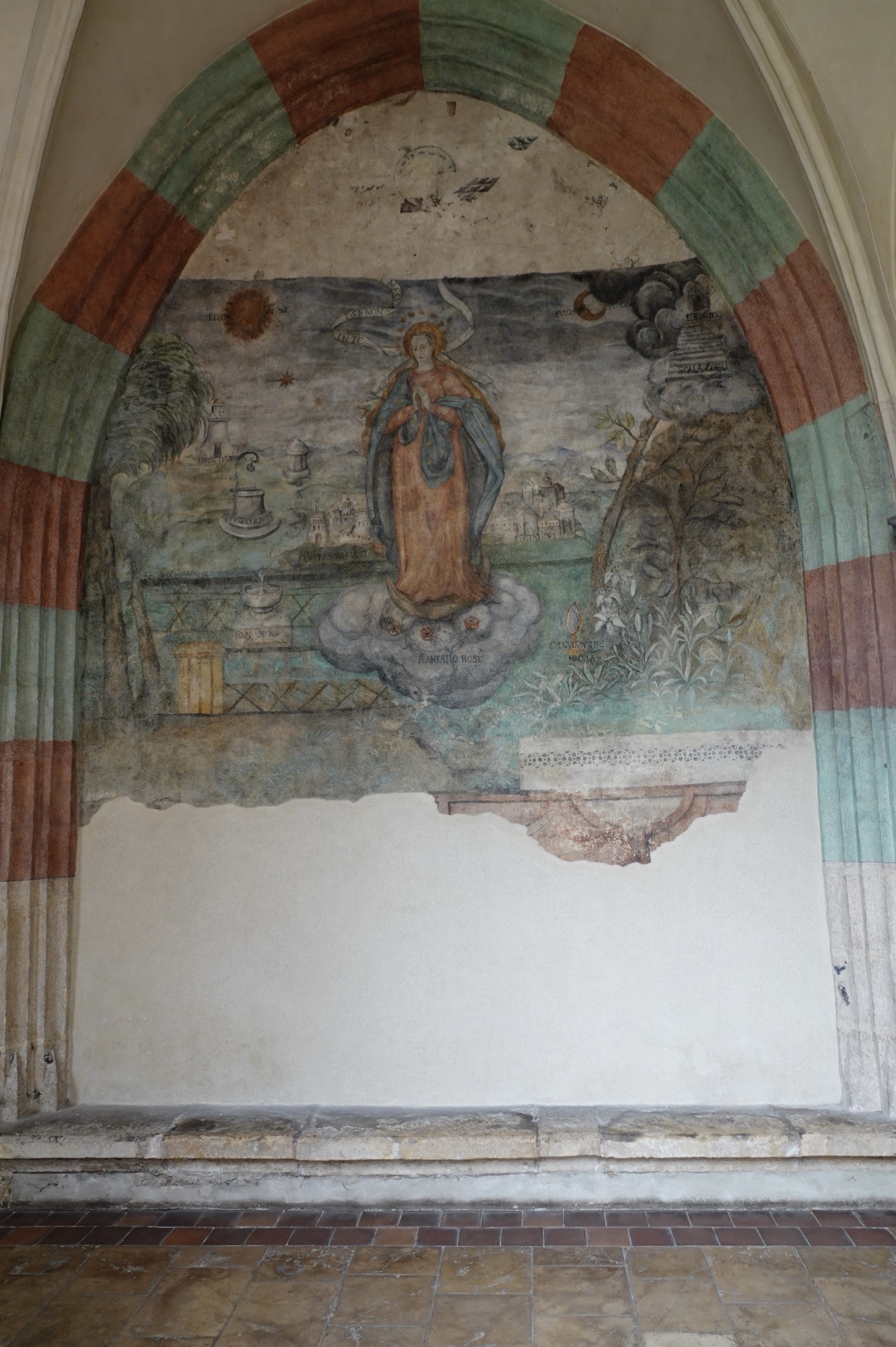
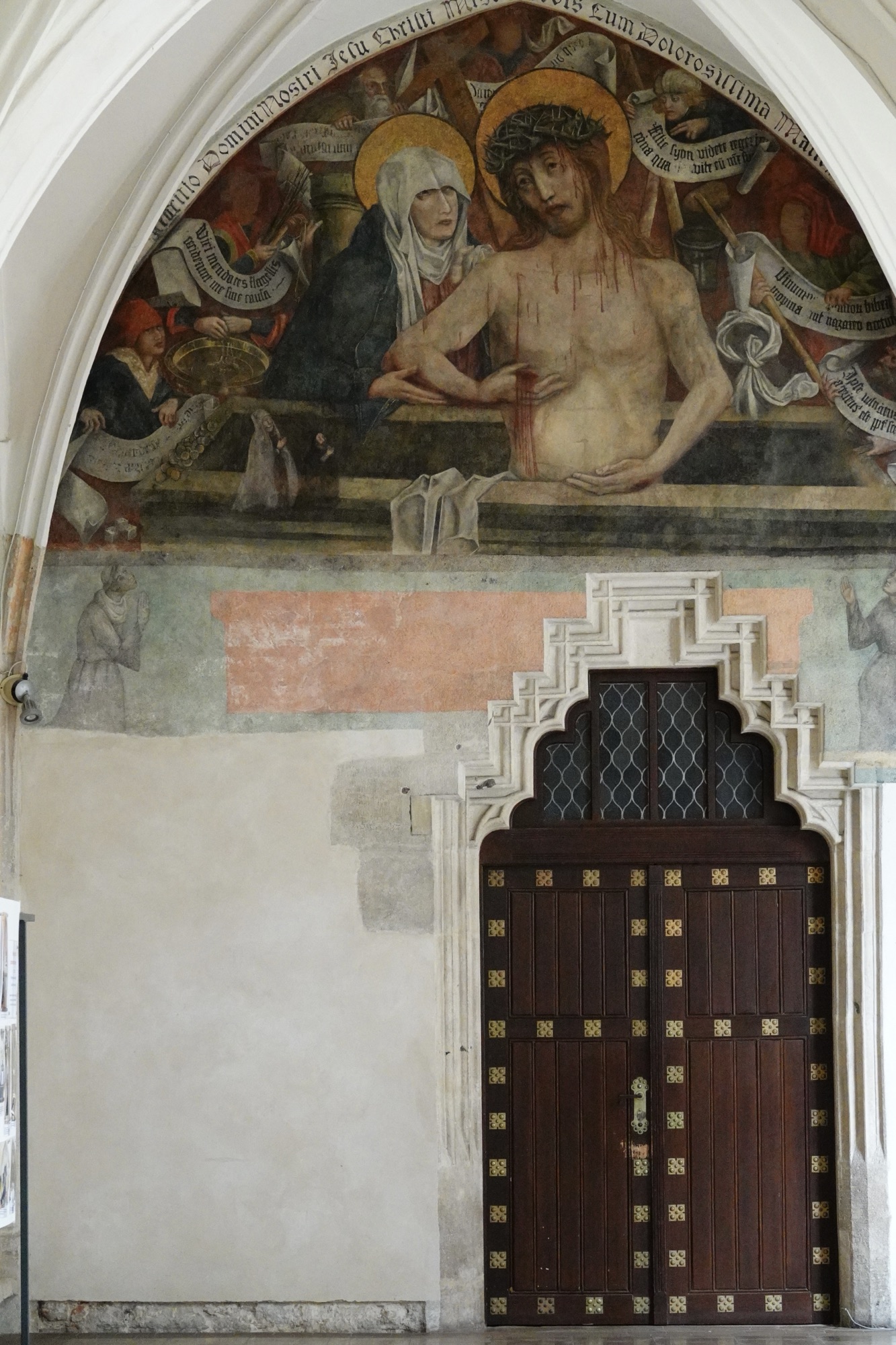
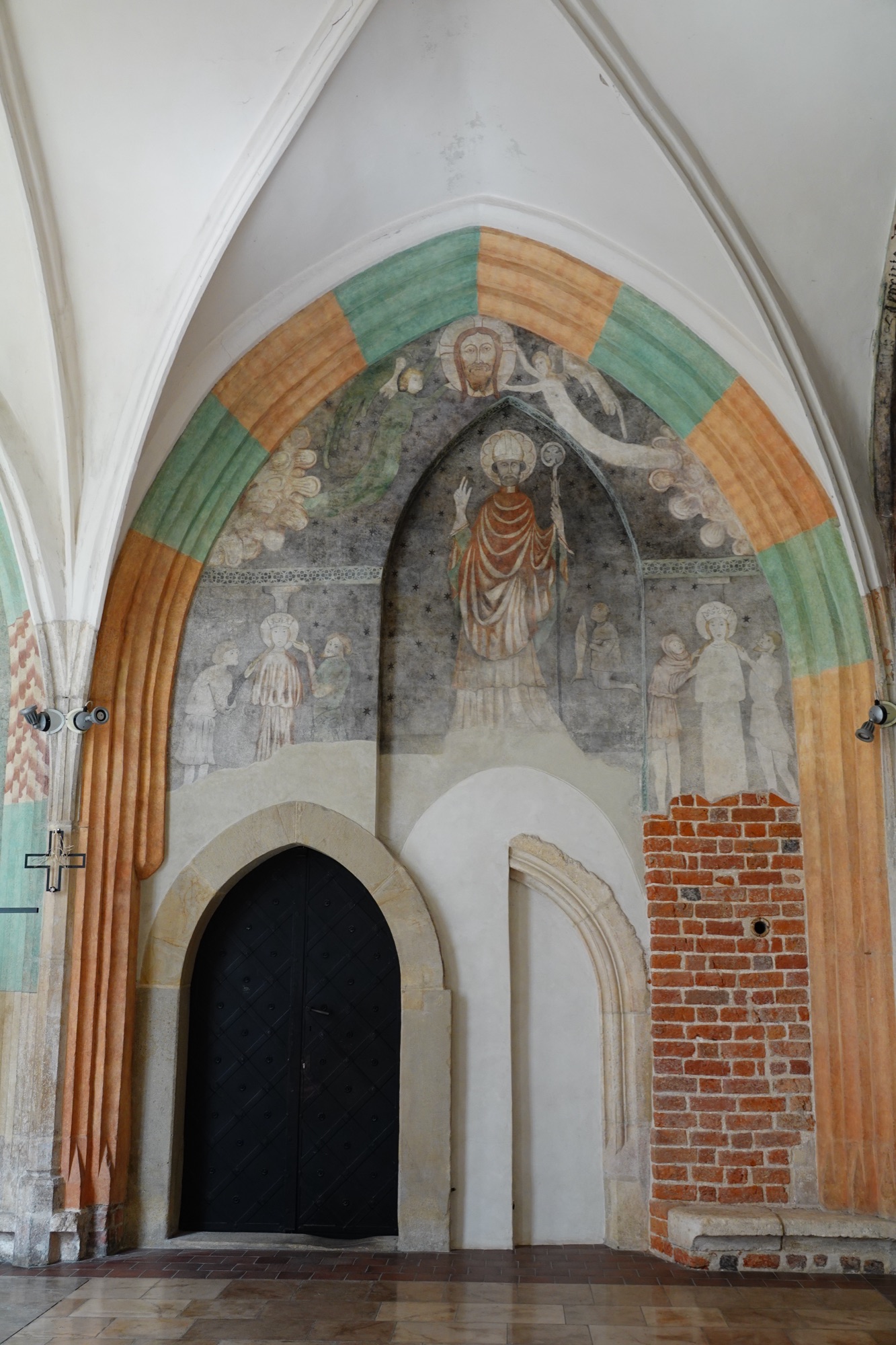
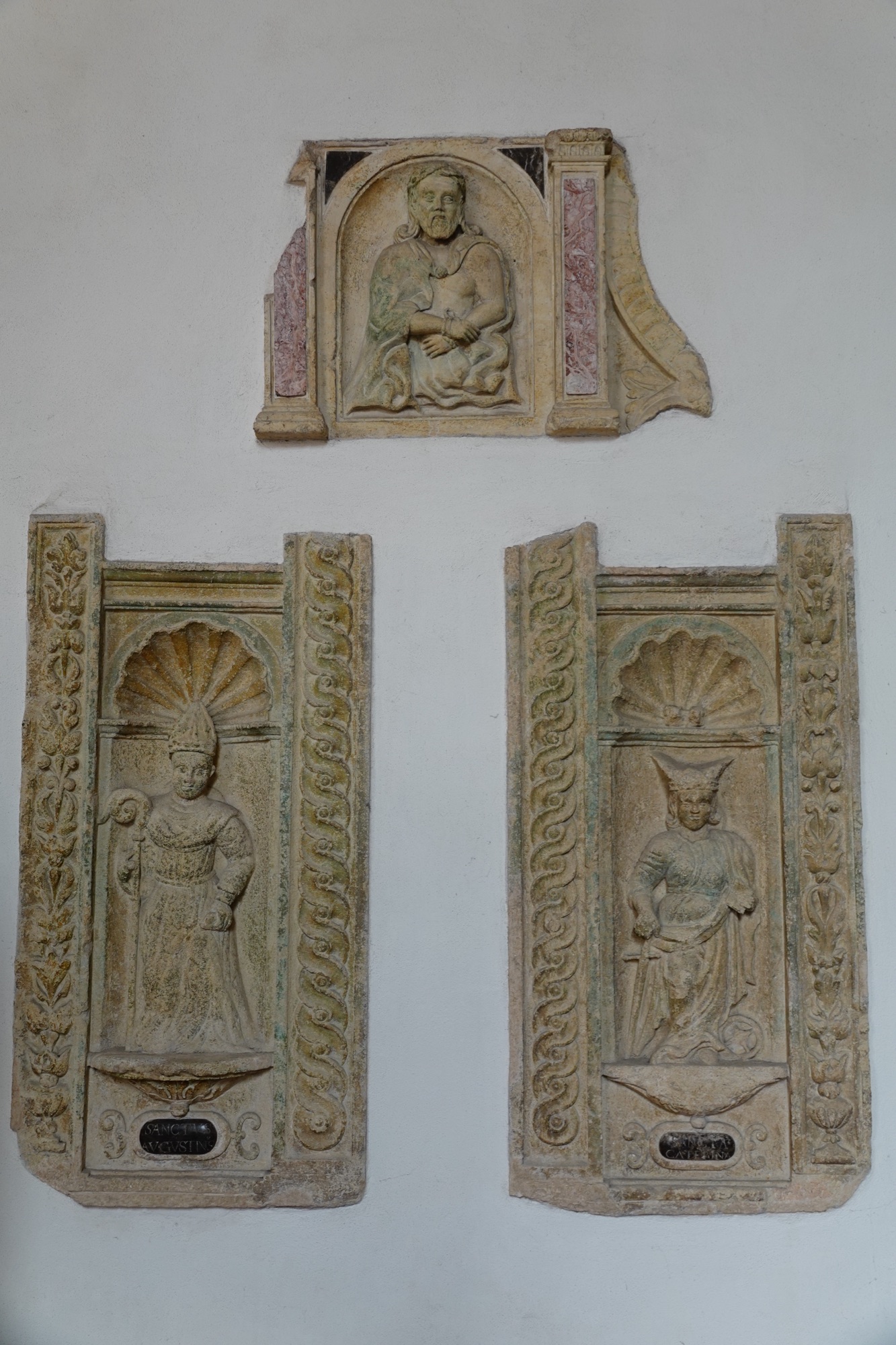
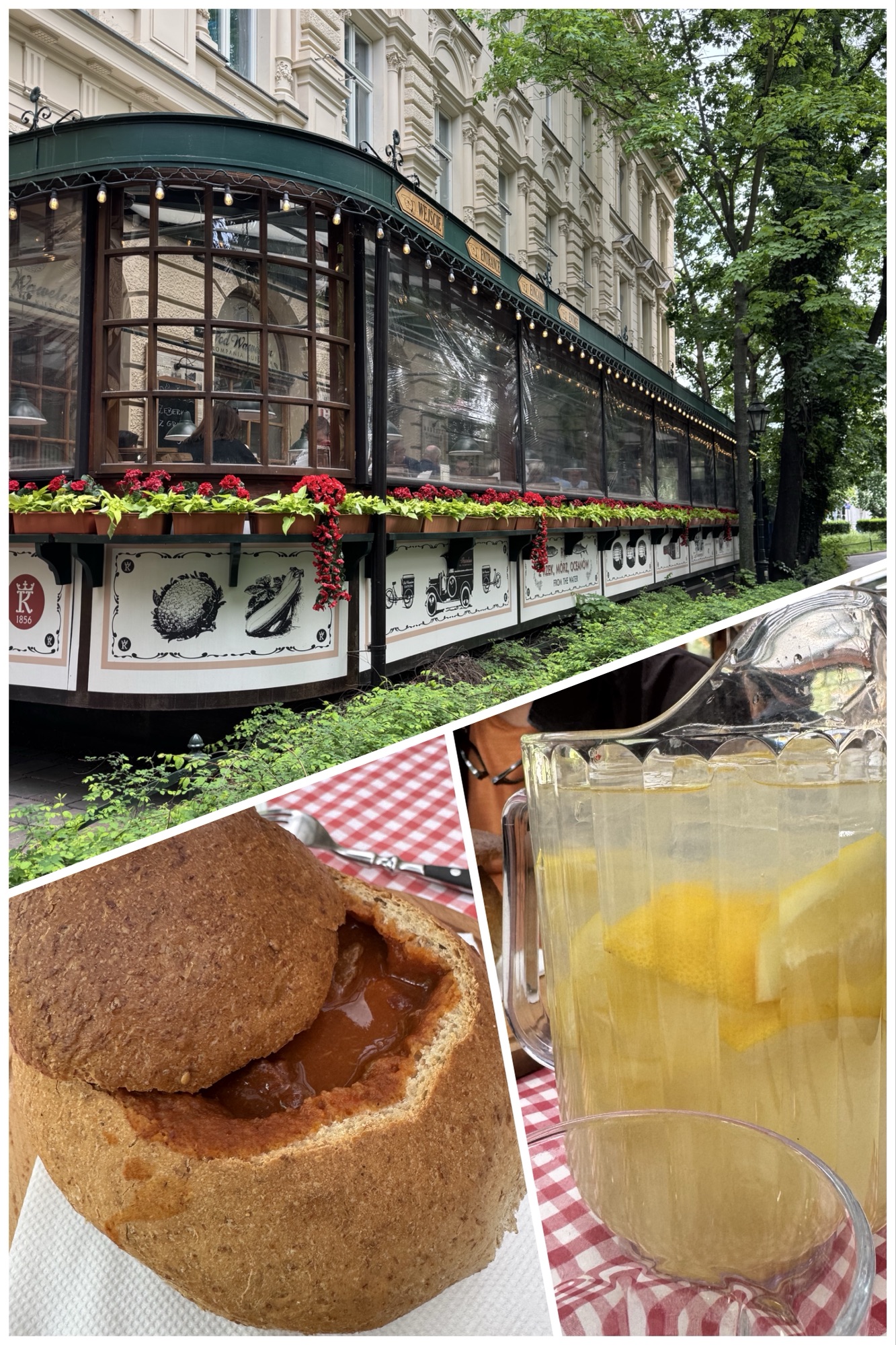
We continued to stroll around the perimeter of the old town centre, avoiding the crowds, and stopped for decidedly non-mediaeval goulash soup in bread bowls and a jug of freshly squeezed lemonade.
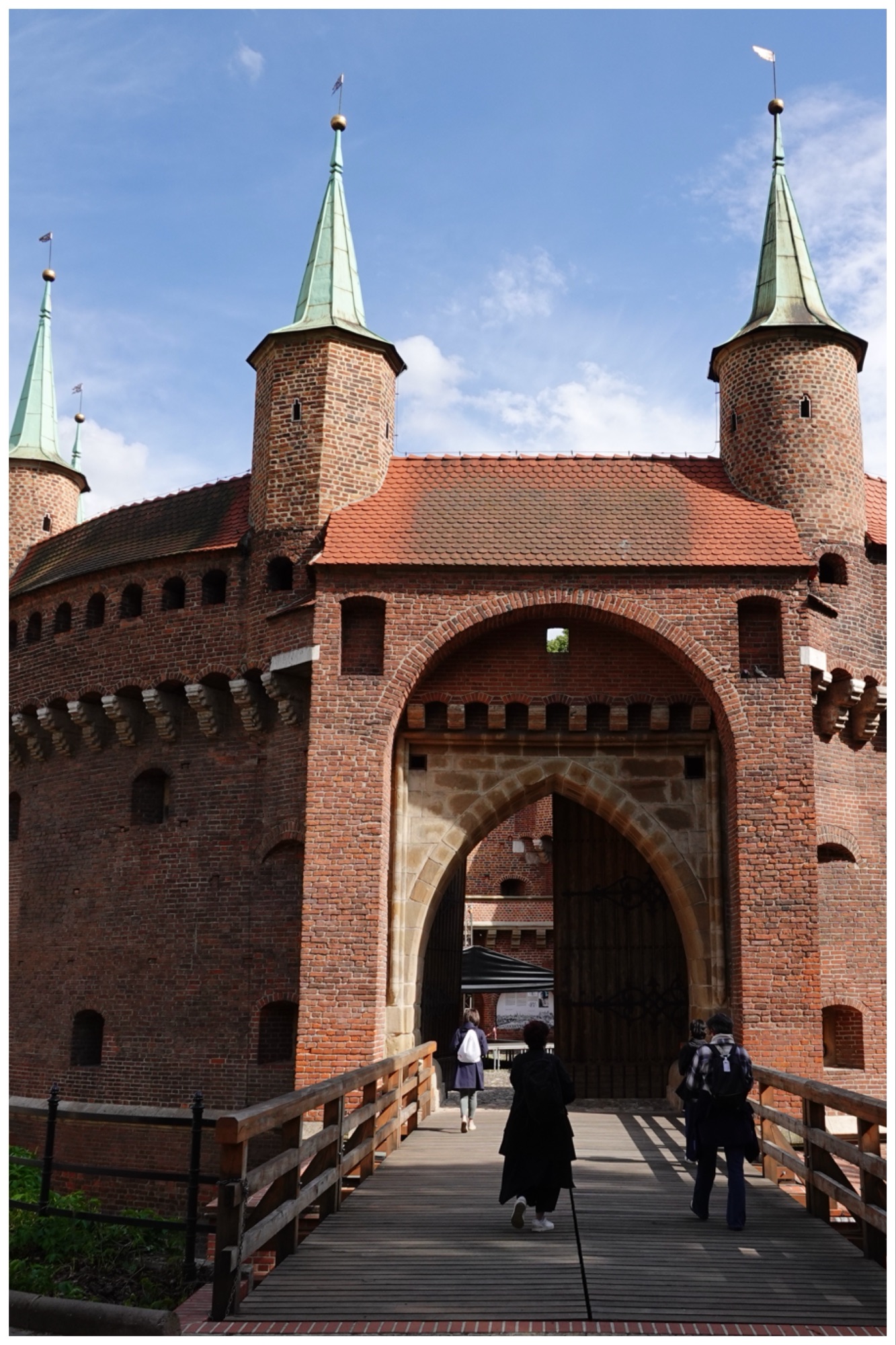
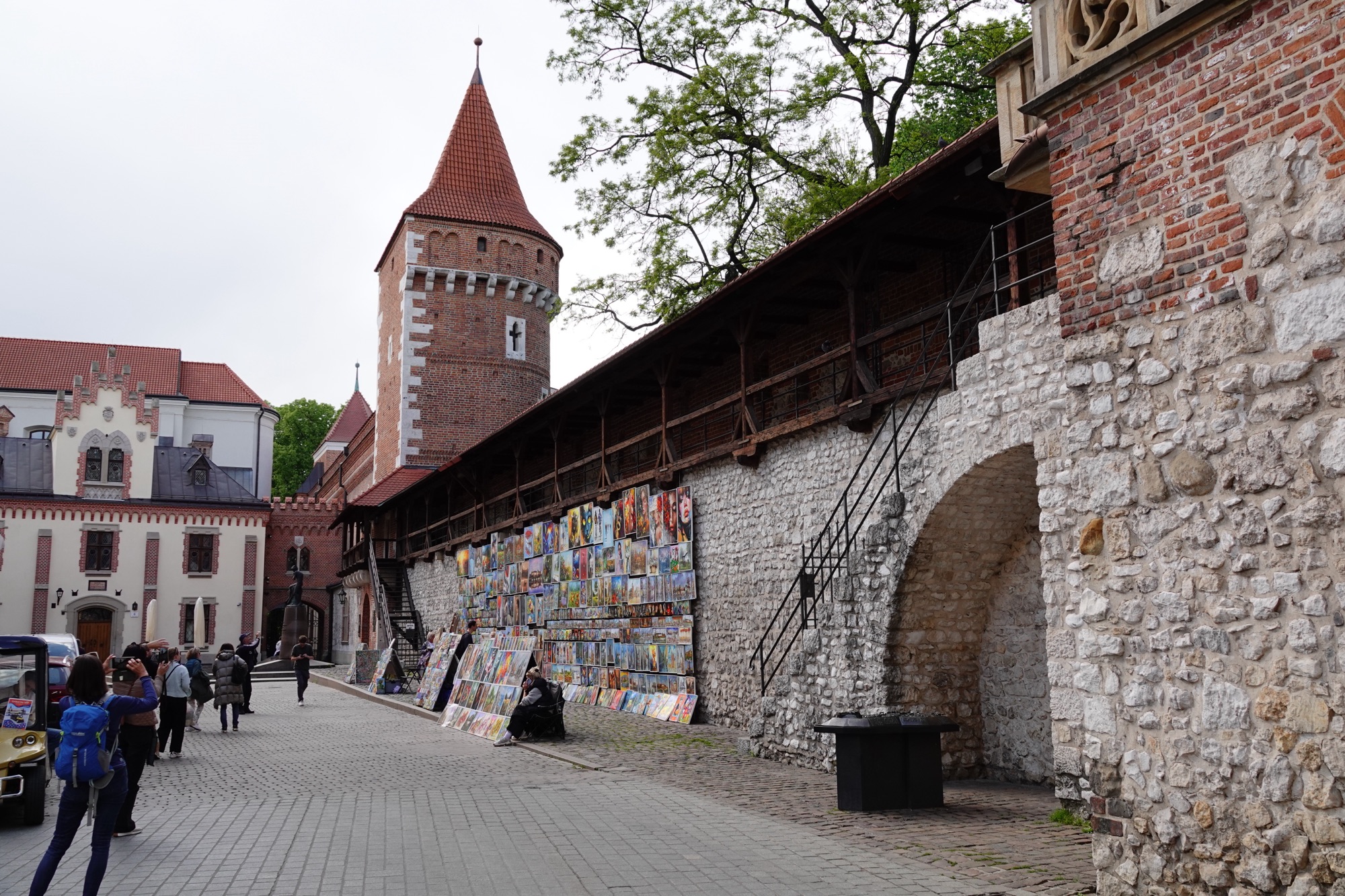
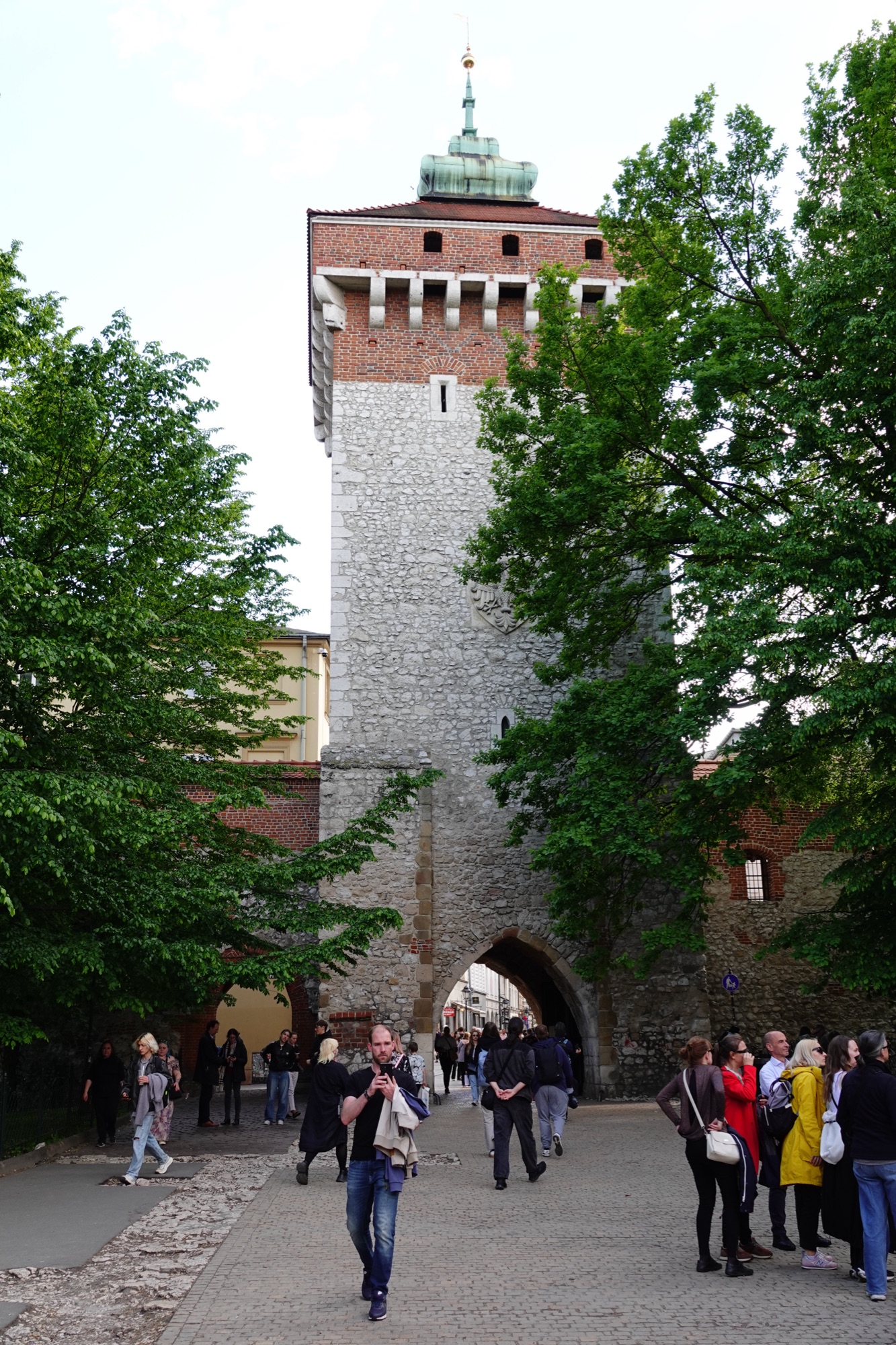
Our goal was to reach the other end of the Royal Route, Saint Florian’s Church, via Florian’s Gate and the Barbican.
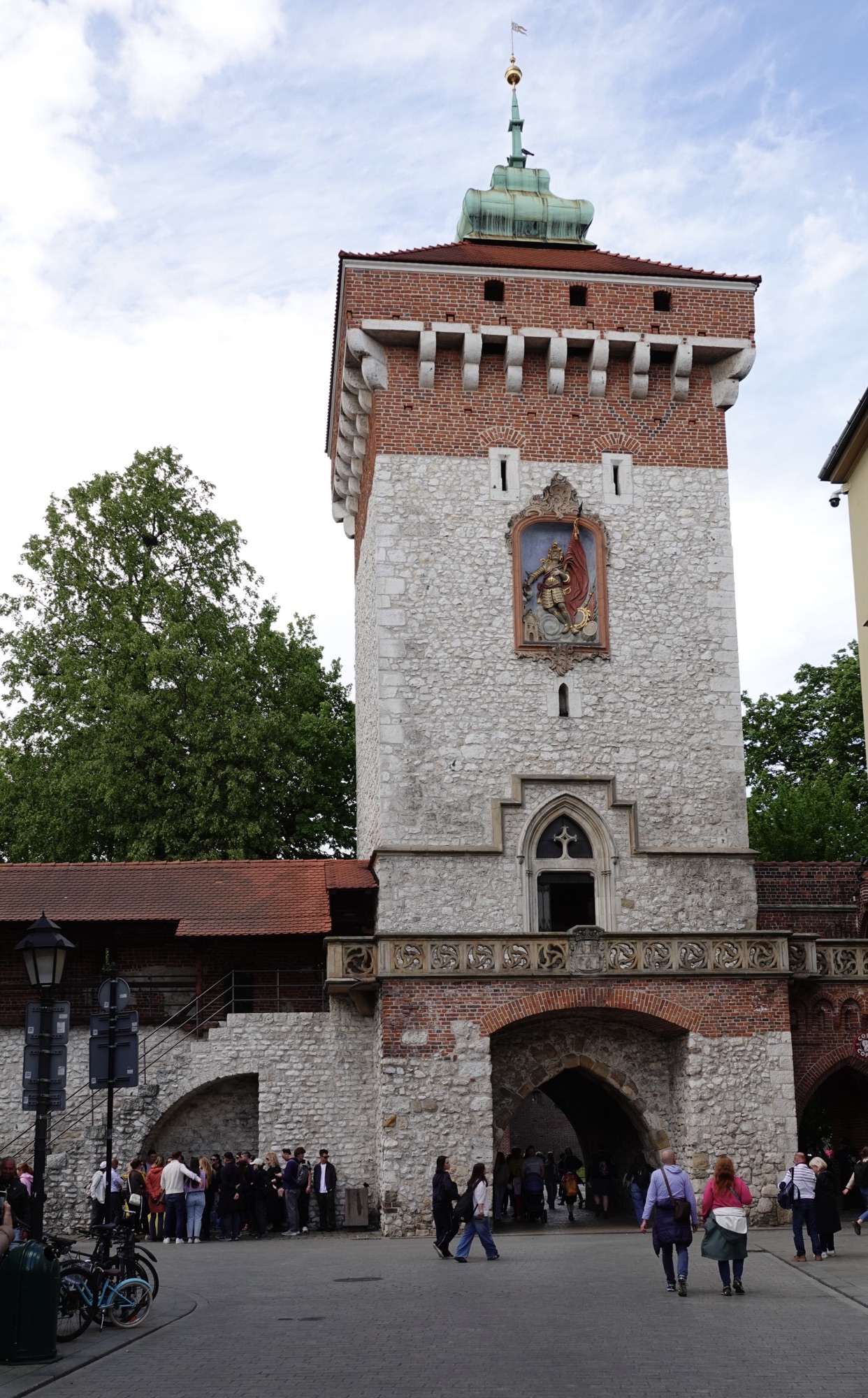
Saint Florian’s Gate, built around 1307CE. By 1473 there were 17 towers defending the city; a century later, there were 33. At the height of its existence, the wall featured 47 watchtowers and eight gates. Today there are plaques showing where towers(bastions) and gates once stood.
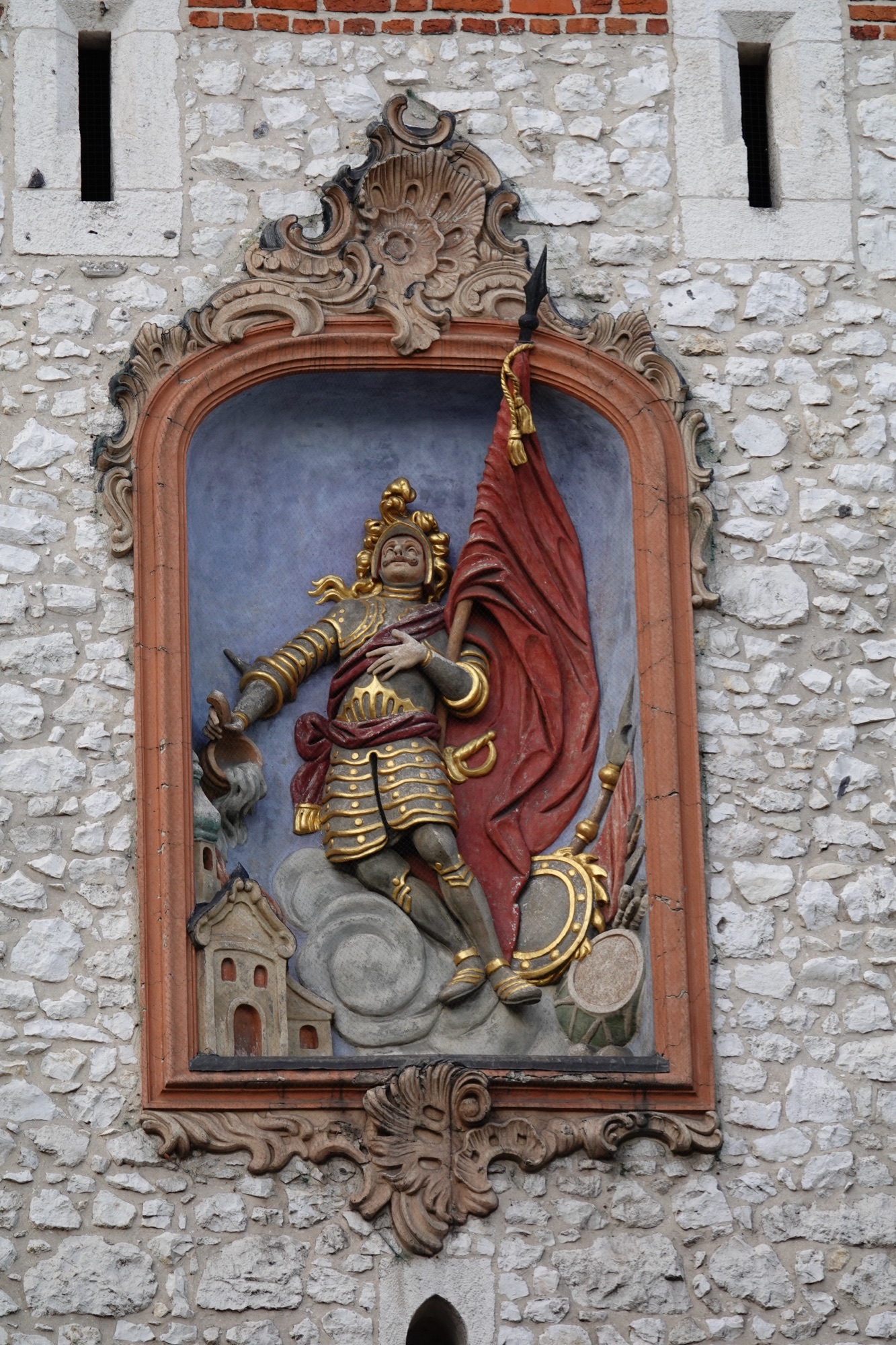
The image above the gate looked to me like Saint Florian is patting a full tummy and pouring his unwanted soup over Saint Florian’s Church, but St.Florian is the patron saint of firefighters and is apparently dousing a fire.
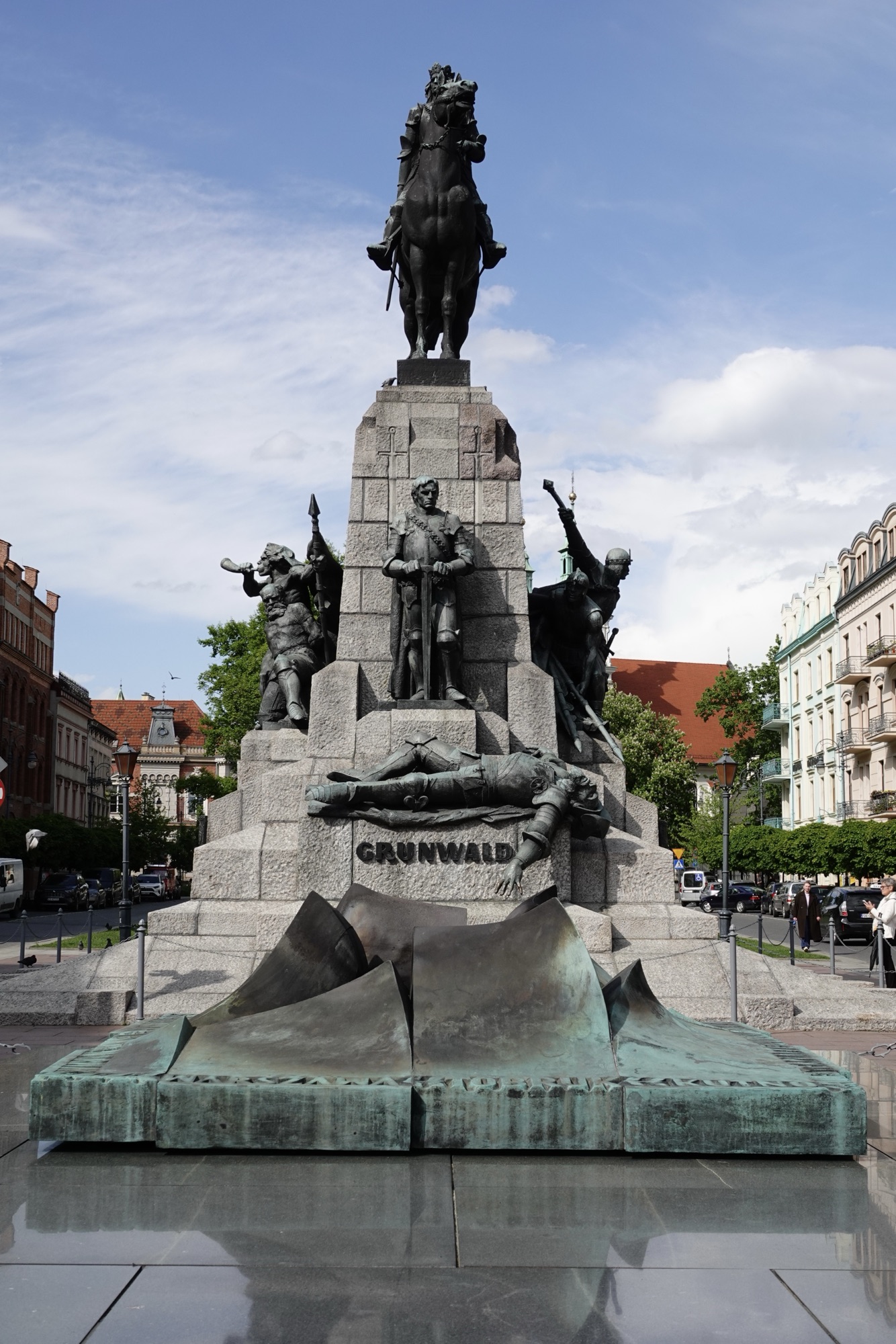
Through the gate is a huge memorial to the battle of Grunwald, which was the largest battle of the Mediaeval period in Europe. Also known as the Battle of Tannenberg or the Battle of Zalgiris, it was fought on 15 July 1410 during the Polish-Lithuanian-Teutonic War.
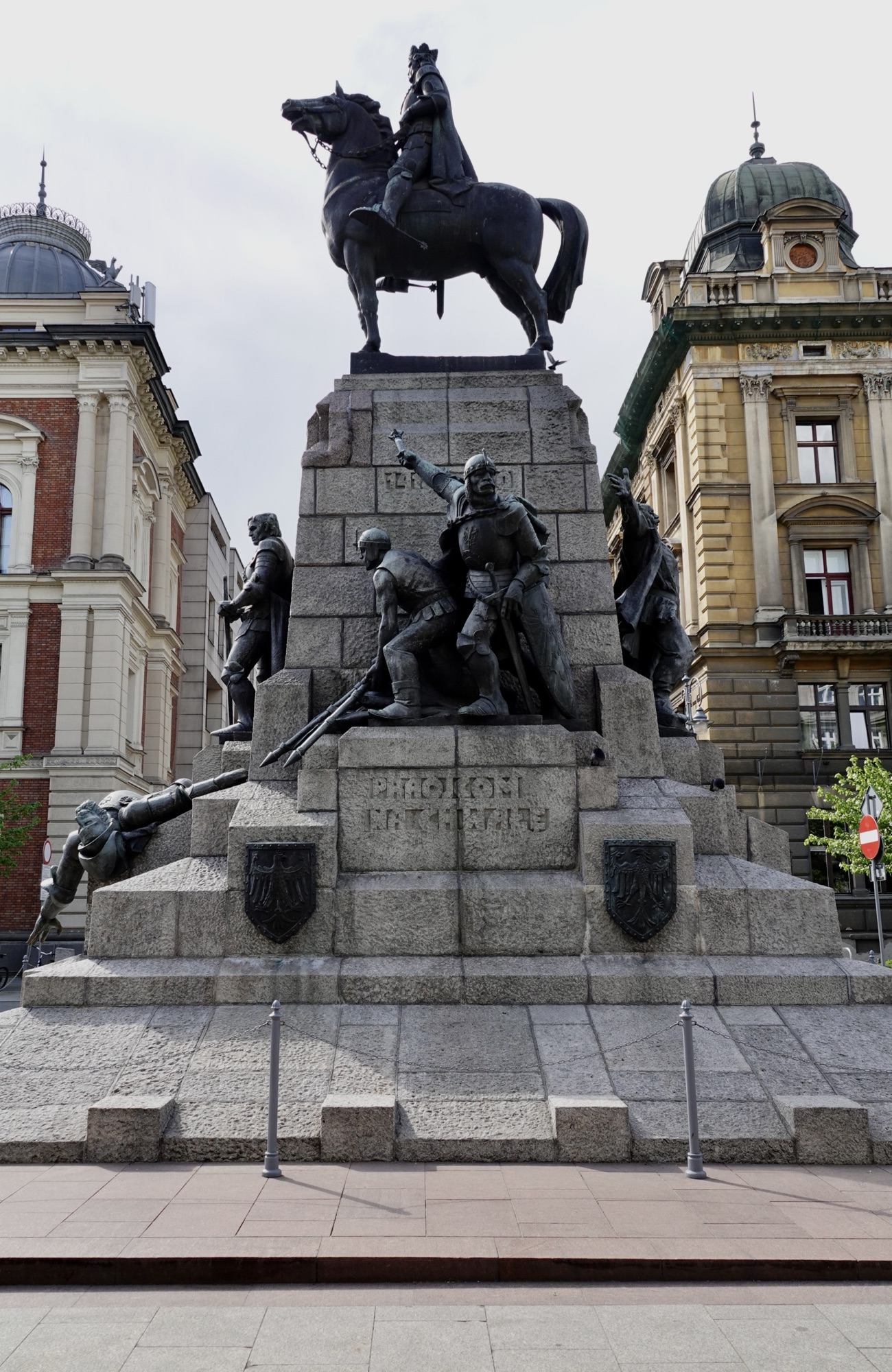
(to the glory of our forefathers)
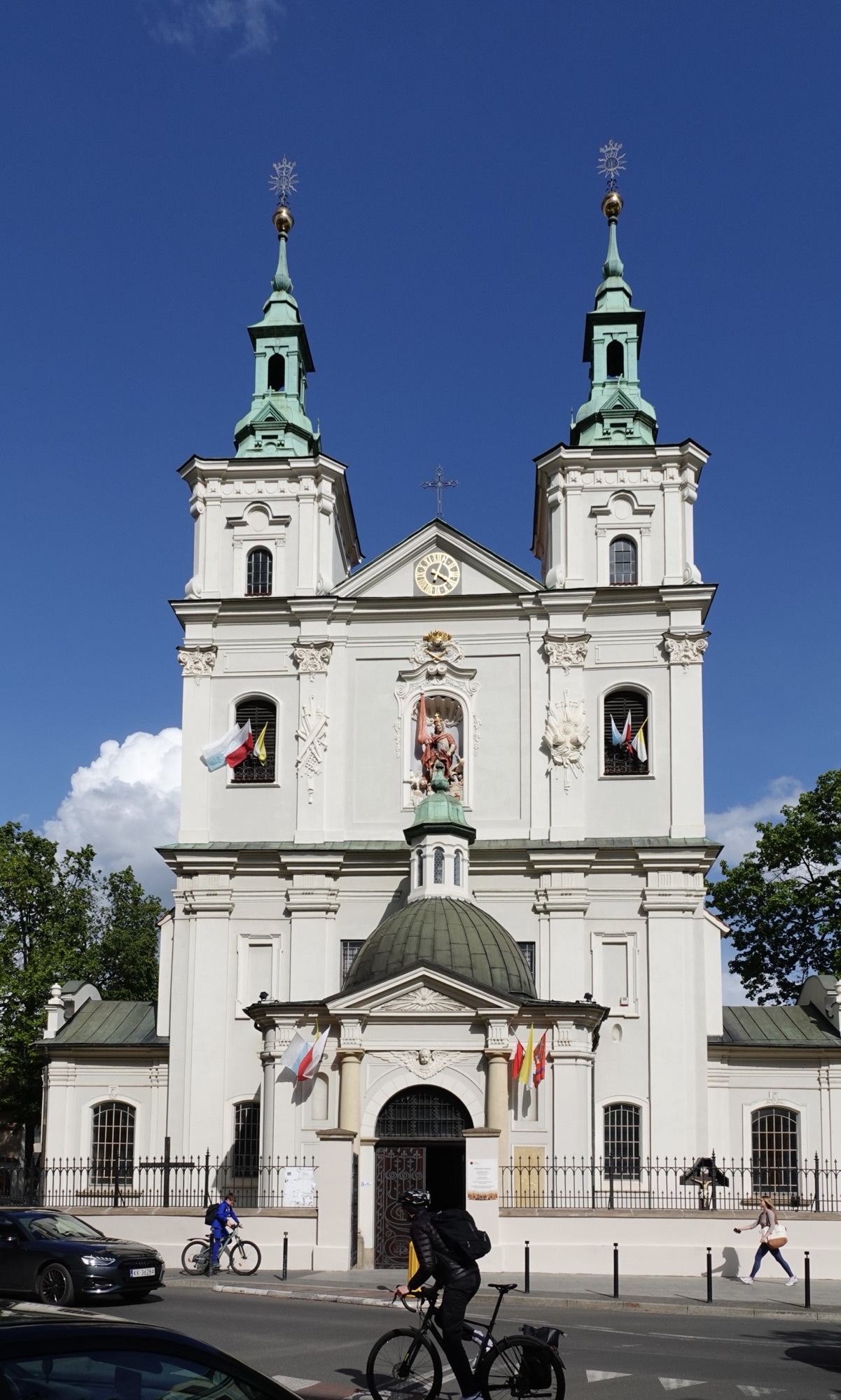
We did reach St. Florian’s Church, completing the entire Royal Route from Wawel Castle to the church, first consecrated in 1216CE on the site where the oxen carrying Florian’s body towards Wawel Castle supposedly stopped. That building was destroyed during the 13th century Tartar invasion. It has been reconstructed multiple times since, but elements of the 1770s building remain.
With the Royal Route walked, we can consider our Mediaeval Mission accomplished, although obviously we’re not done with Kraków yet.
Tomorrow: royal salt mines!

