It seems fitting that son #1 and I are ending our trip at the place where my mother began hers.
The arrival of displaced persons in Canada between 1945 and 1951 was designated a national historic event in 2014, with a plaque referencing this wave of immigration erected at Pier 21 in Halifax.
The Parks Canada website has excellent information related to the 187,000 people welcomed into the country after WWII. (https://parks.canada.ca/culture/designation/evenement-event/personnes-deplacees-displaced-persons)
Both my parents were among the “DP”s.
Before leaving Bremerhaven – the biggest European emigration port during WWII – all of those people displaced from their homes had to be accommodated somewhere. In the case of my mother, grandmother, and great-grandmother, that place was Pleinting 85.
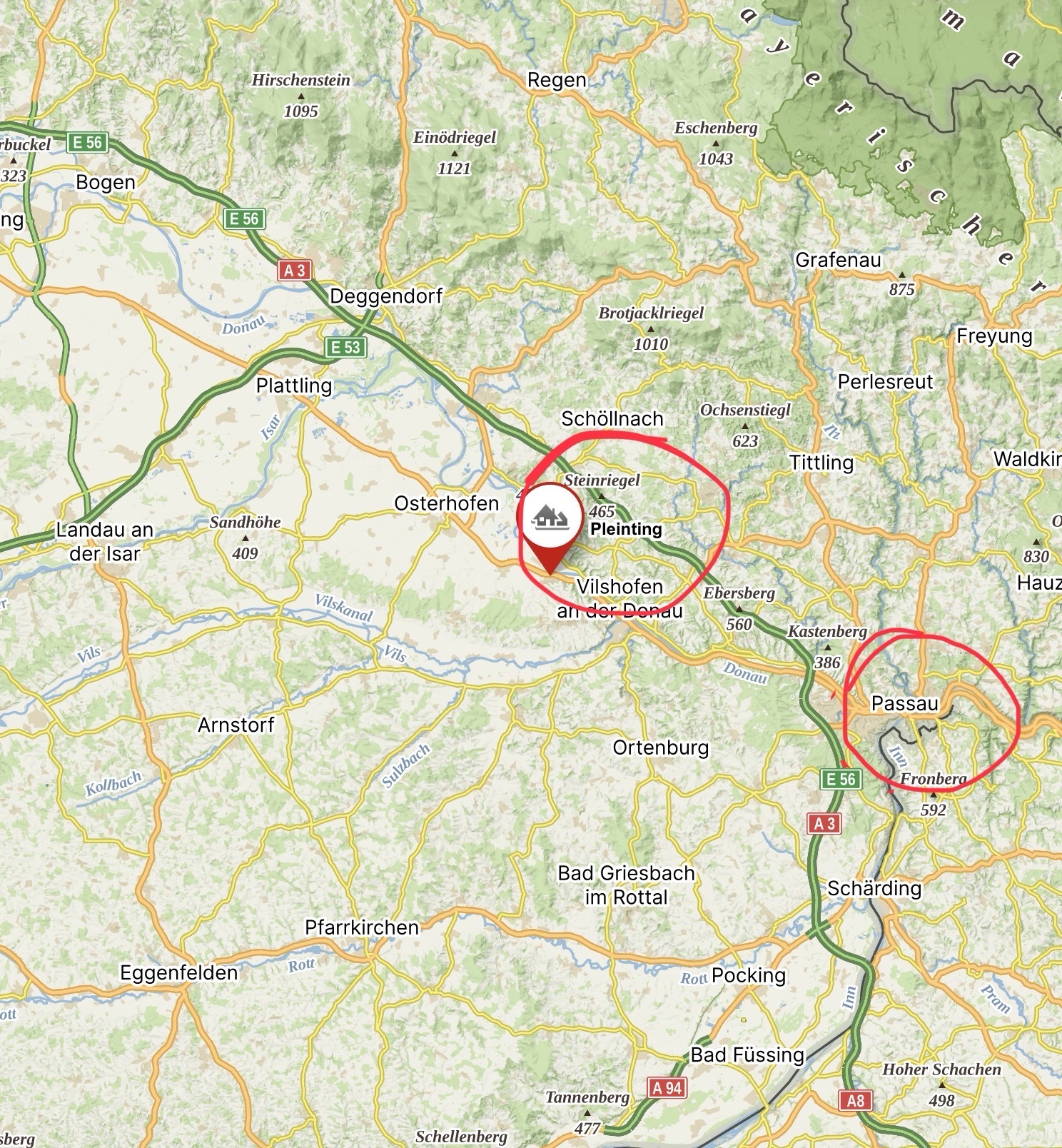
What I learned when researching the area was that Pleinting 85 referred to a post-World War II Displaced Persons (DP) camp located near Vilshofen, Bavaria, in the American zone of occupied Germany.
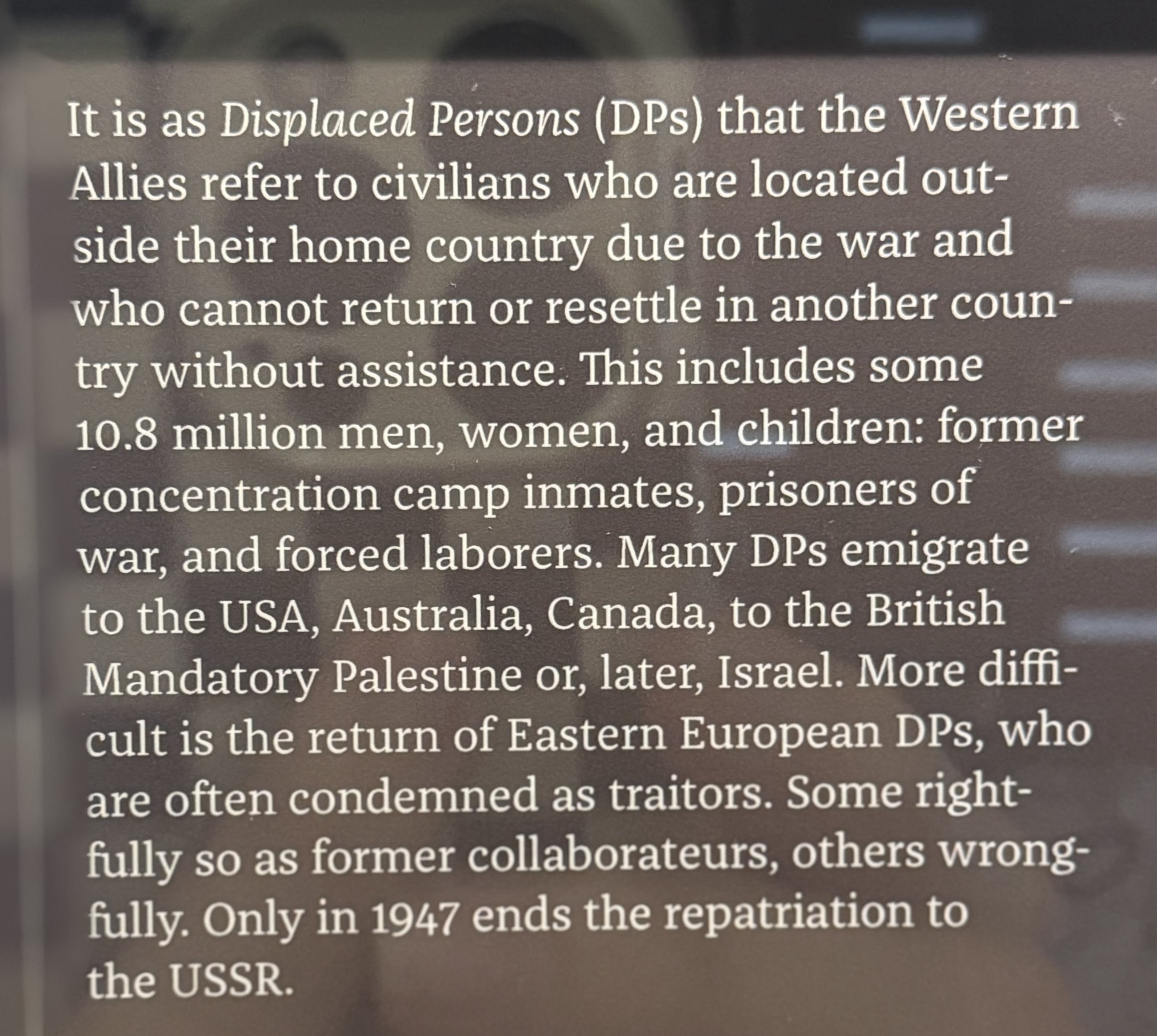
In the summer of 1945, the U.S. 83rd Infantry Division established its occupation headquarters there to restore order and basic utilities to what was a badly war-torn zone.
The area transitioned through military occupation, a humanitarian crisis, and eventual resettlement.
Until the early 1950s, the Pleinting 85 designation was a semi-rural area of Vilshofen that housed hundreds of refugees and Holocaust survivors—predominantly of Hungarian and Jewish descent—while they awaited emigration. The Pleinting DP camp was just one of hundreds of temporary assembly centers established by the Allied forces and the United Nations Relief and Rehabilitation Administration (UNRRA) across Europe. There is lots more information in places like the Arolsen Archives.
My mom’s family left Hungary in 1944. Mom lived in Pleinting/Vilshofen until 1949, my grandmother until 1951, and my great grandmother until 1954. No one, including the US Army who had left by then, really expected people to be there for 10 years. When Mom’s relatives talked about Vilshofen when they were together when I was a child, they talked about it like “home”.
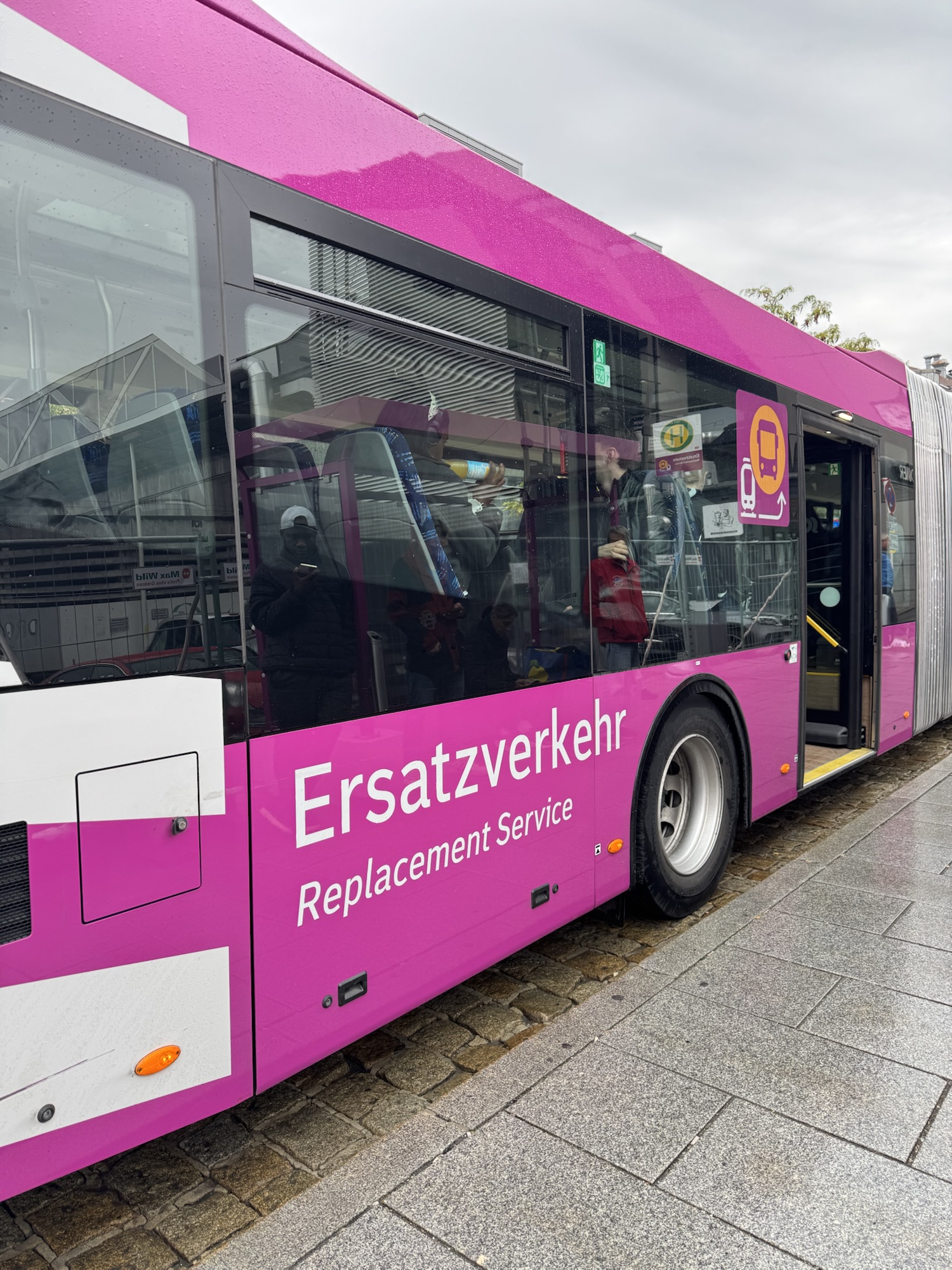
Interestingly, in 1989, after the fall of the Berlin Wall, Vilshofen was again asked to house refugees.
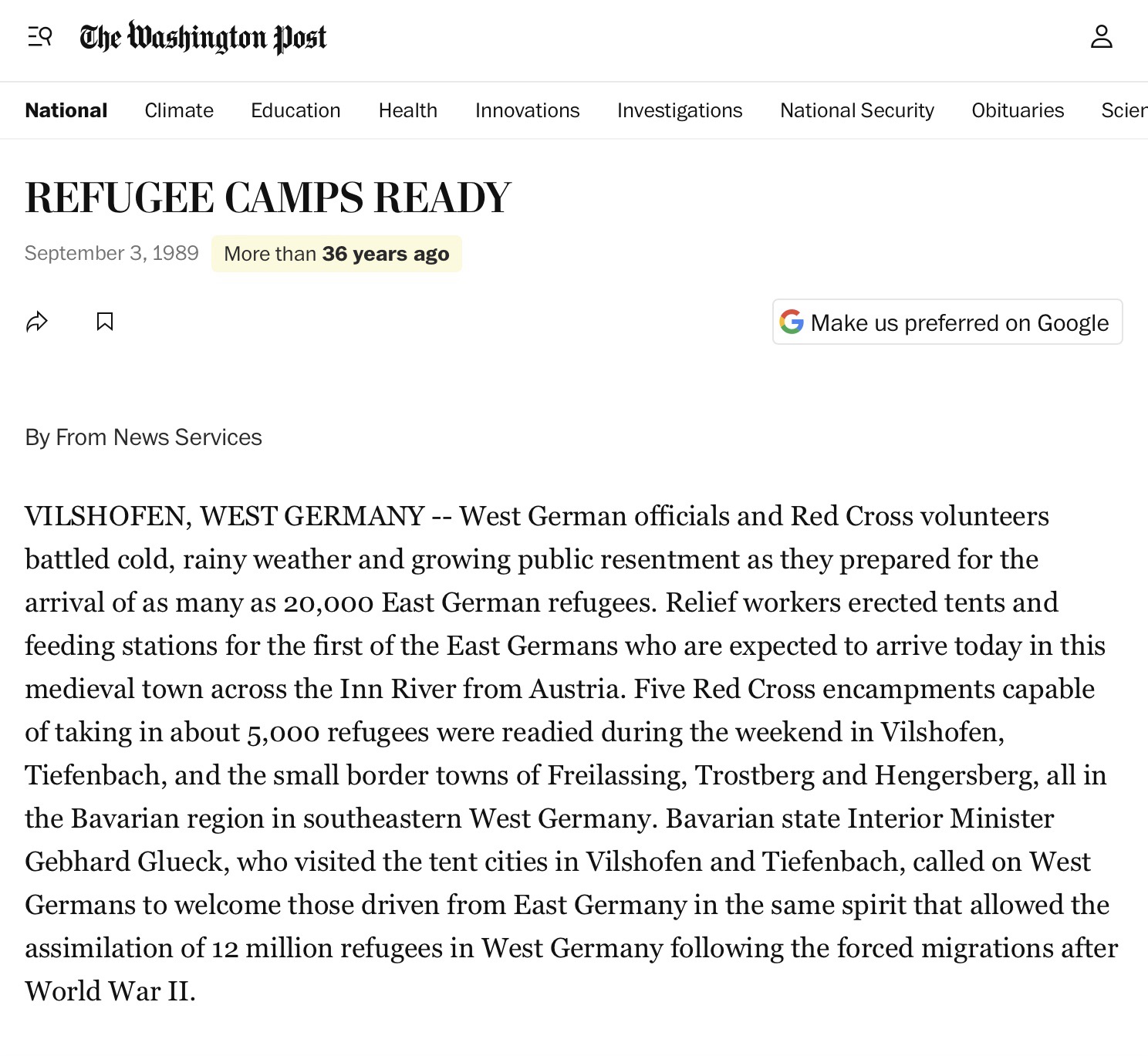
Train travel for a long stretch north from Passau is bring diverted for almost 2 months for track maintenance, so today son #1 and I took the 40 minute “replacement bus” ride on the RB3 from Passau to Vilshofen to see what the town looks like today.
Ted and I passed through here in 2022 on a Viking river cruise when river levels were so low (as they are again this year) that we had to use a bus transfer between Nuremberg and Regensburg, but the town itself was not a destination.
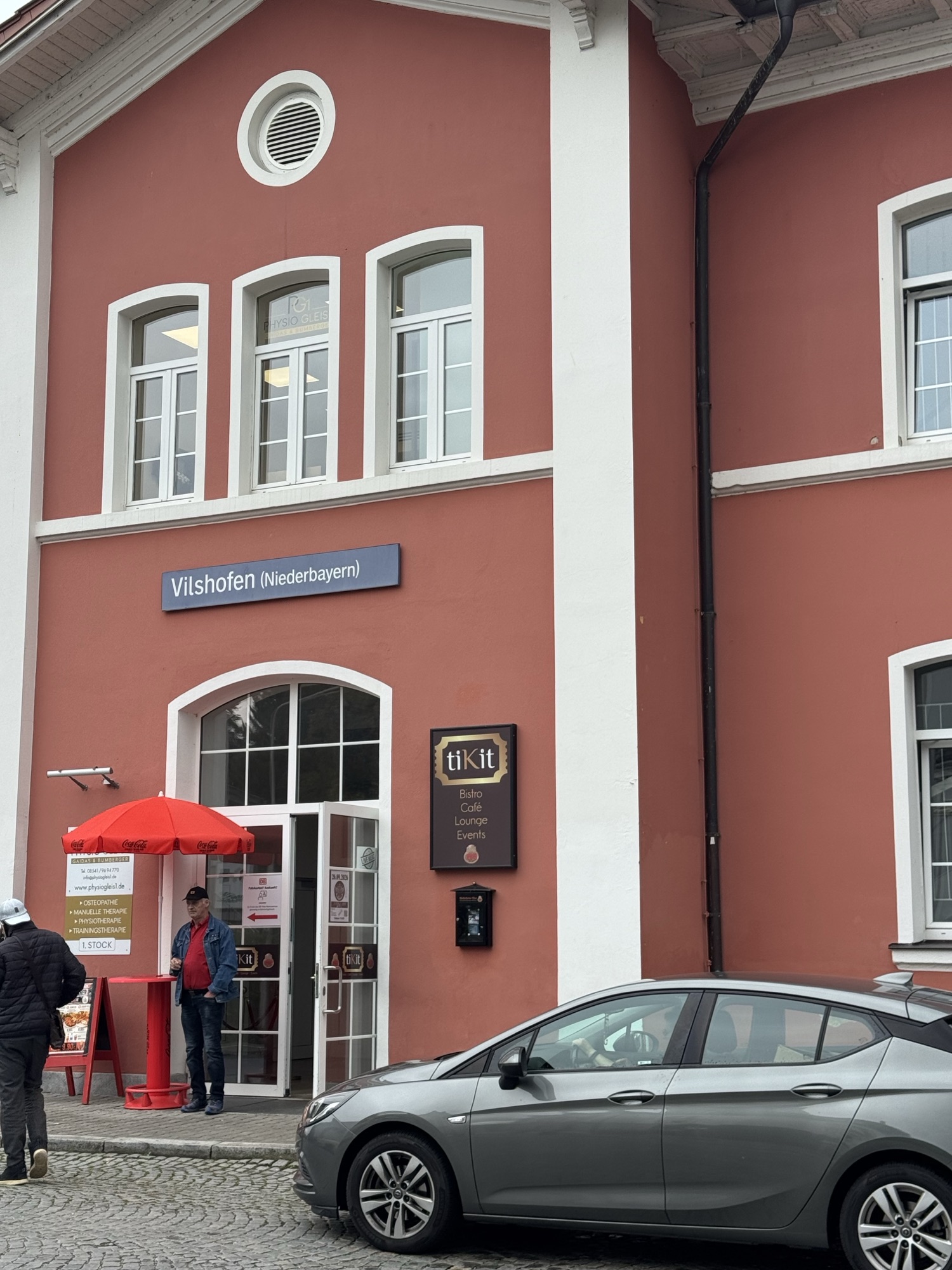
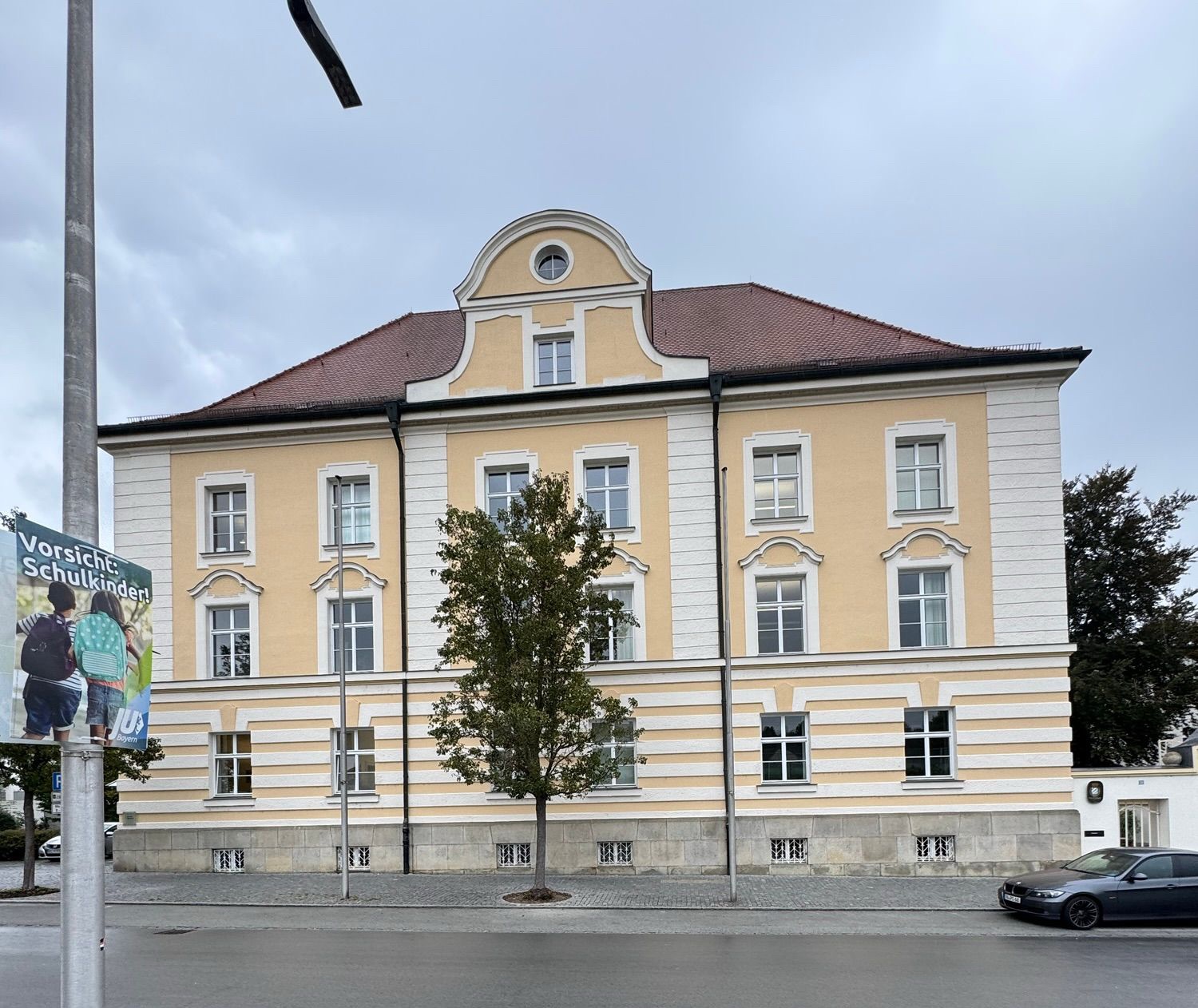
After getting off the bus, our first priority was to walk through town to find Vilshofen’s yellow and cream revenue office, which was the U.S. 83rd Infantry Division’s Headquarters after WWII.
En route, the buildings looked much as they must have in the post-war years. Not much seems to have changed here except for the models of cars.
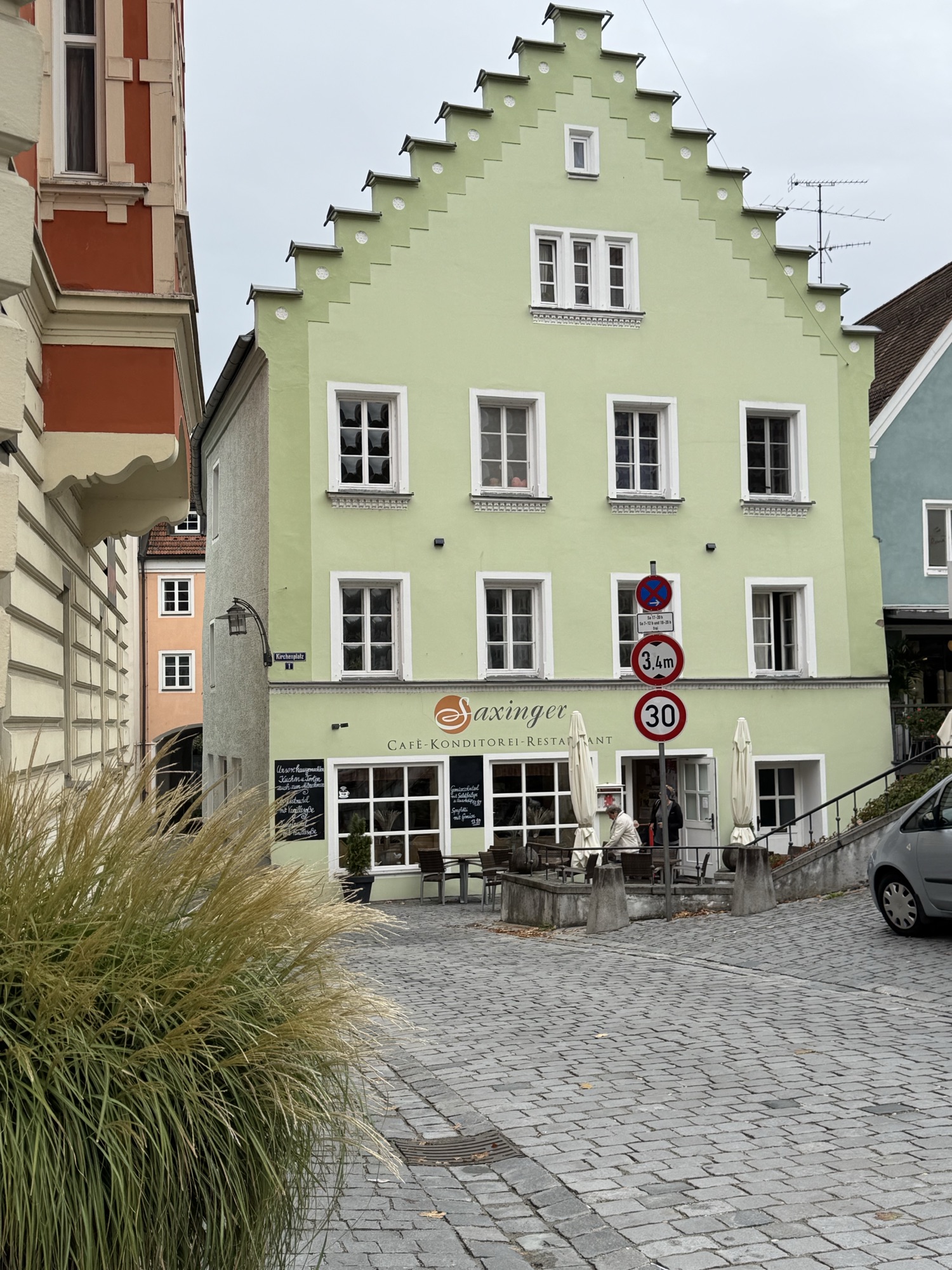
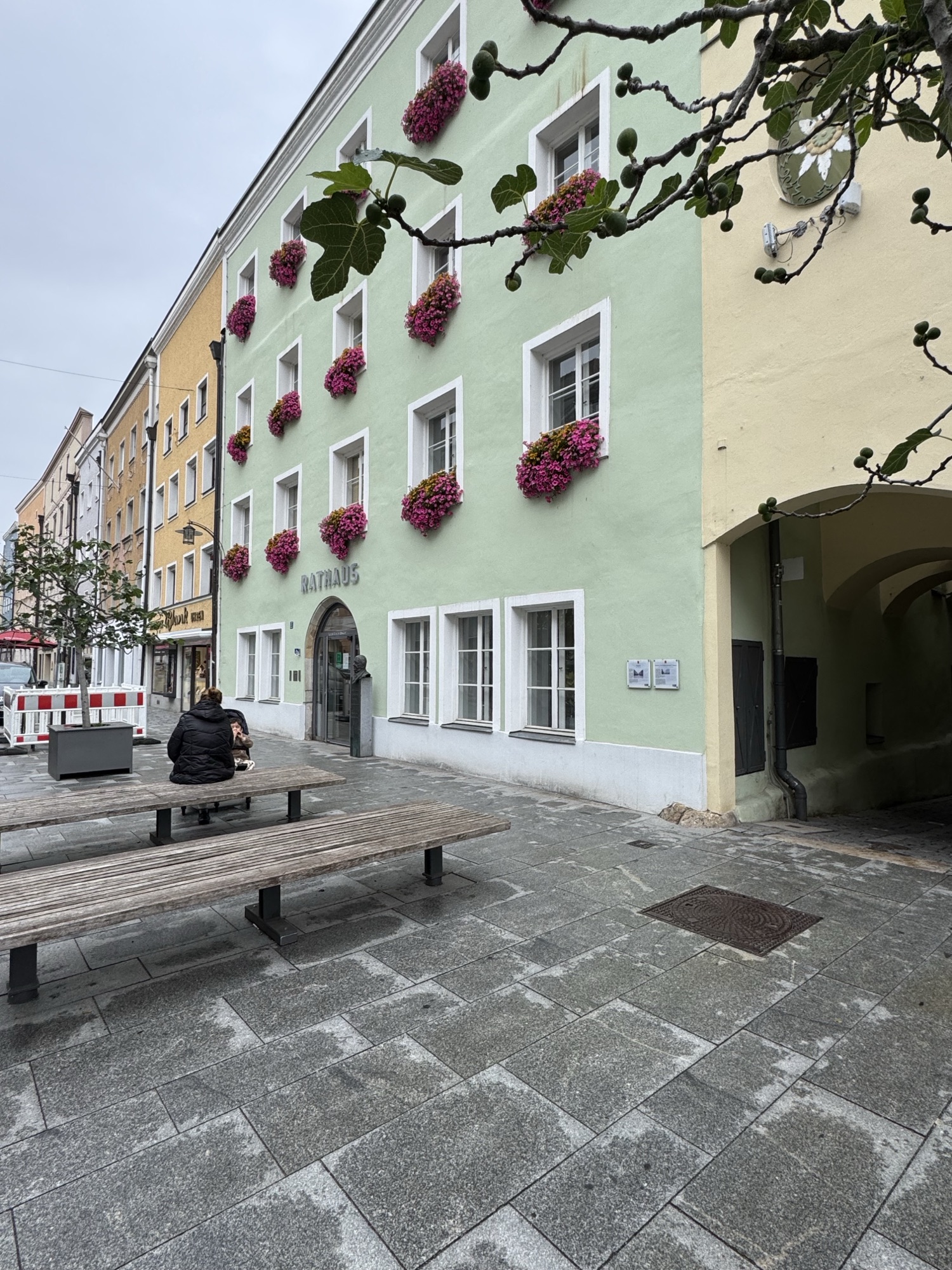
Our second stop was the Vilshofen Tourist Information Centre, where a lone, unoccupied, but less than totally welcoming woman told us we were in the wrong place. While Pleinting is technically Vilshofen in the way that North York is Toronto, and there is a Pleinting Street in Vilshofen, the community is actually a 6km 15 minute drive or 90 minute walk further along the Danube. She suggested we come back when we have a car.
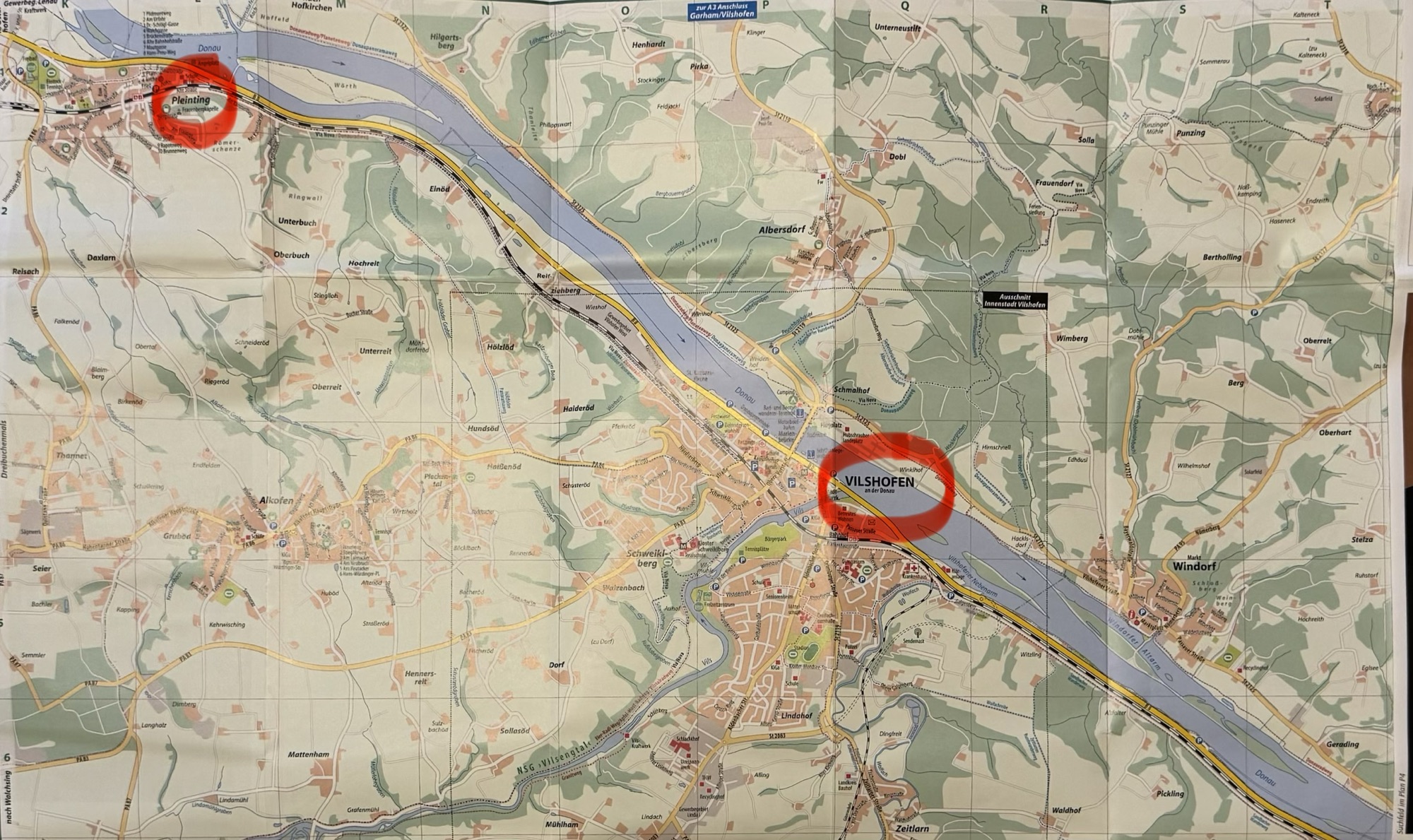
Obviously, based on our past couple of weeks, we could have walked the distance, especially since it didn’t involve any stairs, but it was raining and the route would mostly have followed the roadway instead of the riverbank.
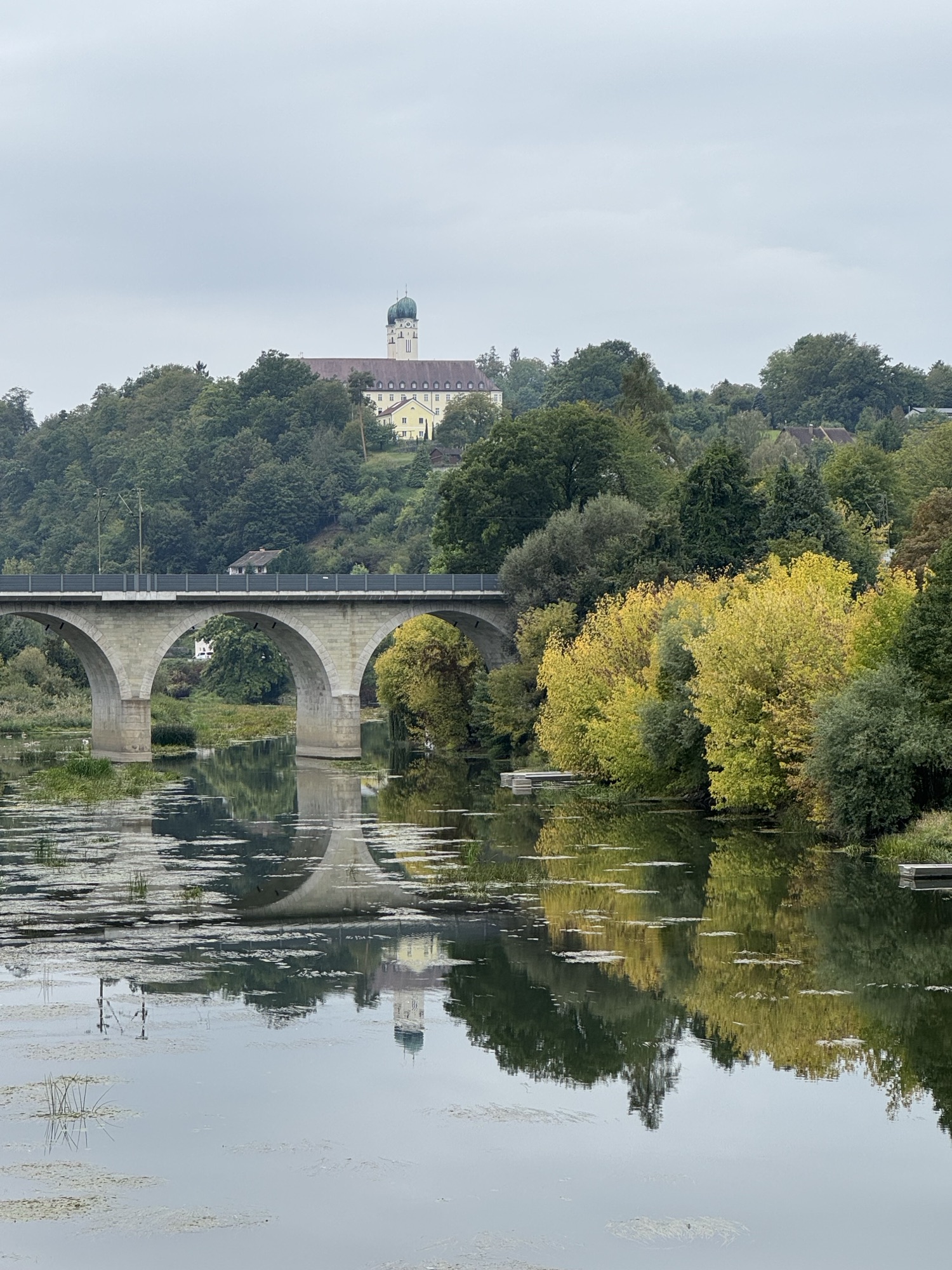
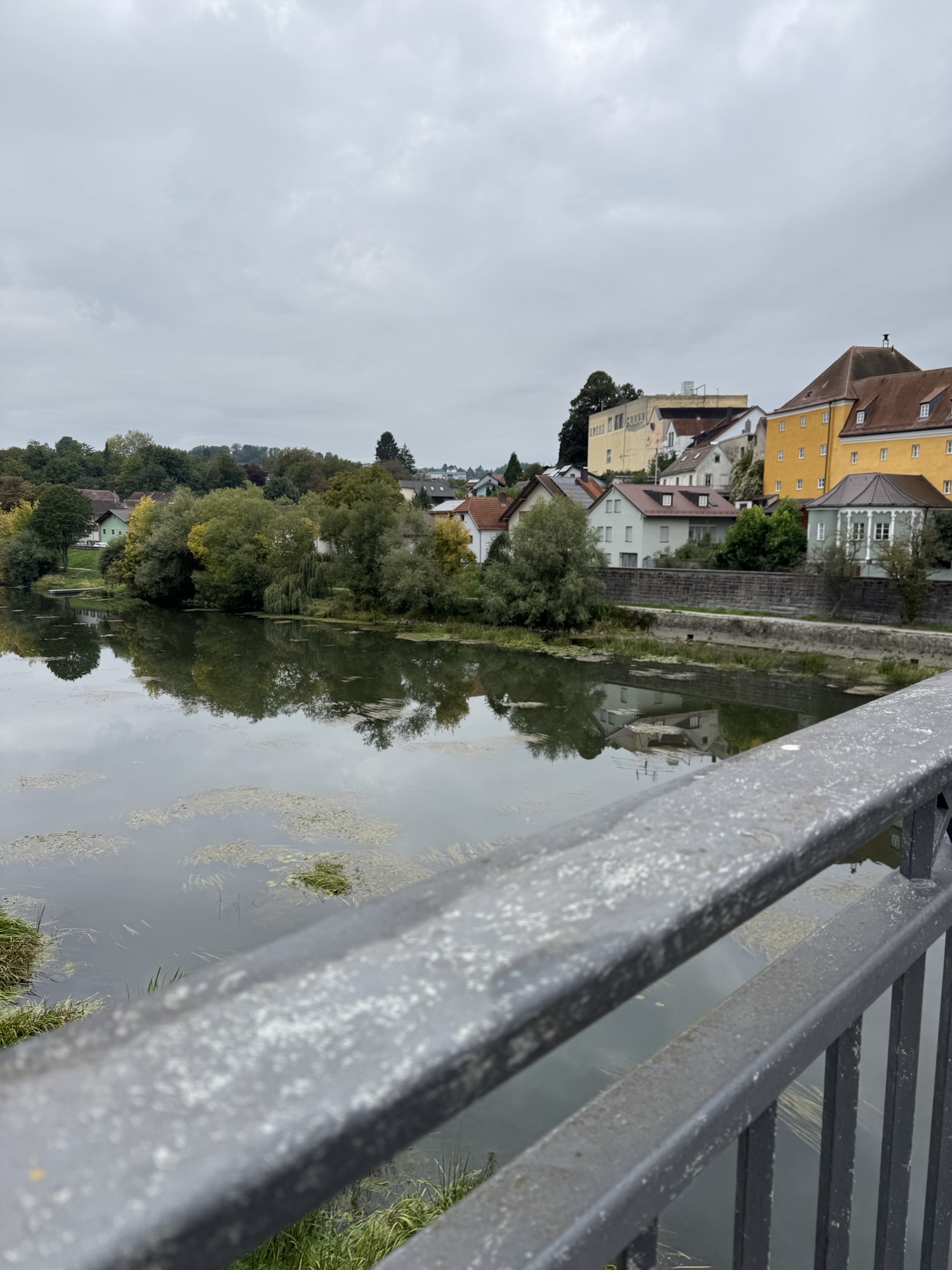
While the lady at the desk grumbled about inefficient buses and inconvenient schedules, son #1 found us a bus from back in front of the revenue building directly into the centre of Pleinting, running hourly.
Off we went.
Simultaneously, in the wee hours of the Vancouver morning Ted was sending me messages about potential things to see, as well as a process for getting more information about my mom’s DP years – a process I’ll follow once I’m back in BC.
We arrived in Pleinting in pouring rain. The war memorial in the Catholic Church yard near where we hit off the bus listed the village’s war dead from both world wars, but there were no further plaques in the area.
Many of the village’s buildings, as was the case in Vilshofen, had commemorative plaques with stories of their histories, but none mentioned WWII at all until we got to a hall labelled Alte Kirche (old church).
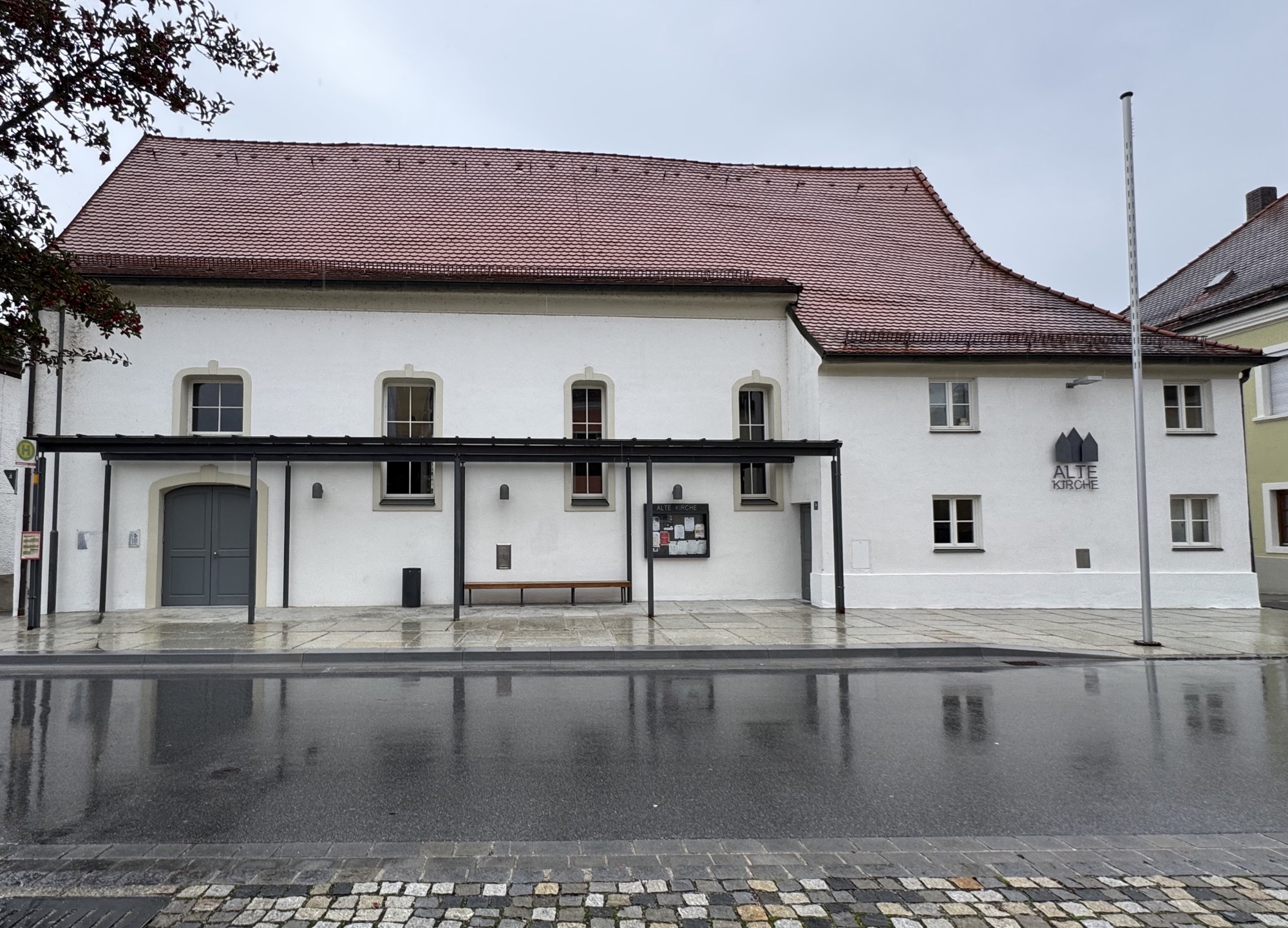
It was closed, as everything seemed to be, but appeared now to be a community centre.
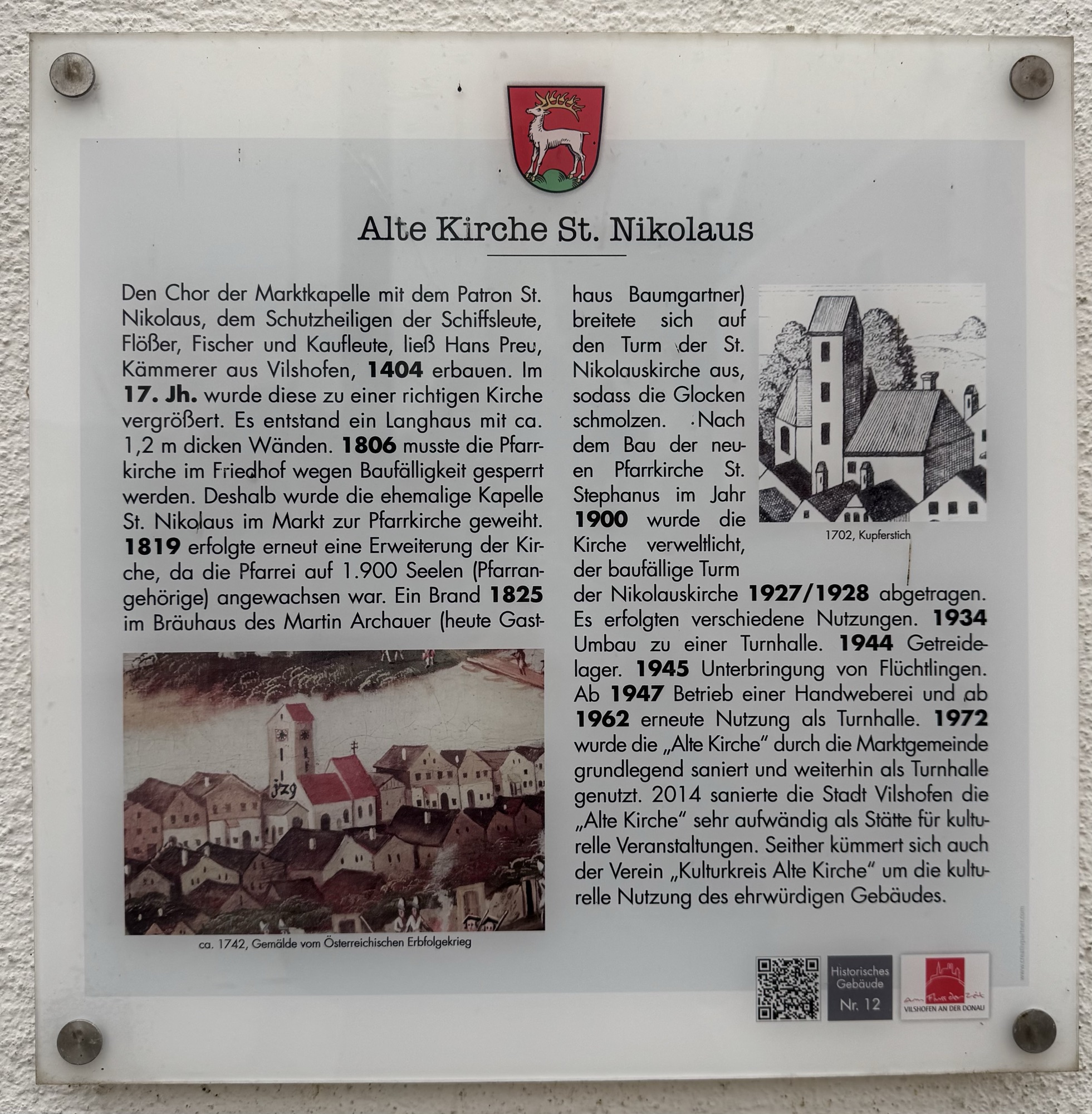
1944 Grain storage. 1945 Accommodation for refugees.
Both son#1 and I found it almost strange that the war years were simply missing from all the interpretive signs.
I have no real idea where exactly my mom, grandmother, and great grandmother lived during their years here. It is very likely that they were housed in the upstairs rooms, converted stables and barns, or auxiliary buildings of one of the local farmsteads, much like my Dad’s accommodation in northern Germany, although from the very few hints my mom’s relatives ever dropped I always had the impression that they lived in an apartment of some kind on the upper floor of a building in town.
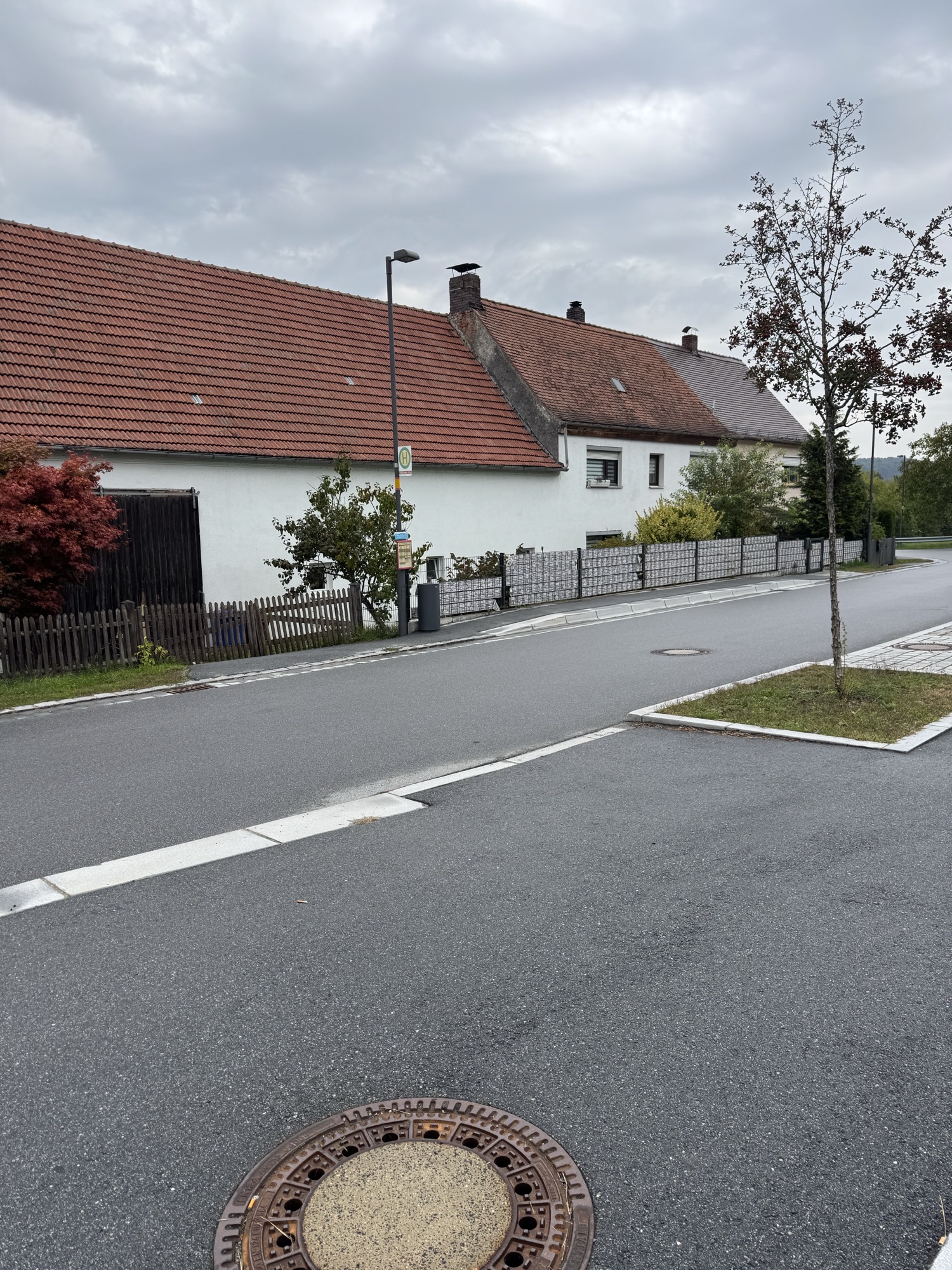
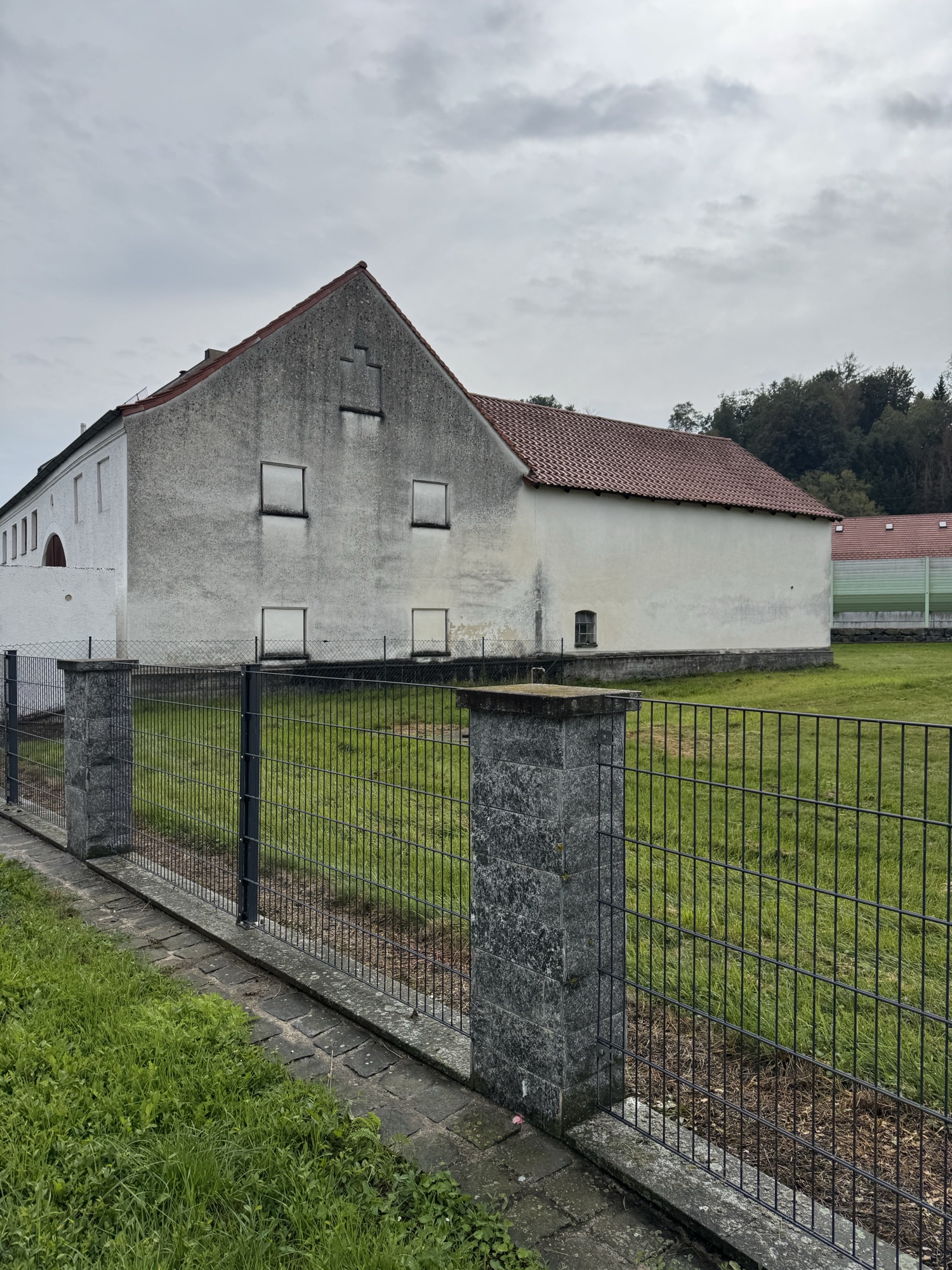
Certainly, if Pleinting today is anything to judge by, they would have regularly travelled to Vilshofen, not only early on for things like ration cards, but later to shop or go to church. I still have a gold-filled bracelet that my grandmother bought during her years there, and a black-and-white portrait of my mother taken in 1947 at a studio on Passauer Street in Pleinting and colourized with pastels.
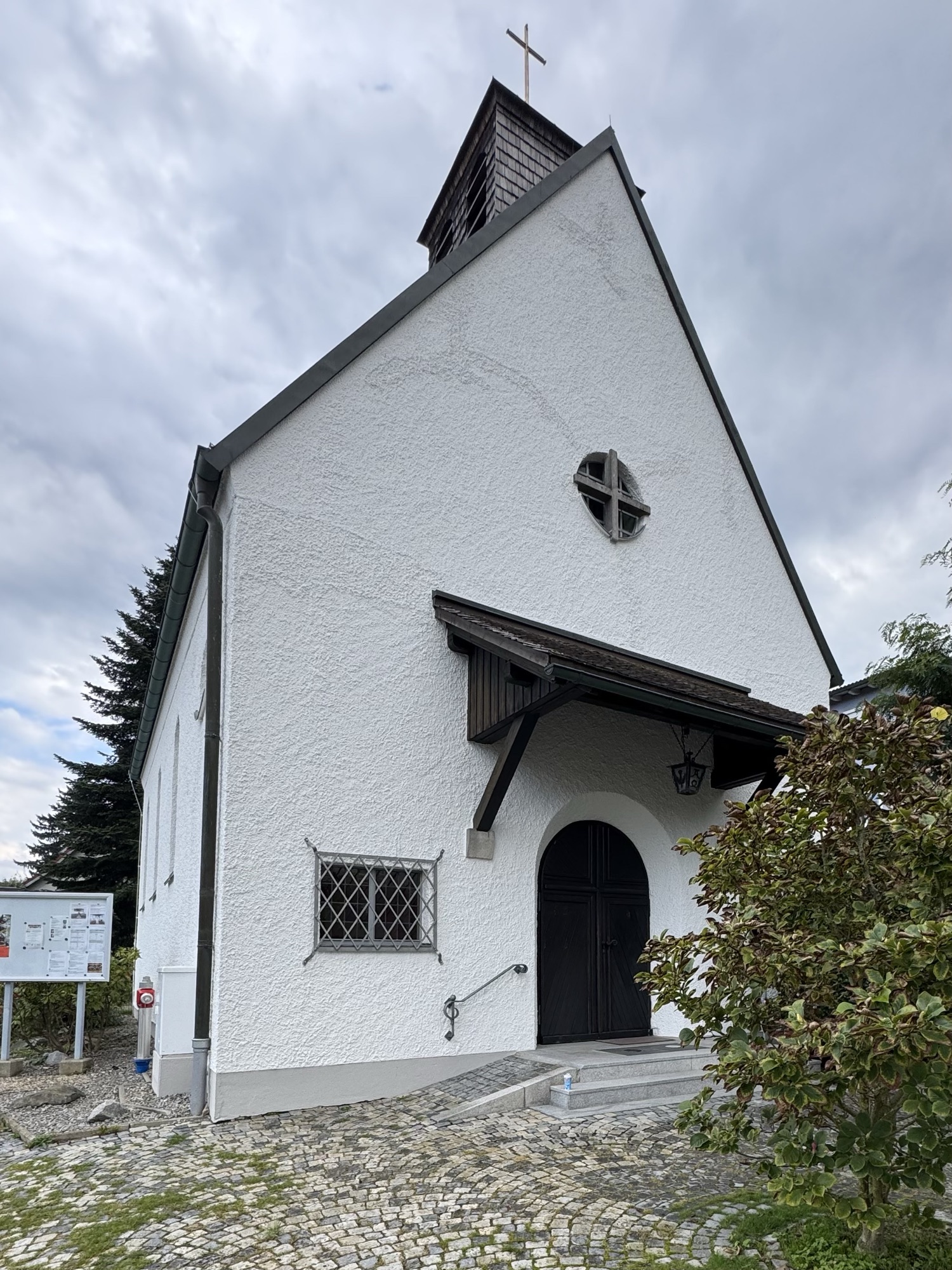
We took the bus back to Vilshofen with the intention of trying to find the only Protestant church in the area (Bavaria is still around 60% Roman Catholic, snd only 17-30% Protestant) which would have been where all of the DPs from my mom’s village in Hungary would have worshipped. It was built in 1937; from the sign outside indicating a pastoral vacancy and directing people to a church in an adjacent town, it is not particularly active.
We walked through Vilshofen’s Stadt Turm (city tower), as mom must have done so many times.
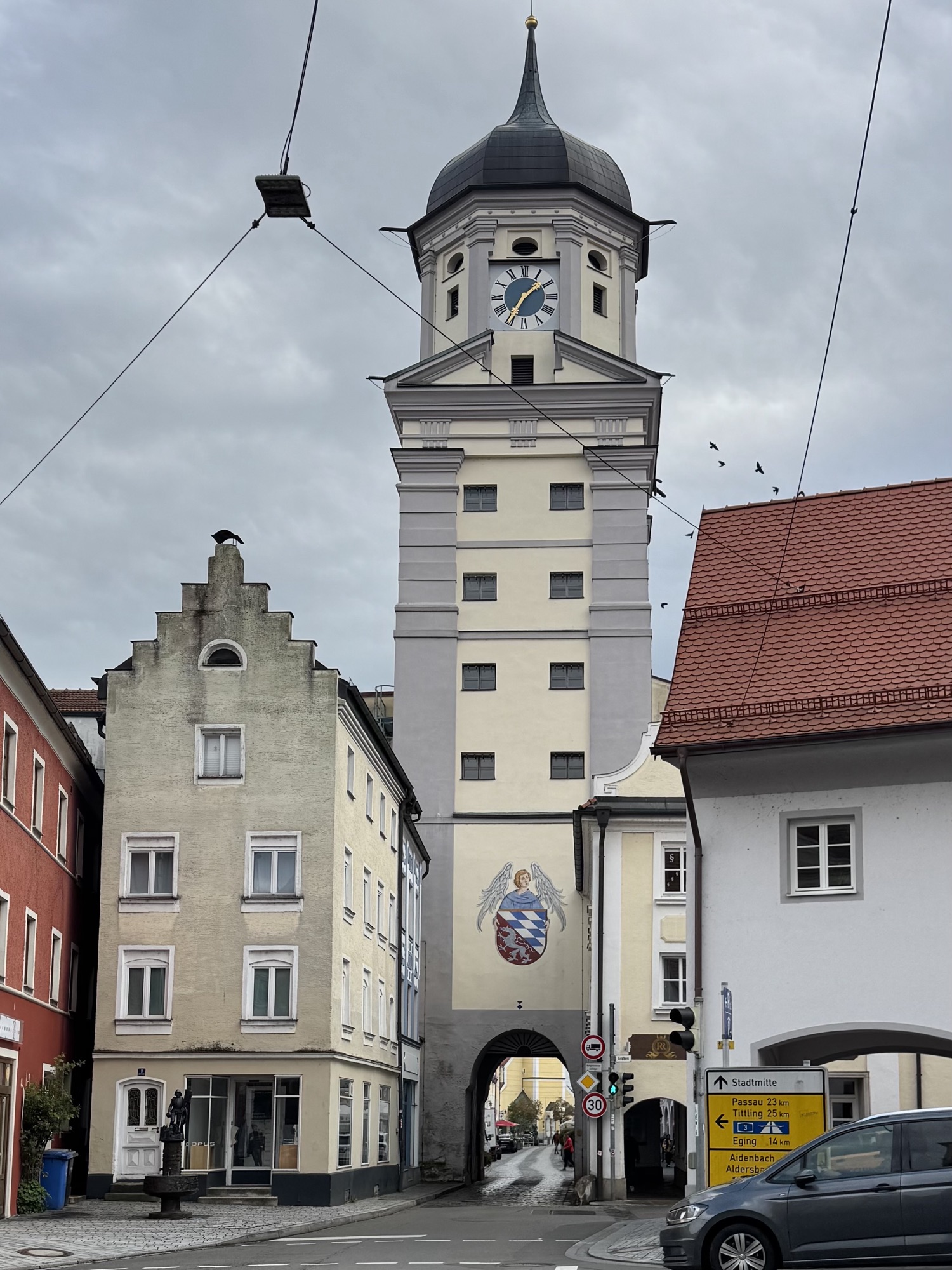
I’m not sure exactly what I expected today. I suppose I hoped for some sense that the towns had not forgotten those thousands of DPs that passed through, even though it has been 80 years; after all, ancient history is remembered here. If so, I suppose that I was disappointed.
The two best parts of the day were people we met.
In the very traditional Bavarian restaurant where we had a sausage lunch, I really enjoyed talking to the two gentlemen at the table beside us. Listening to the strong dialect that heard so many of my mom and grandmother’s generation use was a real delight. One of the men had a common German/Hungarian heritage with me, and both were interested in the trip #1 and I were just completing. We agreed that we all wished we’d asked more questions of our parents’ generation.
Then, during our lengthy wait at the bus depot I had a long conversation with a young Syrian woman who has been in Germany just 13 months and tomorrow was starting her training as a health care worker, her German already being good enough for her required course work. Talking to her brought back such wonderful memories of working with Syrian refugees in Collingwood post-retirement and pre-pandemic, teaching ESL to those getting ready for their Canadian citizenship tests.
By the time she and I had done our best to help a tearful younger girl (who spoke Turkish but neither German nor English and whose sister had taken a bus home without her) to find the next available way home, her own bus had arrived and we parted – at which point she offered and I accepted a hug.
I’m the product of both an emigrant and immigrant story. That young woman’s children will someday have that same privilege.
I hope they’ll be as proud of her bravery and ambition as I am of that of my parents.


thank you for your explanation of what your family went through. It certainly is disappointing the village did not acknowledge what had happened in terms of displaced persons.
LikeLiked by 1 person
Hi Rose,
Can you explain why your parents were displaced from Hungary and Germany? I’m assuming they weren’t Jewish, and I don’t know enough about the history of that time to understand what other groups were persecuted. Gypsies and Roman Catholics come to mind.
Also, did your mother, grandmother and great grandmother leave Hungary together? Why were they not able to leave Pleinting together, and did they all wind up in Canada eventually?
LikeLike
Both were displaced when the Soviet Union took over Poland and Hungary. To grossly oversimplify things, at the tail end of the war those considered ethnically German (which was the case in Europe no matter how many centuries – on both sides of my family over 200 years / 10 generations – your family had lived in Poland or Hungary. If you were German speaking you were either pushed from your homes or fled them. The Soviets would have killed them. Germany had to “take them back”.
LikeLike
Part 2;
The entire village pretty much left together.
Emigrating to North America required either being a worker in a field needed , or having a relative (first cousin or closer) already there to sponsor you. As the only child of an only child, and females, that was not possible until my grandfathers whereabouts were determined (he had emigrated in 1929 and just “disappeared” – those stories are old blog entries in the range of 69-78). Once contact was made, he reluctantly sponsored by mom, who then worked 2 years in Canada to be able to sponsor her mom, and then another 3 to get my great grandmother out.
My mom emigrated just as the last of the US Army DP relocation programs ended, so the older women were left on their own (I think my grandmother worked as a seamstress and a cleaner) until a relative could vouch for the fact they would not be a financial burden on their destination country
LikeLike
When they fled Hungary, my mom was 17, my grandmother 38, and my great grandmother 66. There had been no male presence in the family since 1934.
LikeLike
Thank you. That is quite a story. Both my parents were born in Chicago. I wish I had asked my grandparents more about their immigration stories.
LikeLiked by 1 person