All of a sudden, after 5 months of travel, yesterday I was exhausted.
I expect that four straight nights of partying Liverpudlians and screaming (laughing, barking, coughing, even almost meowing) herring gulls hasn’t helped, because sleep has eluded me.
So, instead of exploring Liverpool, all I wanted to do these last two days was sit in a comfy chair and read.
Fortunately, Ted was here to encourage me to take at least a short walk, which meant that we ventured into the nearby Museum of Liverpool.
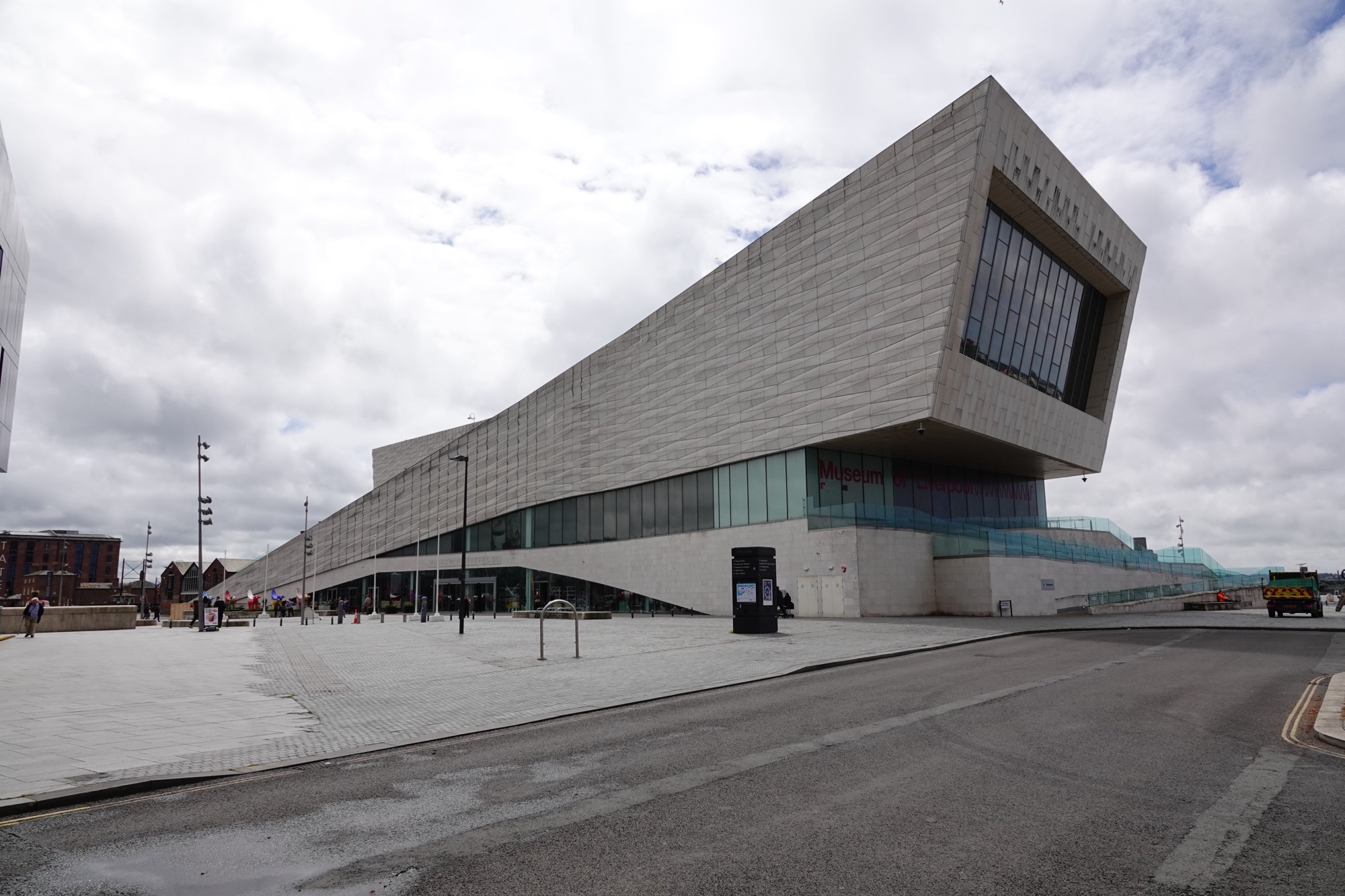
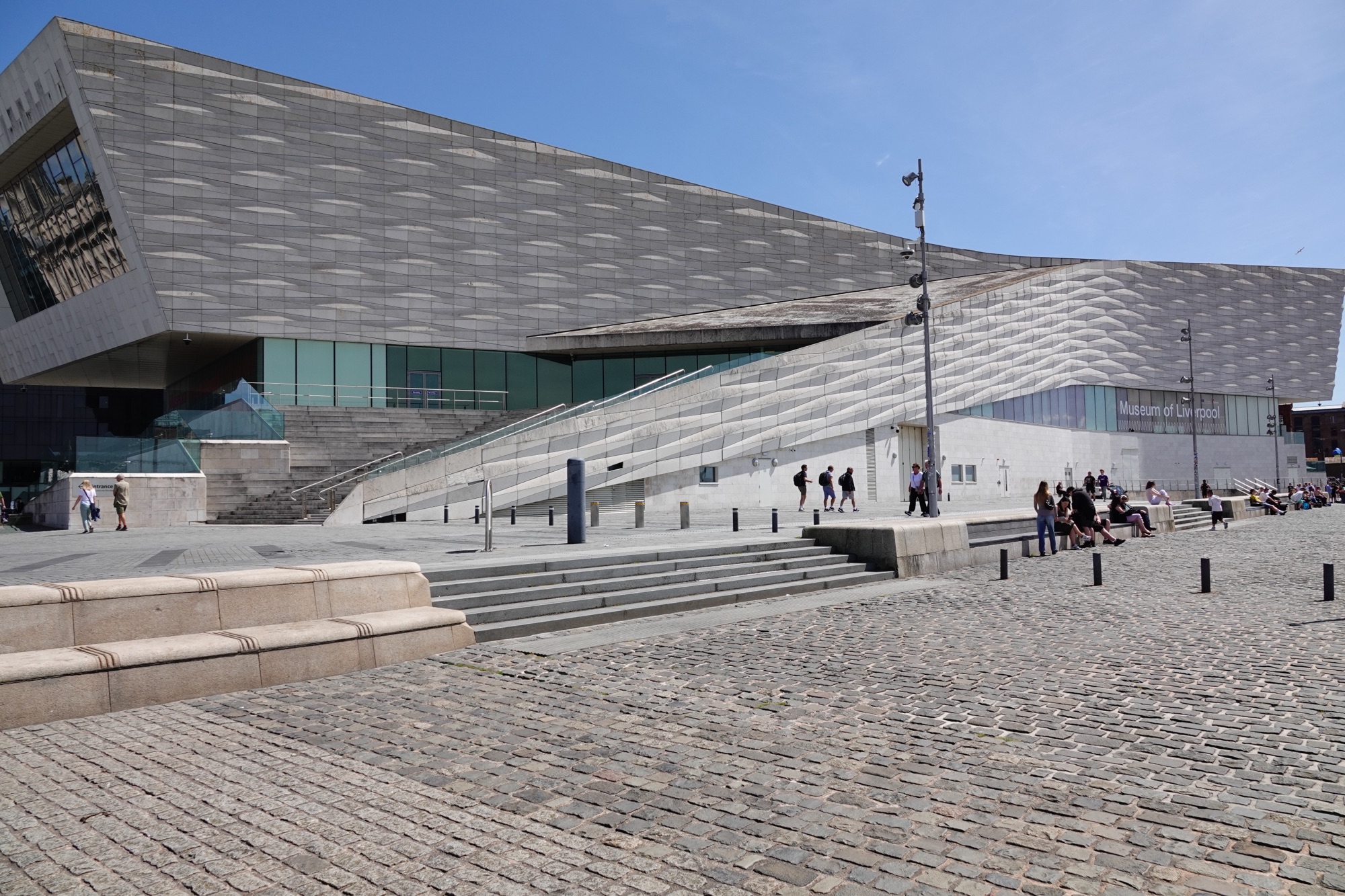
I’m glad we did.
My lack of energy means I’m not doing the museum justice here in recording our memories – and we only visited one of its three floors – but I can confidently say that it should not be missed. In fact, it would be a perfect jumping off point for any extended visit to Liverpool, because it does a fantastic job of summarizing Liverpool’s history and culture in a way that helps explain the city’s energy and pride.
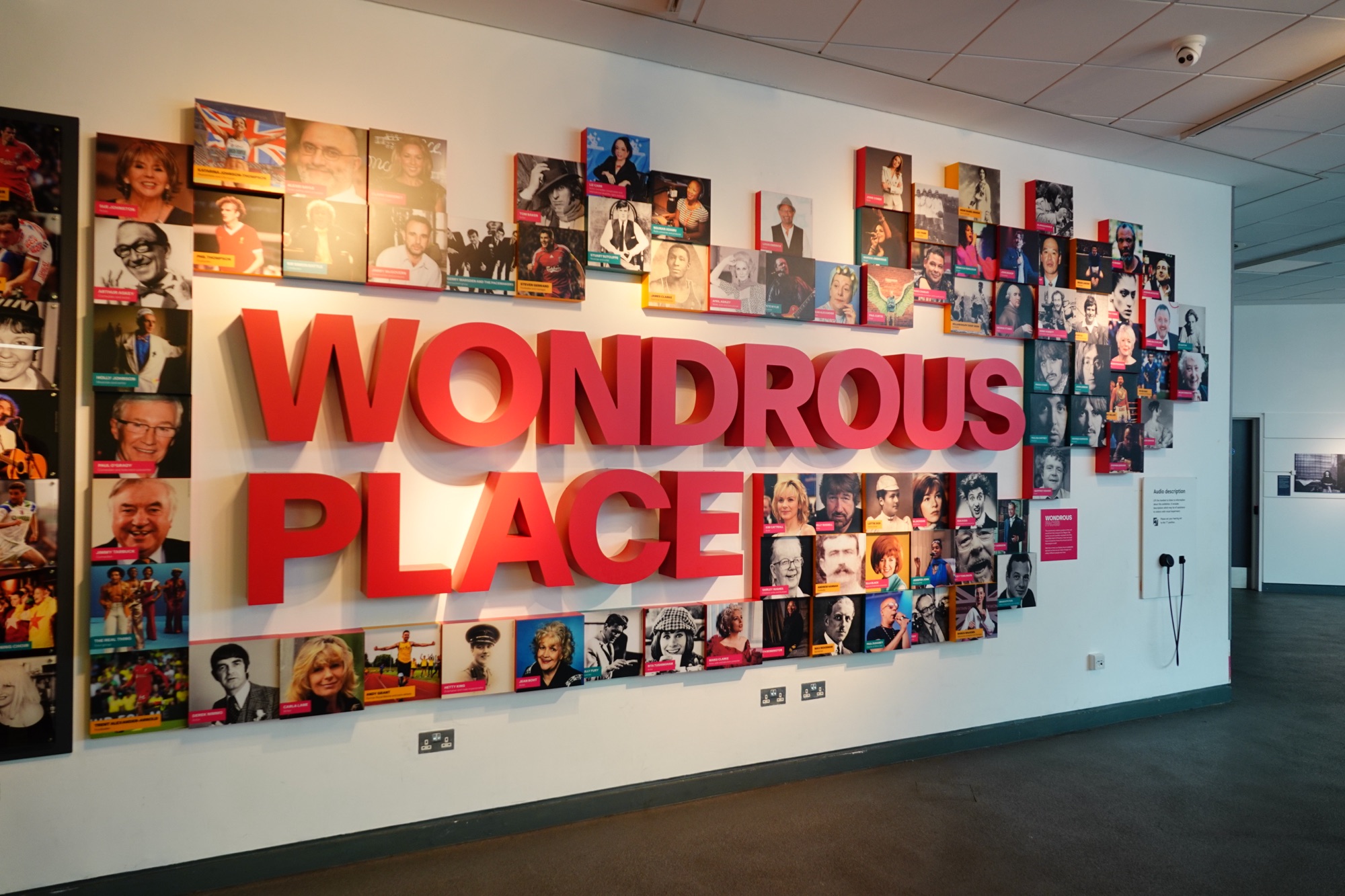
There was an extensive exhibit about Liverpool’s music scene, which goes far beyond The Beatles. We enjoyed the many interactive displays including listening stations and quiz screens, as well as the short Beatles film.
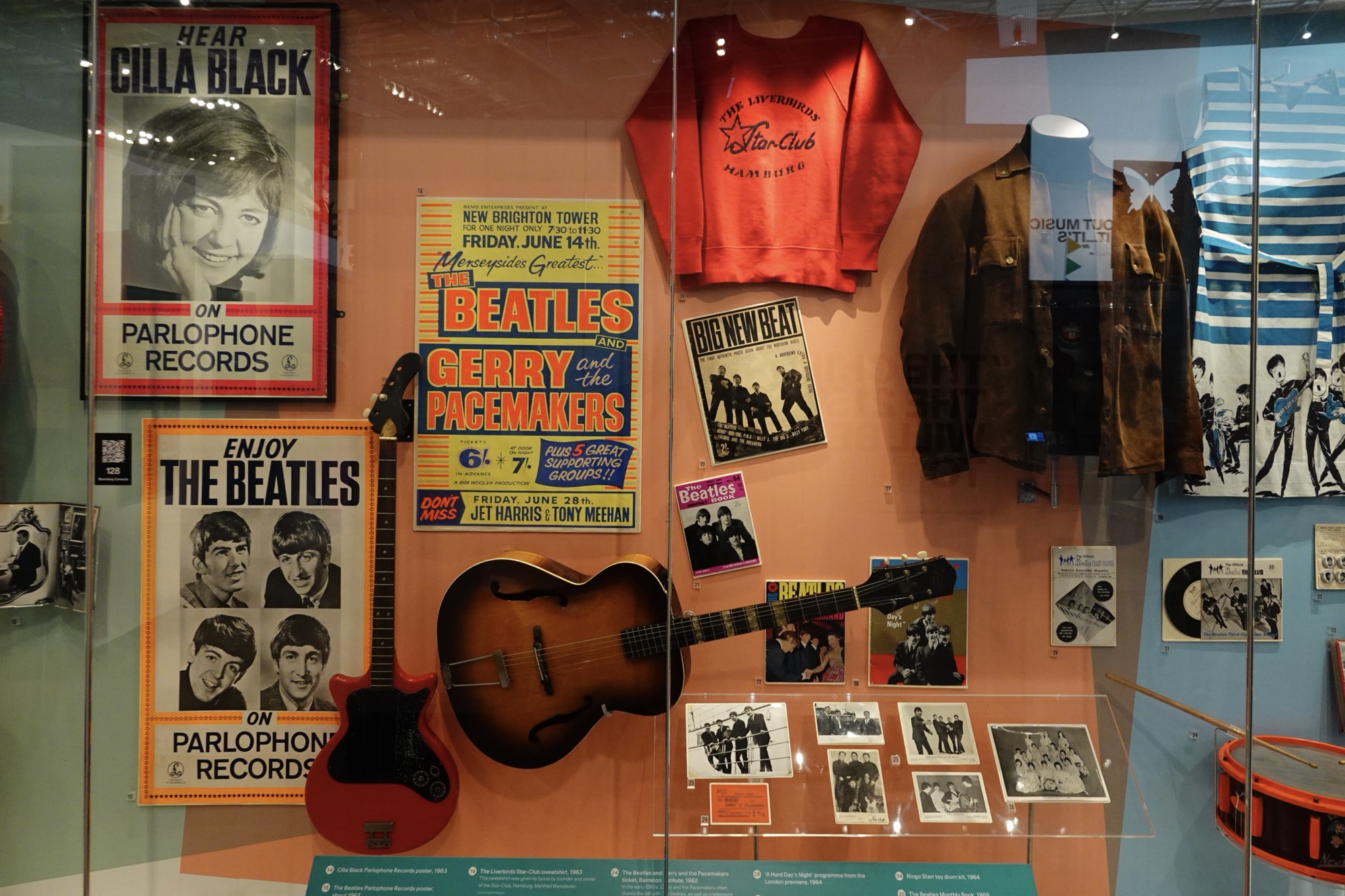
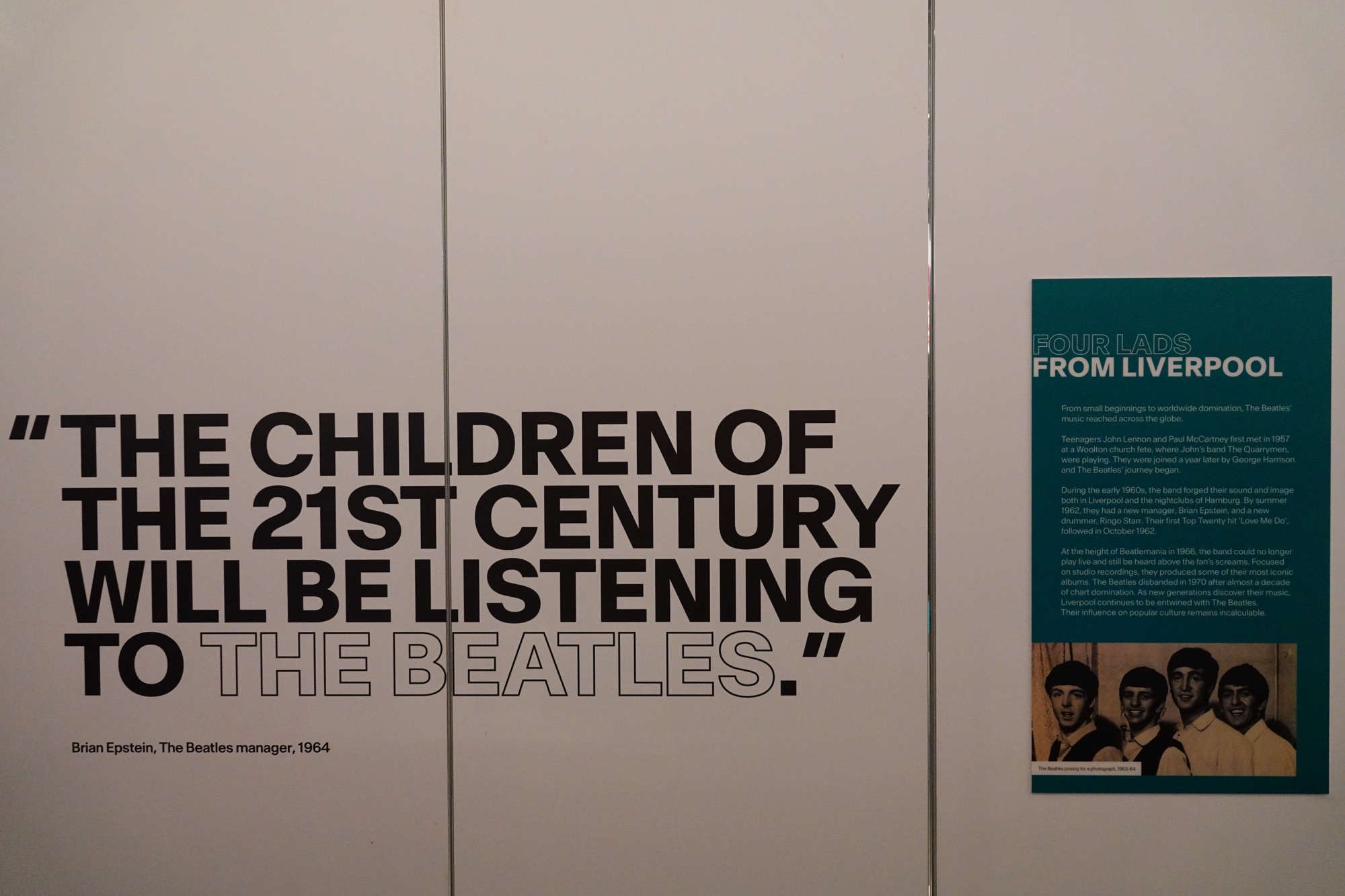
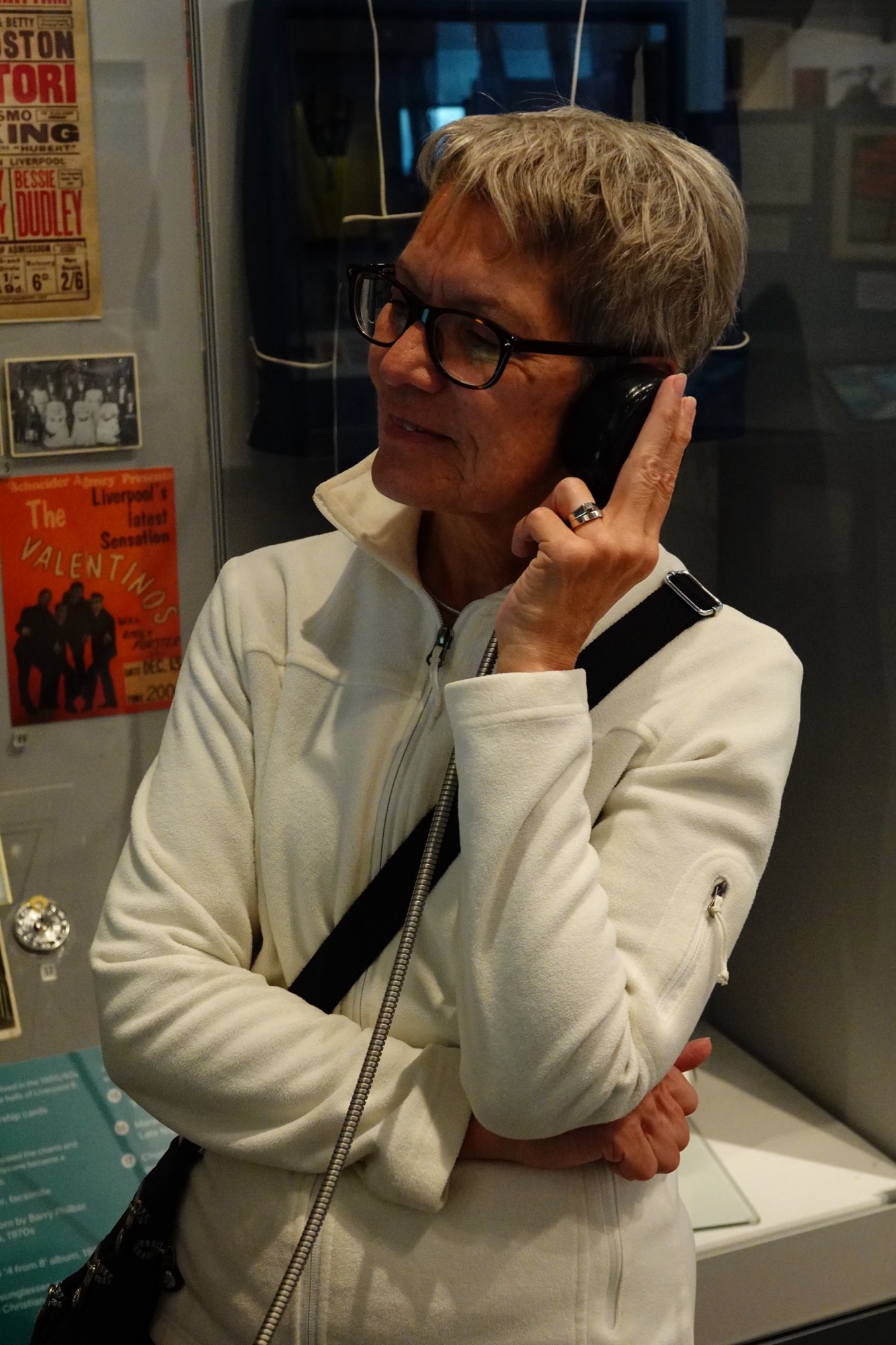
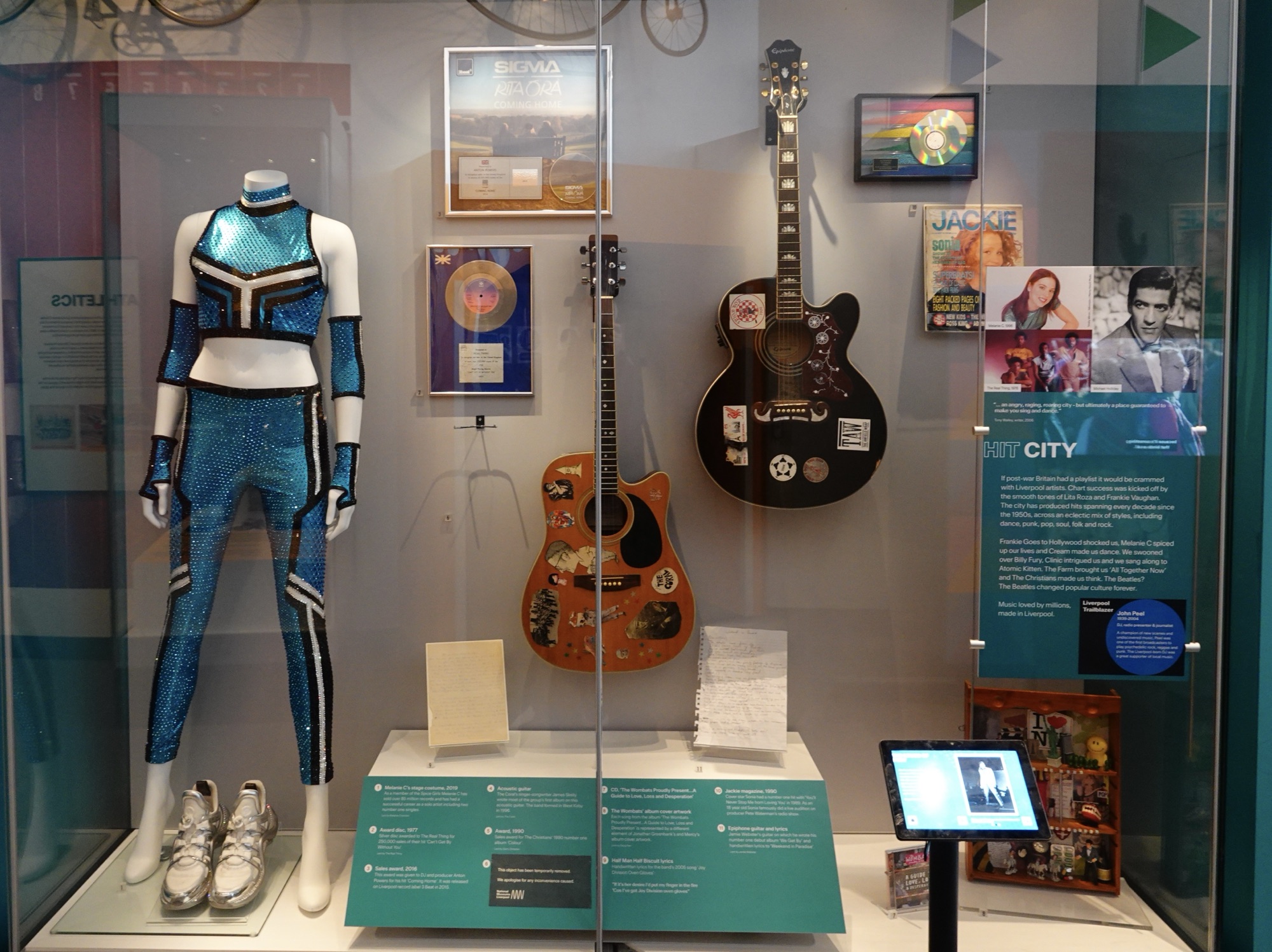
Liverpool has been at the forefront of the UK music scene over and over again, with diverse styles ranging from Cilla Black to Mel C to The Wombats to Kof.
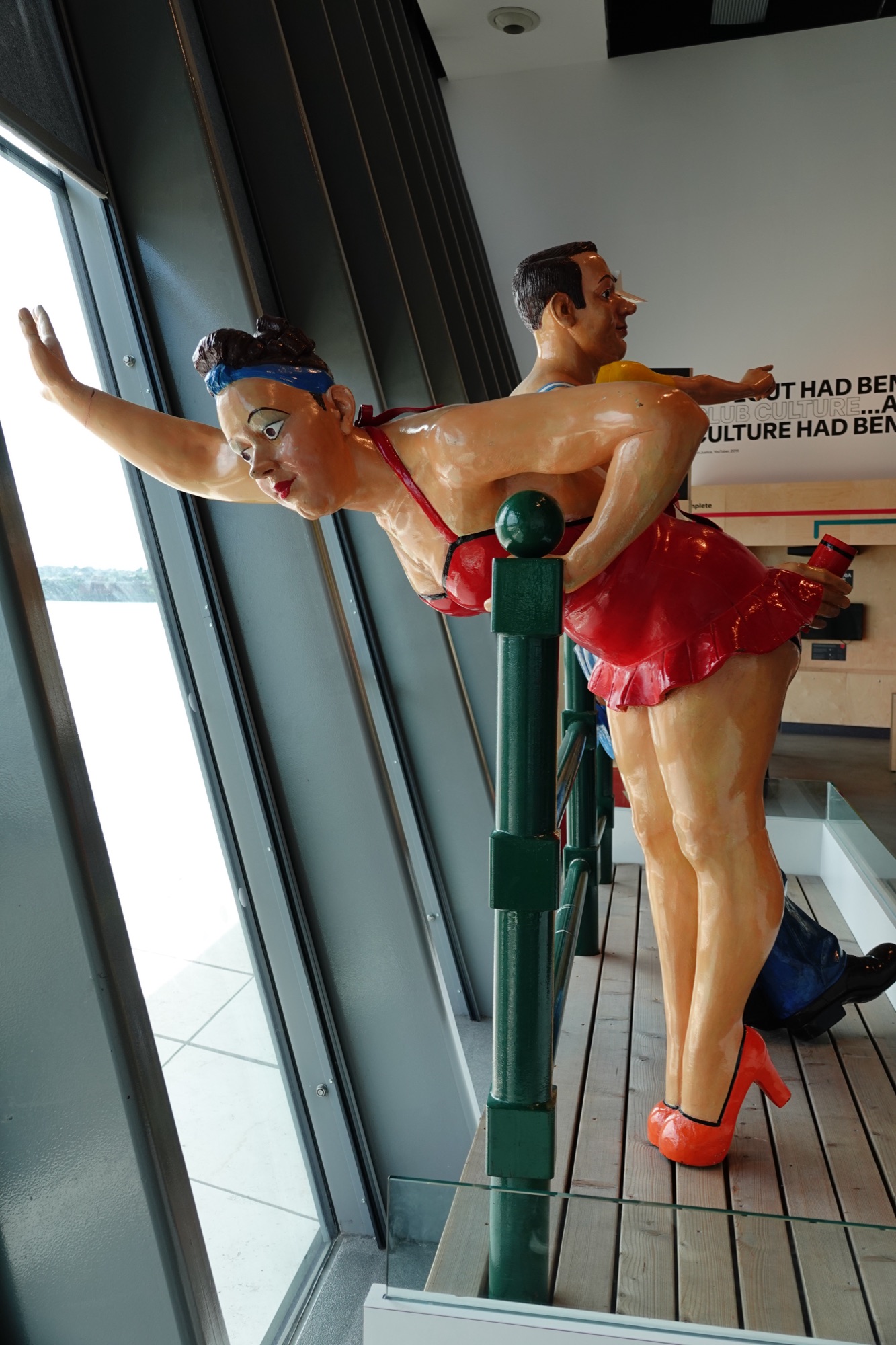
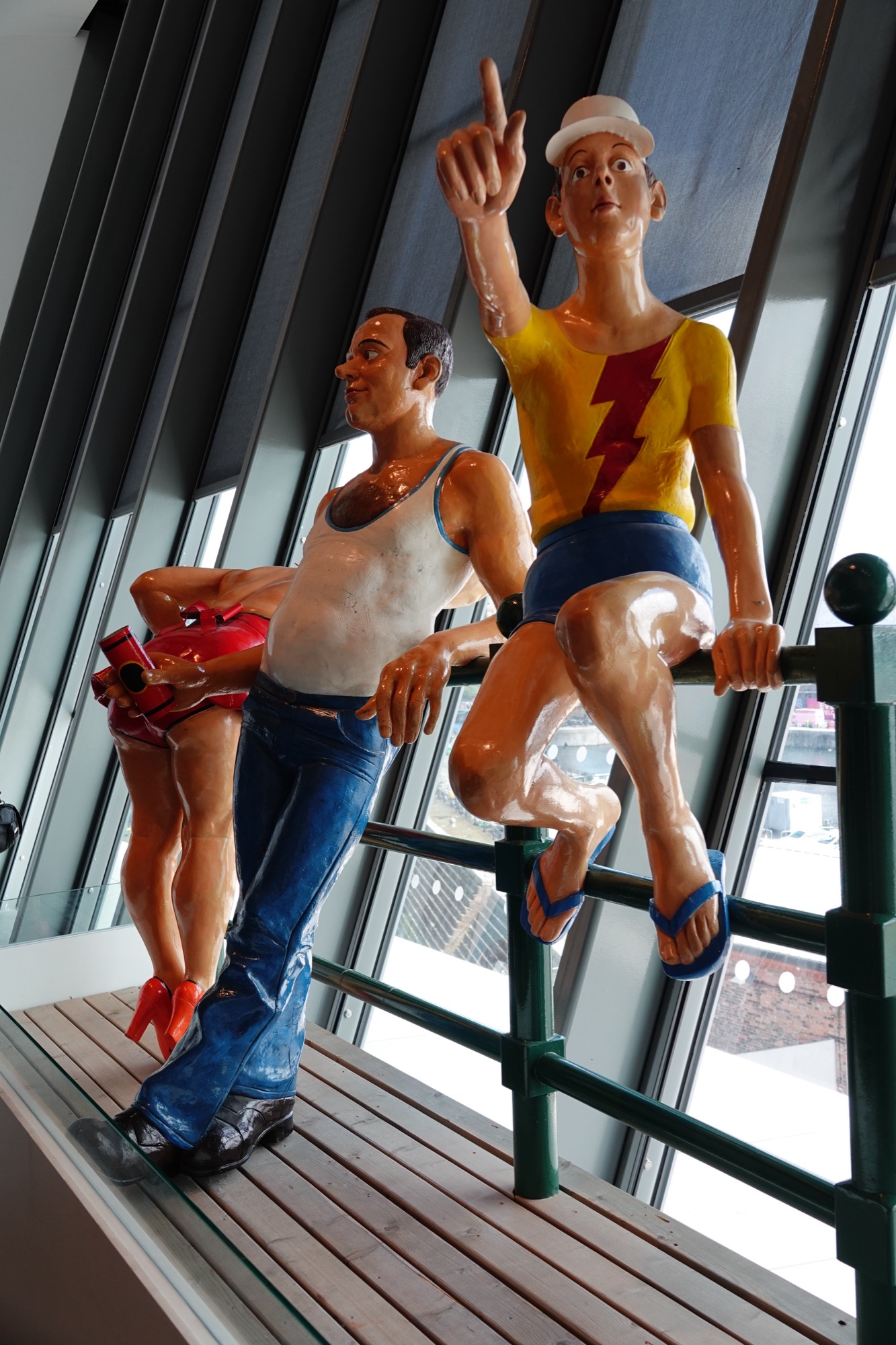
There were some cheeky sculptures made in and for the city that really captured its mood.
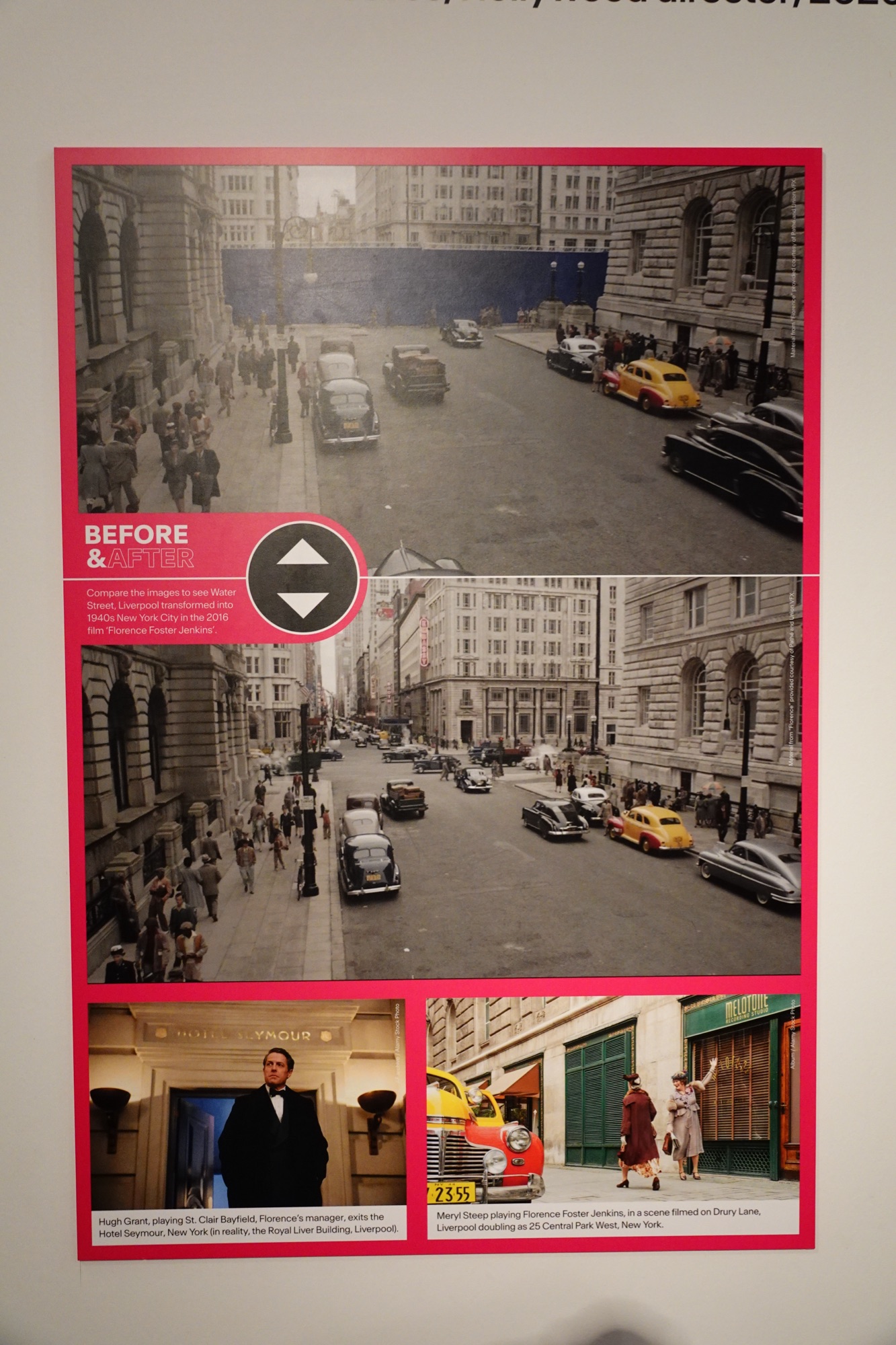
There was an area devoted to Liverpool as a movie and television “set”, portrayed not only as itself on screen, but standing in for places as diverse as Washington, New York City, London, and Moscow. Some of the movies featuring Liverpool were a surprise: Barbra Streisand’s Yentl, and the first Captain America for instance.
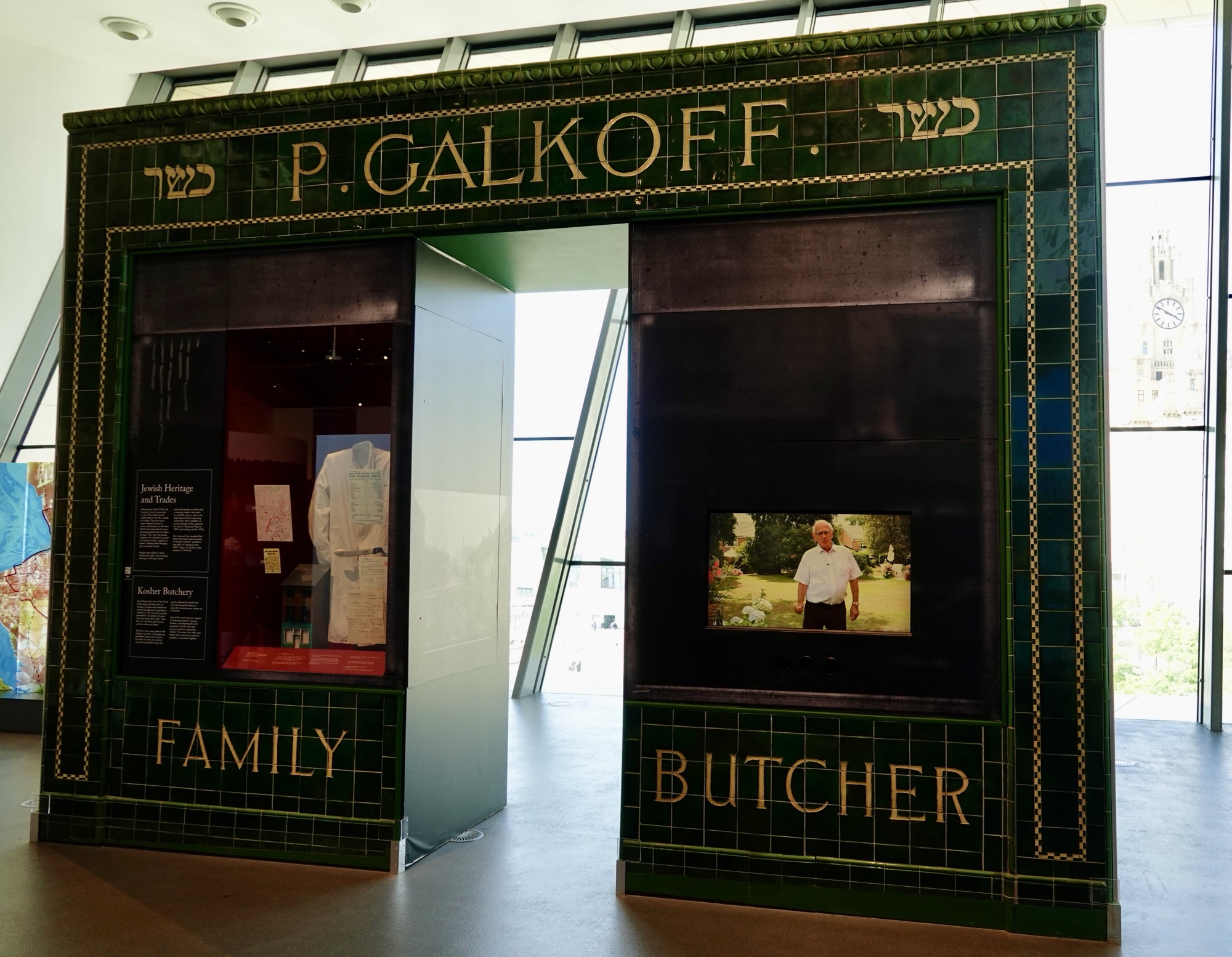
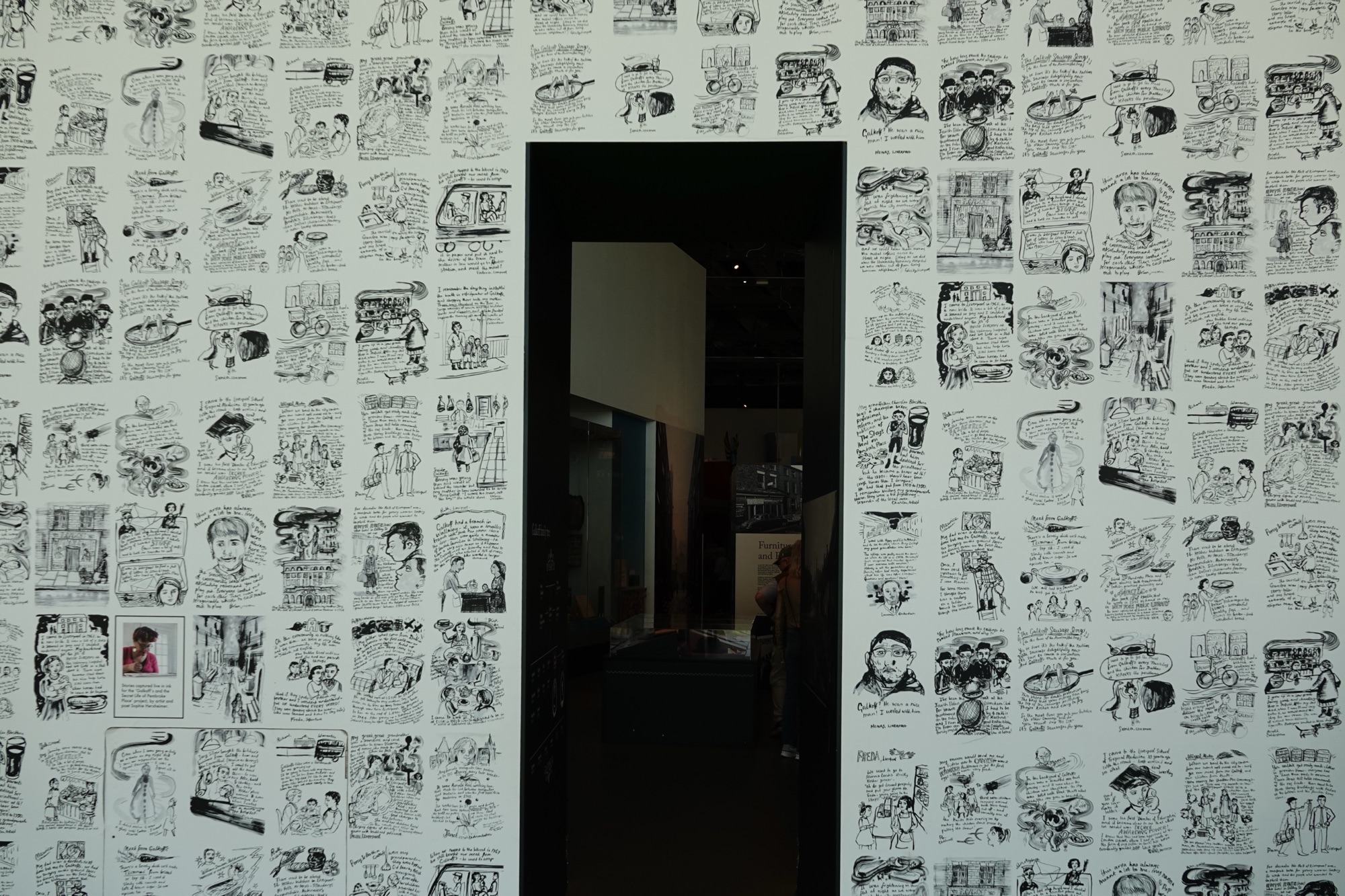
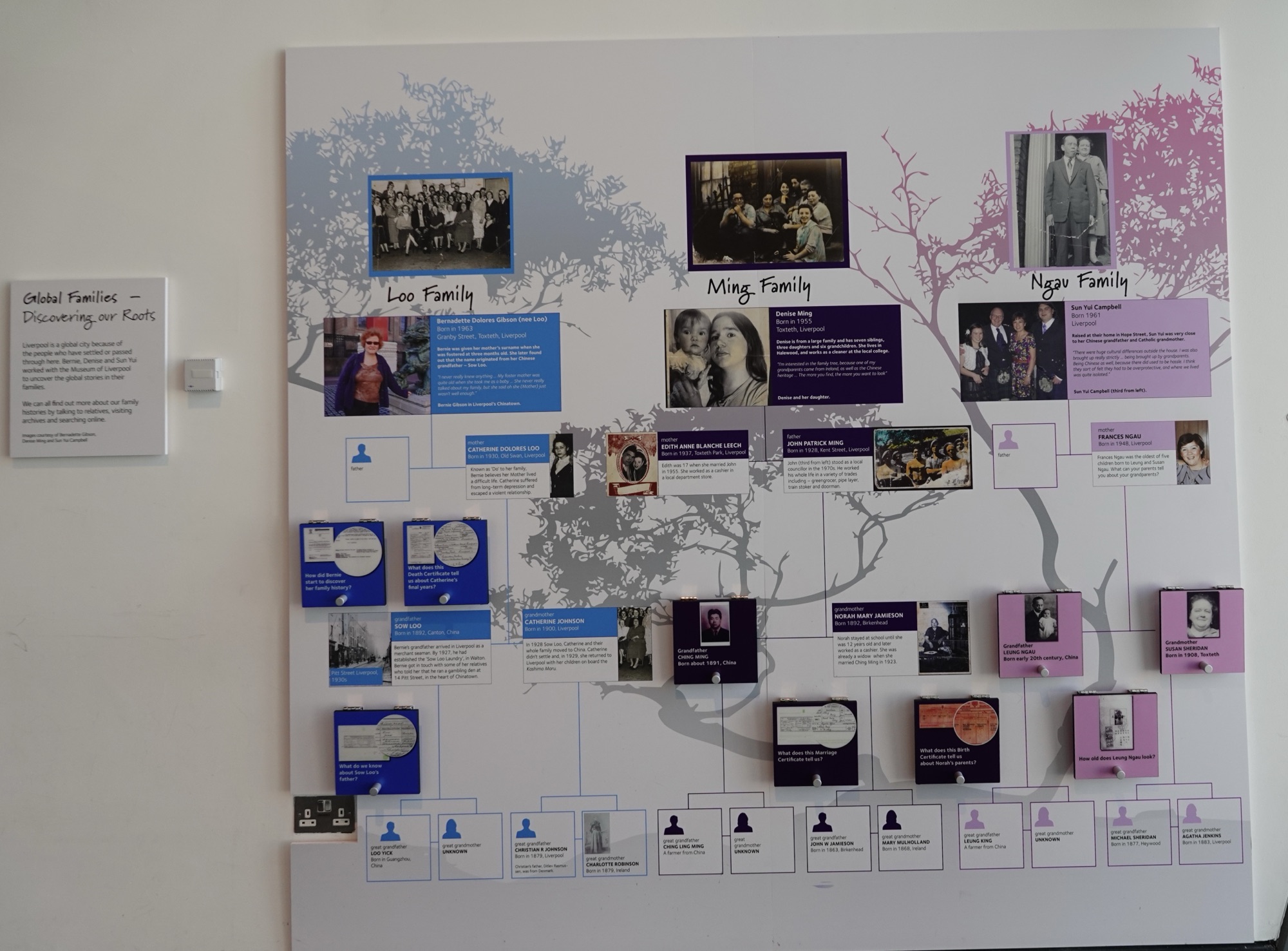
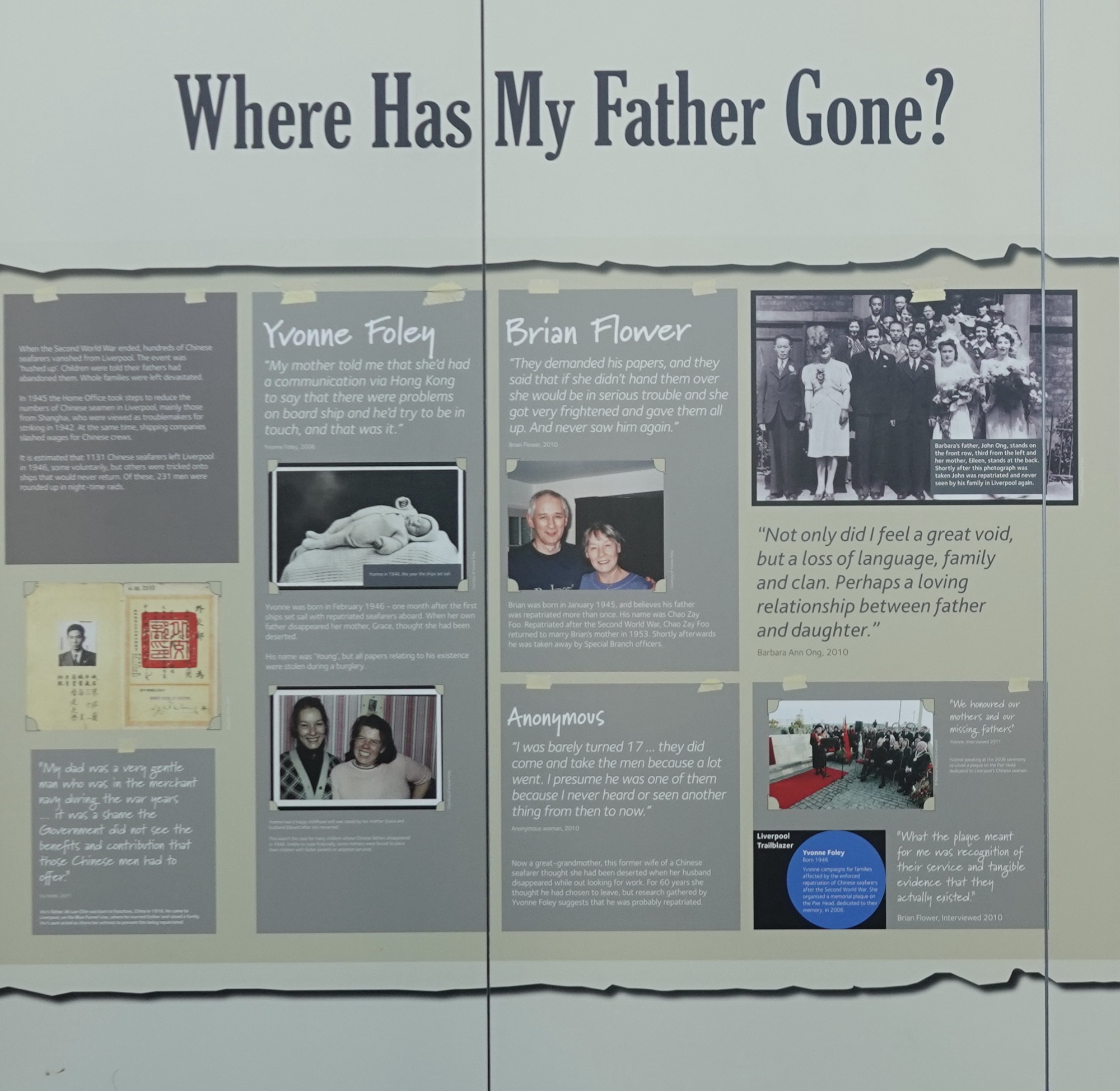
There were exhibits about Liverpool’s historic Jewish and Chinese communities.
Having visited Port Sunlight, the exhibits dealing with the city’s metamorphosis from closed-court slums to modern housing developments was eye-opening.
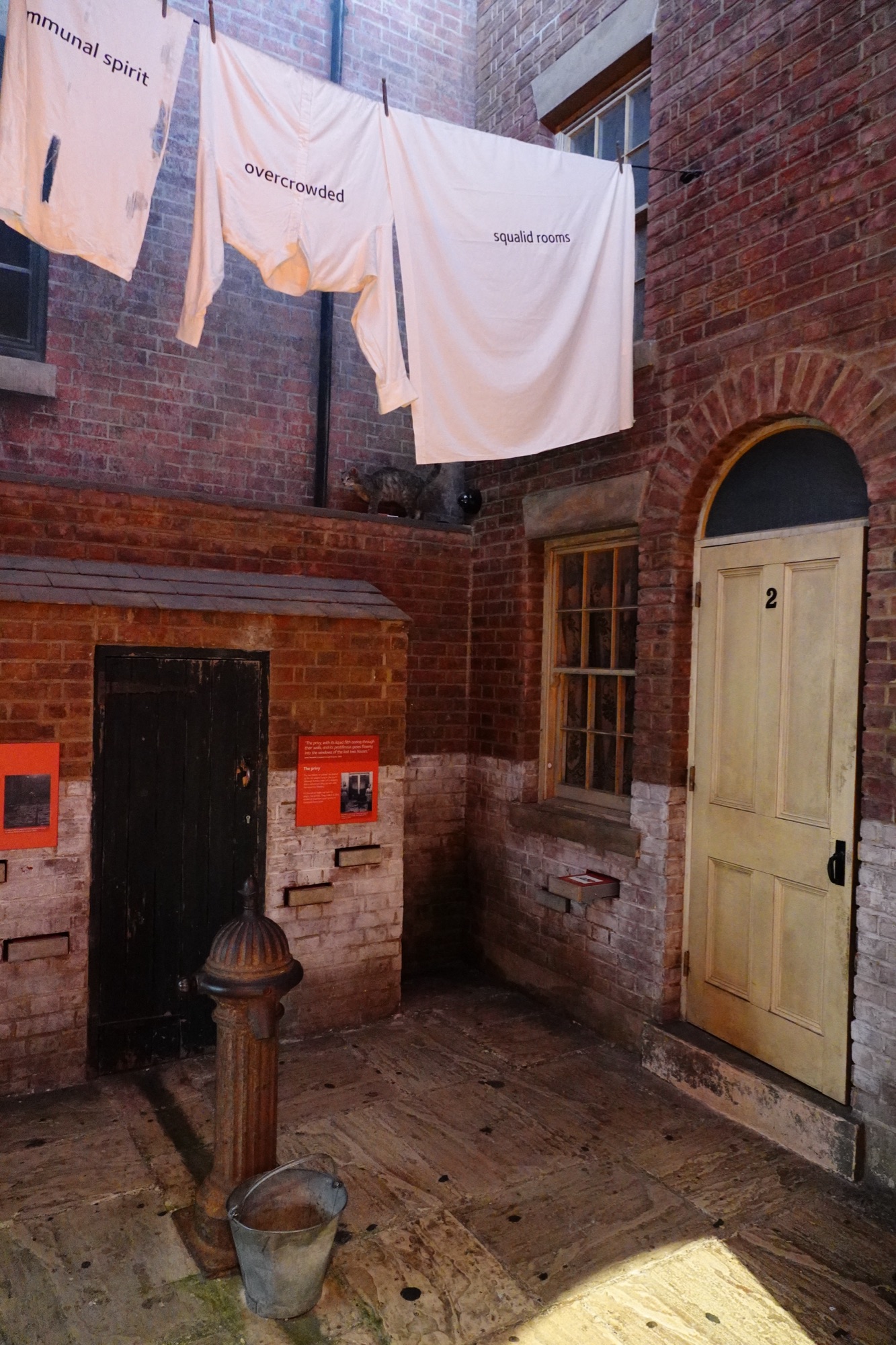
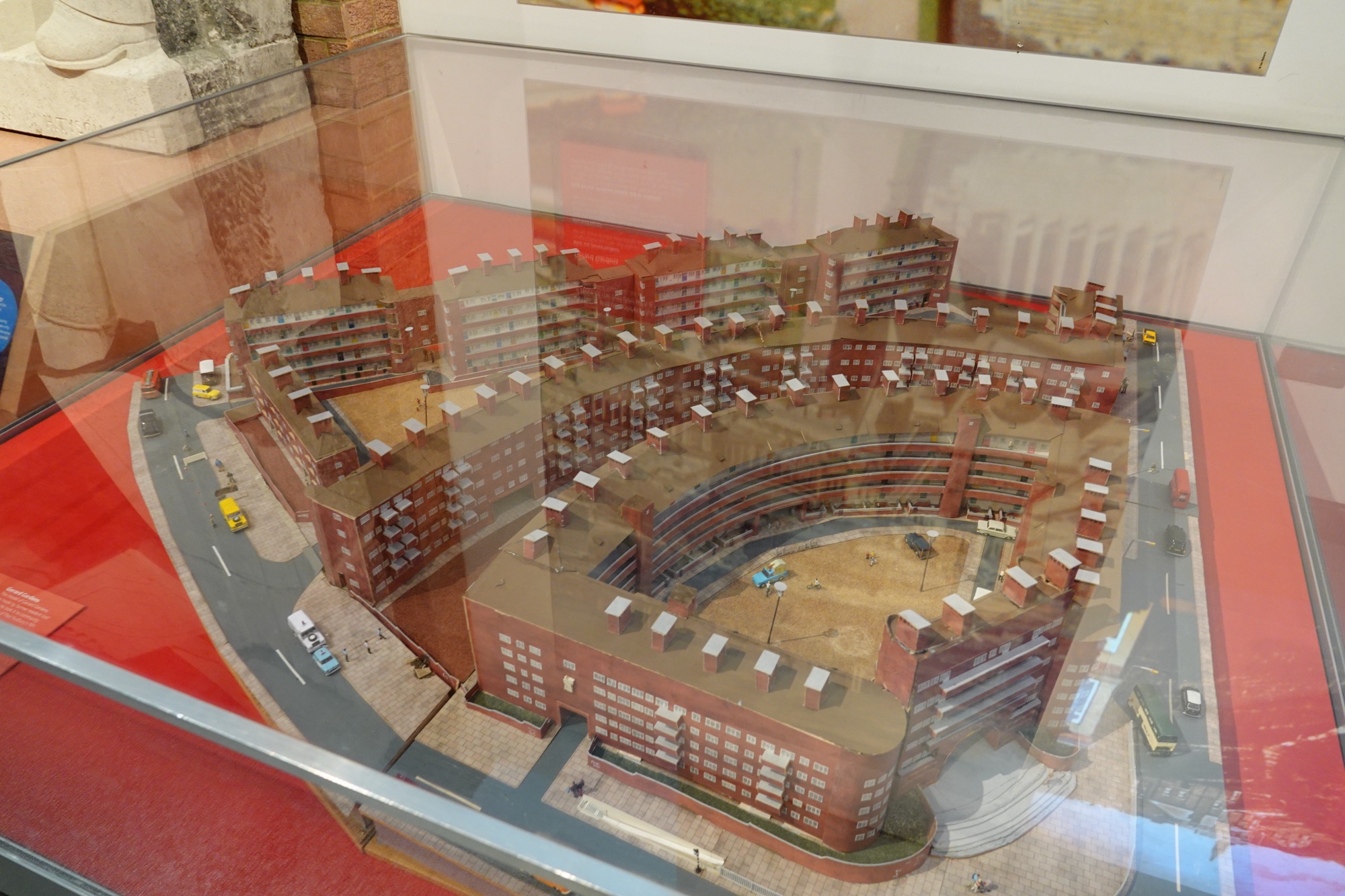
The closed courts dated to as early as 1760 and the last one wasn’t demolished until 1930. They were replaced with blocks like those in the model below, which all had running water, but which themselves were demolished just 50 years later (around 1980).
Another area of the museum’s third floor was focussed on sports – and not just Liverpool’s two famous football (soccer) teams, although there was a wonderful video “conversation” between the founders of Liverpool FC and Everton about the friendly rivalry between the city’s teams.
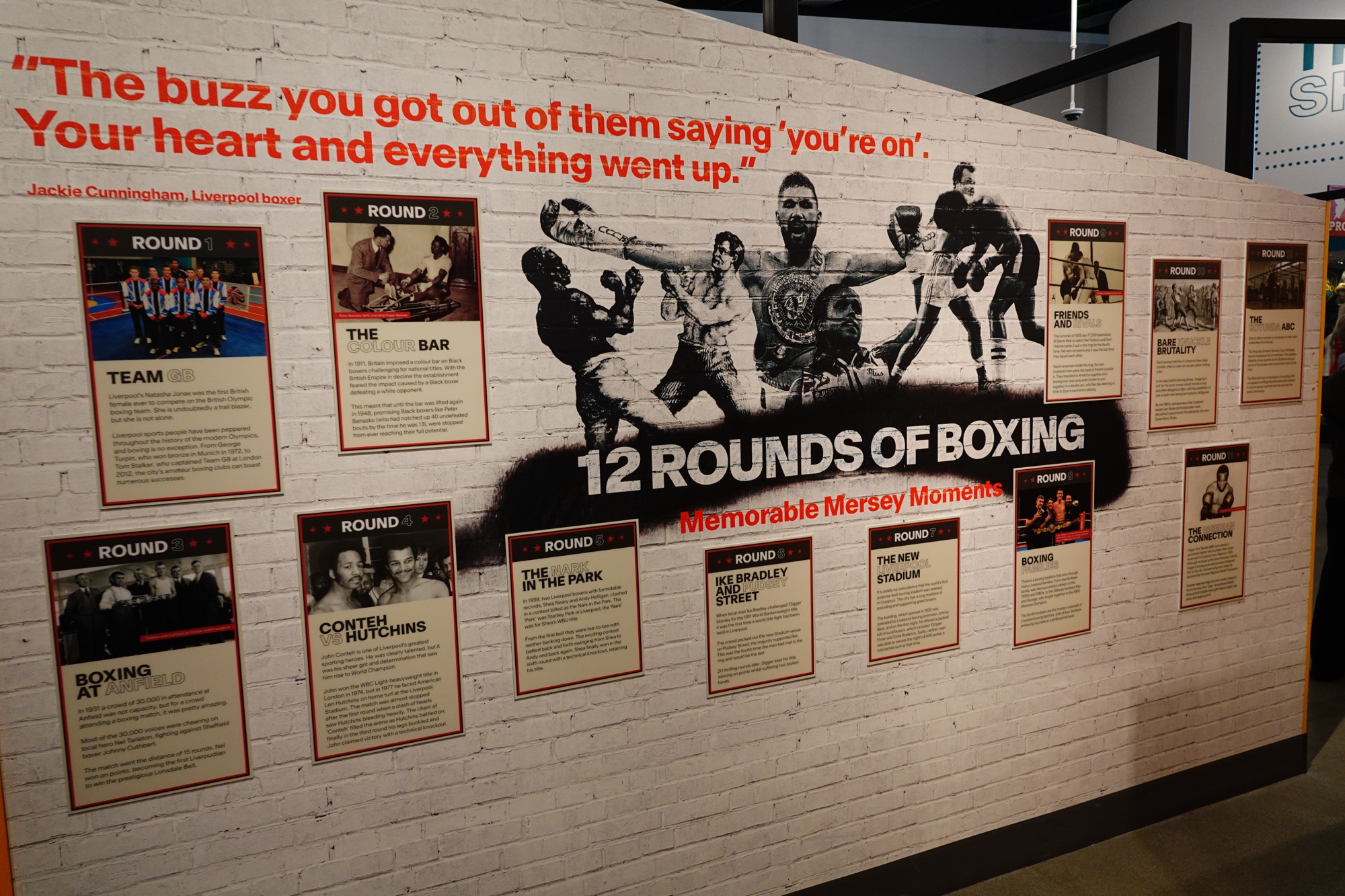
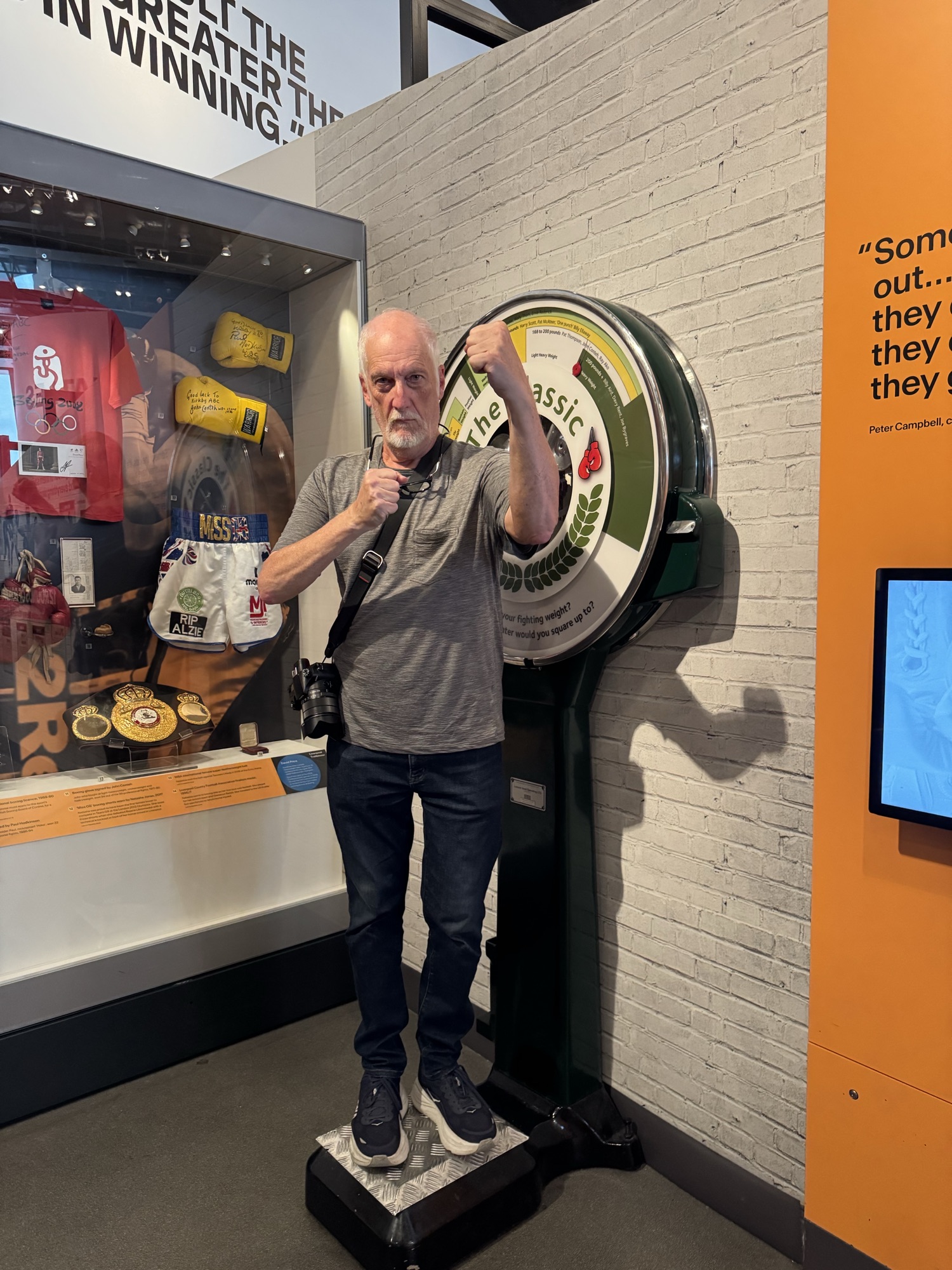
We learned that racing and boxing, especially, have had a great impact on the city.
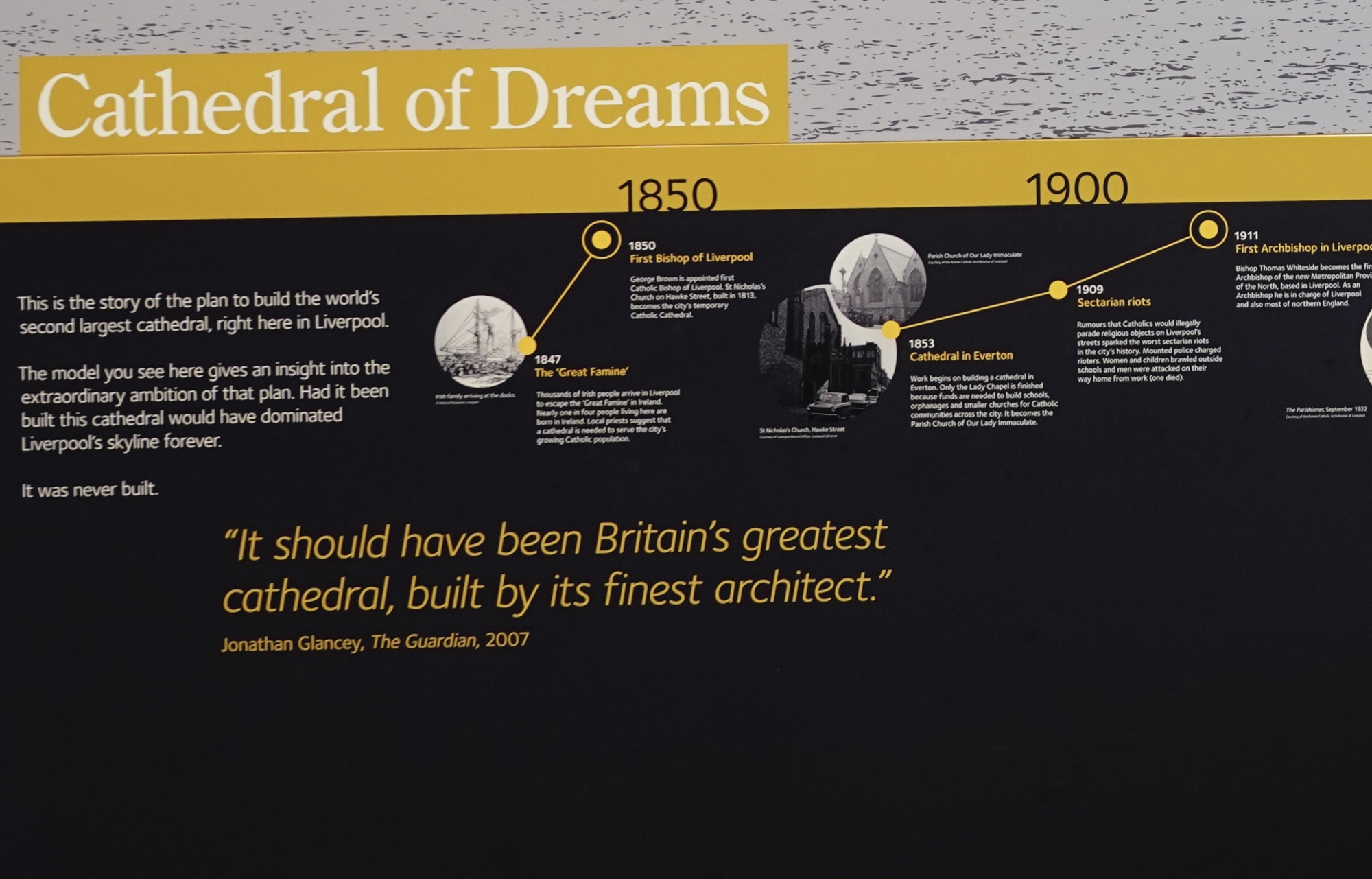
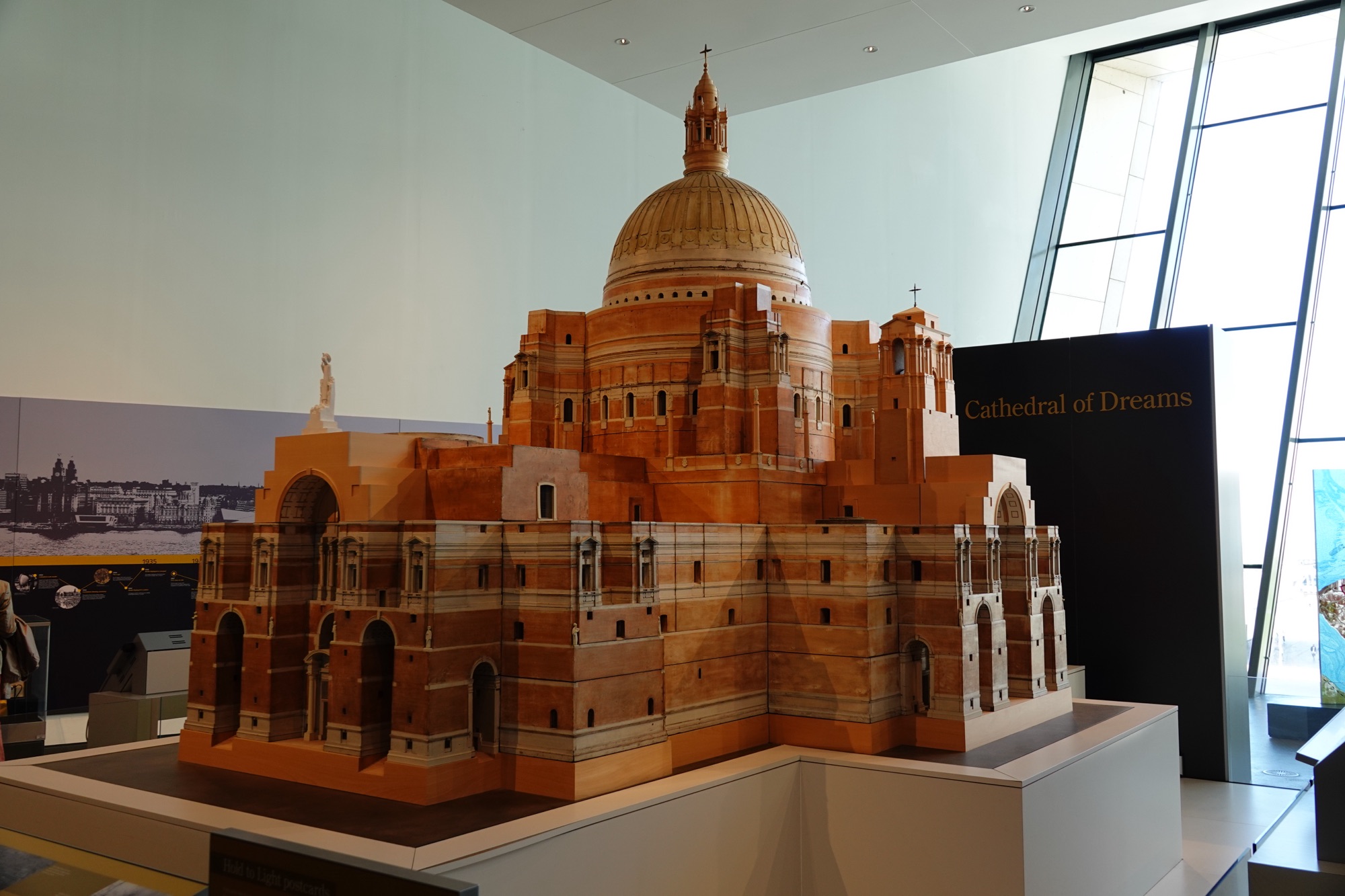
There was a chronology of the attempt to build a world-class Catholic cathedral in Liverpool, a model of the original plan, and an explanation of how those grandiose plans ended up generating the “wigwam” we visited earlier in our stay (Episode 896)
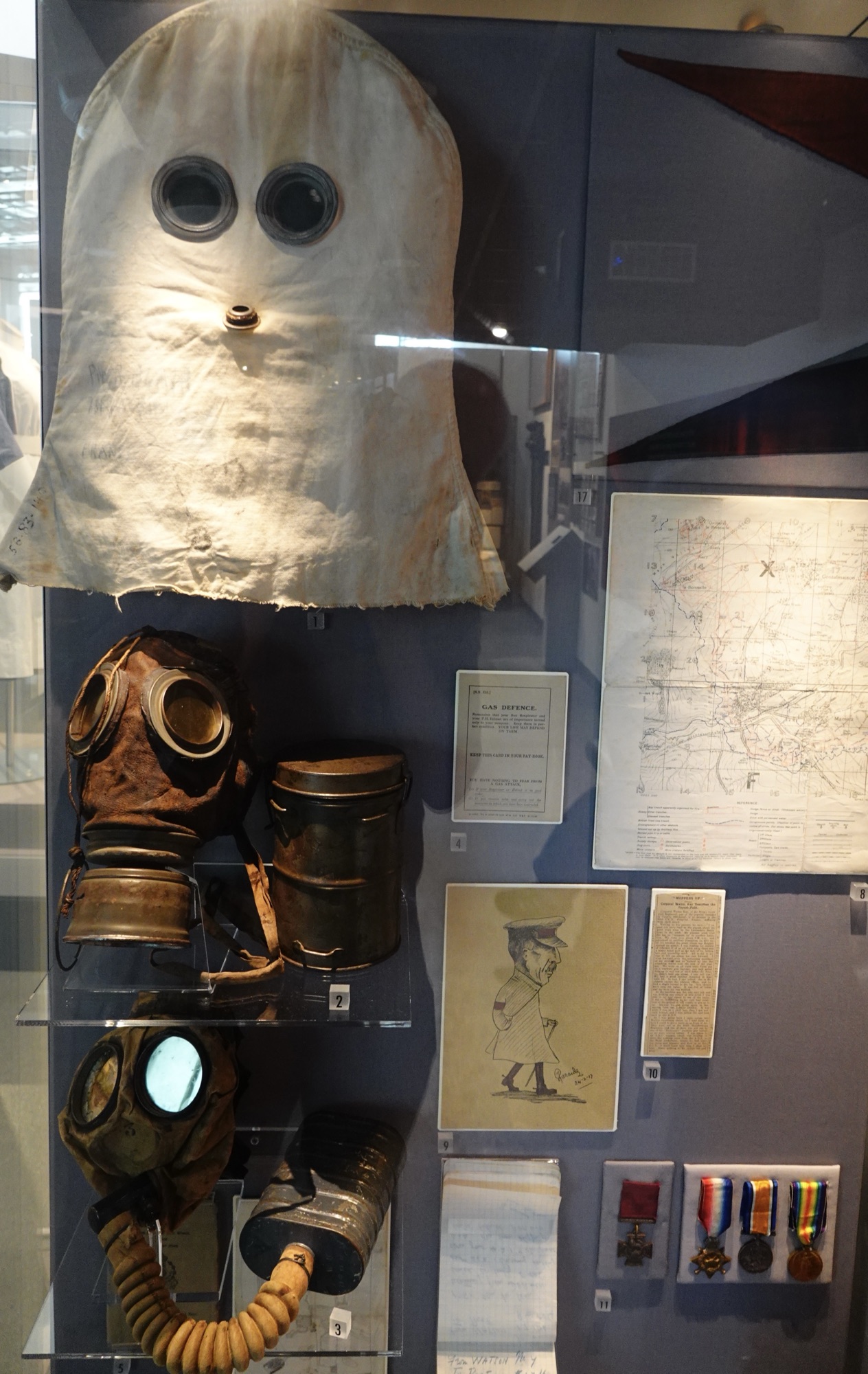
There was a very moving exhibit area all about Liverpool and Liverpudlians in both World Wars.
There was a full height model of a Lyver bird, like those that grace the Royal Liver Building.
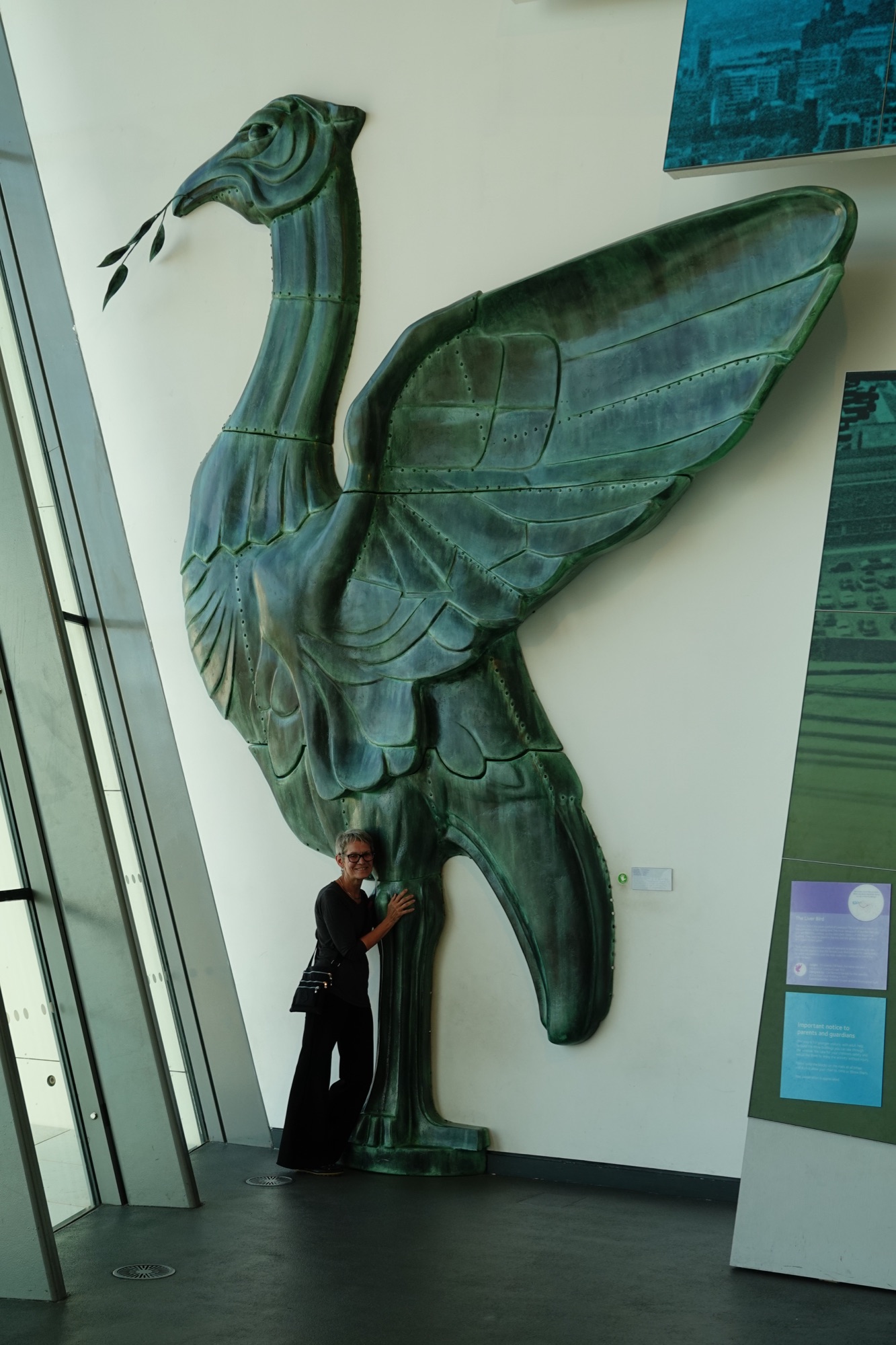
Despite matching them in height, the model couldn’t compete with the 5.5m/28ft tall 4 tonne real things with their 7.3m/24ft wingspan!
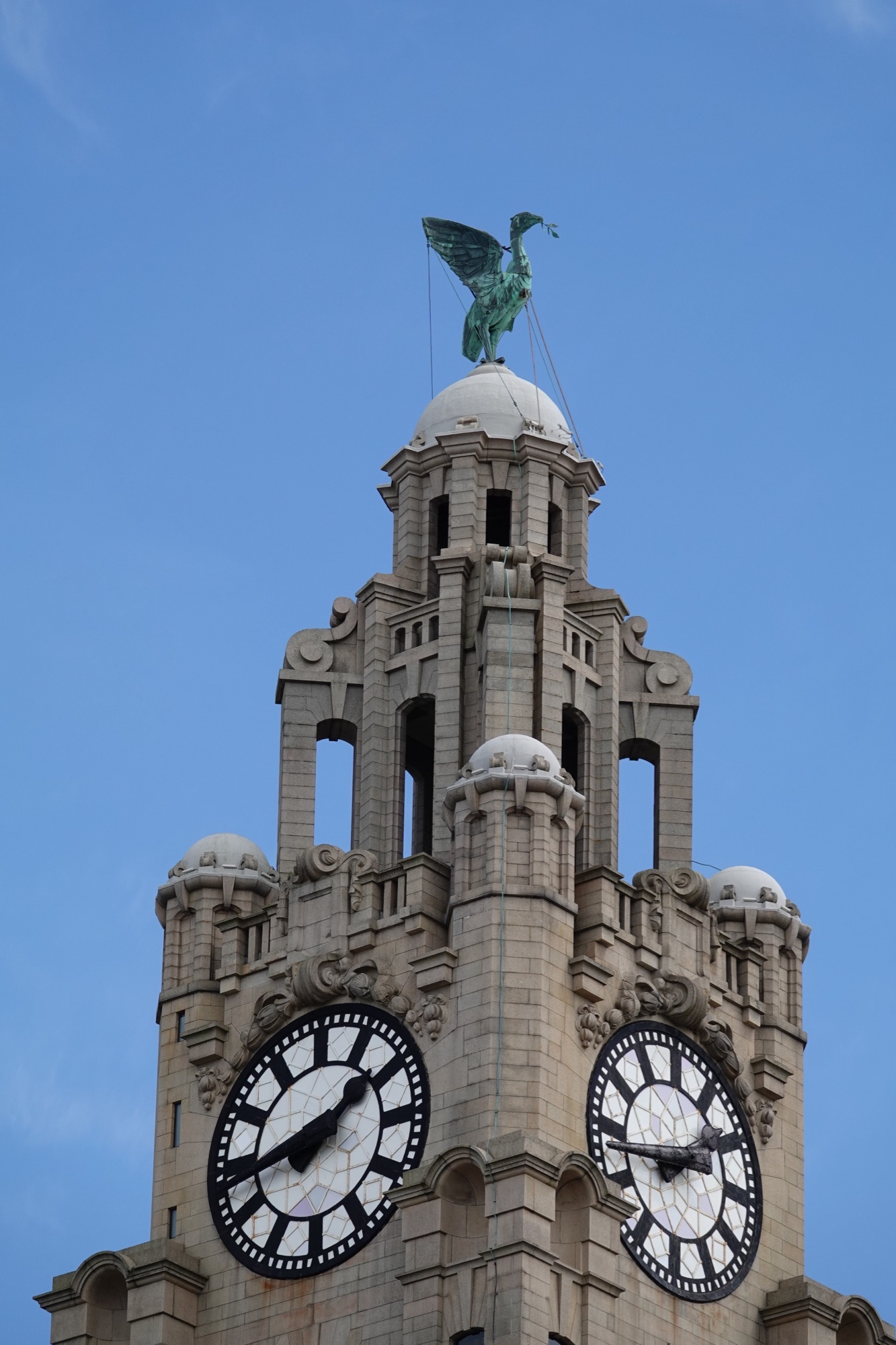
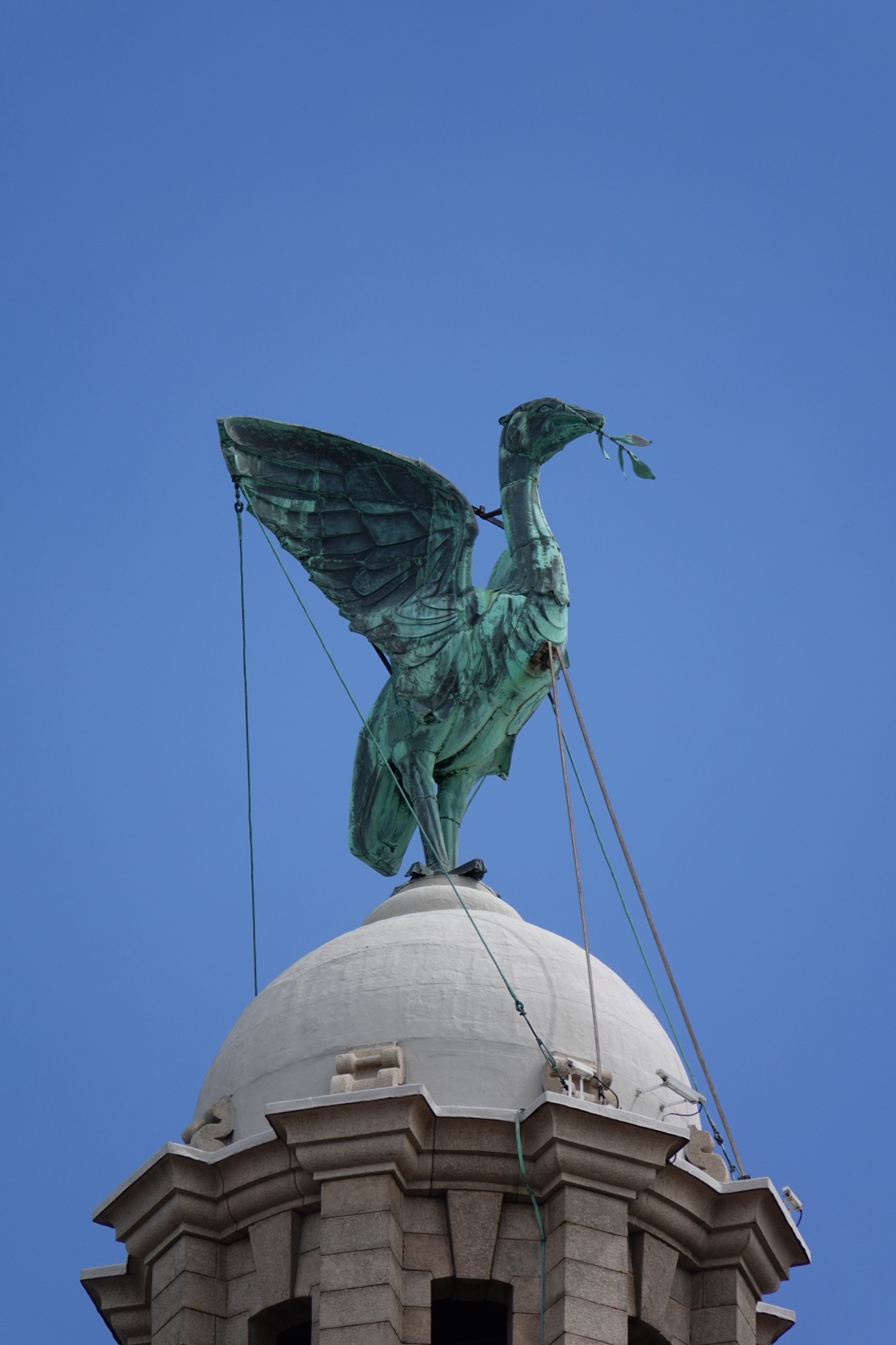
The Lyver birds are made from hammered copper plates, and tied down with cables because a legend says that if they ever fly away then Liverpool would be doomed! “Bella” faces the river. She is waiting for the sailors to return home safely following their long sea voyages. “Bertie” faces inland. He is watching to see when the pubs have opened!
A little on-line research (here) dug up the fact that for many years the true designer of these famous sculptures was kept hidden, because he was a German. Given the damage Liverpool incurred during both World Wars, I can understand.
I enjoyed the station with touch screens, audio, and headphones that allowed me to learn a bit of boss Scouse, the English/Irish dialect and a few of the common expressions heard here, if you know what I mean. I’m not smashing it, and I wouldn’t dare using any Scouse unless I’d had a few bevvies.
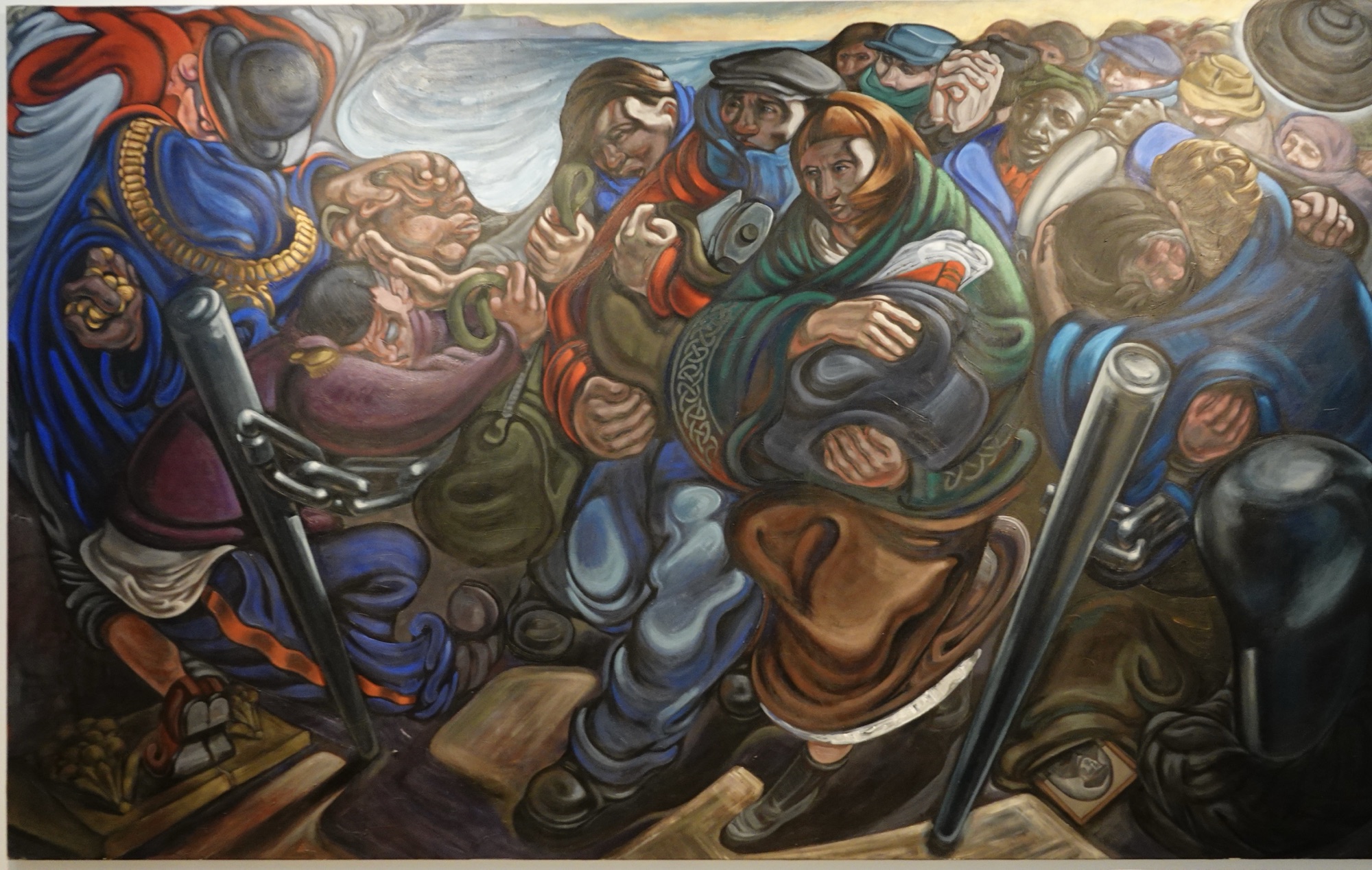
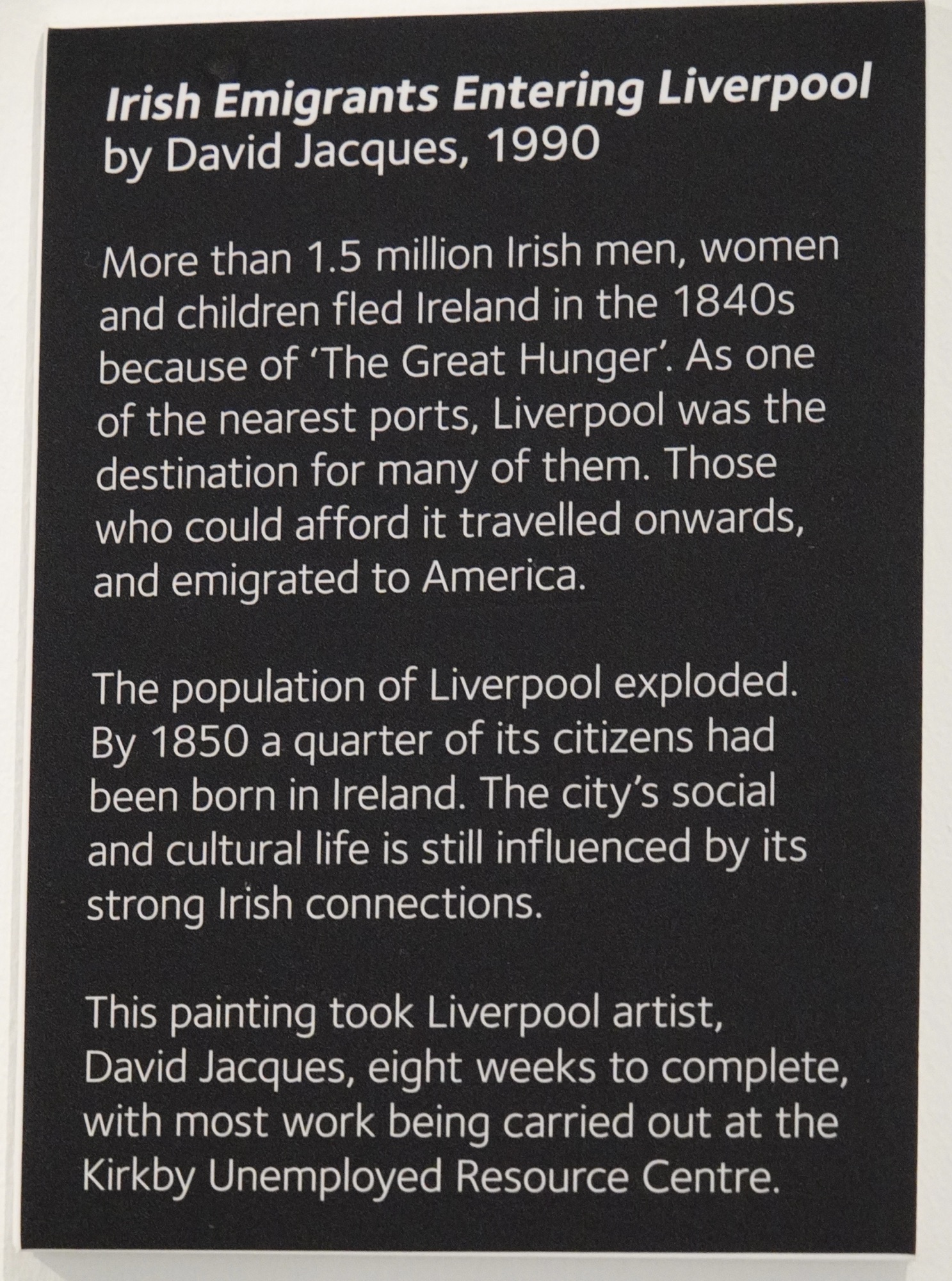
And we didn’t even get to the lower two floors, dealing with Liverpool’s distant past through archeological exhibits, Liverpool’s industrial past as the world’s first commercial enclosed wet dock (1716), and its importance as the busiest point of emigration to North America (a sad part of that story being its links to slavery).
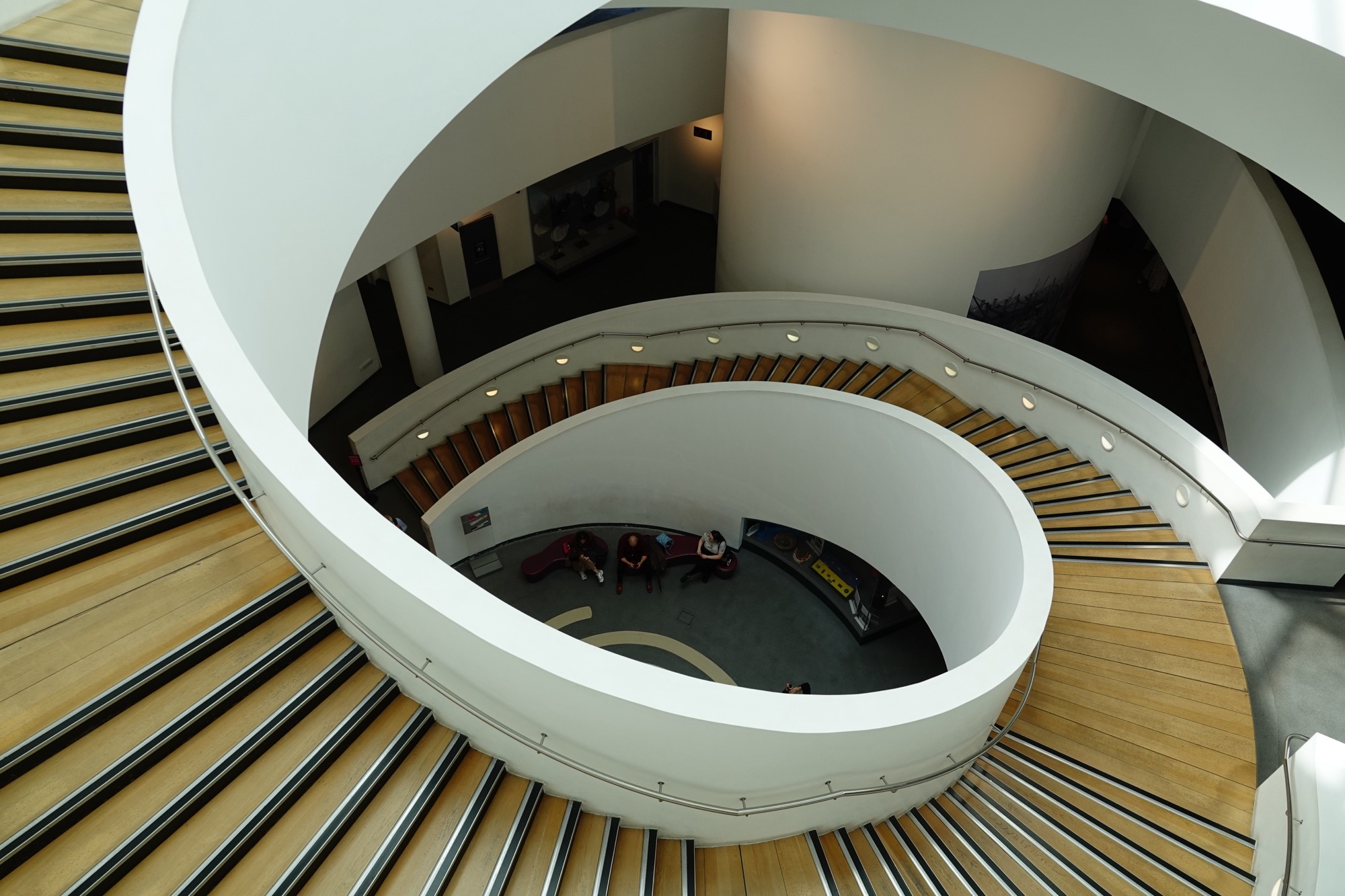
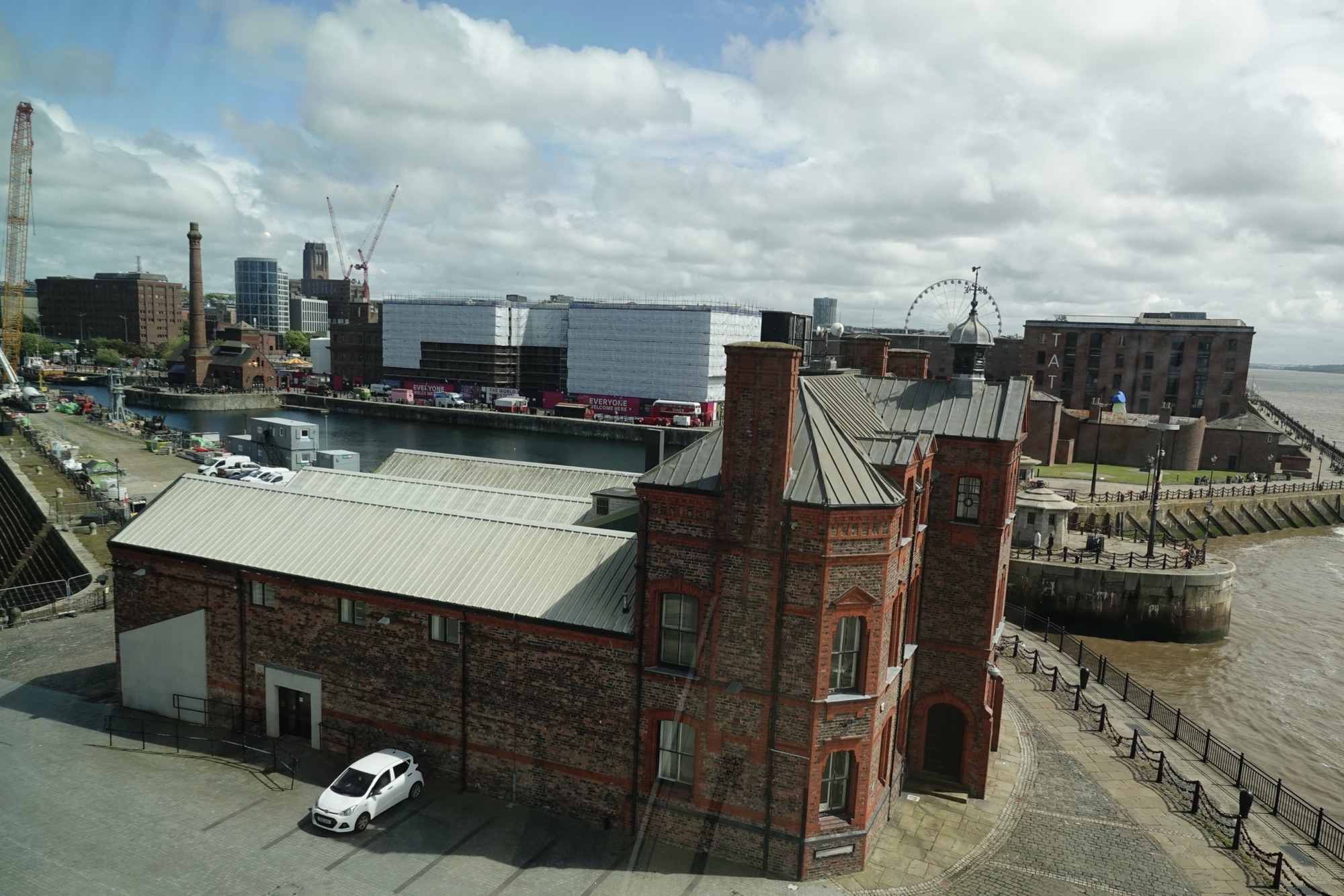
I’d be remiss in not including some of the views of the city from the museum’s large third floor windows. It really is a magnificent waterfront.
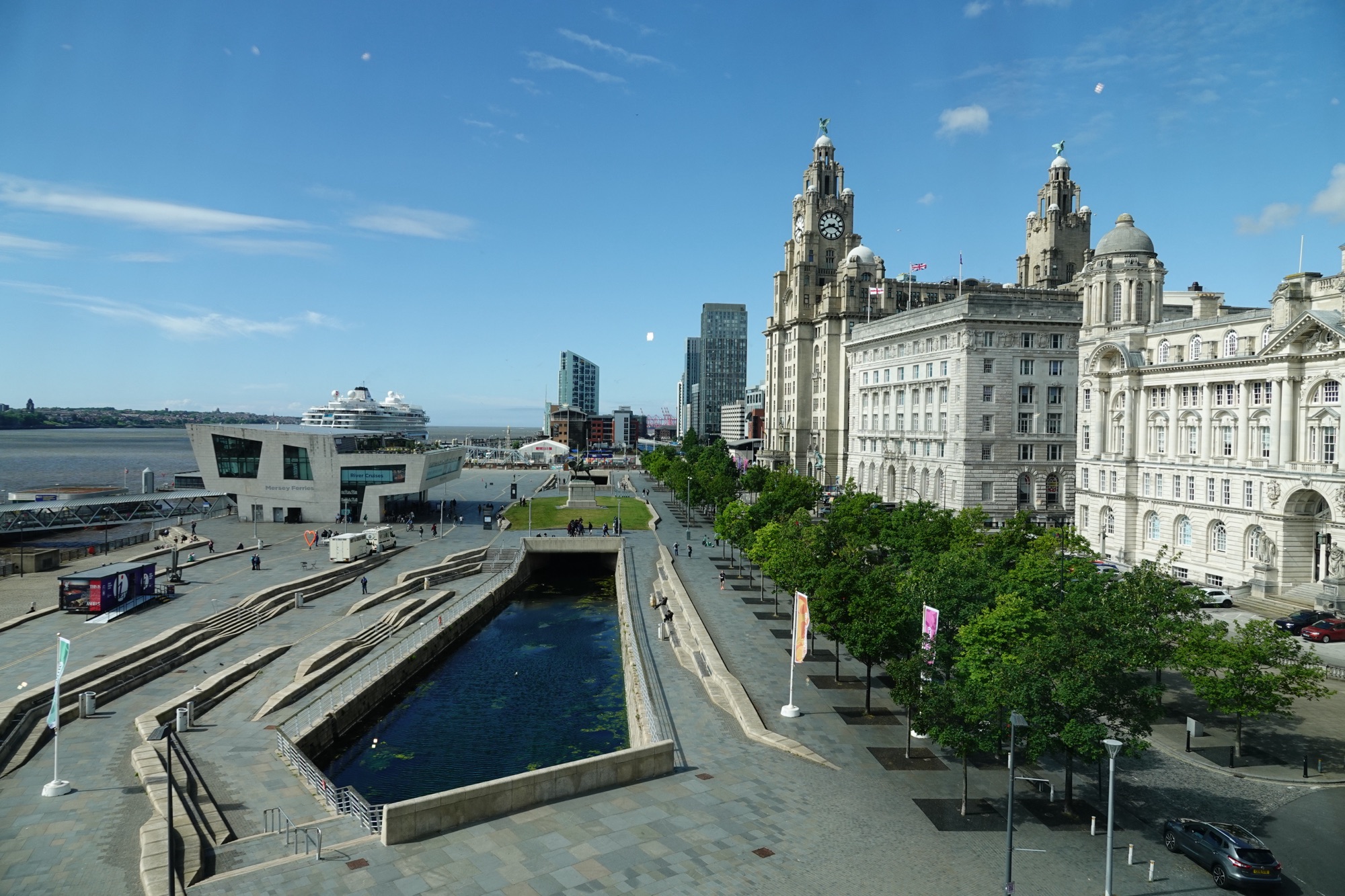
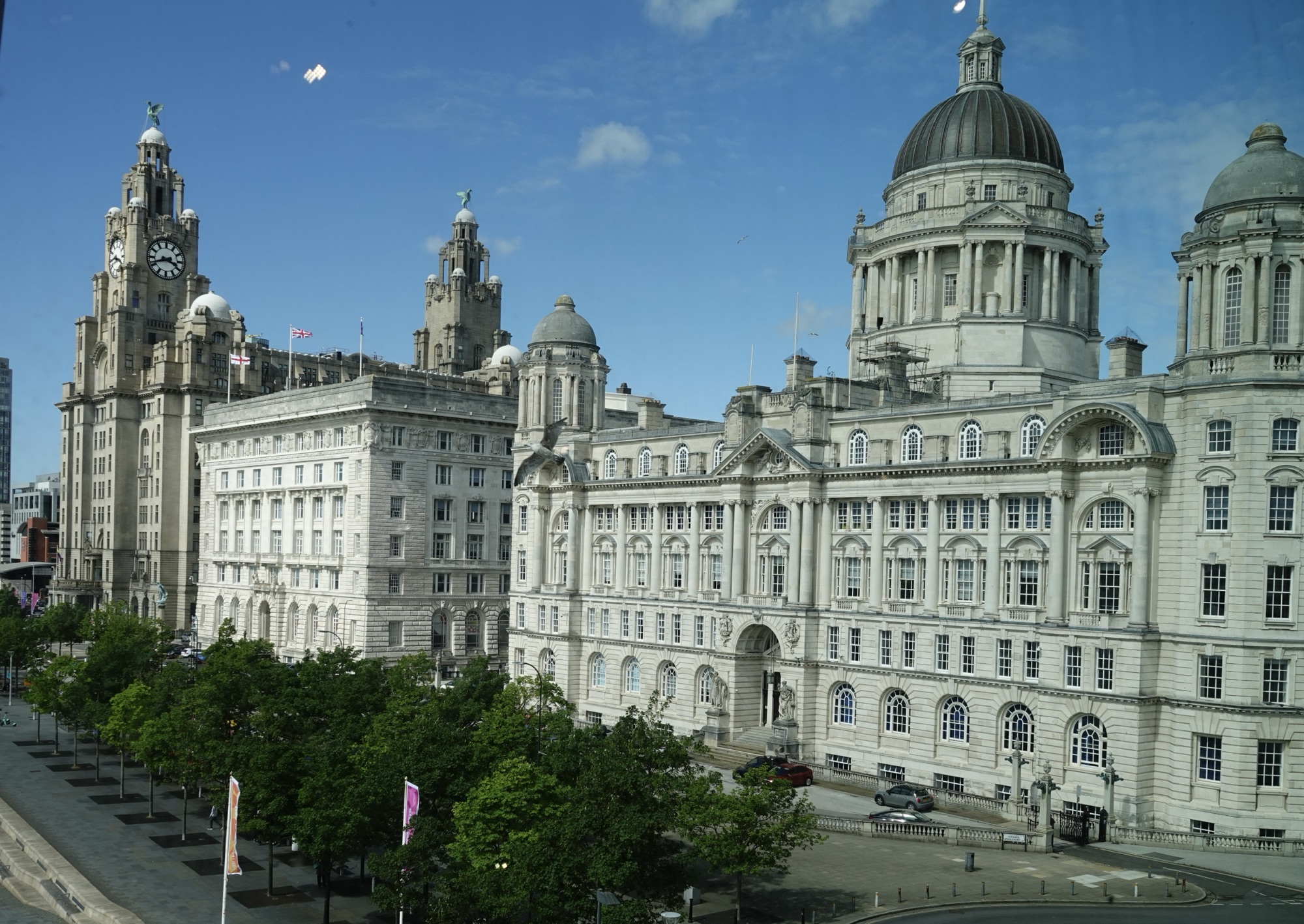
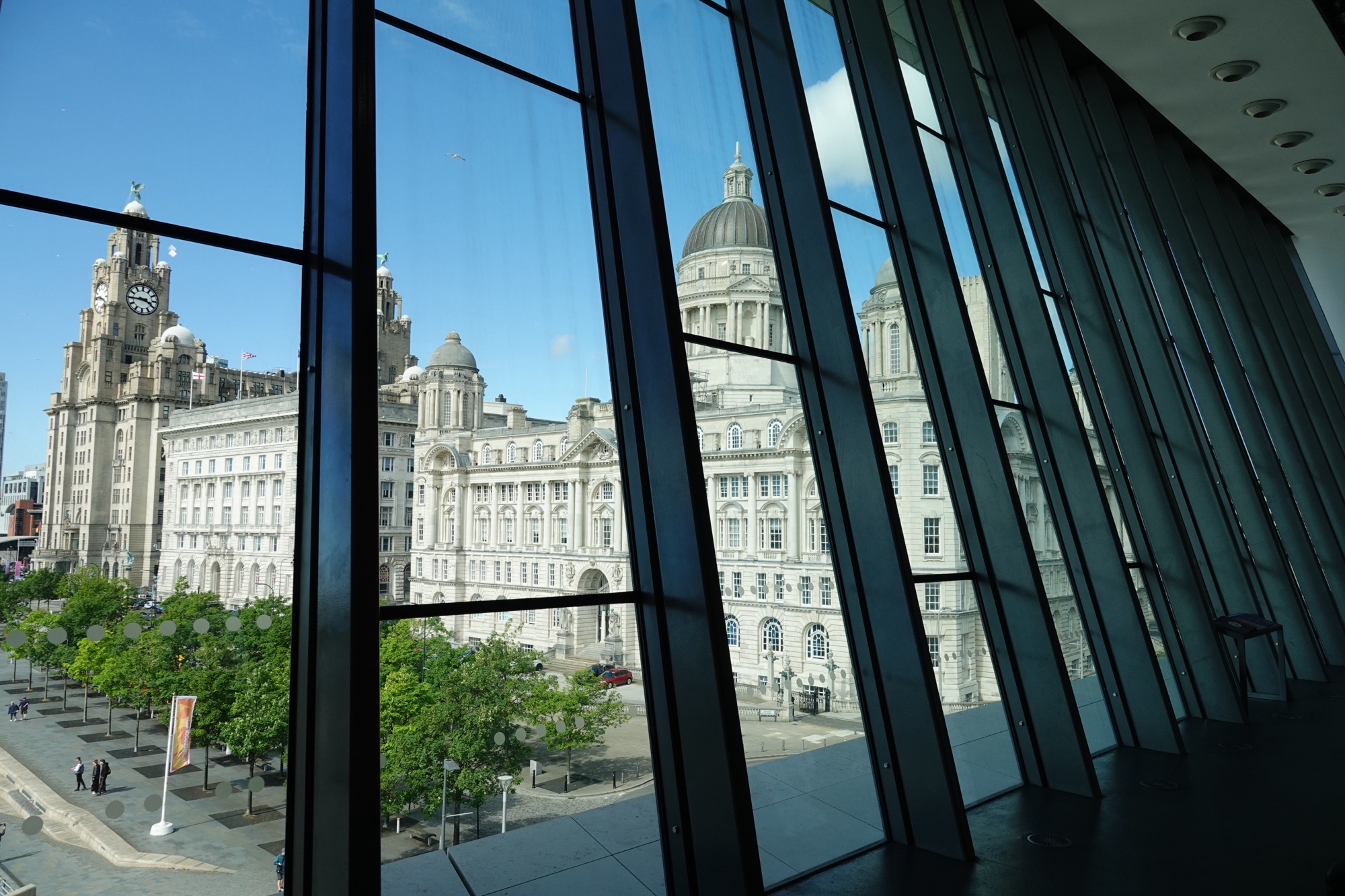
We had a wee bit of souvenir shopping to do for our grandsons, which got us into the fresh air a bit today.
Tomorrow we head back to Manchester for a short overnight hotel stay. Our first flight, from Manchester to Frankfurt, is scheduled for 05:55, so there won’t be much sleep happening before a 04:00 shuttle to the airport.
Liverpool, ta ra la.


Ted asa boxer LOL Gentle Ted would probably apologize every time he landed a punch!Love you both
LikeLiked by 1 person
So glad you have enjoyed your time in the NW of England – an area in which I live. I really look forward to your blogs and reading of all your travels and your being in the UK is especially interesting to hear your views on what you find.
Wishing you continued happy travels.
LikeLiked by 1 person
It’s been wonderful. (If only our Canadian $ exchange were a bit better…..)
LikeLike
We are off to your home country for a holiday shortly…….. visiting the east and area of the Great Lakes on a cruise so very much looking forward to that. Hopefully the exchange rate will be ok for us!!!
LikeLiked by 1 person
Right now one pound = approx $1.80 CAD. Have fun shopping!!
LikeLike
Right now we’re paying $0.72 USD for each $1 CAD. I’m looking forward to my trip to Quebec City 6/12-18, and our Viking Great Lakes Collection (all five Great Lakes) in July, where we’ll be in and out of Canada several times. And I just found $80 CAD tucked away in a drawer, so that’s a start.
LikeLiked by 1 person
You’re going to find deals with that exchange rate that make you feel great! Happy shopping!!
LikeLike
And the joke’s on me. My $80 CAD has been in the drawer so long, it’s no longer legal tender. I need to find a bank when I get to Quebec City and exchange it for the new polymer money.
LikeLiked by 1 person
Or collage it in a frame with your photos of Canada 😂
LikeLike