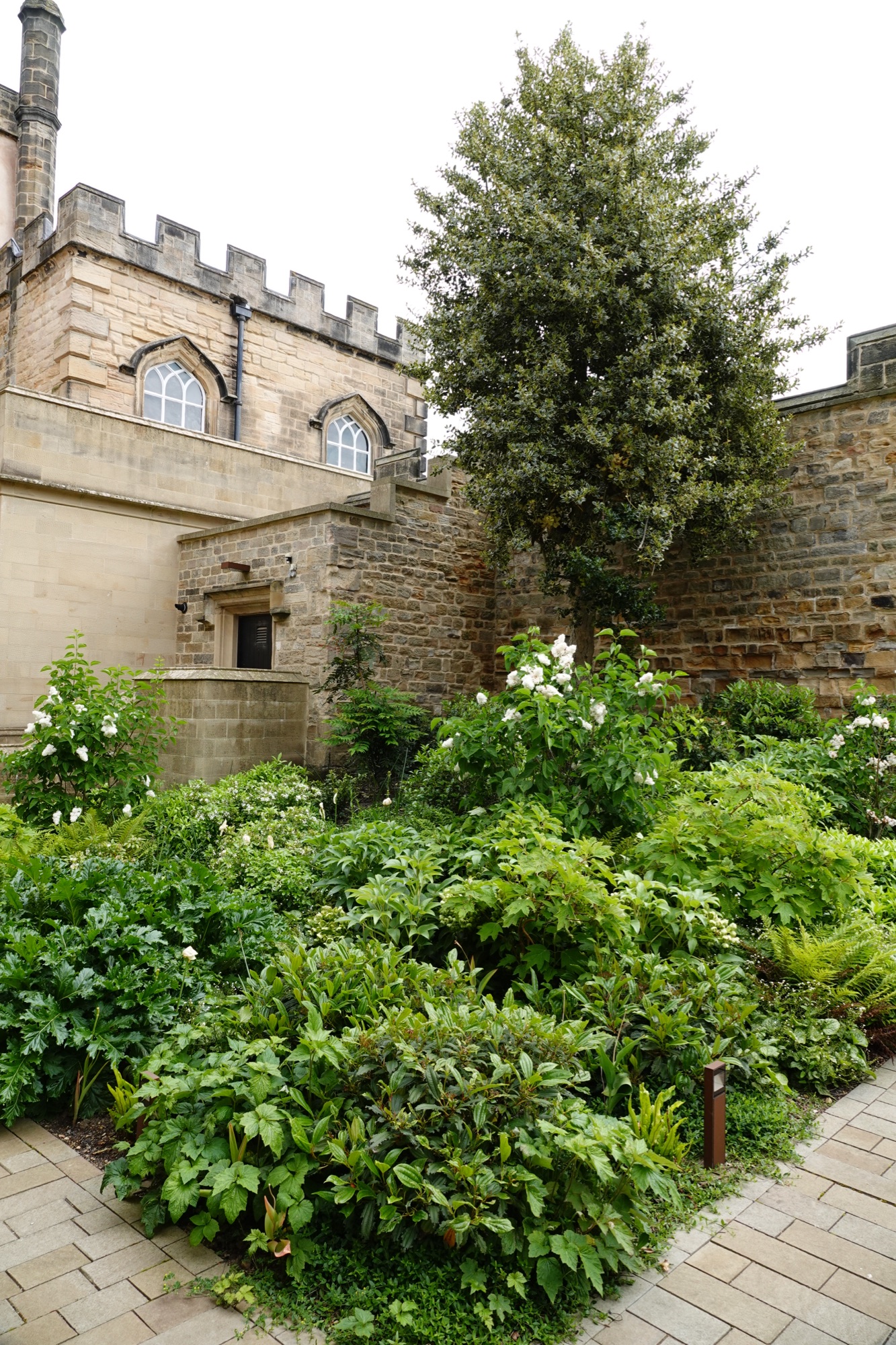
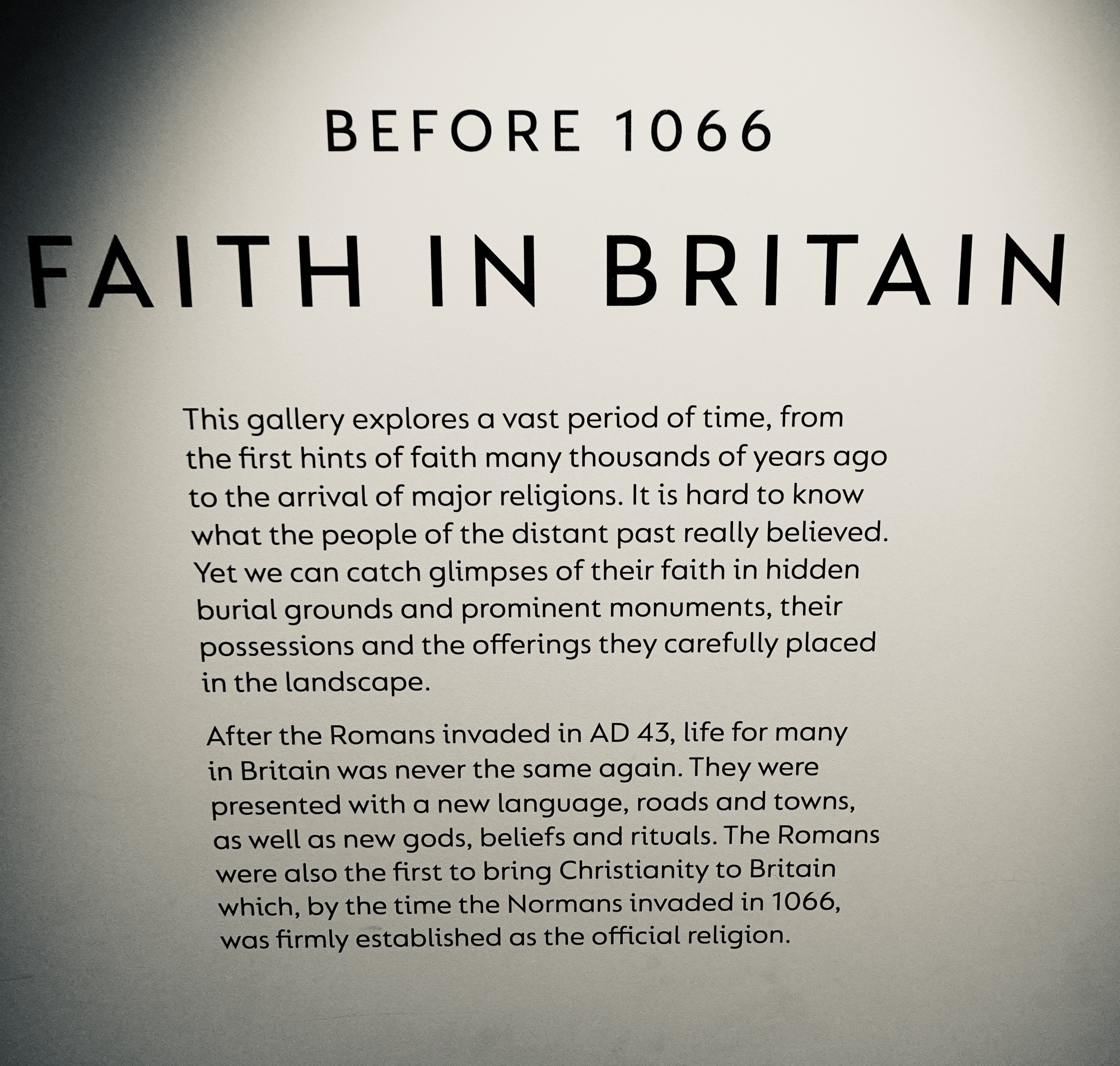
Once we’d toured the Auckland Palace, the next logical stop was The Faith Museum. It would be easy to react with “uh-oh” to something called a Faith Museum funded by an unabashedly Christian philanthropist, but this is not a place of proselytization, nor simply of Christianity – it really is 6000 years of English history “through the lens of faith”, from pre-Christian times through to its multi-faith modern reality, using rare and wonderful artefacts supplemented by multi-media effects and interesting texts.
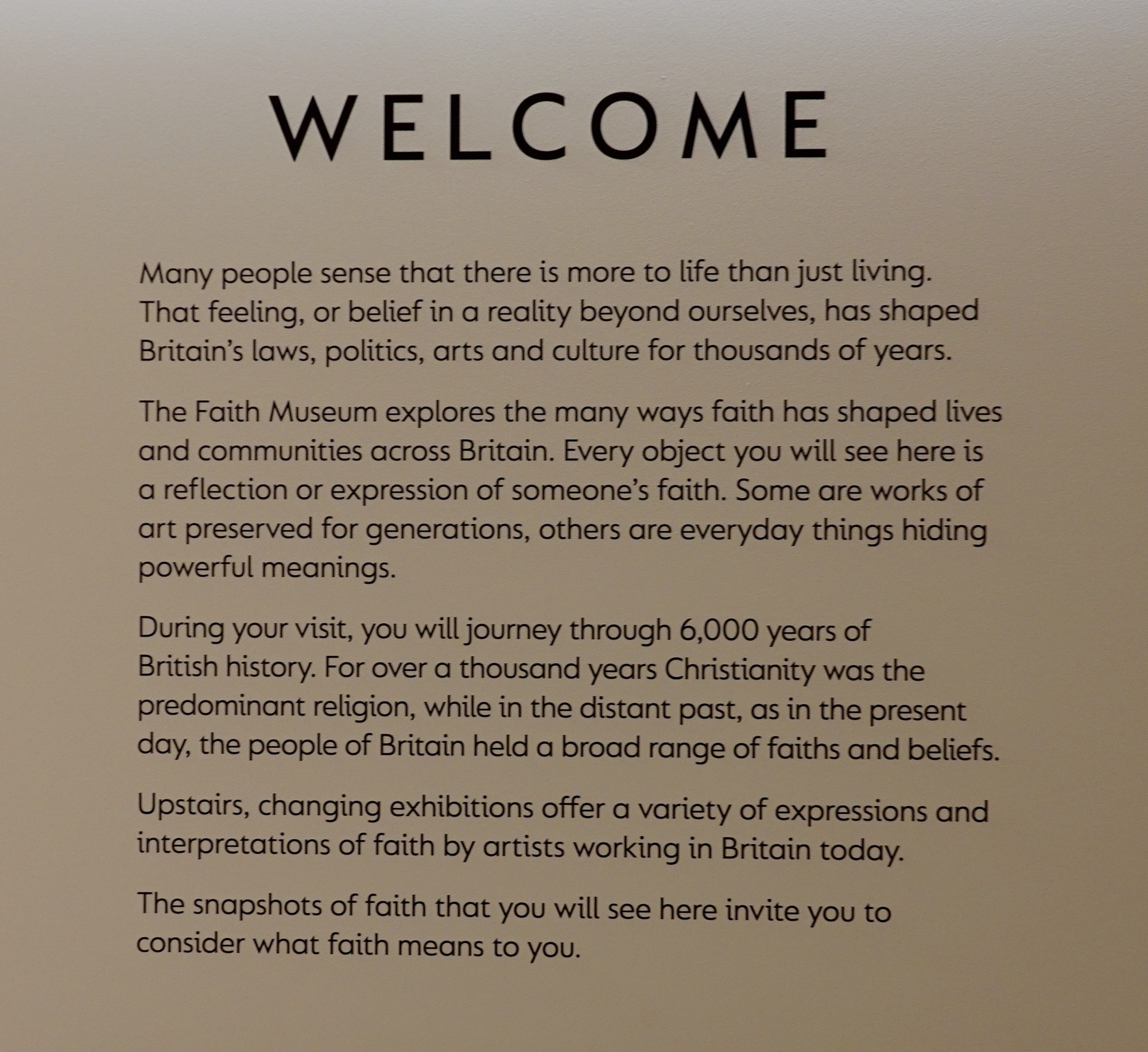
I was impressed.
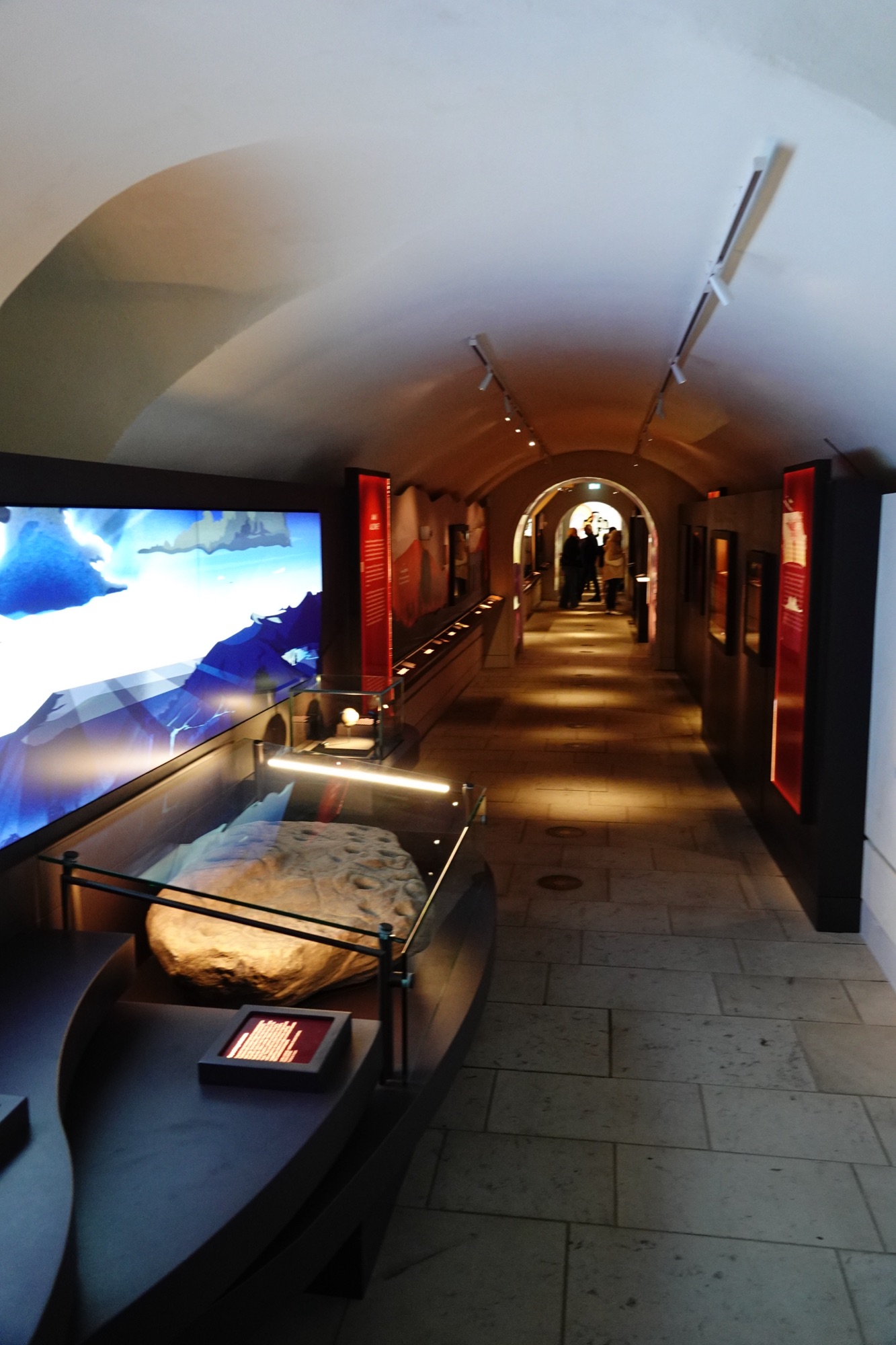
We entered through a connecting tunnel containing artefacts from ancient Bronze Age rings (think Stonehenge or Skara Brae).
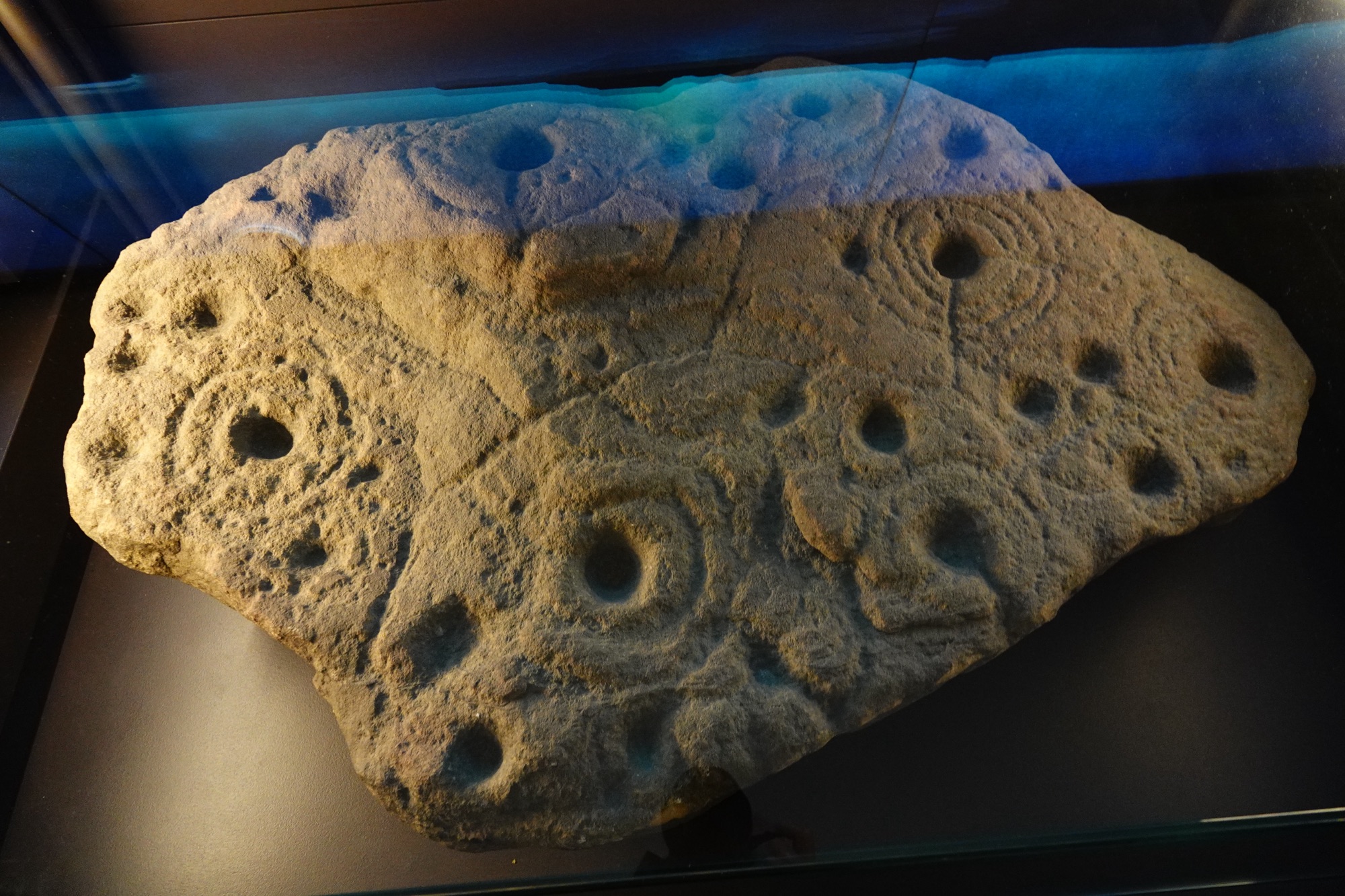
(4,000-2,500 BC, sandstone, found in Gainford, County Durham
– The Bowes Museum)
While the artefacts were interesting, it was the narrative that made the biggest impact, in my opinion.
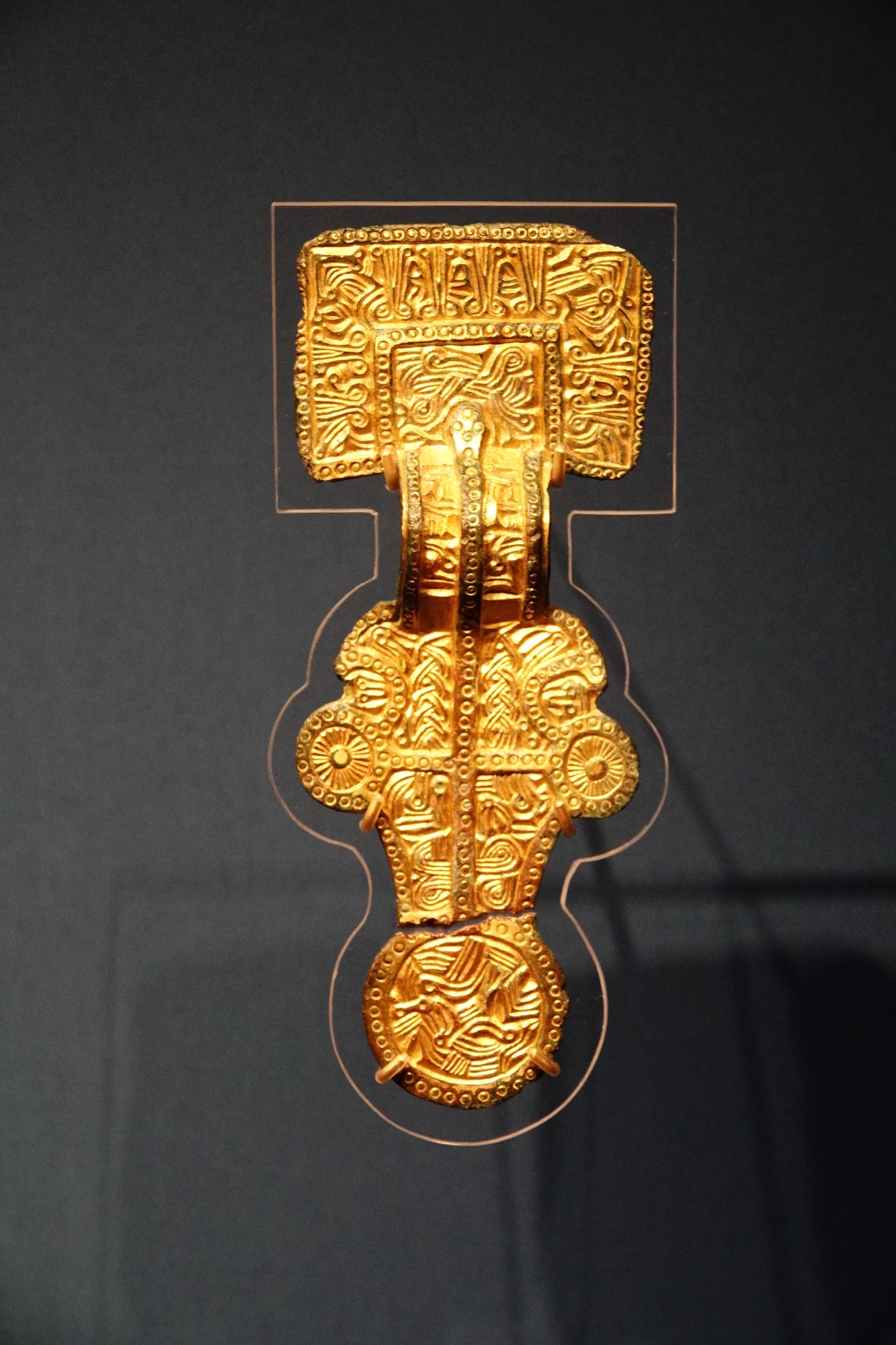
AD 500s copper alloy and gold, found in Thornborough, North Yorkshire
– British Museum 1971,0602.1
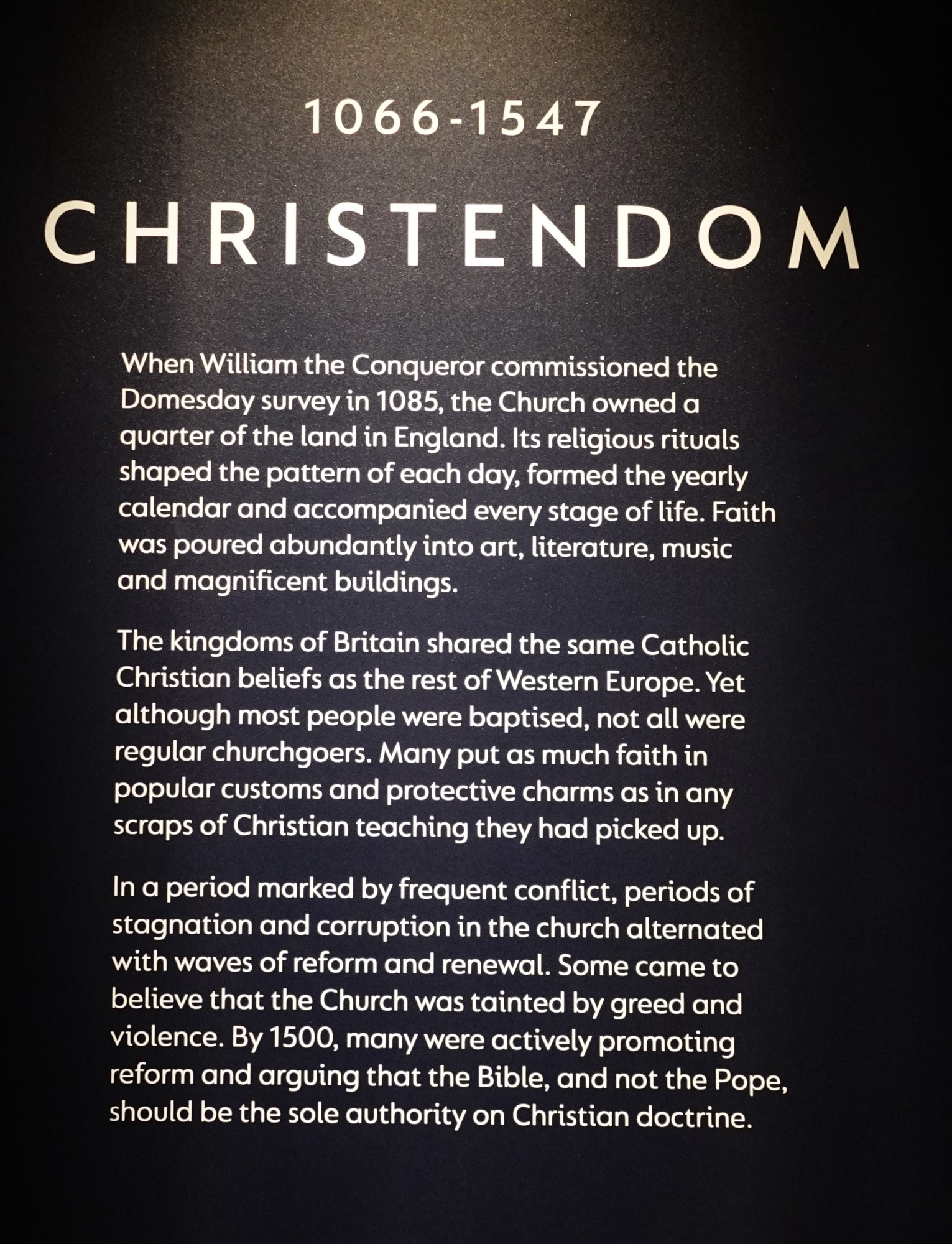
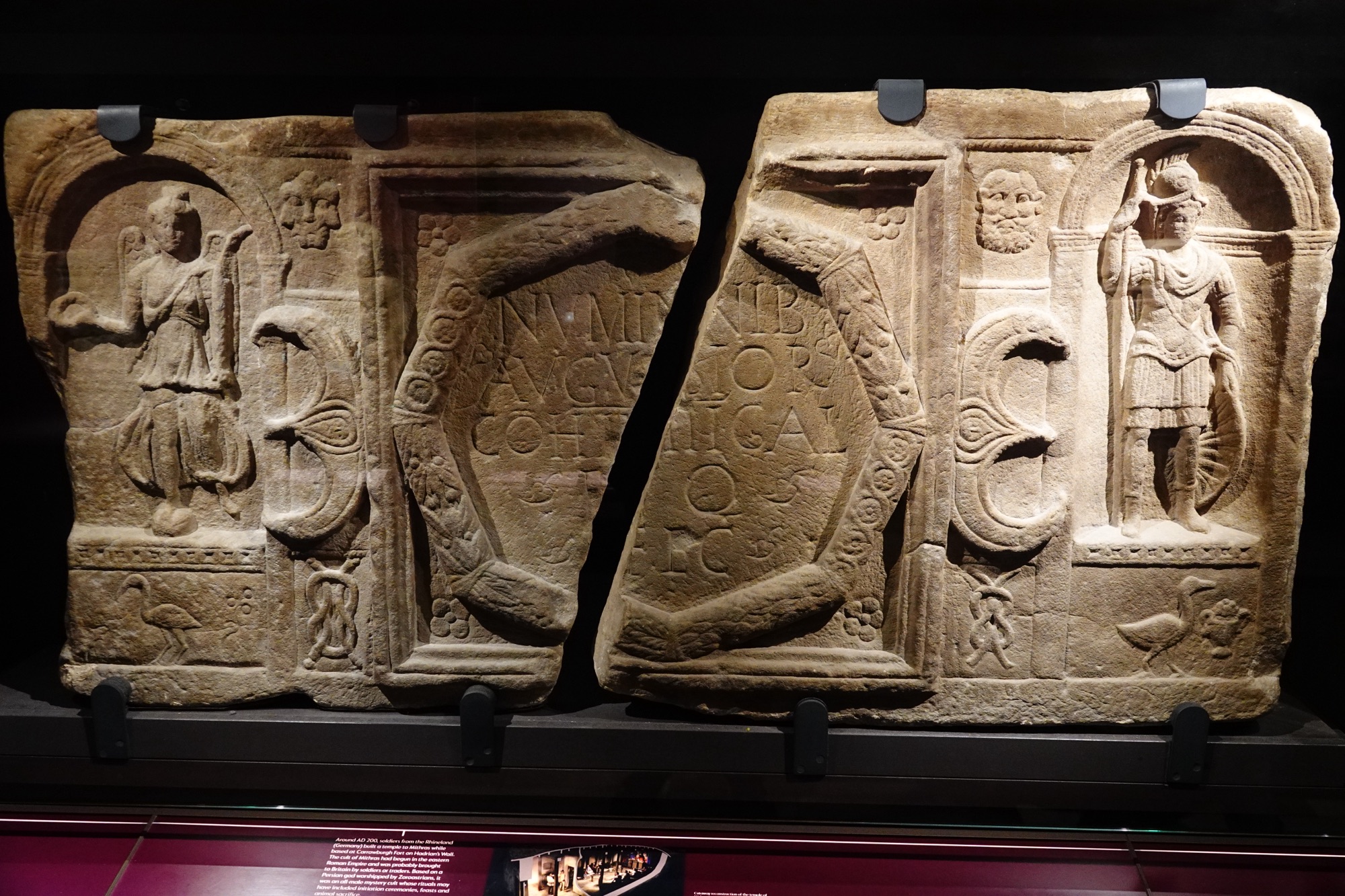
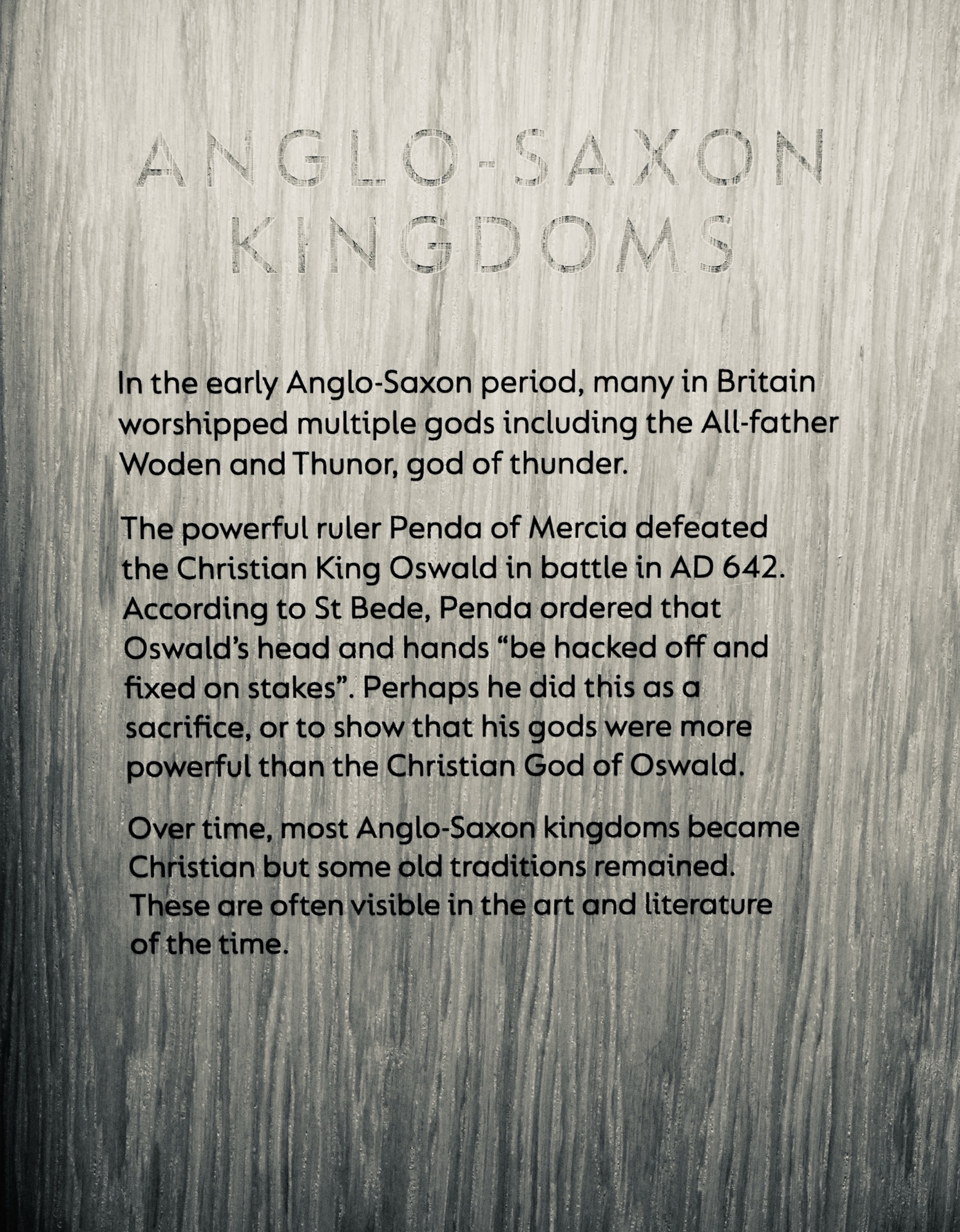
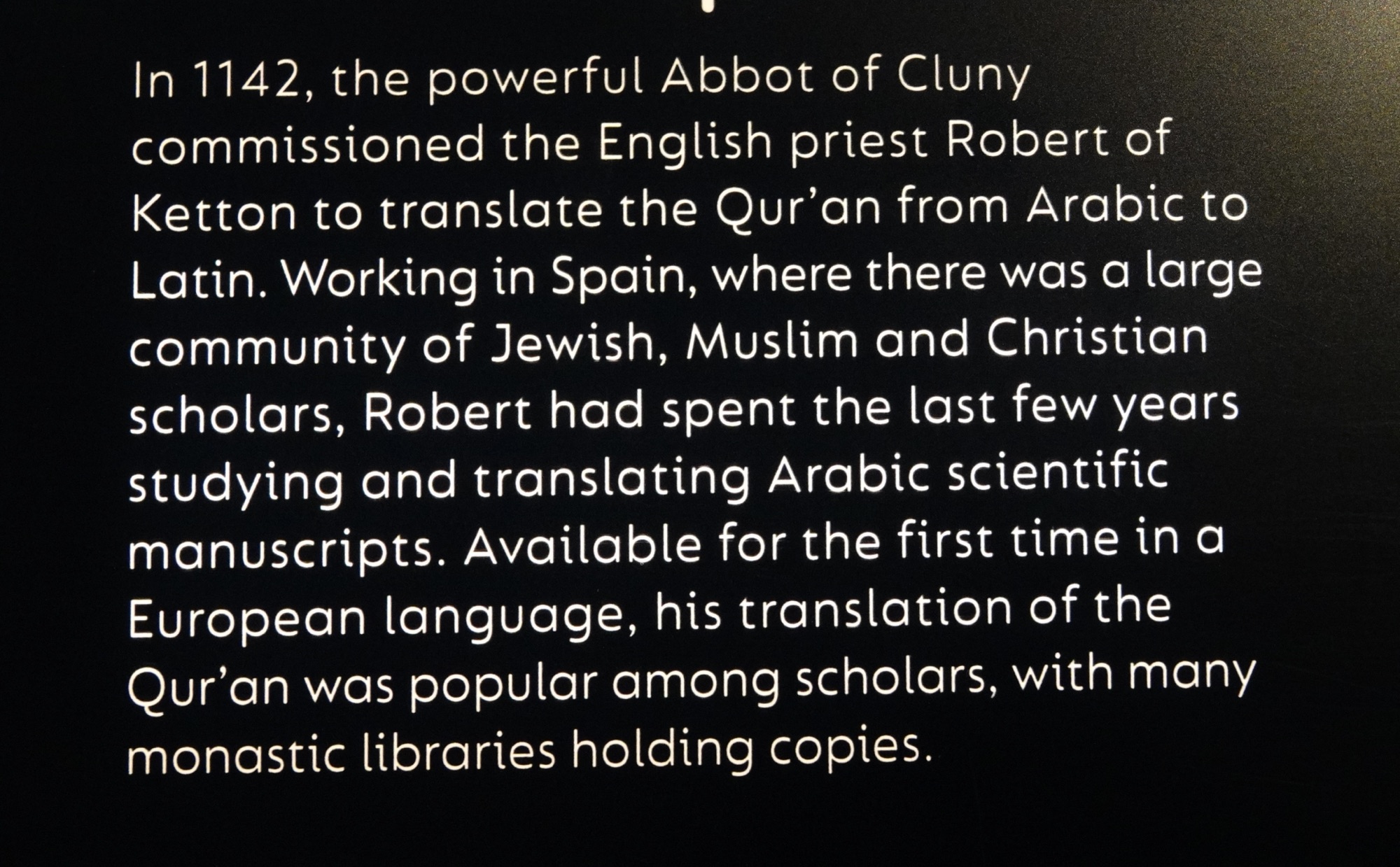
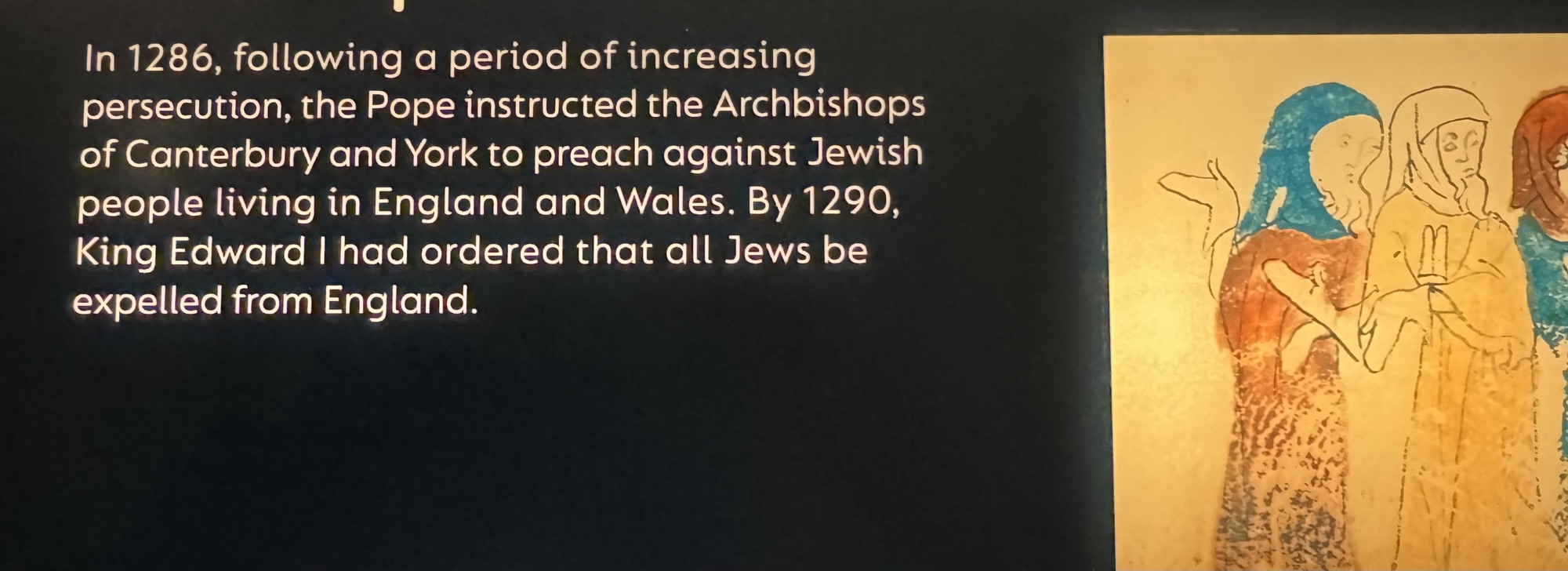
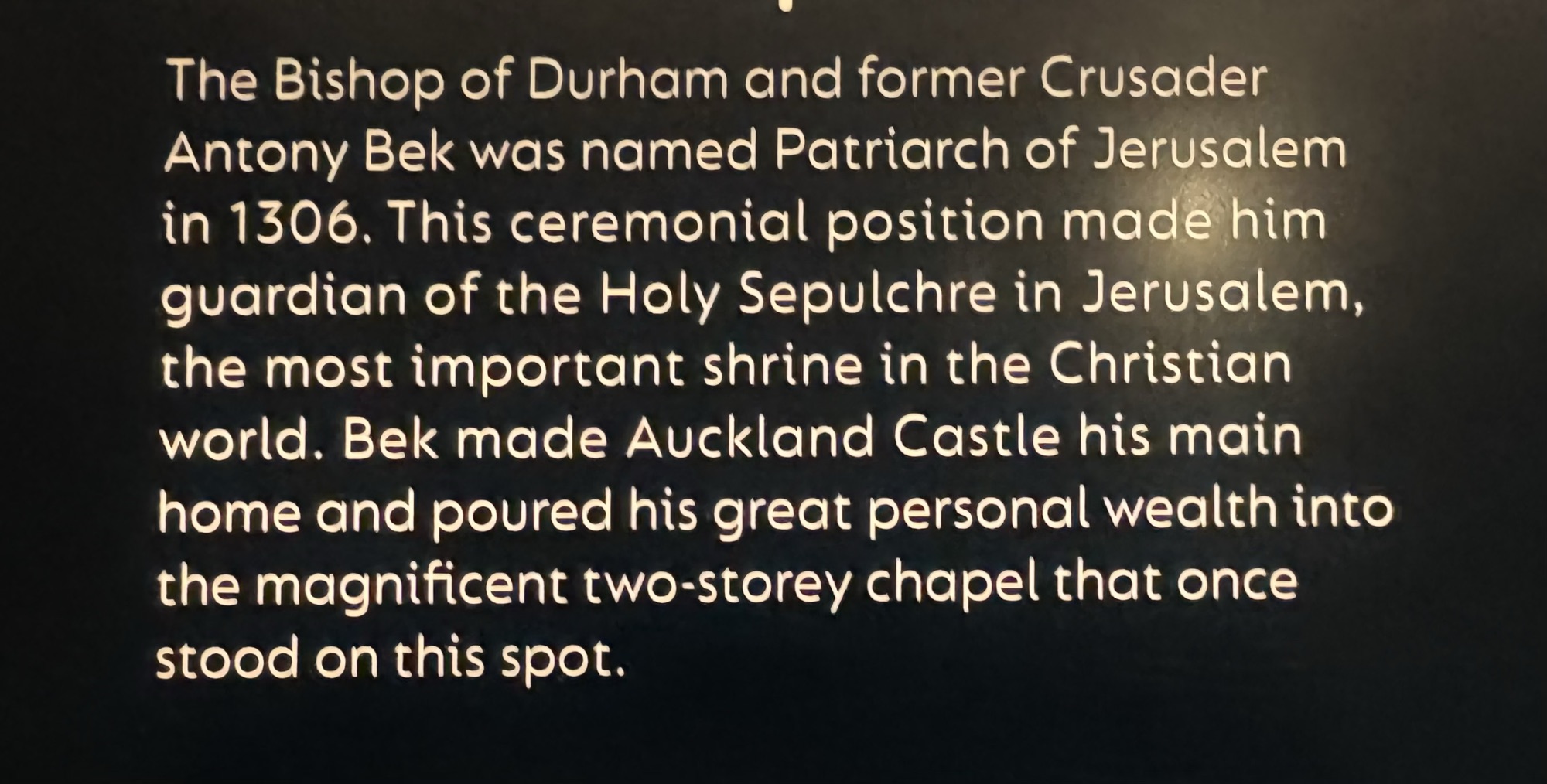
The chronological displays followed a route from religious curiosity and tolerance to exclusion and intolerance – from enlightenment to superstition.
Unfortunately the photo of the medal referenced below was too blurry.
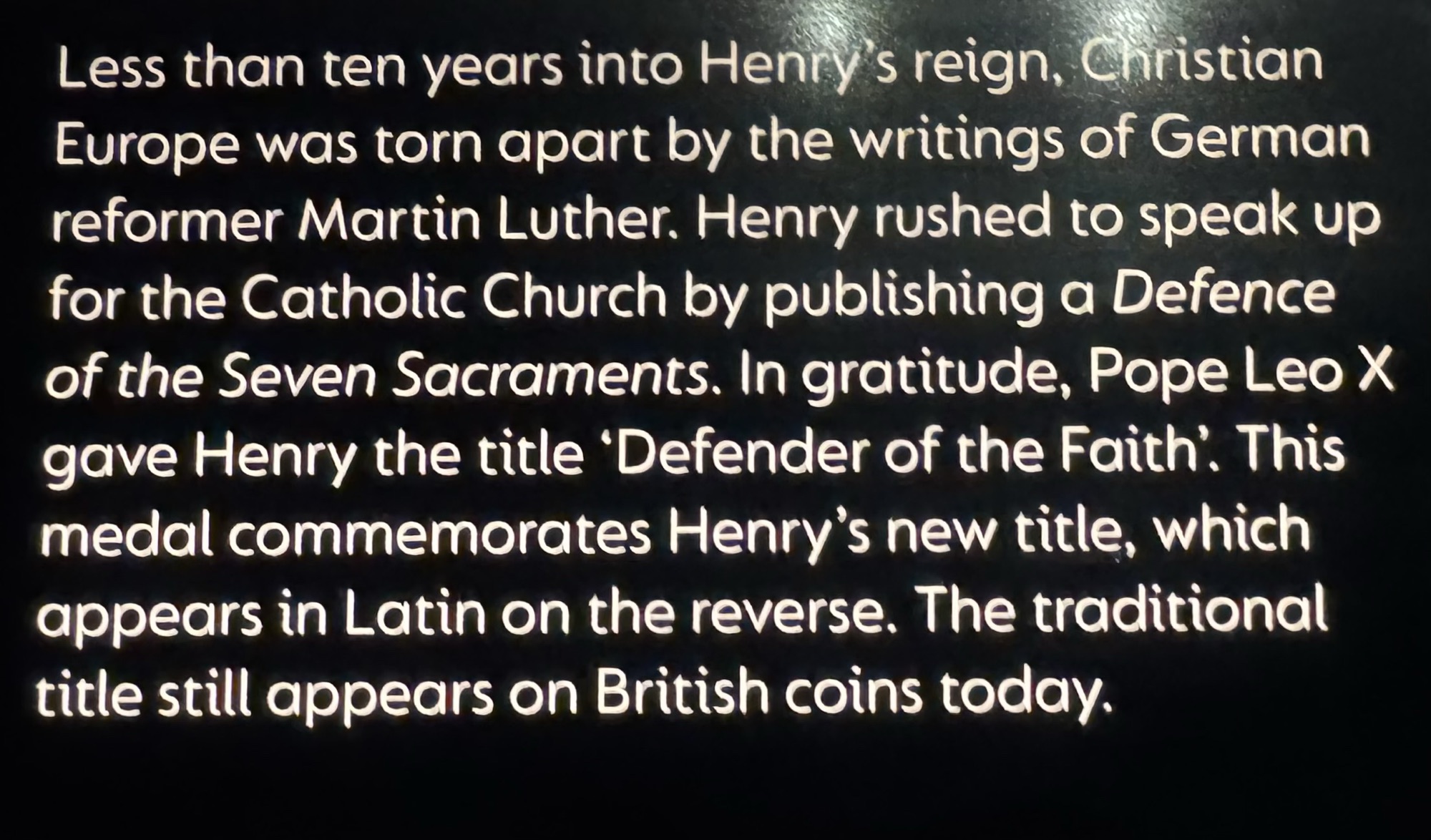
In sharp contrast to his “Defender of the Faith” designation, one of Henry’s first acts as Supreme Head of the new Church of England was to send agents to value every religious house in his kingdom. Concerned that monasteries had become corrupted by wealth and seeing an opportunity to improve his finances, he and his ministers decided to tax them. This document below (under the chancel screen panel below) lists the annual income of around 160 monasteries county by county. It includes the Benedictine Cathedral Priory of St Cuthbert at Durham, which was at the heart of faith in the North East.
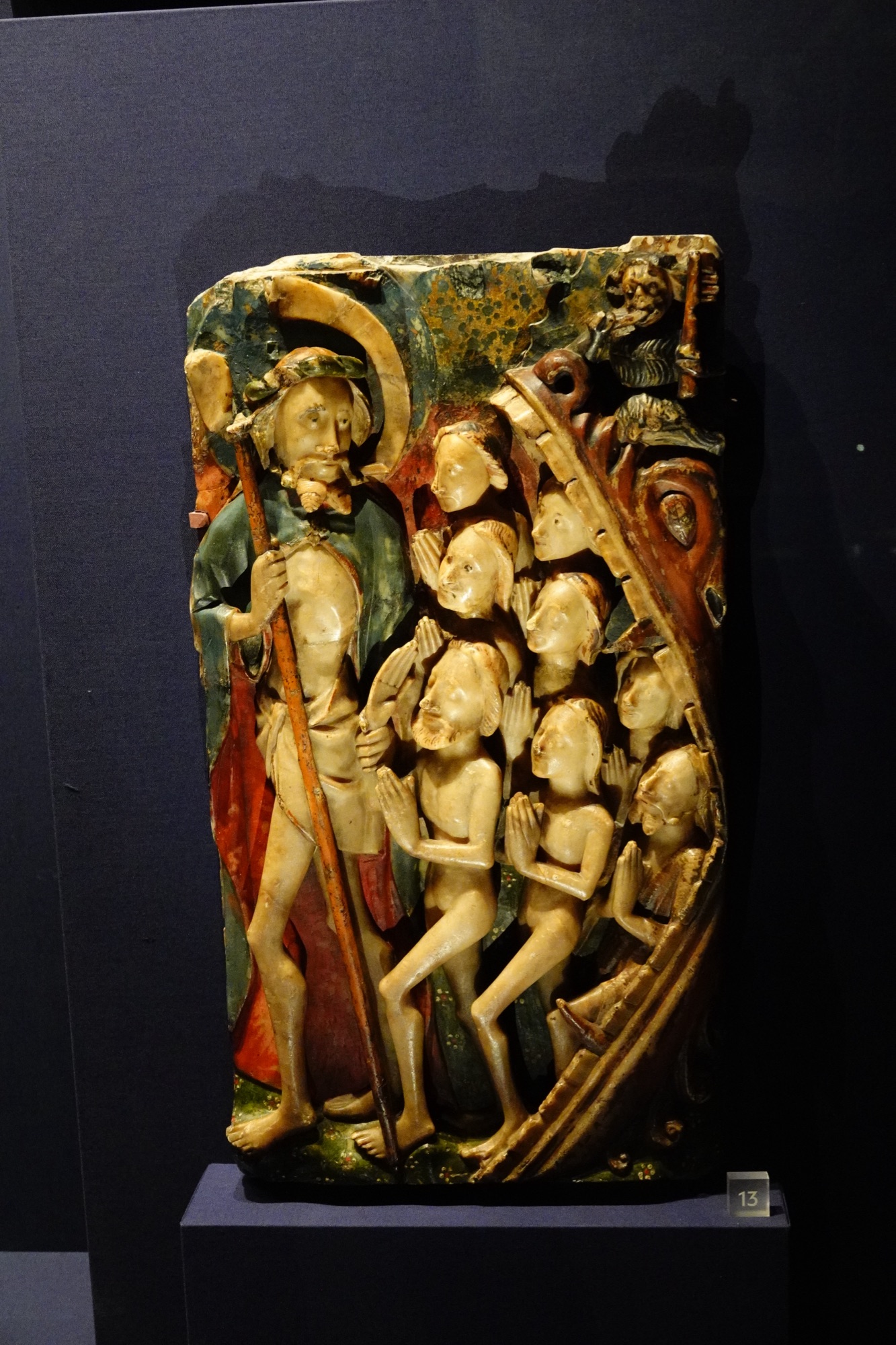
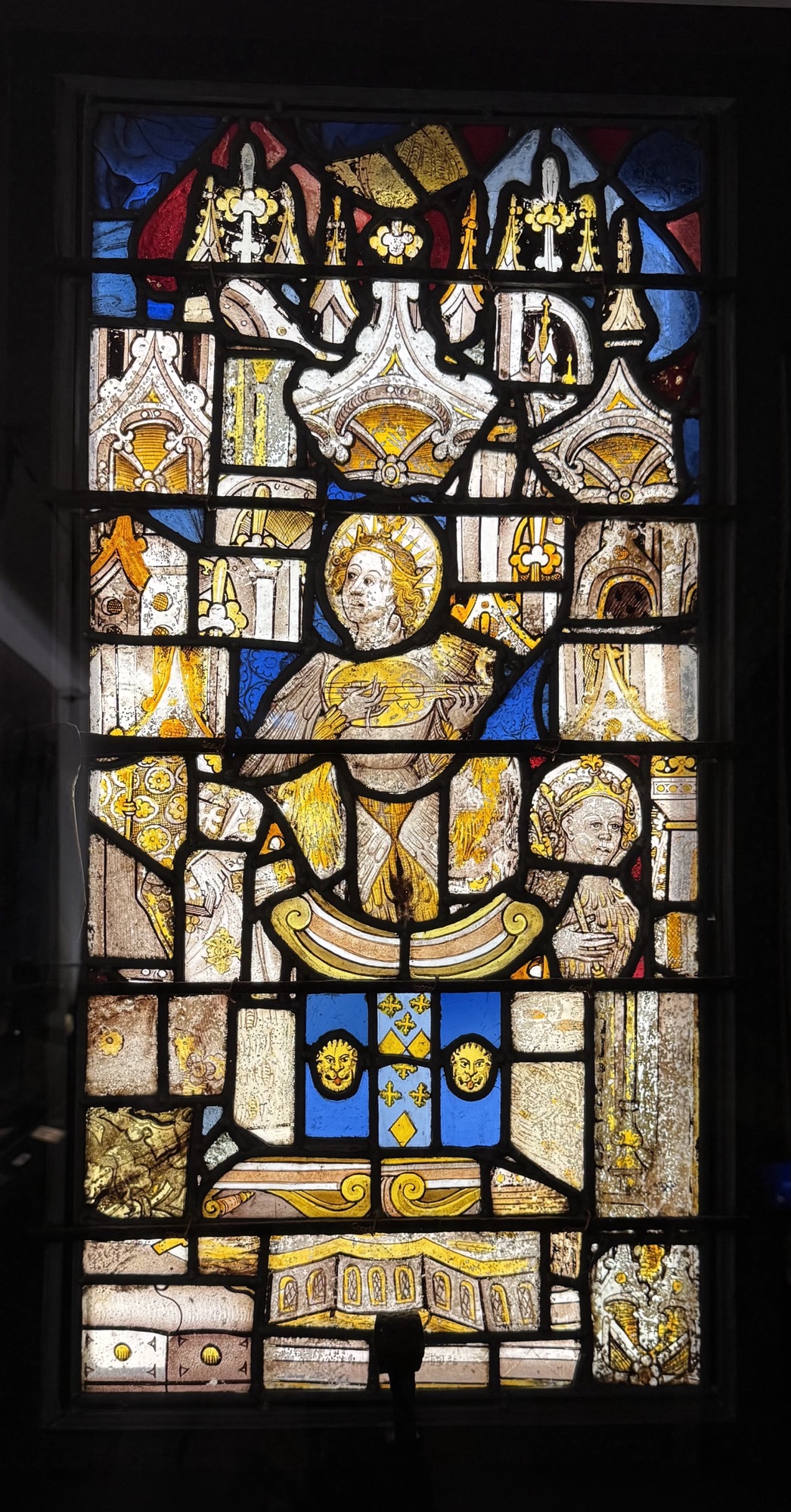
They are a permanent reminder of those destructive times.
The museum highlighted that the evolution of religious tolerance has been centuries in the making, and that there were lots of bumps in the road along the way.
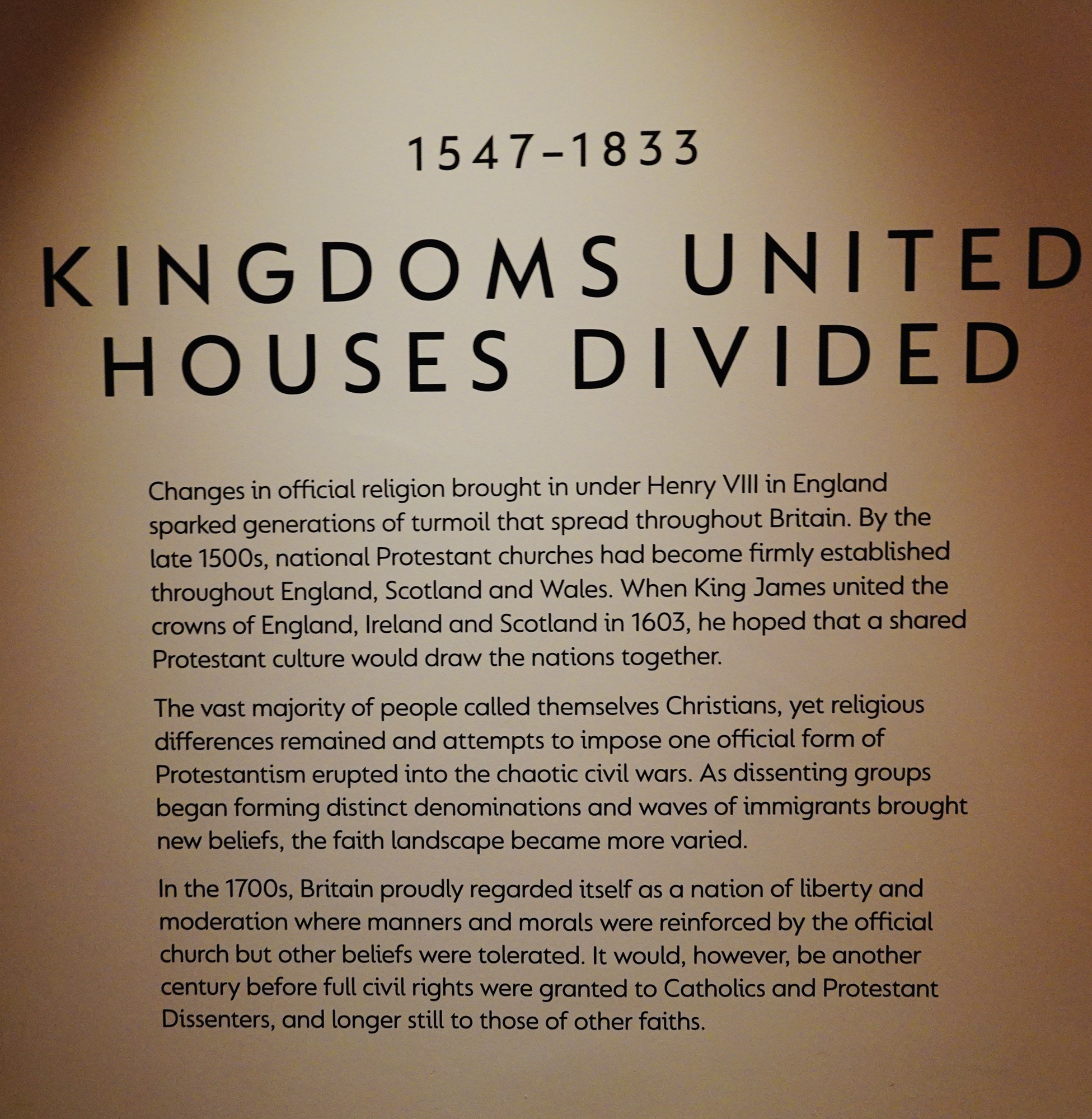
Sometimes religious alliances were less than altruistic or tolerant…
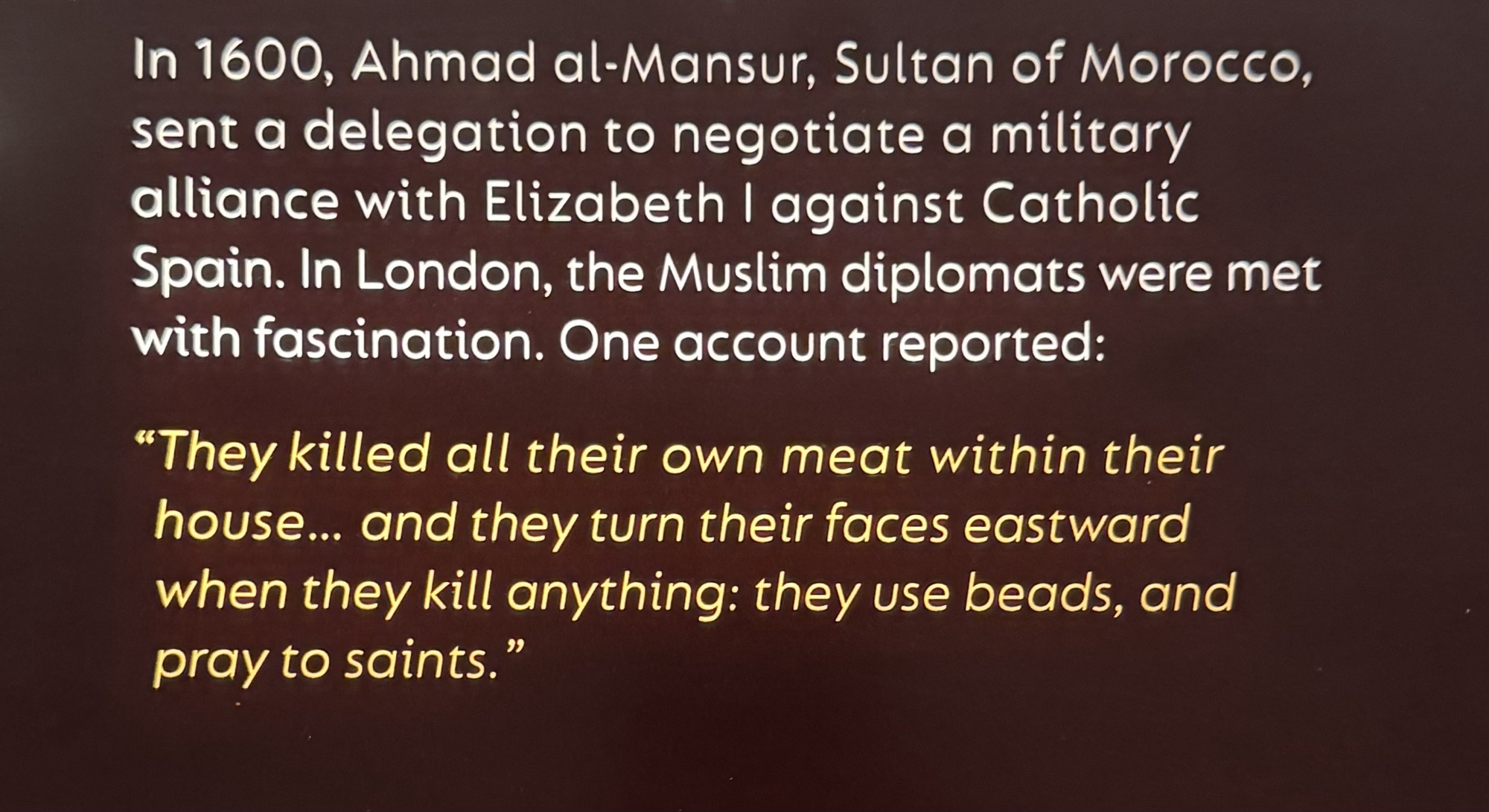
… and there was a reminder that sometimes people simply left if they felt excluded.
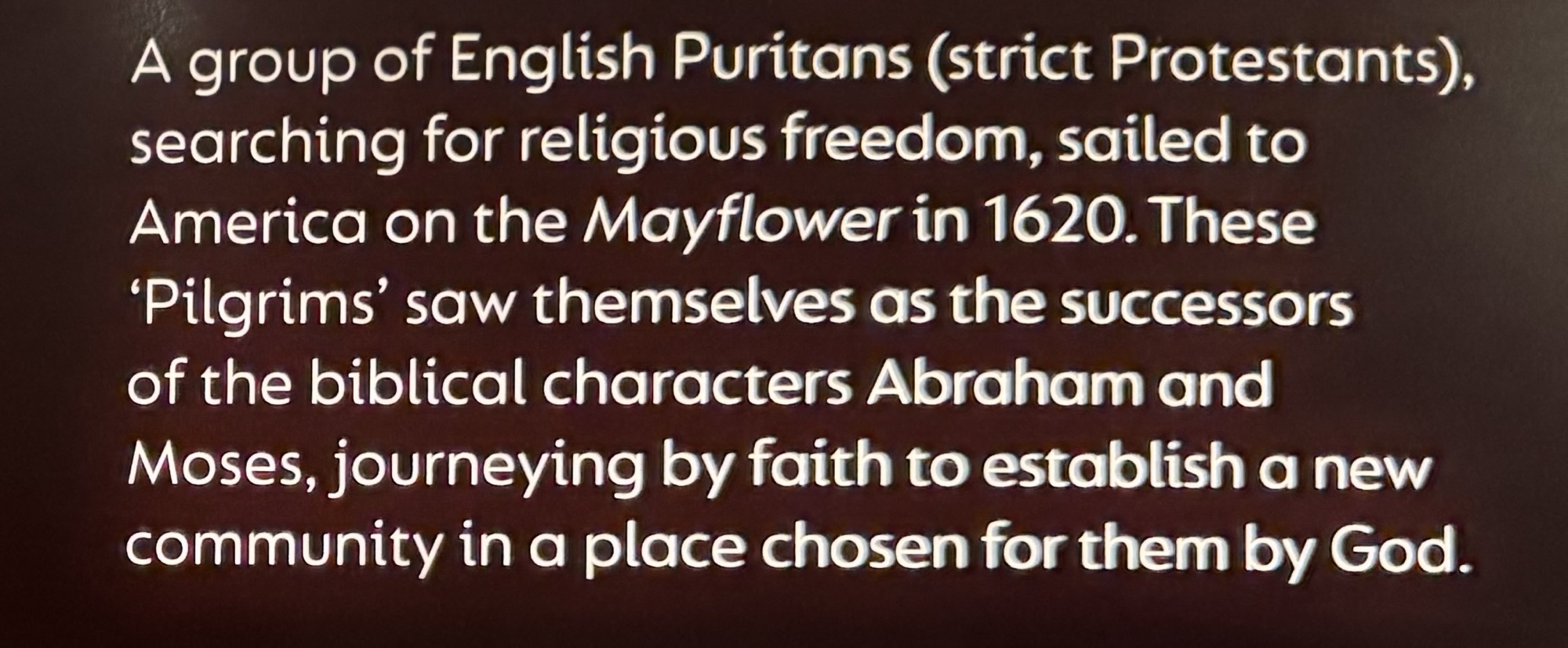
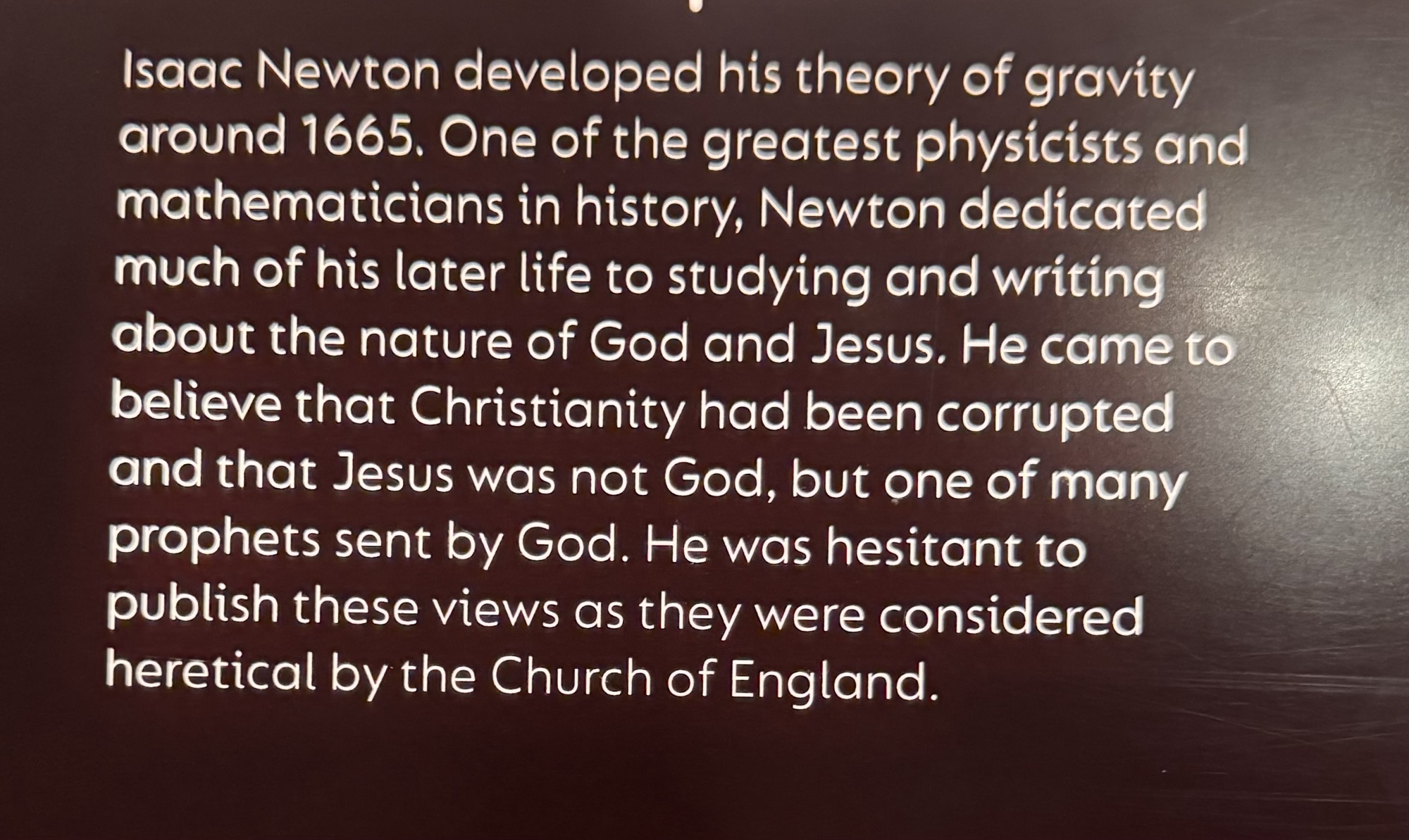
Science was also increasingly at odds with religion. And that predates Darwin by quite a bit.
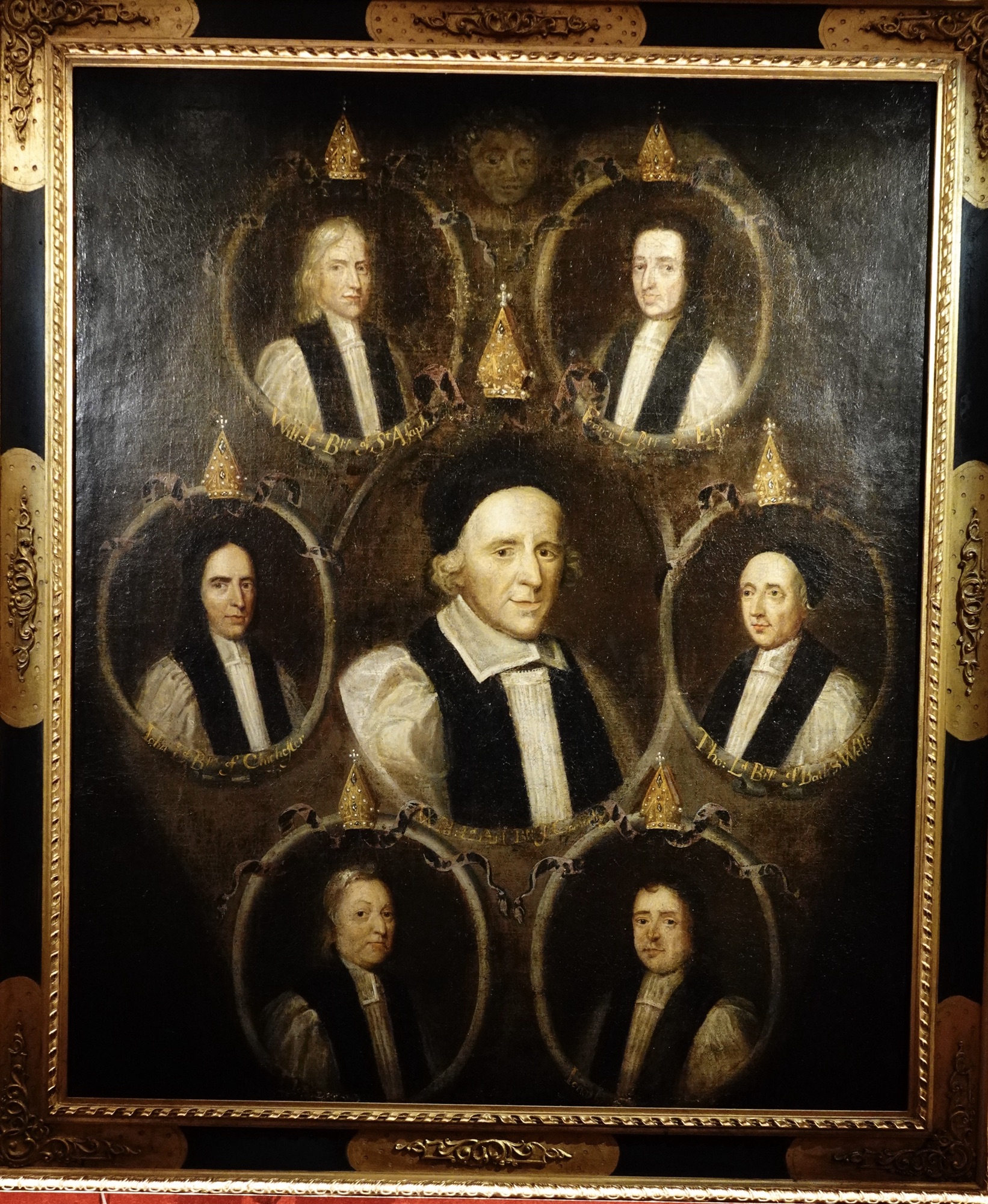
In June 1688, seven bishops of the Church of England found themselves prisoners in the Tower of London. Catholic king James Il had ordered clergy to read out a ‘Declaration of Indulgence that would have suspended restrictions against Catholics and Nonconformists, When these Bishops refused, the furious king had them imprisoned. Two weeks later they were released, acclaimed as heroes by riotous crowds. James was deposed soon afterwards, enabling Parliament to allow freedom of worship to all Protestants
(Unknown artist, after 1688, oil on canvas – The Zurbaran Trust)
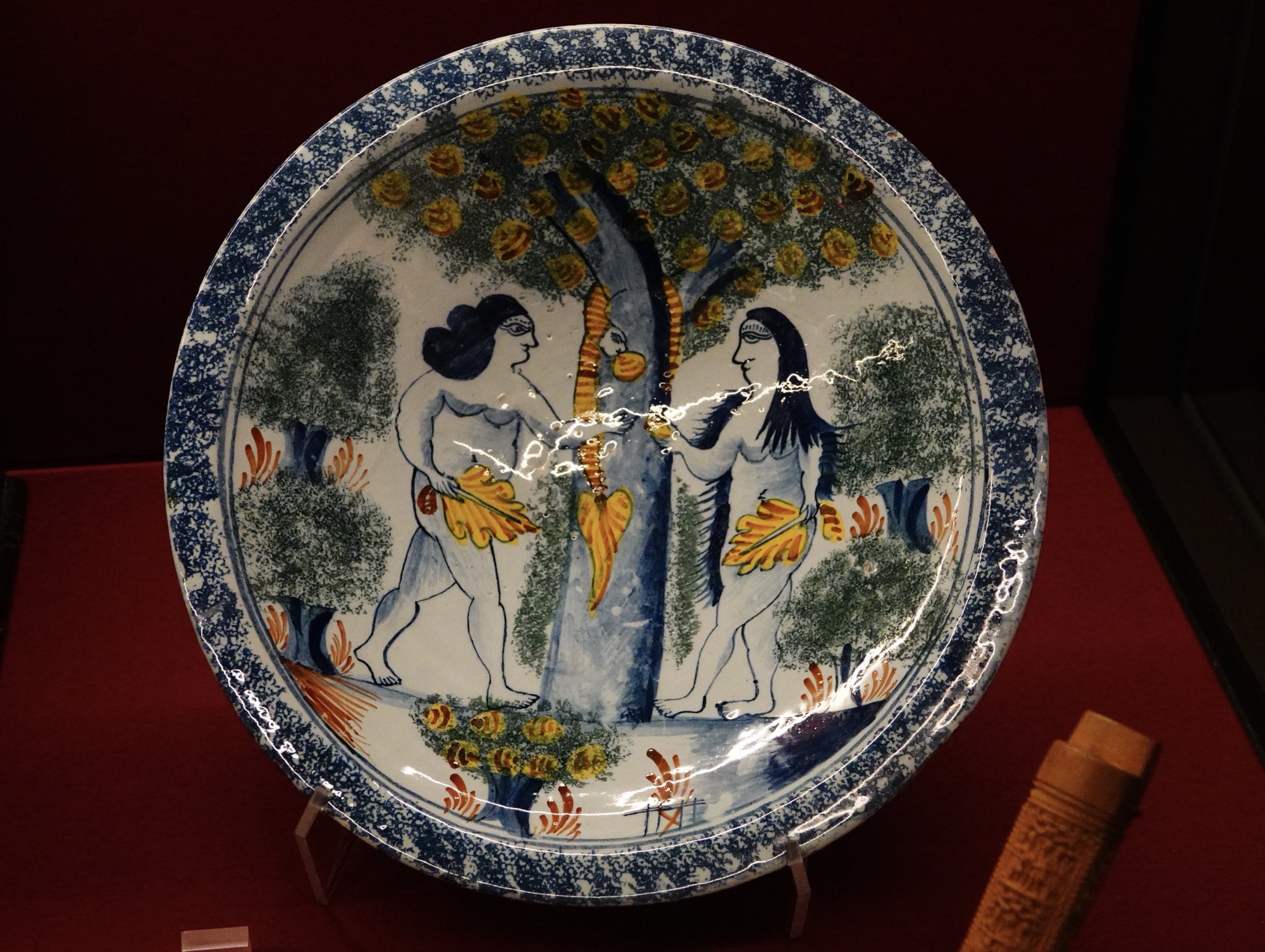
features one of the most popular Bible stories for home decoration: the temptation of Adam and Eve by Satan, shown here as a stripy serpent nibbling an apple. Large painted dishes like this were traditional wedding gifts in middle-class families, intended as a reminder of the dangers of temptation and the importance of marriage.
There was so much more, and we viewed it all, but it was the times when “faith” seemed to fail humanity…
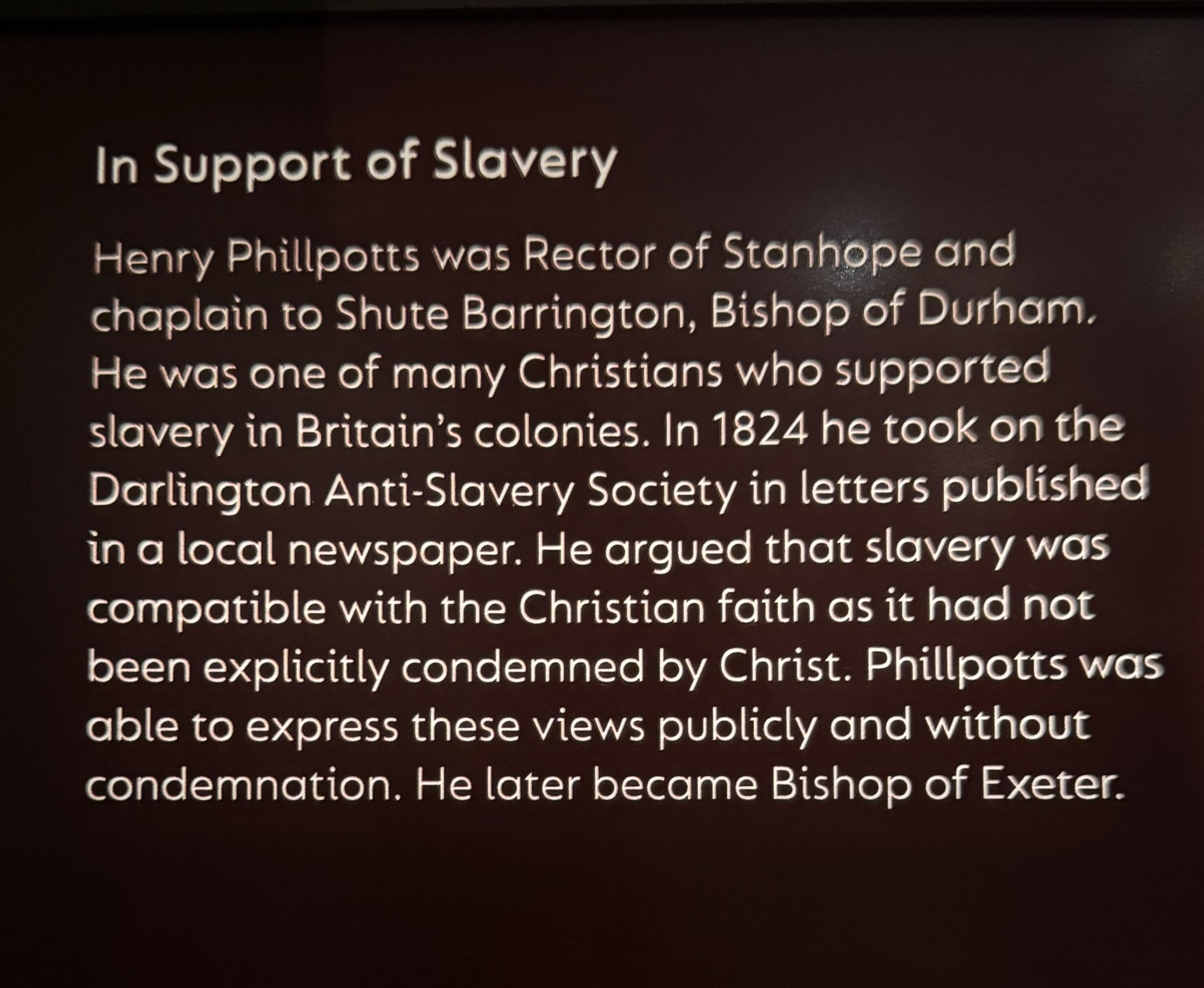
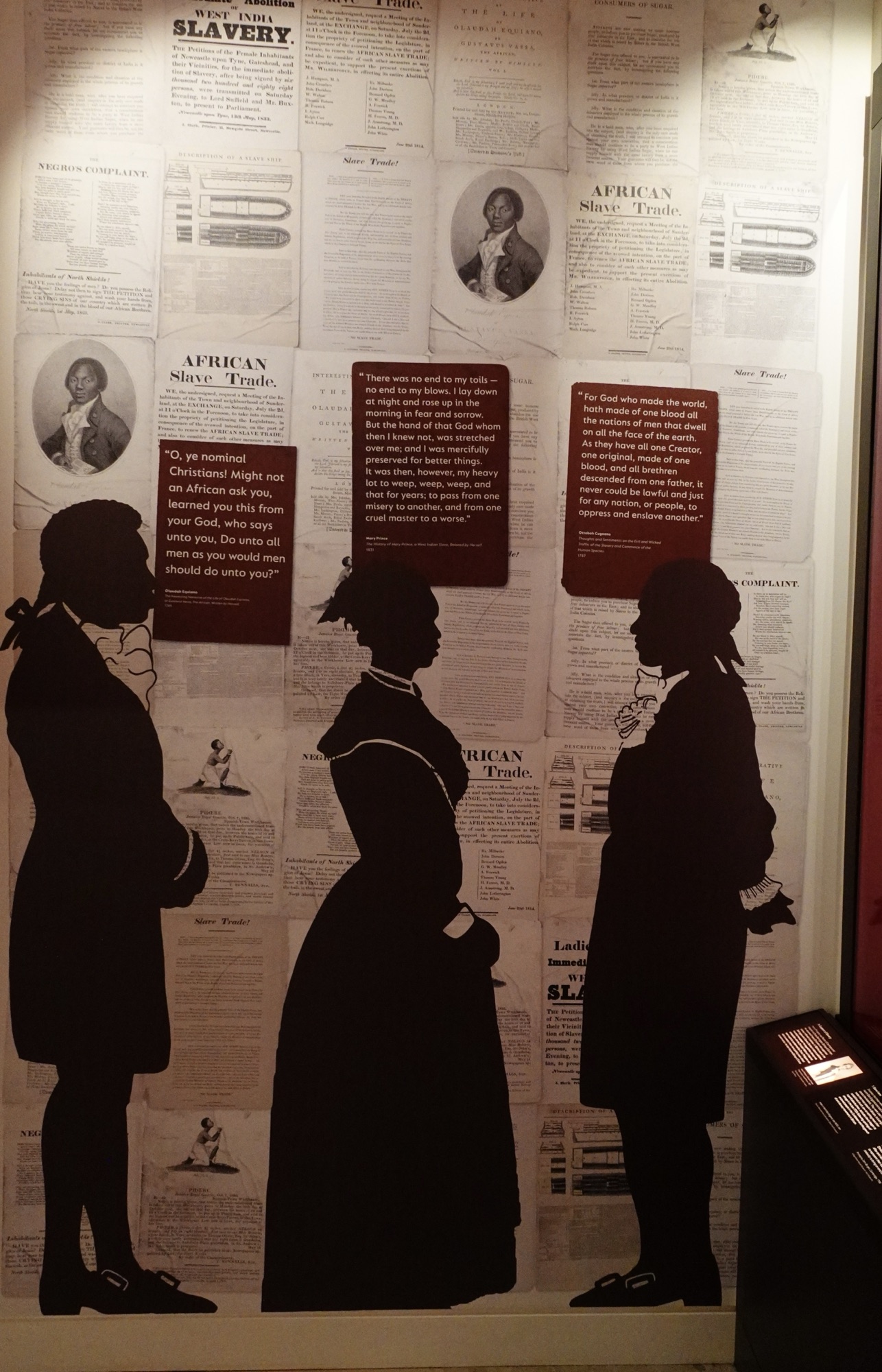
…contrasted with the times when it stood up to wrongs, that made the biggest impression on me.
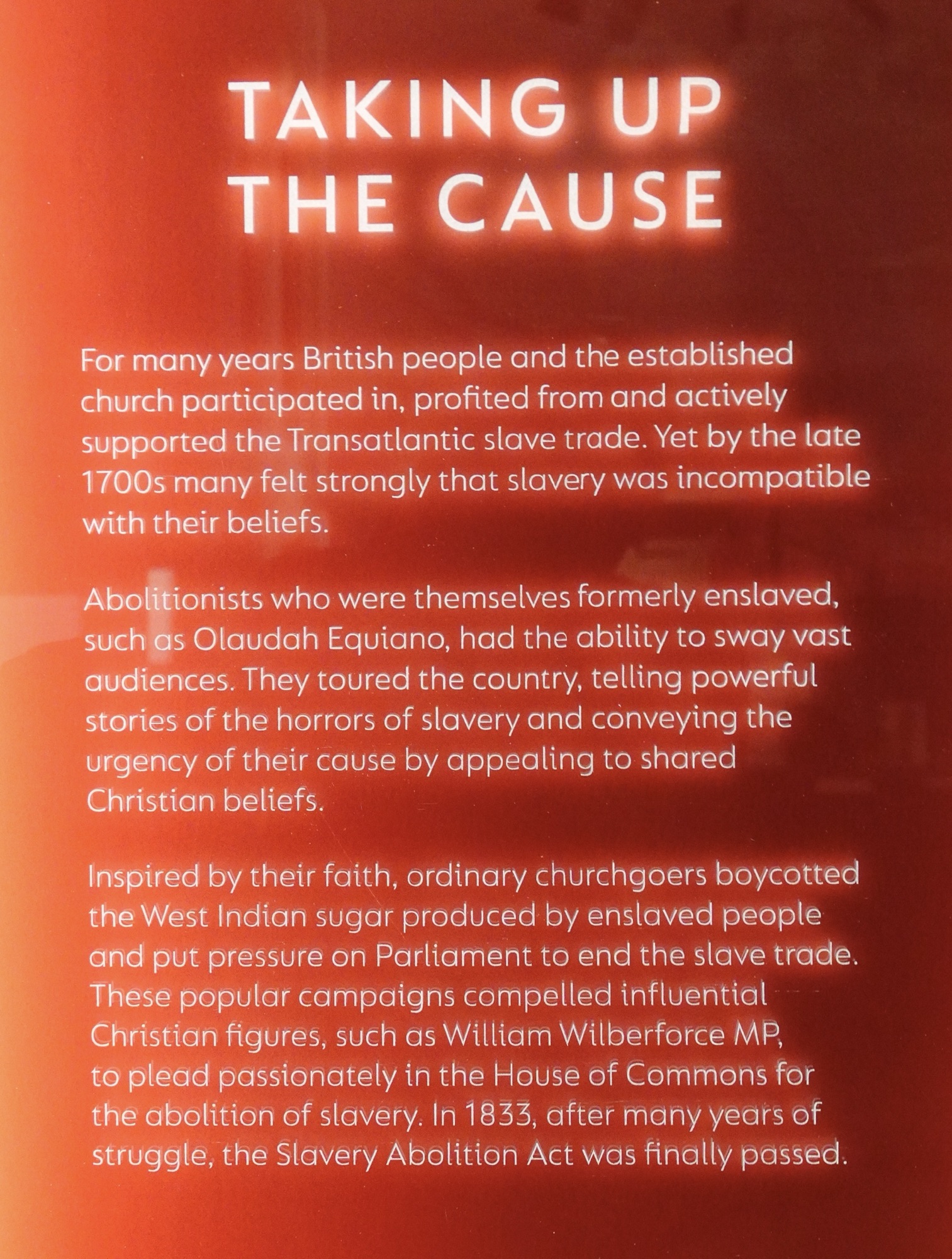
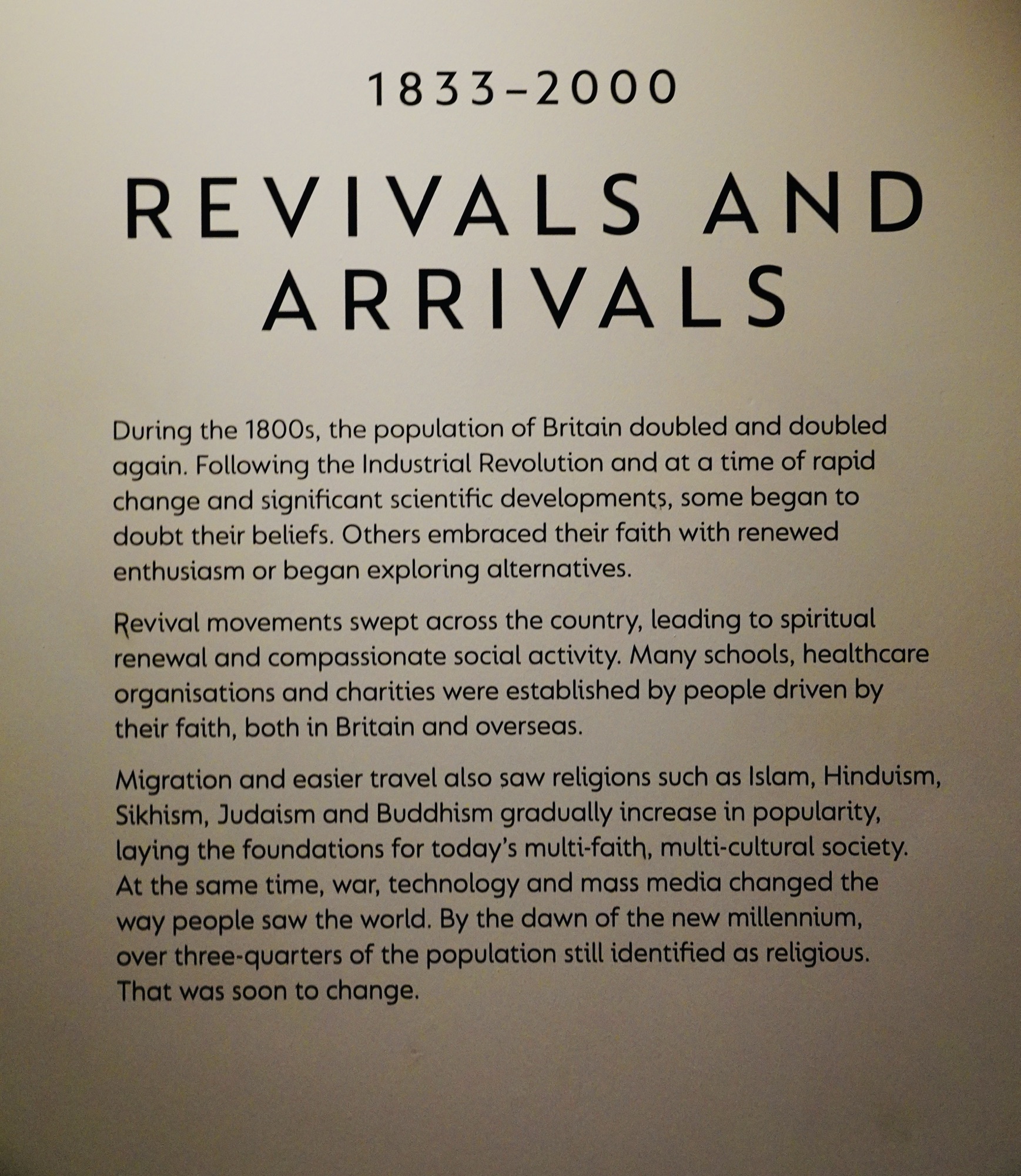
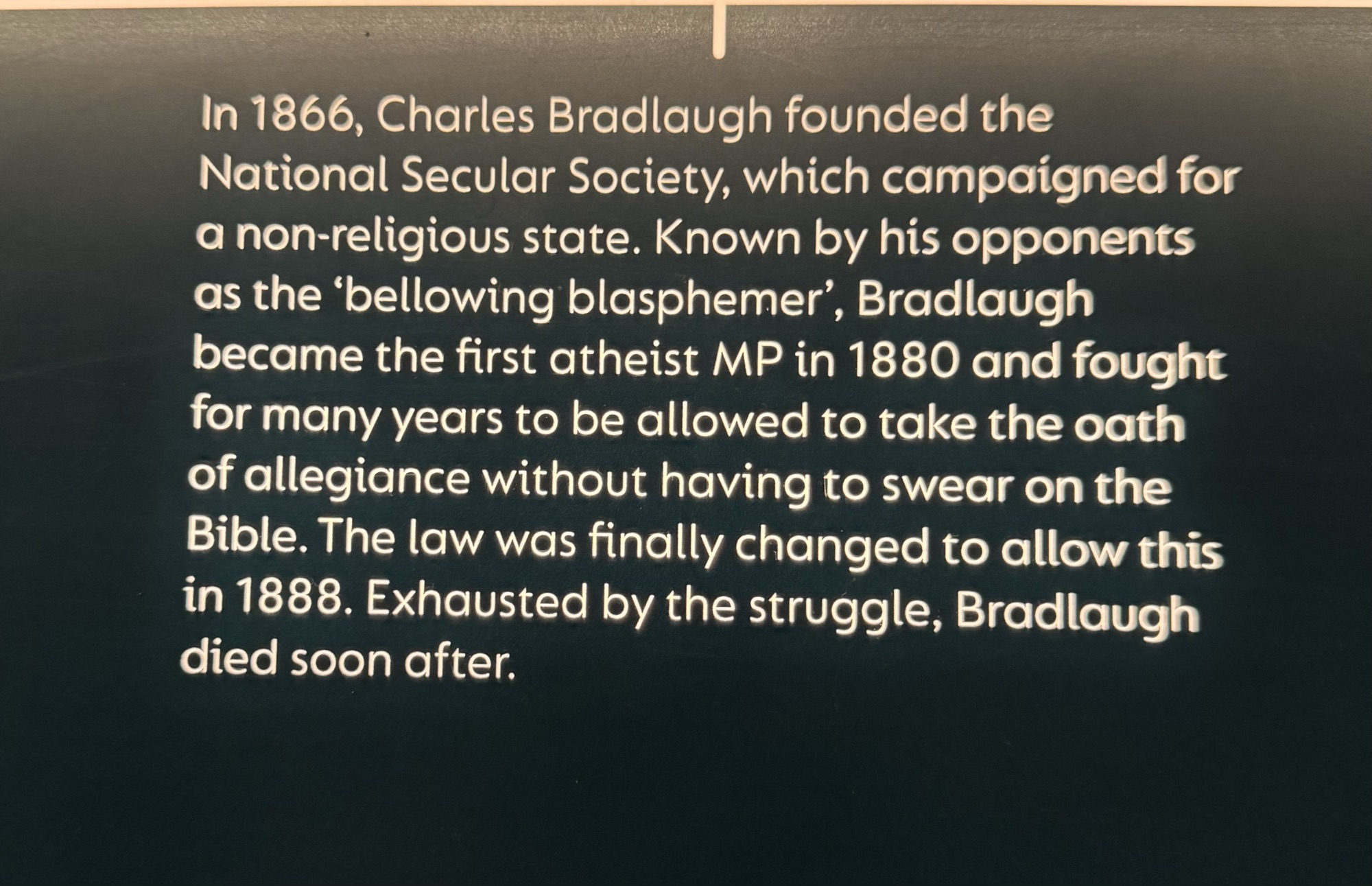
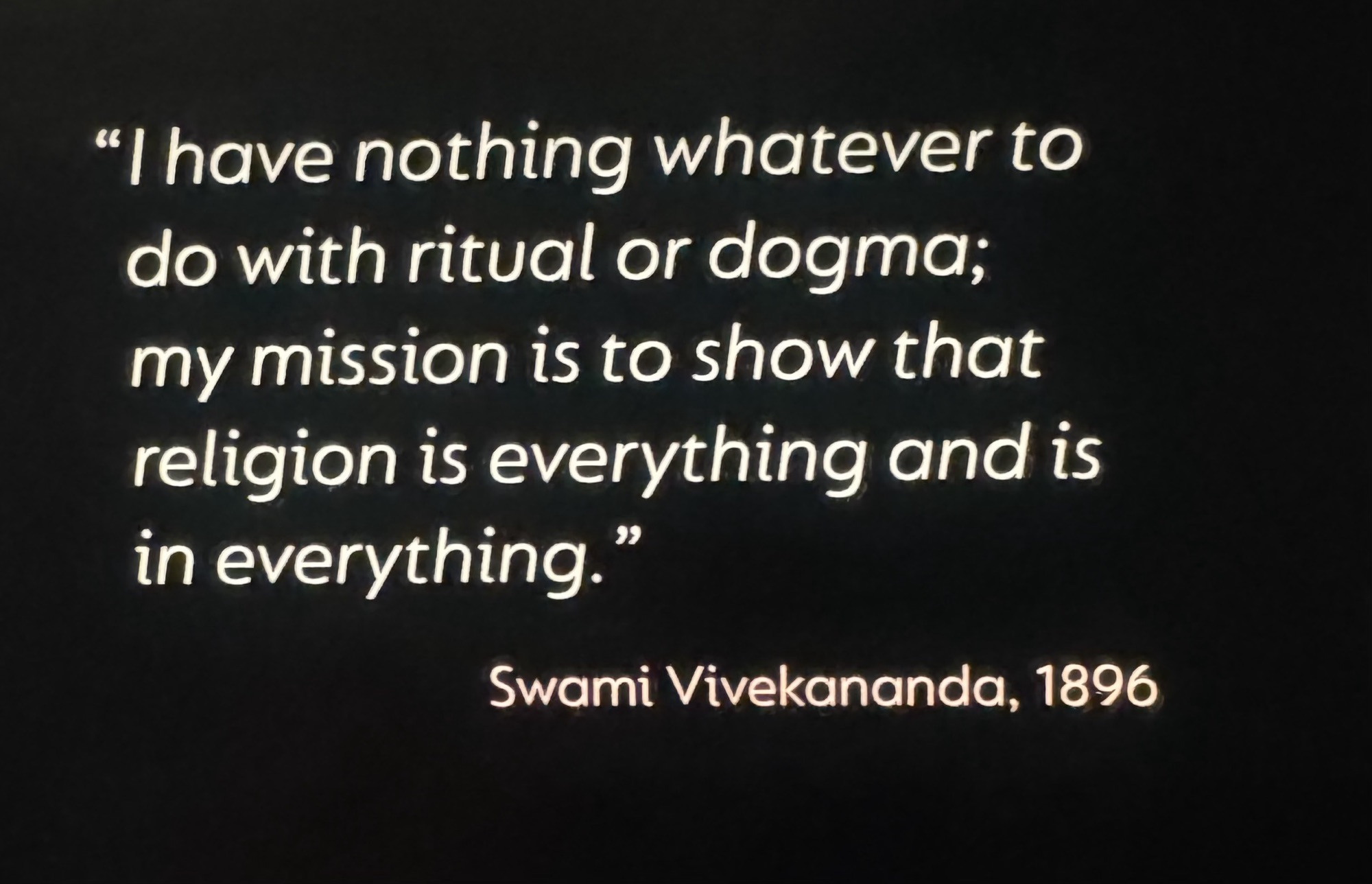
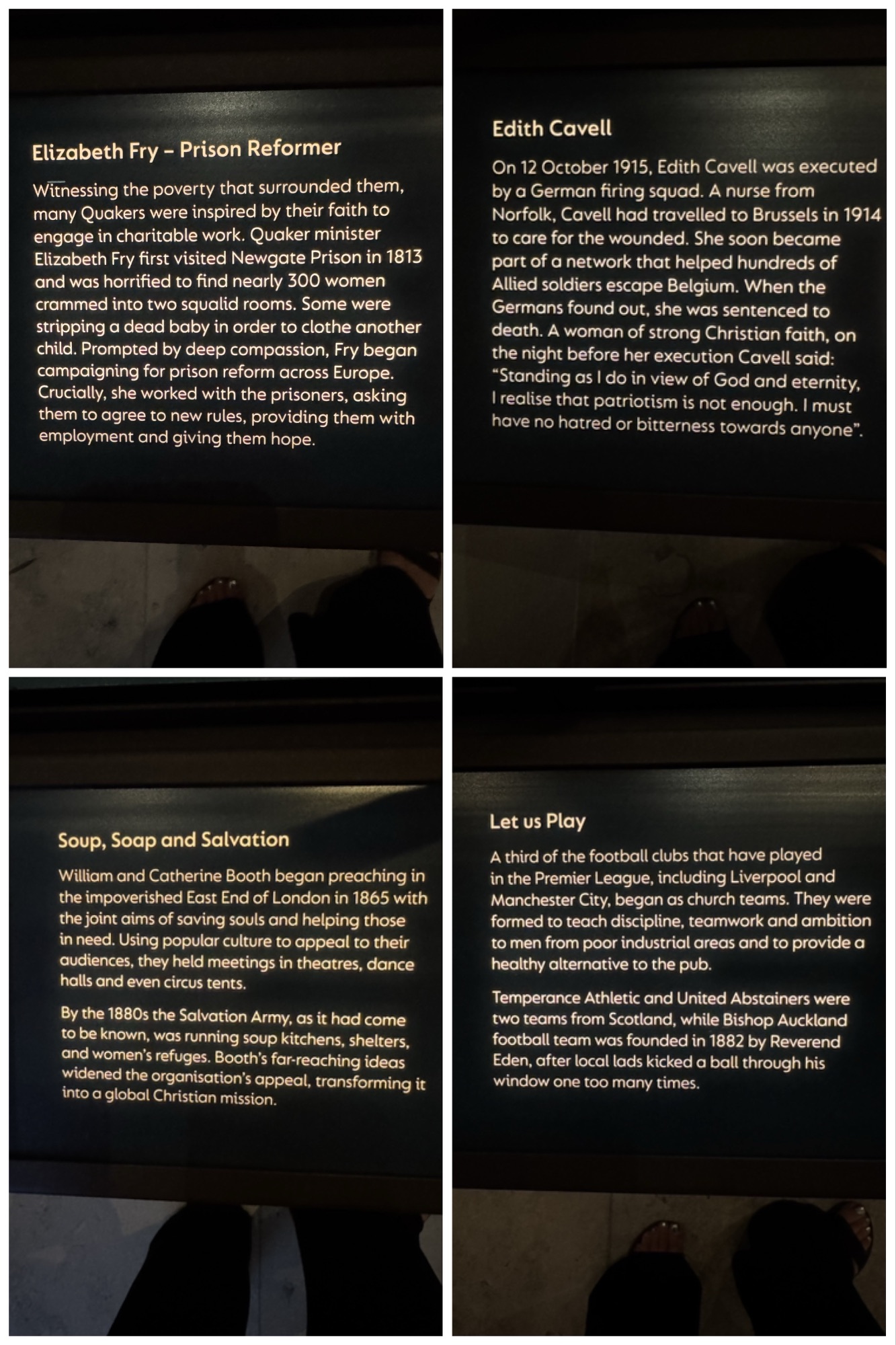
There were exhibits focussed on well-known charities and associations begun based in faith.
And of course, faith has influenced art forever.
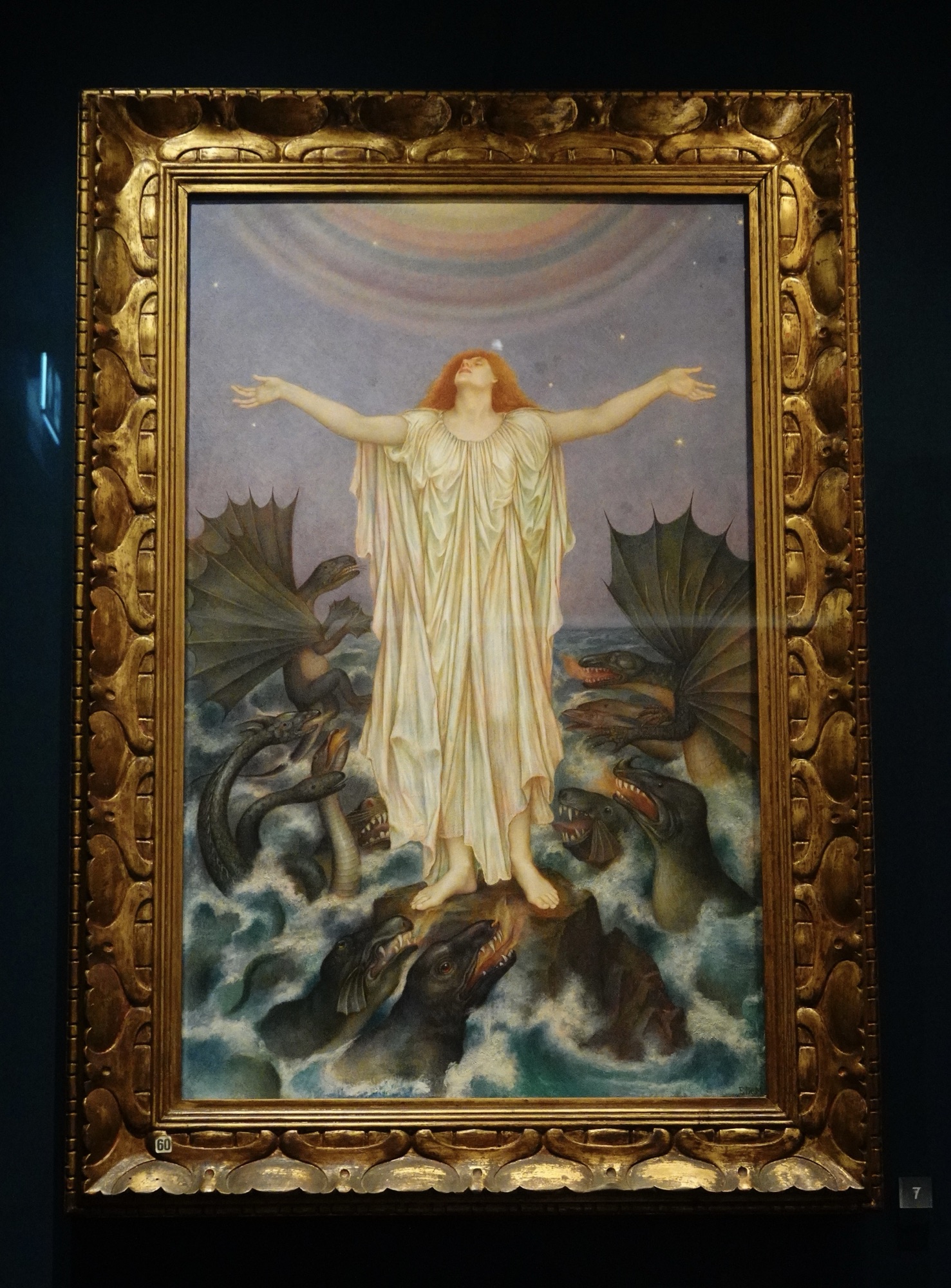
A Christian pacifist with an interest in Spiritualism, Evelyn De Morgan created this striking painting in response to the First World War. Symbolizing the innocence of the victims of war, the female figure raises her hands and eyes to heaven, seeking deliverance from the monsters that surround her.
The title of the work, short for ‘Save our Souls, and the rainbow radiating from above reflect the artist’s belief that there is hope beyond death.
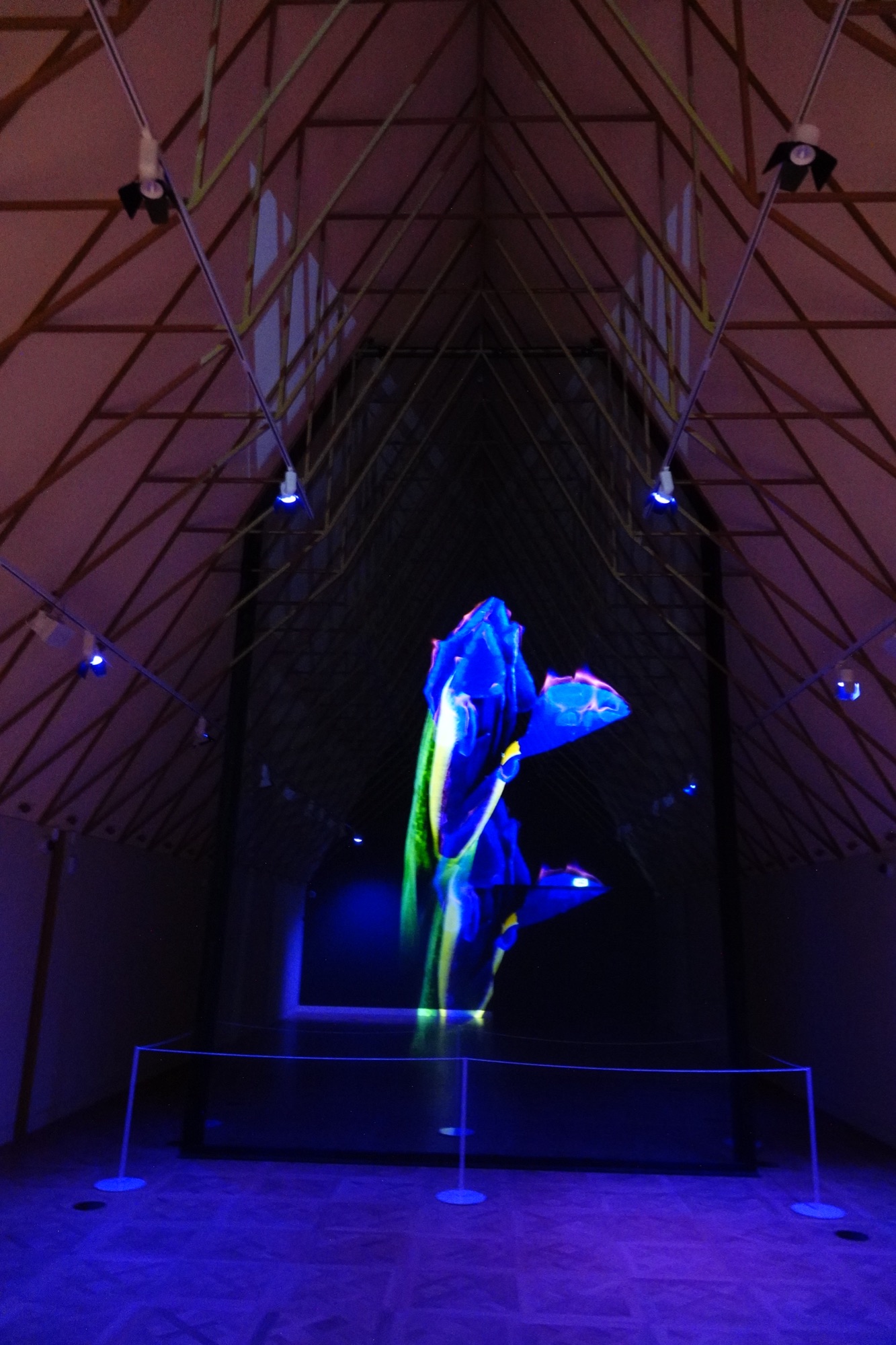
Upstairs in the museum is a large hall with a single piece of art created in light. It makes for a lovely meditative space.
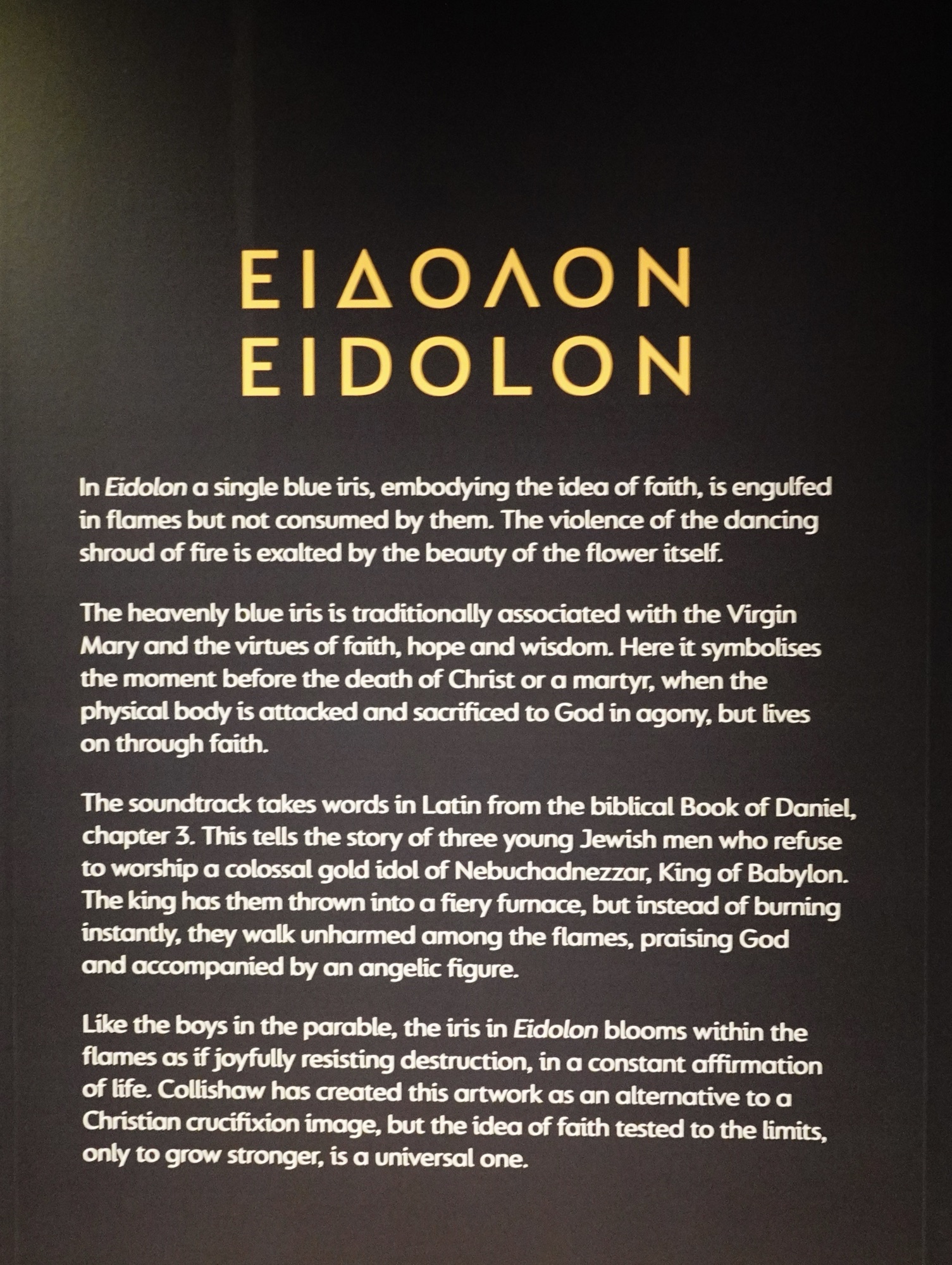
Some final thoughts from the museum:
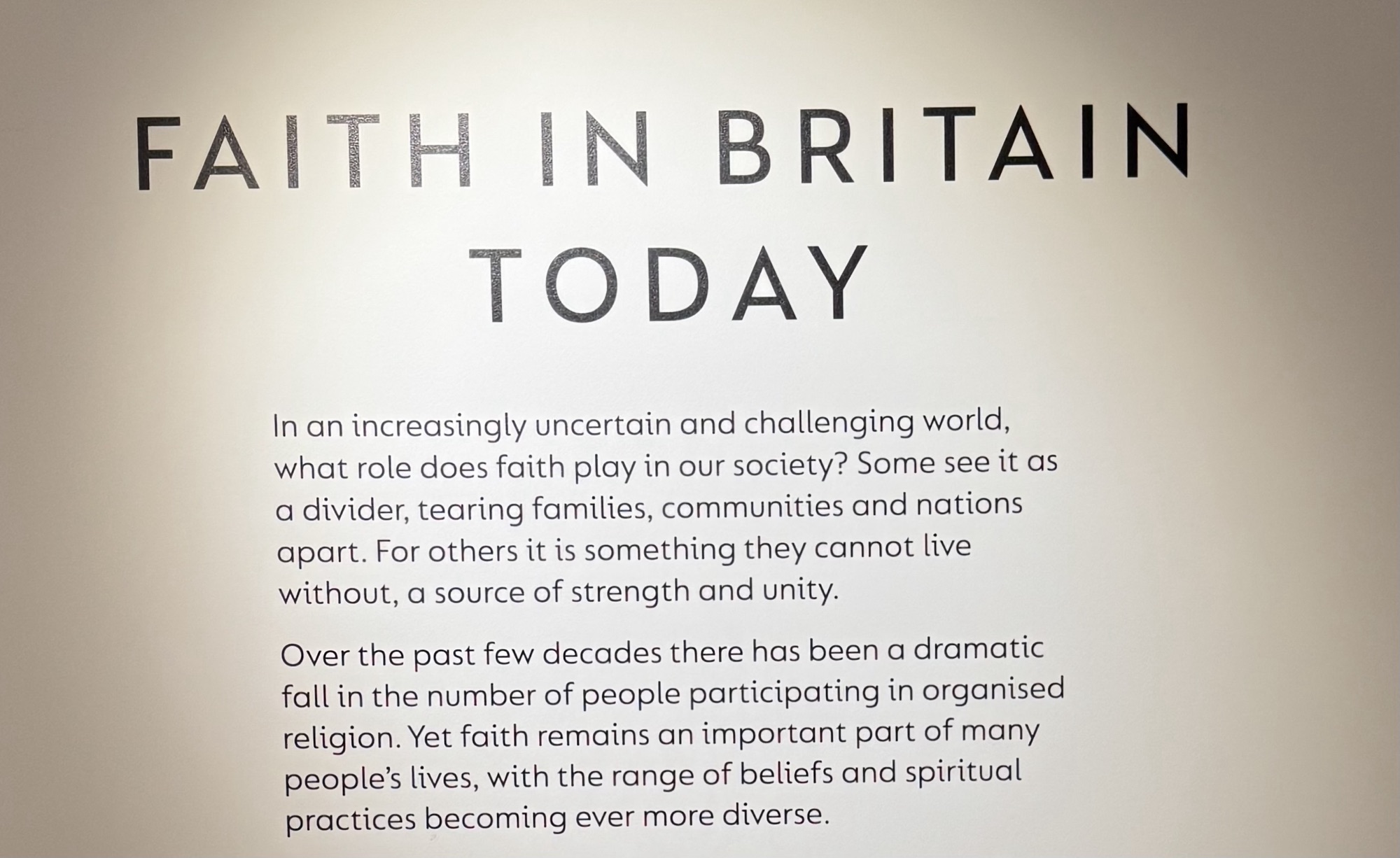
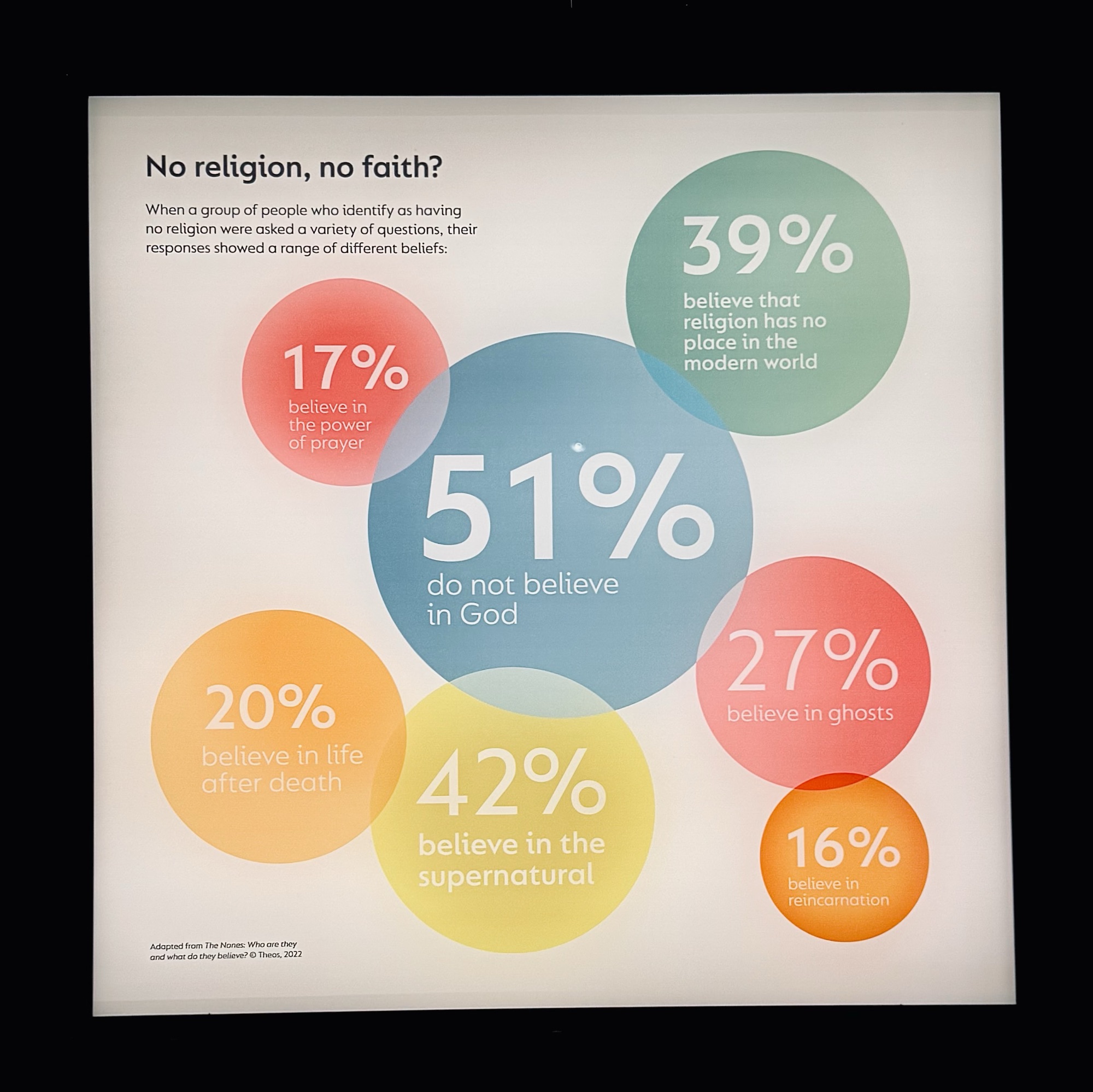
Given how early the Auckland Project closes each day (something, given the north’s long daylight hours here, that I hope will change once this fantastic place becomes better attended), after leaving the Faith Museum we had to really rush through the four floors of the Spanish Gallery, located in a former miners’ bank (with that stunning coral coloured facade) in Market Square.
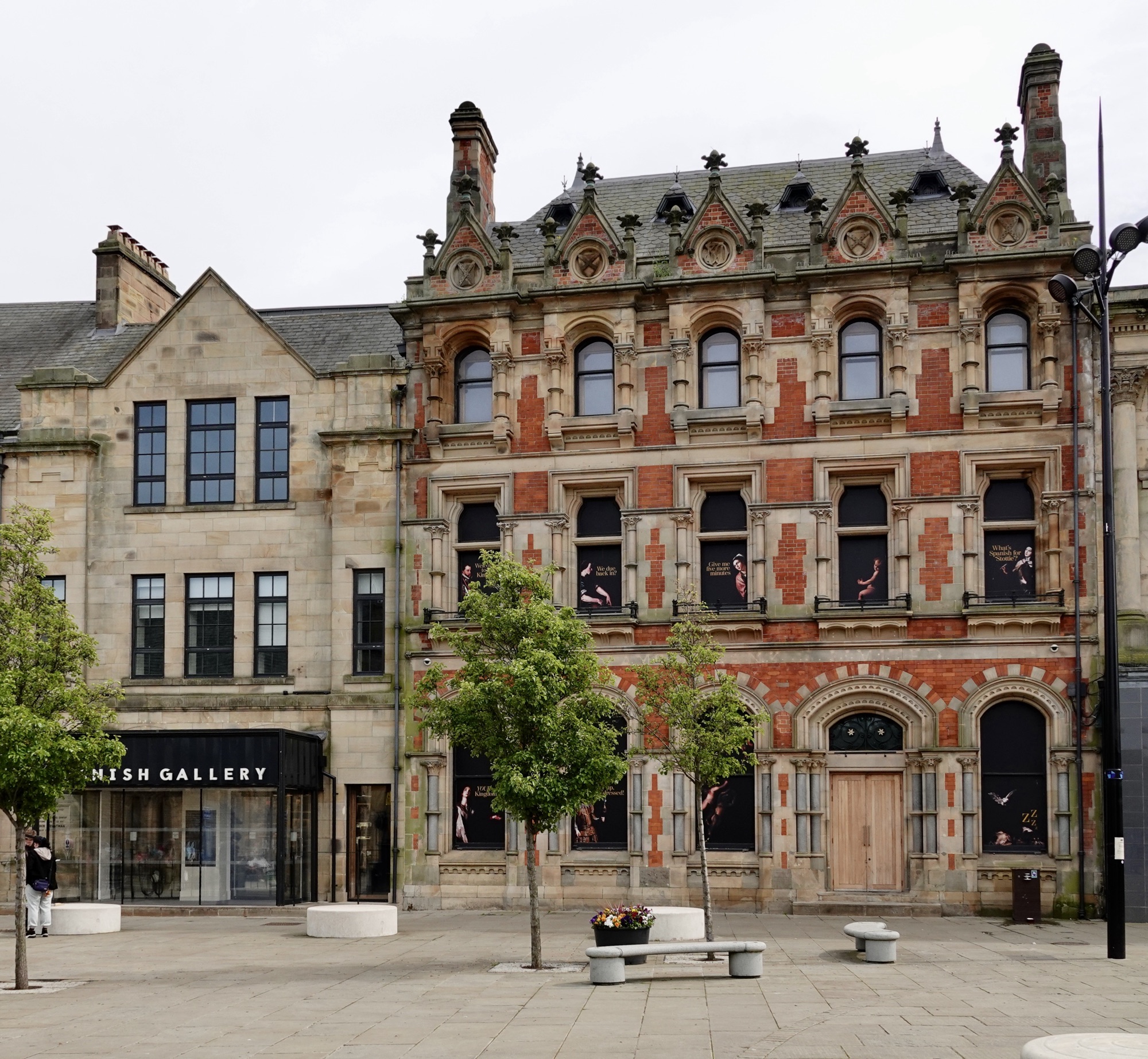
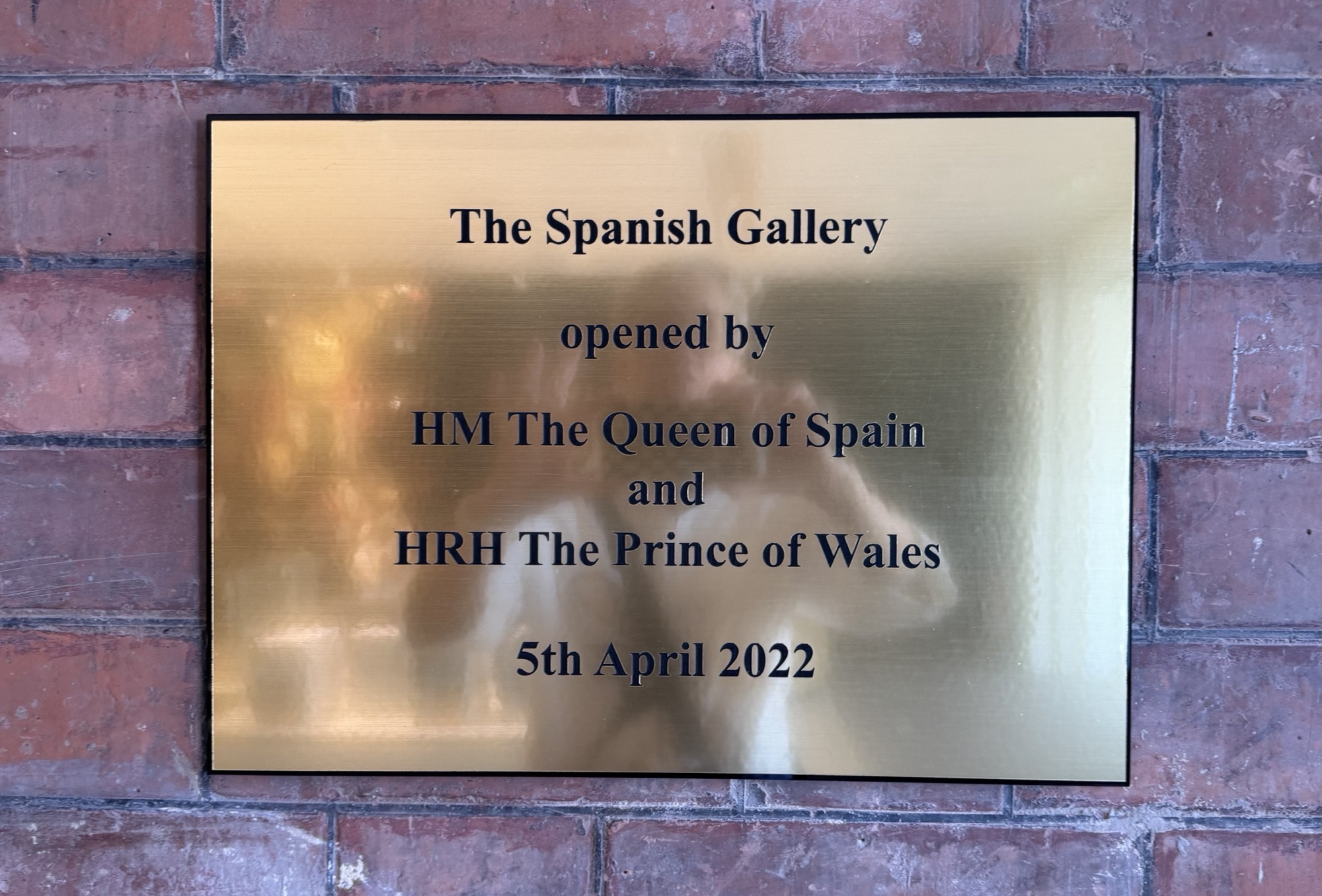
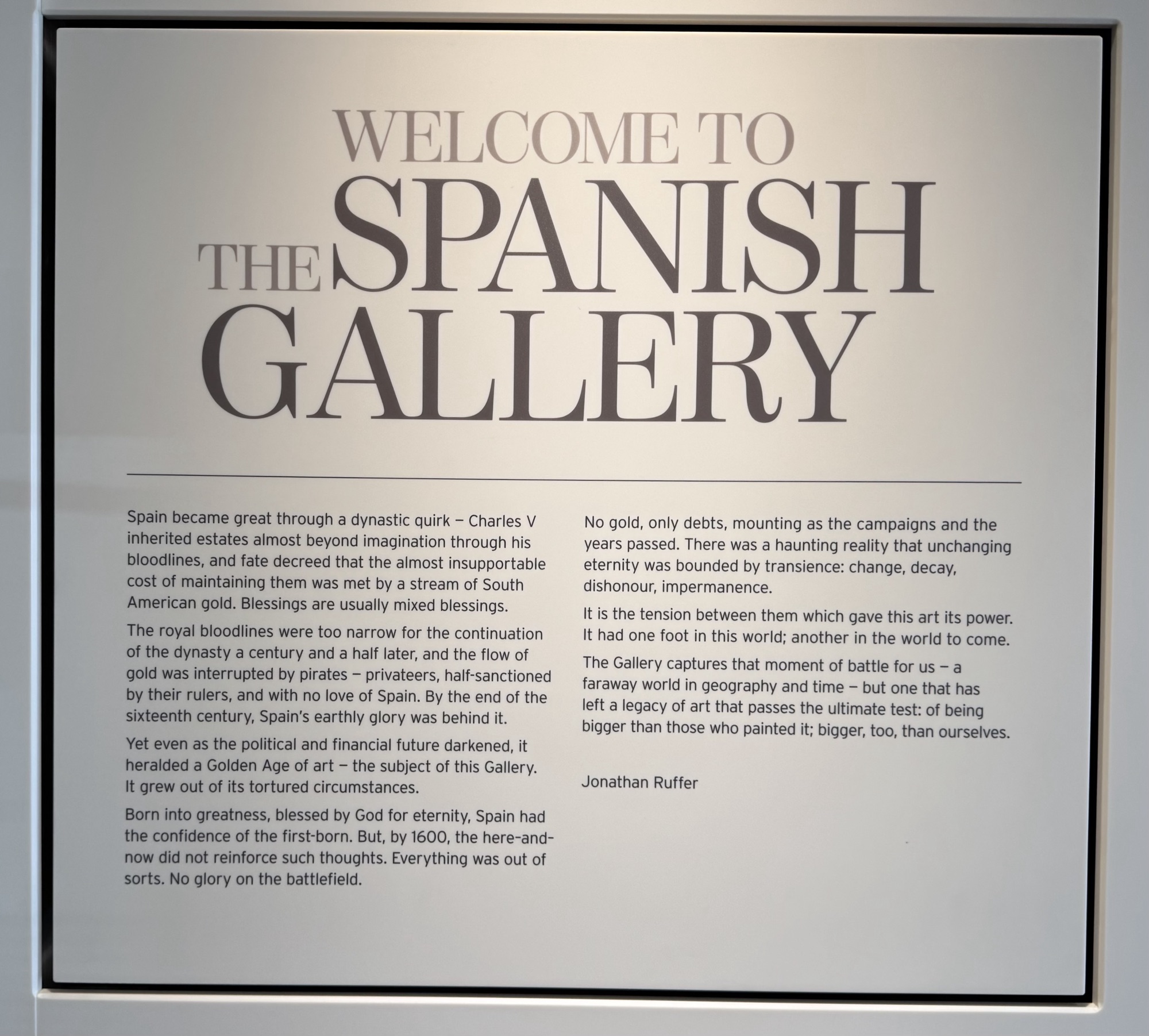
Our need for speed was a shame, because the artwork here, mostly Jonathan Ruffer’s personal collection, with the descriptions of many of the pieces written by him (the man truly is a polymath), is well worth lingering over.
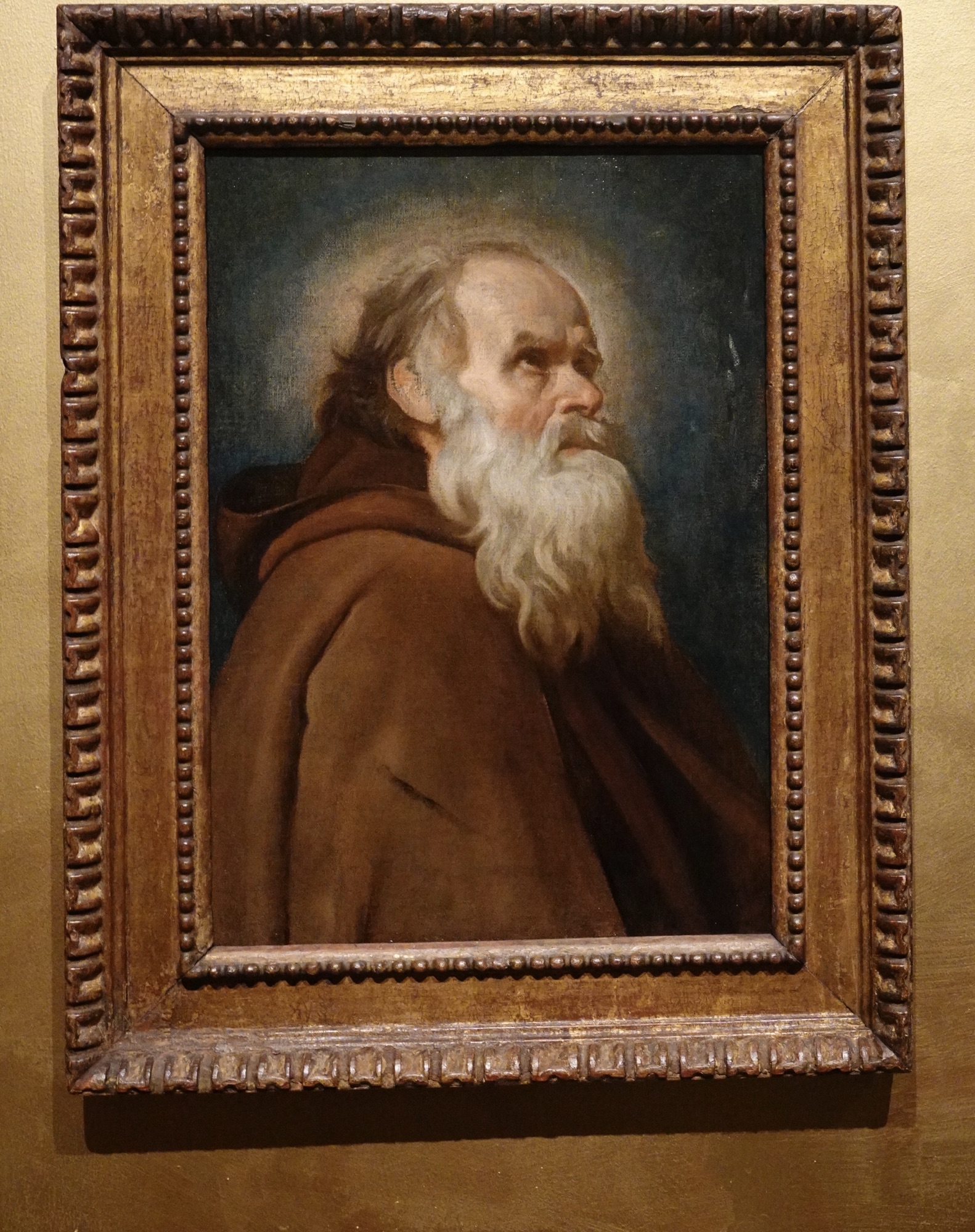
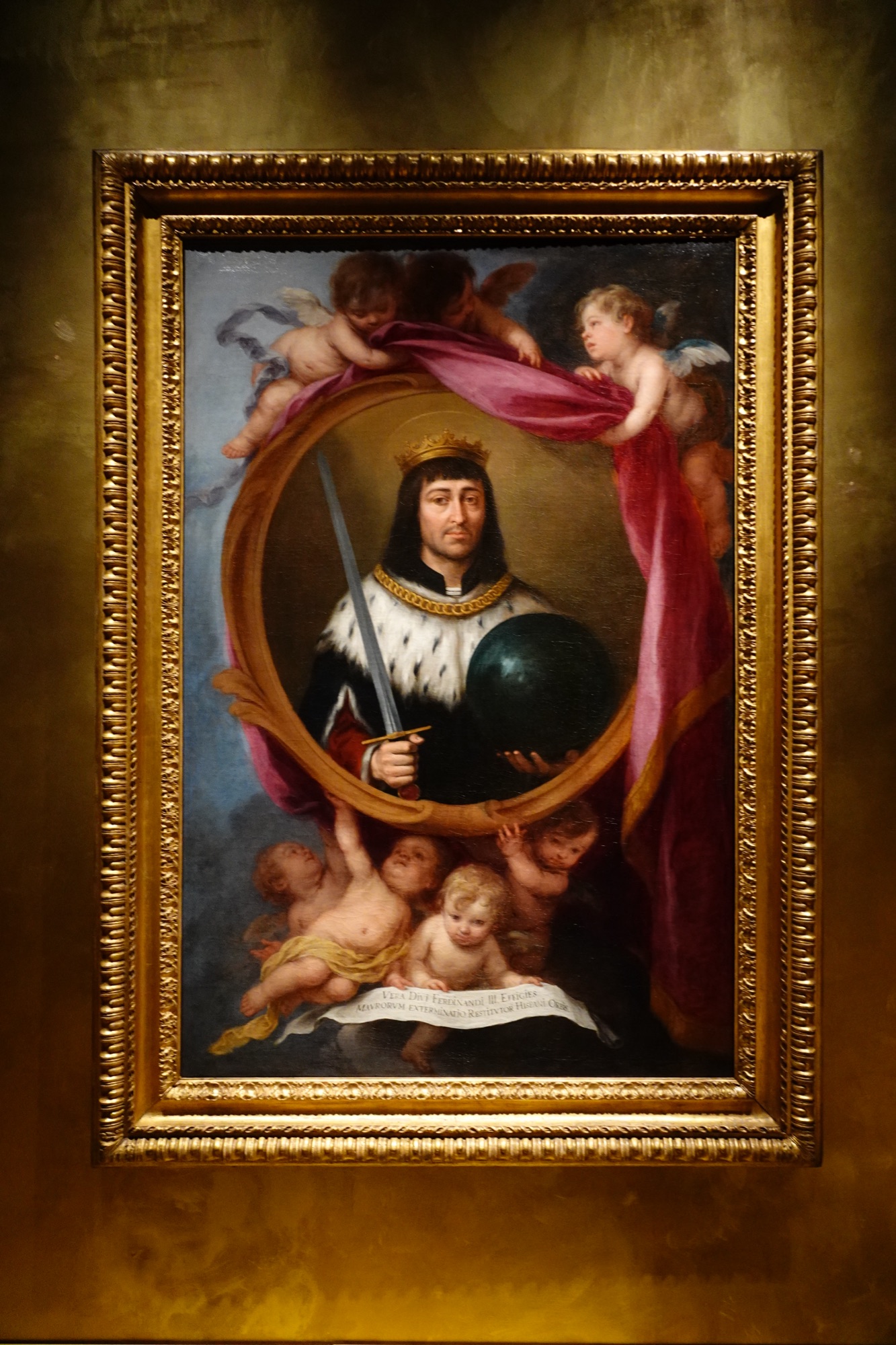
Oil on canvas, around 1671
Stamped verso with the monogram and coronet of Infante Sebastián
Gabriel de Borbón y Braganza (1811-1875)
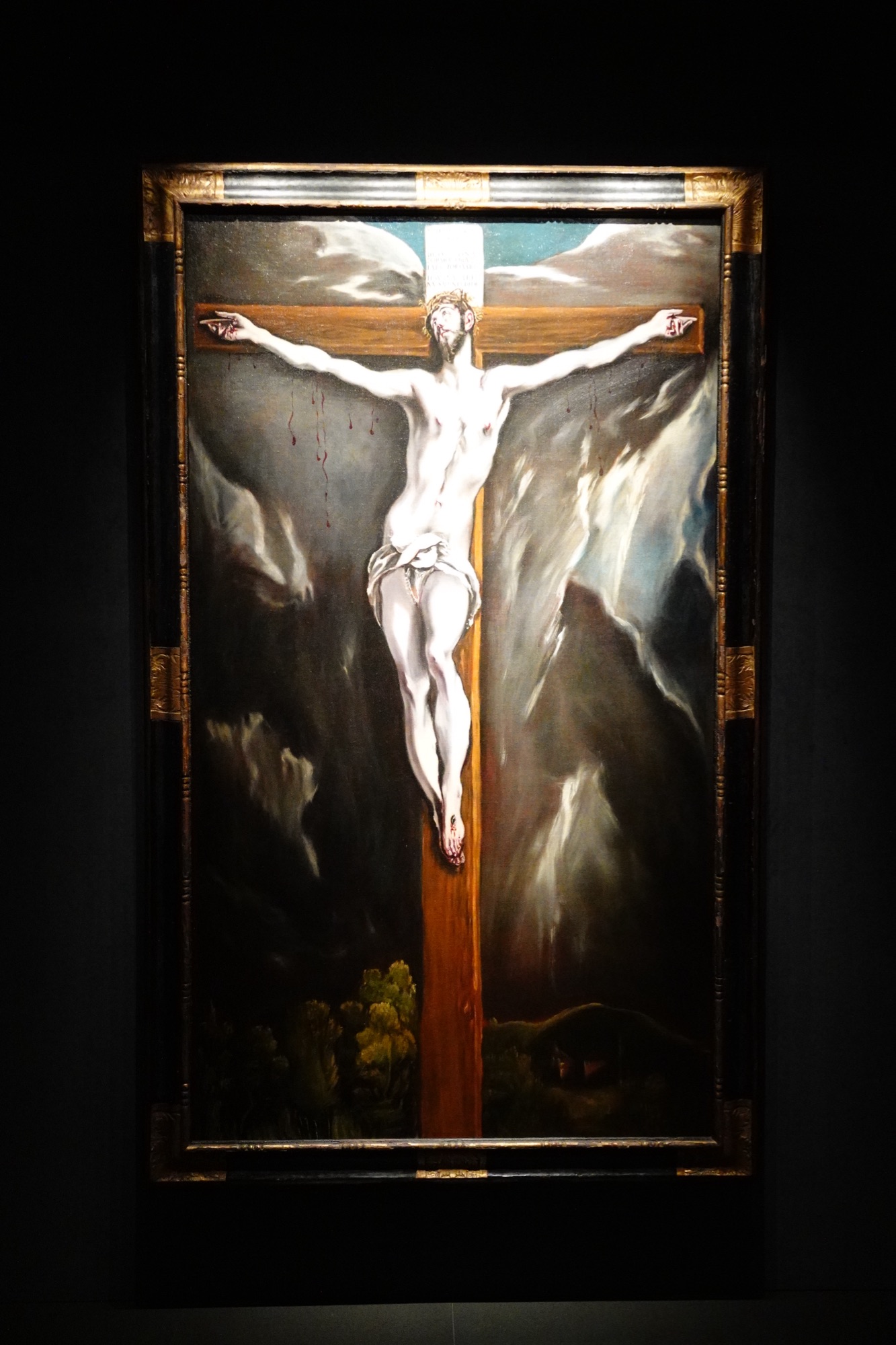
Doménikos Theotokópoulos, known as “El Greco’ 1541-1614
Oil on canvas, 1600-1610
Who would have expected to find works by El Greco or Velasquez or Murillo in Bishop Auckland? Or a museum that has such significance that the Queen of Spain was at its opening, and it is twinned with Madrid’s Prado to share collections?
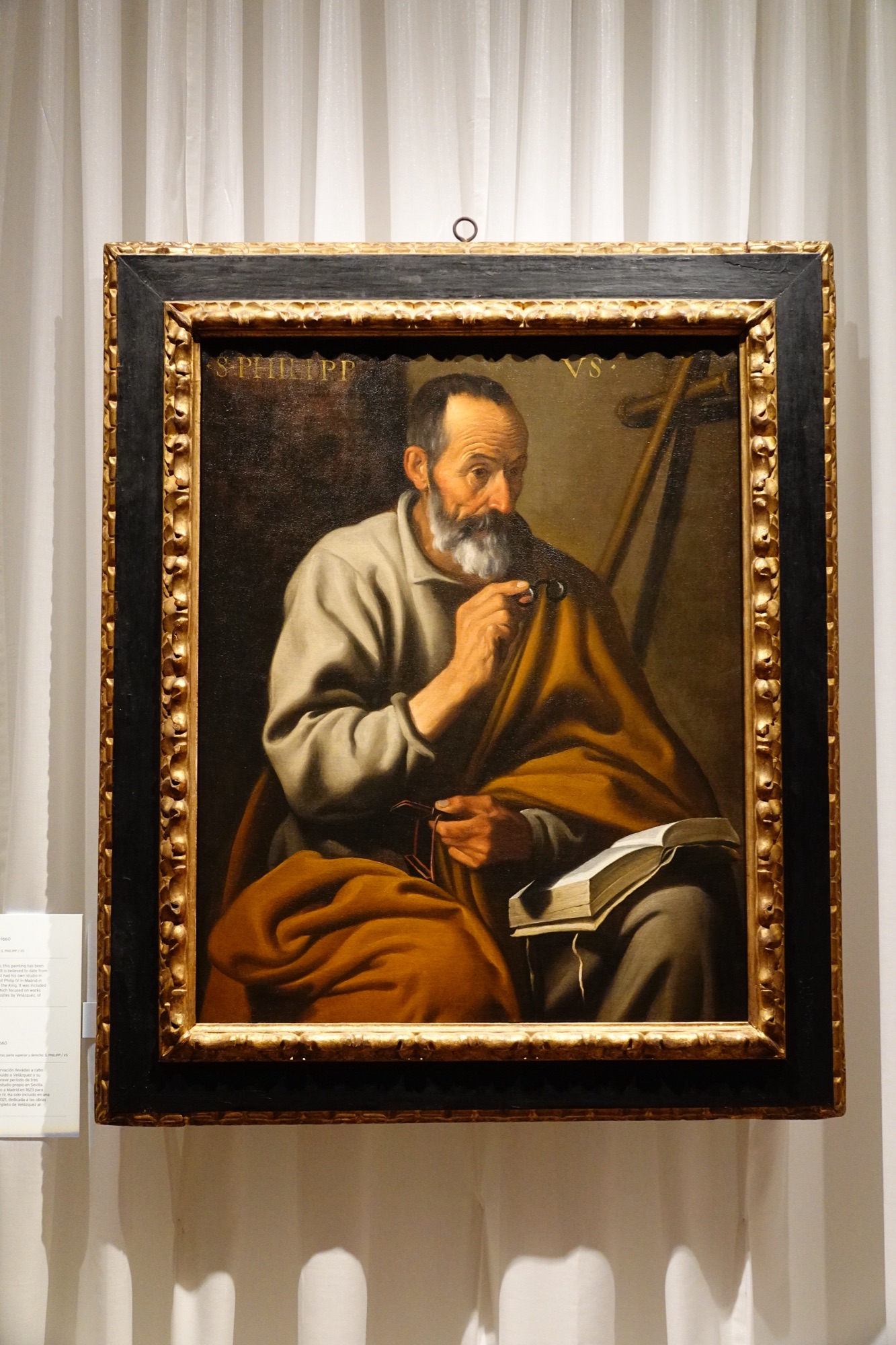
Diego Velázquez and Studio 1599-1660
Oil on canvas, 1617-1623
The sheer size of several of the paintings was almost ridiculous.
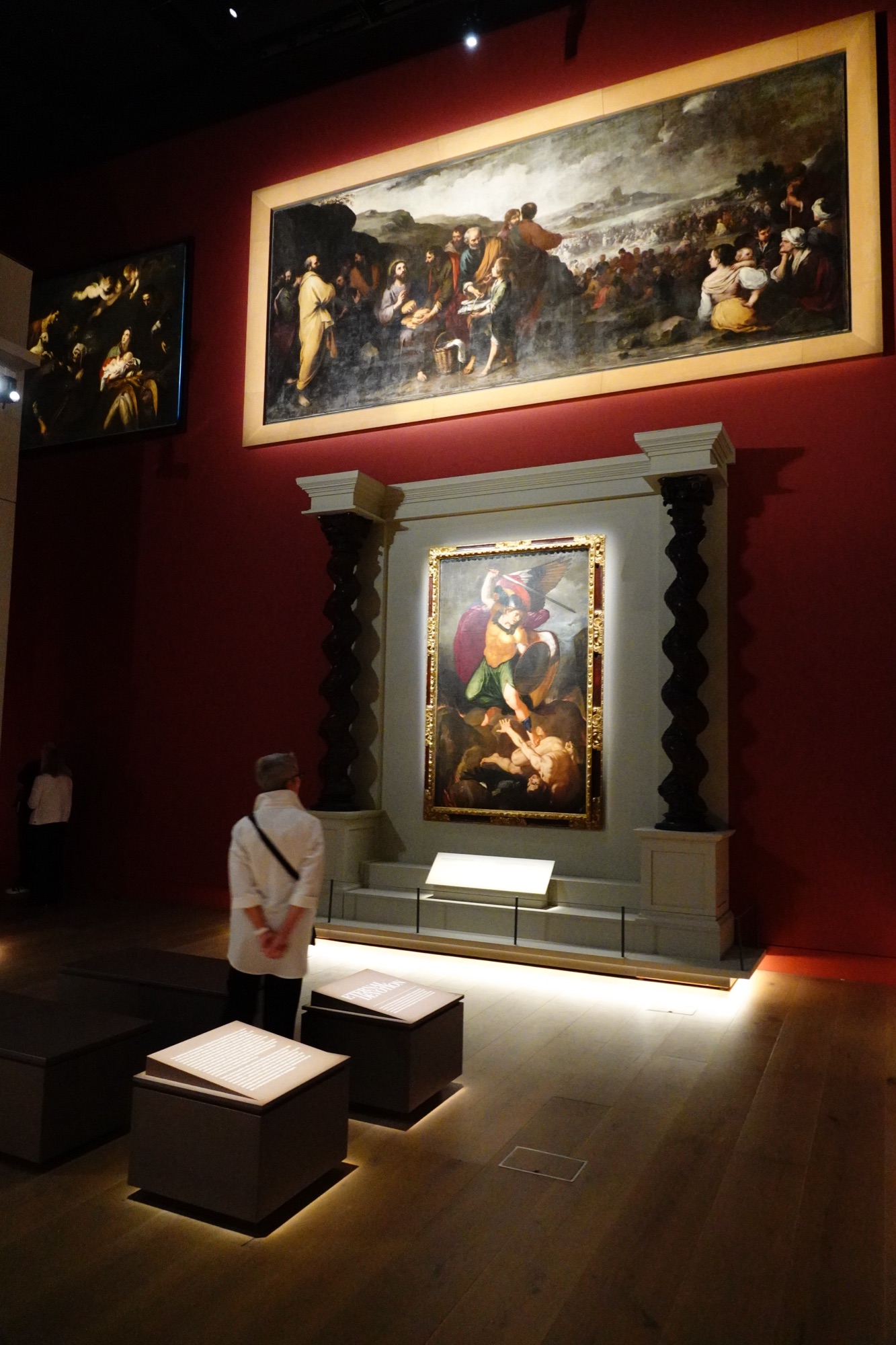
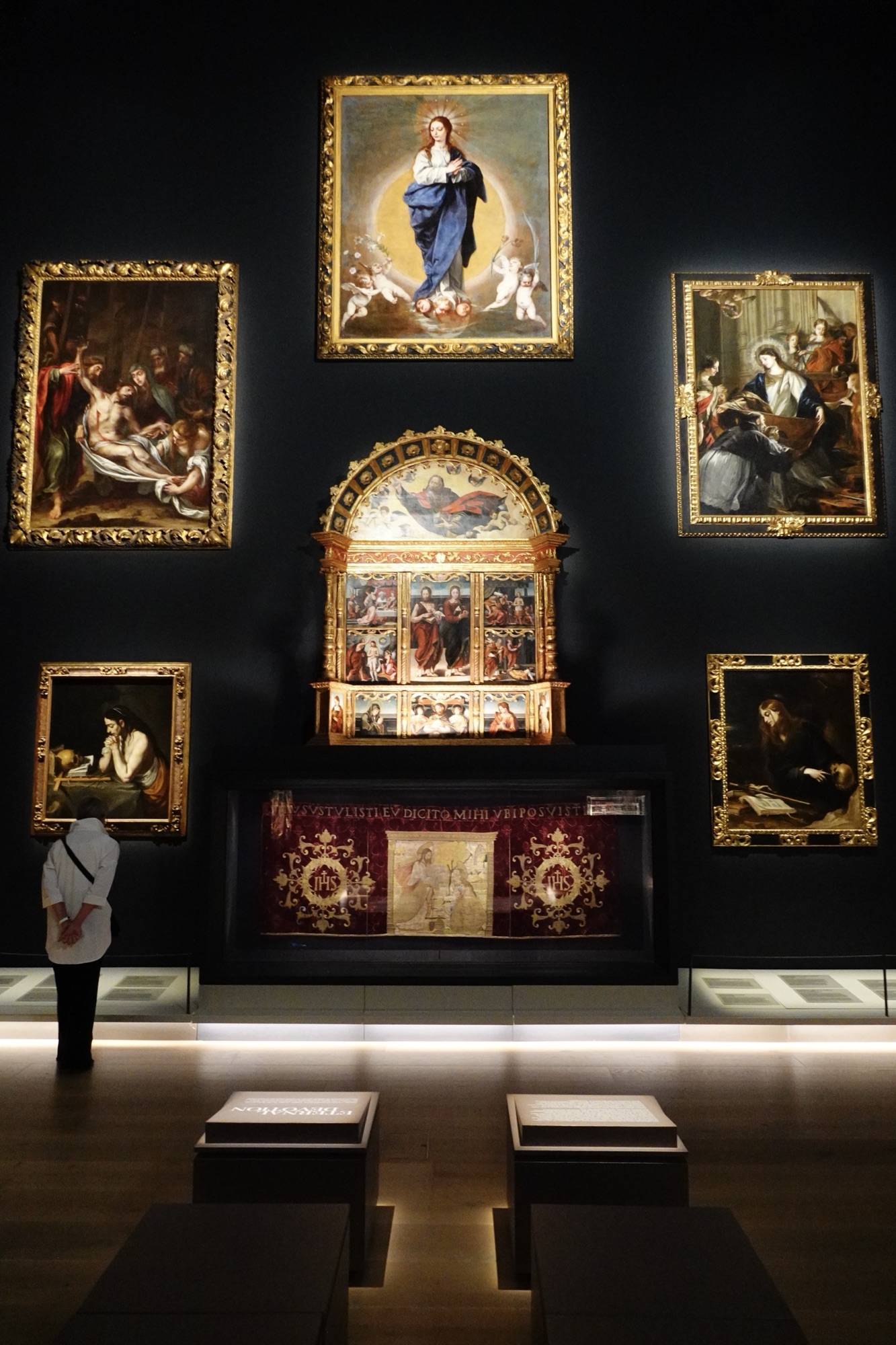
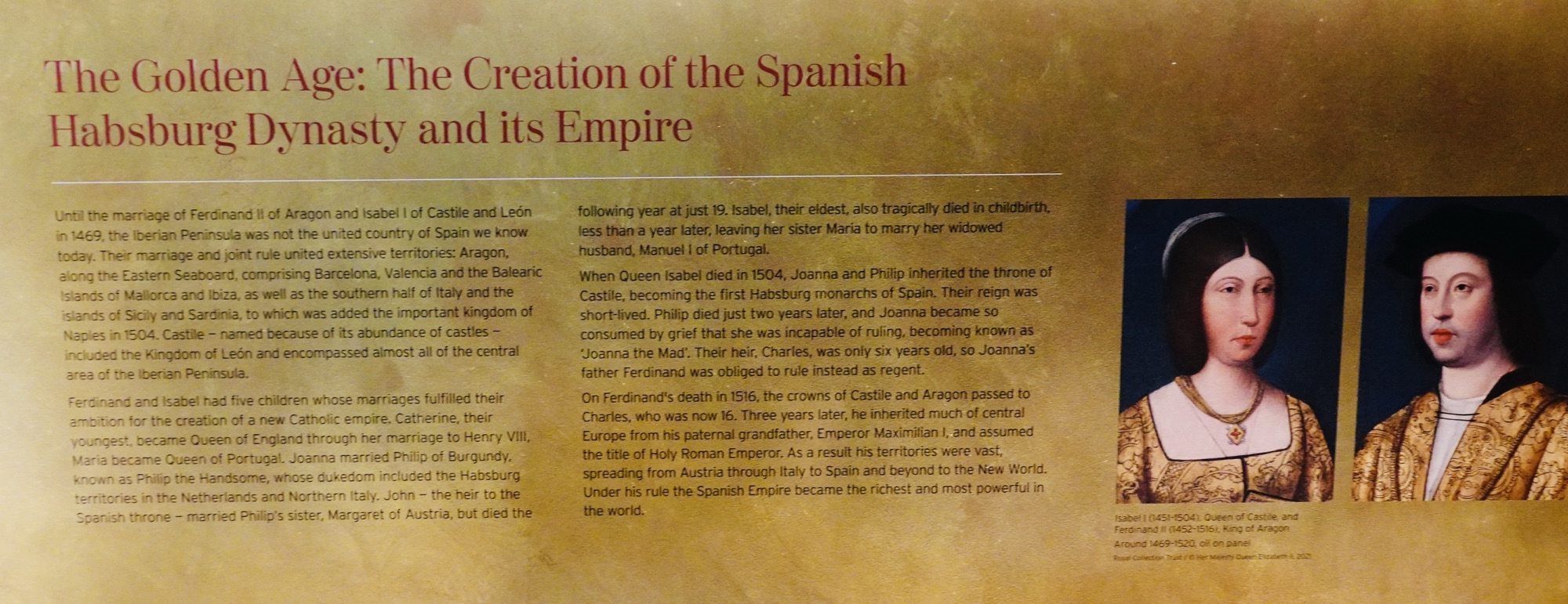
And because we seem to find Habsburg connections everywhere we go:
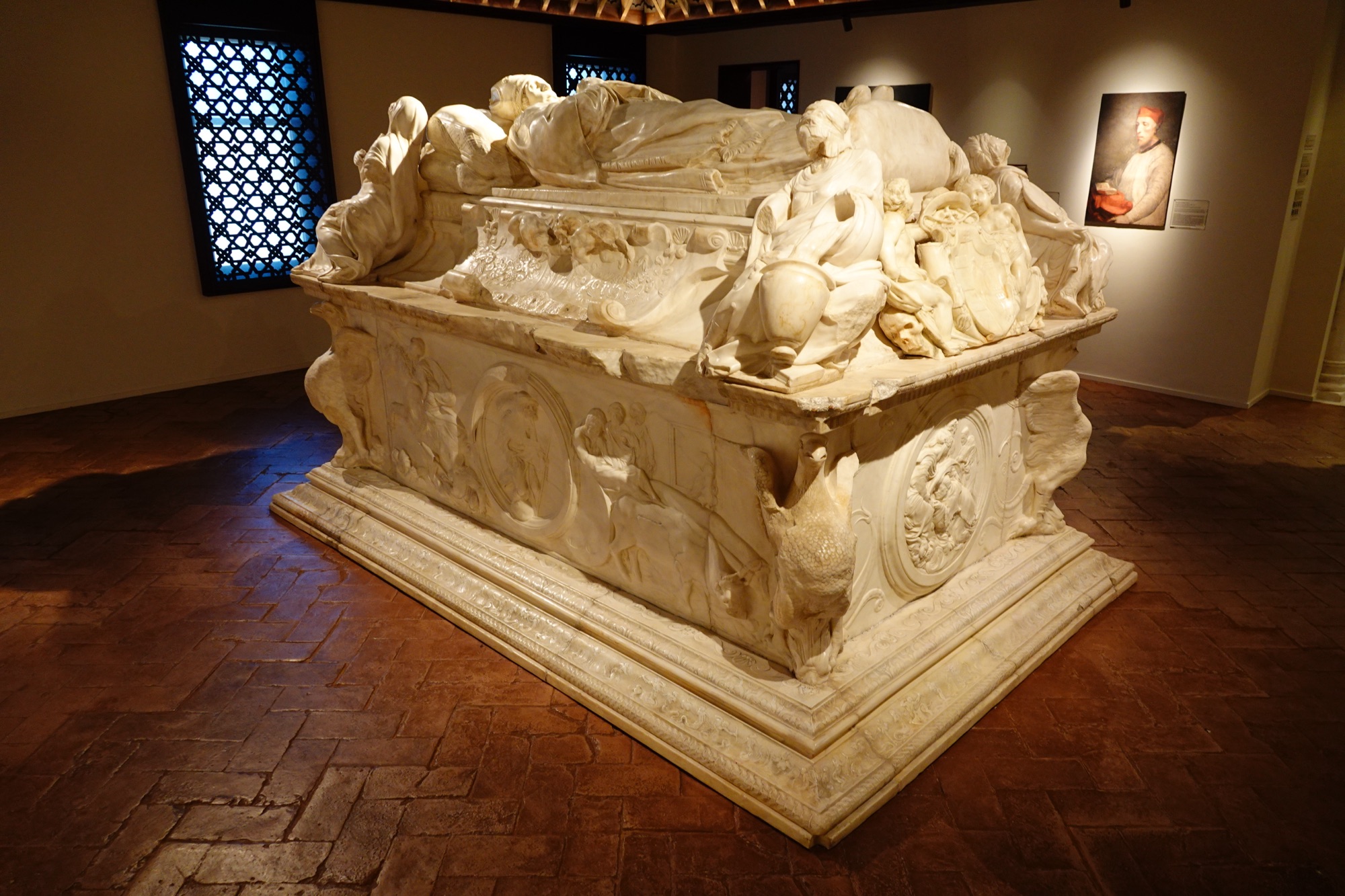
On the upper floor of the gallery was an unexpected exhibit entitled “In the Blink of an Eye, featuring incredible reproductions.
Things like the tiles and ceilings below, reminiscent of what we saw in the Alhambra, were created through the use of composite photography, 3D scanners, and 3D printing.
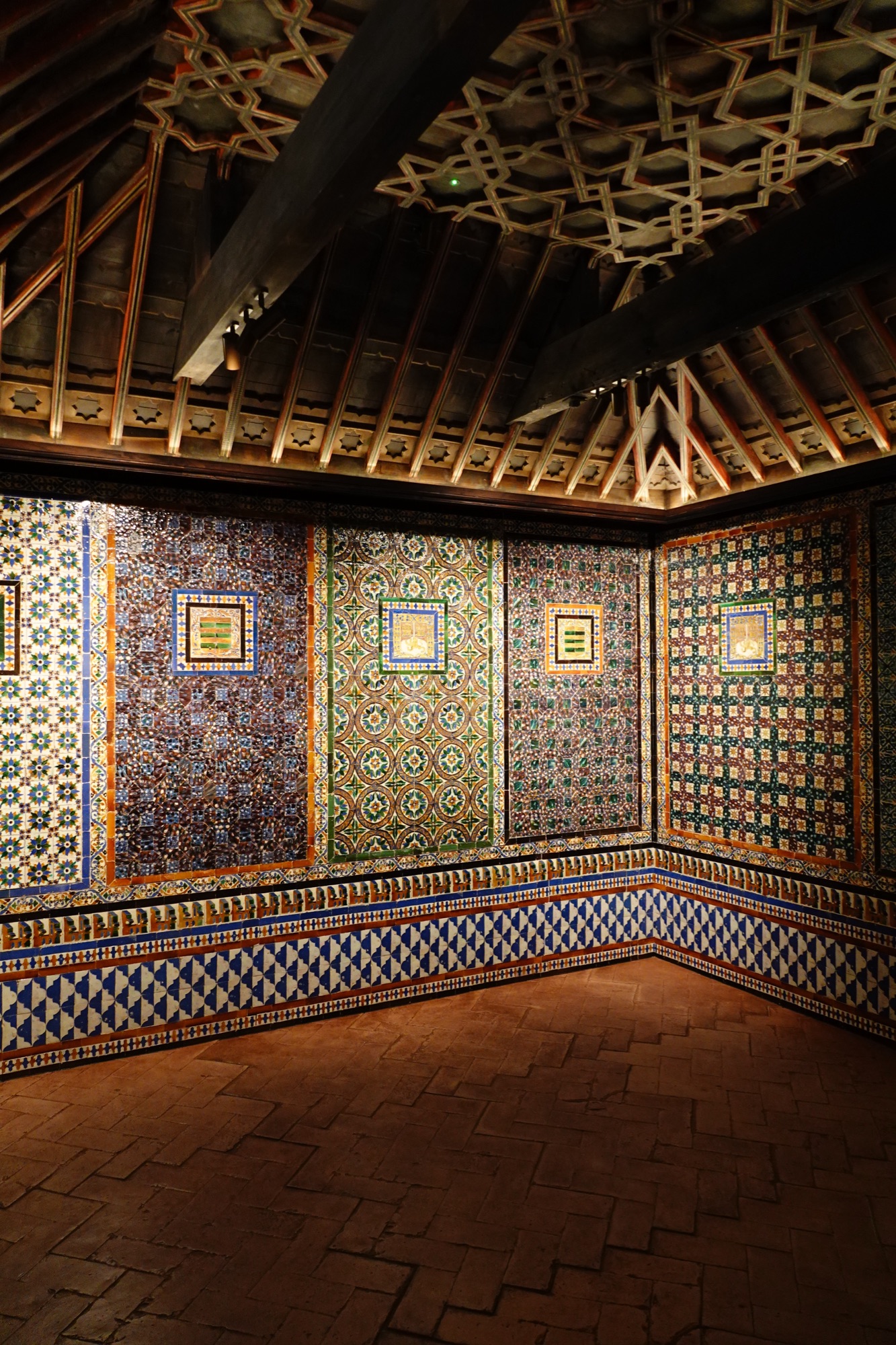
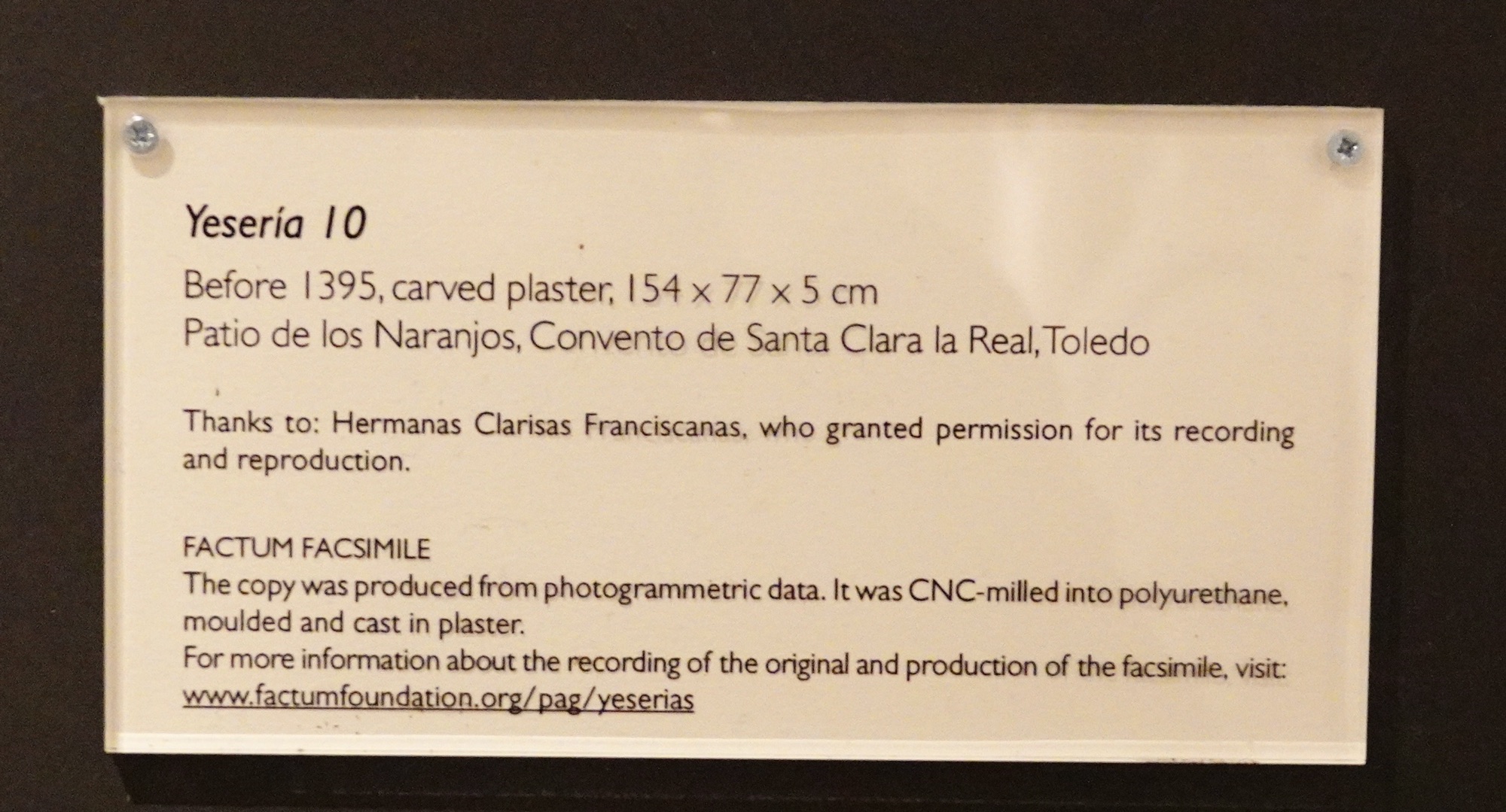
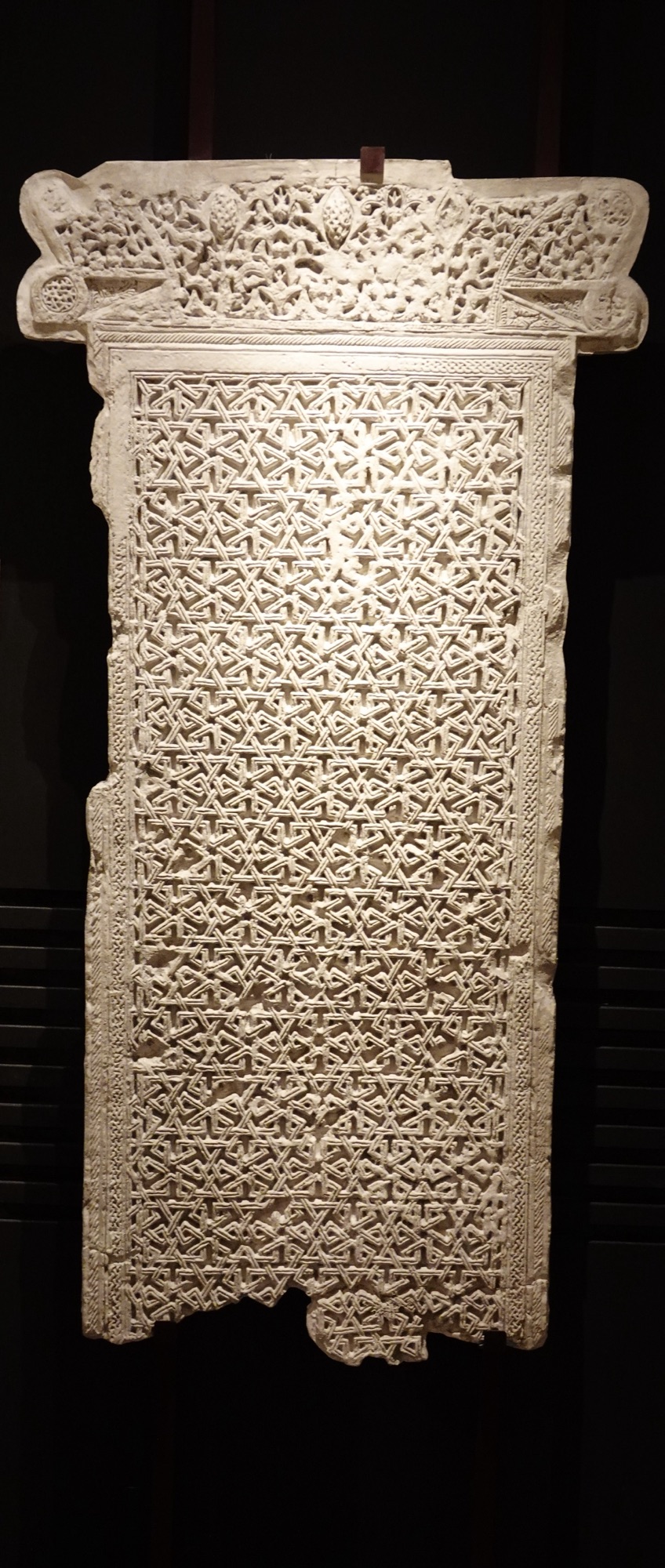
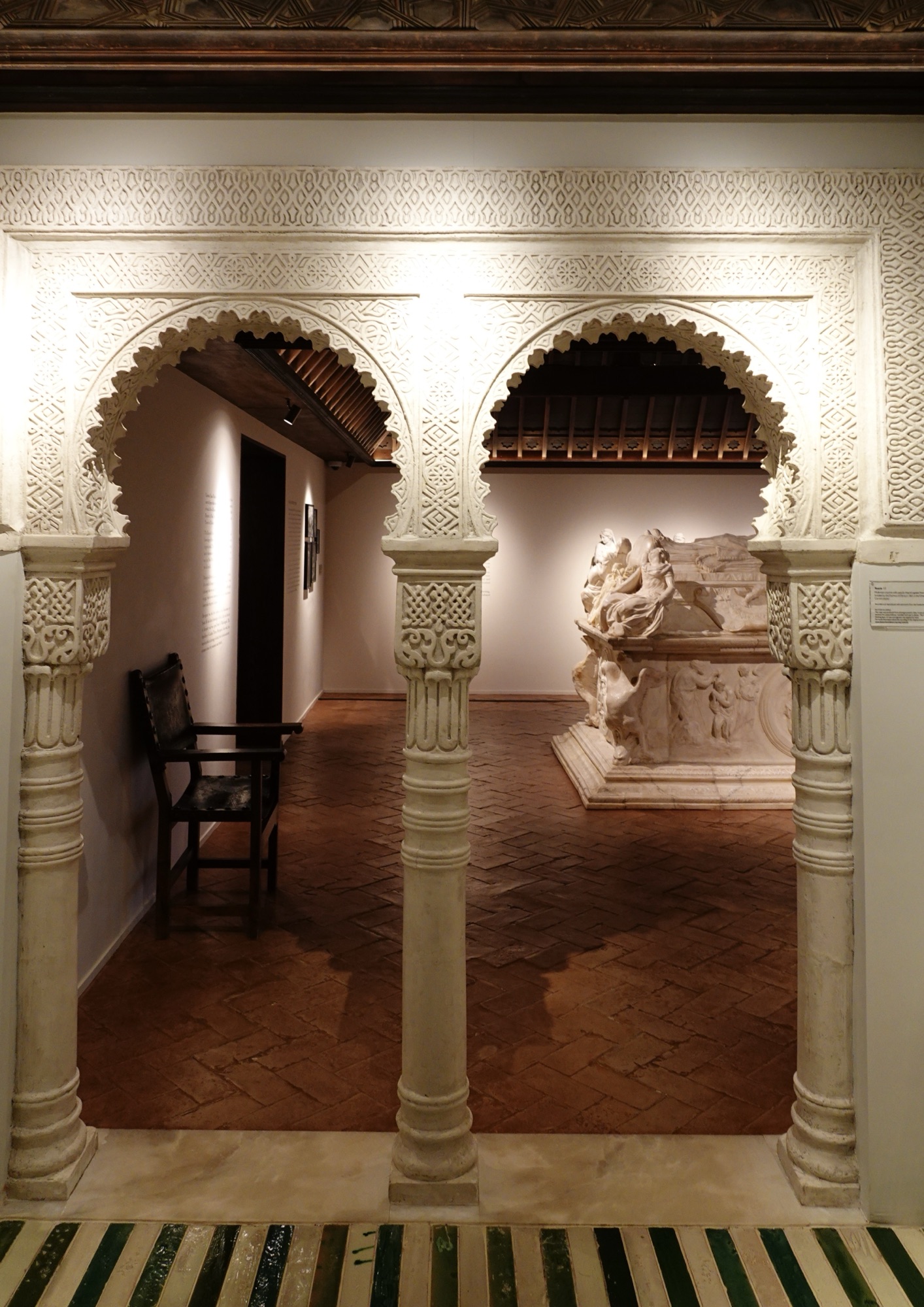
Most of the objects from which the facsimiles have been made are still owned by the families or institutions who commissioned them. Many can be visited and experienced in Seville and Toledo today, in the places for which they were made. The exhibit brings to mind the question of exactly why things like the Elgin marbles “can’t” be returned to Athens and facsimiles exhibited in the British Museum.
The Mining Art Gallery across the square was something else altogether. It houses the Gemini Collection of Mining Art, which comprises more than 400 artworks from little-known painters to celebrated artists such as Tom McGuinness and Norman Cornish.
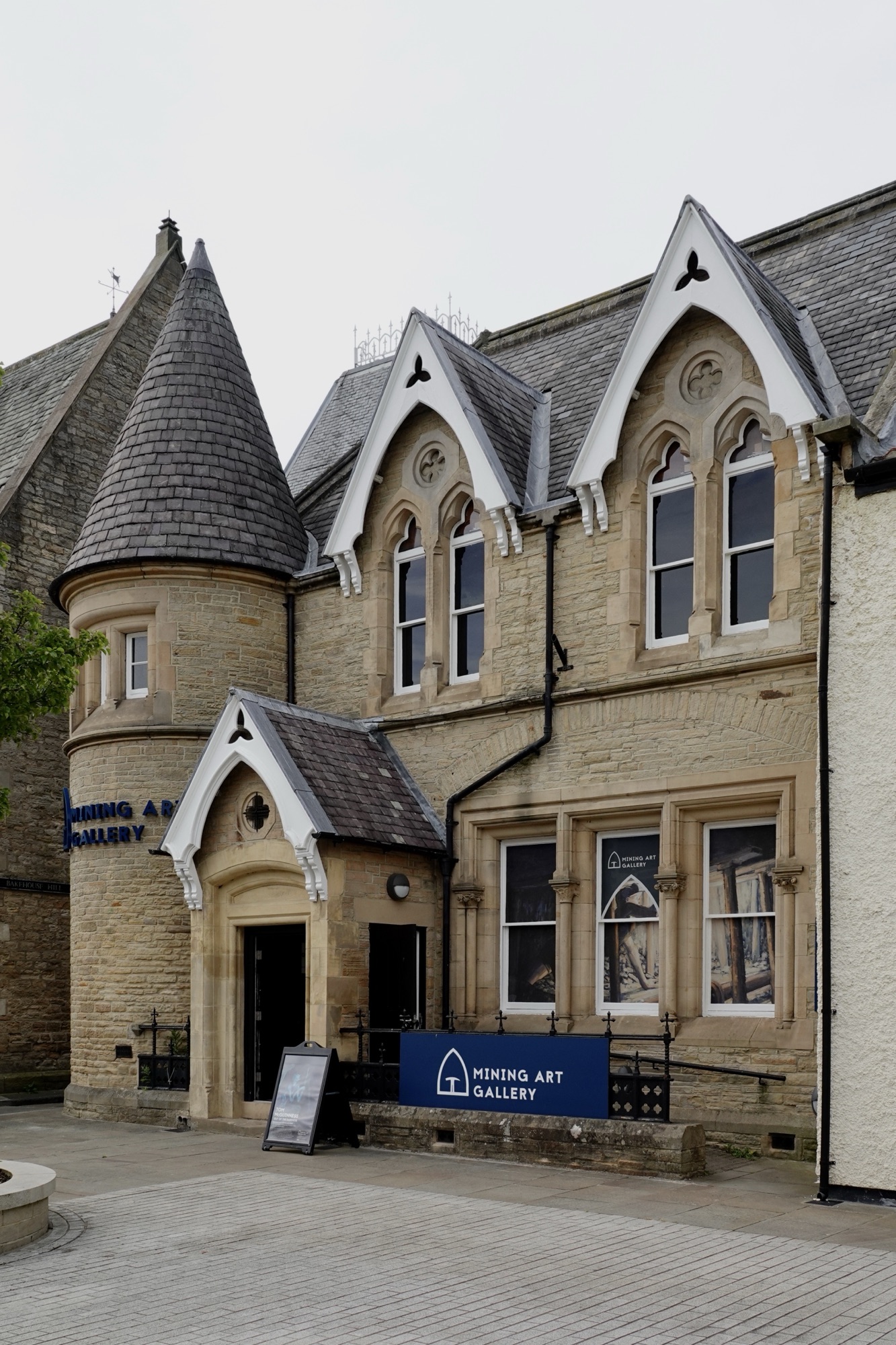
The collection was gathered over a period of 25 years, beginning in 1996, by Gillian Wales and Robert McManners, both of who came from mining families. It was given a permanent home in the gallery as part of the cultural regeneration of the town through the Auckland Project.
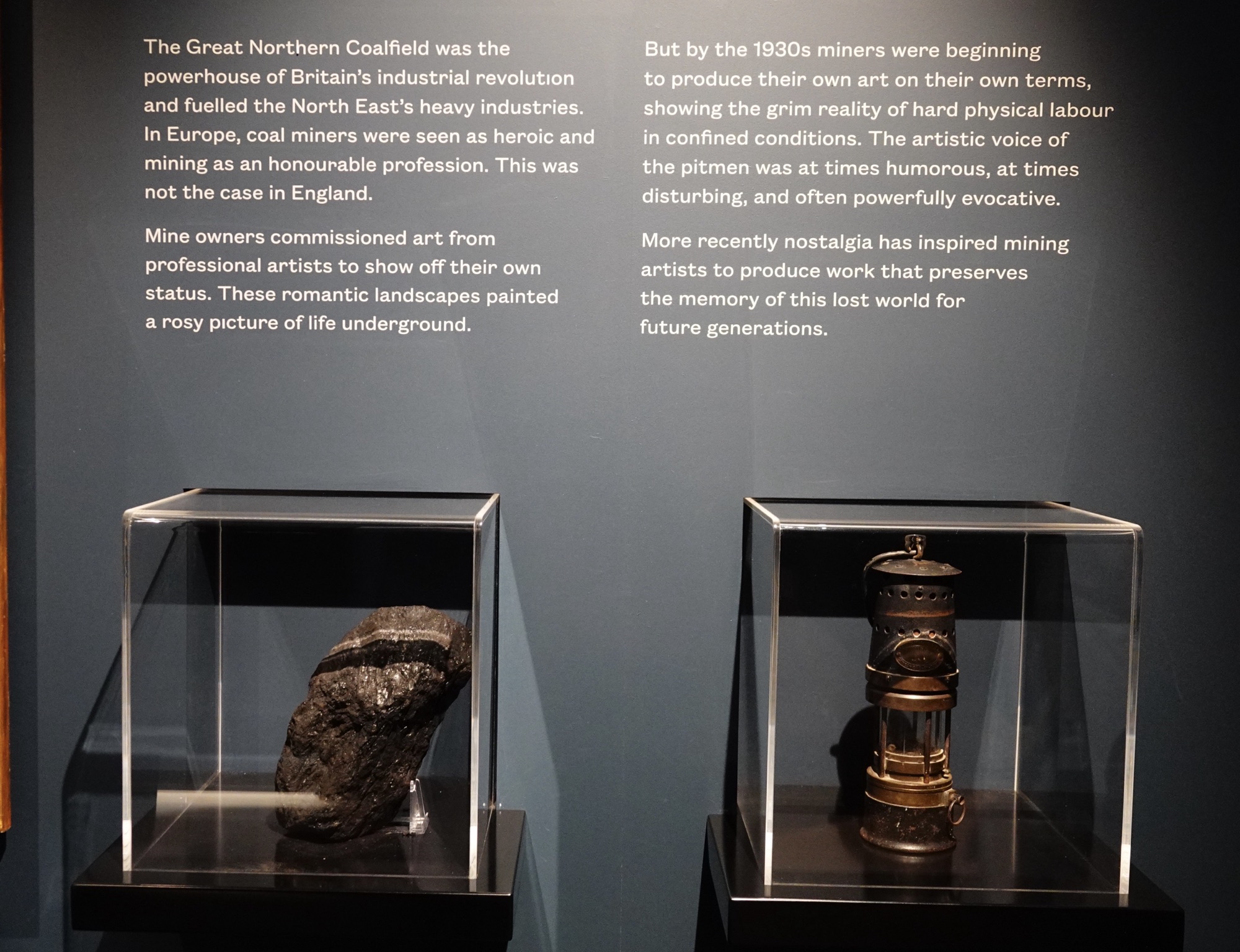
At any given time the small gallery displays about 75-80 works, none of which can be photographed since copyright is still active.
While I was drawn to Norman Cornish’s paintings, many of which showed miners in their leisure time, with their mates drinking at the pub, dressed in suits and looking generally happy, Tom McGuinness’ darker paintings – with their melancholy deep blue glaze over thin, stooped bodies of miners at work in the dark and only emerging from the mine into more dark – were very powerful.
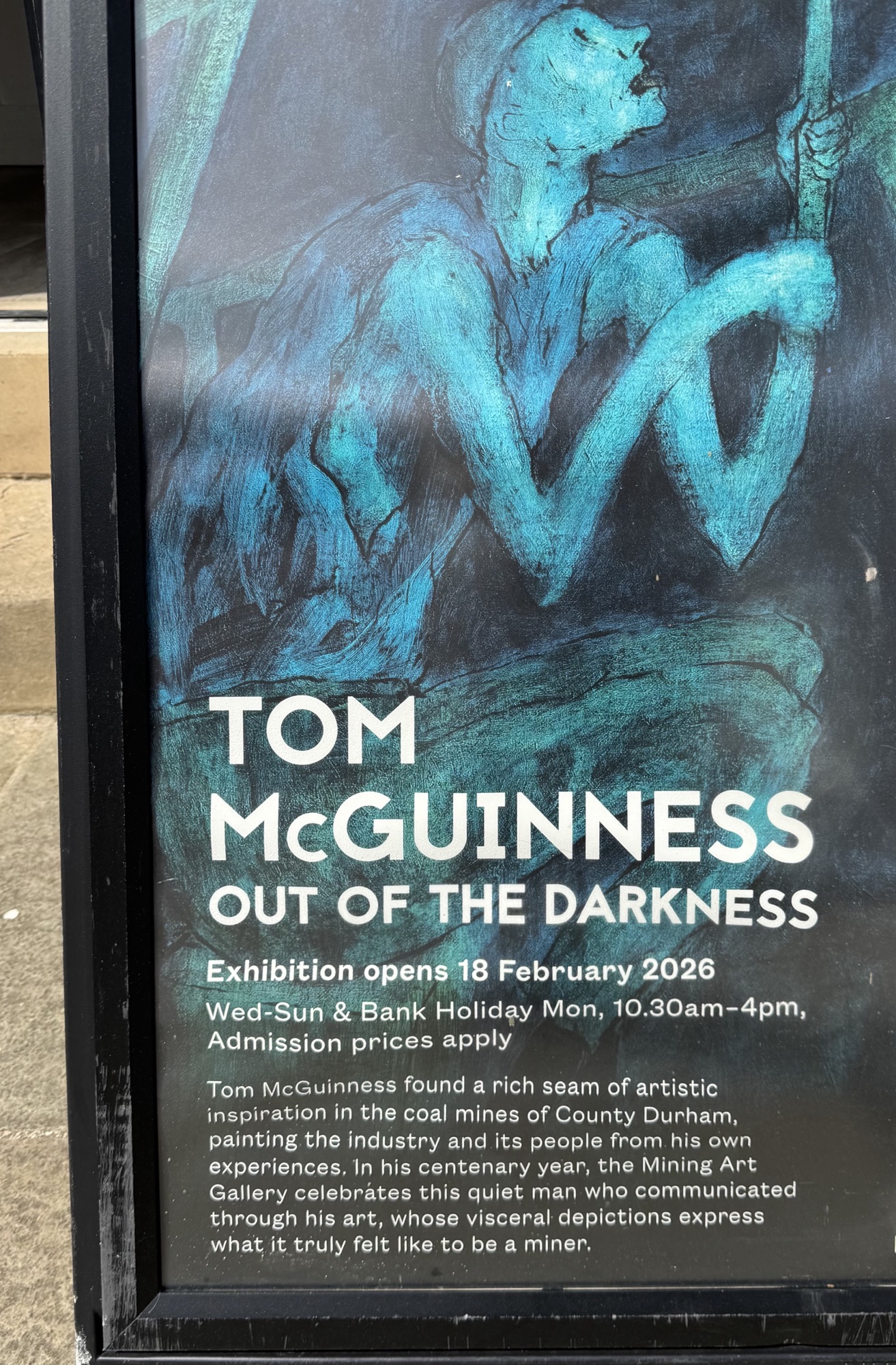
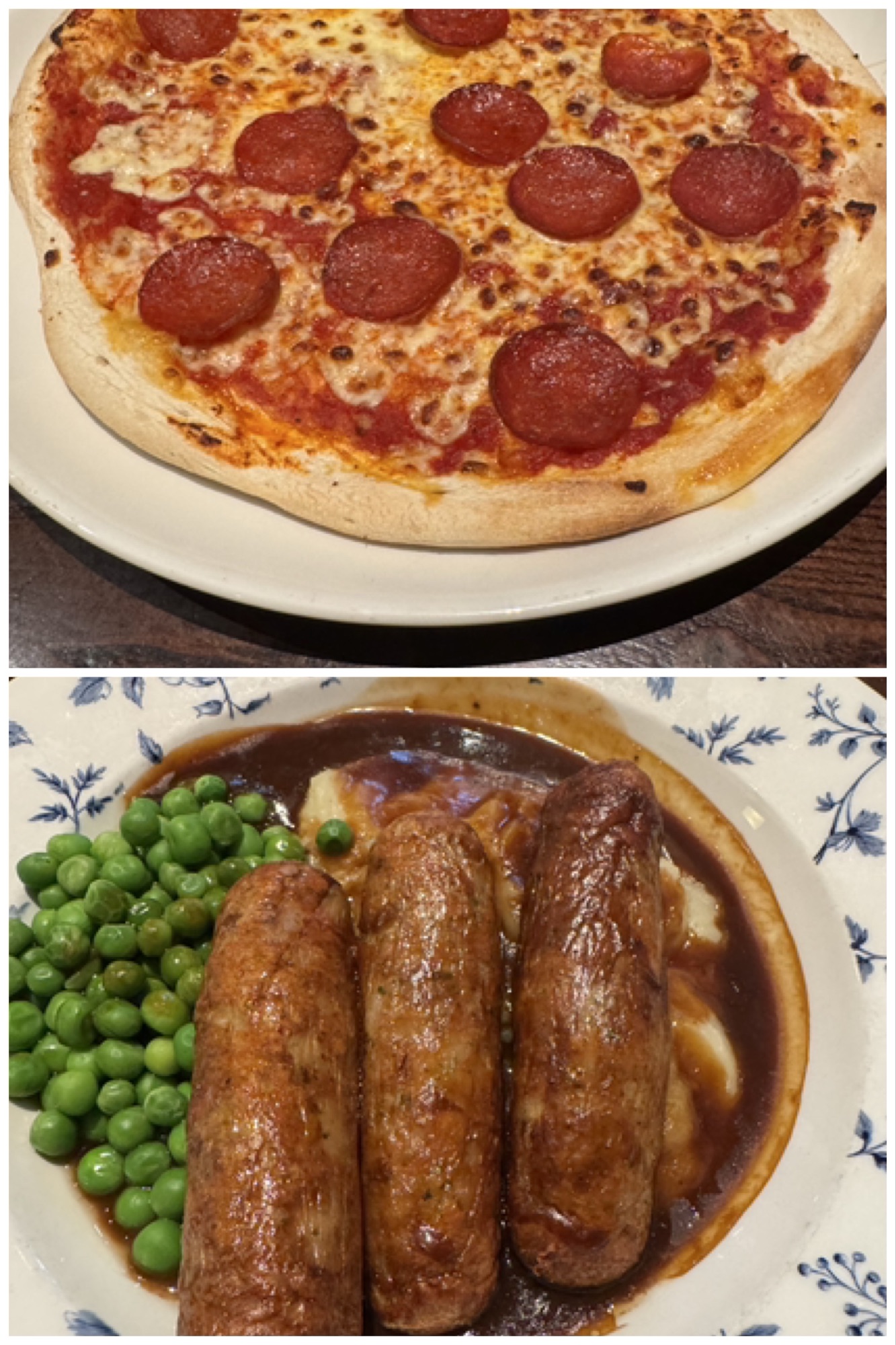
When the Auckland Project visiting hours were over, we were ready for an early dinner. Prior to this regeneration initiative, the Market Square shops and pubs were largely boarded up. Now, while The Castle Hotel still needs renovating and reopening, there are plenty of dining options, including a Wetherspoon’s Pub branded as Stanley Jefferson’s.
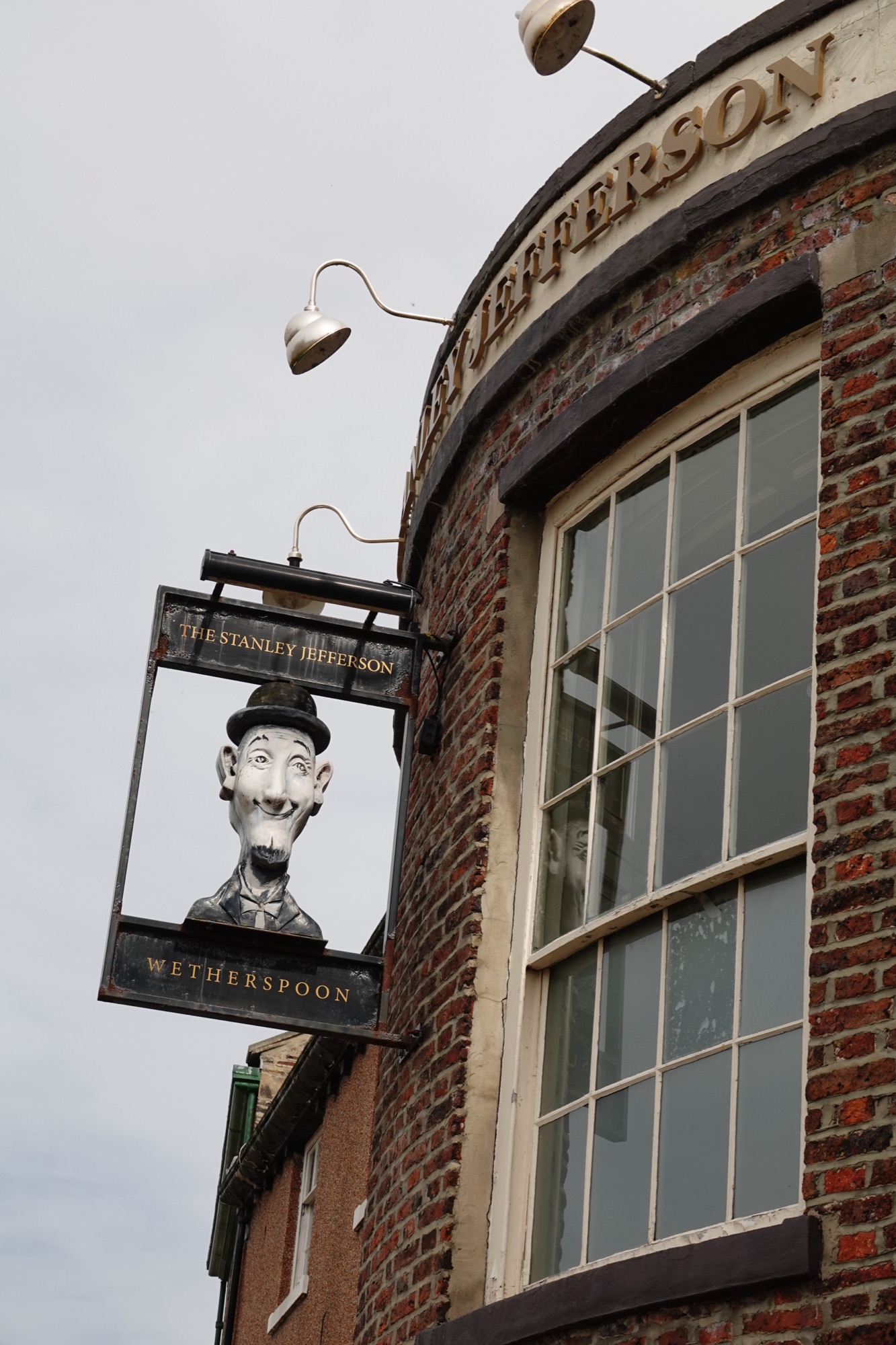
We thought the pub’s sign looked a lot like Stan Laurel. That’s for good reason: Stanley Jefferson IS Stan Laurel!
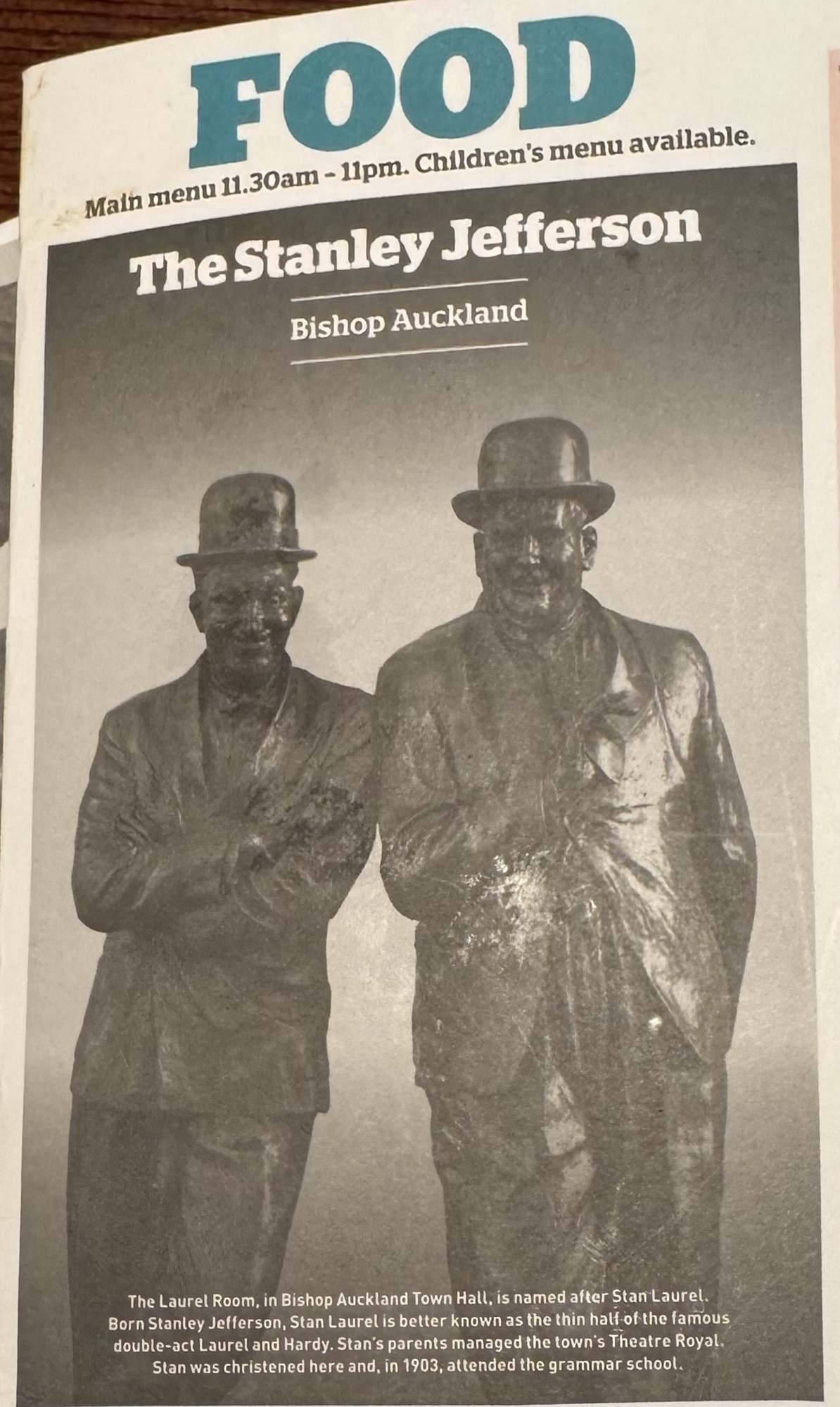
With the food we’re eating, we’re going to be channeling more Hardy than Laurel.
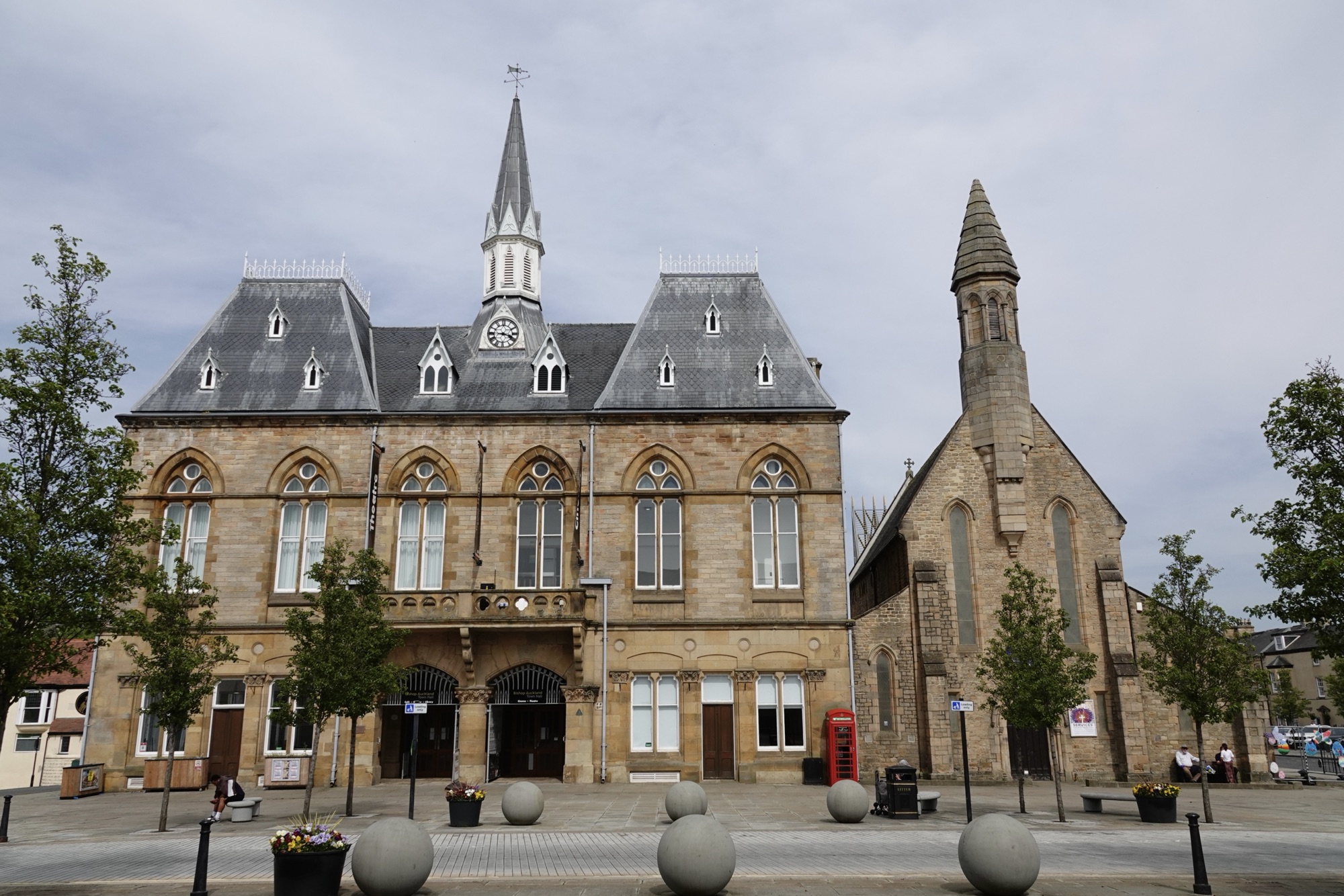
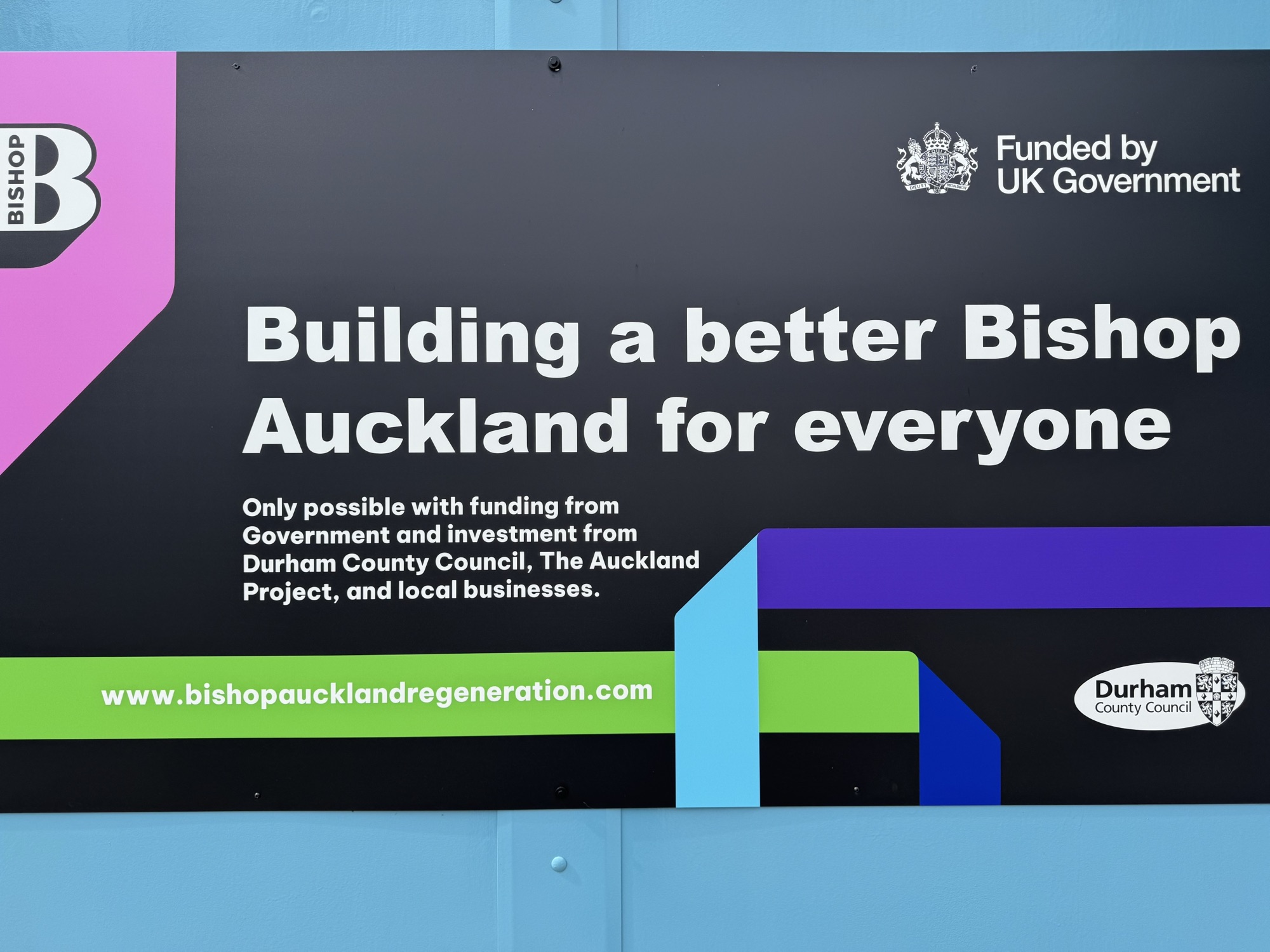
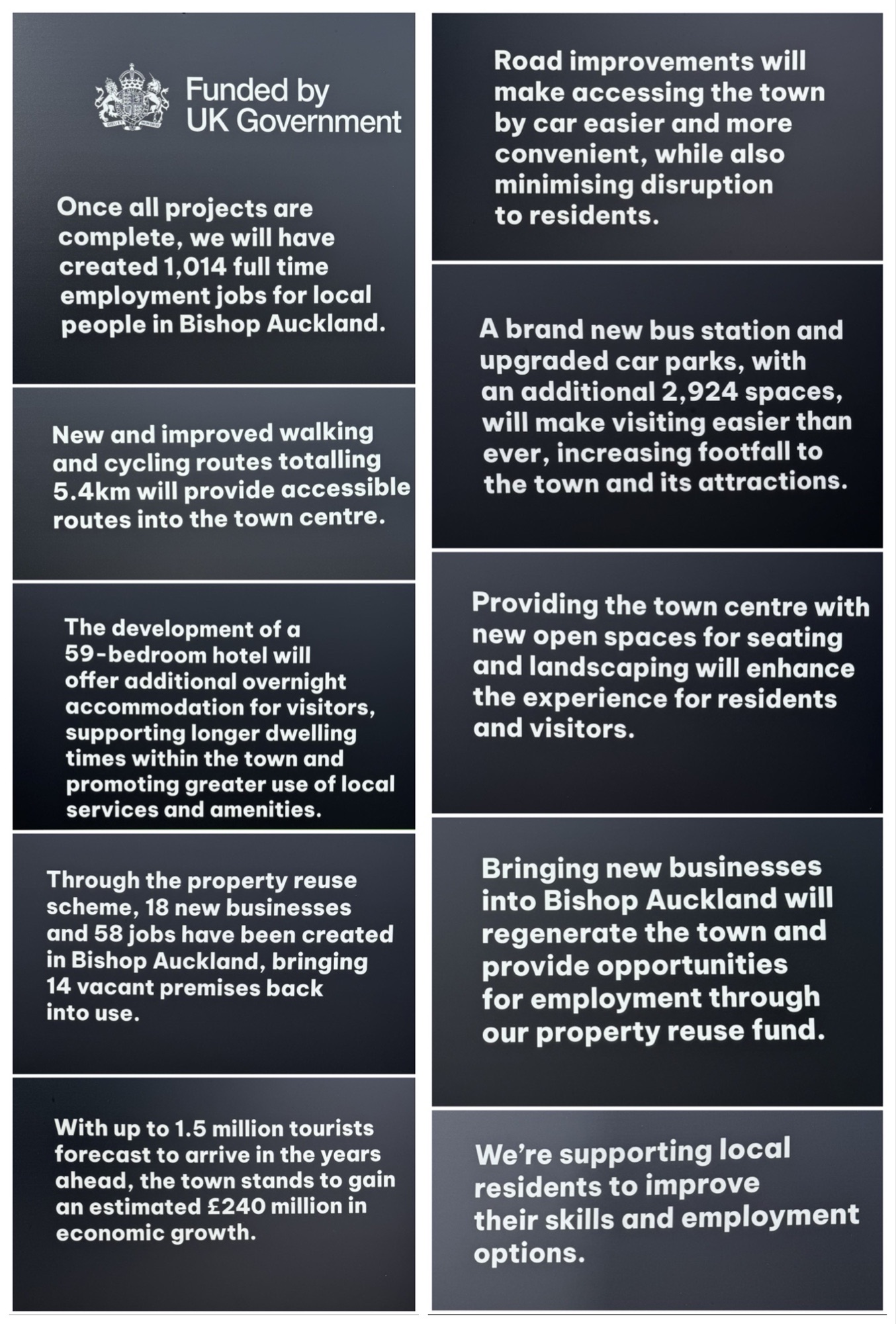
In 2019, Bishop Auckland was one of the English towns designated to receive up to £25 million in funding from a new UK Towns Fund intended “to improve industrial areas that have not benefitted from economic growth in the same way as more prosperous areas.” That’s not nearly a match for Jonathan Ruffer’s private philanthropy, but it’s public recognition that the town and its people are worth investing in, and is an all-too-rare example of cooperation between private and public interest.
Signs on the hoarding around a building site in the town centre near where we caught the bus back to Durham say a lot.
We had an absolutely terrific day in Bishop Auckland.
Hopefully sharing our experiences will encourage more visitors.


What an amazing place! My head would have been spinning with so much to take in.
LikeLike
Ours were spinning too…. We can’t believe more people haven’t discovered it yet
LikeLike