I am always shocked by the seemingly endless capacity humans have for both love and hate, and for both creation and destruction.
Here in Warsaw, where the land, architecture, and people are all truly beautiful, it would be hard to imagine the literal ashes and rubble from which it was resurrected were it not for the fact that the city’s history is on full display.
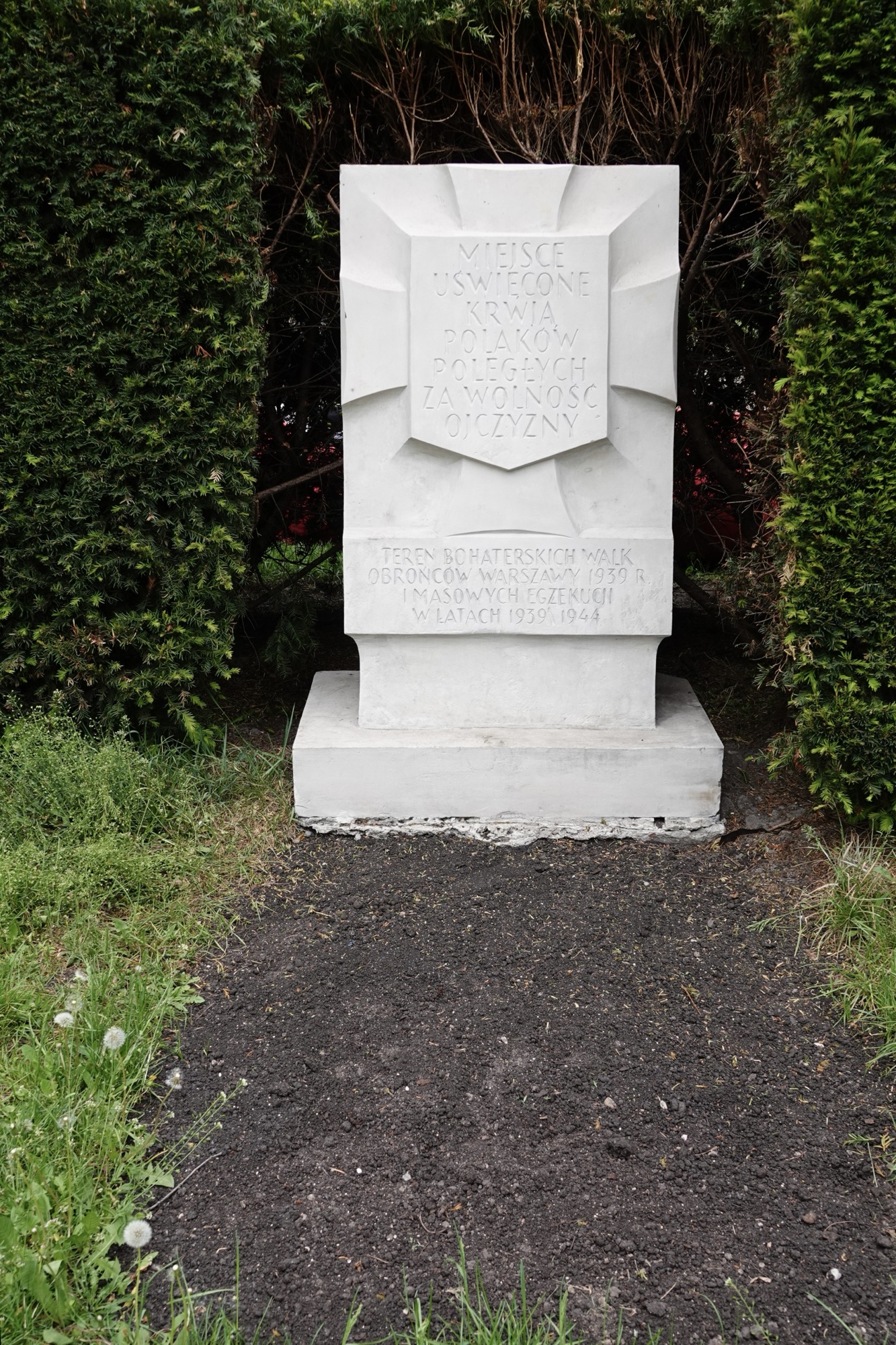
This small monument on the perimeter of Saxon Garden, which is such a breathtakingly beautiful park, has a patch of empty earth in front of it. The monument’s inscription explains that this rectangle of land is “saturated with the blood of Poles who died for the freedom of humanity”. In the years between 1939 and 1944 mass executions were carried out here.
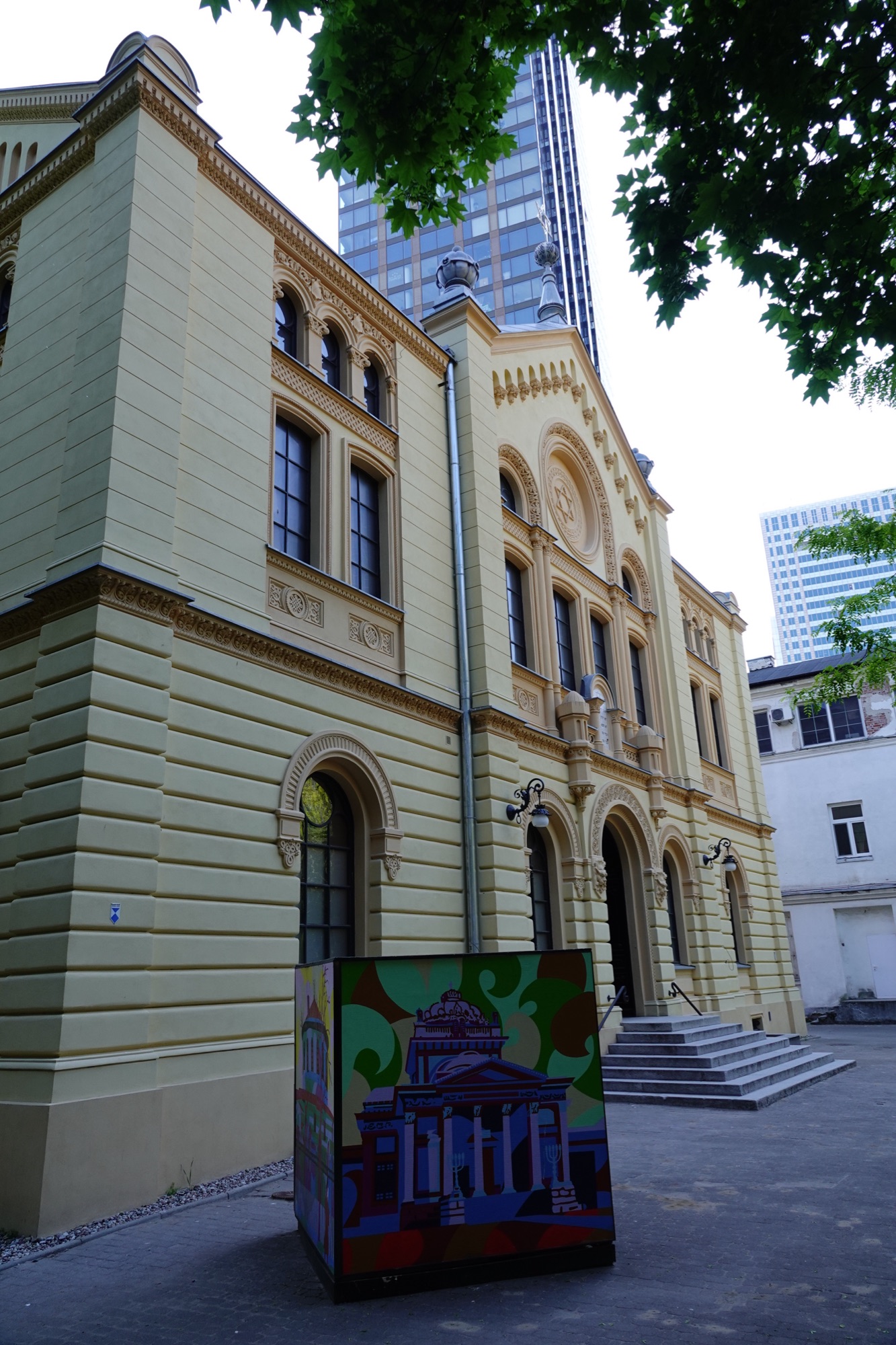
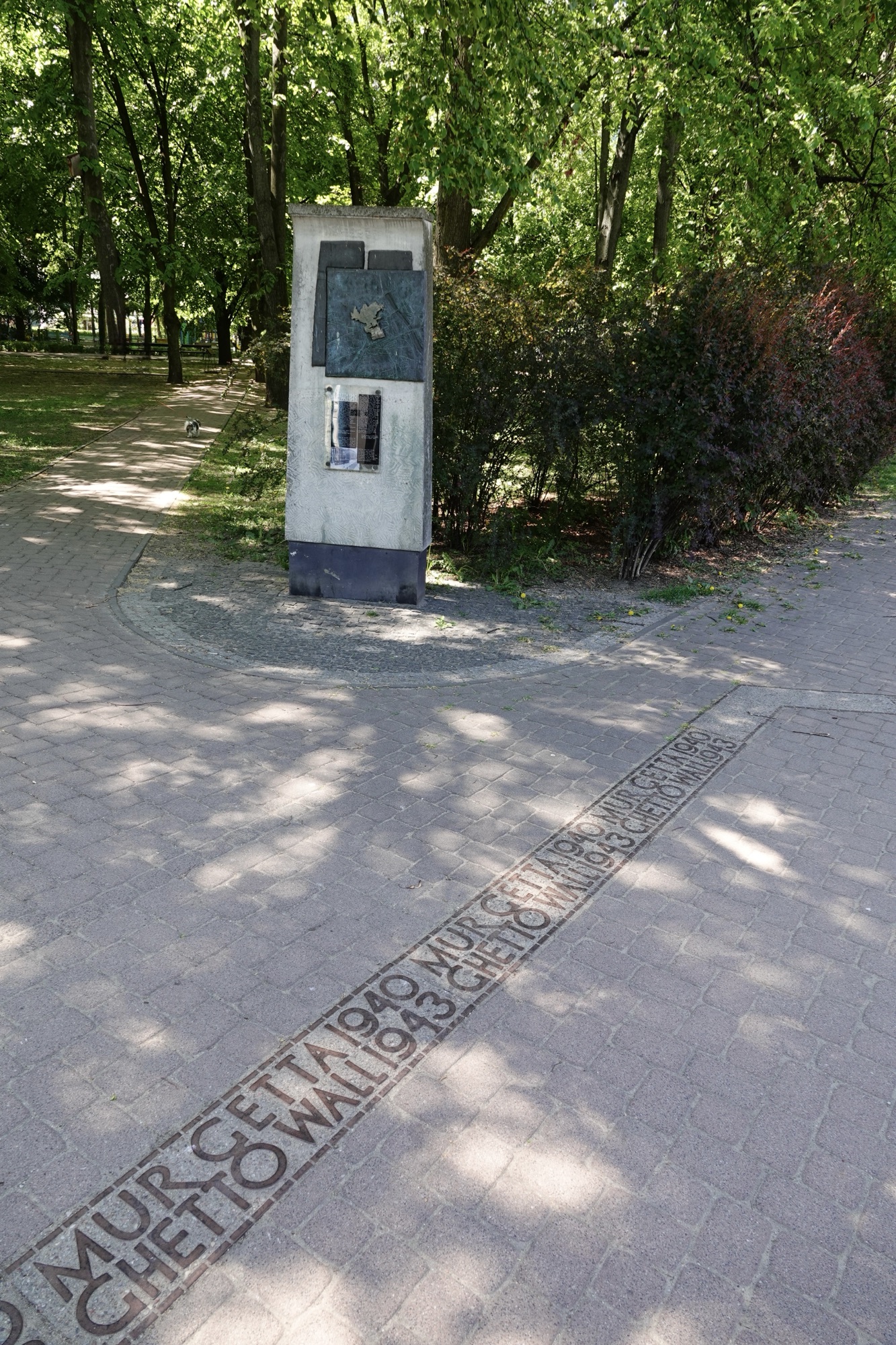
We have walked across several strips of pavement marked with the borders of Warsaw’s Jewish ghetto. On our way back from the train station today we also passed by the Nożyk Synagogue, which is the only surviving prewar synagogue in the city.
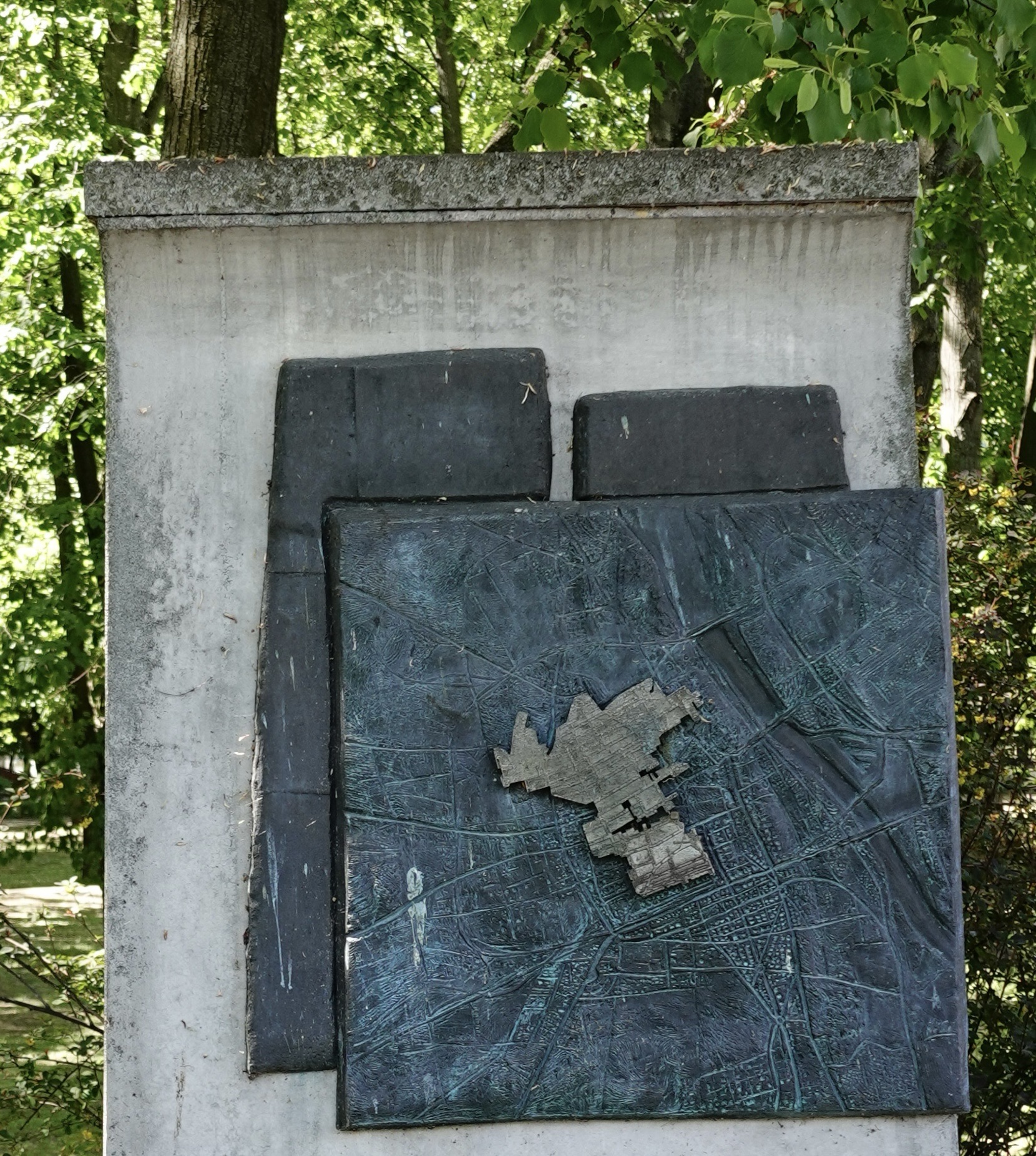
Quite near it is a sign showing the Warsaw ghetto’s area, where 450,000 people were isolated inside just 759 acres. For perspective, that’s a space about 9/10 of the size of New York’s Central Park, which is 843 acres.
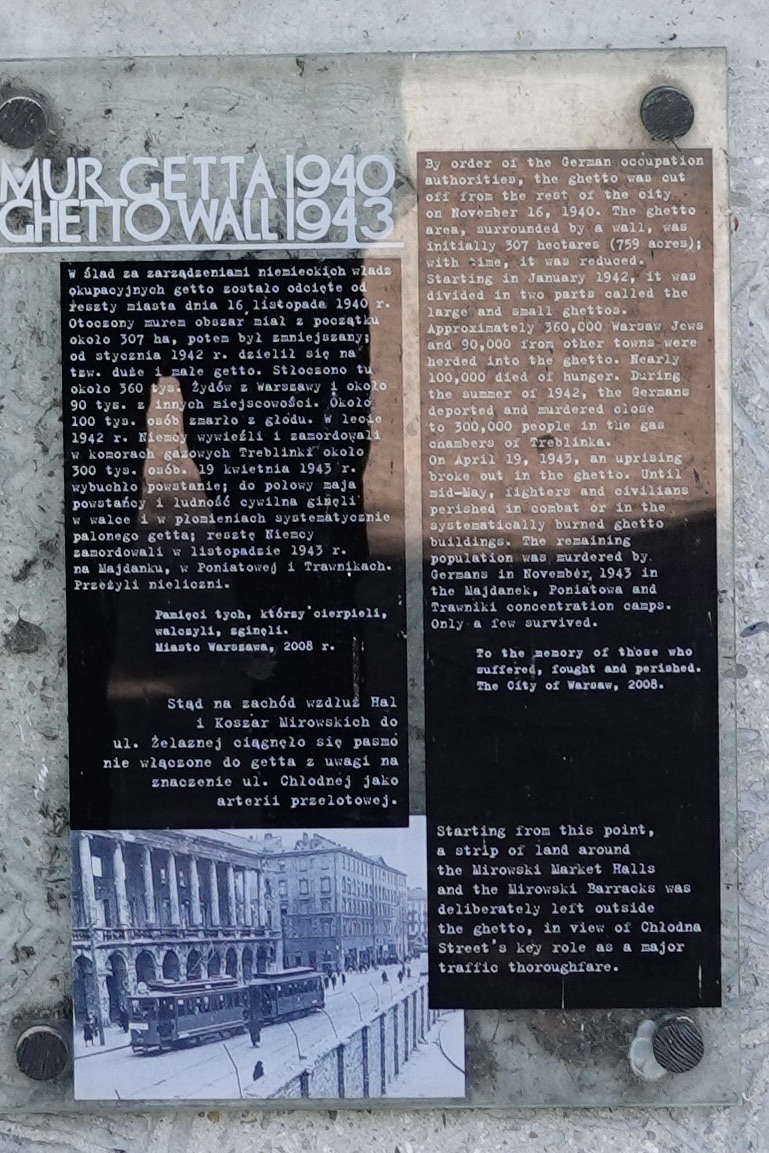
We were reminded that the city of Warsaw itself was not irreparably damaged because of battles fought here; it was systematically destroyed by the Nazis in retaliation for the 1944 Warsaw Uprising.
85% of the city was intentionally razed.
Think about that.
Intentionally.
Looking at this beautiful reconstructed city, it is heartbreaking to imagine the kind of pure evil required to want to destroy it.
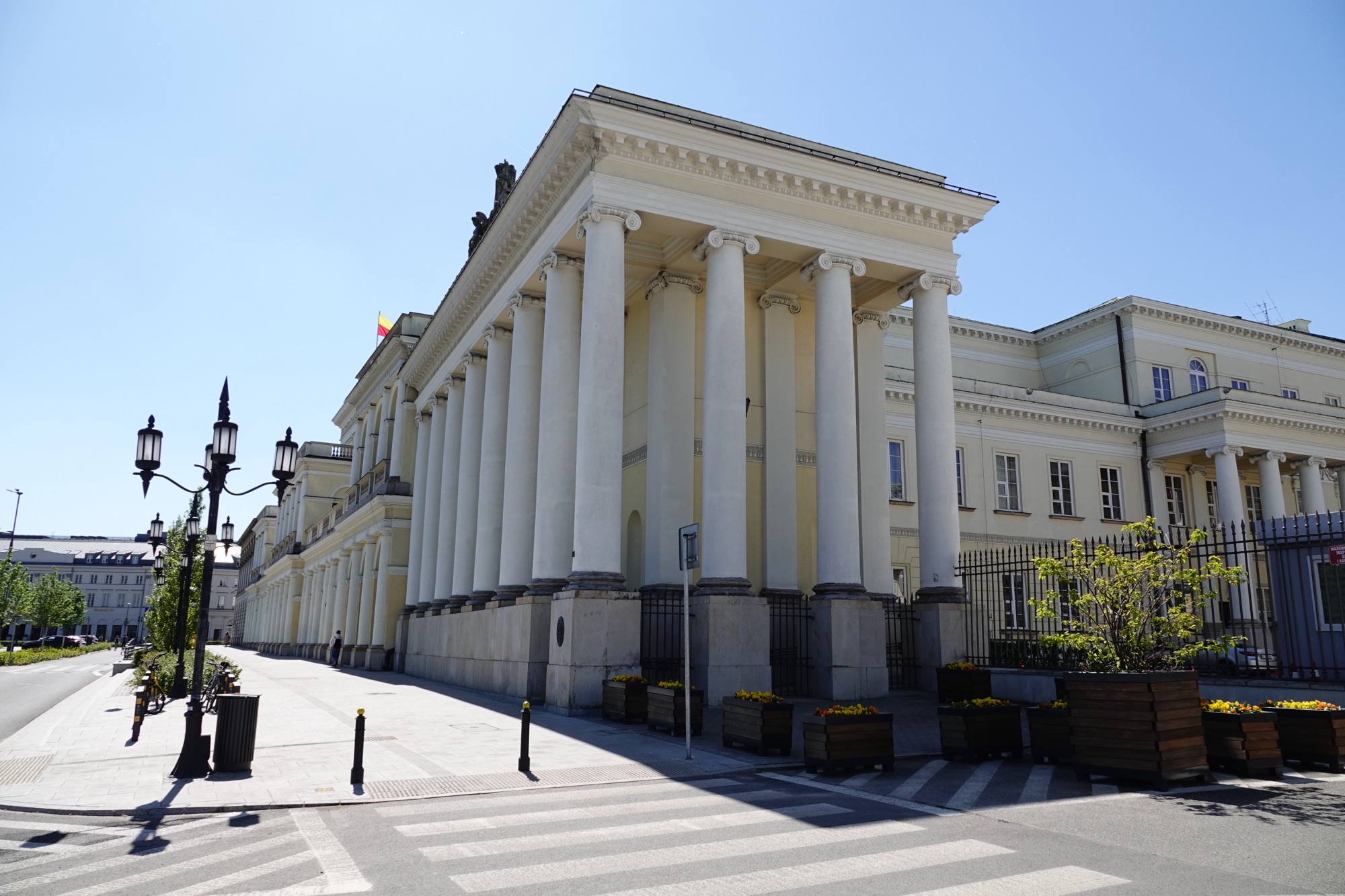
The destruction of the physical city was not the biggest evil perpetrated here though. Walking the perimeter of the Warsaw Ghetto is chilling.
Students of history are all aware of the huge atrocities of the second World War, but it is the daily individual acts of cruelty perpetrated upon the citizens here that really struck me as especially horrific, exactly because they were done by individuals who could have refused to become monsters.
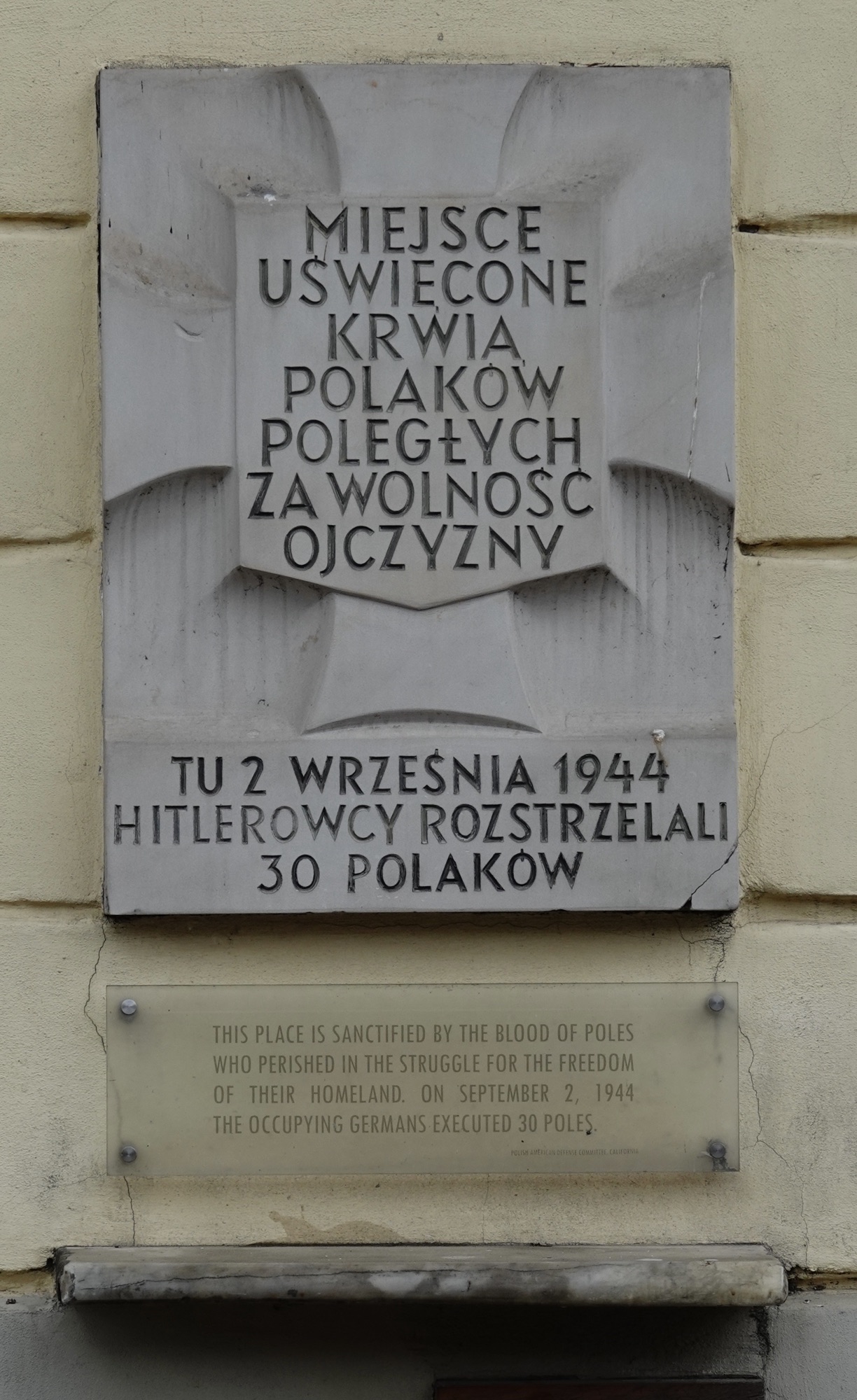
Monuments like these two below make me realize that there really are monsters in human form. Yes, all war is hell, and the human instinct for self-preservation is strong, but those who carried out these acts were not doing them out of self-defence, and “just following orders” is not an excuse for murder and genocide.
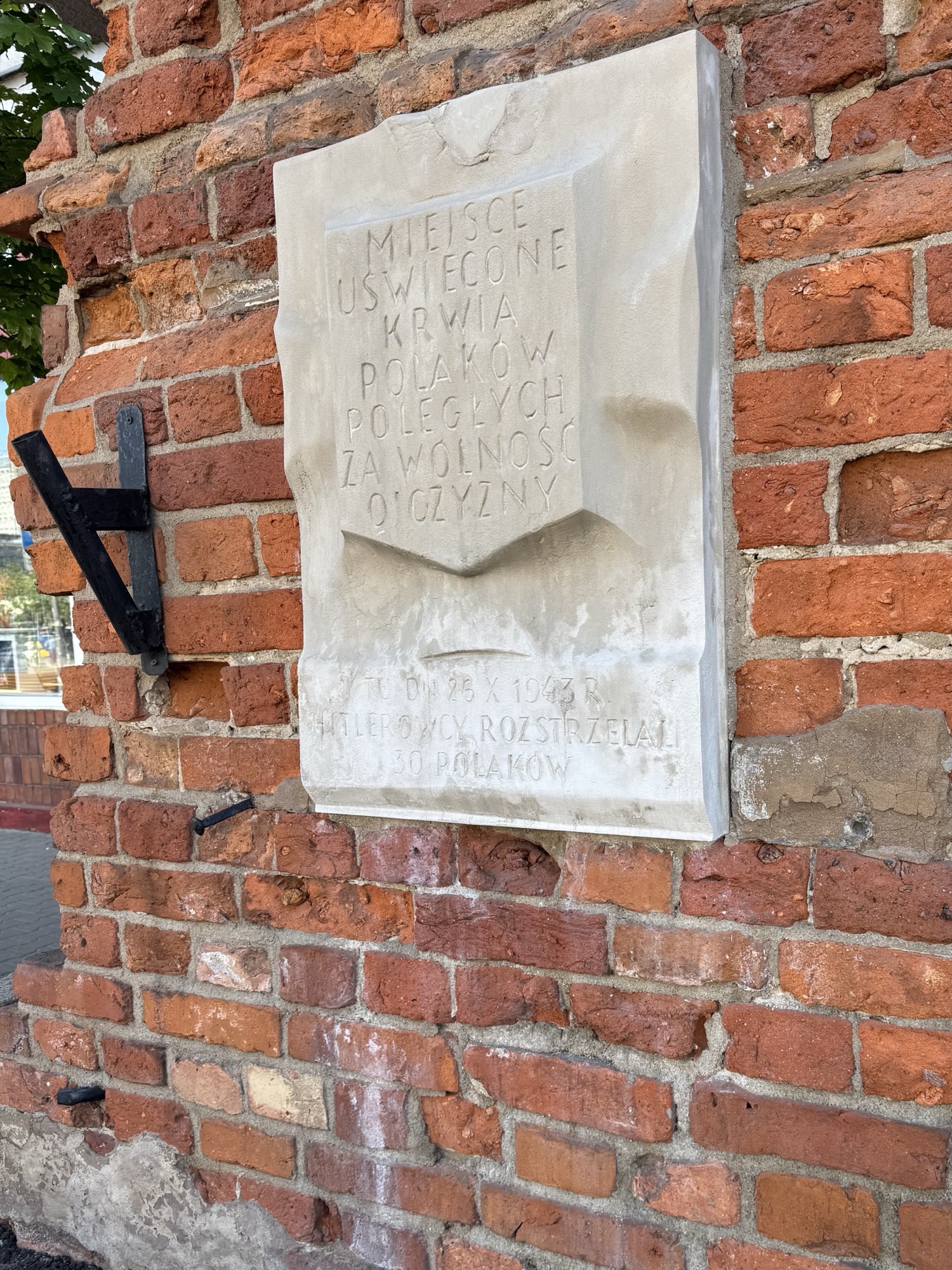
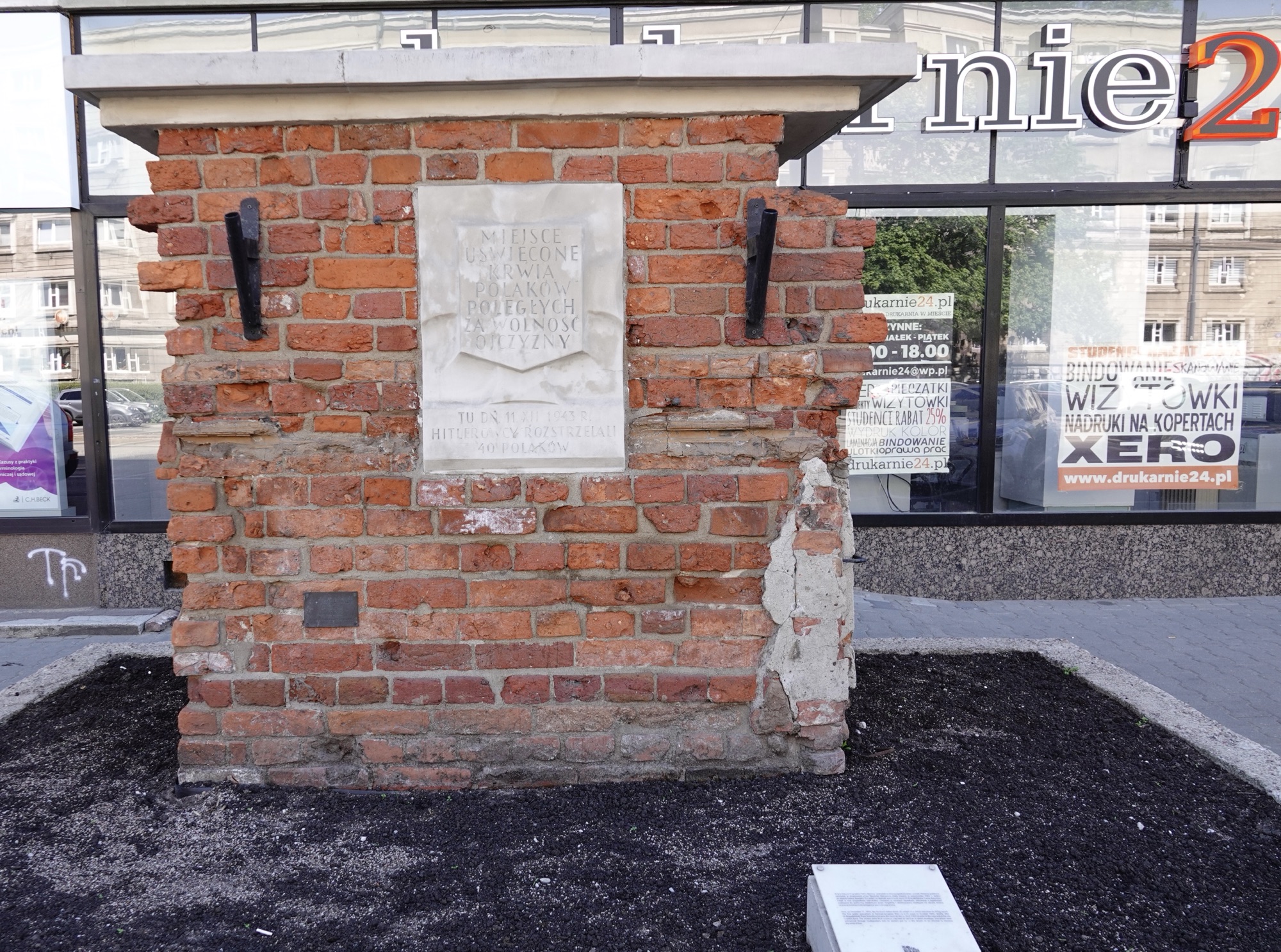
One has to pause, cry, and breathe.
Around the corner from our apartment is an imposing building that is the Field Cathedral of the Polish Army, the main garrison church of Warsaw and the representative cathedral of the entire Polish Army.
It was also a victim of the razing of the city.
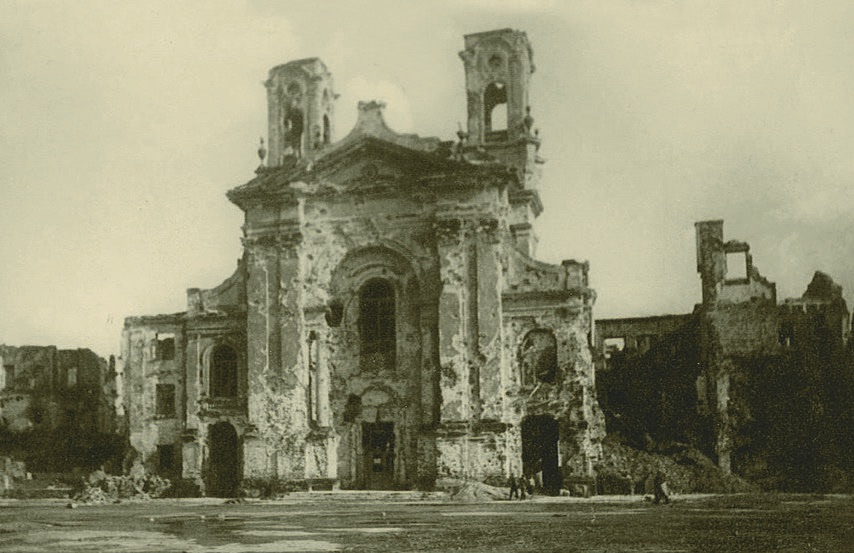
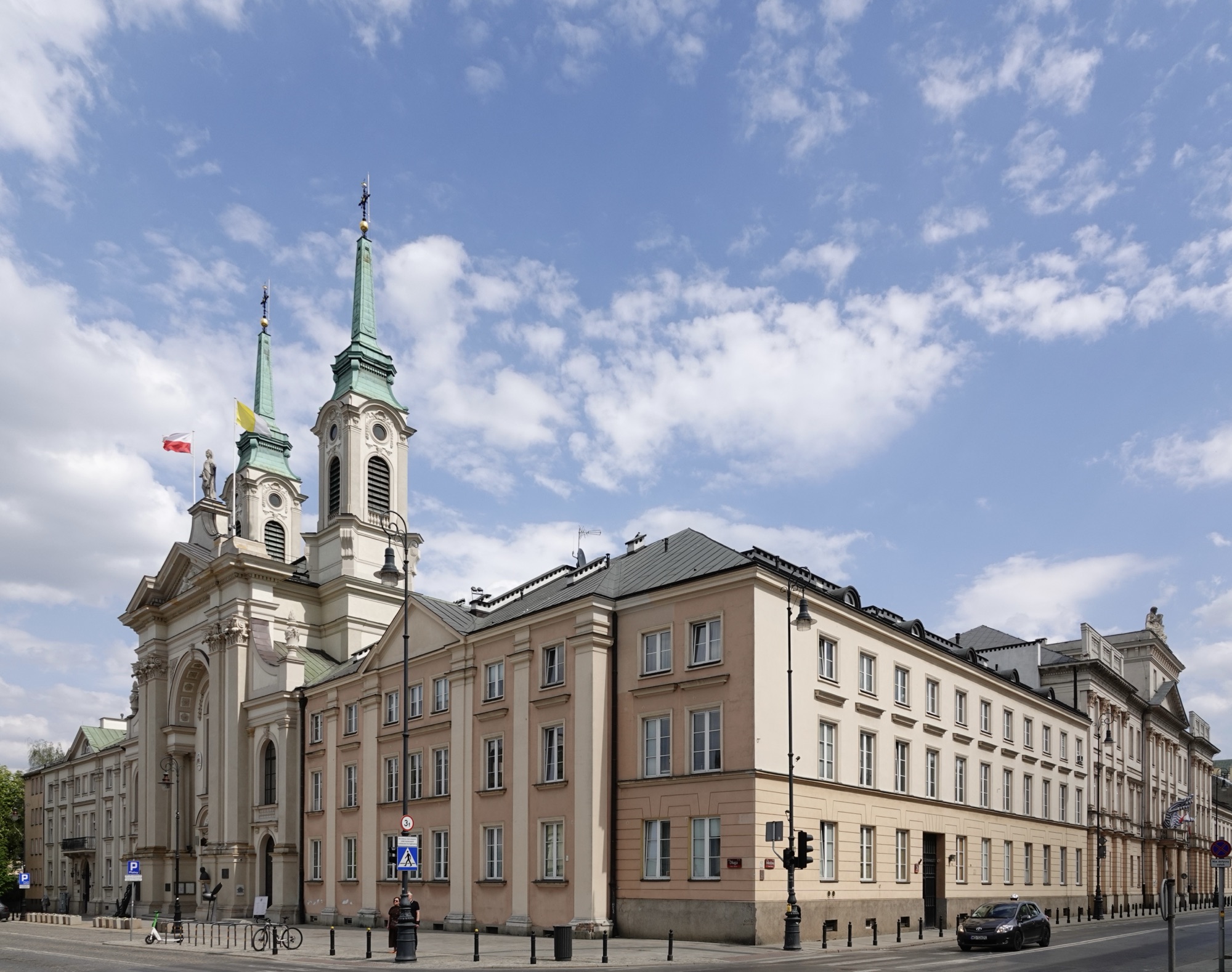
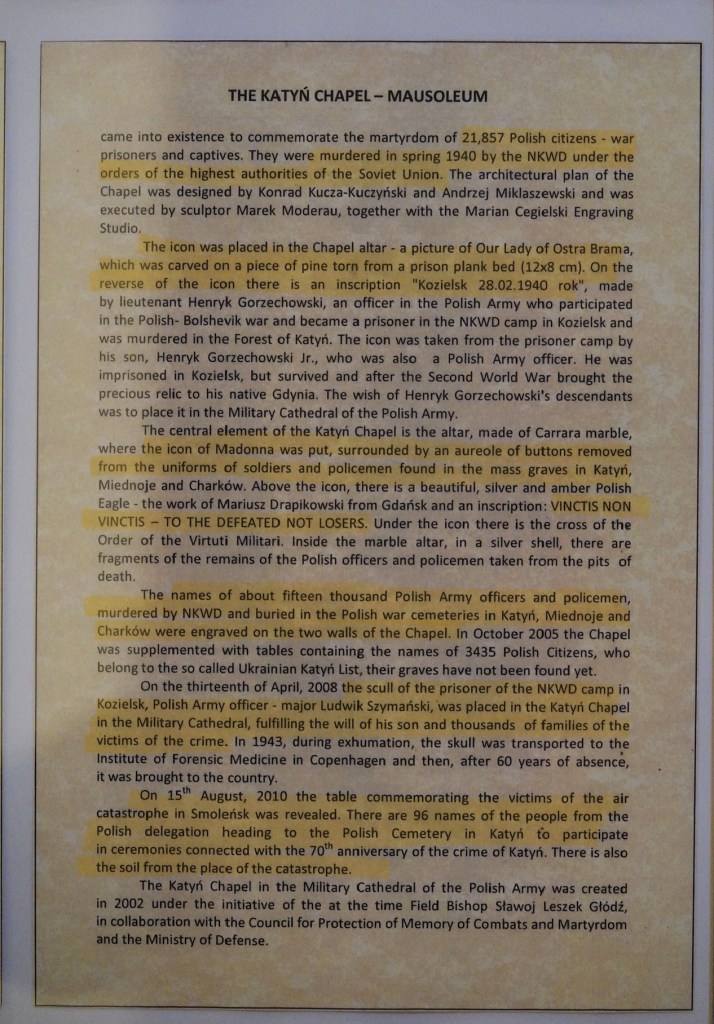
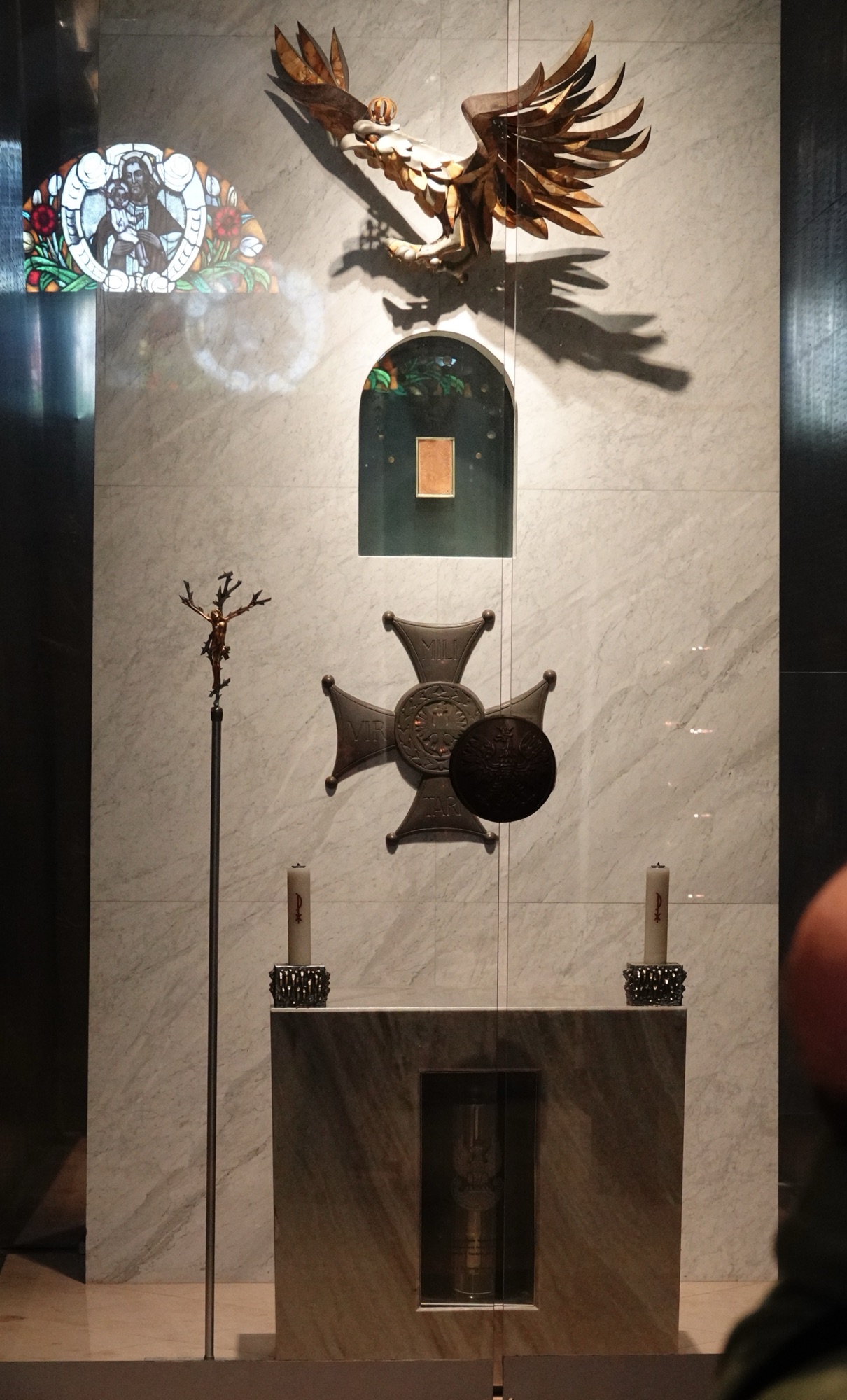
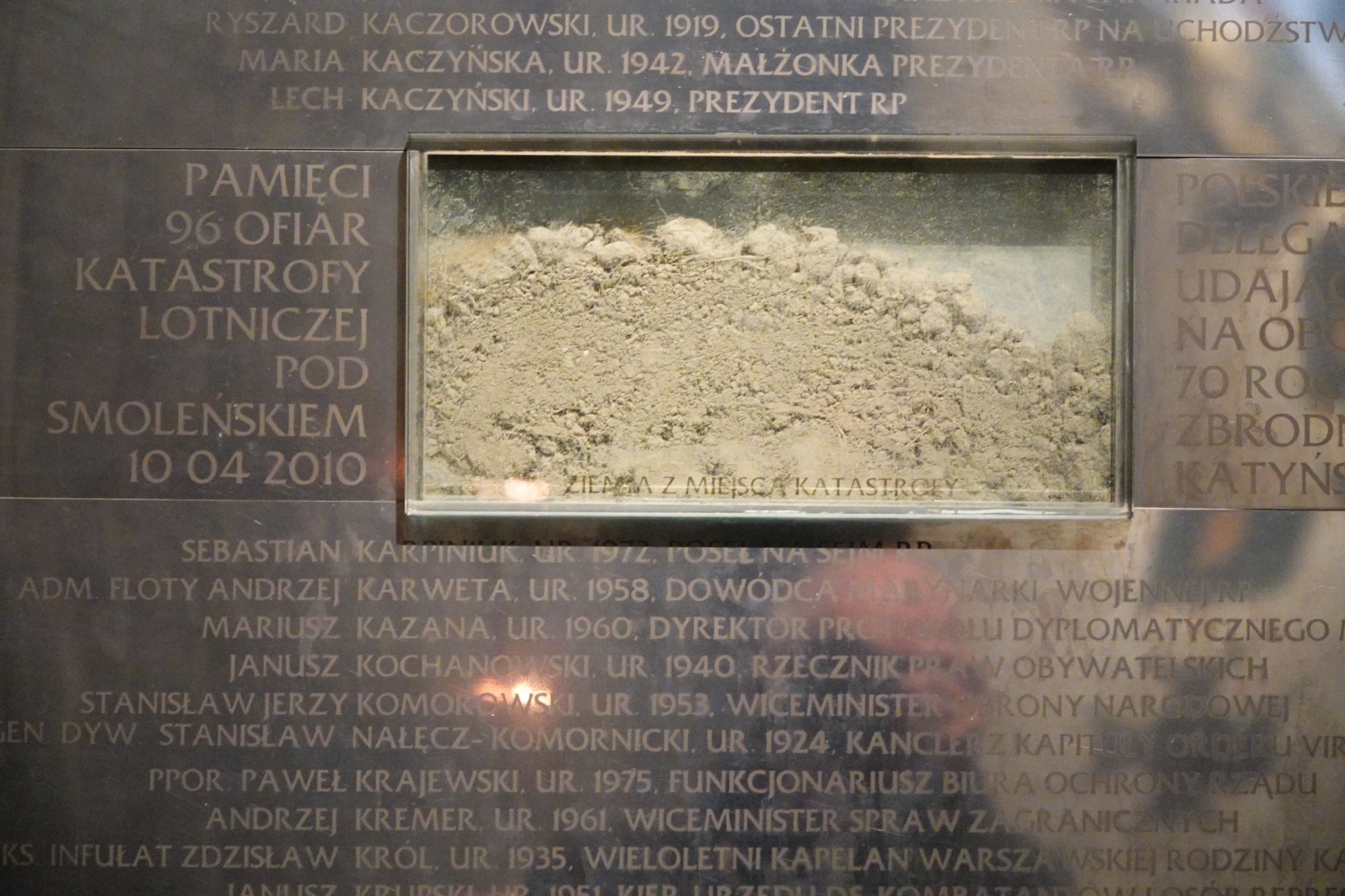
Inside, on either side of its chancel, are two memorial chapels.
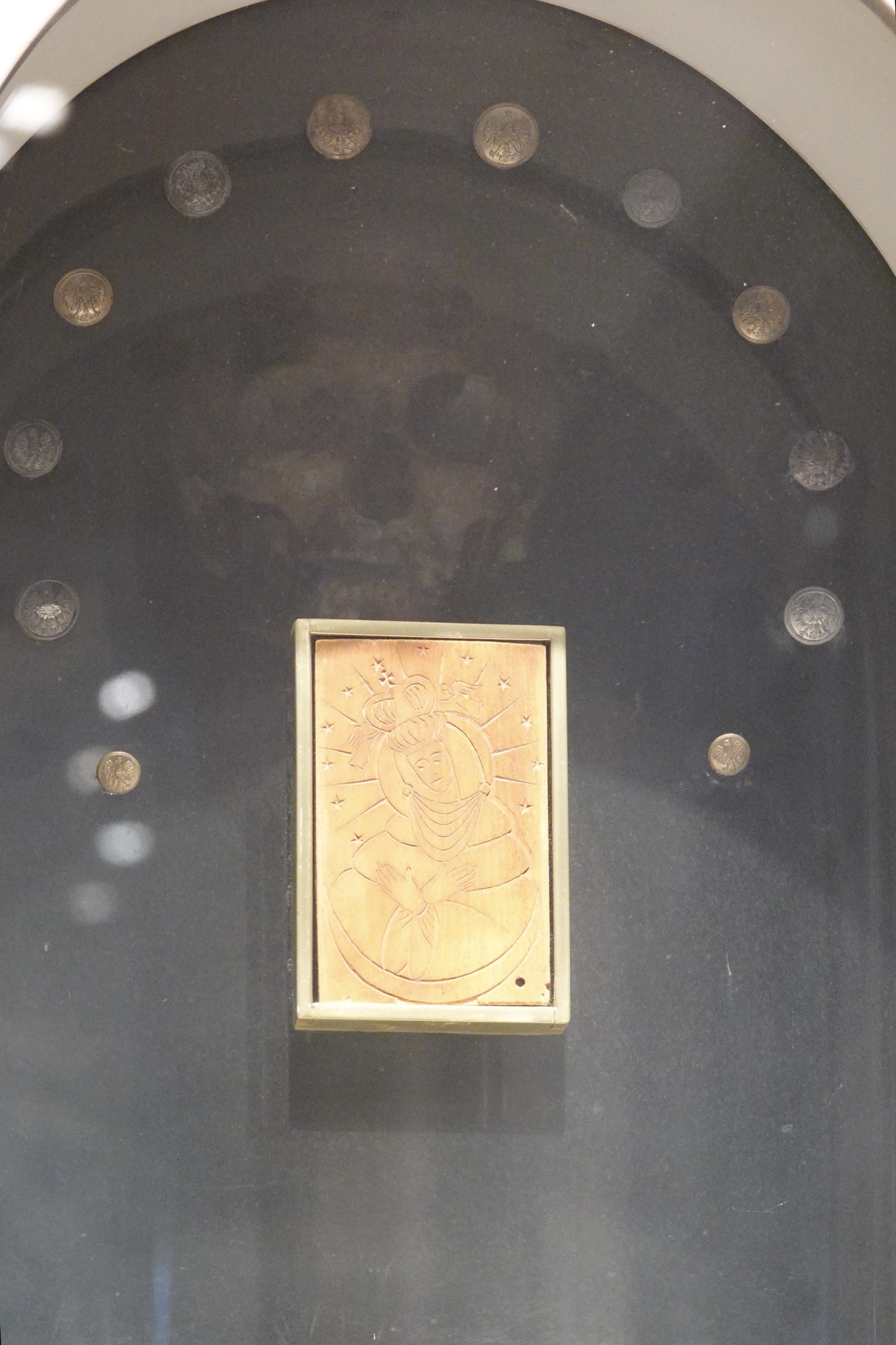
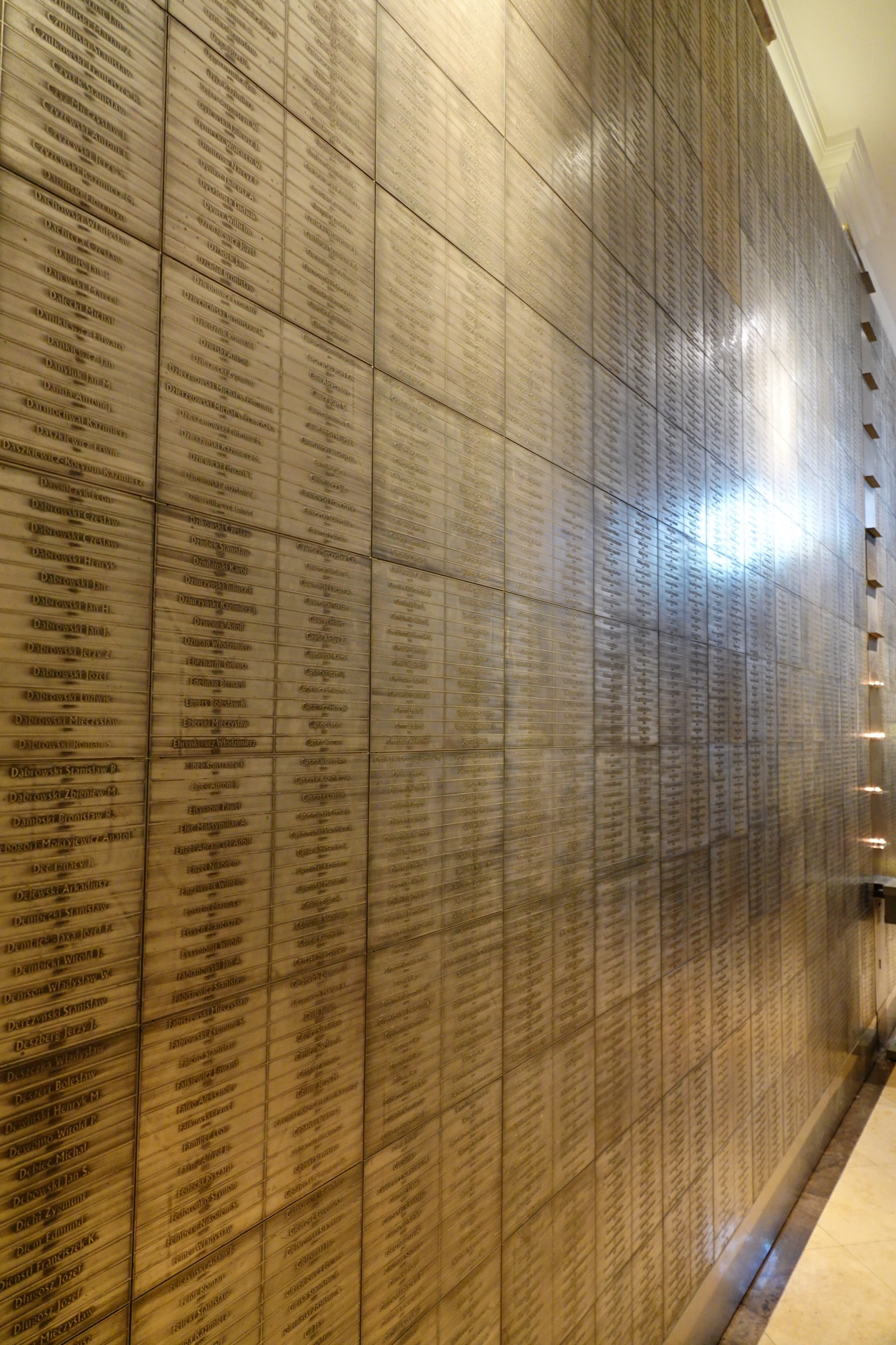
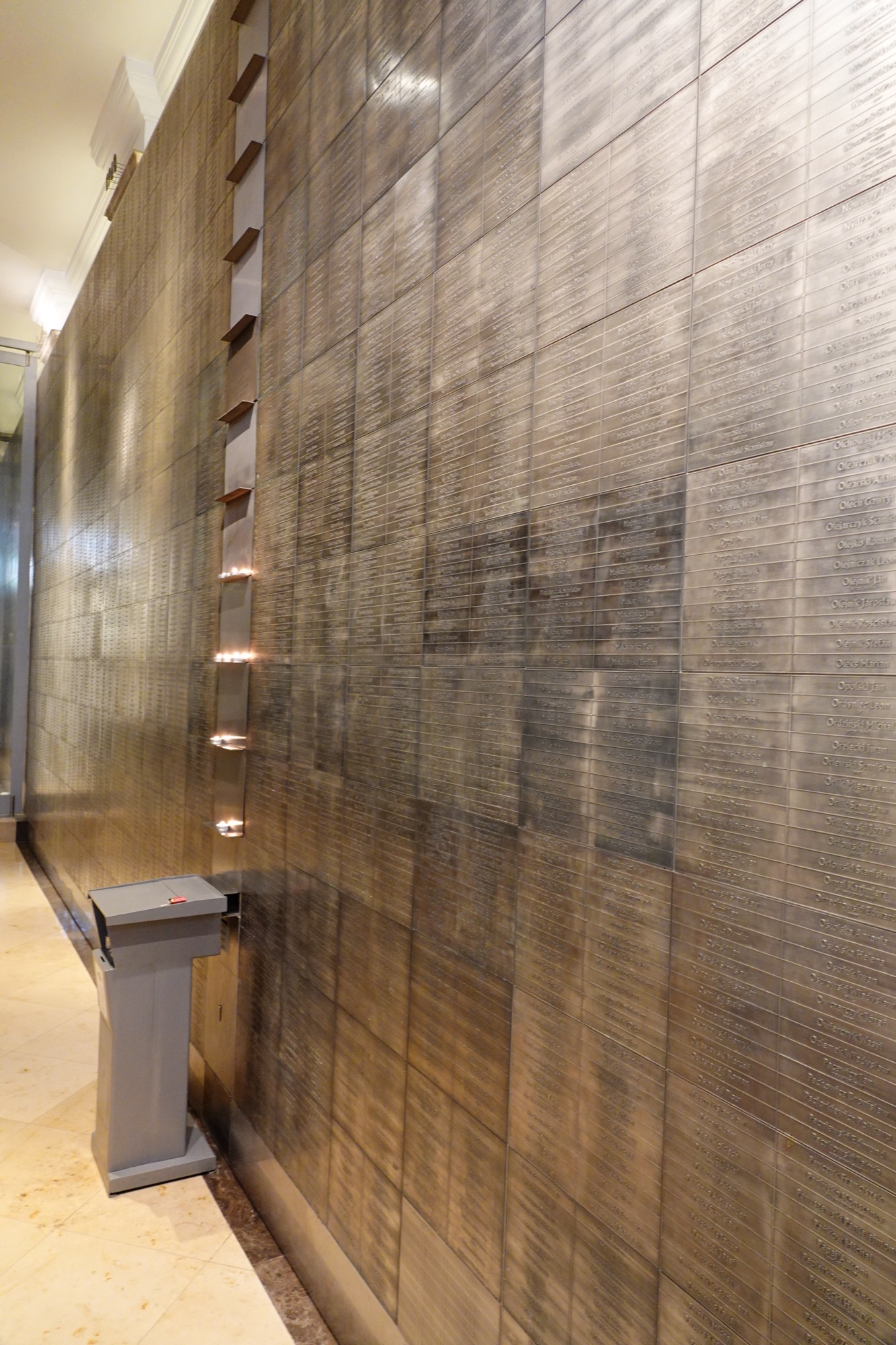
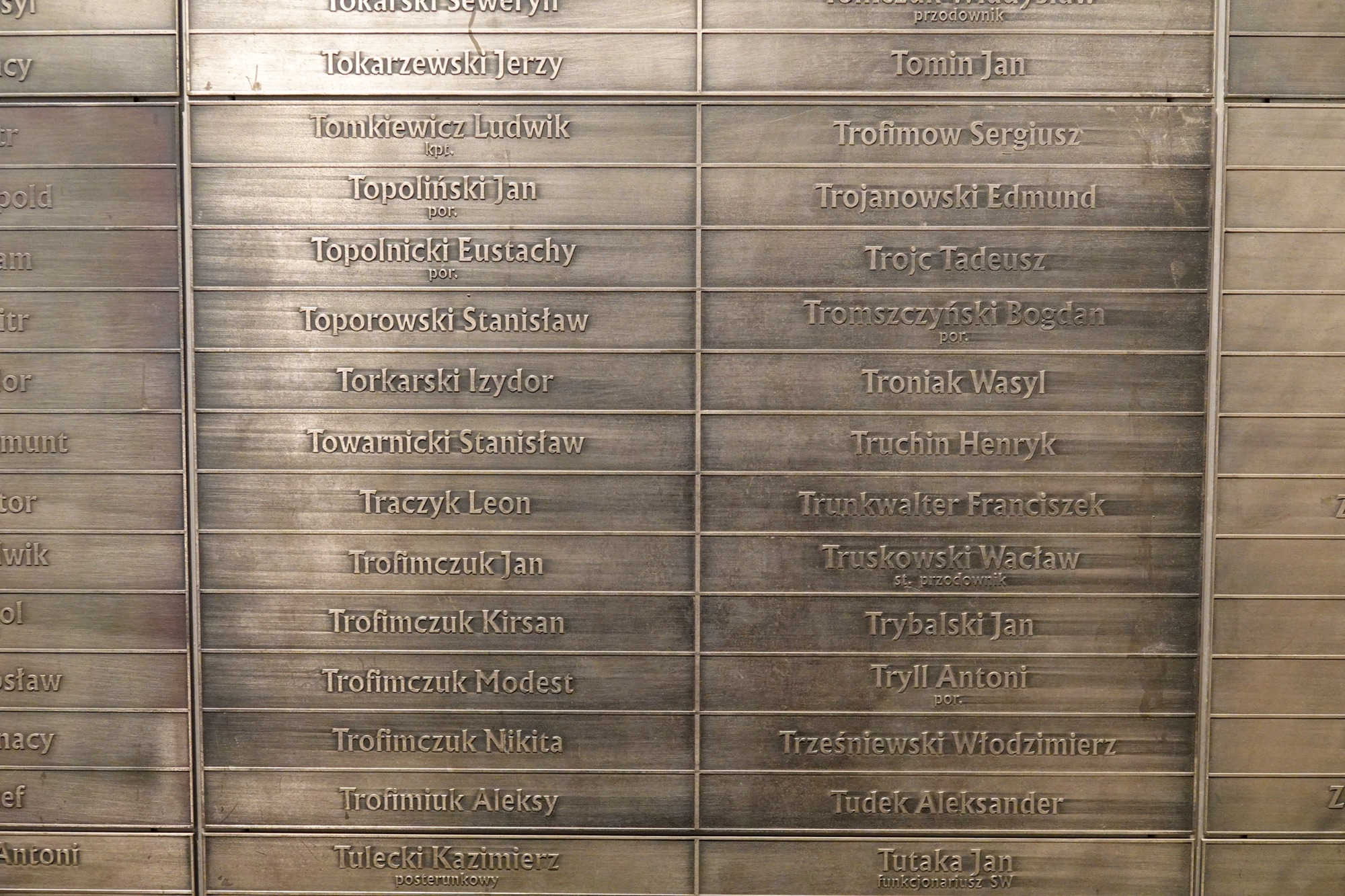
The sign (in both Polish and English, thankfully) on a wall adjacent to the Katyń Chapel explains the significance of each of its elements. It was yet another reminder of Poland’s vulnerability to attack from both Nazi Germany and Russia.
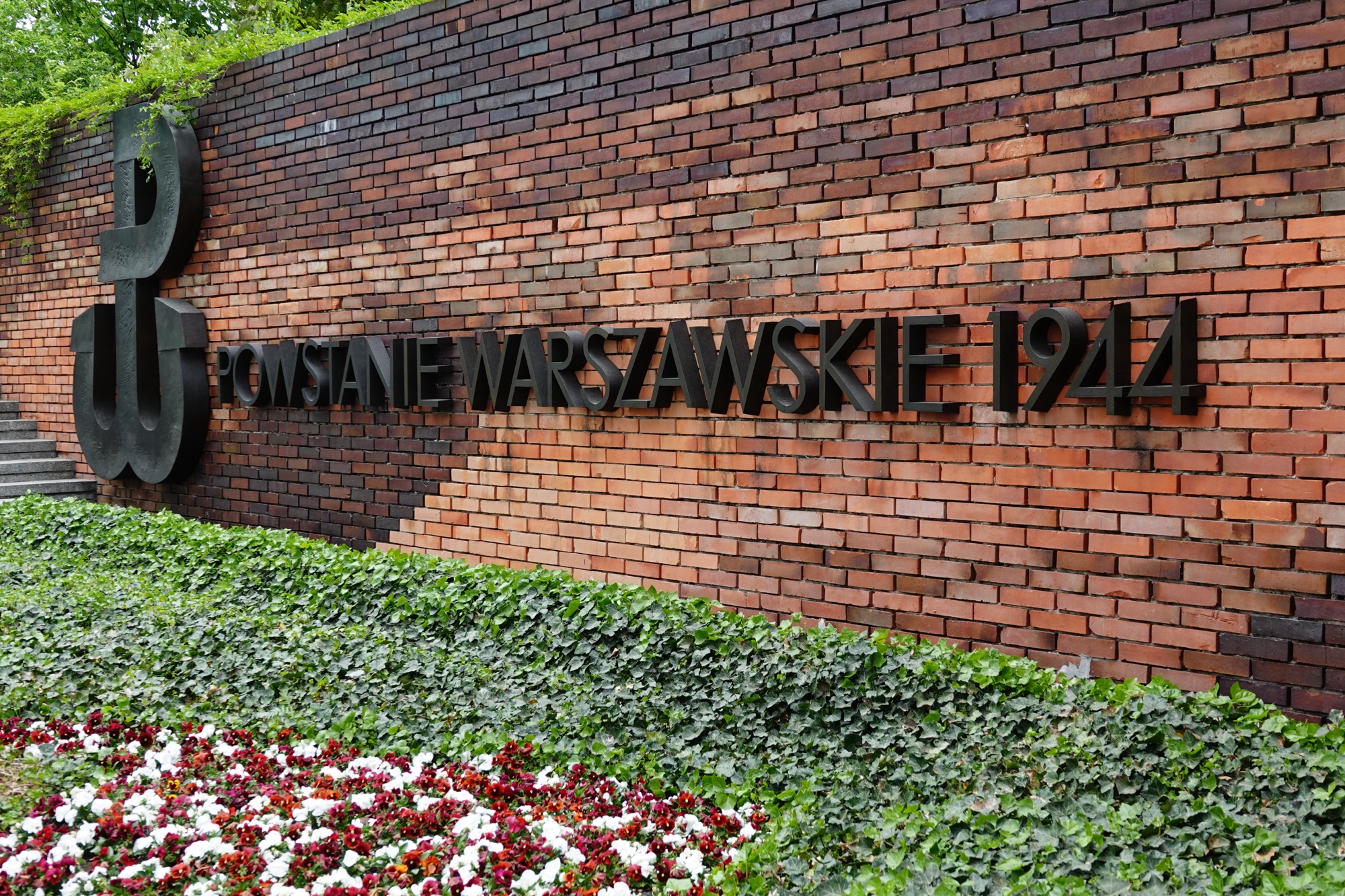
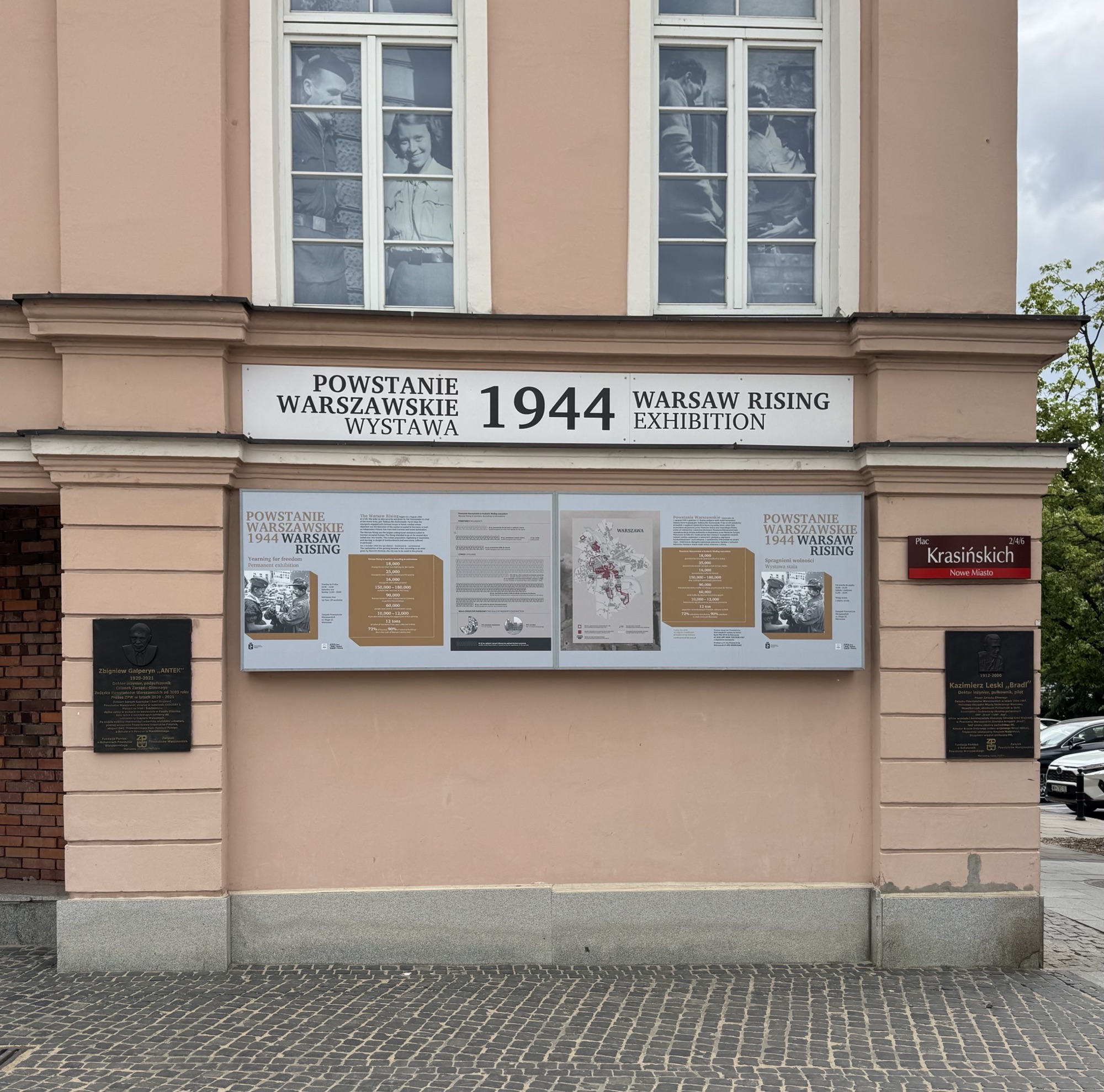
Across the street from the cathedral is the Museum of the 1944 Warsaw Uprising.
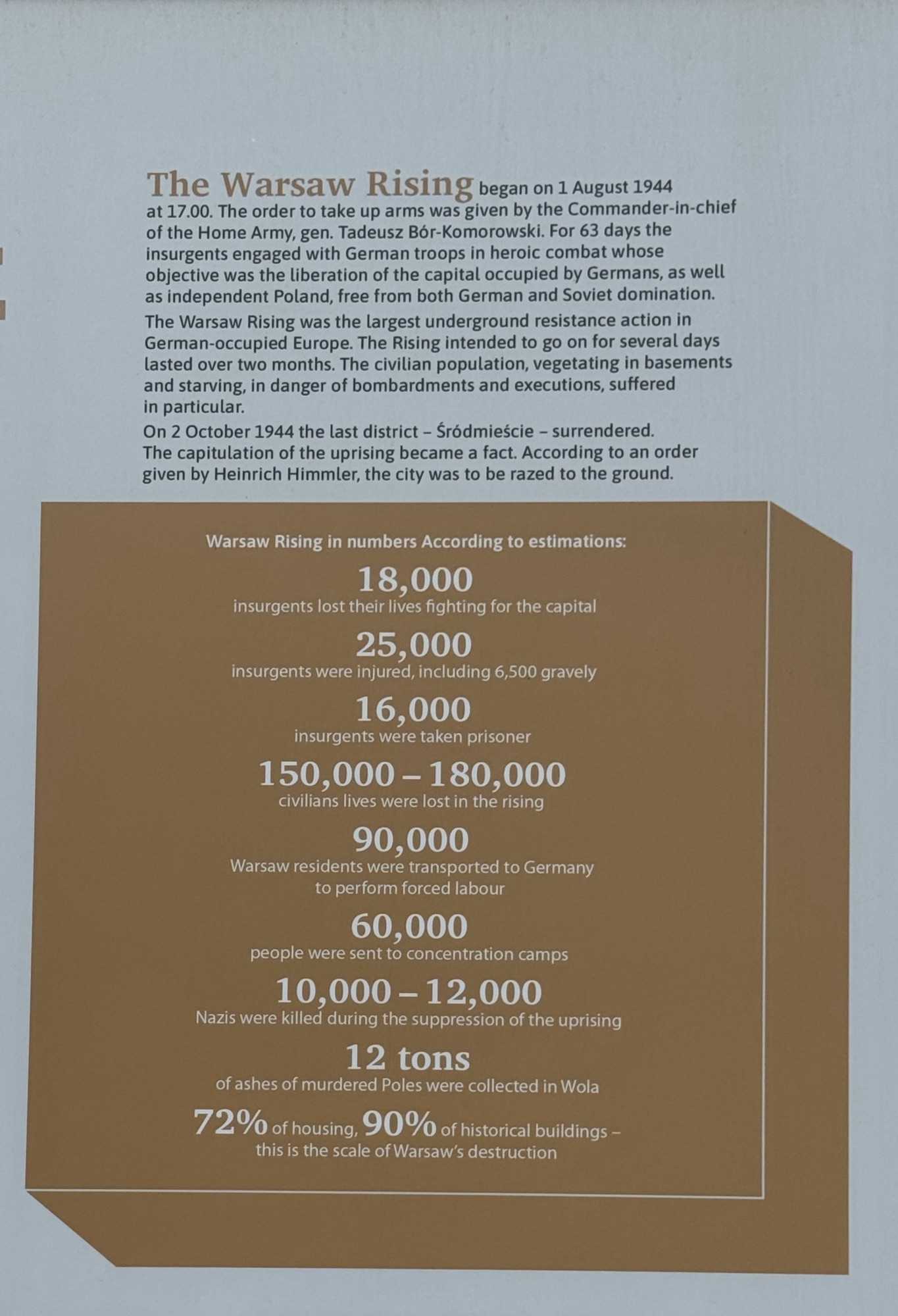
I read this and wanted to weep. And then instead I got angry thinking about present day putative “leaders” who talk about bombing entire civilizations. Have we learned nothing?
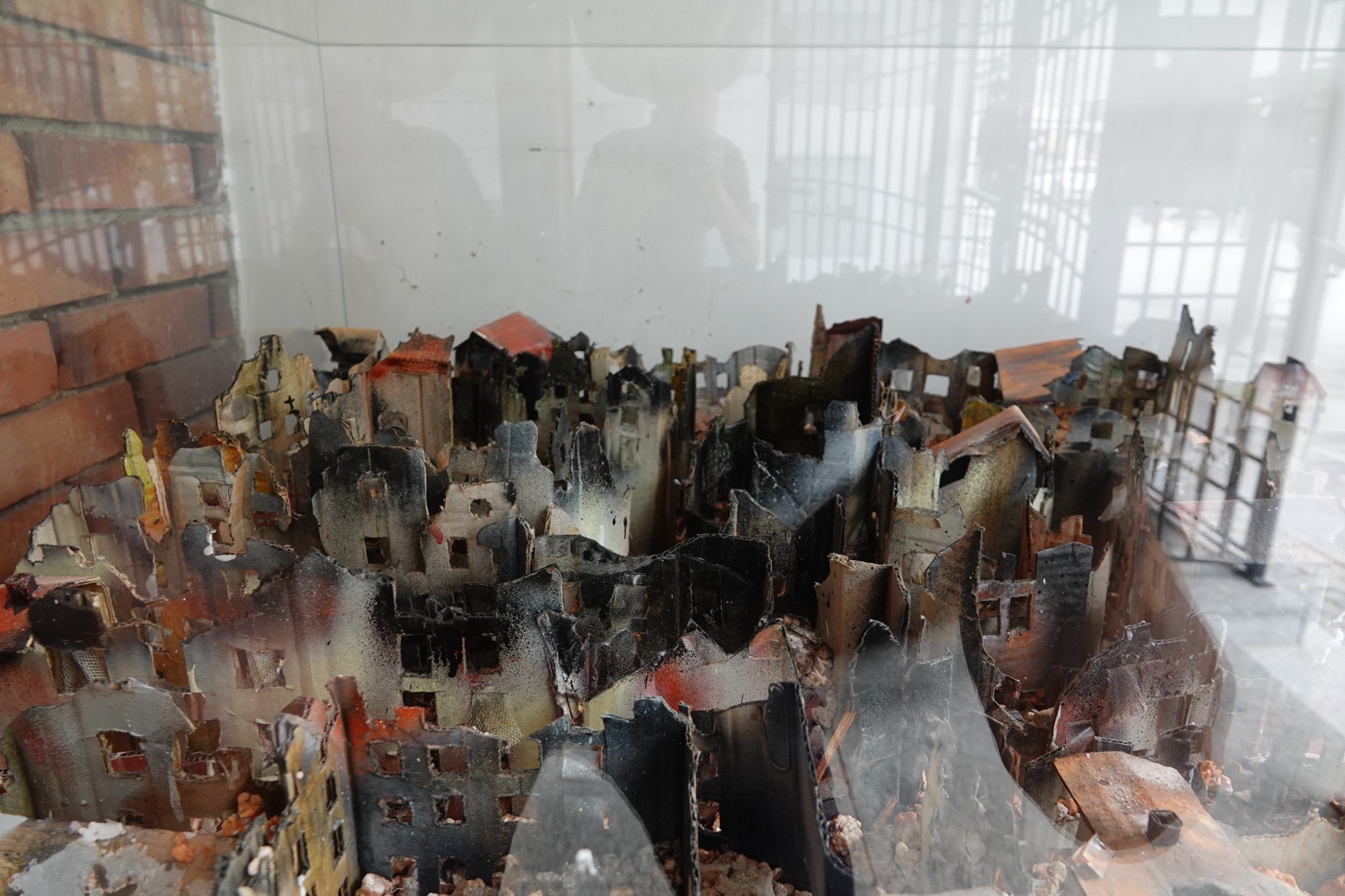
In the museum’s lobby is a model of what the neighbourhood in which we are currently living looked like after Himmler’s monstrous orders were carried out.
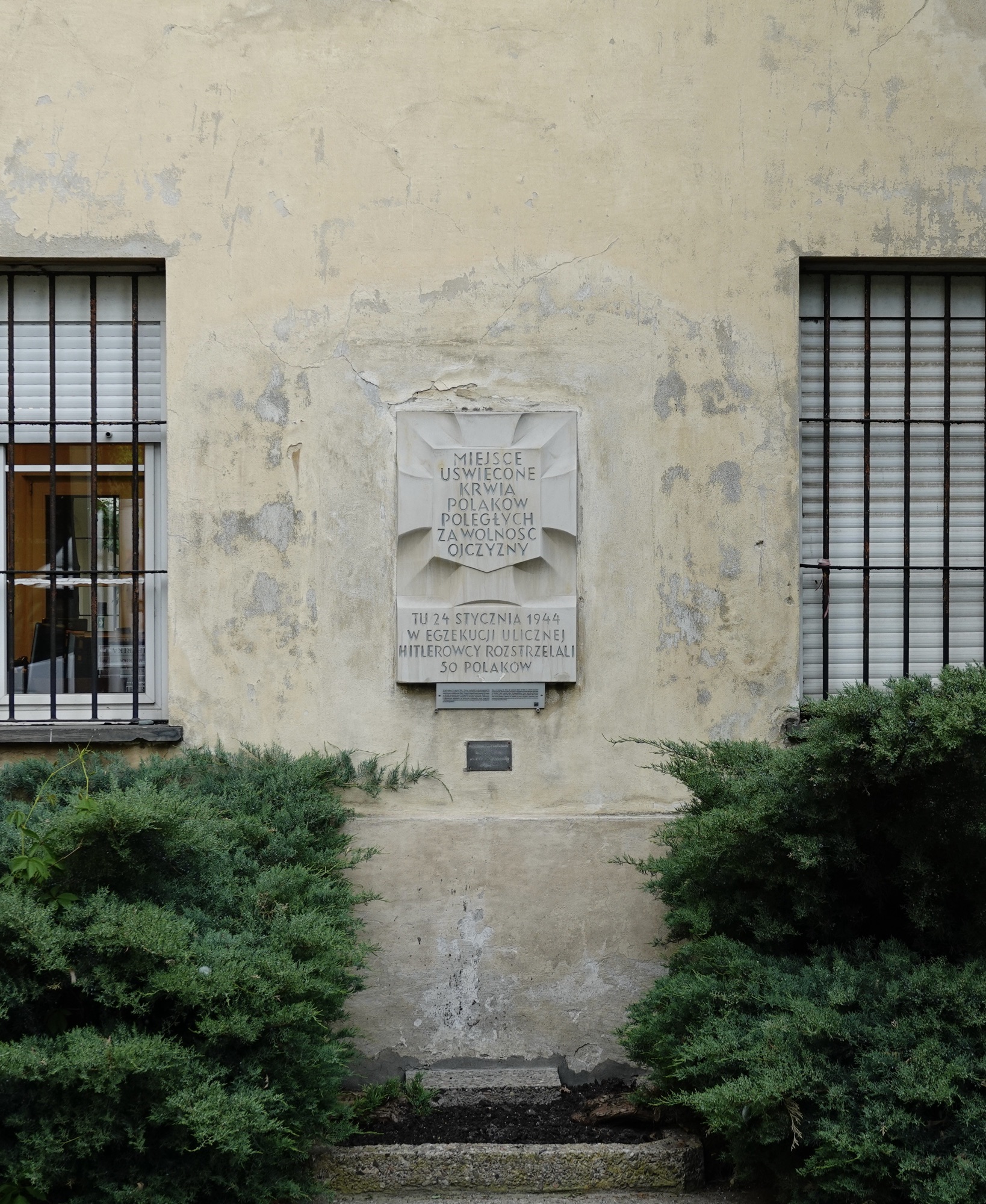
And just a few doors down:
We consciously chose not to visit the concentration camps located near Warsaw during our visit. Those places have a history I’m all too familiar with. Warsaw was less known to me.
There were once monsters here. Now there is beauty all around.
This city is the majestic phoenix that literally rose from ashes.
Its spirit enchanted us, so much so that we cancelled our planned Scandinavian cruise next spring and have already confirmed a return visit next May.


Sobering for sure. I had not realized how thoroughly Warsaw was destroyed and why. This is what makes travel and the study of history so important in trying to prevent or limit future monsters, perhaps even current monsters.
LikeLiked by 1 person
The hope and strength needed to rebuild after that degree of devastation is awe inspiring. The Poles you’ve met seem so kind and generous. At the same time, the whole thing makes me despair –given present US reality — that we humans are really a viable species. The fact that this extreme destruction was purely revenge — nothing militarily “necessary” about it makes us think of the current rhetorical and even actual acts of revenge going on here. Revenge is one of the lowest human motivations. It’s odd that the current PBS/BBC offering is the Count of Monte Cristo — all about revenge, apparently.
LikeLiked by 1 person
Warsaw is definitely a place that makes you stop and think about the legacy of war. It seems counterintuitive that a species with such a strong survival instinct still hasn’t (as a whole) figured out that cooperation and tolerance is what works.
LikeLiked by 1 person
My heart hurts after reading this, which is a good thing I suppose, but painful. God help us… and thanks for reporting from Warsaw.
LikeLiked by 1 person