We were picked up at 09:00 by our guide Janek Wilczyński and driver Jacek, in a comfortable 8-seater Mercedes van.
Janek speaks Polish and German, but limited English, so I’d be translating relevant information for Ted, although he insisted that he didn’t need it as he was primarily along as our photojournalist. When we’ve been with my cousins in the past, we women talk so much that he’s often been grateful not to understand!
A bonus: Jacek spoke both English and French in addition to his Polish.
We had several destinations that we had hoped to see, with no real idea if all of them could be accomplished in a ten hour day: the area of our ancestors’ homestead, the ancestral graveyard, the church in which our parents and grandparents were baptized, and the open air museum of the Vistula settlers.
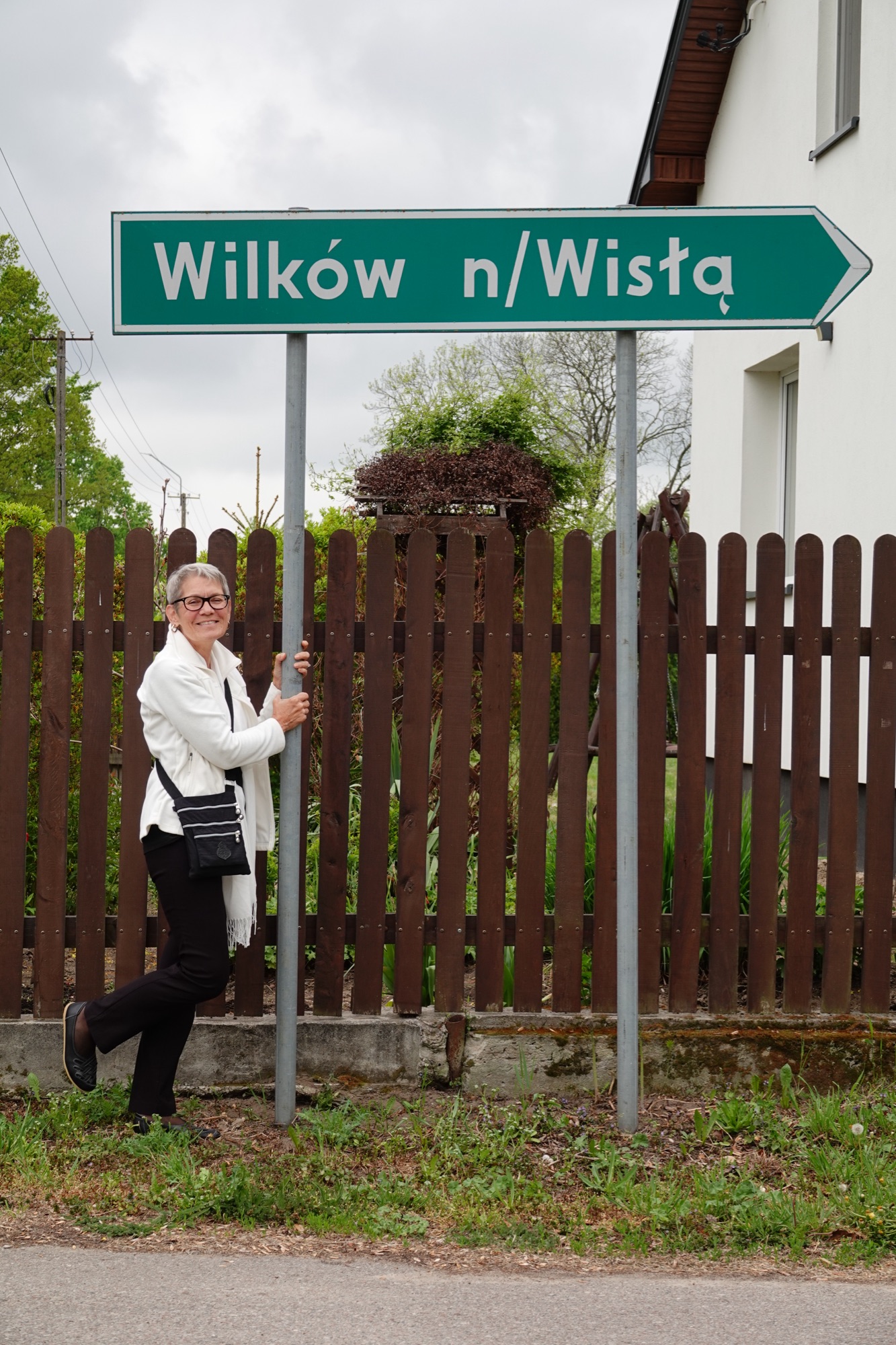
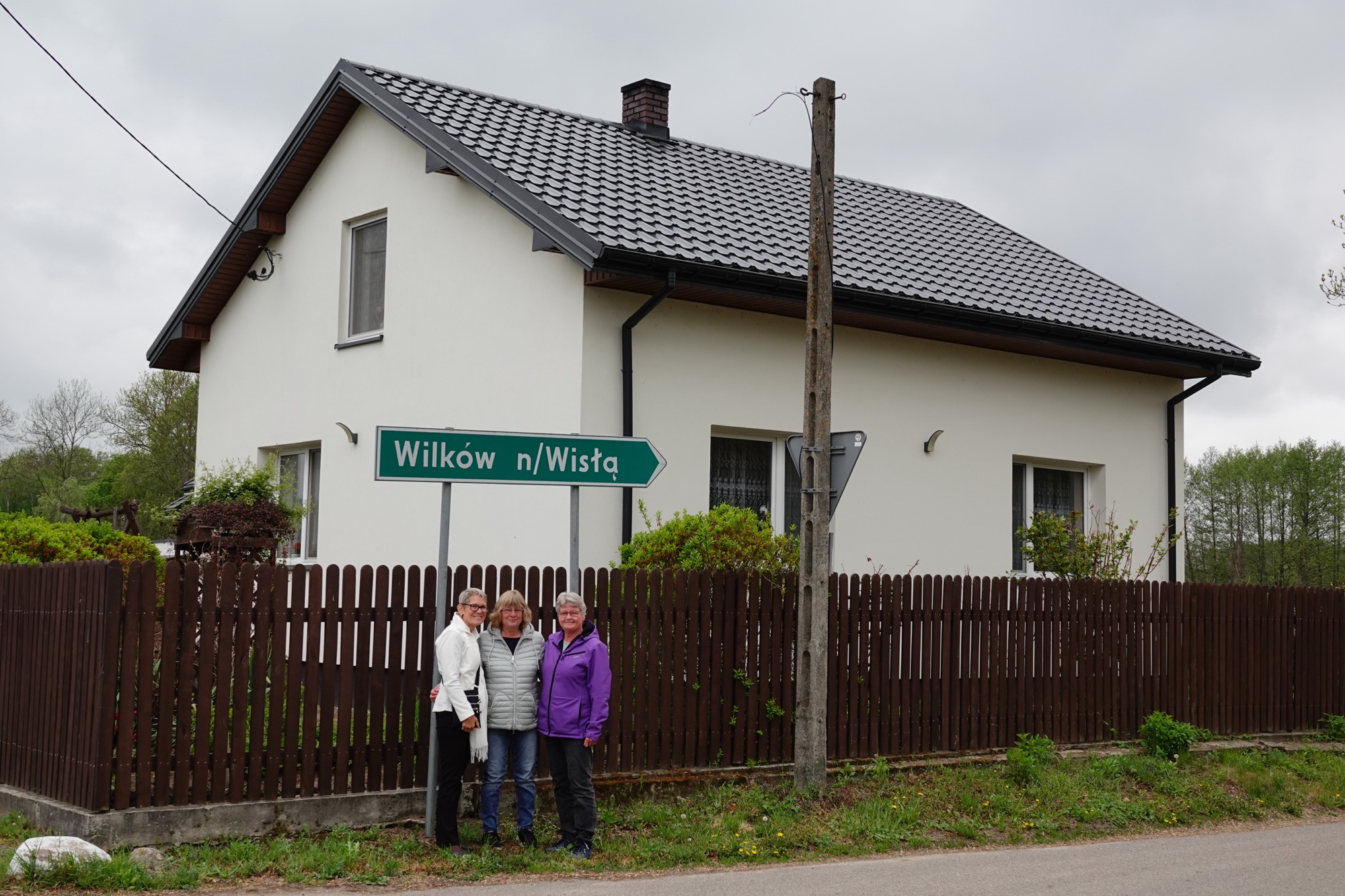
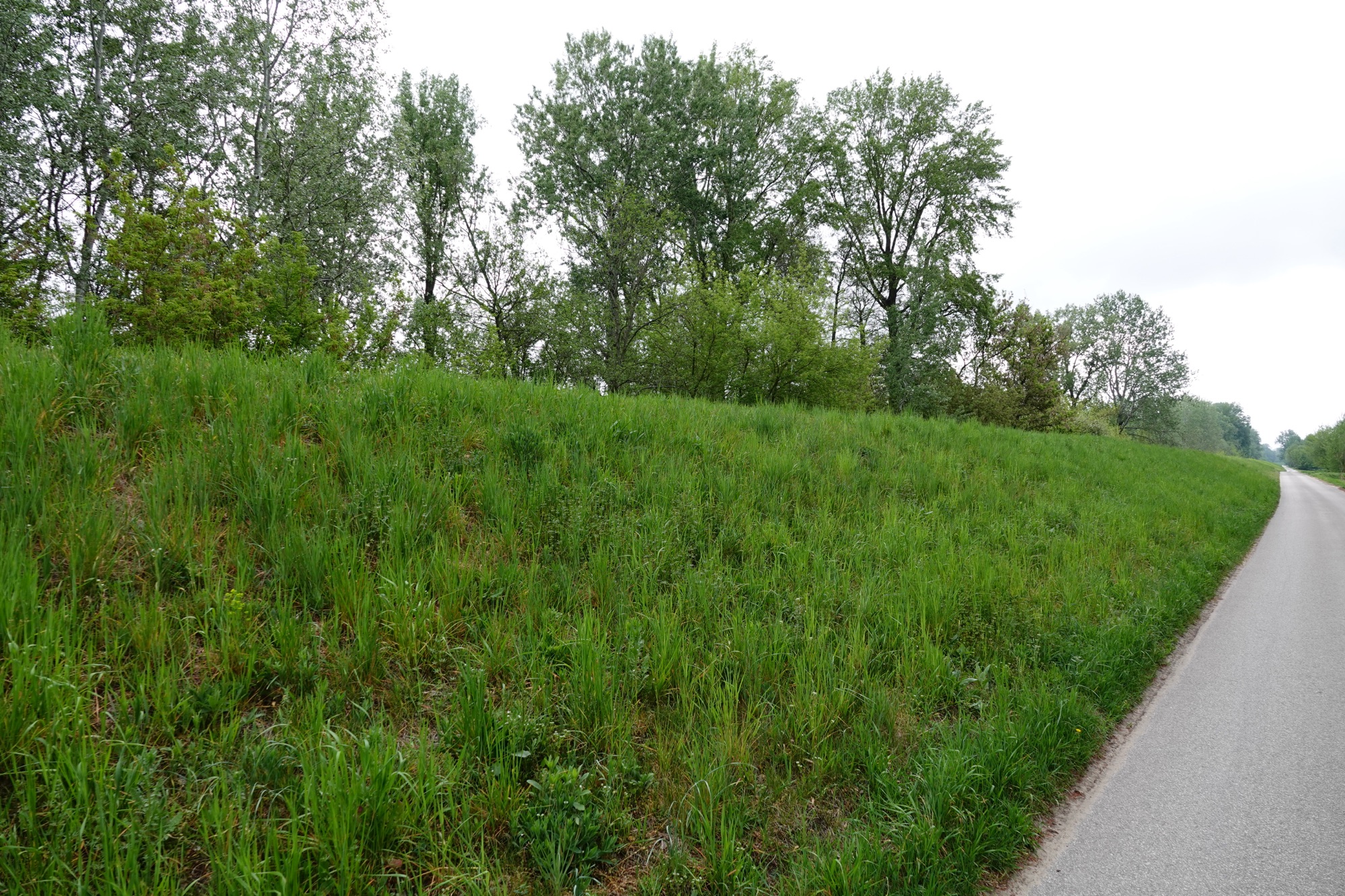
Janek suggested that we begin our day at the cemetery, because a light rain was forecast and he was concerned that the terrain would become too wet to traverse without soaking our shoes and feet. We’d already been forewarned to use tick spray.
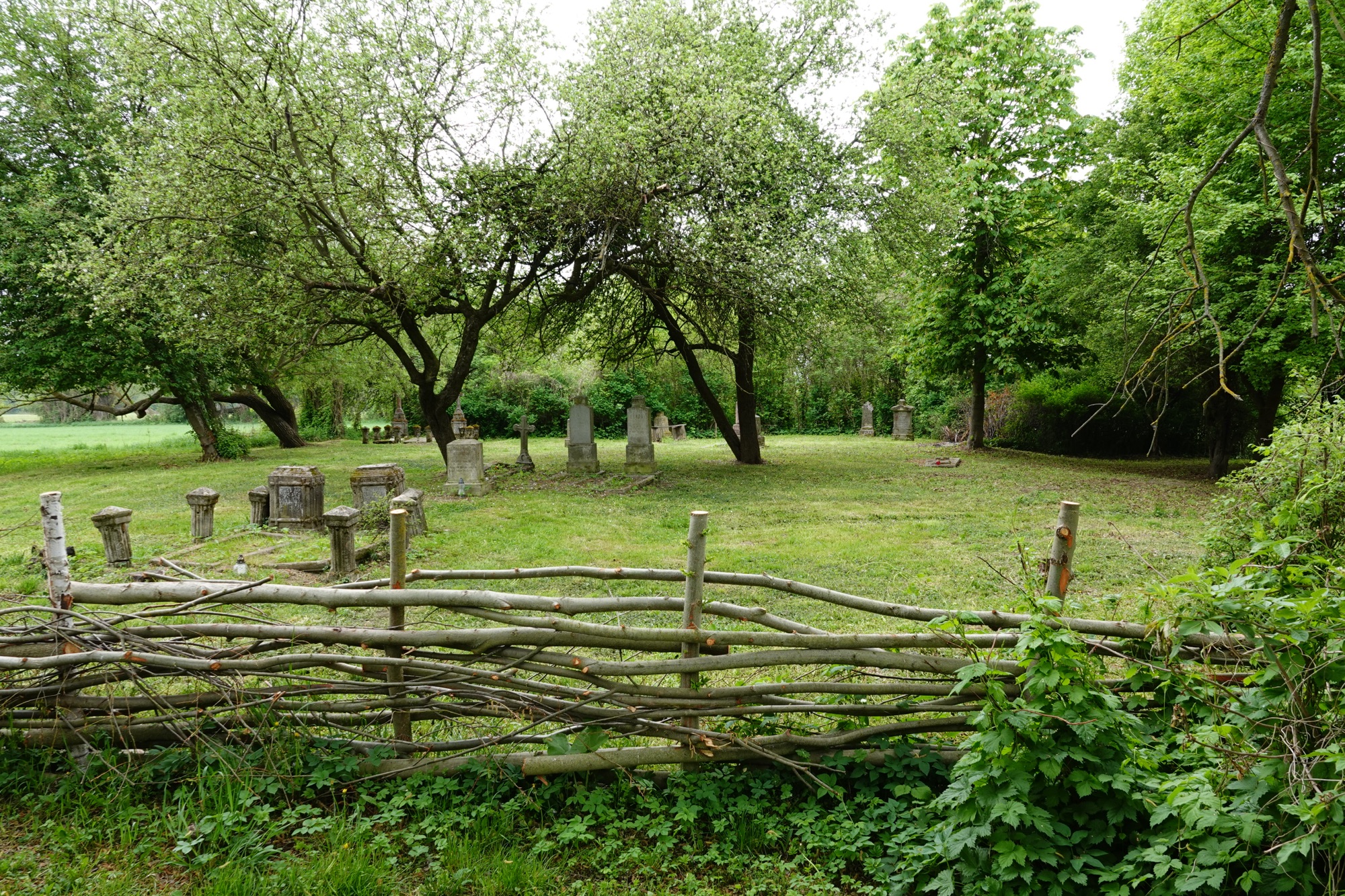
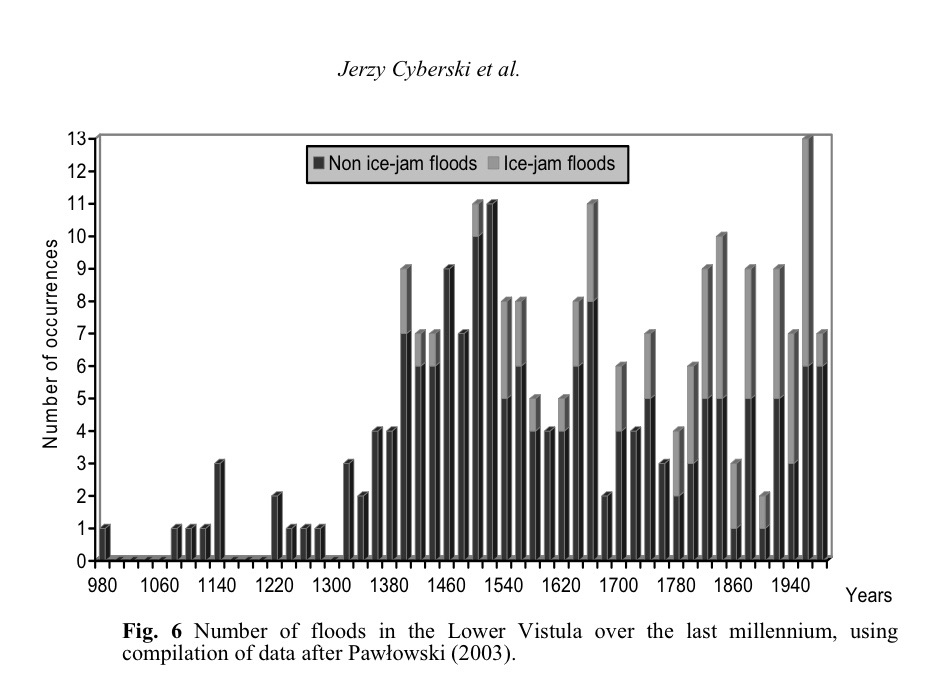
We had a good idea of which of our family were buried here, since the cemetery has been documented since 2004 through a cemetery project by an initiative called Upstream Vistula. Helga had visited another graveyard along the Vistula in 2000 which was completely overgrown with brambles, so we felt prepared.
It was a pleasant shock – and actually brought tears to our eyes – when we reached the cemetery and found the weeds mowed and the toppled headstones righted. I wish I had brought paper and wax crayons along to do rubbings of the inscriptions in the hope of filling in some of the gaps, but that will have to wait for a future visit.
Our great-grandparents’ gravesites (Bärbel and Regina’s great-great) were completely cleared.
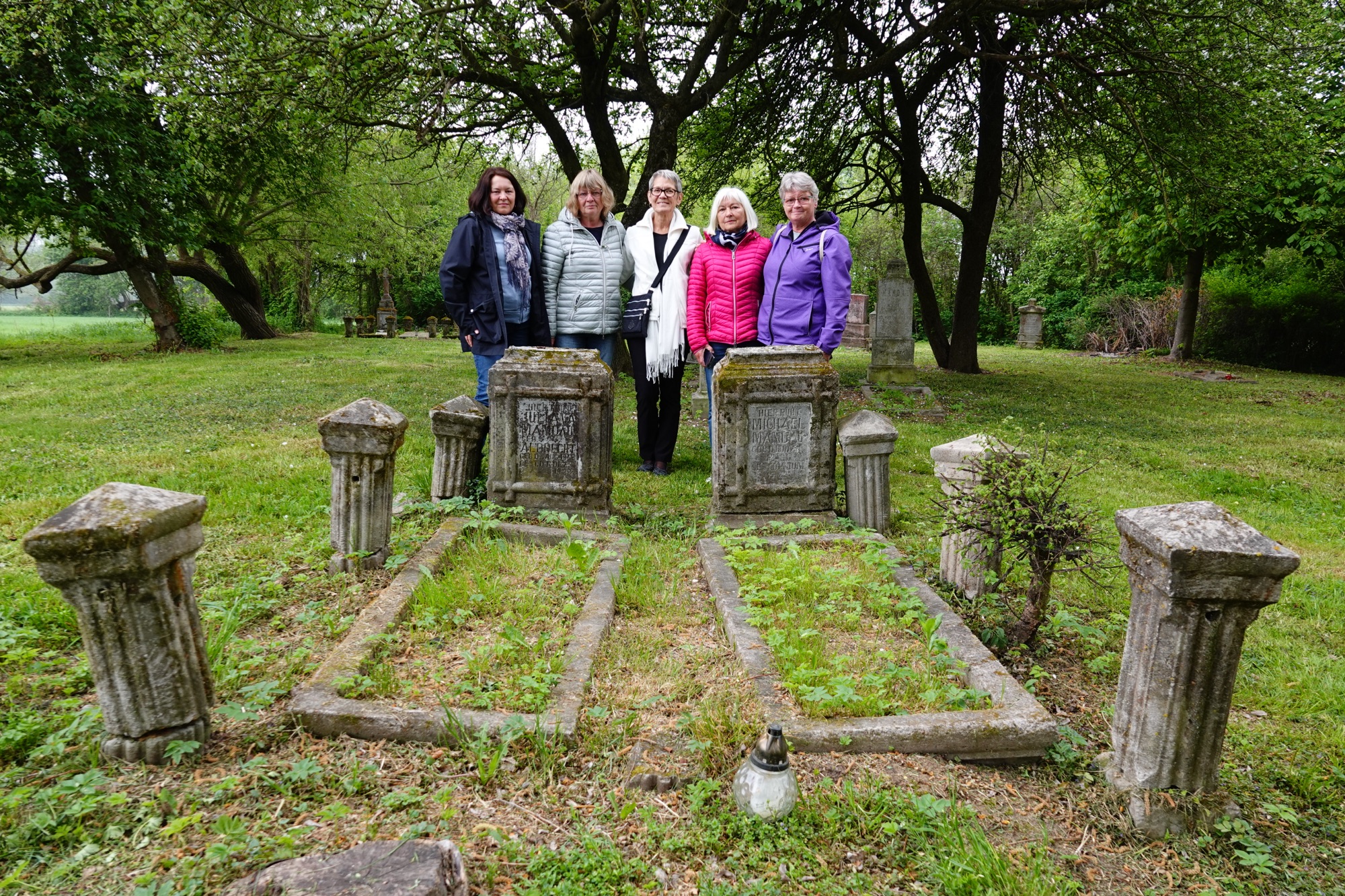
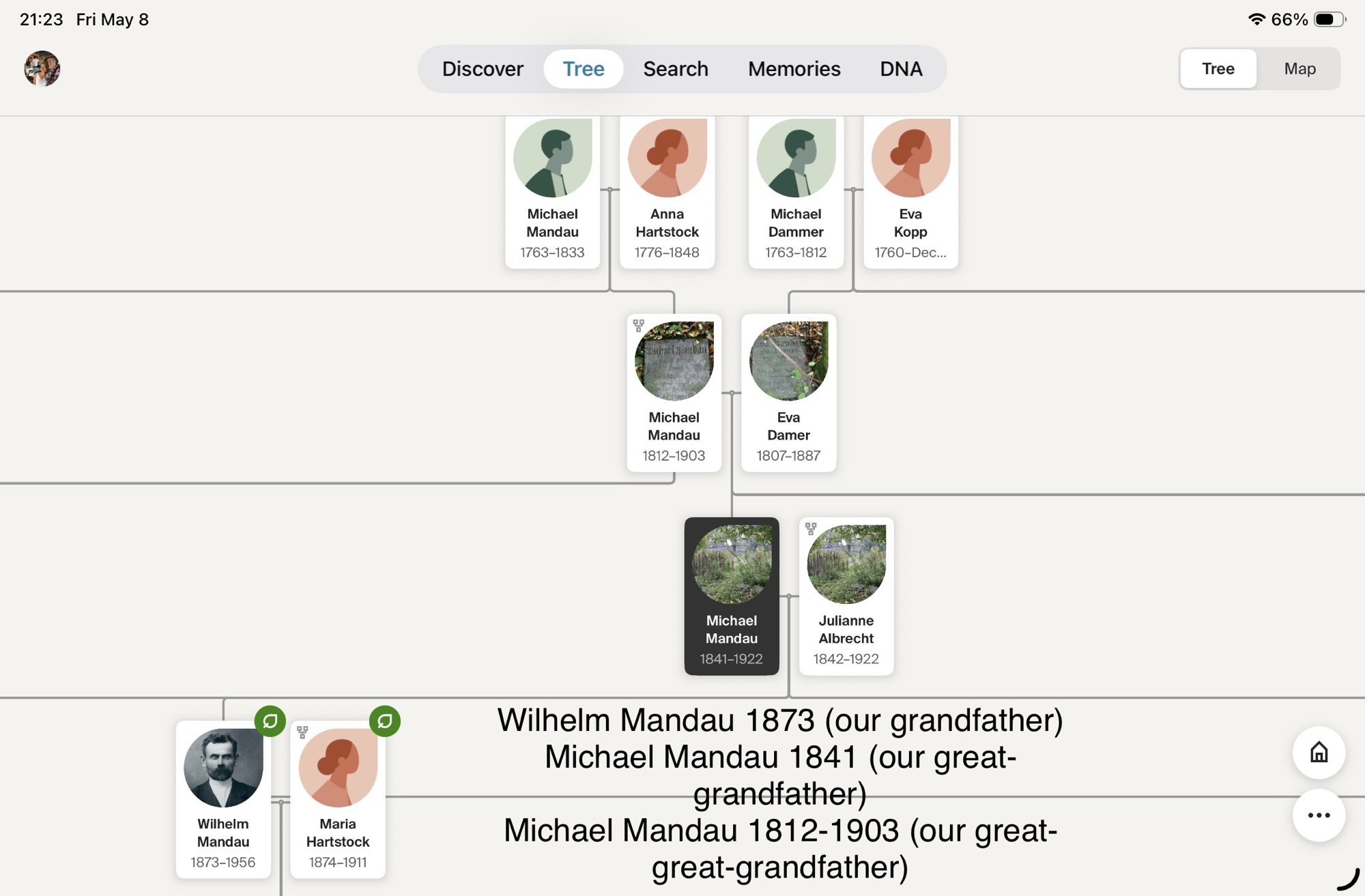
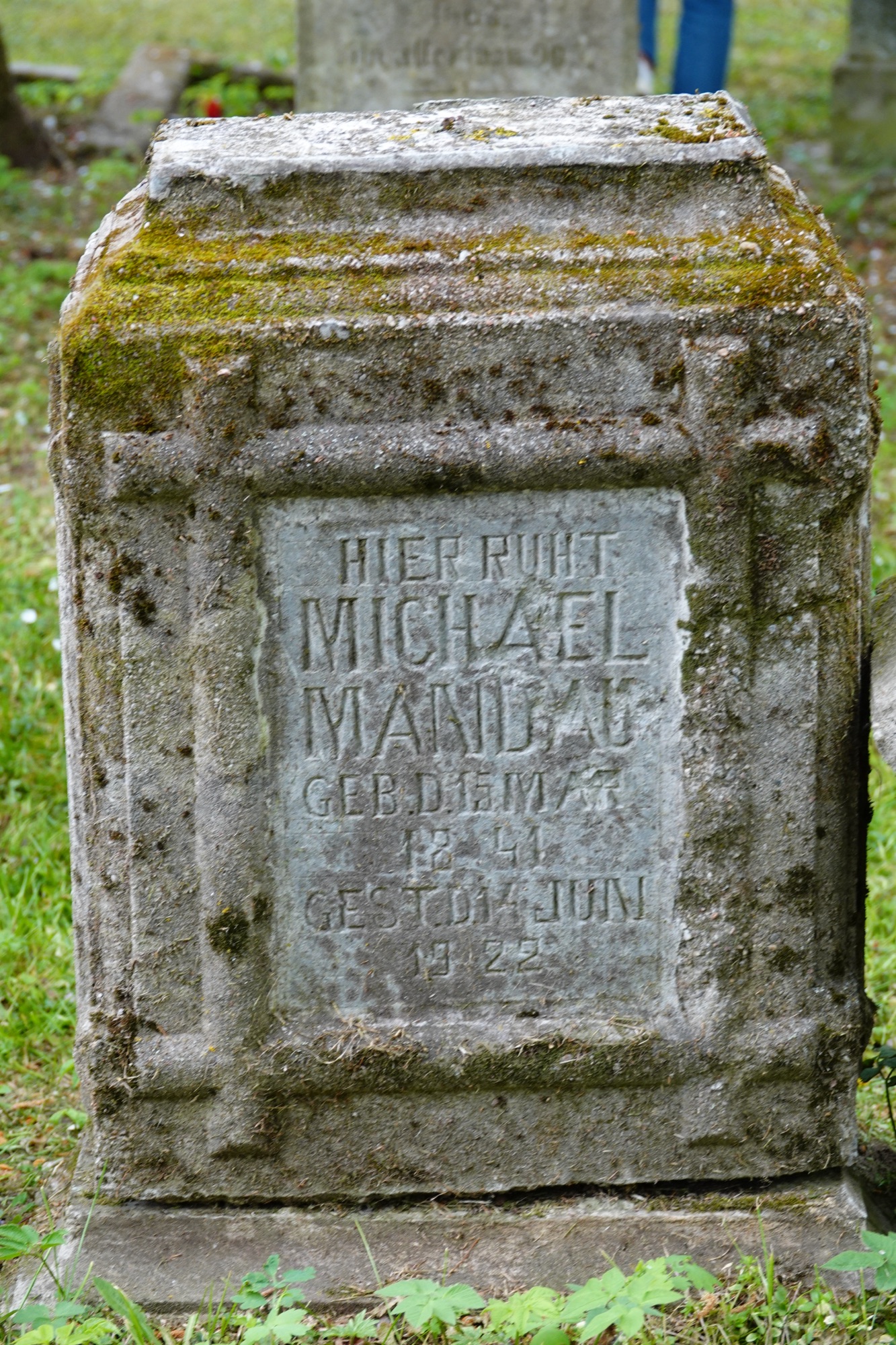
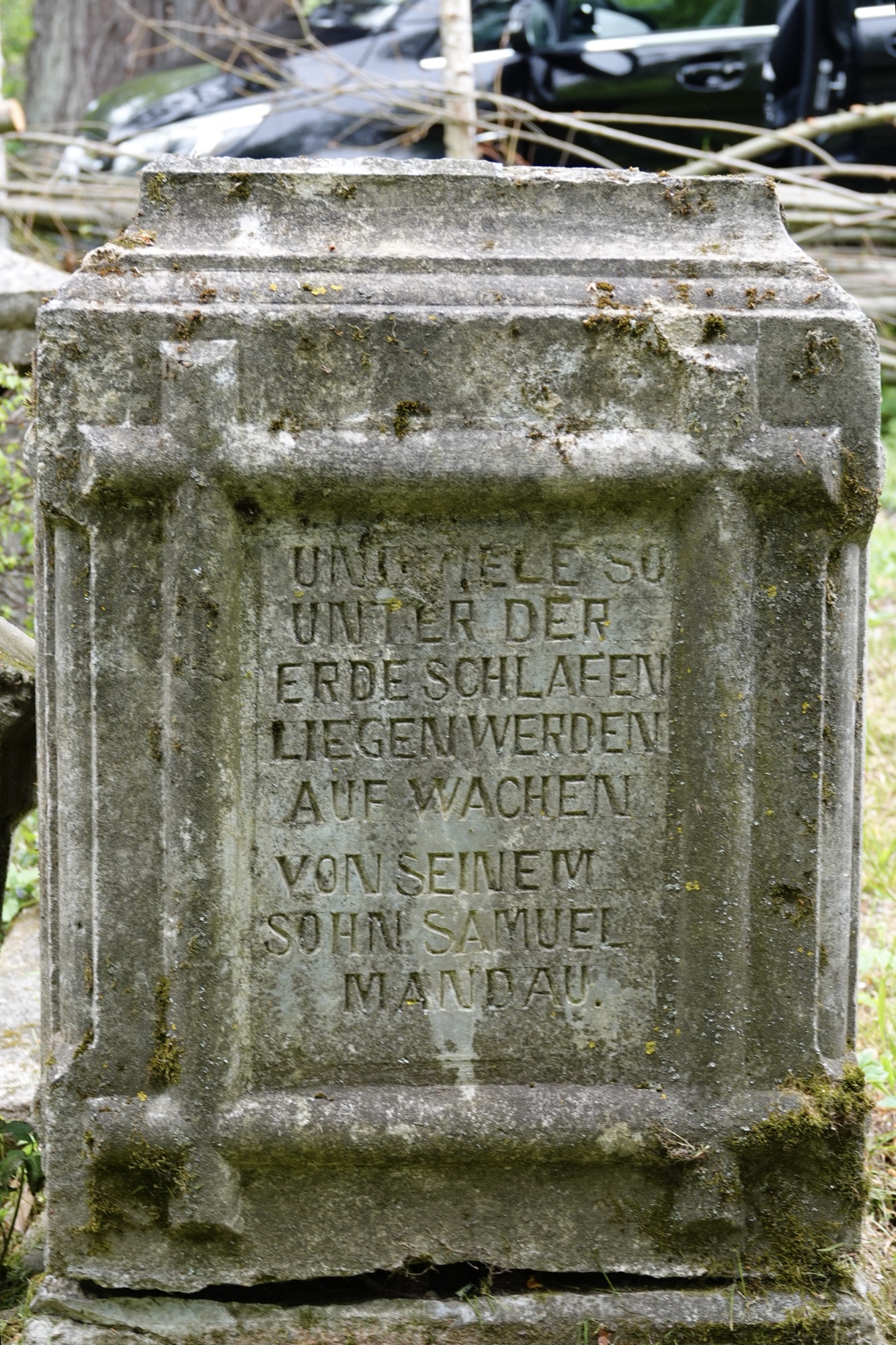
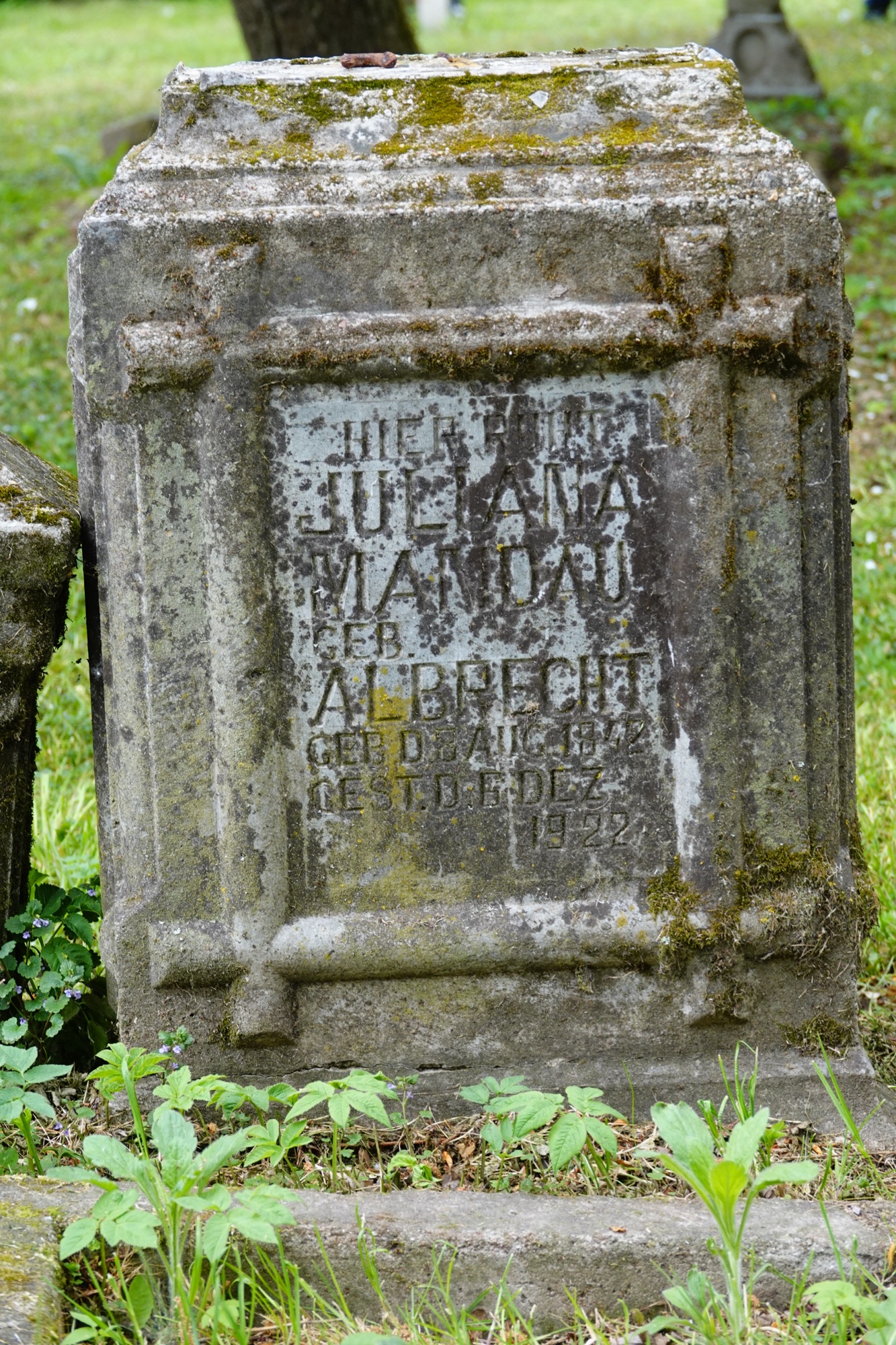
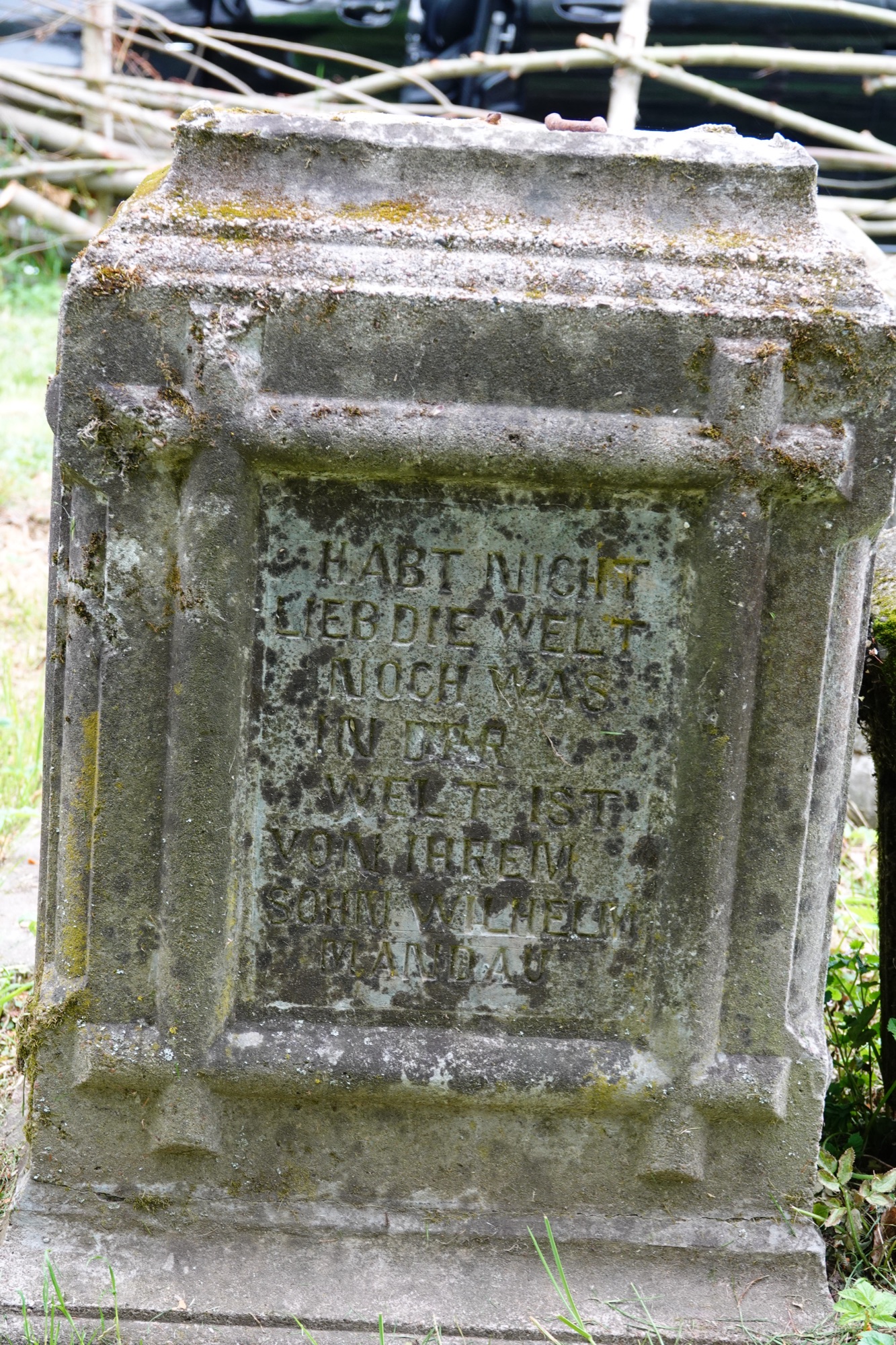
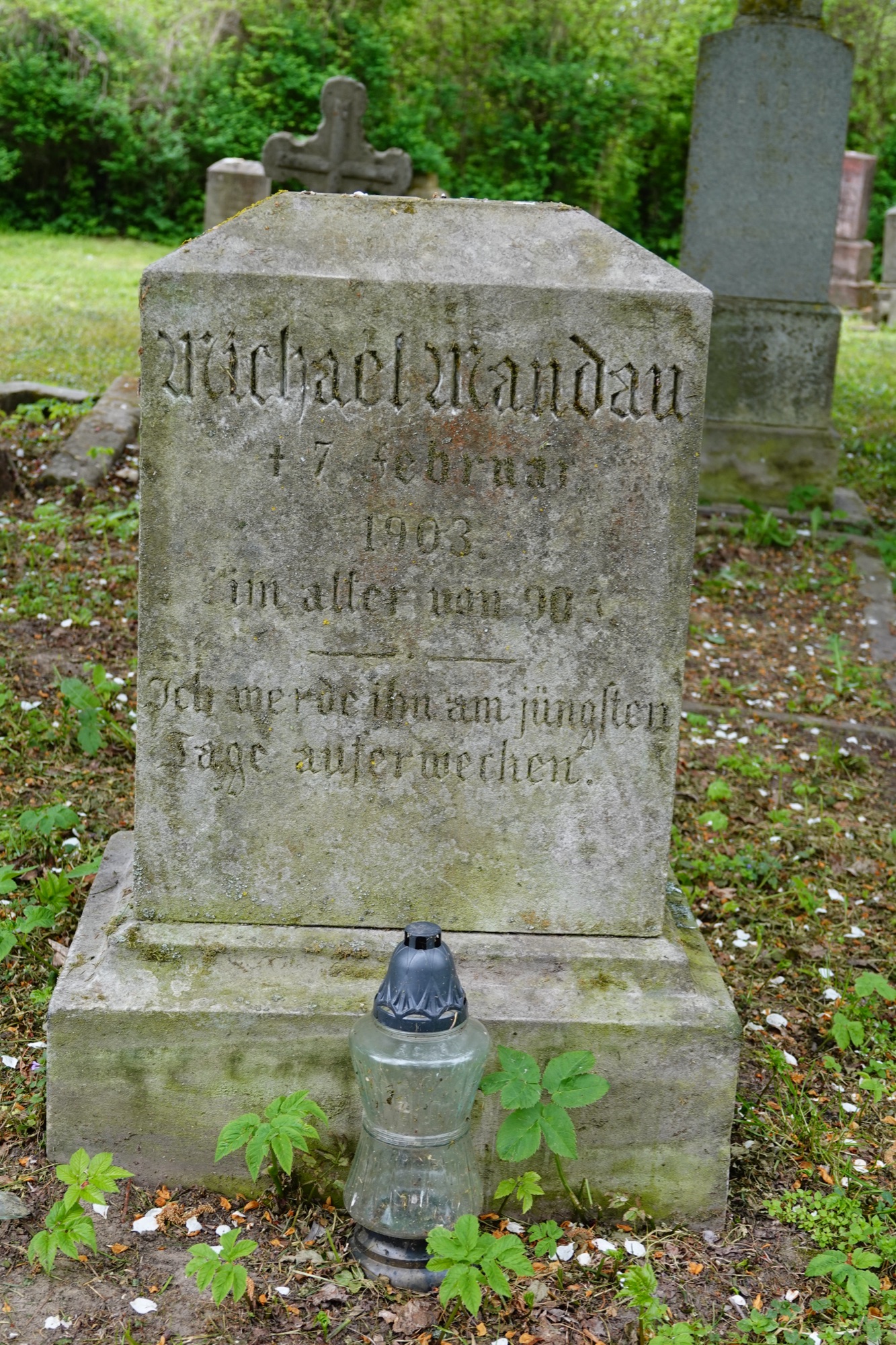
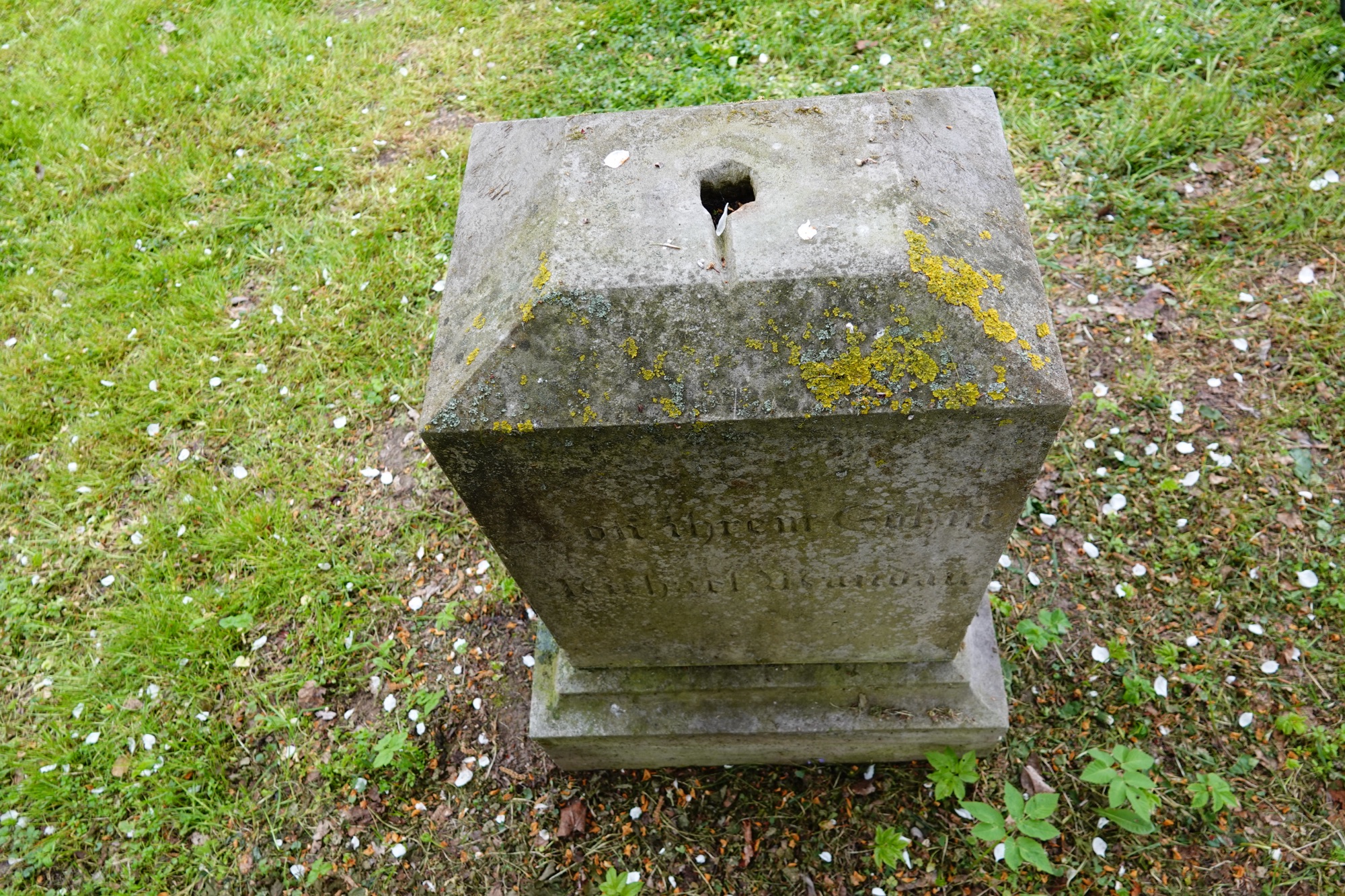
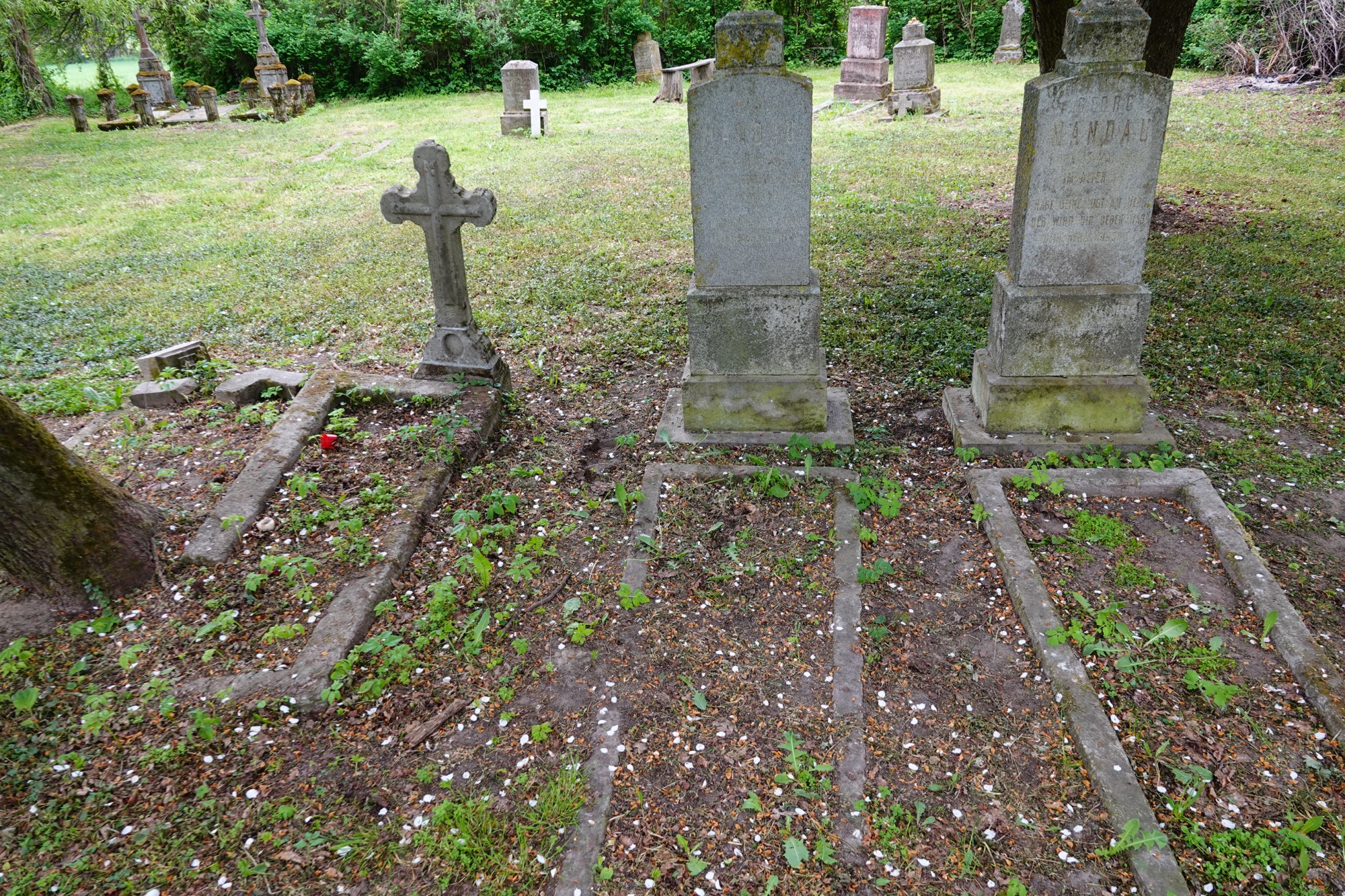
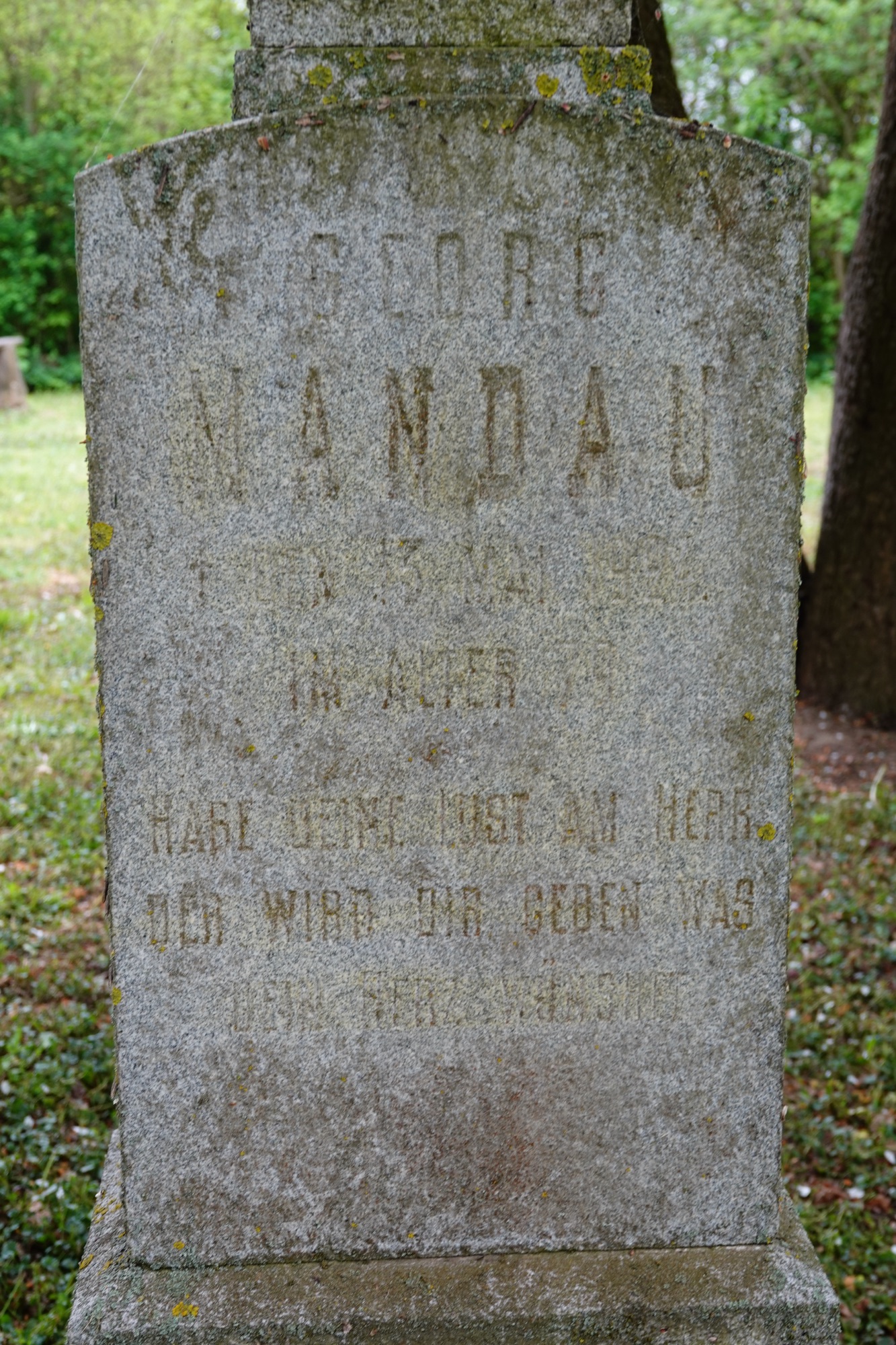
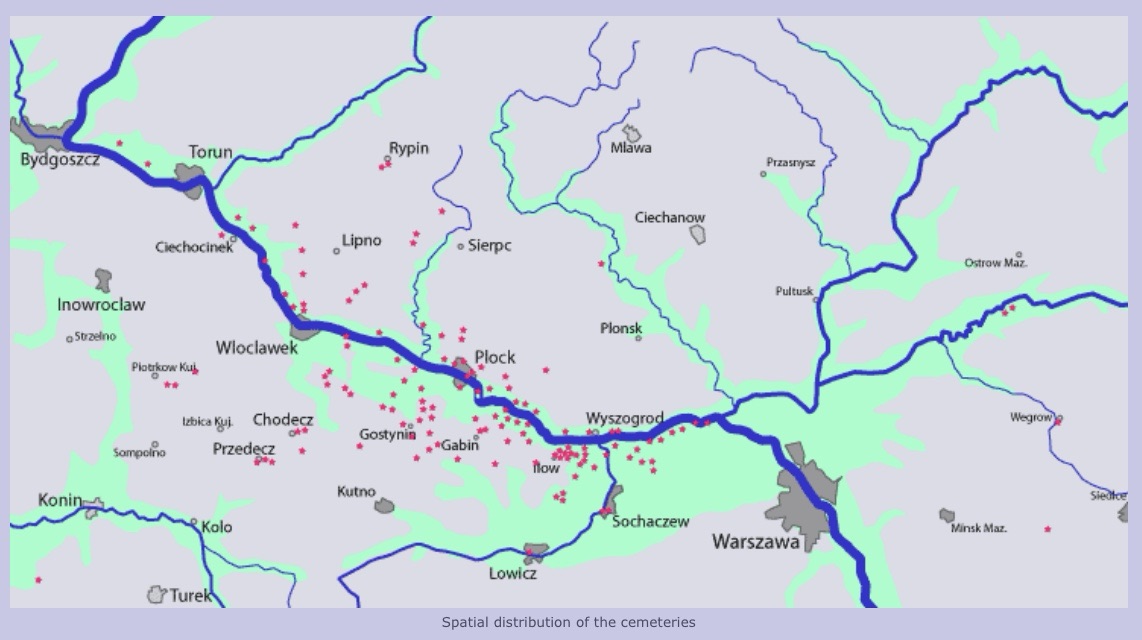
We know that families who had enough money and property had their own graveyards, and there were many in these Vistula settlements. Each red star on the map below represents a researched cemetery.
In many/most there are graves with border stones but no headstones, which means many unidentified interments. I would expect that we walked over many more graves of my great-grandparents’ generation. There were many Gatzke gravestones, related to a family who intermarried with Mandaus but not in my direct line.
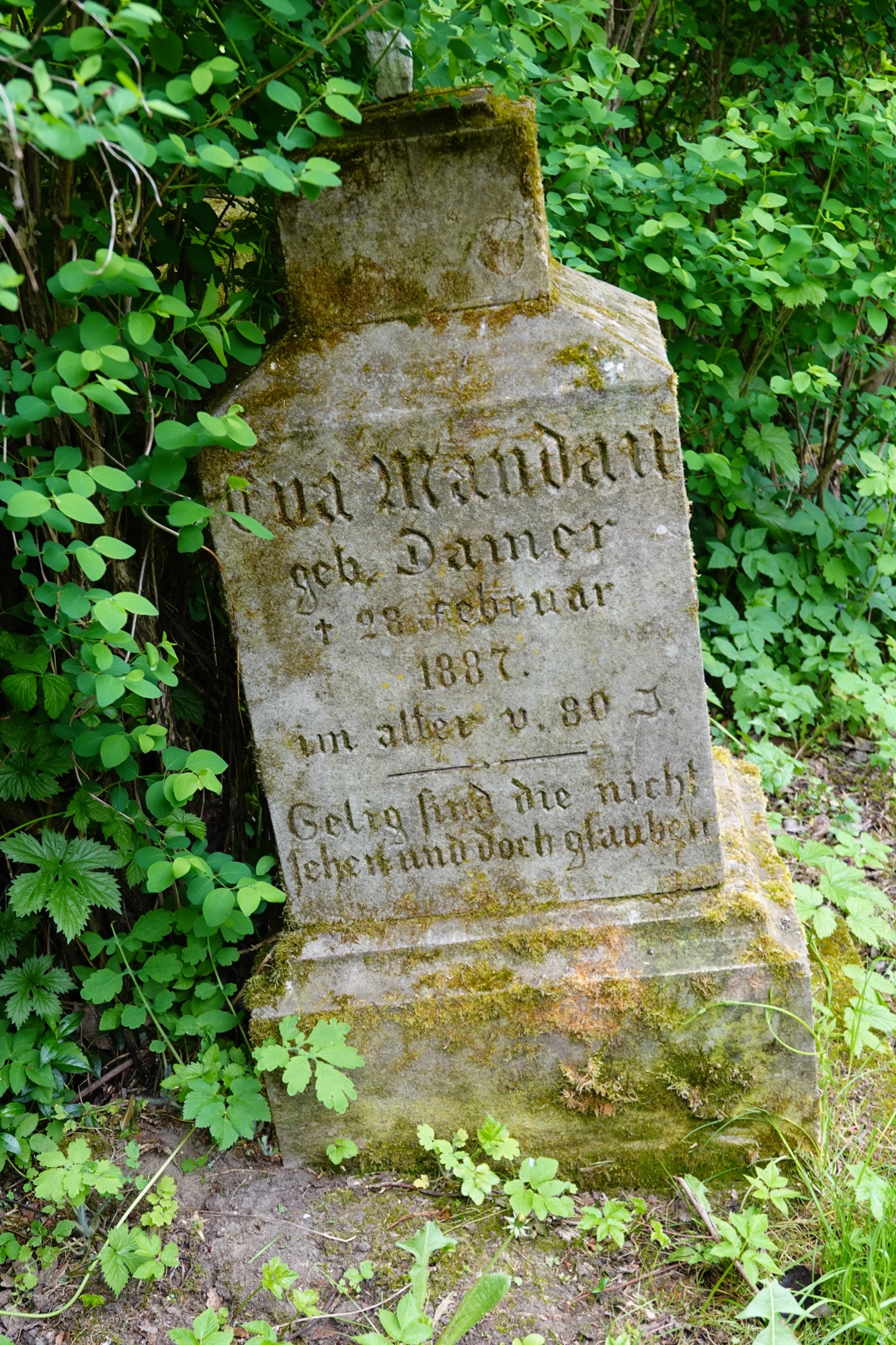
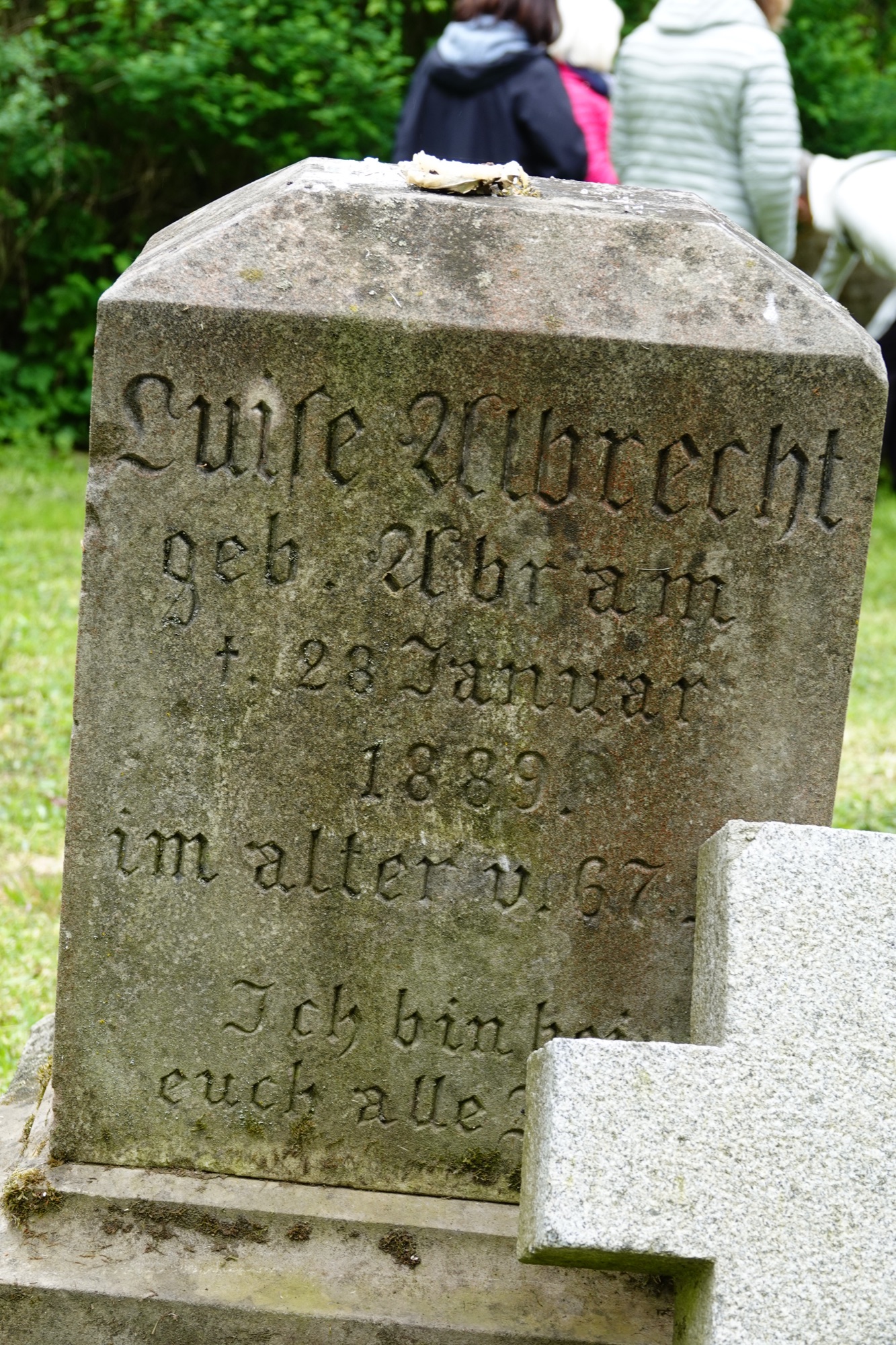
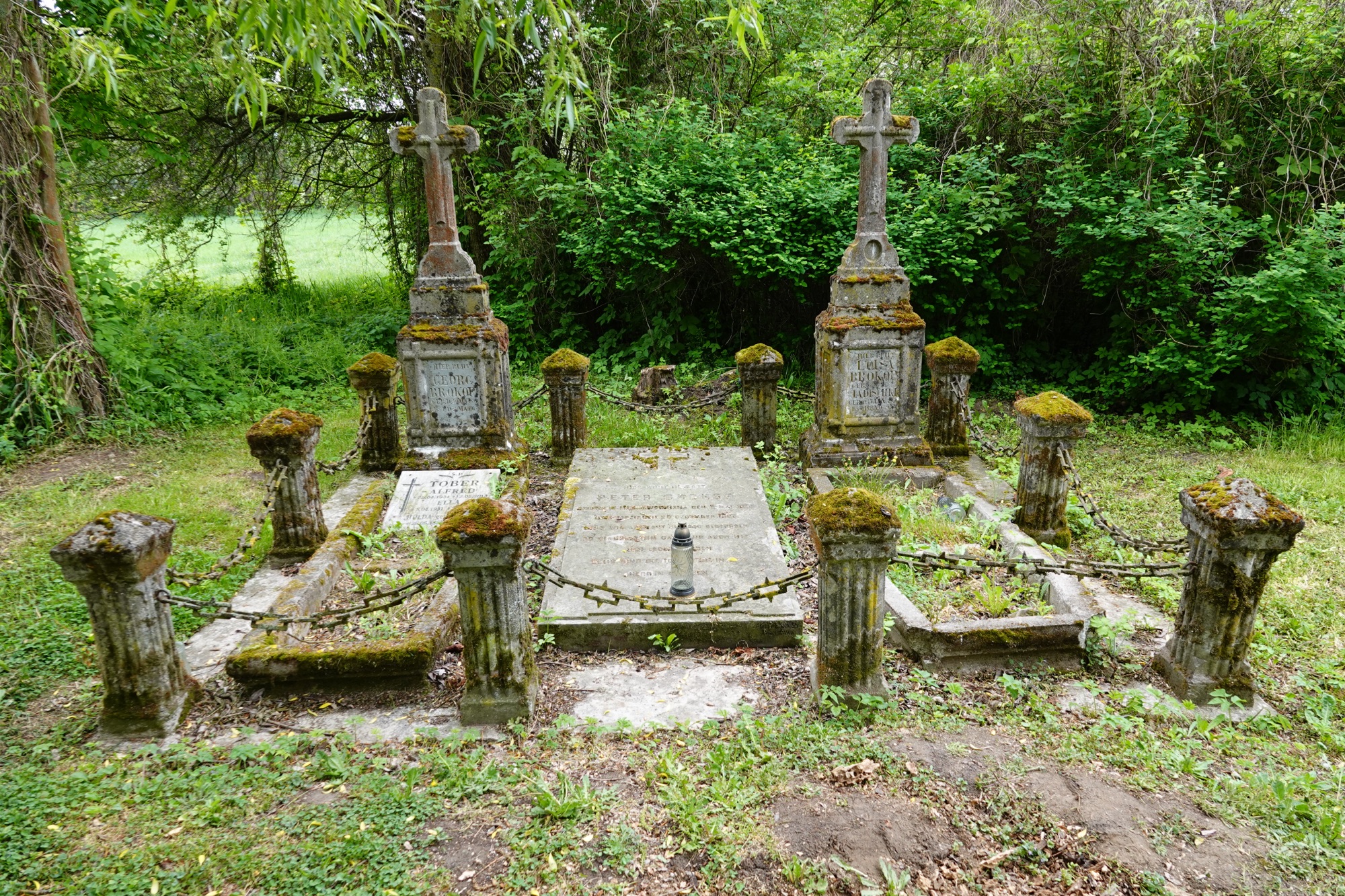
All the previous graves related to the Mandaus (my grandfather),but there was also an area with graves of members of my grandmother’s Brokop family.
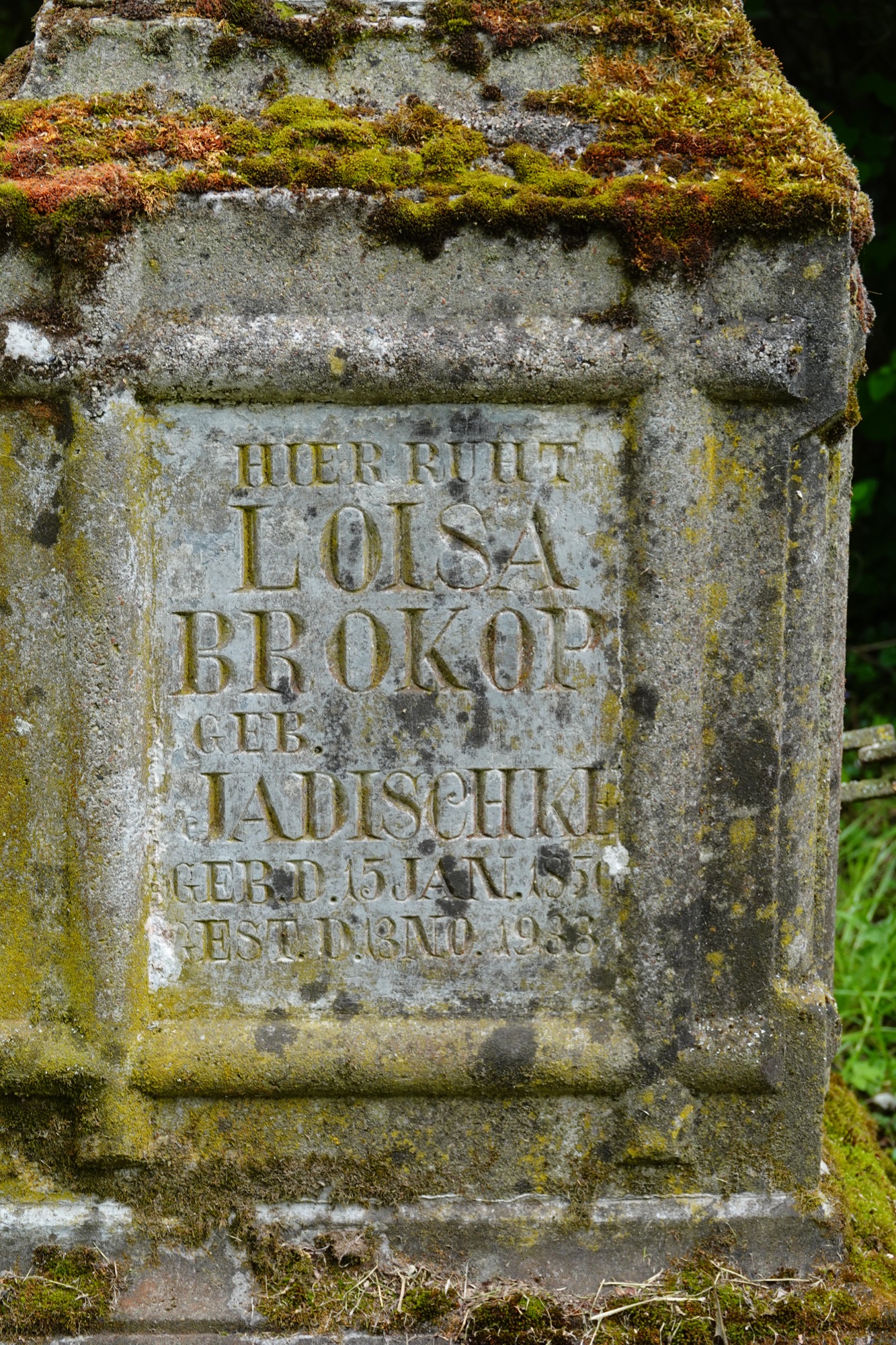
I know very little about my grandmother’s family, but one of the graves definitely belonged to her aunt Loisa, born a Jadischke on 15 Jan 1856..
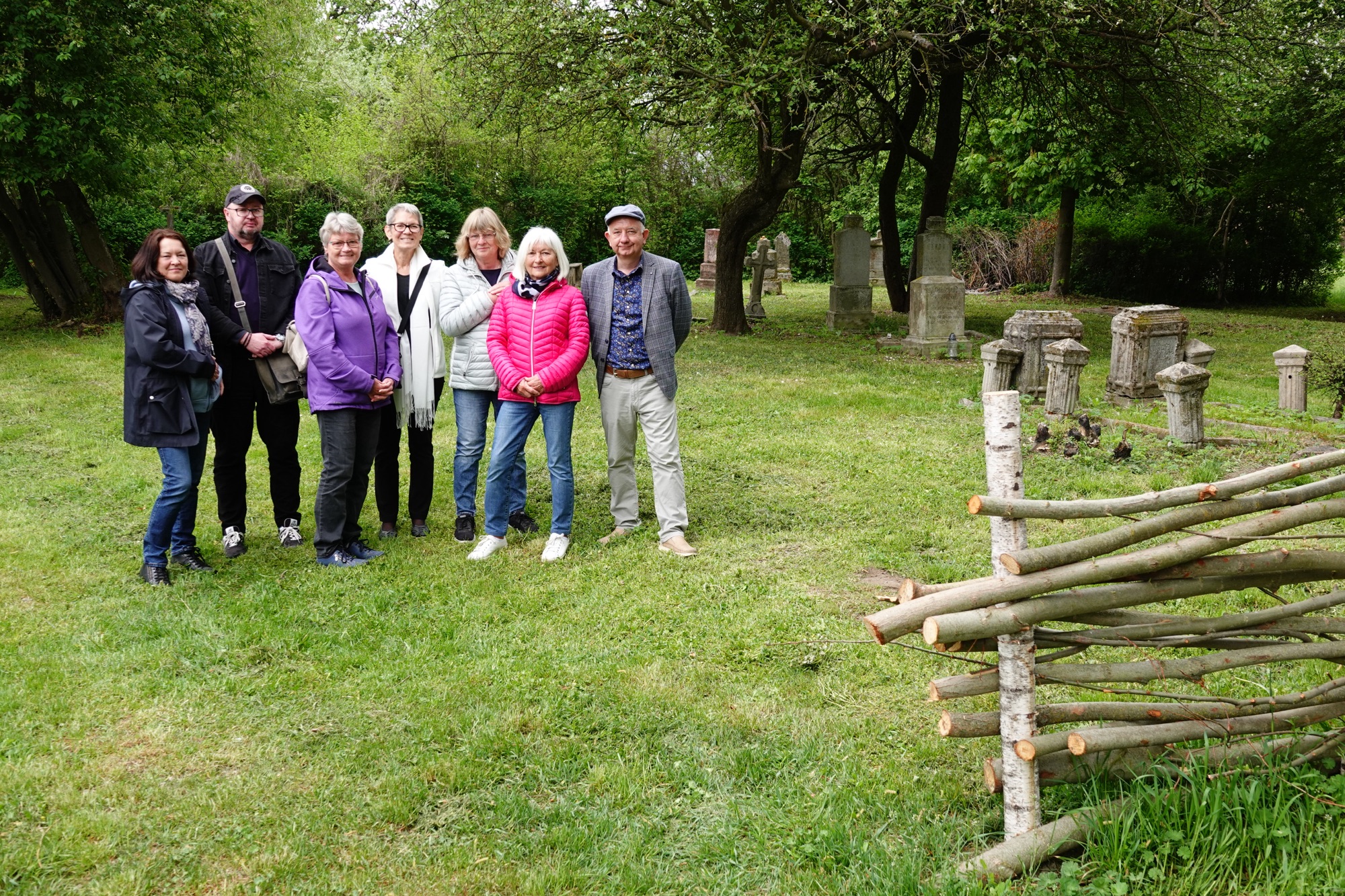
We were so grateful to Janek for researching our tour locations, and to Jacek for driving the challenging rural roads.
We know that our grandparents and great grandparents must have had their family home in the vicinity of the cemetery, but nothing of their house or barns remains.
The nearest thing we could find was a home that belonged to “a” Mandau (we think possibly my grandfather’s older brother Michael?). #21 still exists as a house and barn, both built around the 1830s. The current property owner, who lives in the much more modern red and white house on the property, is the area’s “sołtys”, or village head man/chief. Janek had asked permission to walk the property with us and take exterior photos.
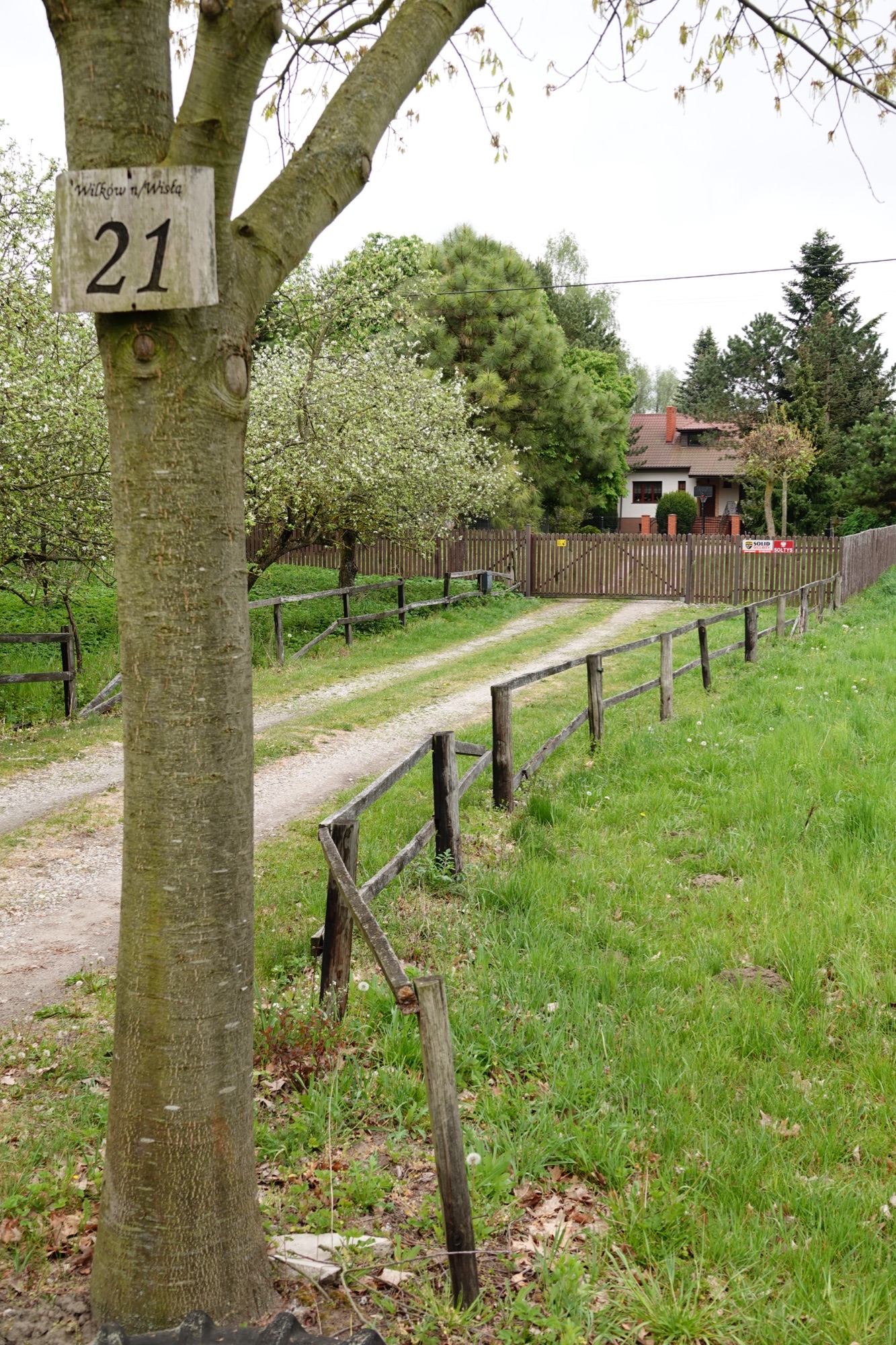
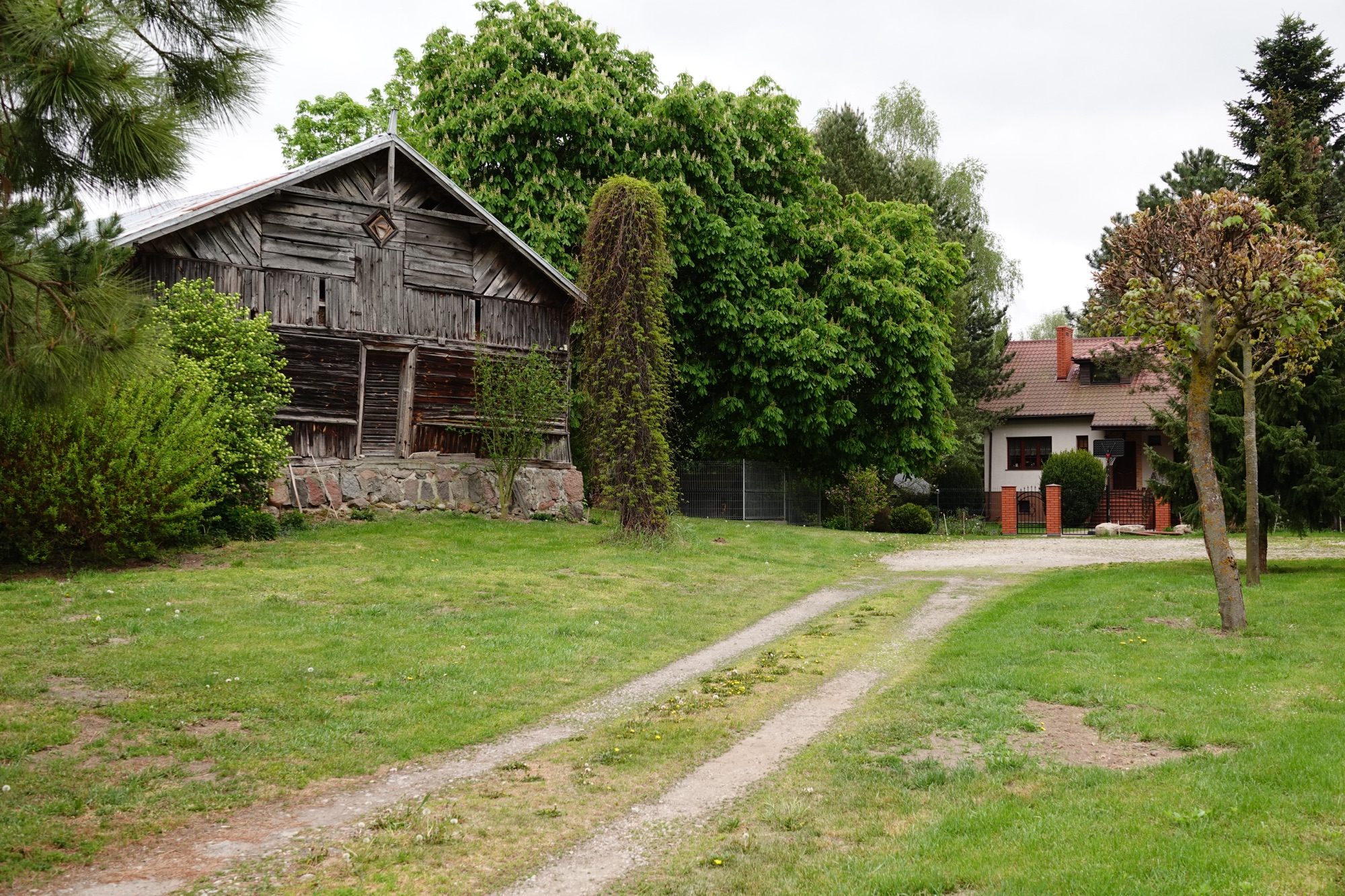
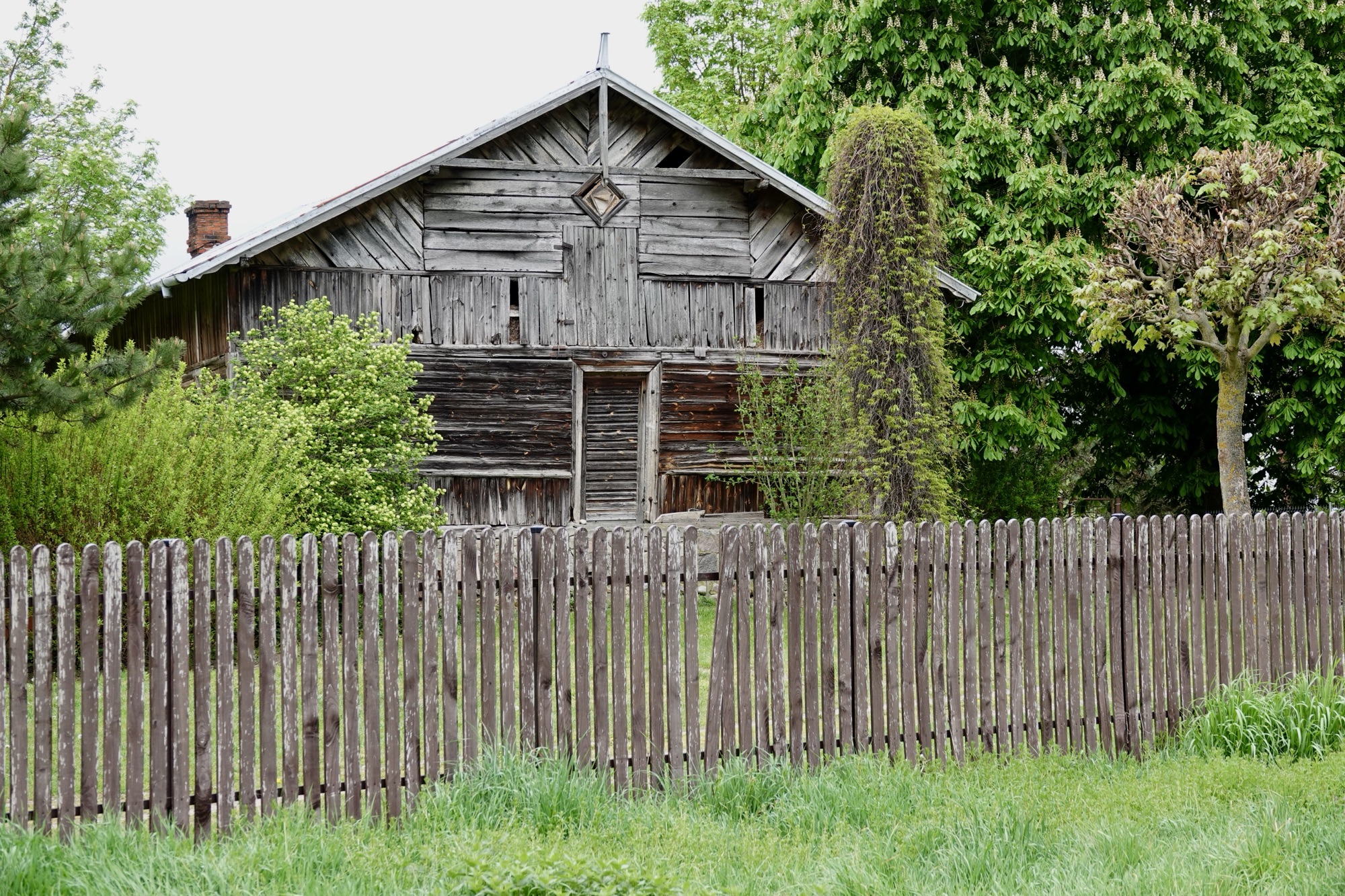
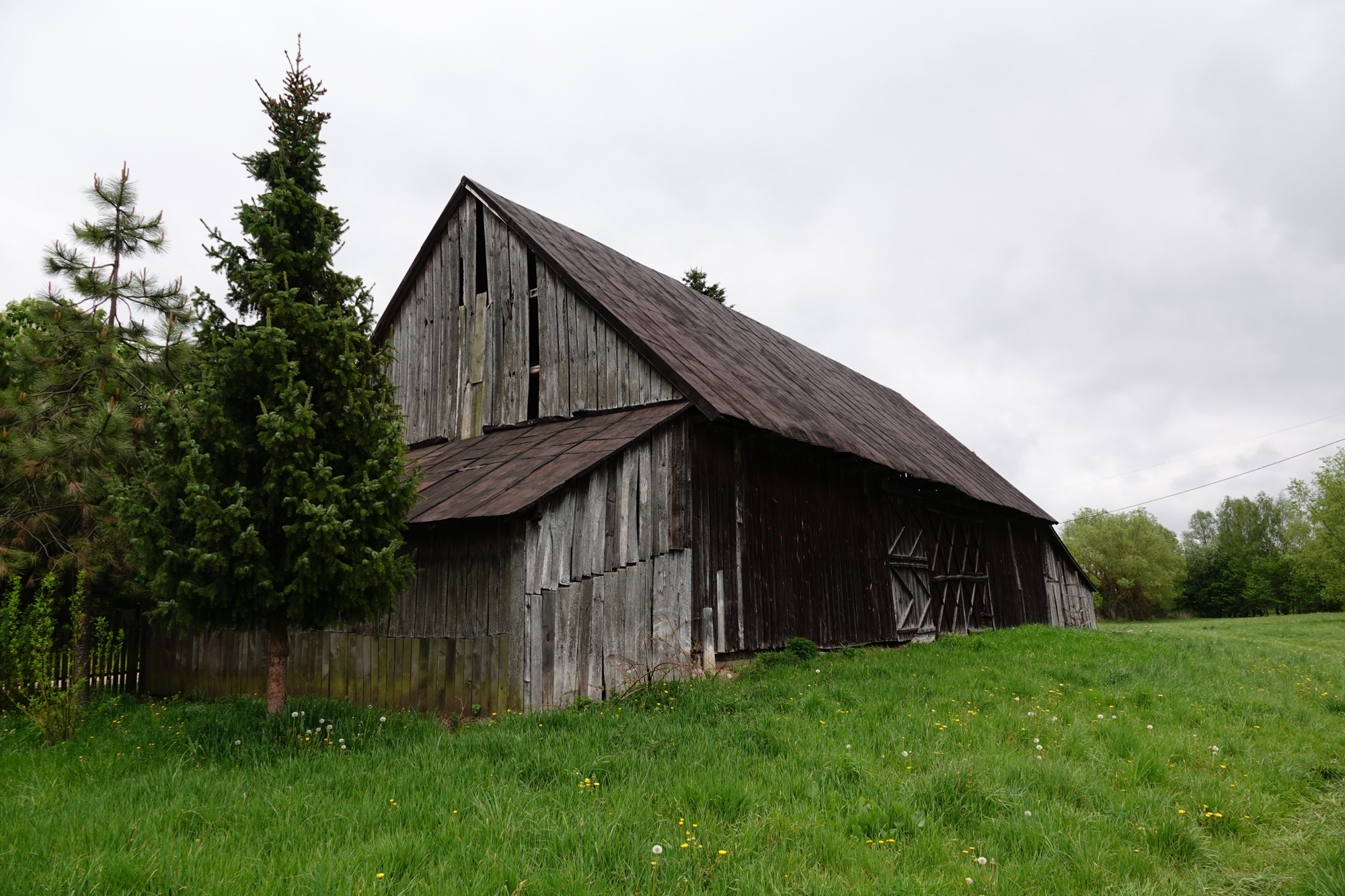
Here we learned a bit about how the “Ollender” settlers designed and built their homes. They were “long houses”, with the animal stalls at one end and the living quarters at the other, with a loft upstairs. The houses were always built perpendicular to the river, so that when it flooded (as happened regularly), if the flood waters breached the dike they would more easily flow around the structure. Further, the animal areas were on the water end, and could be easily evacuated to higher ground, while dry goods – and even people – could move to the loft. Then, if the water reached the building, it would likely only effect the stalls, which would simply get a good cleaning. Pragmatism was clearly a strong suit!
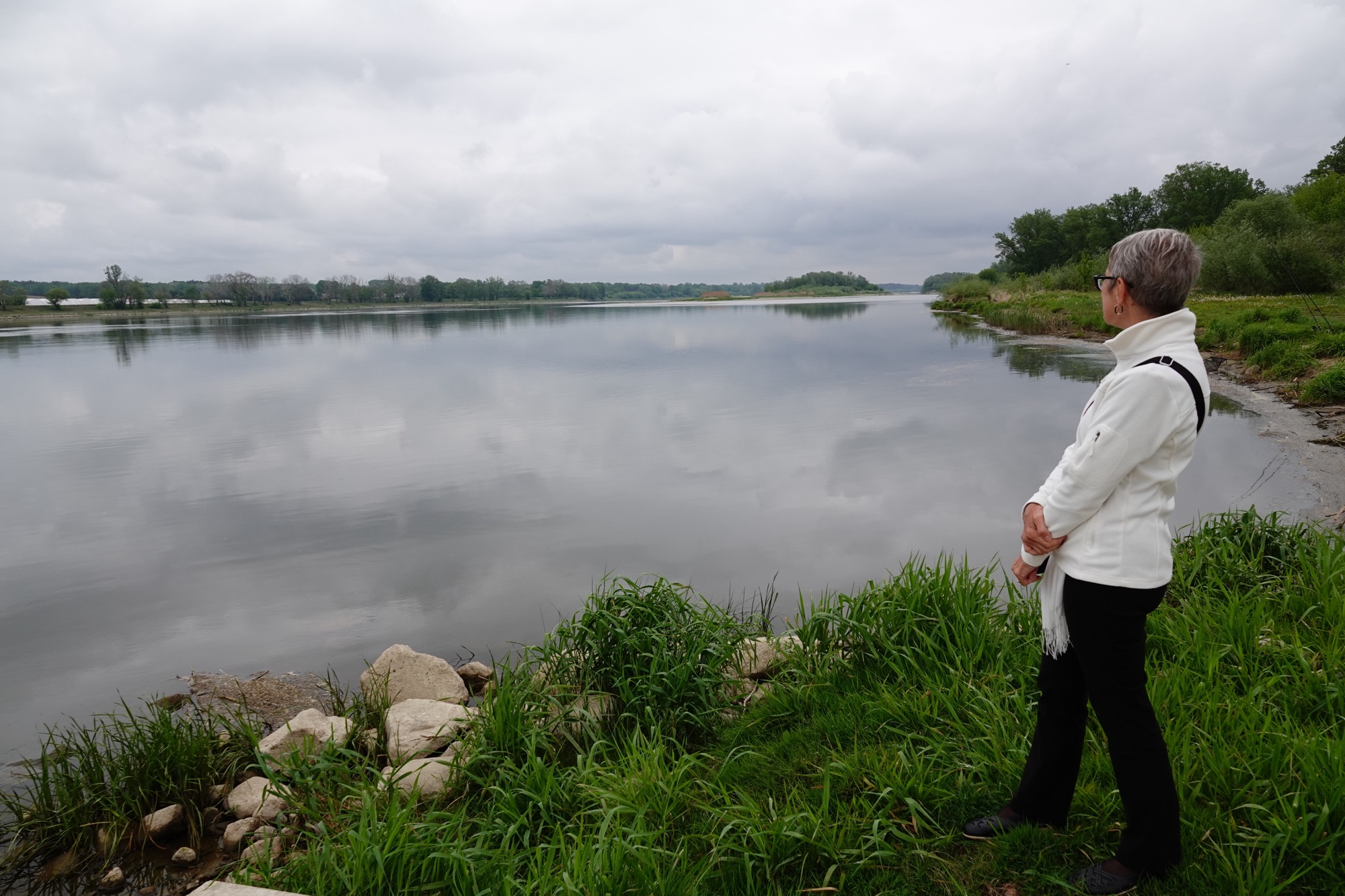
We continued to follow the river to a place where we could drive over the dikes and get close to the water. This, as opposed to how the river looks in Warsaw, is exactly the way I expected from my dad’s stories. I had no trouble imagining him learning to swim in these waters.
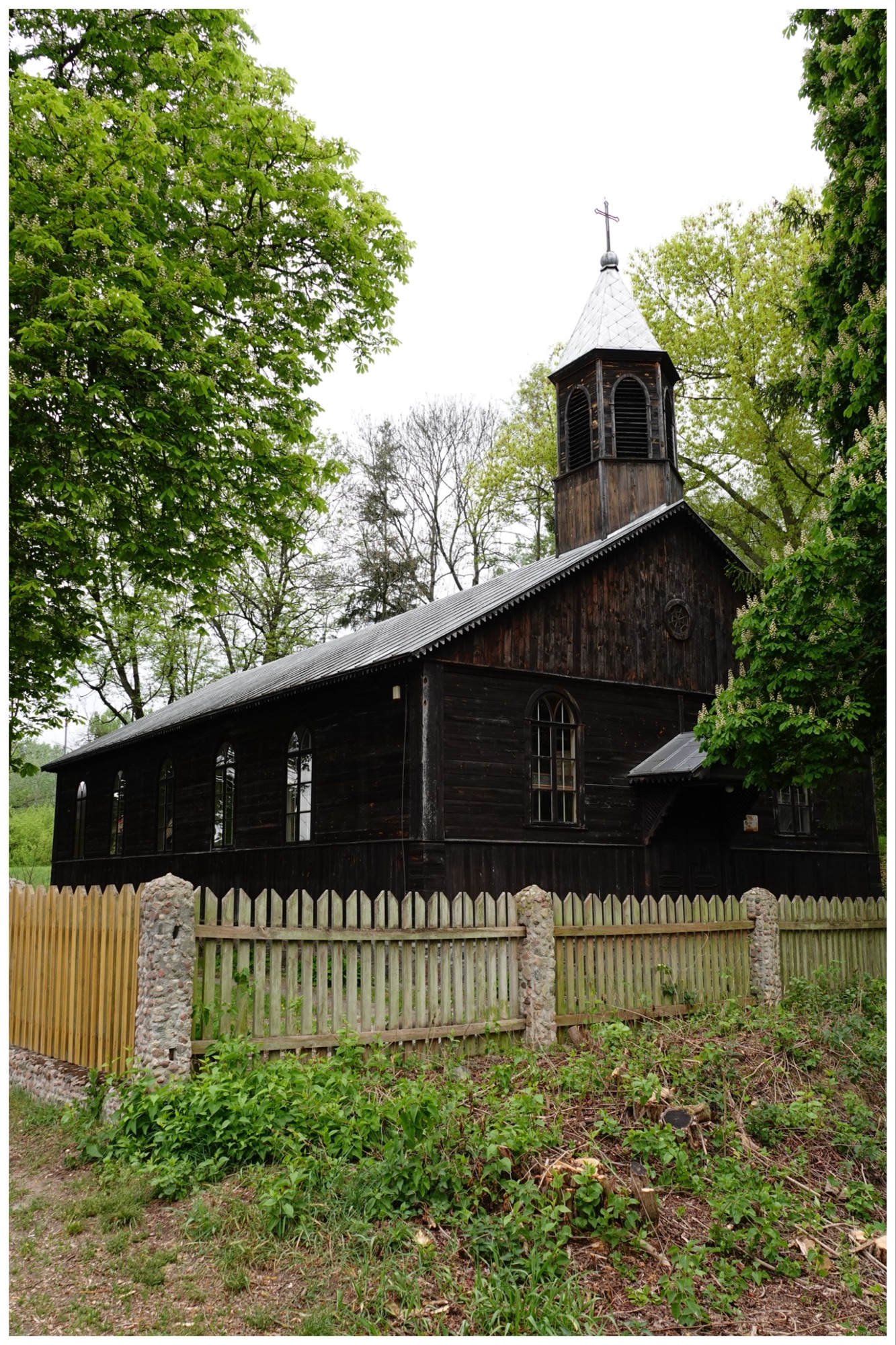
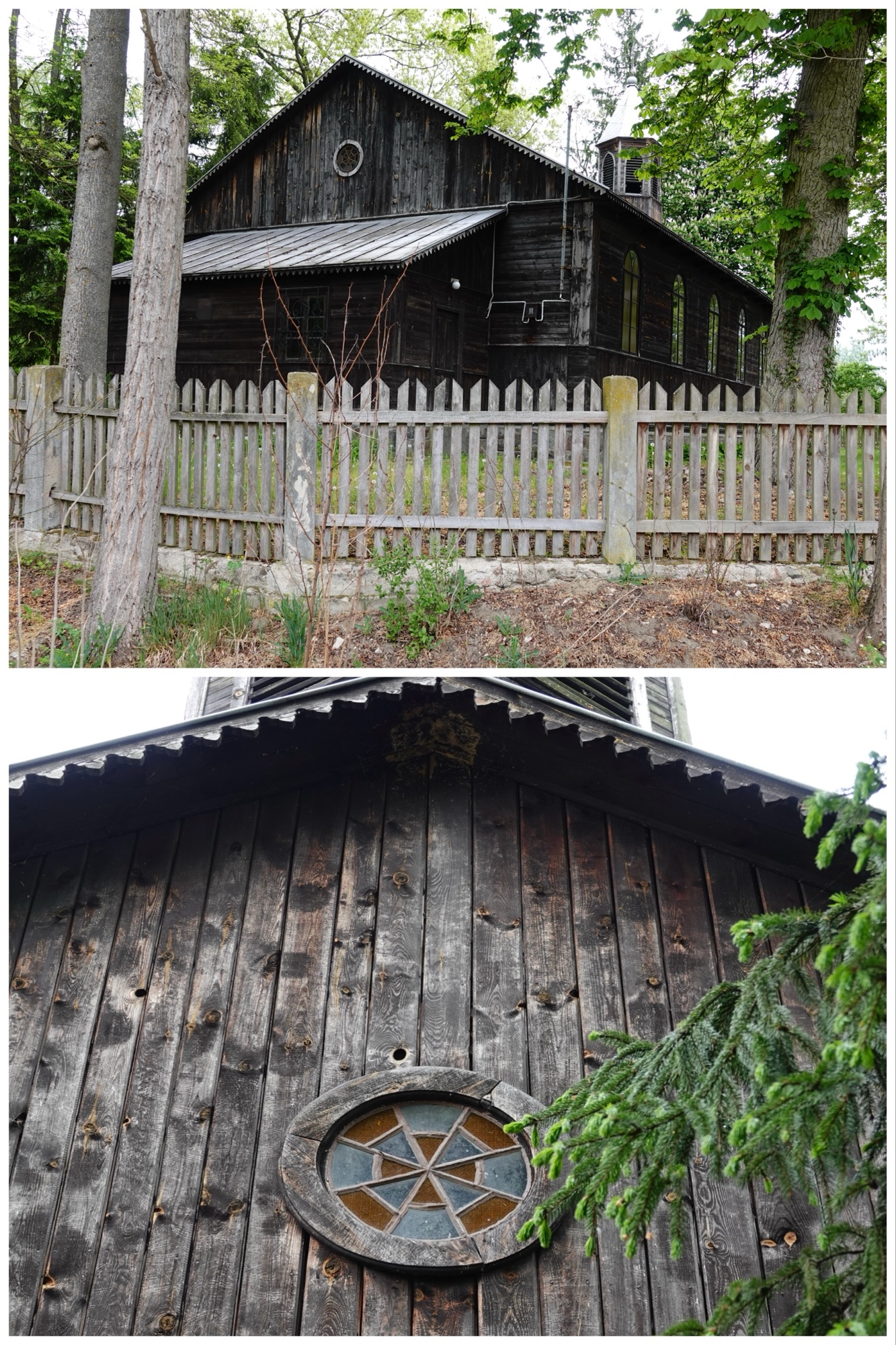
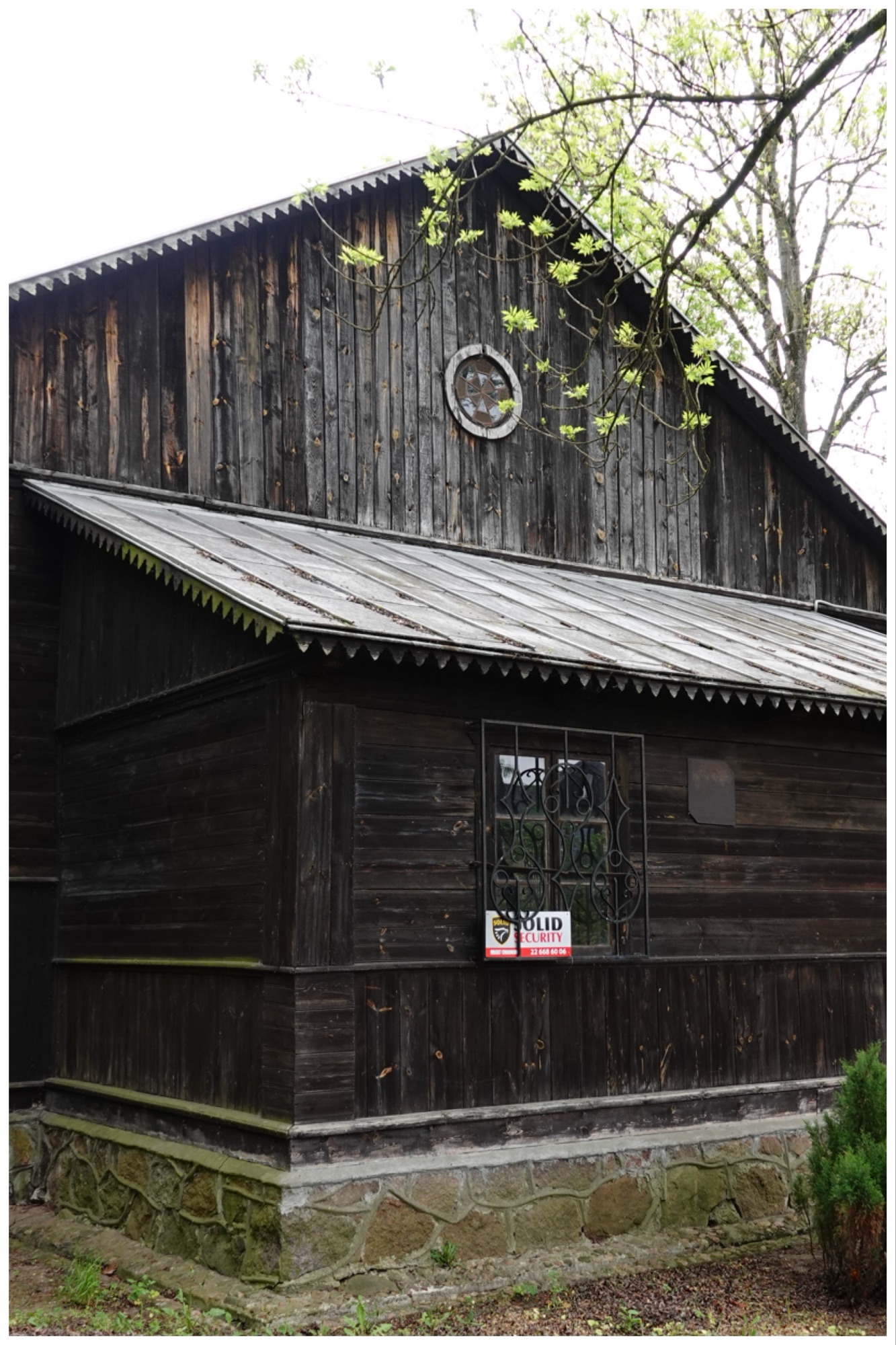
Our Mandau forebears lived in Wilków nad Wisla, but the nearest Evangelical Lutheran church was in the former county seat of Secymin. That’s where Sunday services, marriages, and baptisms were celebrated. I’d seen something online recently to indicate that the church was still standing, so asked our guide (on the spur of the moment) whether we could detour there. The pictures below attest to both his answer and his ability to get through a locked gate.
From the church we drove to the Open-Air Museum of the Vistula Settlement in Wiączemin Polski, located in Płock. Our relatives would have lived in Nowy Wiączemin, also known as German Wiączemin. In this region the population prior to WWII was almost exactly 50/50 Polish and German, living side by side yet separately. Virtually every town had a “Nowy” and a “Polski”, the former with German inhabitants and an Evangelical Lutheran church and the latter with Polish inhabitants and a Catholic church. They interacted largely at markets, yet harmoniously. In fact, when the dike-building settlers arrived, they mentored the local Poles to help them mitigate the effect of floods, and the Poles began building their houses in the Olender style which was more flood-resistant.
The museum consists of two Olender farms, which were transported here from other areas, a church rebuilt on an original foundation, a schoolhouse which already existed here, and a cemetery.
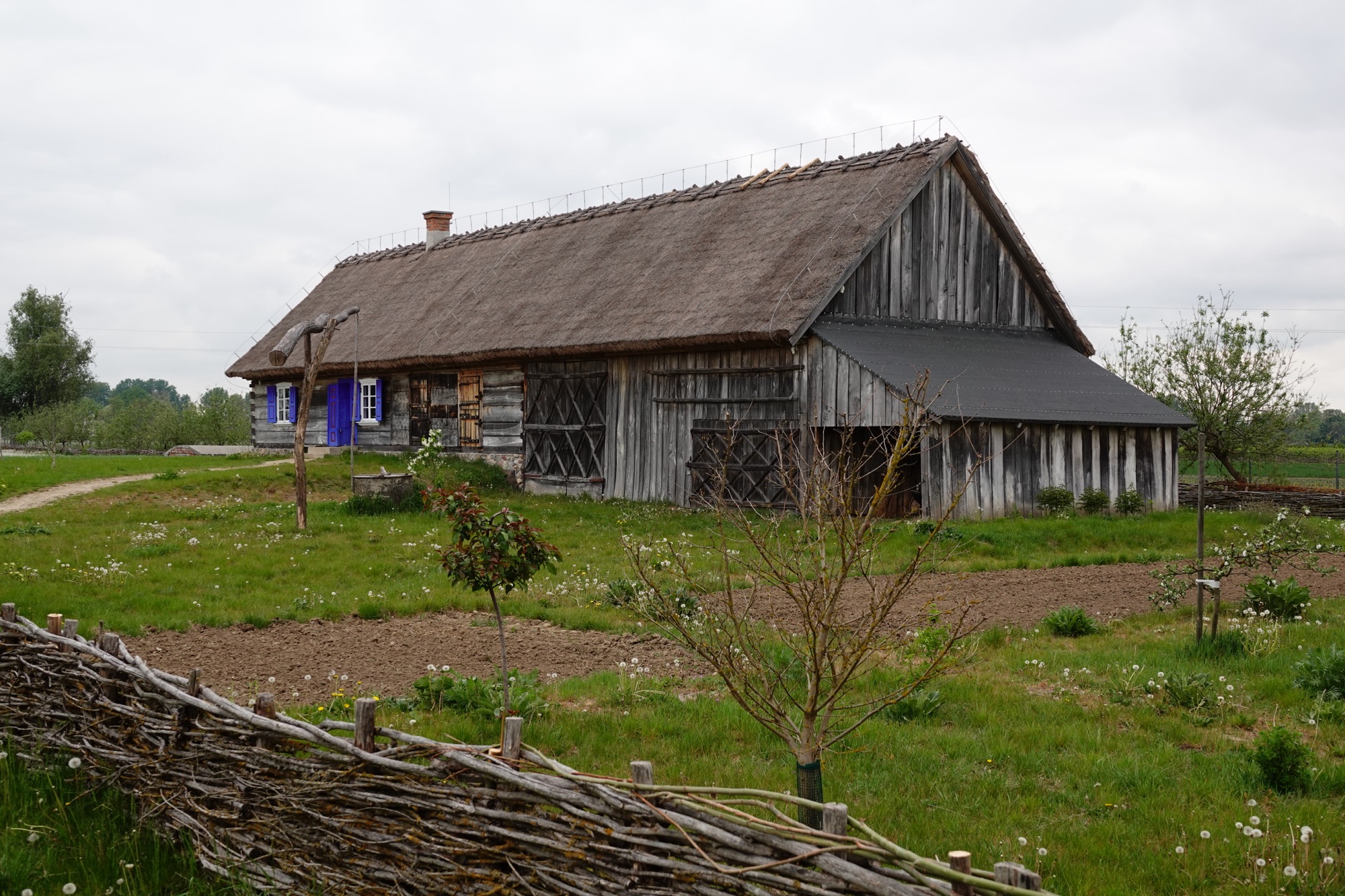
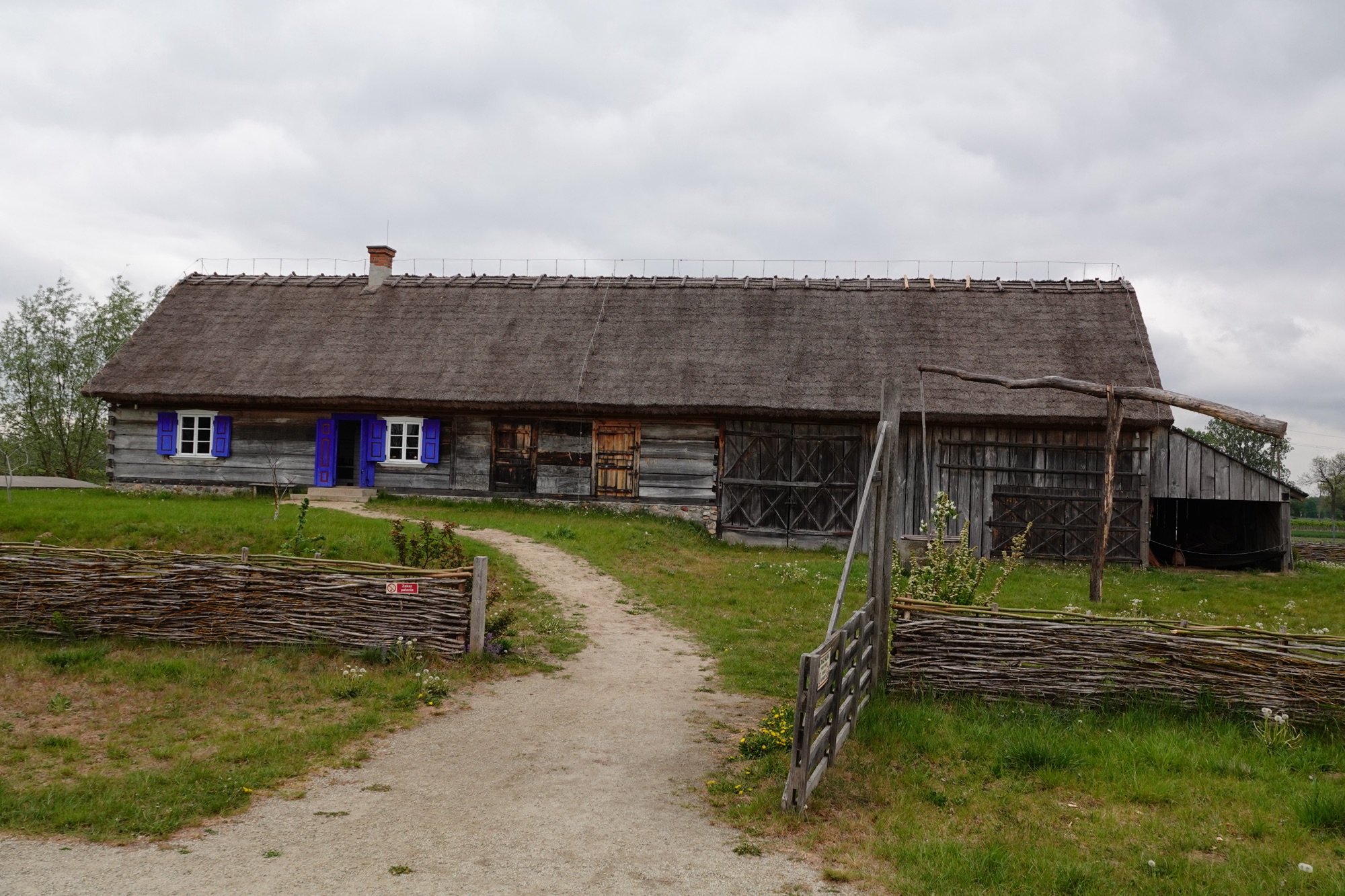
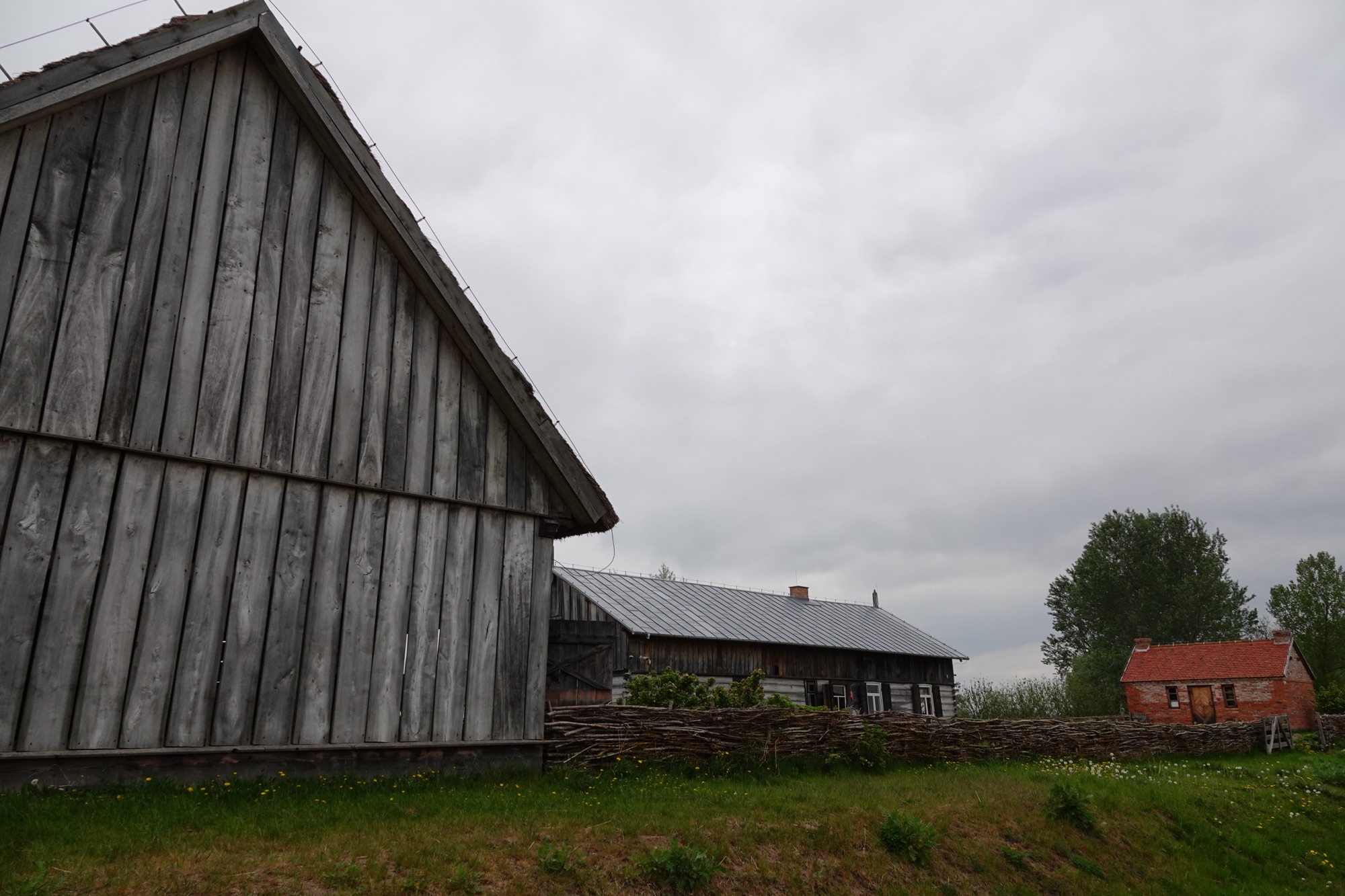
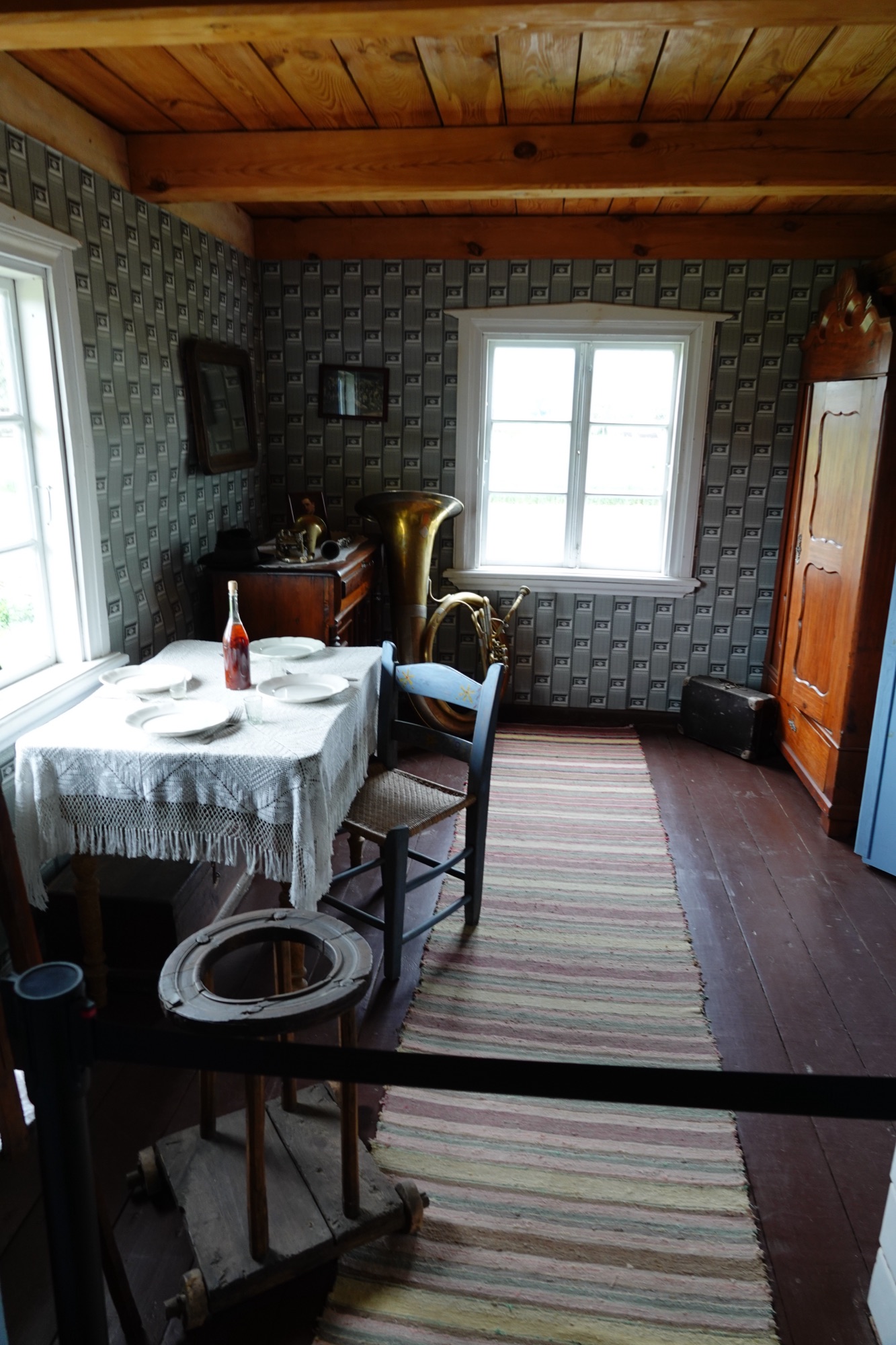
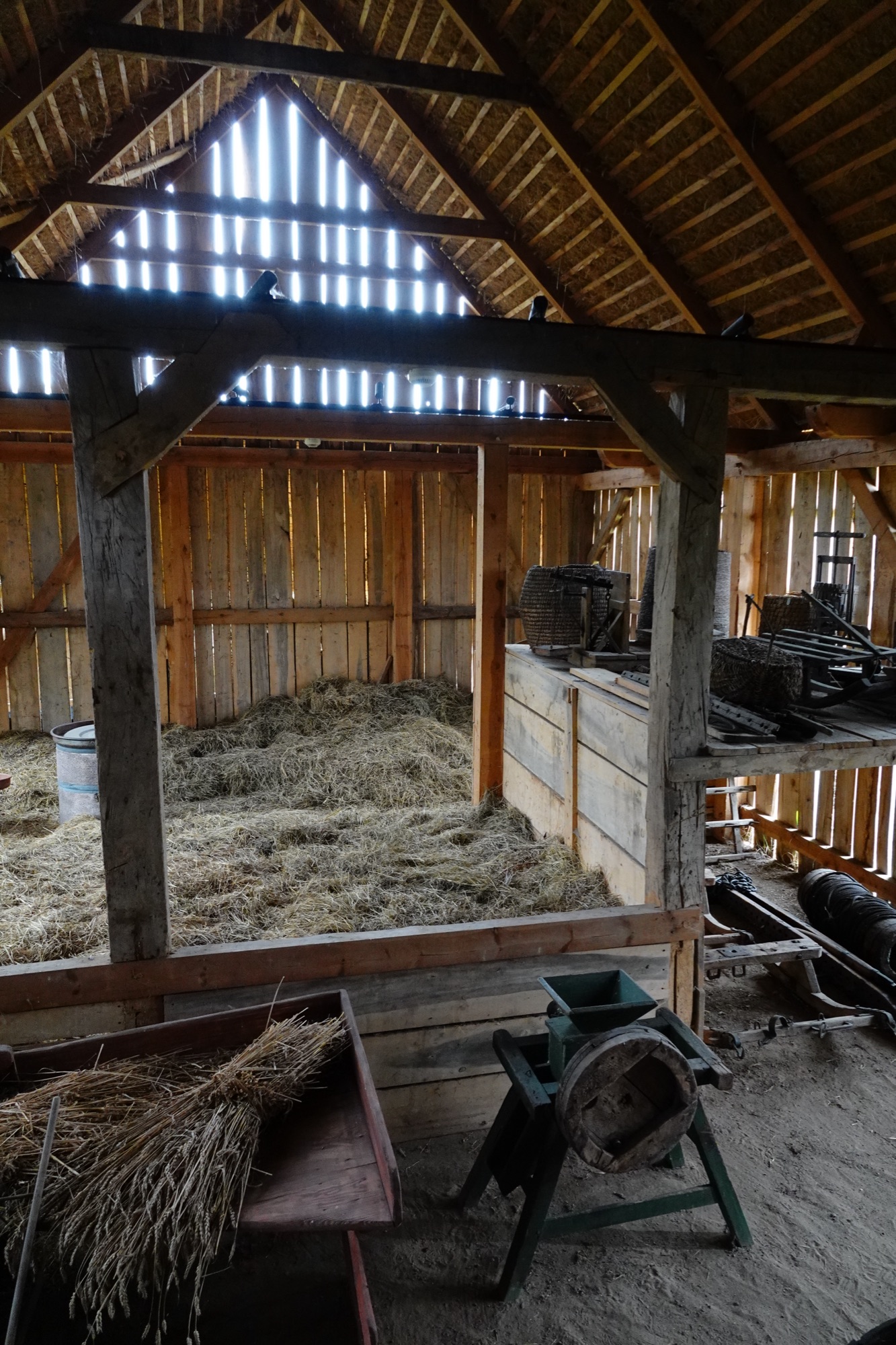
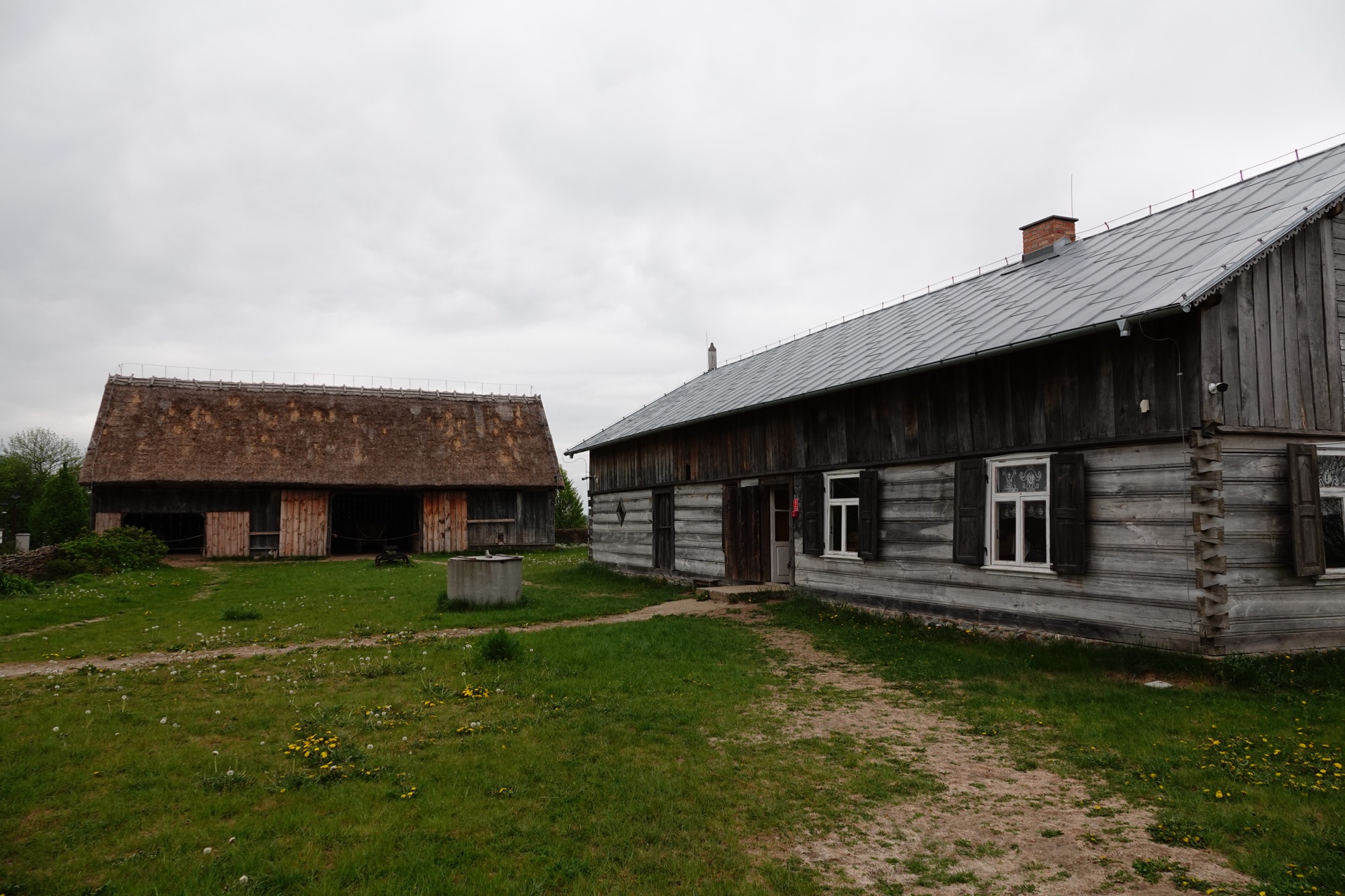
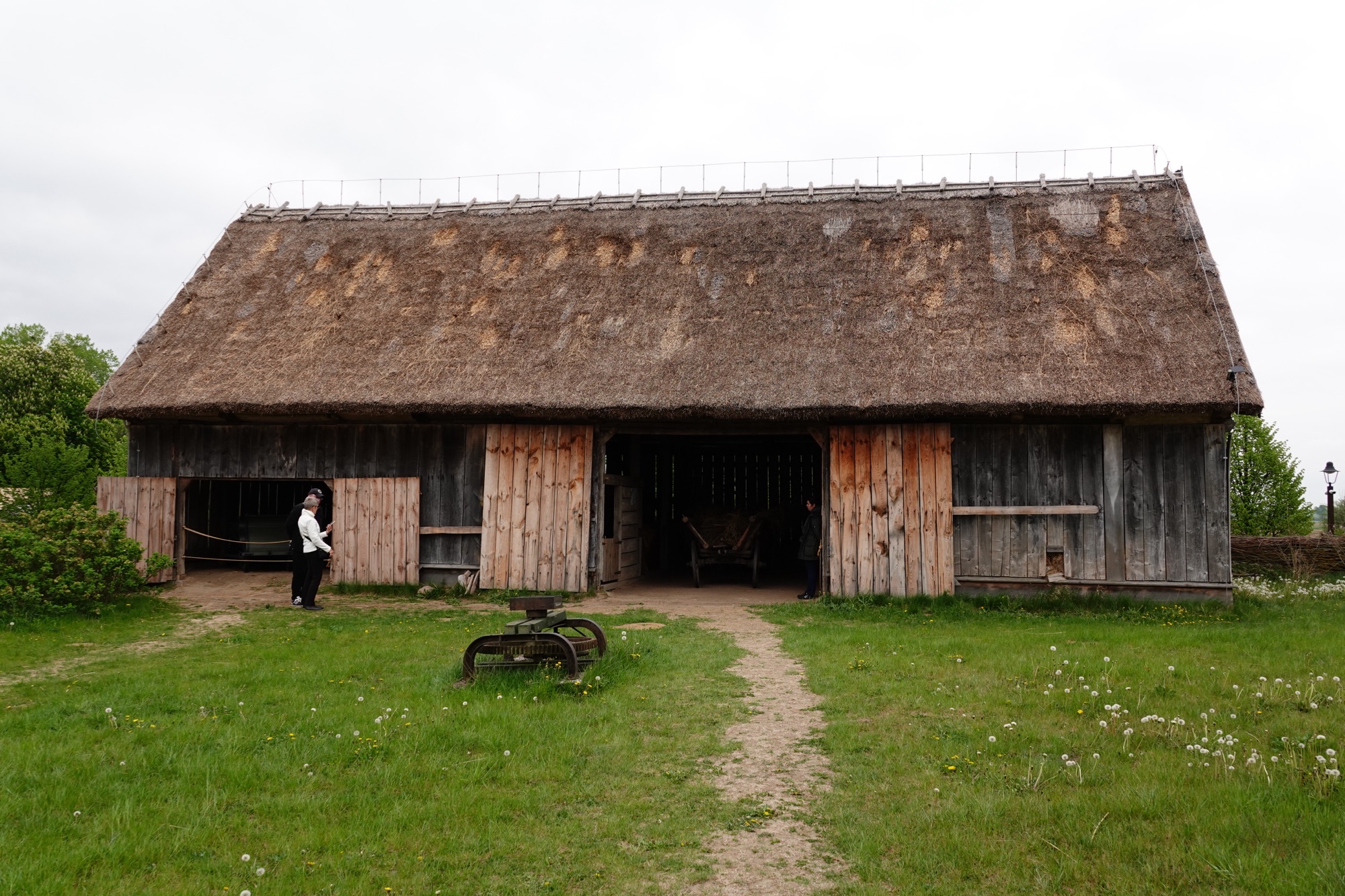
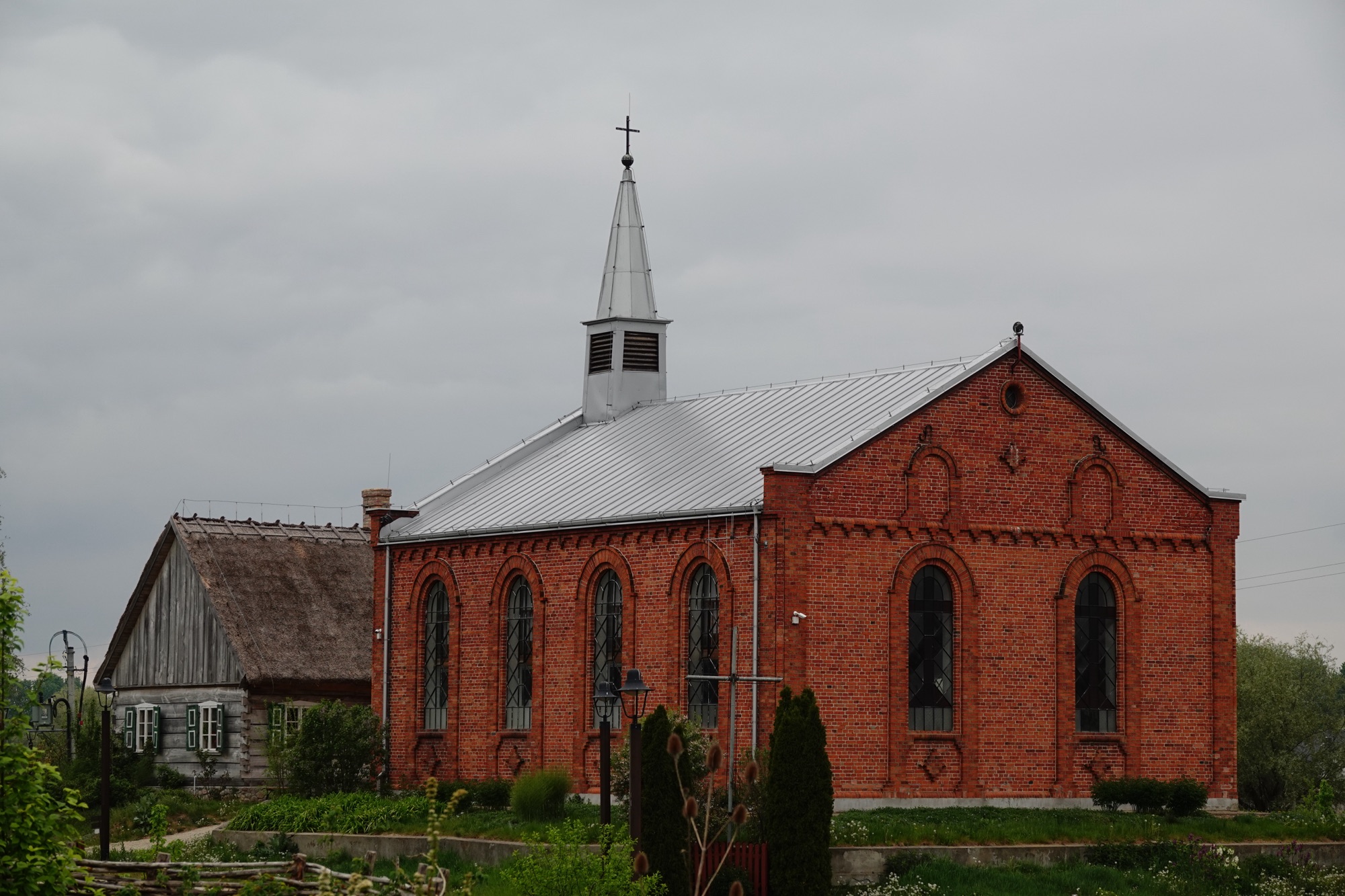
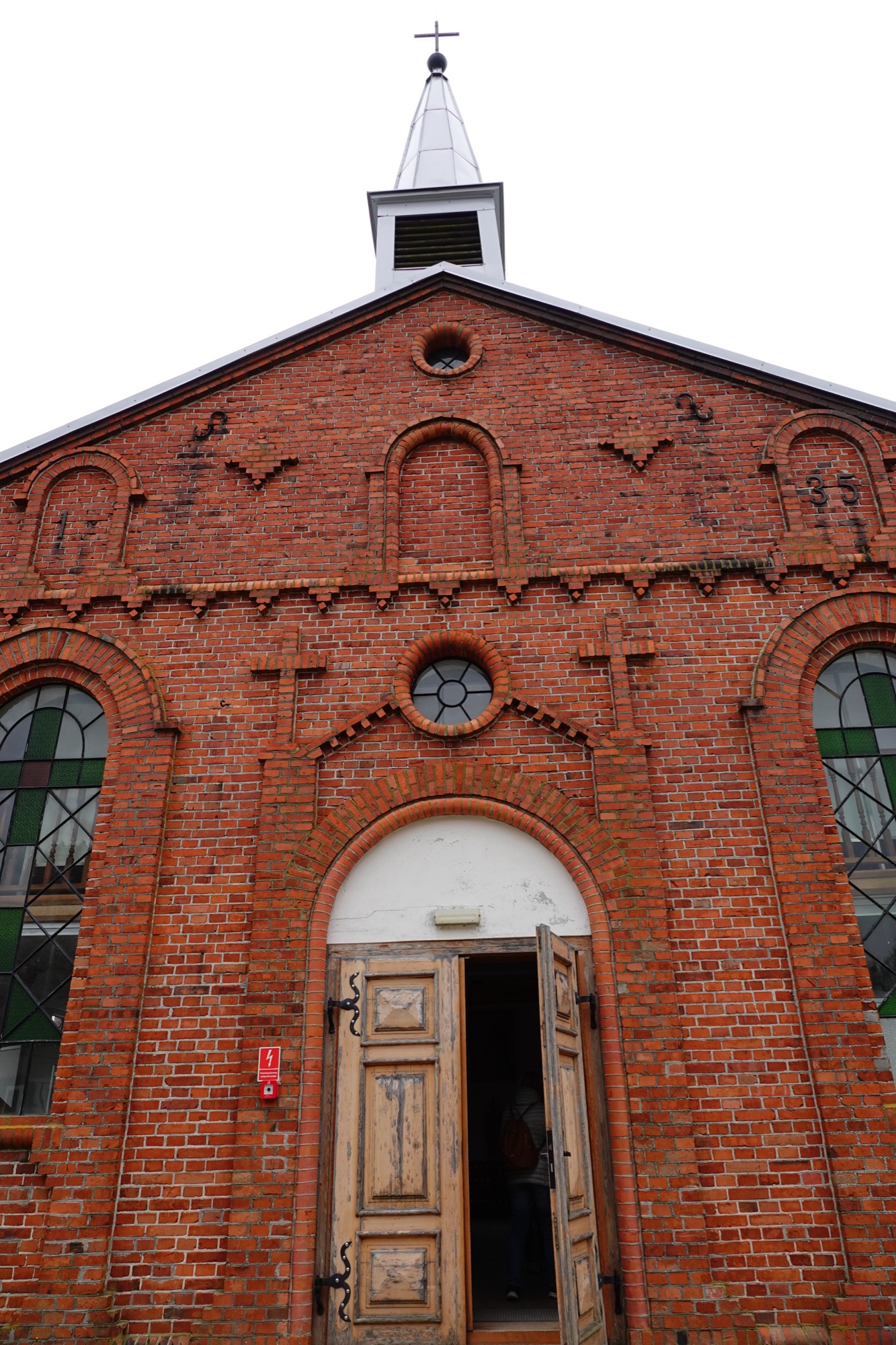
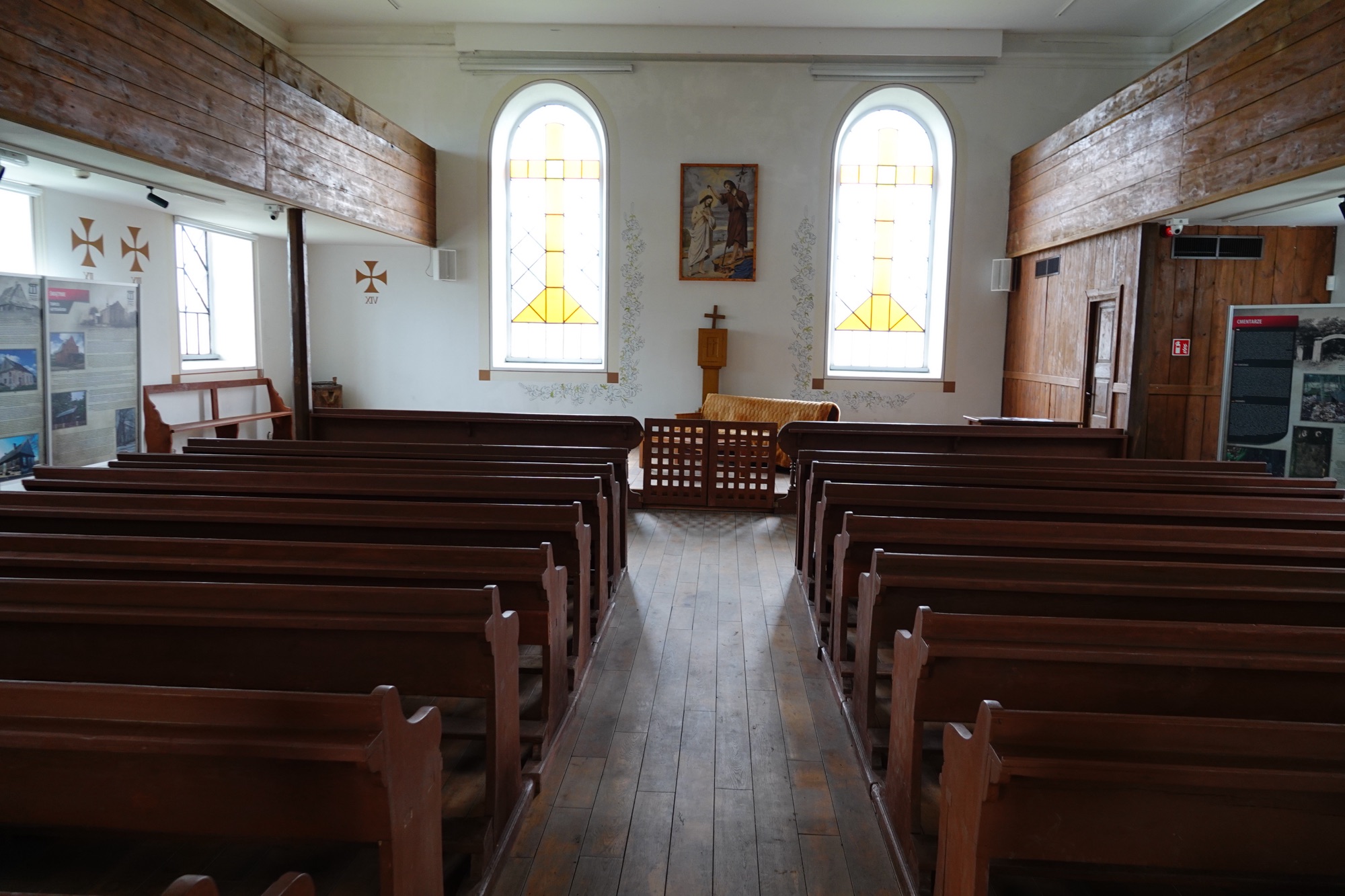
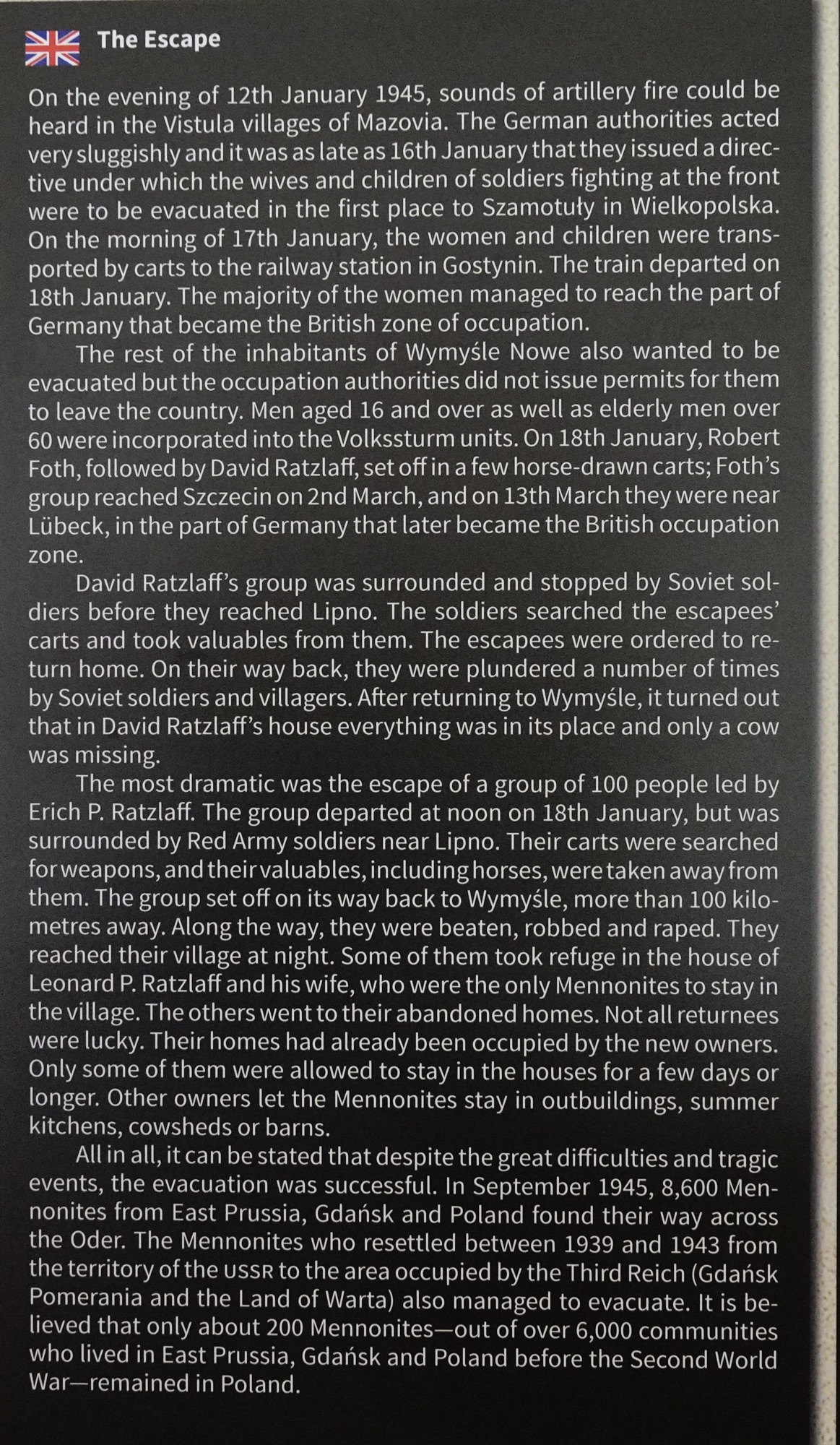
Upstairs in the church was a display explaining the history of the Olender community in this area. I found the section on the Mennonites’ expulsion from Poland after WWII especially interesting because it echoed our family’s story. Two of my aunts married Mennonite men from Wiączemin.
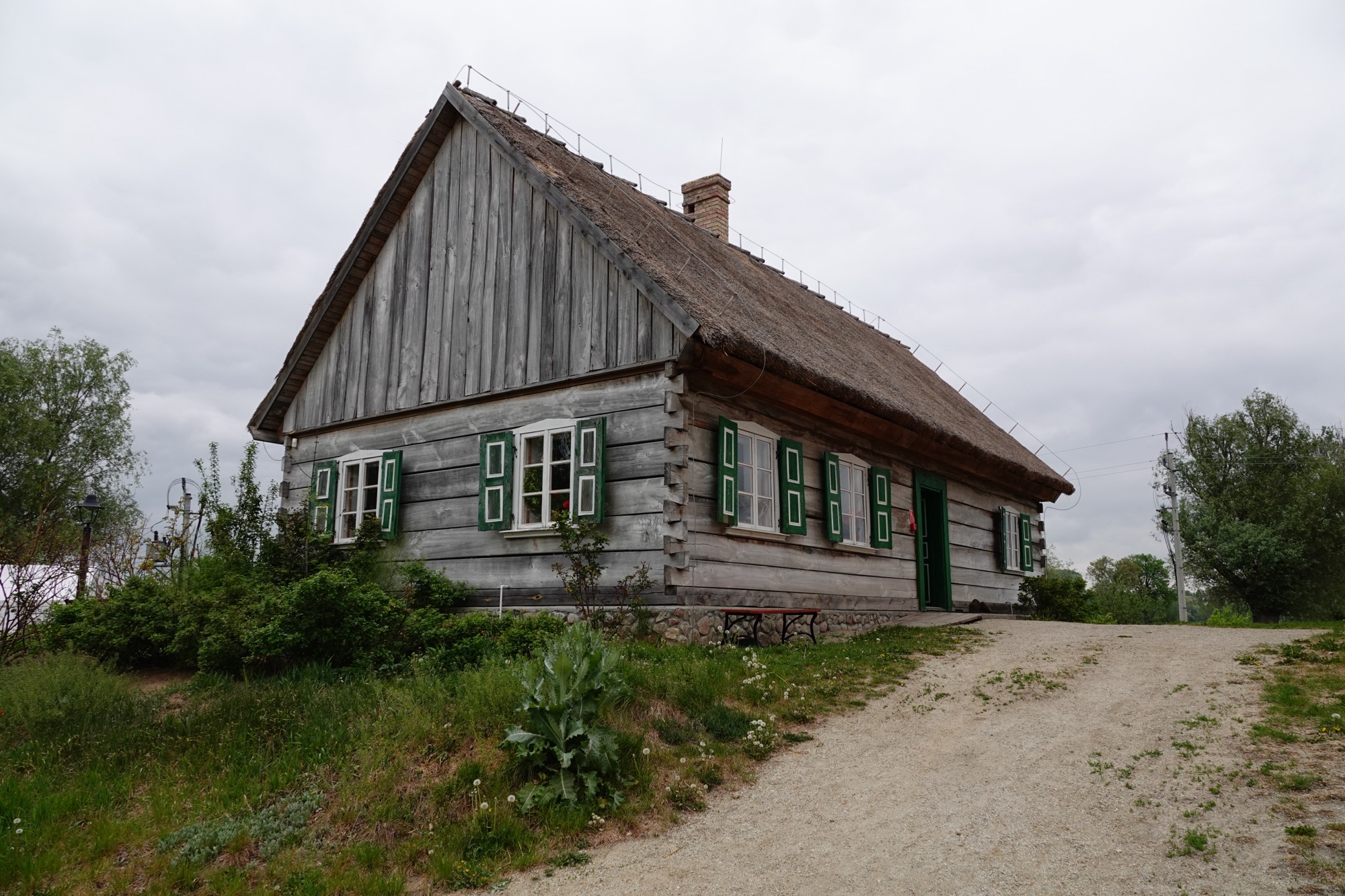
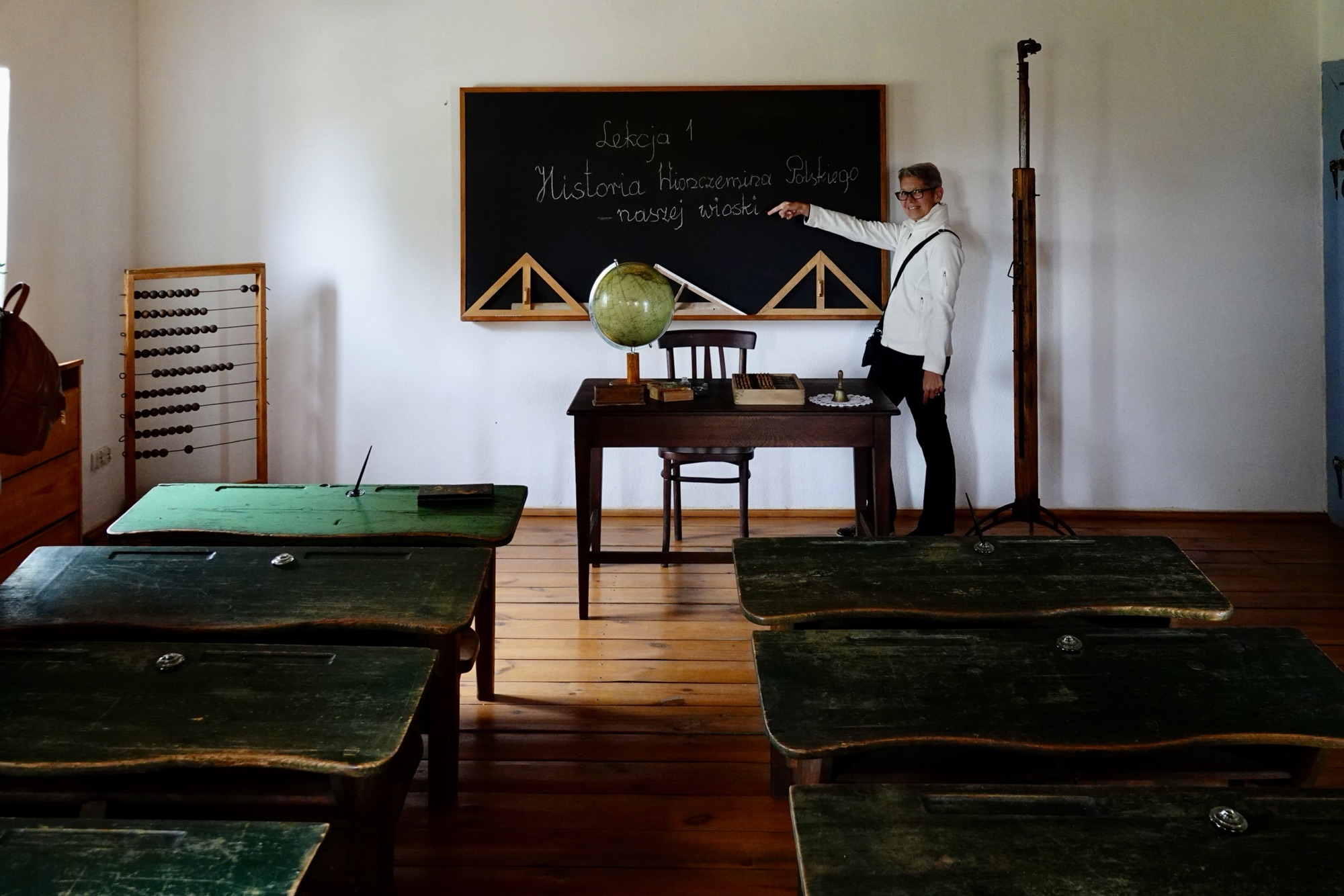
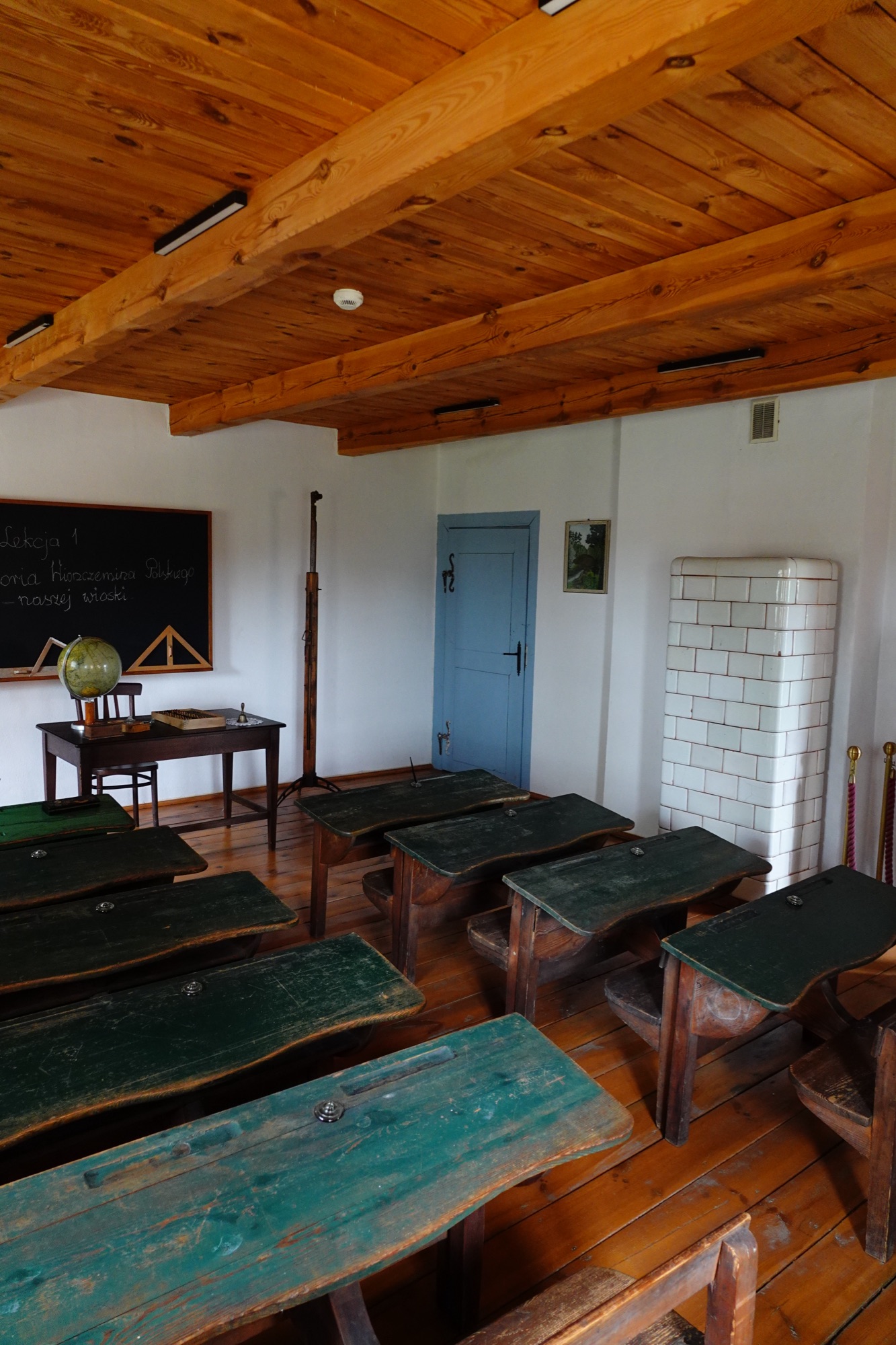
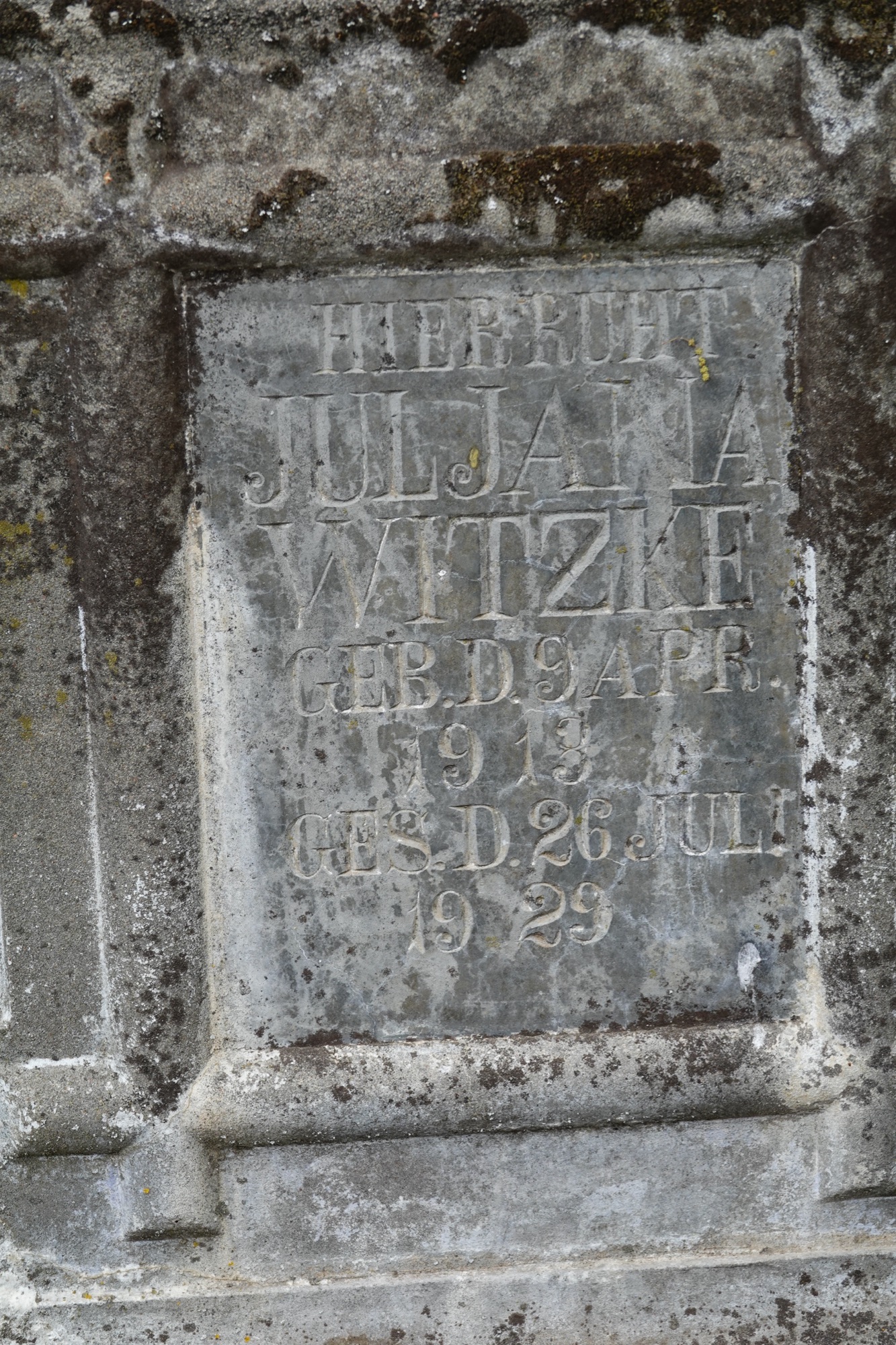
We were surprised to realize that the cemetery now located within the museum was the same cemetery that Helga visited in 2000, containing the graves of our Witzke relatives.
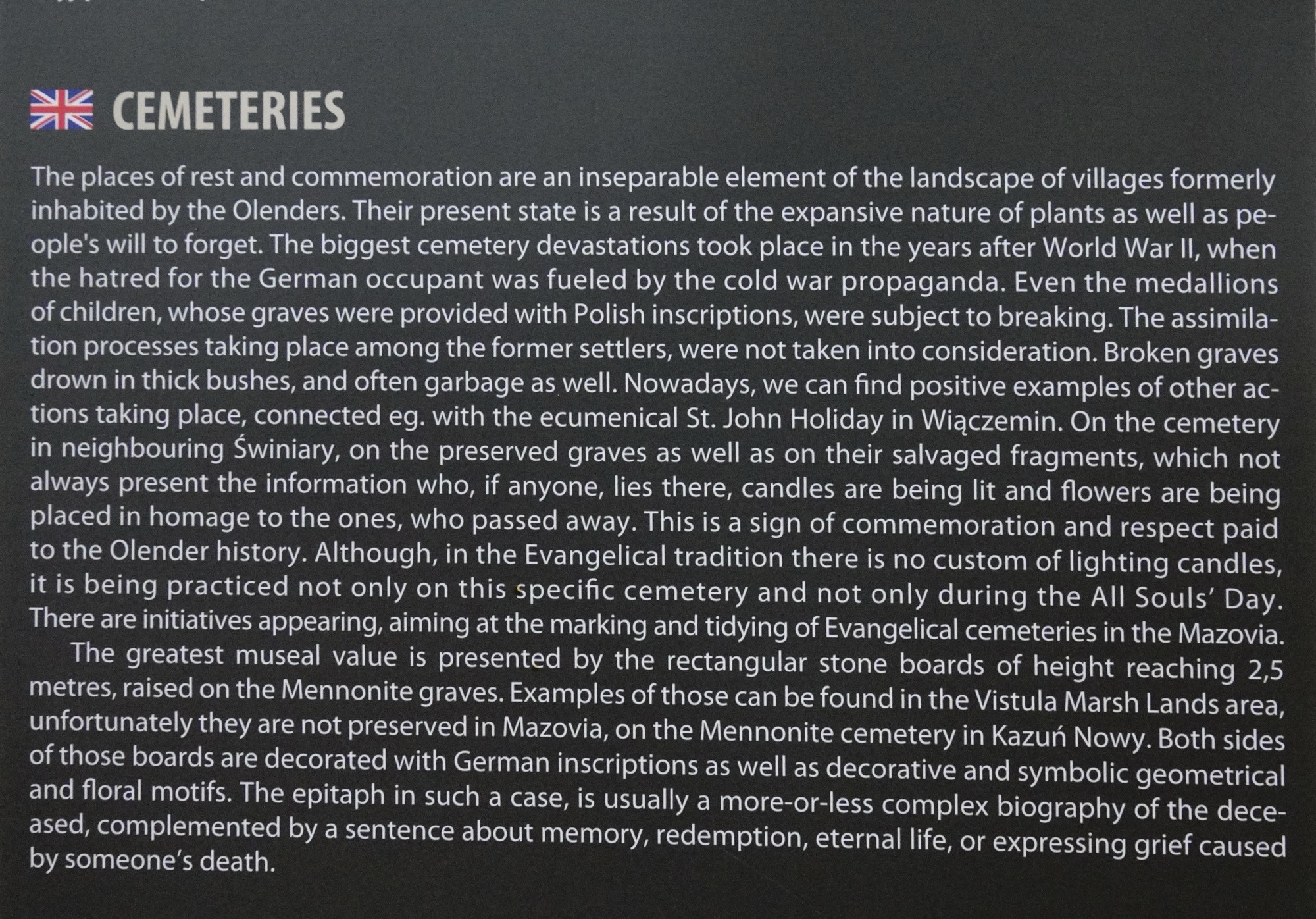
The sign below explains how very lucky we were to find our own family’s cemetery relatively intact:
We stopped in Płock for a late lunch/early dinner before making the two hour drive back into Warsaw.
It was an incredibly interesting and emotional day for us all, and I am going to treasure having spent it with my four cousins.
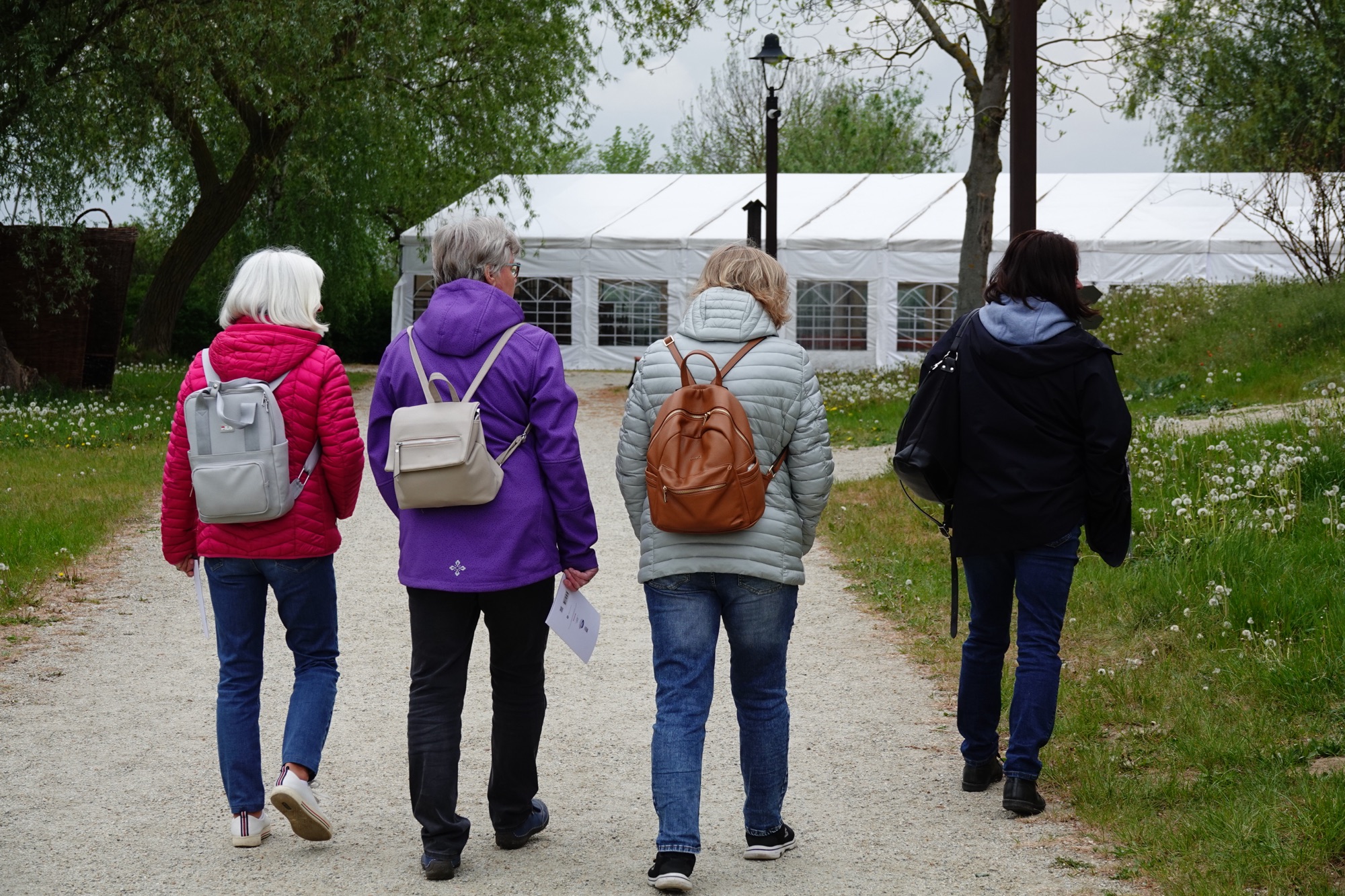
The entire customized tour was seamlessly arranged through TourHQ. I can’t say enough good things about the process of dealing with WOJCIECH MLOTKOWSKI in Warsaw.
 Rose and Ted’s Excellent Adventure
Just error checking:
(Our great-grandfather)Here rests Michael Mandau, born 15 May 1941, died 14 Jun 1922.
(And many who liecsleeping under the earth will wake)
Janek had asked permission to walk the property with is and take exterior photos.
the Poles began build8mg their houses in the Olender style which was more flood-resistant.
My family history is lost once we arrived in America. I think it is possible we have Scottish roots but have little evidence other than freckles, reddish blond hair, and our last name which I saw while in Edinburgh. I think it’s great to have that connection!
LikeLiked by 1 person
Thank you!!!
LikeLike