What a marvellous day in this gorgeous city.
We began with breakfast upstairs at a café right across the street from our apartment, and a long walk that took us past more of Warsaw’s stunning architecture.
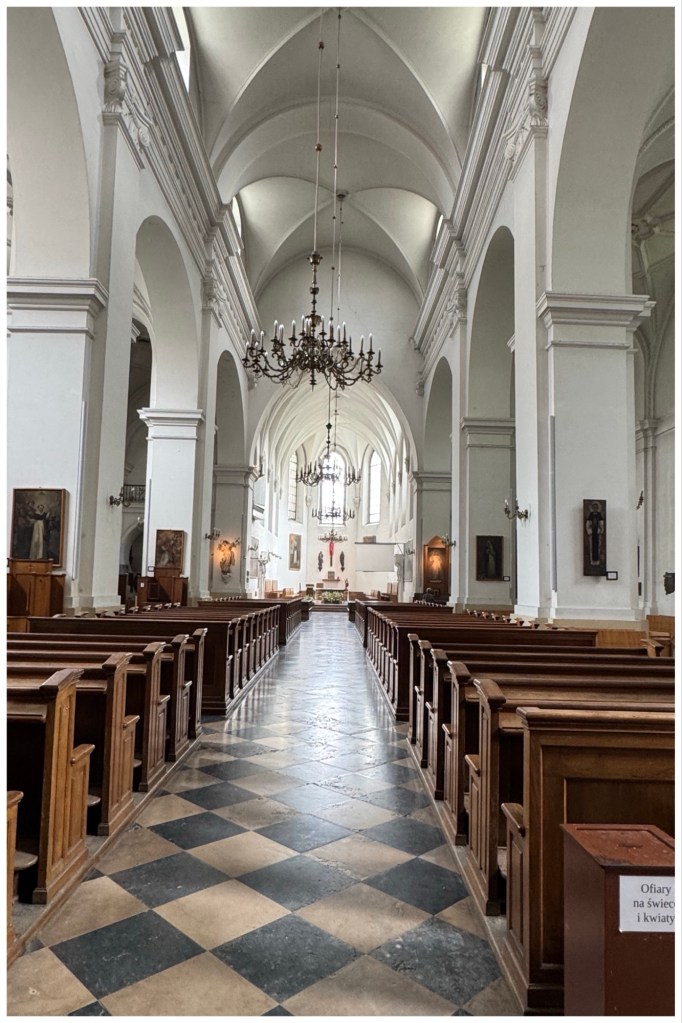
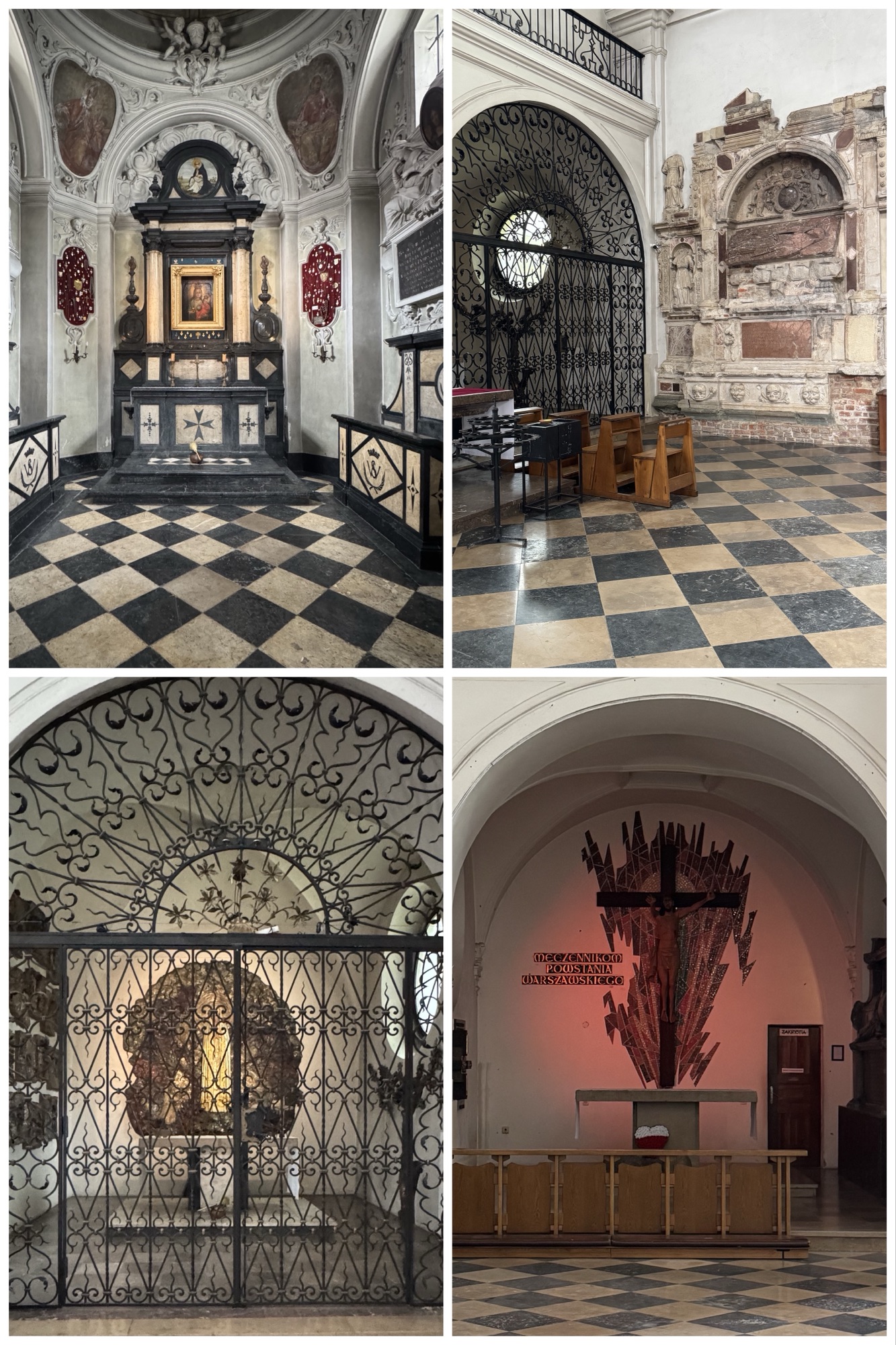
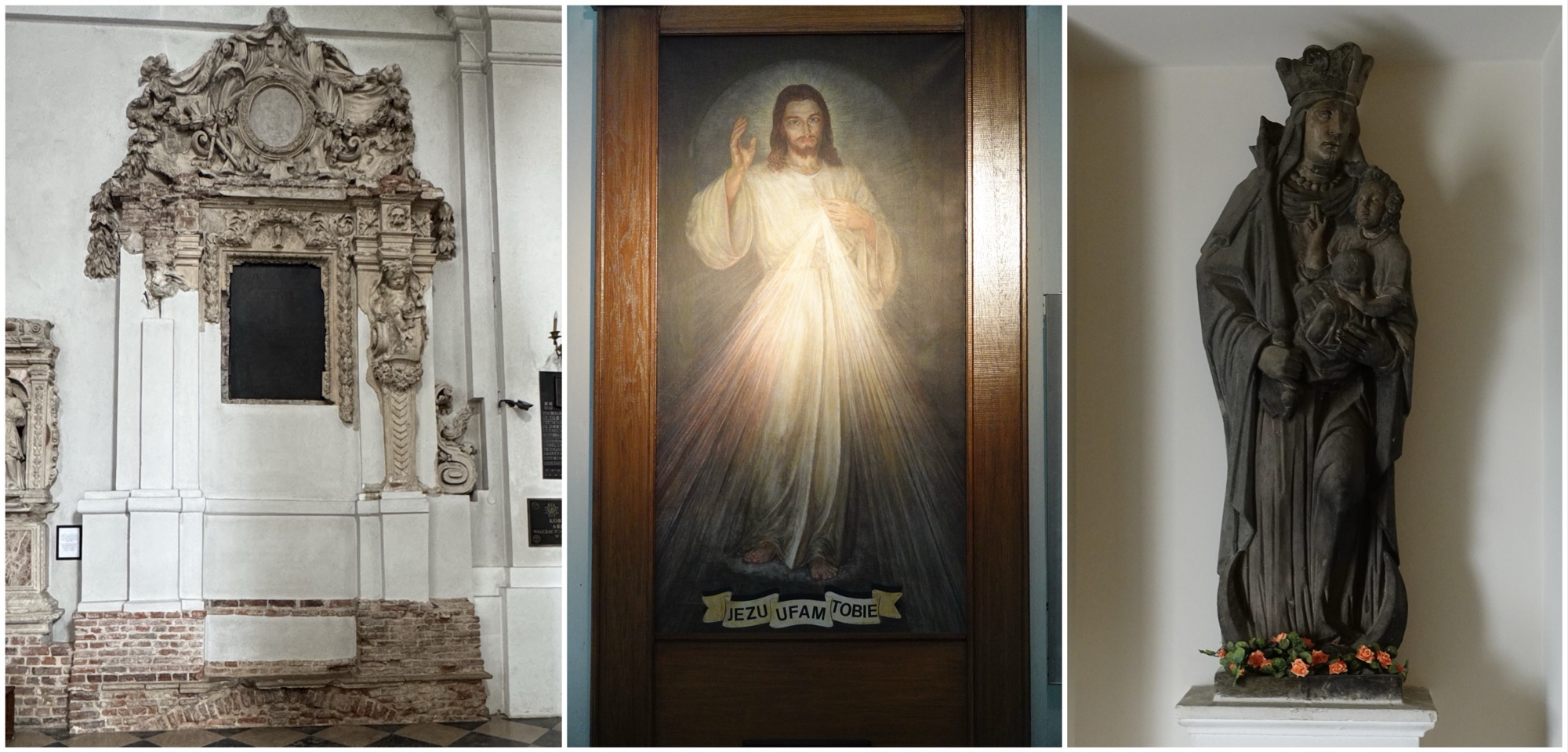
Across the street from us is the Dominican Convent of St Jacka, whose doors were open, so naturally we had to go inside for a look,
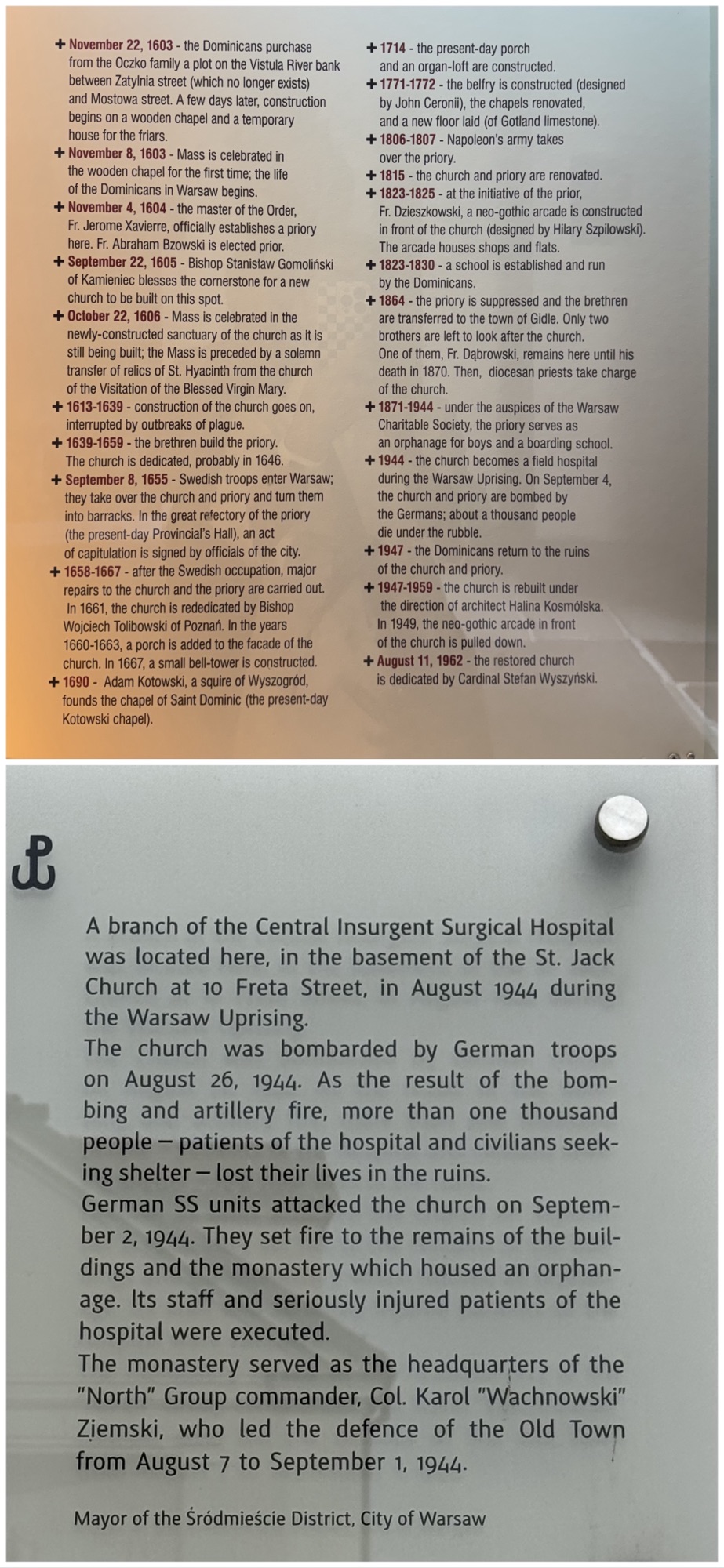
The church has quite the chronology:
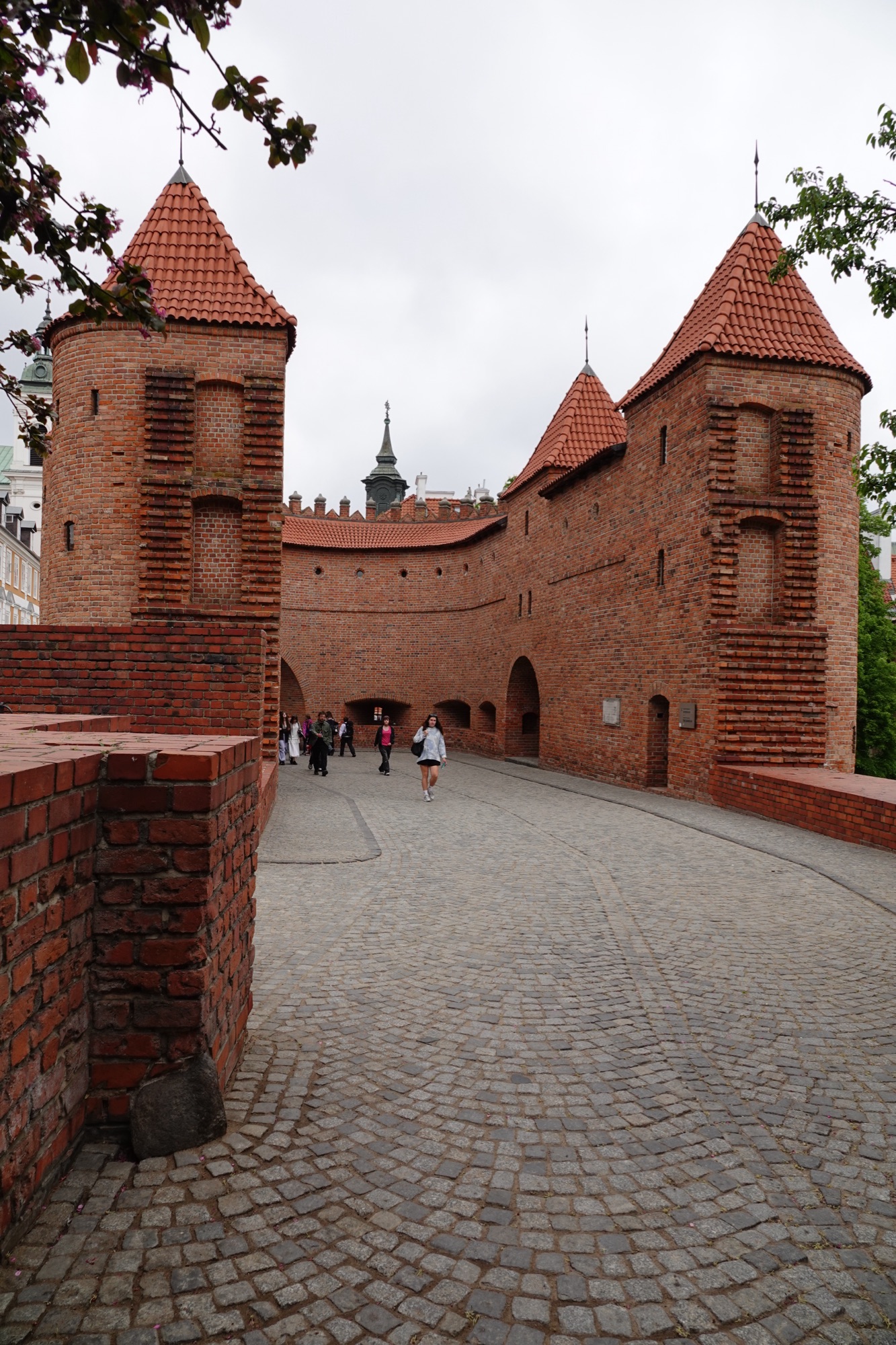
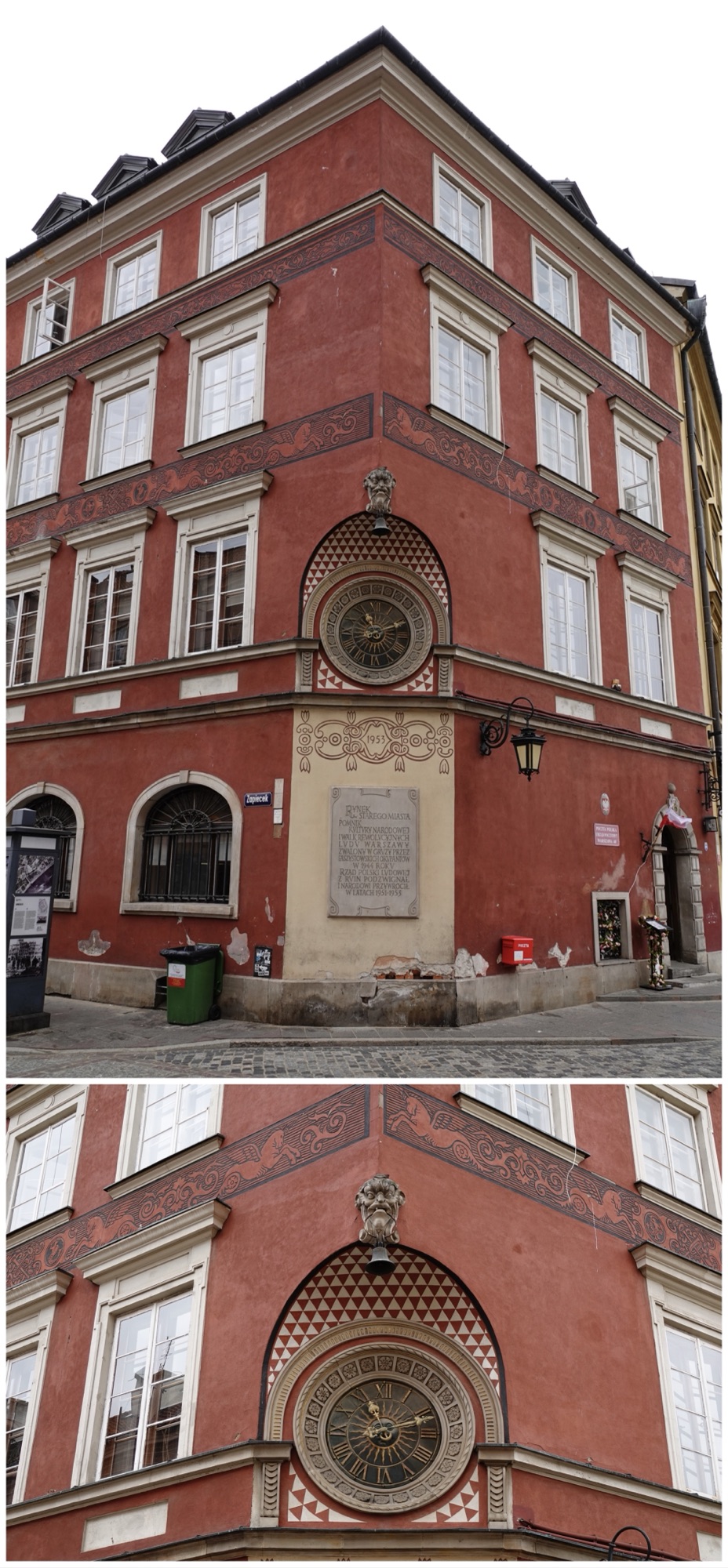
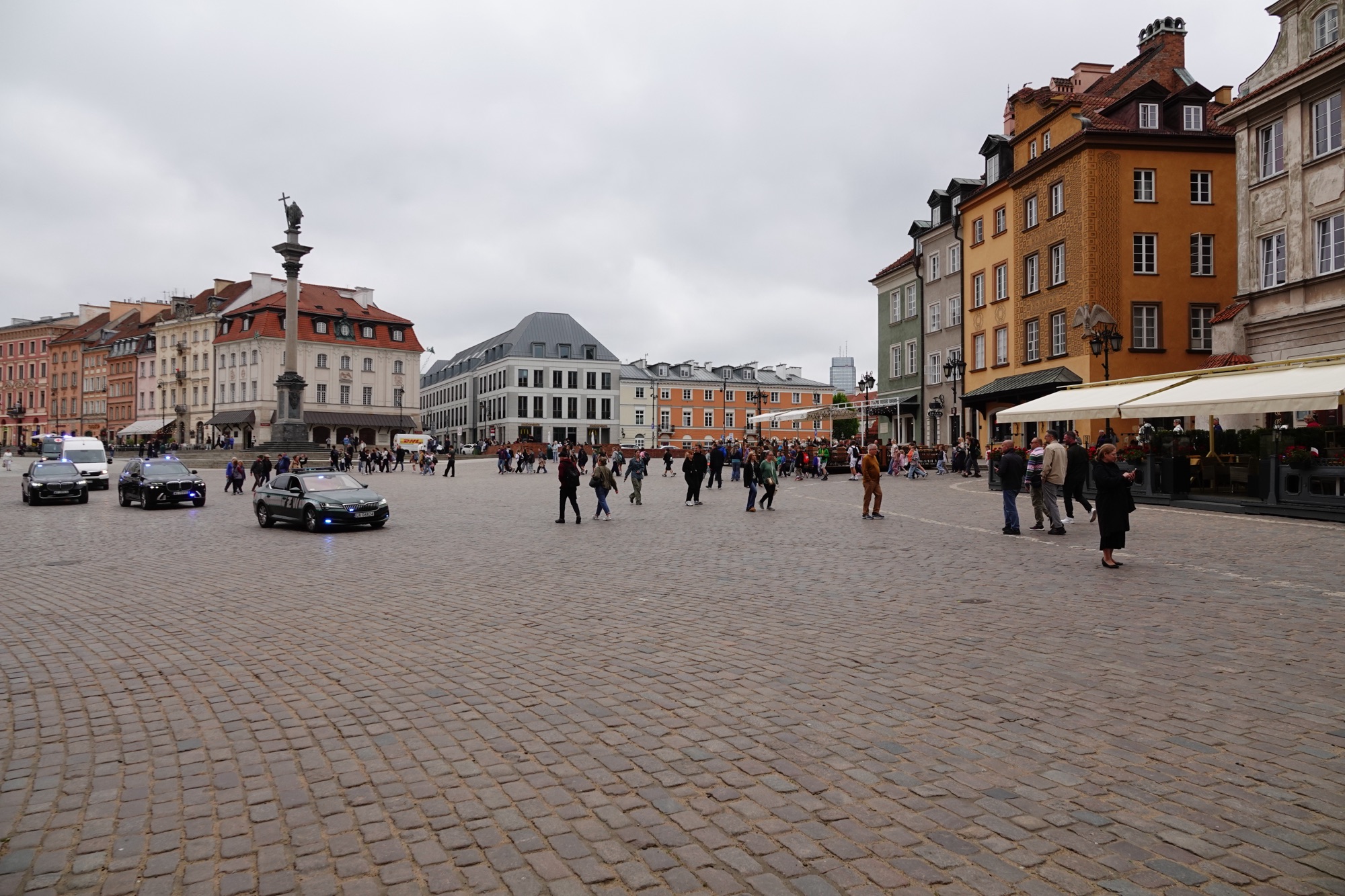
We continued through the 17th century gate to a large square surrounded by former guild houses and what is now on one side the Warsaw Museum.
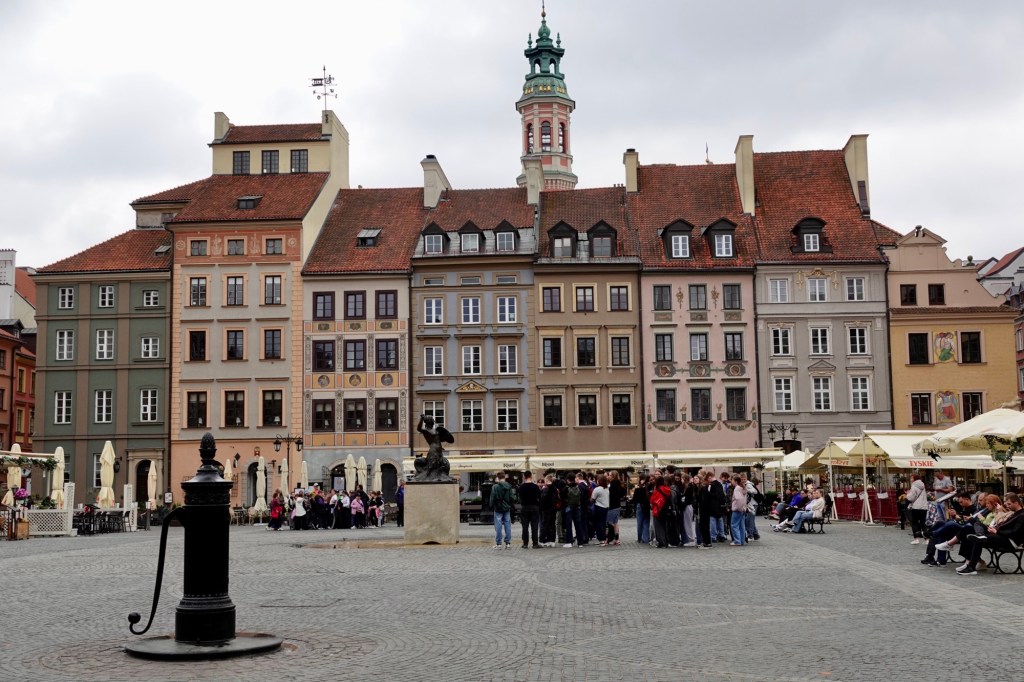
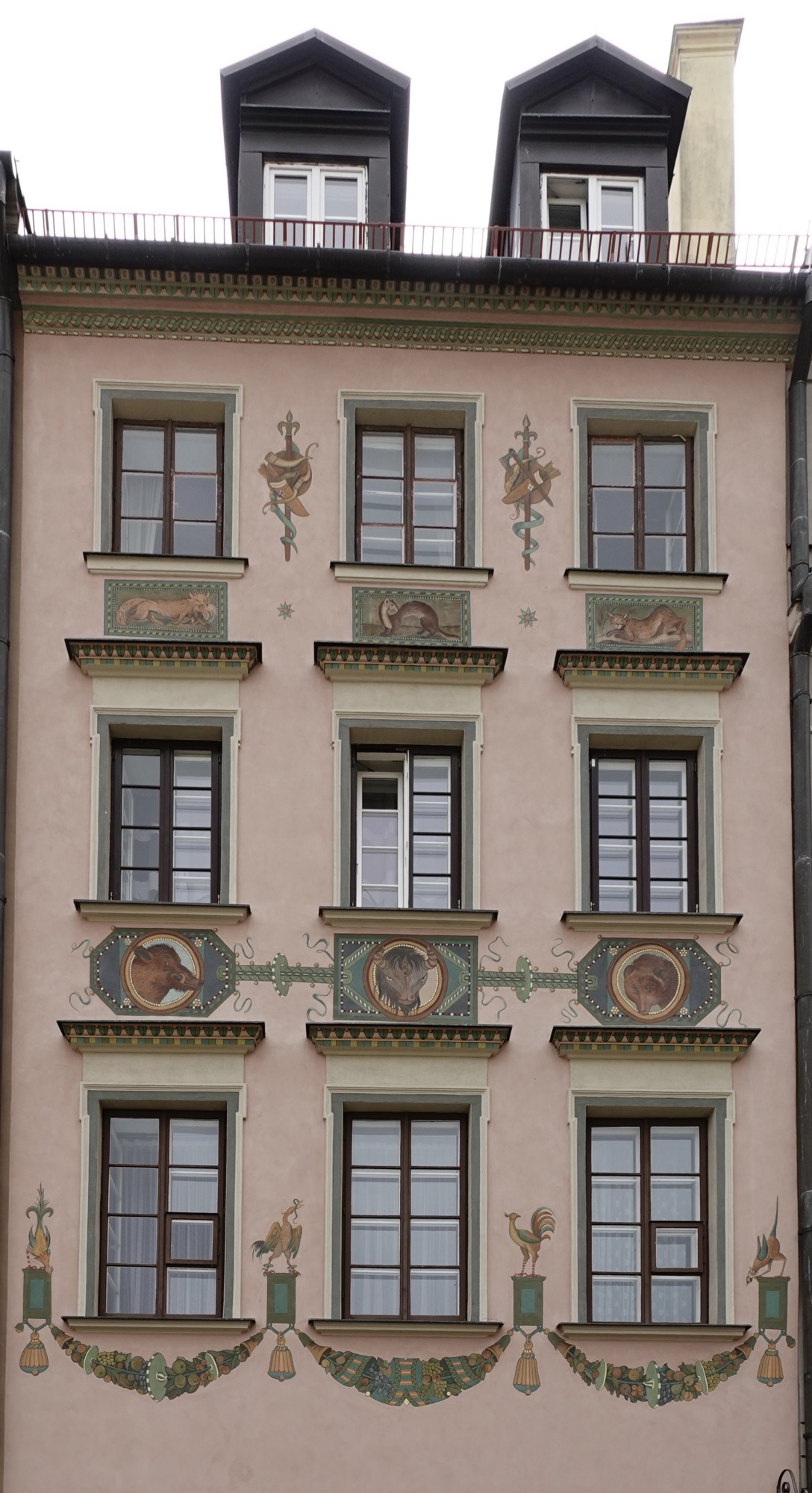
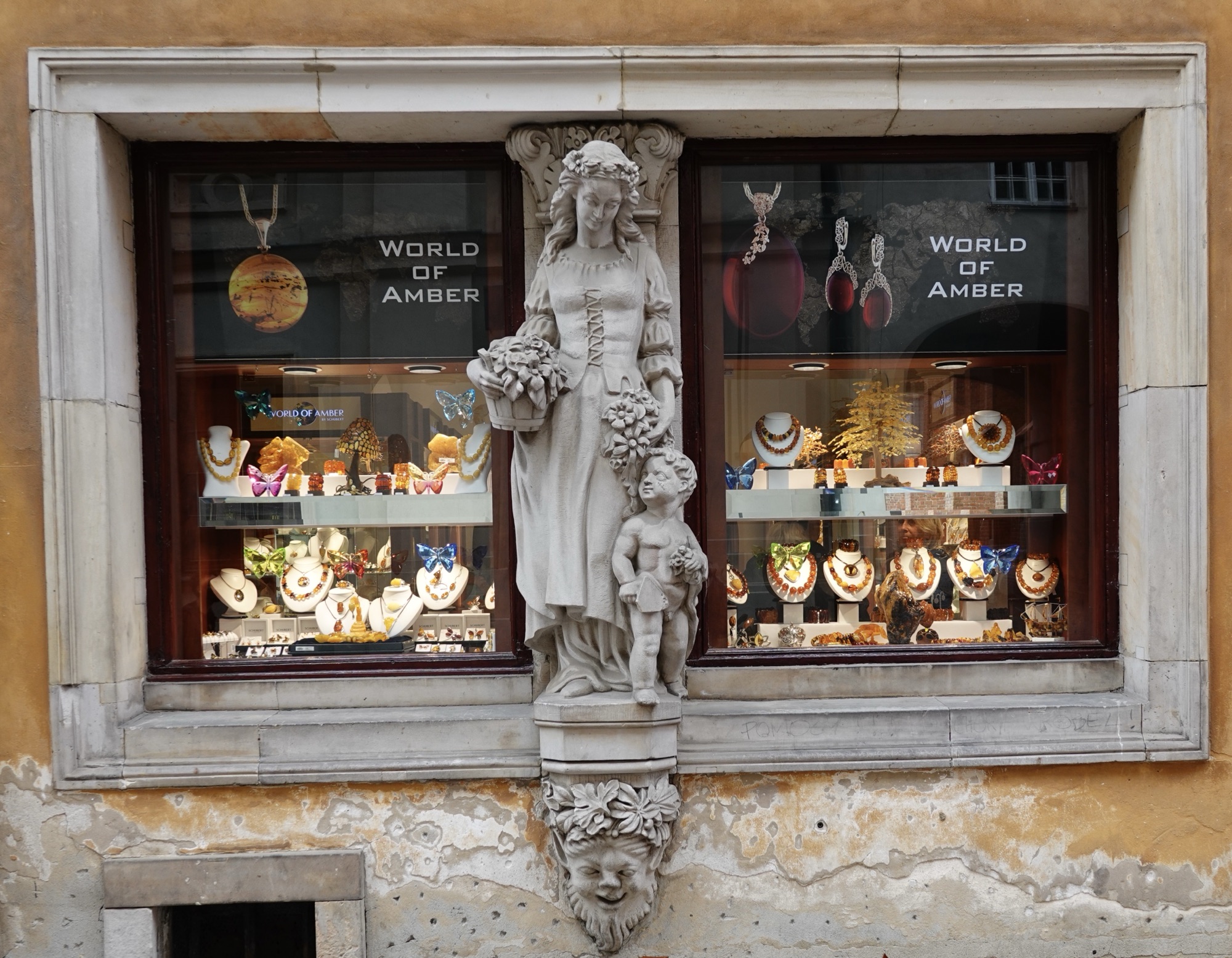
While it is obvious from the decoration what some of the buildings were originally, others are more cryptic.
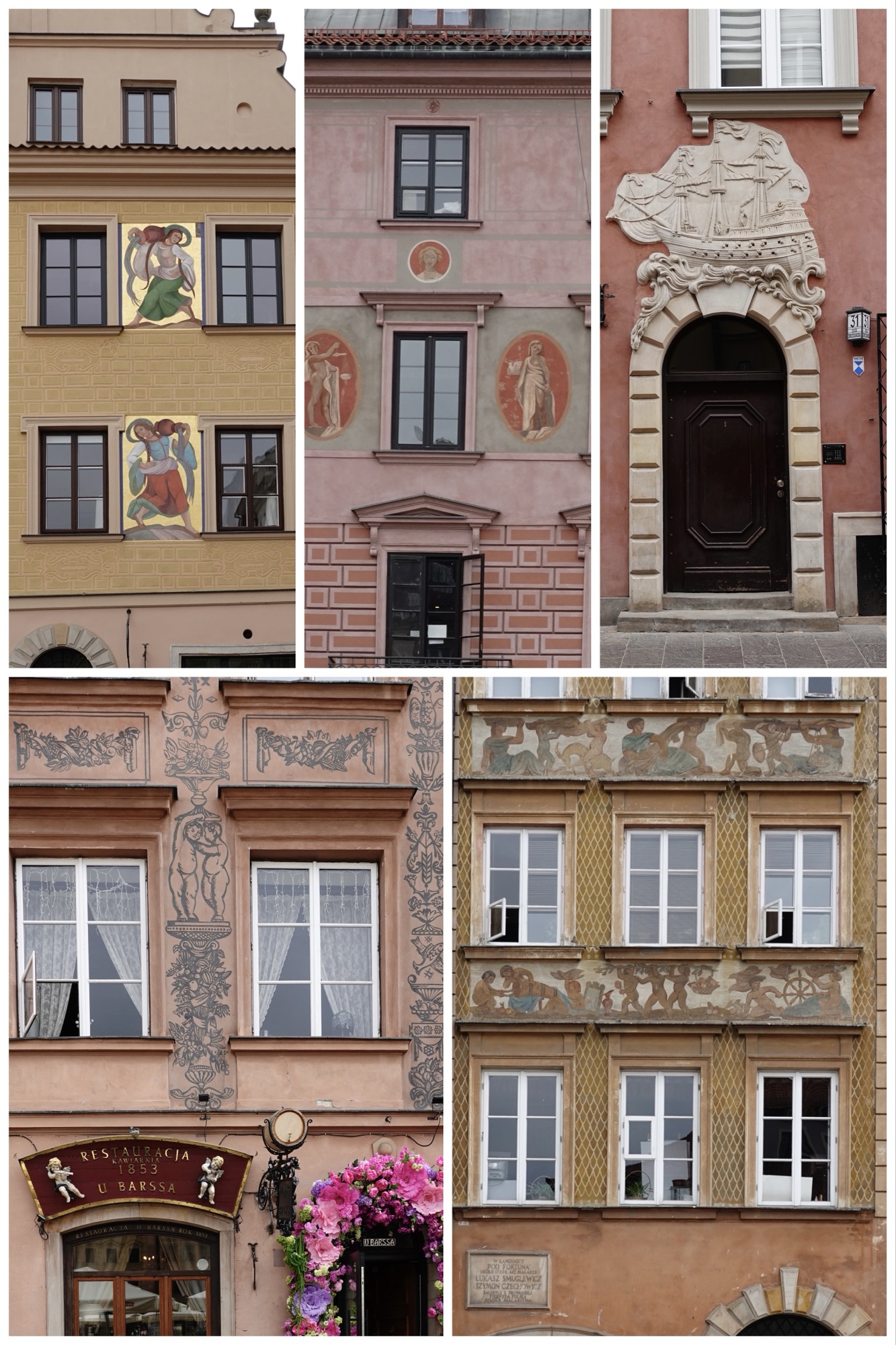
I found the buildings with interesting corners particularly fascinating.
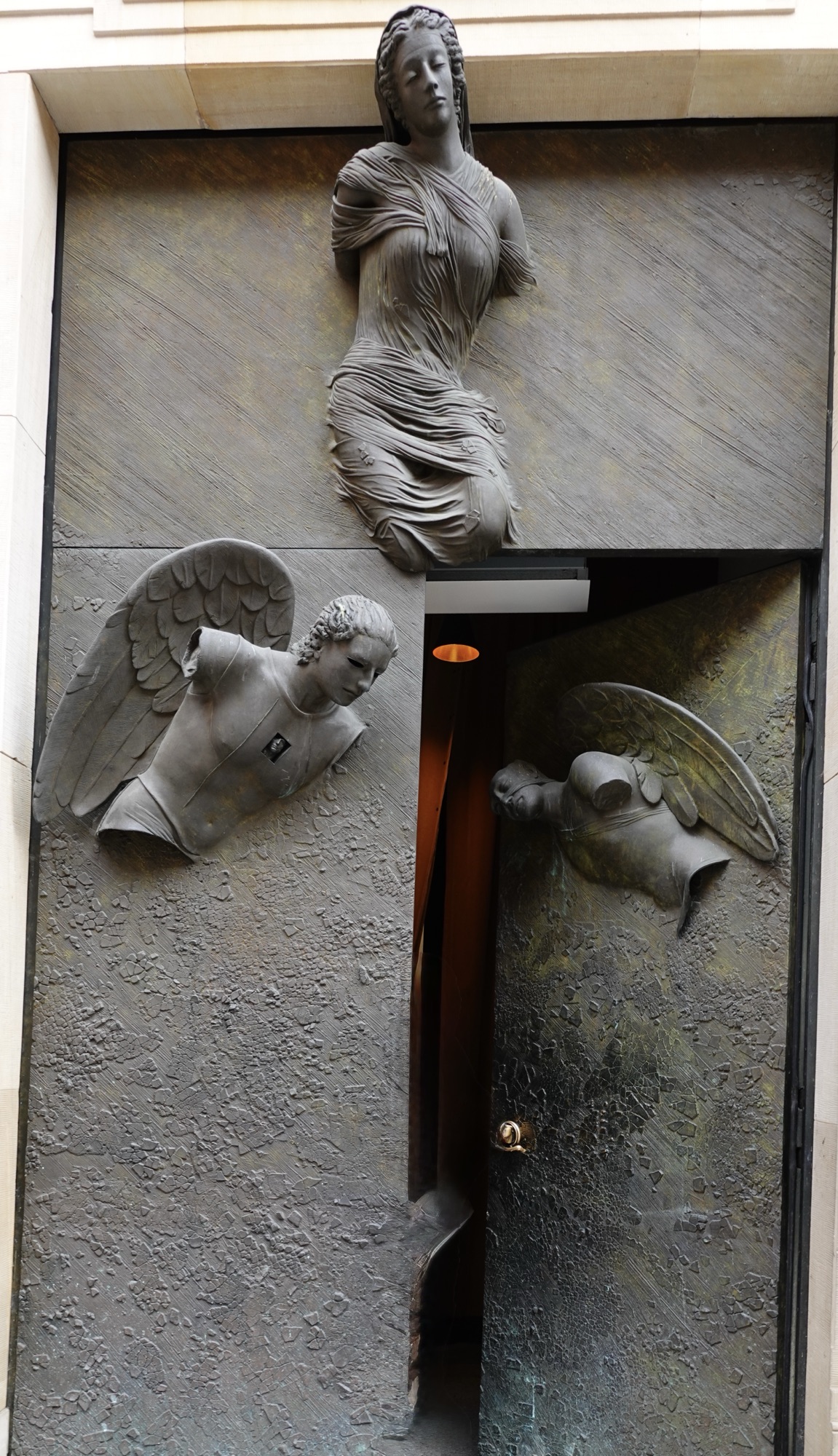
The “angel doors” on the entrance to the Jesuit Church (also known as the Church of the Gracious Mother of God) were unlike anything we’ve seen before.
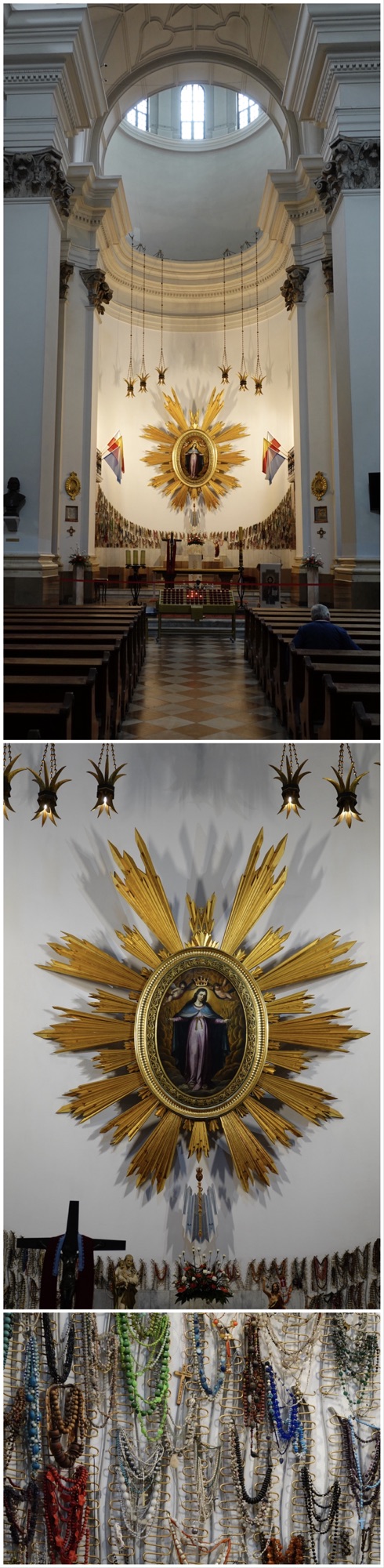
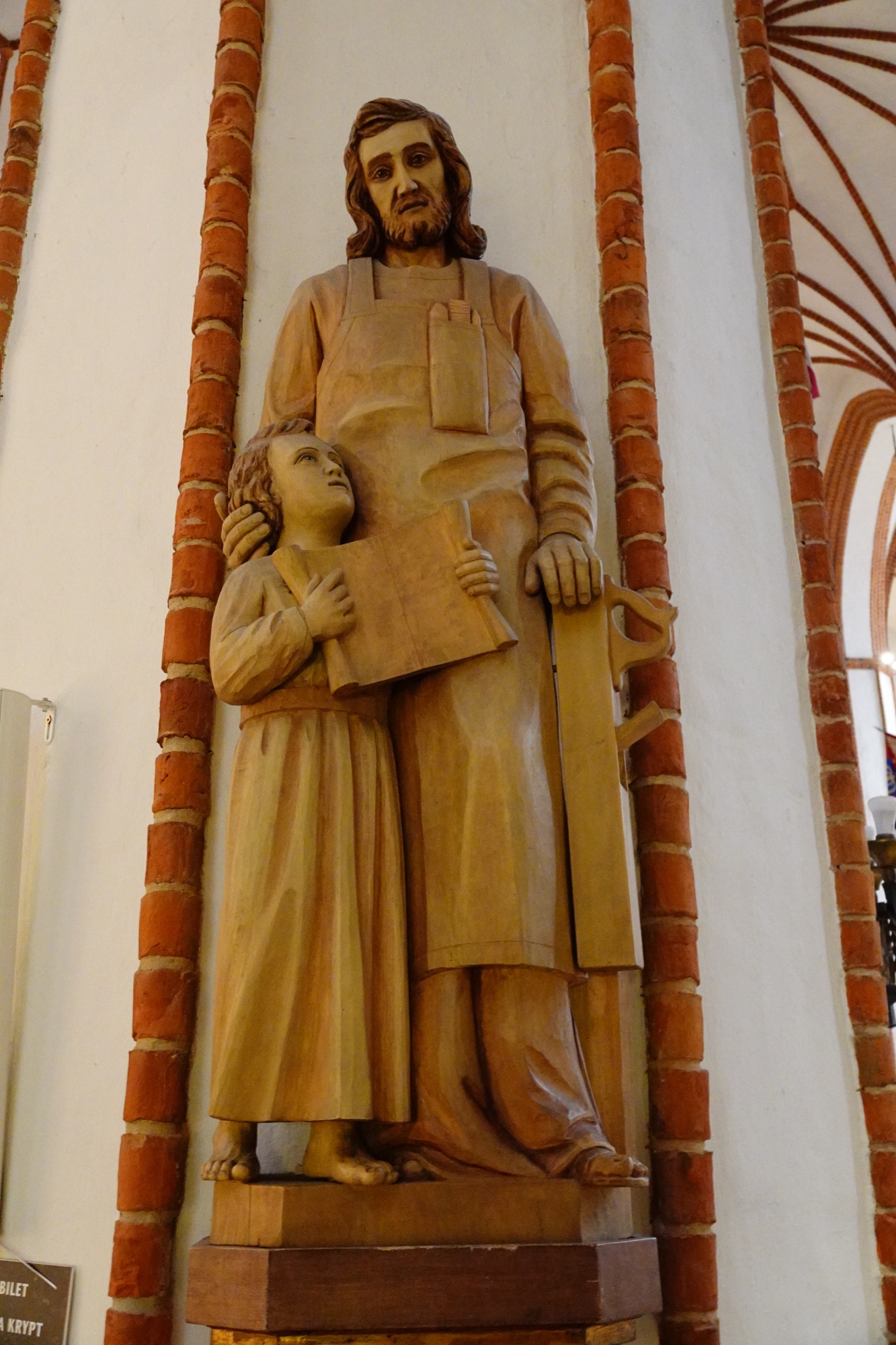
Inside,a beautiful altar space decorated with rosary beads!
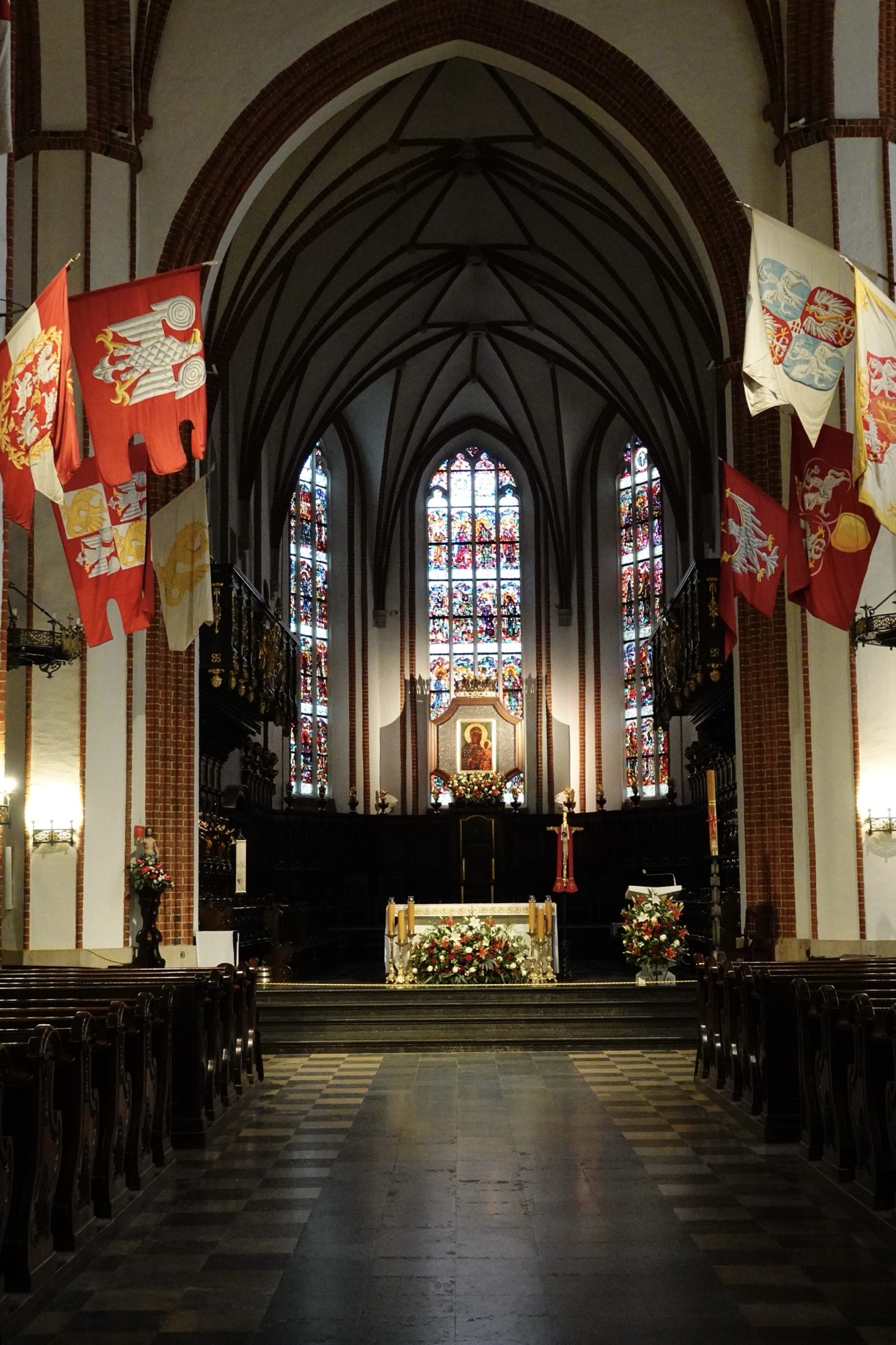
Beside the Jesuit Church is the brick gothic “Warsaw Cathedral”, officially St. John’s Archcathedral. Originally built in the 14th century, it is one of the oldest churches in Poland. It was almost completely destroyed during the Warsaw Uprising in 1944 but was reconstructed in the 1950s, restoring its original Gothic appearance rather than the Baroque style it had before the war.
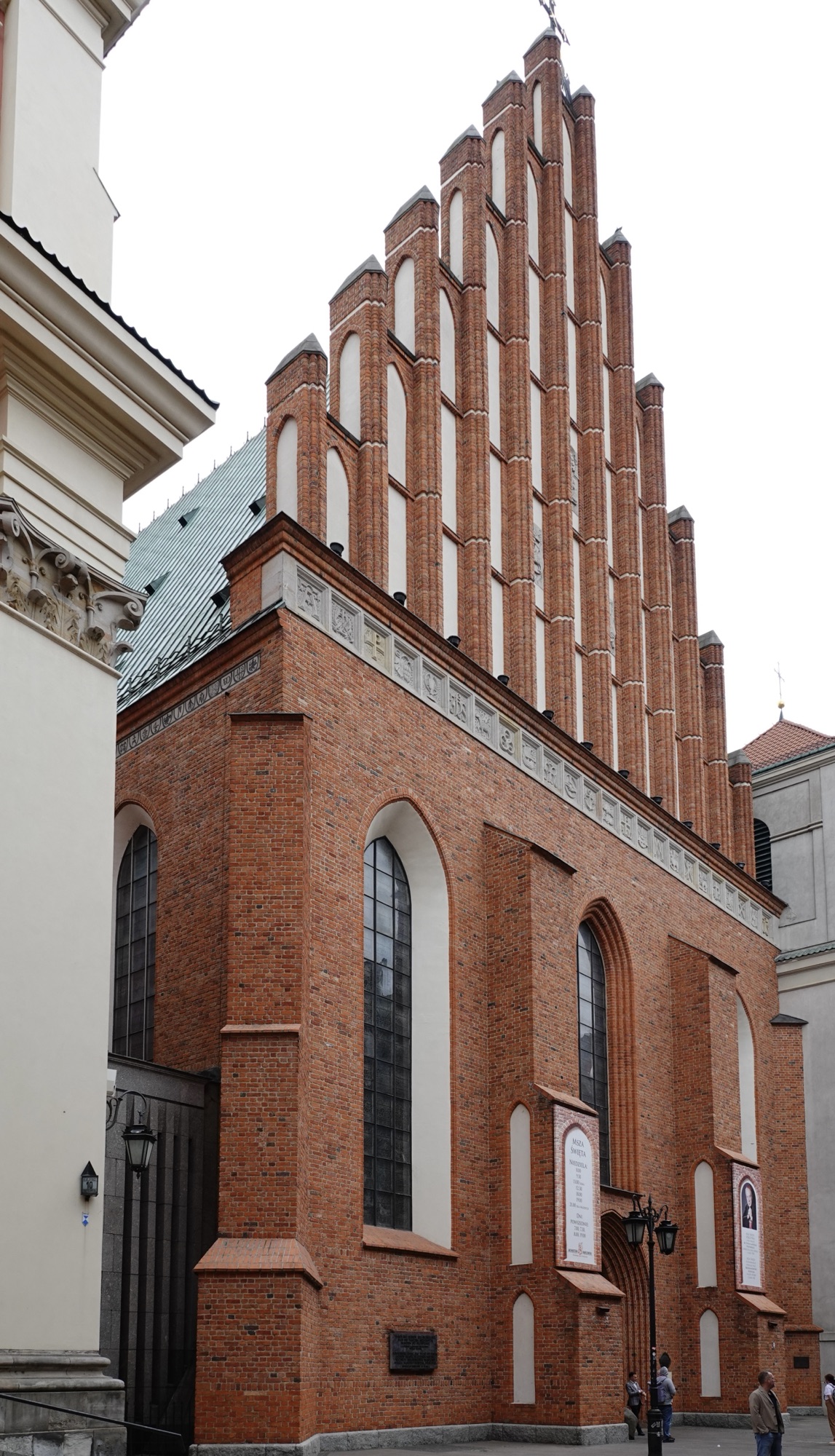
It was interesting to learn that this cathedral hosted numerous historical events, including the coronations of kings and royal weddings, despite the country’s preeminent cathedral being in Krakow.
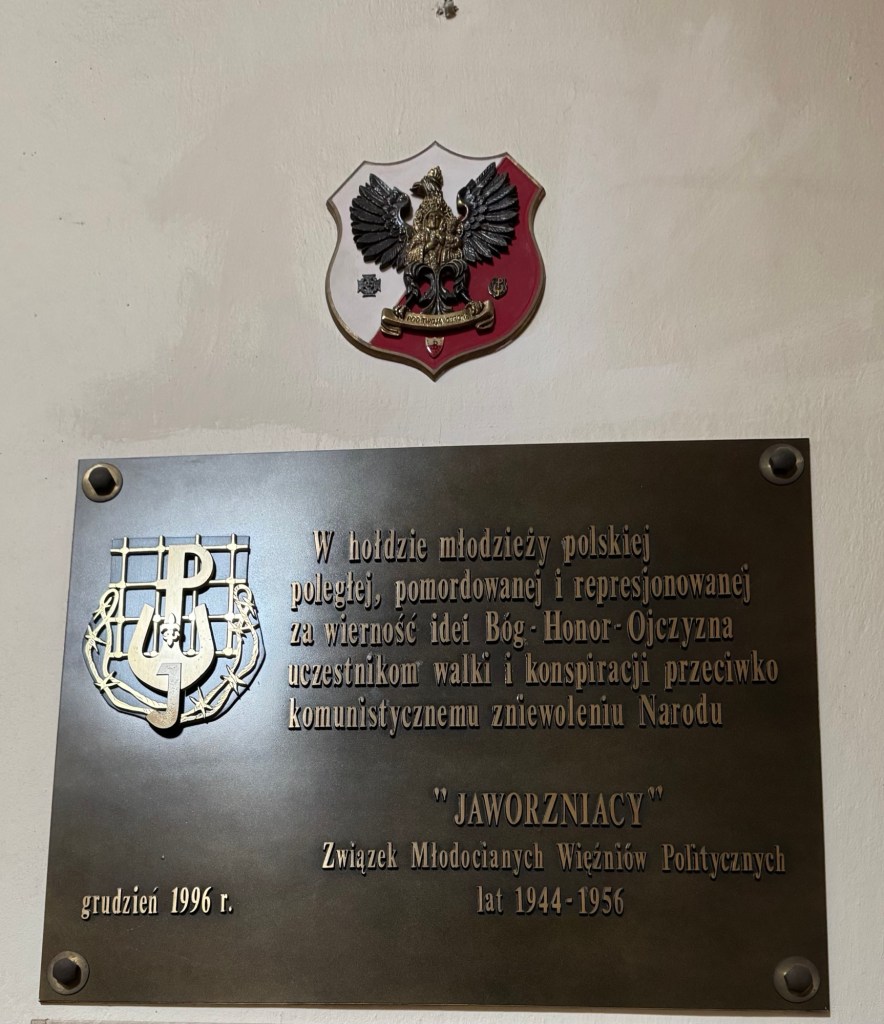
We’ve seen many, many references to WWII and to the Warsaw Uprising of 1944, but this was the first time I had noticed a plaque specifically commemorating the youth of Warsaw who were oppressed or killed fighting Soviet rule between 1944 and 1956.
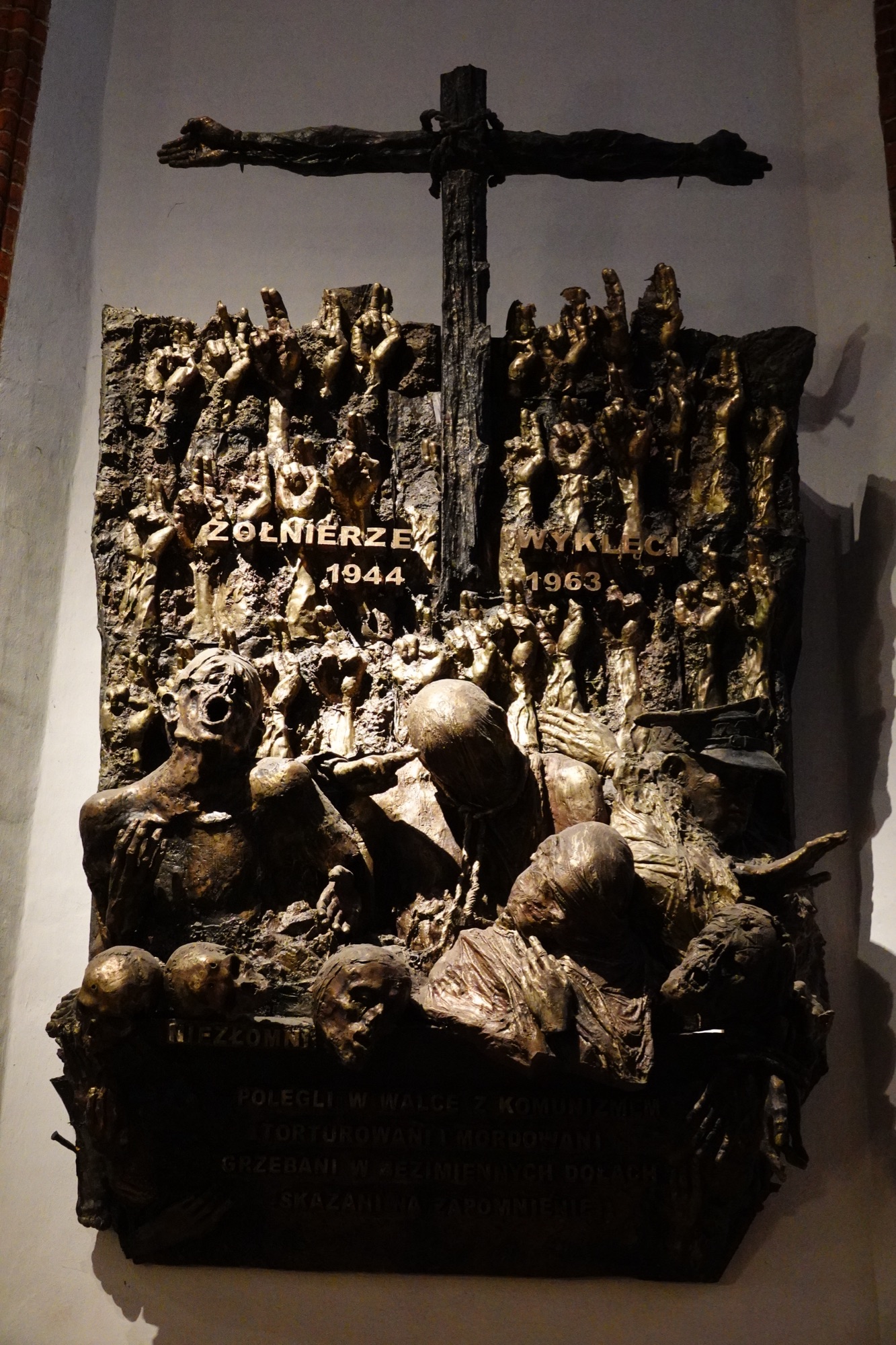
On one wall of the cathedral is a very poignant memorial entitled Żołnierze Wyklęci (Accursed Soldiers) which is dedicated to the anti-communist Polish resistance fighters who were buried in unmarked graves.The memorial honors those who fought against the Soviet occupation and the Polish communist regime after World War II.
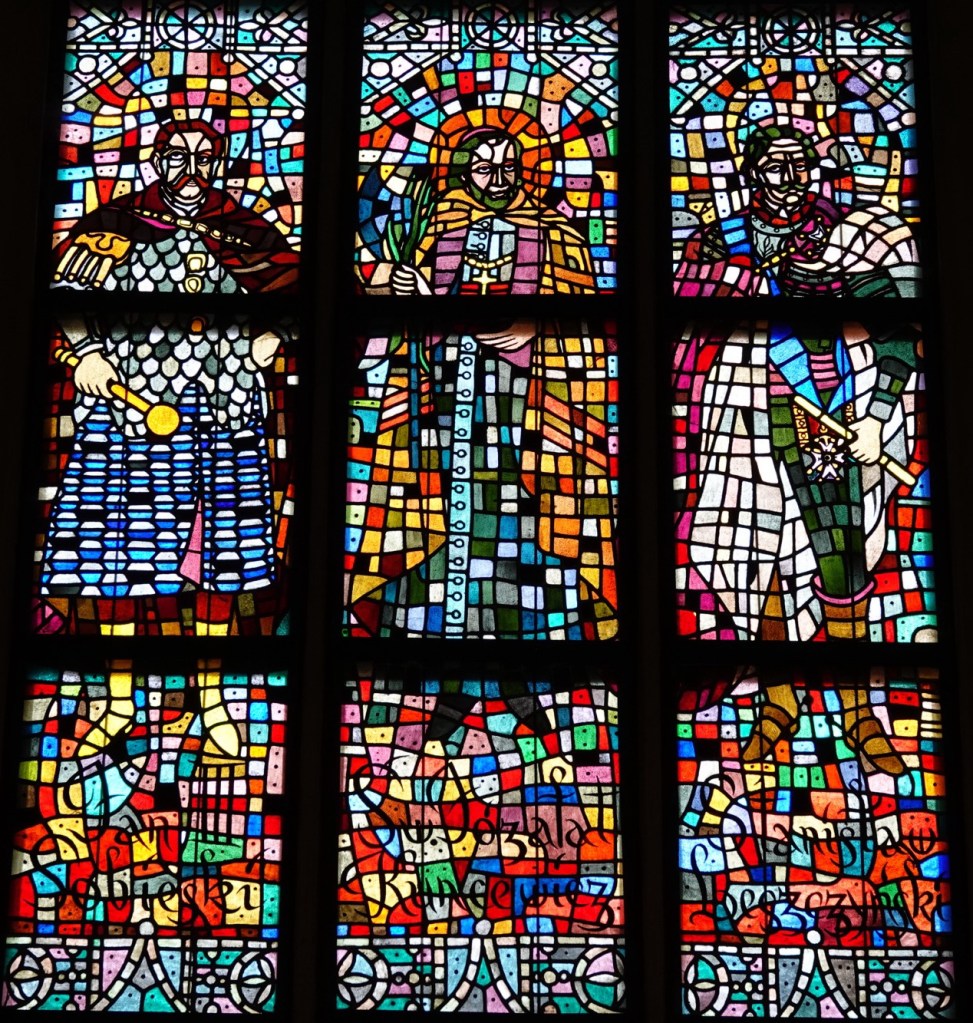
The cathedral’s many stained glass windows looked like mosaic tile.
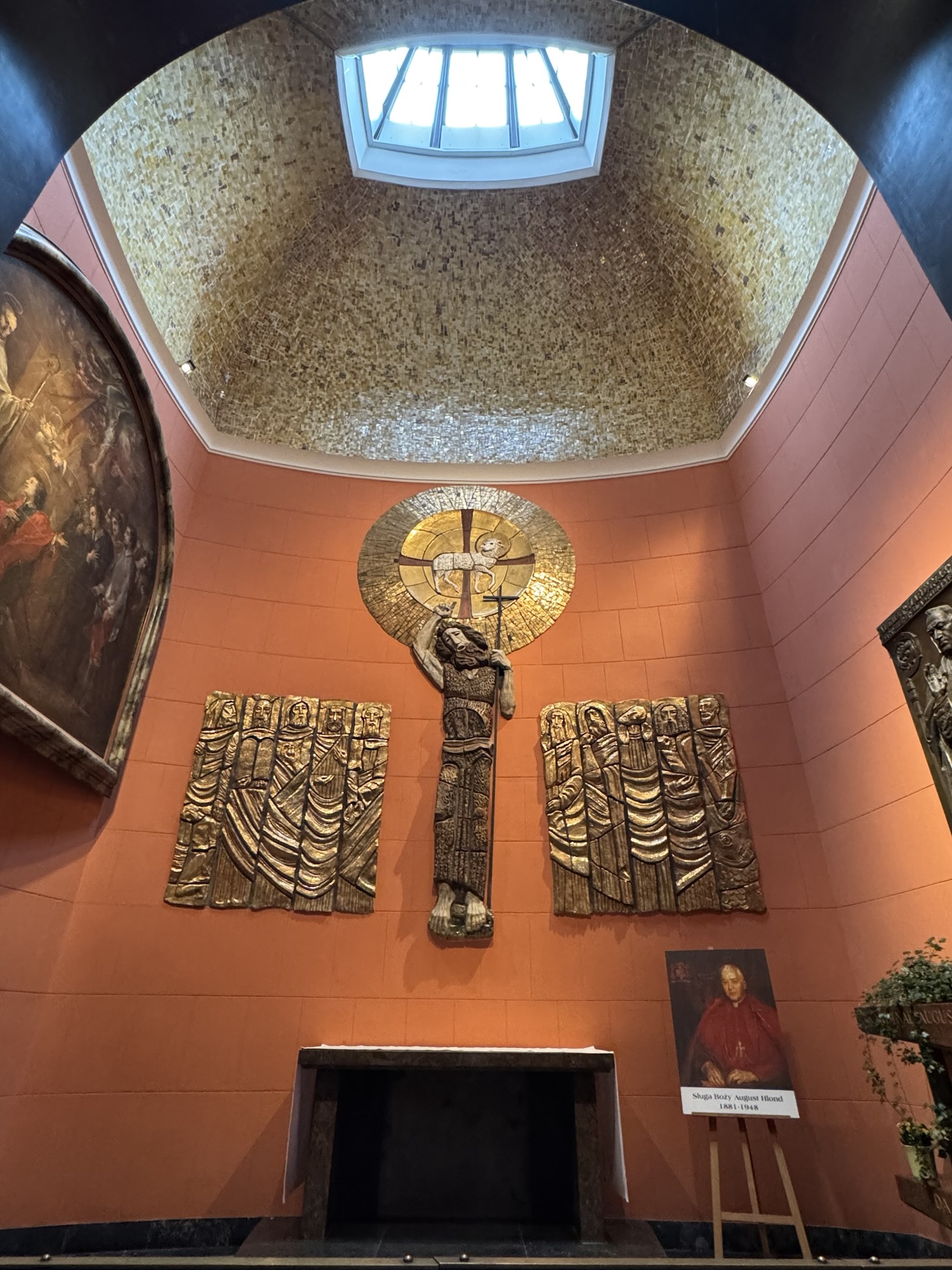
Equally unique was the design of its John the Baptist chapel.
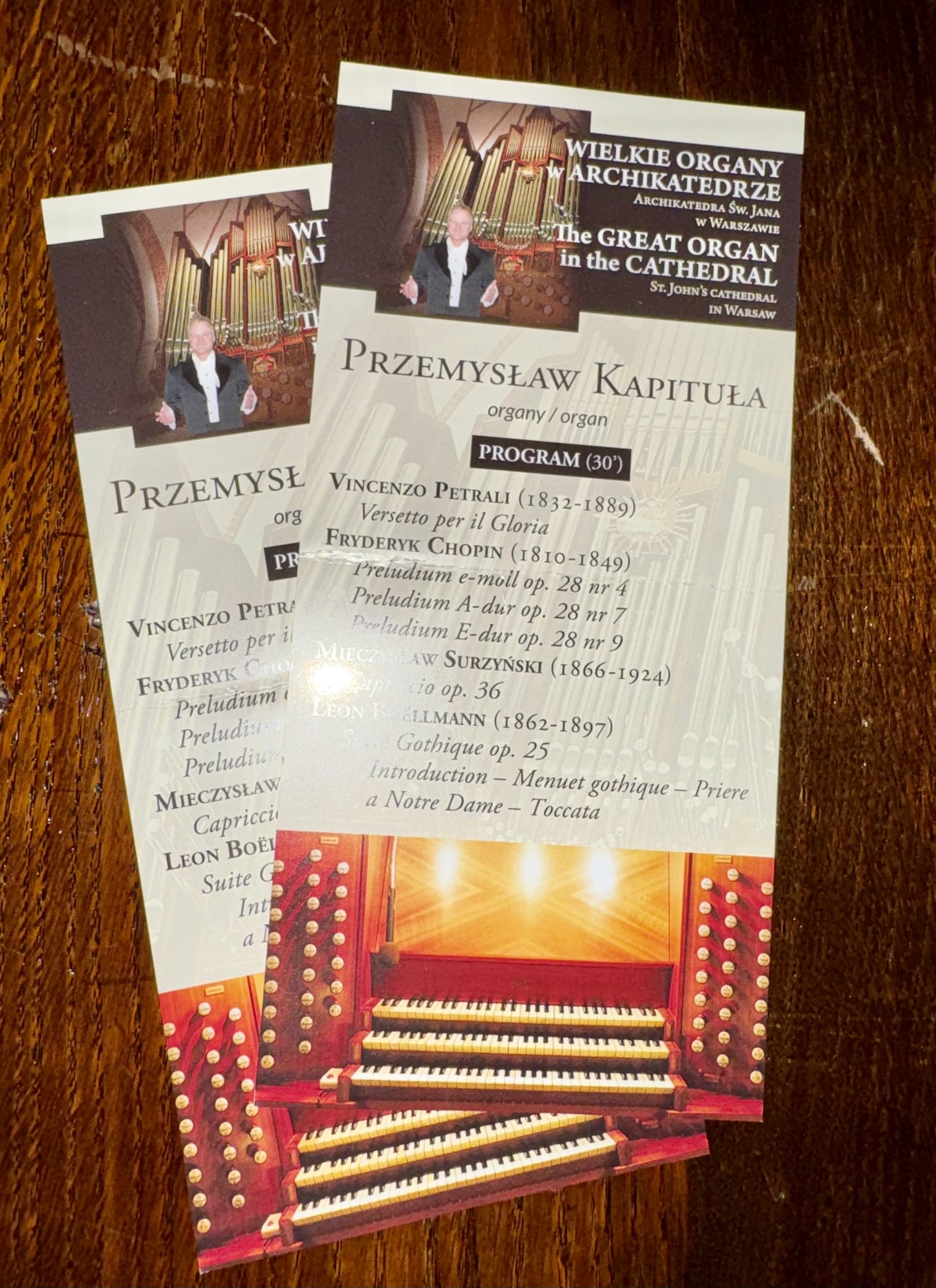
We caught an organ concert in the cathedral, performed by Przemysław Kapituła, a Polish virtuoso organist who performs over 120 concerts per year all over Europe and in South America. He collaborates with many soloists, choirs, bands and the Orchestra of the Grand Theatre – National Opera in Warsaw.
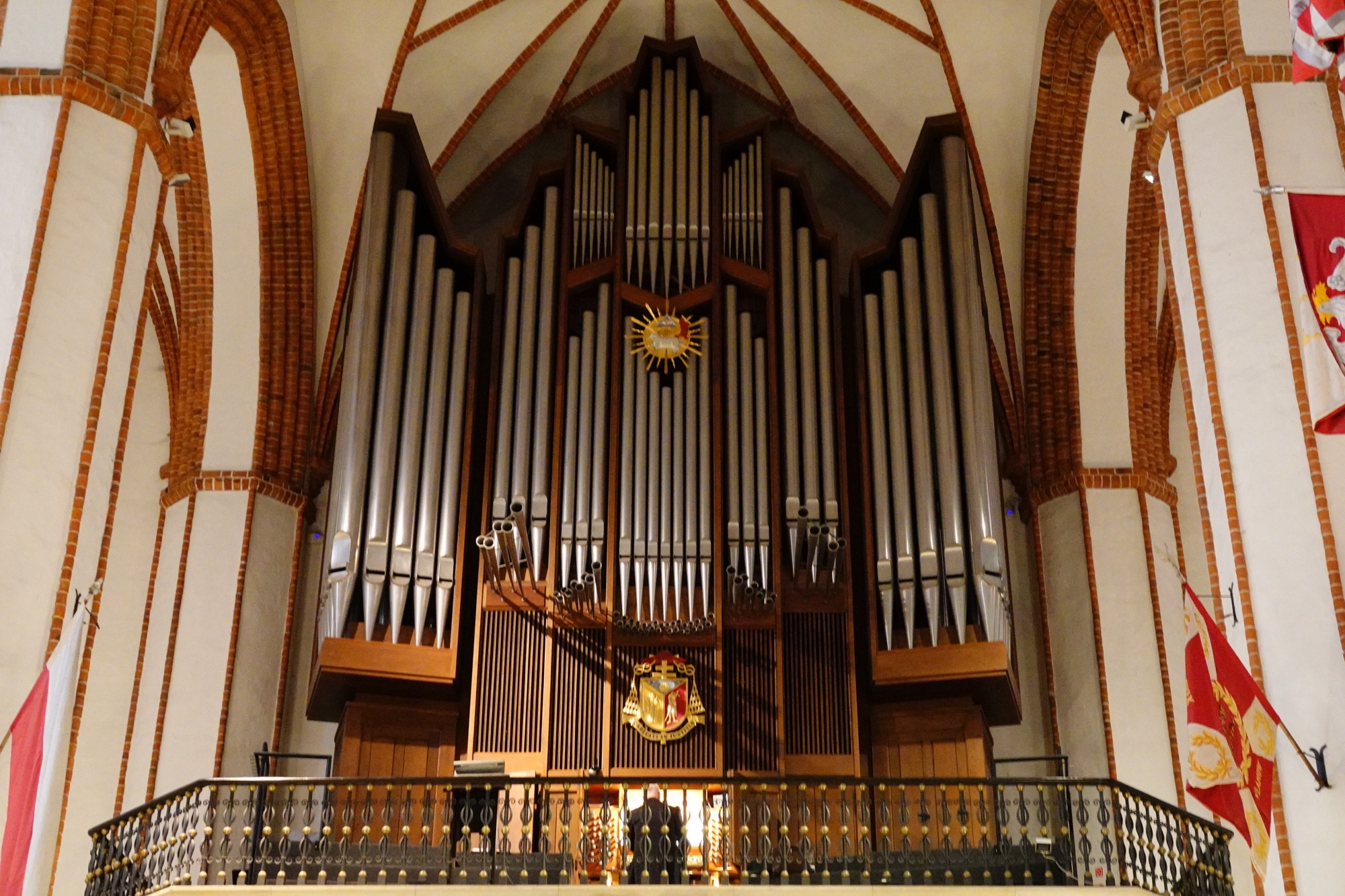
The German-built church organ has 4301 pipes.
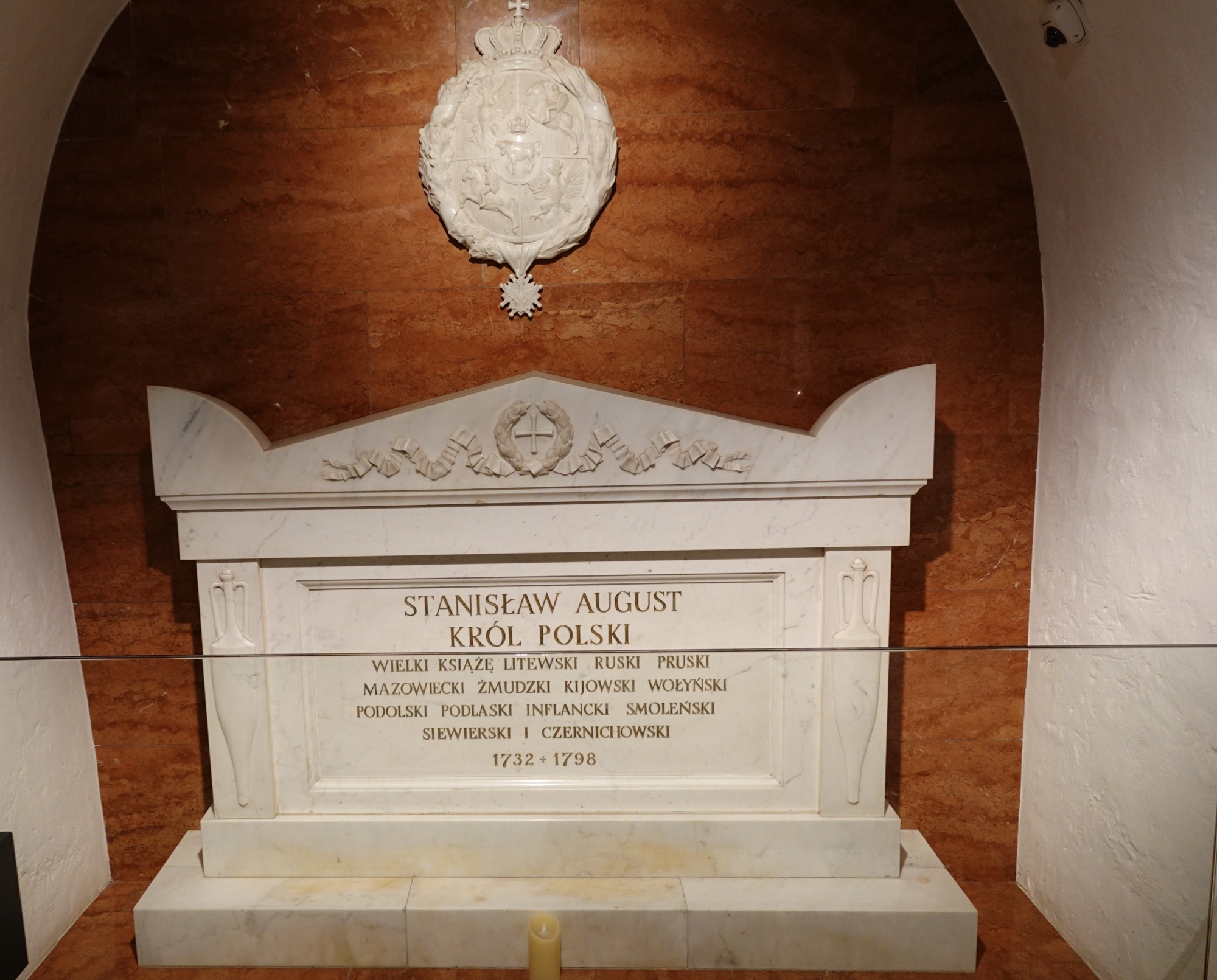
Our concert tickets included access to the cathedral’s crypt, which has been heavily renovated into a bright modern space.
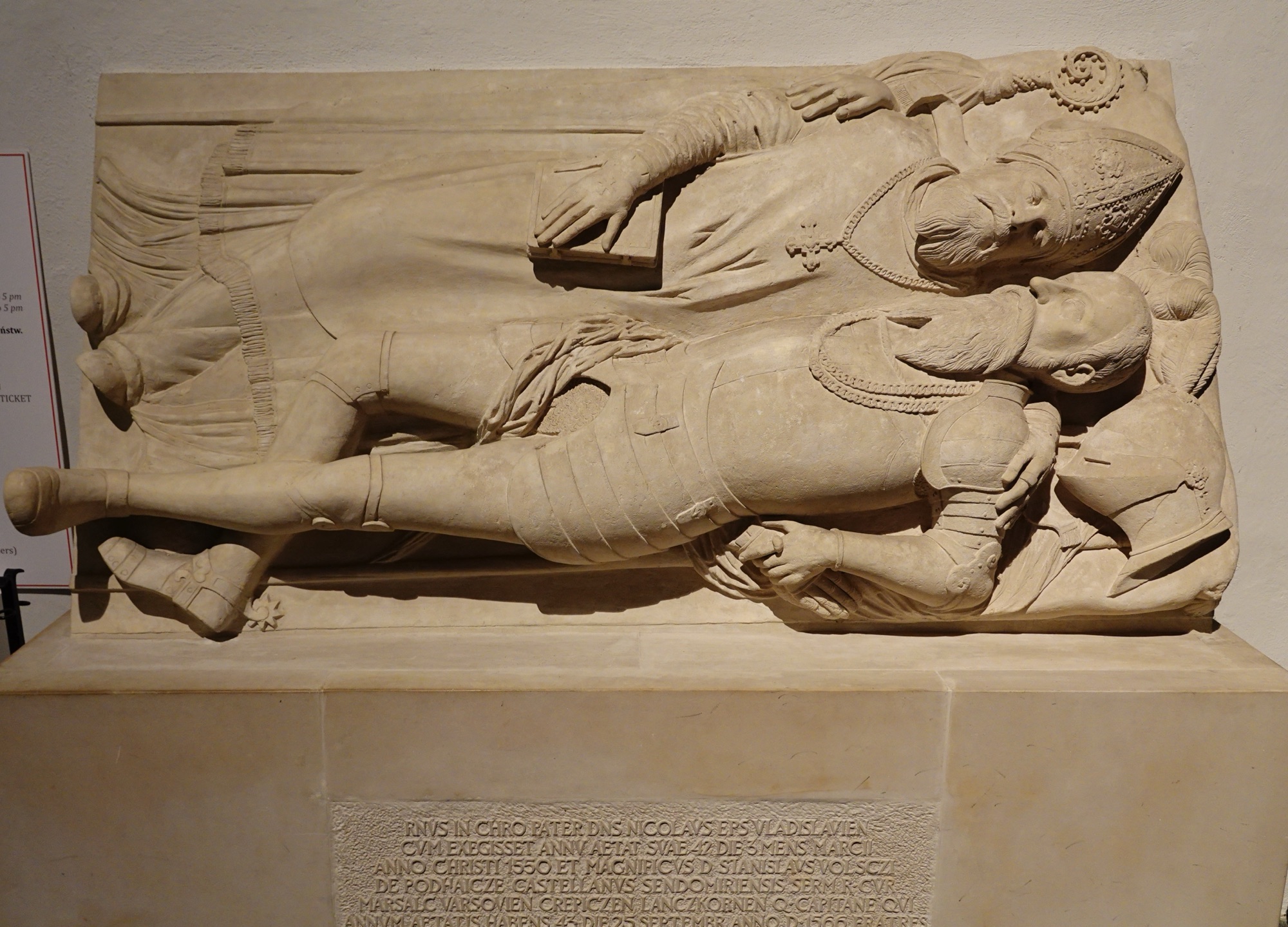
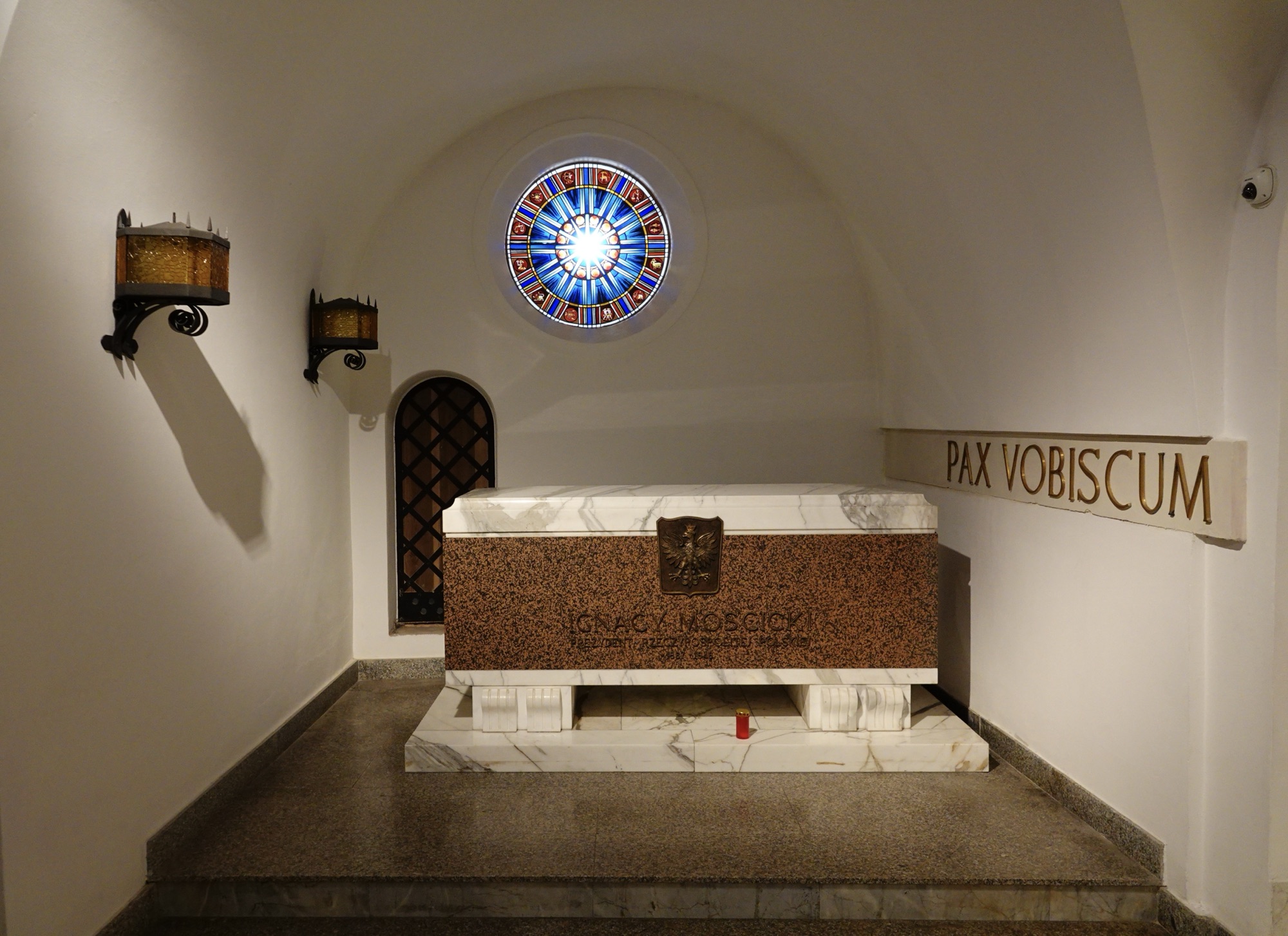
In addition to tombs, the crypt has been modernized into a museum of sorts, which included a partial chronology of Poland. The three dates below were especially interesting to me, since they were facts I didn’t previously know.
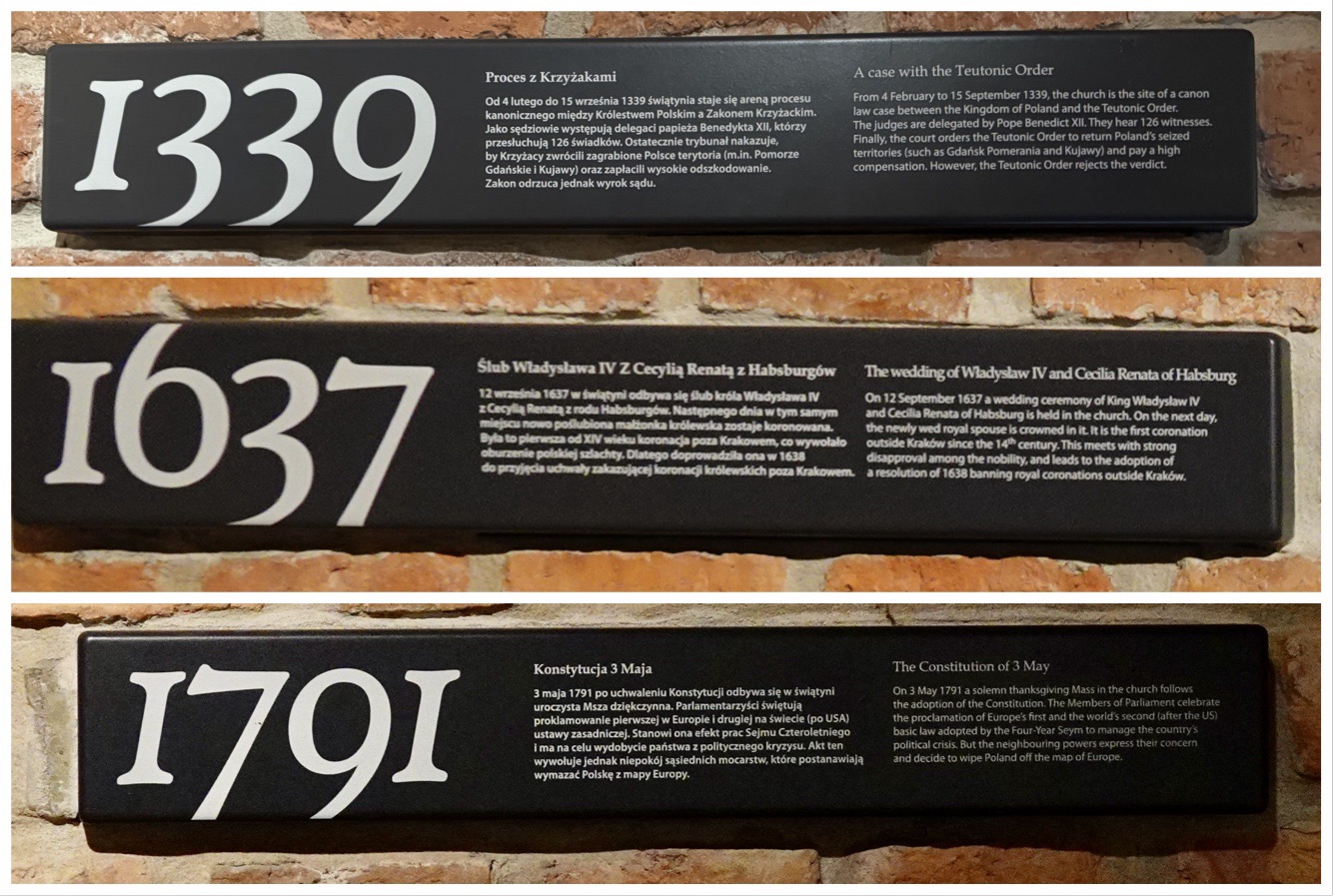
1791: Poland was erased from the map of Europe when the countries who had adopted a European constitution were threatened by Poland’s close ties to Russia. This is relevant to my family’s history, since they felt they lived in Prussia because Poland simply “didn’t exist”, although the Polish people certainly did.
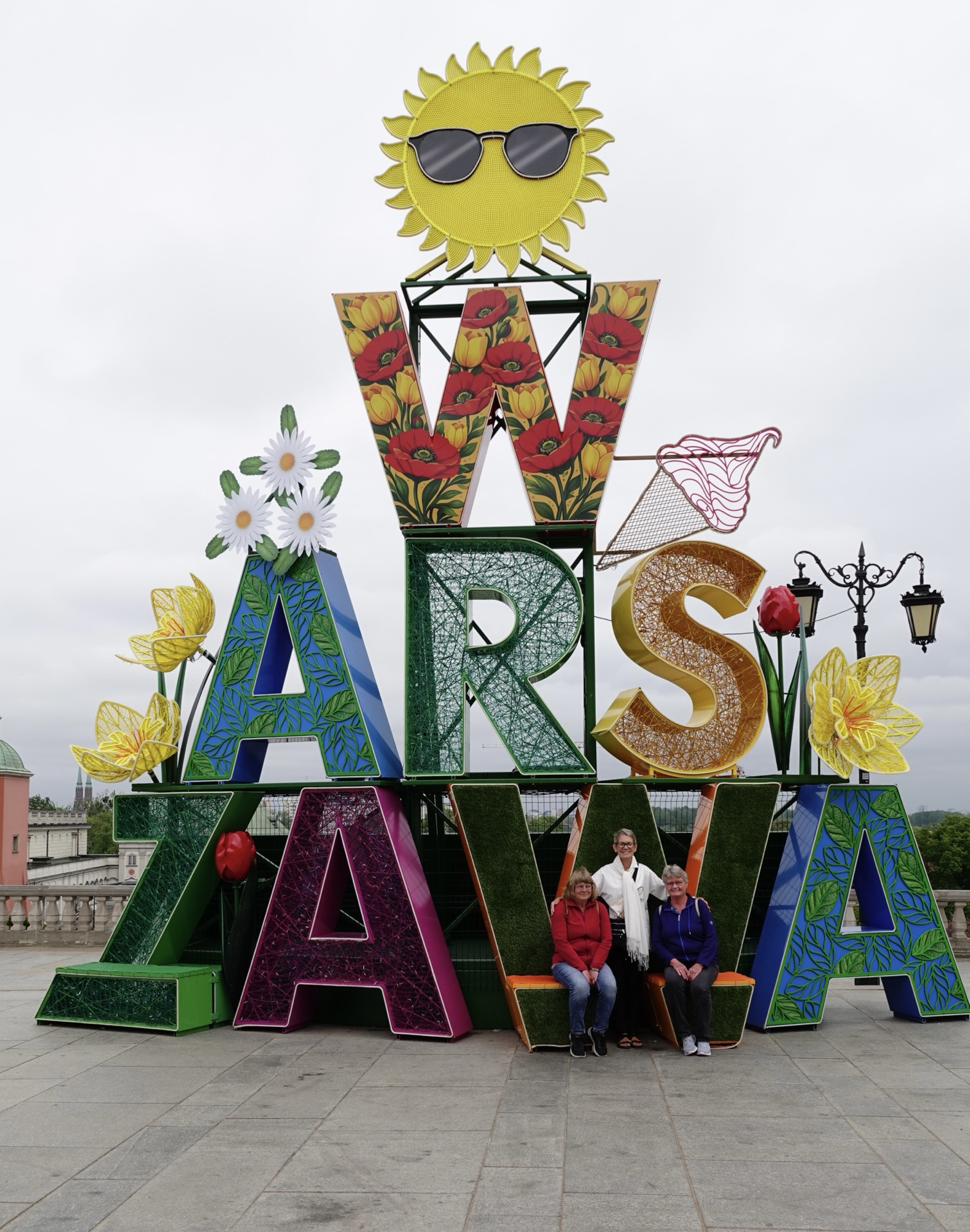
Back on the streets of the Old Town, more interesting buildings, and … finally … a Warsaw (Wasawa) tourist photo op!
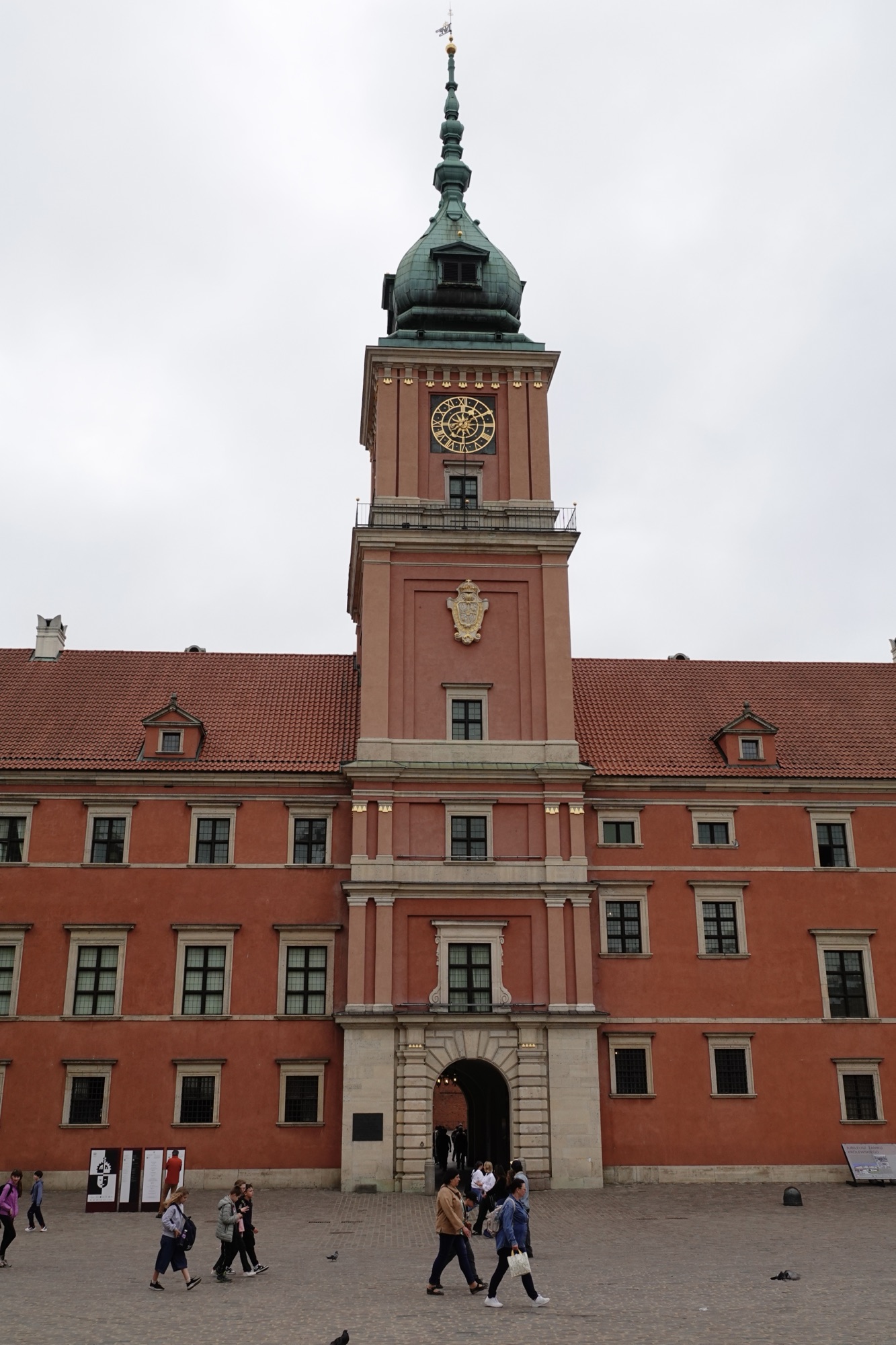
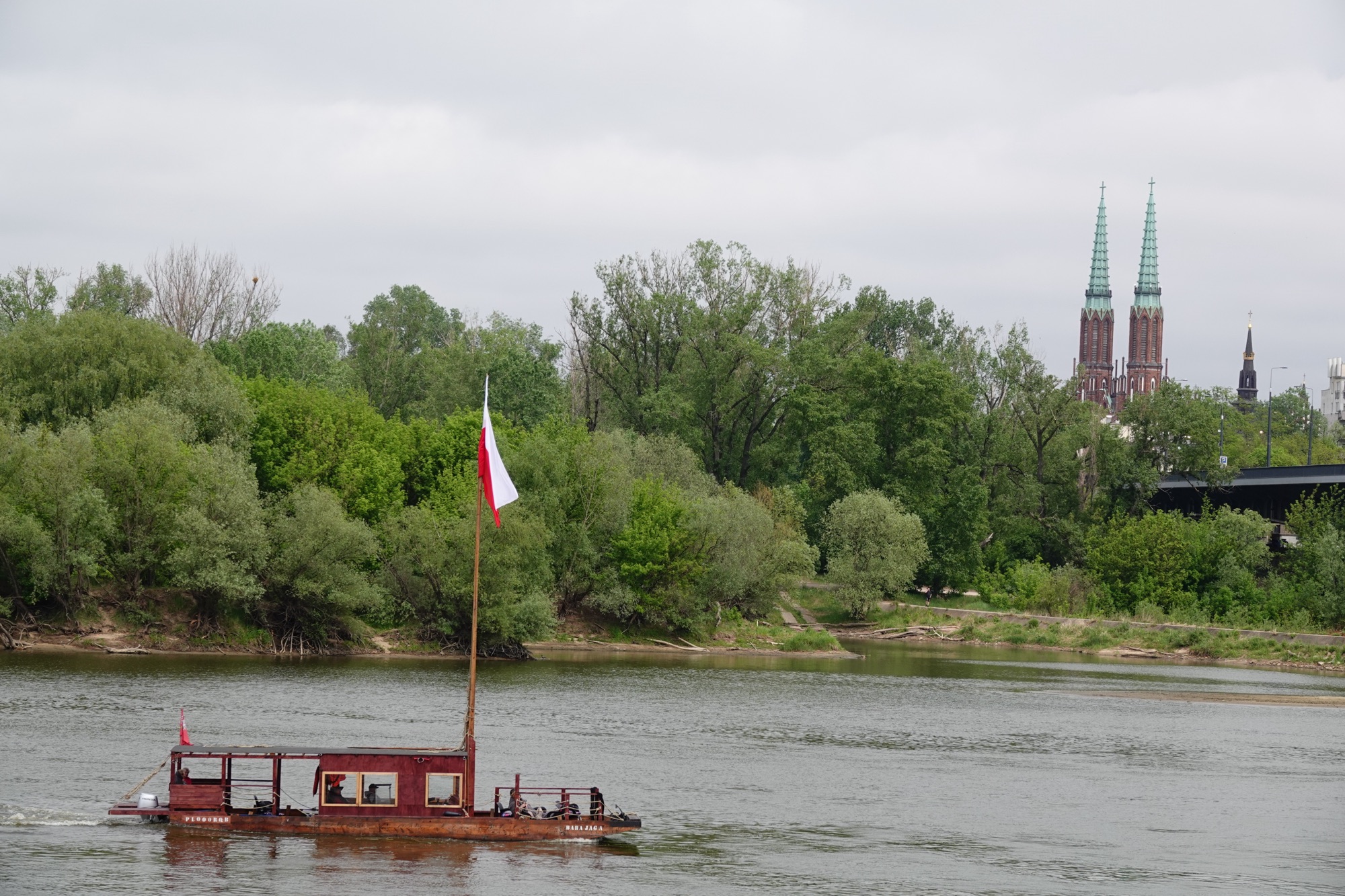
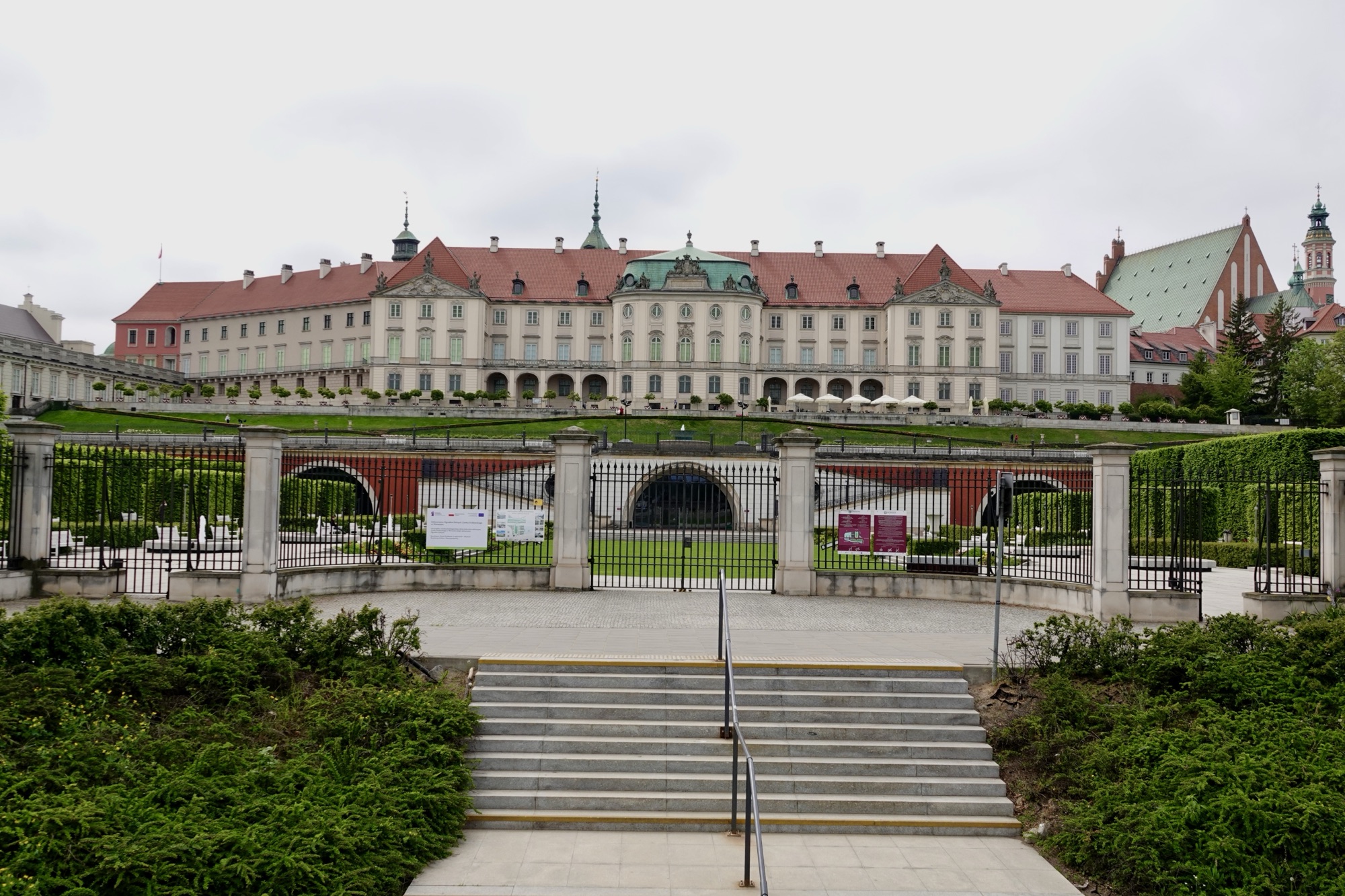
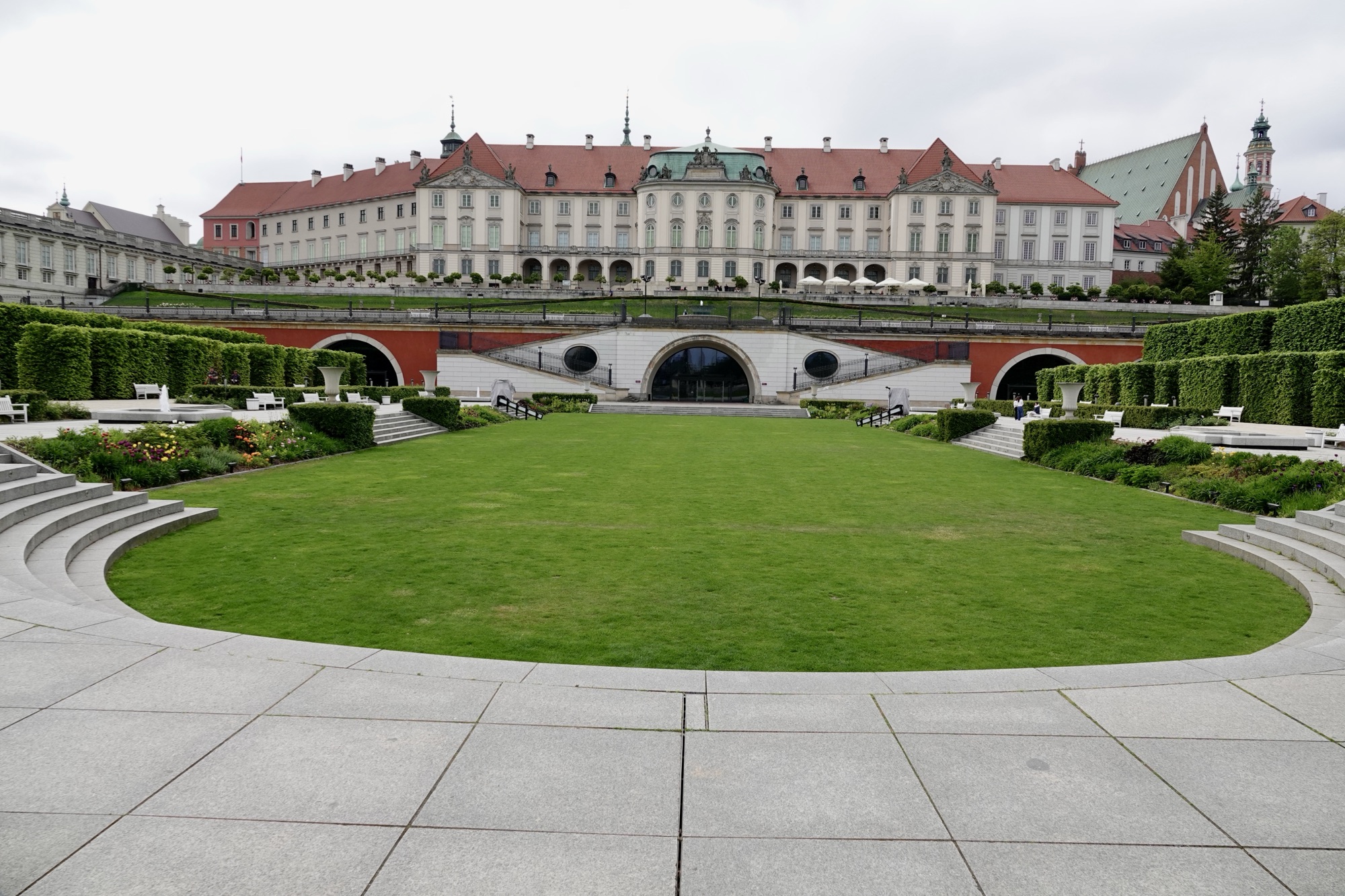
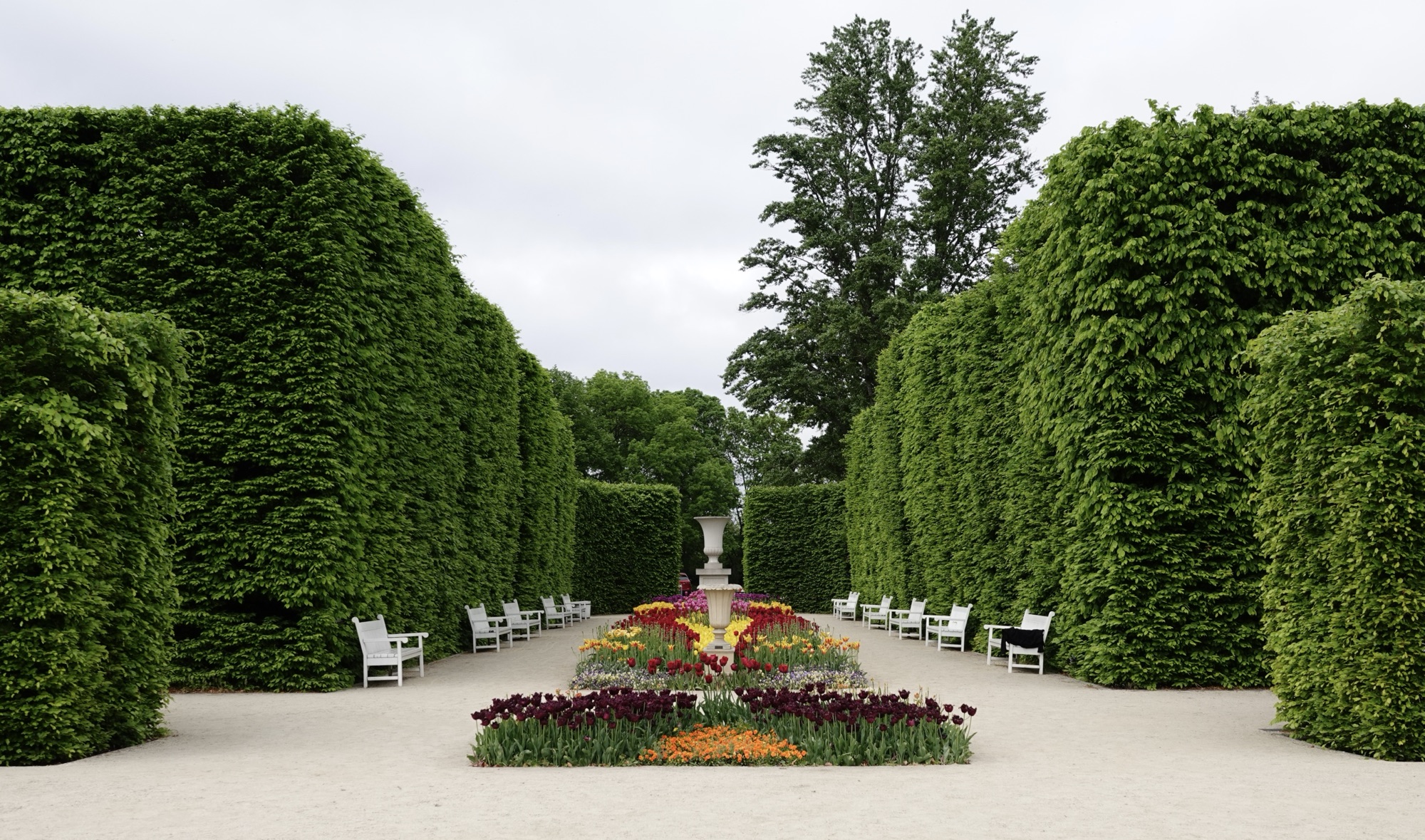
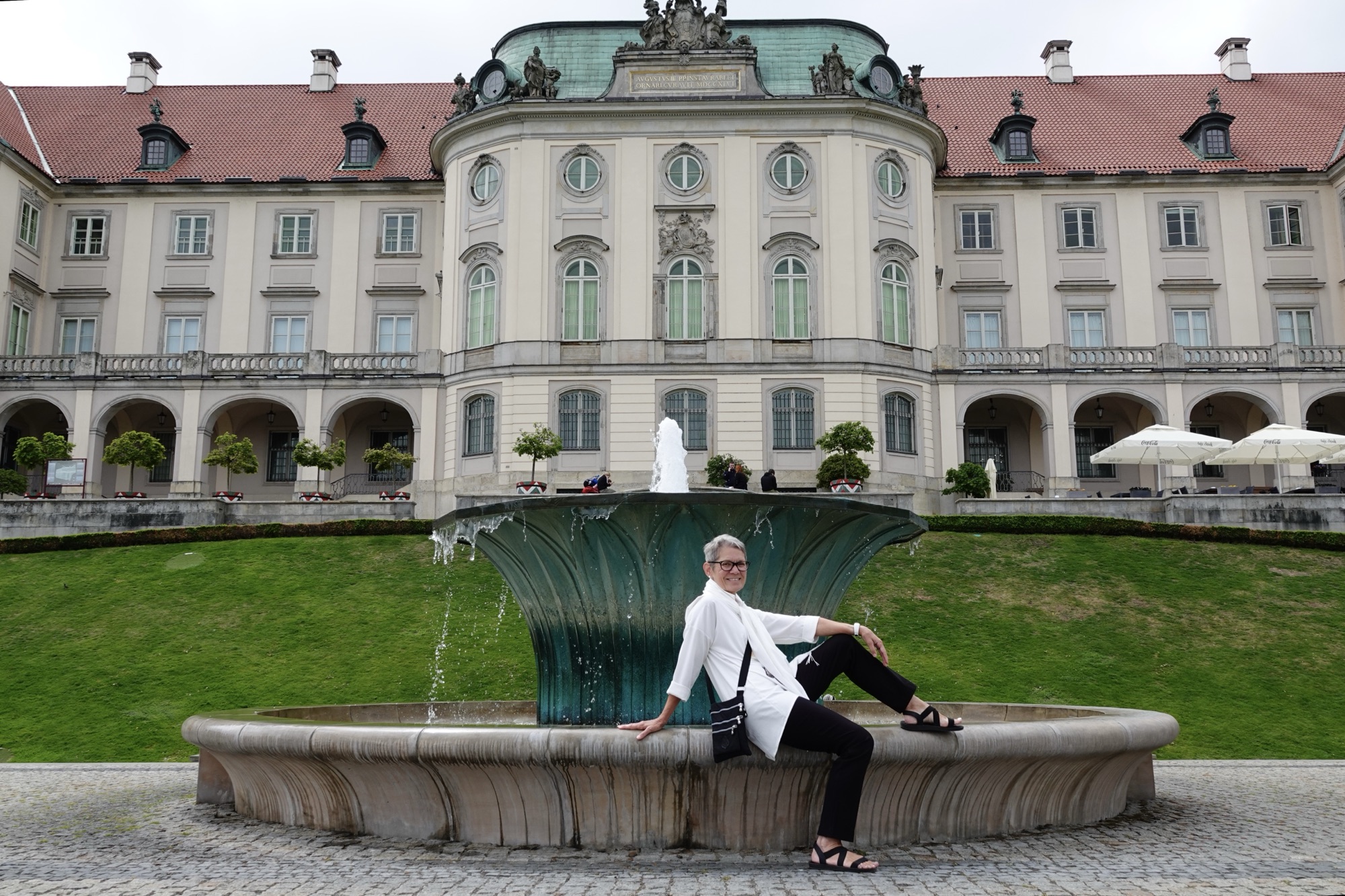
We walked toward the Vistula and found ourselves opposite Warsaw Castle and the Royal Gardens, where we pretended to be royalty having coffees on the castle veranda.
Late afternoon my “new” cousins Bärbel and Regina arrived, and we got know each other over glasses of sekt (the German version of prosecco) in our apartment before heading out to an Italian restaurant for dinner.
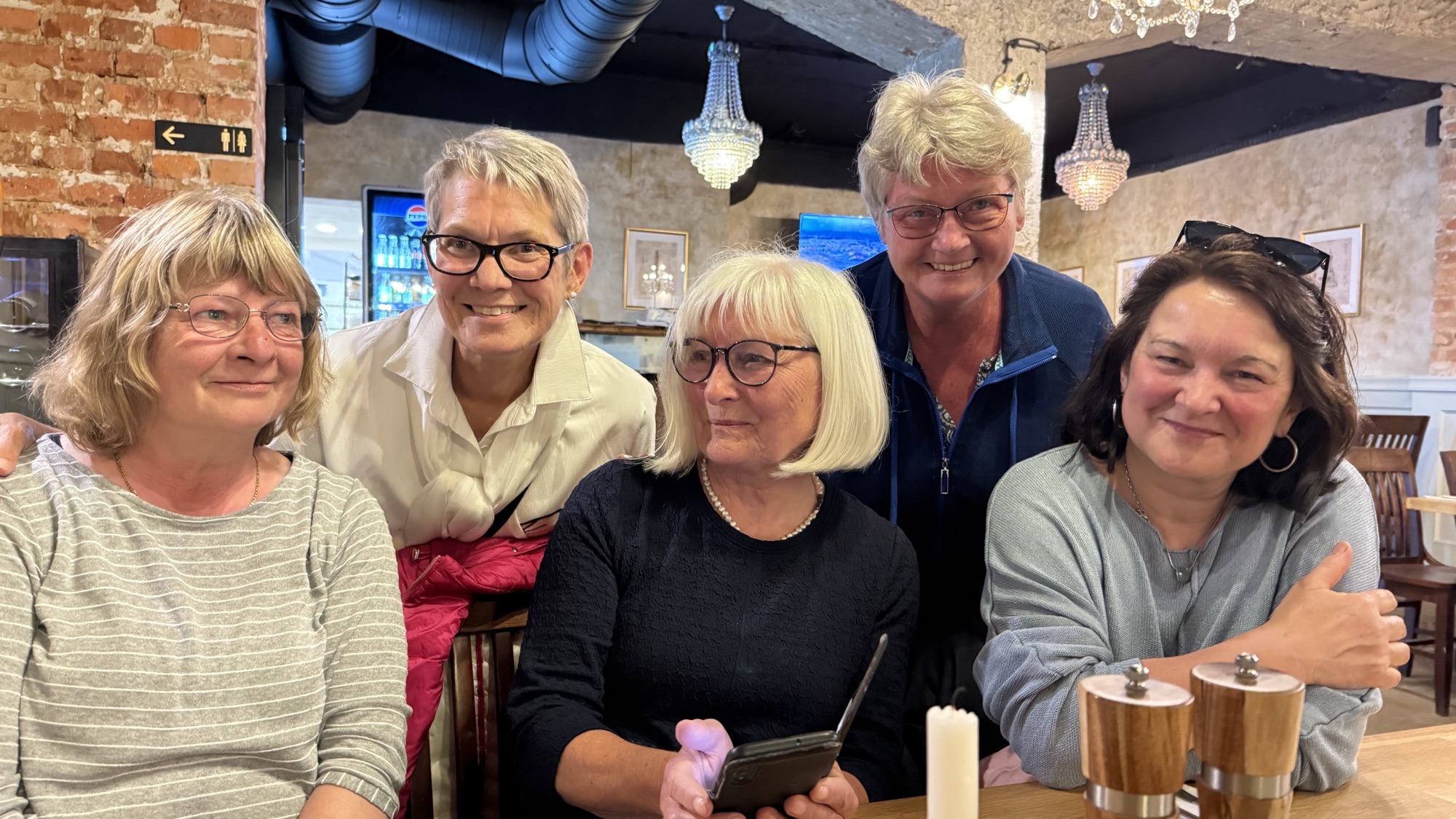

After dinner, Ted escaped back to our apartment for some peace and quiet while we five cousins adjourned to another venue for spritzes made with Polish plum brandy and prosecco.
Tomorrow we head off on a tour focussed on our shared family roots.


What fun! You do all look like you come from the same “stock”. Thanks for sharing.
LikeLiked by 1 person