It’s not actually alliterative, since the “ch” in Chania is not pronounced like the one in chill, but rather like the one in the Jewish toast “la chaim”, but it looks good.
We’ve been taking it really easy, setting the tone for our nine day stay. On our first afternoon and evening we simply unpacked, explored the resort a bit, and had dinner.
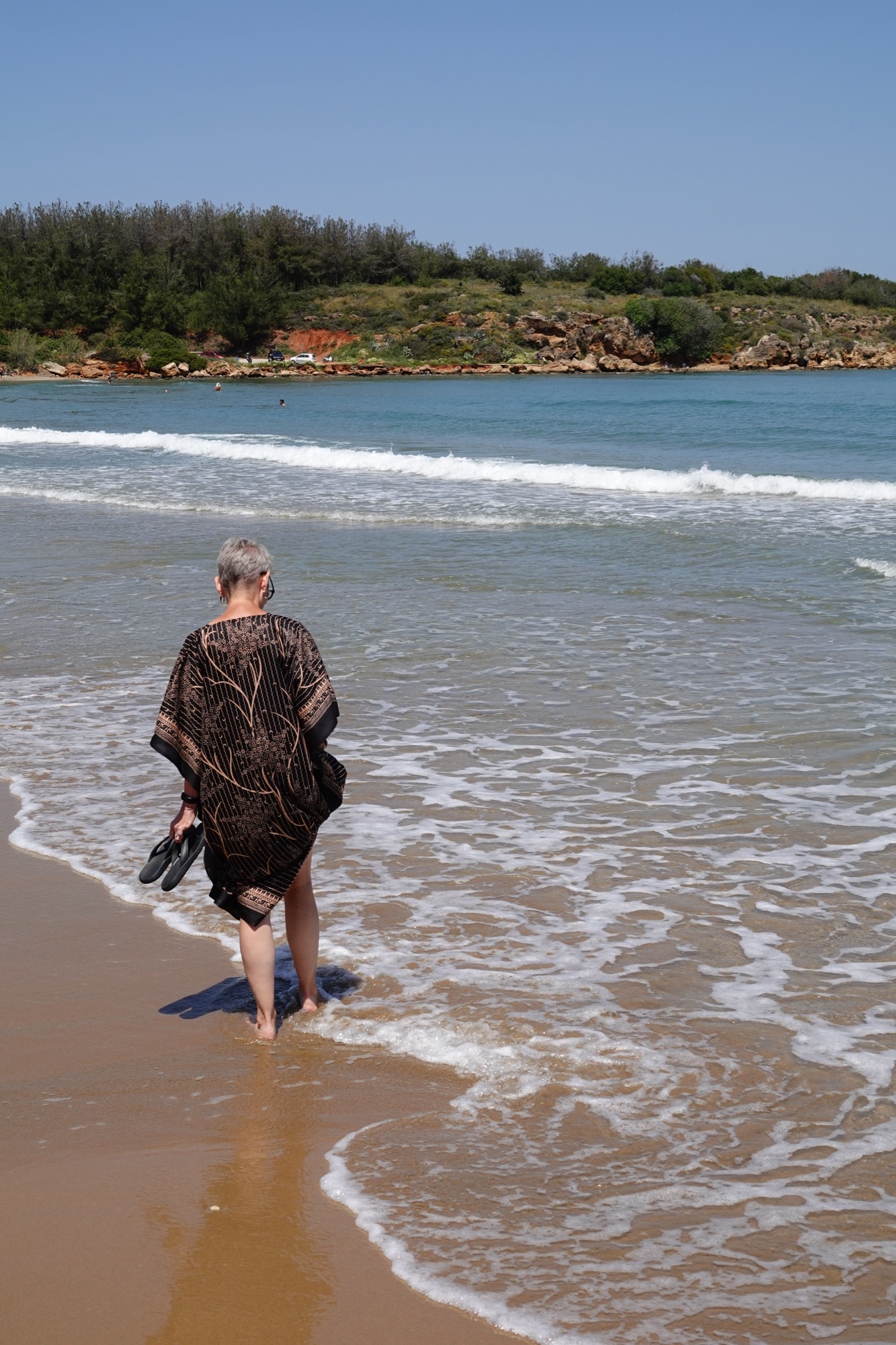
On our second day we walked to the nearby beach, and then returned to the resort to settle into our lounge chairs and read. Ted also continued his task of purging old travel photos to free up room on his laptop’s drive.
We had three fairly light meals (the grilled swordfish at dinner was particularly good), and called it an early night.
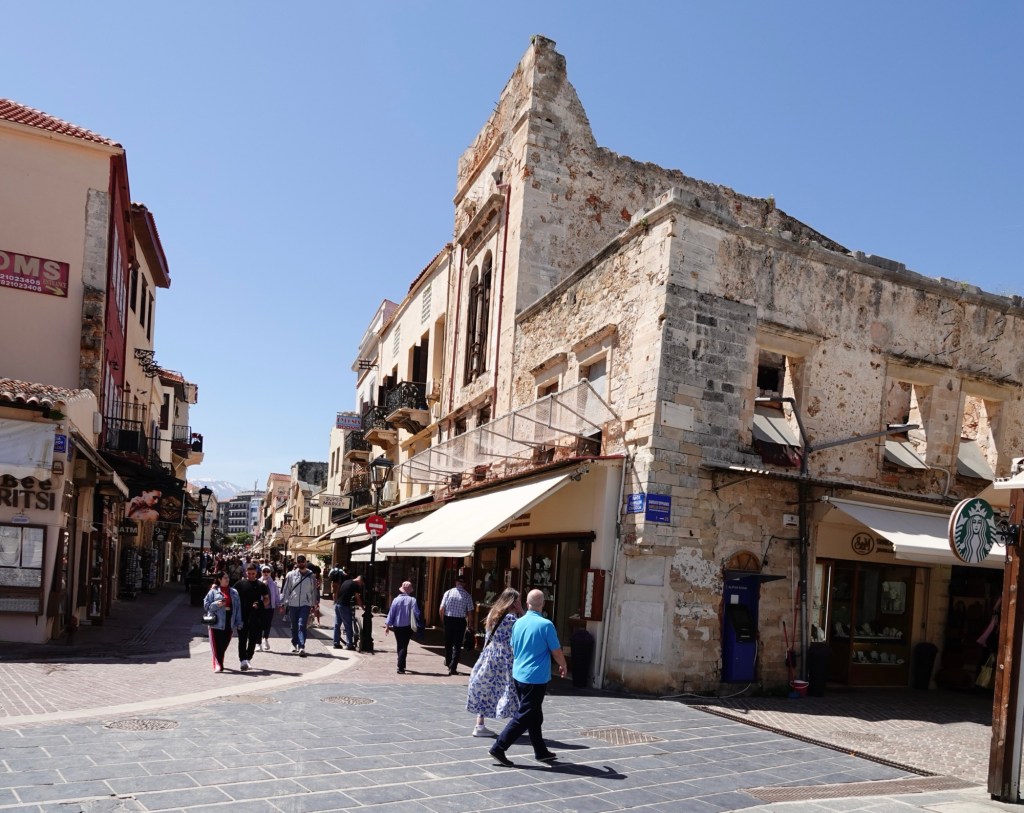
Day three we took the bus into Chania’s Old Town, which is much larger than either Heraklion’s or Rethymno’s. That makes sense since Chania was the capital of Crete during both the Venetian and Ottoman periods.
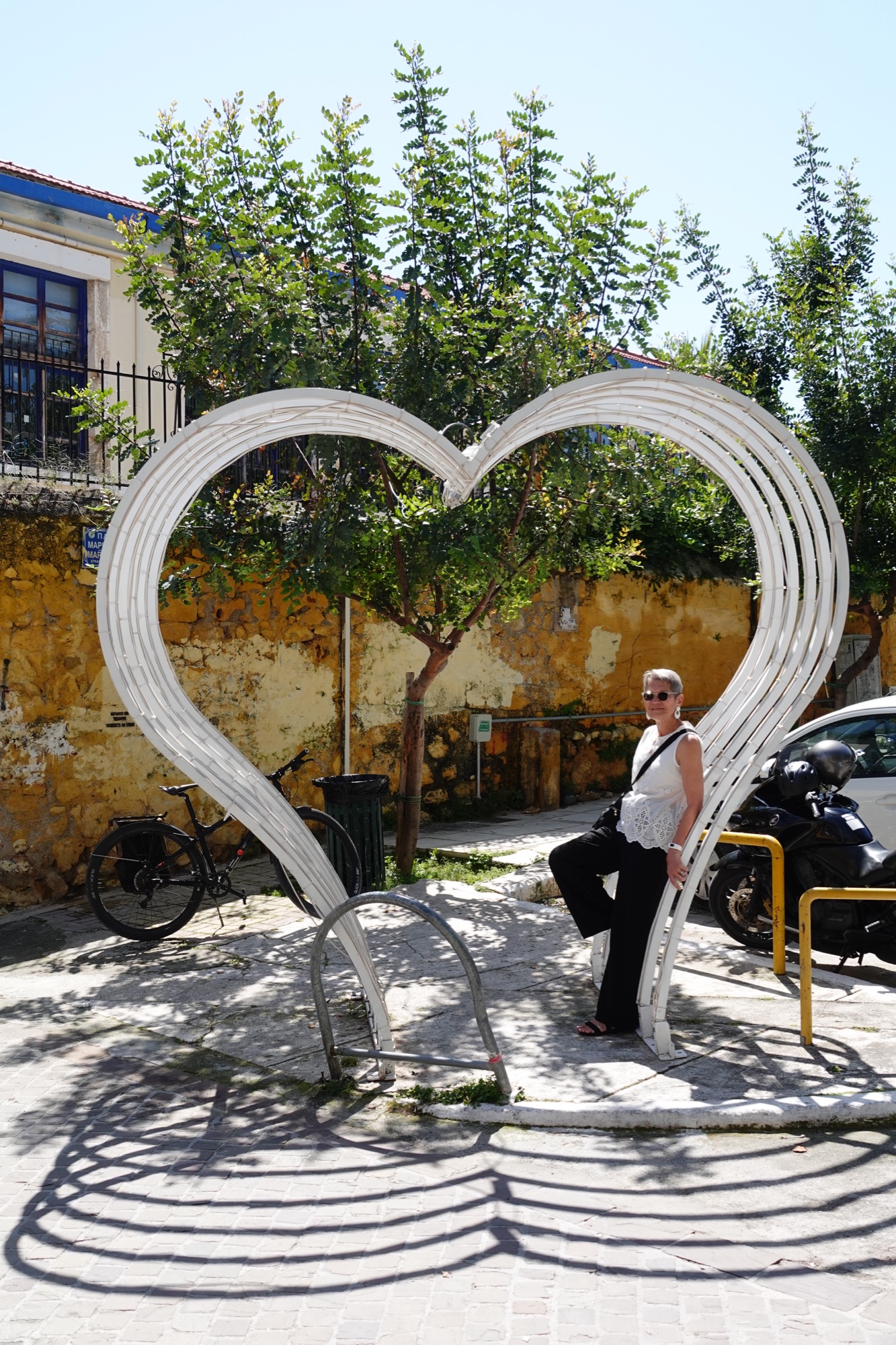
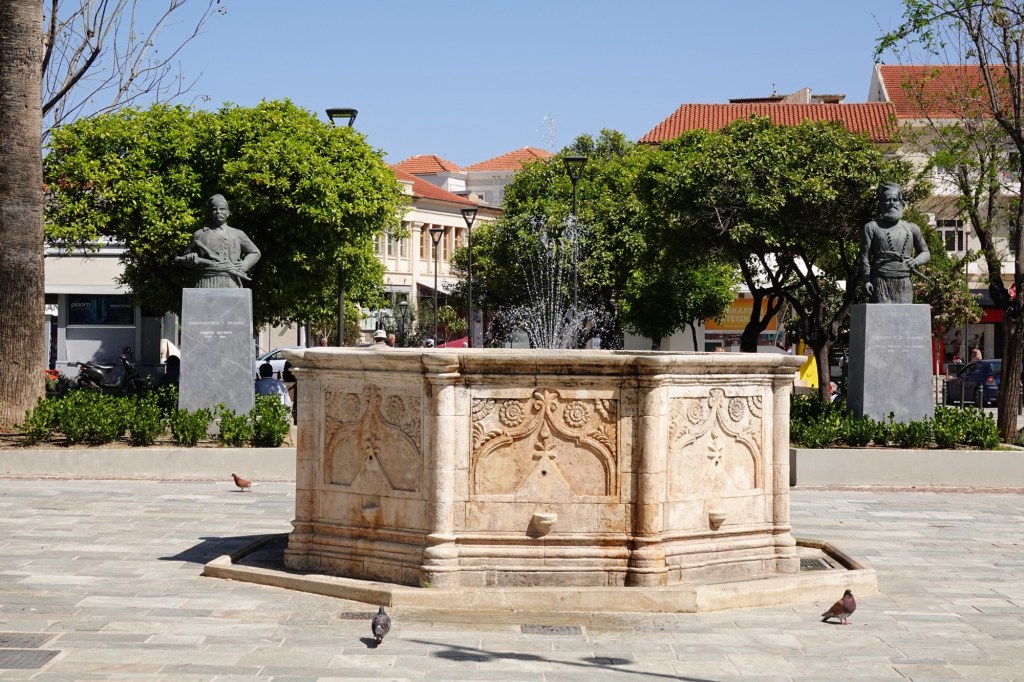
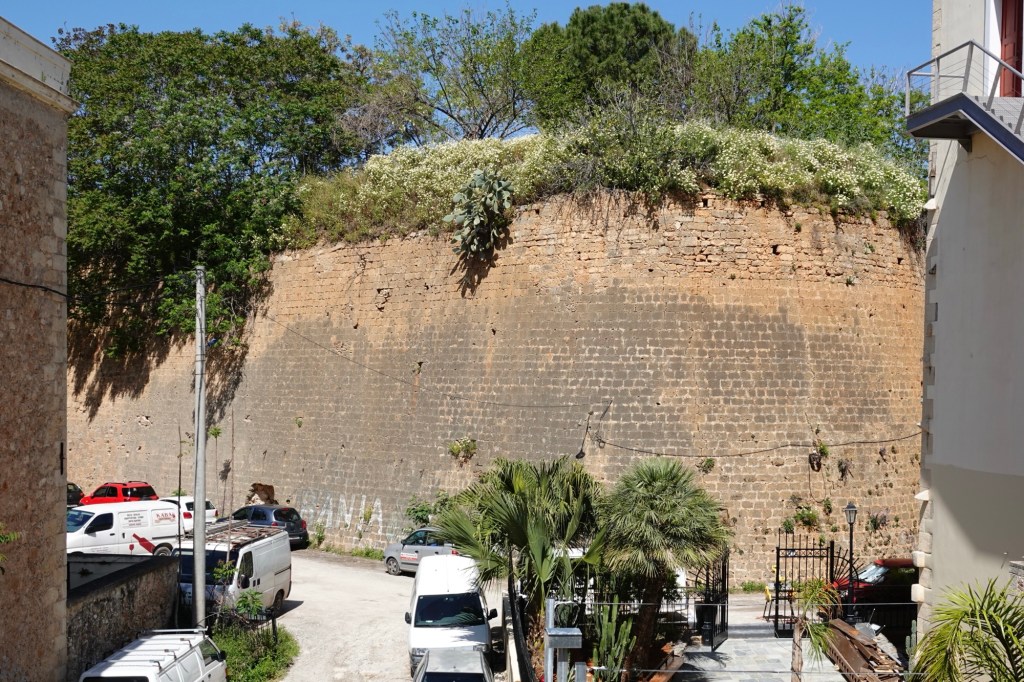
Despite Chania’s prior importance, there are far fewer surviving artefacts here than in Heraklion. The city walls were breached in many areas, so there is no extended wall walk to do.
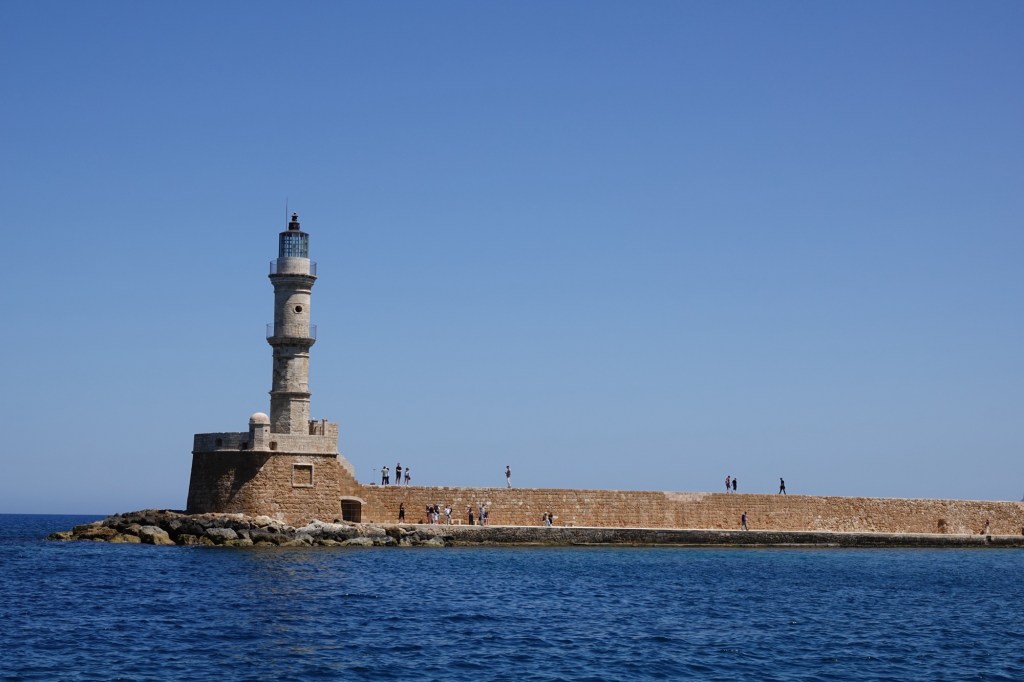
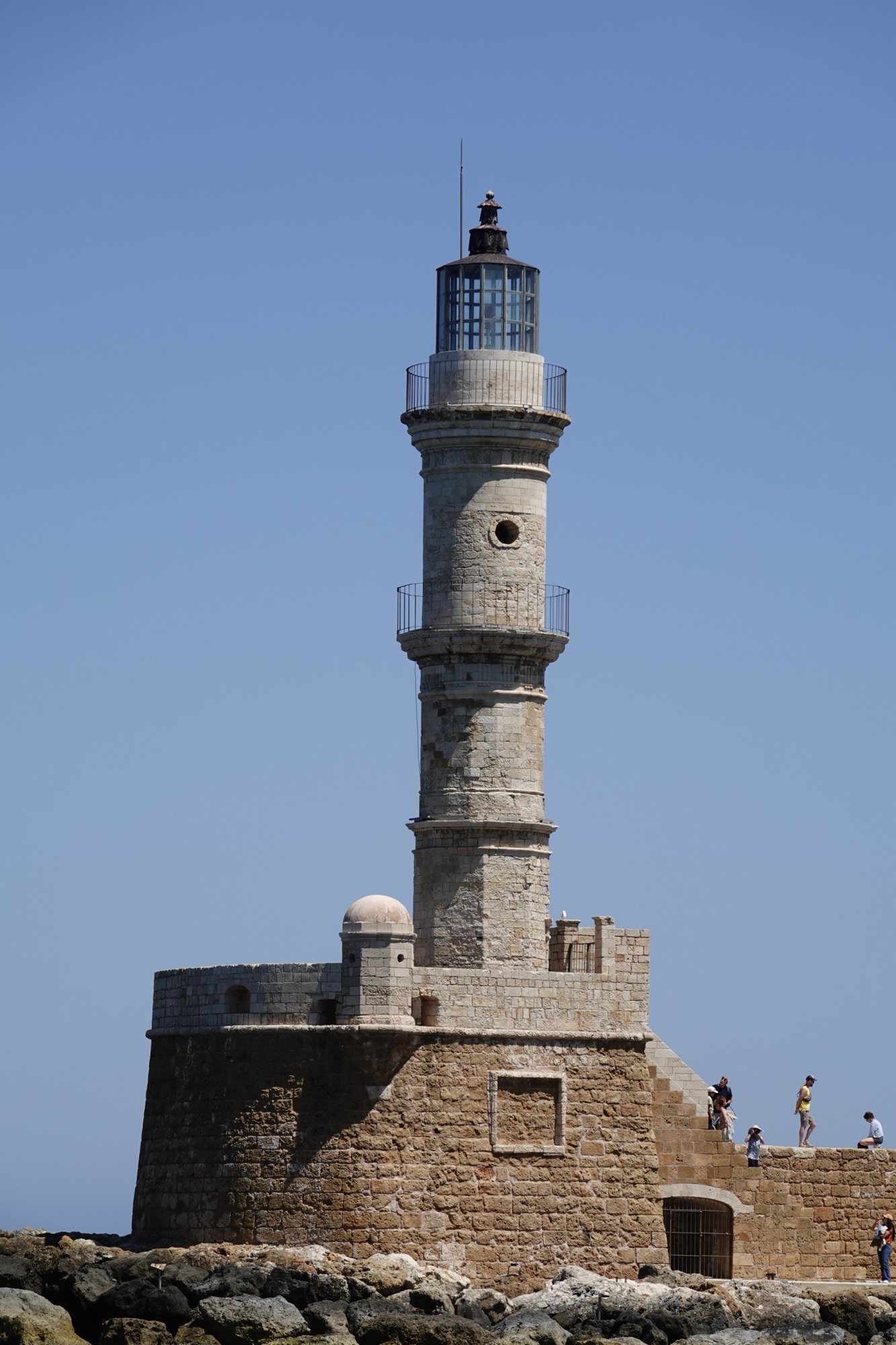
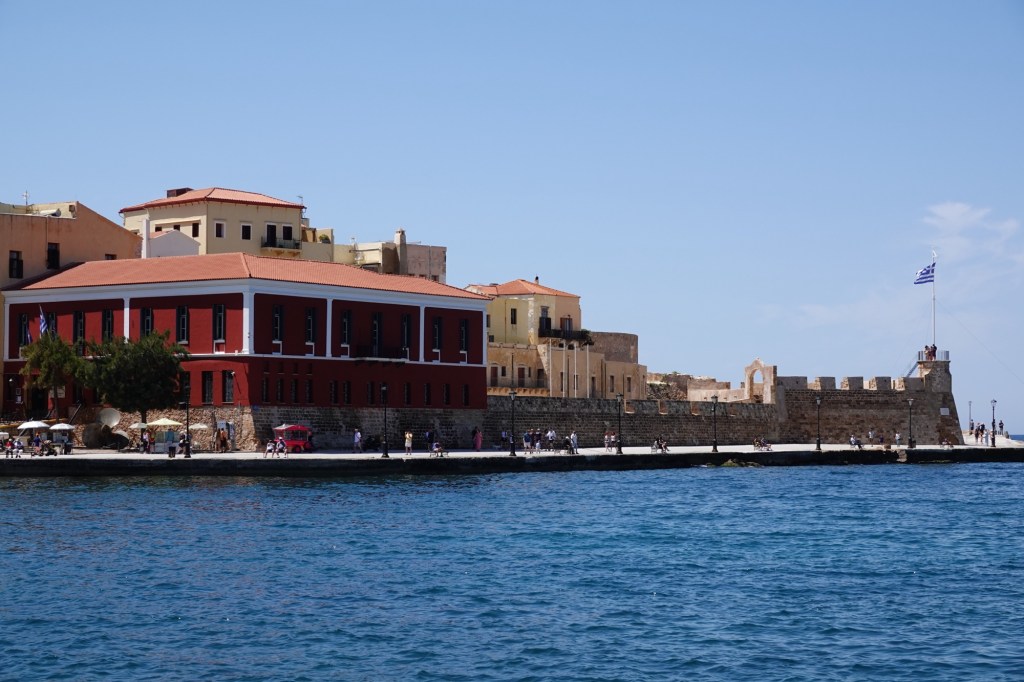
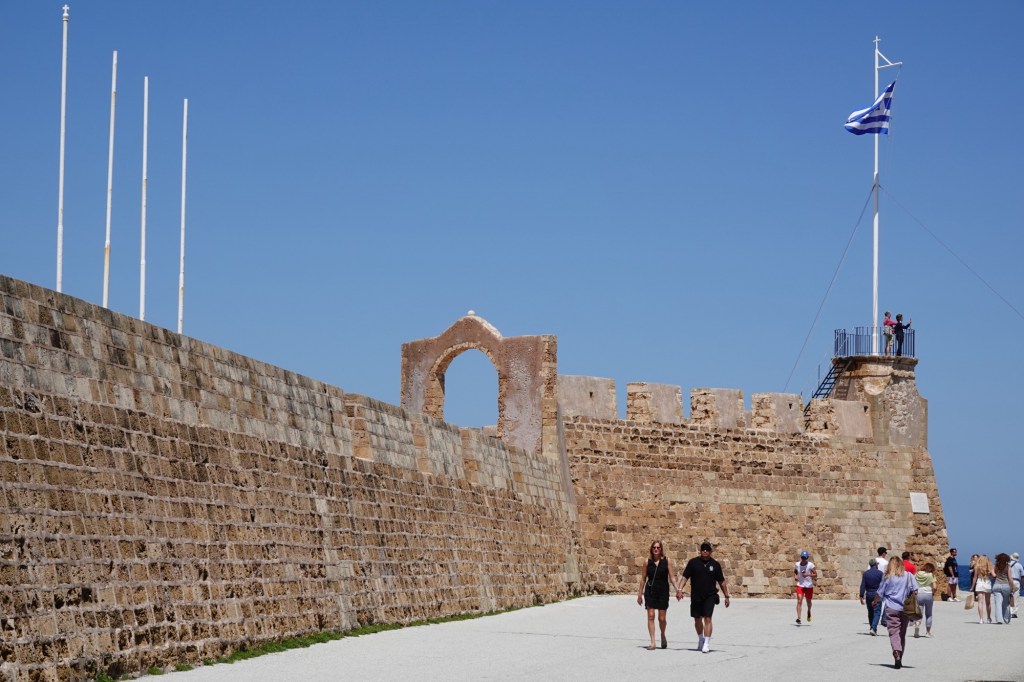
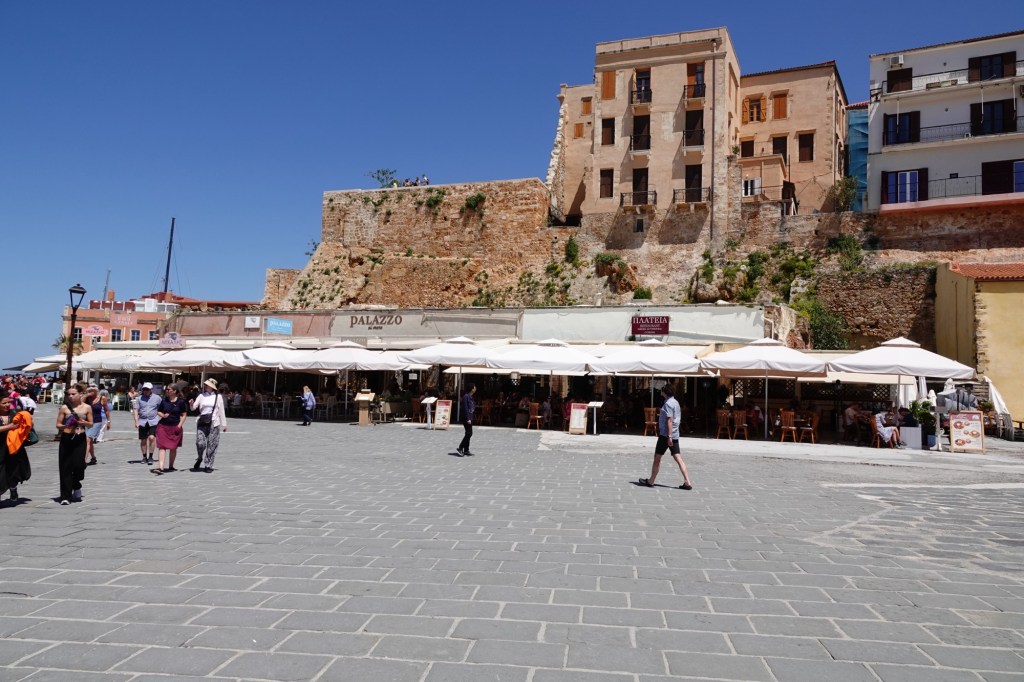
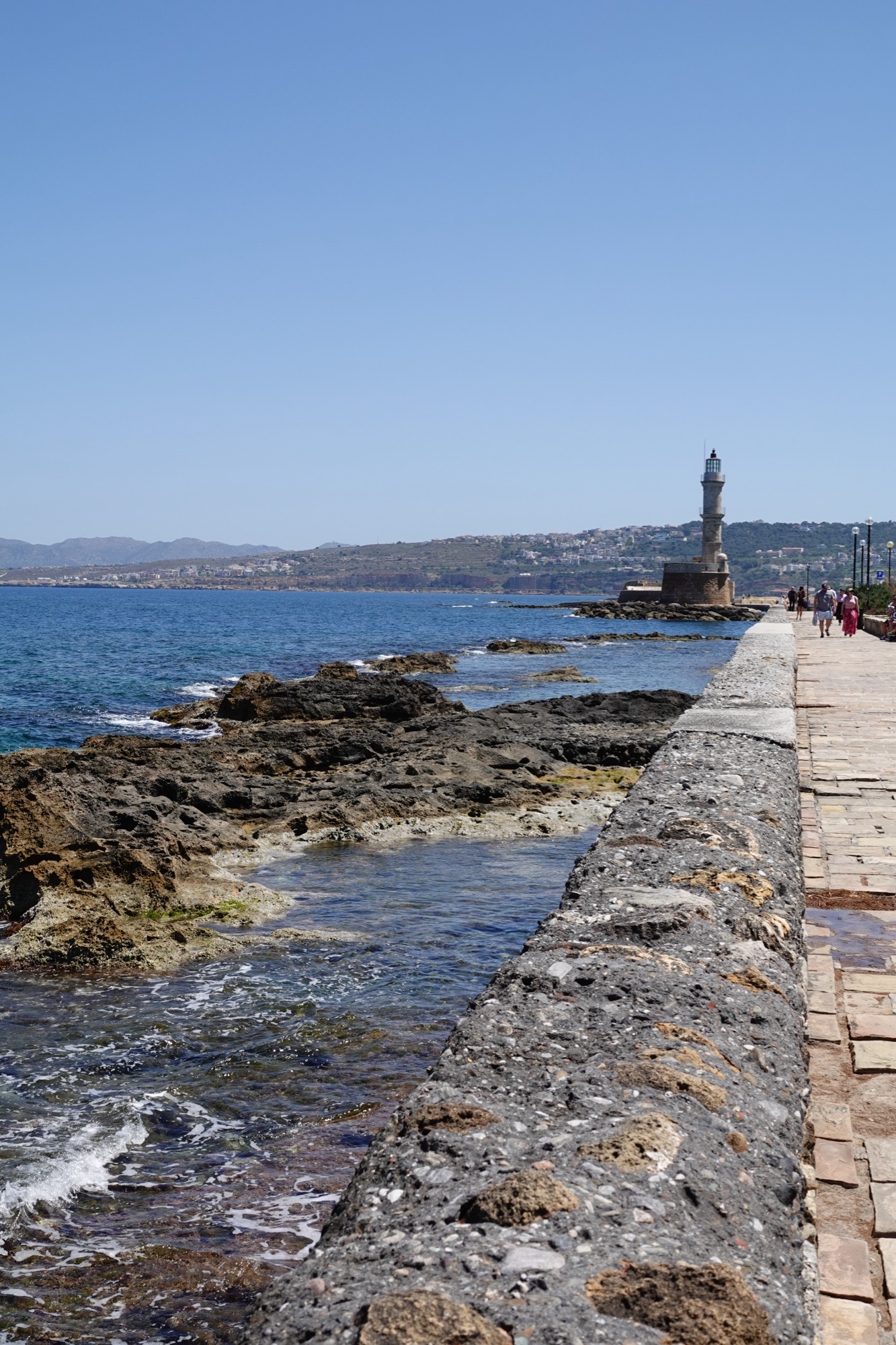
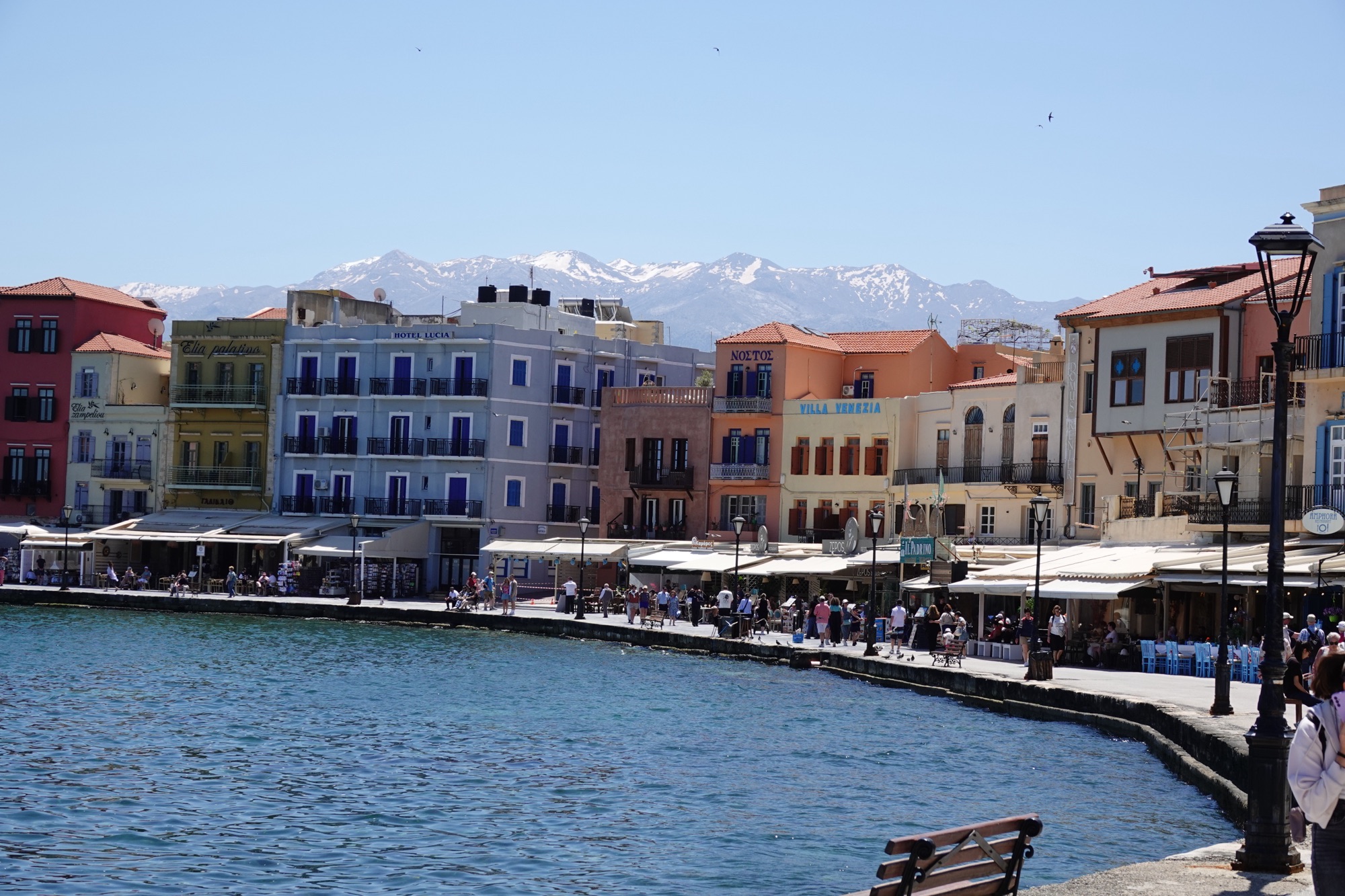
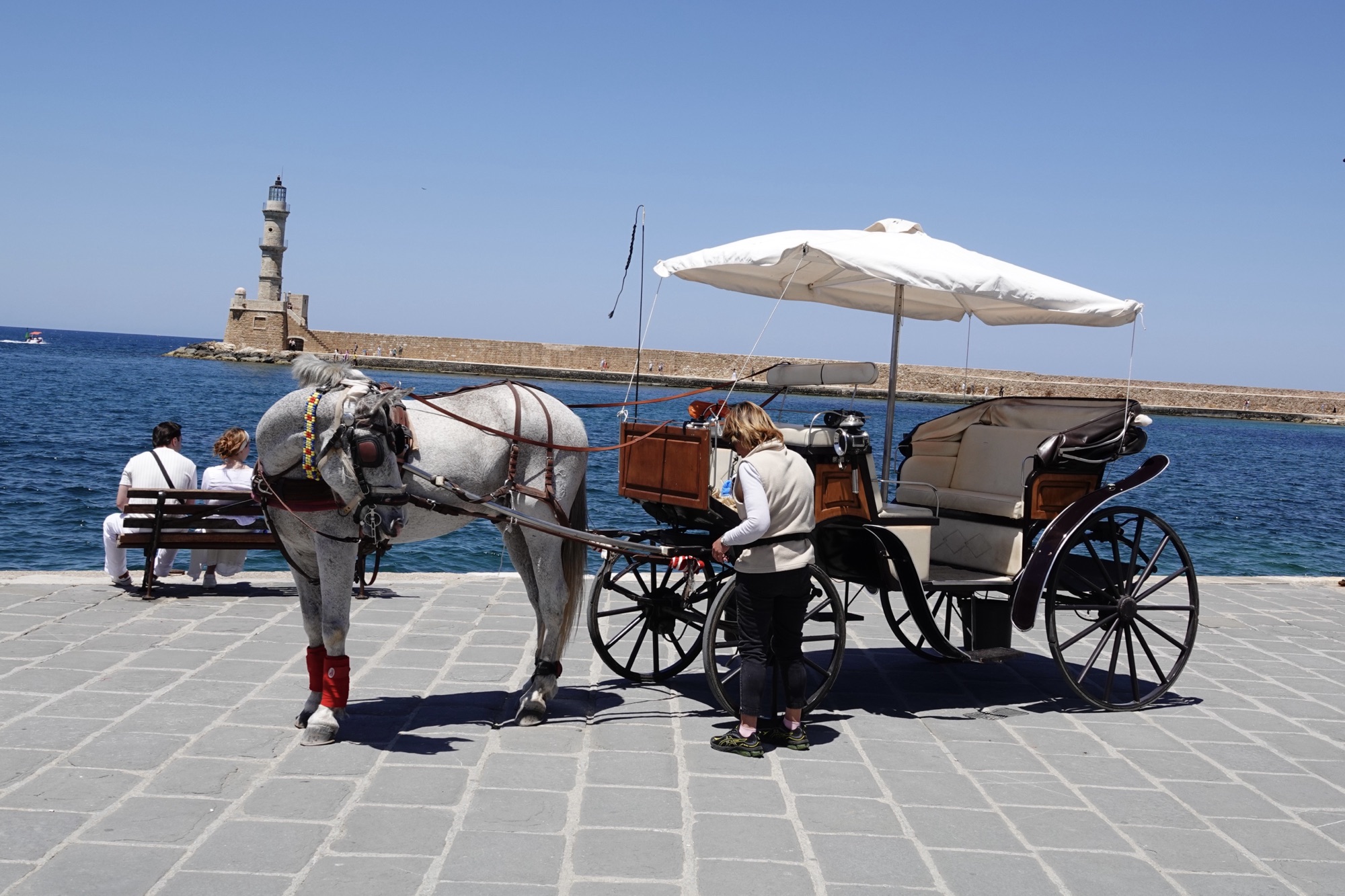
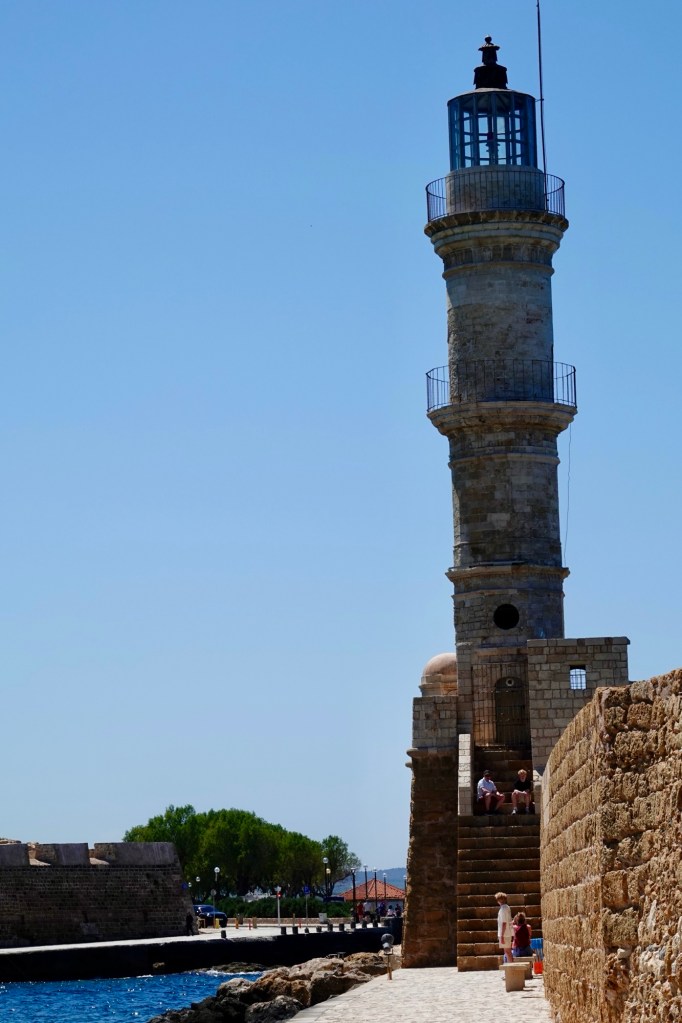
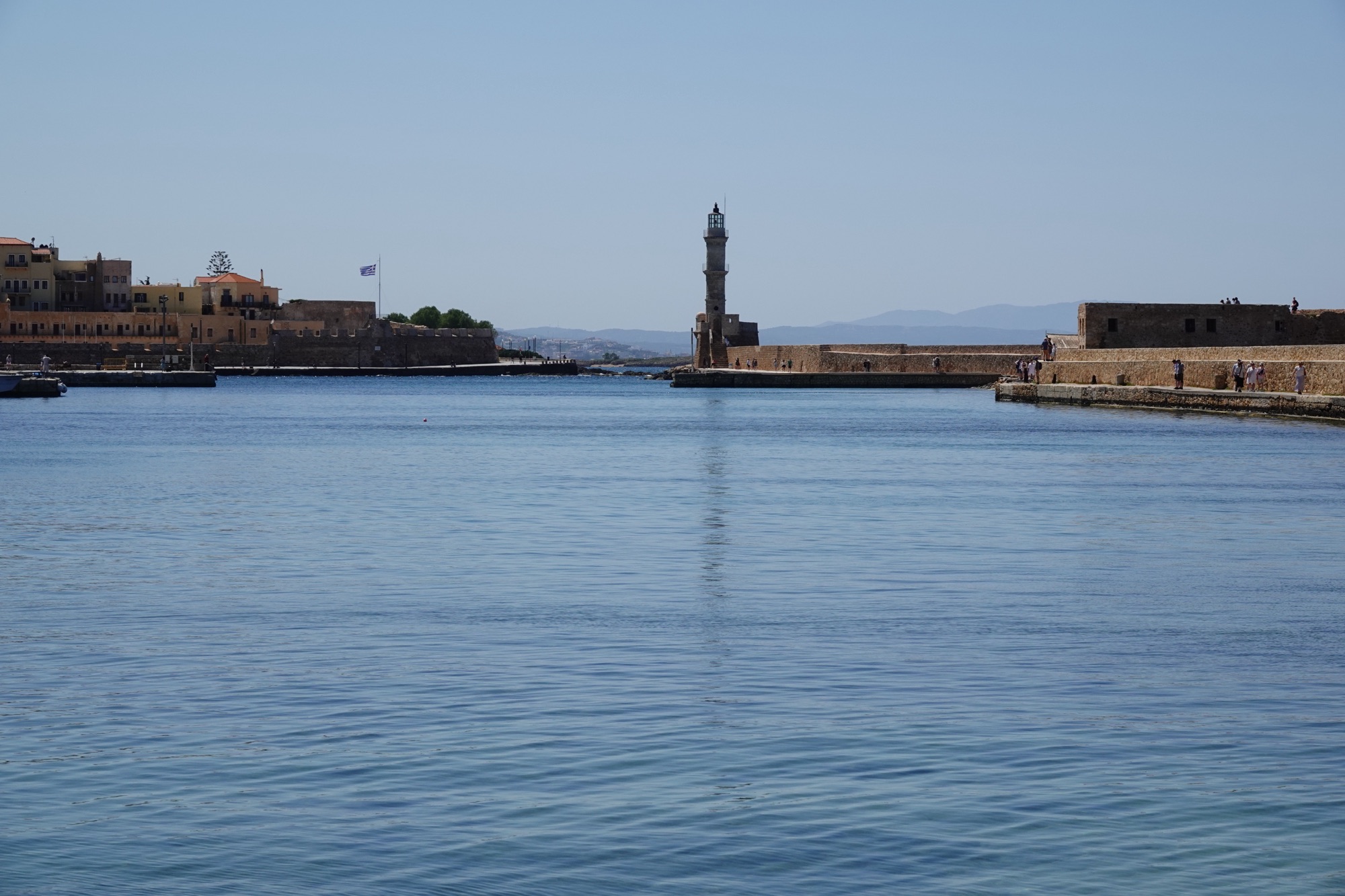
What Chania really has going for it is a gorgeous harbour with a lighthouse that is more impressive than either Heraklion or Rethymno’s.
The city’s 17th century Venetian fortress/barracks is well maintained and houses the current Maritime Museum of Crete (the portion painted red, below). The museum, in my opinion, doesn’t hold a candle to the displays inside Heraklion’s fort.
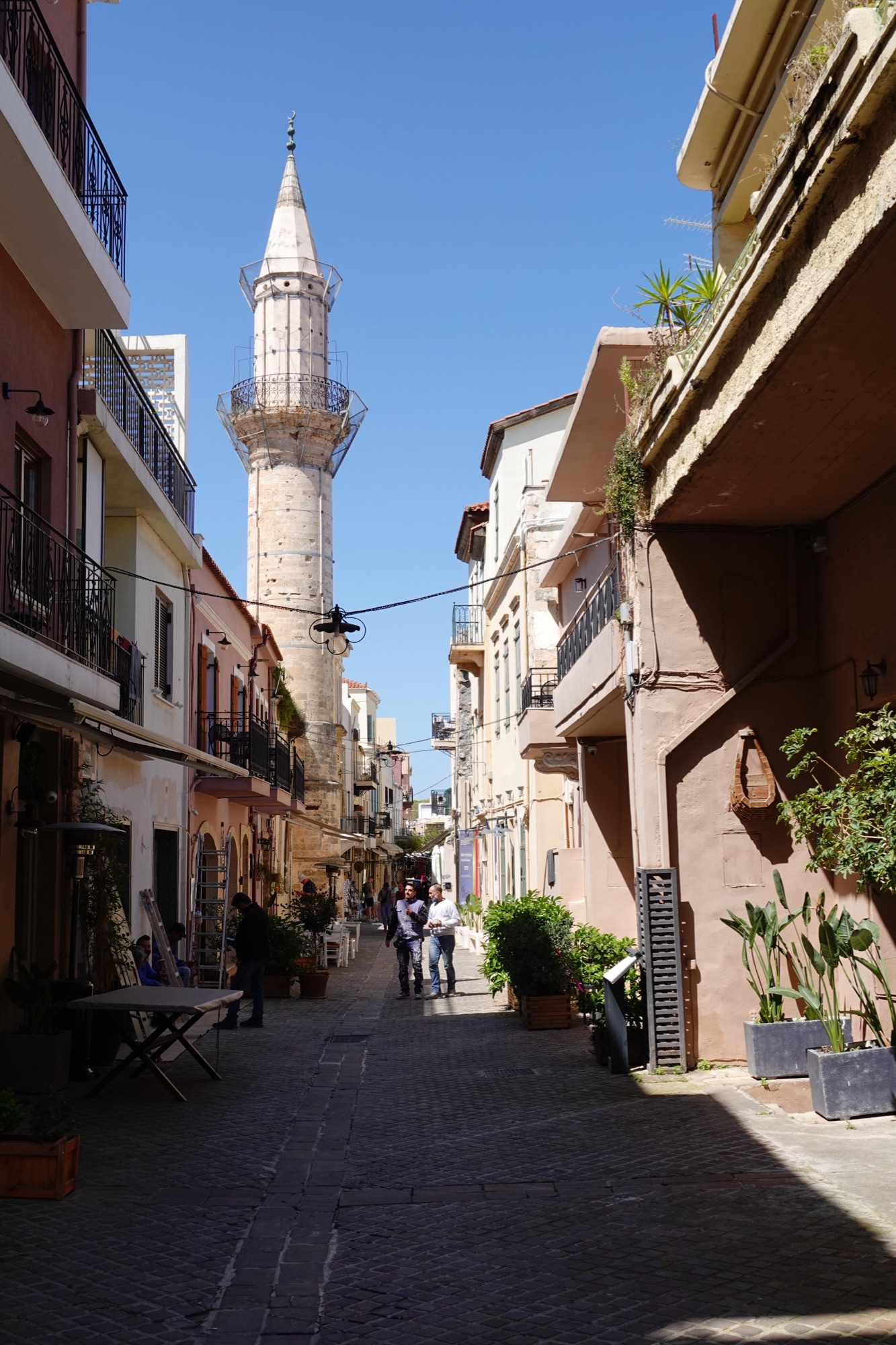
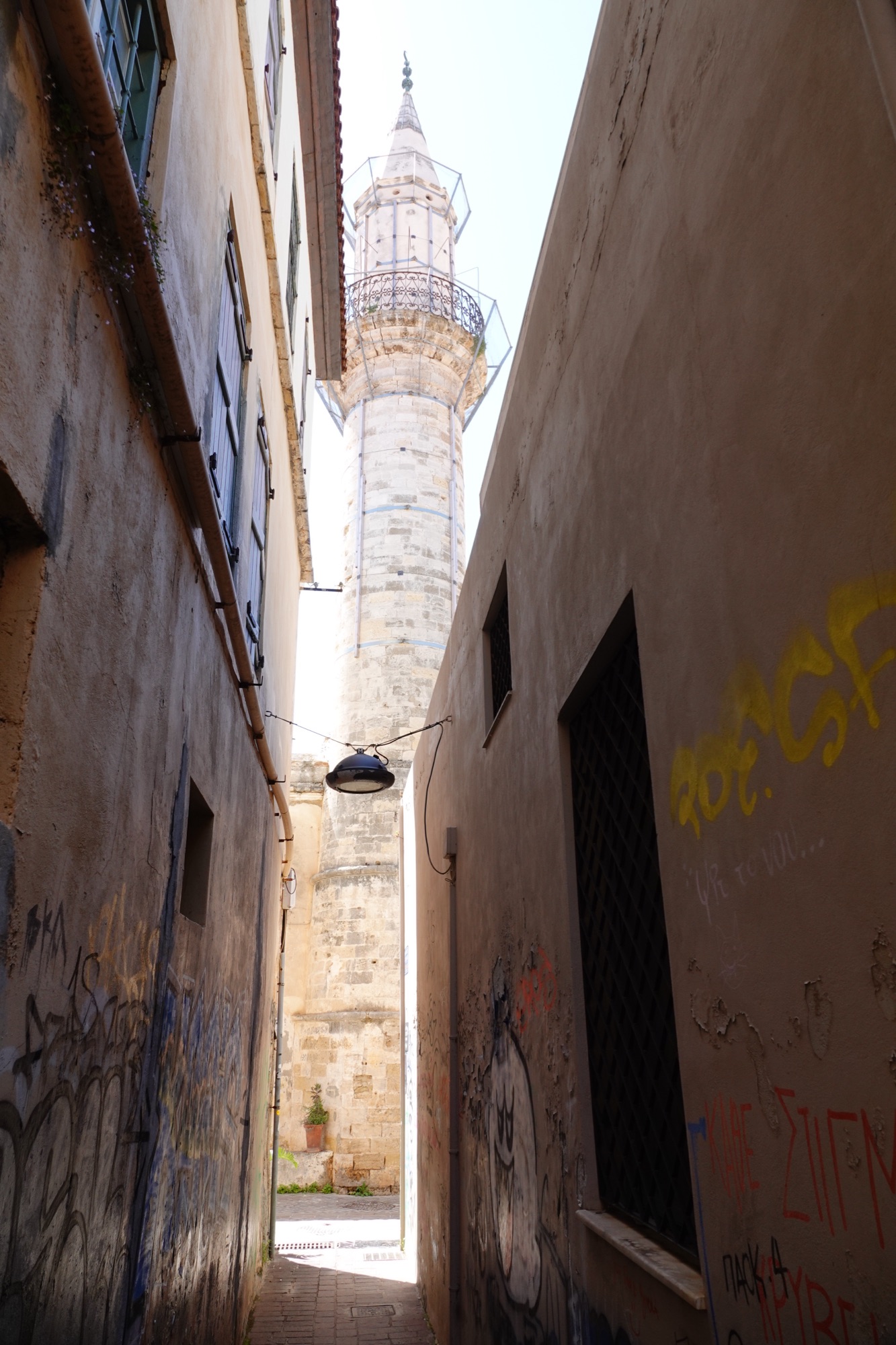
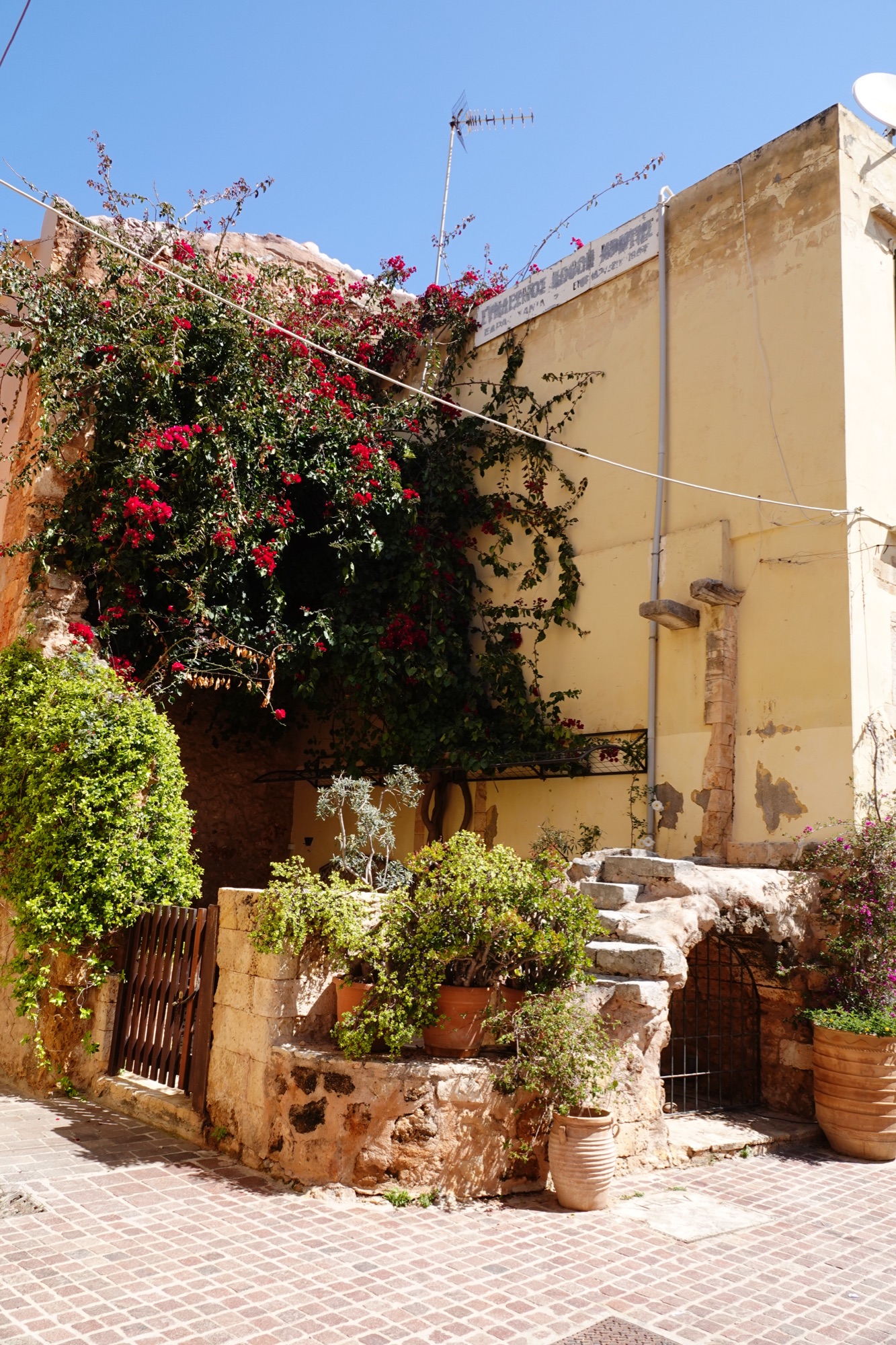
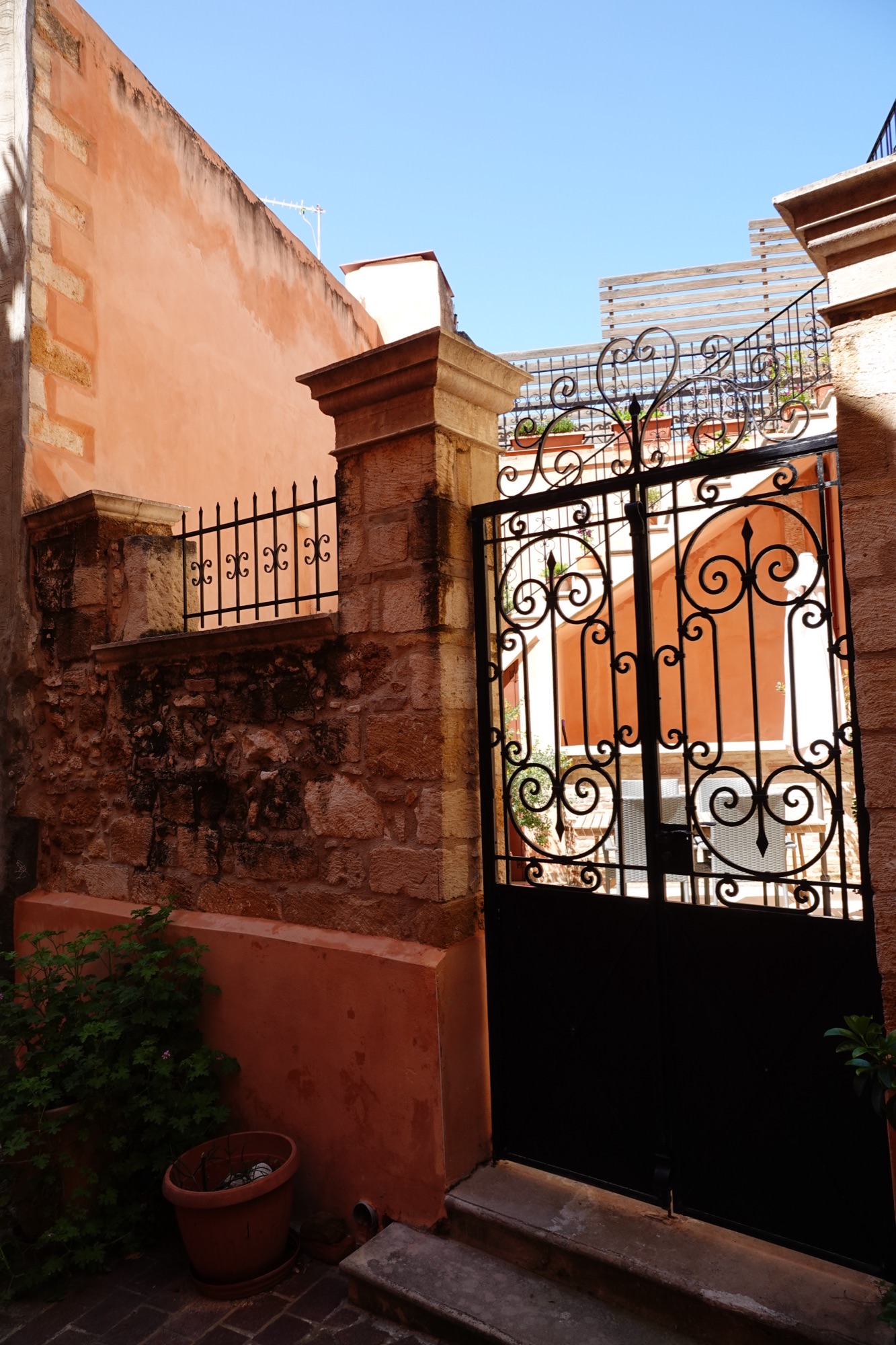
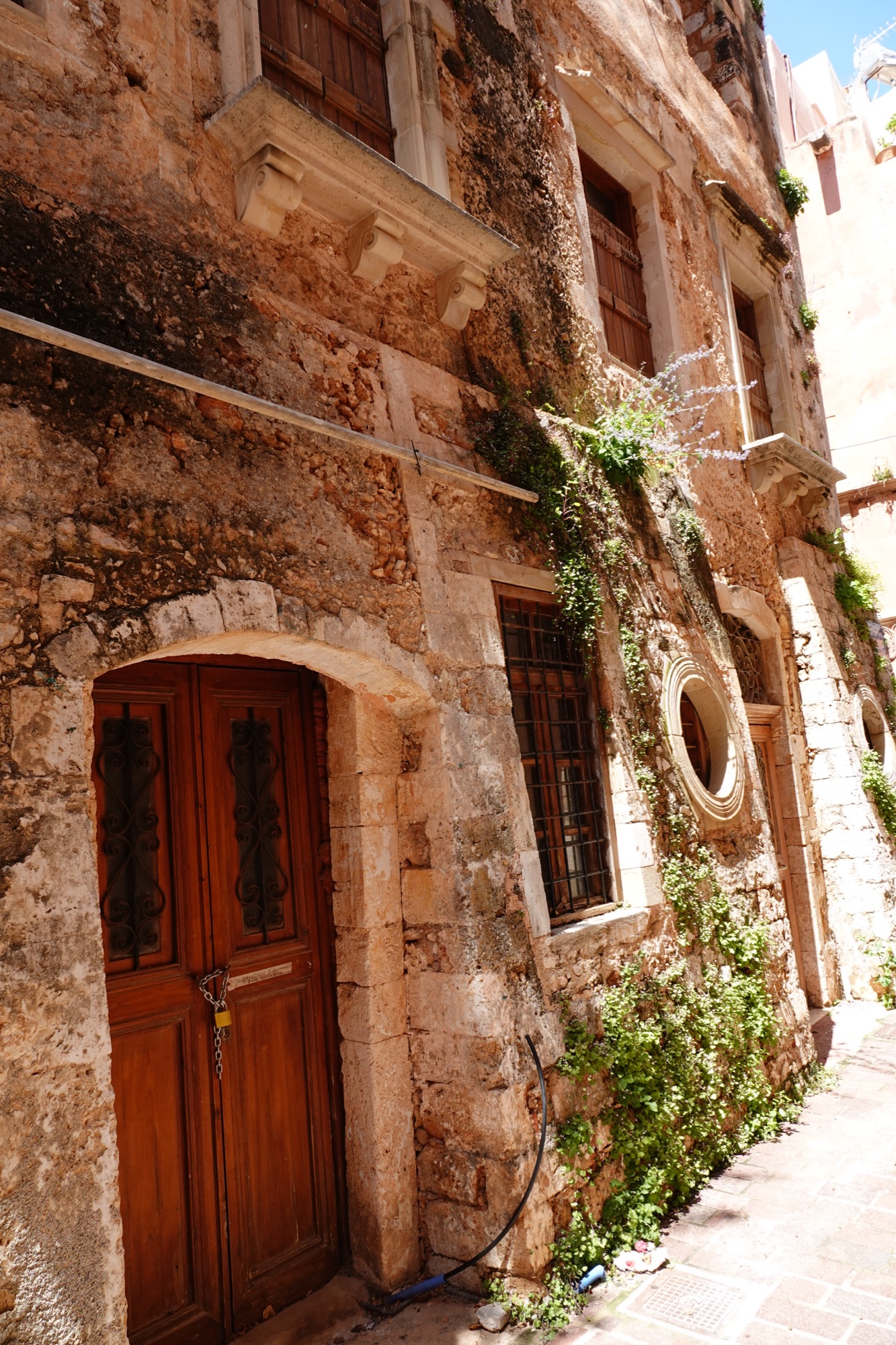
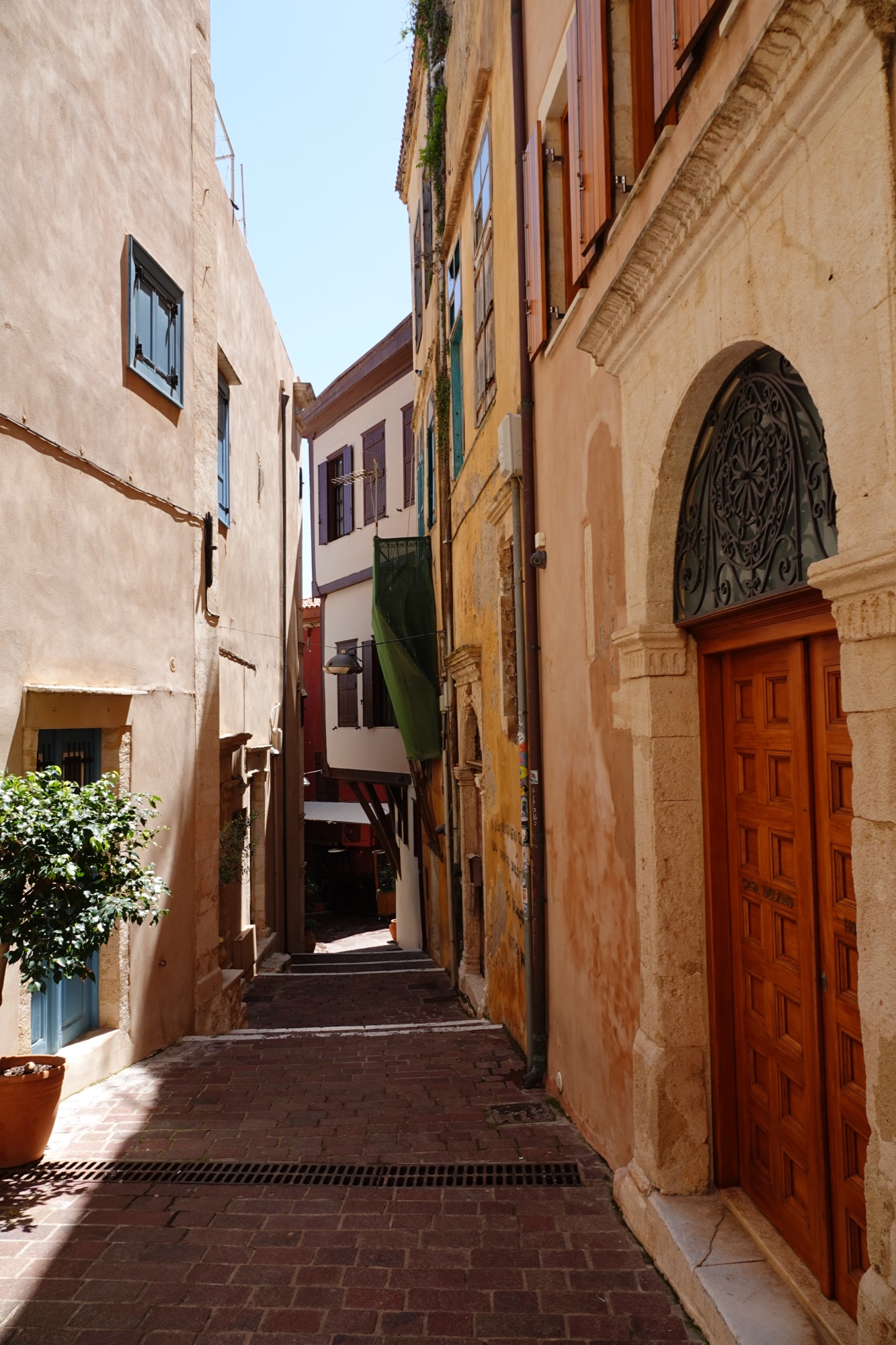
Chania’s Old Town simply is a Venetian city though. The buildings almost all date to the 16th and 17th centuries, and the maze of narrow side streets feel like a cross between the winding streets of Venice and the labyrinthine alleyways of an Eastern medina.
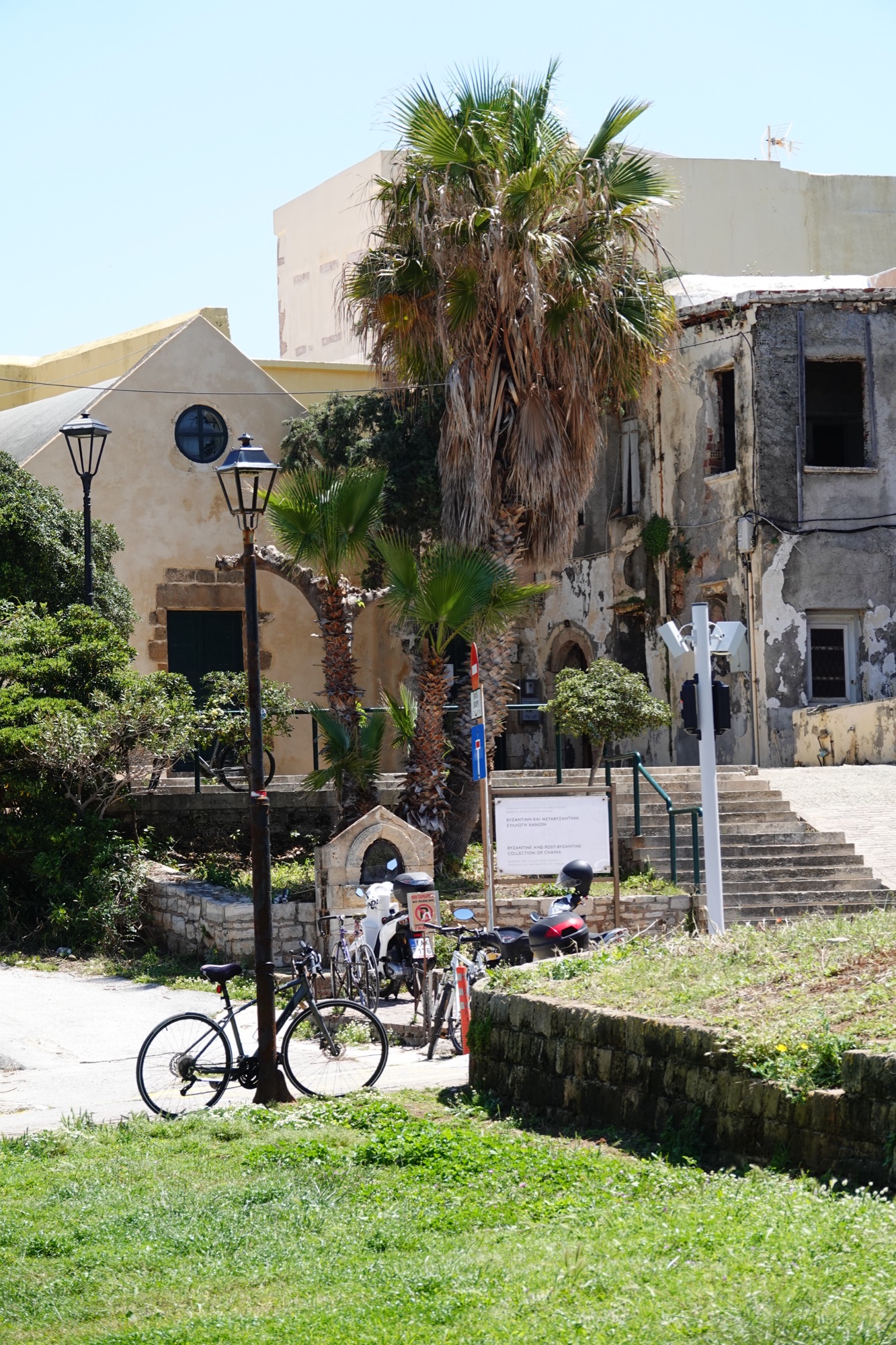
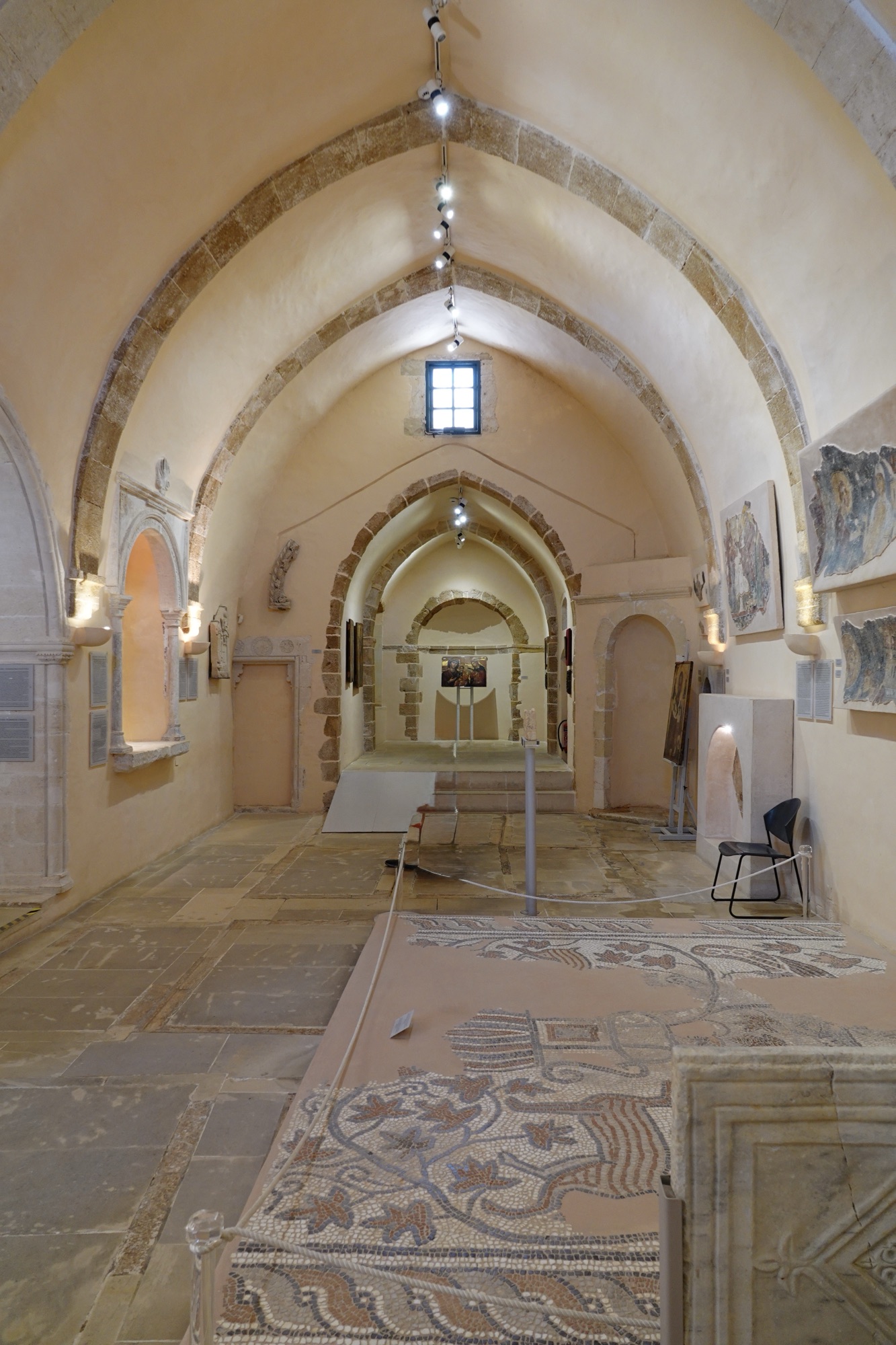
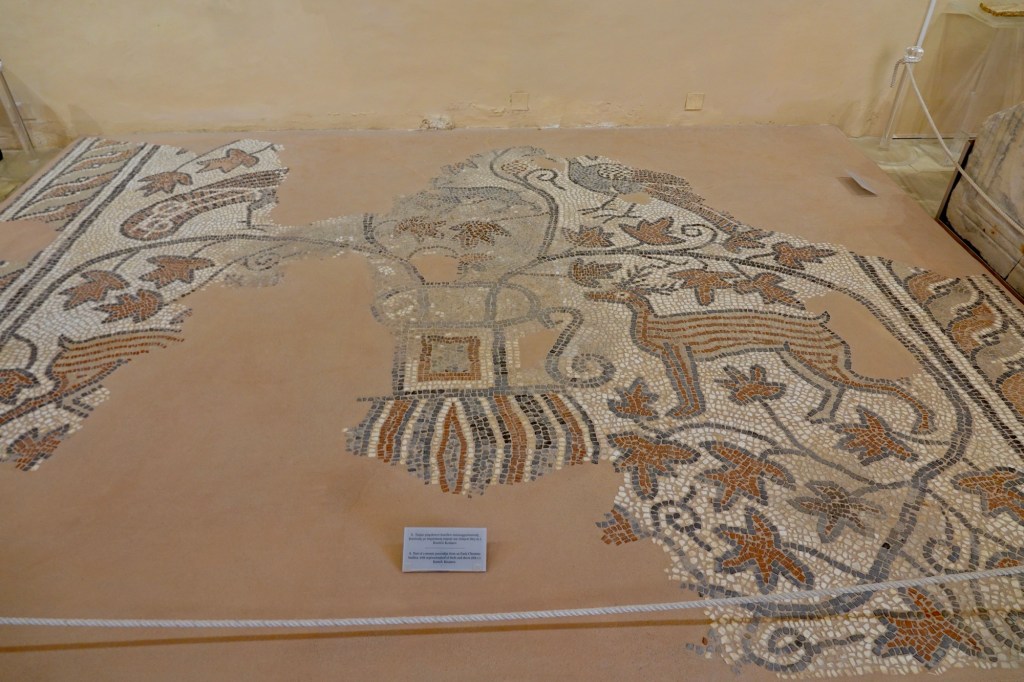
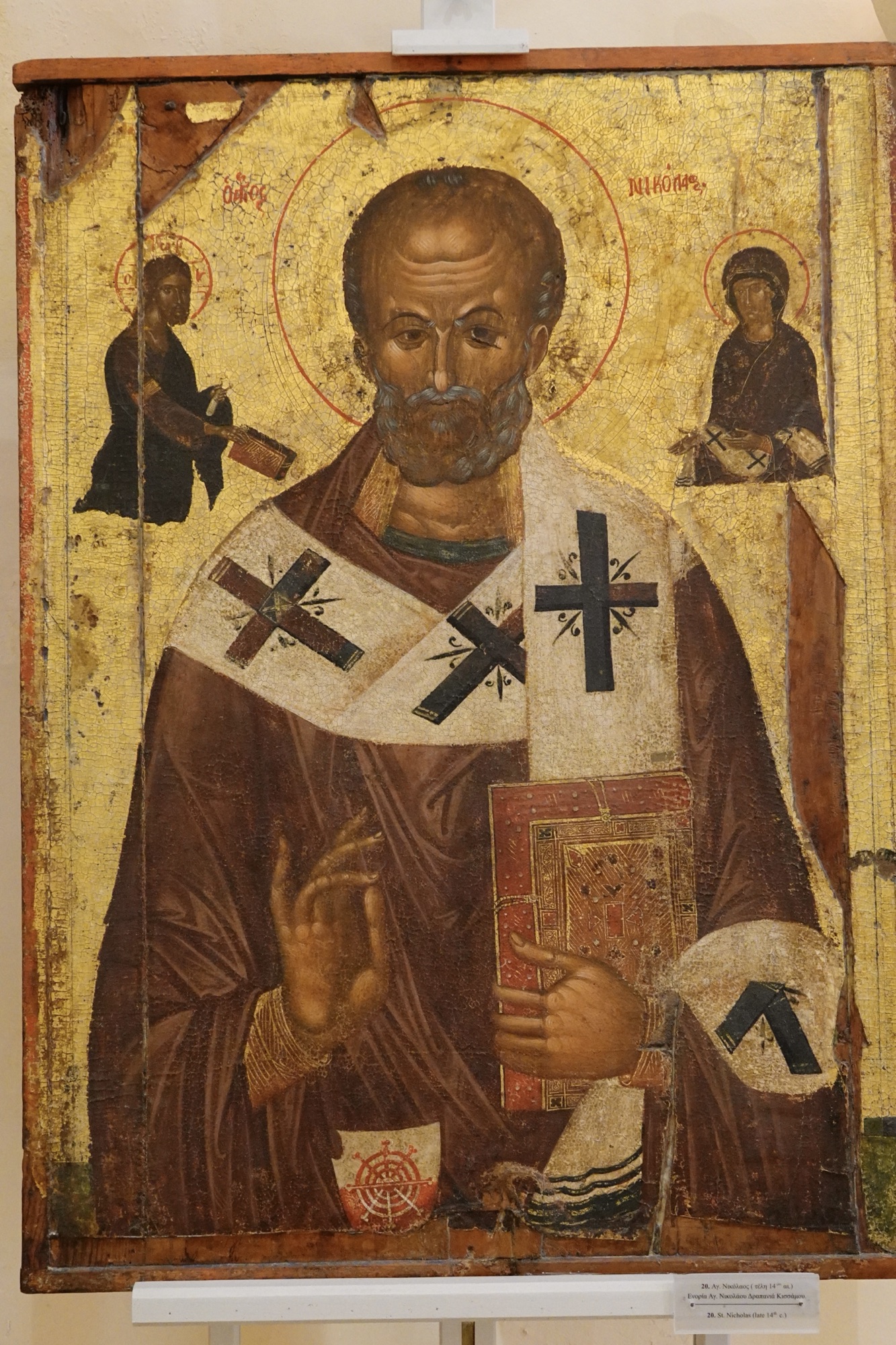
There is a very small museum of Byzantine and Venetian archeological finds housed in the Venetian Monastery of St. Francis.
A couple of highlights of the museum are a fairly large portion of a 6th century mosaic floor, and an extremely well preserved 14th century icon of St.Nicolas.
We strolled a short way along the waterfront pondering where to walk next, . then decided to simply stop for drinks on the harbourfront.
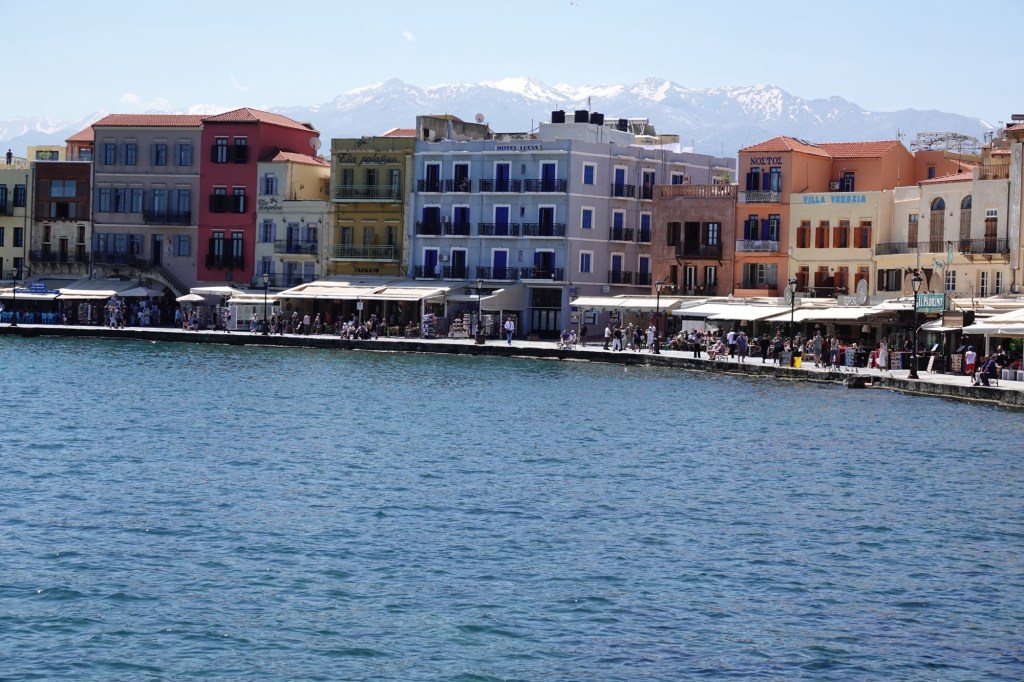
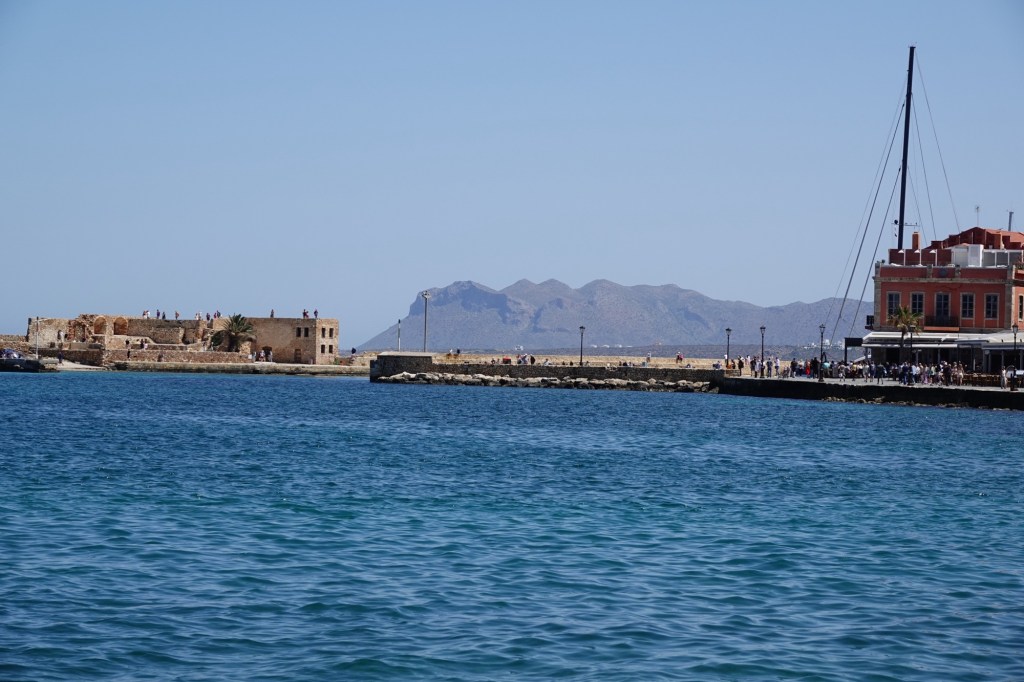
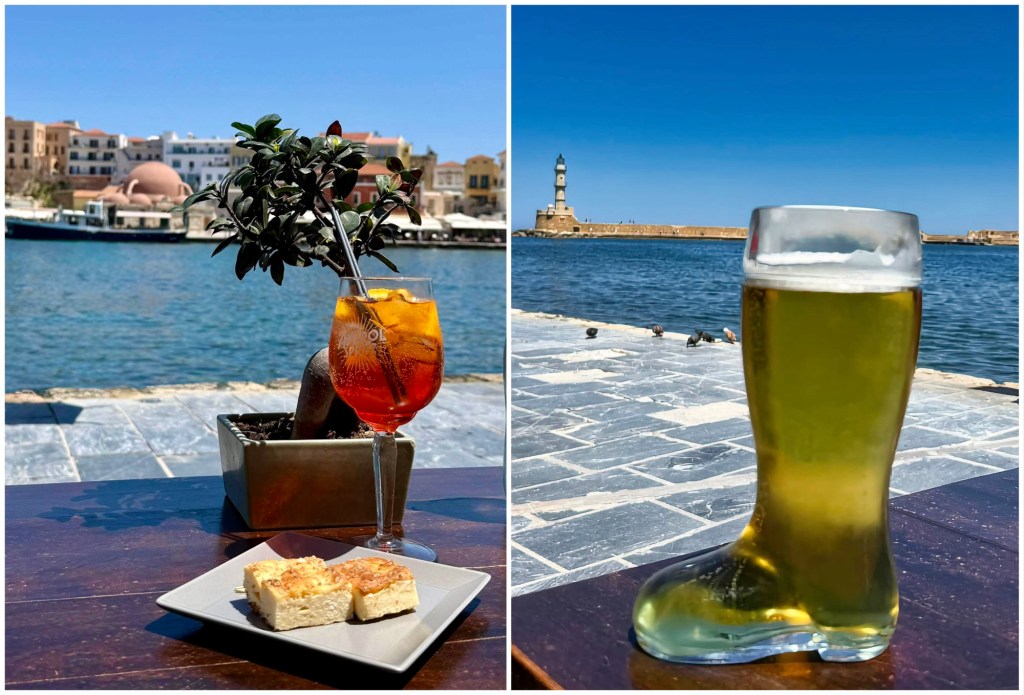
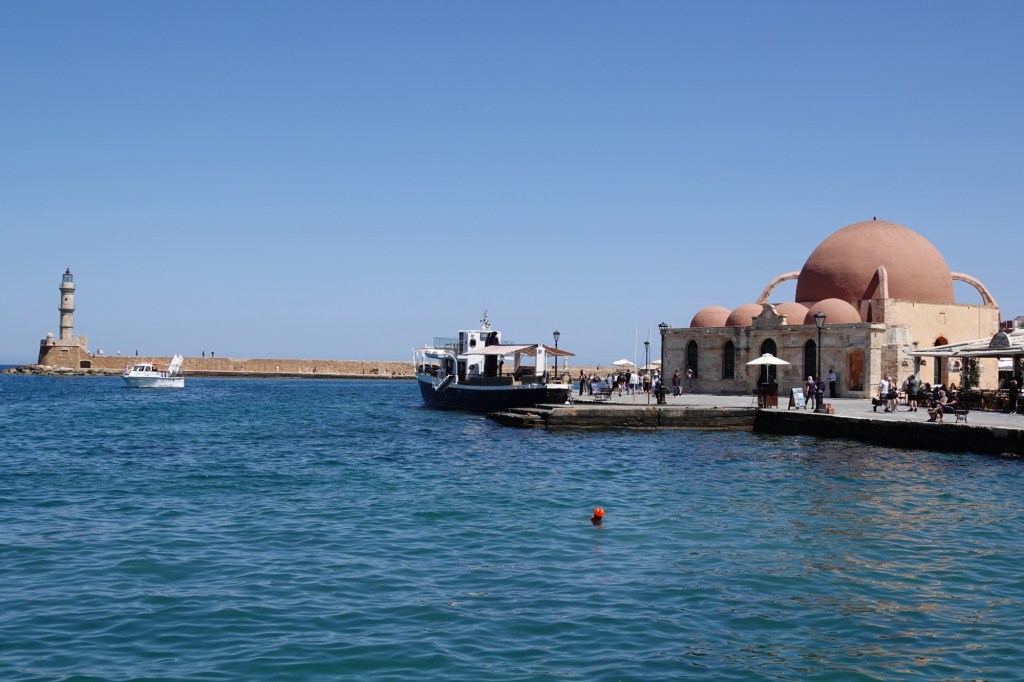
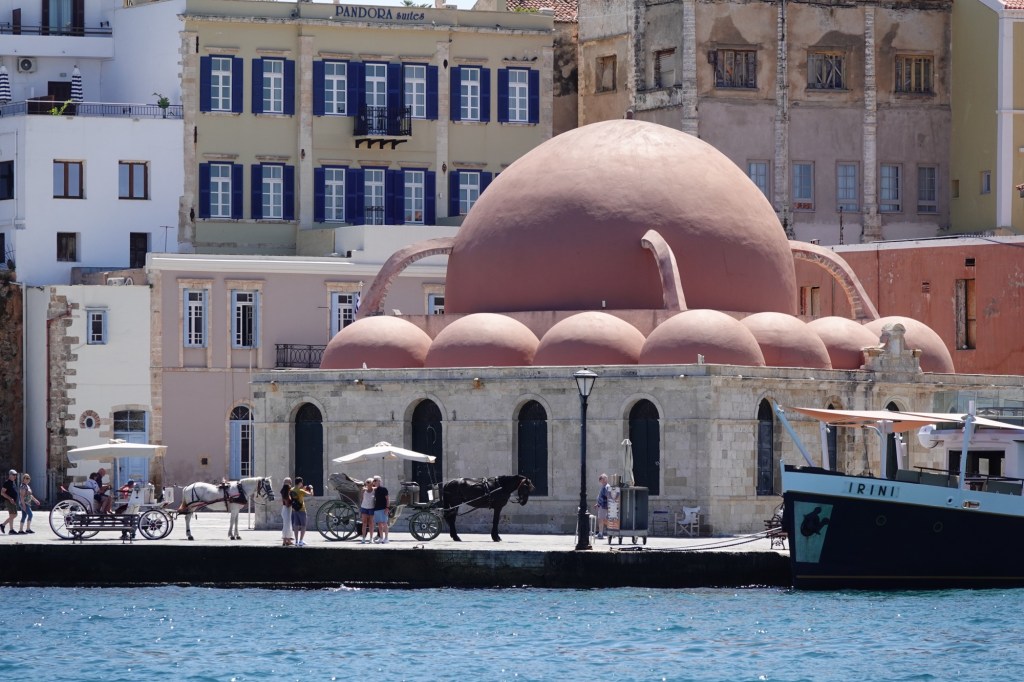
The large Ottoman mosque on the opposite side of the harbour was not open on our last visit nor on this one, although it is apparently available as an event venue. It was built in 1645CE shortly after the Ottoman conquest of Chania, and is the oldest Ottoman building on the island of Crete. It was an active mosque until 1923.
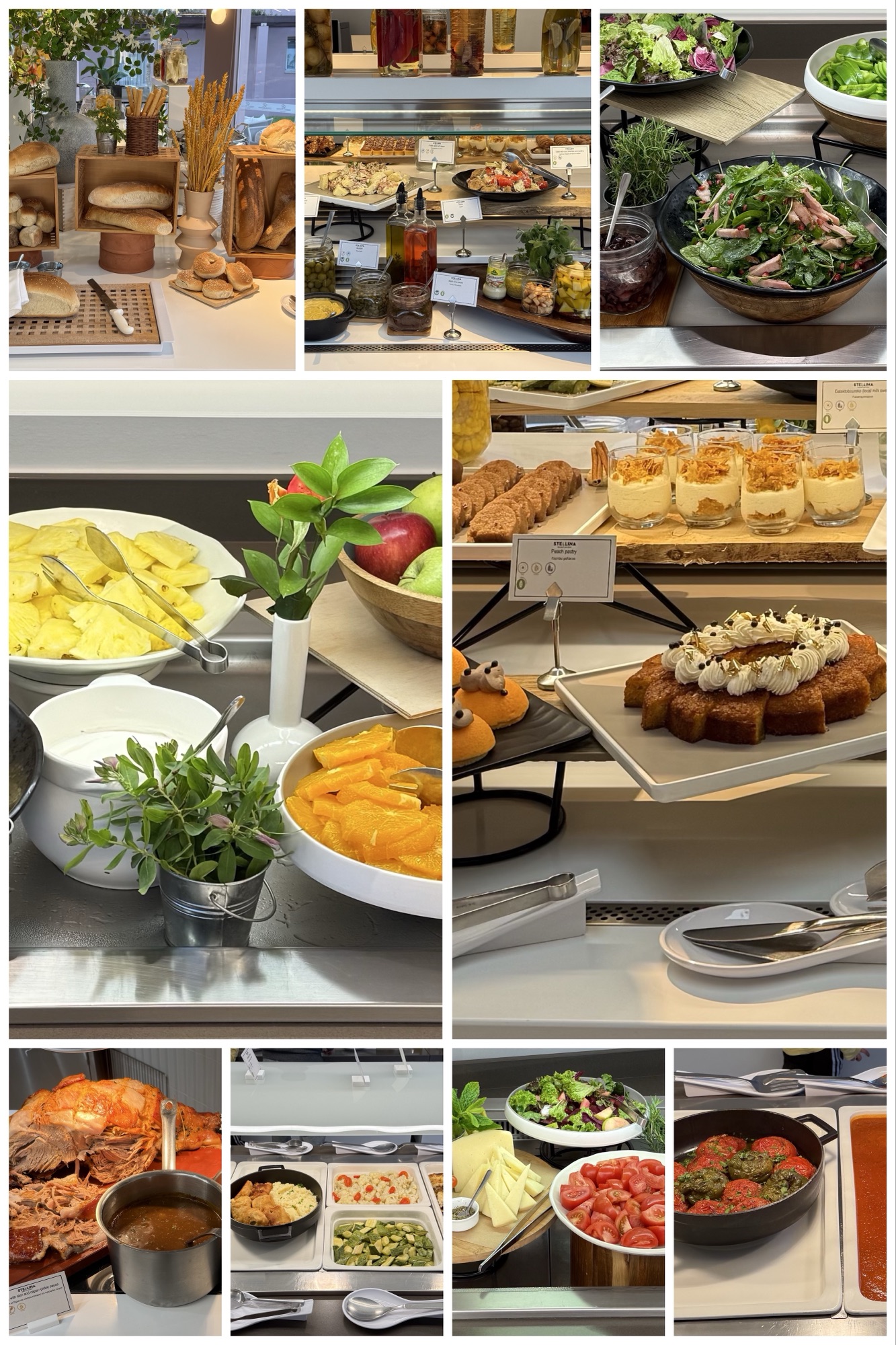
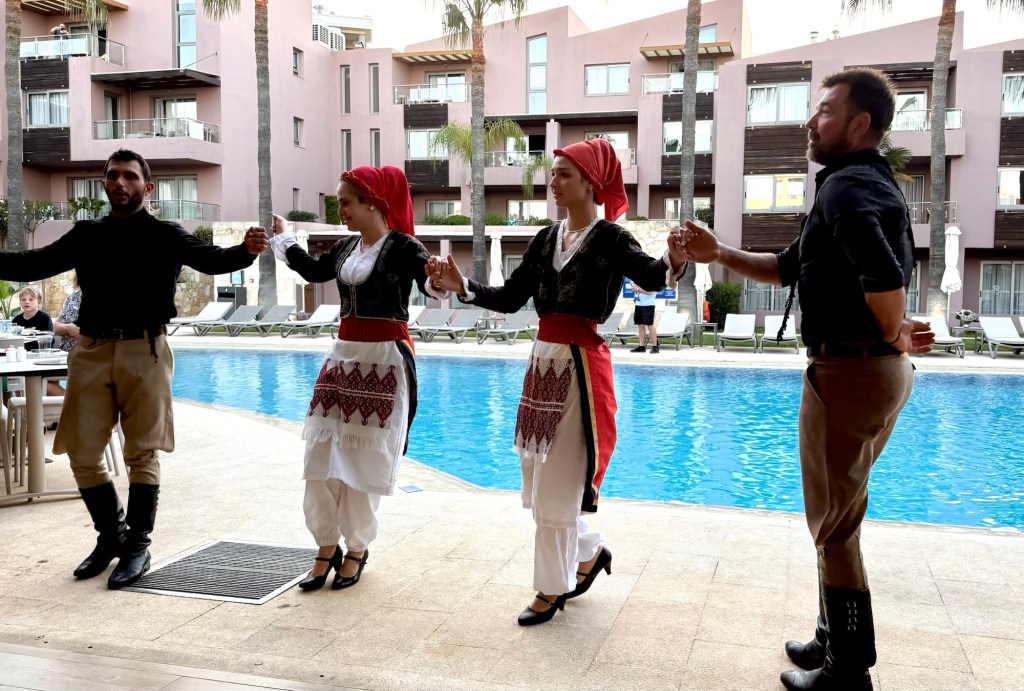
Our night three was Monday, when the theme in the resort’s restaurant was Cretan Cuisine, and dinner featured live entertainment.
Day four was another lazy day.
I’m up to book 7 in Elizabeth George’s Inspector Lynley series, Playing for the Ashes, written way back in 1993. I’ve read all of the series up to 2010’s This Body of Death, but in preparing to read her newest instalment (number 22, written just last year) I realized not only that I’d missed the interim books, but that I needed a refresher on the characters’ plot-lines.
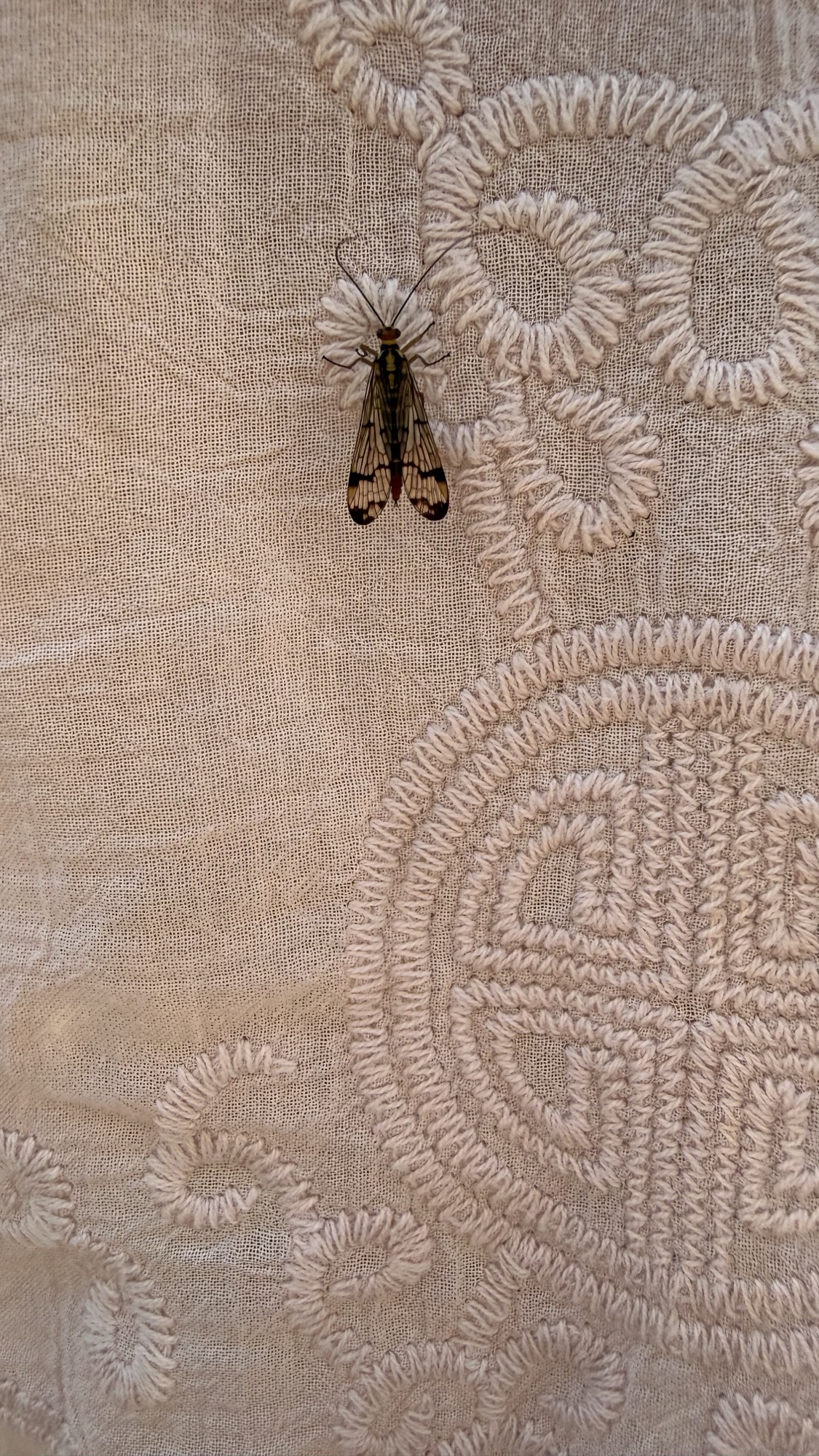
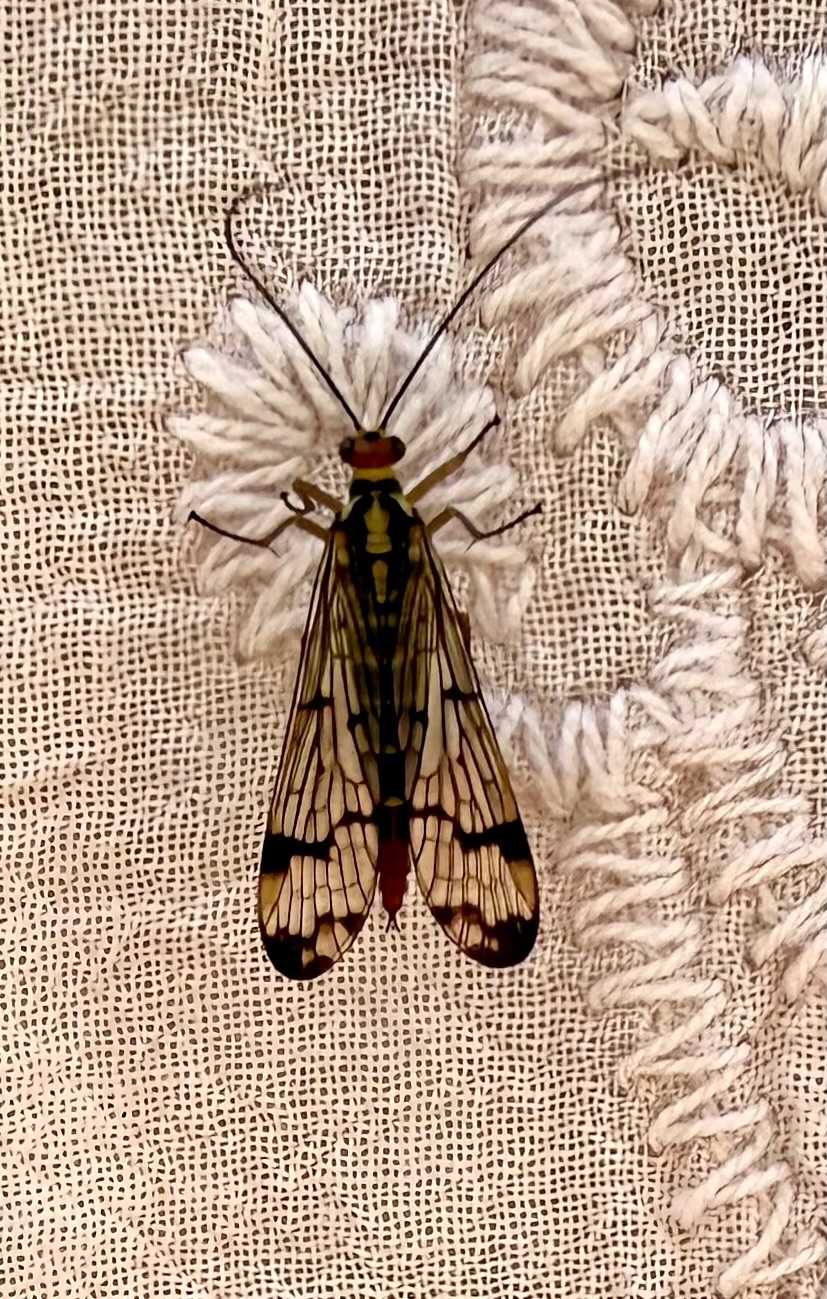
On the way to breakfast Ted noticed that I’d been “bugged”. A very pretty 2.55cm/1inch long scorpion fly kept returning to the back of my linen top. Scorpion flies are so named because of the scorpion-like “tail” of the male’s gonads. Despite their aggressive-sounding name, they neither bite nor sting humans.
The restaurant’s dinner theme was fish – definitely not Ted’s favourite, but a staple of the Cretan island diet. There was a huge salt-crusted salmon, stuffed sardines, grilled redfish, squid ink pasta with shrimp, poached cod, fried calamari, mussels, cuttlefish in a light broth (delicious!), and probably more that I’ve forgotten. Even the night’s soup was fish-based.
As we were walking back to our suite we heard music, at first a DJ, and then…
We even danced “cheek to cheek” on our huge balcony!
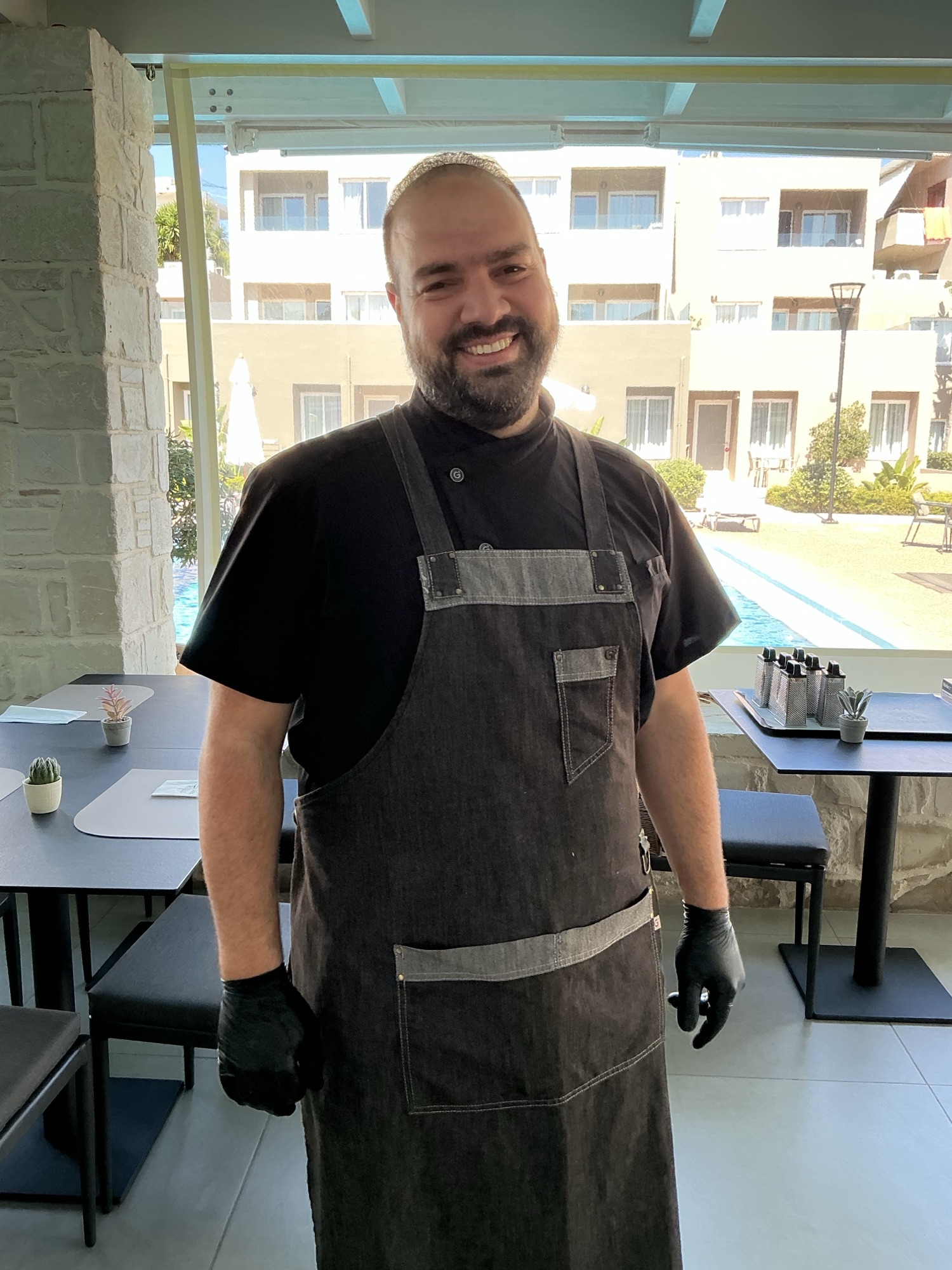
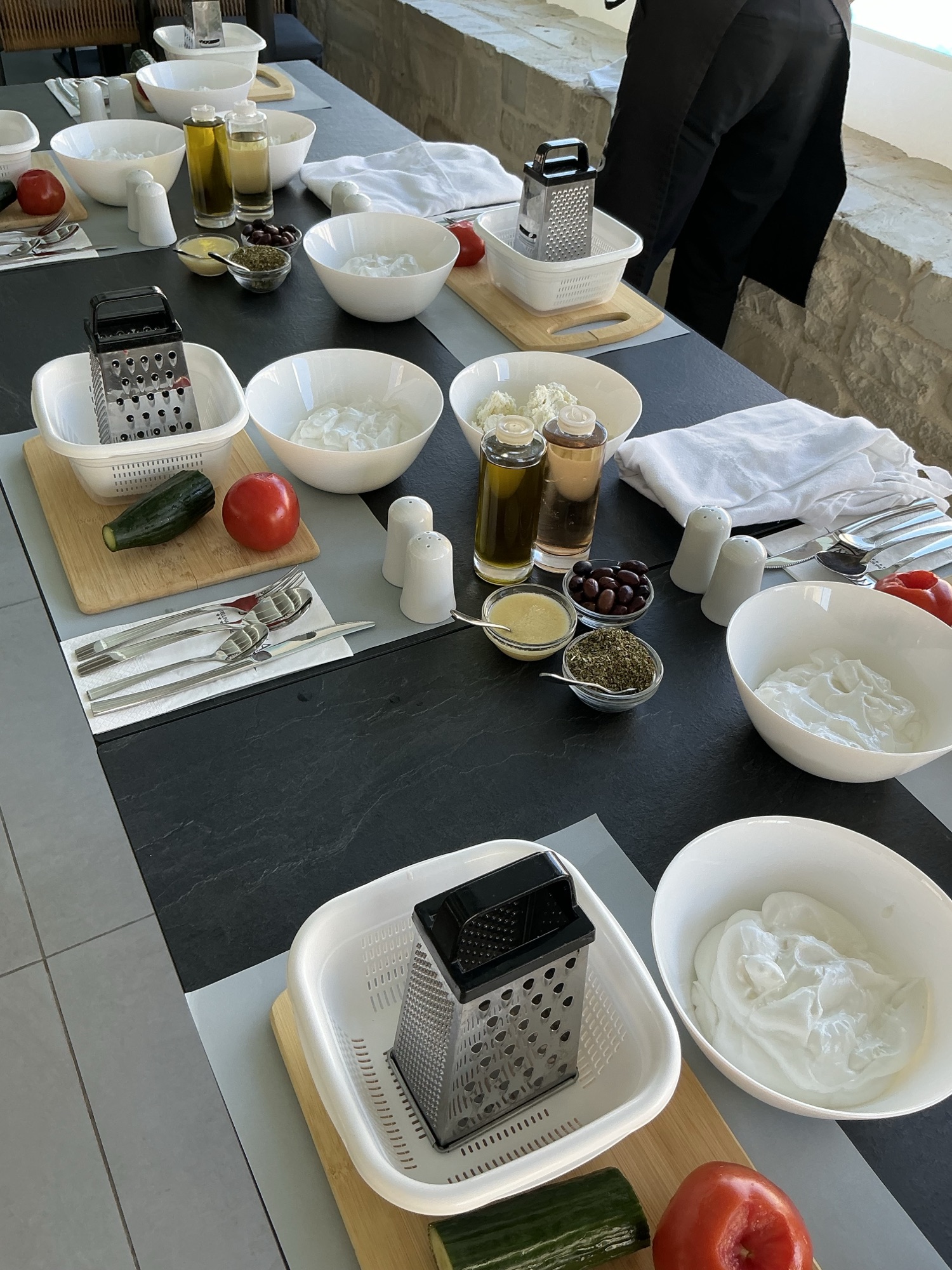
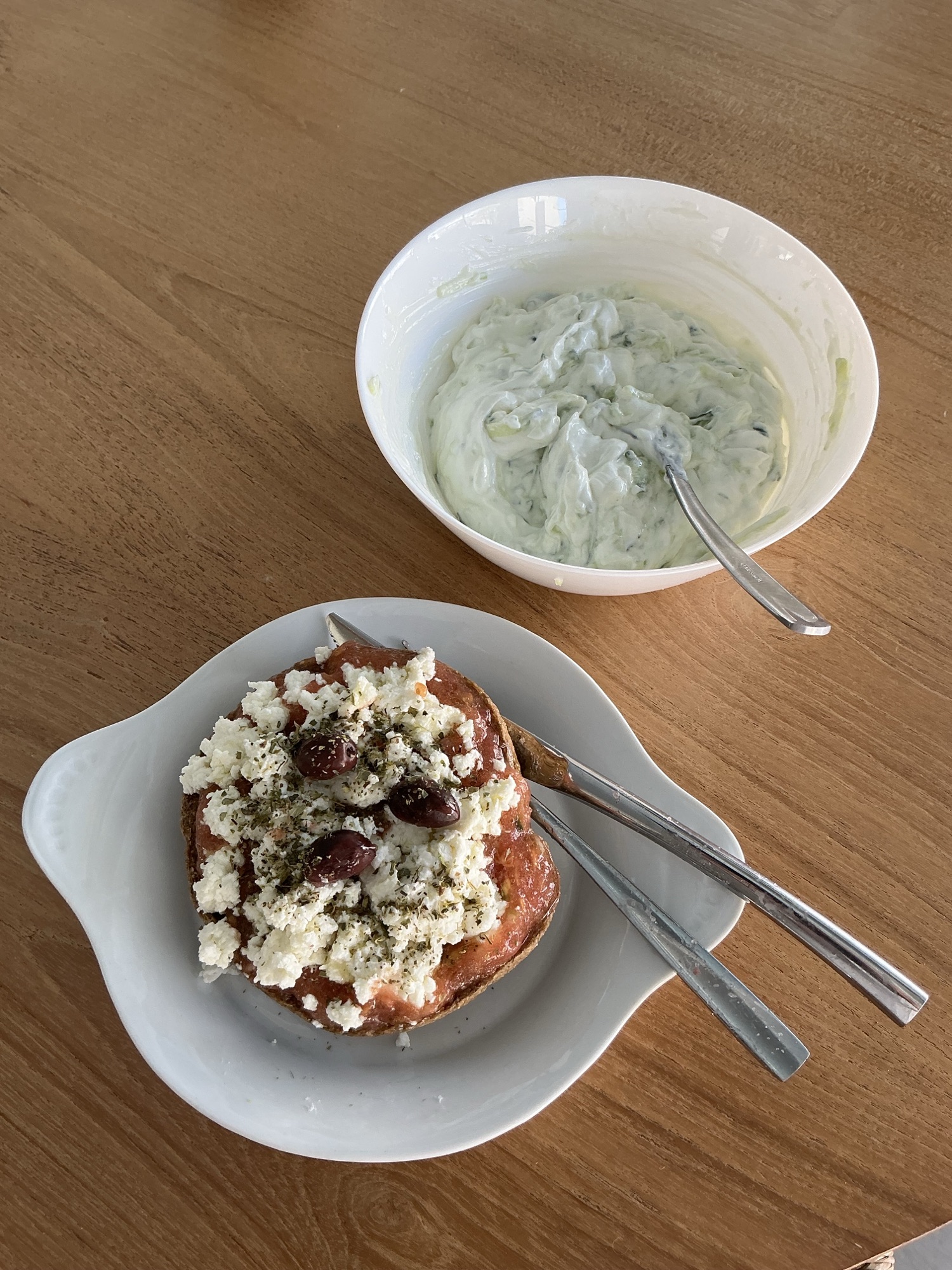
Day five I took the resort’s free weekly cooking class. Just five of us donned white aprons and food-grade nitrile gloves to join Chef Giorgos in making tzatziki and dakos. Dakos is a Cretan meze featuring hard, twice-baked barley rusks (paximadi) topped with grated fresh tomatoes, mizithra cheese, olive oil, and oregano.
In the afternoon we went back into the old town, specifically to visit the lighthouse, but also just to get out and a bit active.
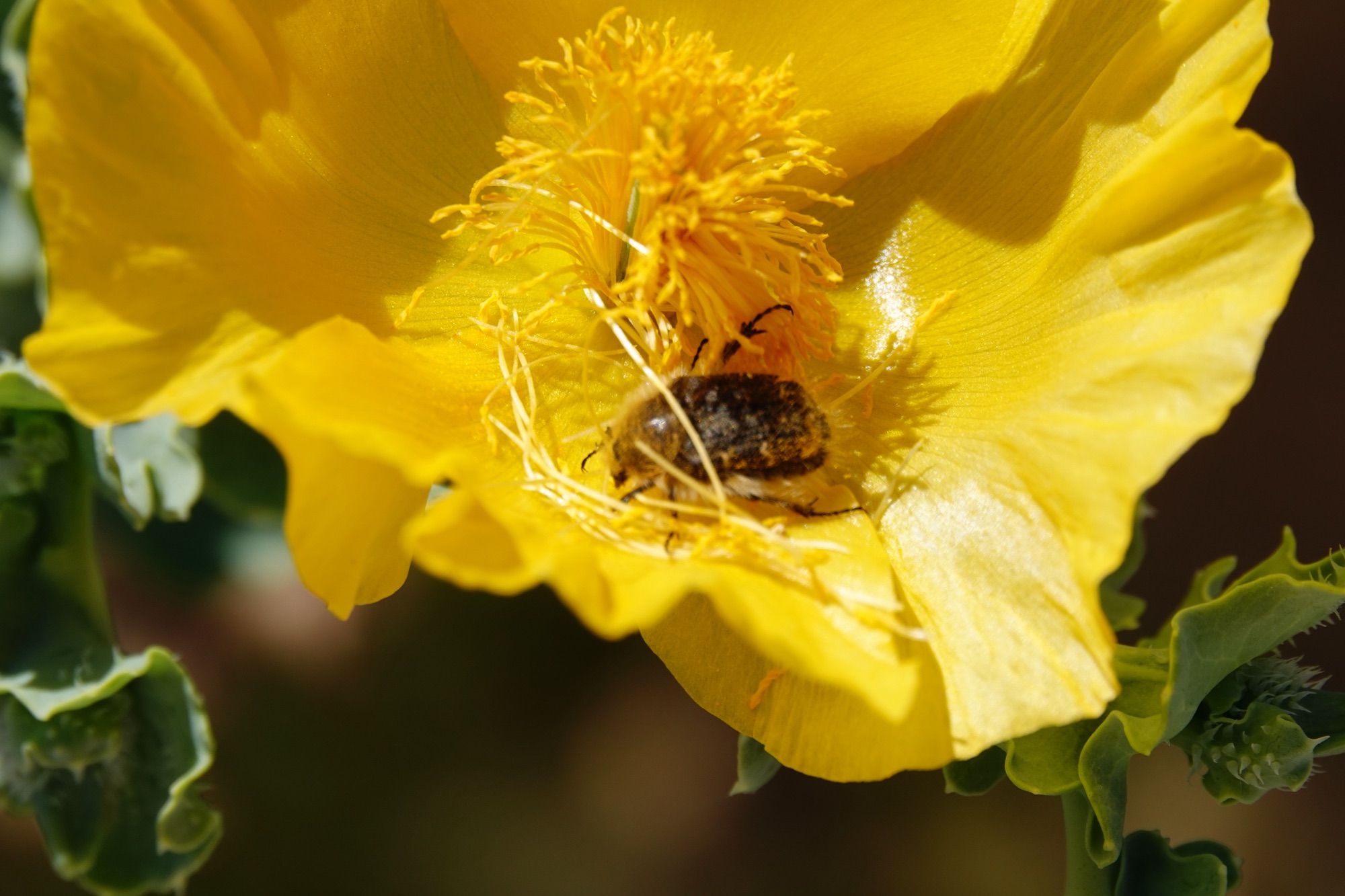
En route, Ted caught an apple blossom beetle (aka hairy weevil or apple blossom weevil) chewing the centre out of a yellow poppy. They are incredibly destructive insects.
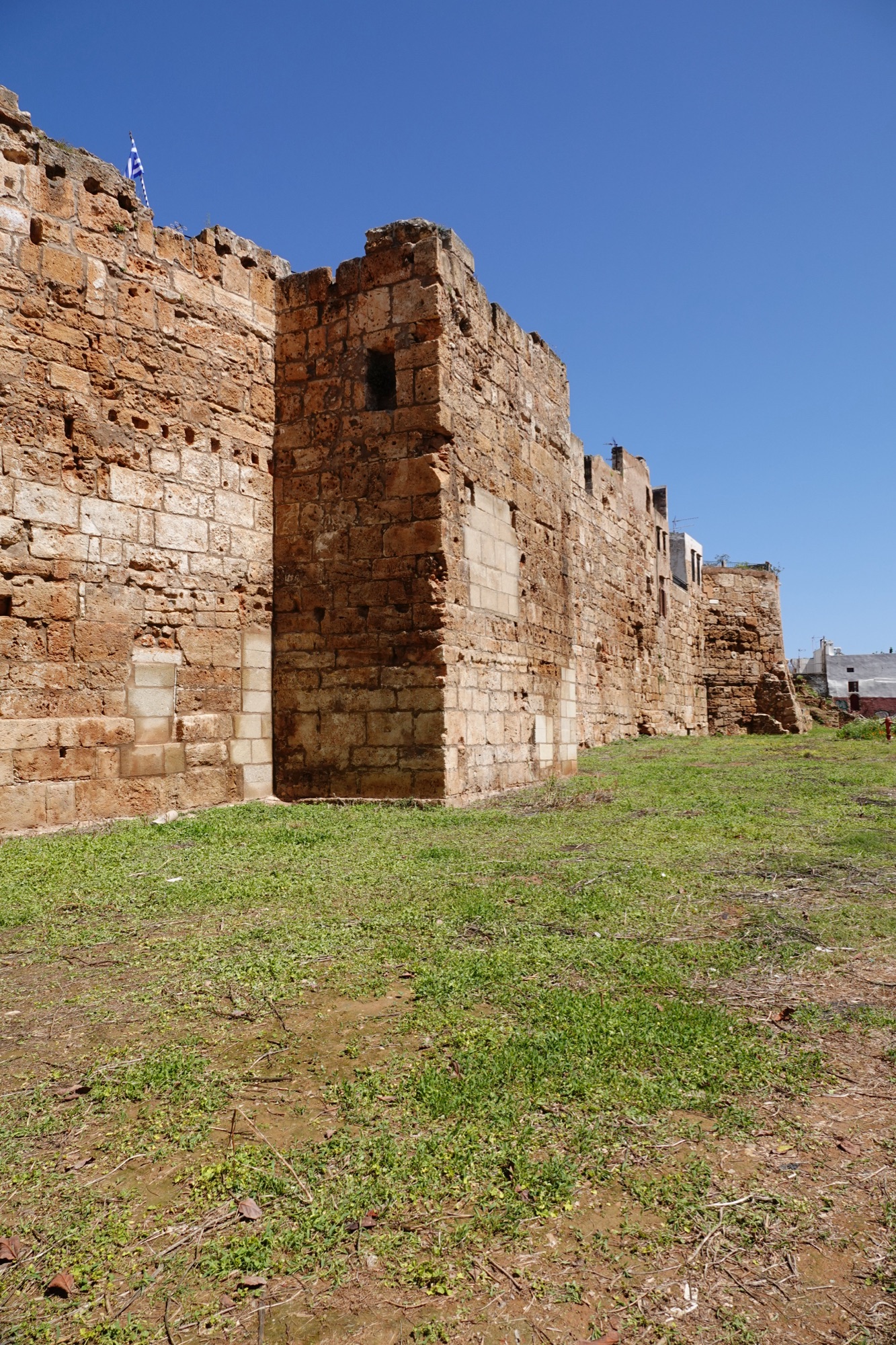
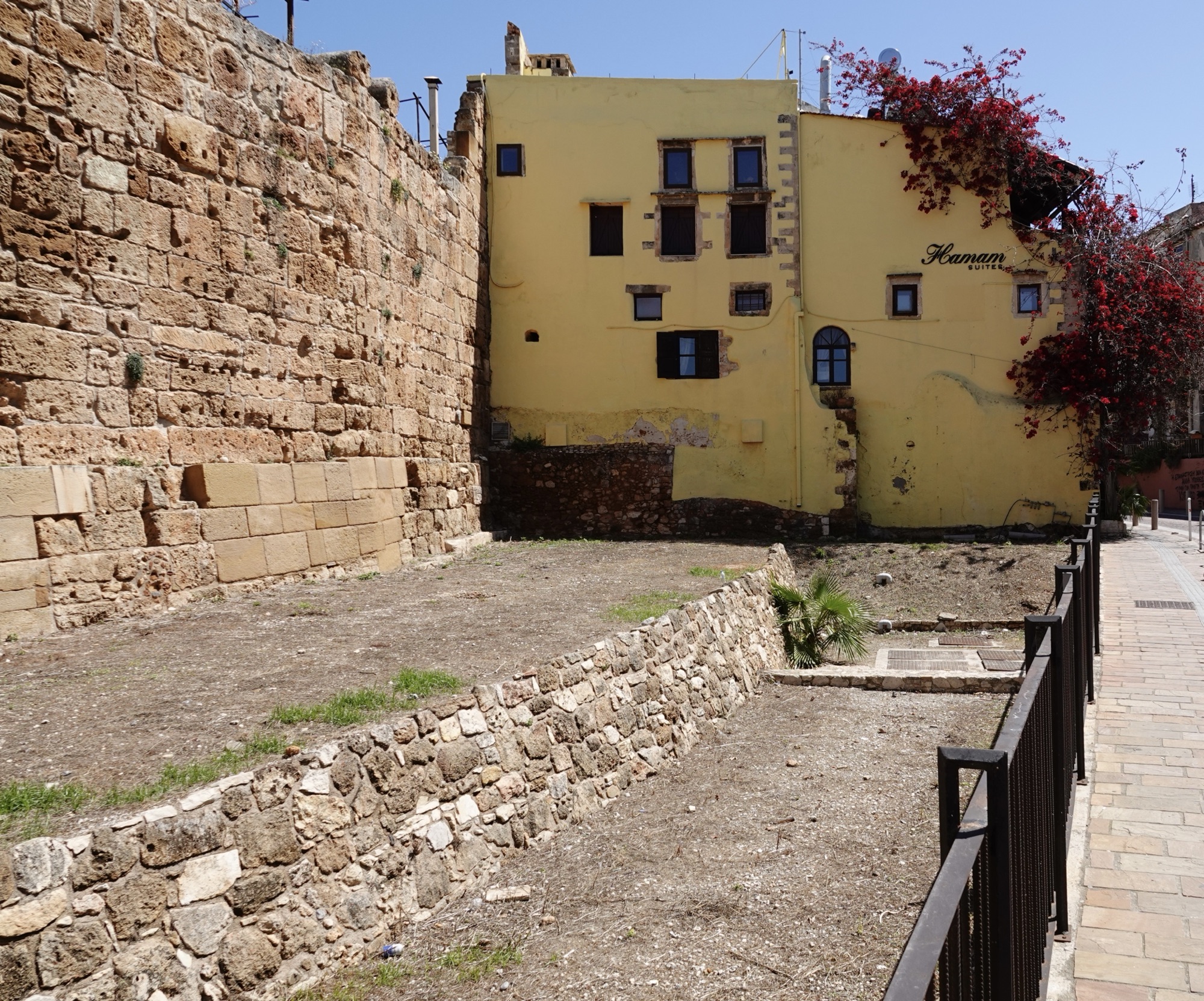
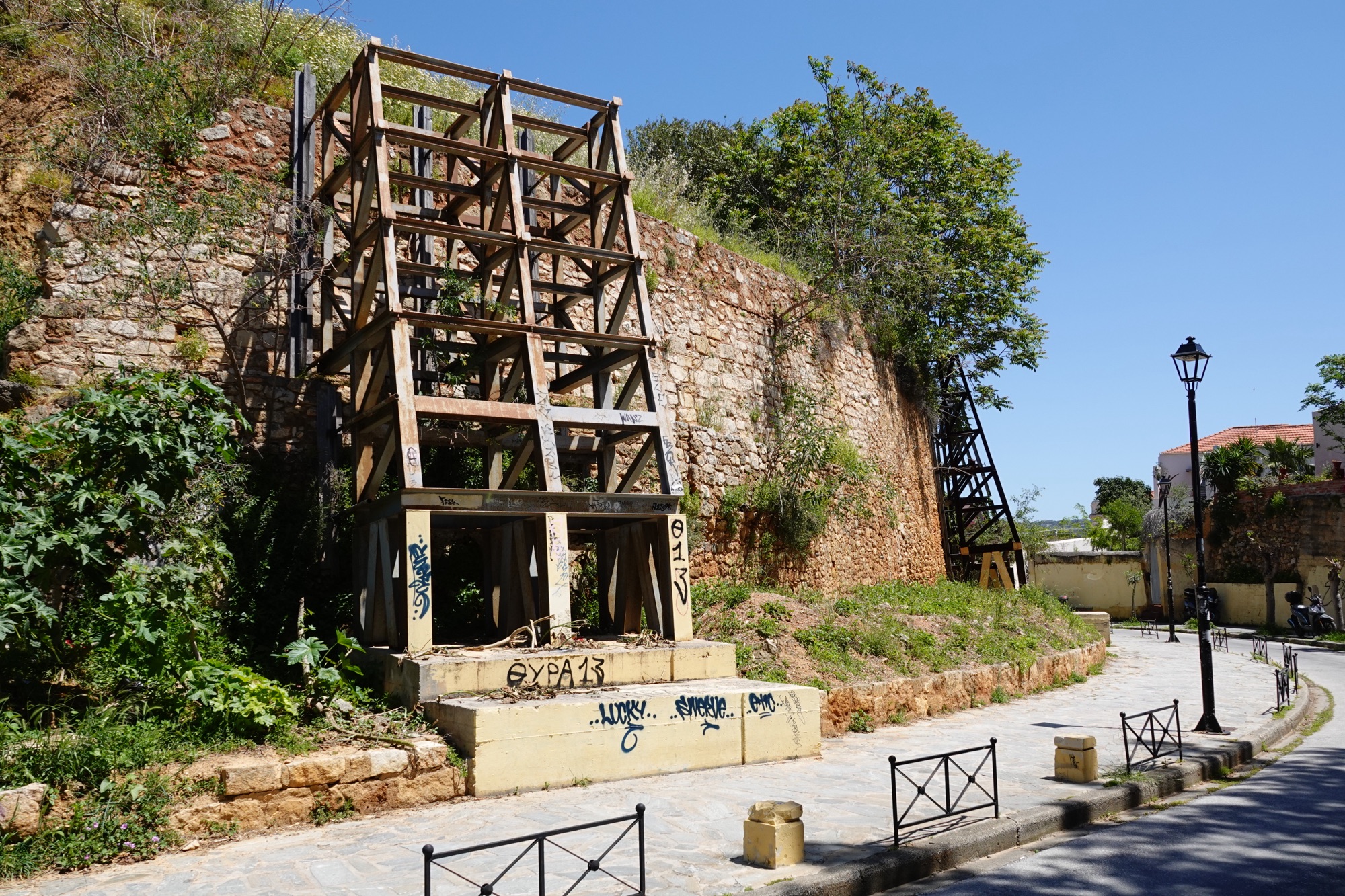
We also walked beside some heavily supported sections of the Byzantine/Venetian wall.
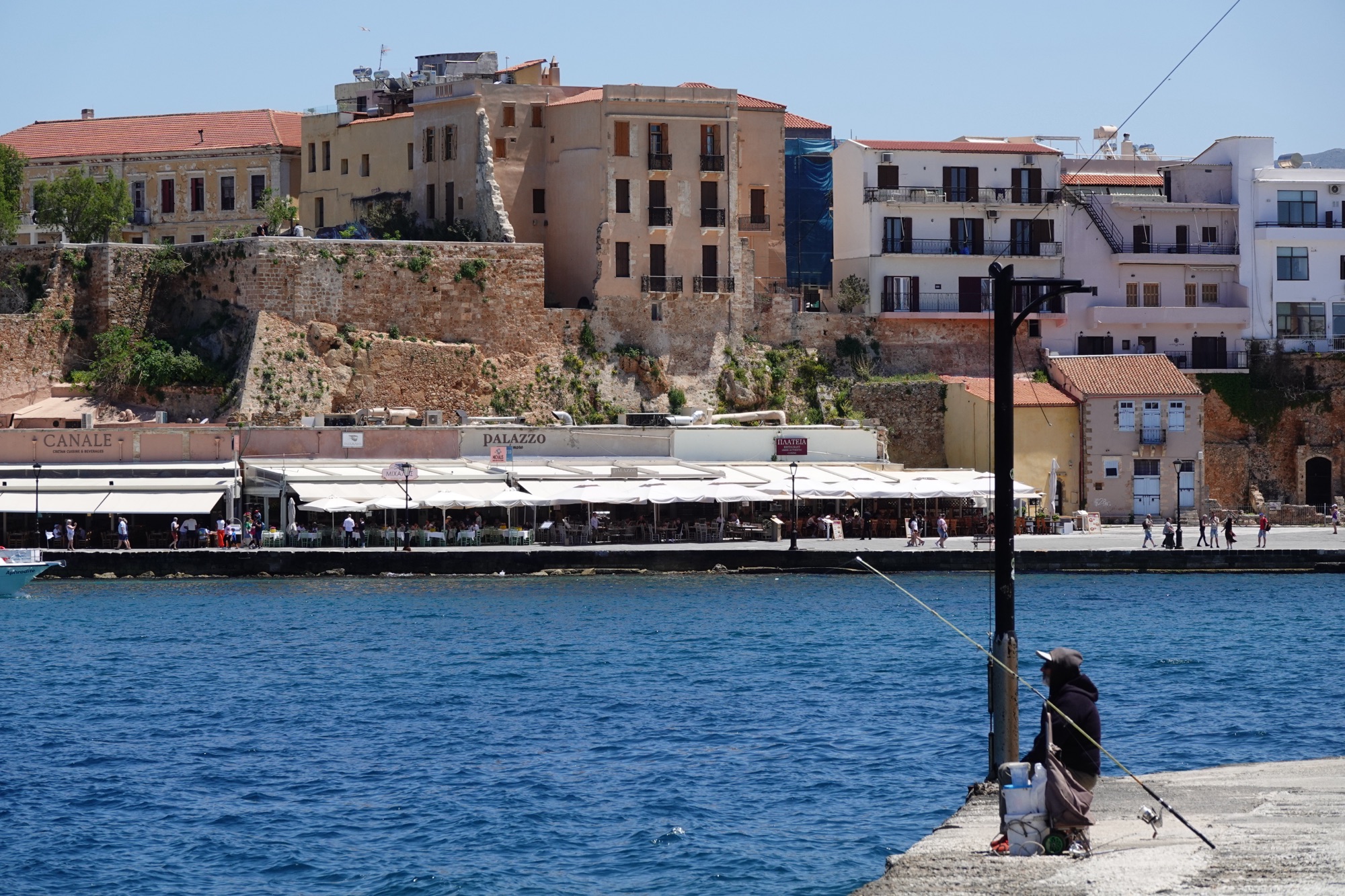
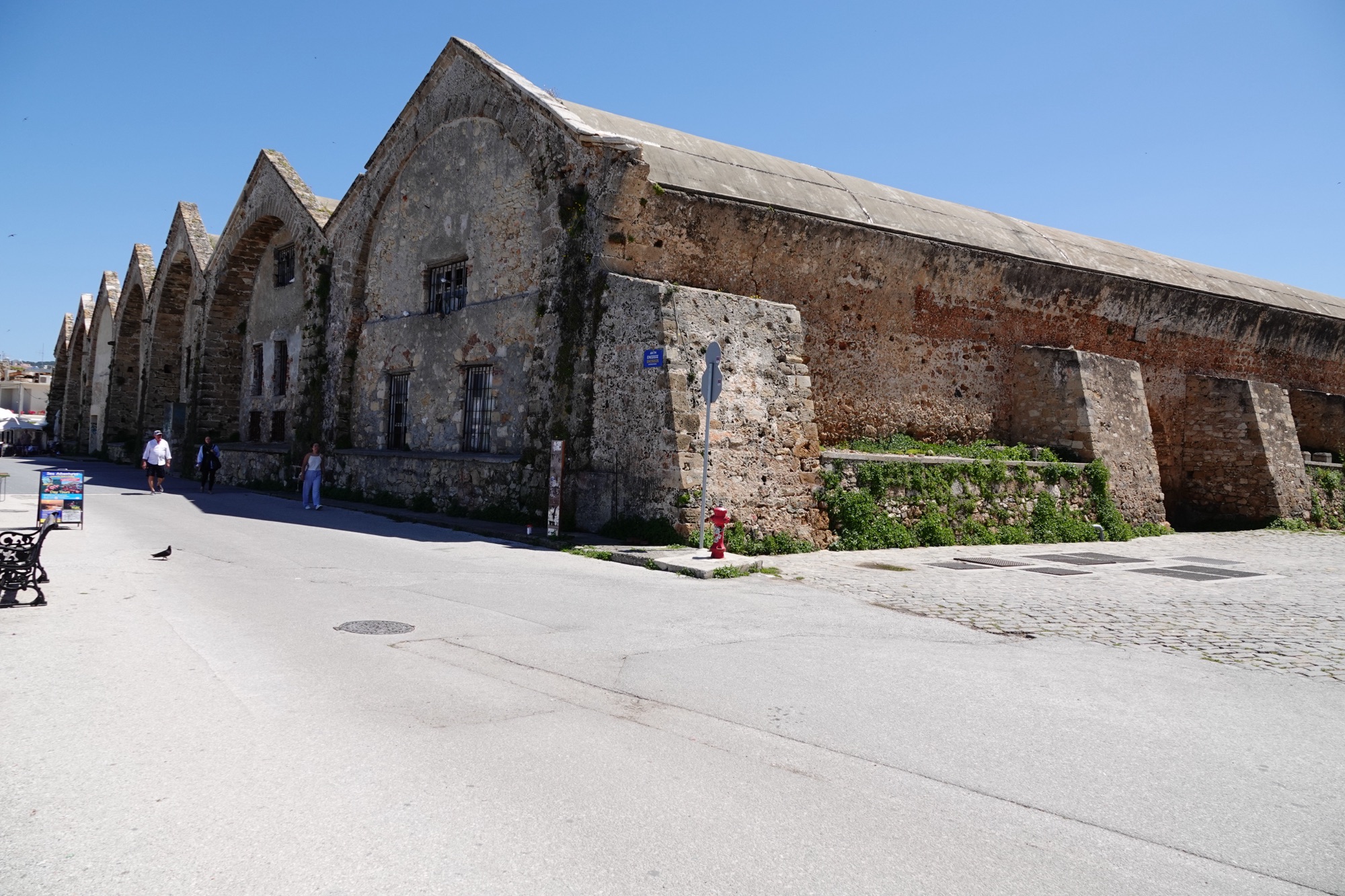
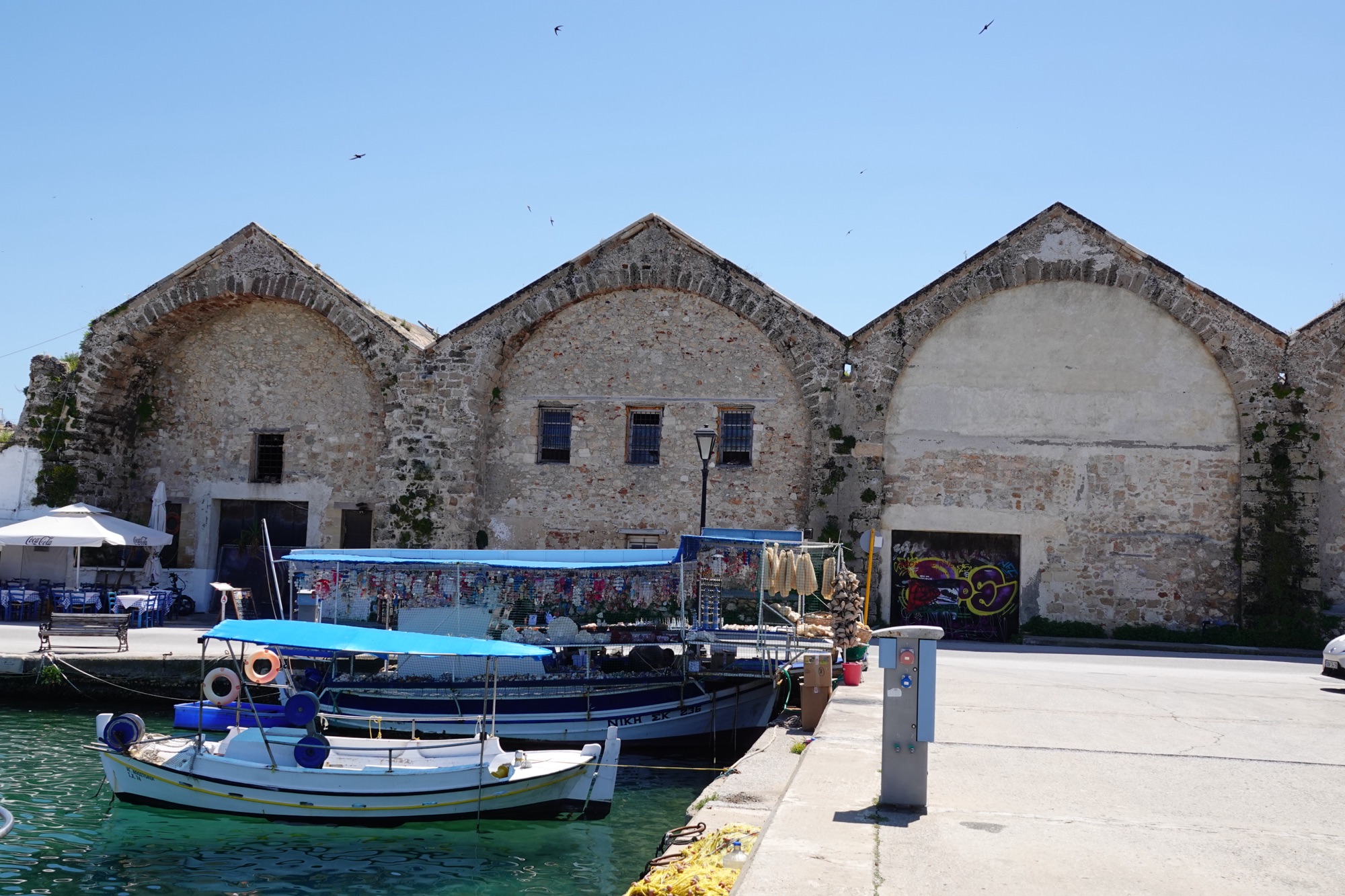
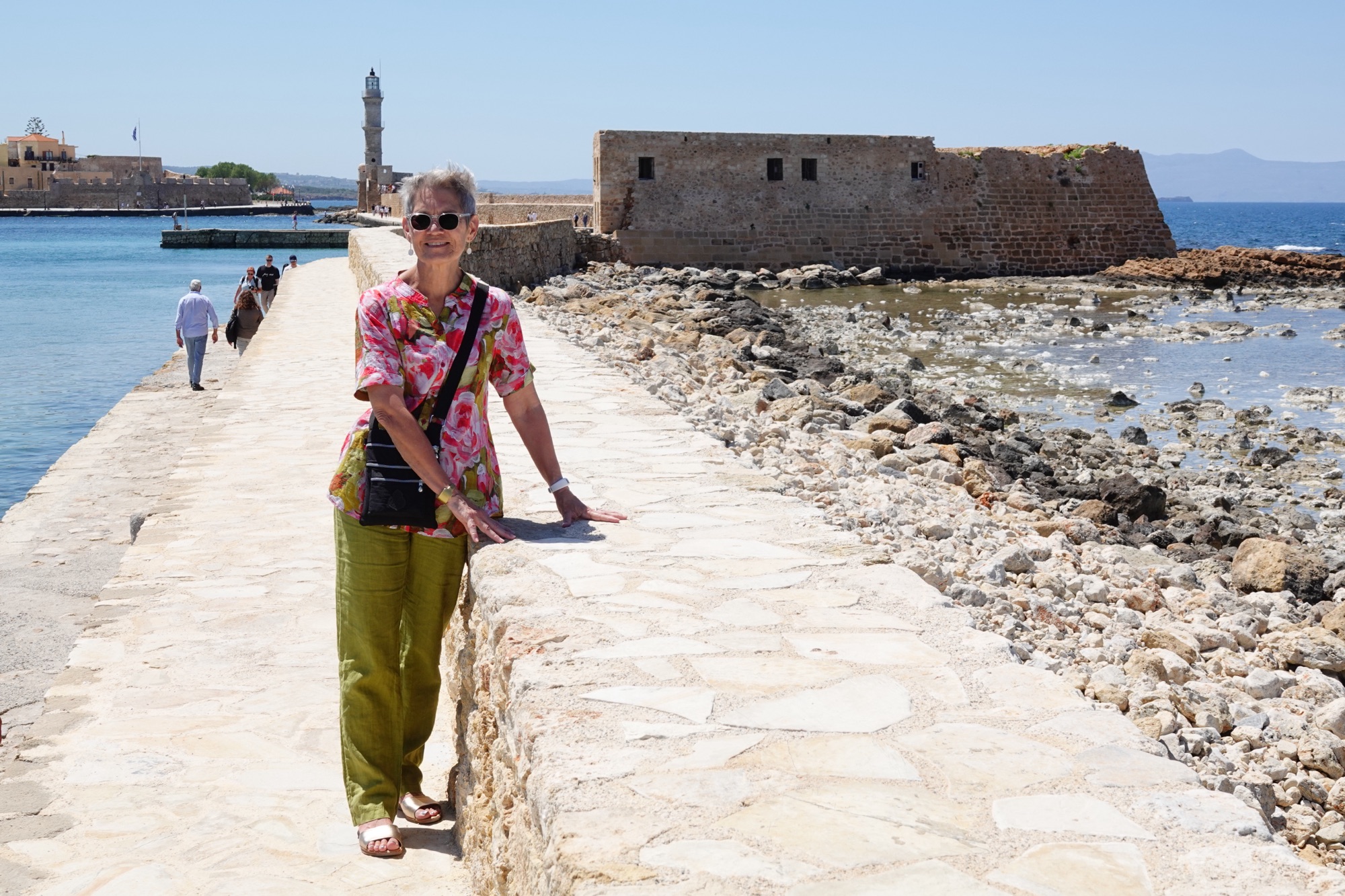
We had to walk the perimeter of Chania’s Venetian harbour in order to reach the lighthouse, past the stone boat sheds, and eventually walking along the breakwater wall and through the remains of two small bastions.
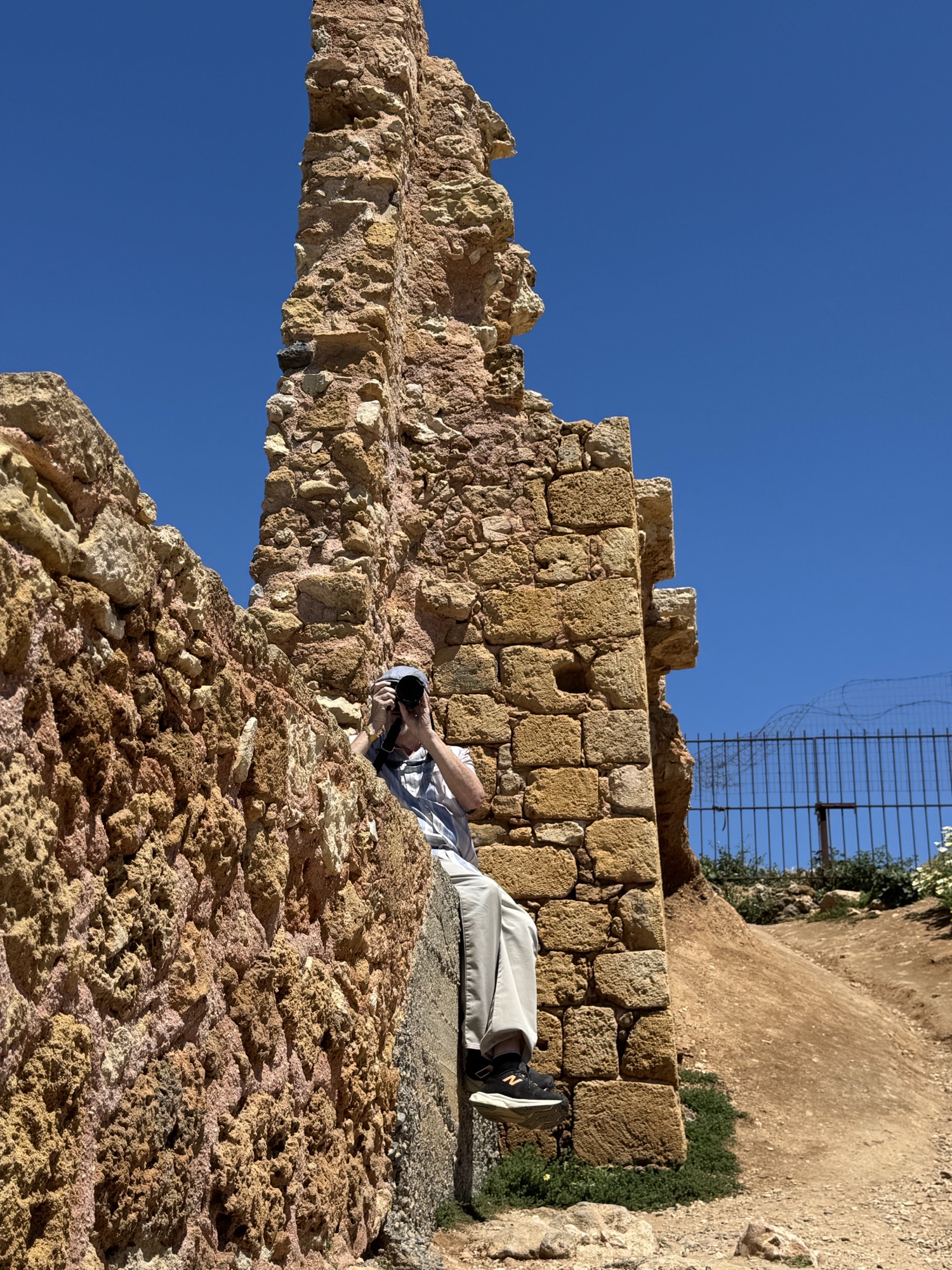
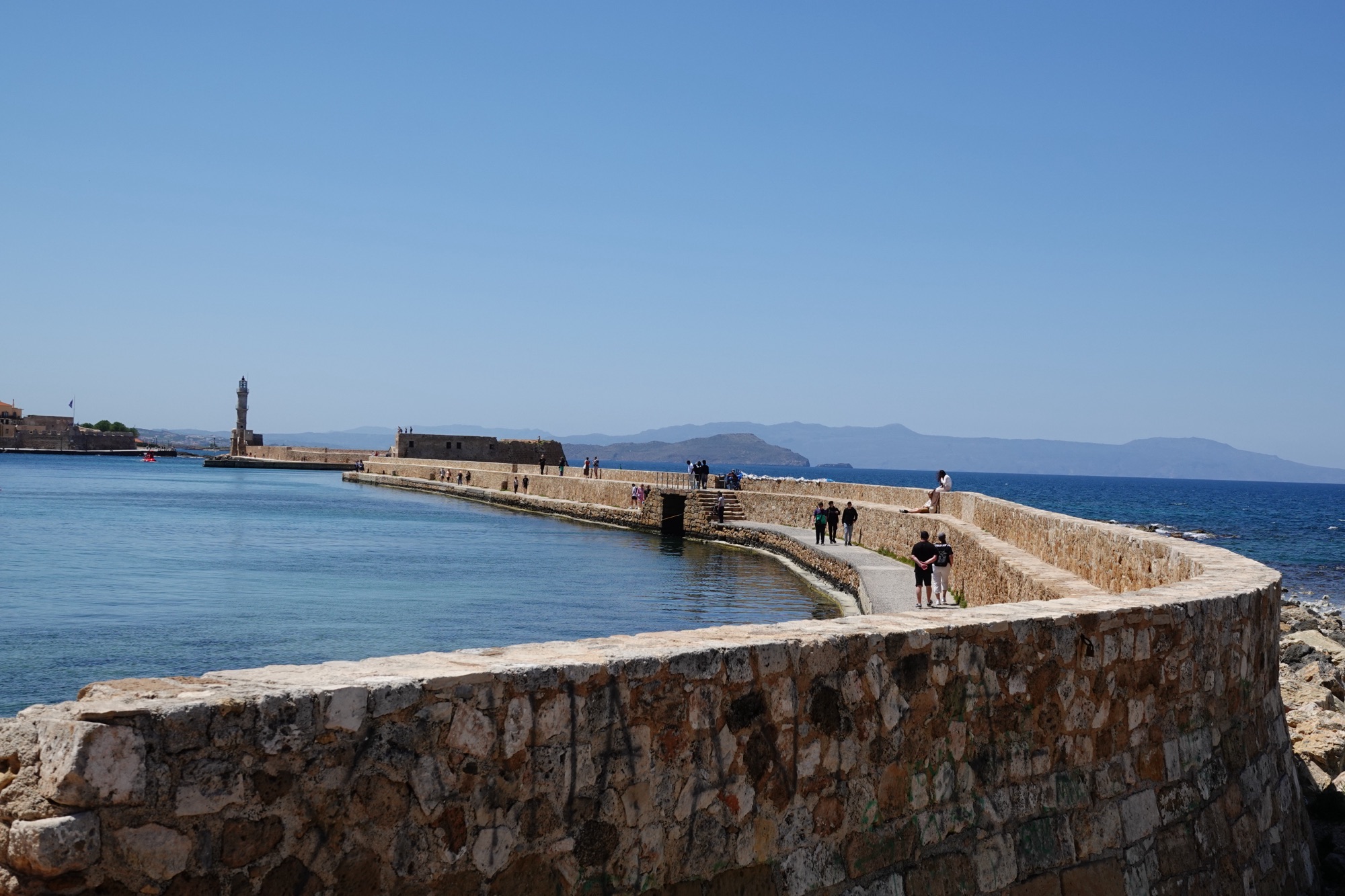
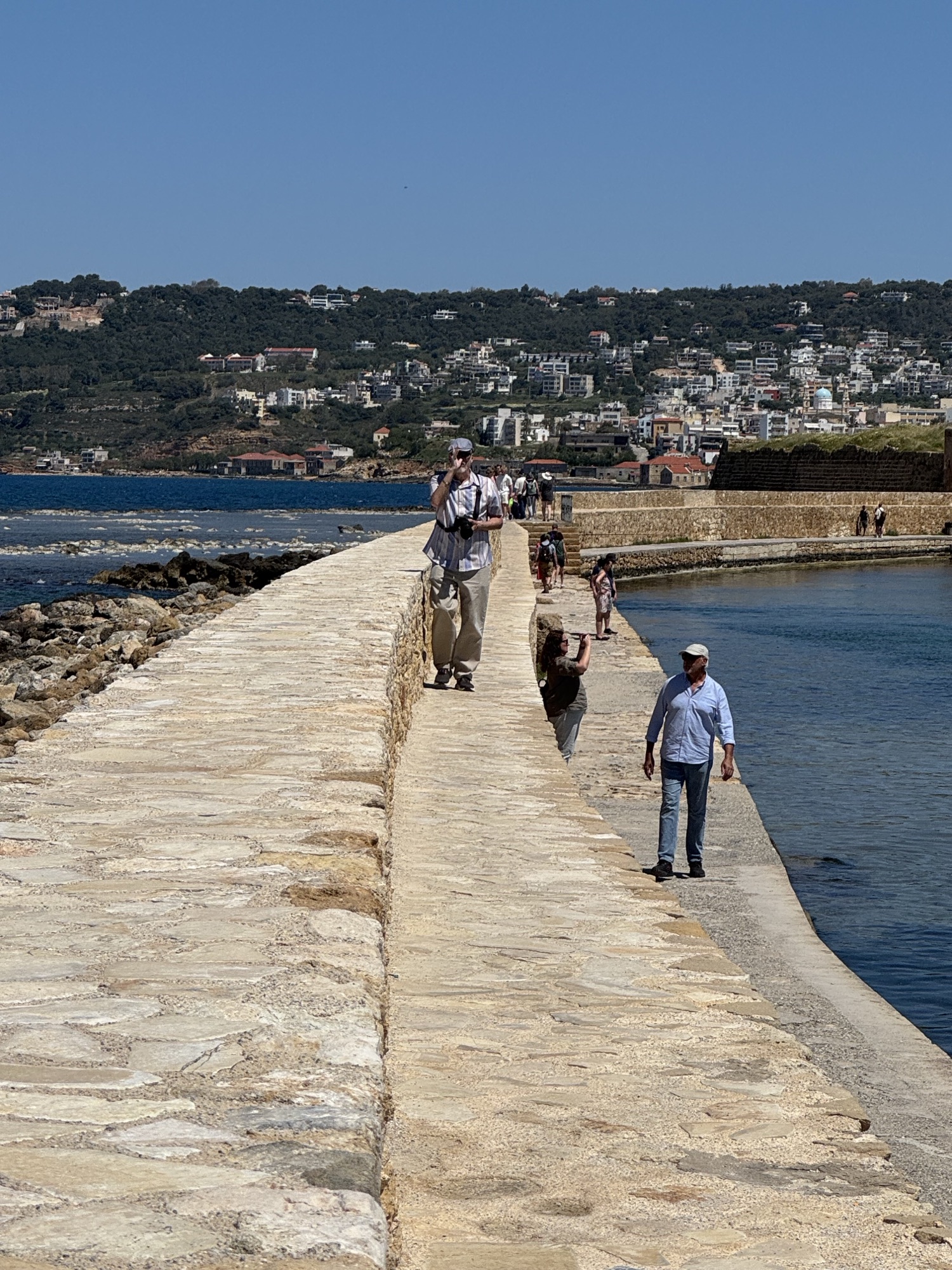
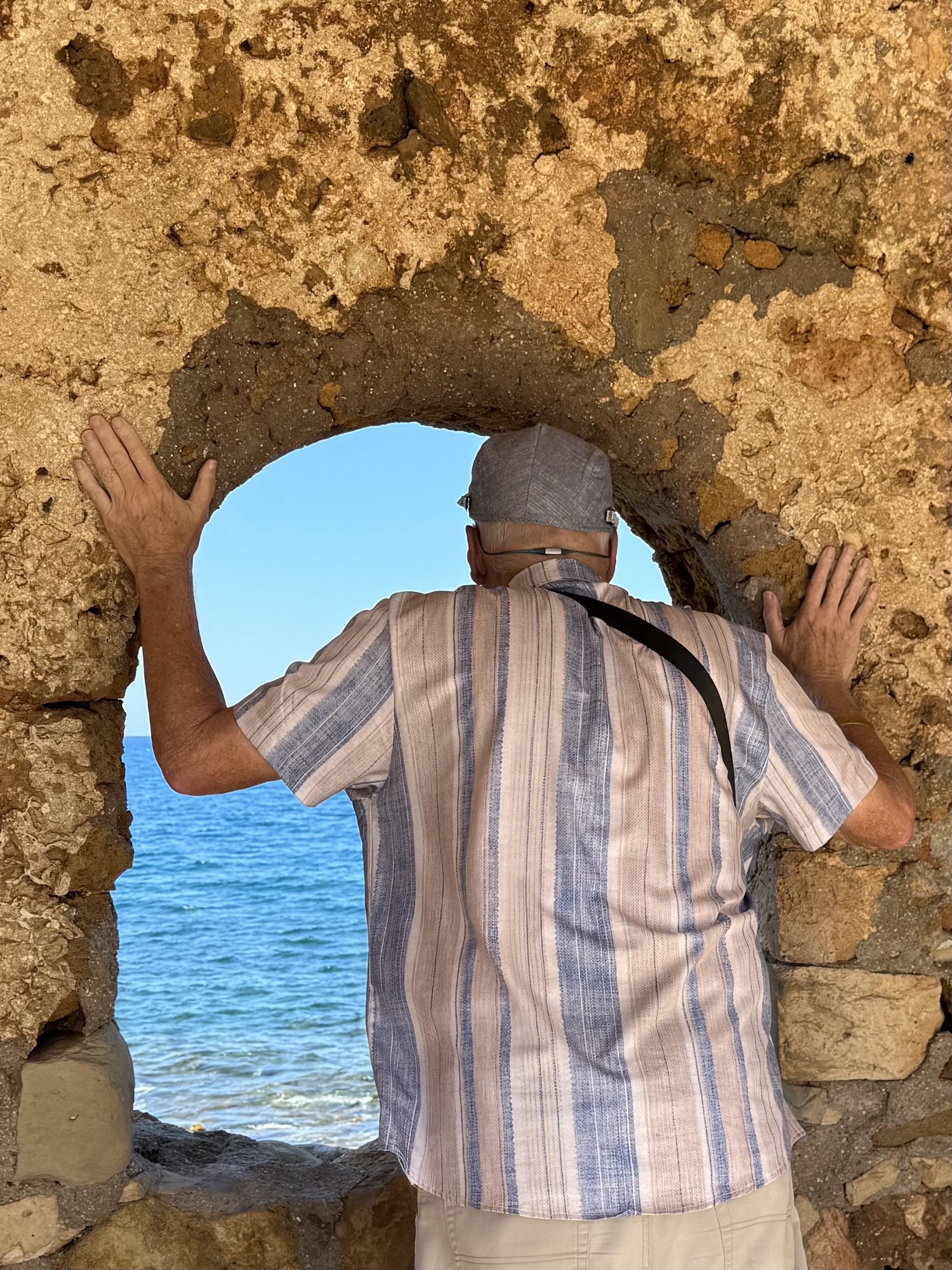
I got a photo of Ted walking along the breakwater, either motioning for me to stand still or thumbing his nose at me. Brat.
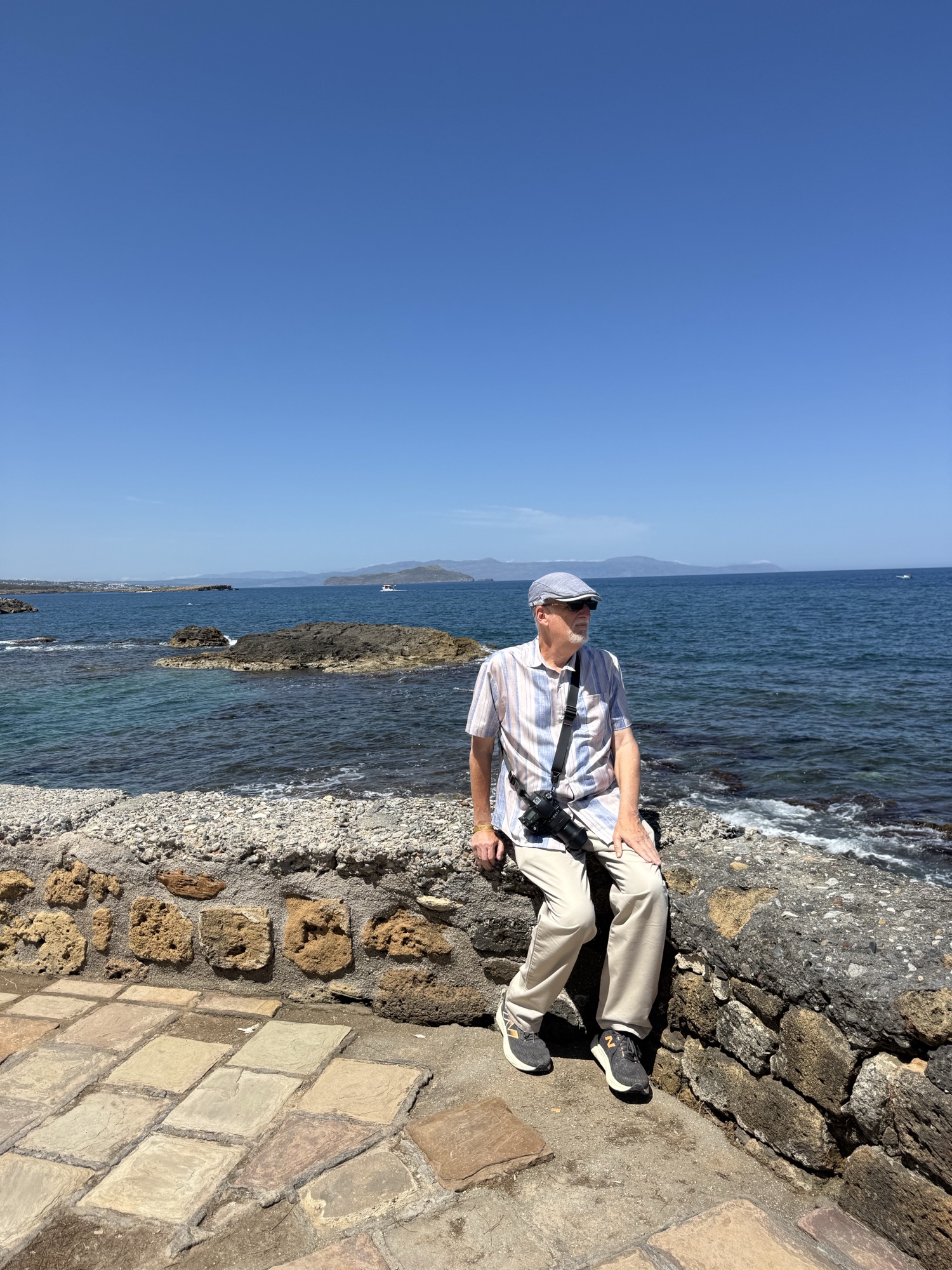
I did, and he got this photo of me a bit further along the wall.
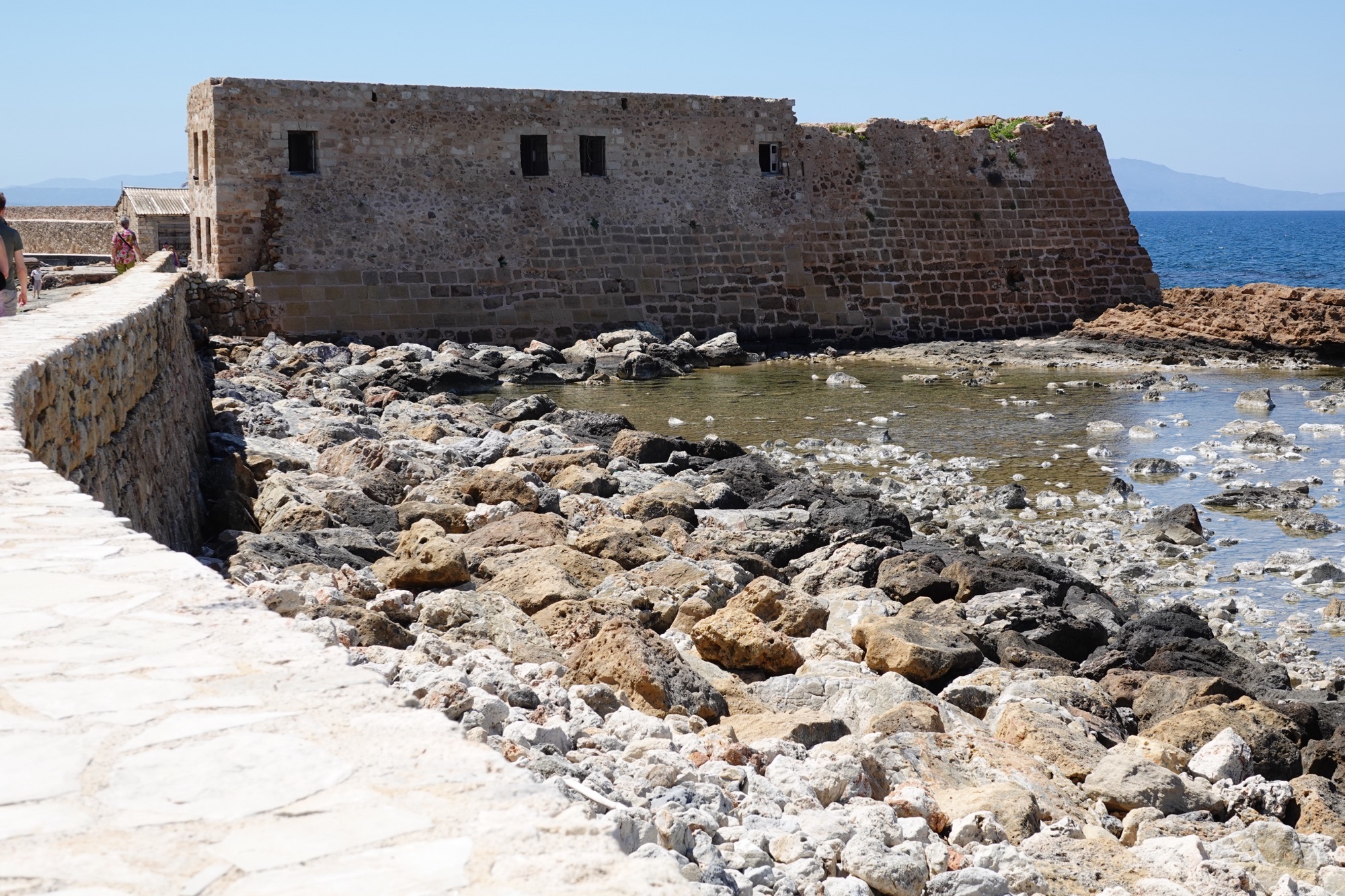
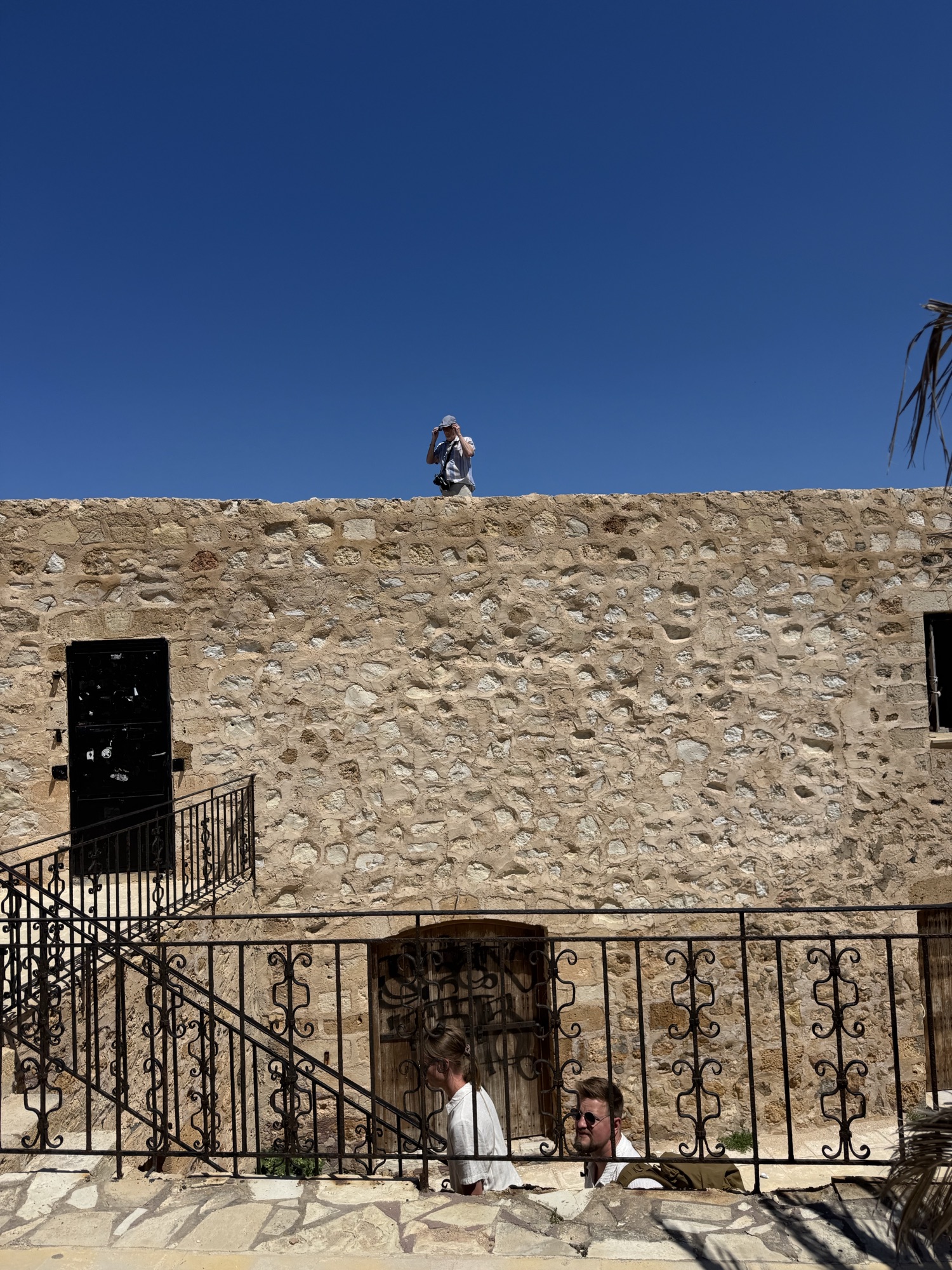
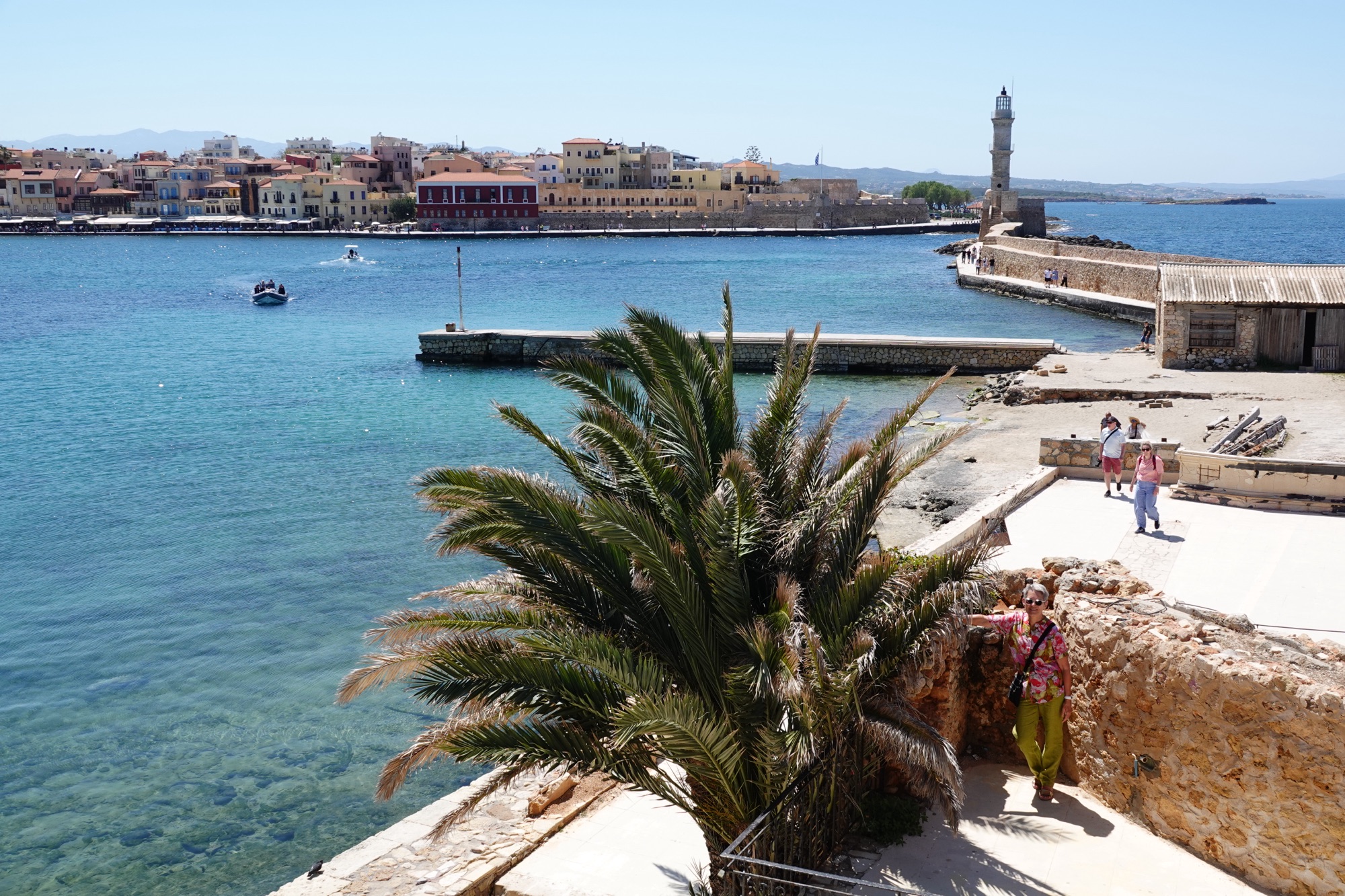
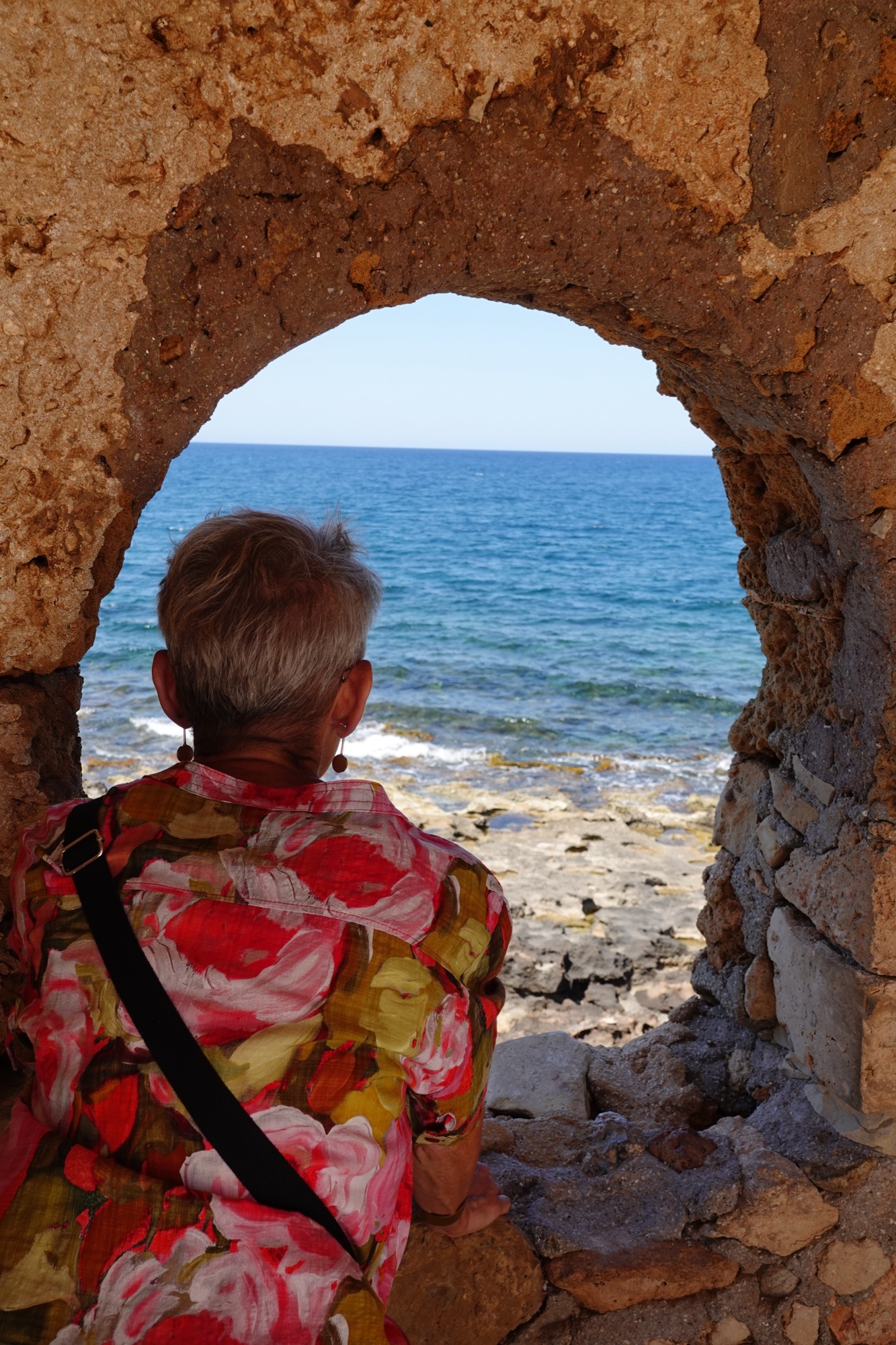
When we finally reached the lighthouse we realized that tourists are not allowed inside. People were taking photos of their friends sitting on the stairs, but I honestly didn’t think it was worth snagging my linen pants on the stone.
Naturally, after walking back to the harbour front, we stopped for a beer and a spritz to simply soak in the sunshine and scenery.
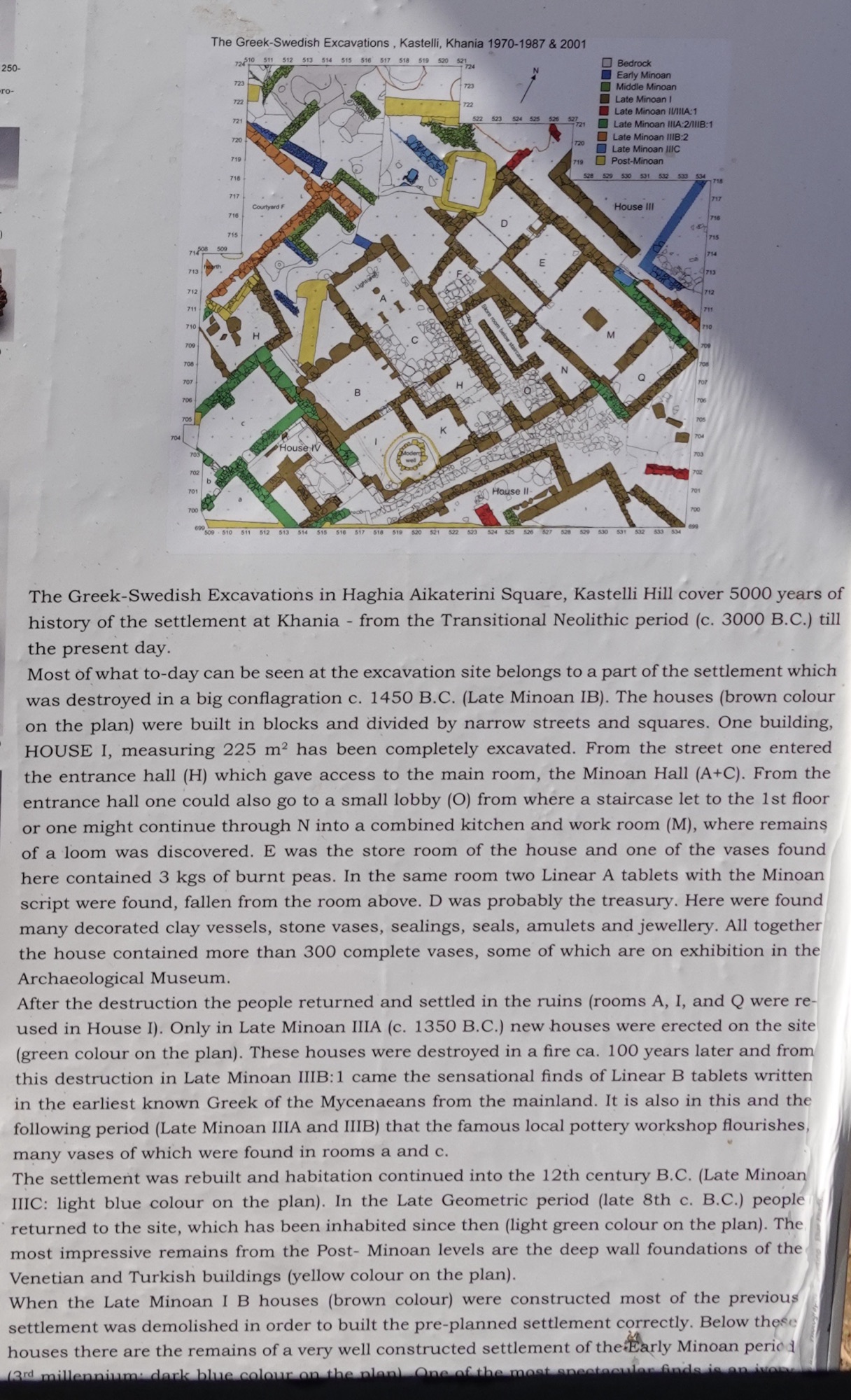
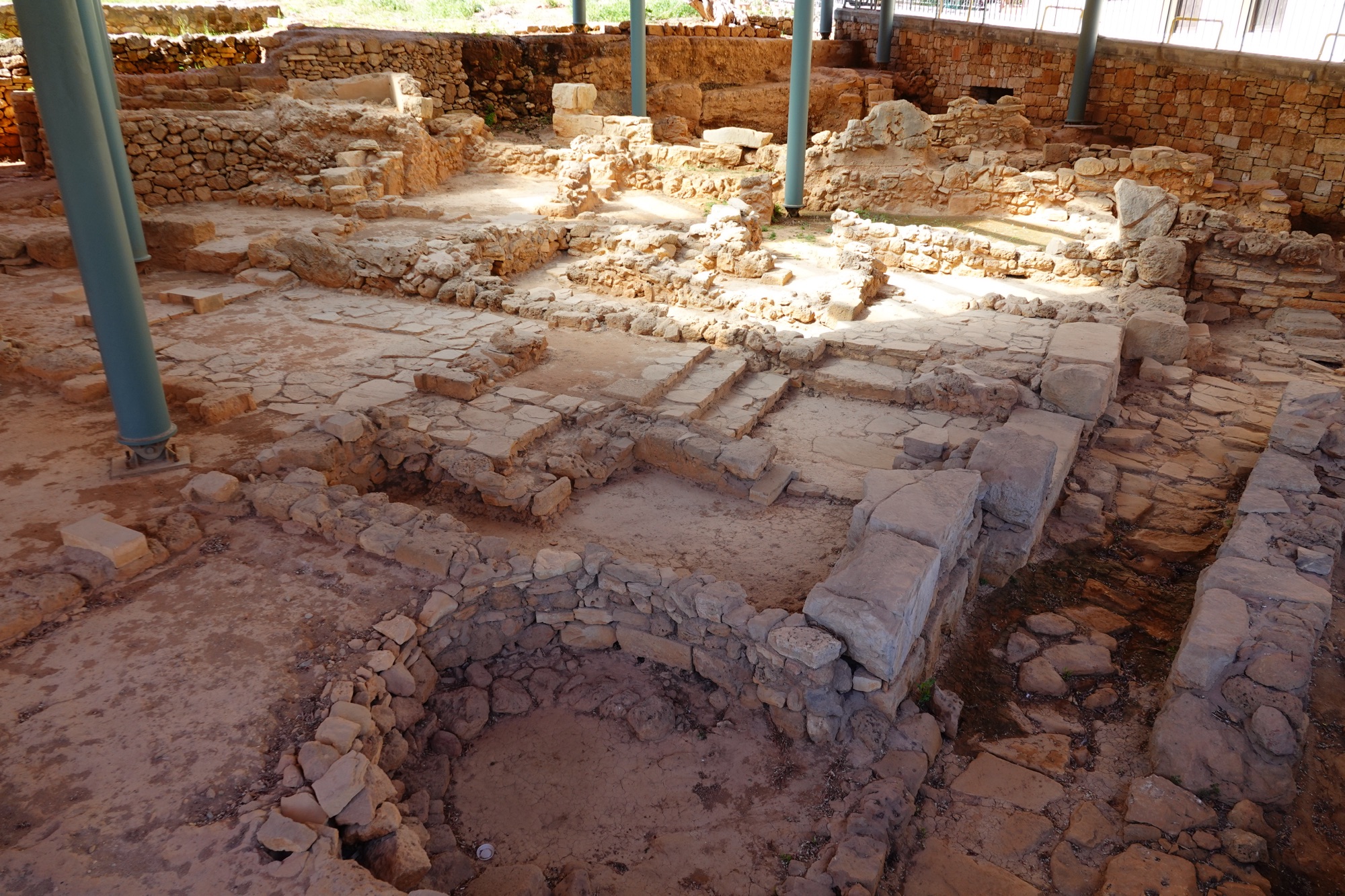
On our way back to the bus which would return us to our resort we passed by a joint Greek-Swedish archeological dig on the hill of Kastelli, which appears to have uncovered the first organized Minoan settlement in the area of Chania, dating to between 3000 and 2000 years BCE. At least 10 layers of archaeological evidence have been discovered here.
Back at the resort the evening’s dinner theme was barbecue.
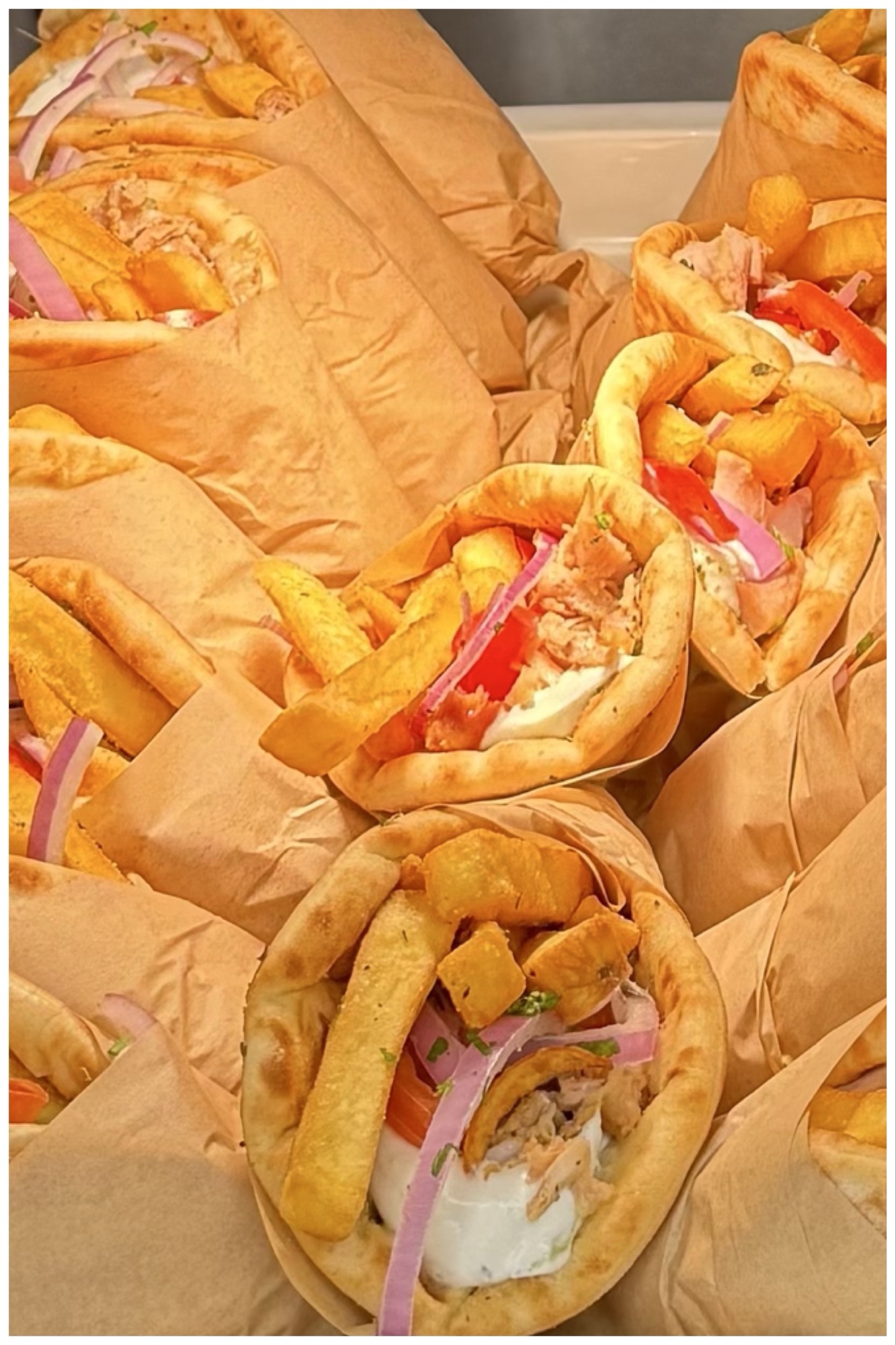
It was most definitely NOT a Viking cruise barbecue, replete with steaks, ribs, and burgers, and it was also not a large resort extravaganza with suckling pig or whole goat on a spit, but there was a lamb shank rotating over an open wood-fired flame, plus grilled chicken and pork souvlaki, sausages, chicken legs, pork belly, and fresh pita bread. And there was baklava for dessert, so all’s well with the world.
Tomorrow is our full day excursion into the countryside, and will get its own blog post. Then we’re headed into three days of predicted rain and cooler temperatures. Chillin’ indeed.

