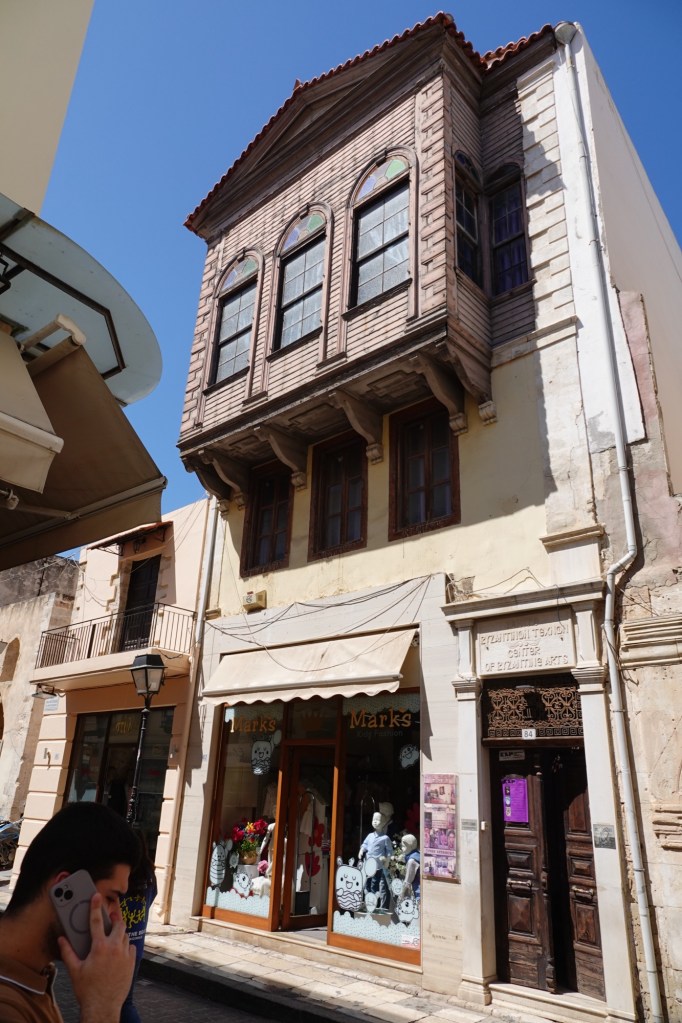
Rethymno came to prominence in the Venetian era as an intermediate commercial city between Heraklion and Chania. The old town, where we’re staying, was almost completely built by the Venetian Empire, although there are certainly architectural features – especially balconies – that are of distinctly Ottoman design. They reminded us of the balconies we saw in the old section of Jeddah, in Saudi Arabia (Episode 235)
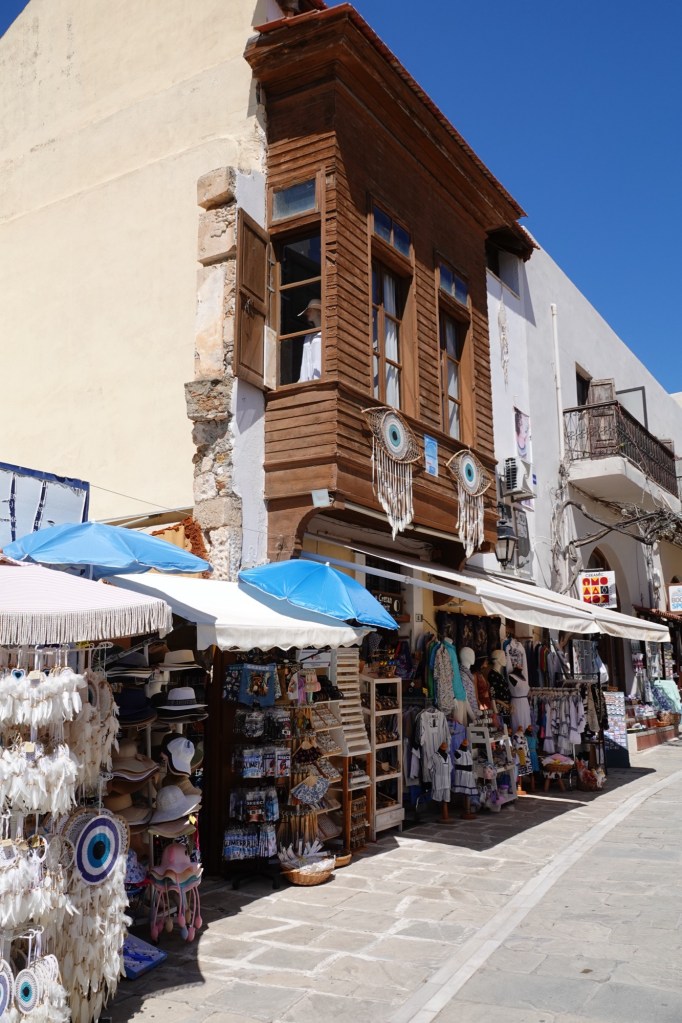
There are also, as I’ve noted before, lots of stores. Today a linen shop distracted me. After buying a white eyelet dress at a crazily good sale price I supplemented my good deal with some wonderful linen pants decidedly not on sale. I’m just doing my part to support the Cretan economy. I haven’t decided yet what gets left behind to make suitcase room.
That shopping meant that 75% of the way to the fortezza we turned back to drop my purchases at the hotel, where I quickly changed into one of them, and then retraced our steps to today’s destination goal: the Fortezza fortress of Rethymno.
During much of the Venetian era the city had some rudimentary fortification walls, but initially no large fort like Chania and Heraklion.
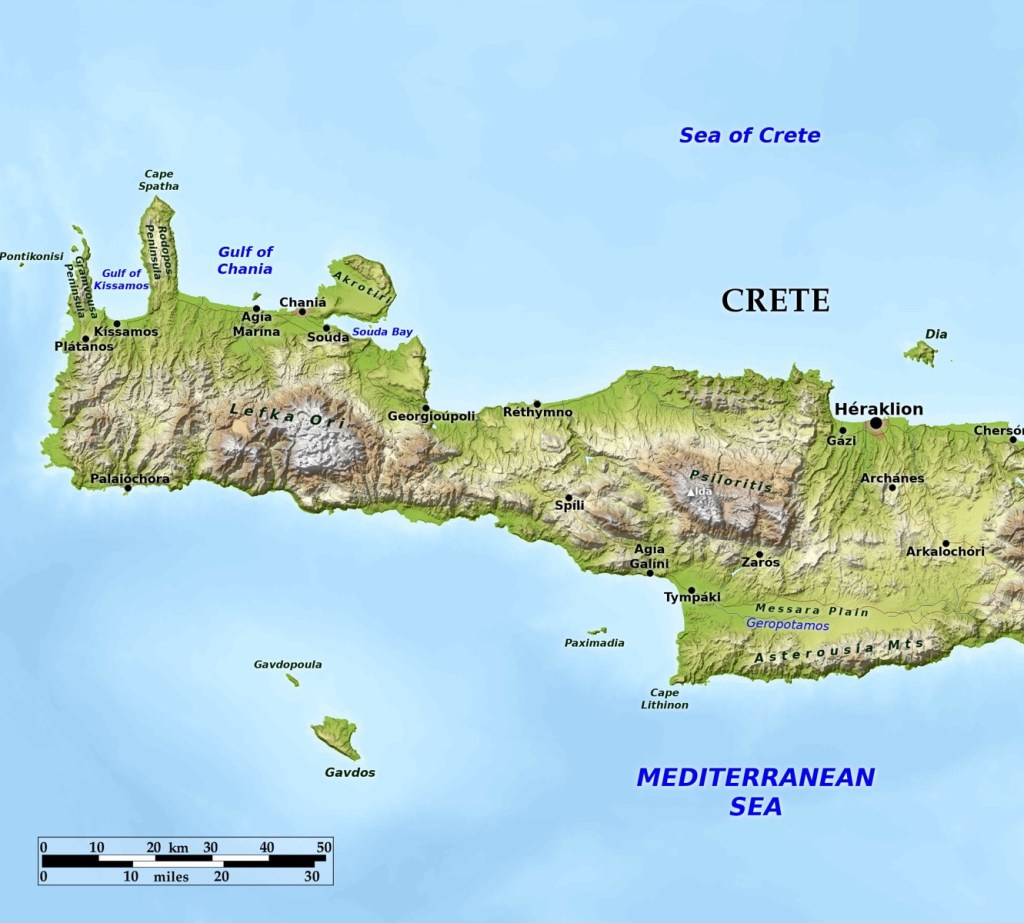
It’s easy to see on a map. Heraklion and Chania have defensible natural harbours; Rethymno has a beach.
Then, in 1571, Rethymno was looted and set ablaze by the pirate Ulij-Ali Reis. While that name sounds Turkish/Ottoman, his birth name was Giovanni Dionigi, and he was actually an Italian privateer and admiral who served as the commander of the Regency of Algiers and Grand Admiral of the Ottoman fleet. He was famous enough in his time that he was even referenced in Don Quixote.
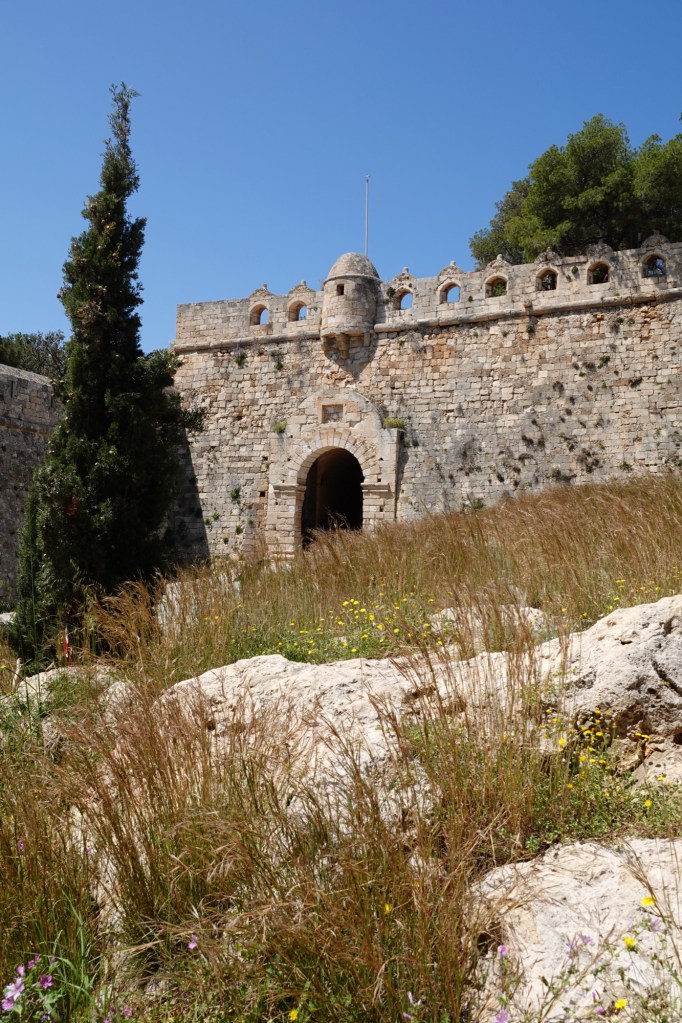
After that attack,the Venetians built a much stronger fort on the “Paleokastro” hill, located on the west side of the city.
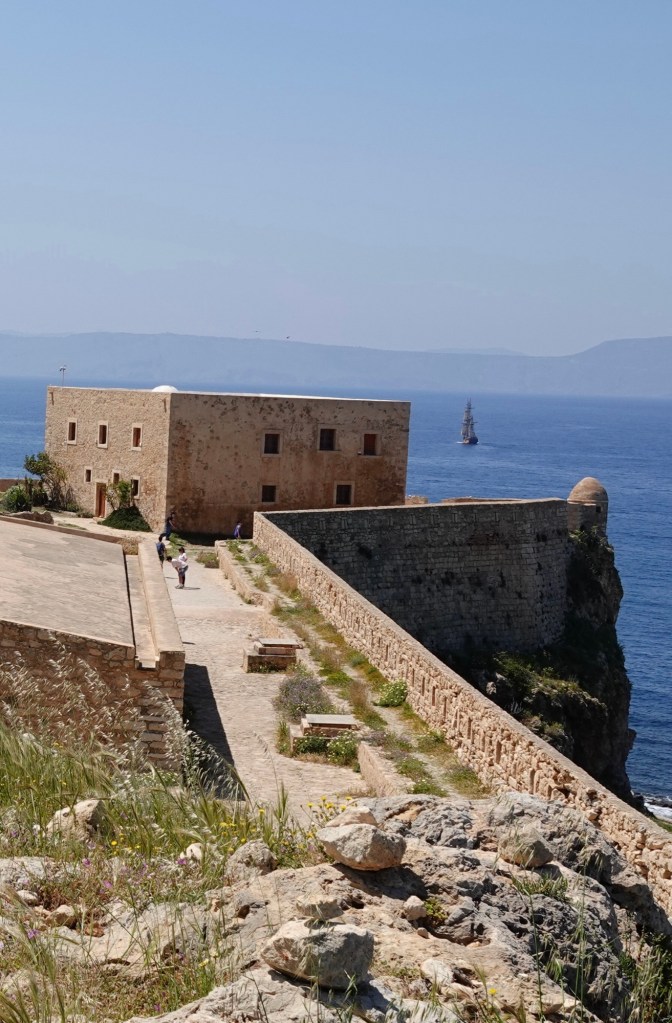
Interestingly, or perhaps fortuitously, during our visit to the fort today we saw a pirate ship!
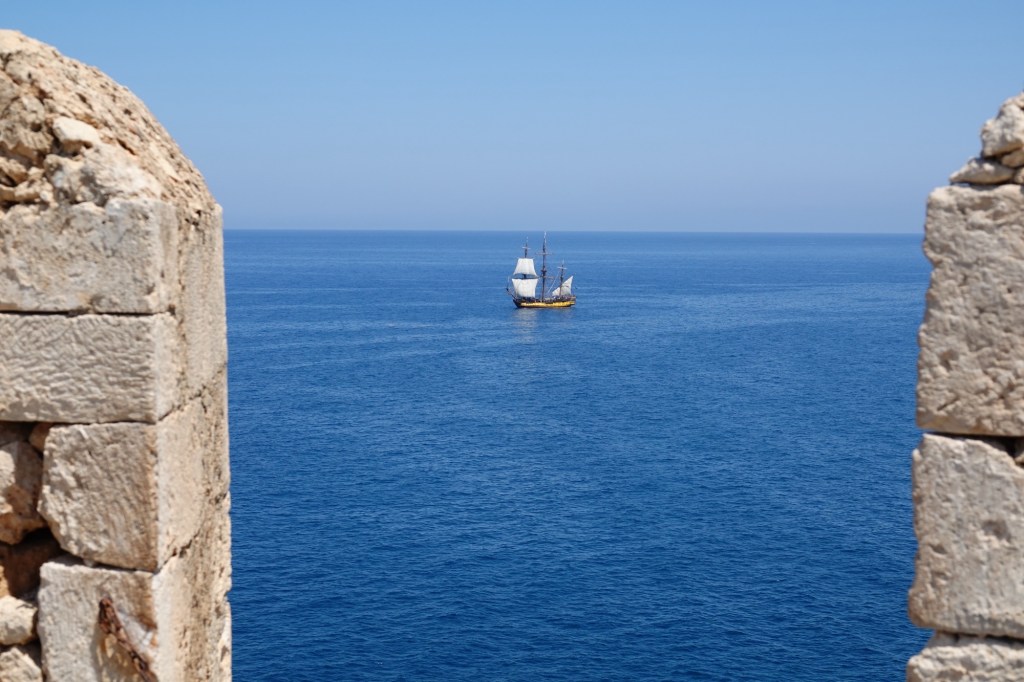
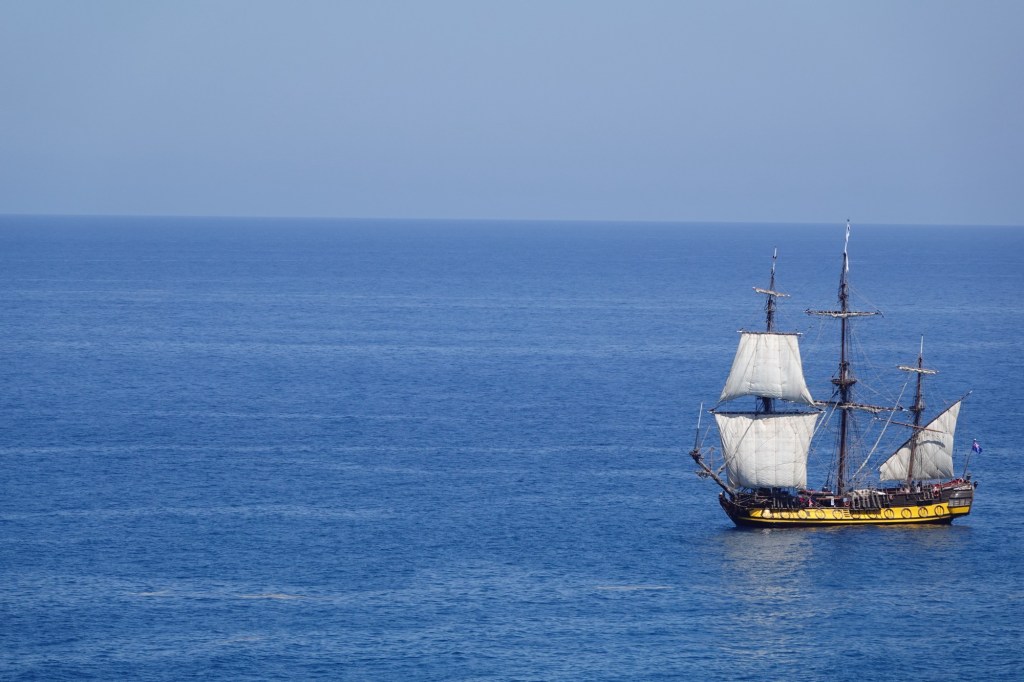
The fortress, still preserved on the hill, is shaped like a star, with three gates and six ramparts (impossible to photograph without a drone, though).
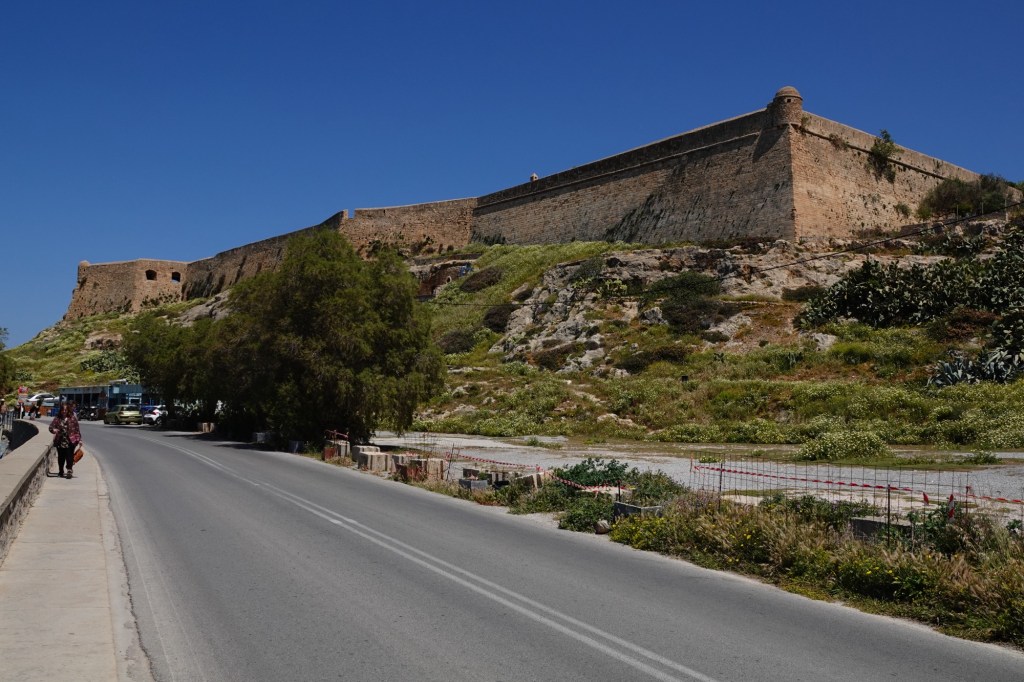
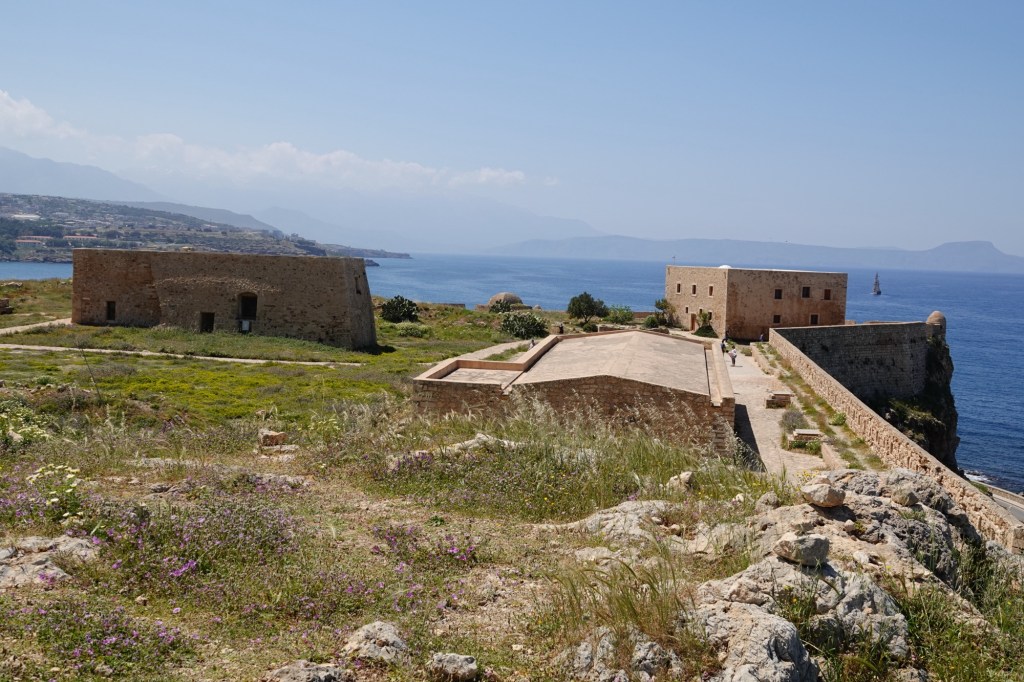
There was apparently some initial intent to house the population of Rethymno within the fort’s walls as a means of protecting them, but by the time the house of the Rector, the Councillors’ Residence, barracks, warehouses, the cathedral of Saint Nicholas, the structure of Saint Lucas demi-bastion, etc., were built inside it the city’s inhabitants refused to move to the relatively small space that remained. In the end, it was used as a citadel containing the Venetian administrators.
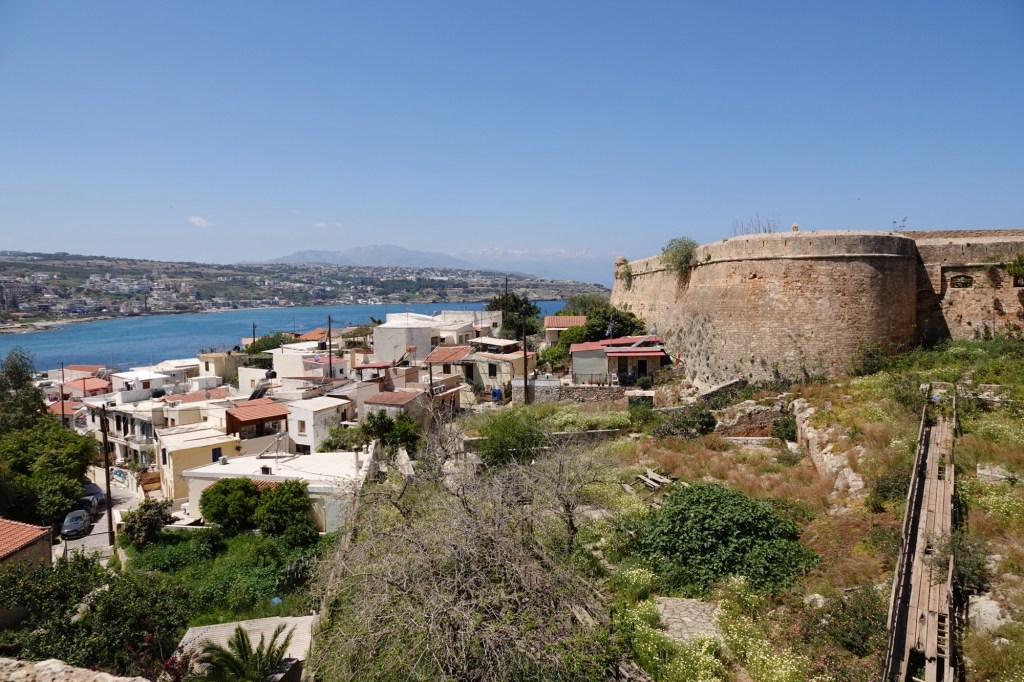
During an Ottoman siege in 1646 the city’s citizens did take refuge in the fortezza, but it could not withstand an attack due partly to its relatively low ramparts, and it was surrendered.
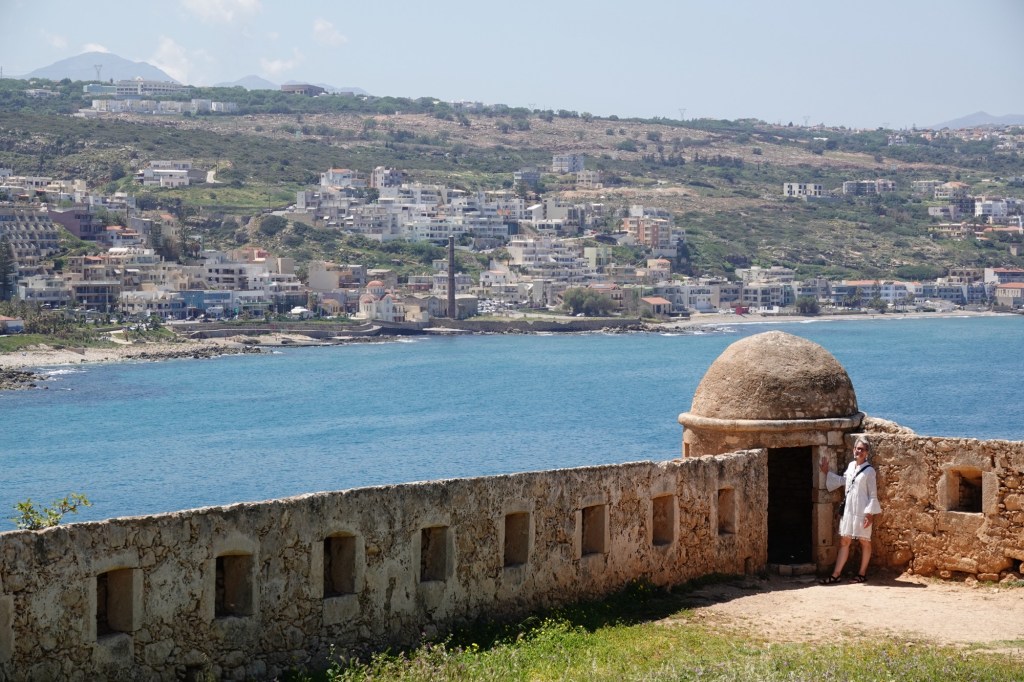
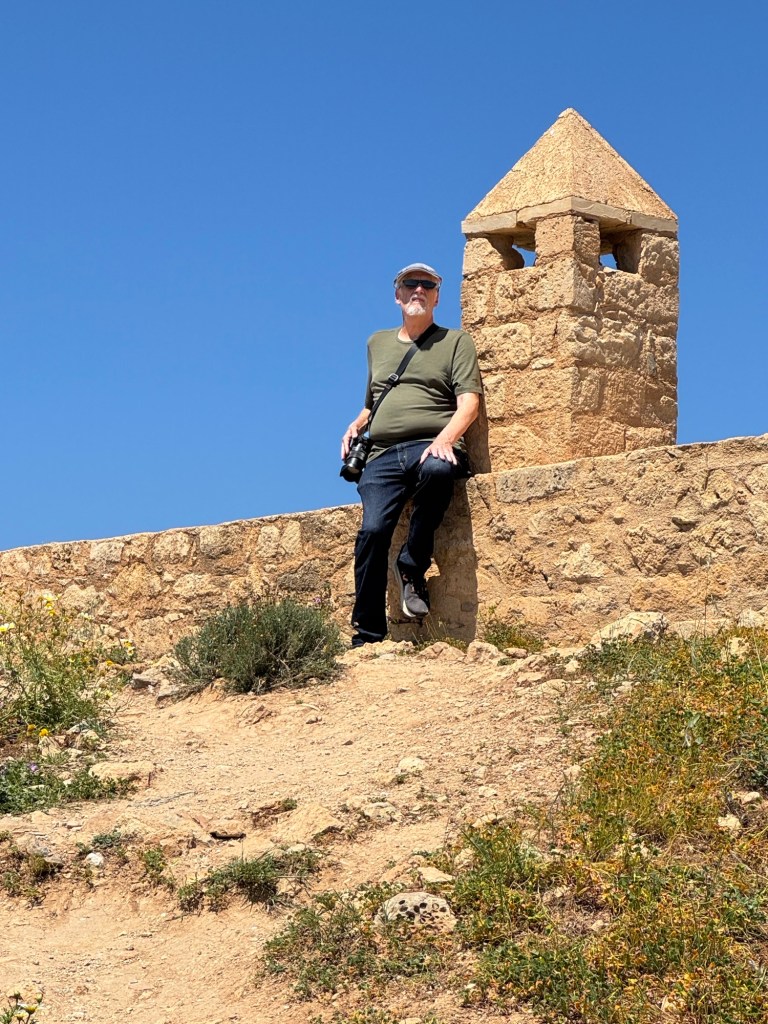
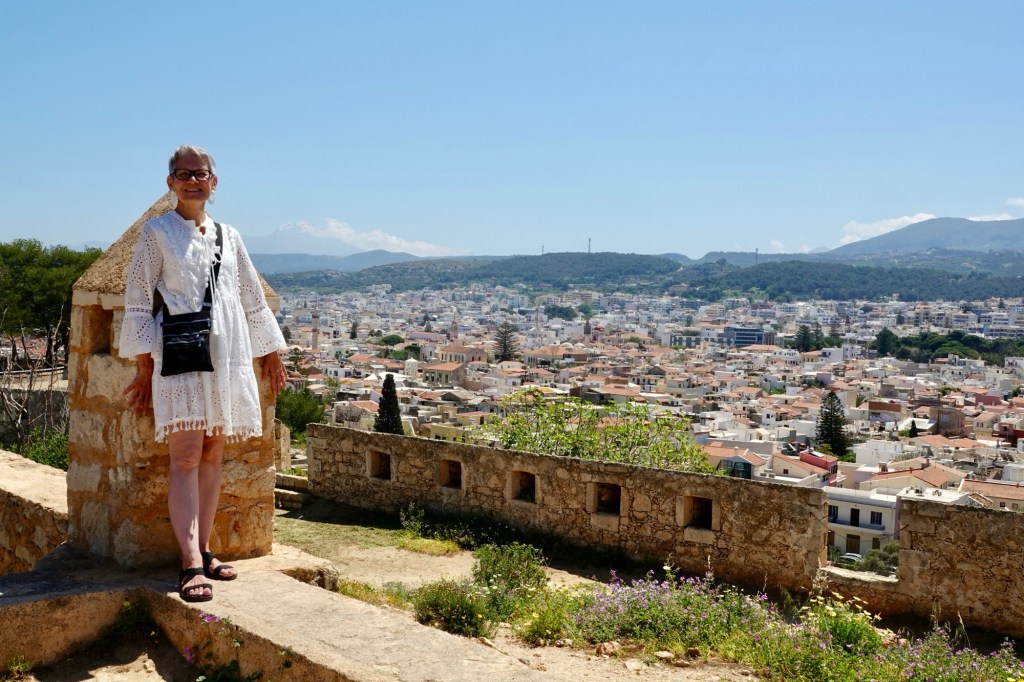
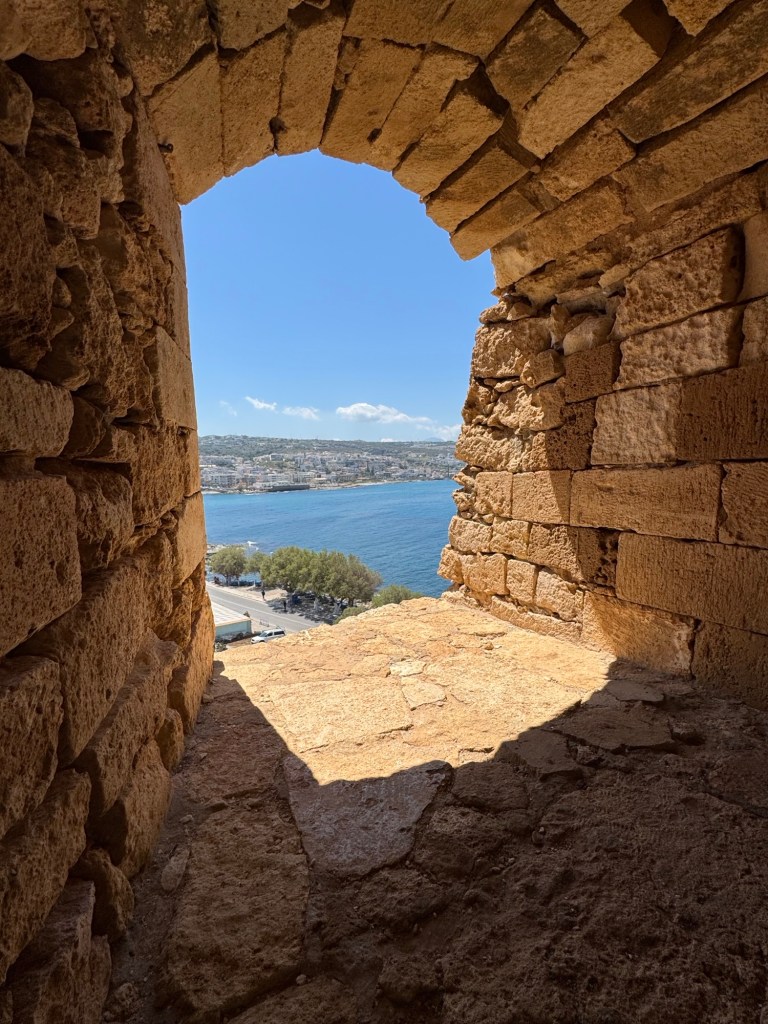
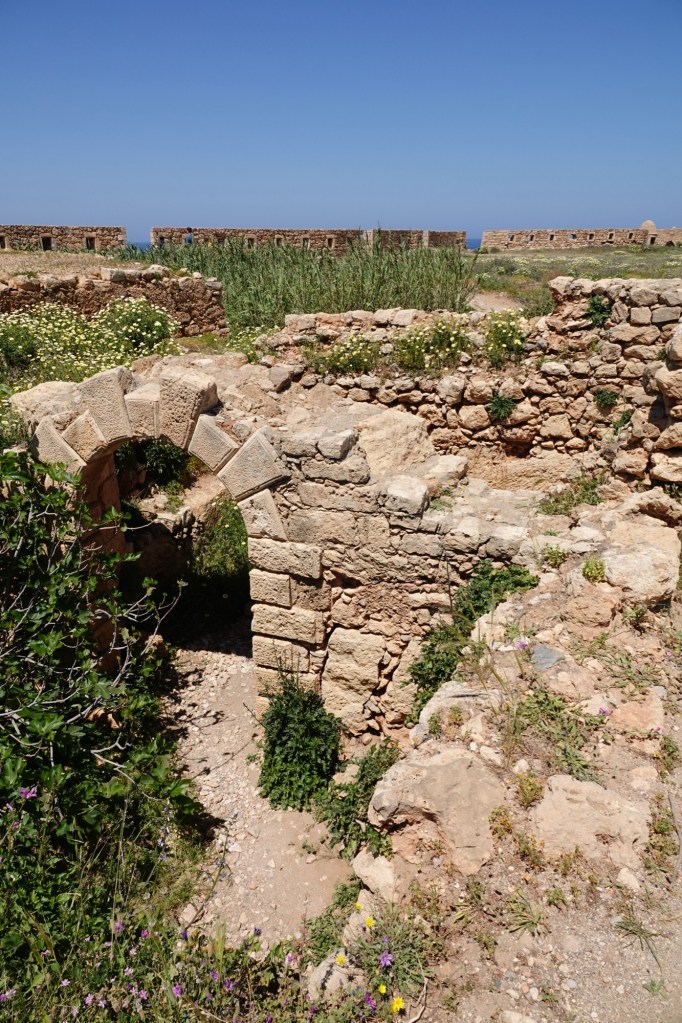
Most of the buildings were either completely closed, or just empty stone rooms.
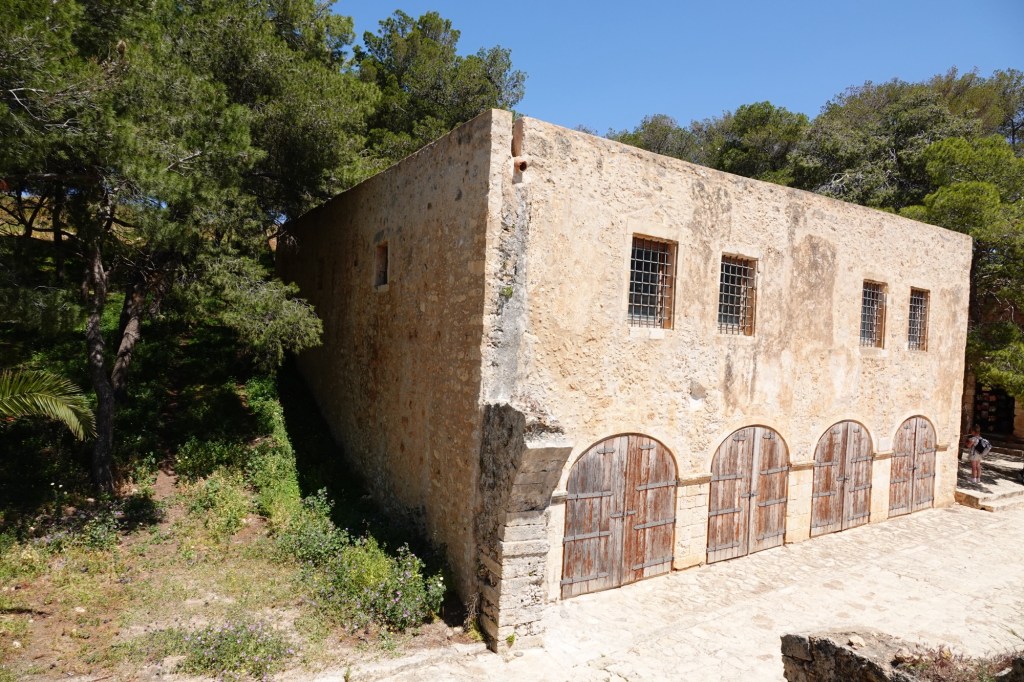
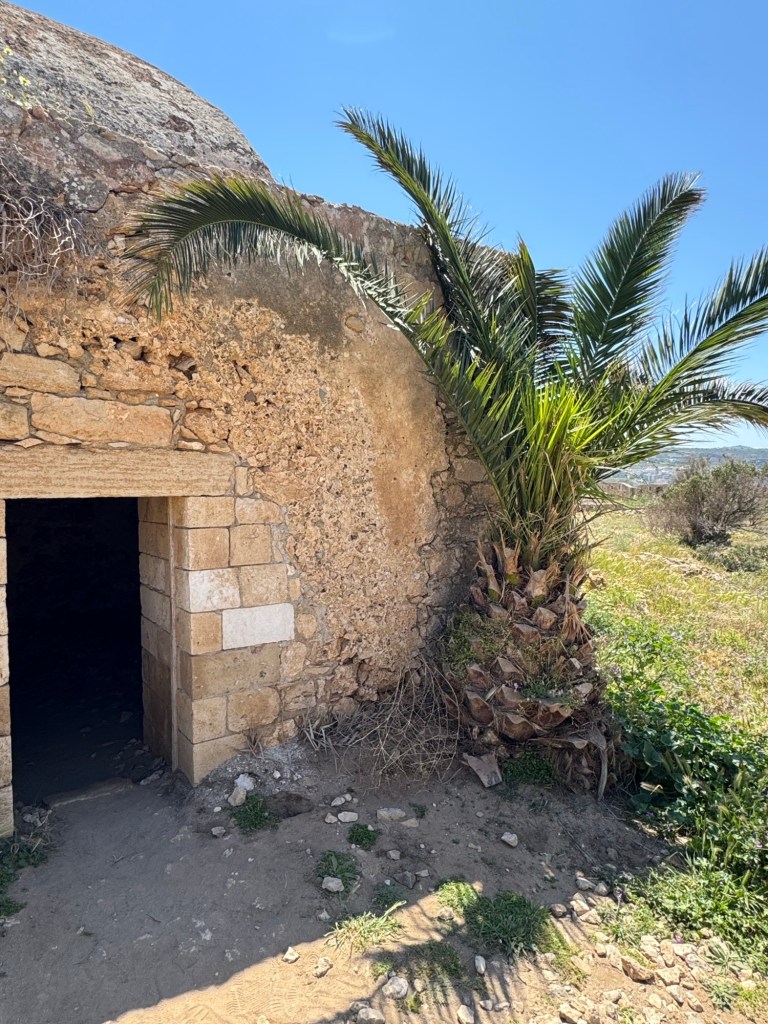
One that we were able to enter was the armoury below the north gate, which has been converted into an event space.
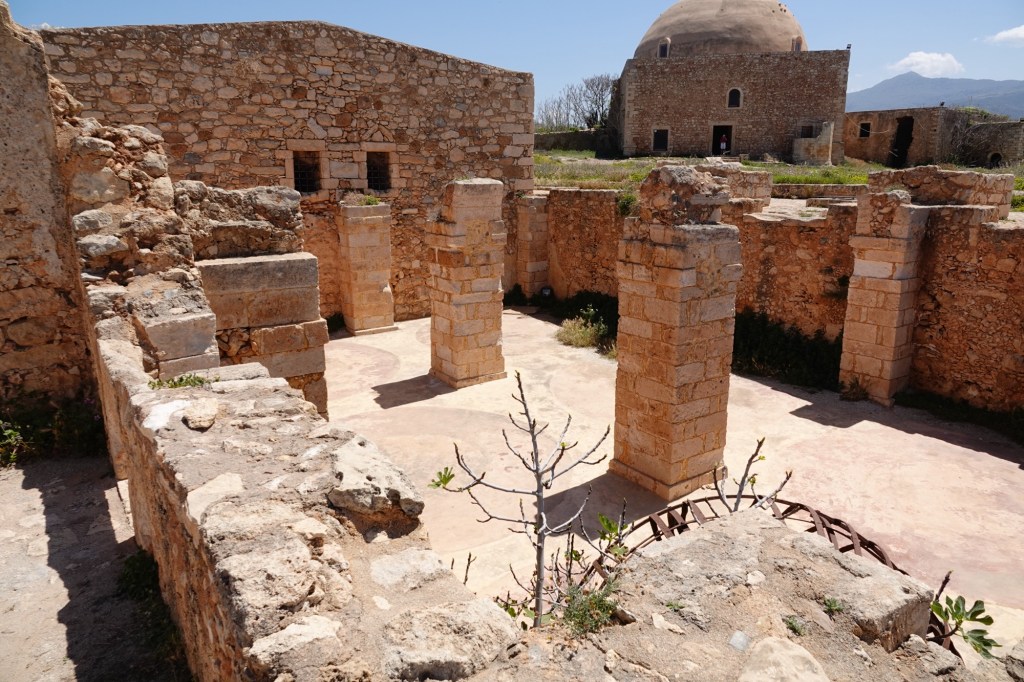
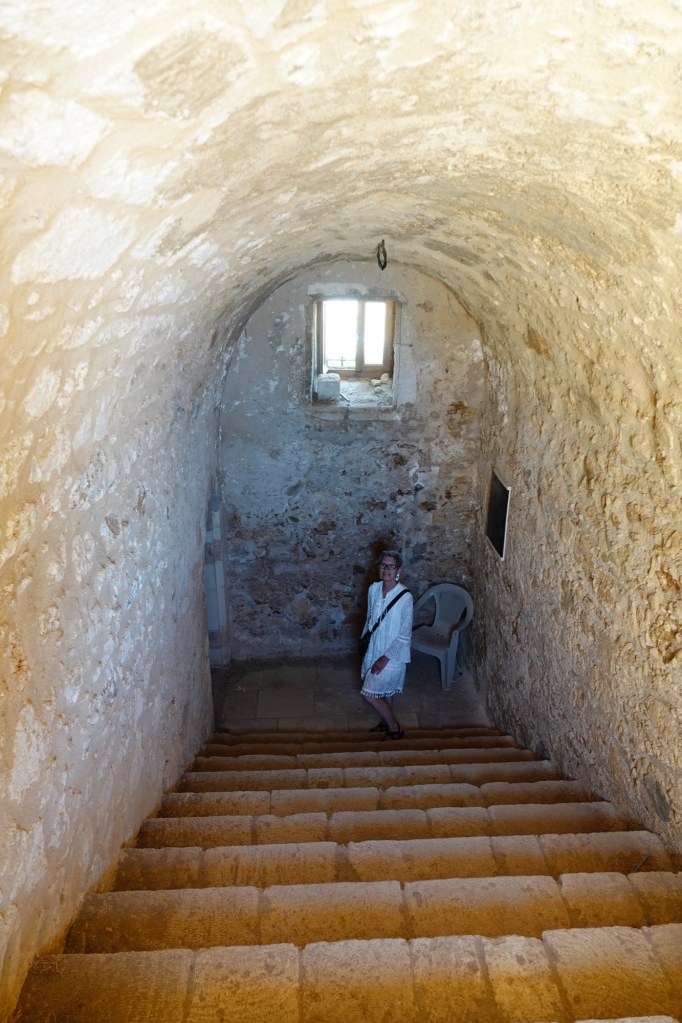
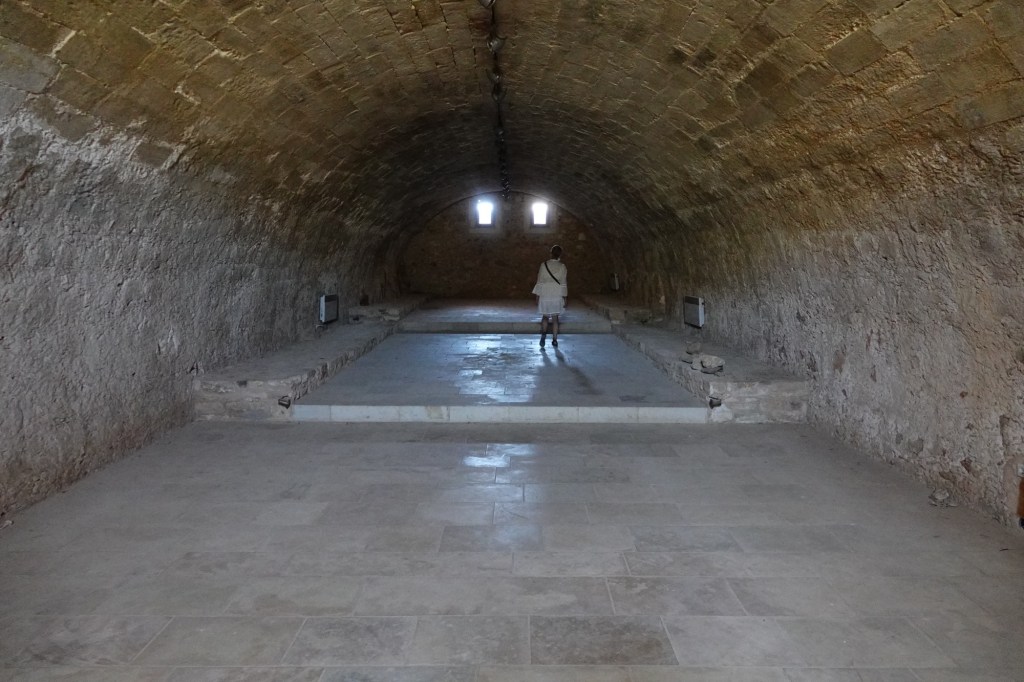
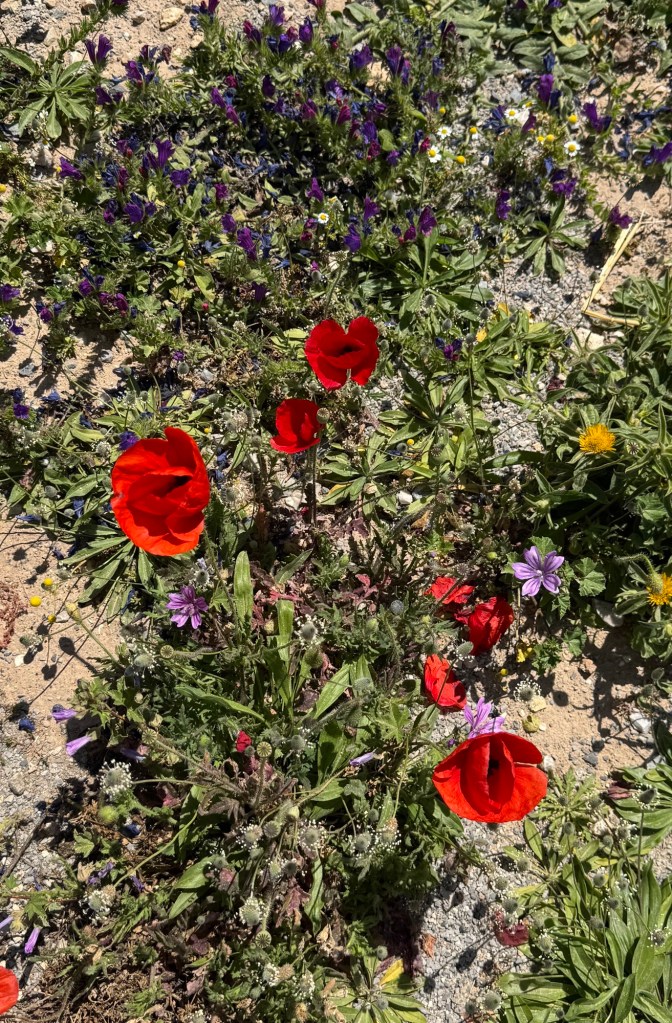
The interior of the fortezza has been given over to a profusion of wildflowers, and a proprietary cat.
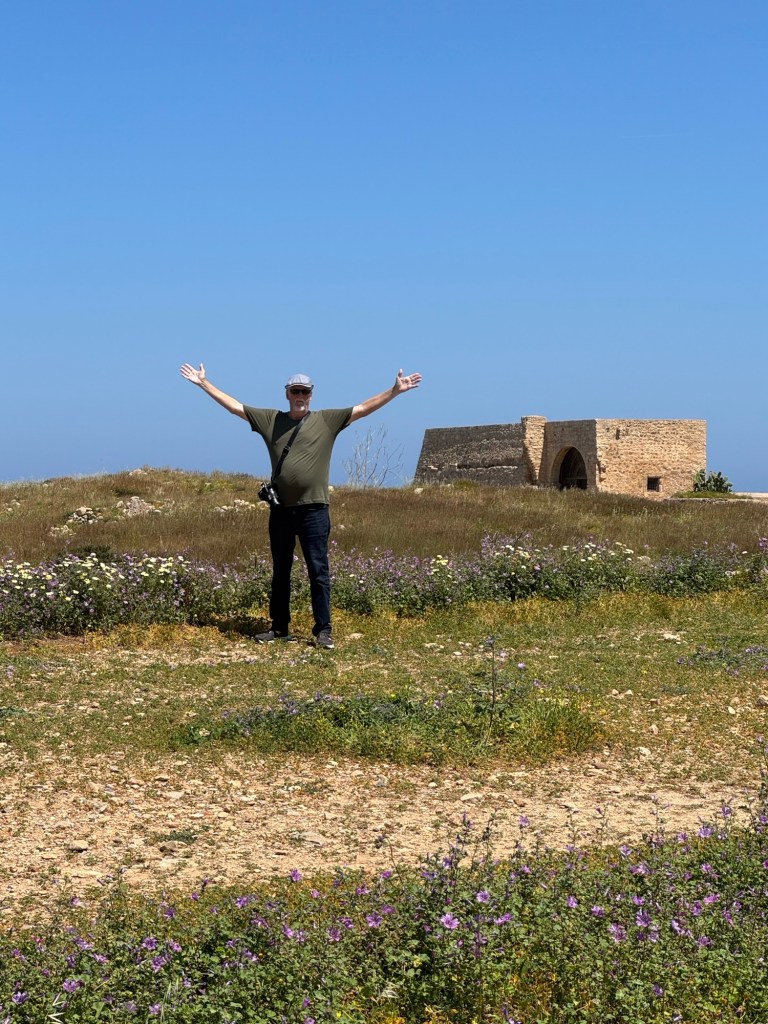
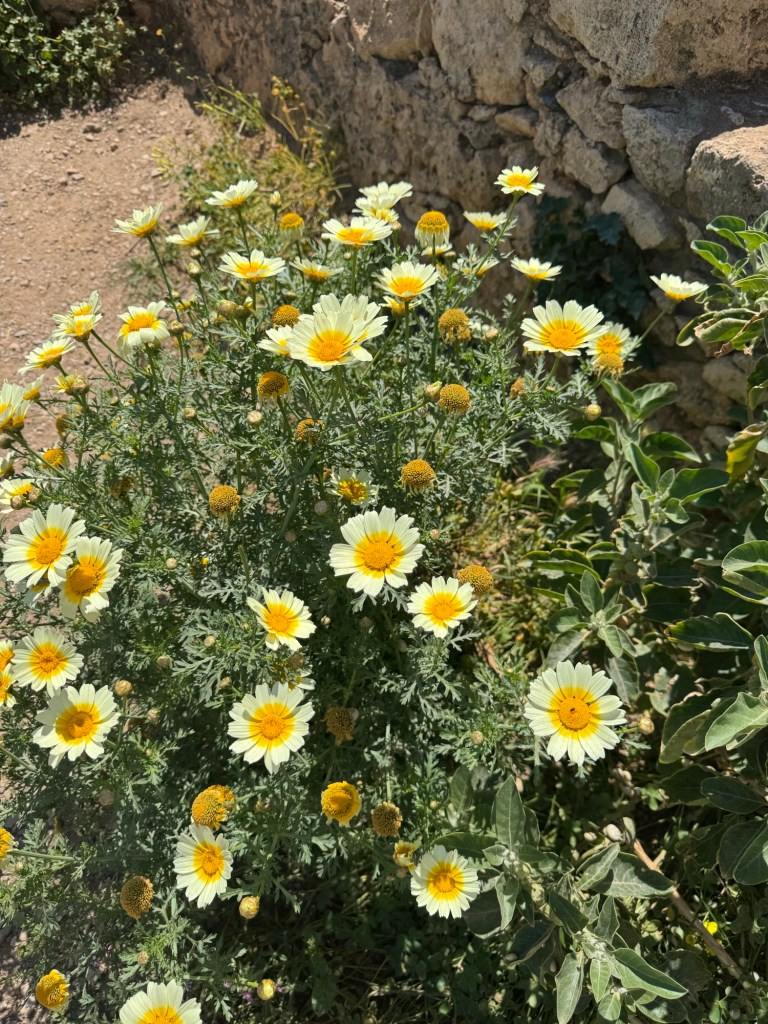
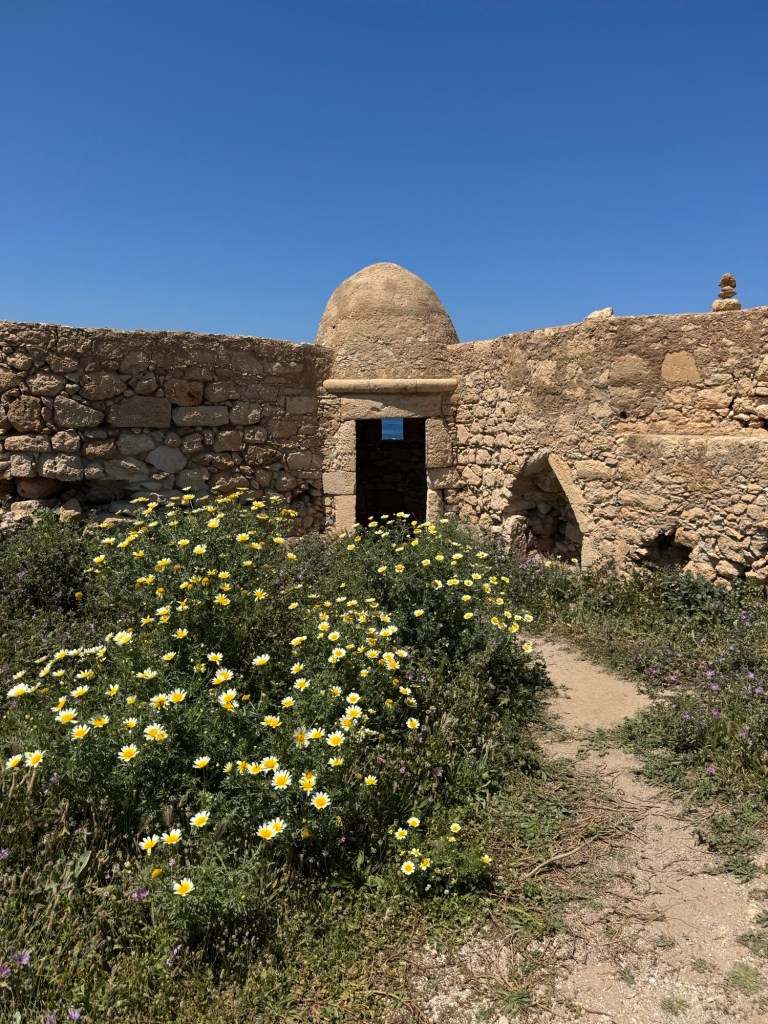
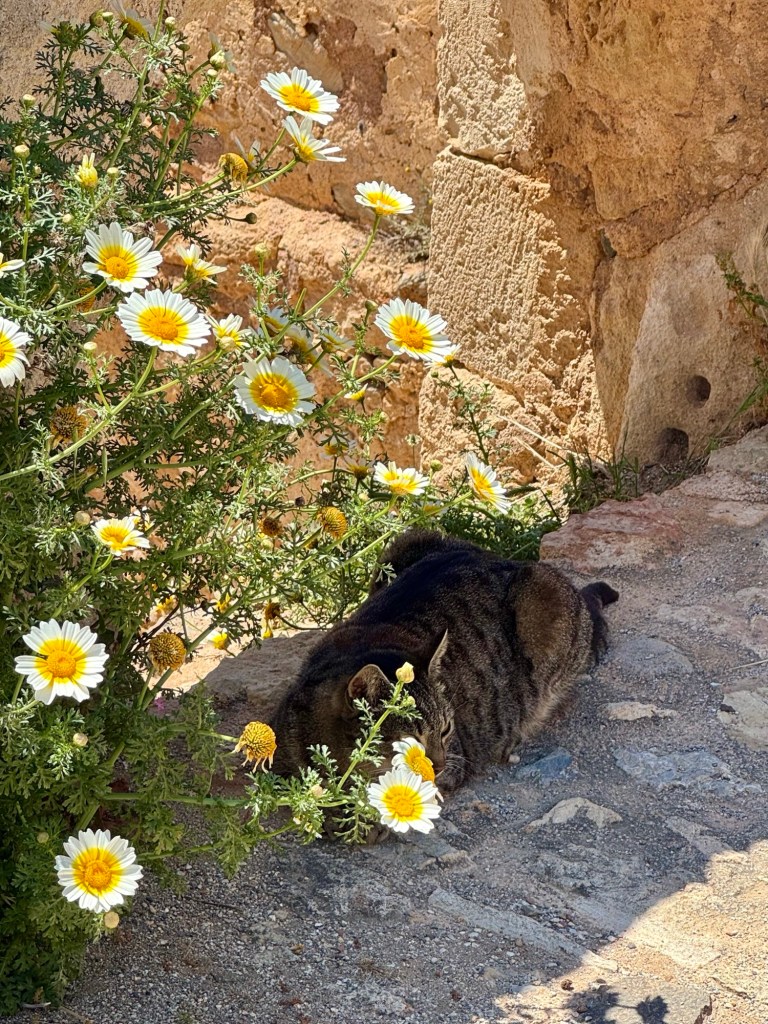
The Ottomans added some residential buildings inside the walls, and replaced the cathedral of Saint Nicolas with the Mosque of Sultan Ibrahim, which has survived as an event space.
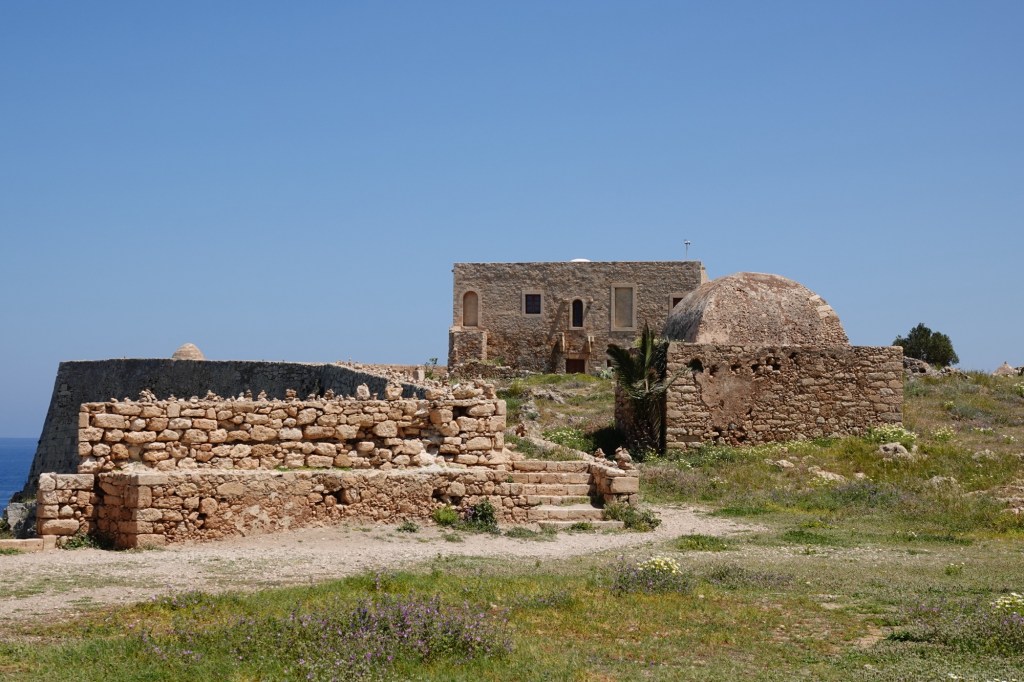
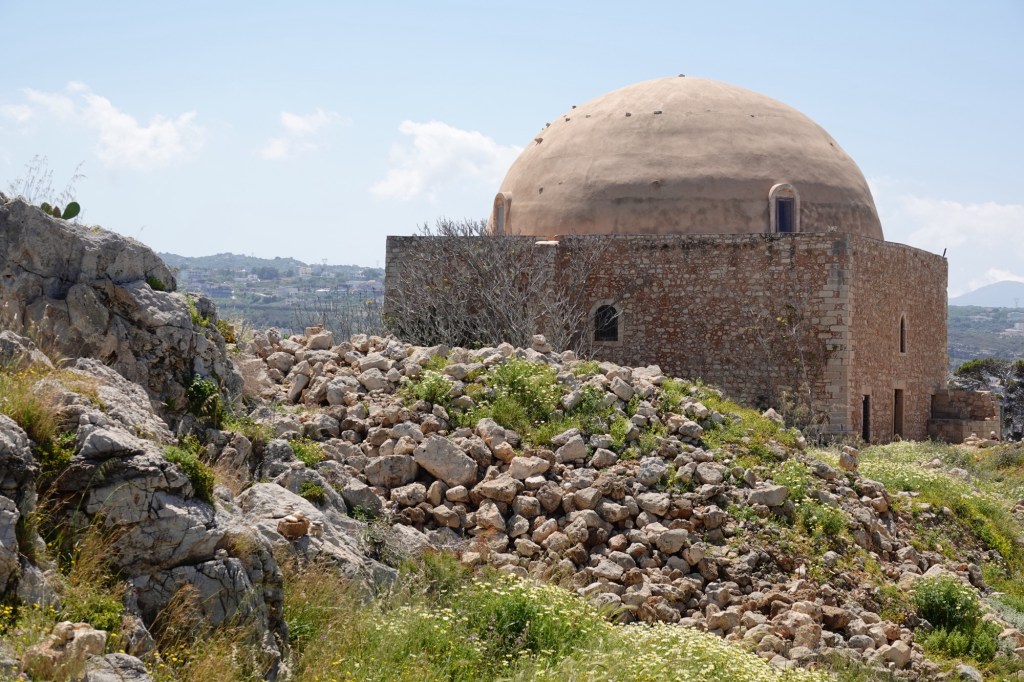
The mosque’s original portico with five arches on the main façade has not survived.
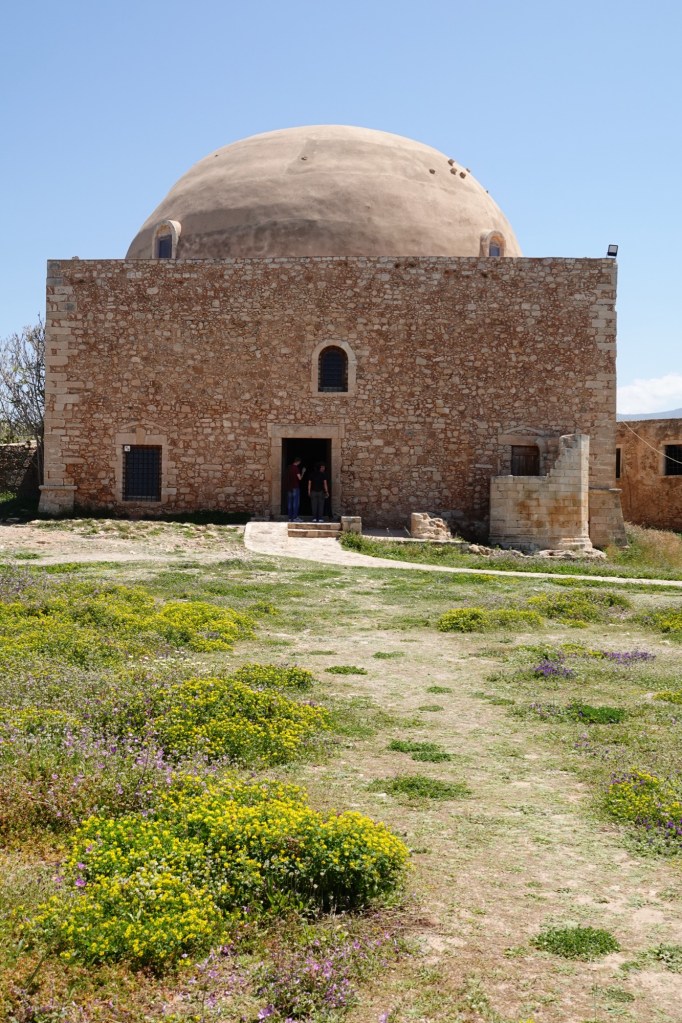
Inside, the large, hemispherical dome has a diameter of 14.5m. and a height of 6.80m. and is based on four arches.
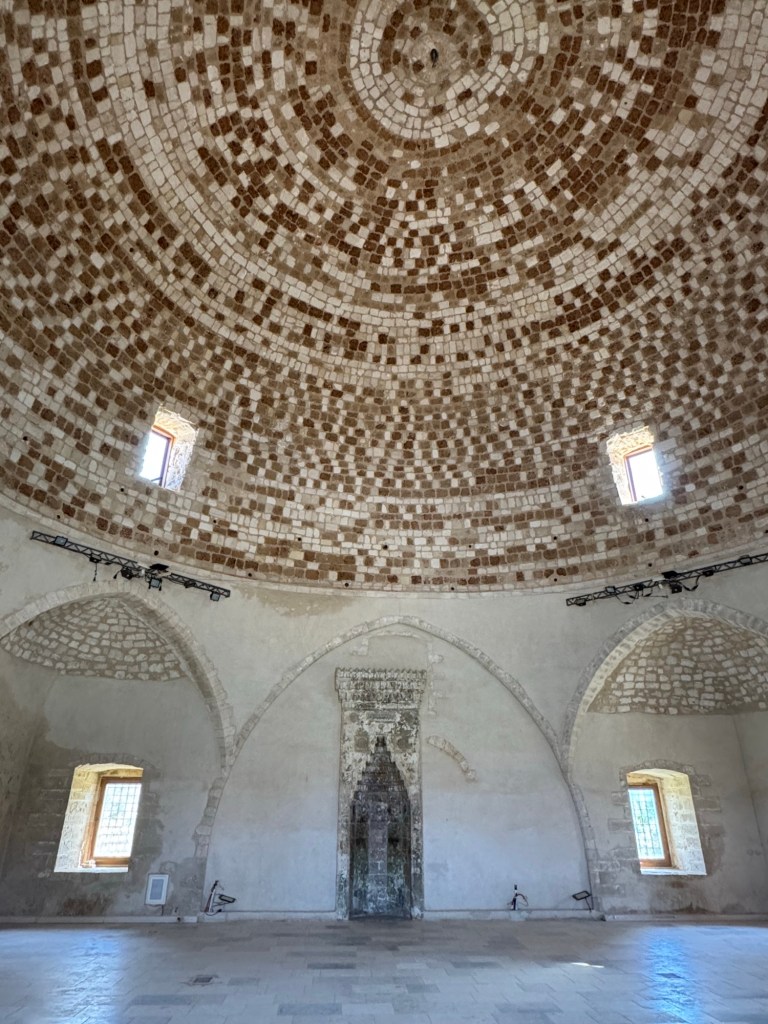
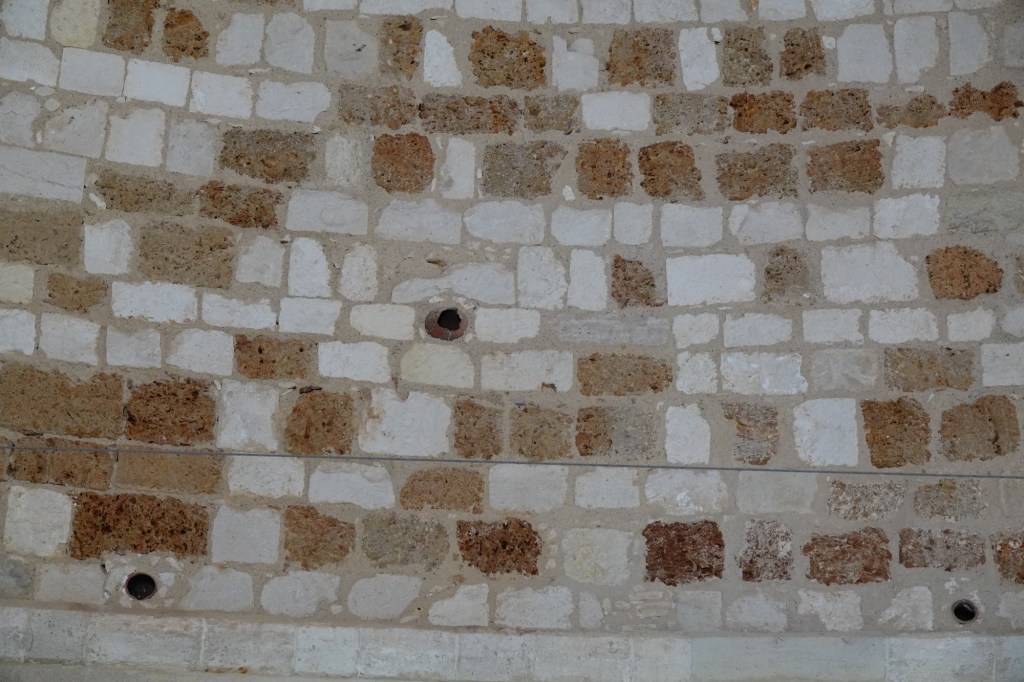
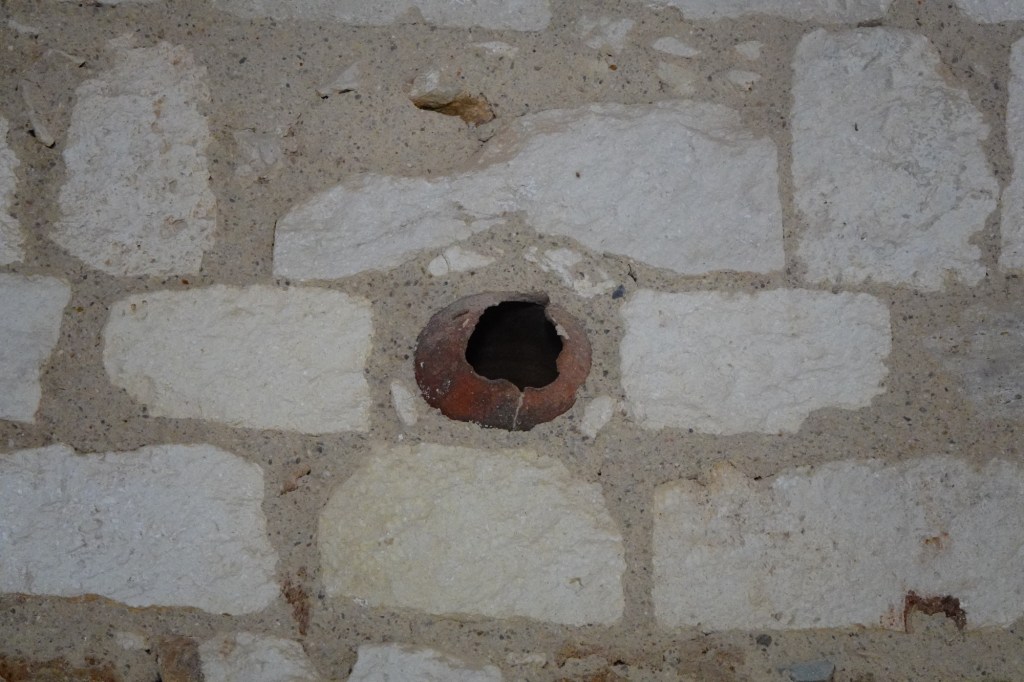
The acoustics in the space are incredible, due to two rows of 18 acoustic resonators across the base of the dome. From floor level they initially look like holes, but each of these consists of a clay pot embedded in the wall which echoes sound back toward the centre. Based on the sounds of just 4 or 5 tourists in the space, I could only imagine what the combined voices of Moslem prayer recited in unison must have sounded like.
Given the challenges of designing modern concert halls with their complicated sound baffles, it makes this 17th century engineering even more impressive.
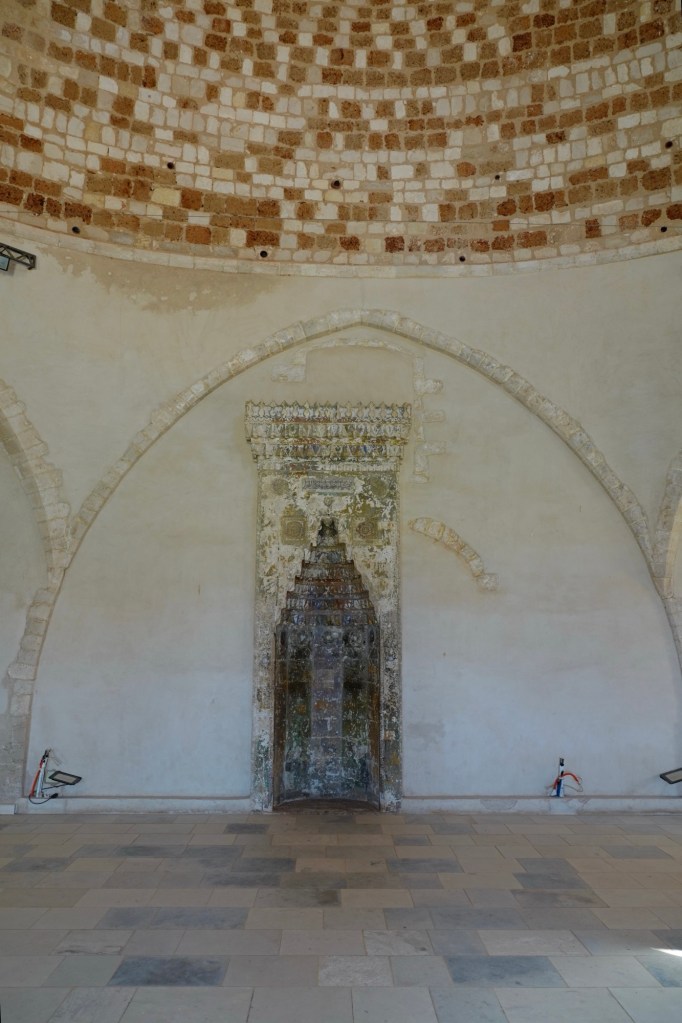
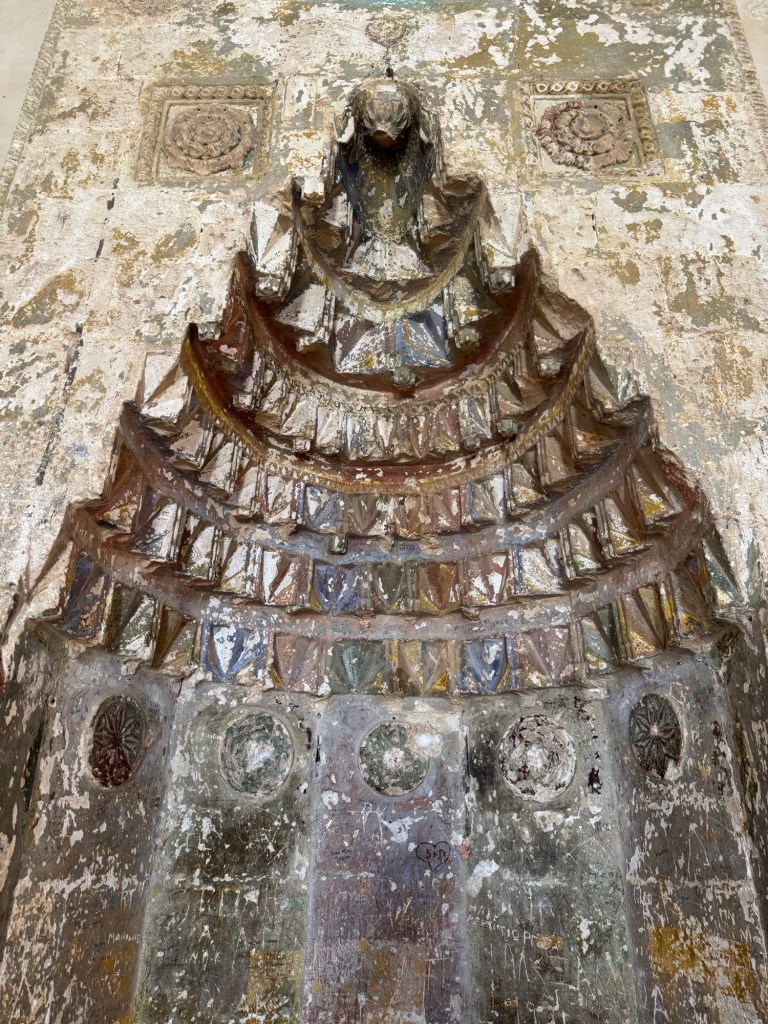
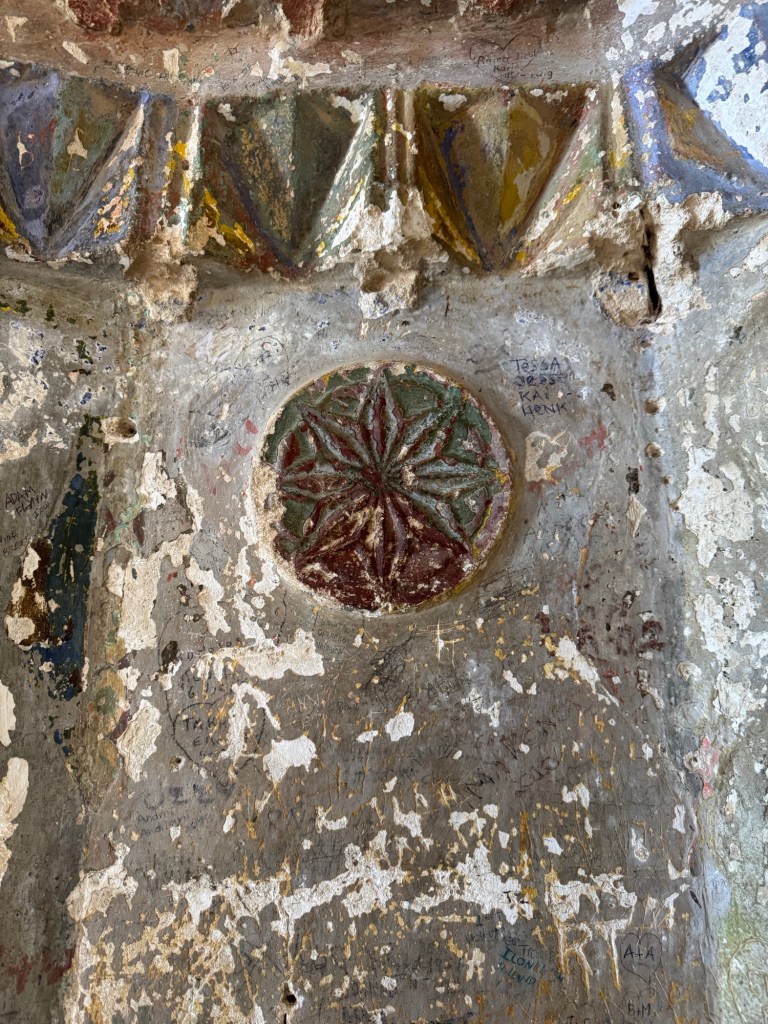
The mihrab, located in the middle of the SE wall, is the largest among the mihrabs of the city’s remaining mosques, at 4.50 m high. Its niche is decorated with stalactites in its upper part (a characteristic decorative motif of Ottoman architecture) and it is crowned with additional stalactites, rosettes, and heart-shaped adornments, the original vibrant colours of which have faded although the reds, greens, blues, and golds can still be imagined from what remains.
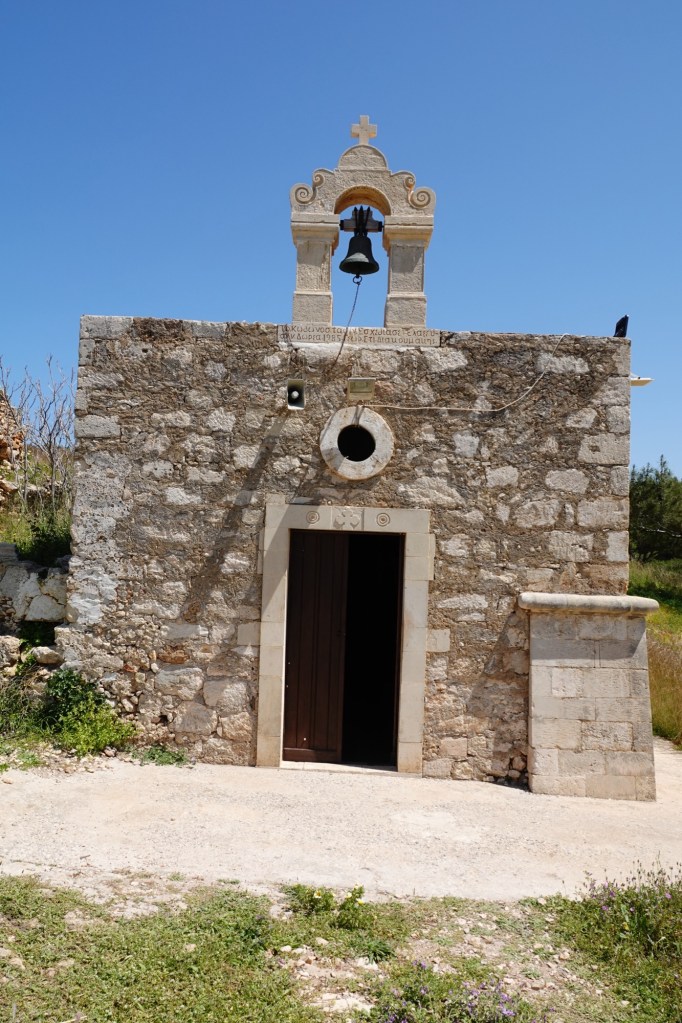
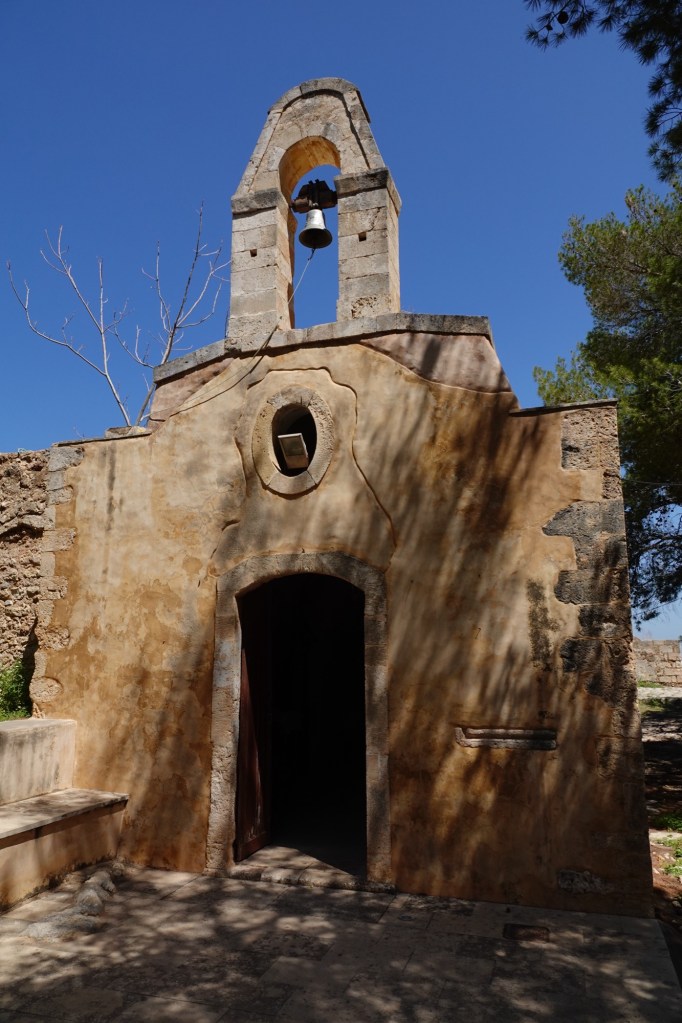
Besides the decommissioned mosque, there are two very small Greek Orthodox churches within the fortezza, one dedicated to St Theodore and the other to St Catherine. Both were built in the late 19th century, and from the offertory candles burning in them both are still somewhat in use.
Ted wondered aloud about whether there was Inuit history here, based on the dozens of inukshuk atop the walls. I suspect tourists of rearranging loose stones.
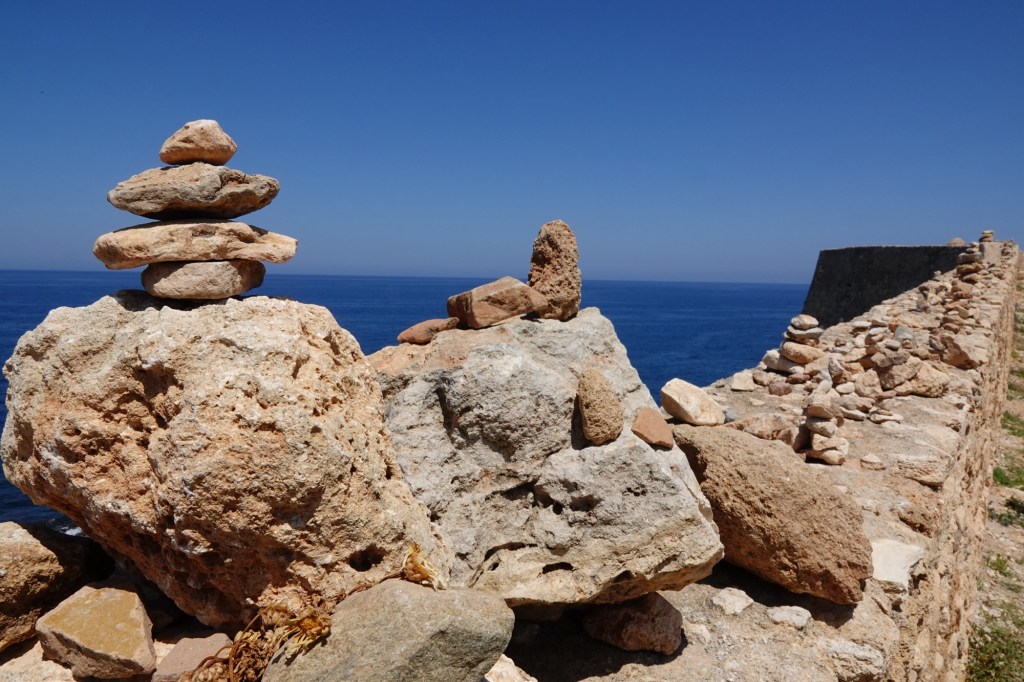
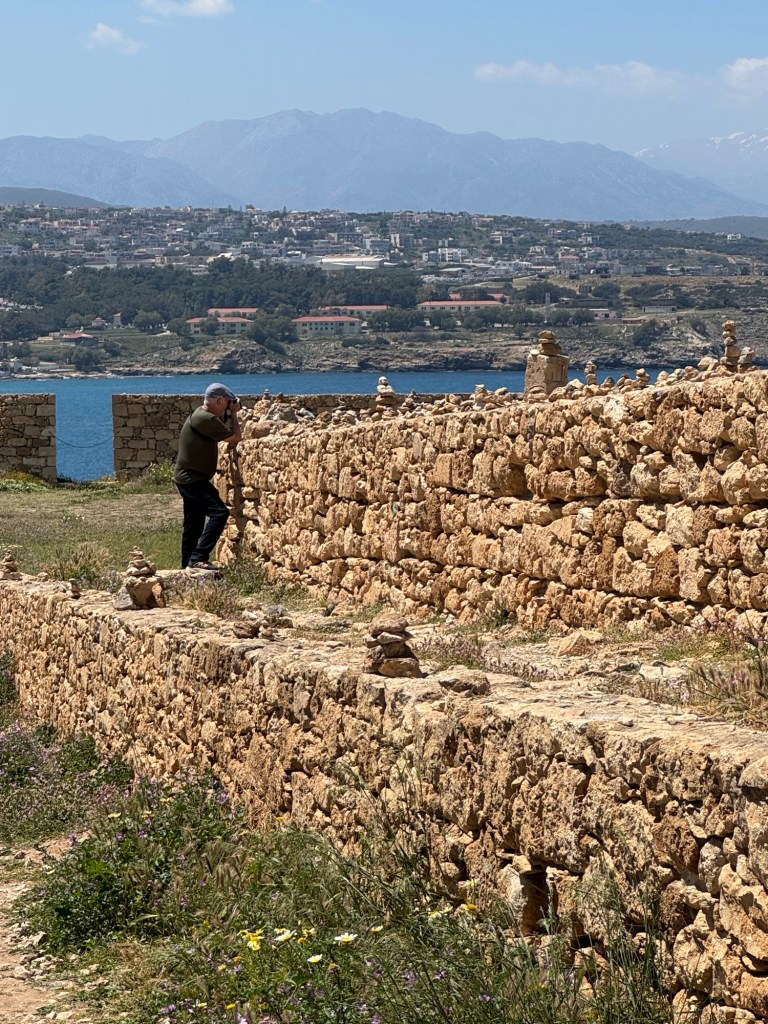
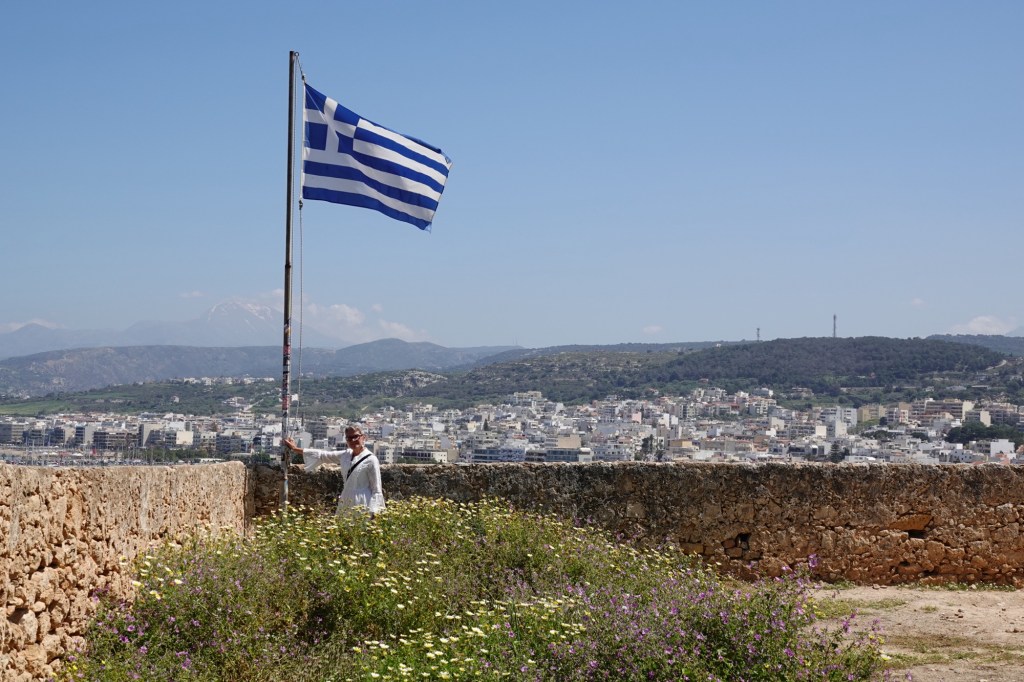
Today the Greek flag flies proudly from the ramparts…
… and the modern day pirate ships appear to be headed in the opposite direction.
The only thing left to complete another perfect day on Crete was drinks lounging at the hotel while I worked my way through photos and notes, and dinner.
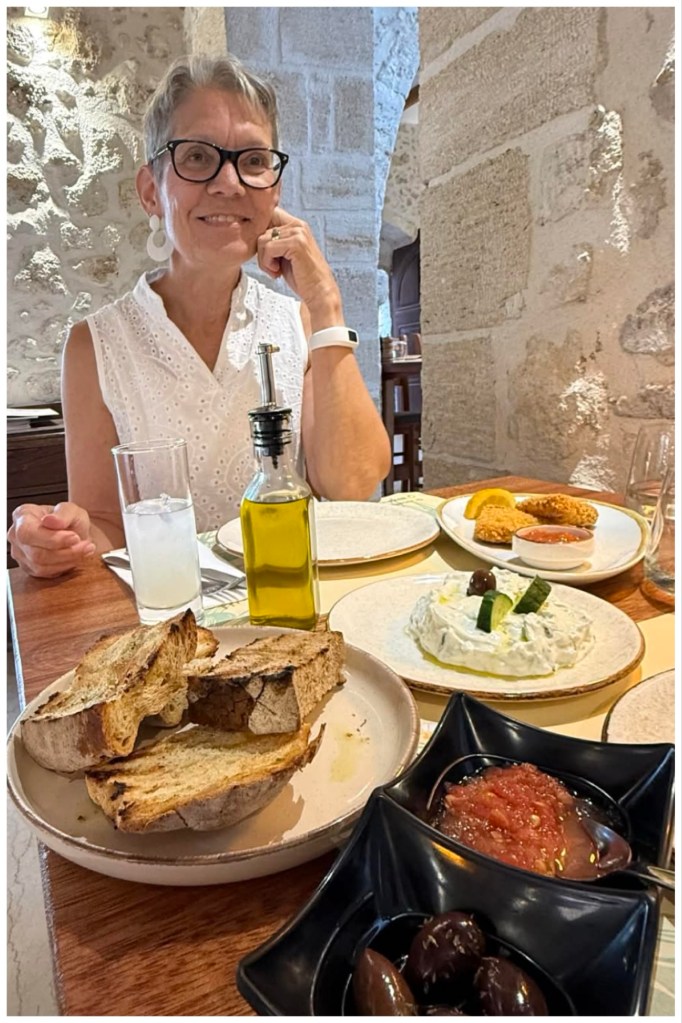
We decided to eat at Zana, a recently (2025) opened family run upscale Greek restaurant housed in a mid 15th century Venetian building a couple of streets off the main tourist strip. The owner greeted us like old friends, which added to a lovely evening.
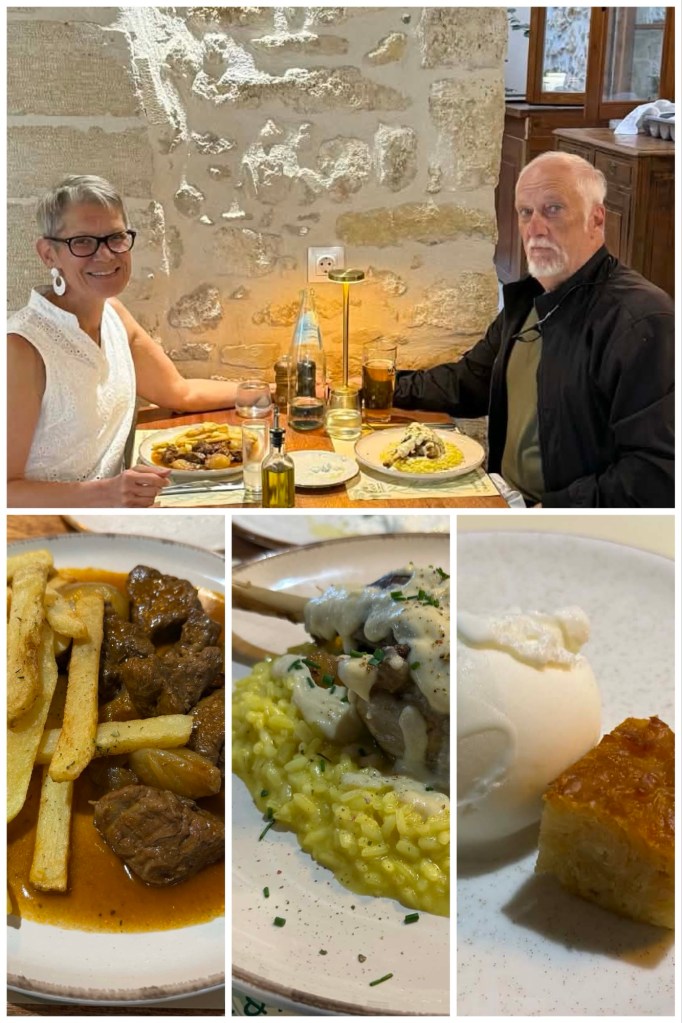
Left: Beef stifafo, a Cretan specialty: beef slow stewed in a sauce rich with tomato and CINNAMON! Centre: Fork-tender slow roasted (4 hours) lamb shank with a lemon and yogurt sauce, over a perfectly al dente cheese and herb risotto. Right: complimentary honey and orange cake with creamy vanilla gelato. No raki tonight.
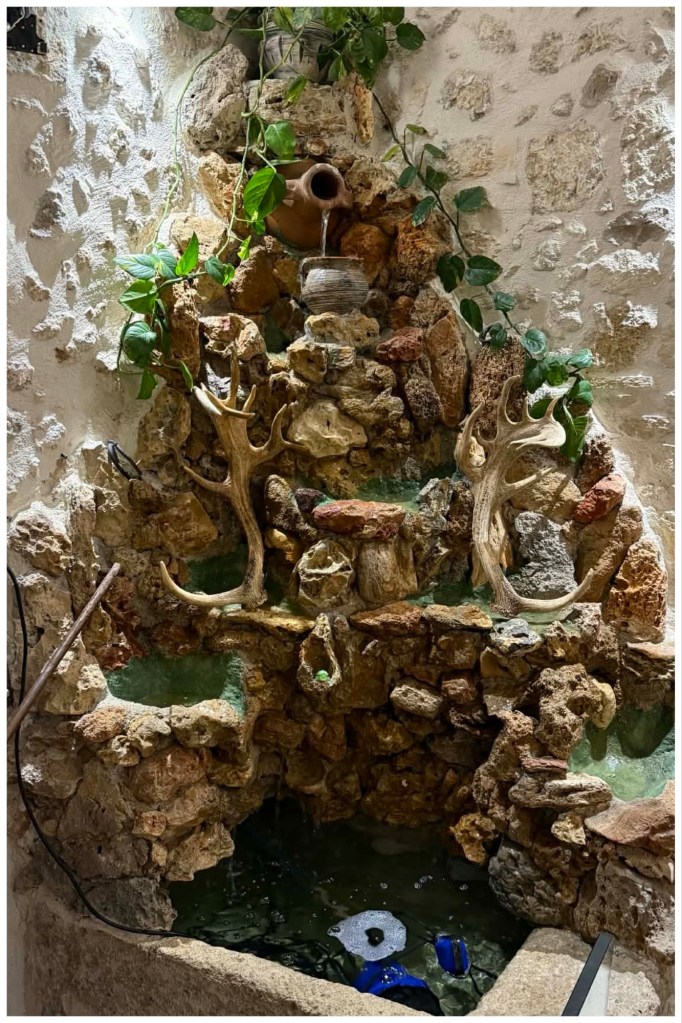
While the restaurant’s 570 year old stones have been whitewashed, and the restaurant’s furnishings are all clean modern lines, the quirky ornate stone fountain in one corner attests to the site’s heritage status. The new owner was allowed to modernize the piping, but not remove the structure.
En route home, we passed an interesting doorway with the building’s construction date engraved on the lintel: “House bright with virtue. 1609.” I couldn’t find out what the last few letters signified (maybe a street number?)
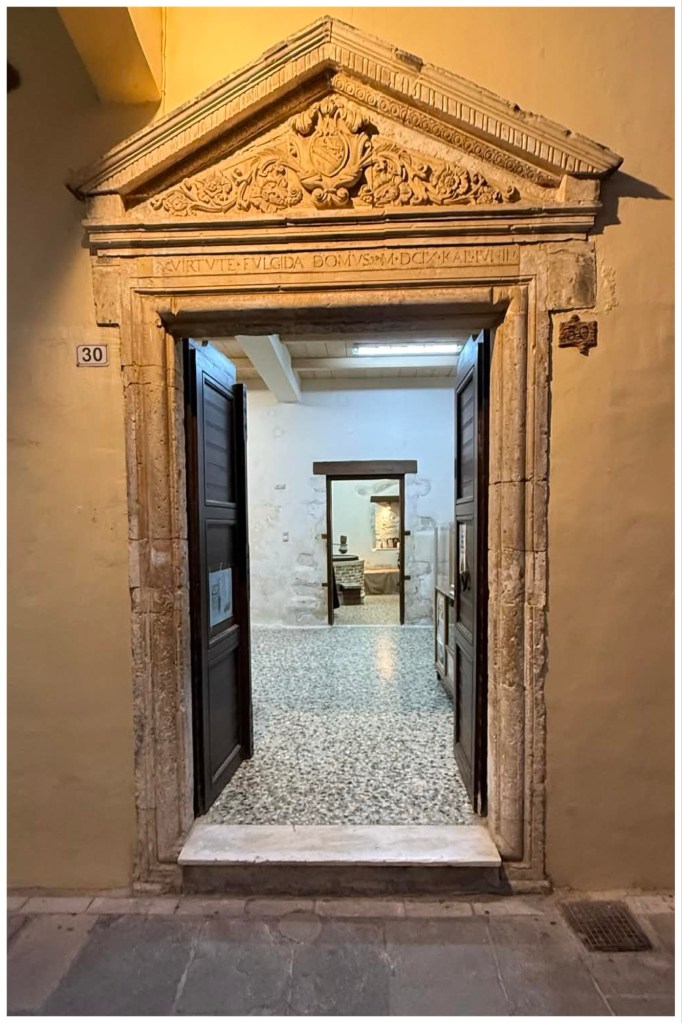
1609. Wow.
We don’t feel so old here!


What a beautiful day in Rethymno! That fort is one of the more charming ones I’ve ever seen — though I’m sure it was the scene of much suffering at times — especially just before that surrender. I also loved the bit about Giovanni Dionigi — quite a character. Thanks for taking me along.
LikeLiked by 1 person
It was definitely a surprise finding out that the famous Ottoman pirate was Italian!
LikeLike