This is our only Airbnb stay.
It didn’t start out that way. I had booked a two bedroom apartment in Warsaw’s old town many, many months ago through Expedia. (To be fair, it may have been a VRBO as opposed to a hotel now that Expedia owns that platform, but if so that wasn’t obvious). My first cousins Helga and Doris from Germany are meeting us here, so we wanted a larger communal space instead of simply two hotel rooms.
Unfortunately, while we were in Melbourne in February we received the notice that the building in which we were to stay was being sold, and our reservation cancelled and refunded.
There was nothing else suitable in Expedia, where I prefer to collate all of our stays. Two and one half months ahead instead of 8 months ahead, prices had gone up significantly, and availability dwindled. So, even though we’re trying to avoid Airbnb in cities where we know the local people don’t really like it, we defaulted to that option and found a suitable apartment for the week – a bit outside the old town centre, and slightly more expensive, but set up nicely for four people to share and still have a modicum of privacy.
At least, that’s what the photos and reviews indicated.
What the photos didn’t show were the FOUR flights of stairs. There’s no elevator. It’s reminiscent of Berlin, Vienna, and Trieste in 2022, where none of the old buildings had elevators.
The apartment is accessed through a coded wrought iron gate at street level, then a wooden door, all those stairs, and finally a door with three deadbolts. Inside the apartment is on two levels – a quirky layout that nonetheless should work for the four of us.
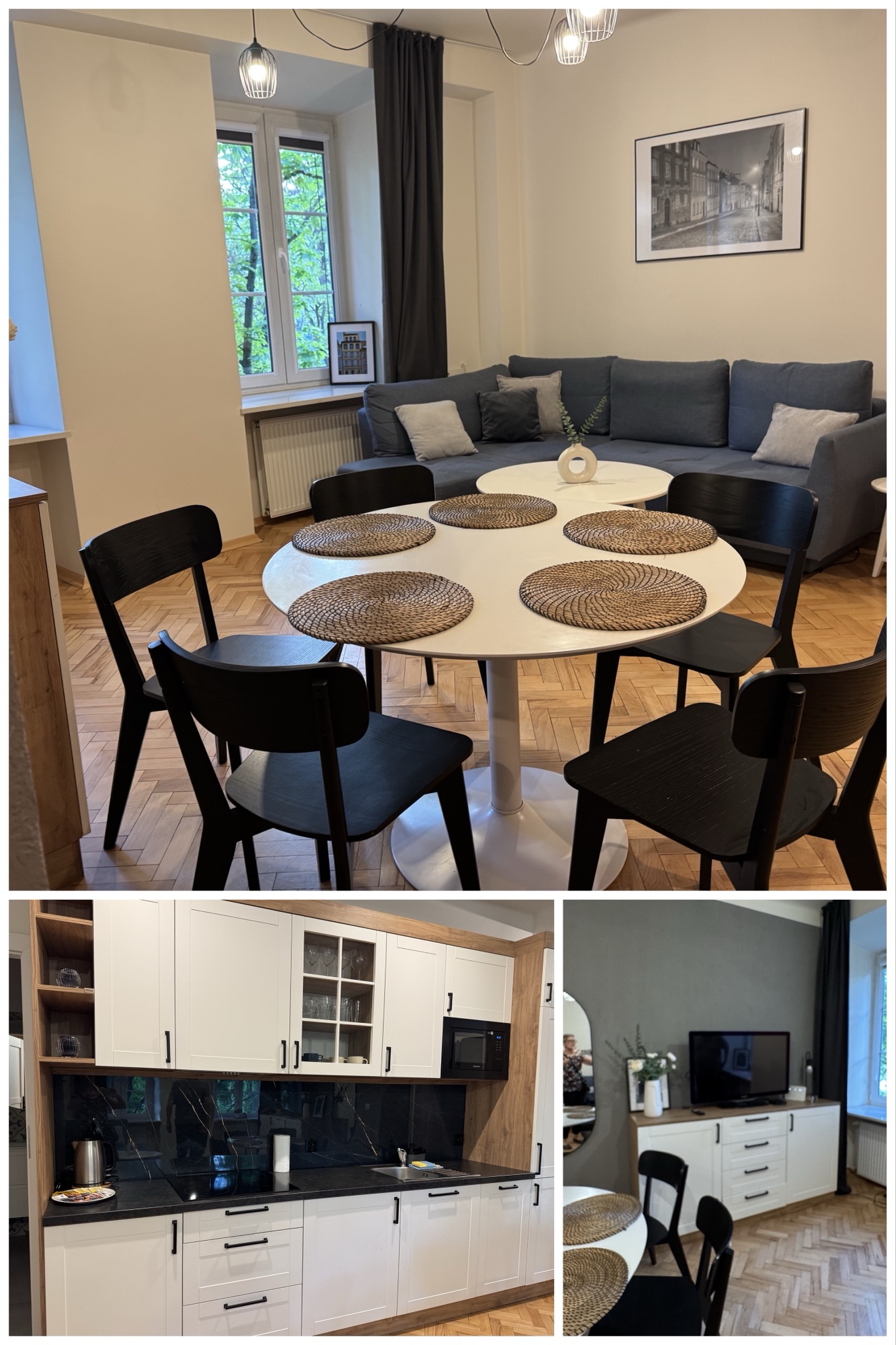
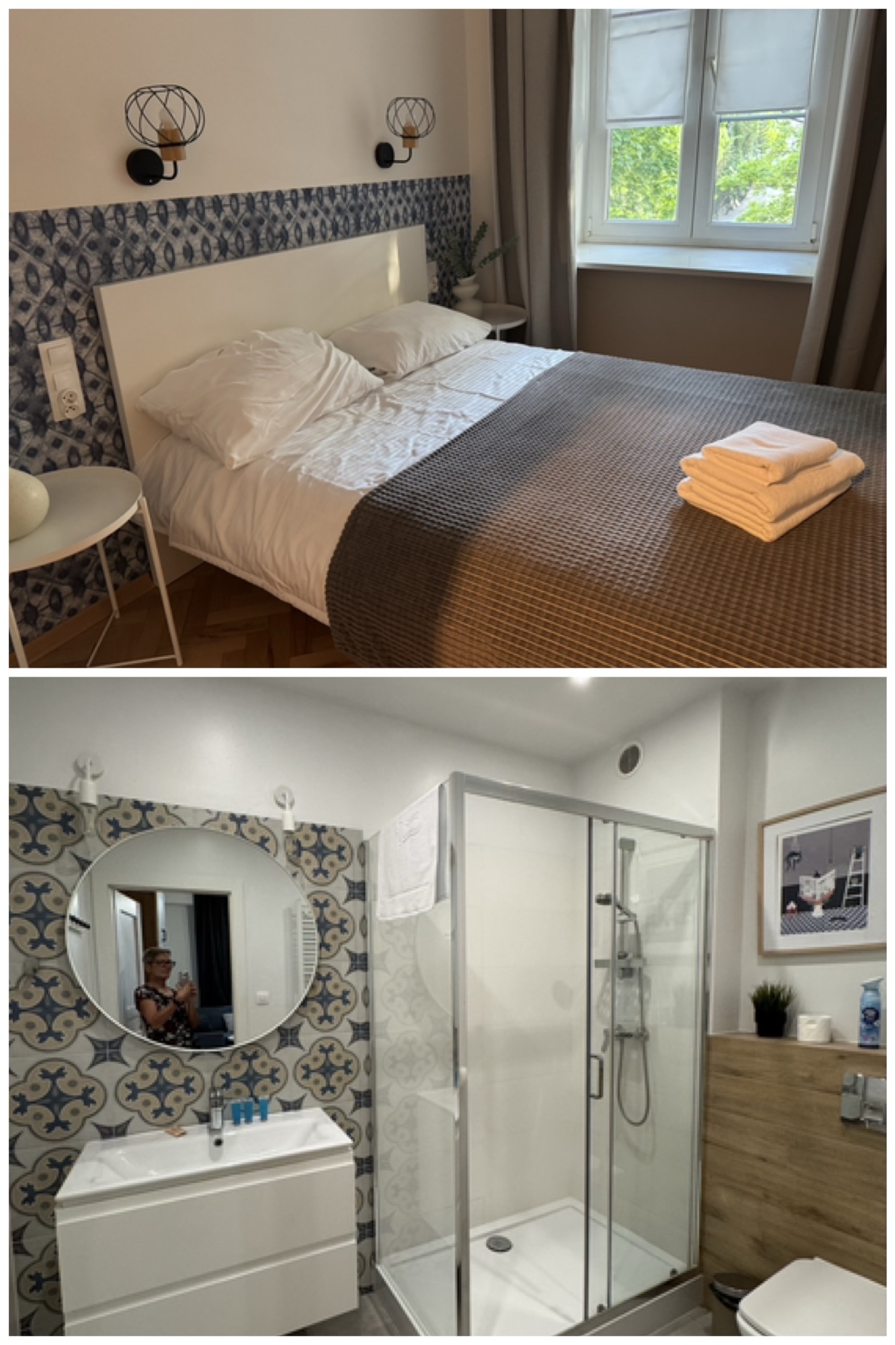
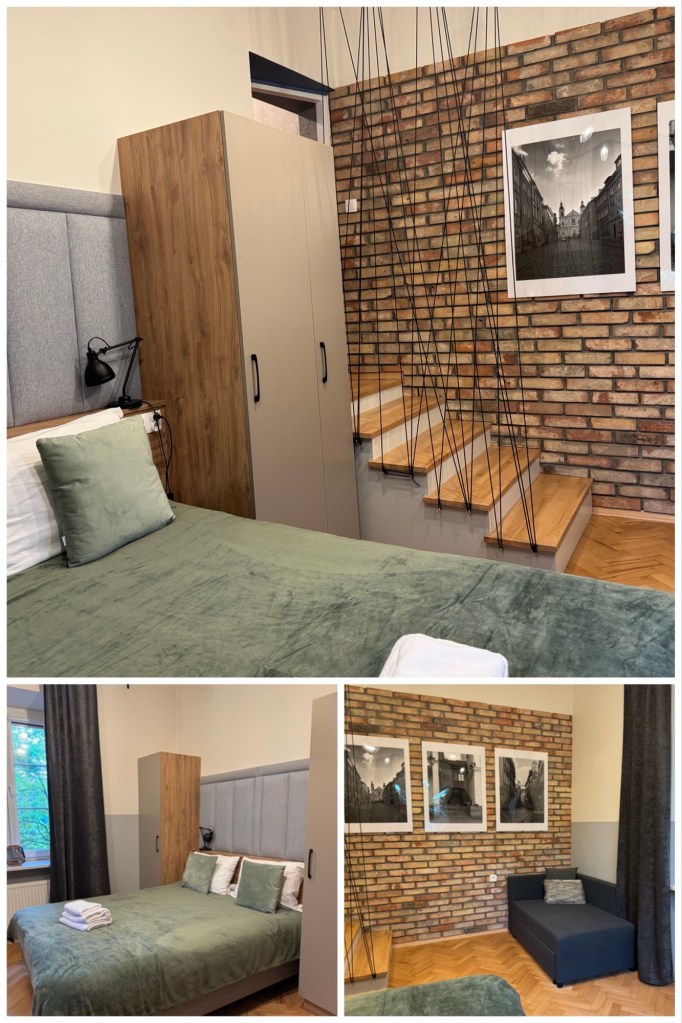
My first priority on arrival yesterday was laundry. While the first load was running we took a quick walk to the local drugstore to pick up shampoo and body wash, gawking at the scenery the entire way. Ted didn’t have his camera along, but there are going to be some spectacular memories photographed here.
Our second priority was dinner. There are several restaurants on the street right below us. The owner of one of them saw us struggling with luggage, phones, and instructions and helped us access the entry gate to our building, so we headed to her restaurant to eat: pork schnitzel over braised cabbage with bacon, and chicken schnitzel with sauerkraut and shredded carrot salad. Both came with delicious creamy boiled new potatoes seasoned with butter, salt, and fresh dill.
While we waited for our dinners, I ran upstairs to switch loads of laundry. The restaurant really was just downstairs!
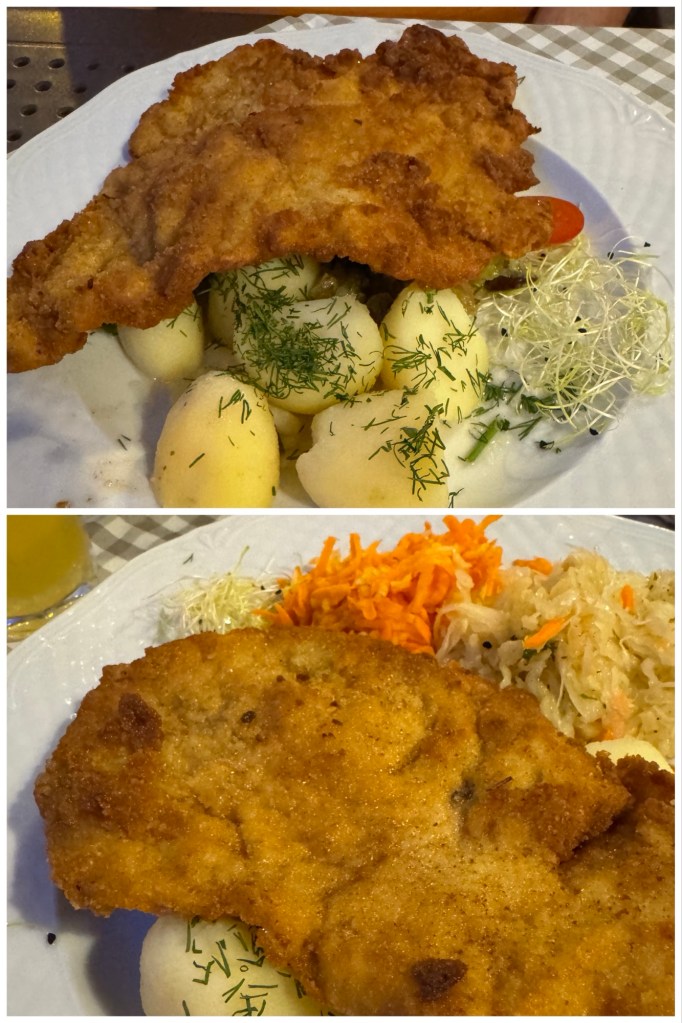
Total: 132PLN (Polish Zloty)/$49.80CAD.
As if we were still in Greece, when I went inside to pay two glasses of complementary Polish raspberry brandy were proffered. Na zdrowie! (to your health!)
Then it was back upstairs to do more laundry before getting a good night’s sleep.
We had most of our first full day to ourselves just to stroll and soak in the beauty of Warsaw’s Old Town, and the onky slightly newer New Town. We’re trying to save our major sightseeing for when my cousins arrive, so that we can ooh and aah together.
We needed a few basic foodstuffs (plus beer and wine) so ended up checking out three small convenience-type grocery stores in the neighbourhood, eventually discovering that the Carrefour Express just down the street on the edge of the New Town had the best selection and prices.
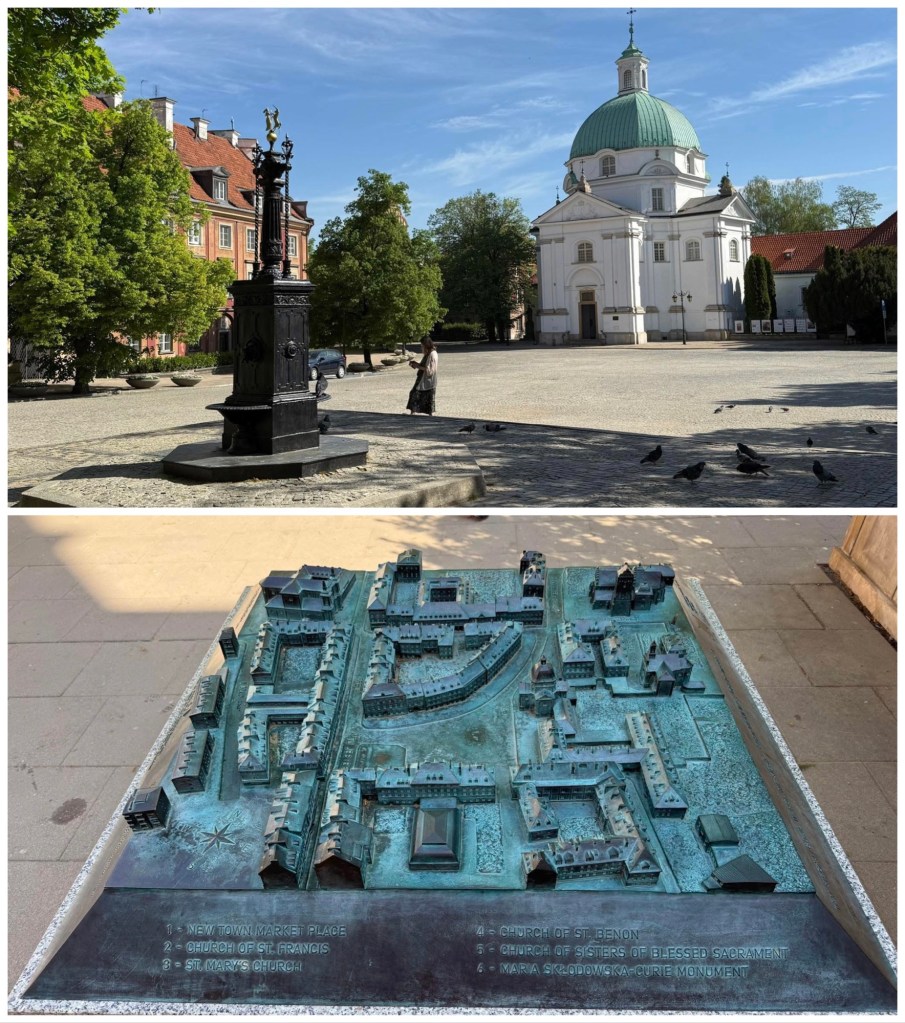
Bottom: a 3D map of New Town.
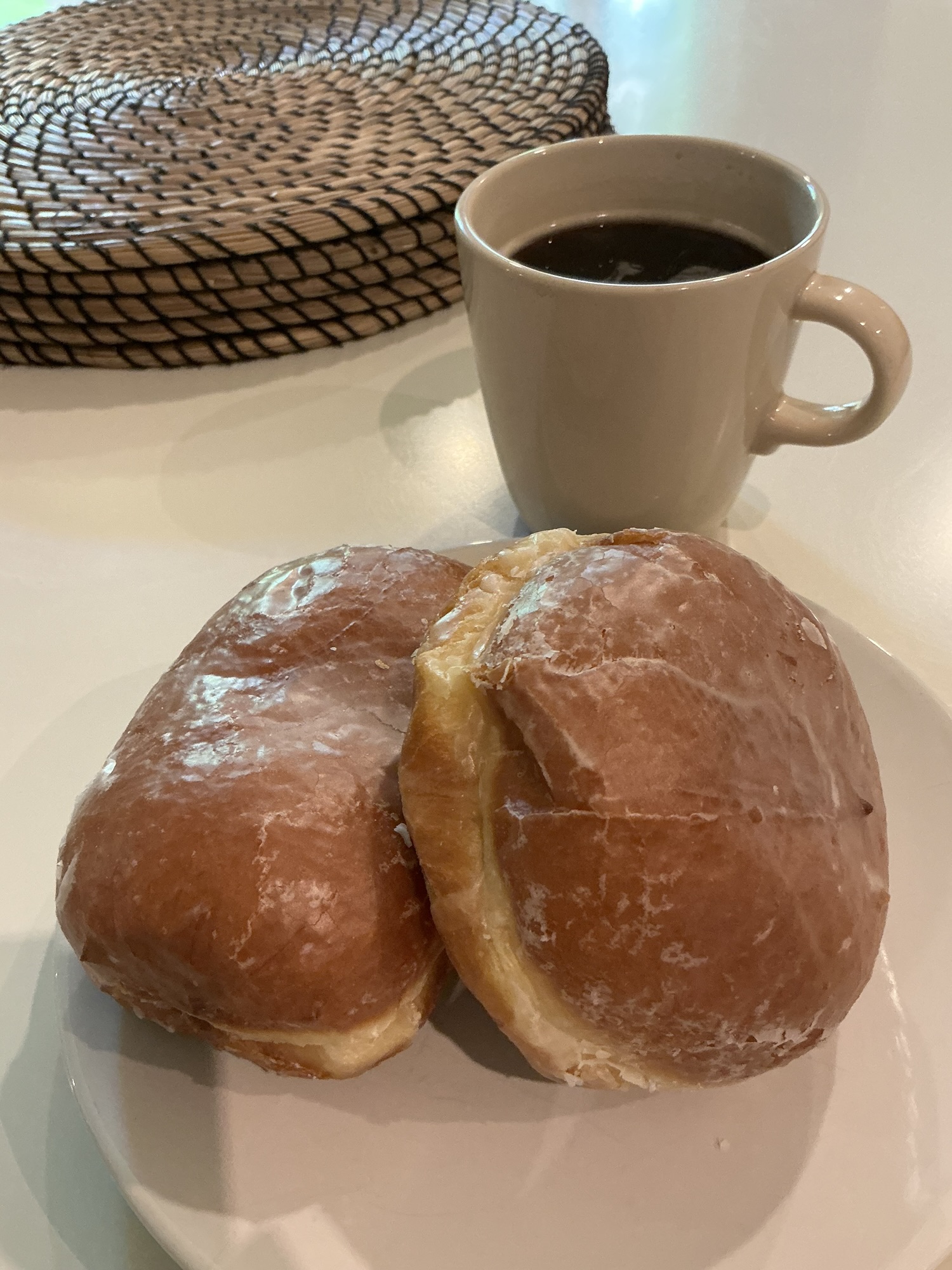
We also stopped at a bakery to pick up today’s breakfast of Polish champions: pączki (Poland’s fabulous jelly-filled sugar-glazed doughnuts). The singular of pączki is pączek, but why would you ever buy just one?
Helga and Doris’ train from Berlin was due in at 17:00 at Warsaw’s Central Train Station (Warsawa Centralna), and the plan was that we’d meet them there and then take a taxi to get them and their luggage back to the apartment.
The train station is 3 km from where we’re staying, which is a 45 minute walk, or a full afternoon stroll taking photos and stopping for coffee.
We’re quickly discovering that around every corner there’s a new wonder to be seen.
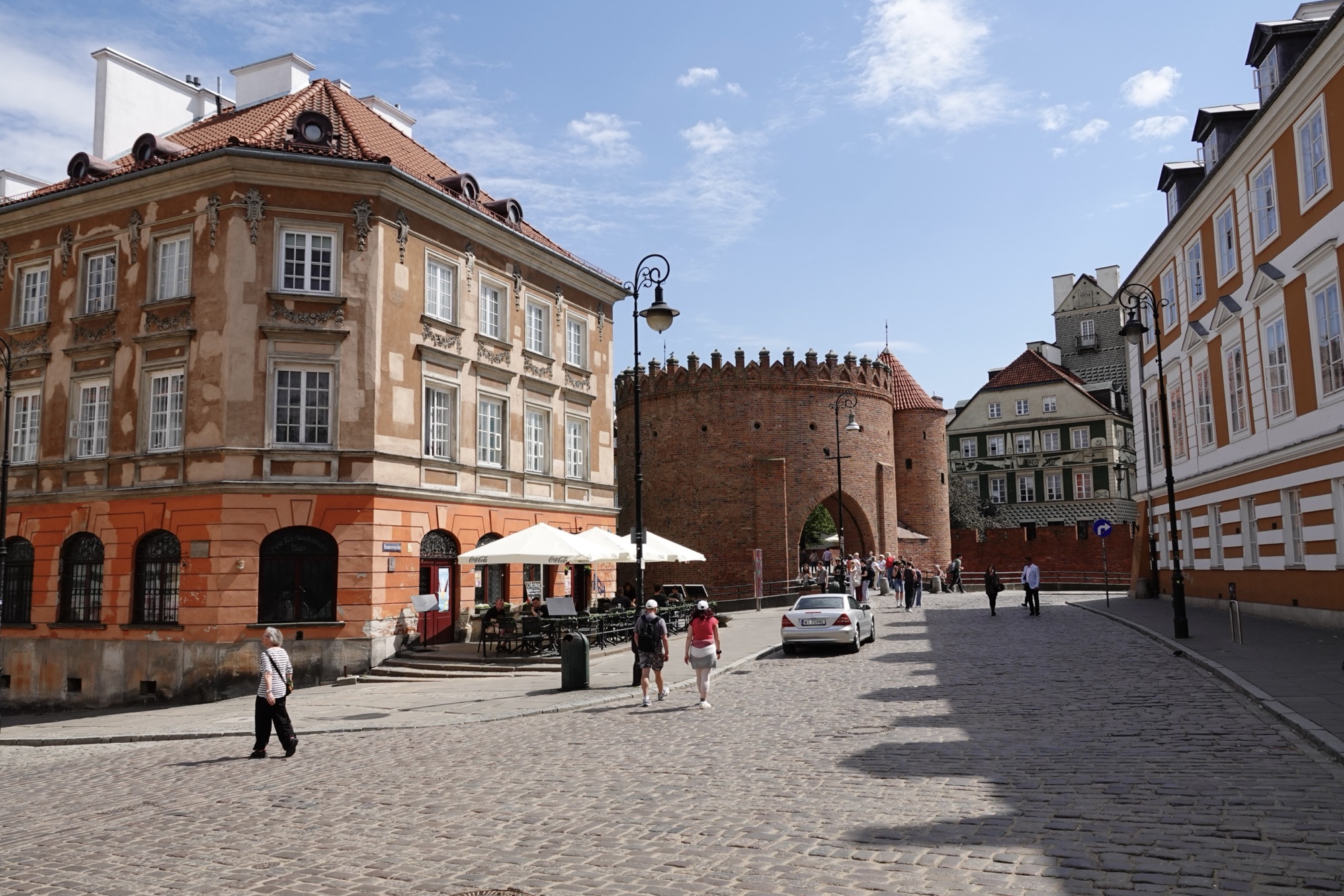
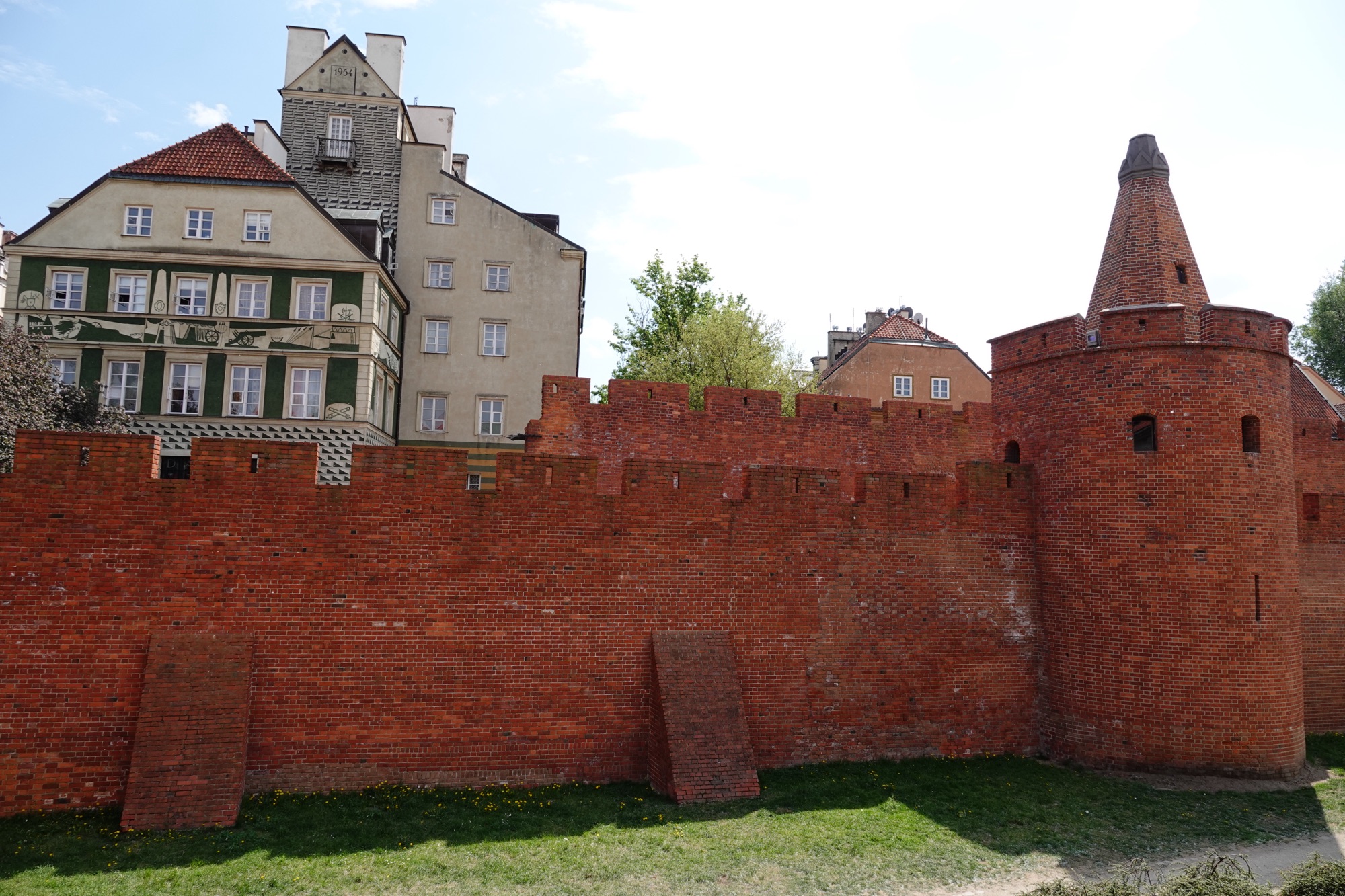
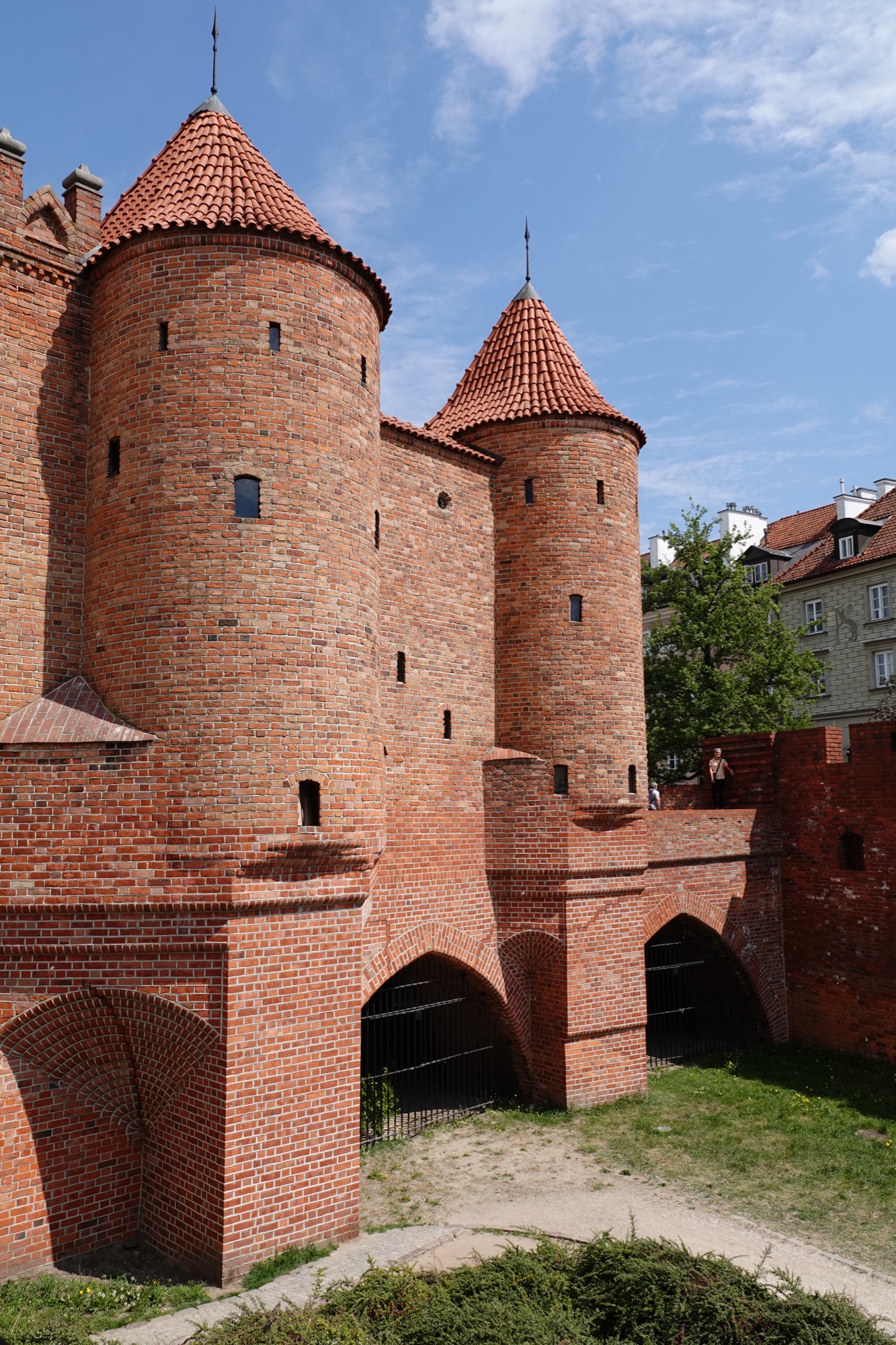
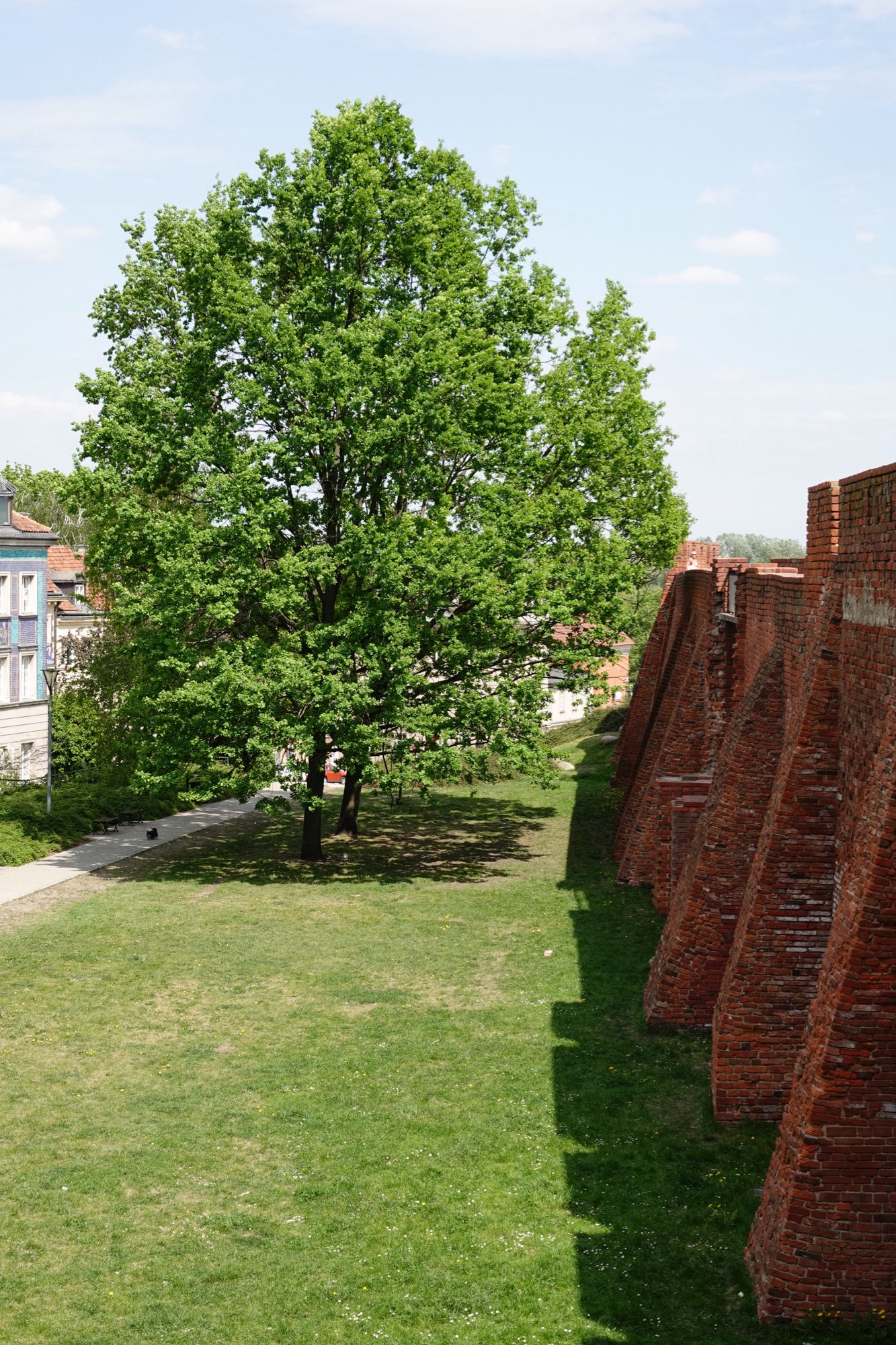
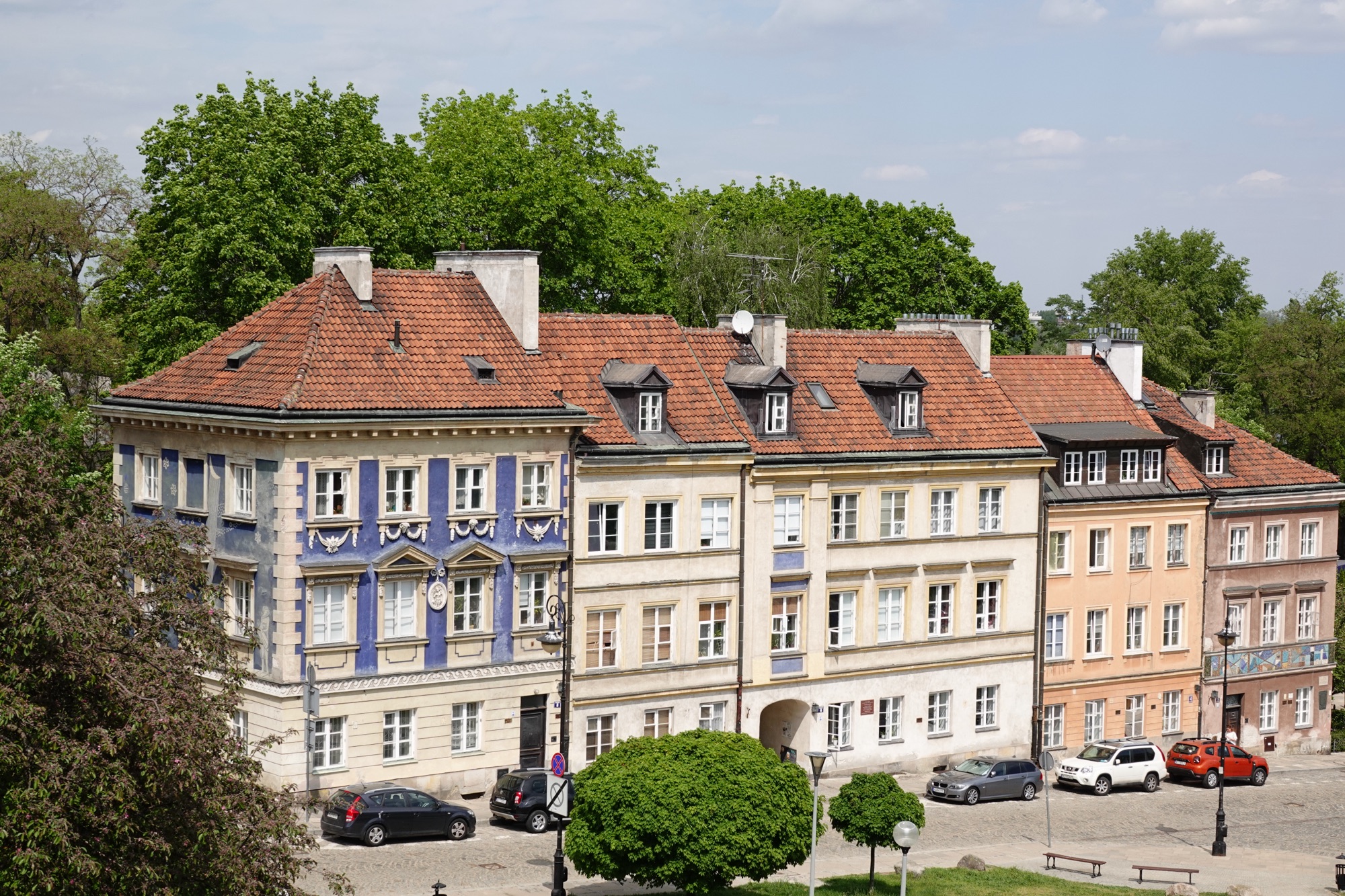
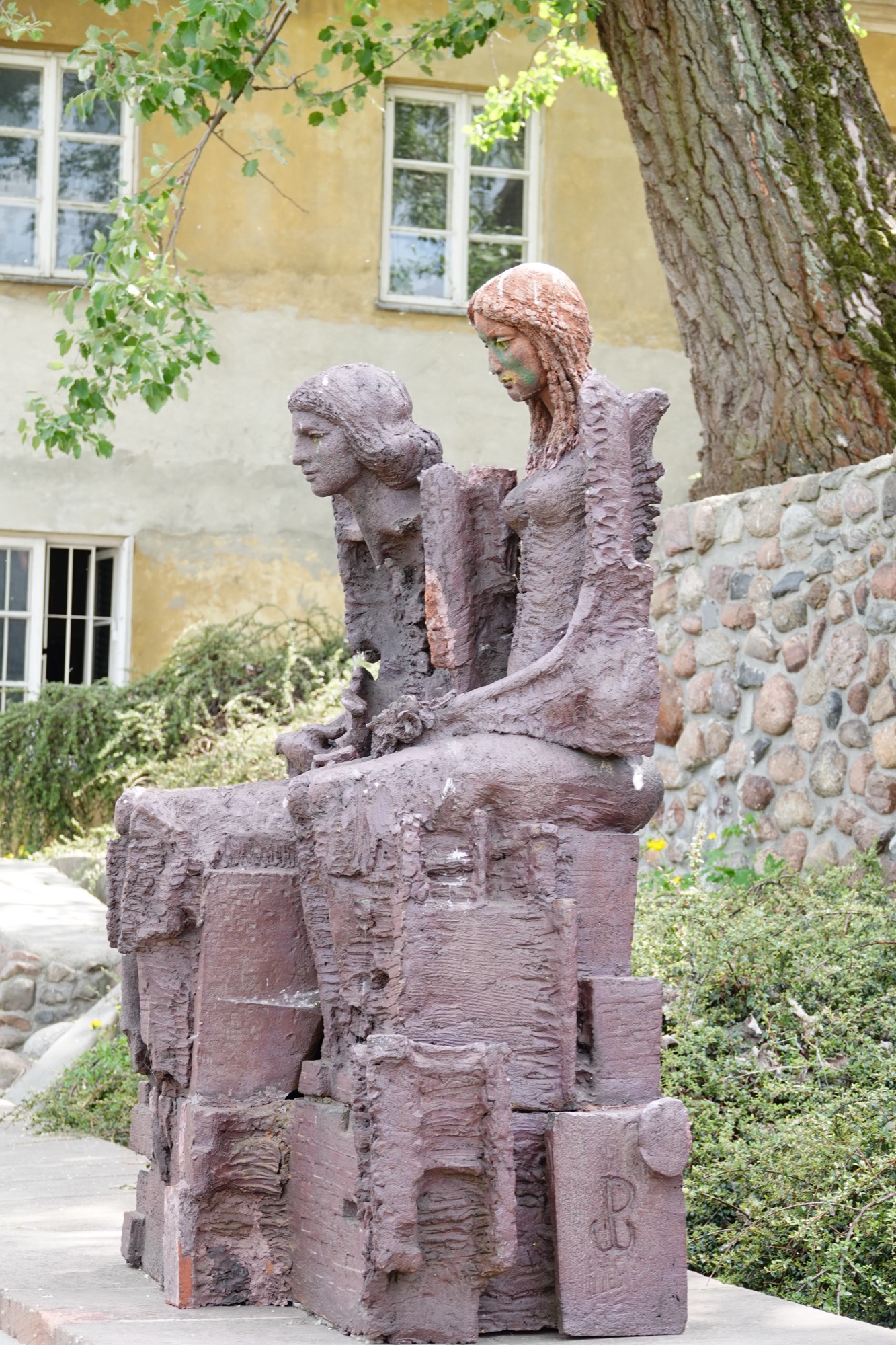
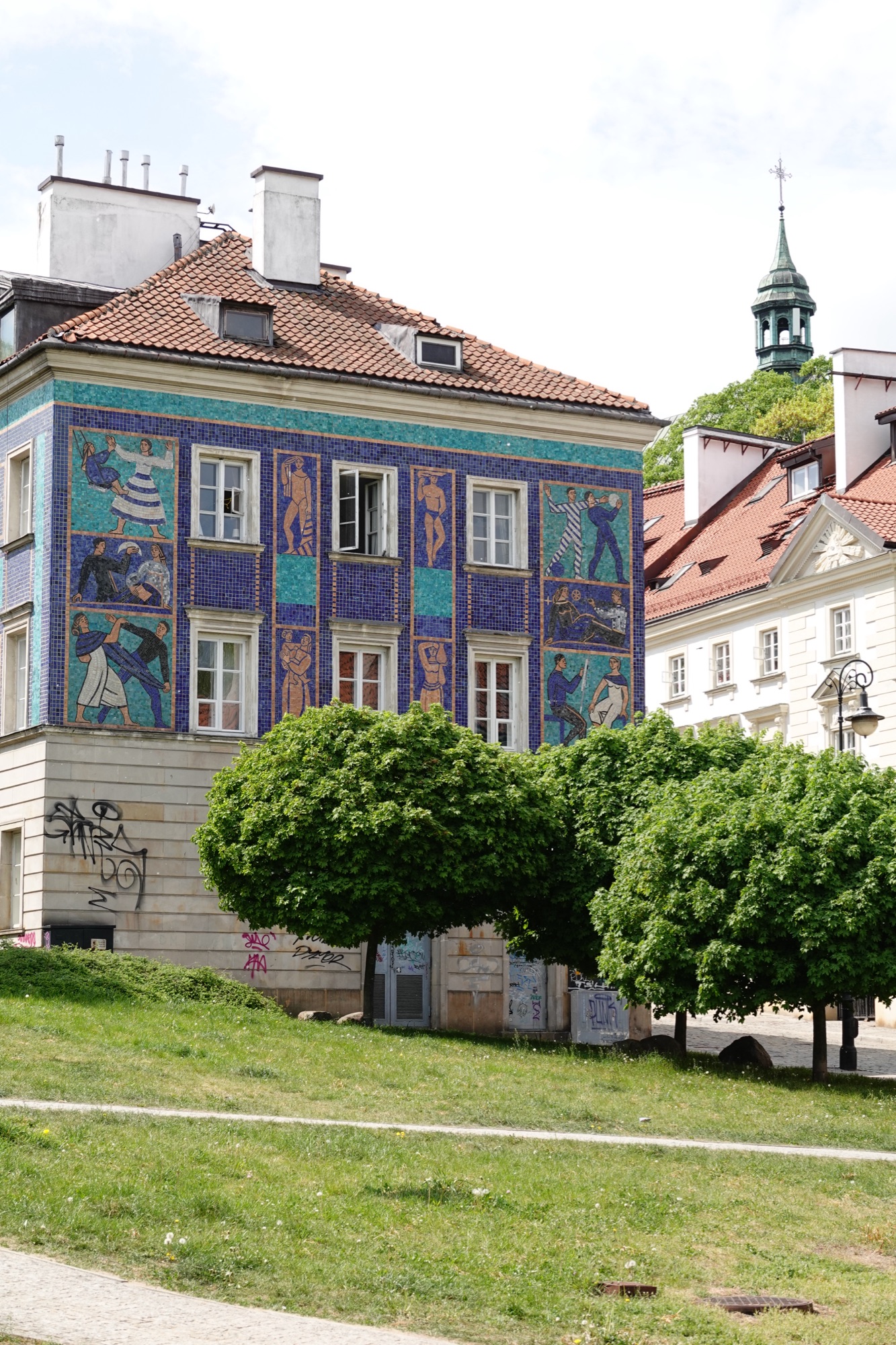
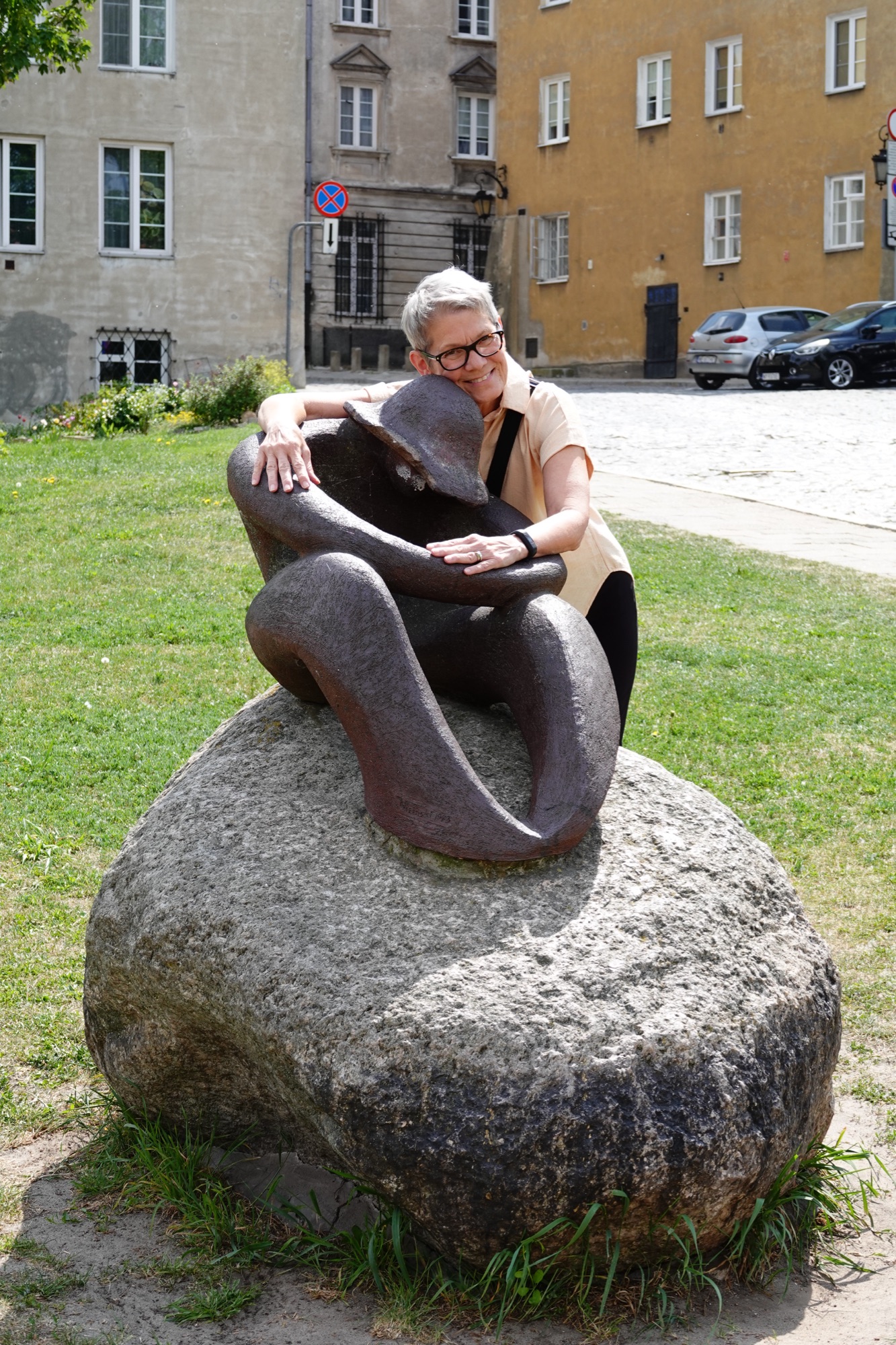
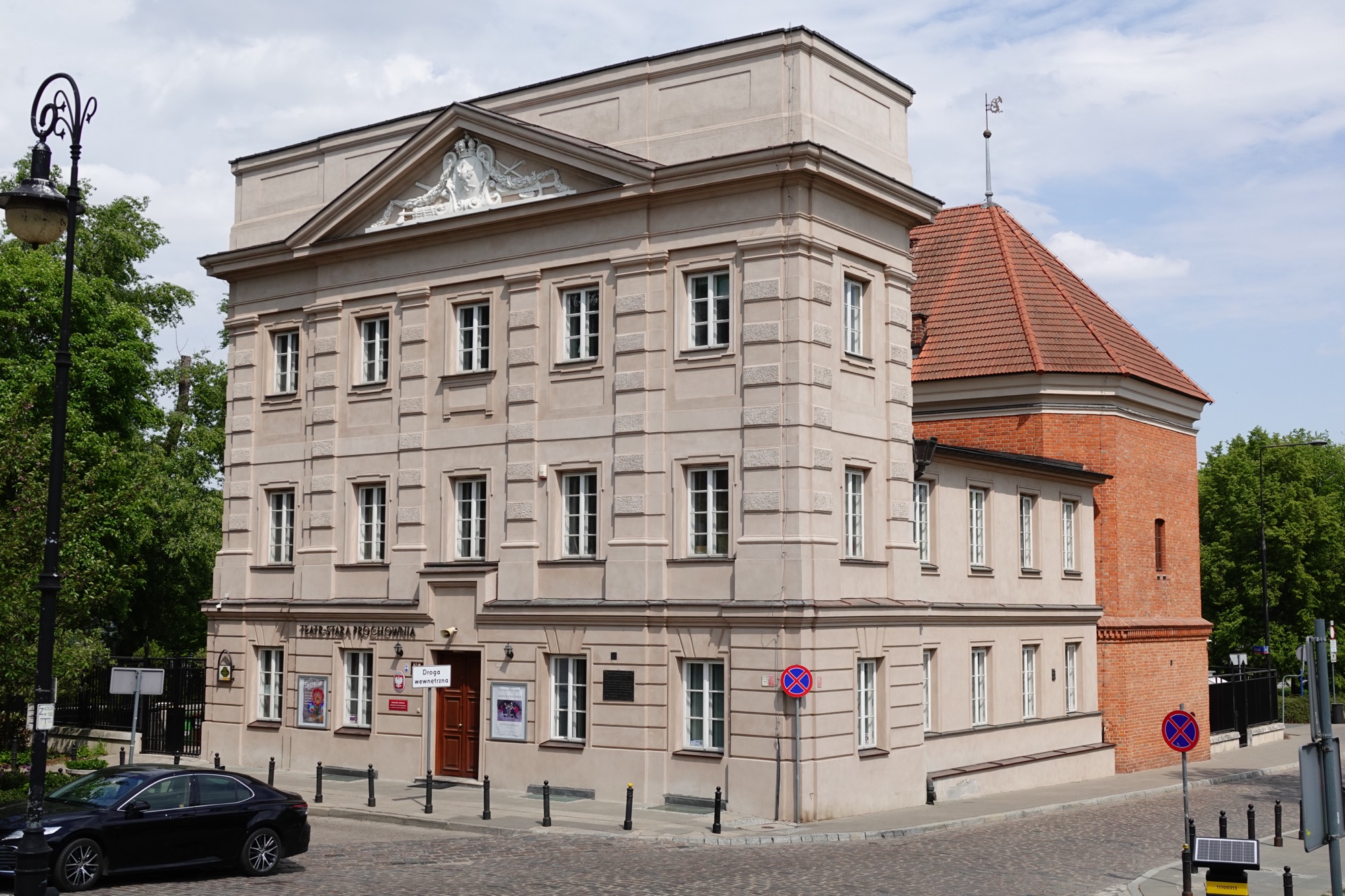
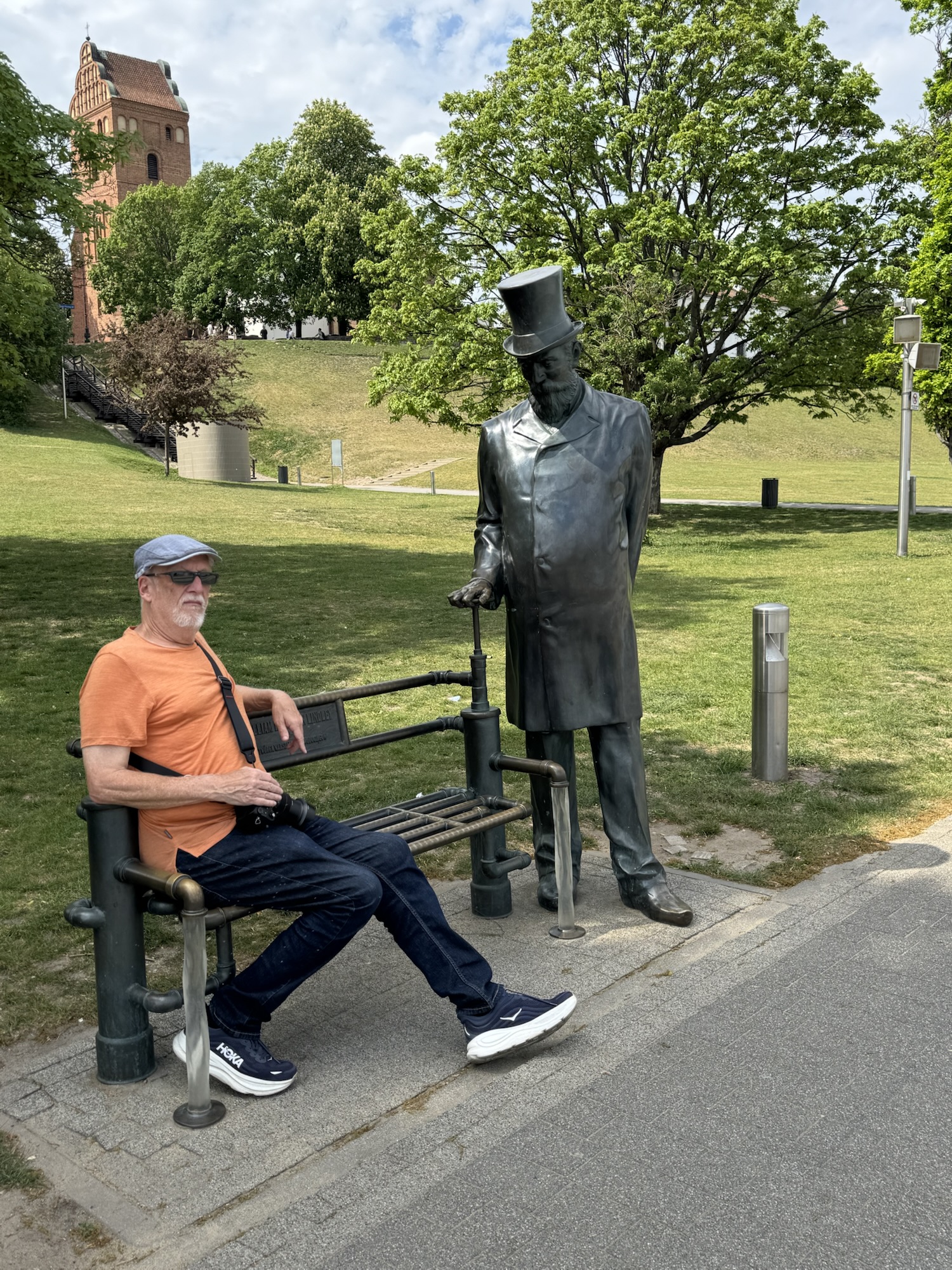
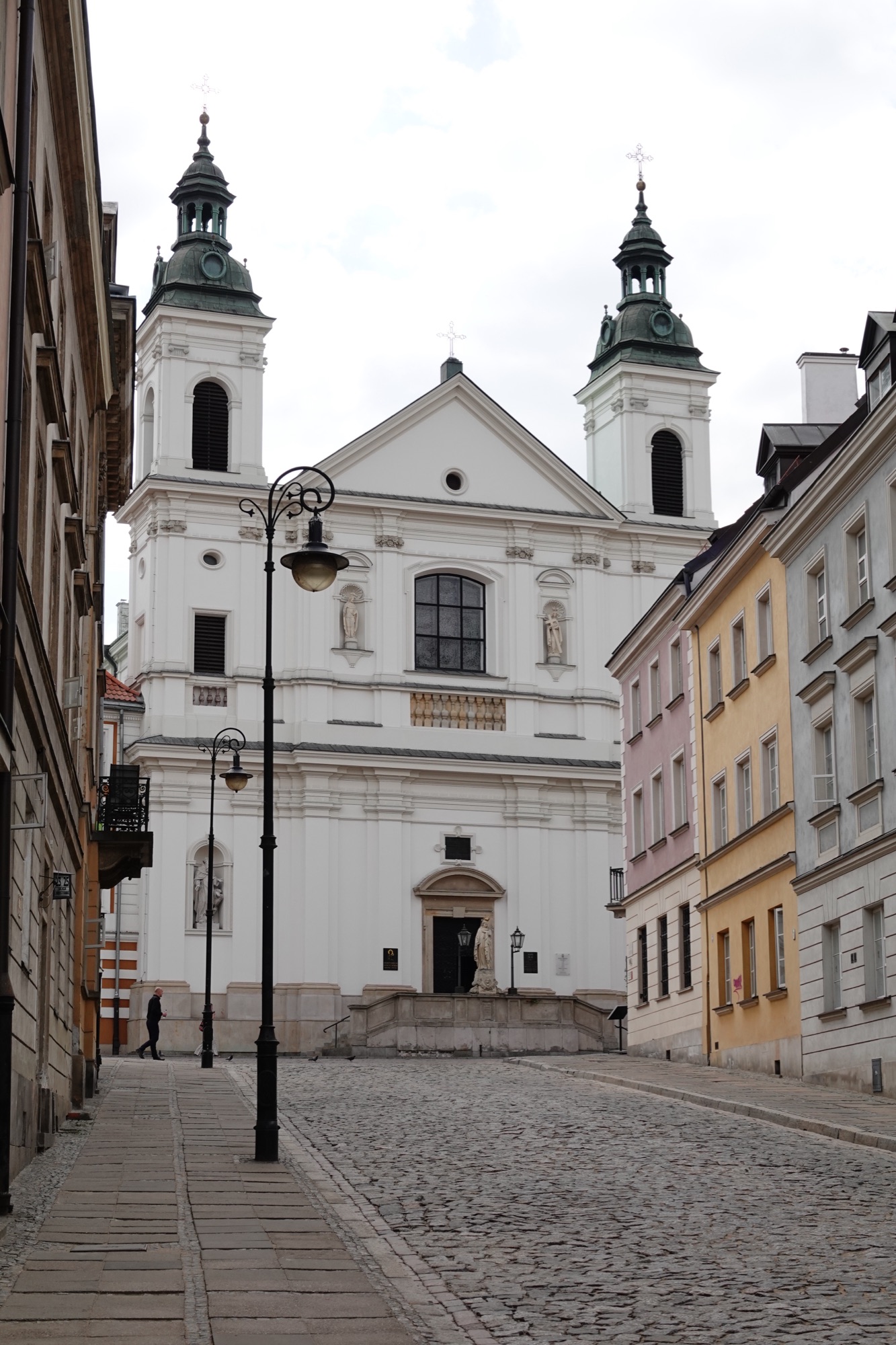
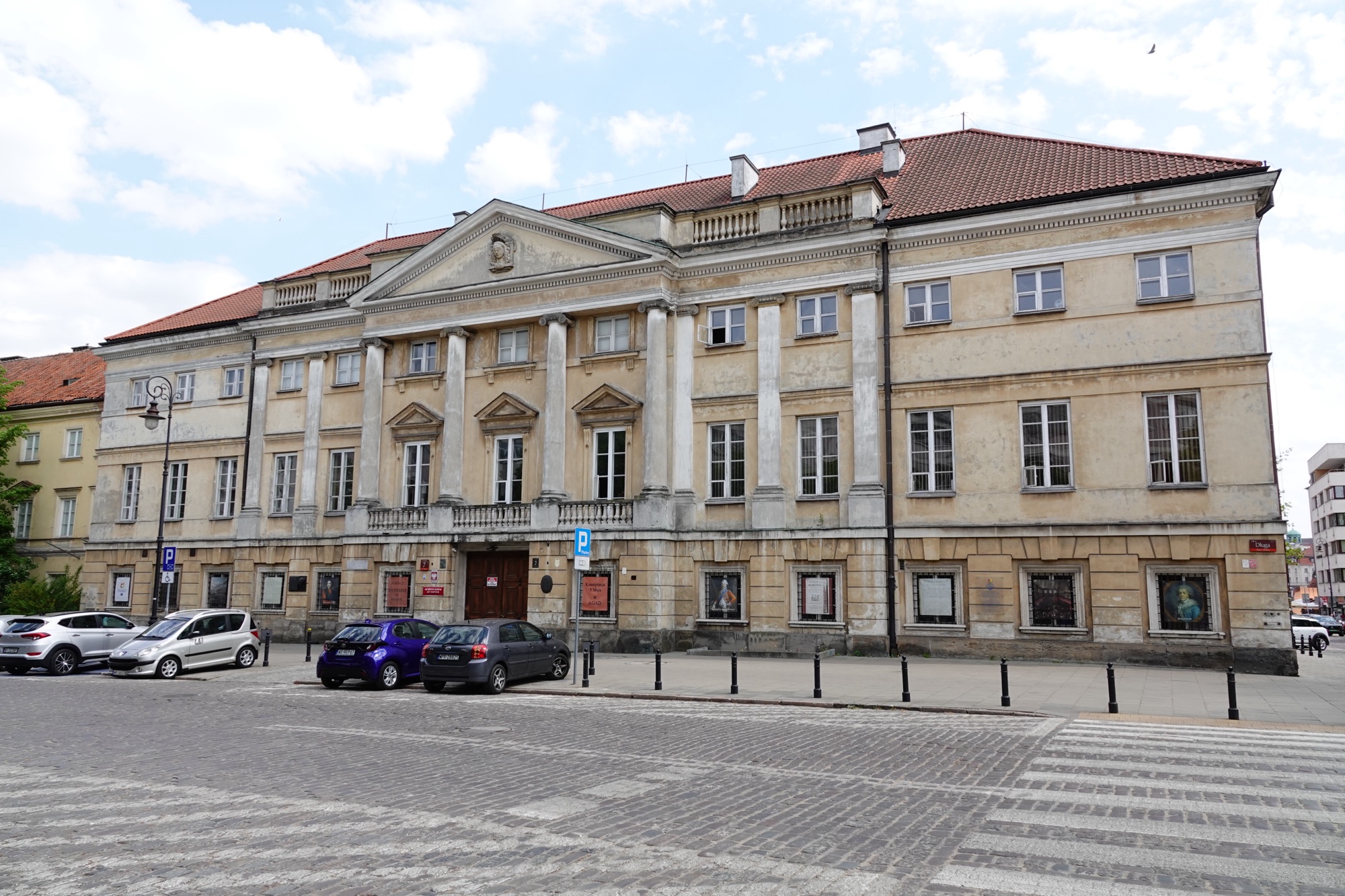
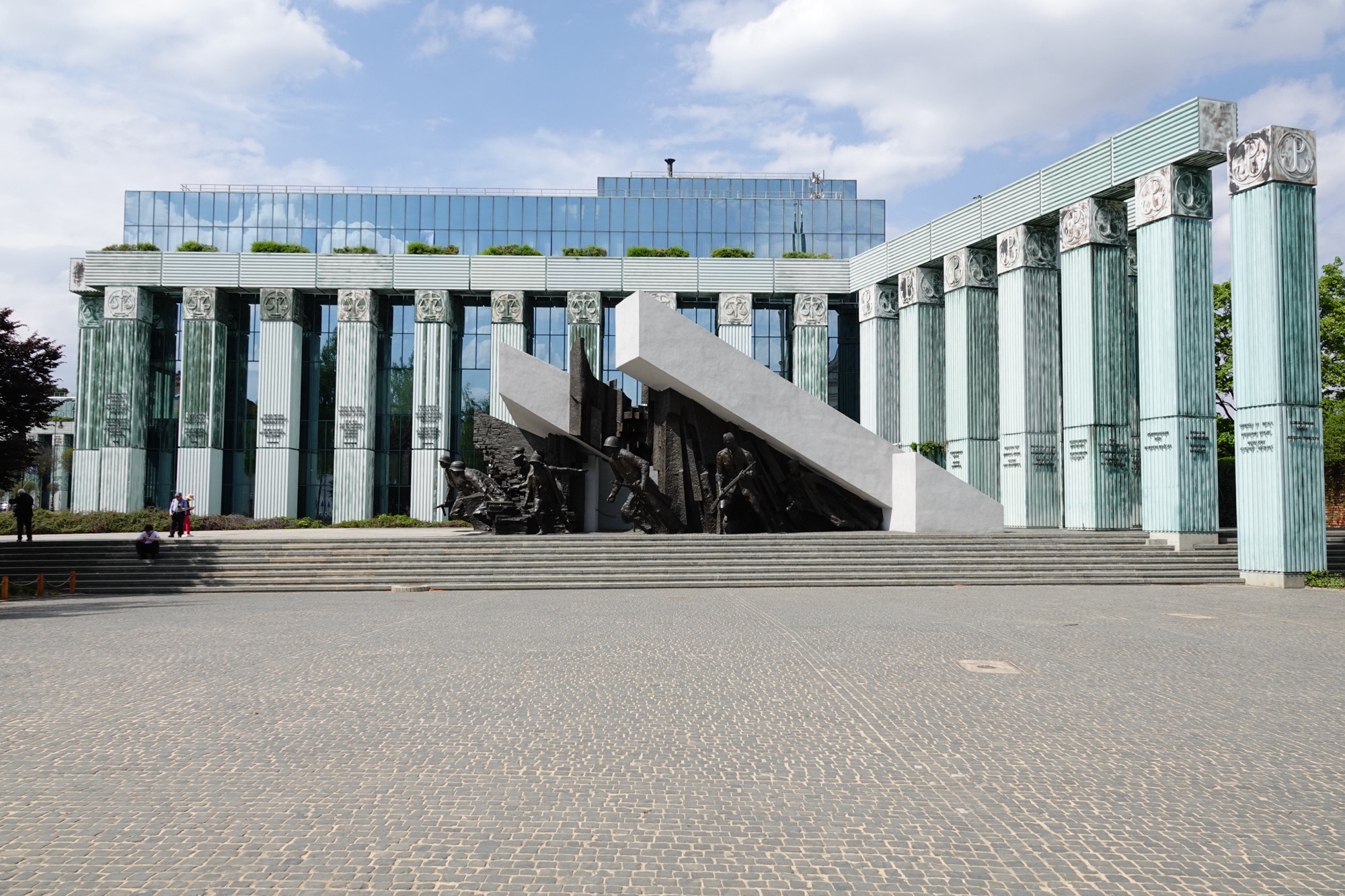
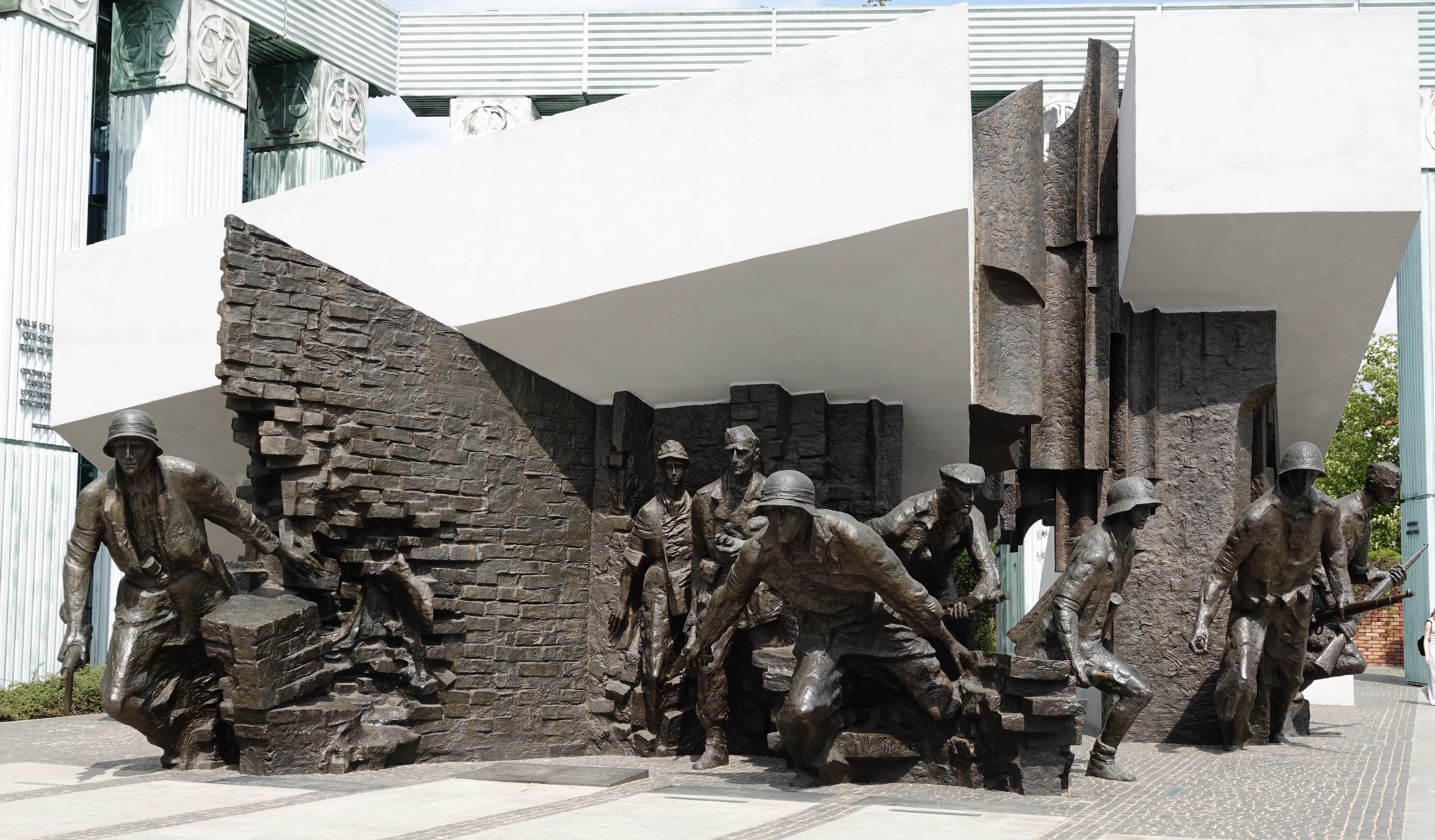
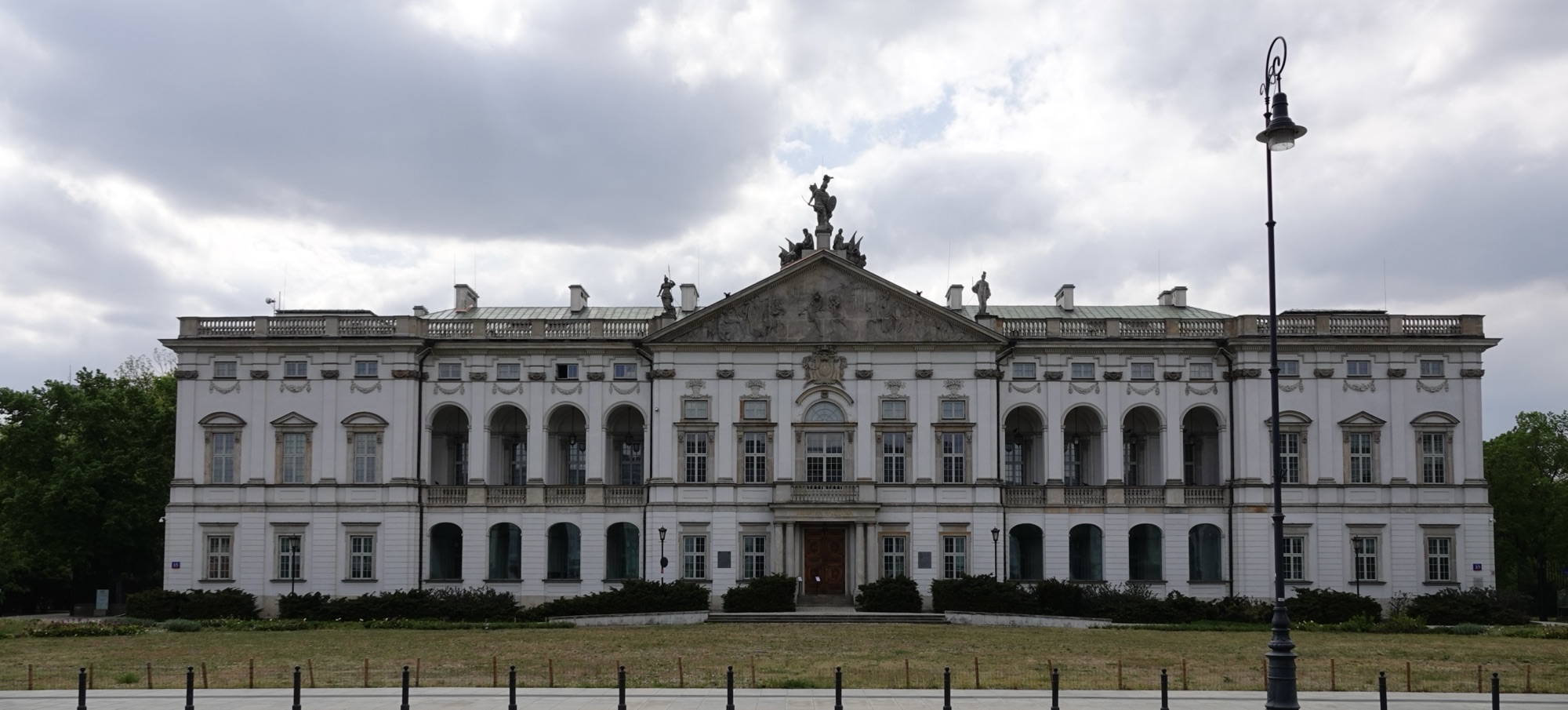
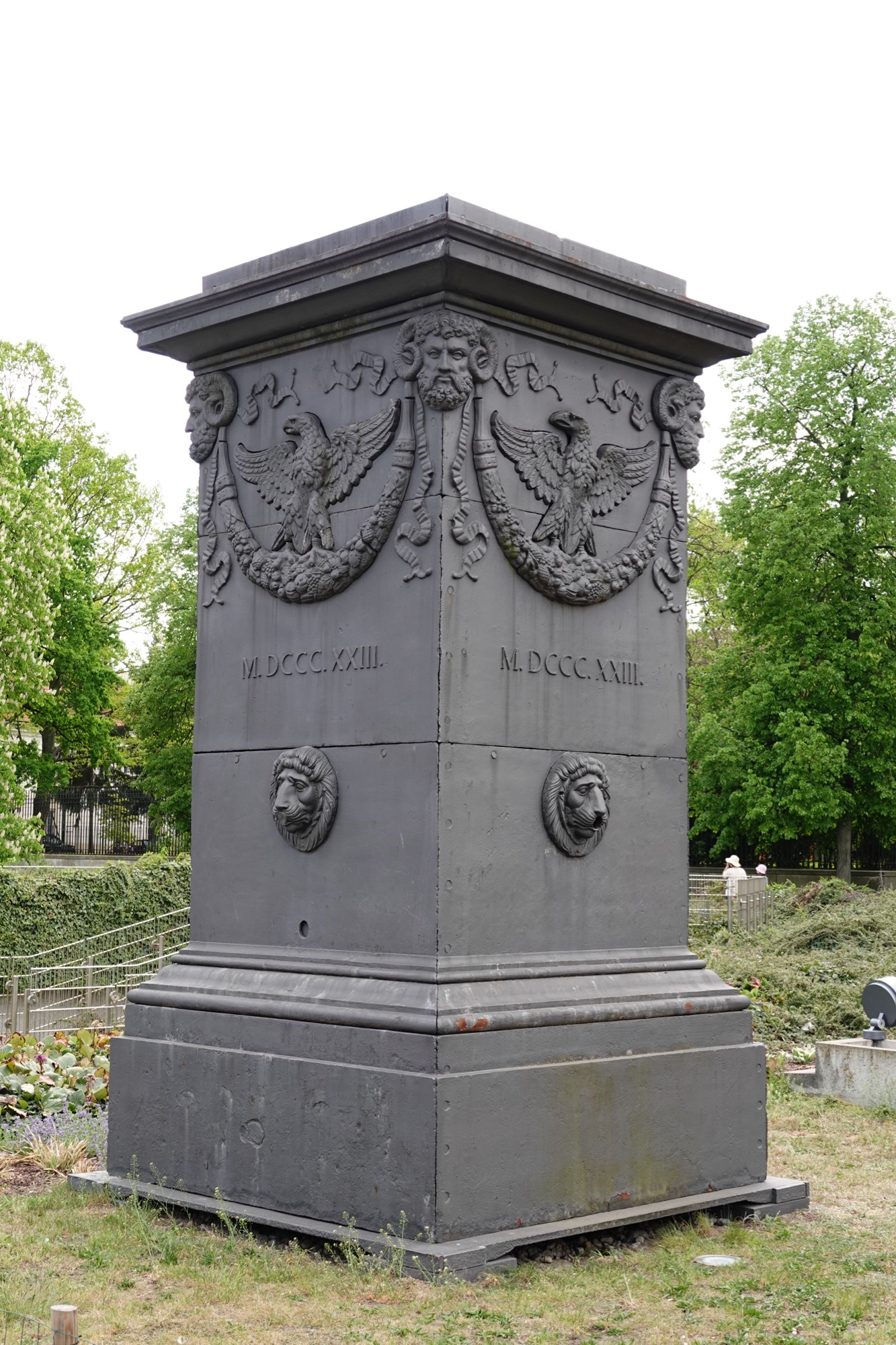
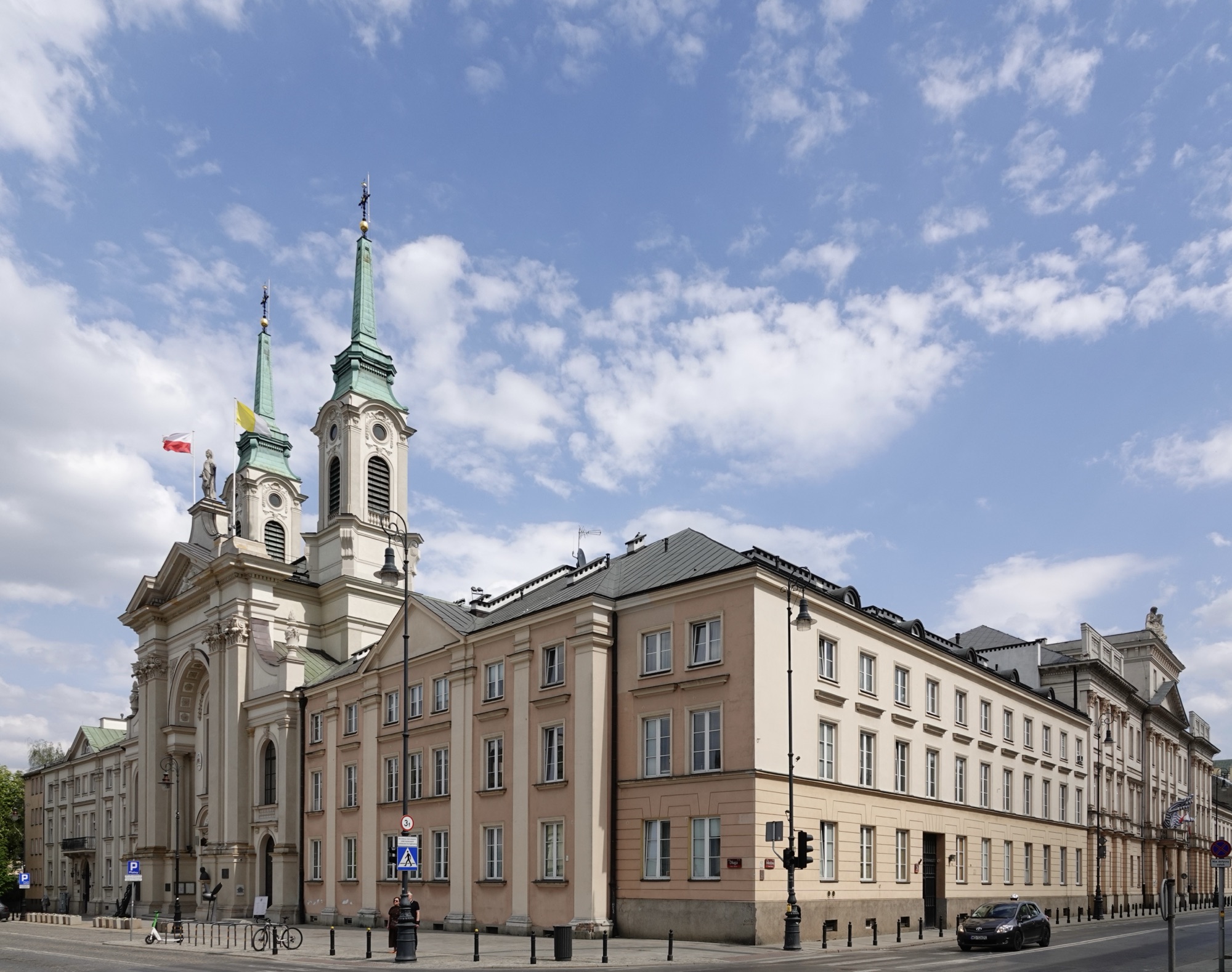
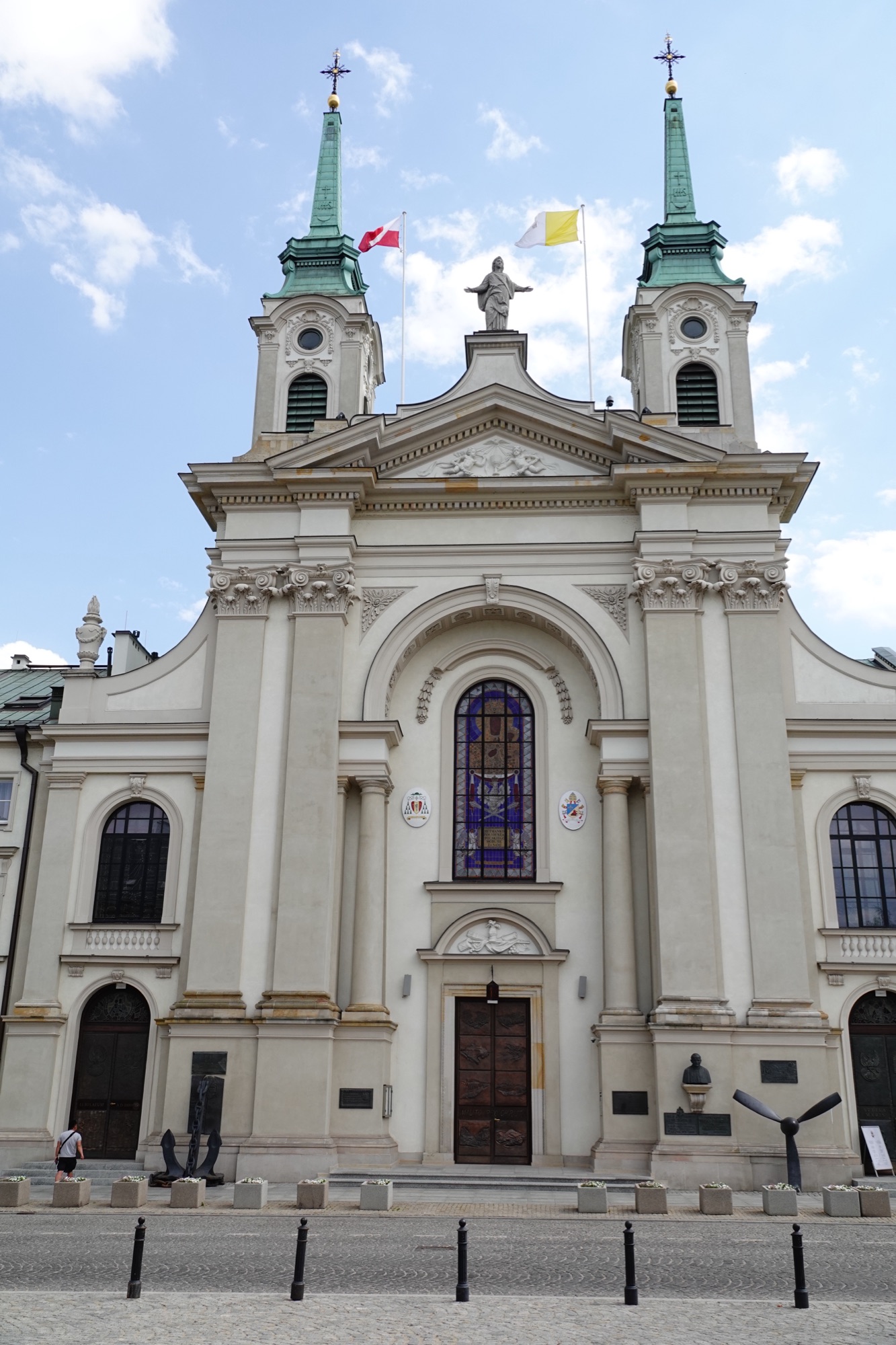
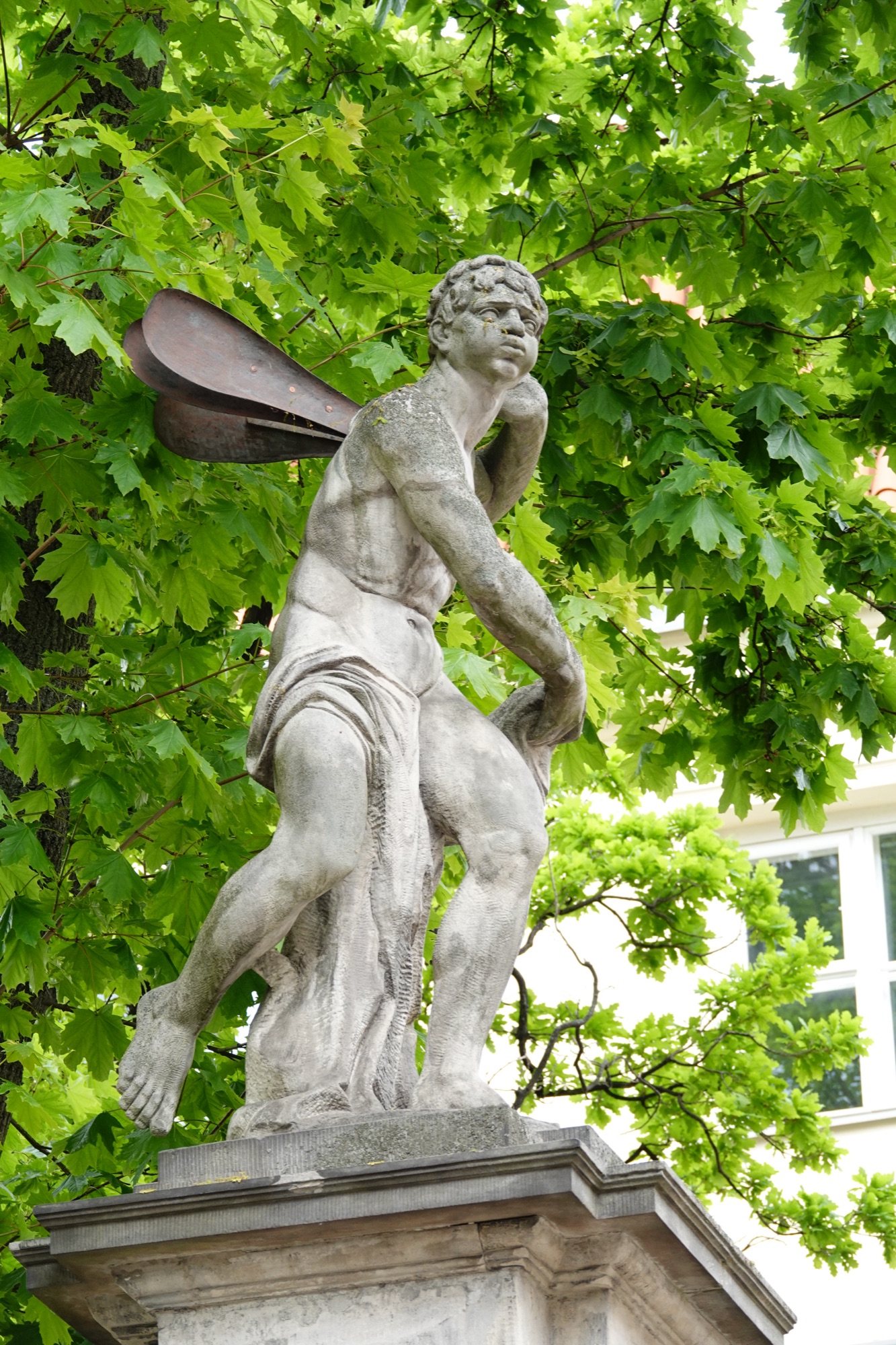
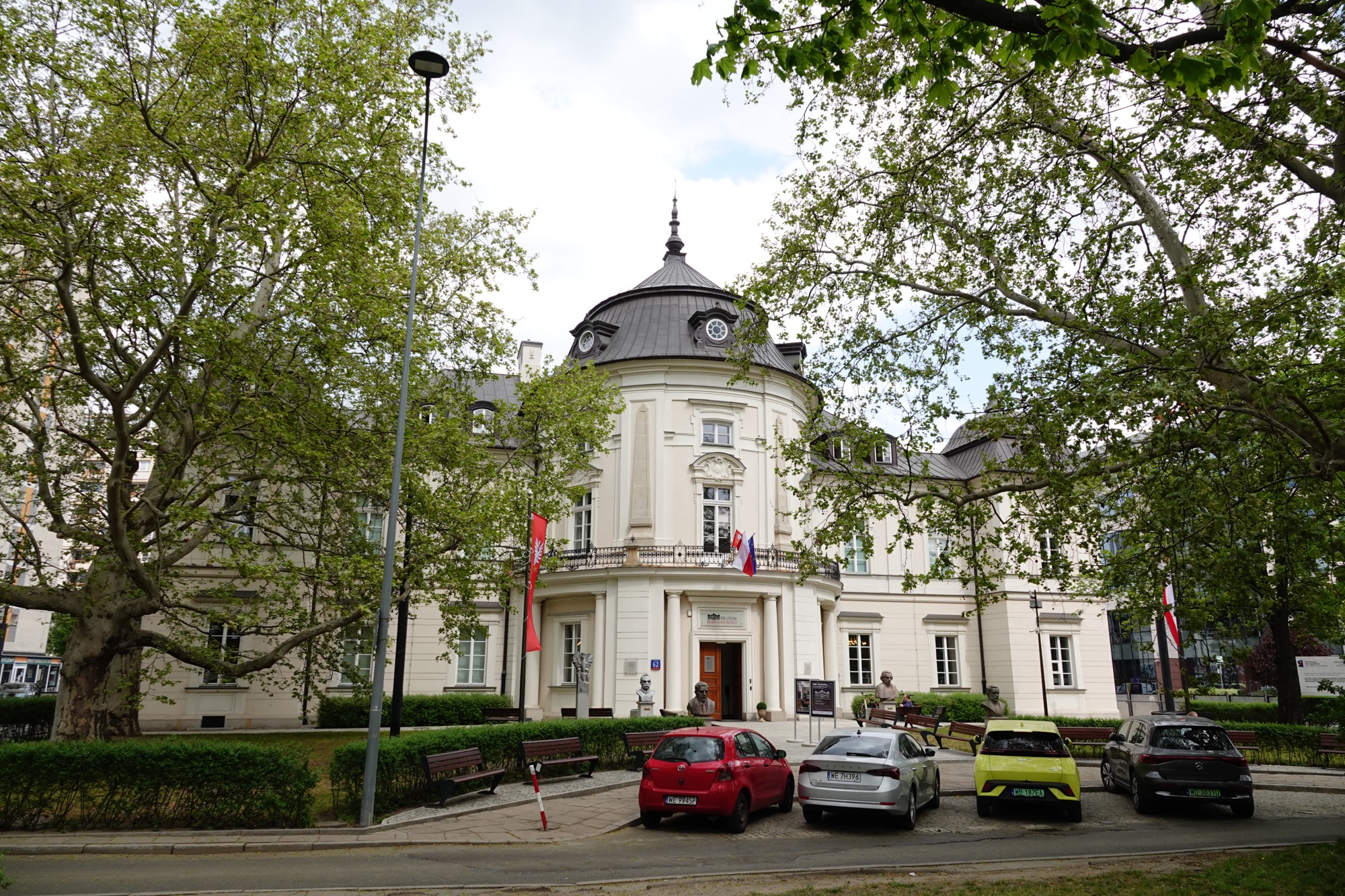
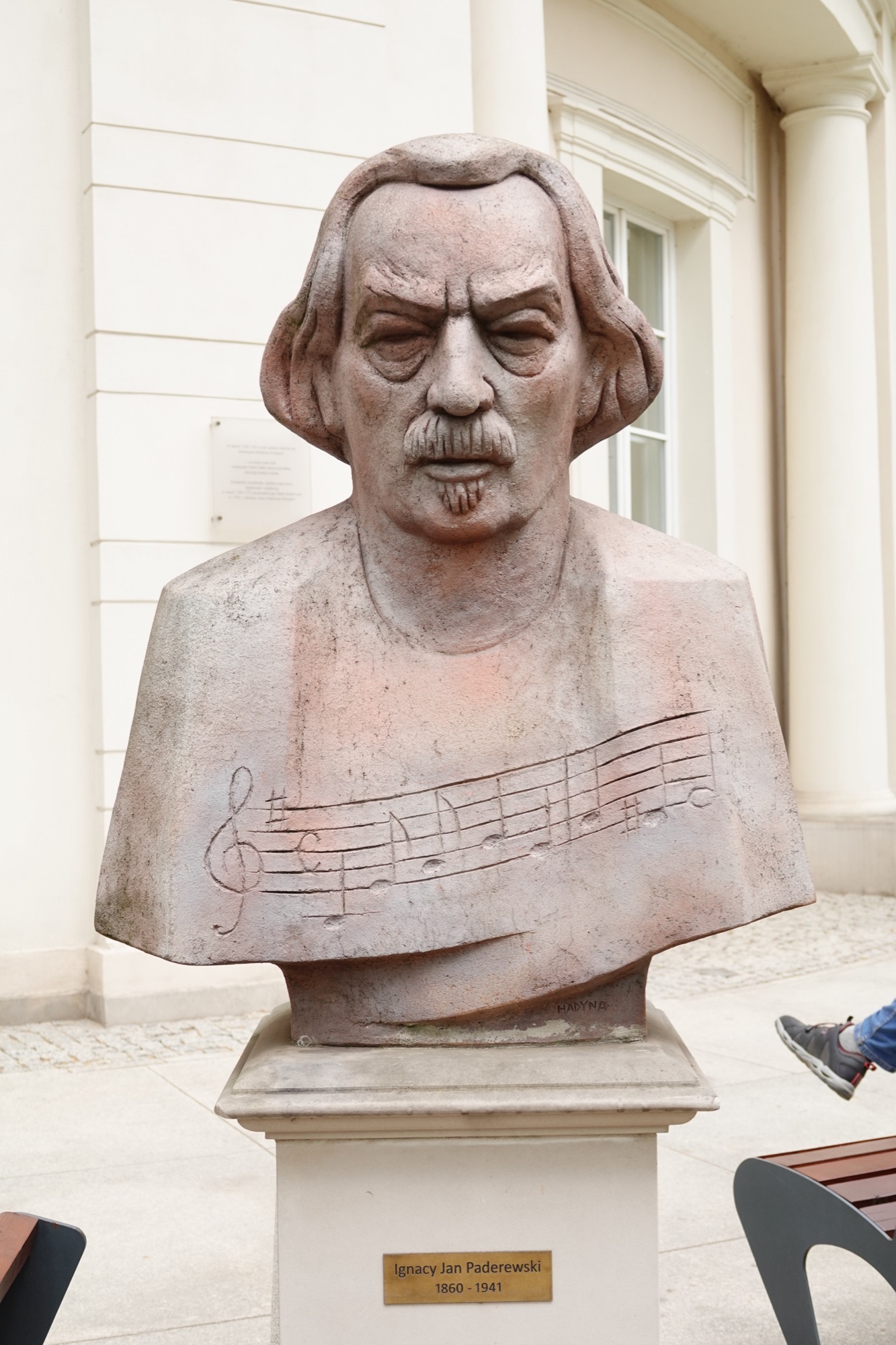
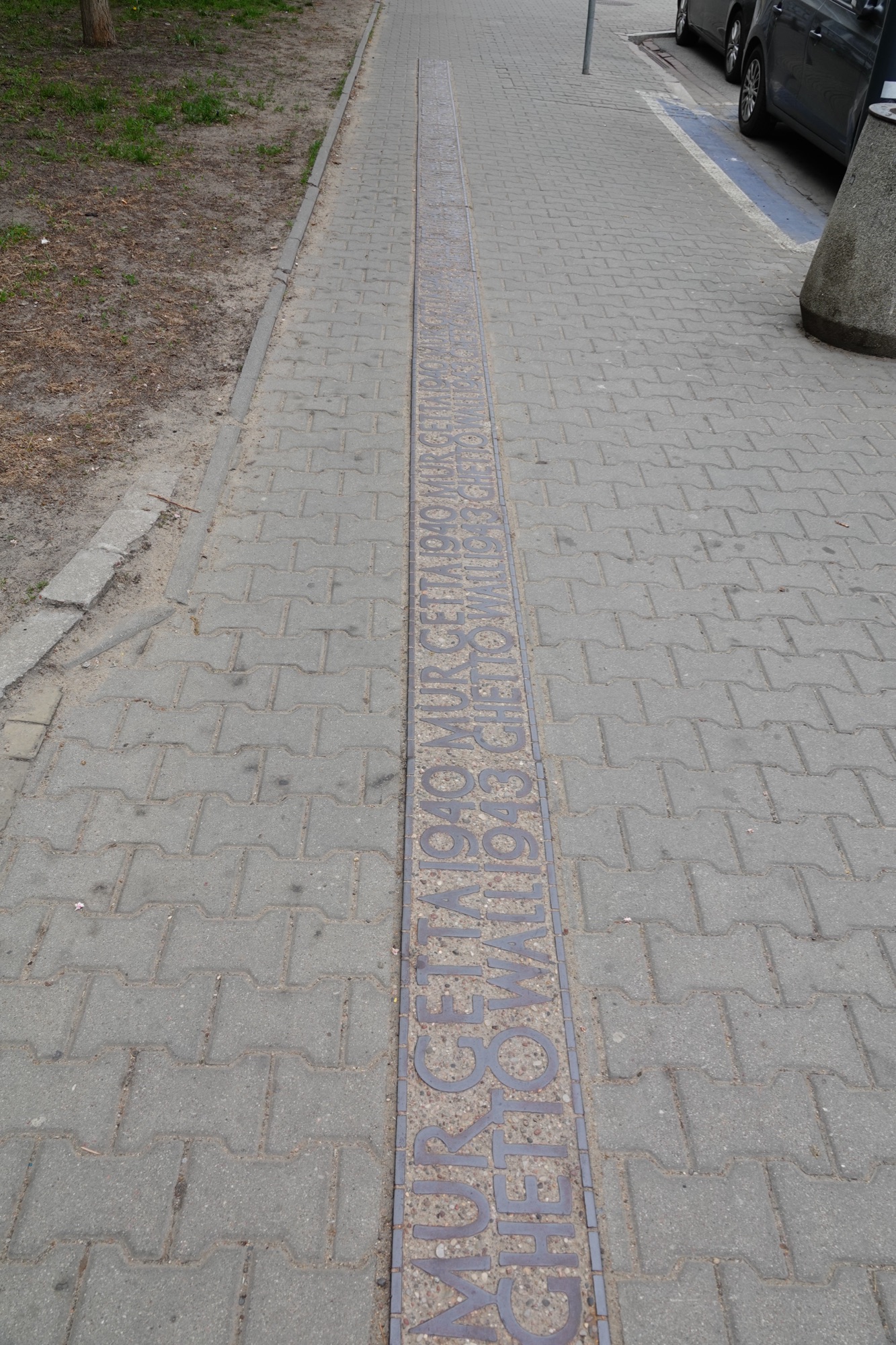
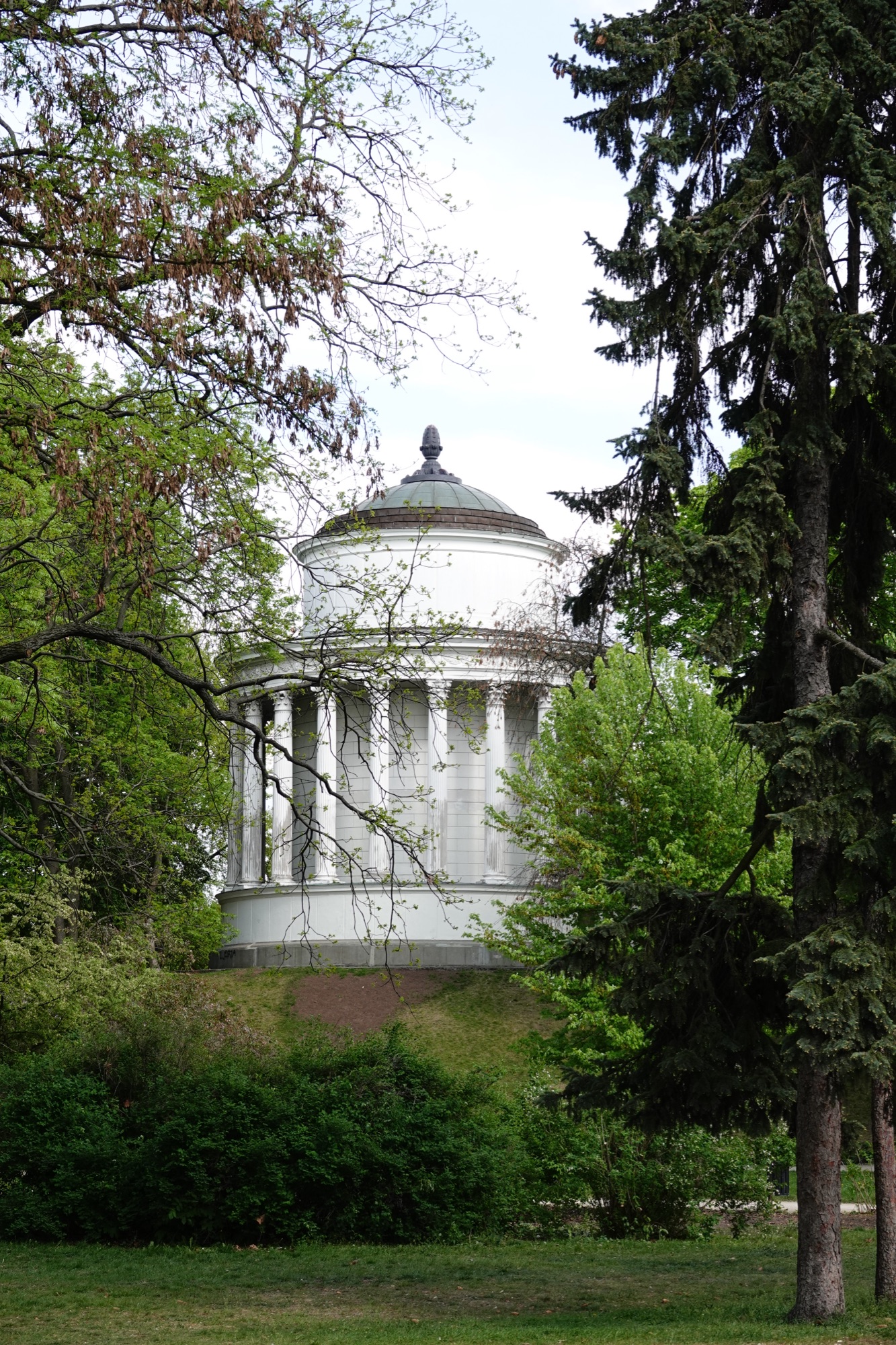
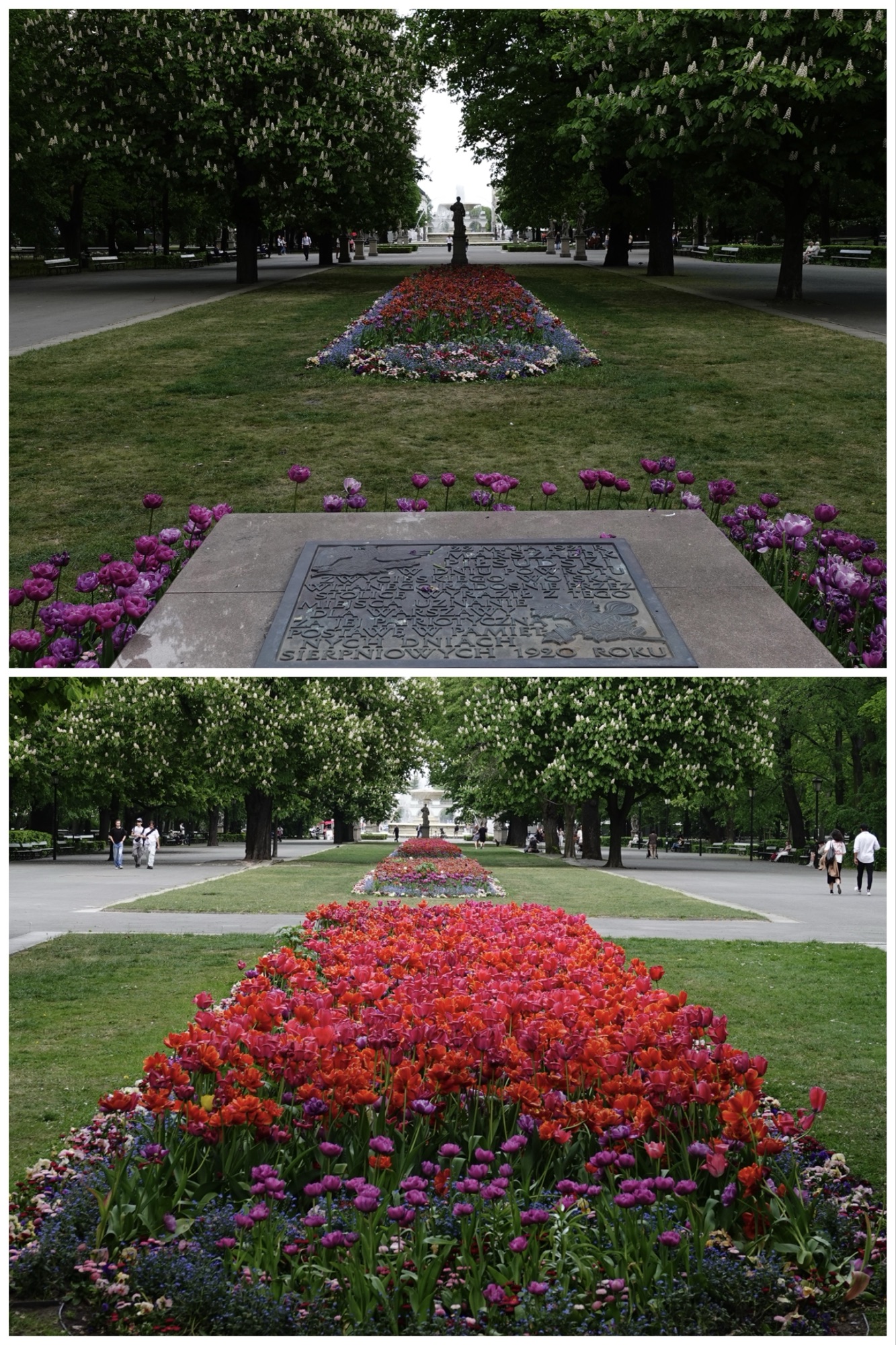
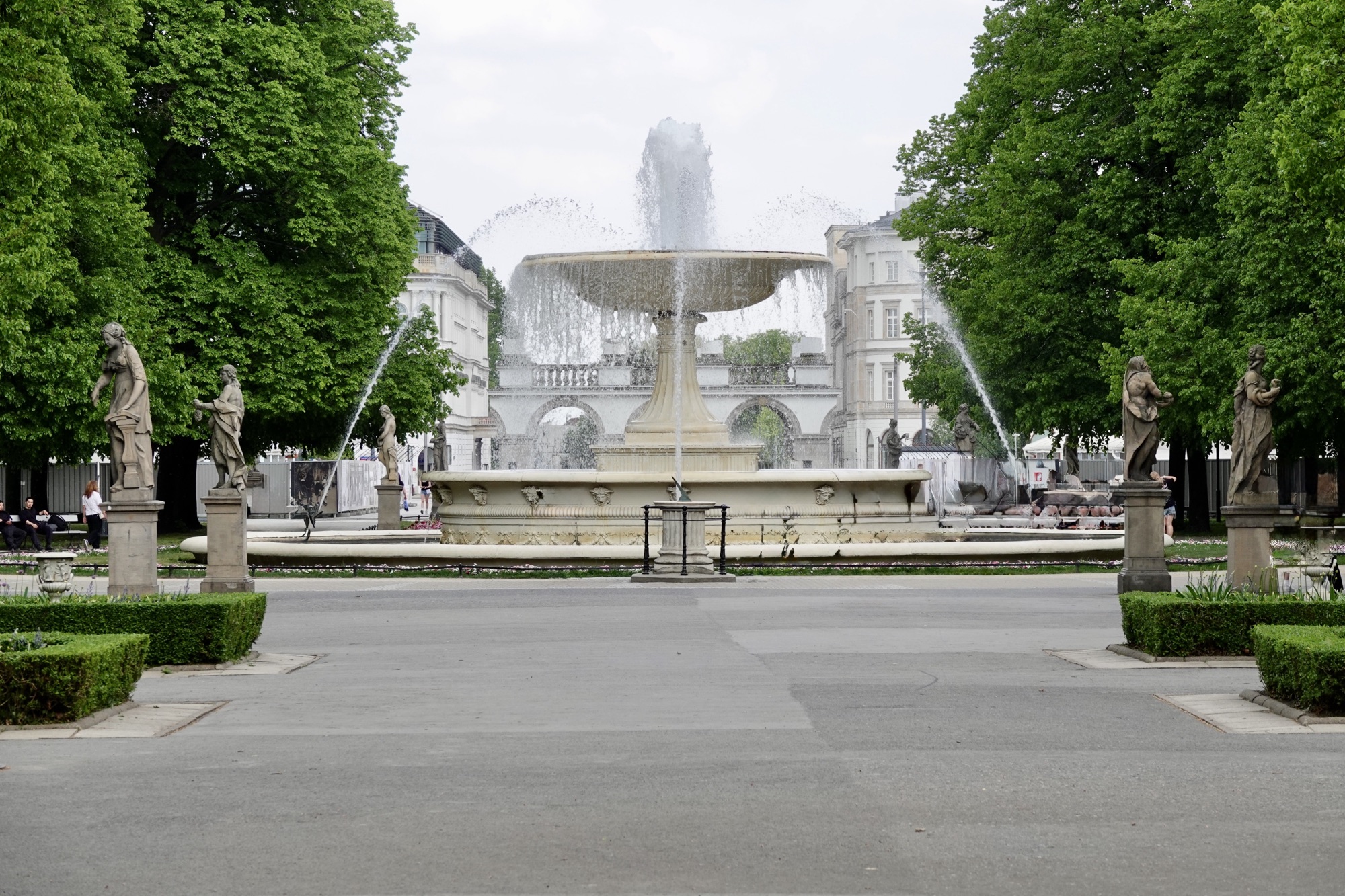
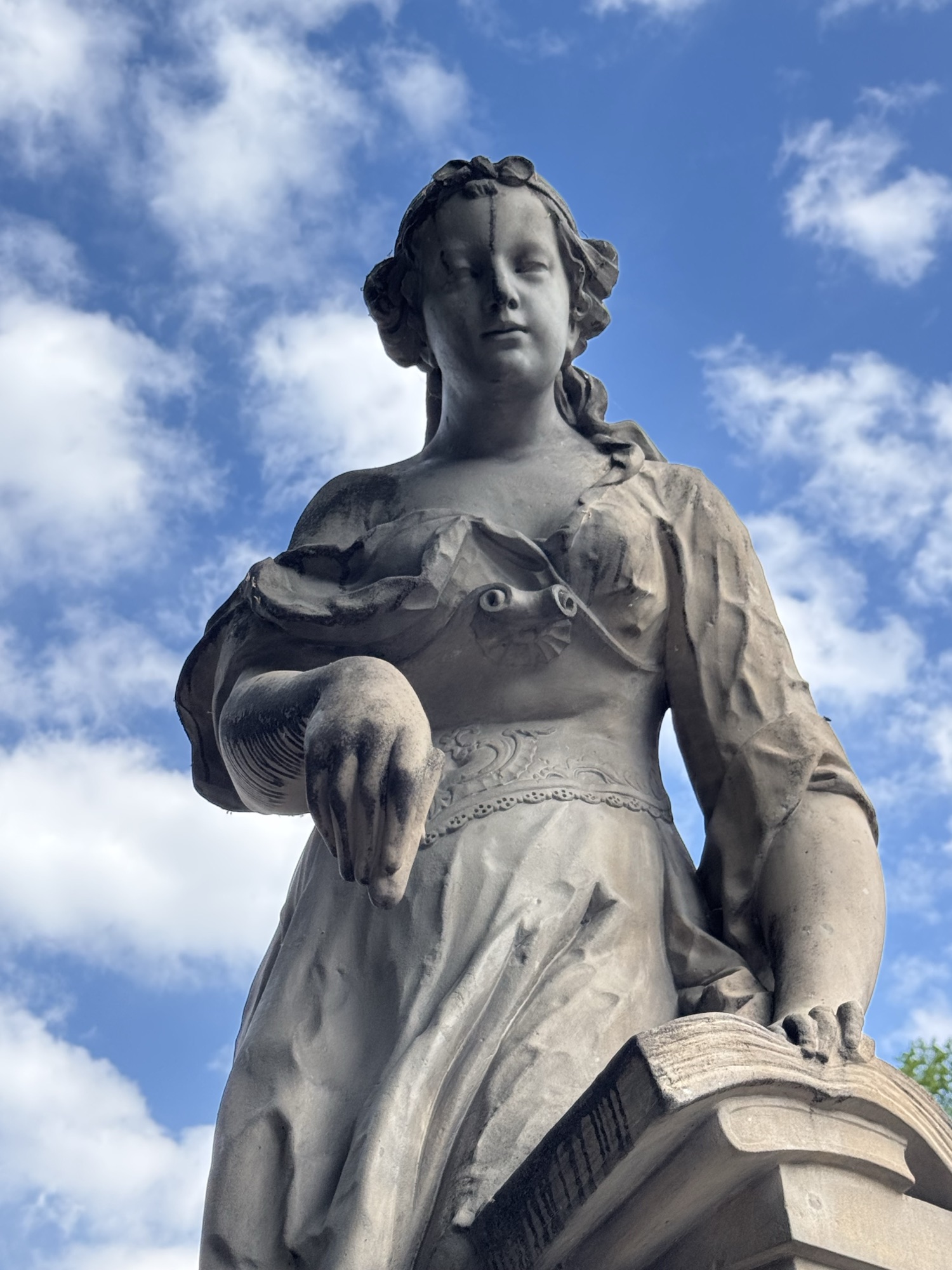
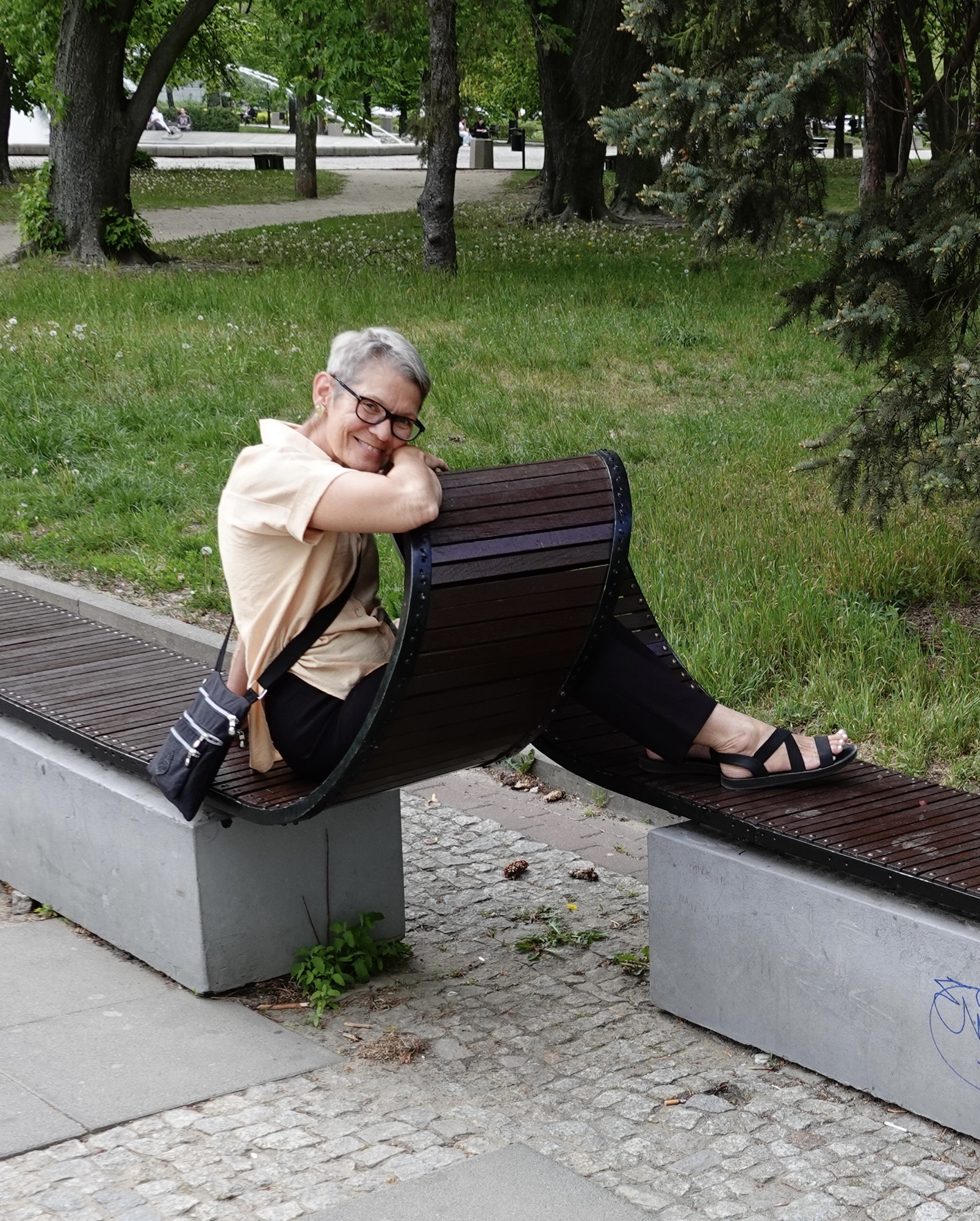
Here’s a quick photo series of what we passed on our walk. More detailed descriptions may be retrofitted later (I’m busy drinking Aperol spritzes with my cousins!), and detailed explorations will happen next May – we’ve already decided we need to come back for a month for a slower-paced visit.
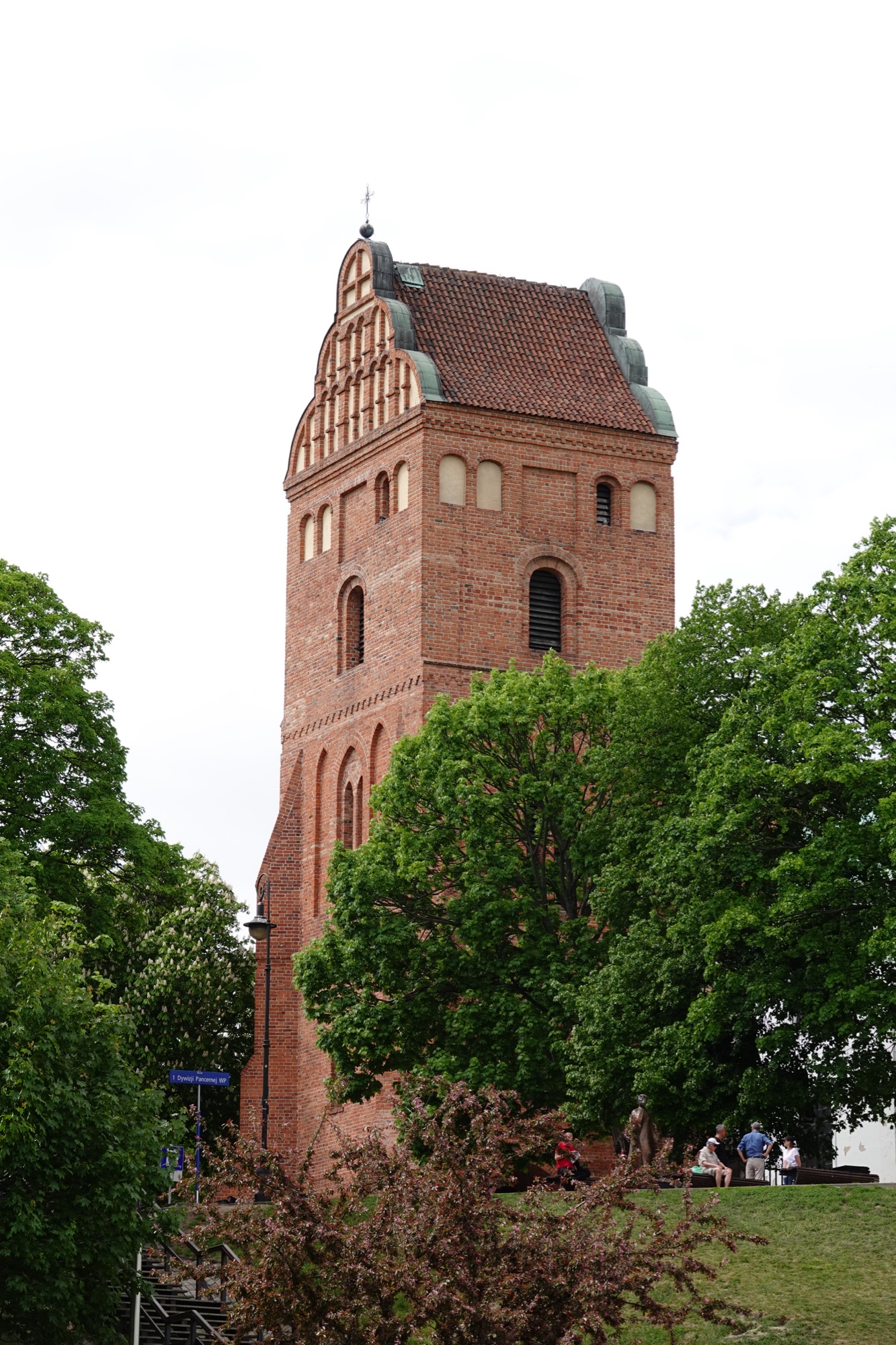
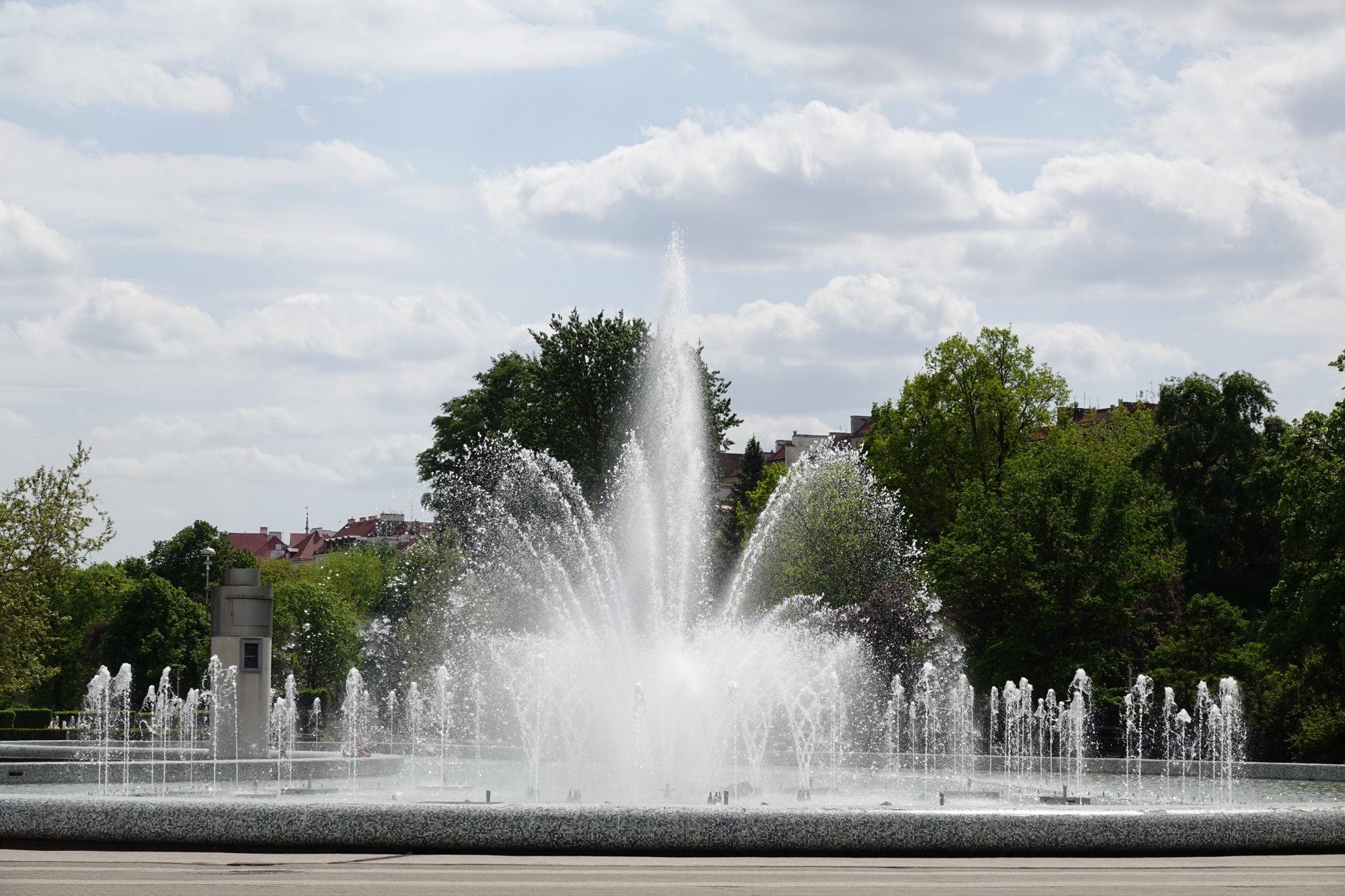
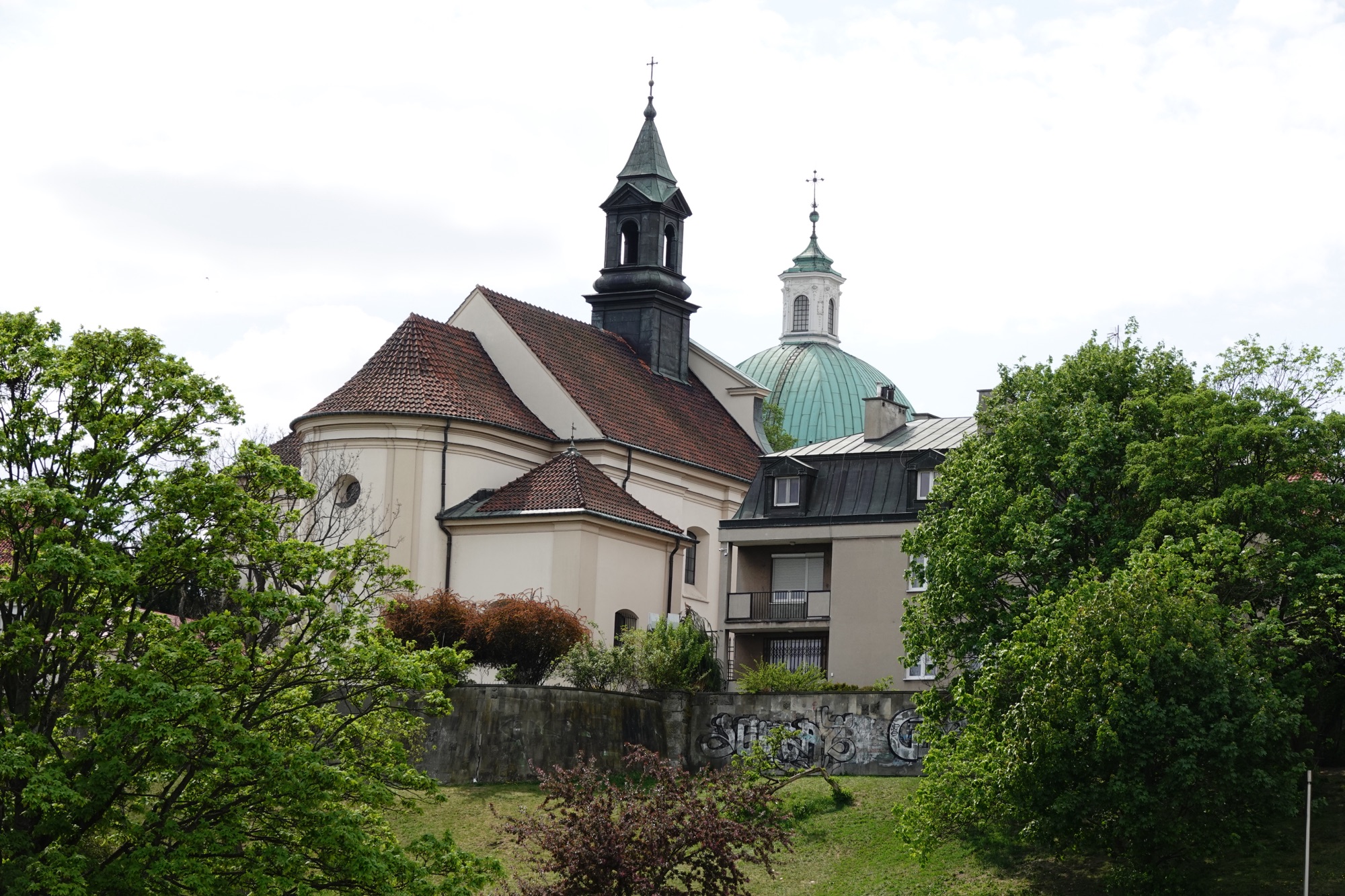
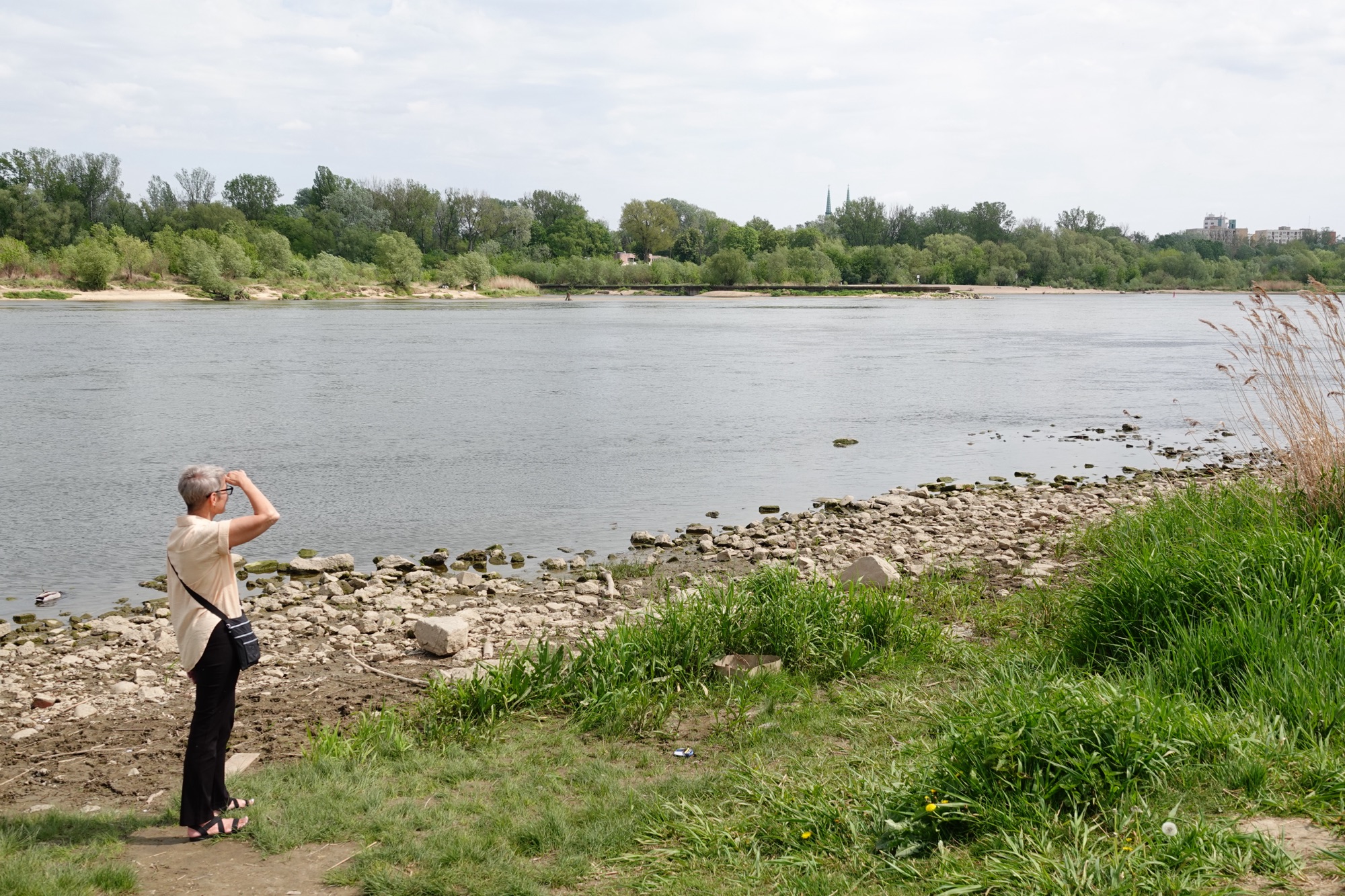
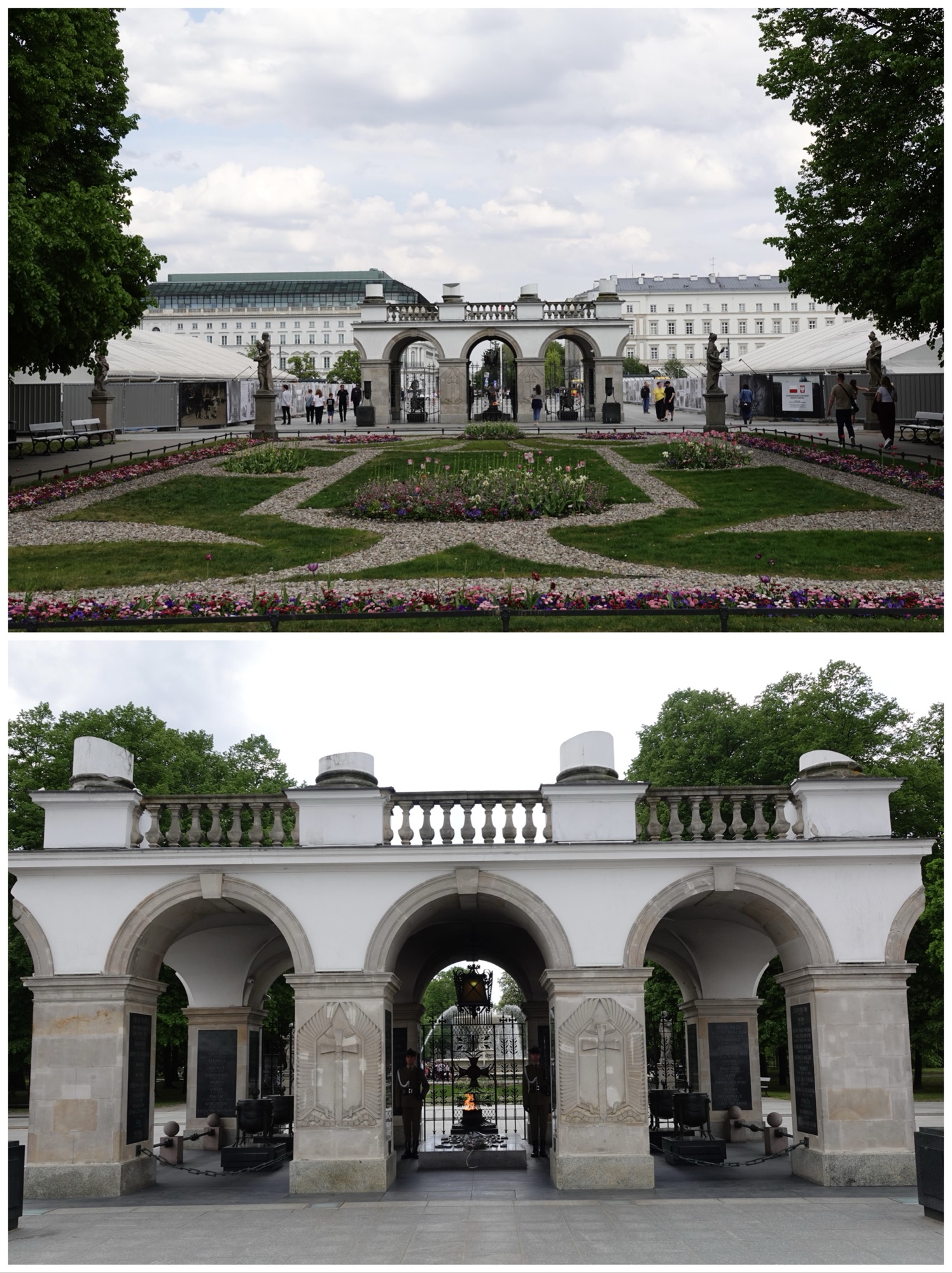
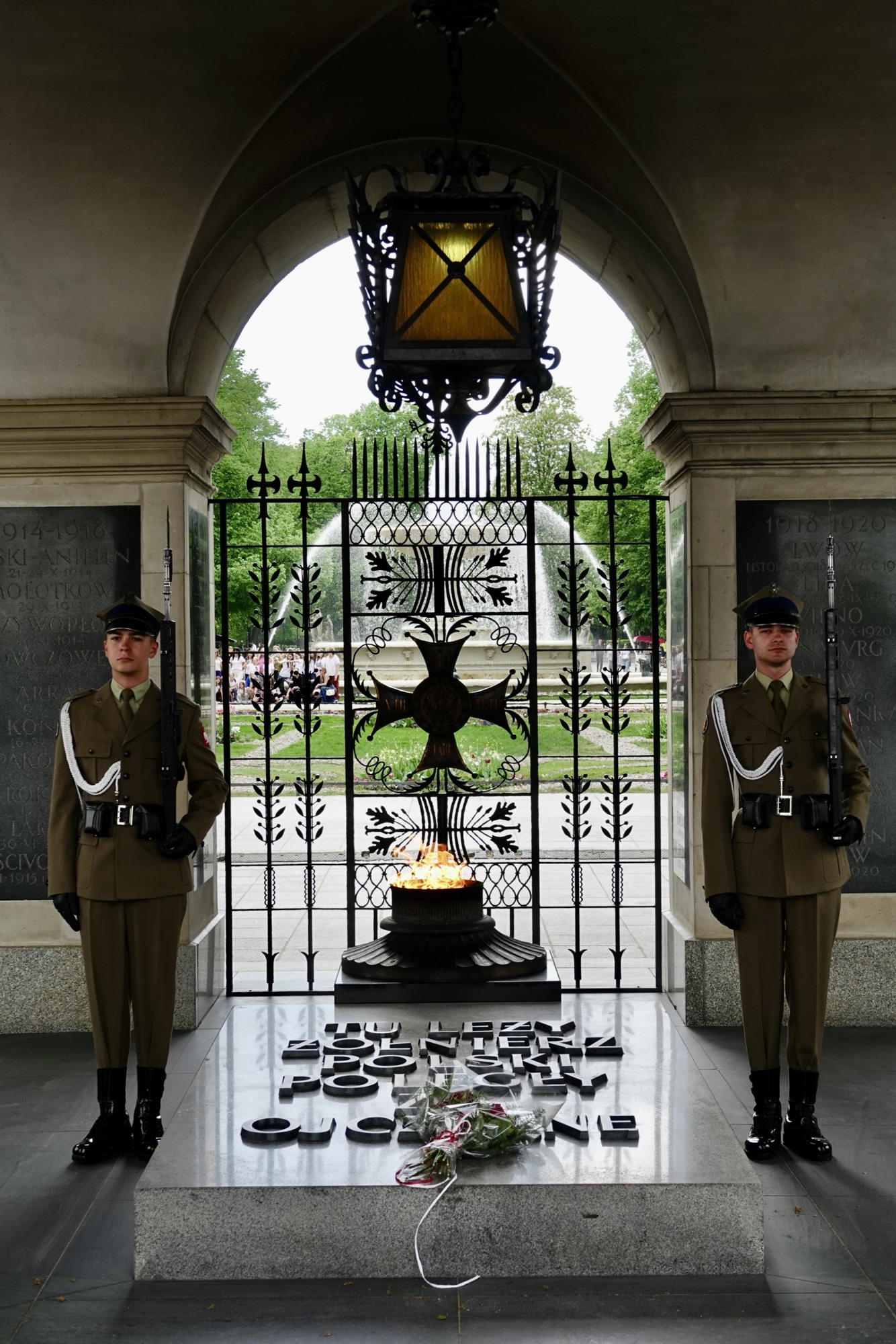
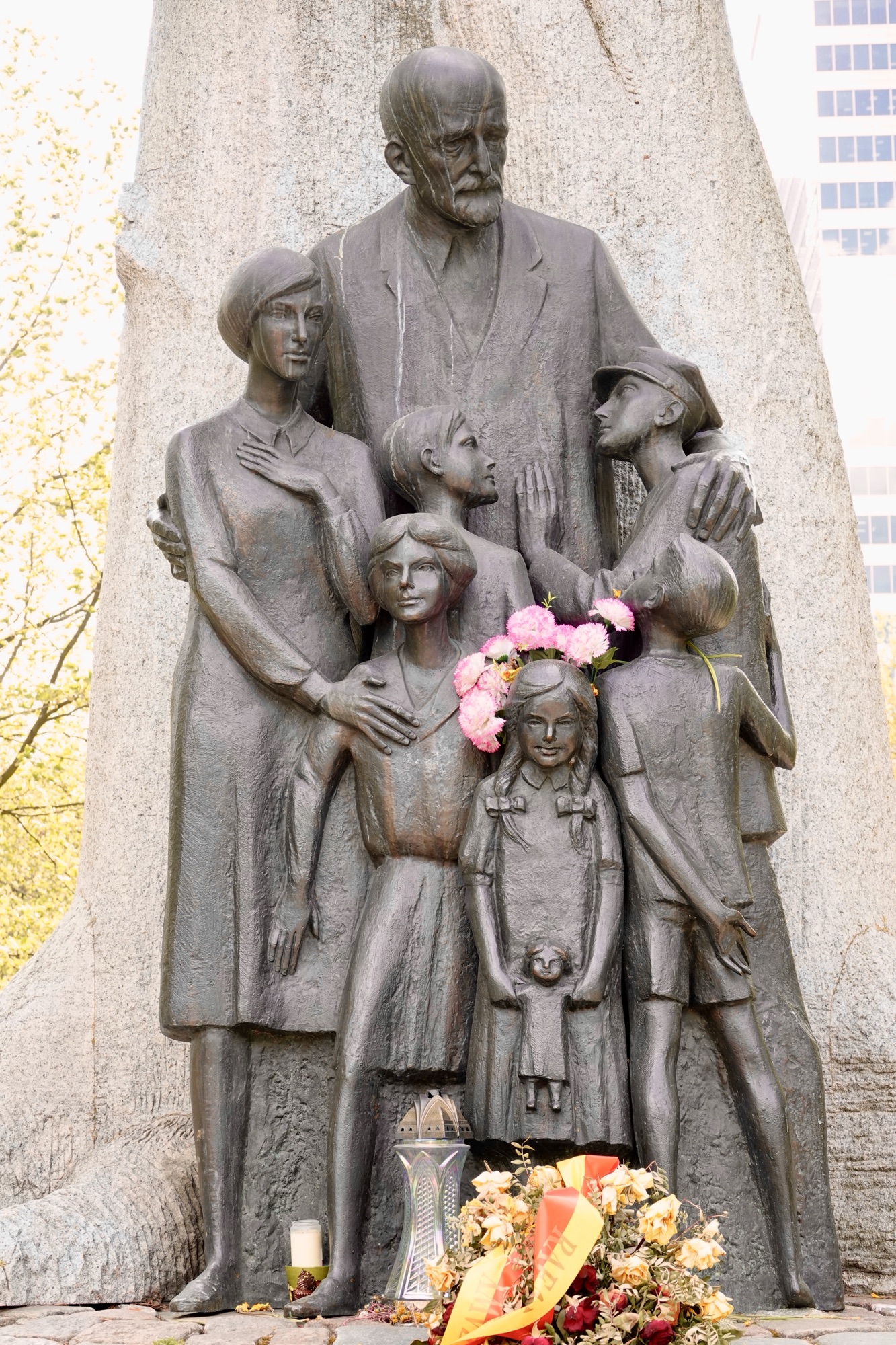
was unveiled in 2006 on Children’s Day to honor Janusz Korczak, a dedicated educator and pediatrician who ran a Jewish orphanage during WWII.
The statue depicts Korczak surrounded by the children from his orphanage, beneath a withered tree stump whose dry branches are arranged to resemble a menorah. It is situated near the site of the former Jewish ghetto, from which Korczak and his pupils were deported to the Treblinka extermination camp in 1942.
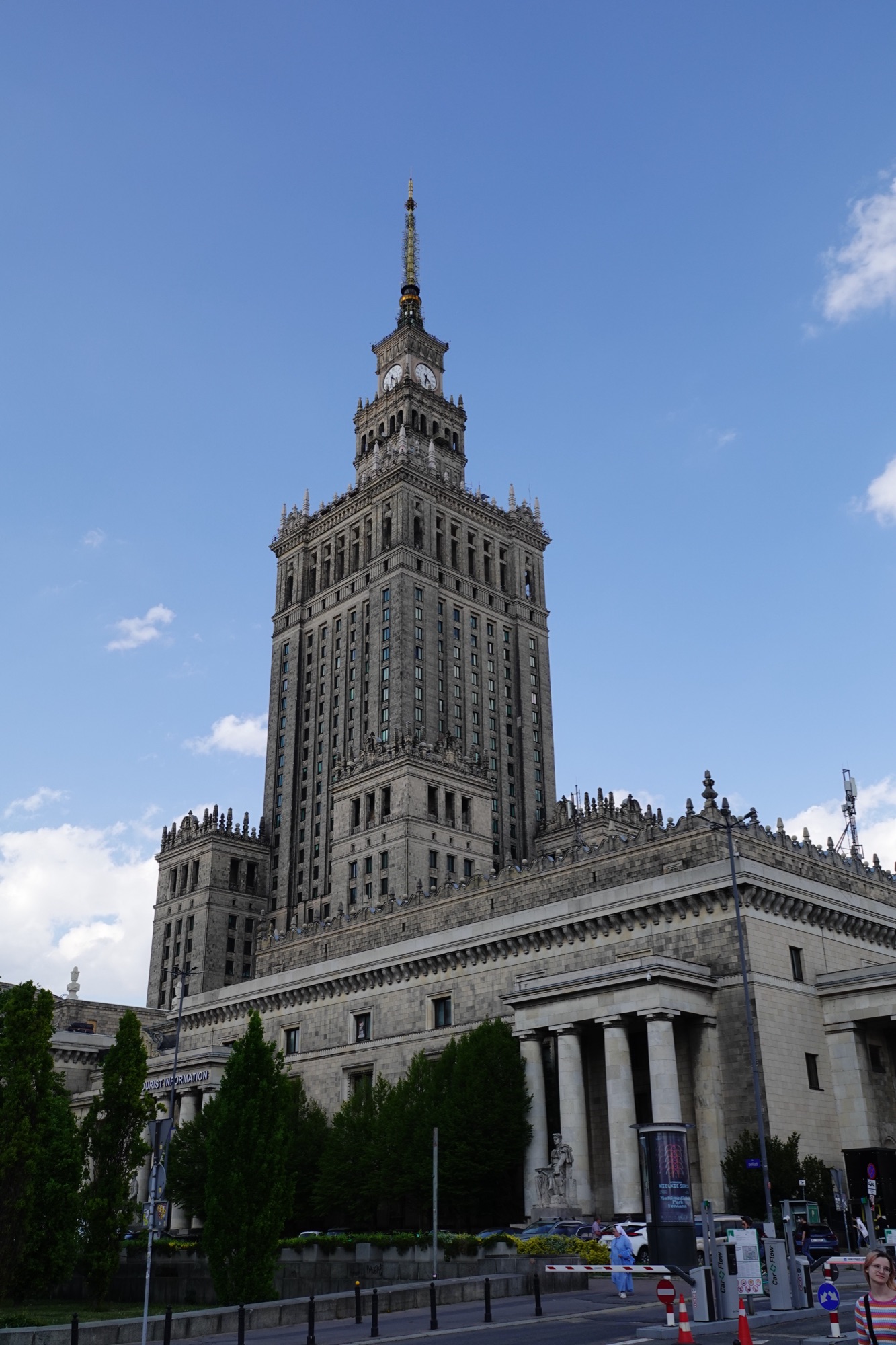
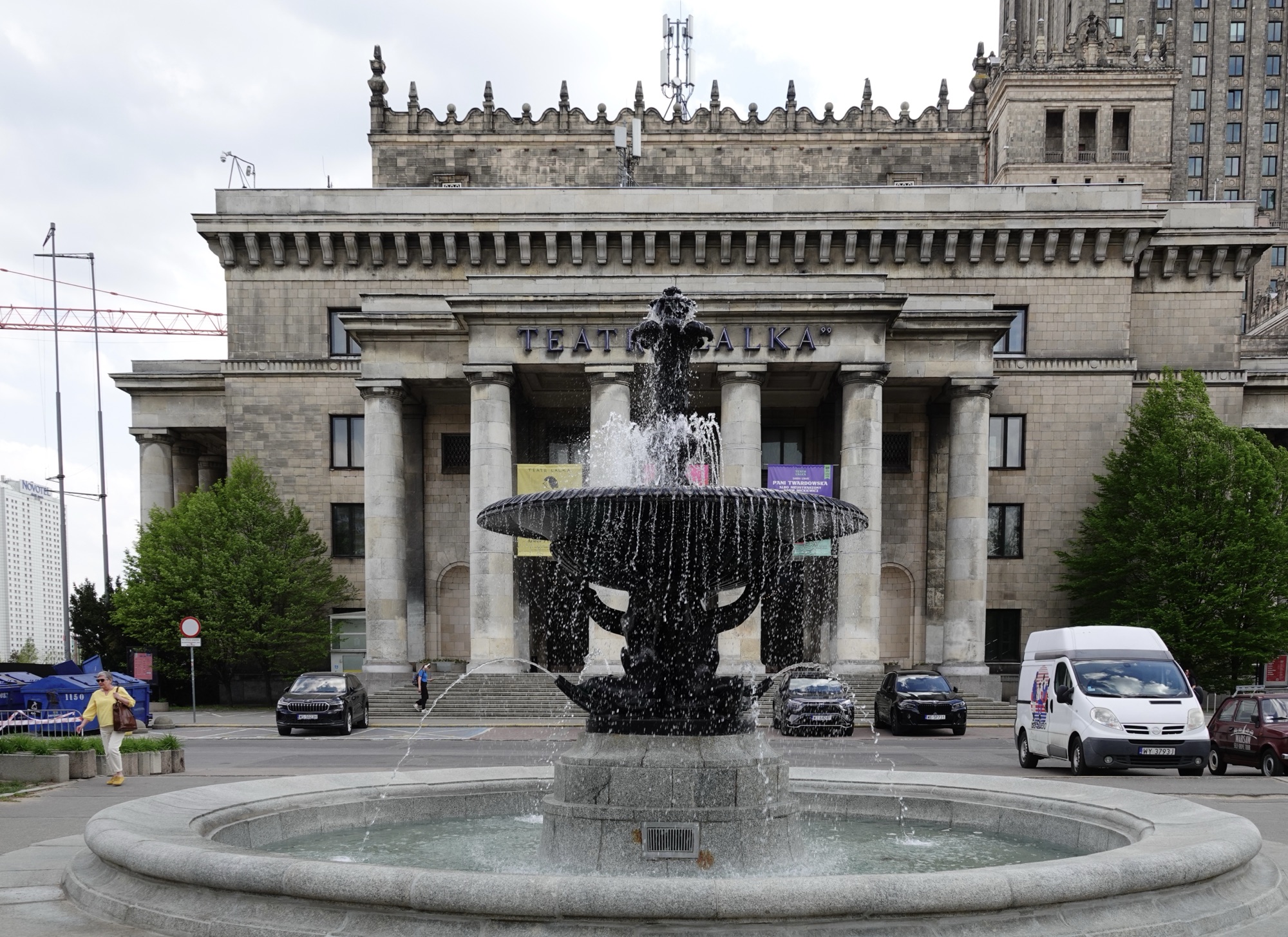
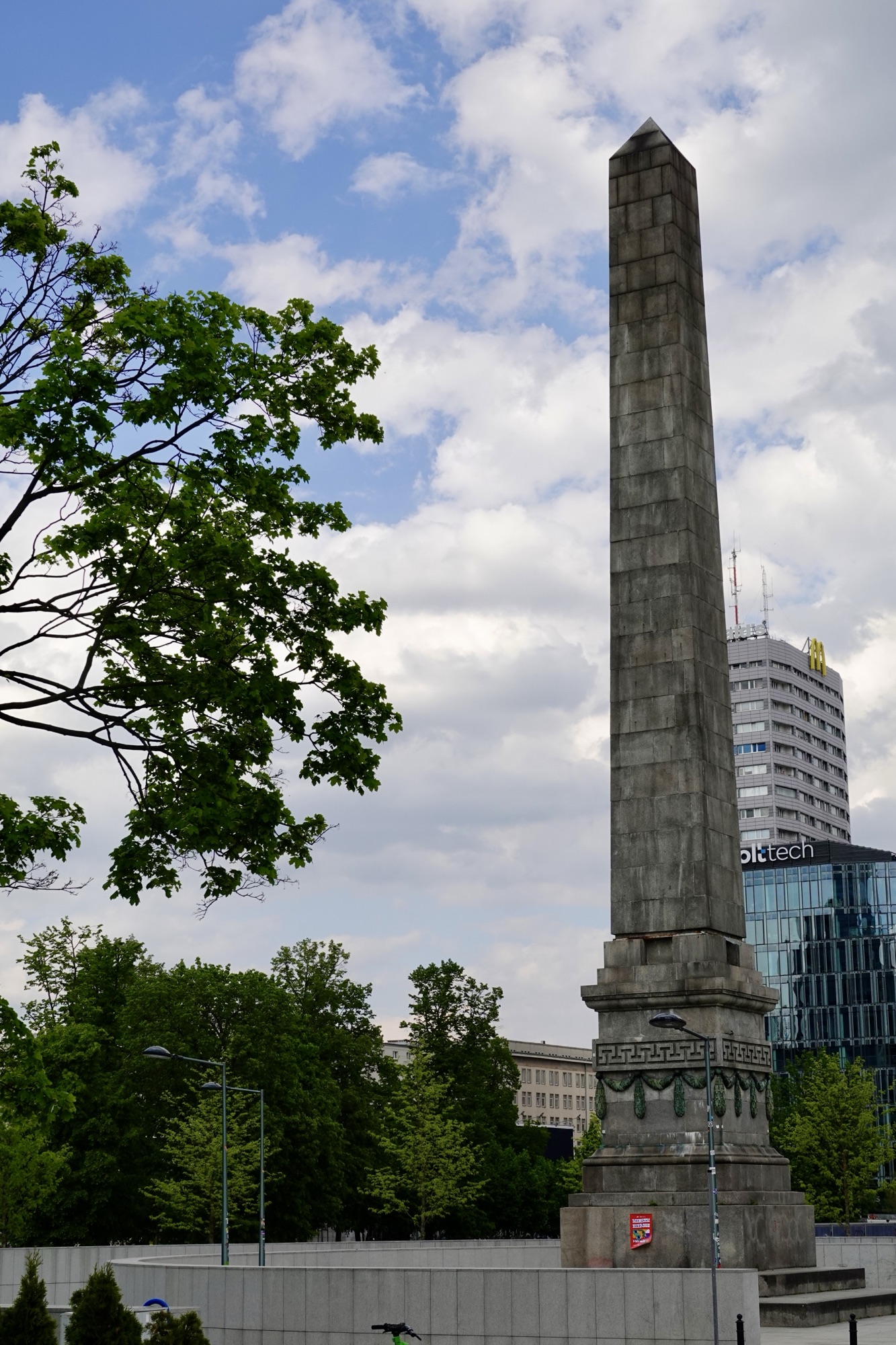
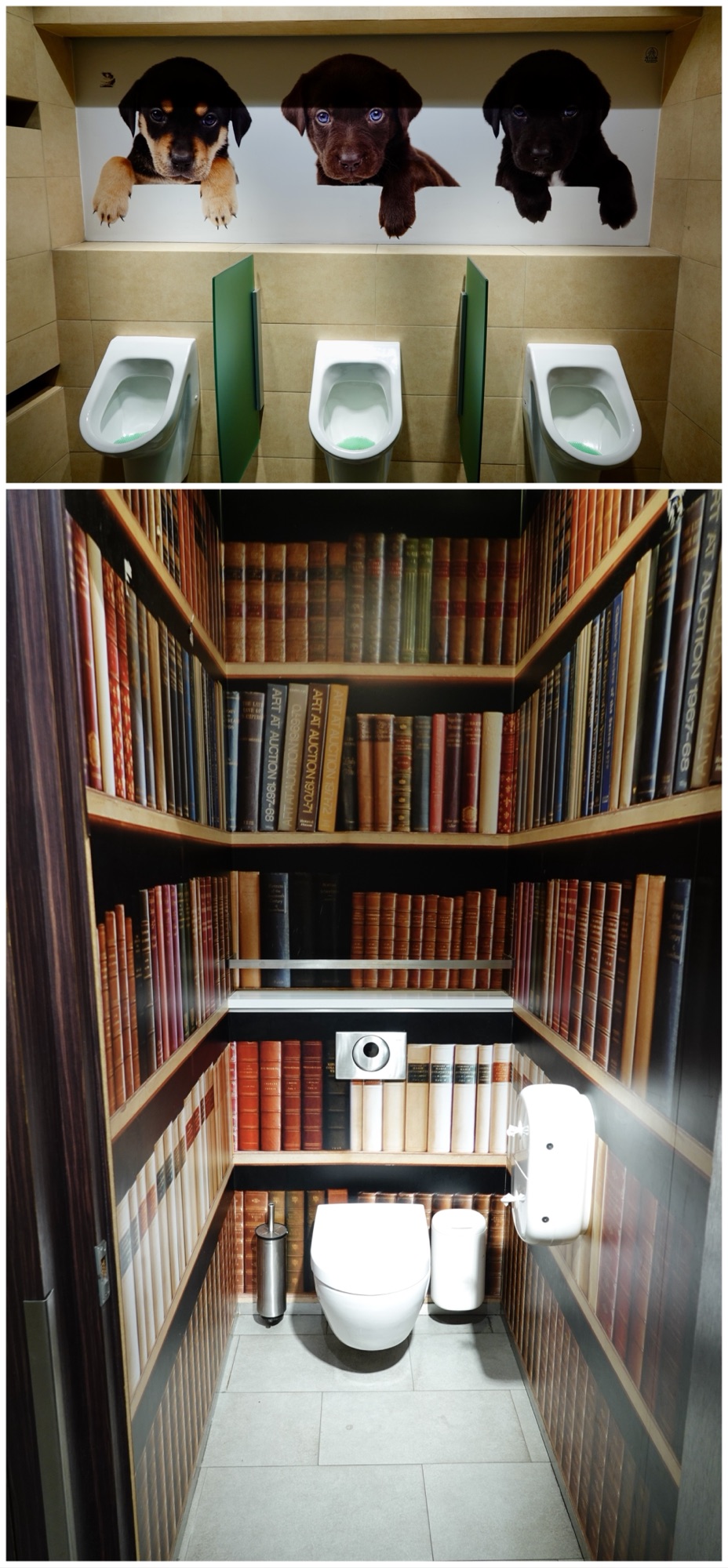
At that point, after 12,000 leisurely steps, we’d reached the train station. Ted needed the WC, which in the station cost 4.5 zloty to use, payable by credit card. Fees for toilets usually guarantee that they are scrupulously maintained; they don’t often guarantee quirky artwork!
We successfully collected Doris and Helga, took a taxi to our apartment, and then we three women went for a walk around the Old Town before dinner. A full day of train travel meant they needed to stretch their legs, and I managed to get to 14,400 steps by accompanying them.
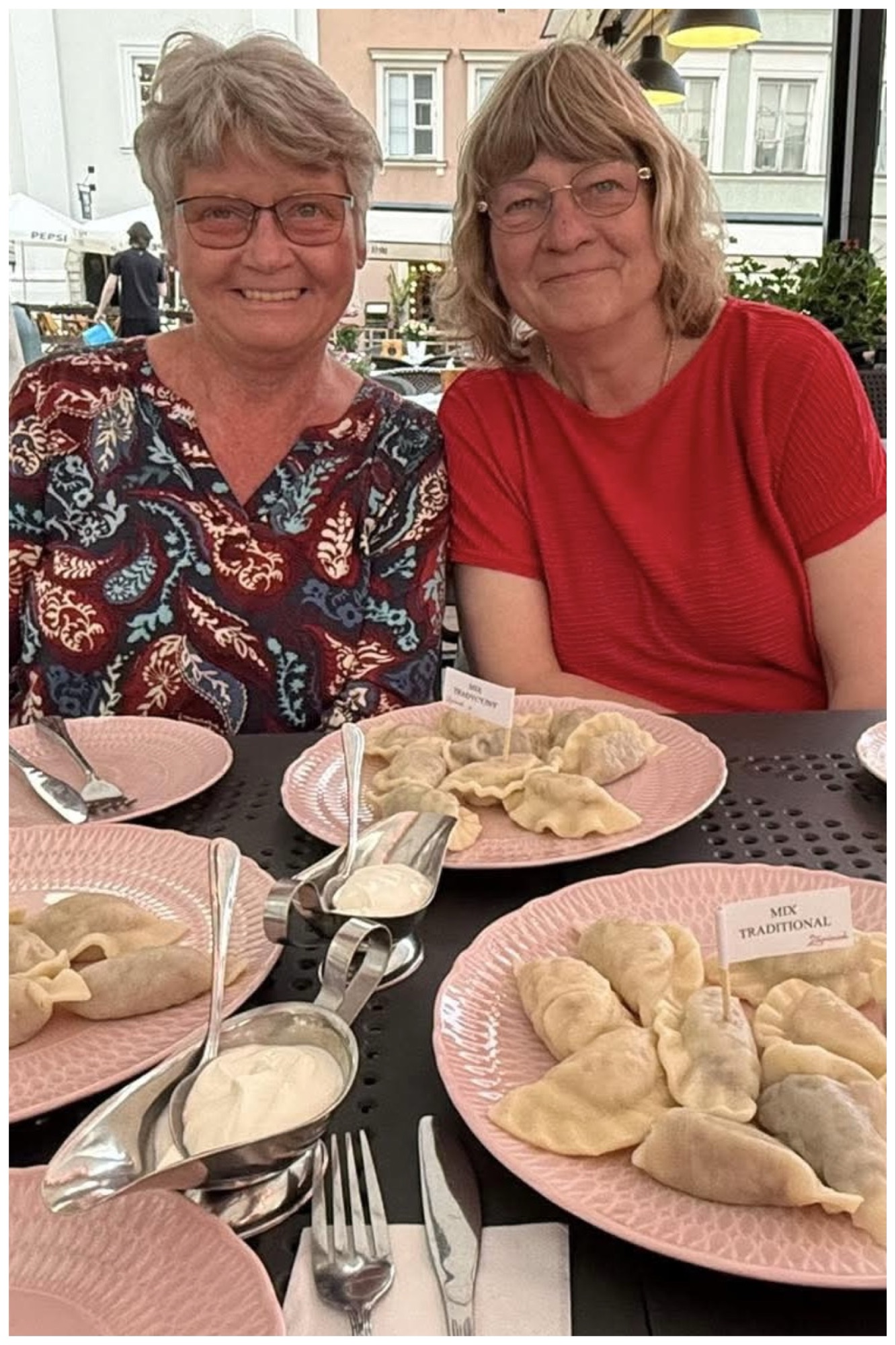
Dinner was Polish perogies and beer. I think this picture captured the fact that they’re happy to be here. I know I’m happy to see them!
Tomorrow we’ll do some more exploring, talking, and preparing for a family history tour.
 Rose and Ted’s Excellent Adventure
Warsaw is definitely going on my wishlist — looks like a beautiful and fascinating place. I’m glad your cousins were game for the 4 flights — not everyone would be!
LikeLike