Our walking destination today was the Auckland Domain and within it the Auckland Museum, both of which we visited on our cruise last year as part of an excursion (Episode 606). At the time, I wrote that we were looking forward to coming back for a more leisurely visit.
“Domain” is the term used here for very large public parks,and the word somehow suits these huge spaces (we’ll be in another in Sydney later this month).
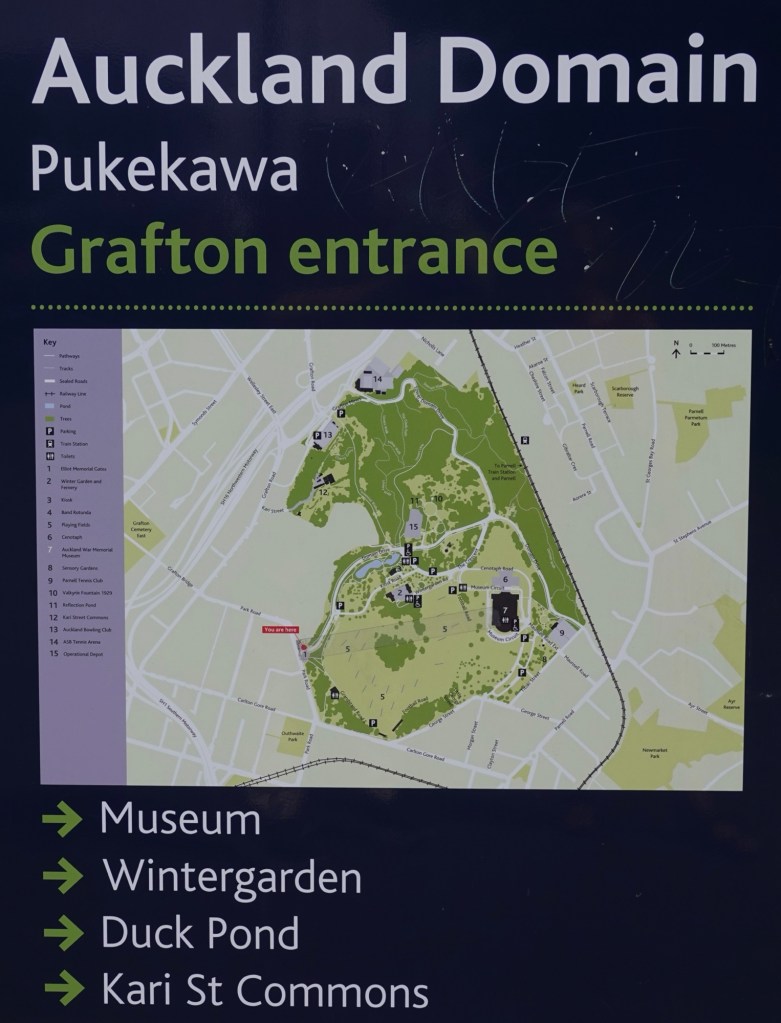
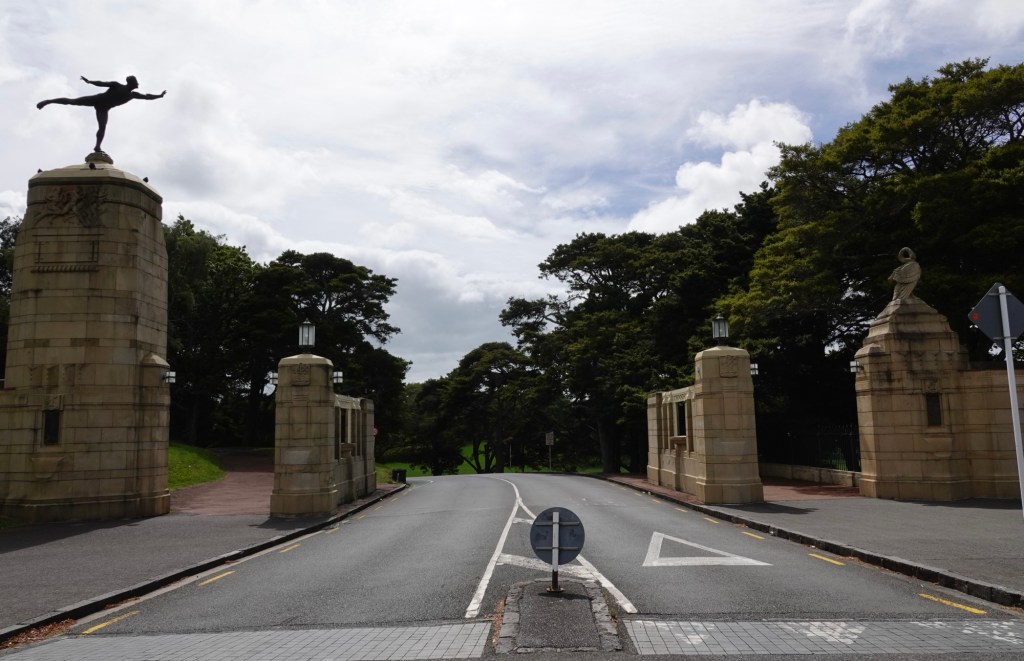
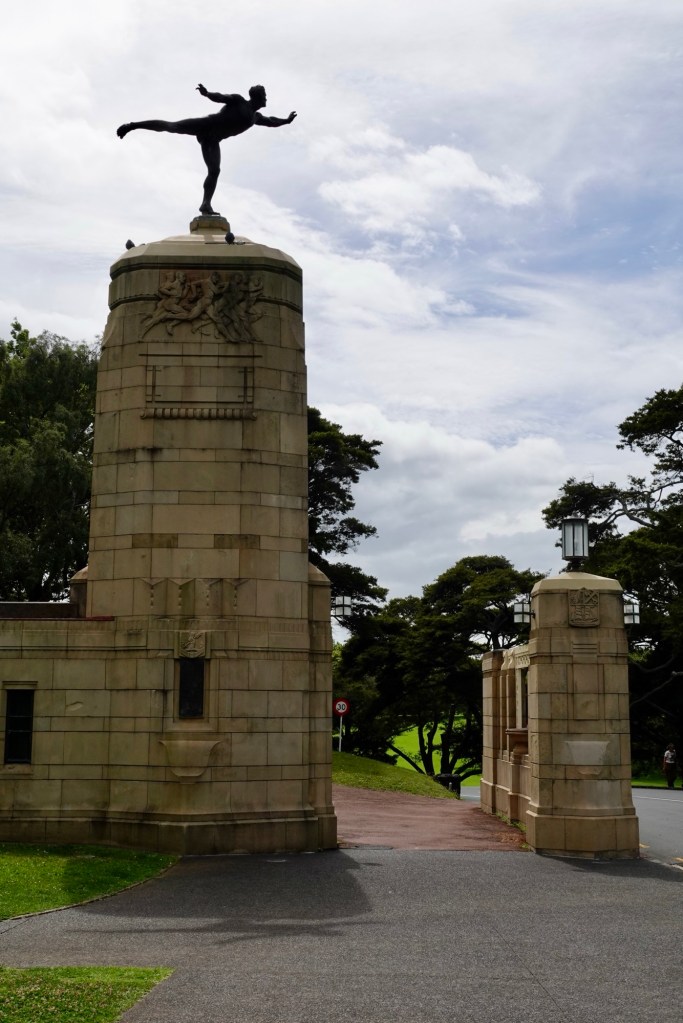
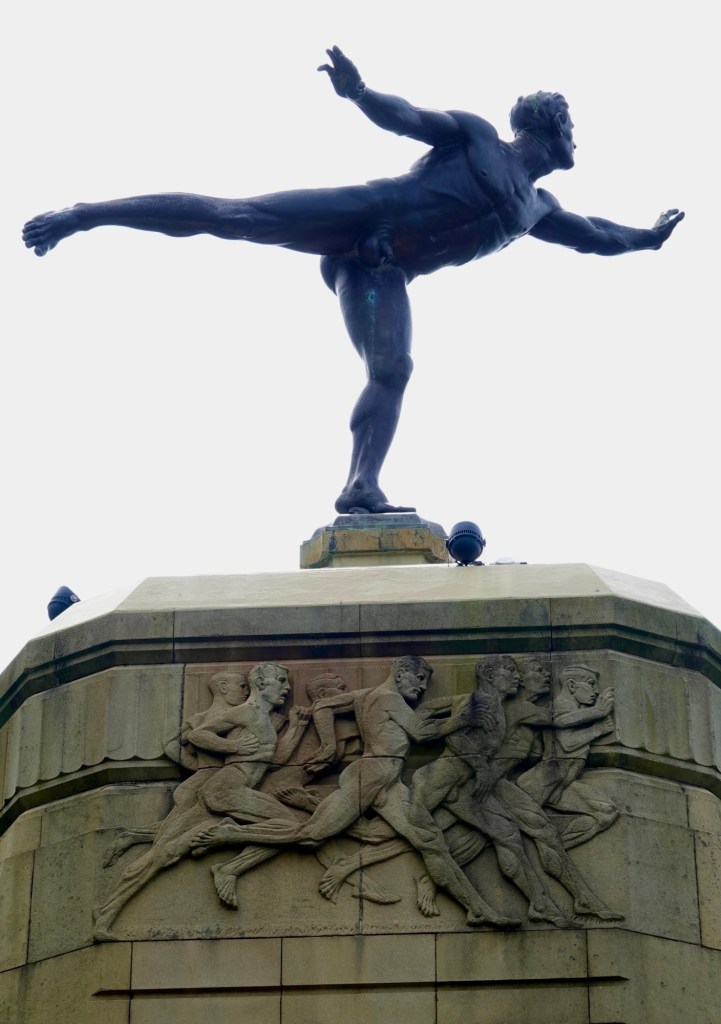
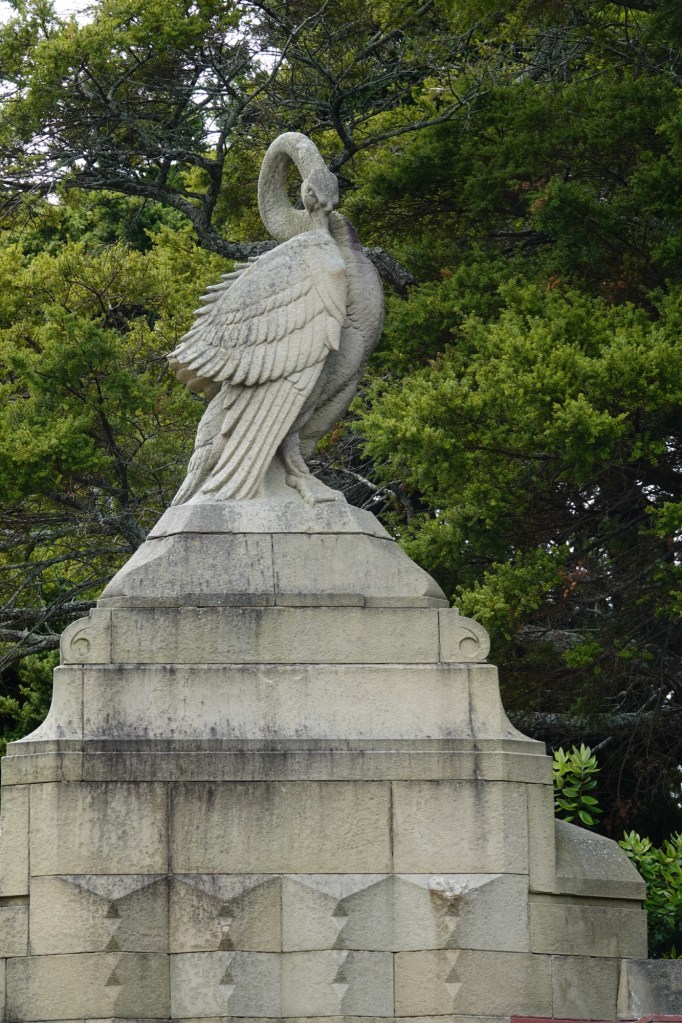
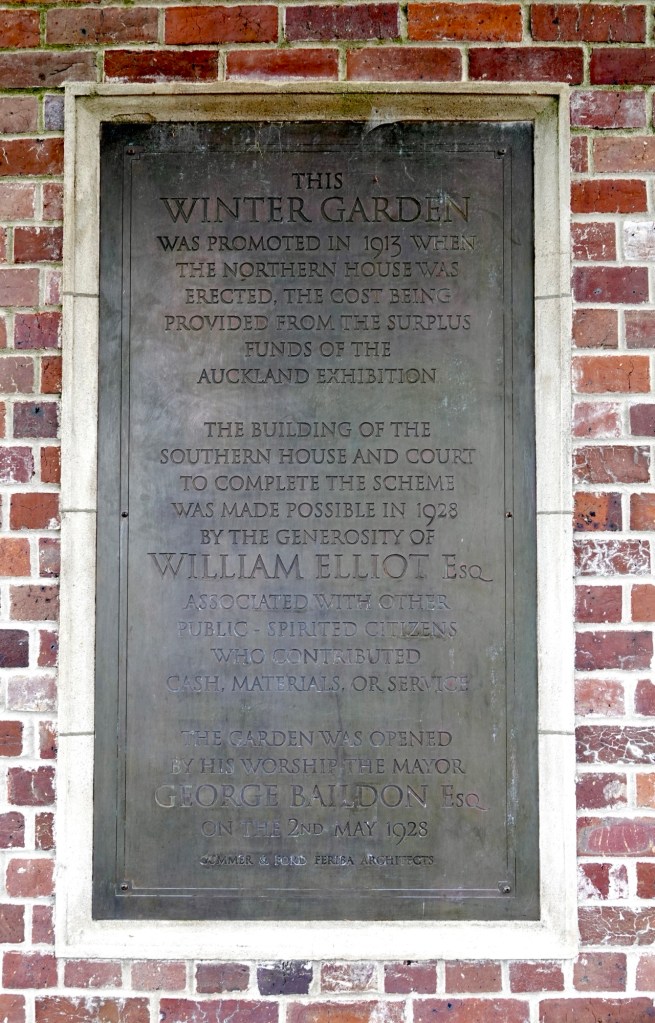
We entered today from the north, through massive stone gates funded through the generosity of philanthropist William Elliott, whose name we also saw on the Wintergarden.
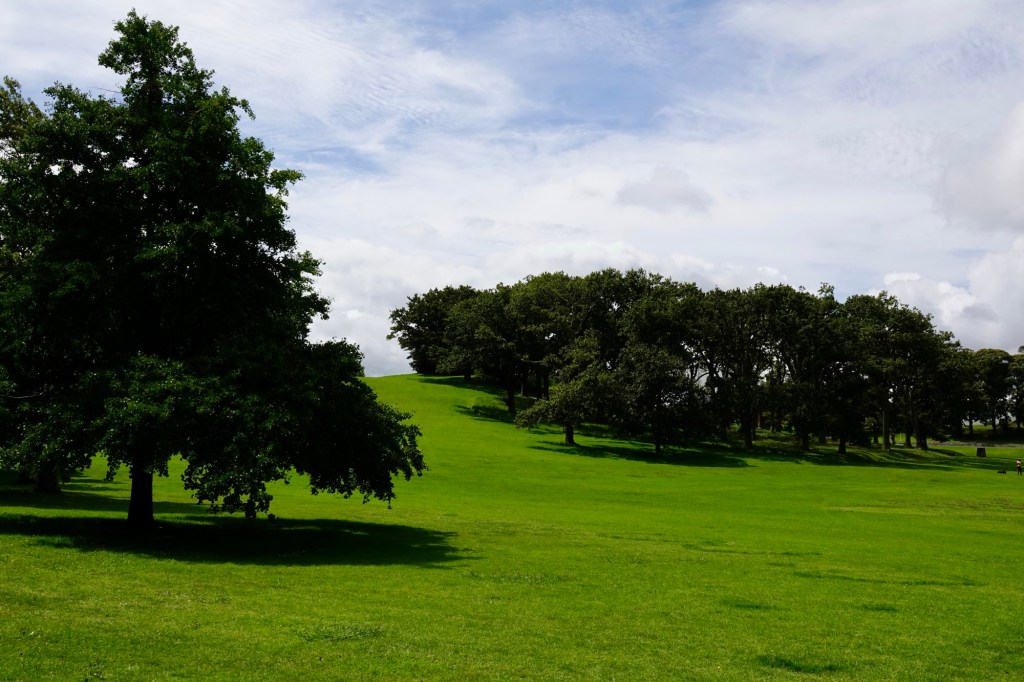
Most of the Domain is simply public green space.
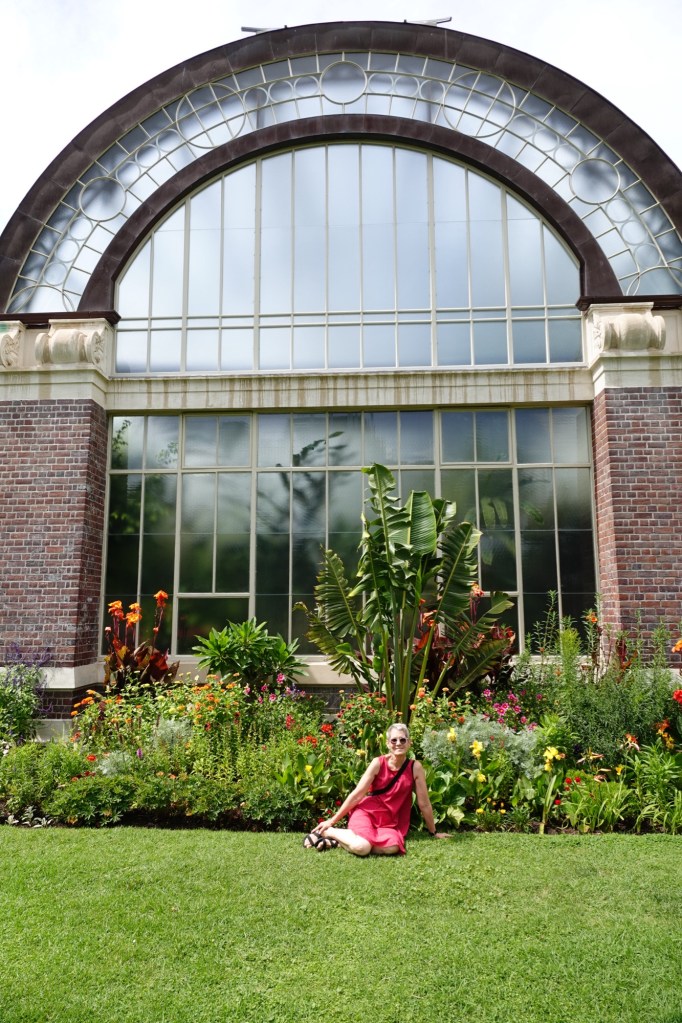
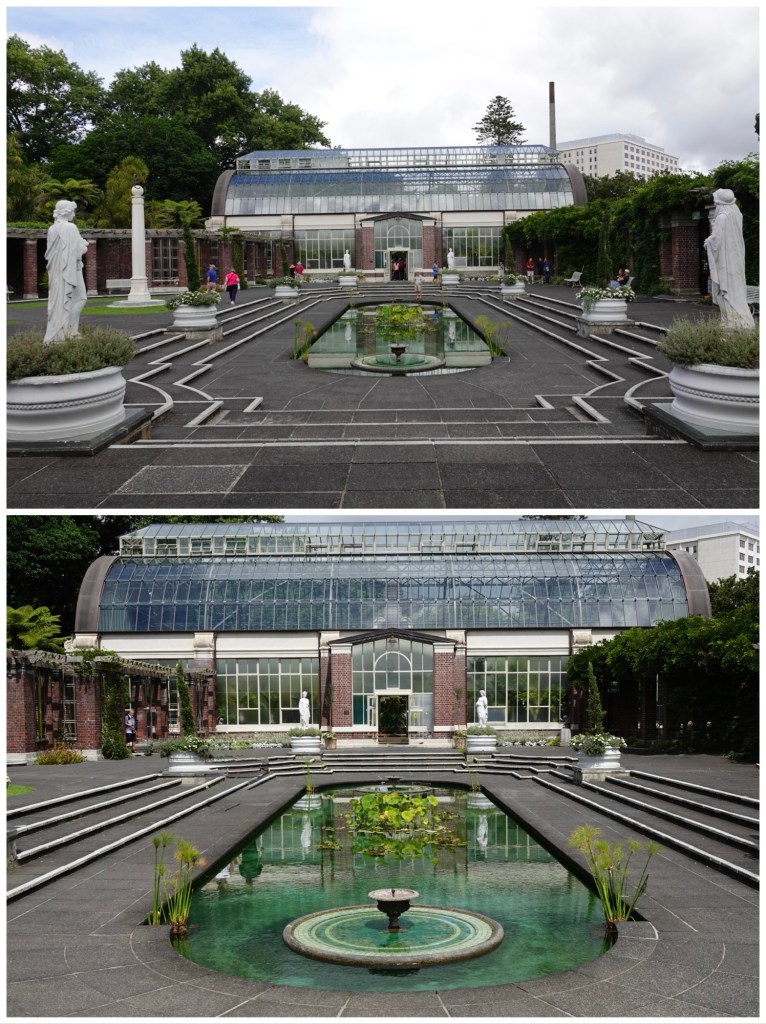
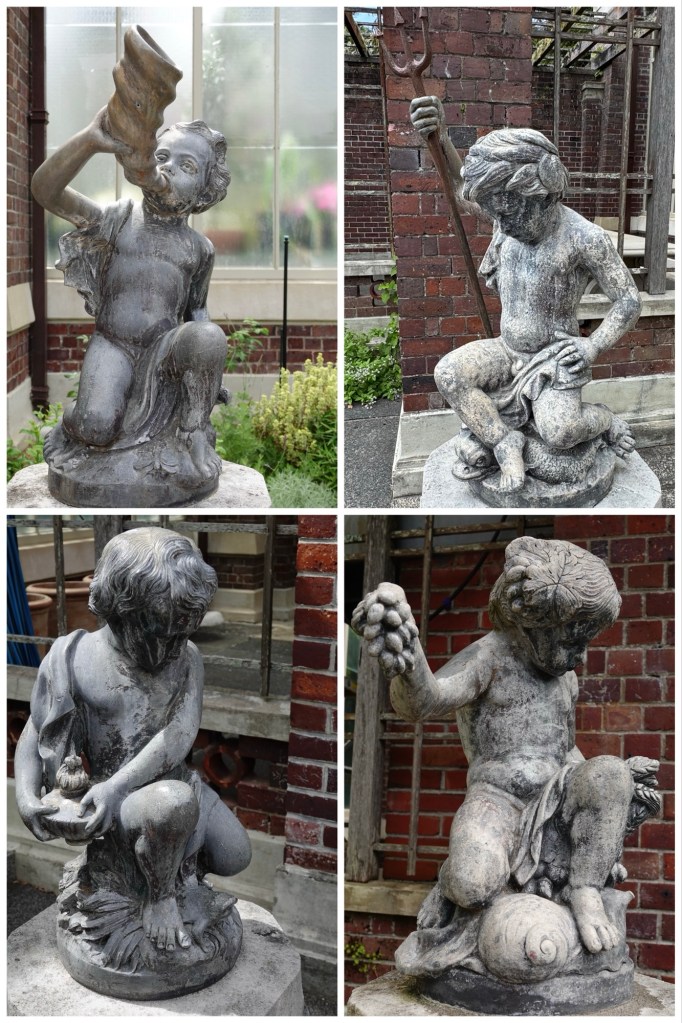
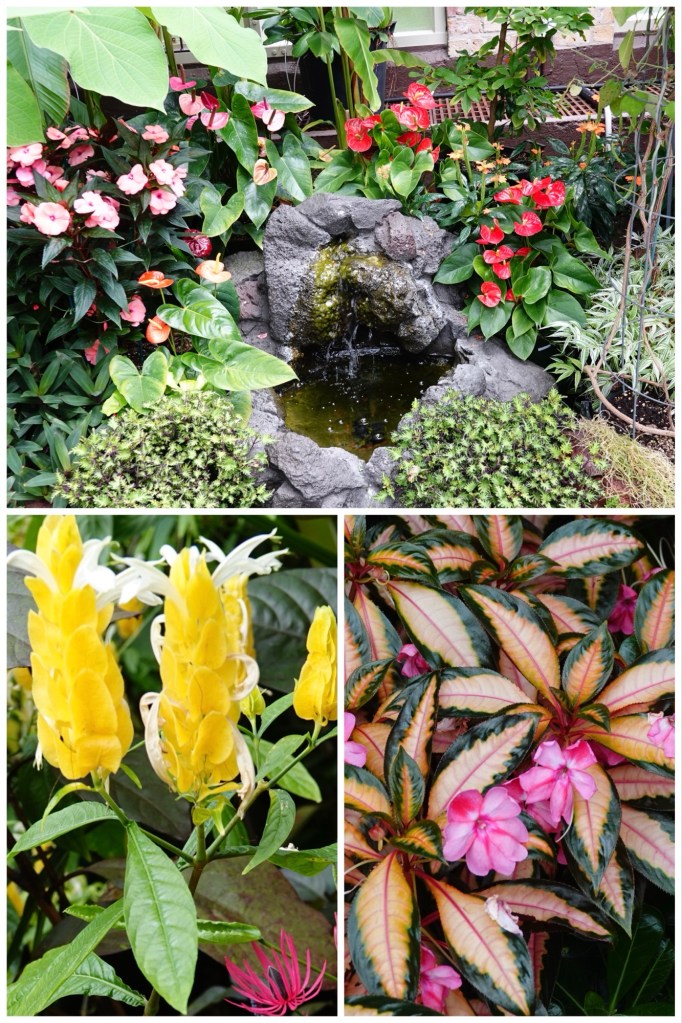
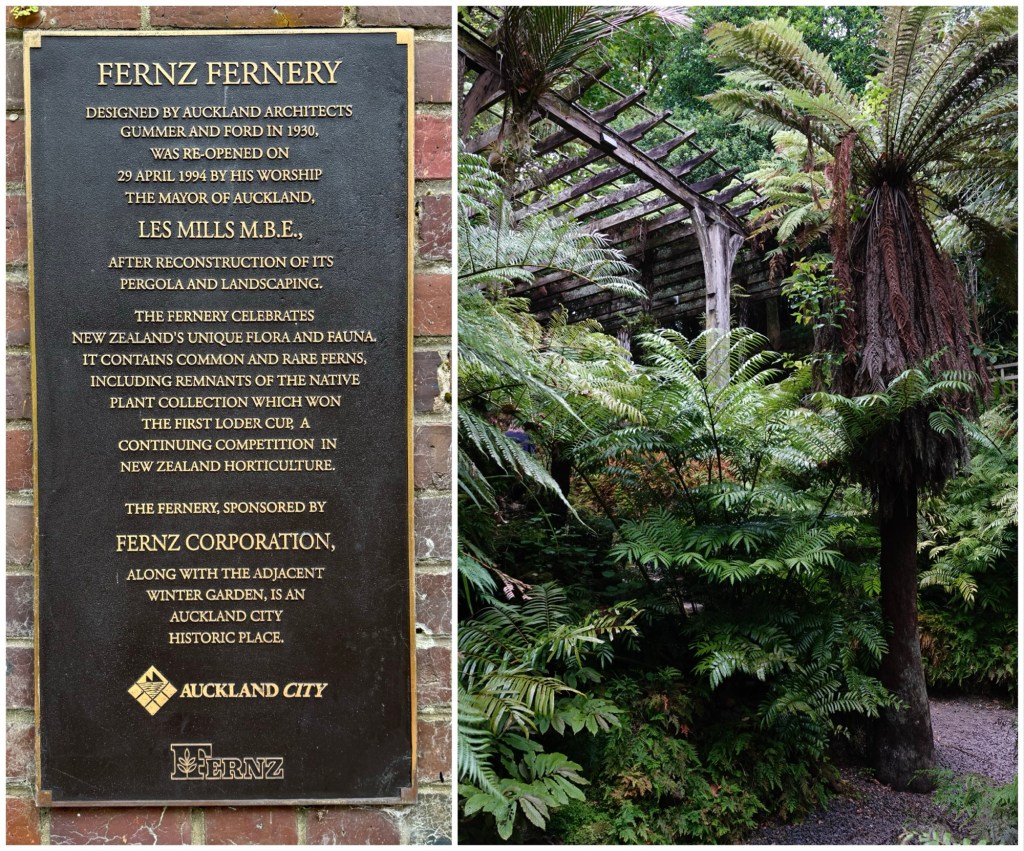
During last year’s visit, we were ‘t even aware of the Wintergarden. Today we had time to explore its twin greenhouses (the Temperate House and the Tropical House) and “fernery”. What a beautiful place!
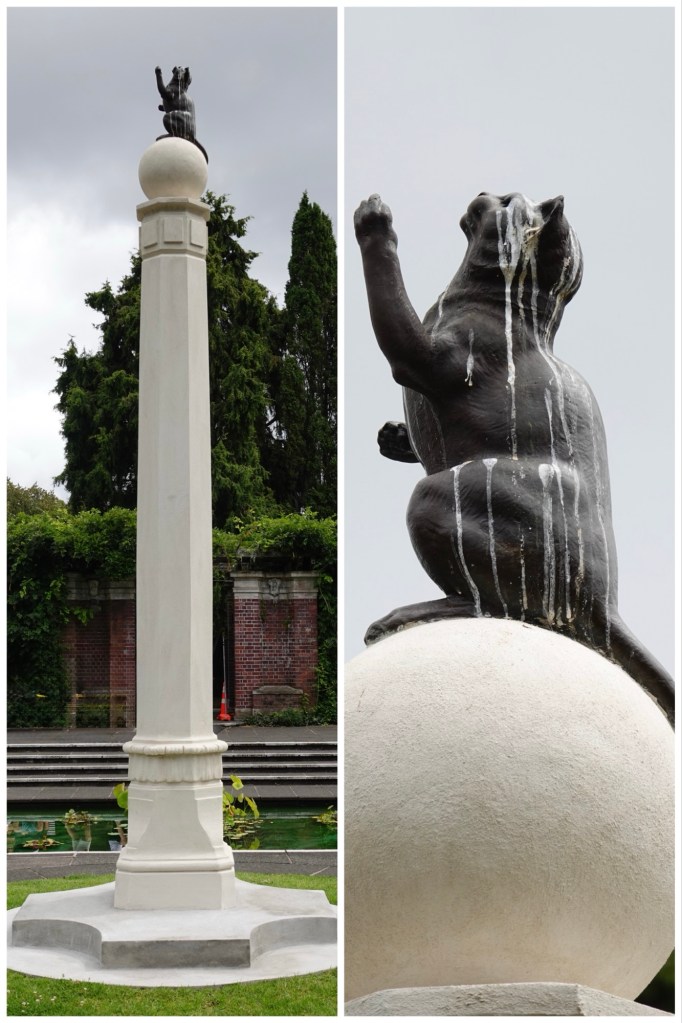
The whimsical cat perched high atop a pillar seems to be reaching for any bird foolish enough to fly past.
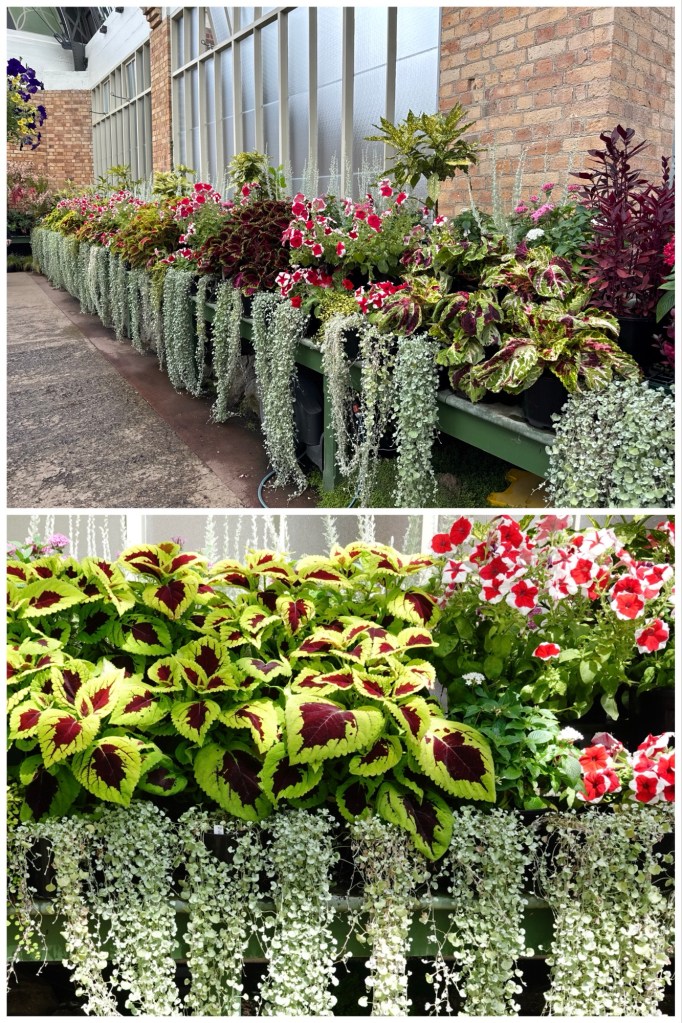
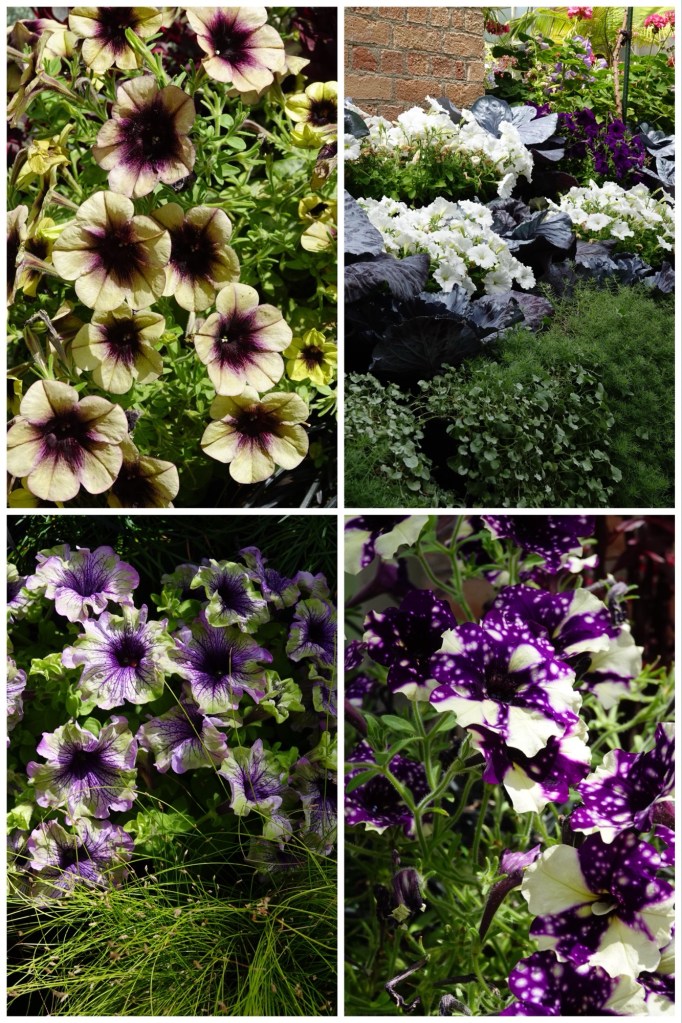
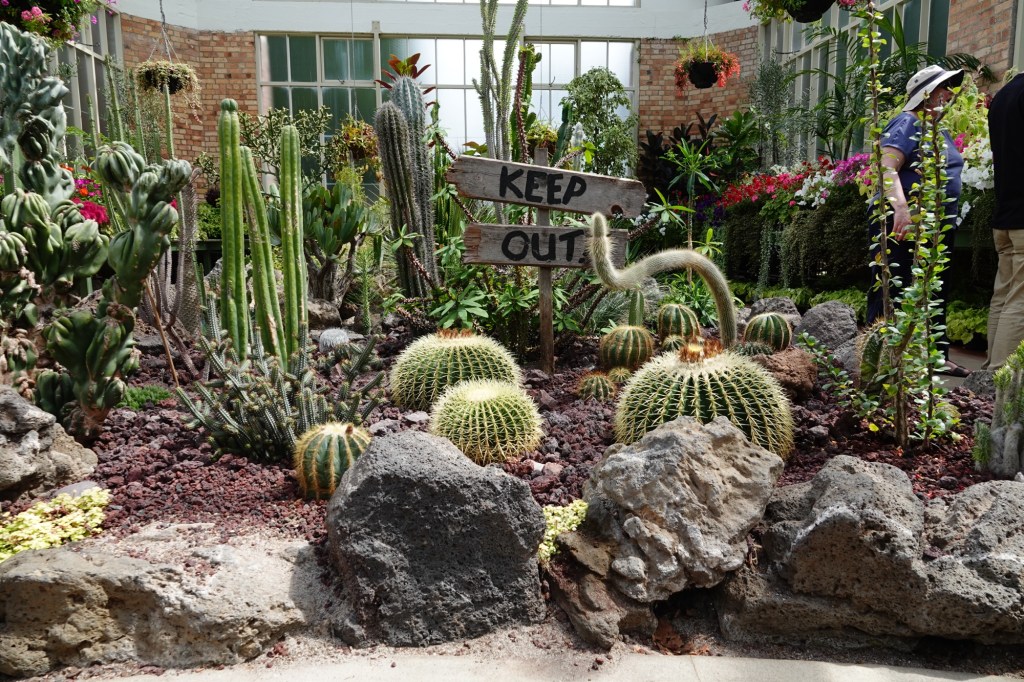
Inside the “Temperate House”, absolutely stunning displays of colour, and – surprisingly – cacti.
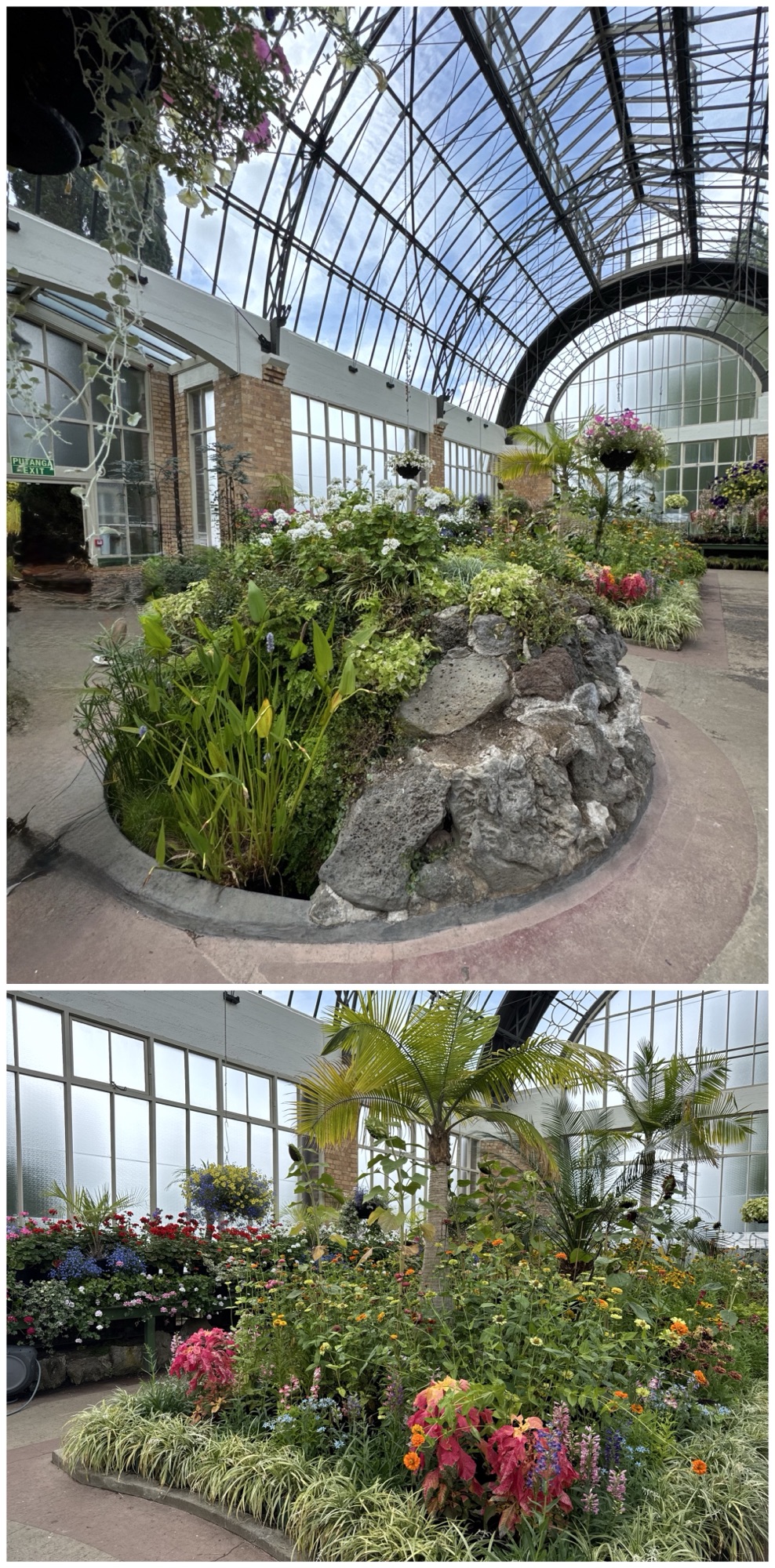
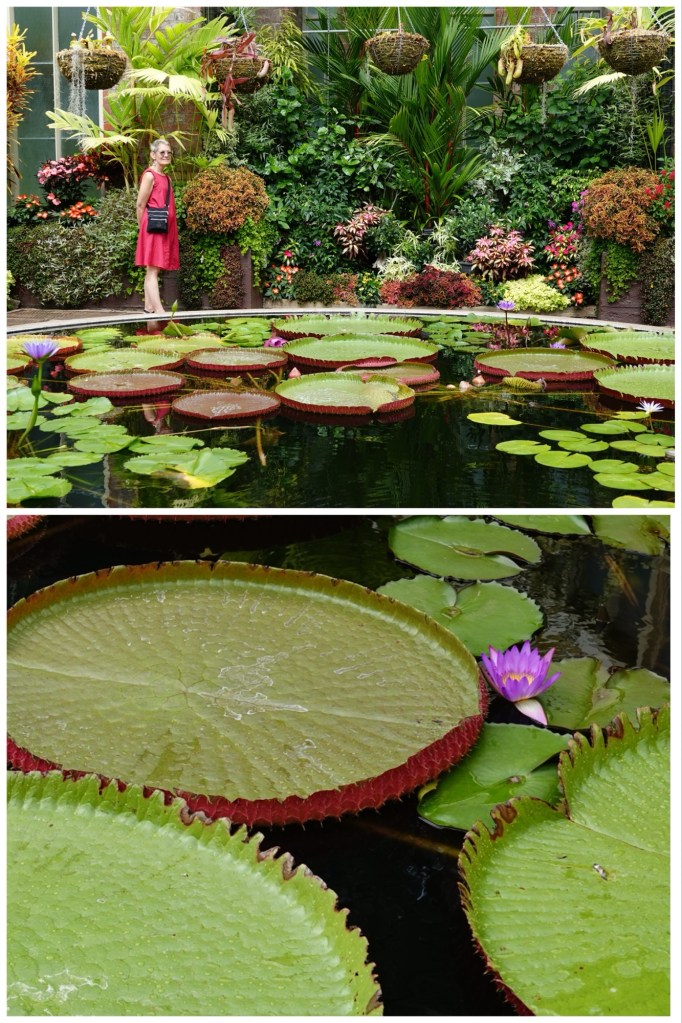
In the “Tropical House”, the highlight from my point of view were the huge Amazonian water lilies, although there were other beautiful plants as well.
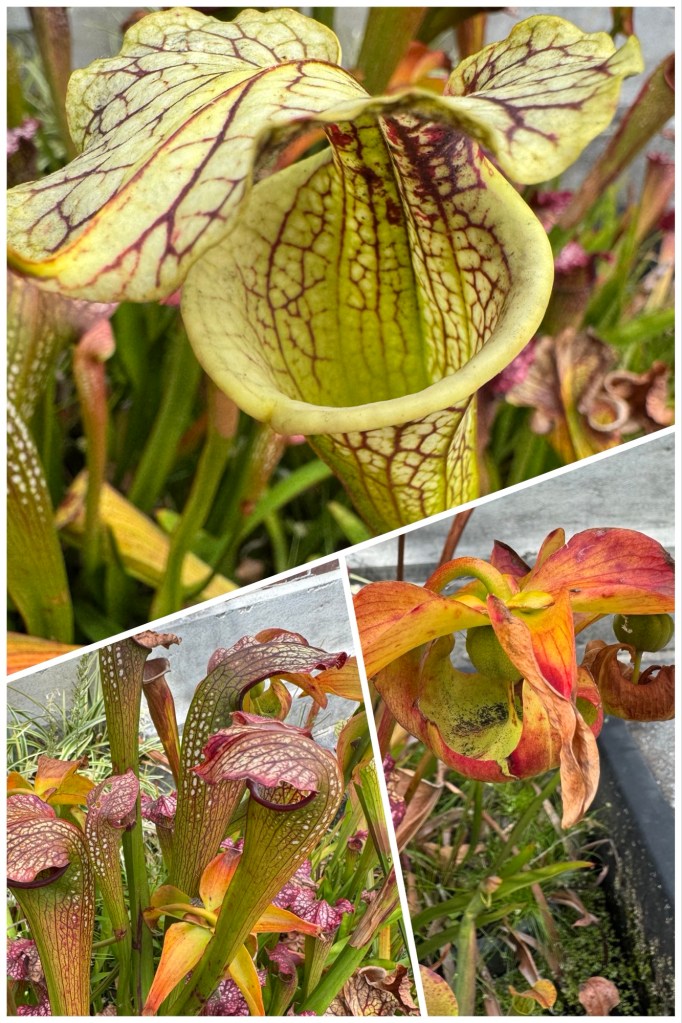
Outside, in two beds that could have been easily overlooked among all the floral splendour, were these carnivorous North American pitcher plants (Sarracenia) in various stages of bloom.
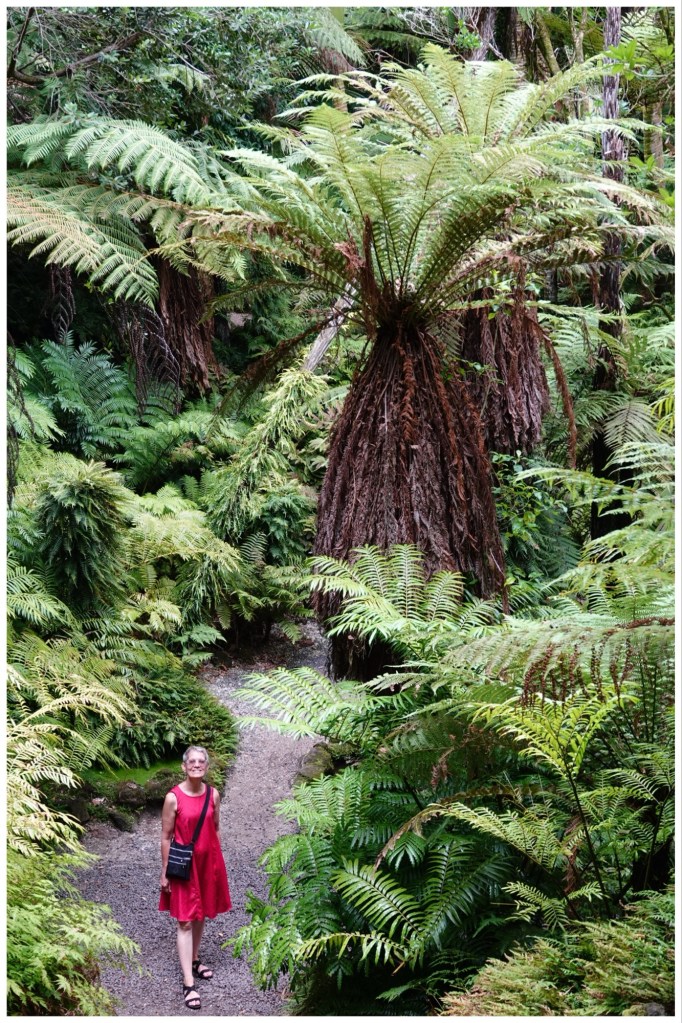
Descending the stairs into the centre of the Fernery reminded me of being in a Yucatecan cenote, surrounded by greenery and silence; only a deep pool of clear water was missing.
From the Wintergarden, we climbed the hill to Auckland Museum, which was originally the War Memorial Museum.
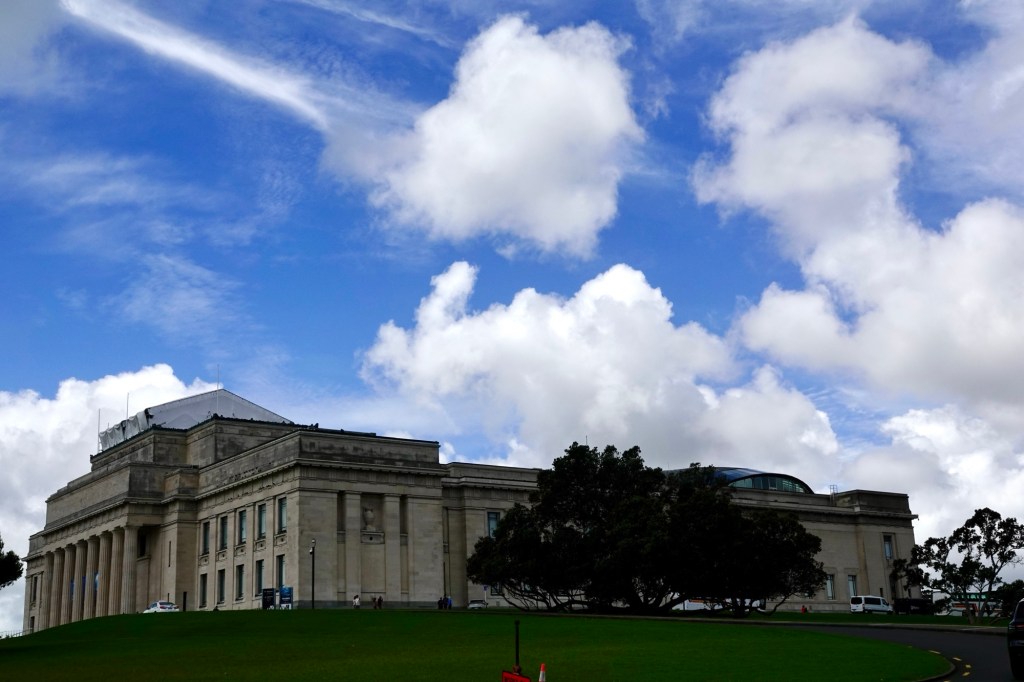
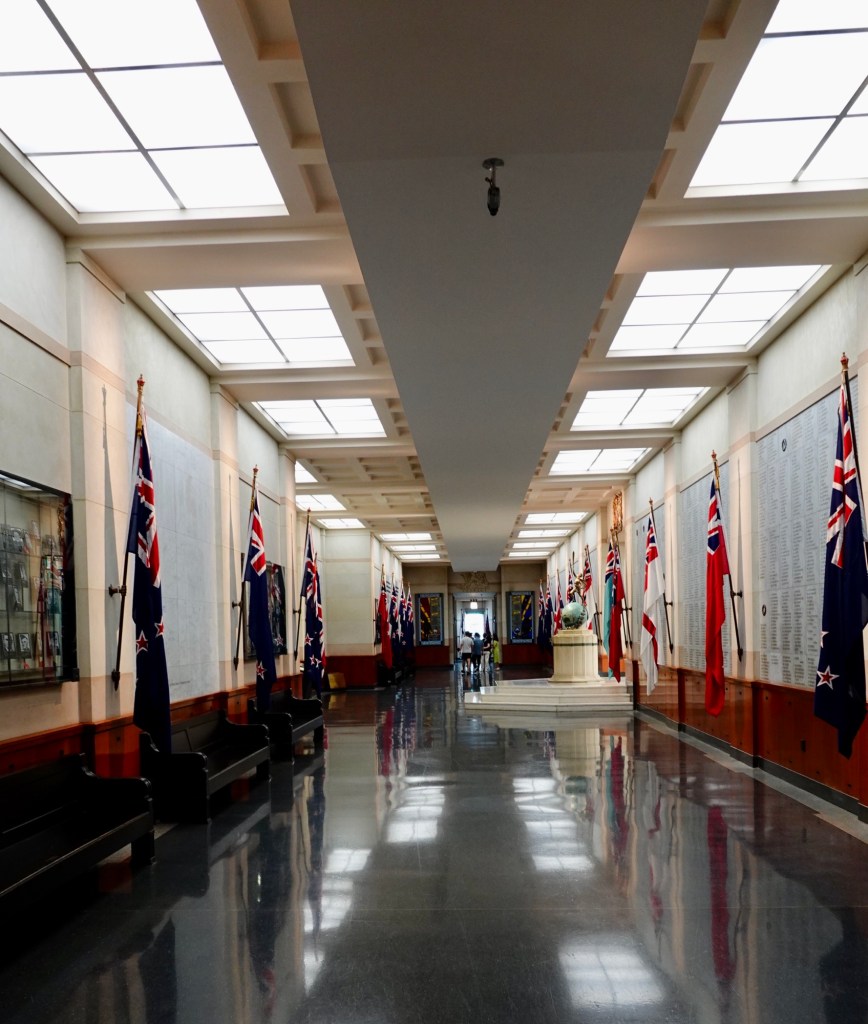
The Māori Court and Pacific Galleries in which we spent most of our time last year are currently closed for what the museum called “essential remediation”, so this time we focussed on the architecture of the 1929 Grand Foyer and the military exhibits.
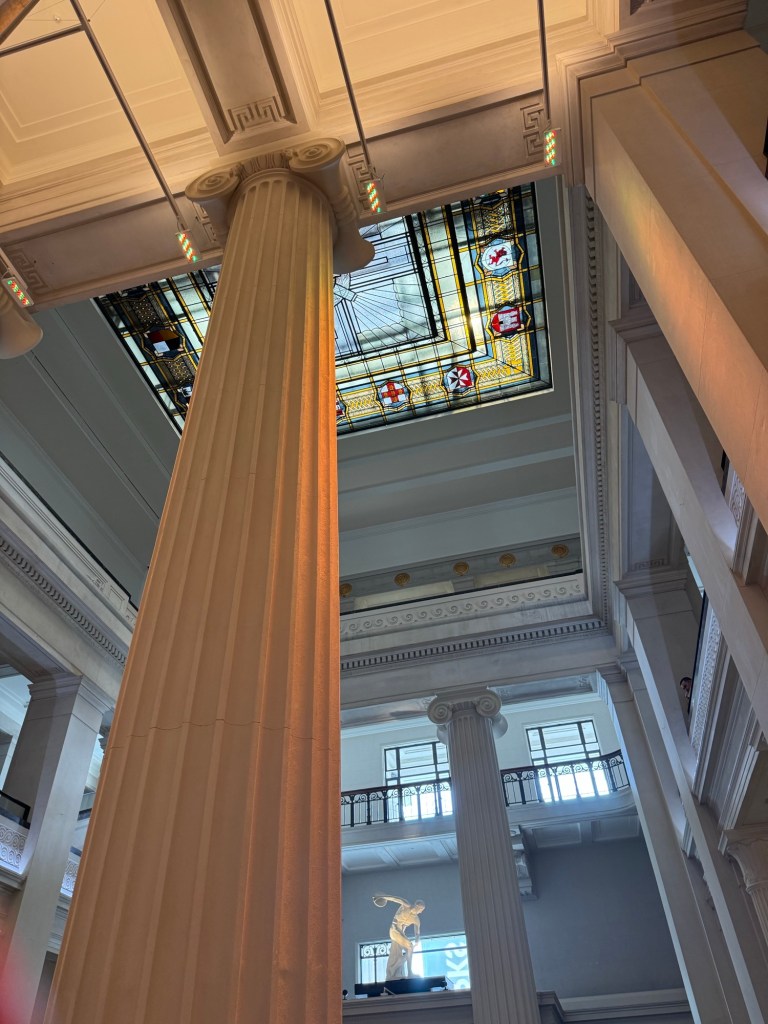
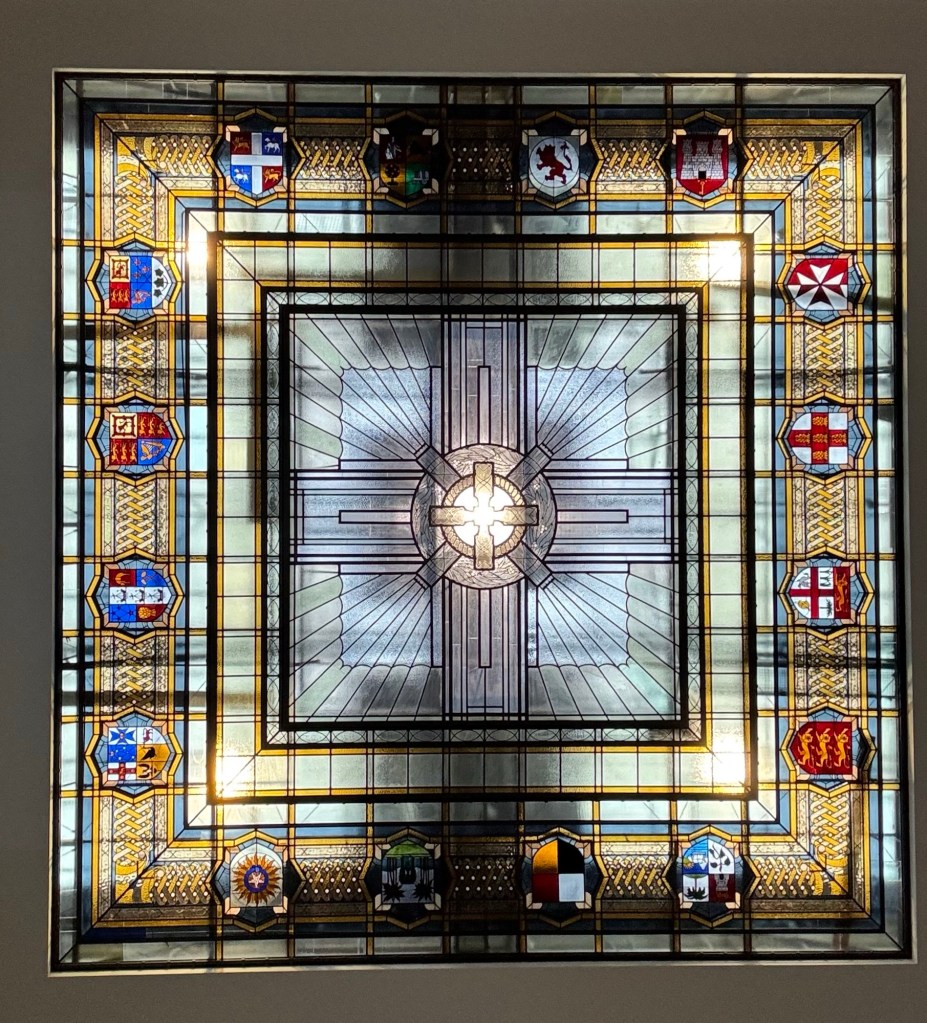
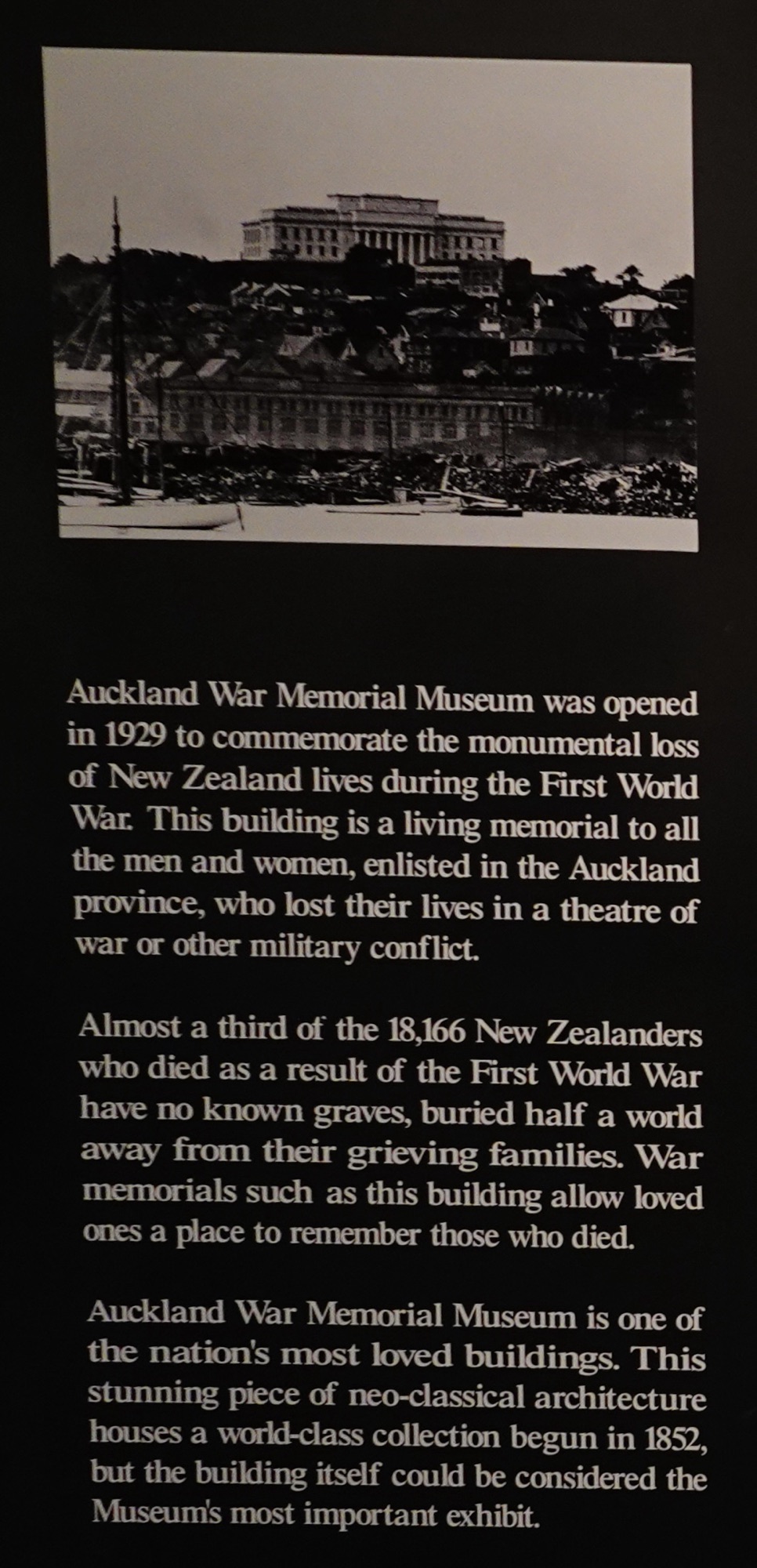
The exhibits here are not as viscerally emotive as those in the Gallipoli exhibit at Te Papa, but the sheer scope of the sacrifices made by Aucklanders memorialized here is absolutely heartbreaking.
Every single name on the four massive walls here is that of an Aucklander who lost their life fighting in World War I.
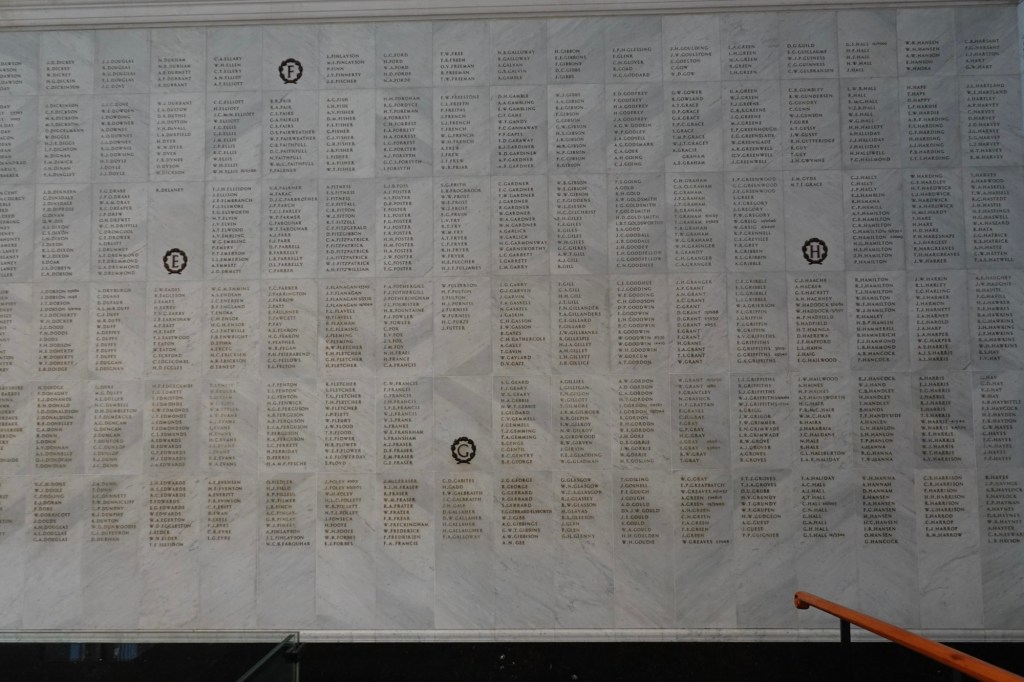
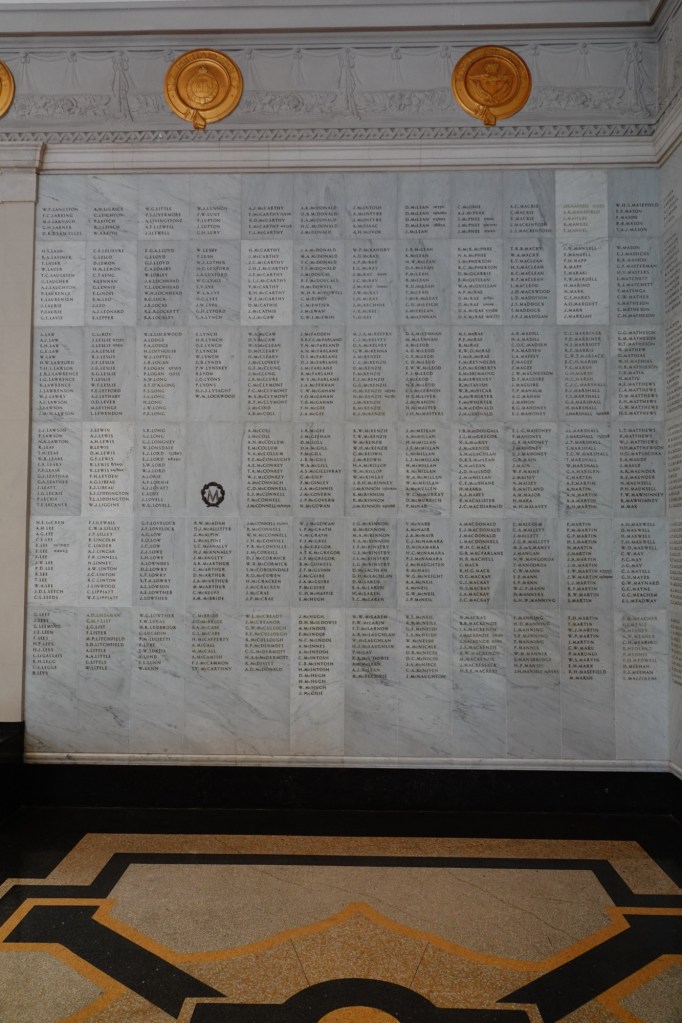
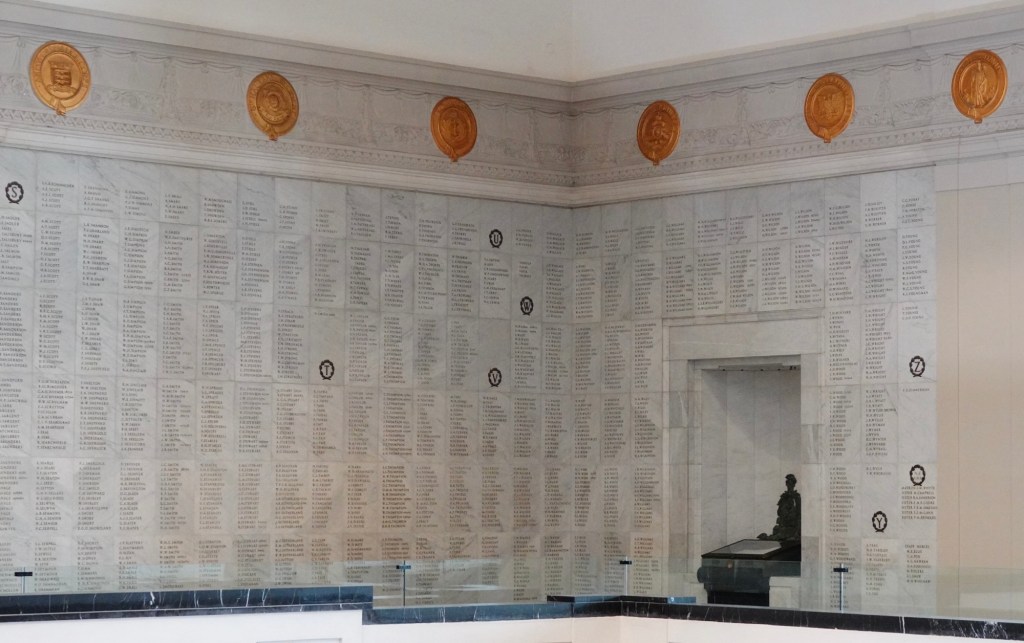
It was never anticipated nor intended for this place to have to memorialize losses from a second world war, which makes the second huge gallery full of names all the more poignant.
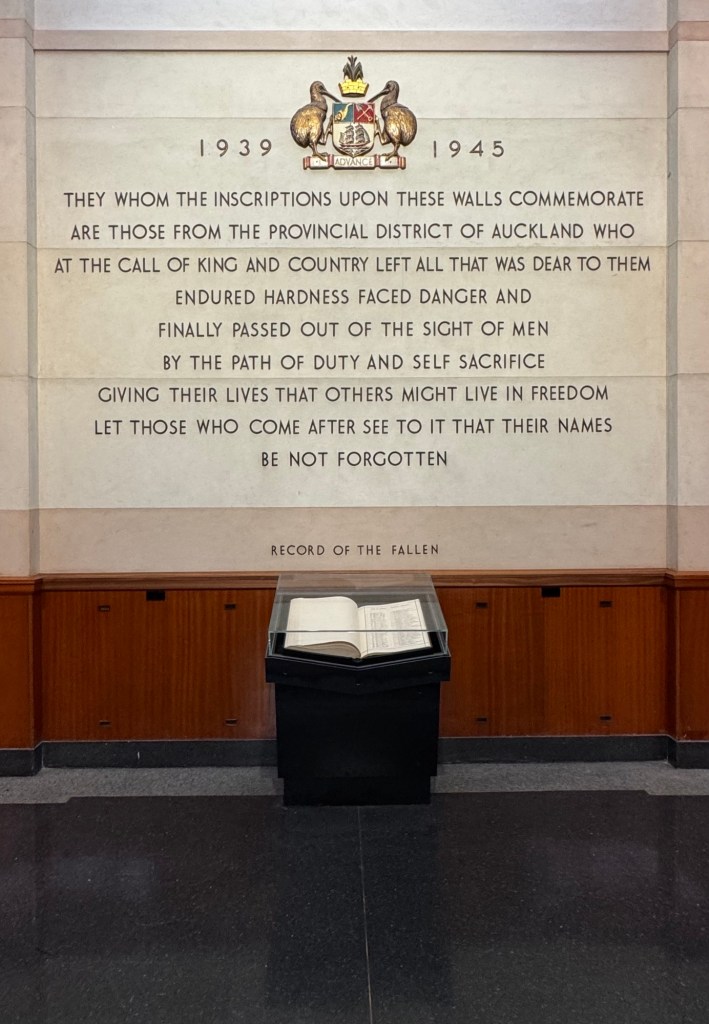
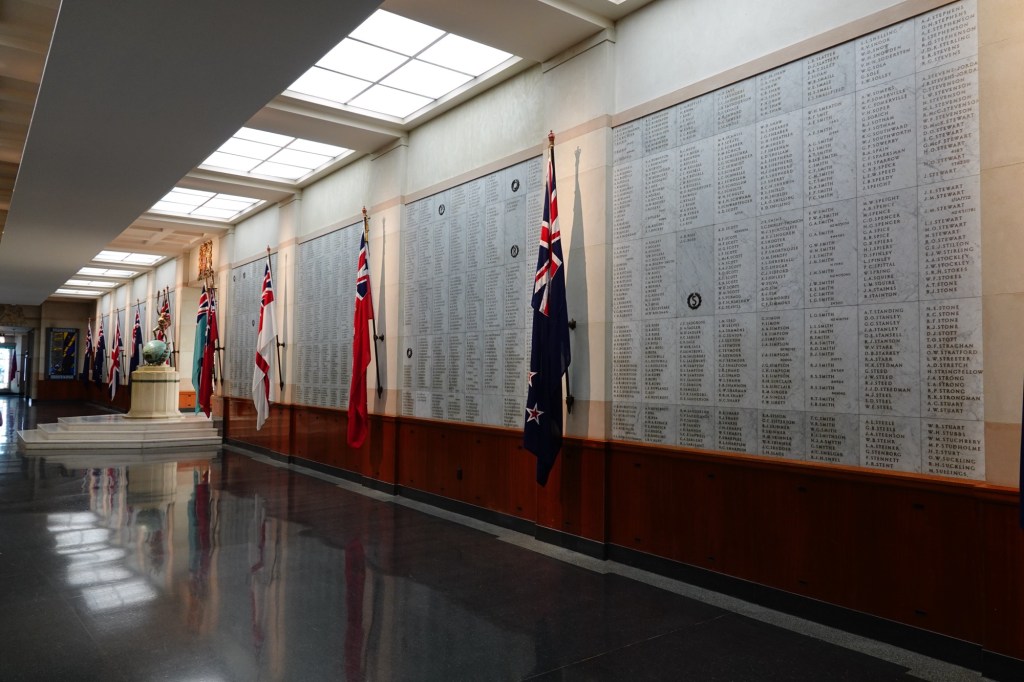
Even the second World War didn’t stop people from going to war. The most recent losses are also recorded here, etched into marble.
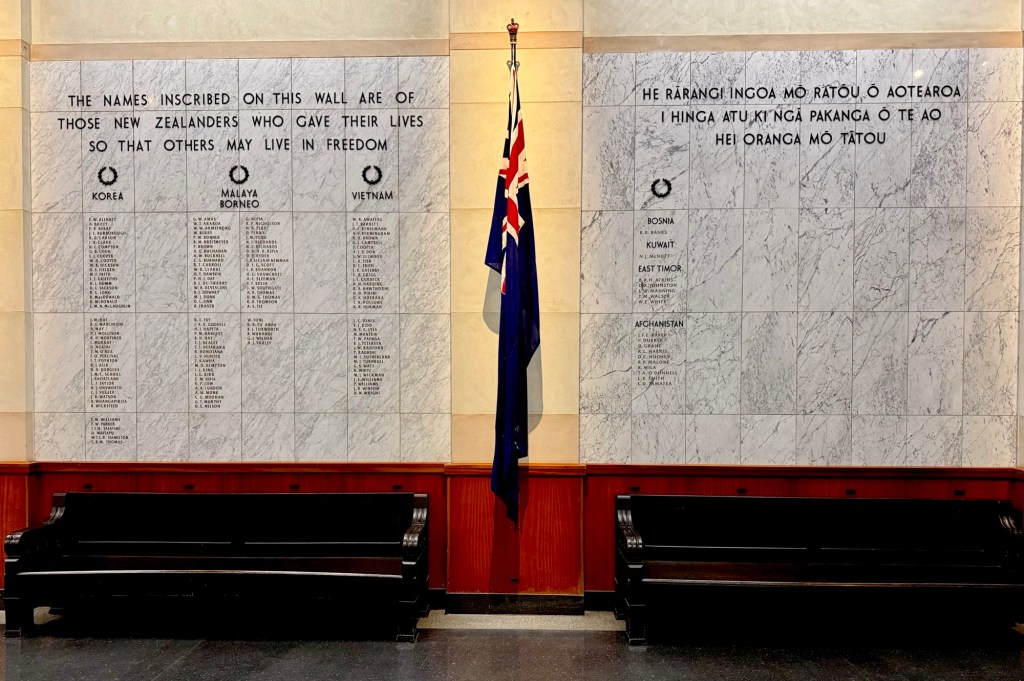
Of all the panels, it was the one below that brought tears to my eyes.

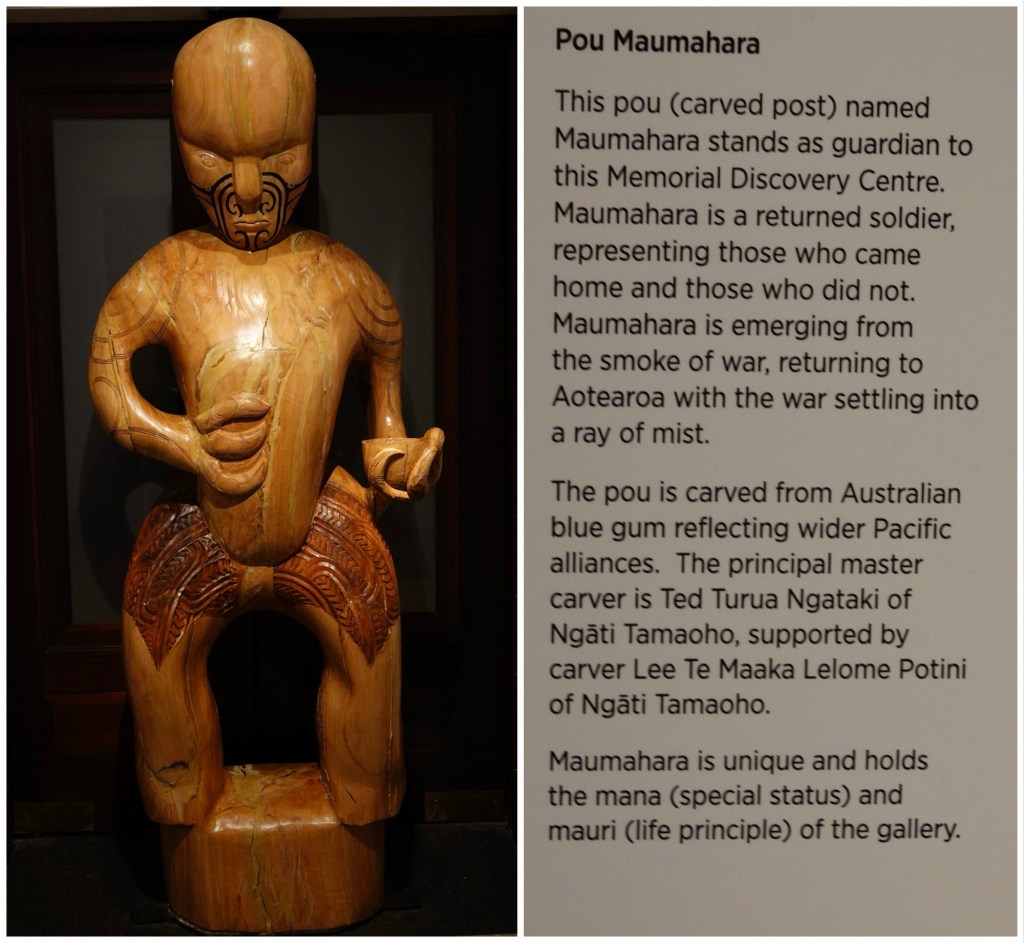
Some of the memorials are in the form of sculptures.

Others are in the form of stained glass.
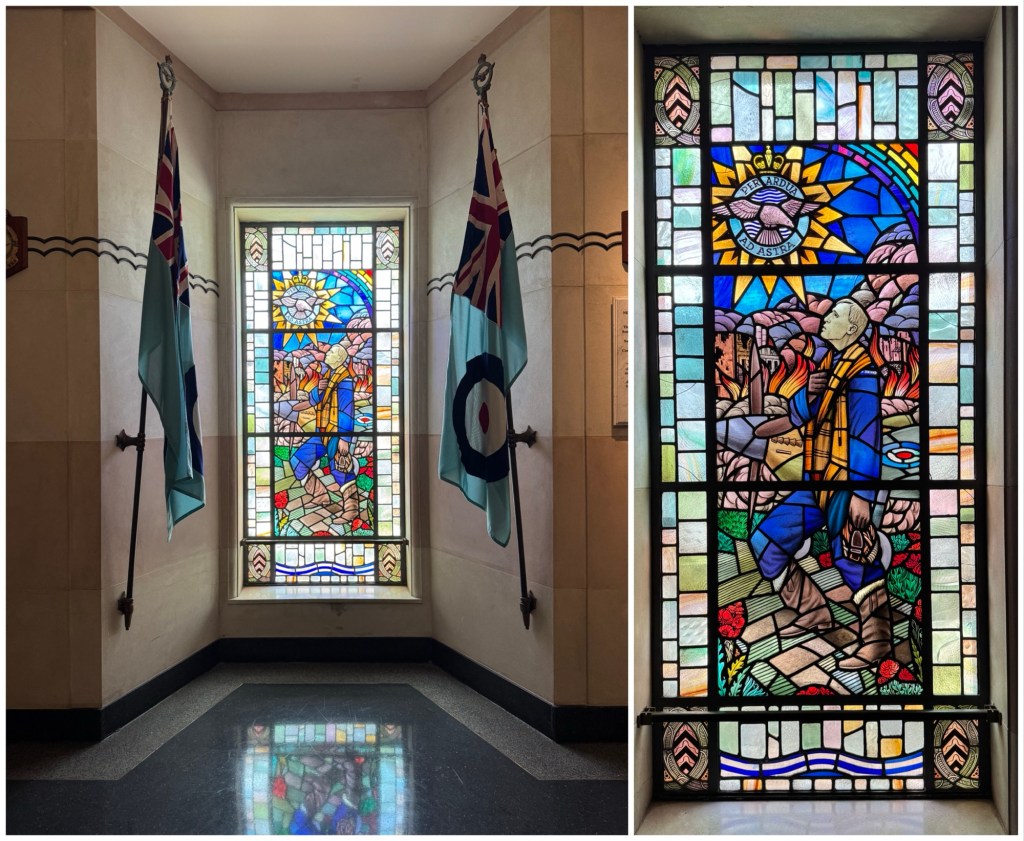
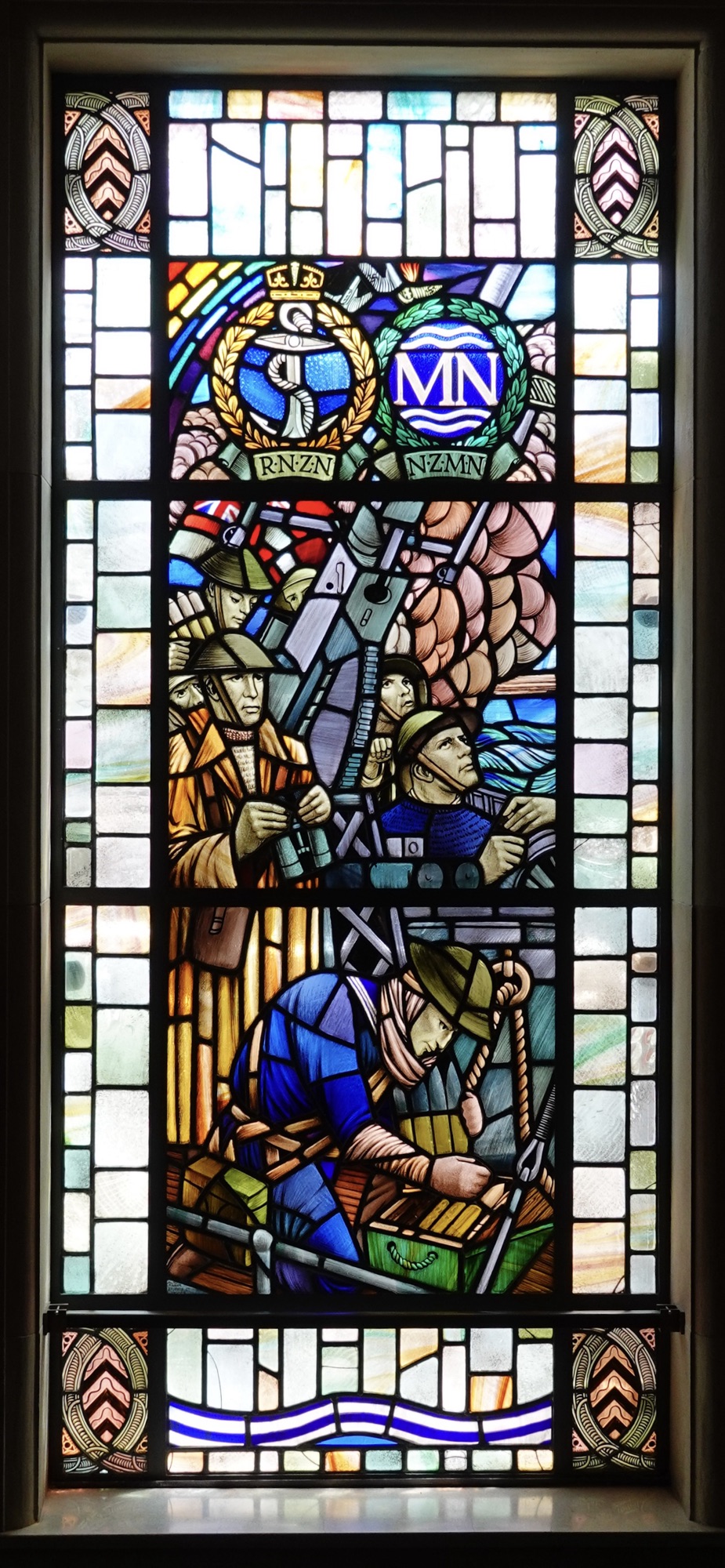
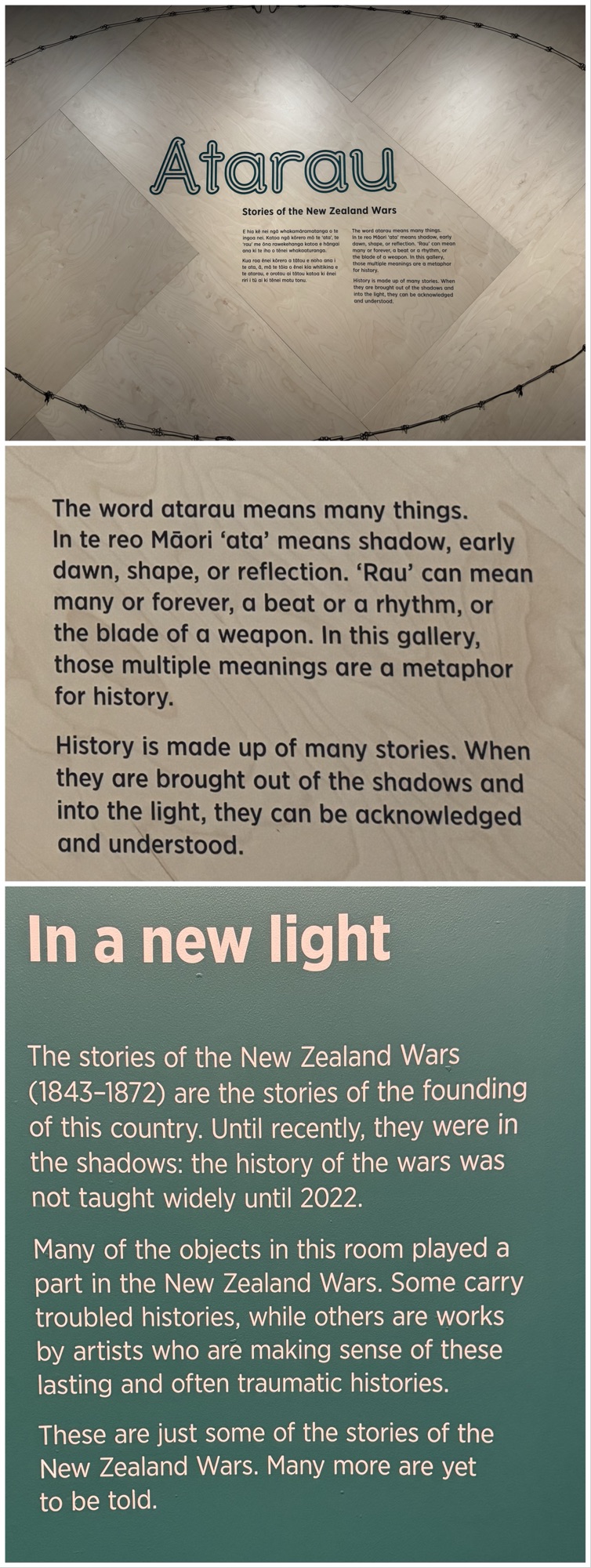
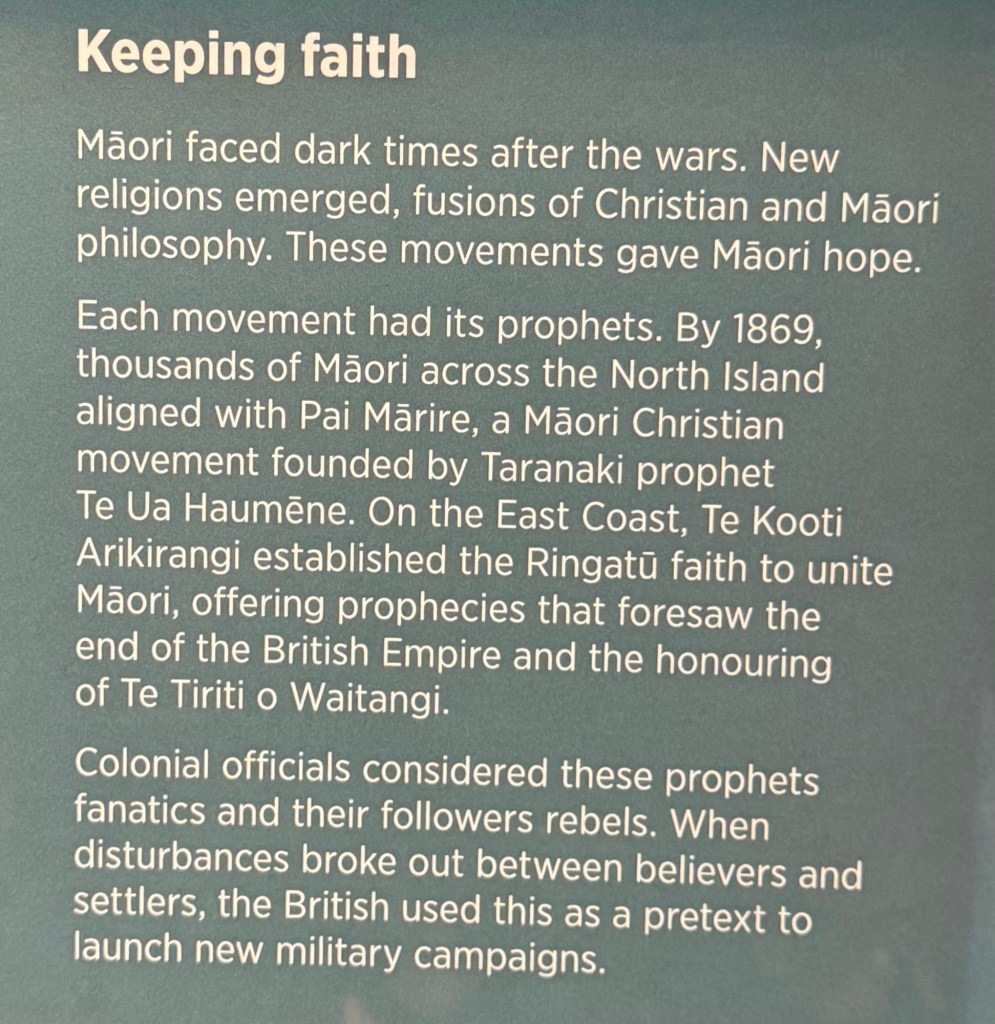
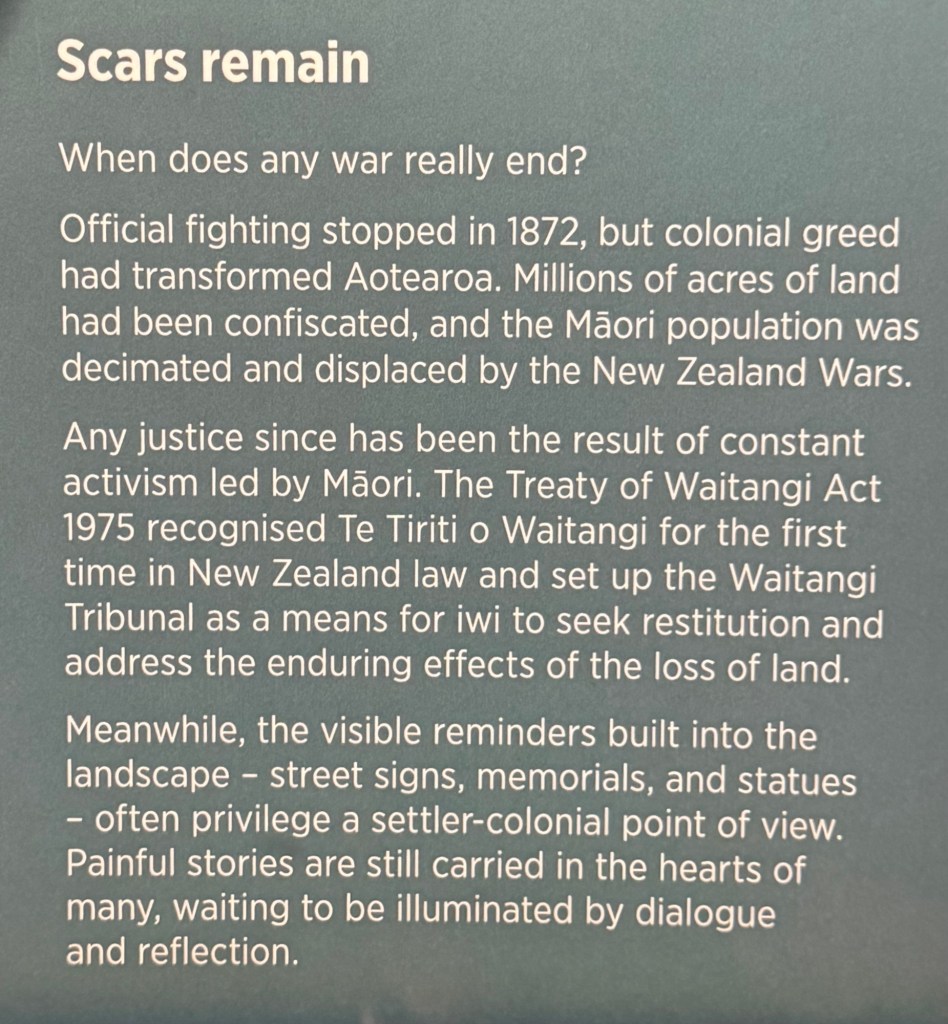
The museum includes exhibits from both world wars, the Boer War, New Zealand’s UN Peacekeeping missions and more, but until 2022 the New Zealand Wars were neither memorialized nor even taught within history curriculum. A student-led petition generating over 13,000 signatures was instrumental in convincing the government to change that. Better late than never; it’s a sign of a country’s maturity to acknowledge its past fully, and work to correct oversights and injustices.
The museum also includes a Holocaust exhibit created with the input of New Zealand’s Jewish community, many of whom escaped Europe during or just after WWII. I was most impacted by the words displayed between the photographs and stories. Sadly, they feel very relevant today. I really hope that in years to come when we look back at this episode, our world will feel different.


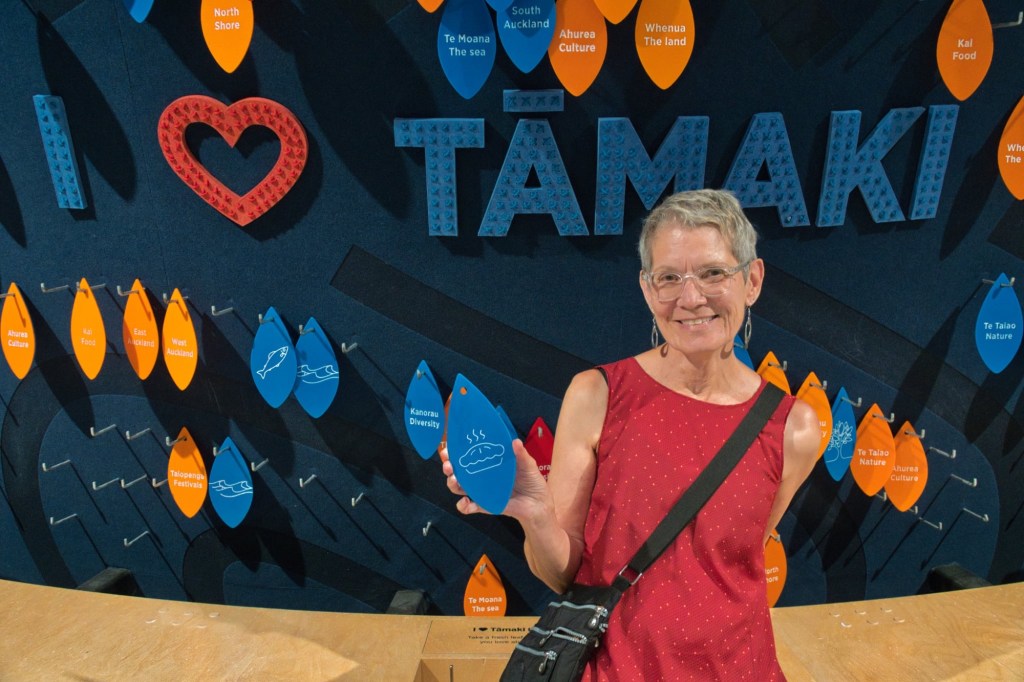
To end our visit on a lighter note, there was the opportunity to walk through an exhibit highlighting people and events important to this city.

Öhinerau Mt Hobson, Maungawhau Mt Eden, and Pukekawa Auckland Domain, the tree -tapu to mana whenua- was felled in 1908.”
Visitors to the museum can choose a “leaf” with one of their favourite things about Auckland and hang it onto a wall under the Māori words for “I love Auckland”.
 Rose and Ted’s Excellent Adventure
Looks like the birds got the better of the cat statue. And is that the dress you got at the Op Shop? Very cute!
LikeLiked by 1 person
If you donât have this
LikeLike
Your comment got completely cut off. Try again?
LikeLike
Holy-Trinity.org.nz is worth a visit ClayFollow and keep up with our retirement adventuresInstagram: @ClaynMike
LikeLiked by 1 person