Today’s adventure took us up the hill via funicular / cable car to the Wellington’s Botanic Garden.
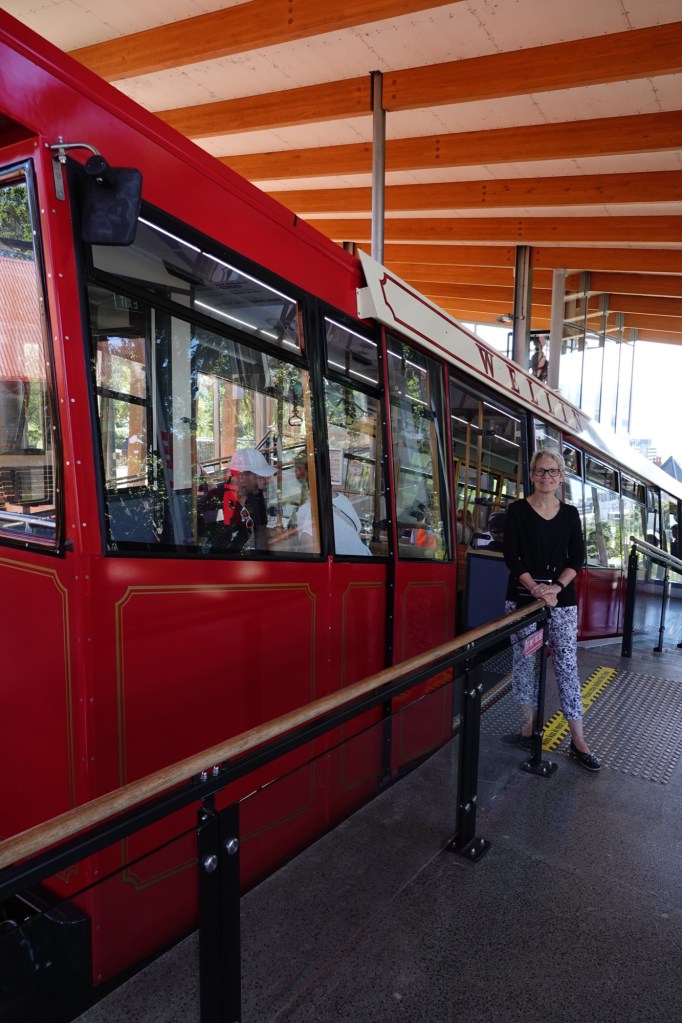
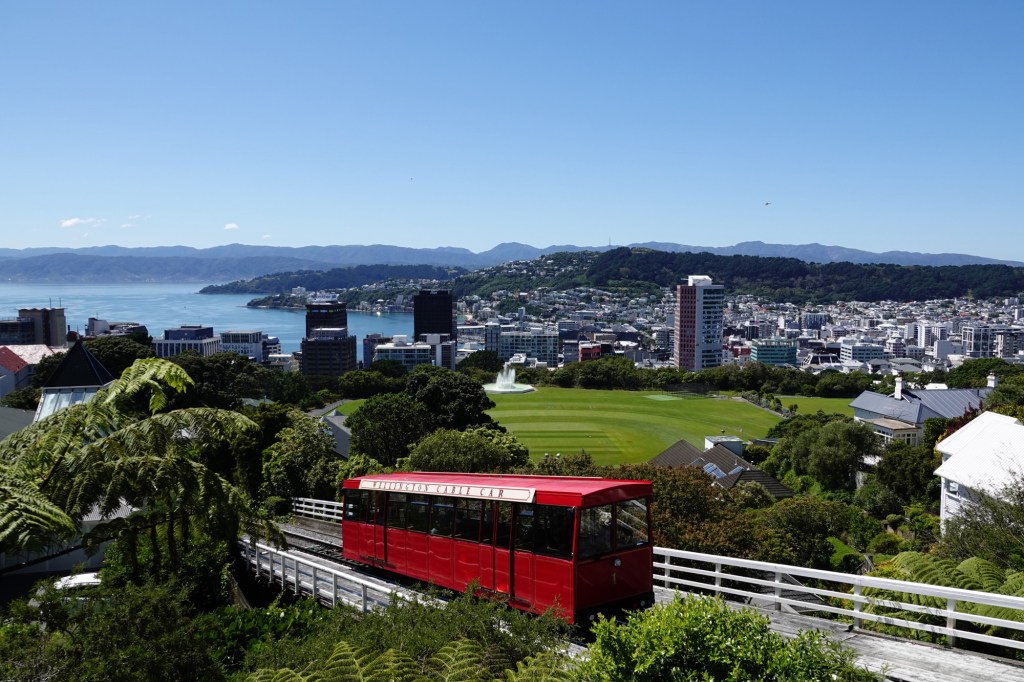
The modern tramway is a funicular, but according to the signs we saw “the original 1902 tramway was technically a hybrid of a cable car and funicular; working on the counterbalance principle with the downhill car providing the locomotion by gripping a moving cable, hence the term Cable Car”.
At the upper terminal there is a free Cable Car Museum that explained how the tramway was built and originally operated, how the cars were designed, and how the two vintage cars on display were restored.
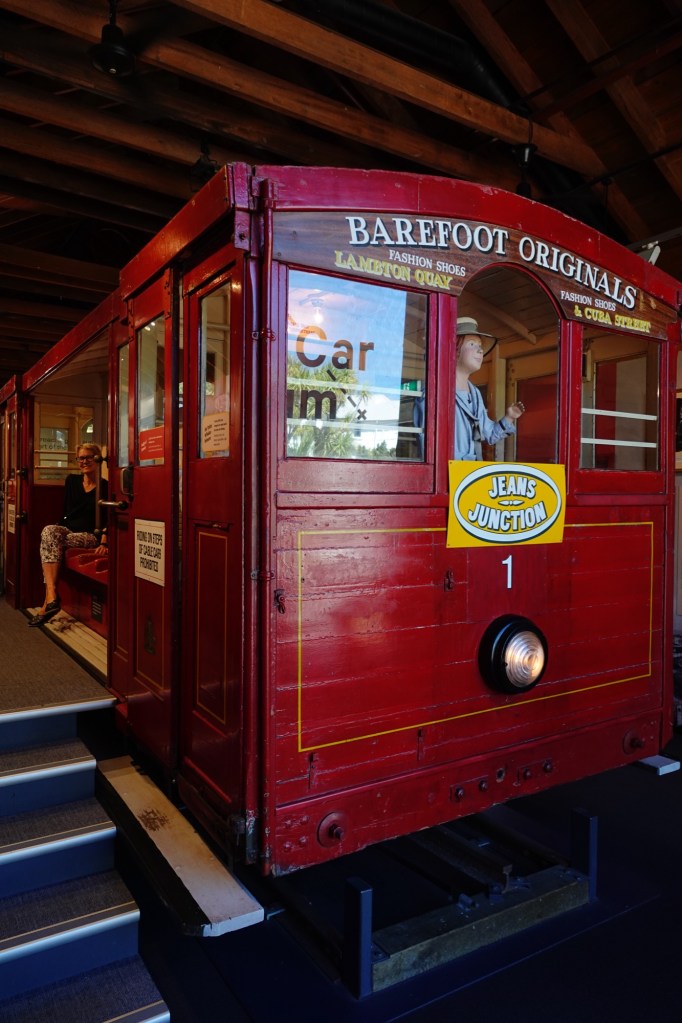
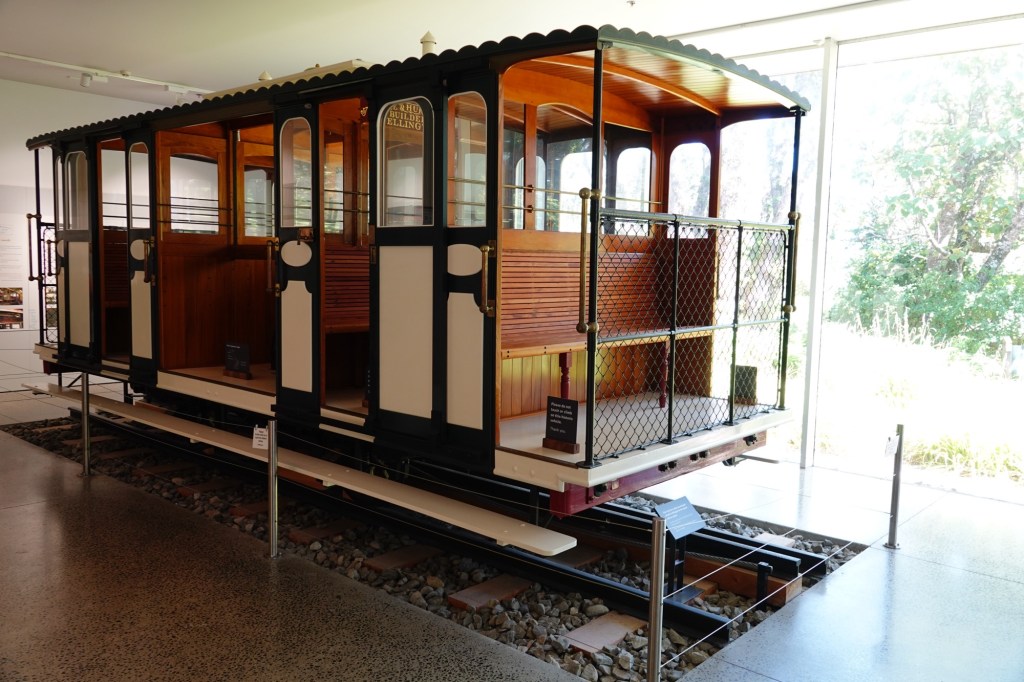
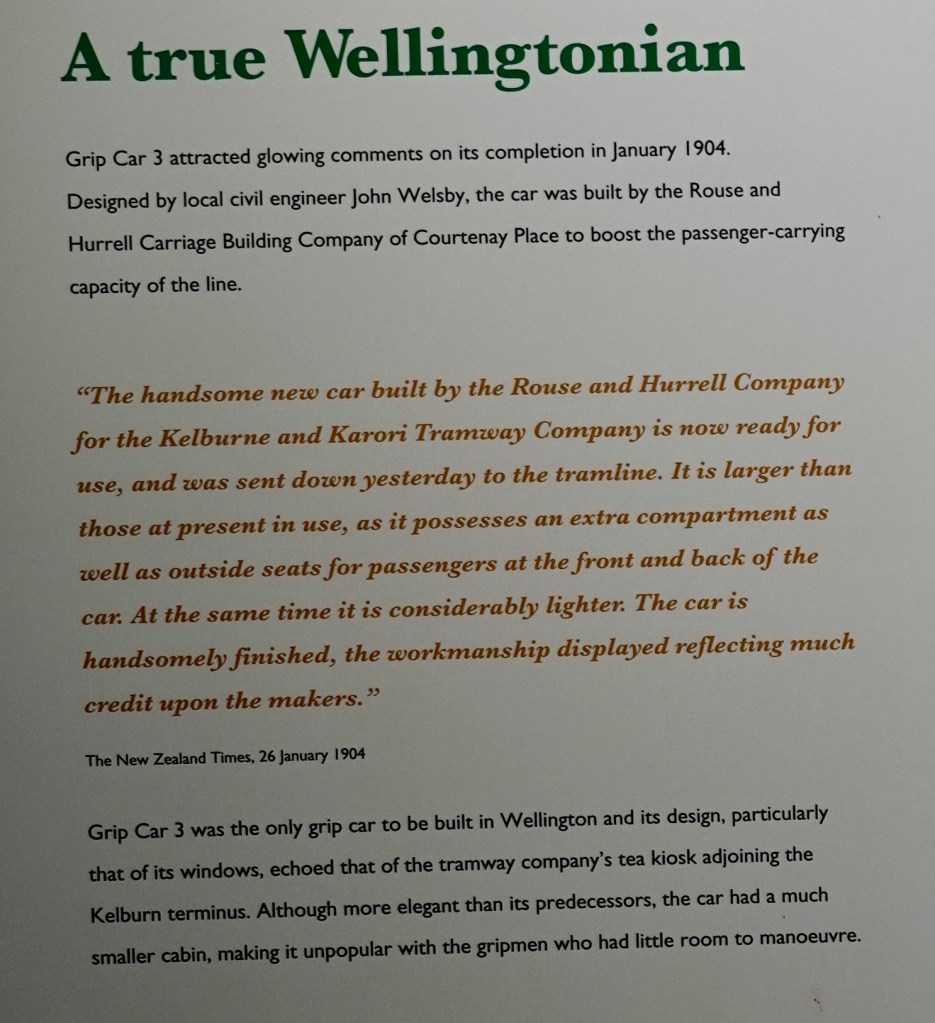
The grip car was completely dismantled and all its components were cleaned and repaired before being reassembled. Any timber too damaged or decayed to repair was replaced with timber of a matching species, and all finishes were stripped off and reapplied.
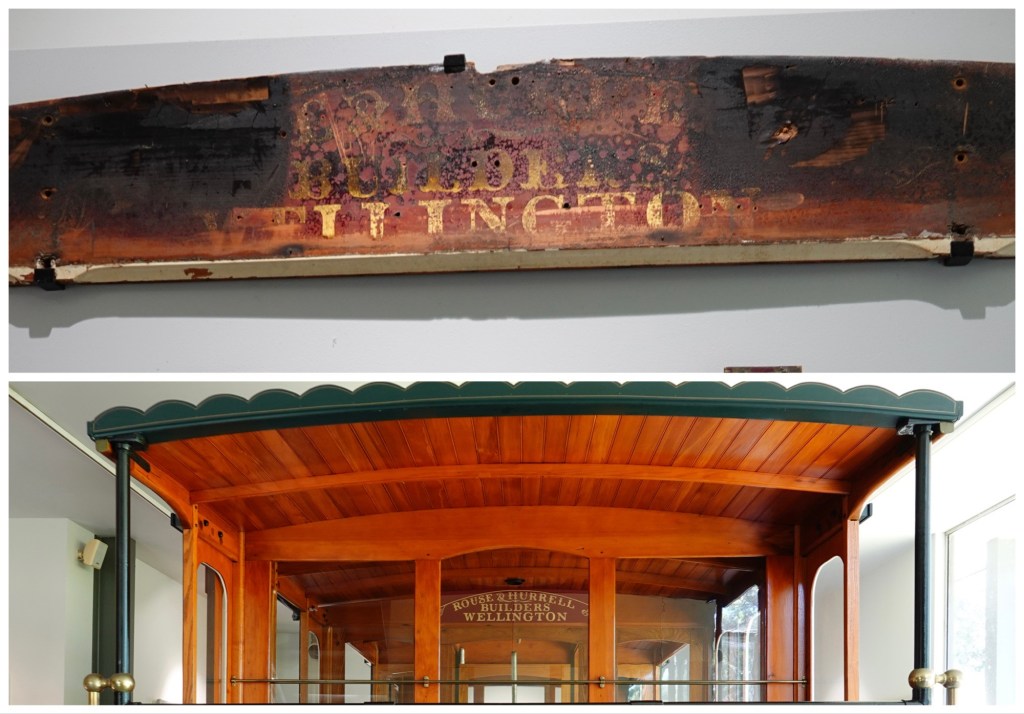
We were given a glimpse into the original mechanics of how the tramway was operated. The winding machinery operated first with steam and then electricity from 1902 to 1978. It is in its original location and has been restored to working order making it a very rare example of its kind.
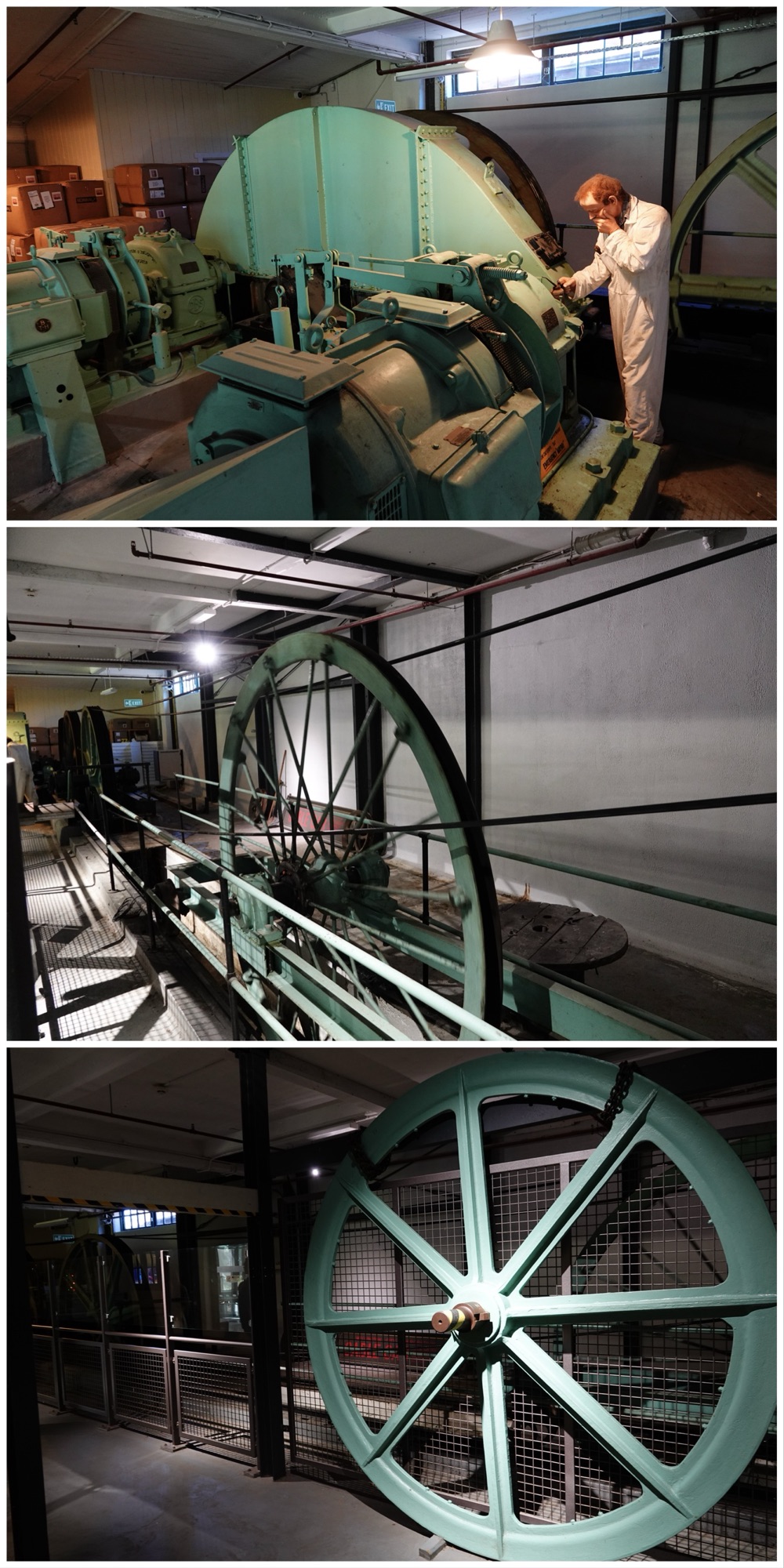
From the lower level of the museum, we could look up at the cable-gripping mechanism under Car No. 1.
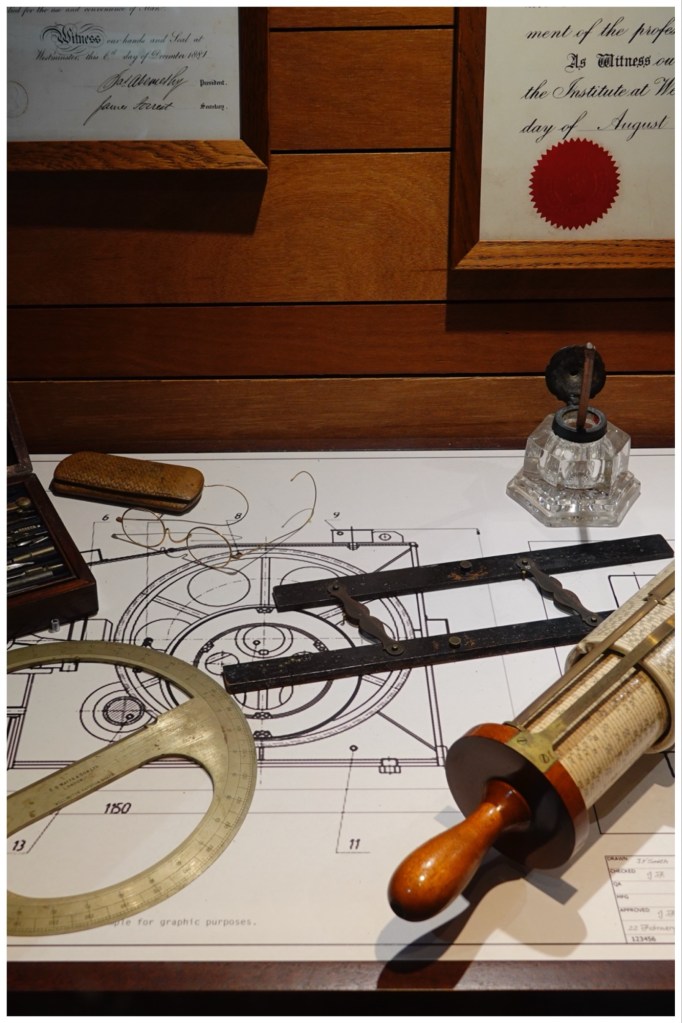
We also got a look at the “traditional” civil engineering tools used to design the tramway – a stark reminder of life before computers!
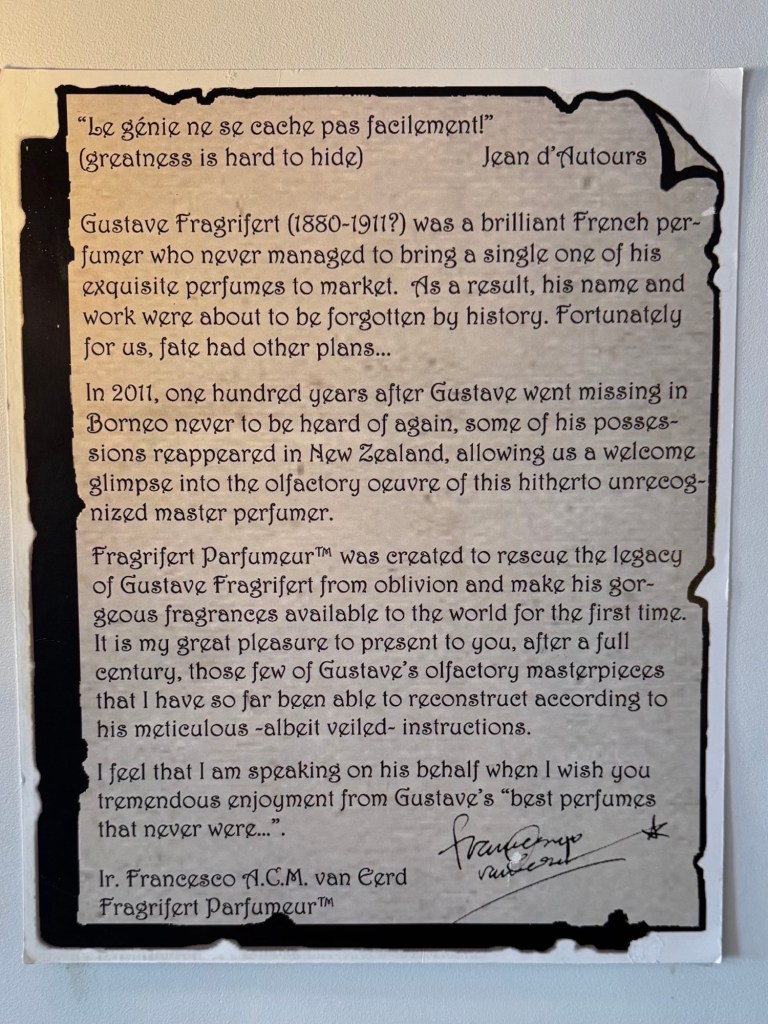
We exited the museum for a peek into Kelburn’s quirkiest tourist attraction, Fragrifert Victorian Perfumery. It’s a real perfumery, with an unusual premise: was Gustave Fragrifert a real 19th century genius perfumer who never released a scent? Real live artisan perfumer Francesco van Eerd hopes channeling that mystery will set him apart as much as his fragrances.
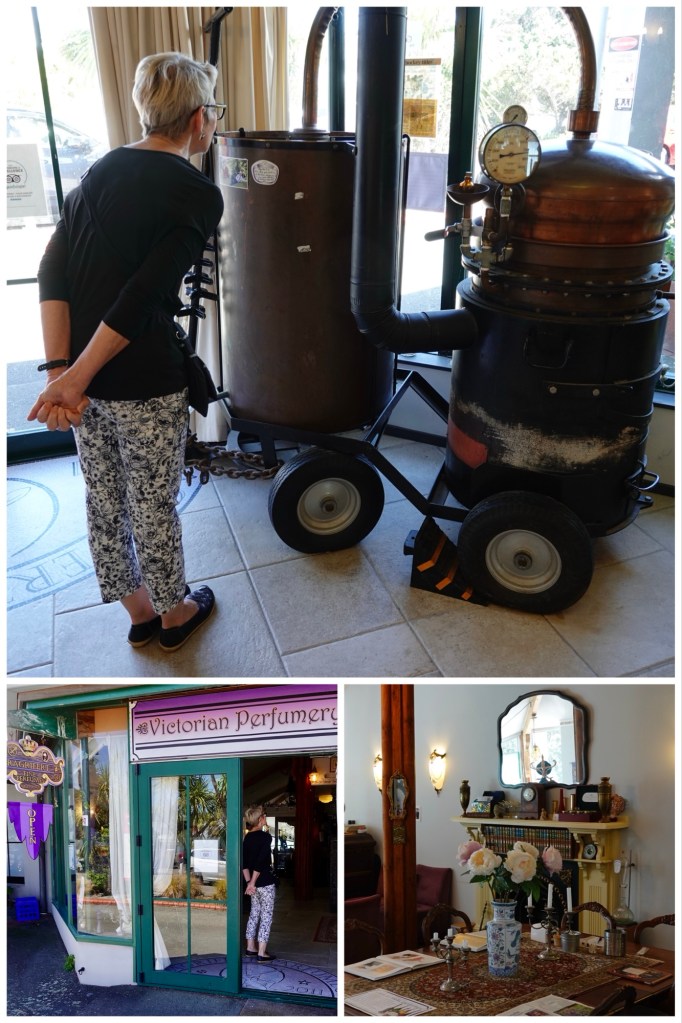
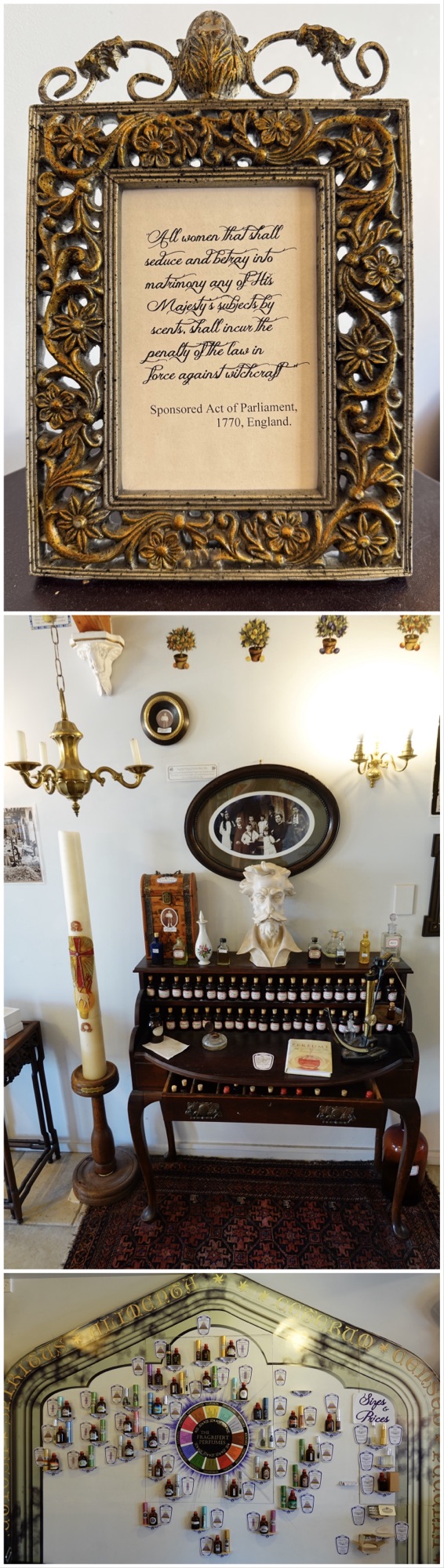
Perfume is not my thing (it makes me cough), but the Perfumery space was a Victorian decorator’s delight.
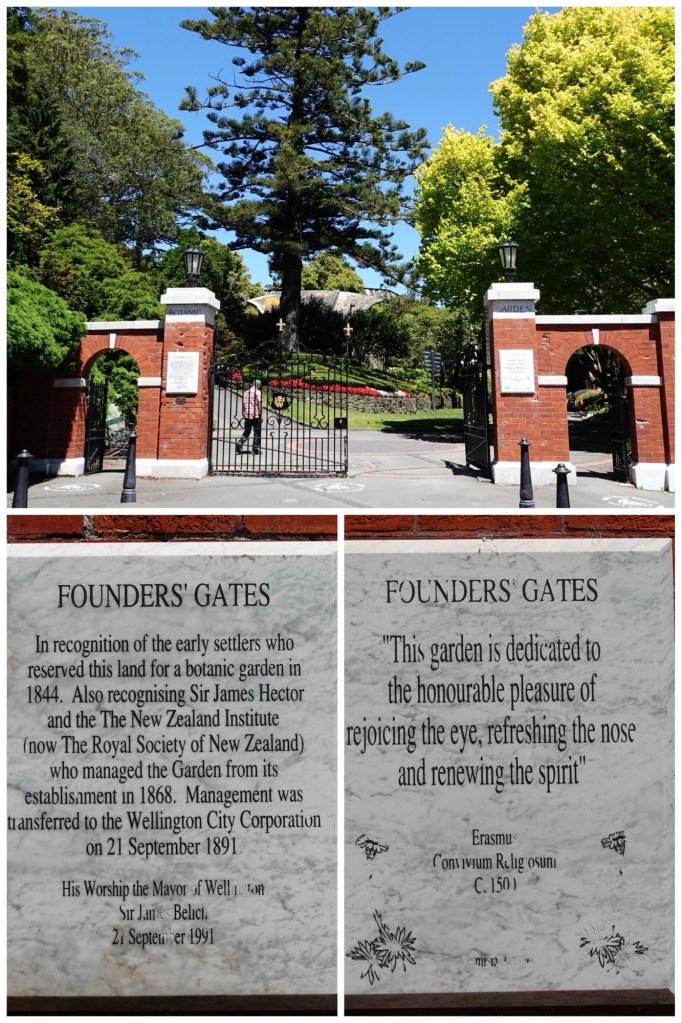
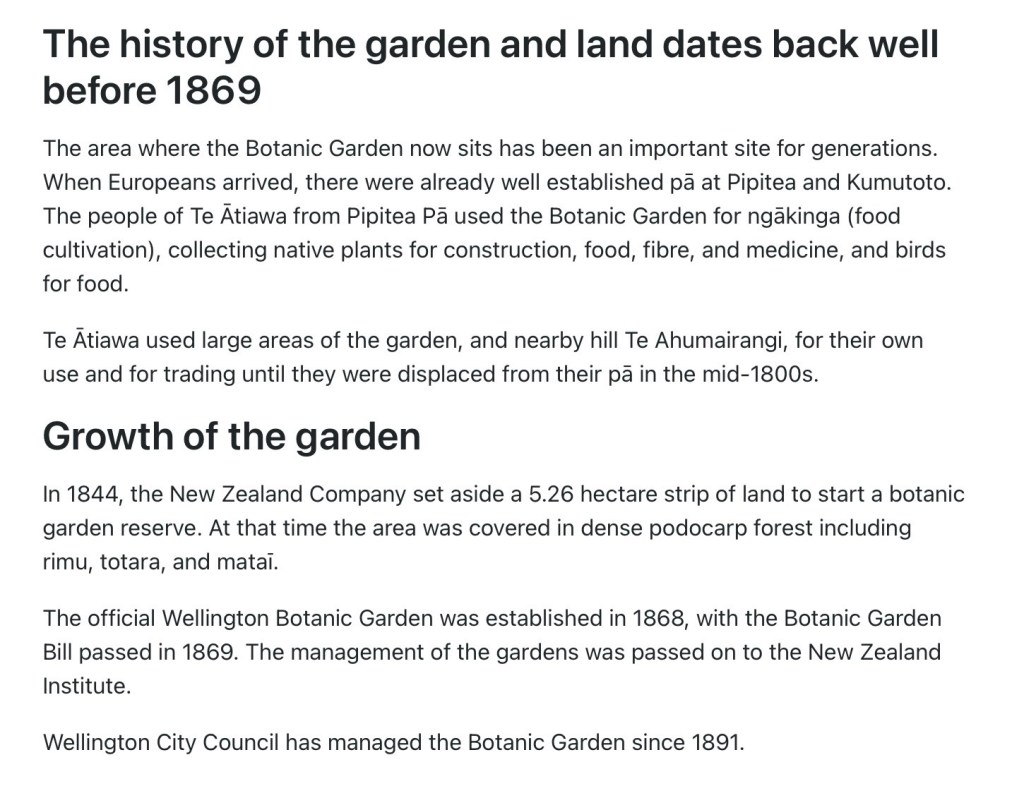
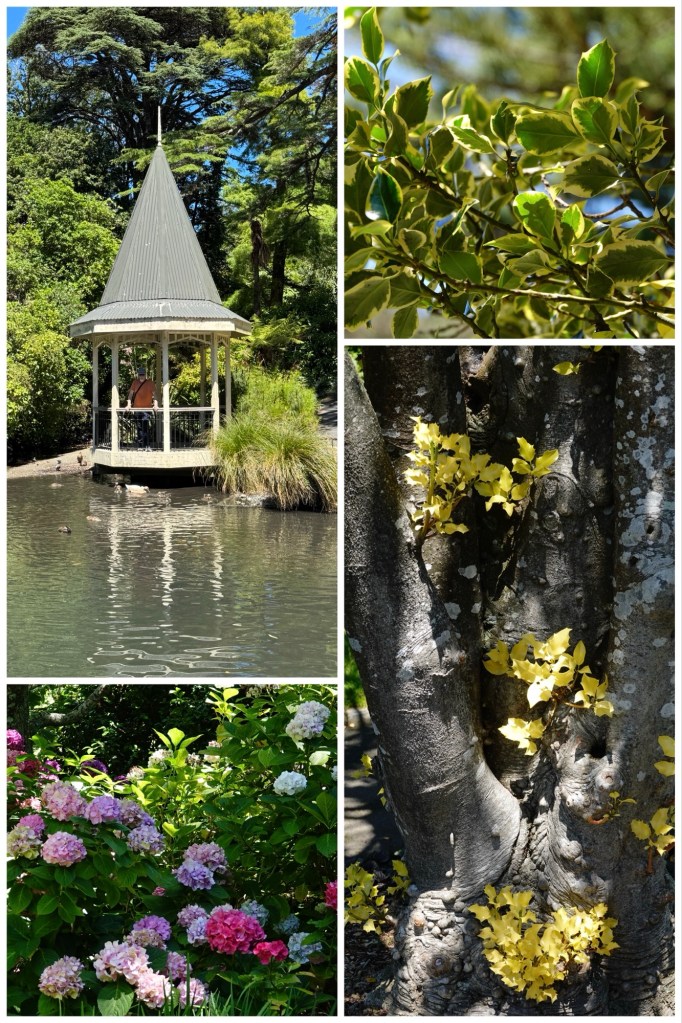
Then it was time to take a walk through Wellington’s urban oasis.
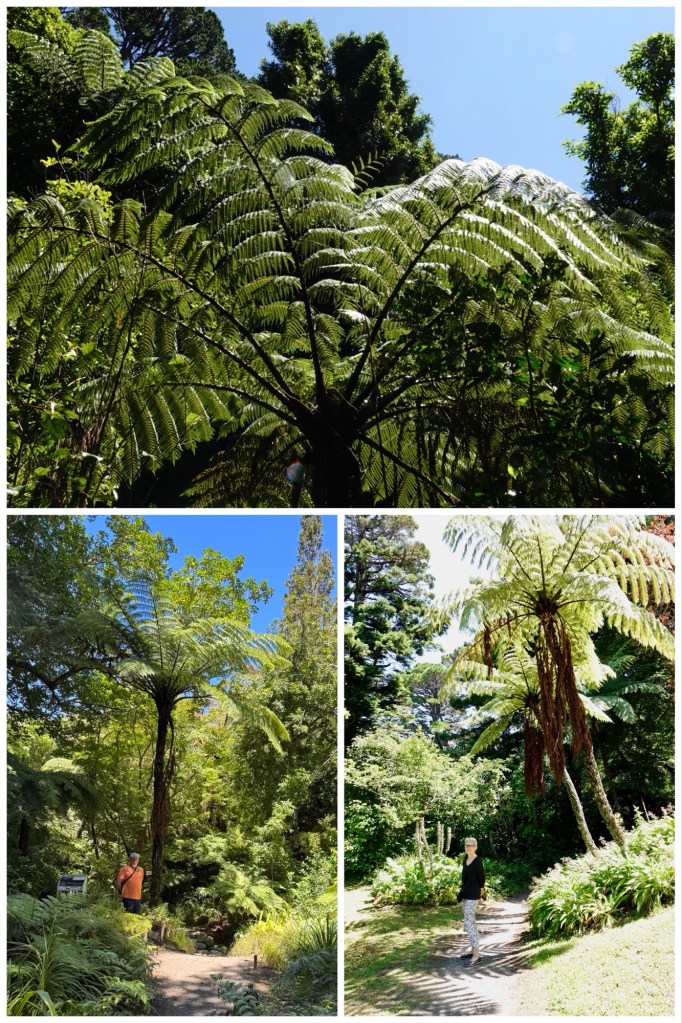
There are several trails through the park, some following streams, and all lined with native New Zealand trees and the huge tree ferns that so fascinate me.
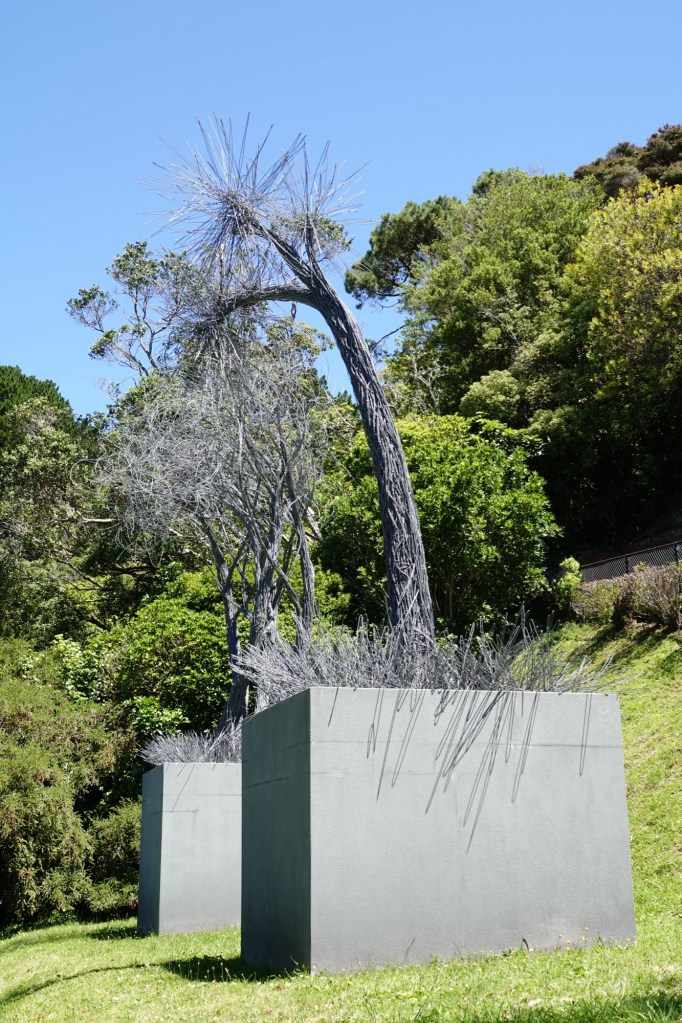
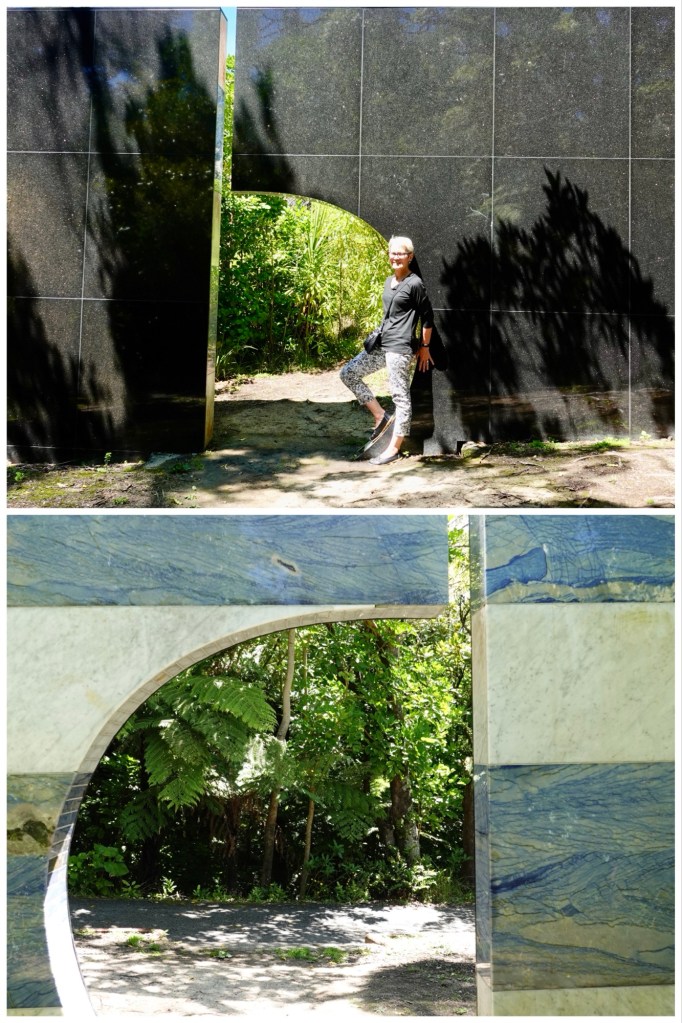
There were interesting sculptures along the walkways.
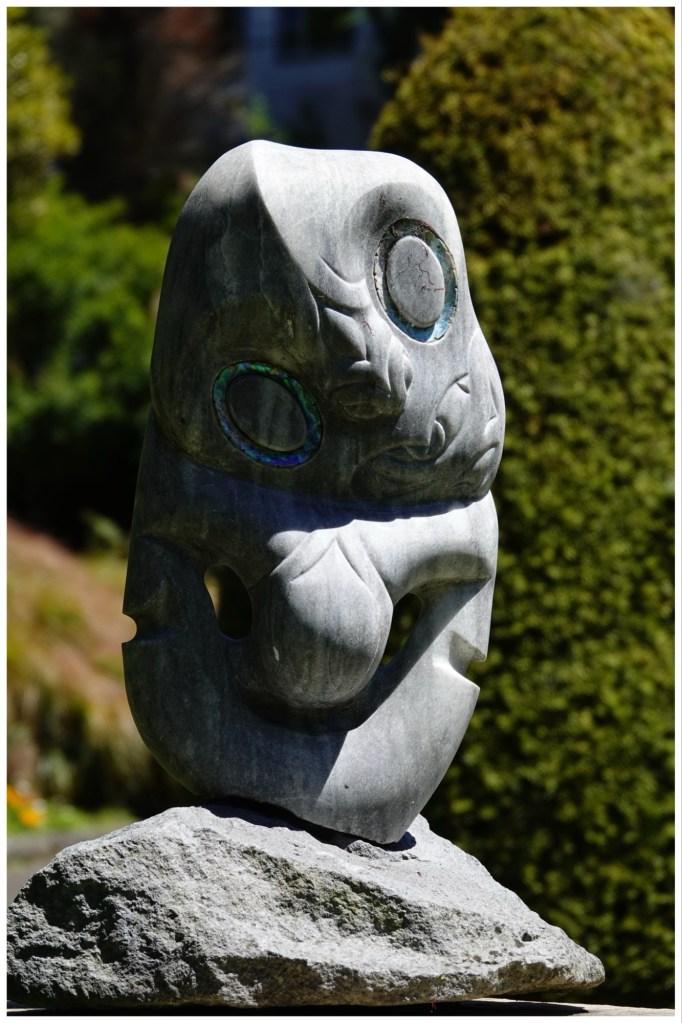
Carved by Jason Hina from native Täkaka marble from Nelson, New Zealand.
The figure derives from the Hei Tiki, a traditional Mãori neck pendant that symbolizes life, fertility, and new beginnings. The base is Kökawa Andesite stone sourced from the Taranaki region.
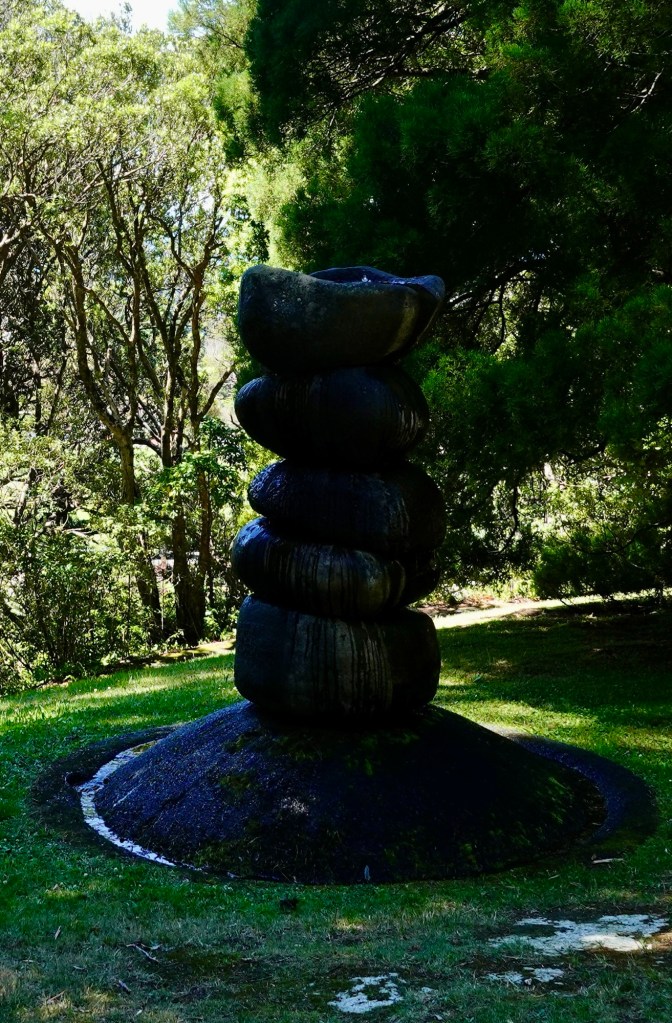
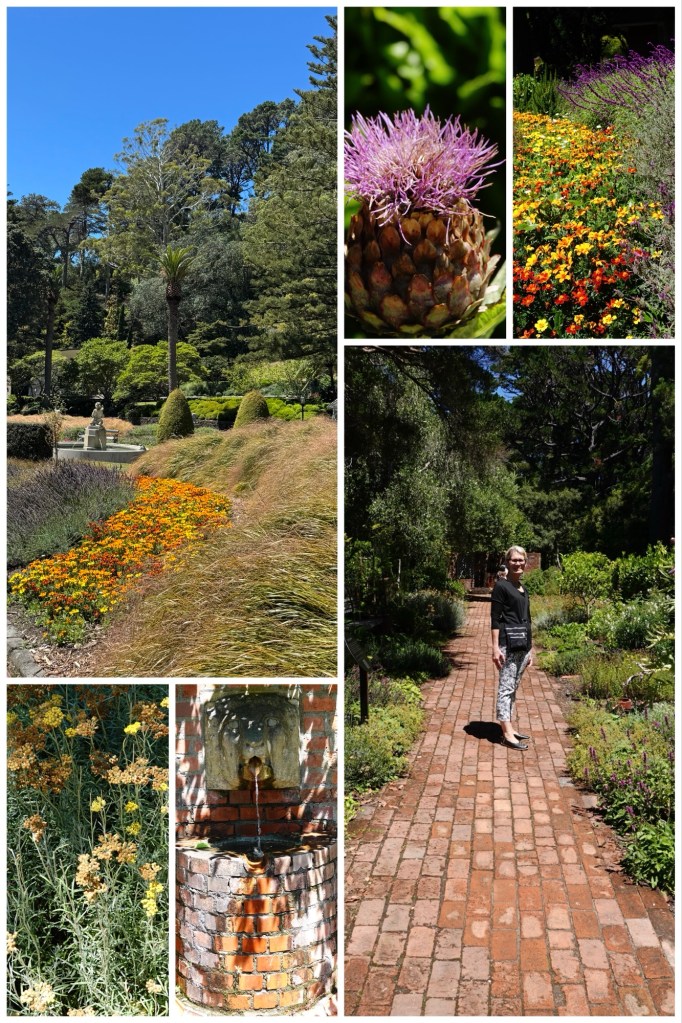
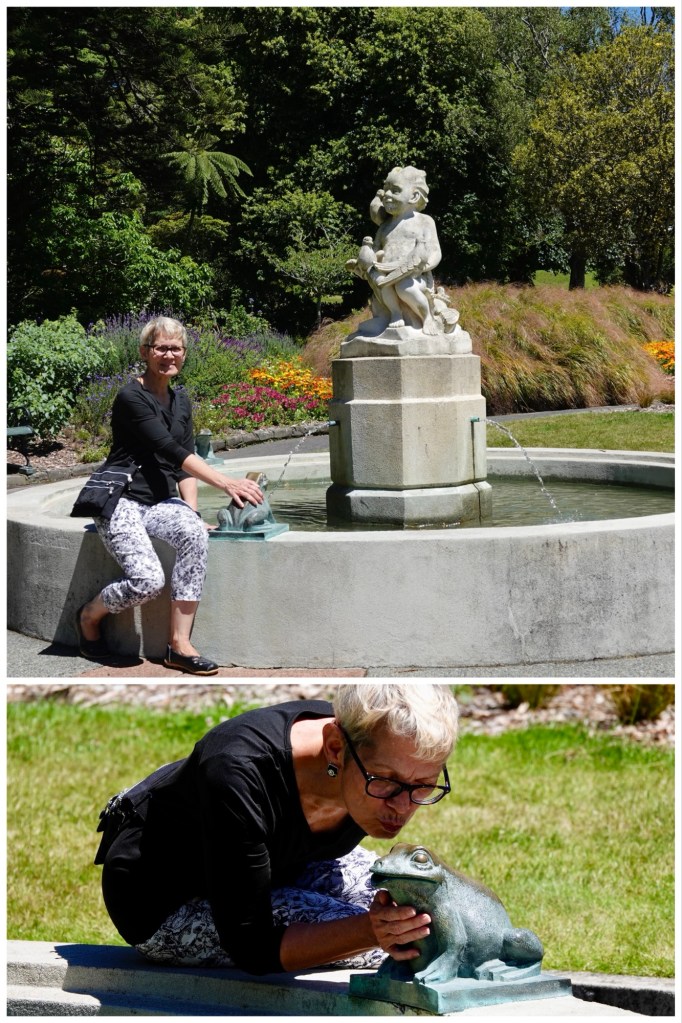
The fountain in the “display garden” featured frogs just waiting to be turned into princes.
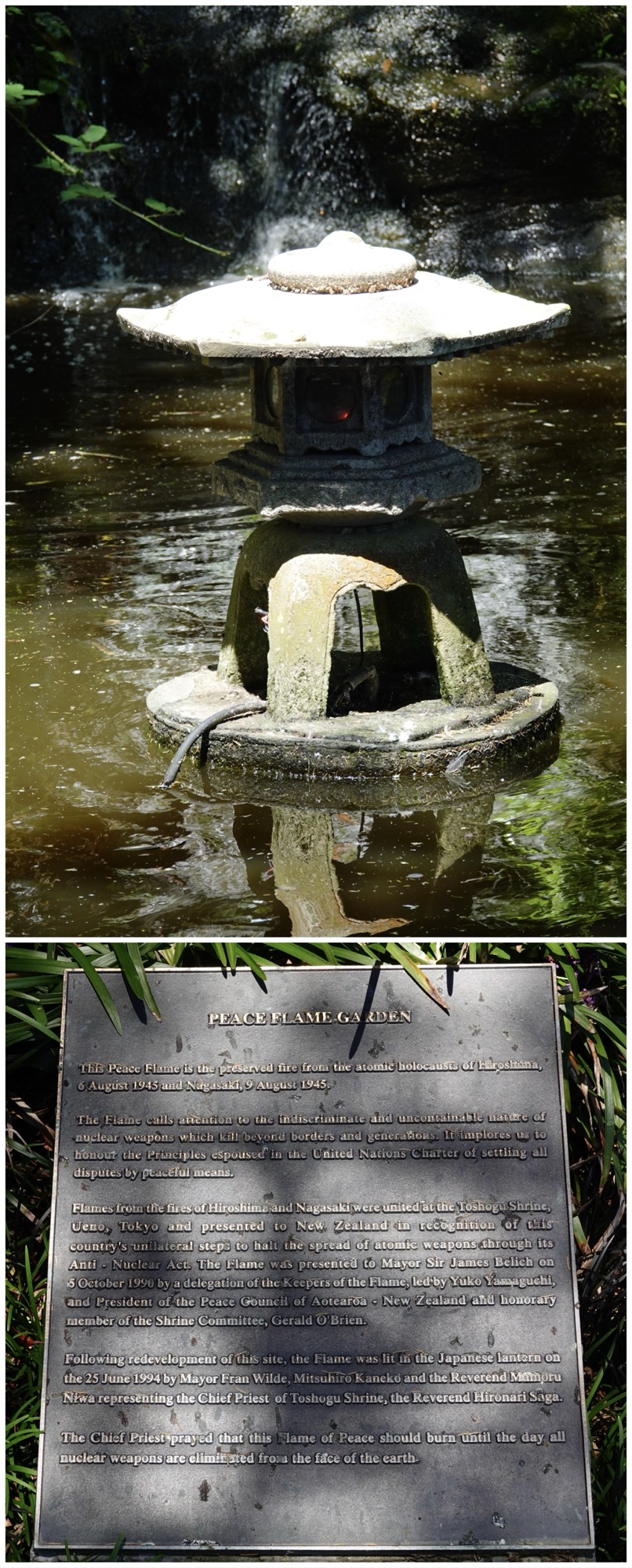
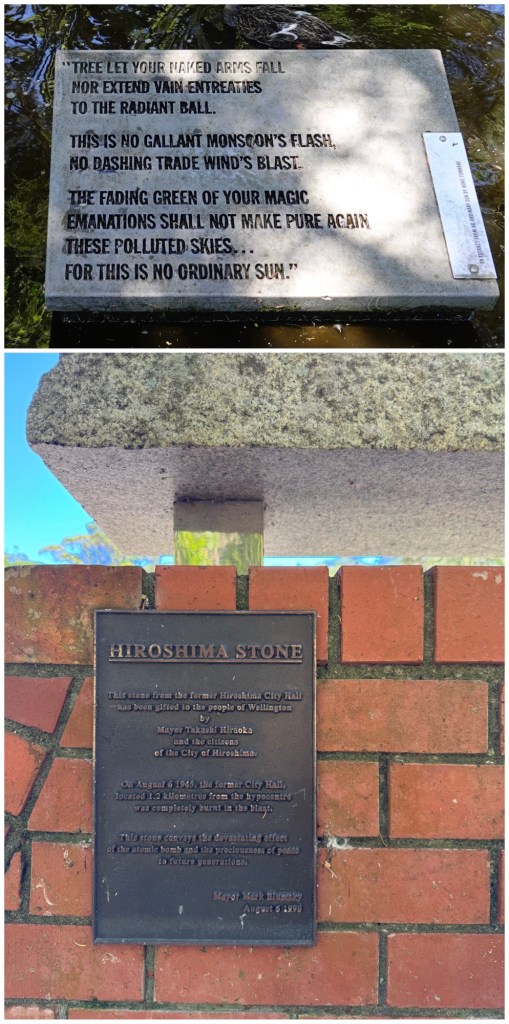
Perhaps my favourite feature of the garden was the Peace Flame Garden area, with its eternal flame and Hiroshima stone.
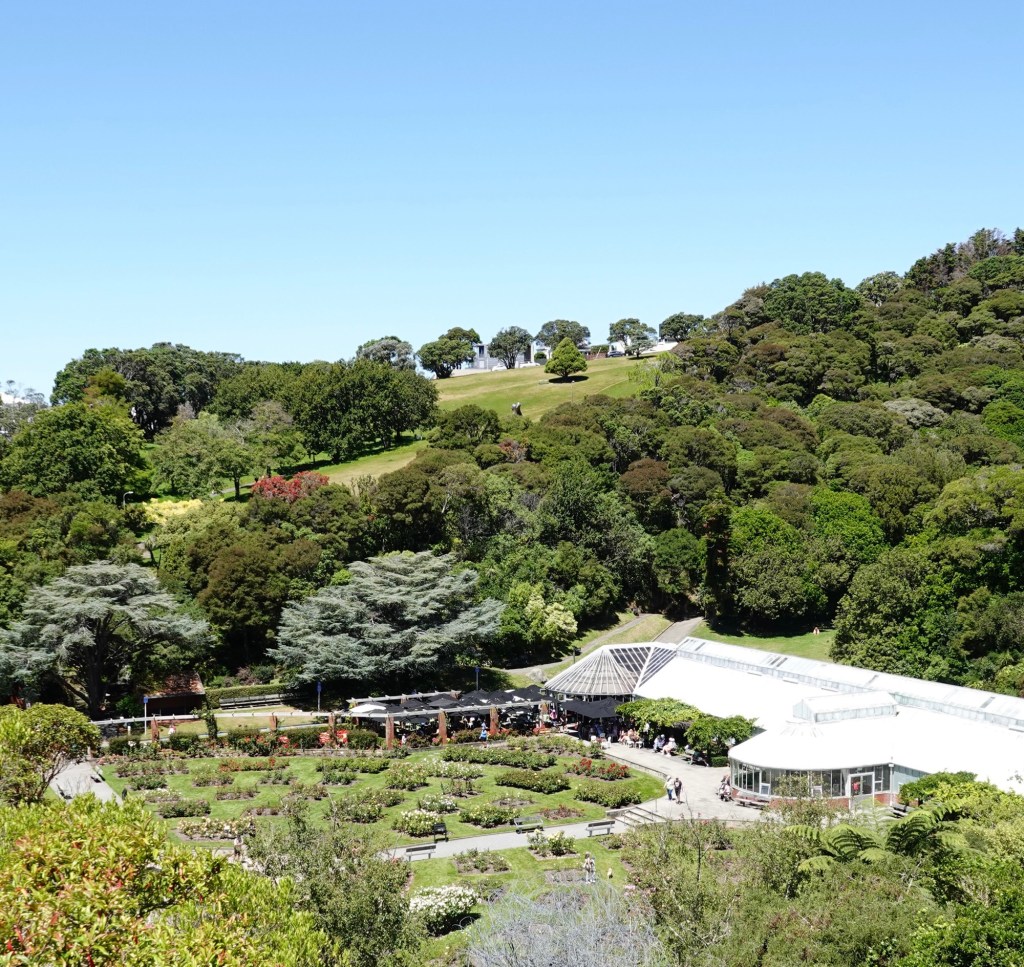
The huge begonia house was closed for renovation, but we stopped at the café between it and the Lady Norwood Rose Garden for afternoon cake and coffee.
While I enjoyed the geometric layout of the rose garden as seen from above, roses themselves – showy, blowsy, and quickly faded – have never been a flower I enjoy. Ironic, I guess.
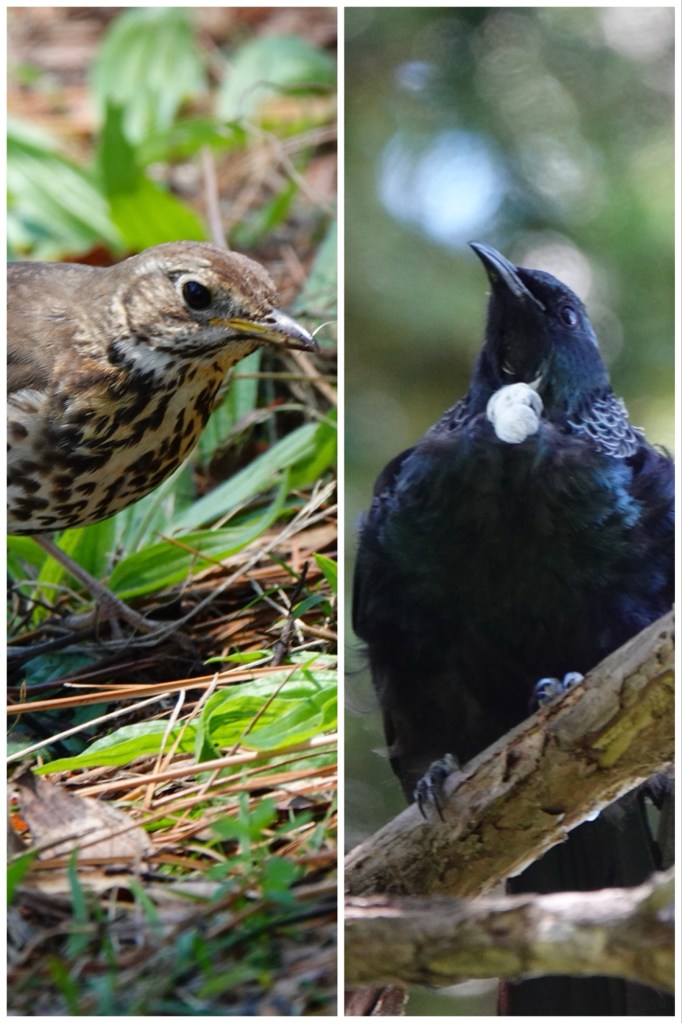
Of course, we heard lots of birds, but saw very few. The song thrush and tūī made brief appearances.
It was a lovely peaceful day, with sandwiches in our apartment-hotel for dinner. Tomorrow we’re off to the Wētā Workshop!
DINING NOTE (yesterday’s rainy day lunch):
We got a generous rebate from Pounamu Tours for the missed train rides on our itinerary , so Ted and I decided we’d spend that money on the kinds of meals to which we don’t generally treat ourselves.
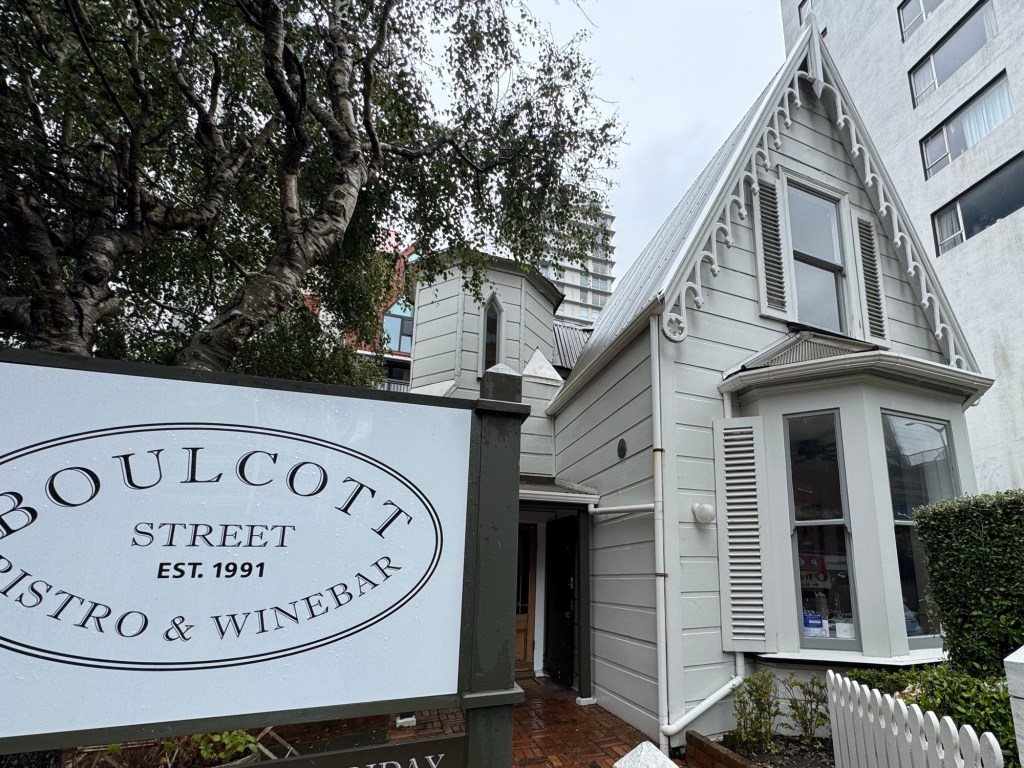
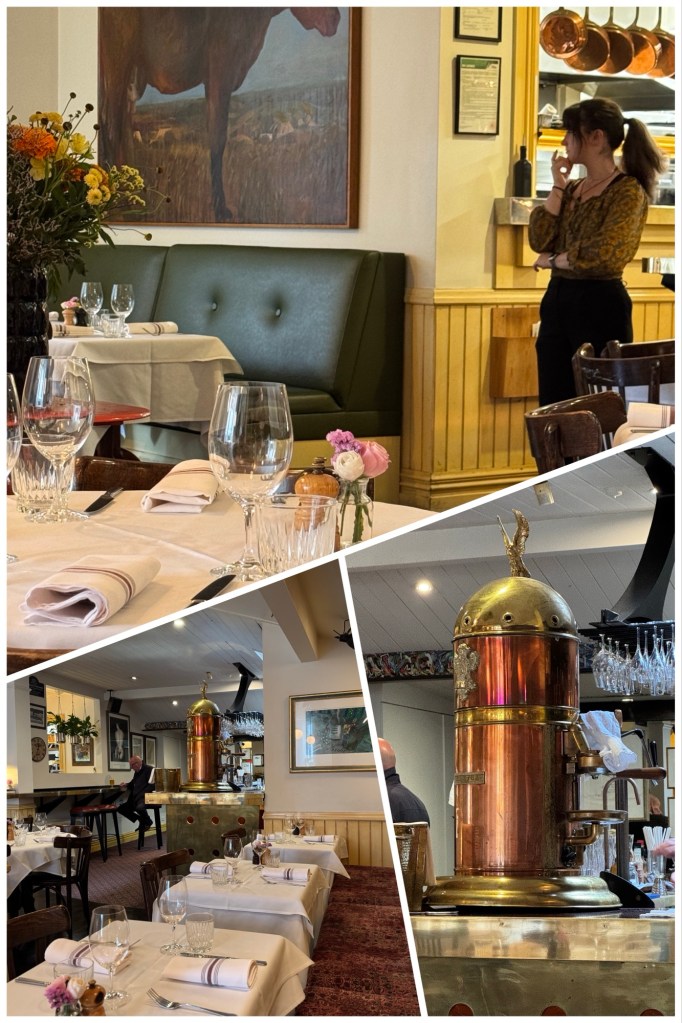
Steak for lunch. It’s rare that I gush when writing a Google restaurant review, but the Boulcott Bistro & Winebar just up the street from our hotel inspired this:
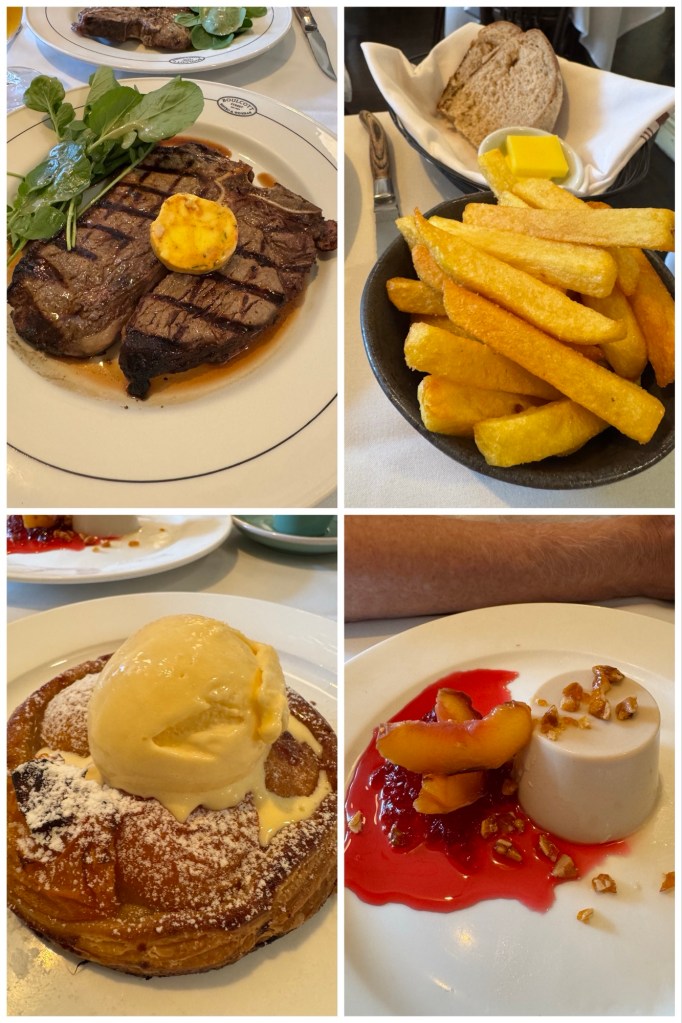
“What a gem! From the moment Ivy greeted us we felt like valued patrons. The ambience is simultaneously upscale and cozy, and the food is a combination of classic flavours with inventive touches. We went for the $25 300g t-bone steak lunch special – cooked perfectly to order. I’d highly recommend the smoked bone marrow butter as topping. Twice cooked fries were a perfect accompaniment. Unlike North American restaurants where bread is served first to fill you up, here the house-made crusty sourdough is served for wiping up all the succulent meat juices (preventing diners from licking their plates). The wine list is beautifully curated, but a bonus is the equally carefully curated craft beer list. Desserts are generous and decadent, with the apricot tart served warm!! Truly, perfection.”
Here was our lunch. With a beer and a class of tempranillo wine with our mains, and a prosecco and a flat white with dessert, the entire meal came to $149NZD (122CAD/89USD), taxes included.
 Rose and Ted’s Excellent Adventure
I keep looking for the Viking Lollipop as we did this in late 2024 from the Viking Cruise
LikeLiked by 1 person
Well, we DO keep referring to every outing post-Viking as an excursion!
LikeLike
I keep looking for the Viking Lollipop as we did this in late 2024 from the Viking Cruise
LikeLike
I keep looking for the Viking Lollipop as we did this in late 2024 from the Viking Cruise
LikeLike
Sounds like an idyllic and easy day, Rose. Barbie
LikeLiked by 1 person