ARRIVAL DAY
Our German family is, frankly, awesome. They make us feel simultaneously like celebrities and right at home. Everyone wants to see us. Everyone wants to feed us. #2 thinks it’s amazing.
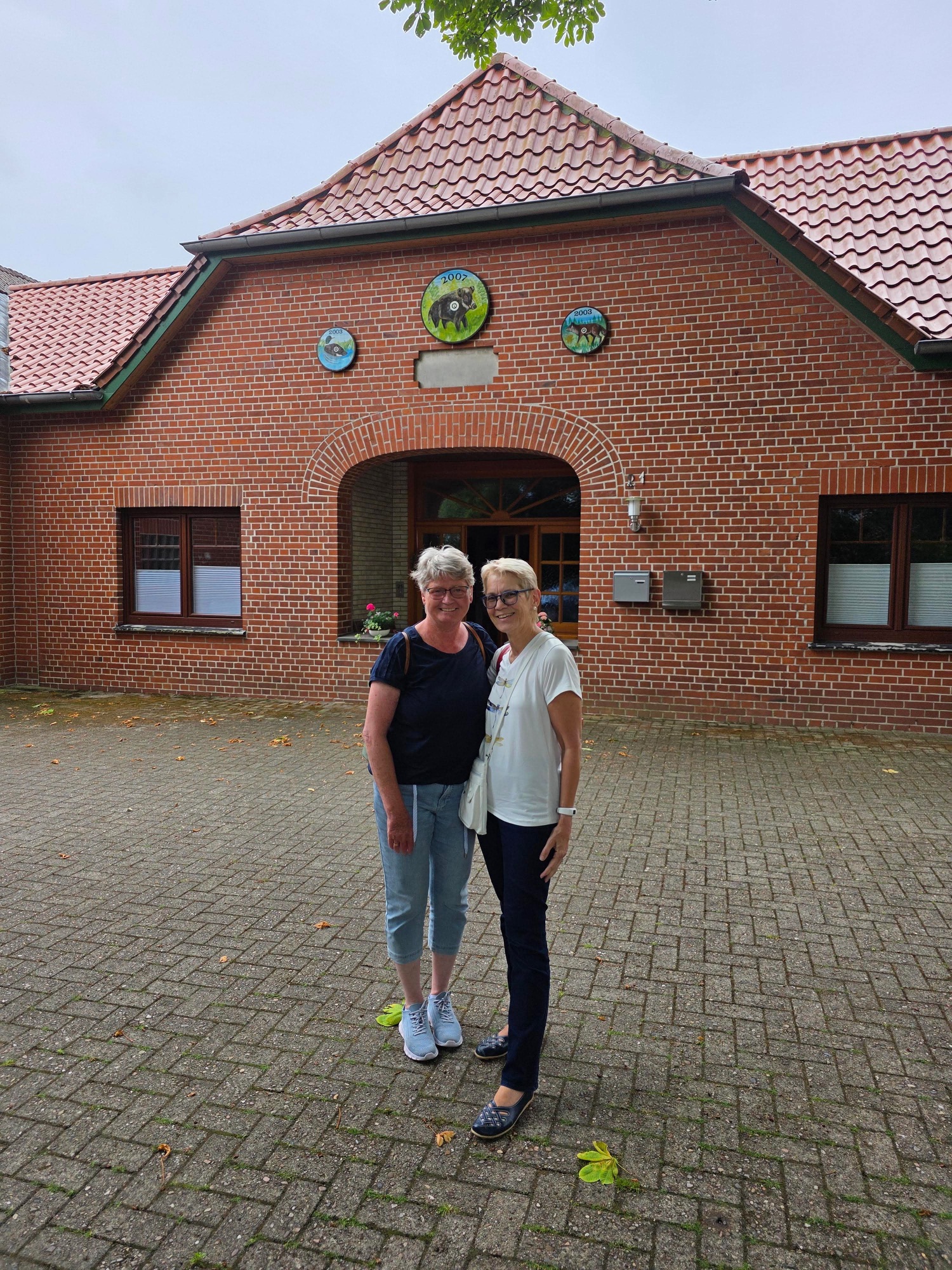
We were no sooner inside my cousin’s house and shown our rooms than cake and coffee appeared.
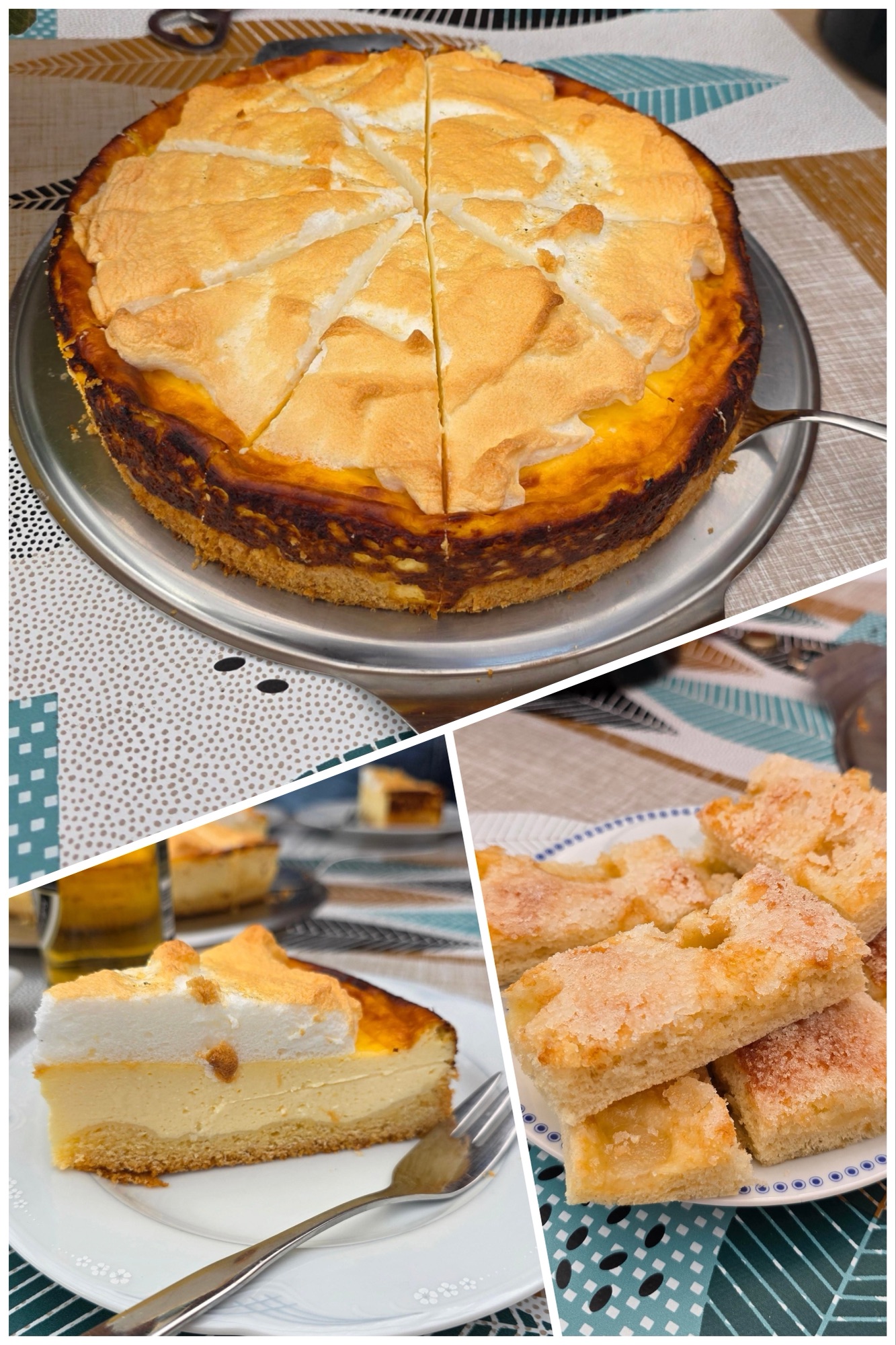
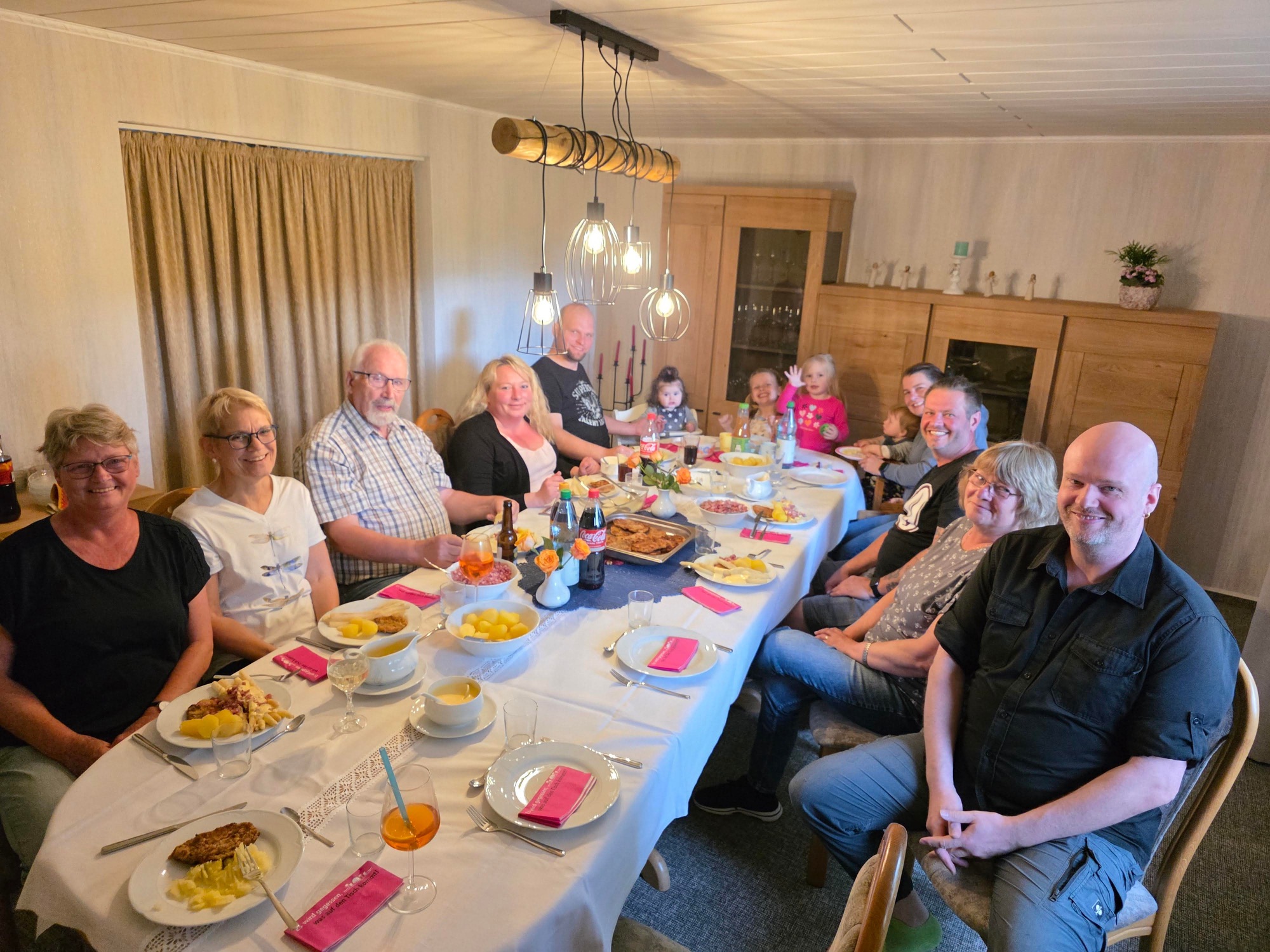
As we we enjoying Helga’s baking, the rest of her family arrived: Helga’s sons, daughter-in-law and 2 granddaughters, plus her sister with her daughter, son-in-law and two grandchildren. Son #2 has met Helga and Doris before, because they visited Canada in 2004 to help celebrate my parents’ 50th wedding anniversary, and were also in BC in June 2023, staying with us while we were living with son #2 in Coquitlam.(Episode 421), but the other faces were all new to him. As so often happens, the children were immediately drawn to him, and he ended up playing with balloons and soccer balls, and holding babies.
Beer and Aperol spritzes appeared as if by magic, and a flurry of activity in the kitchen ensued.
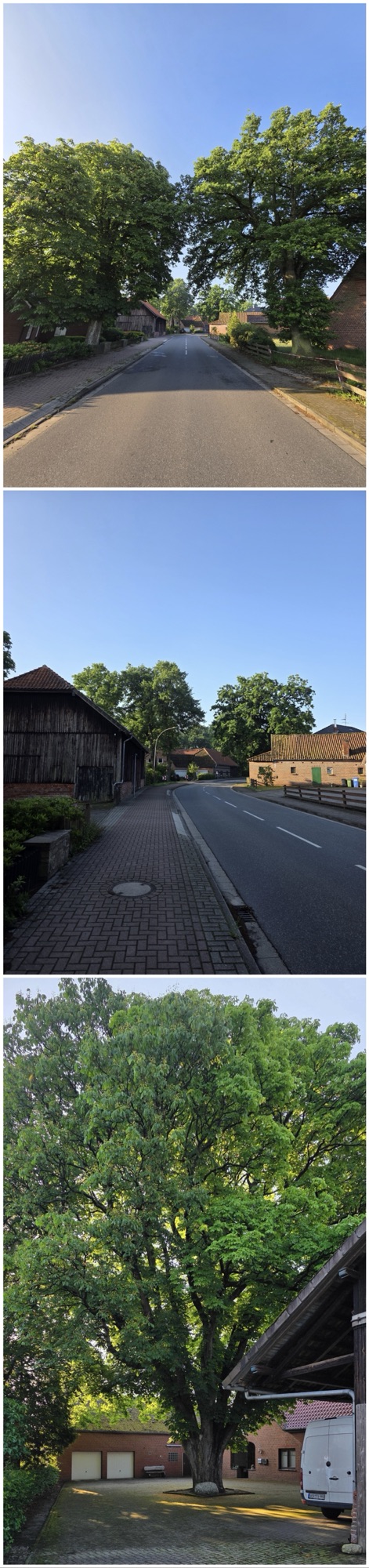
Helga, #2, and I took a short stroll around town in the fresh post-rain air before calling it a night really early; 8:00 p.m. local time (11:00 a.m. BC time) meant we’d been awake for 28 hours. Time to re-energize our bodies and minds for more family tomorrow.
DAY TWO
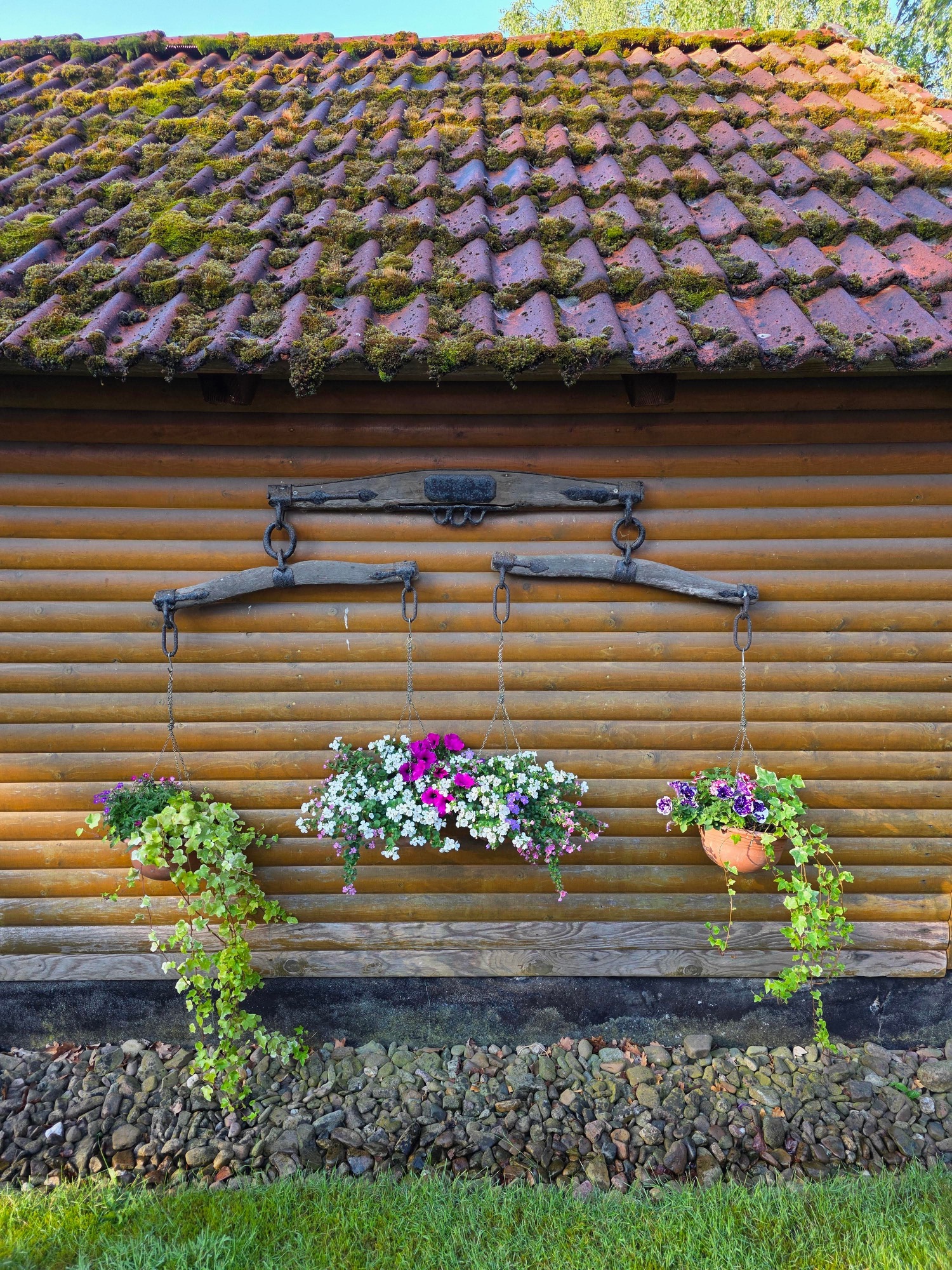
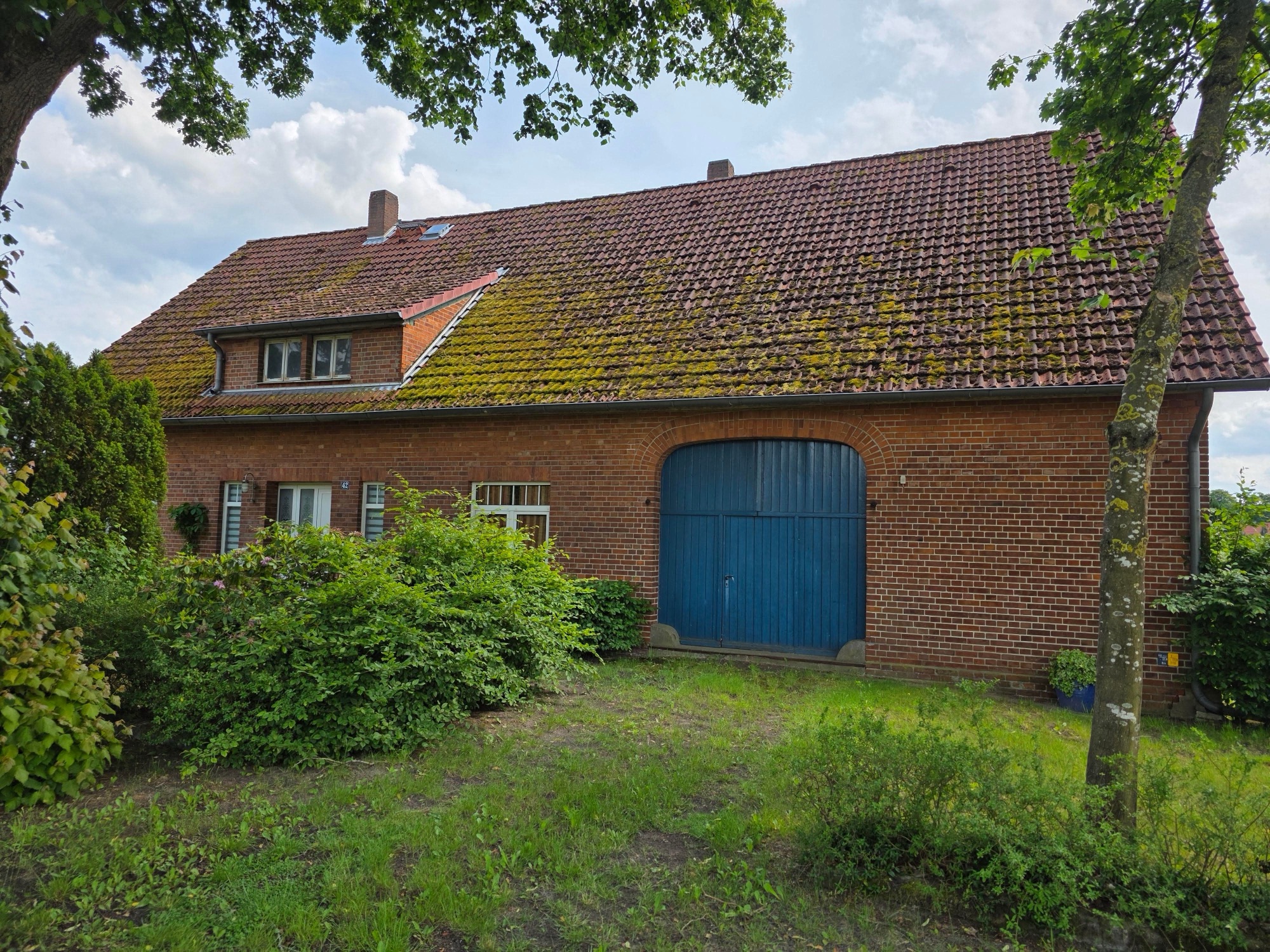
After a lovely long lie-in, this morning we headed to the village of Winkeldorf for brunch at Doris’ home, where her daughter, son-in-law, snd grandchildren have taken over the main part of the family home. Doris has “downsized” in place to a ground floor flat in the house. Many of the homes here (and in Holtum) date to the late 1800s, and most are sprawling multi-building complexes, having originally been small family farms with a large house and outbuildings for animals, and feed and equipment storage. Imagine a dozen cows, 40 pigs, a couple of dozen chickens, and 5 acres of land, with perhaps another 5-10 acre plot in another part of town. Most properties in the centre of the village now have only an acre or two, as additional homes were built and the post-war economy moved toward huge industrialized farm complexes, but as we drove toward Winkeldorf there were still lots of horse farms, dairy farms, and fields under cultivation.
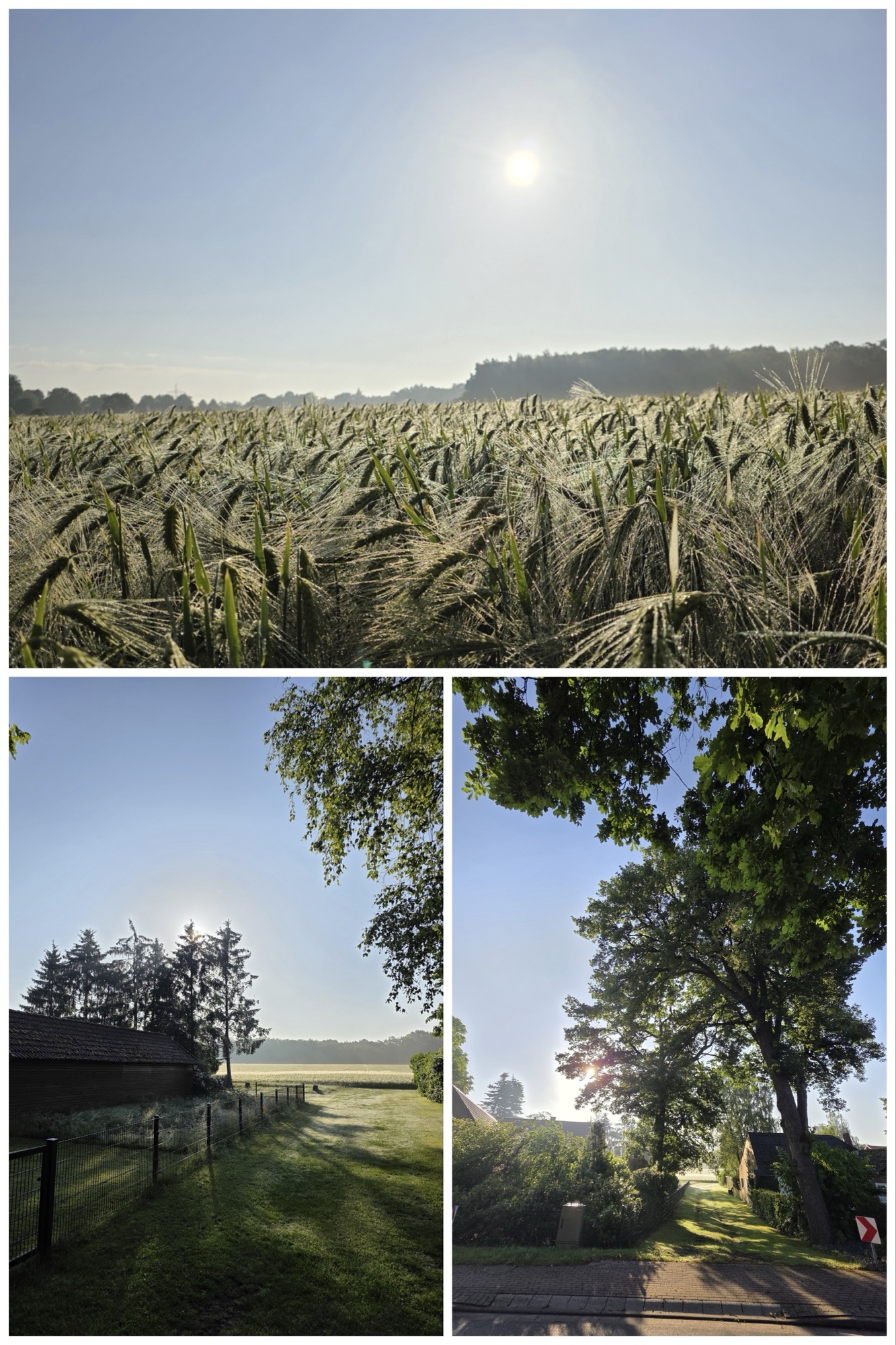
Doris and Helga’s homes, like most not actively farming, now just boast lush kitchen gardens and beautiful flower beds.
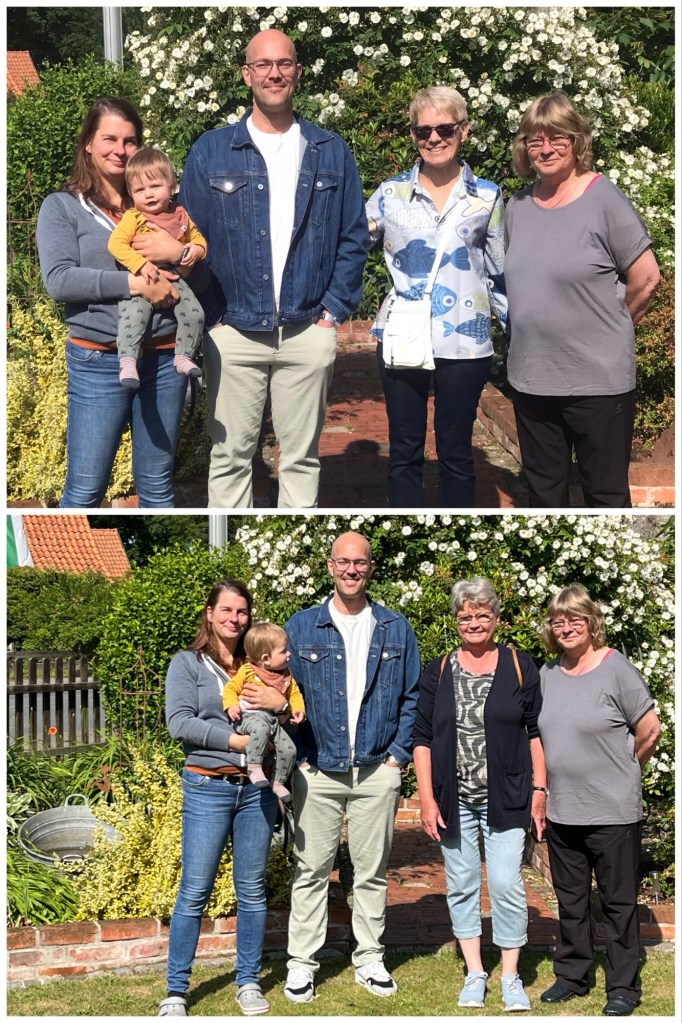
When we were in Germany in 2022, Ted took some great photos of Helga and Manny’s house in Holtum, and Doris’ in Winkeldorf (Episode 297) – as well as a number of the other places I’ll be revisiting on this mother/son trip. Today we just took a couple of family groupings before breakfast.
Doris laid on an incredible breakfast spread. When I commented that in Canada we couldn’t get many of the German specialties on offer as “everyday” breakfast food here, Yvonne asked “Well then what do you eat for breakfast?” No self respecting German starts their day without a selection of meats, cheeses, eggs, irresistible breads, juice, fruit, and plentiful coffee!
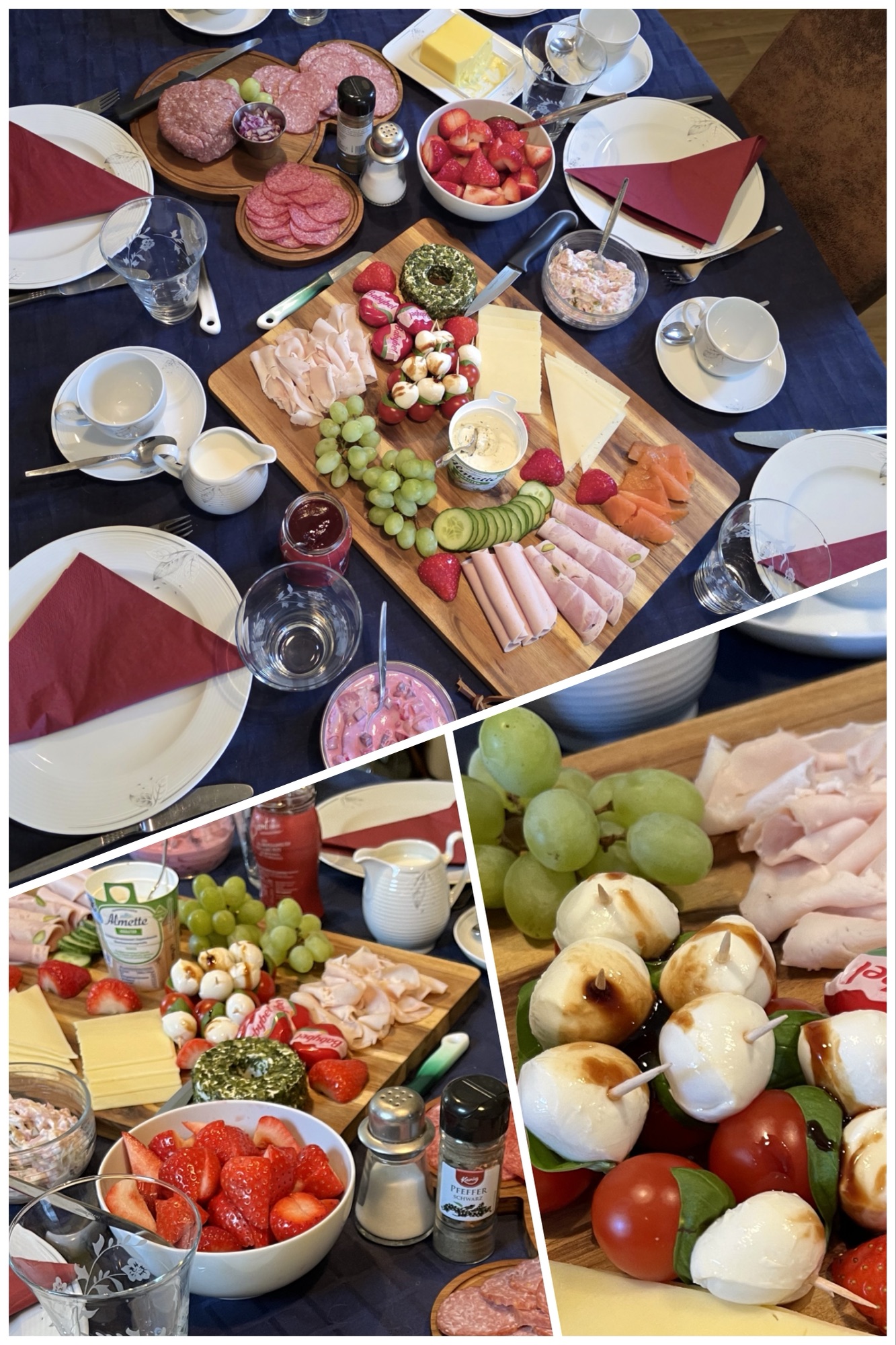
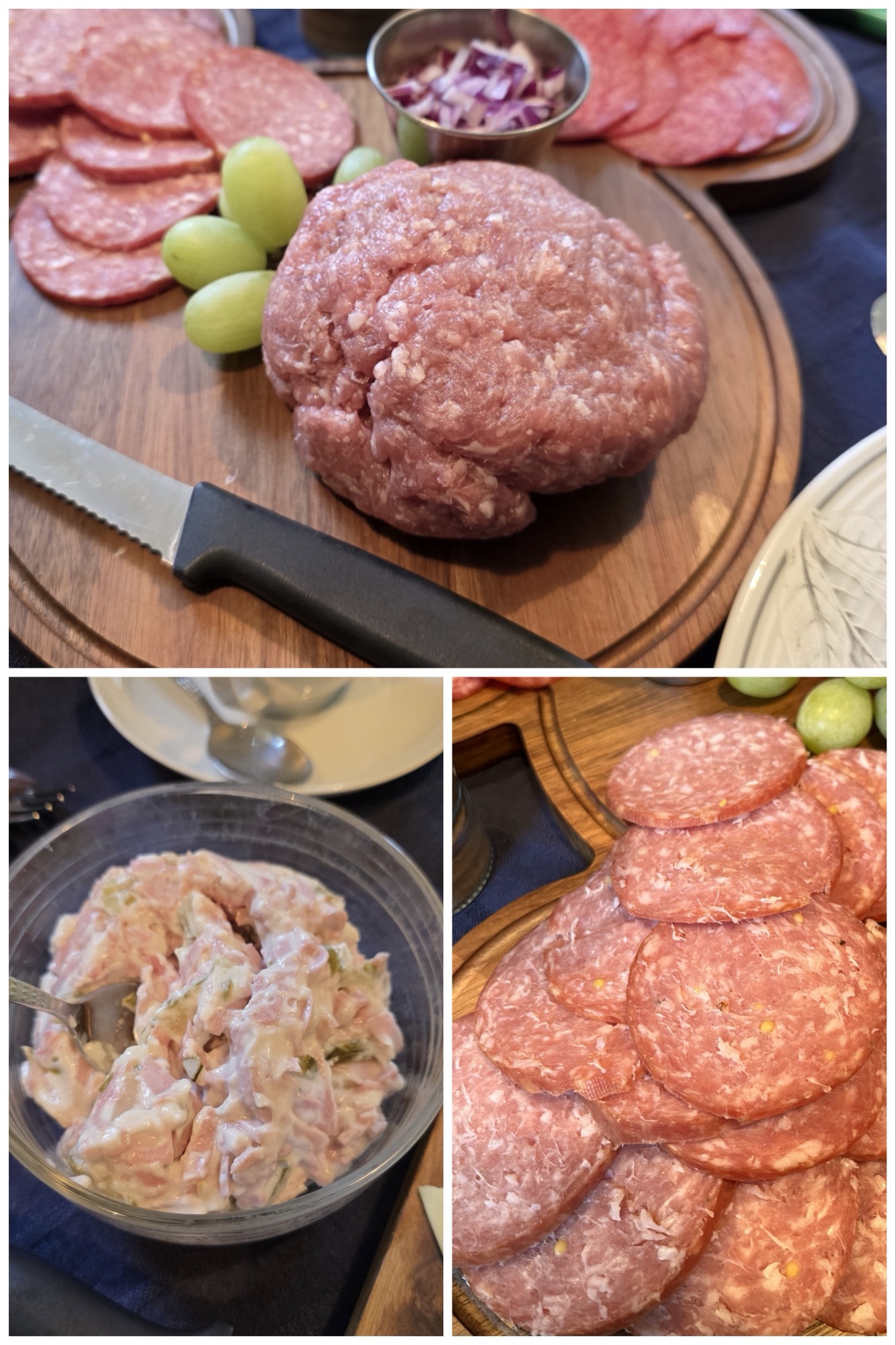
It was a breakfast feast.
After a leisurely visit, we all went together to pick up Yvonne’s 6 year old daughter from her Kindergarten, where she insisted on giving her Canadian relatives an enthusiastic tour of the facility. She had apparently told all her teachers and friends about us, and how strange it was that one of us spoke German and the other English!
After an afternoon rest break back at Helga’s (her energy level for entertaining is incredible), we enjoyed a restorative cake and coffee and then headed into the village.
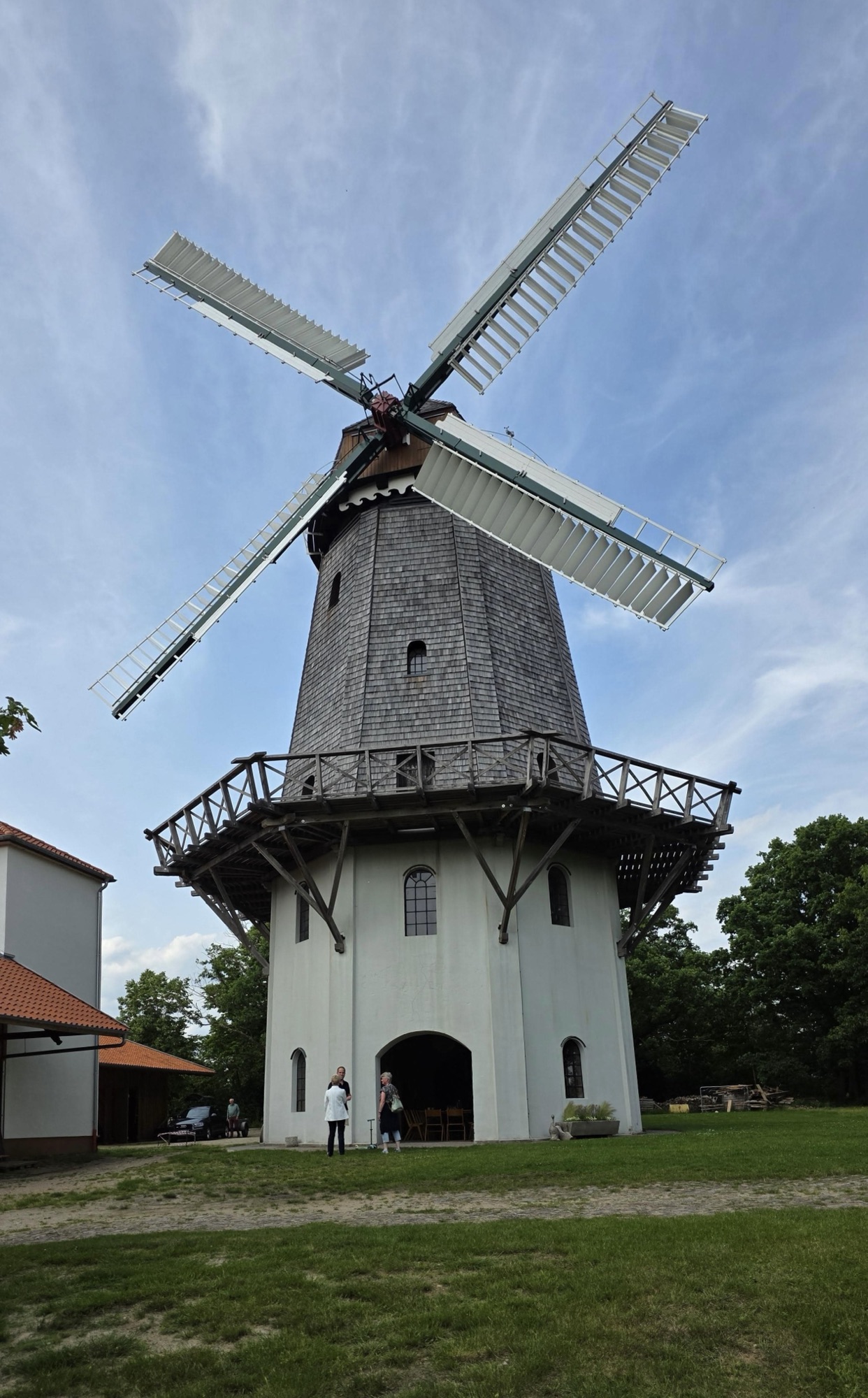
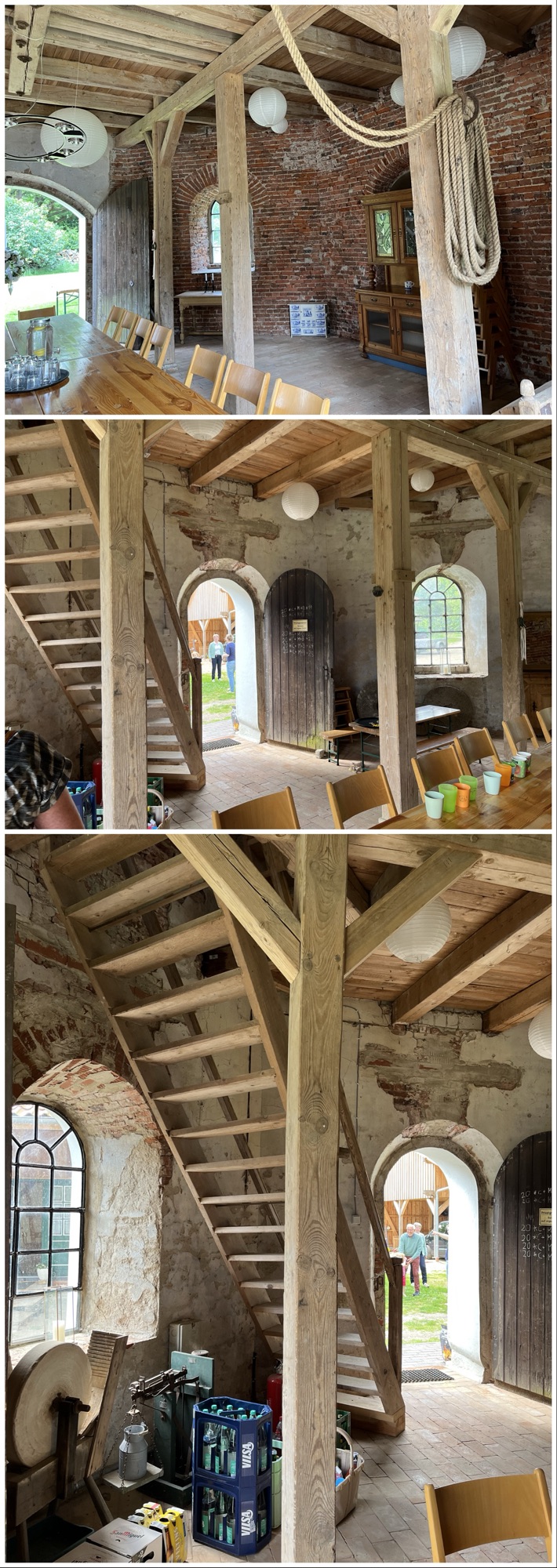
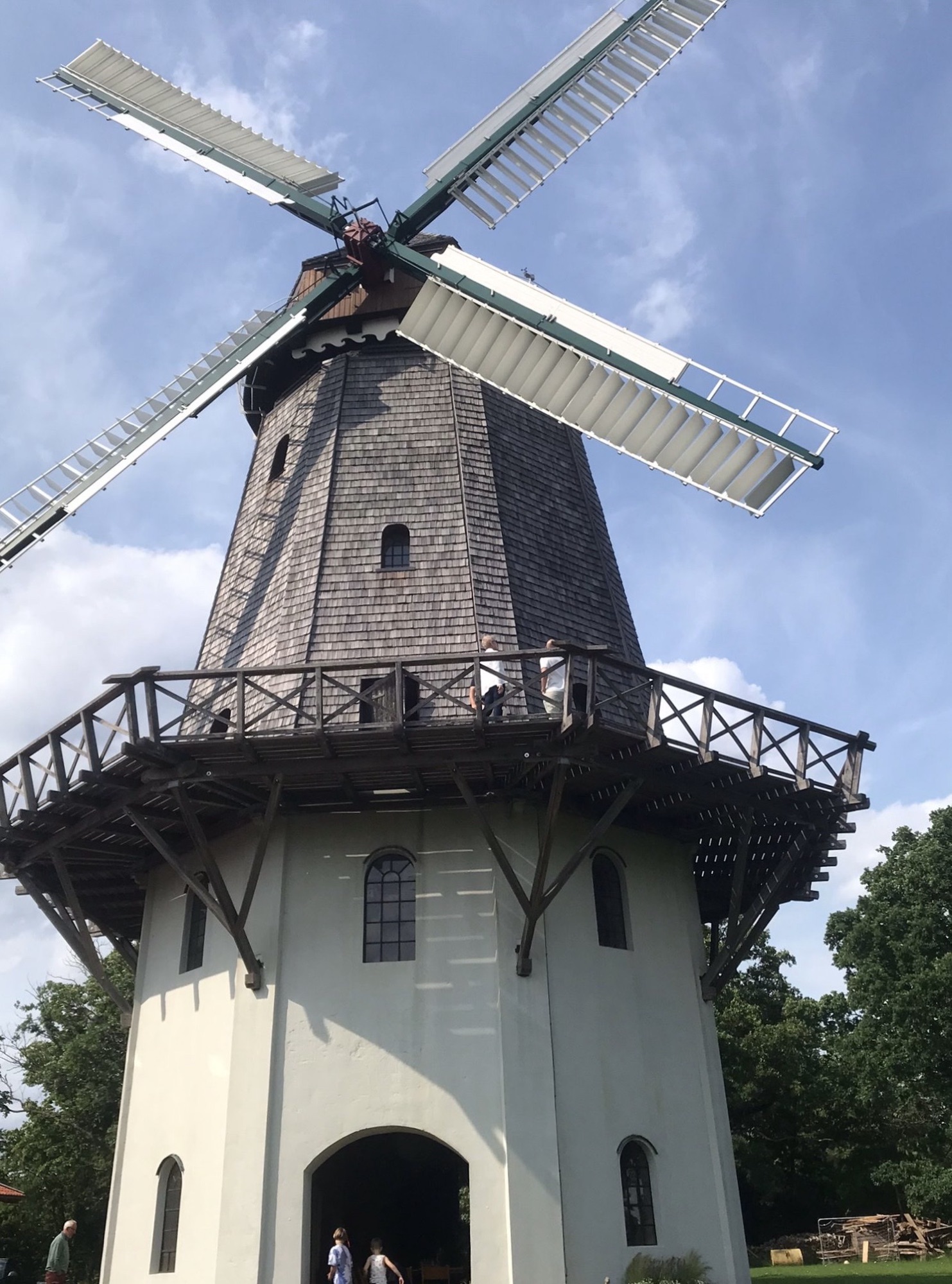
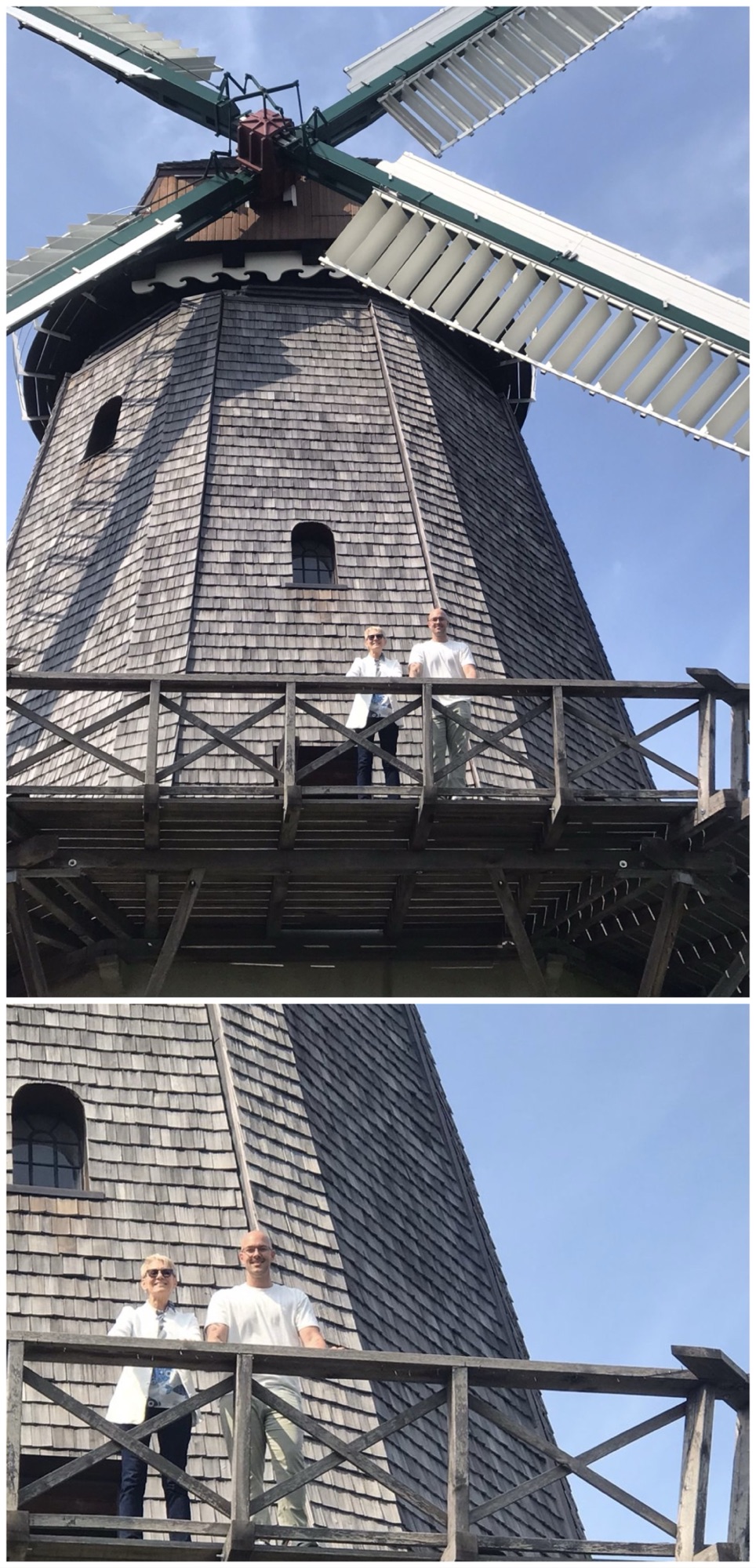
Helga and Manny live in the town where my father’s family was relocated at the end of World War II. One of my priorities here was showing #2 exactly where his grandfather had been billeted, and the grist mill in which he’d worked.
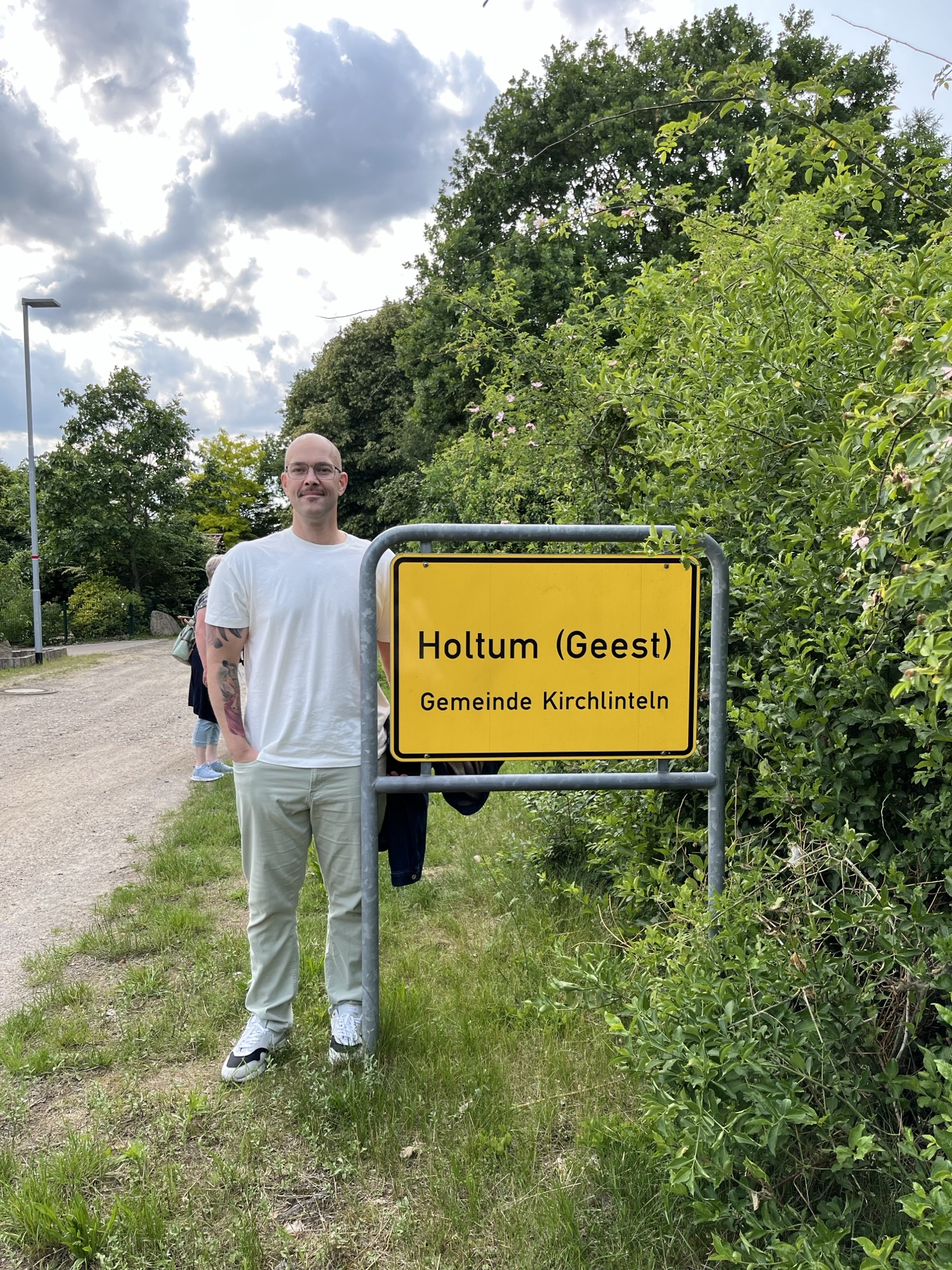
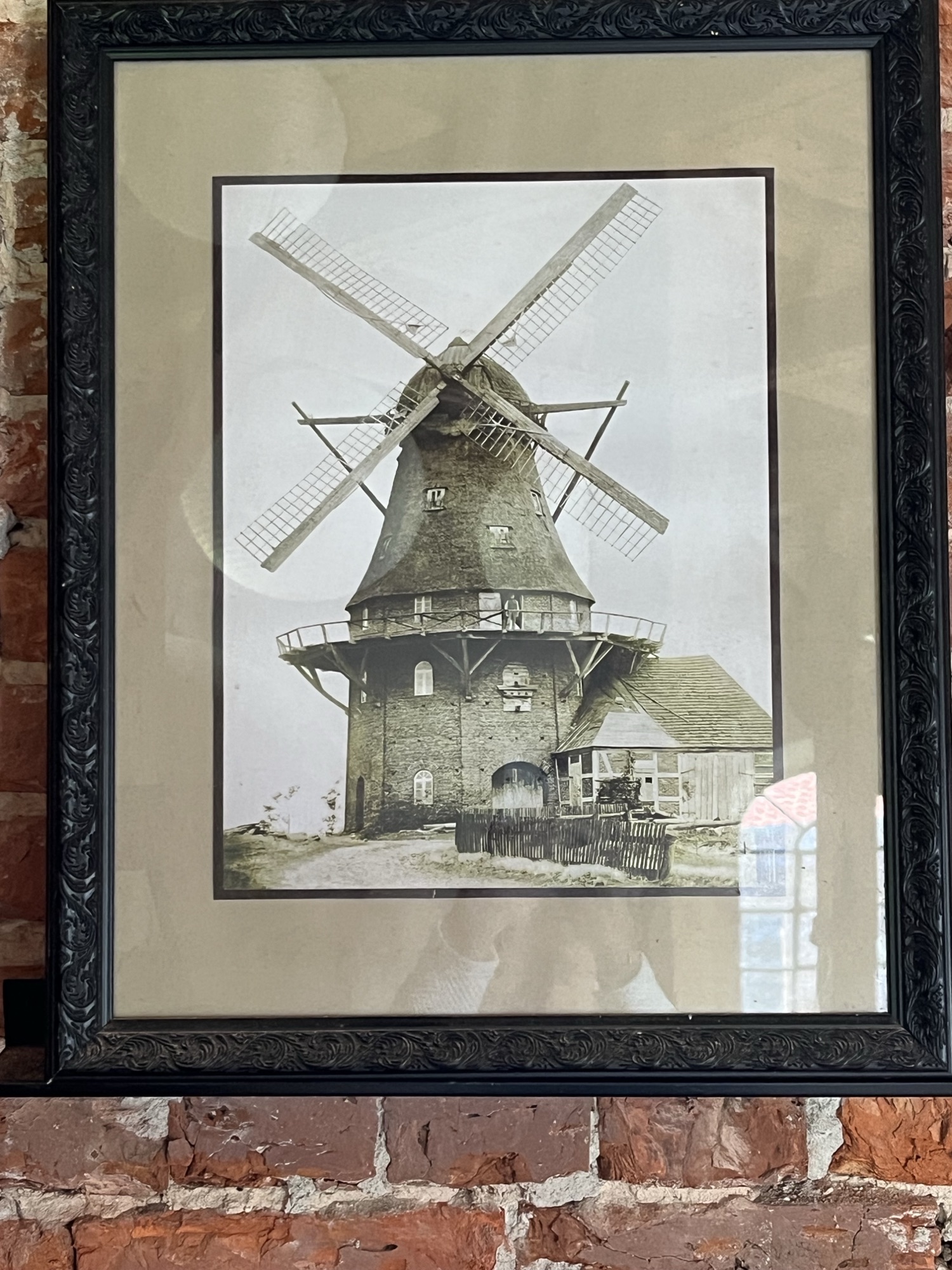
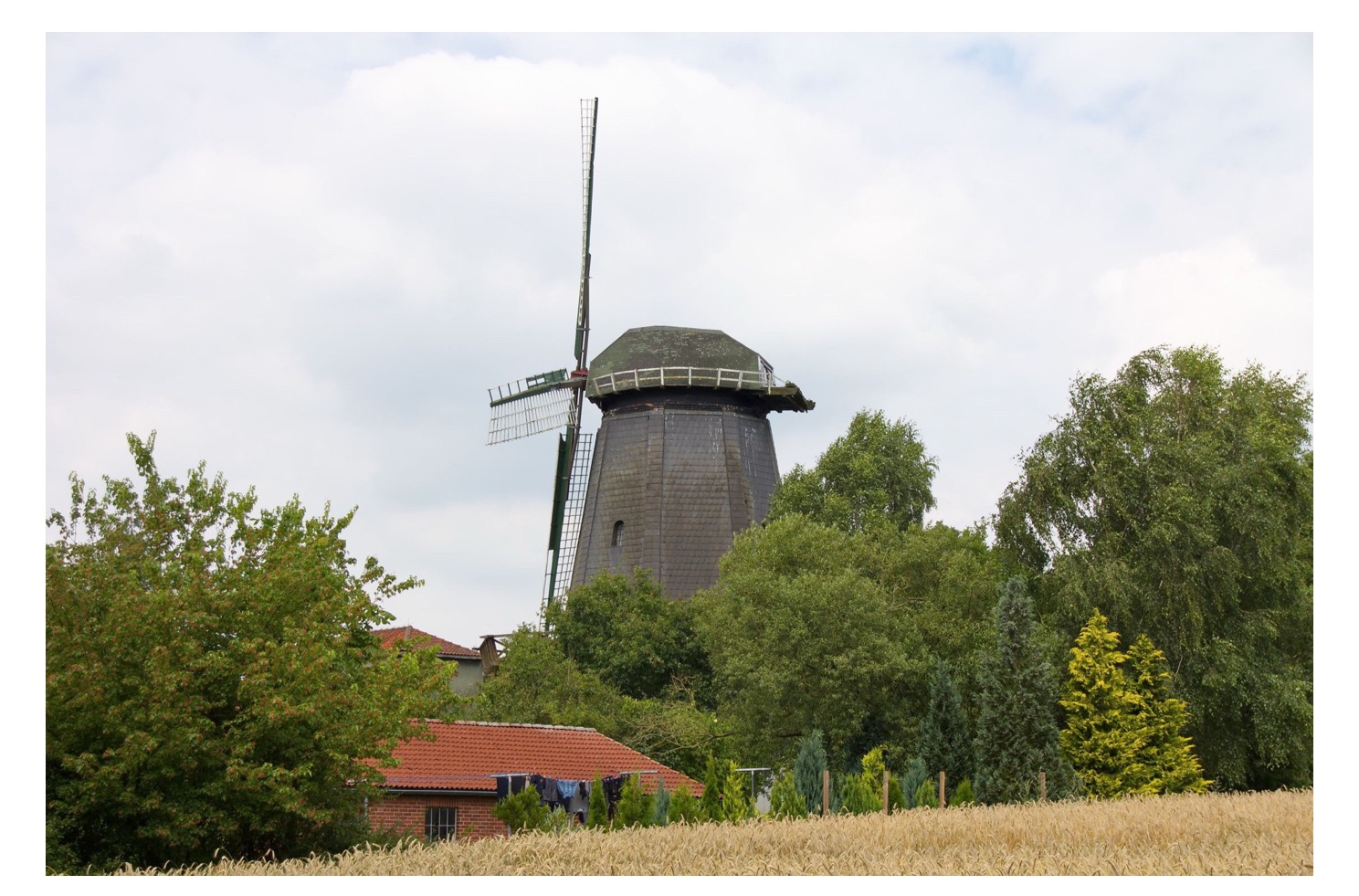
It was on private land, but in disrepair. One vane was missing, snd we were not allowed to get close enough to see the lower level.
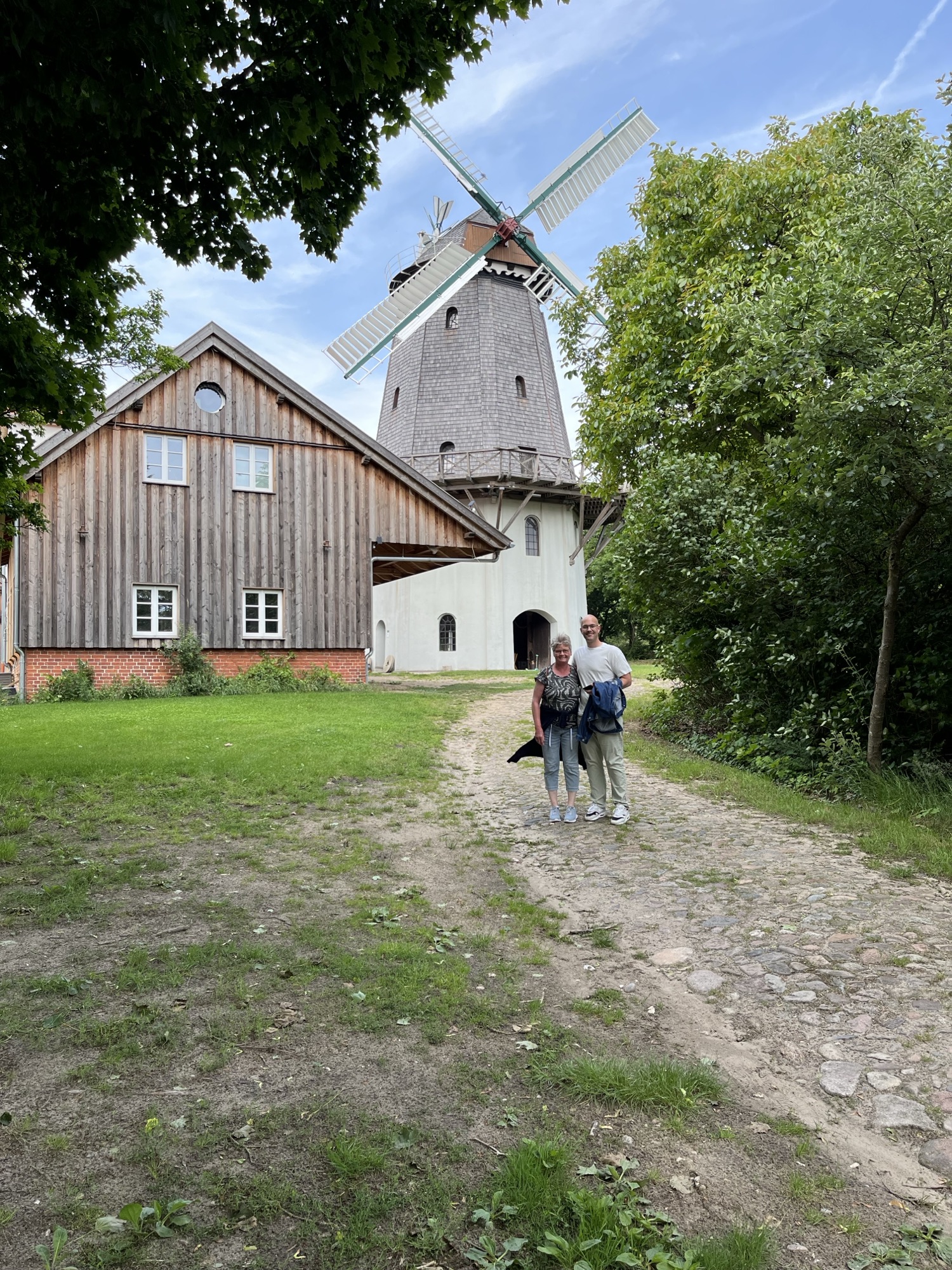
Helga had arranged with the new owners, Stefan and his wife, to give us a tour of the mill. Stefan’s grandparents also fled East Prussia (now Poland, and not far from where my grandparents lived) after the war, but were resettled in another town. He definitely understood the significance the mill had to me, and was very gracious in sharing what he knew about its past.
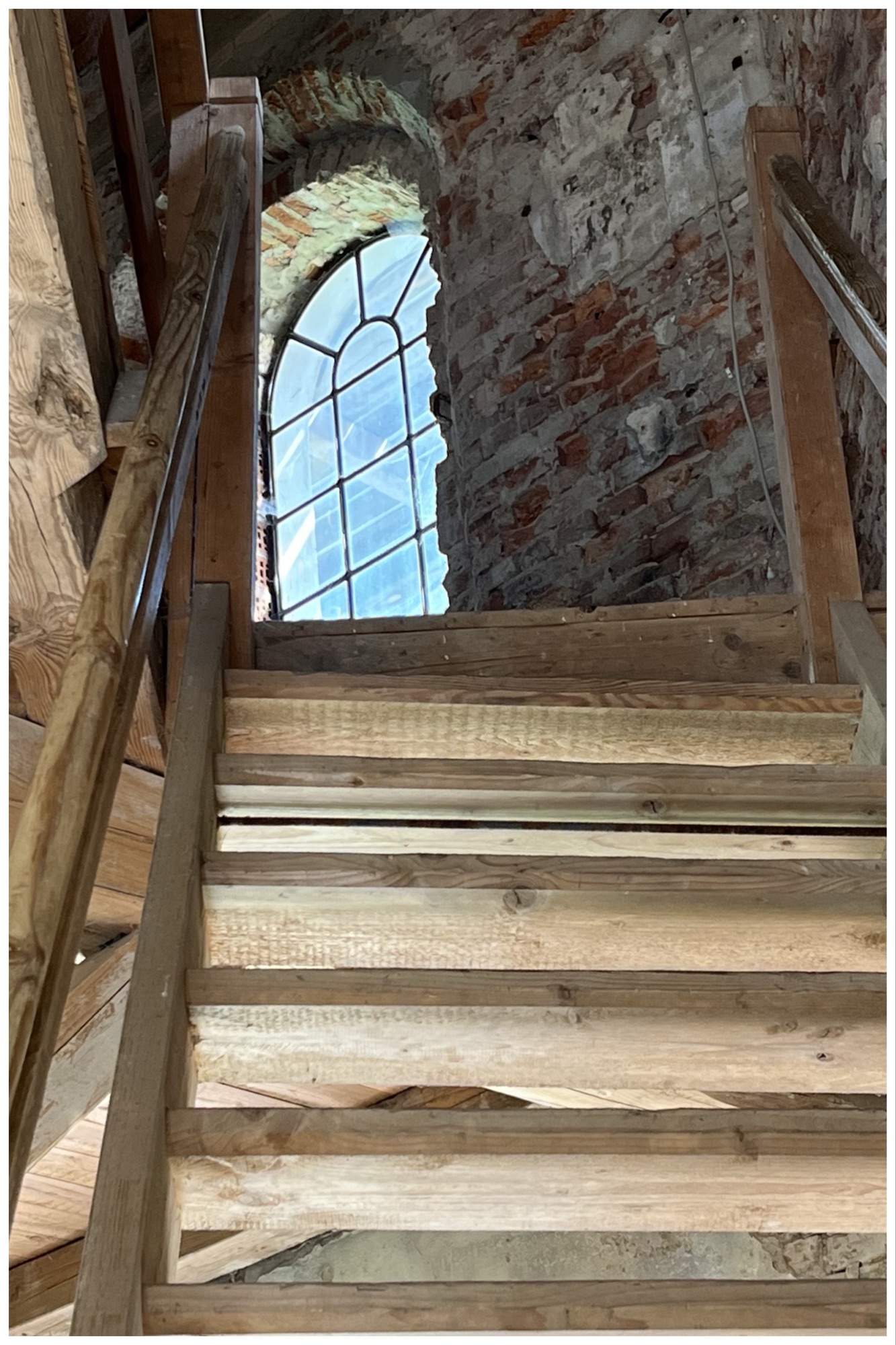
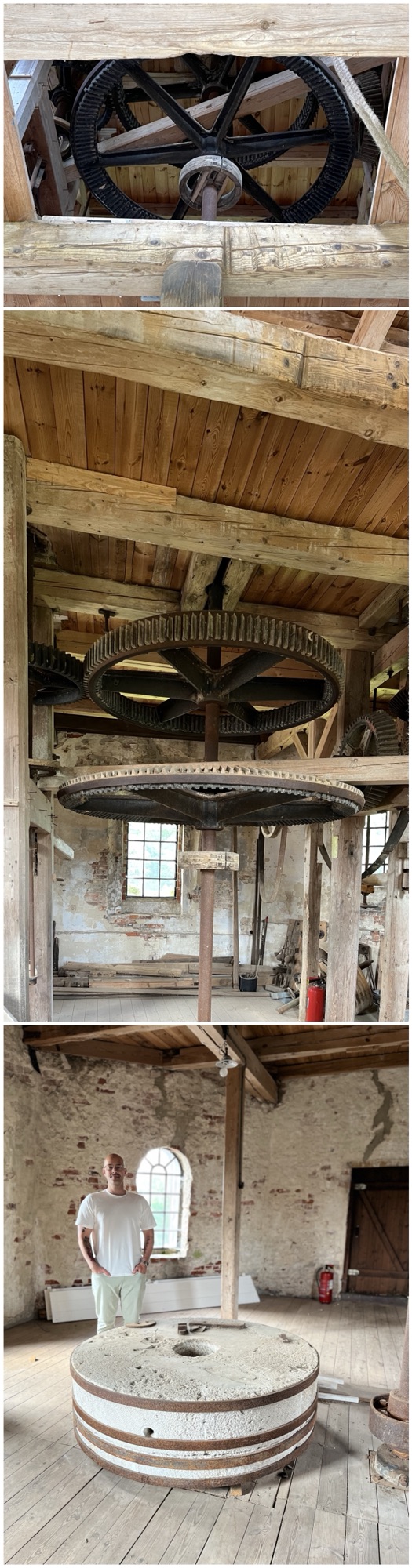
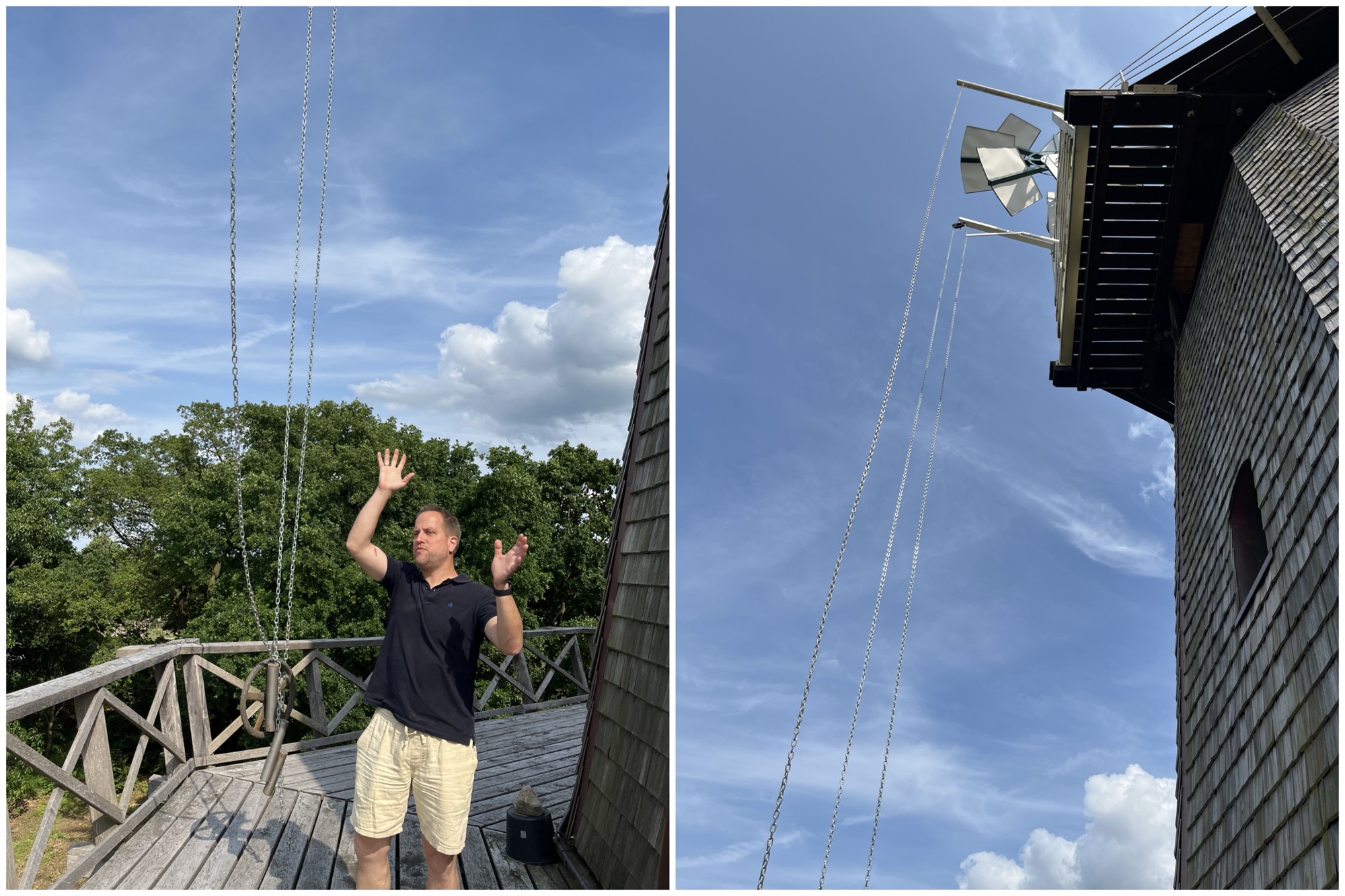
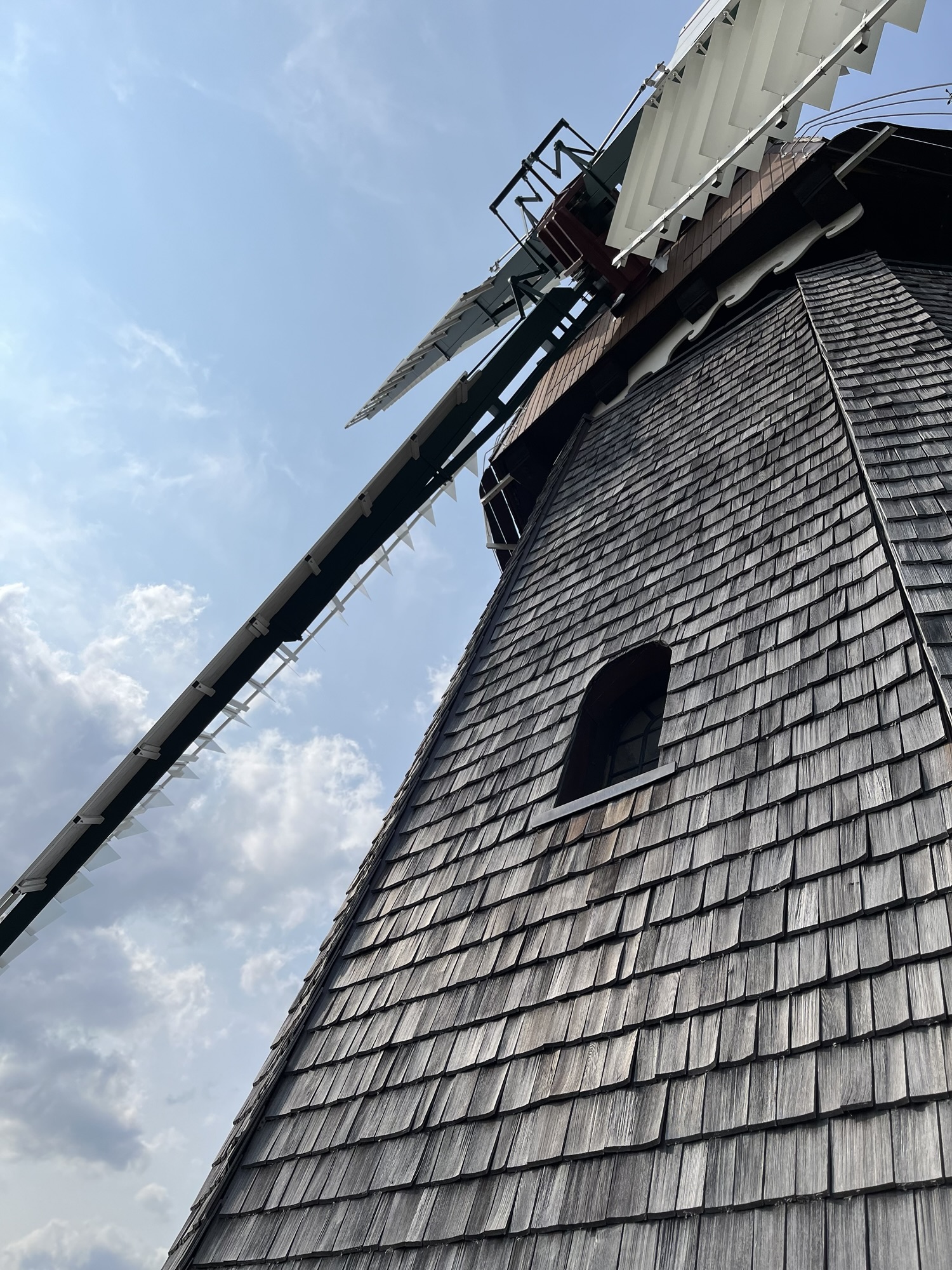
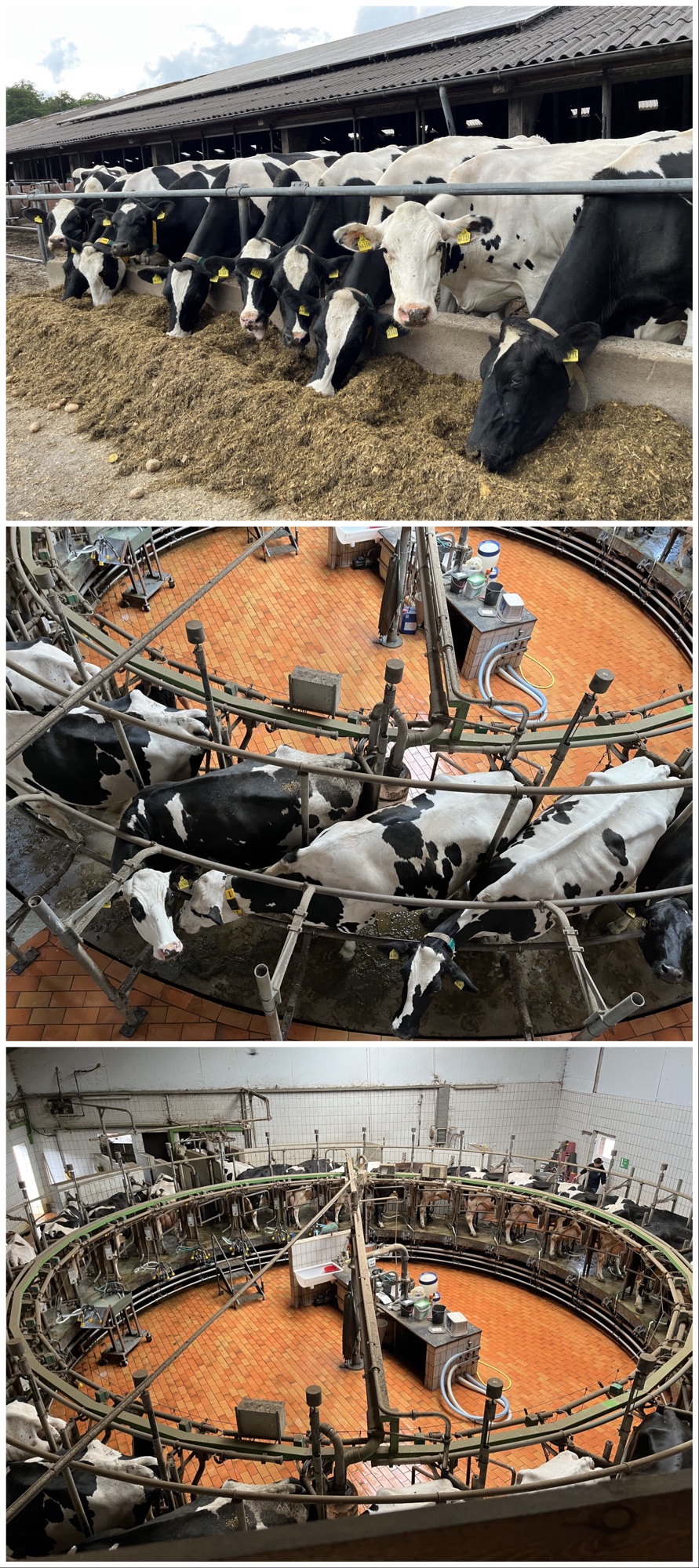
Before our evening family reunion, we detoured past Holtum’s largest dairy farm – about 250 cows – to watch them being milked in the “carousel”.
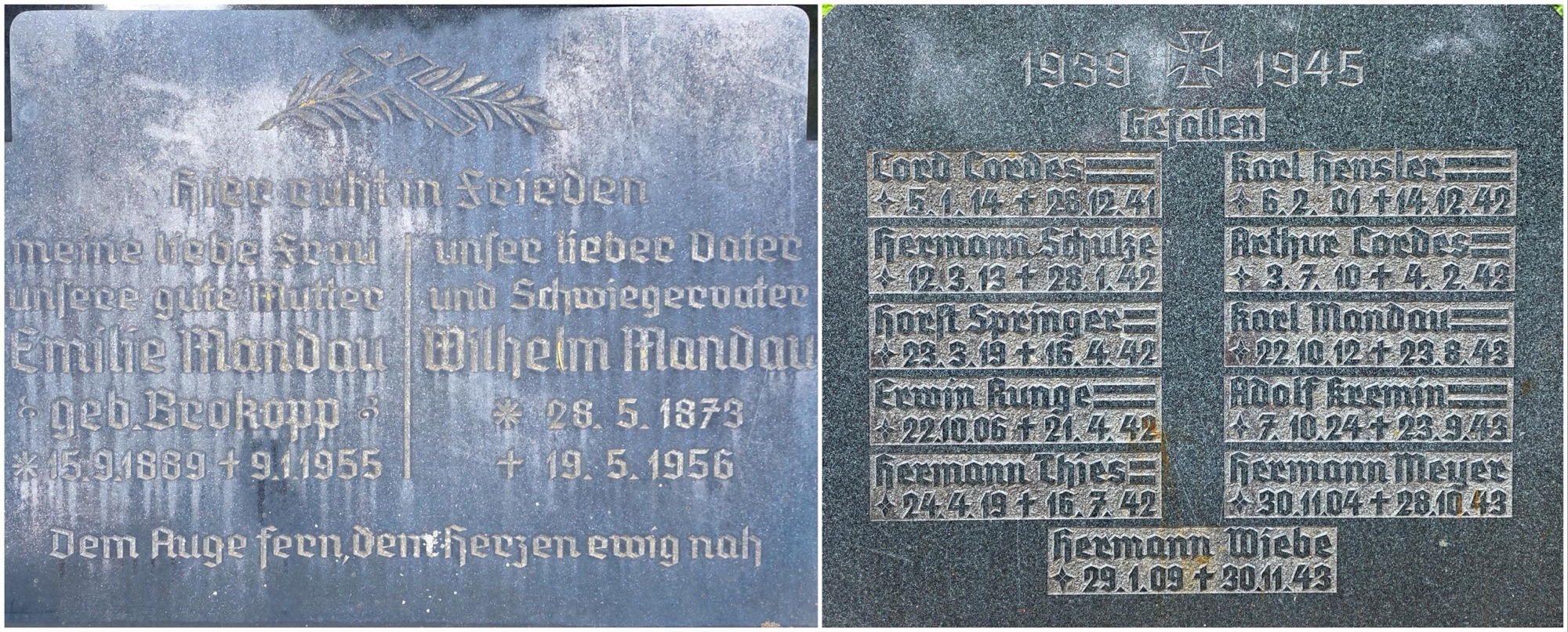
A second detour took us to the village cemetery where my grandparents are buried, and one of my uncles who died in Stalingrad is commemorated on the wall of German war dead. There is no glory here; only an acknowledgment that those who died gave their souls to God and their blood to their country.
Then it was time for more family, as we were invited to my cousin Ingrid’s home for dinner.
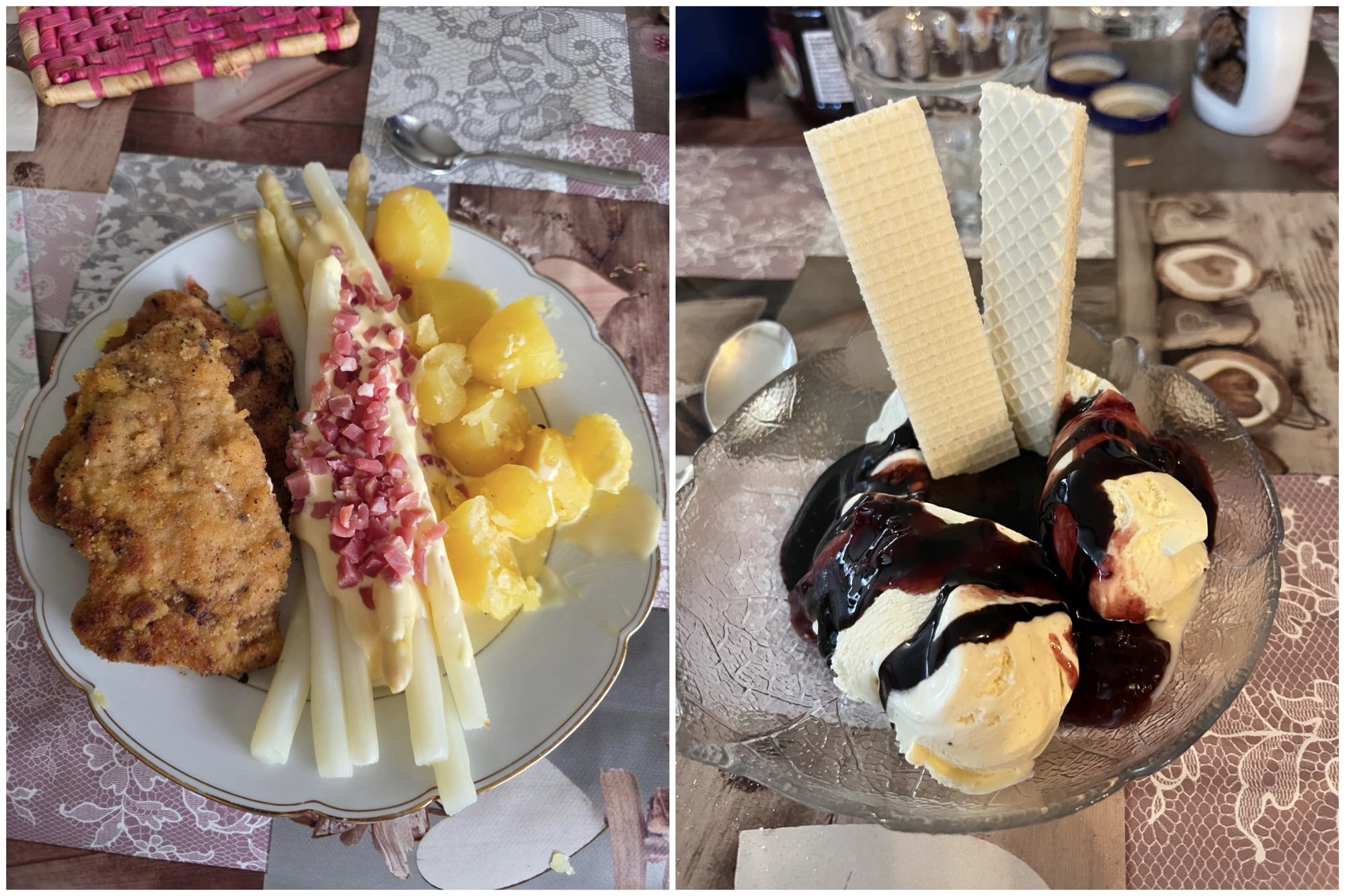
The menu was iconic June: white asparagus with cubed ham and hollandaise sauce, new potatoes with lots of butter, pork schnitzel, and eggs – followed by ice cream with an array of delicious toppings.
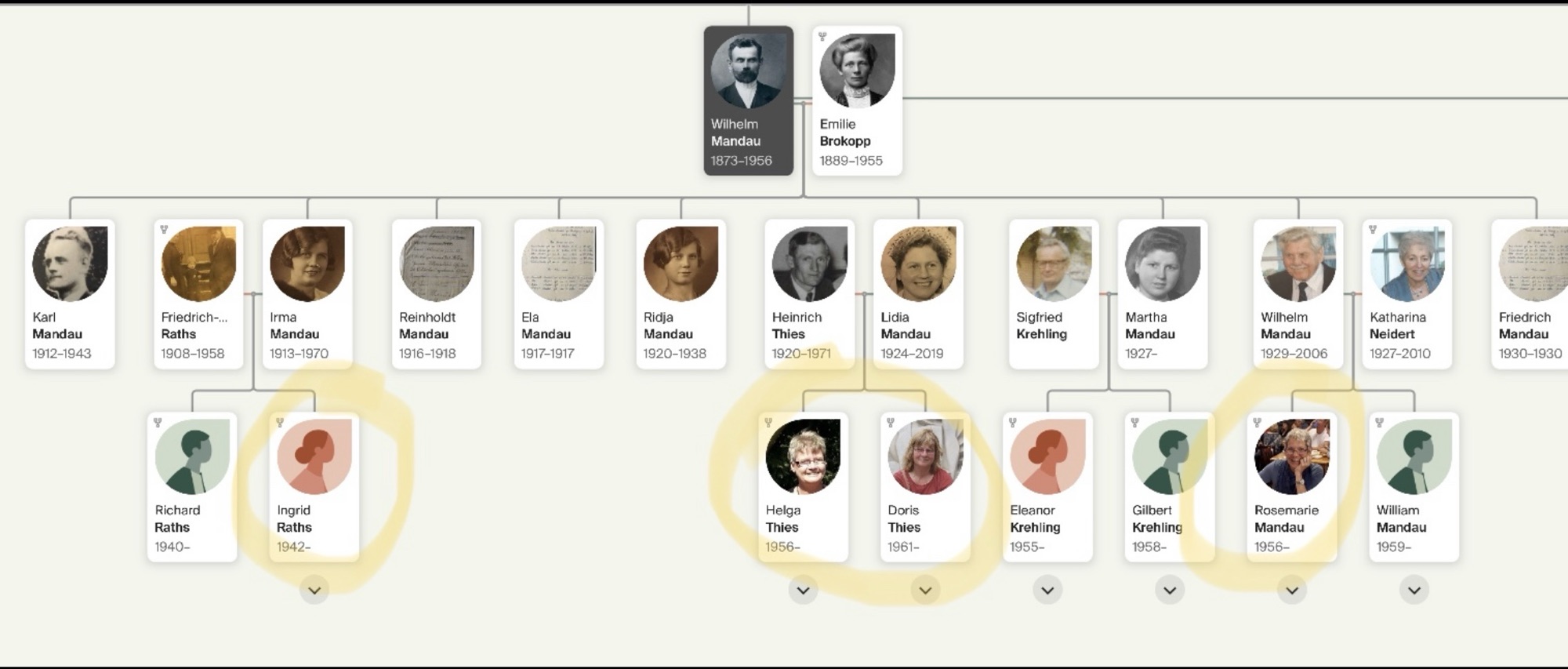
The tree below is just a very small portion of the huge tree on my Dad’s side of the family (he was the youngest of 16), but shows how the members of this particular reunion are related.
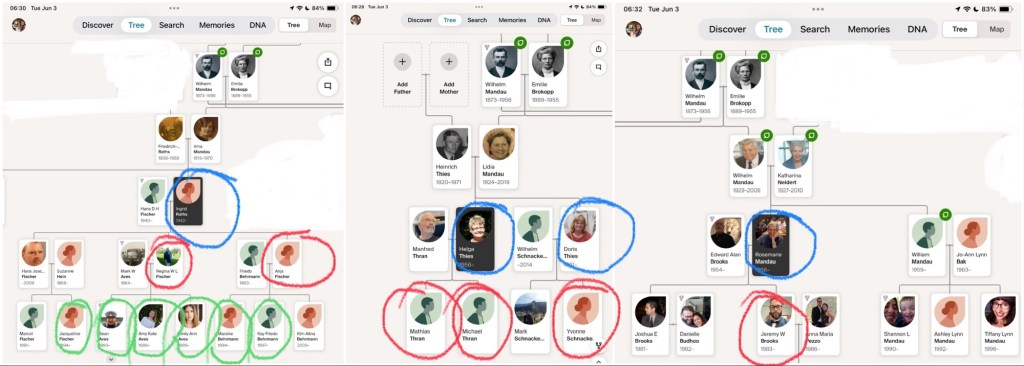

We all talked much later into the evening than we had expected (a bonus being that the younger generation speak English).
Once back to Helga’s we said our goodnights.
Tomorrow we make an early start to Bremen.
 Rose and Ted’s Excellent Adventure
hello, my name is Joshua Tengelitsch. I am researching my families history but have limited information. All we have are my great great grandparents ship records and stories my dad remembers. According to him, my great grandparents would tell stories and show pictures of their parents driving for a Wilhelm and was a cousin of them. Ship records show my great great grandmother’s name was Katherine and was from Germany and her husband with the name Tengelitsch was from Hungary. It is pronounced the same way as tengelic, a village in tolan Hungary. I found your story of the 3 Katherinas while searching. I am curious if you know more information of you ancestors relatives, or if it is possible we are of a separate branch. My family had moved to South bend Indiana (not far from Chicago) in 1921. Records show he was a machinist. But that is all I can find, the last name does not appear any earlier, so I believe it was changed when immigrating.
LikeLike
From what I know, we are not related. Sorry.
LikeLike
Th
LikeLike
Rose! Wonderful blog post today!
So happy to read all about your German family and see the wonderful photos from your visit. We miss you but do not hurry back – where you are is so much more charming than Marpole!!
Catriona
PS what a handsome son! And Ted seems fine, a bit lonely but not starving yet 😊
LikeLiked by 1 person
You’re too kind! (Thanks for keeping an eye on the big guy)
LikeLike