Yesterday we were in a coal exporting port; today we are in a very busy container port, but one with a beautiful passenger/cruise ship terminal named after Nelson Mandela.


It was another 12-hour port, and we managed to fit in two excursions.
After a quick breakfast and caffeine hit, we were on our way at 7:00 a.m. on a 90 minute drive to the stunning 7,000 acre Tala Private Game Reserve, nestled in the hills of the KwaZulu-Natal province – an area of indigenous acacia thornveld (an appropriate name, given how sharp some of the plants are!), open grassland, and sensitive wetland.
En route, we passed early morning runners practising for an upcoming national marathon.

At 8:30 a.m. we boarded an open 20-passenger game vehicle with our guides who led us through the reserve, often well “off road”.
A late morning game drive necessarily means expecting fewer animals, since many of them seek shelter from the midday sun, but this reserve is mostly grassland. We had lots of sightings during our 2 hour drive, and Ted captured some wonderful memories.
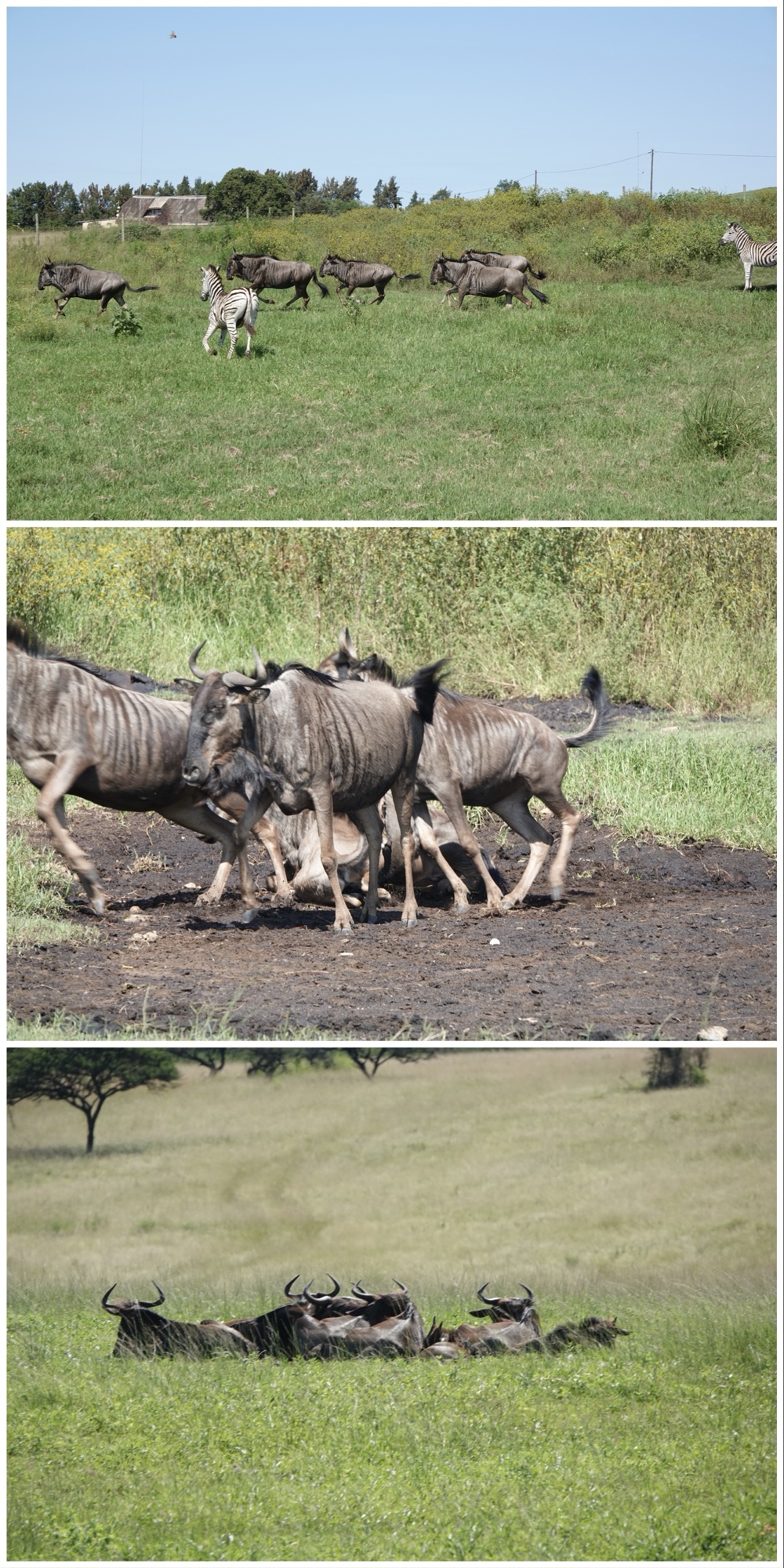
8:34 a.m. Almost right away we saw a mixed herd of blur wildebeest (gnus) and Burchett’s zebras. Our guide quipped that wildebeest were made from God’s leftovers: the head of a buffalo, back of a hyena, stripes of a zebra, and tail,of a horse.

8:35 a.m. Watering hole denizens.
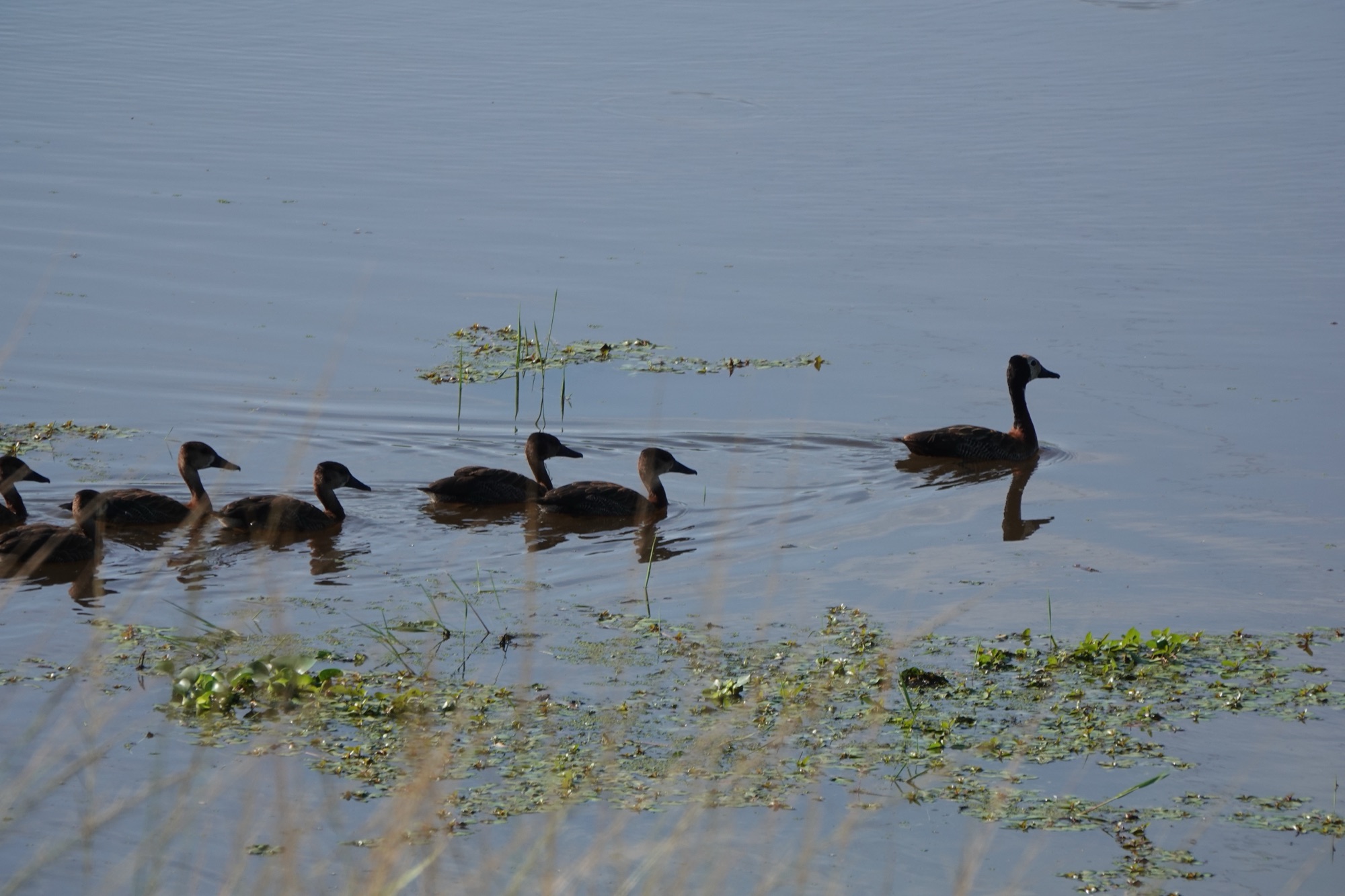

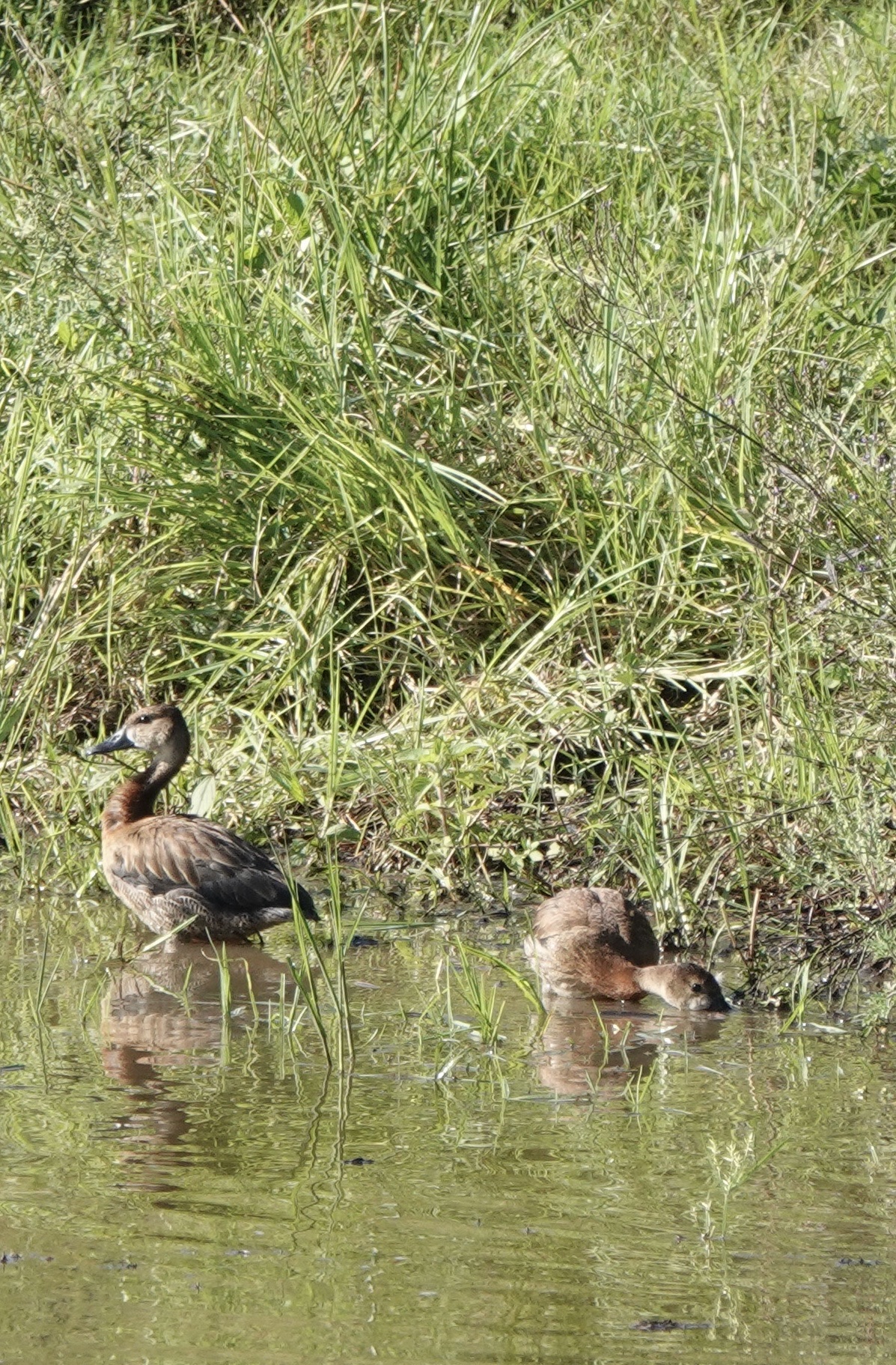


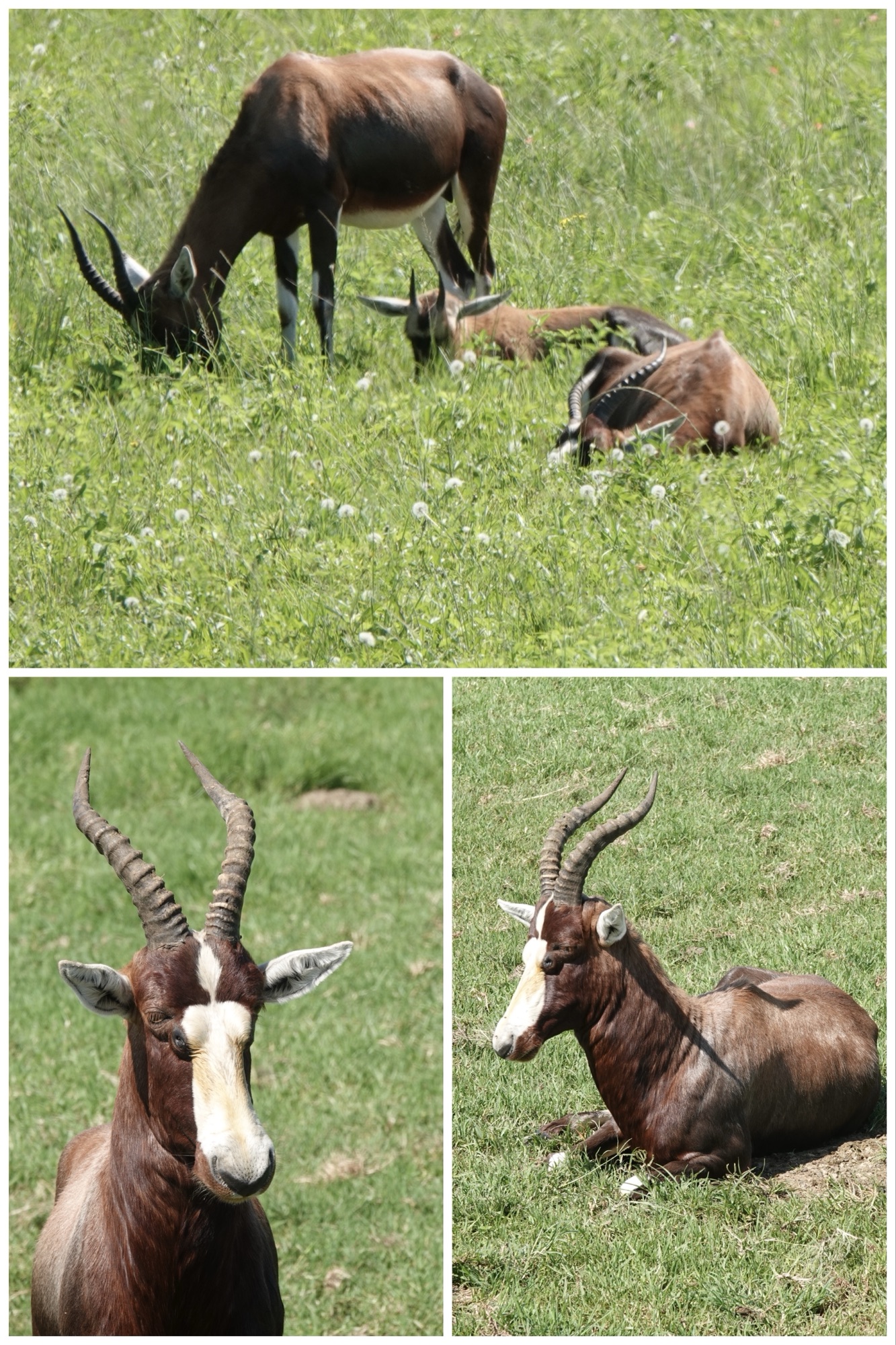
8:43 a.m. Blesbock

8:46 a.m. African jacana

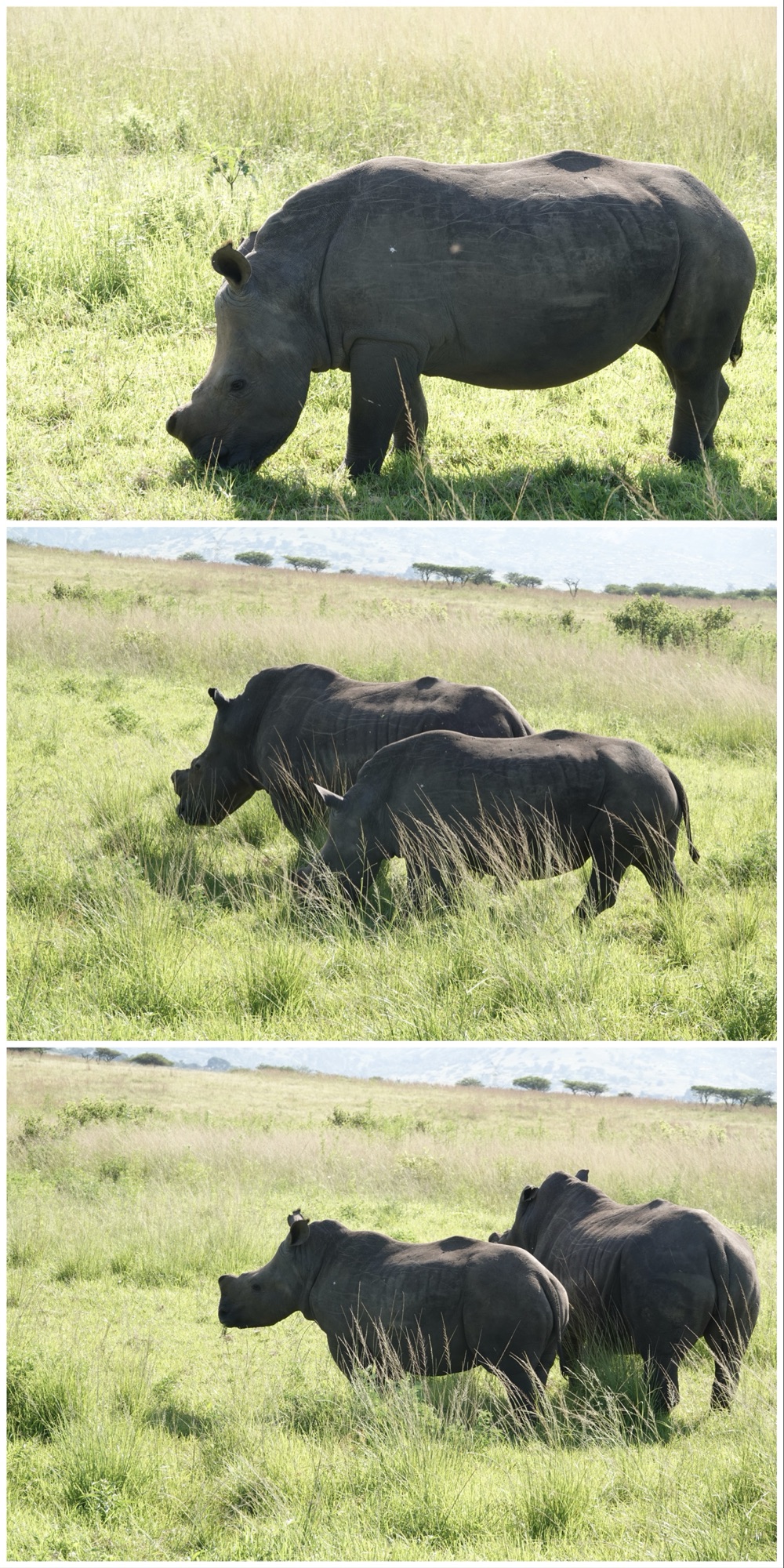
8:50 a.m. Female white rhino and her 3-year-old female offspring. There are currently no male rhinos on the reserve. “Mike Tyson”, the 30-year-old alpha male drowned in a pond after last spring’s heavy rains, and his replacement “Samson” died of internal injuries after rampaging in his acclimatization quarantine area. All the rhinos on the reserve have their horns (which are just hair, after all) trimmed every 18 months to prevent poaching, which is still a huge problem in Africa. Even though rhinos are protected, in 2024 420 rhinos were killed (320 in state-owned parks and 100 on private reserves) by poachers who tranquilize them, cut off their horns, and leave them to bleed out and die.
9:07 a.m. Lots more impala, beautiful scenery, and an African dusky flycatcher


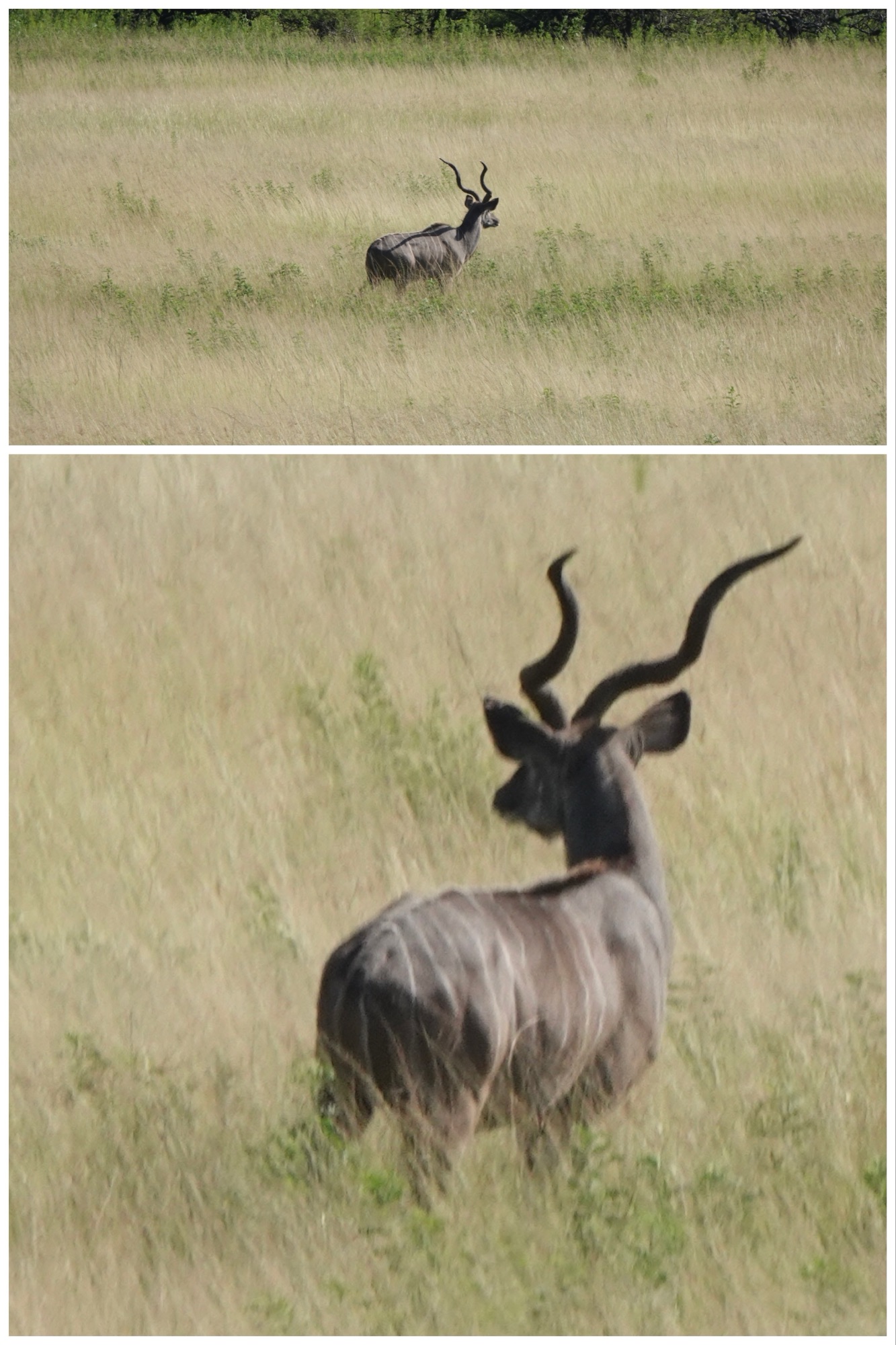
9:16 a.m. A greater kudu
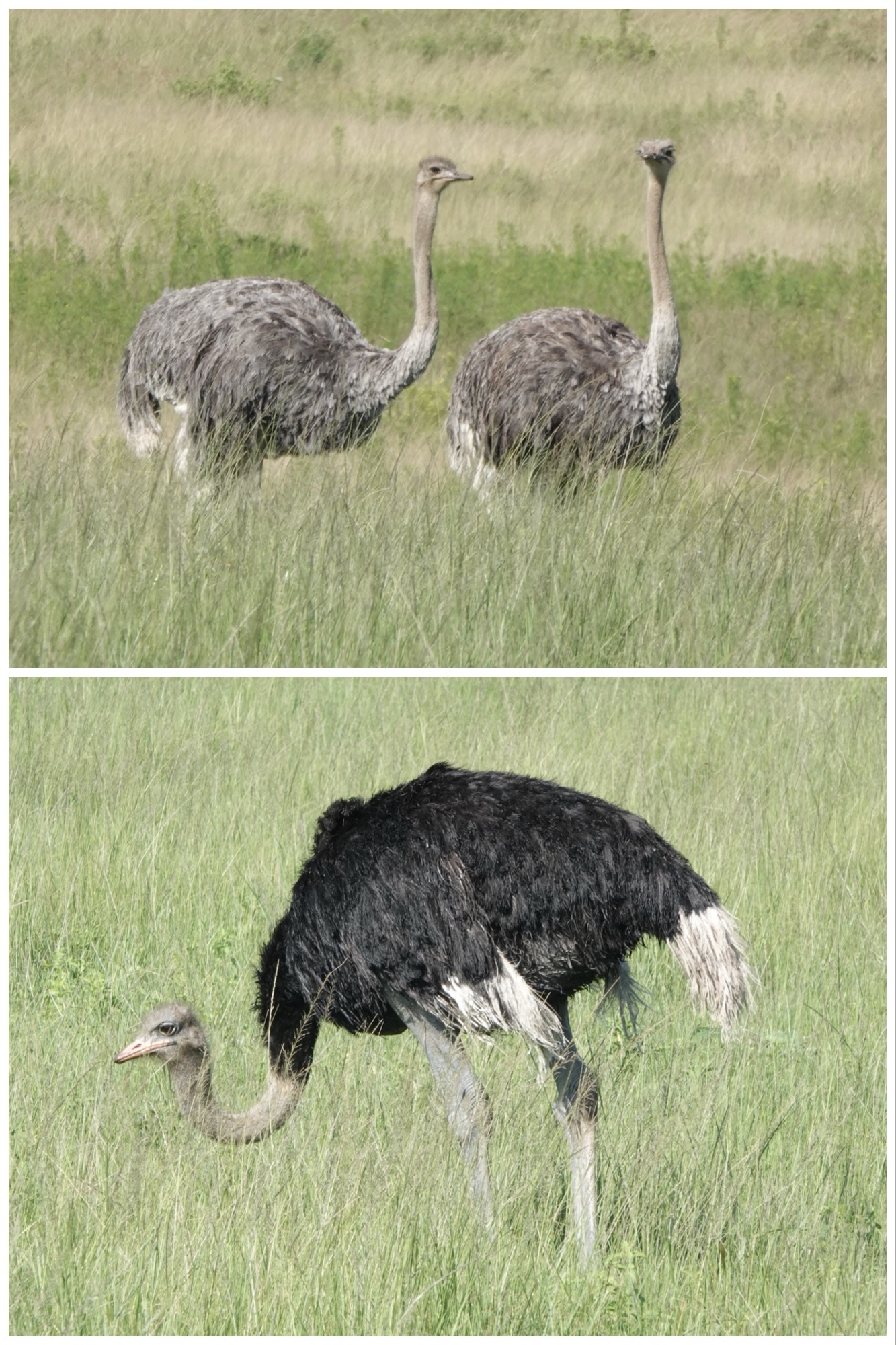
9:20 a.m. Tall ostriches in the tall grass.The grey feathered ones are females; the black and white is a male.
9:25 a.m. Another watering hole and a lot more Egyptian geese.

9:49 a.m. Visible through the front of our vehicle: a stunning adult male giraffe

We drove around for quite awhile, seeing more ostriches, impala, and wildebeest, before finally at 10:19 a.m. spying what we hadn’t yet seen: hippos. Unfortunately, they were not interested in coming out of the water; if they’re not coated in mud, their skin is highly susceptible to sunburn!

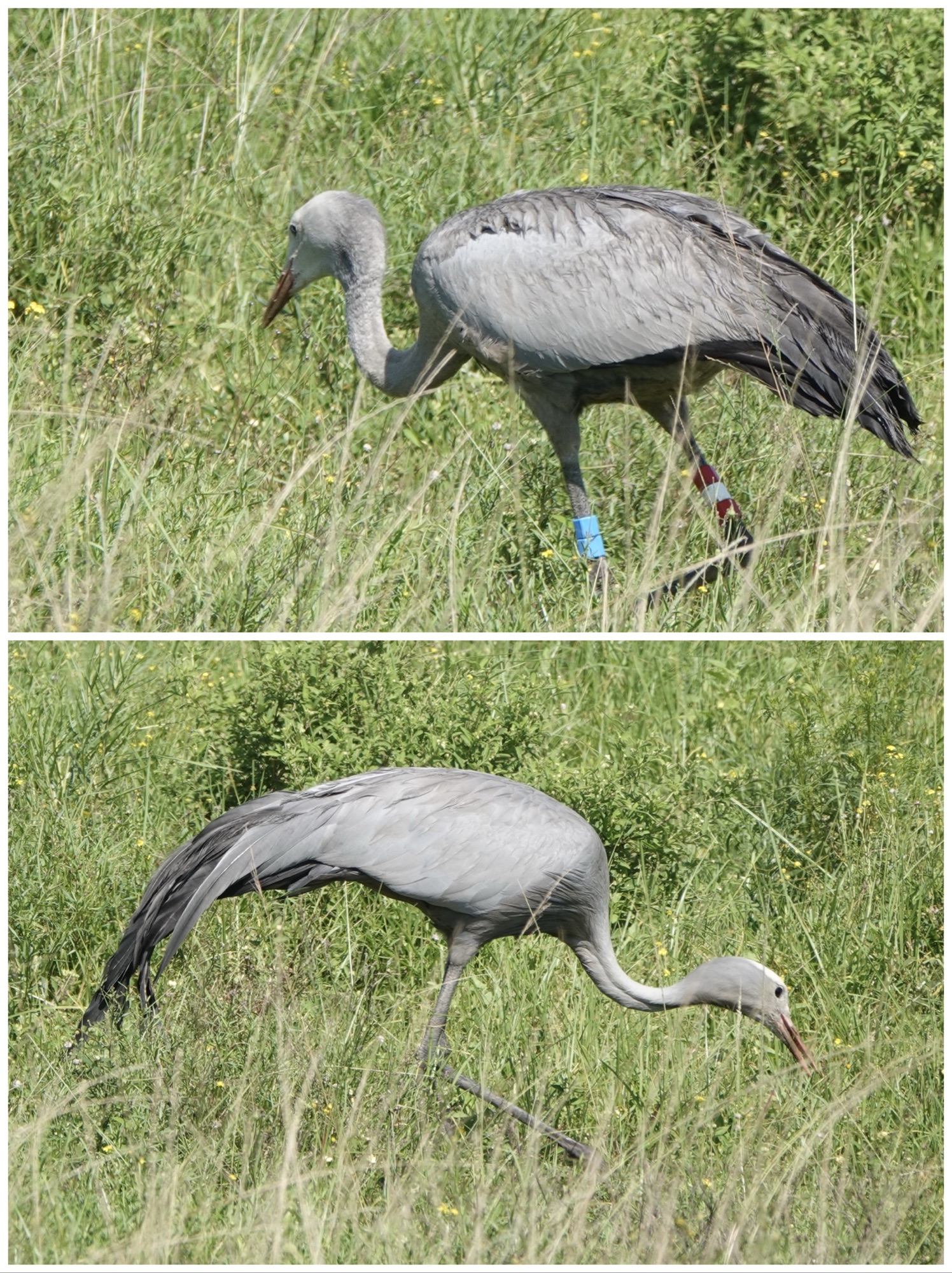
10:28 a.m. A pair of blue cranes (also called the Stanley crane or paradise crane), South Africa’s national bird.
10:30 a.m. The motherload! Wildebeest (gnu), nyala, blesbok, impala, zebras, and an entire group of rhinos with egrets, all within one vista.


Upon our return to base camp at 10:40 a.m., we hadva few moments to browse the gift shop and were then treated to “tea”: a choice of hot or cold drinks, various pastries, fruit, and biltong. I felt very African (à la Precious Ramotzwe) with my snack of delicious rooibos (red bush) tea and wildebeest biltong.
Then it was a return 90 minute drive to the port, a chance to grab a quick coffee and change clothes, and on to our second excursion, which is in the next episode. It was a full day!
 Rose and Ted’s Excellent Adventure
Thanks for yet again introducing me to something new – biltong! I had to look it up, then see how it was different than jerky – very interesting! And wonderful pictures from Ted again!
LikeLiked by 1 person
Rose, I can’t tell you how much I love reading your blog. I was on the ill fated 2020 Workd Cruise and had to get off in Bali. I have been following you ever since your first Viking World Cruise. Thanks so much for the effort you put into this.
Sent from my iPhone
LikeLiked by 1 person
Love having you along !
LikeLike
My thanks to you and Ed for enabling me to come along virtually to Africa. I really appreciate how well your pictures and writing tell the story of what you see and do.
LikeLiked by 1 person