When I was booking our excursions 6 months ago, I realized that after a really full day we would want to sleep in, so I simply booked a short panoramic excursion. Unfortunately, our start time turned out to be 8:45 a.m. anyway. We headed put of the picturesque Swettenham Pier to our bus. The pier, like many things here, have retained their British colonial names.


Before even exiting the pier I had done my first clothing shopping of this cruise. I realized yesterday that I had unspent ringgits, and needed to leave them in Malaysia.

115 Malaysian ringgit ($37CAD ) for the first two, and $20USD for the gold one – and that was “tourist” pricing!
Two days ago we learned that one of the main roads in Penang will be under construction for 2 years, significantly changing our tour, but hoped it would still give us an overview of some things we didn’t see on day one.
Our focus was to be on Georgetown, the capital of Penang.

Sadly, we realized quite quickly that this excursion was going to teach us nothing. Our guide Adelyne, a lovely very petite older Chinese lady, was completely unprepared. To give her the benefit of the doubt, because she really did seem like a very nice person, it appeared that she may have been called in as a last minute fill-in. She had no idea how to use the QuietVox system that Viking uses on all its tours (I showed her). She also had no idea what our itinerary was supposed to be, and kept checking a folded piece of paper to give the driver his next steps. She had almost no information to share with us beyond telling us at least 3 times in the first 15 minutes that the city had been founded by Captain Francis Light.
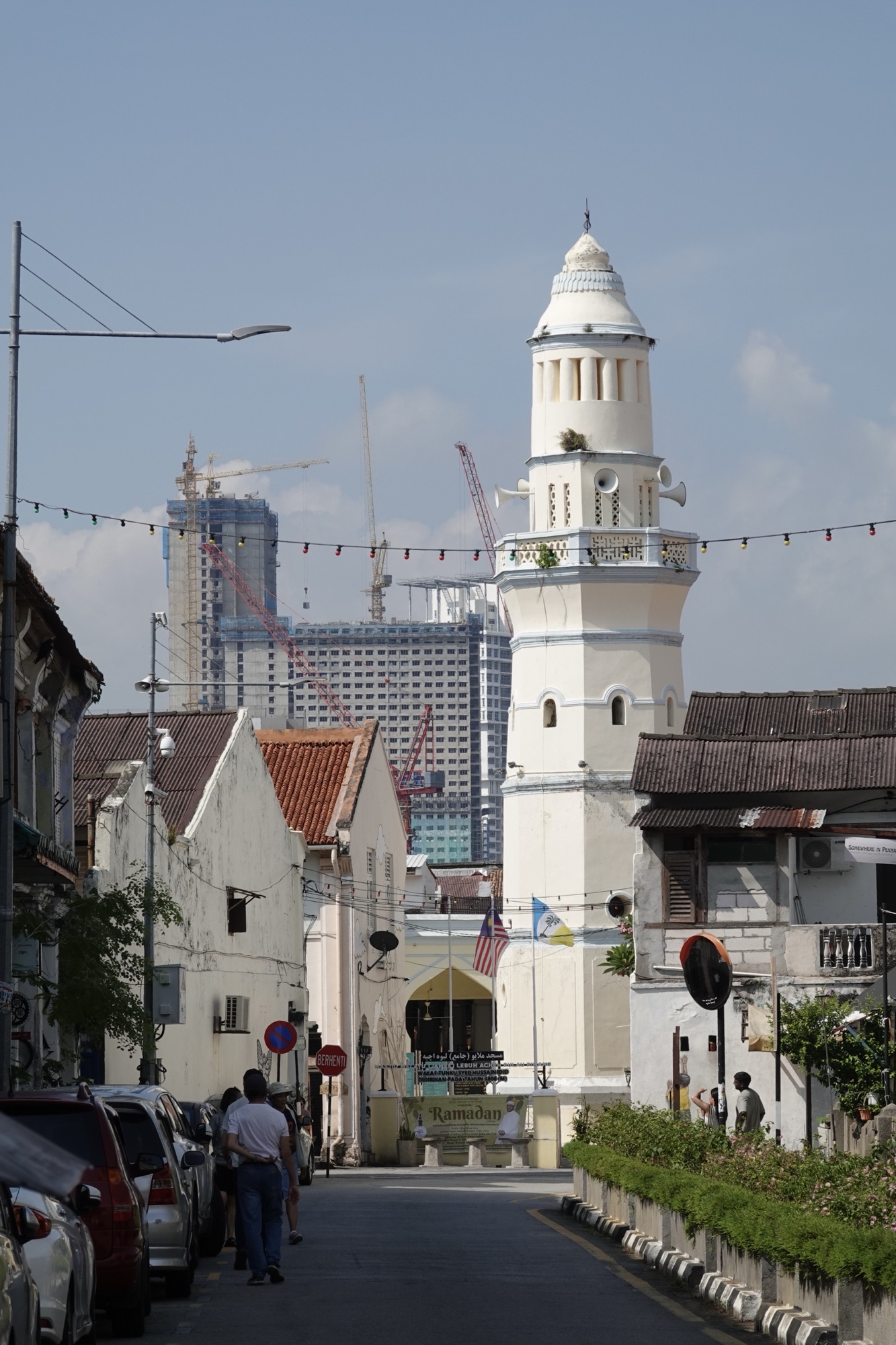
We had passed Little India before she mentioned that fact. We drove by what we later learned is Penang’s most prominent historic mosque without her even mentioning it. At our first stop, a temple, the only information we got was that the Yap family had sponsored it. And Pitt Street “looks like what you see”.
Sheesh.
Before re-boarding the bus I paused to ask Adelyne confidentially whether she could please share more information, since most of the group were first time visitors to Penang. So, when we got back on the bus, she told us again that the city had been founded by Francis Light, and that it was mostly Chinese, but multicultural and multilingual.
Apparently other groups on the same tour today walked from the temple to Chew Jetty; we took the bus, which stopped to let us disembark in a petrol station. When the driver explained that he would not be able to wait there and that our guide should call him when the group was ready, she responded that she had no phone (or maybe no phone number).
We (and another couple) politely told her that we would not be returning to the bus after walking with her to the jetty. When she asked me if anything was wrong I didn’t explain beyond saying that we wanted a different pace. We were well within walking distance to the ship, and I didn’t want to hurt her feelings (but we will be letting the shore excursions manager know).
As a result, we got lots of great pictures, but not much information to go with them beyond what we gleaned from signs.
Oh, well. Here goes…
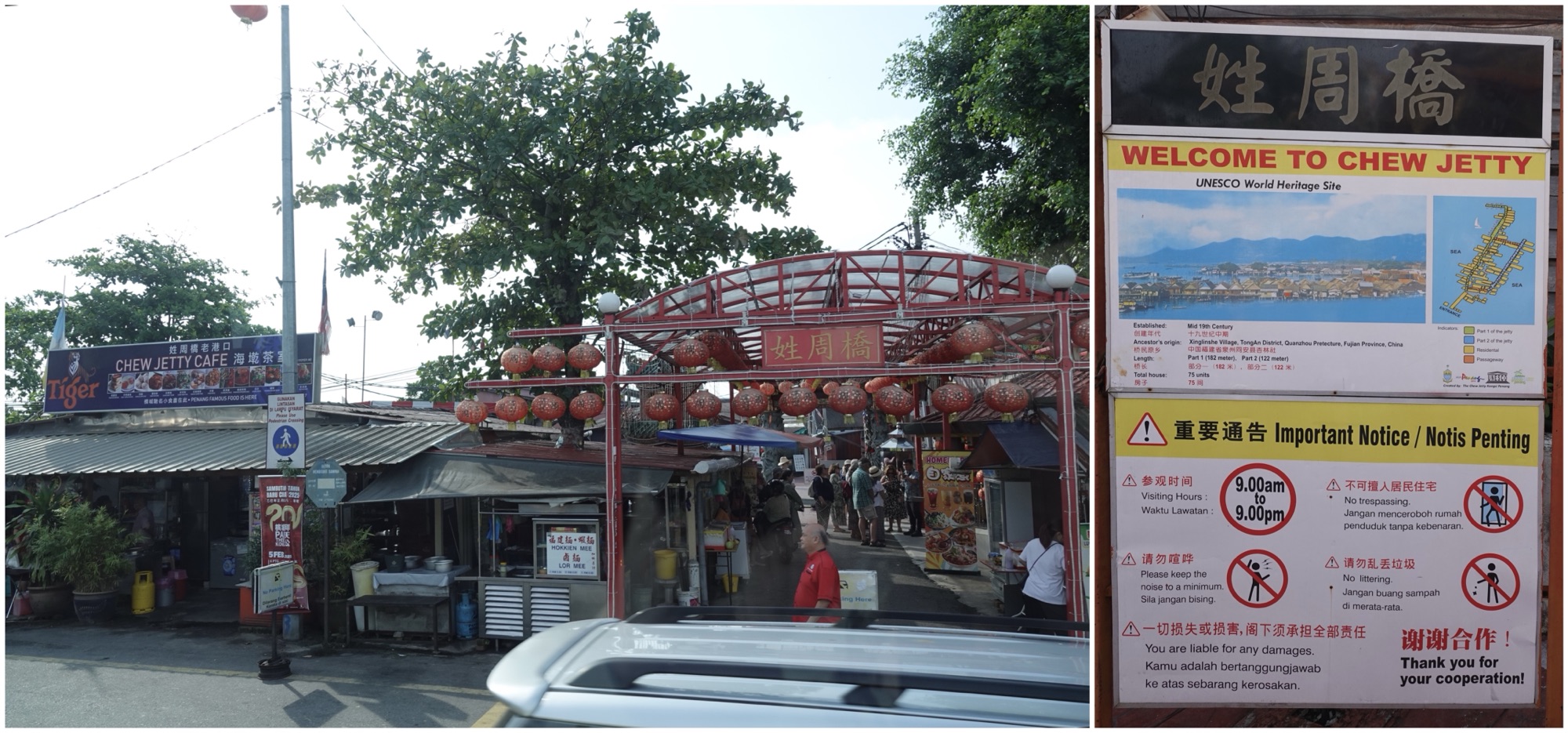
Chew Jetty is a complex of homes built on pylons out over the water. Almost every home is fronted by a retail store, café, or small restaurant. While completely different in style, and much larger, it nonetheless reminded me of Fisherman’s Wharf on Vancouver Island. There, too, families living at the water’s edge have become a tourist attraction.


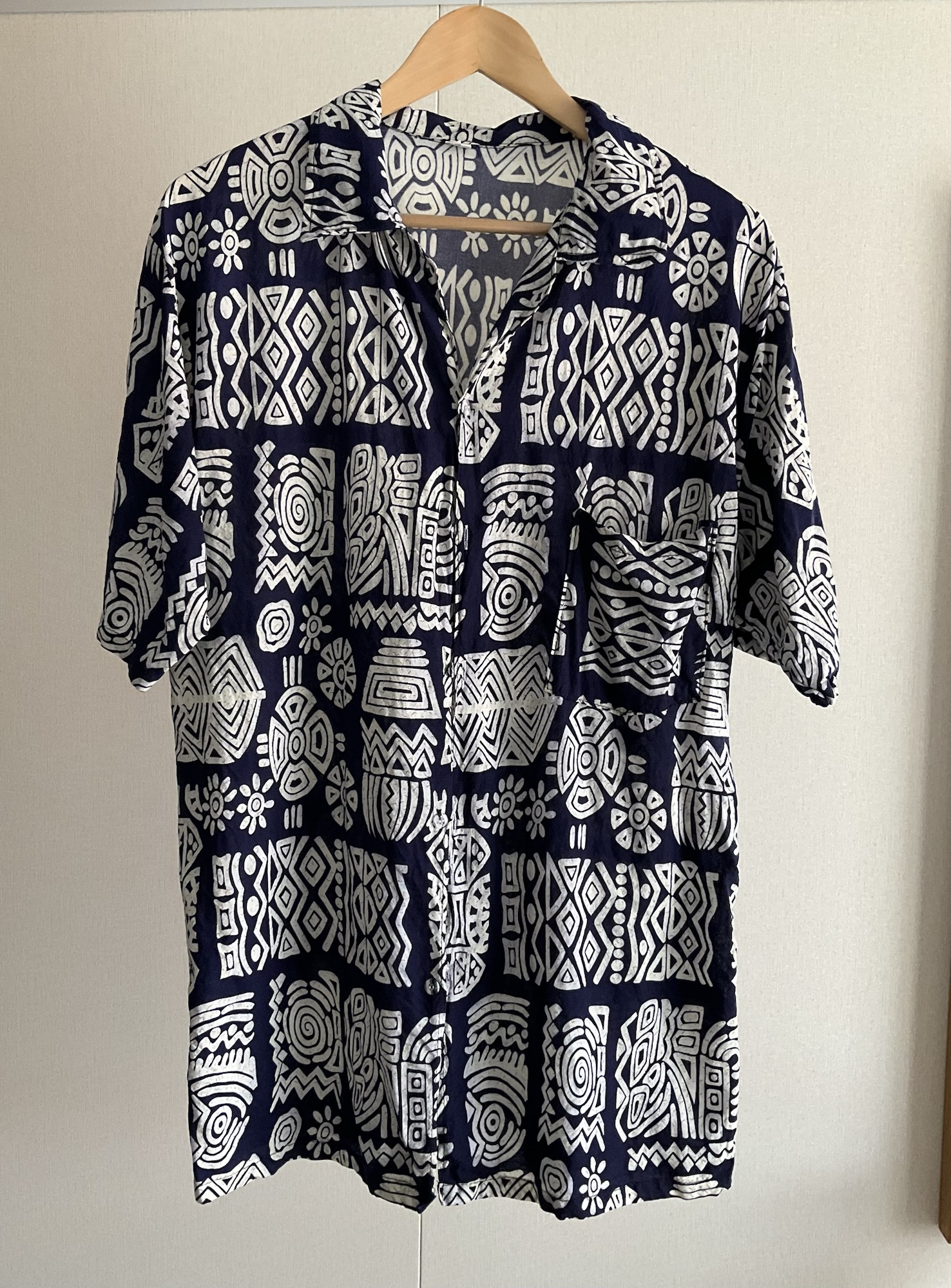
It was a great place to shop, which was another plus to being there on our own schedule. I’ve been wanting to buy Ted a batik-style shirt, but with our minimalist full-time travel he really didn’t want to spend the money on the real thing. At one of the jetty shops I found a “made in Malaysia” rayon/linen blend print shirt for 25 ringgit ($8 CAD) that will be fun to see him wear during this cruise.
At low tide, we could see the barnacles attached to the buildings’ support poles.

From the jetty area we went in search of Penang’s most well-known street art: “Moto Boy”. (I had already bought tee-shirts with its image at a shop on the jetty for each of our grandsons). The actual motorbike parked in front of the mural is part of the art installation,

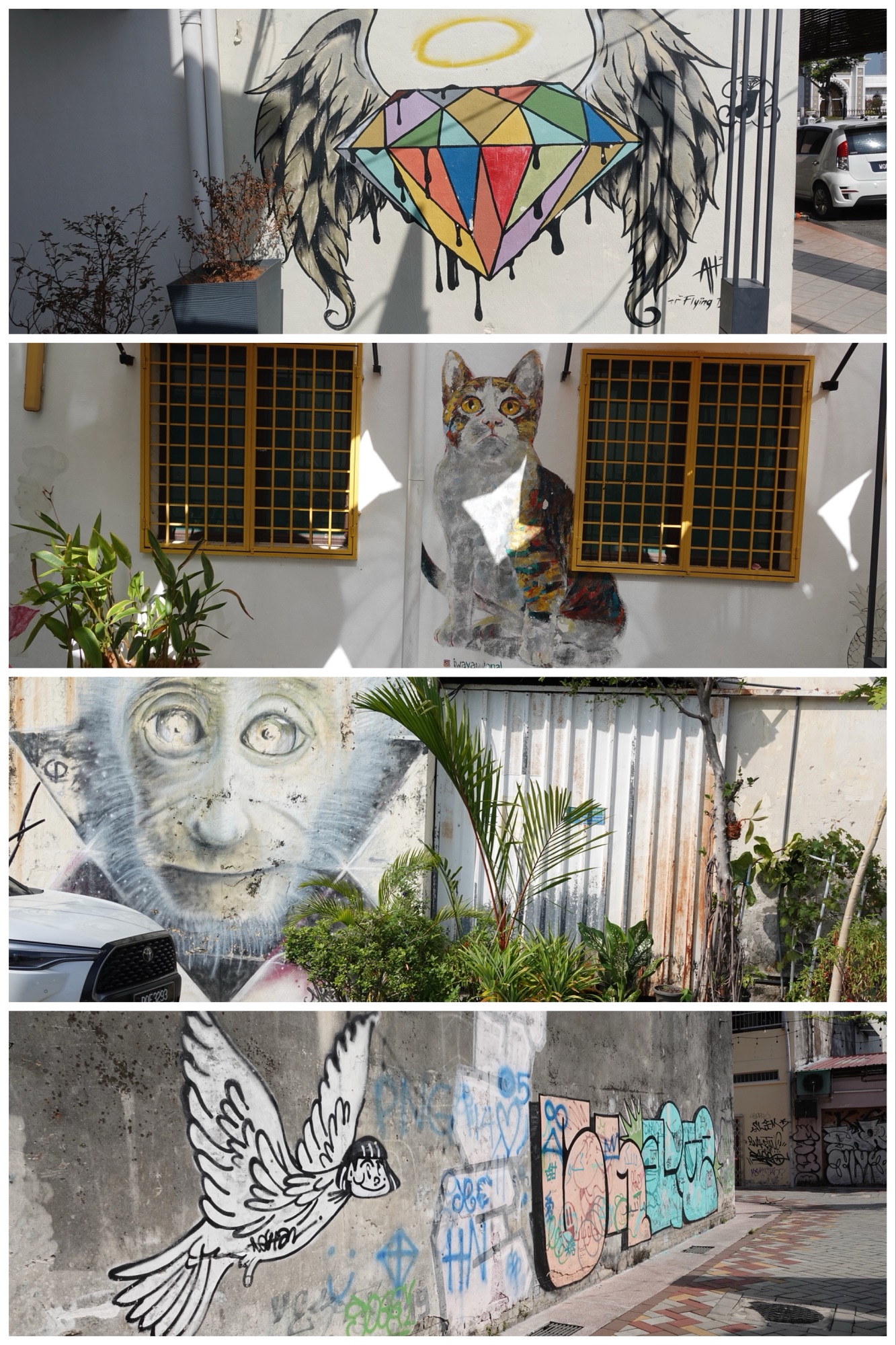
There was plenty of other interesting street art.


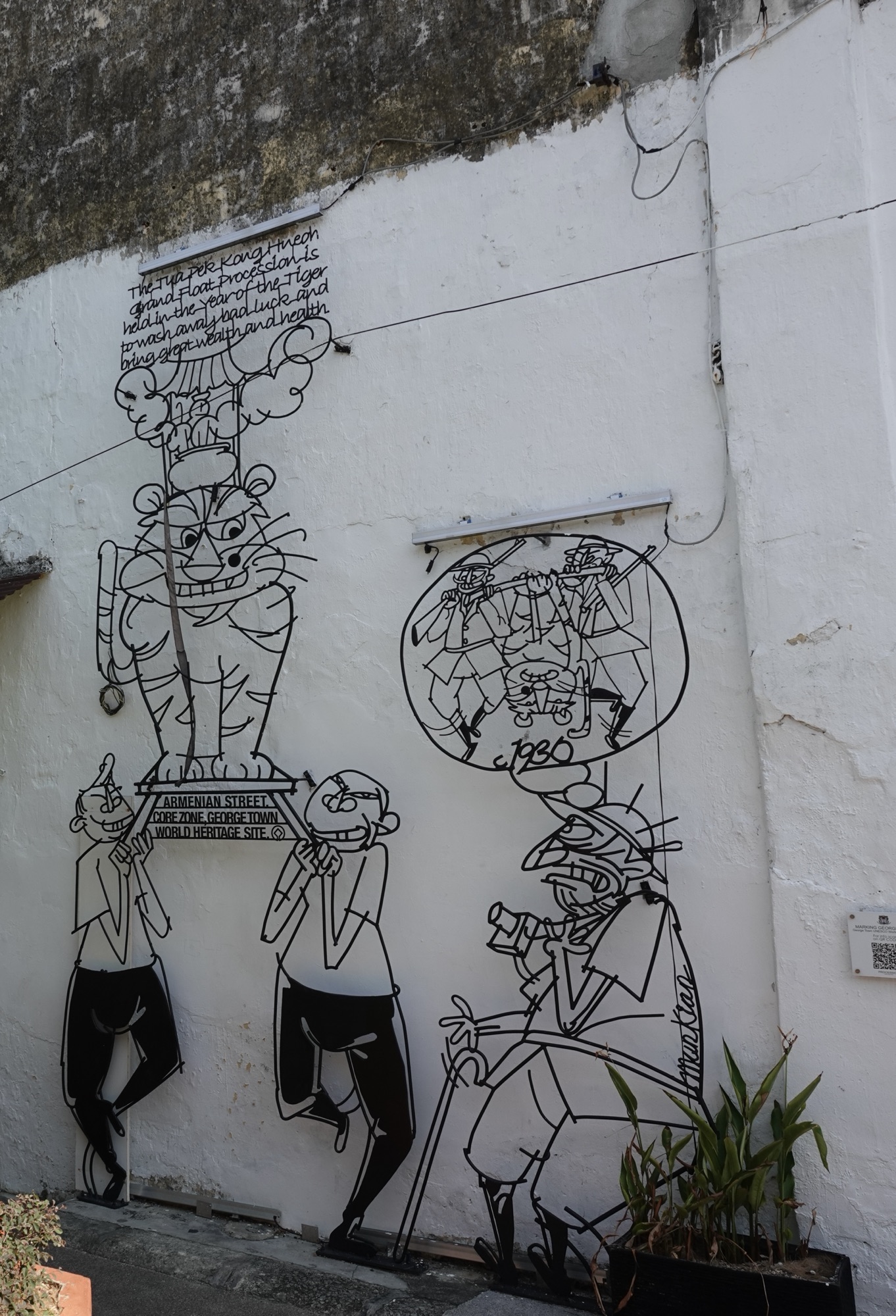
I especially loved the combination of iron work and mural art used to lend perspective to the UNESCO designated heritage areas at Armenian Street and Pitt Street.

One of the most interesting streets in the city is Cannon Street, known as the “Street of Harmony”.

Without specifically trying, but because they were so architecturally interesting, Ted got photos of most of the religious buildings on the street.
Masjid Lebuh Acheh mosque
Yap Kongsi & Yap Temple
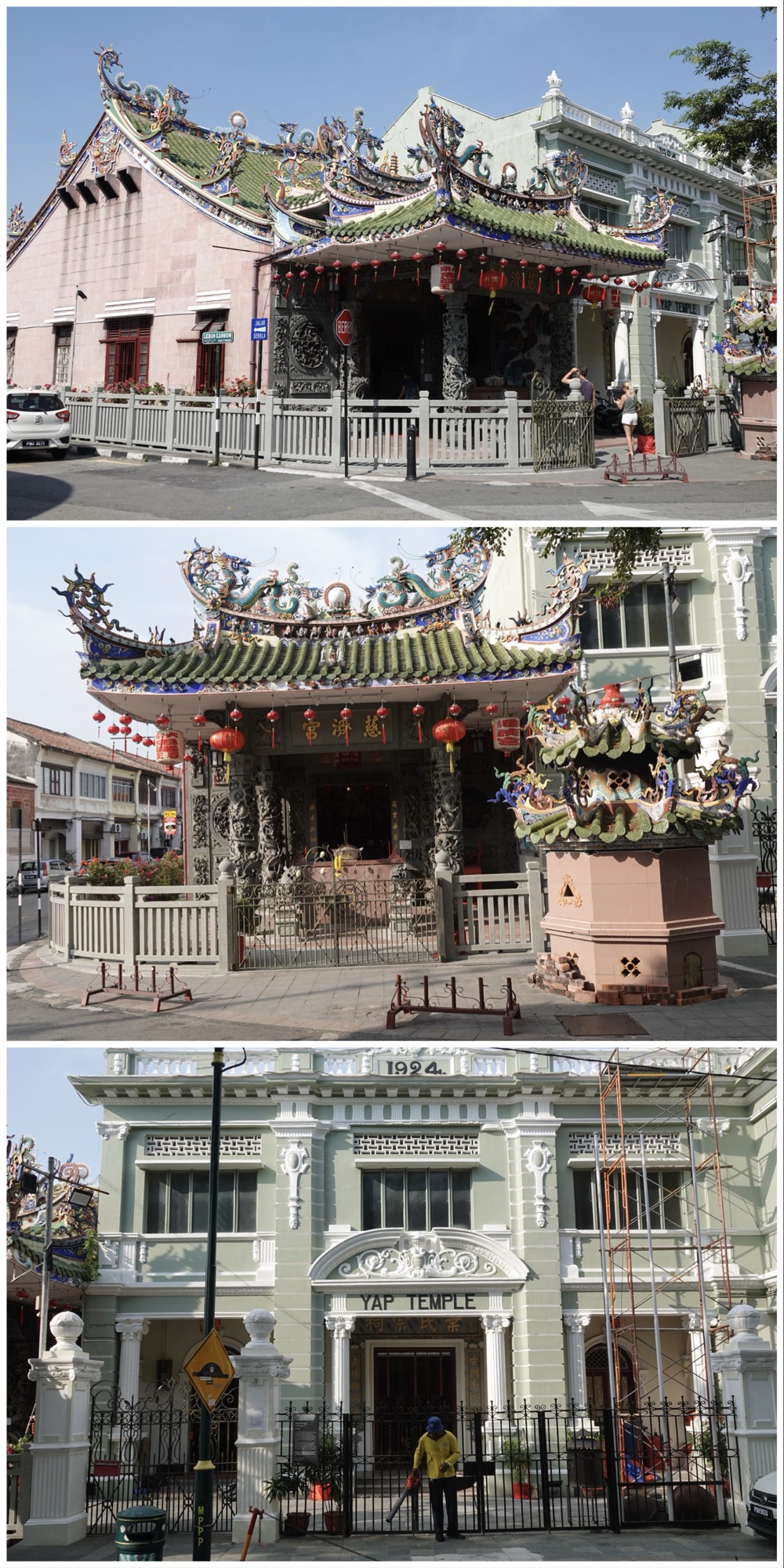
Cheah Kongsi

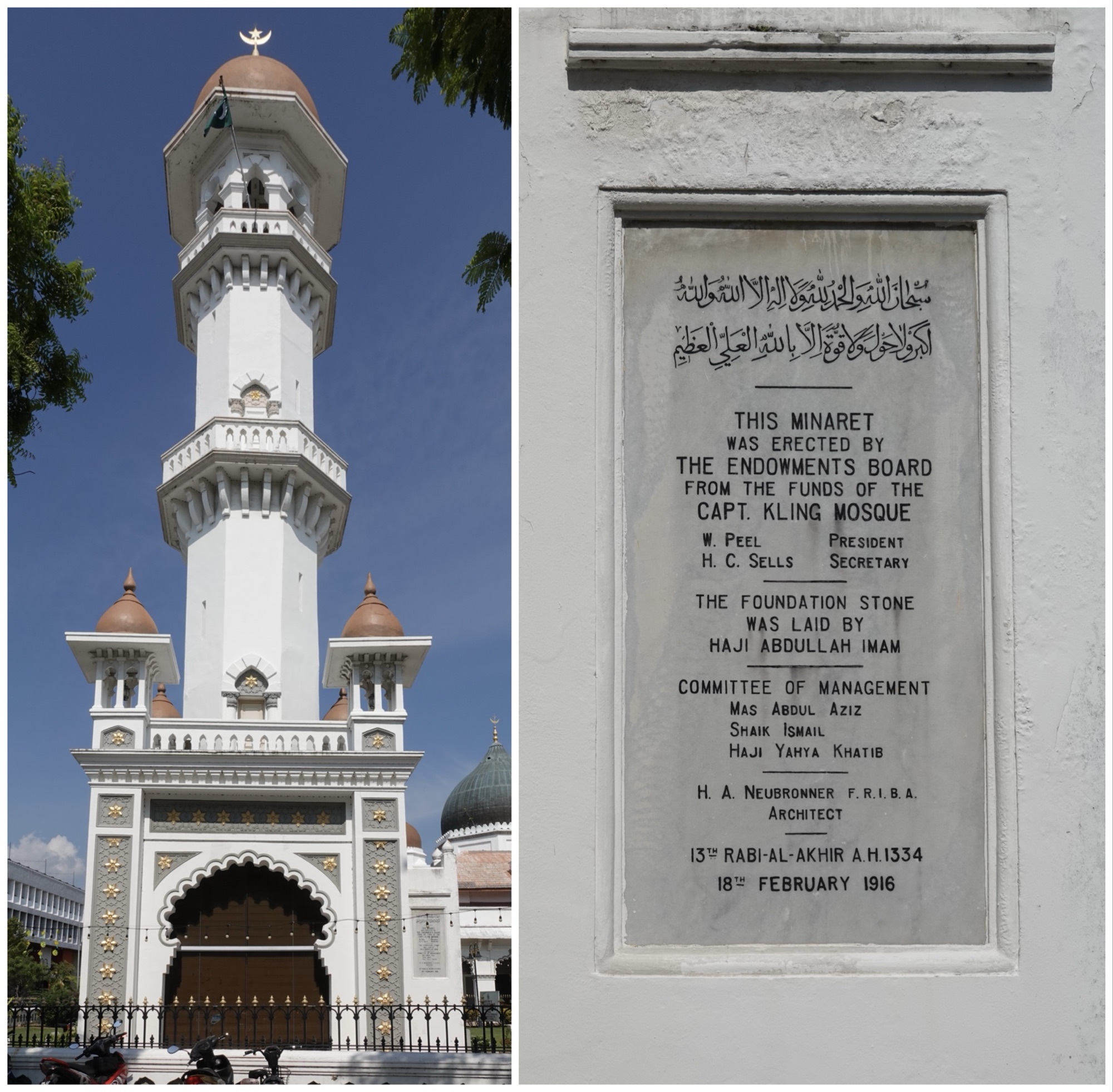
Kapitan Keling Mosque

The mosque is a place of worship of the Indian Muslim community who have lived and worked around the mosque with a continuous history of over two hundred years.
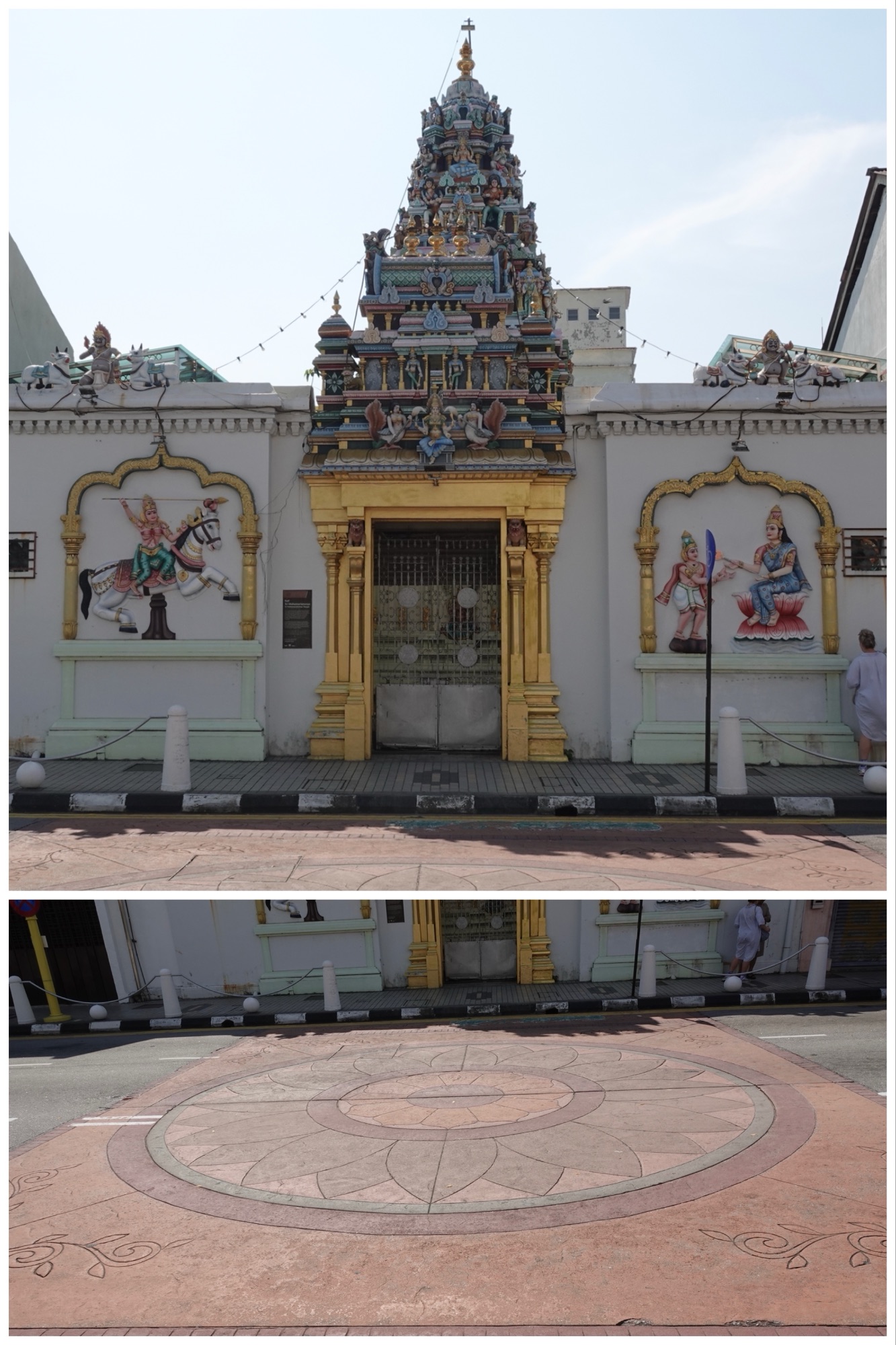
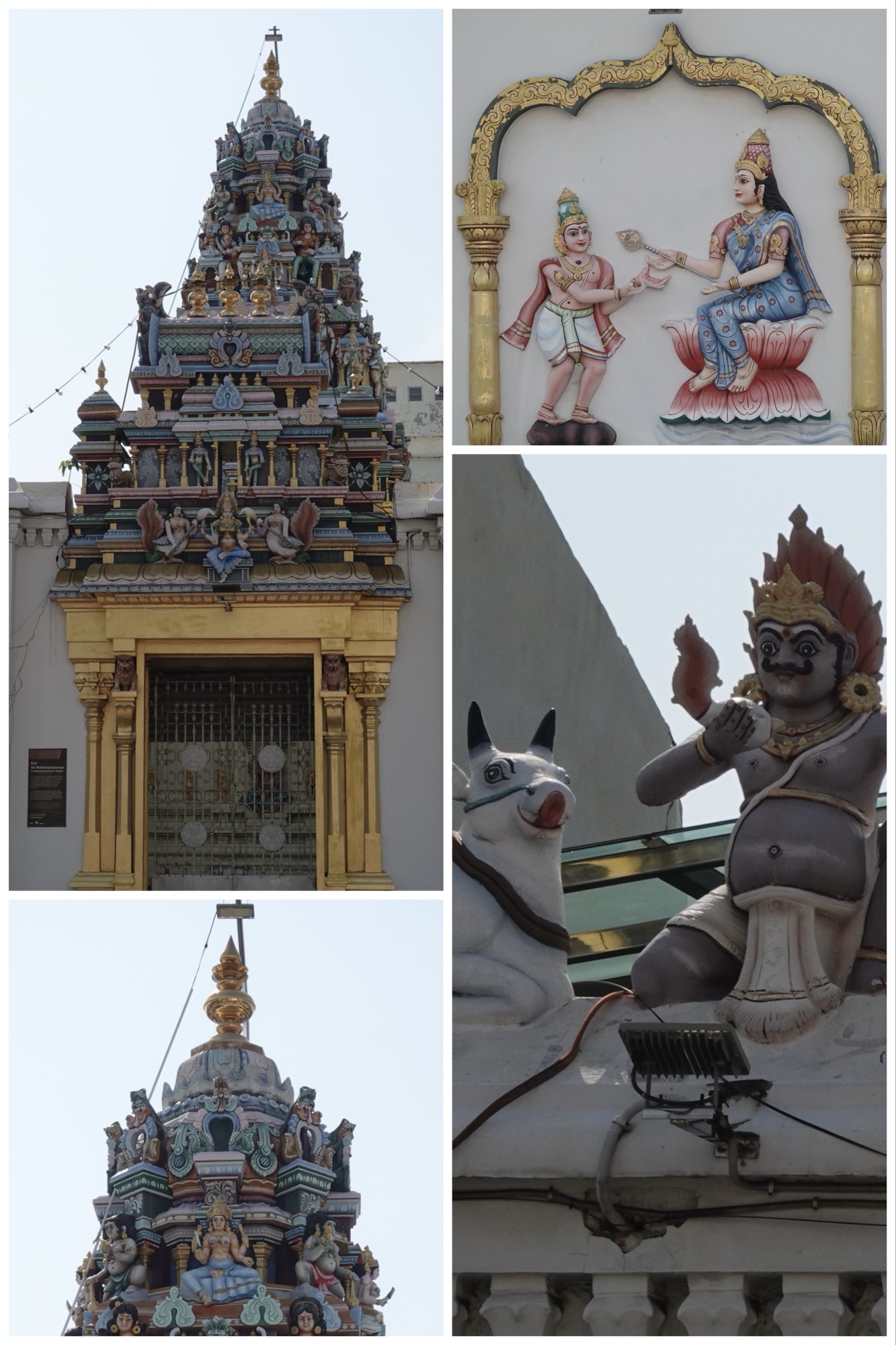
Sri Mahamariamman Temple
The Goddess of Mercy Temple, where we saw some of the biggest joss sticks we’ve ever seen.

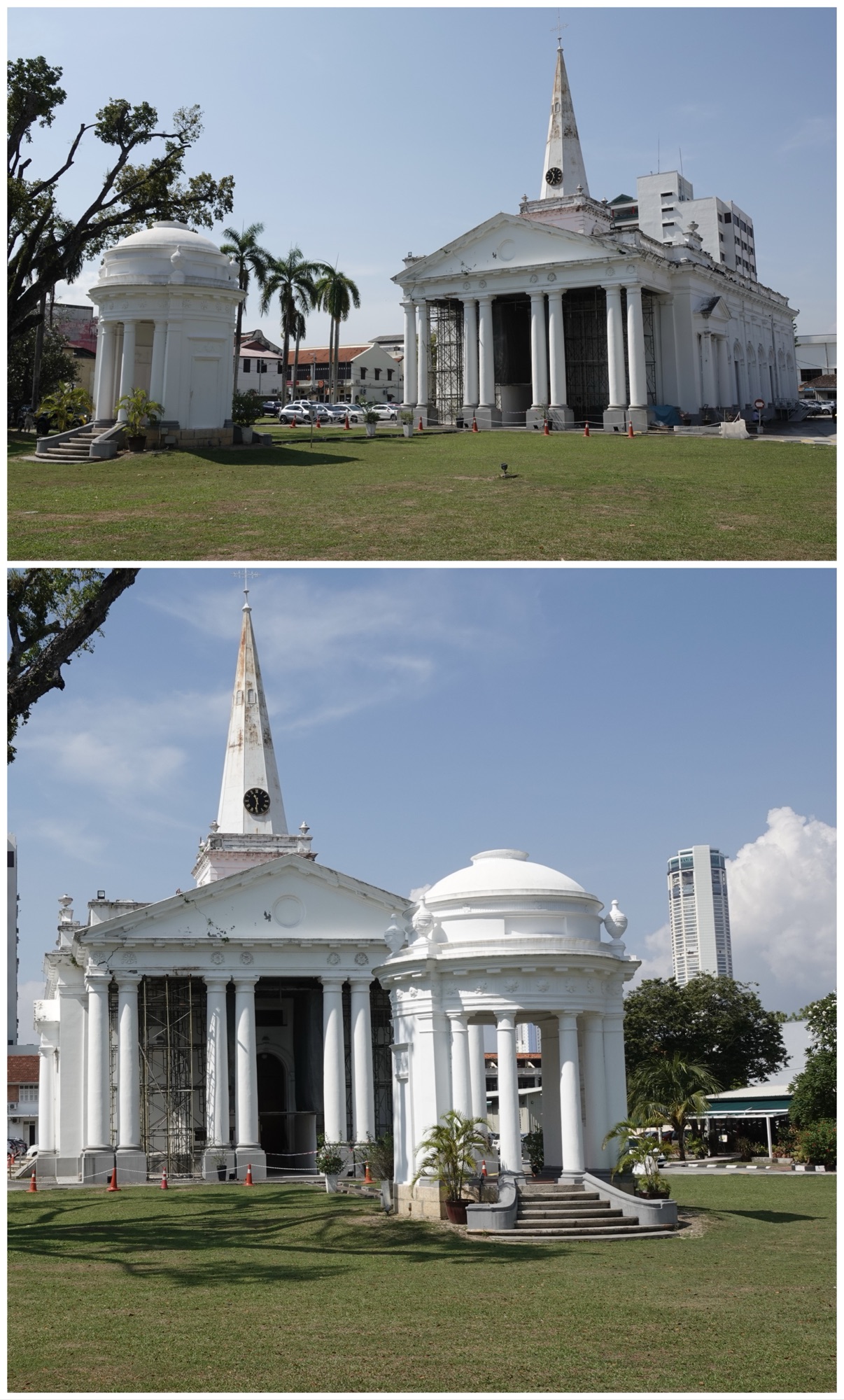
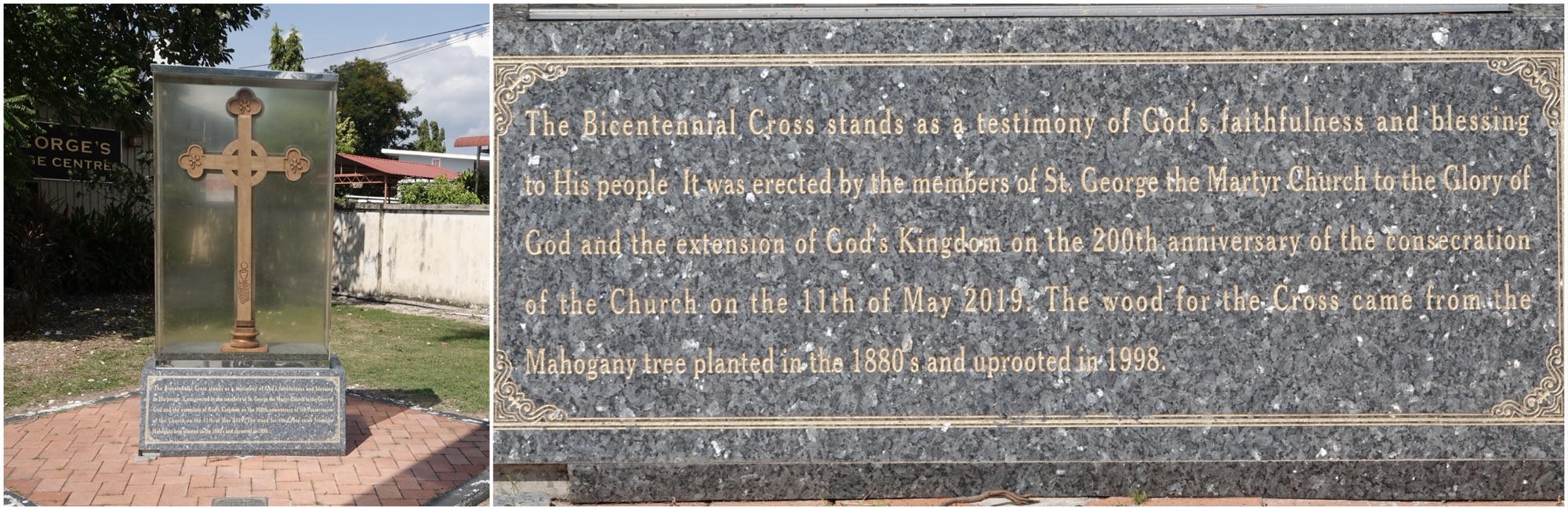
St. George’s Church
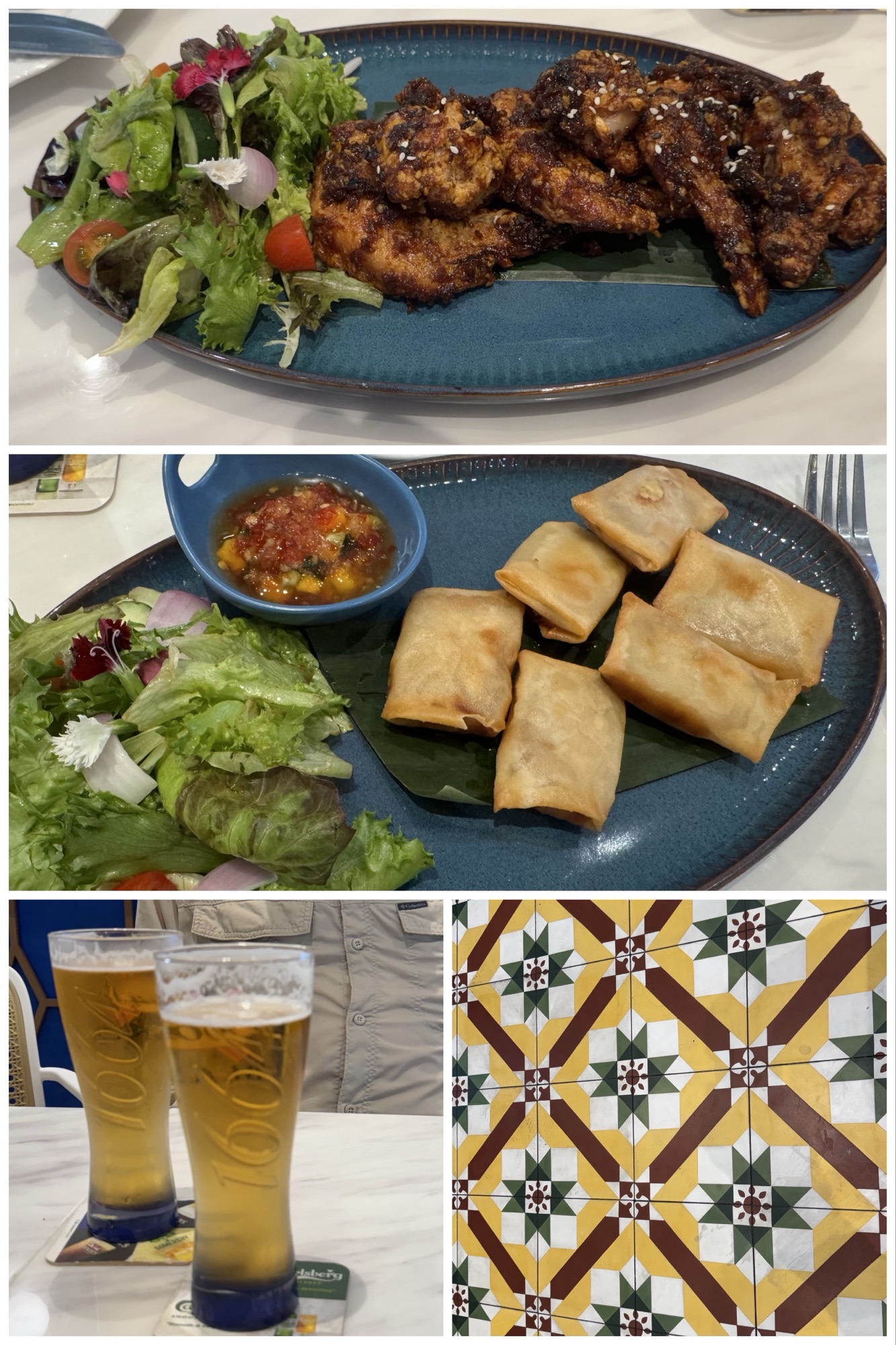
We felt as if we got quite a good unguided walk around George Town, and deserved a quick lunch before heading back to the ship. We ate at Koto on Light Street, which is a café attached to the beautiful almost Wedgewood blue looking Hong Leong Bank.
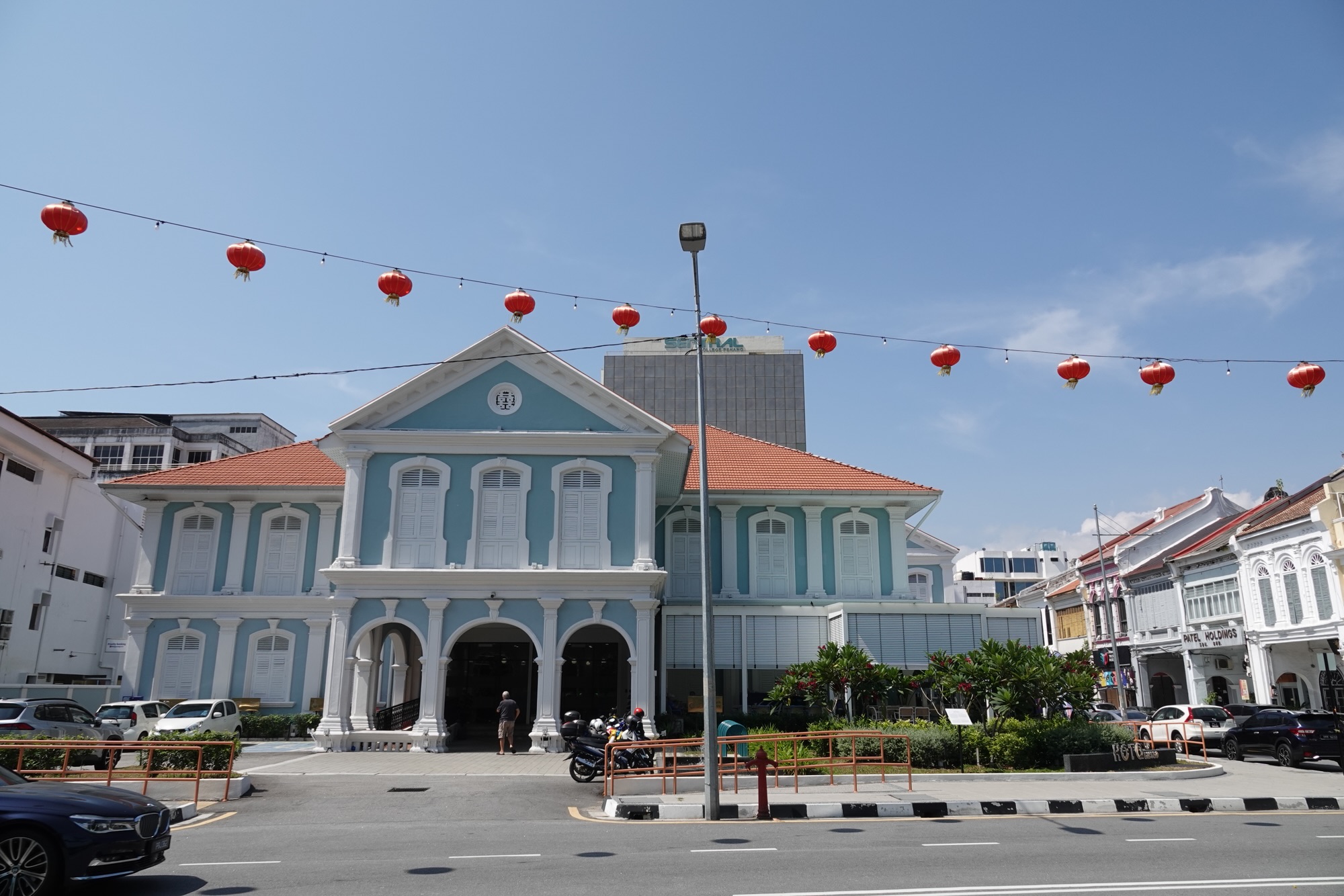
Because we were eating “upscale”, and because alcohol is very expensive in this Muslim country, our lunch was 84MYR, or almost $27CAD. Our two beers comprised half of the total cost.
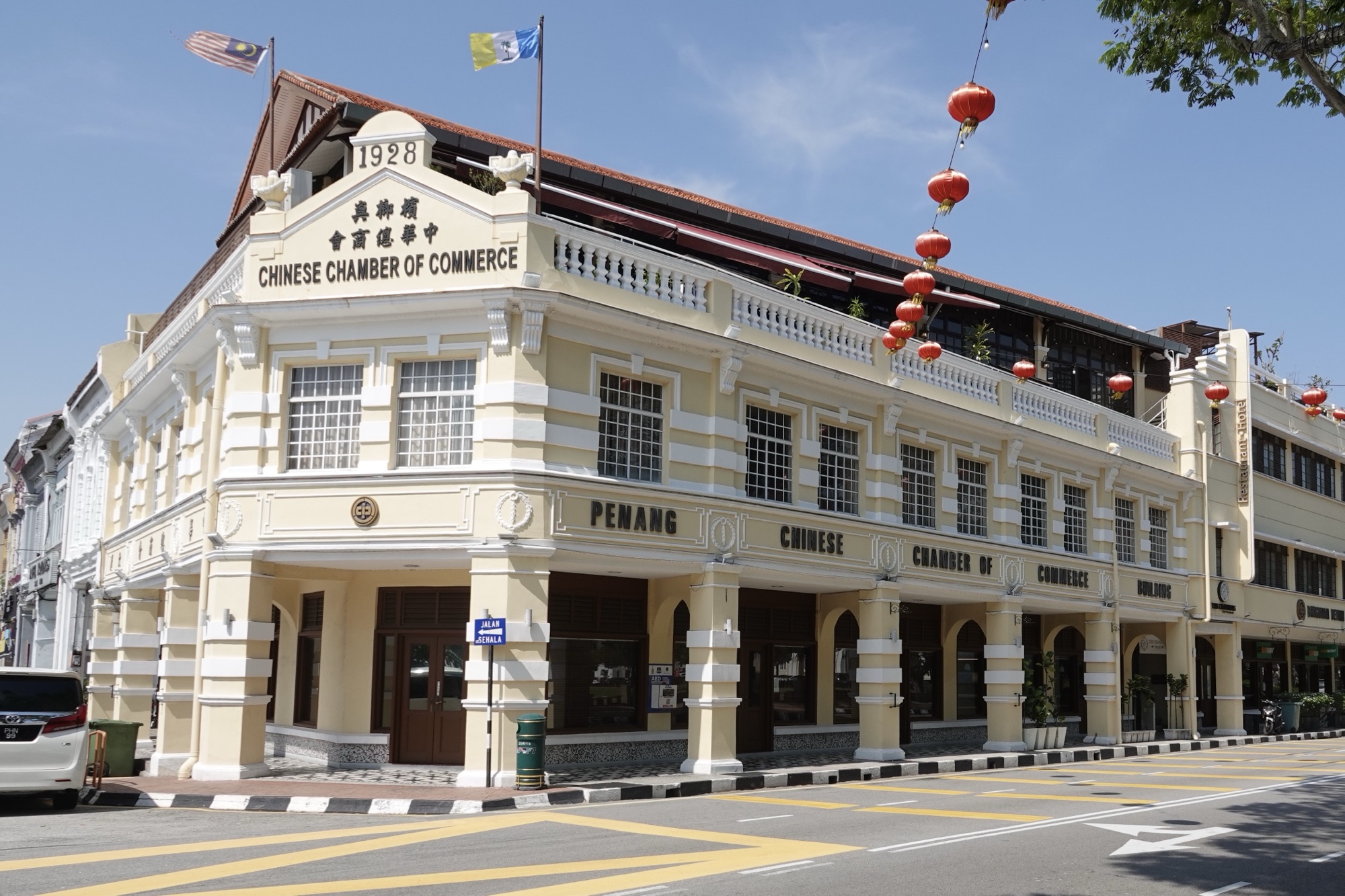
Feeling refreshed and cooled down by cold beers and half an hour in blessed air conditioning, we were ready to return to the ship via a couple of other iconic Penang structures.



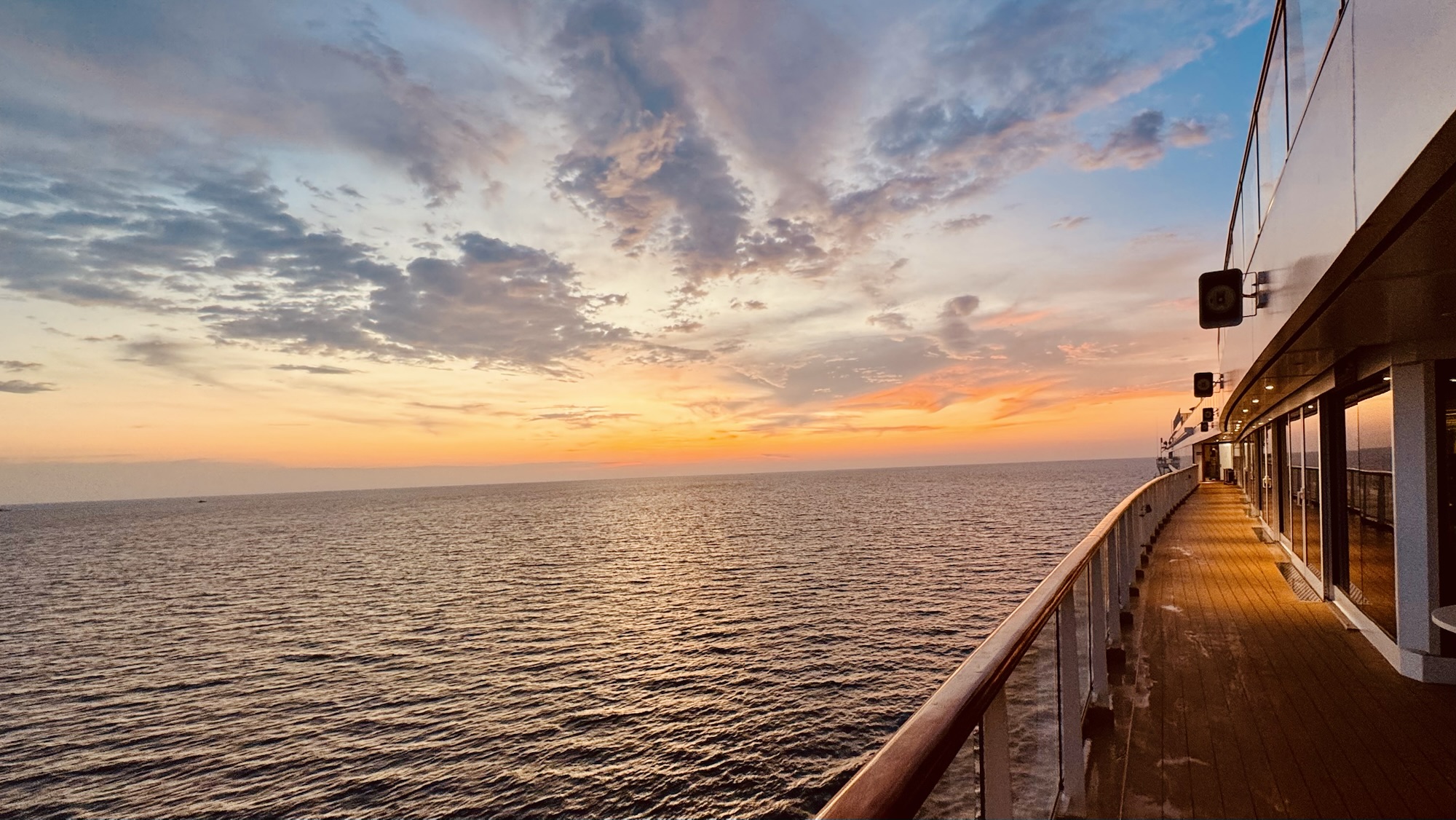
Sail-away was set for 6 p.m., so we were able to relax for the afternoon, and even attend an early evening lecture before dinner (while watching the sun set), enjoying the guest entertainer in the theatre, and finishing with a nightcap and a guitar set by Alan Jenkins in the Explorers Lounge.


Tomorrow: more shrines and temples, but in Thailand!
 Rose and Ted’s Excellent Adventure
Your self guided tour was amazing! ALL your blogs cull loads of informati
LikeLike
It’s interesting what you said about the guide, as we had a very similar experience in Georgetown when we visited in our WC 22/23. But when we are back in WC 26/27, I will definitely use your notes to self guide a visit downtown. I particularly loved the art street!
LikeLiked by 1 person
The fact that it felt so safe here really made just wandering around easy. Glad you’ll be back!
LikeLike