Although it will be a repeat visit to a place we toured here last January, we’re scheduled to go on today’s included tour: Kilohana Plantation (Episode 473).
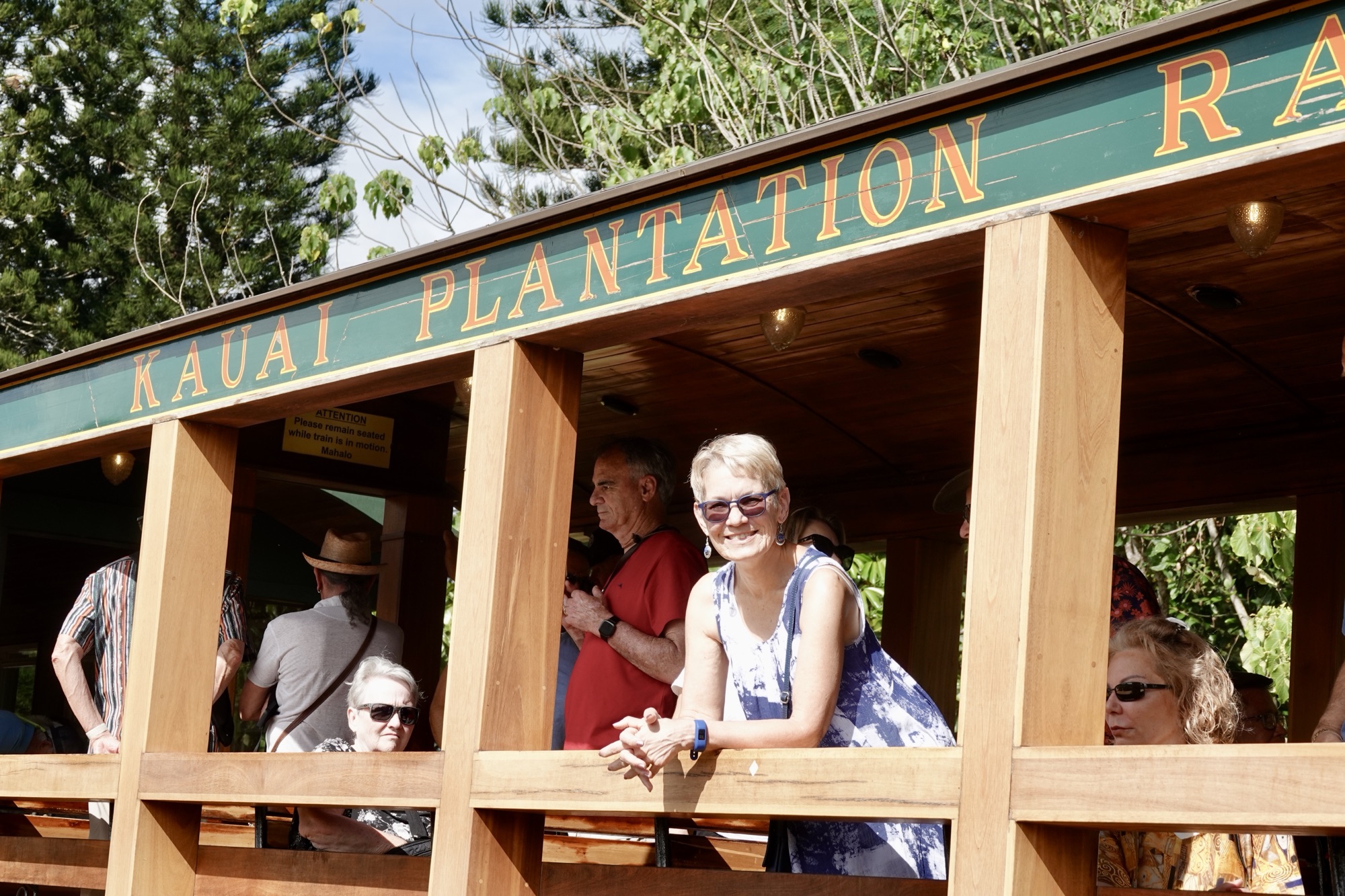
There just wasn’t anything else offered that both appealed to us and seemed worth paying extra to do, and we recalled this port as simply a lovely place to wander around. Of course, Viking’s tours always add a little something extra – in this case a hula demonstration.
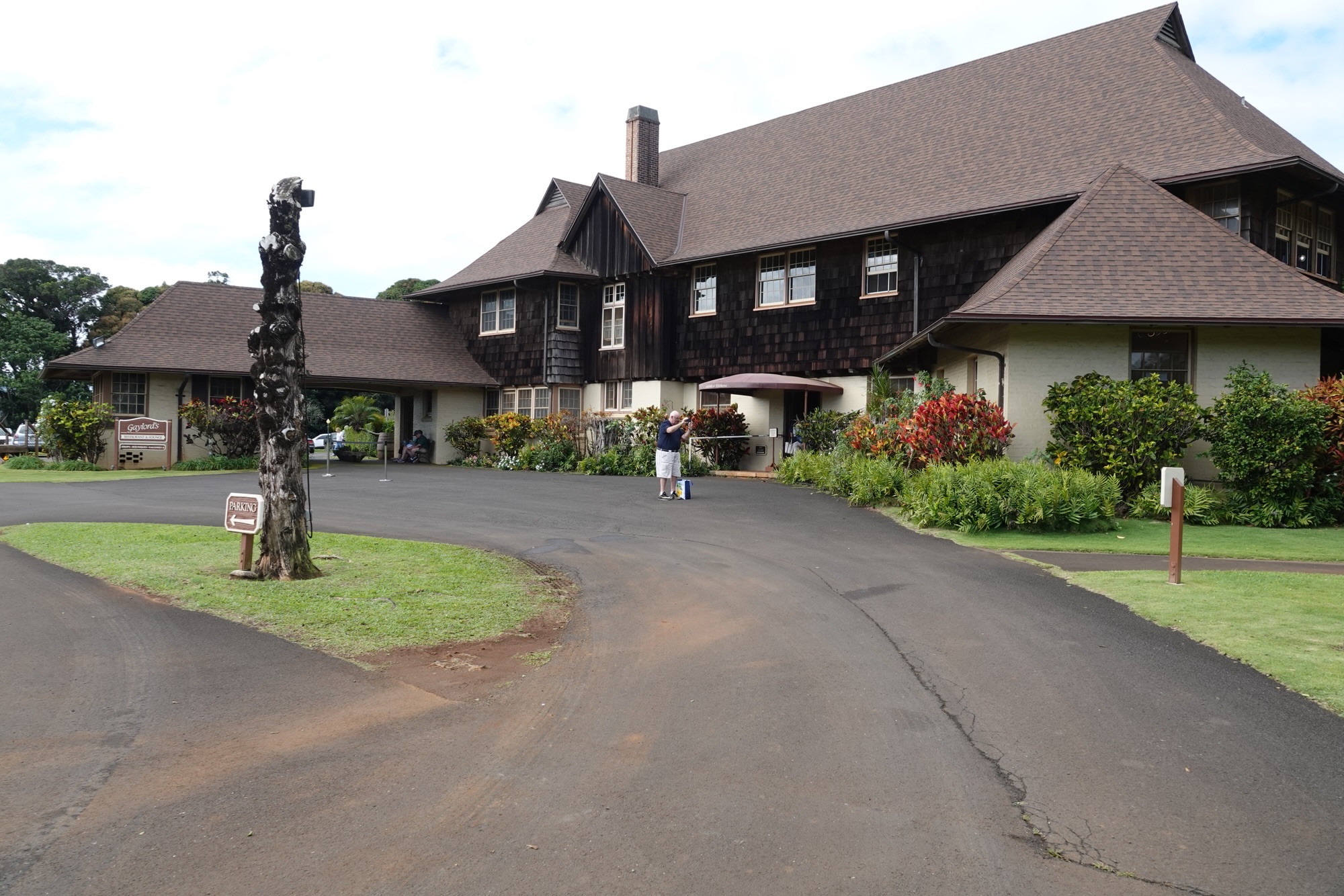
The tour description read: Witness the lush scenery of Kauai, the “Garden Island,” and get a glimpse of Hawaii’s past at a sugar plantation. Meet your guide at the pier and transfer by motor coach to the Kilohana Plantation, a historic landmark that offers its visitors insight into Hawaii’s heritage. Upon arrival, you will board a train then enjoy a two-and-a-half-mile ride through the estate, passing sugarcane and taro crops. Your conductor will provide interesting narrative as you admire the lush vegetation and groves of mango trees, banana plants, papaya and pineapples. At the center of this 27,000-acre sugar plantation lies a magnificent 1930’s Tudor-style mansion. Enjoy a hula demonstration by the pavilion followed by time to explore; see the work of local artisans, stroll the manicured gardens or pause for a taste of local rum at the Gaylord’s bar, before returning to your ship.
While our experience was a repeat of last January, there is always a nugget or two of new information any time we have a new local guide.
This time, we learned that only about 6% of Hawaii’s current population traces their roots back to those Polynesians who originally settled here.
Our guide also talked about Hawaiian agriculture and a growing move toward being more self-reliant when it comes to food. Currently, more than 90% of all the food consumed in Hawaii is imported, first by container ship to Honolulu, and then via smaller ships to each pf the islands. When Covid hit in 2020, the stocks of imported items were completely depleted from store shelves within 48 hours. That could have been devastating, but in the true spirit of Aloha (which in addition to hello and goodbye also means love) all the small farmers in Hawaii created a cooperative which allowed people to shop for locally raised food online – a Hawaiian Amazon, in effect. Since then, people have come to realize how important it is to encourage farming on the islands.
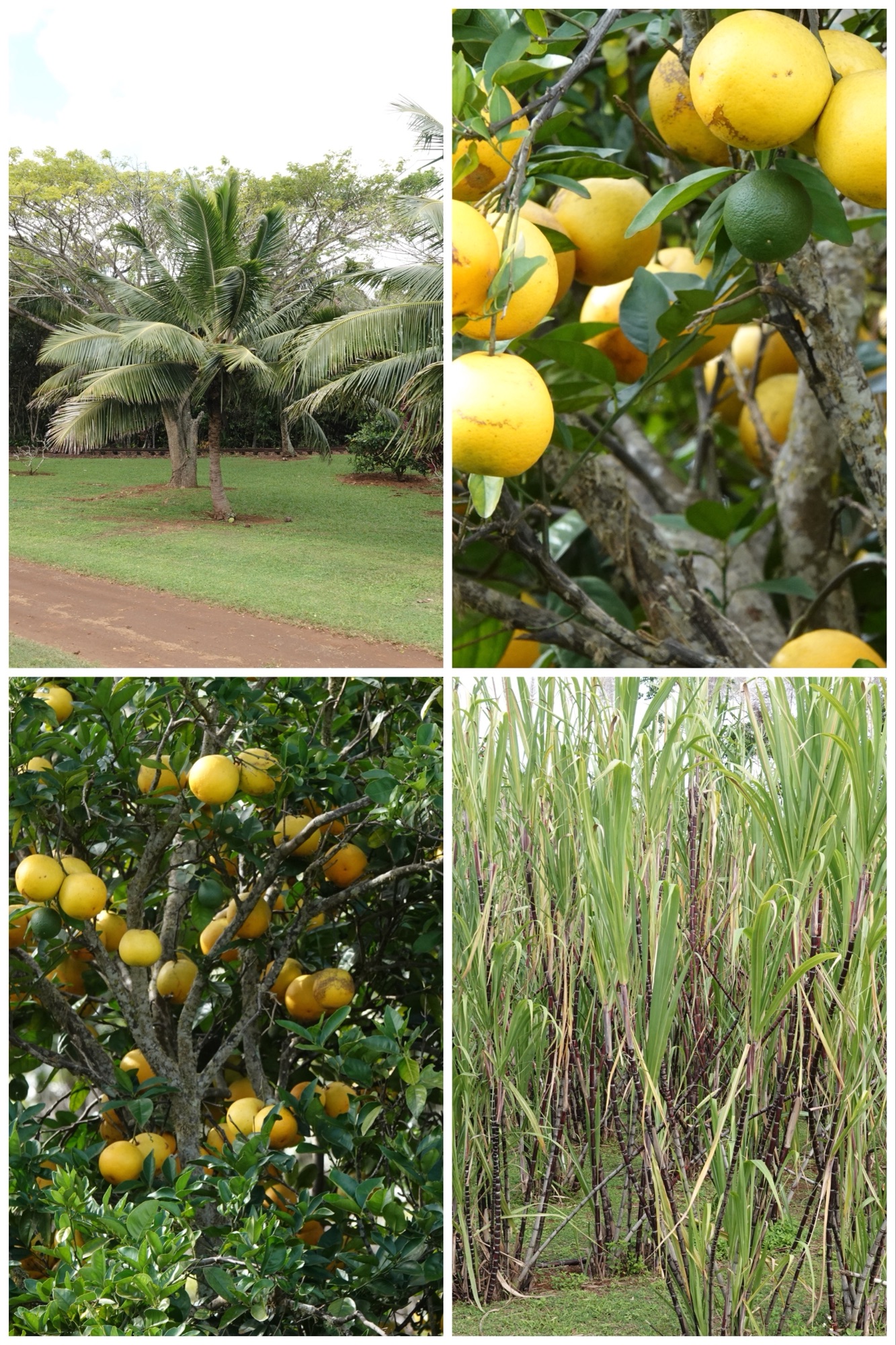
We would instinctively have thought that with rich volcanic soil available, these islands would be a paradise for agriculture – and they might have been were it not for colonialism and capitalism. The drive for profits by a few large sugarcane plantation owners led to indigenous vegetation being razed in favour of creating massive cane fields. The fact that Hawaii’s last queen envisioned the problems this would cause led in a large part to her being “deposed” by the sugar barons, supported by the American government of that time. Sugarcane crops cause high levels of soil erosion, remove a significant amount of nutrients (especially potassium) from the soil, lead to increased soil acidification, and reduce soil microbial activity. To make matters worse, sugarcane can be grown in areas that would otherwise be rainforest, which can lead to deforestation. Although with the decrease in the world’s appetite for sugar, the rise of artificial sweeteners, and stricter labour laws, the last sugarcane production in Hawaii ended in 2016, that marked the end of over 150 years of sugar production in the state.
It will take a long time for the soil to recover and agriculture to reach the level where Hawaii can be independent of imports for its population’s day-to-day existence.
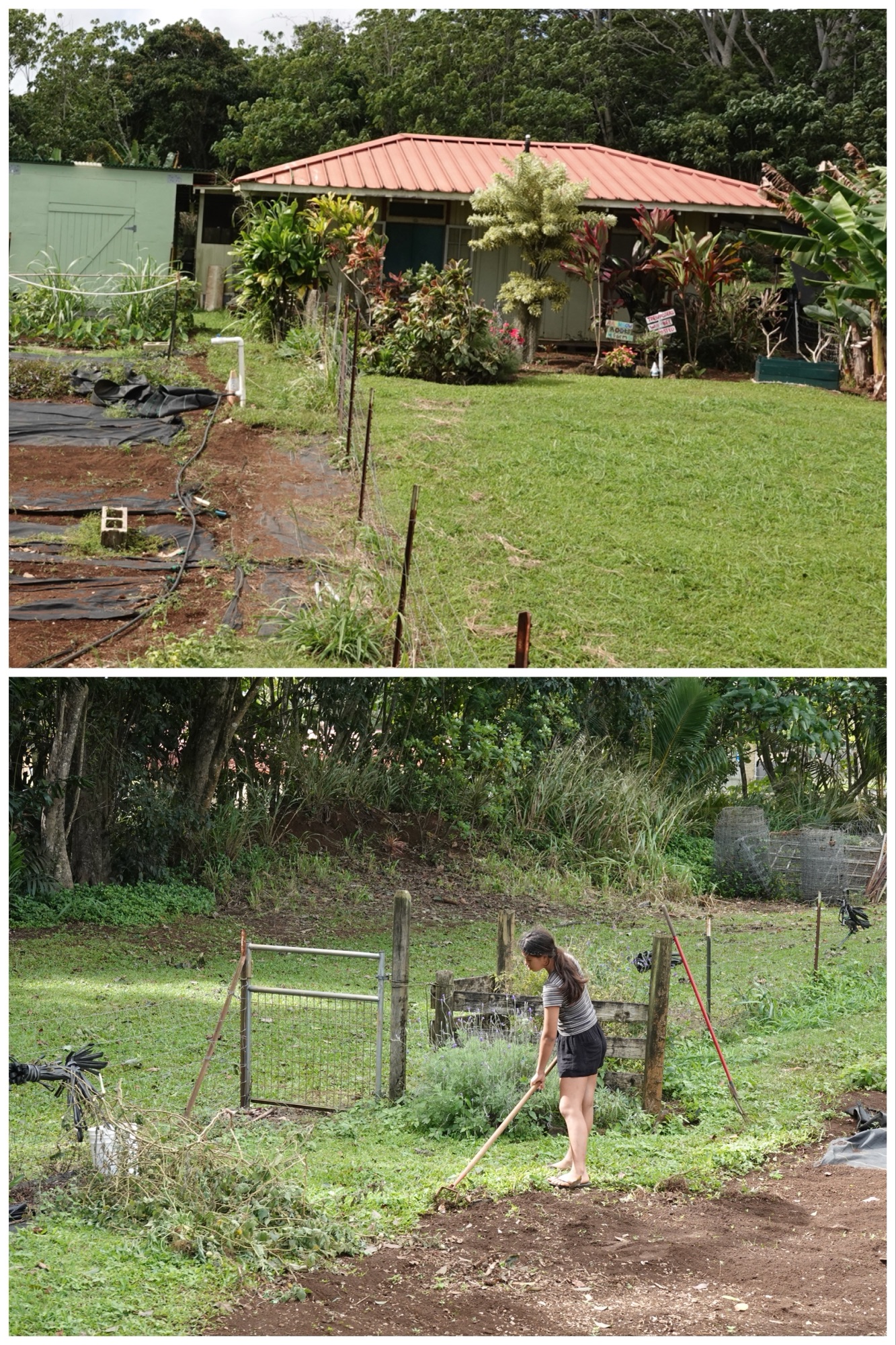
The original Polynesian settlers brought pineapple (which is South American, not Hawaiian), taro, breadfruit, bananas, and sweet potatoes to the islands – along with pigs and chickens – to create a balanced sustainable diet. Those foods are all seeing a resurgence in popularity, and those as well as many imported fruits are all grown on acreage that Kilohana used to devote to sugarcane.
But speaking of pigs and chickens….
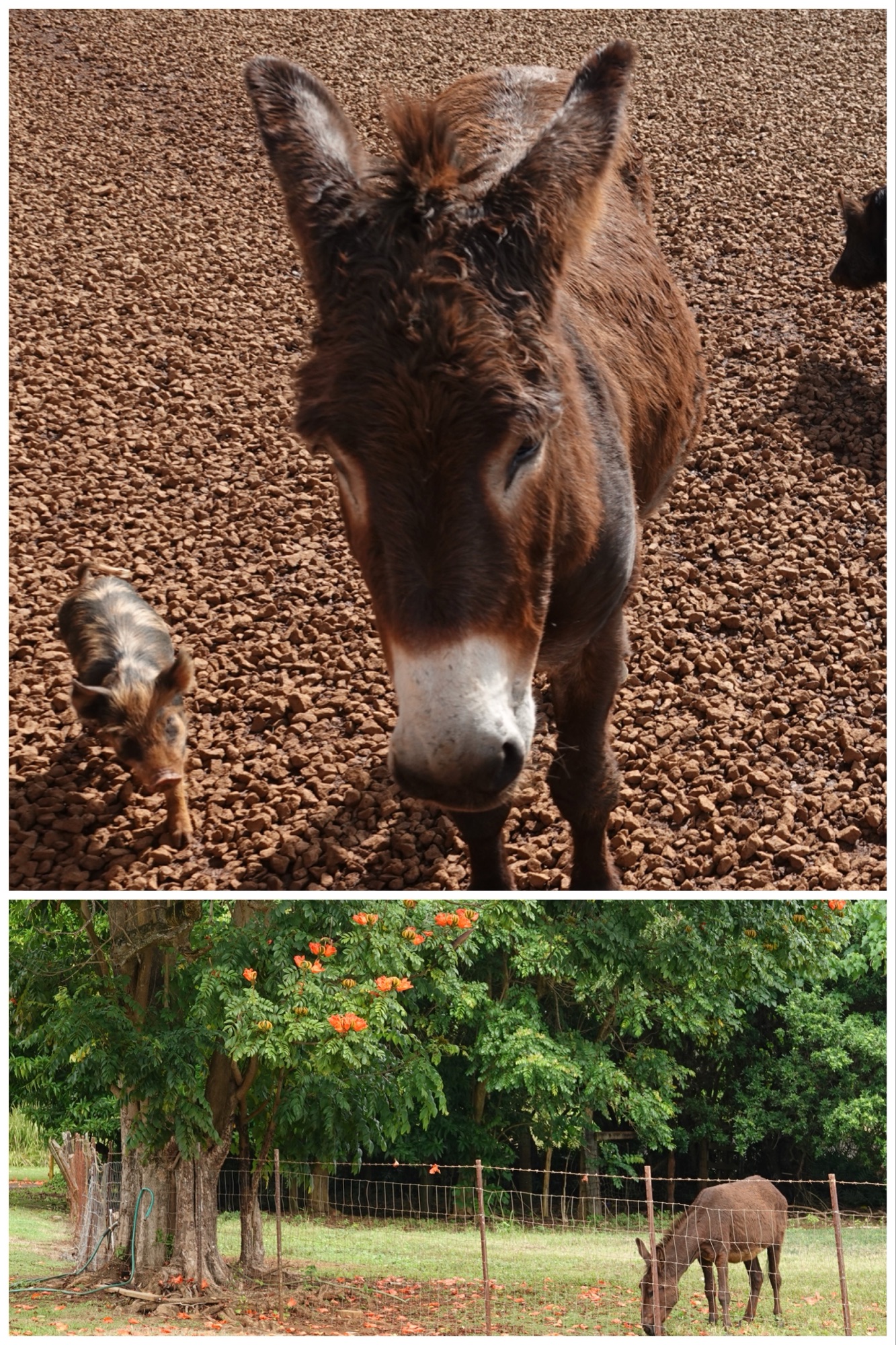
Hawaii has free-roaming pigs that are descendants of those originally brought to the islands. They look more like miniature wild boar than fat pink domesticated European pigs. They’re smaller, darker in colour, and covered with hair; enough hair that it looks like it could be combed!

Kilohana Plantation has lots of pigs, as well as a few horses, cattle, sheep, and donkeys – all of which visitors can choose to feed during a brief train stop while touring the grounds.

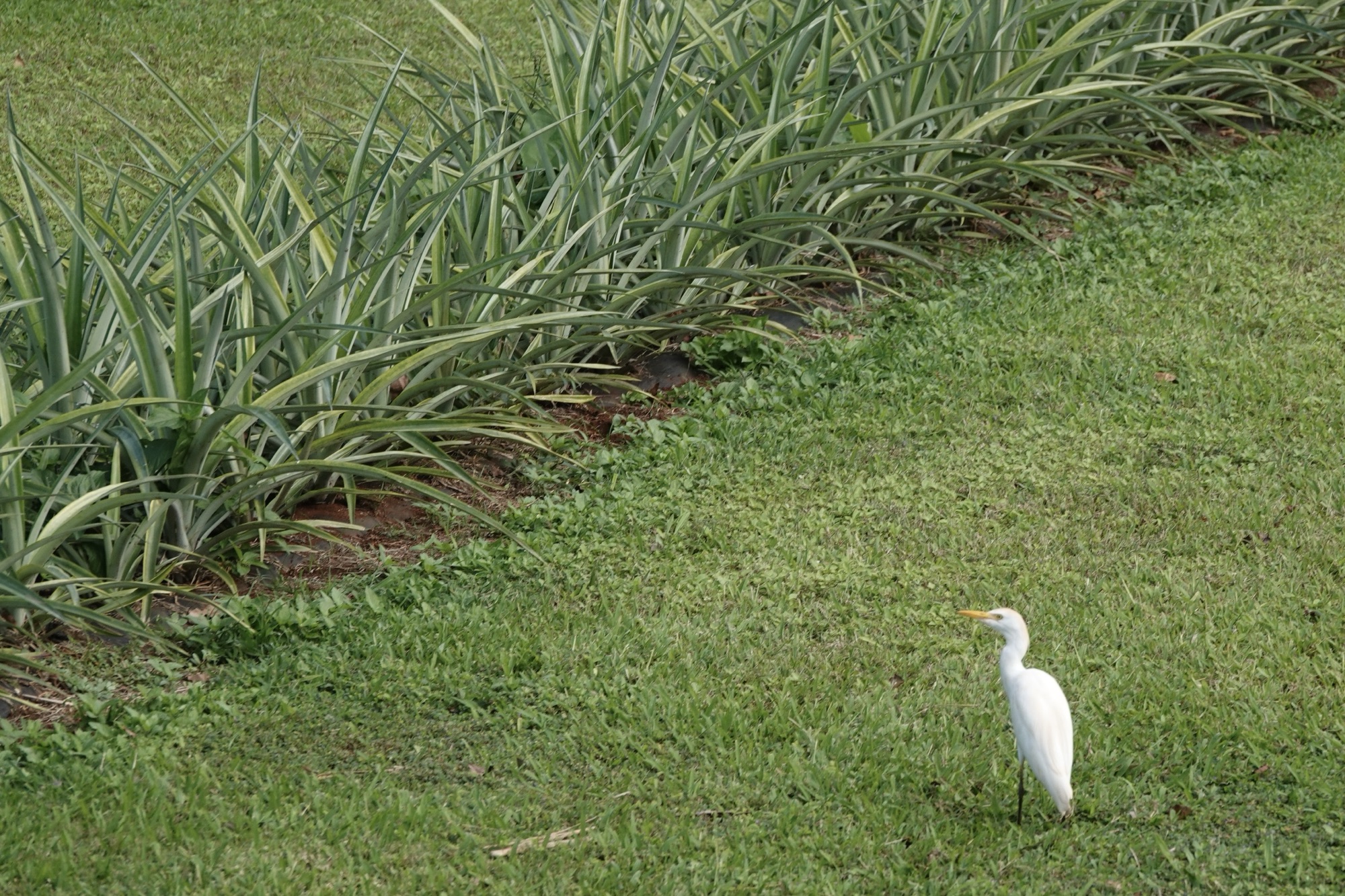
And then there are the chickens. There are reportedly more than 450,000 chickens (a mix of jungle fowl, farm hens, fighter roosters, and other breeds), which is more than the island’s 80,000 residents. This makes chickens the unofficial mascot of Kauai.

Most of these chickens came from family farms and suburban chicken coops. They were “freed” in 1992 when category 4 Hurricane Iniki hit the island, and have since become feral. When our guide was asked if they could be trapped and eaten, he shared a popular recipe. Boil a plucked and cleaned chicken in a large pot of water with a rock. When the rock is tender, so is the chicken. A popular alternative: after simmering for 5 hours, throw out the chicken and eat the rock.
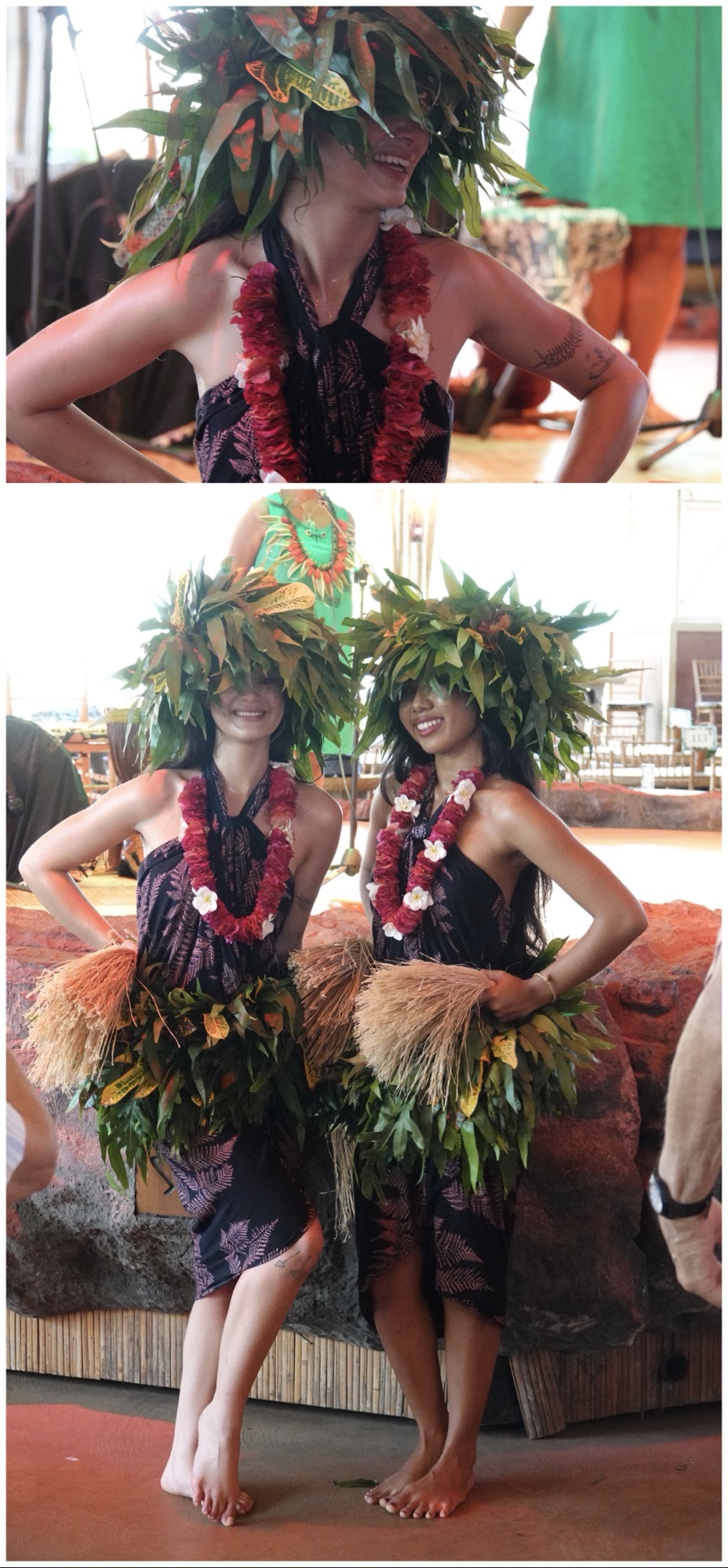
After our train ride around the plantation, we enjoyed a brief hula show, featuring two wonderful dancers backed by ukulele and drums.
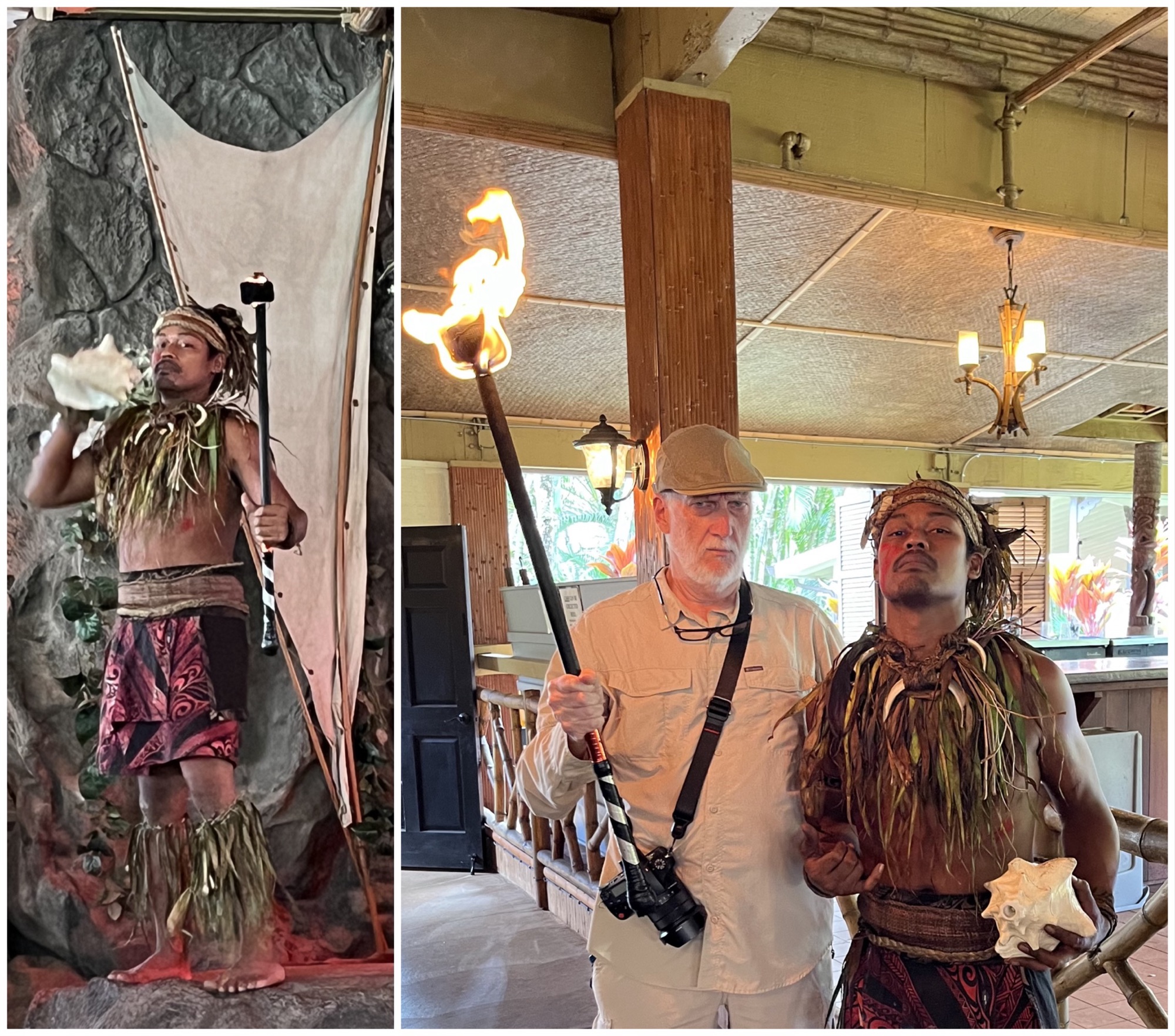

That left just enough free time to walk around the gardens, visit the gift shops, and try one of their famous Mai Tai’s made with their own fresh sugarcane juice and lime.

After a Hawaiian themed dinner in the World Café, we enjoyed a terrific performance of The ABBA Songbook by the Viking Vocalists backed by our ship’s terrific 4-piece band. They had us singing along and dancing in our seats!

Tomorrow is the first of another long 5-day stretch of sea days. We’re all hoping for calm seas.


hope you are having fun!
LikeLiked by 1 person
Absolutely!
LikeLike