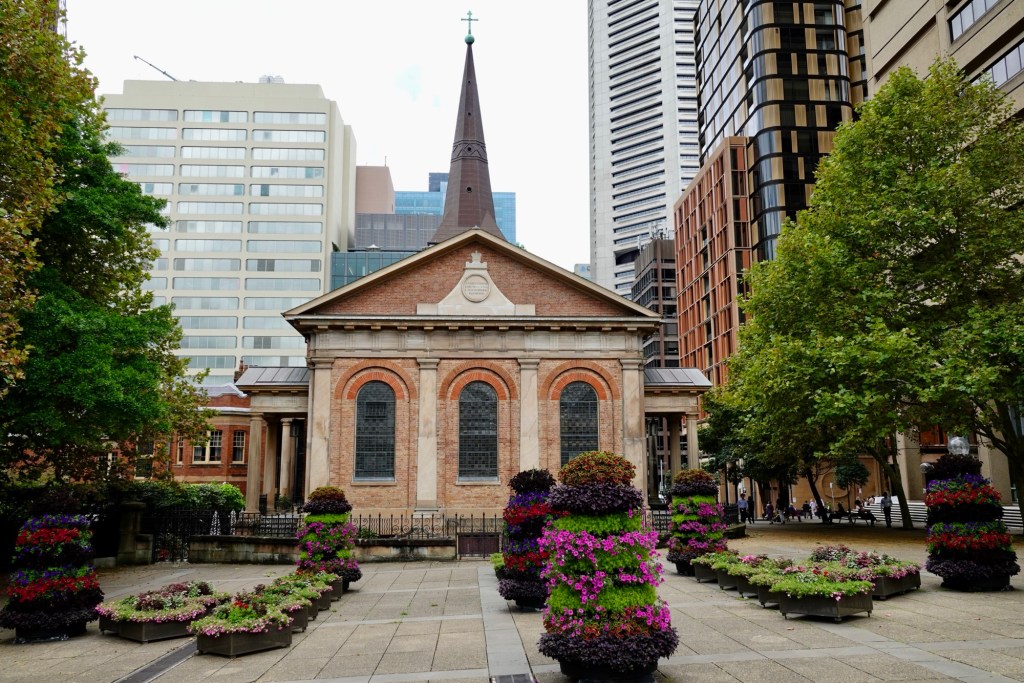
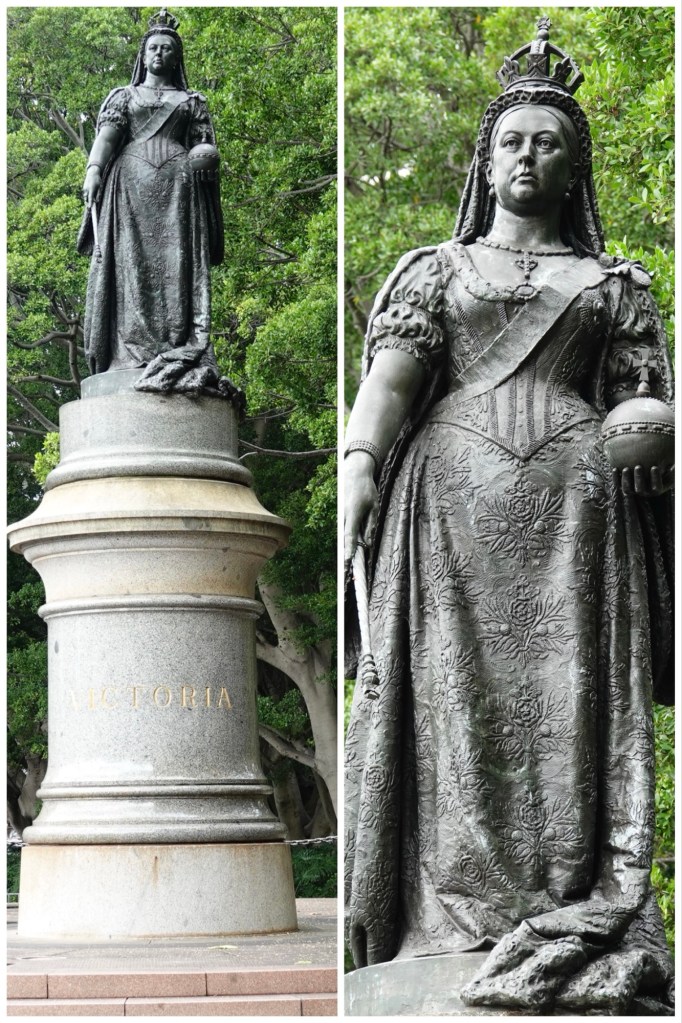
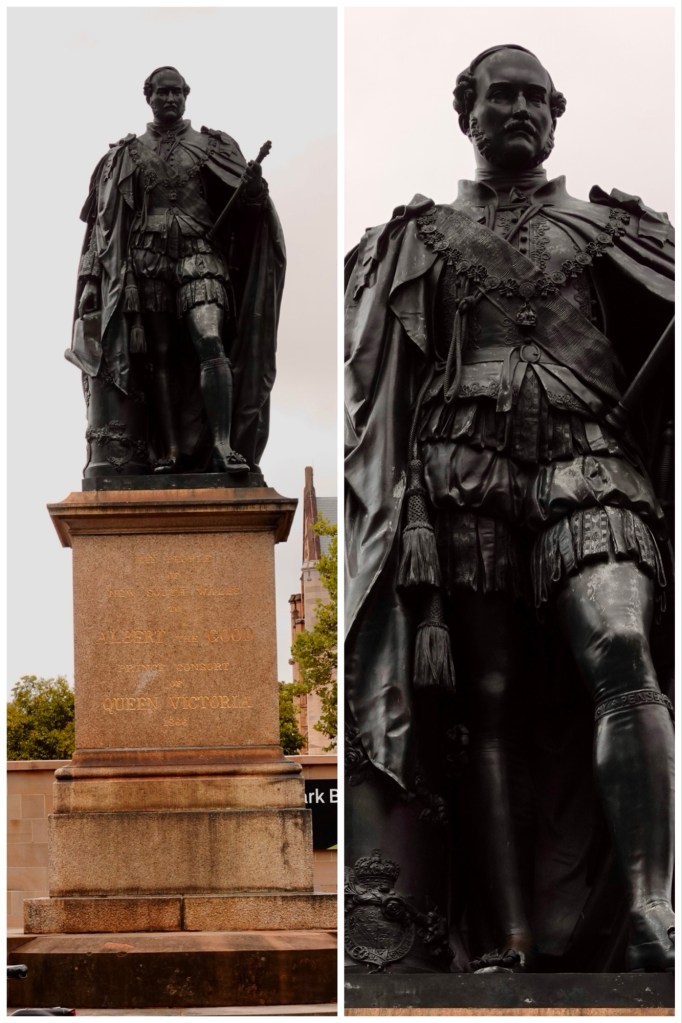
We headed our for a walk in our “neighbourhood”, intending to stroll through Hyde Park, but instead of turning right into the park after St. James Anglican Church and the statues of Queen Victoria and Prince Albert, I was distracted by the stretch of wonderful architecture along Macquarie Street and we turned left instead.
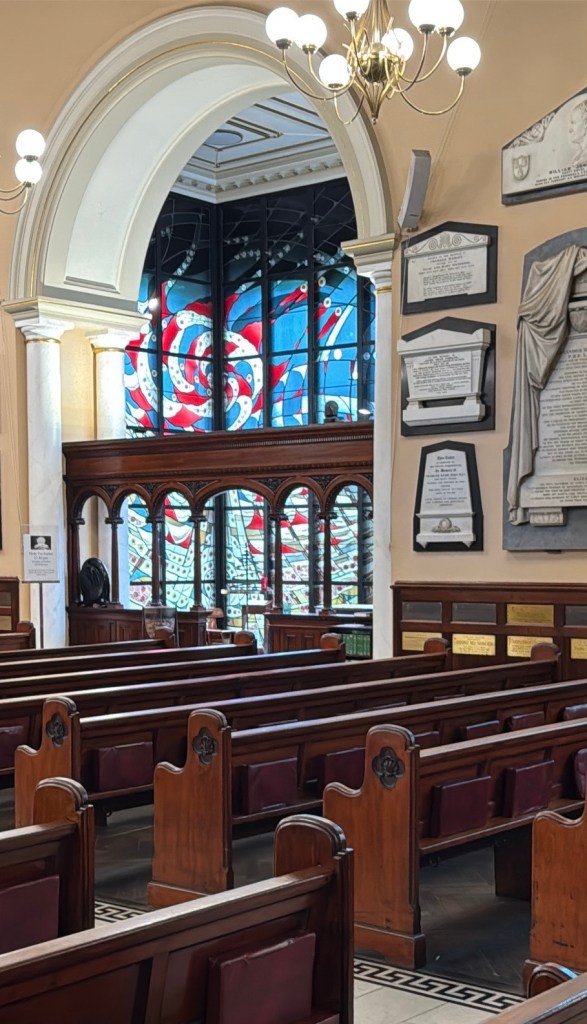
Officially the “Anglican Church of Australia Parish Church of St. James”, this is Sydney’s oldest surviving church building. The foundation stone was laid in 1819, and the church consecrated in 1824.
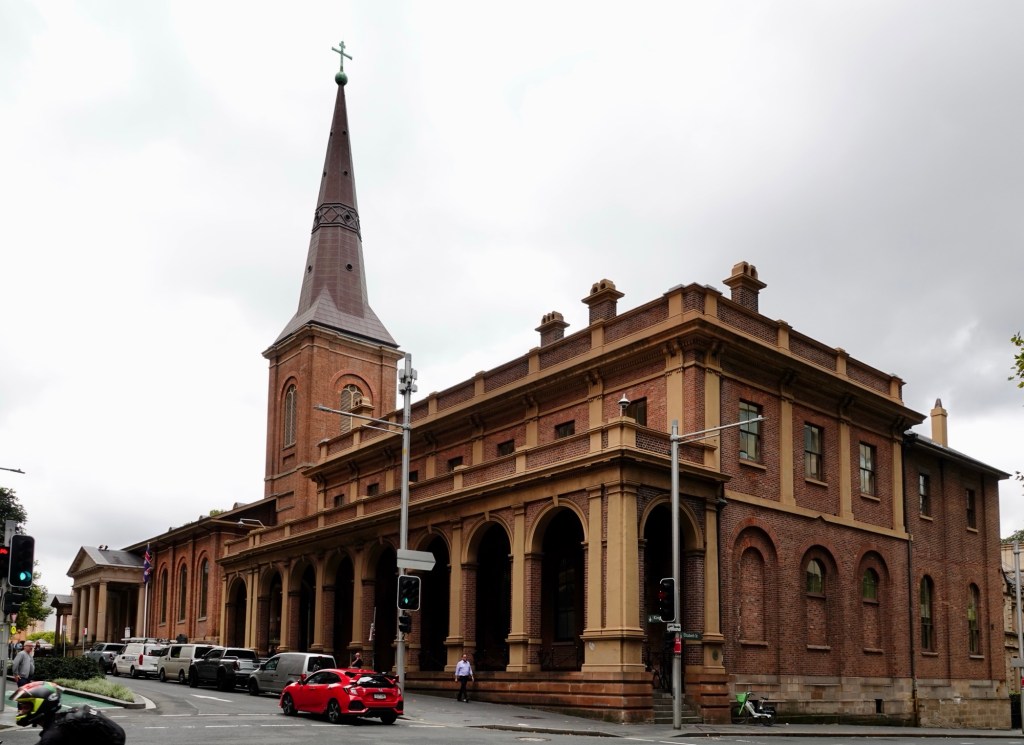
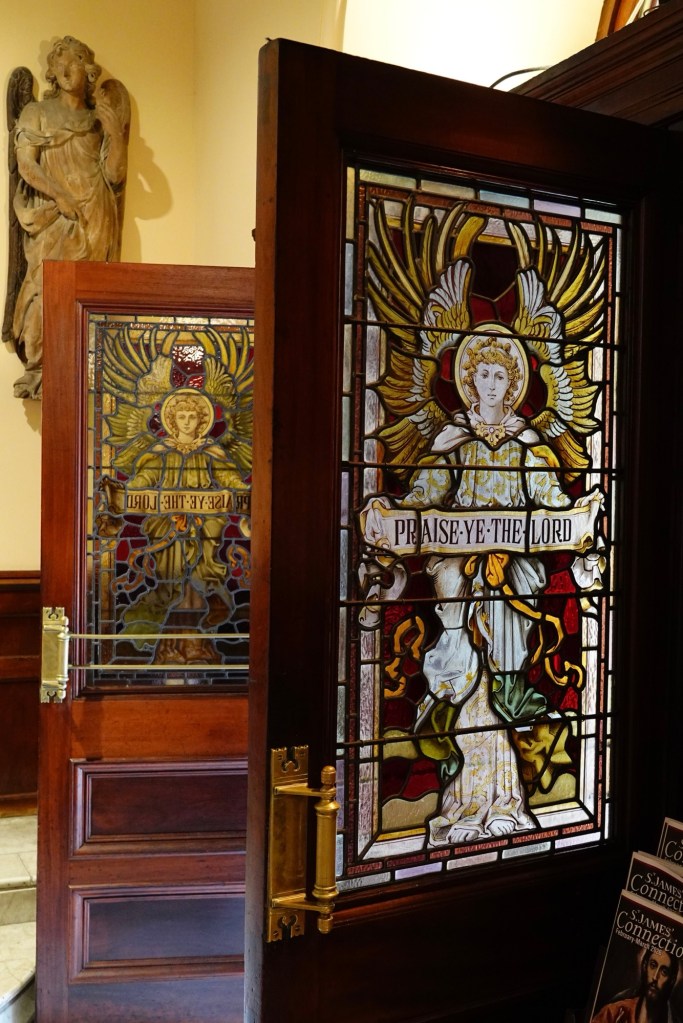
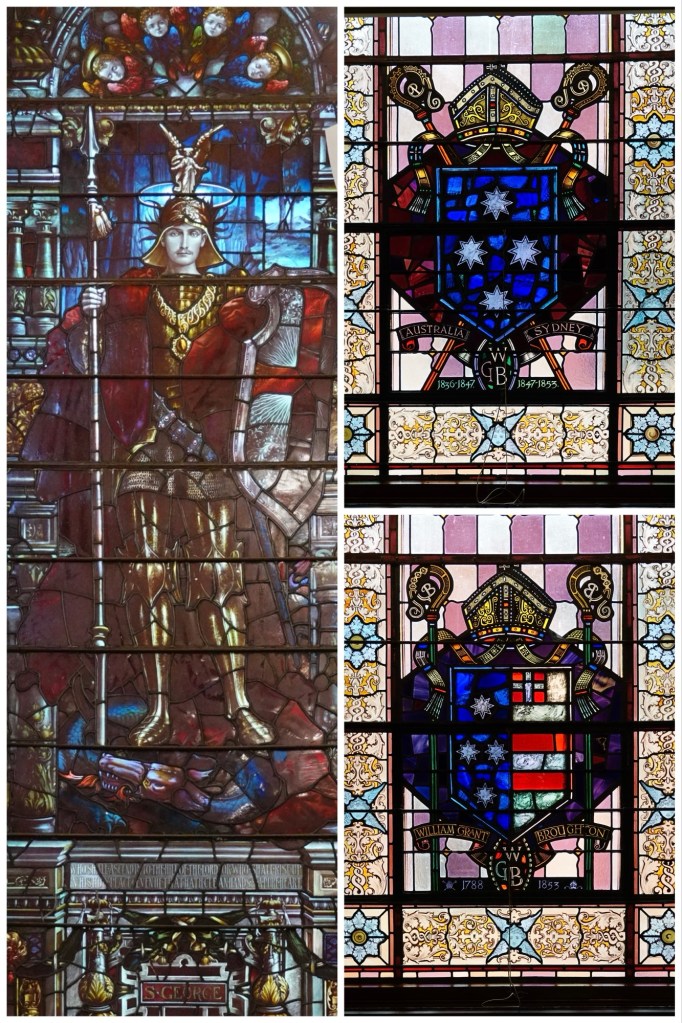
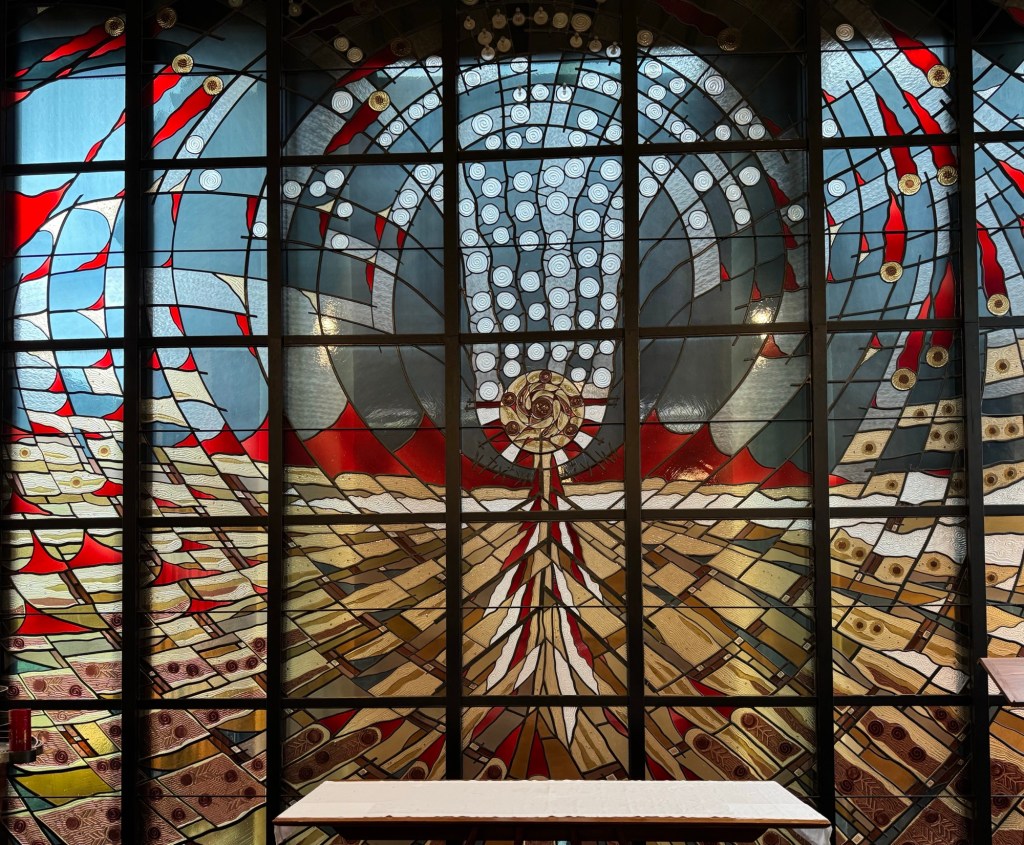
Work continued with the vestries added in 1834, the interior renovated between 1892 and 1901, and a spectacular modern glass chapel added in 1988.
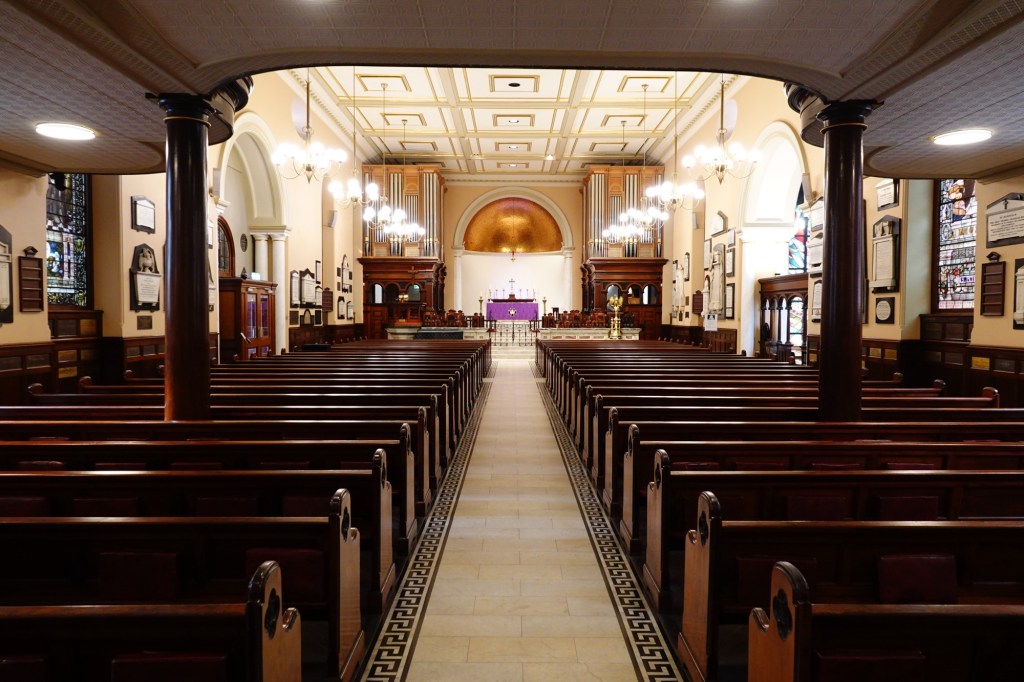
We had the extra bonus of listening to the organist practise. There’s nothing to compare with the acoustics of an empty church resonating with the music of a huge pipe organ.
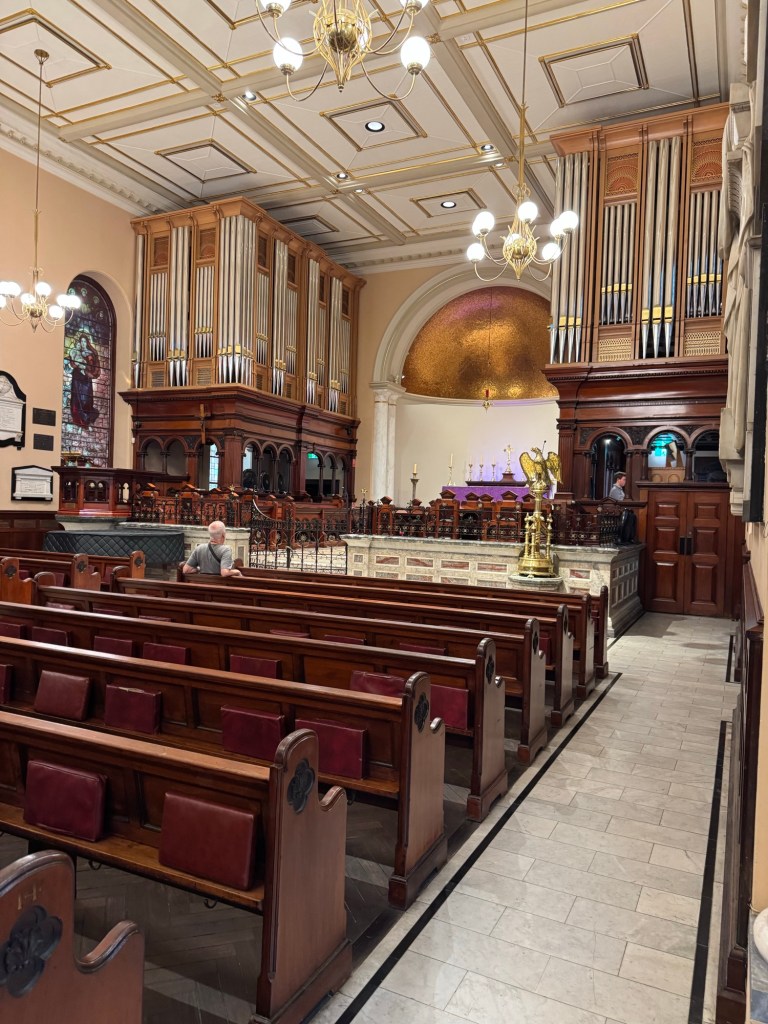
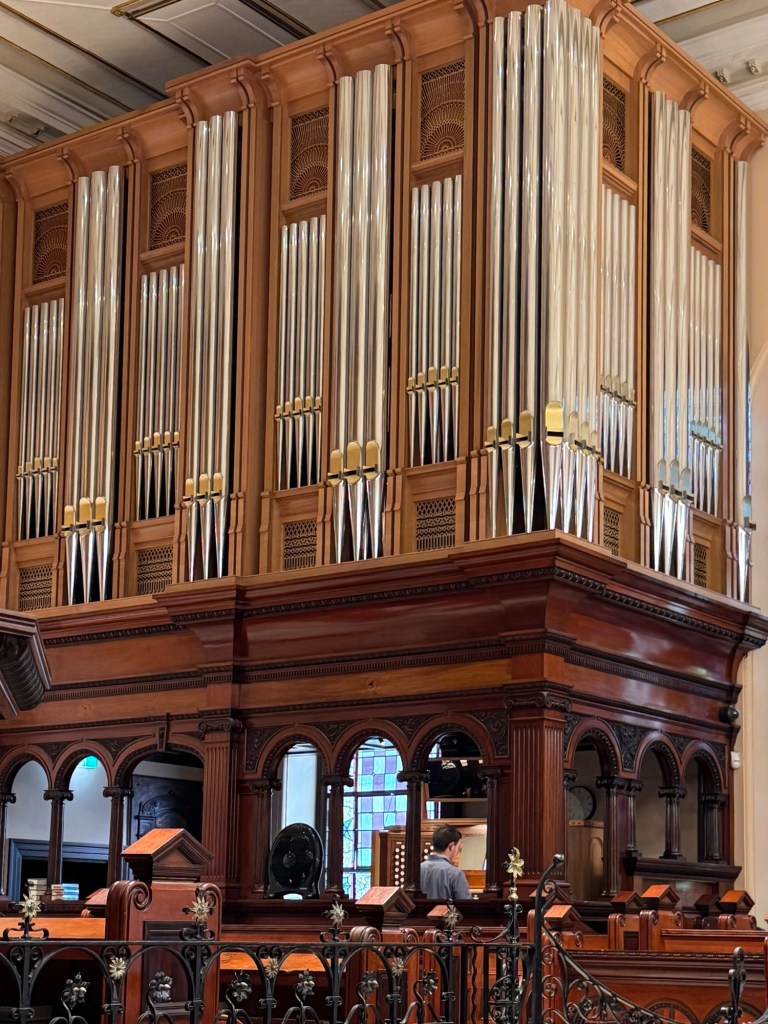
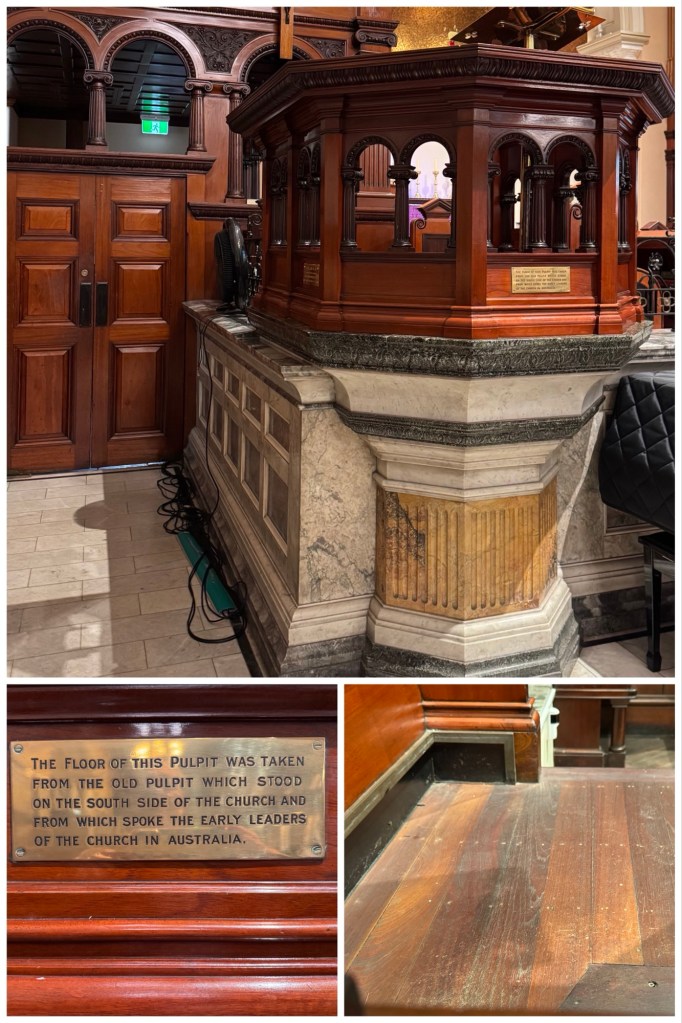
For us, exploring churches is less about spirituality than about history and architecture, and St. James did not disappear in either regard.
My favourite architectural feature of the church was the (relatively) new glass chapel. By the time Ted got to it the celebration of the Eucharist was being set up, so he didn’t get any photos. I tried, but mine really don’t do it justice.
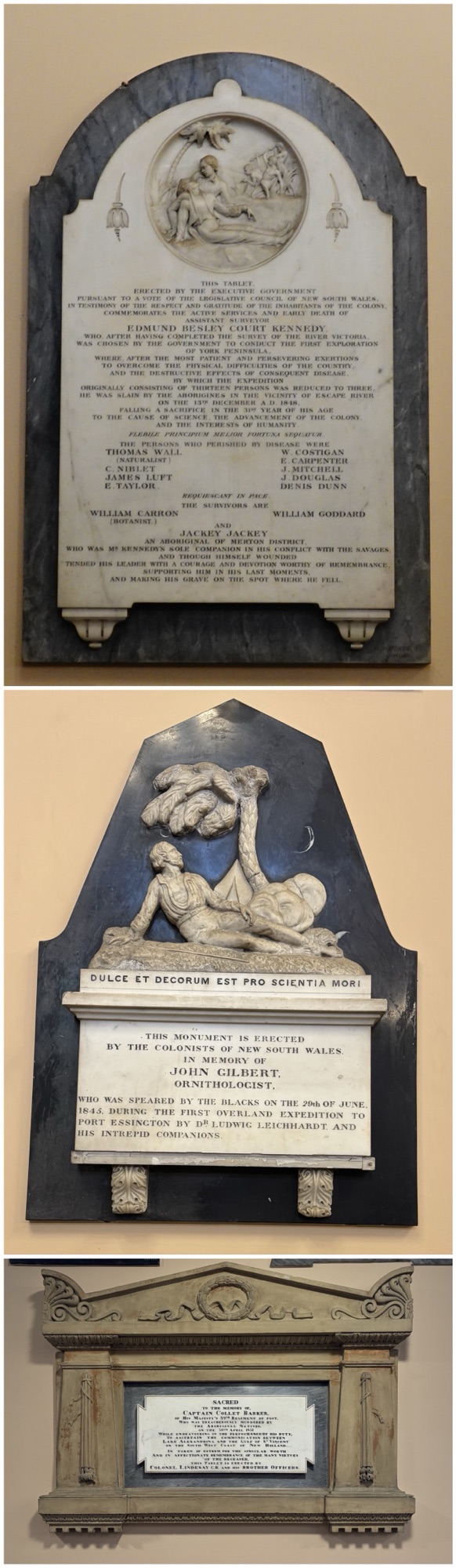
As for history, the memorial plaques in the church certainly lent perspective to the relationship between the early British colonists and the Australian Aboriginals. Looking back using a modern lens some of the wording is particularly jarring. Colonists were “intrepid”, while Aborigines were “treacherous”.
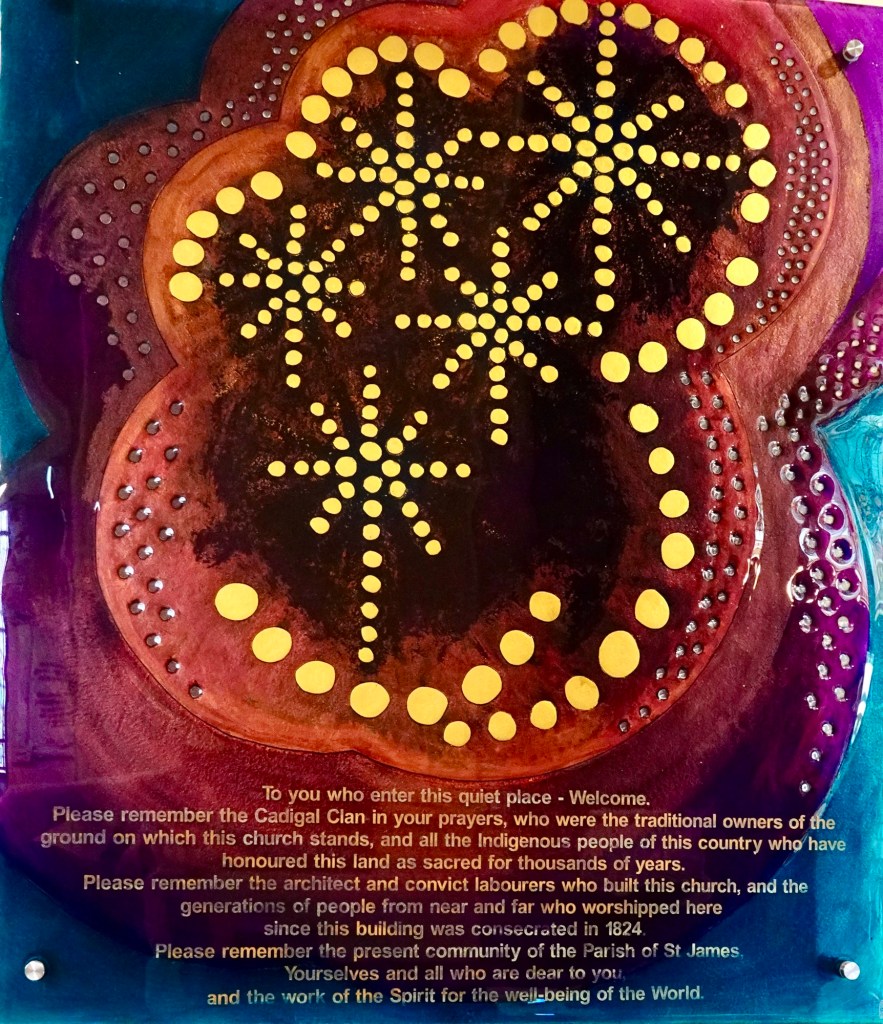
Things are changing in Australia. We’ve heard acknowledgments that people now understand that many of the cultural problems between Europeans and Blacks here stem from having completely disparate values systems and concepts of land ownership.
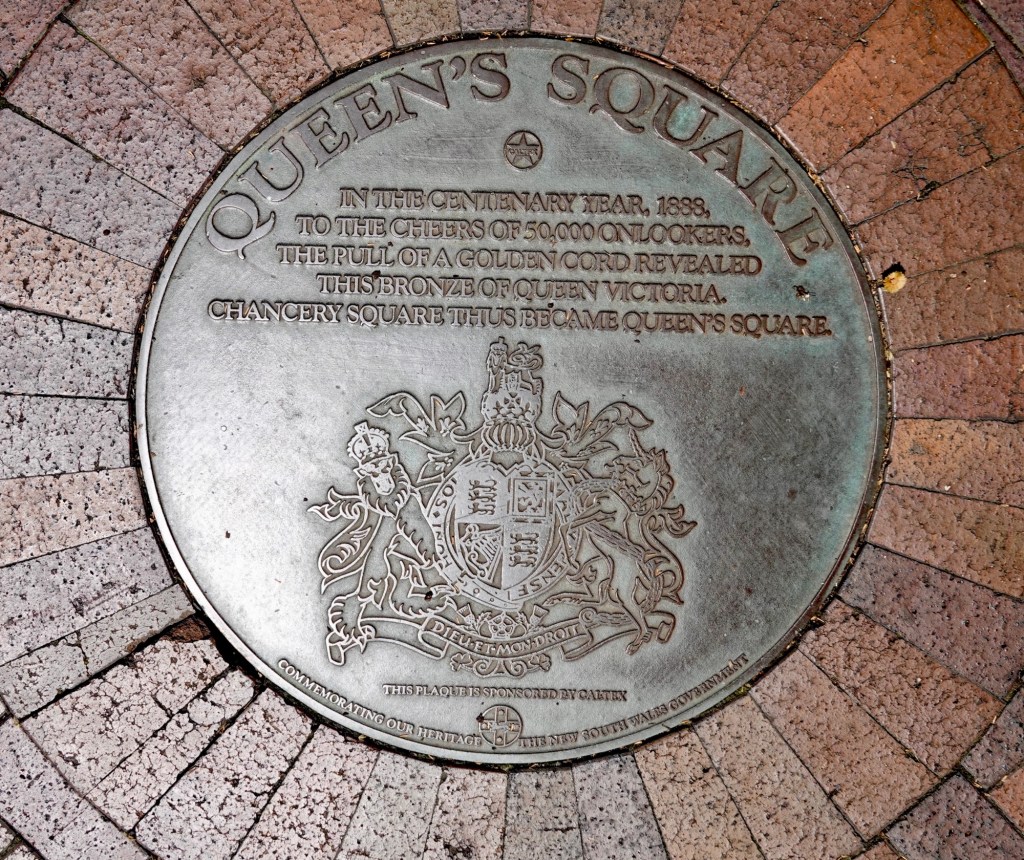
From the back of the church, in Queen’s Square, the building looks quite different, and deceivingly small.
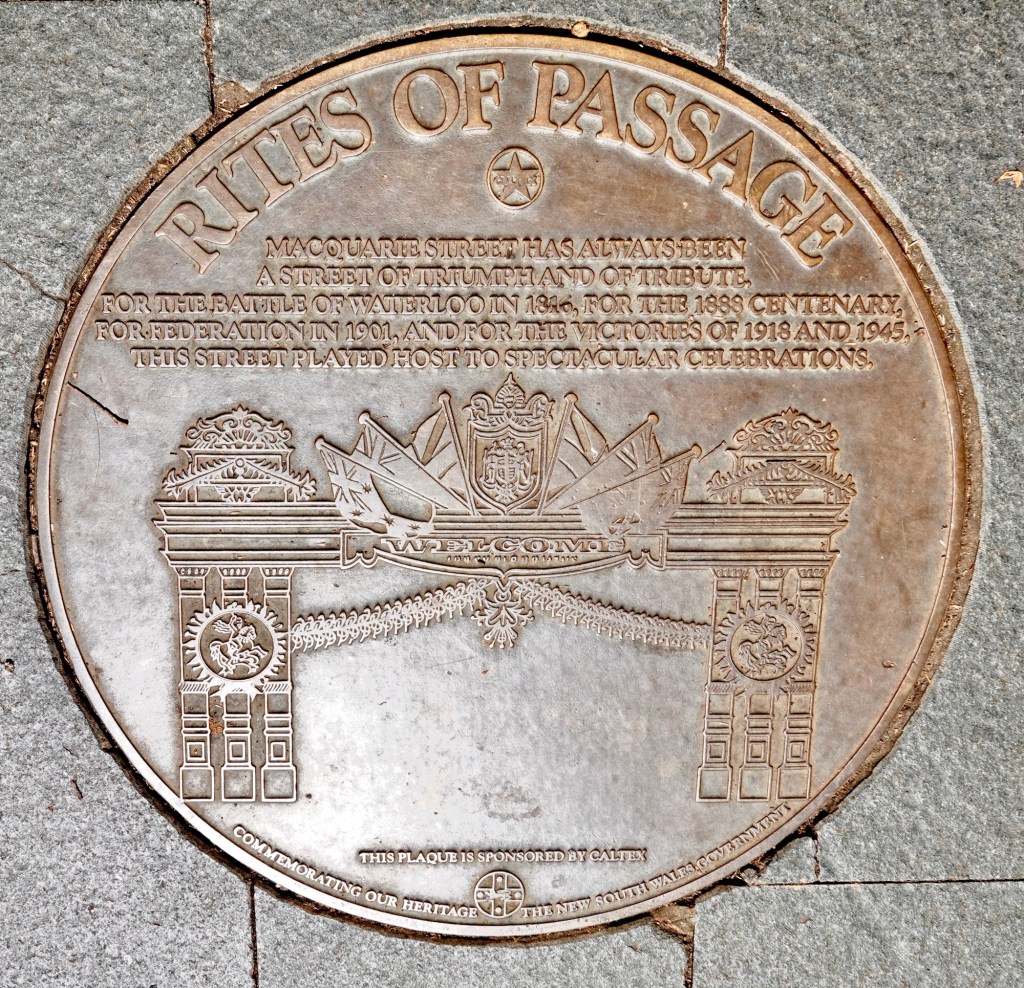
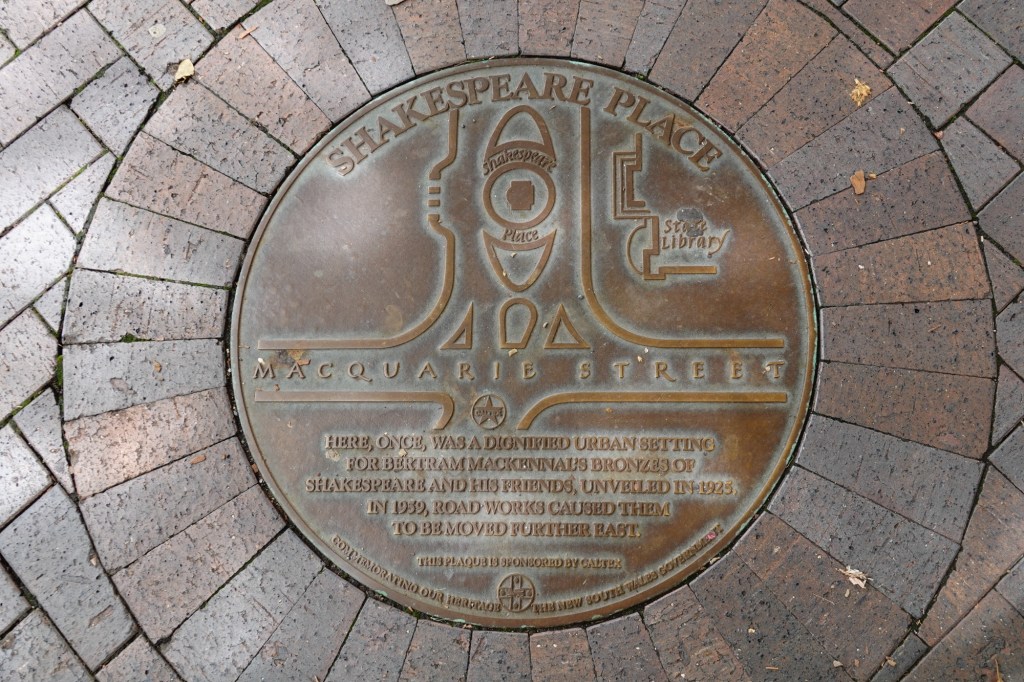
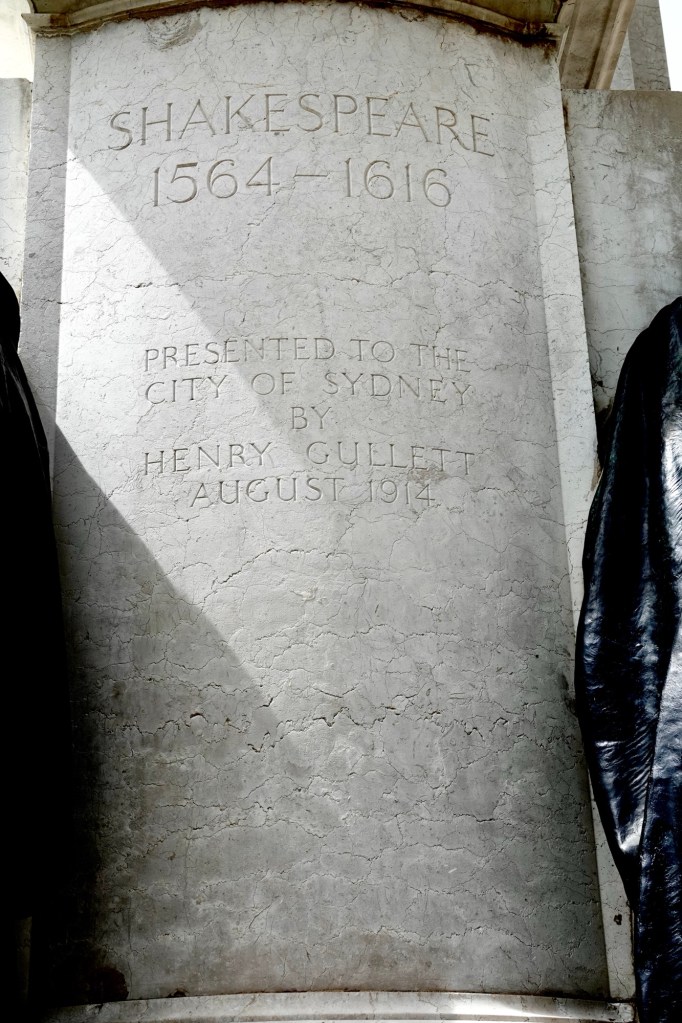
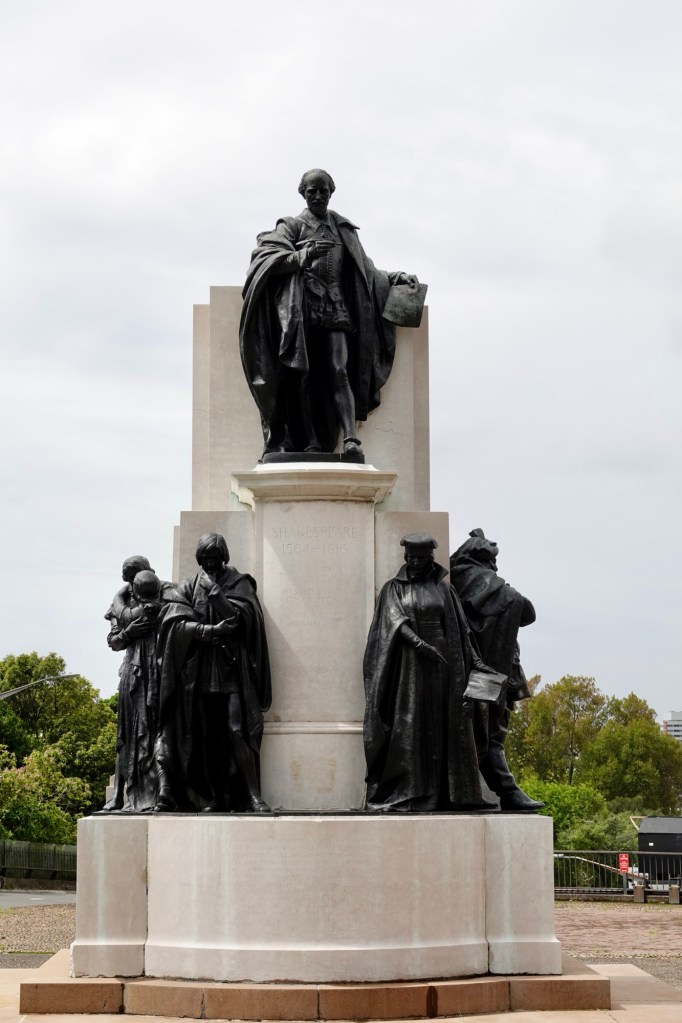
We walked along Macquarie Street, past buildings to which we’ll return later in the week, all the way to its intersection with Shakespeare Place. A marker in the pavement – one of many like it along this street – explained that the statues originally at the corner were moved onto a boulevard in the centre of the widened roadway, where we were able to admire and photograph them.
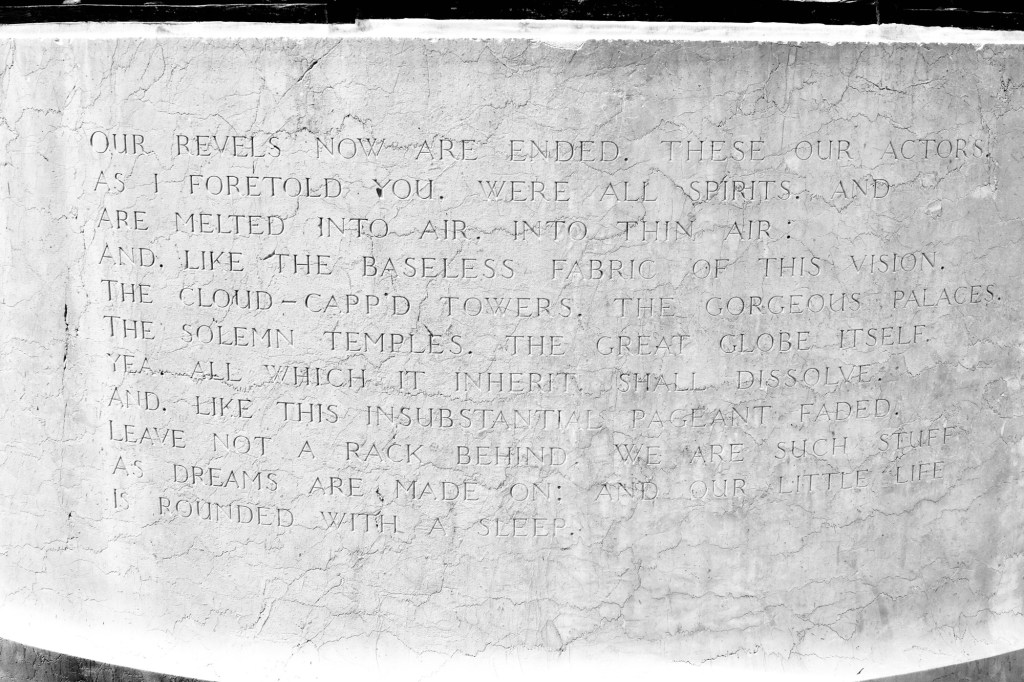
“Our revels now are ended. These our actors, as I foretold you, were all spirits and are melted into air, into thin air: and, like the baseless fabric of this vision, the cloud-capp’d towers, the gorgeous palaces, the solemn temples, the great globe itself, yea, all which it inherit, shall dissolve and, like this insubstantial pageant faded, leave not a rack behind. We are such stuff as dreams are made on, and our little life is rounded with a sleep.“
We recognized the figures of Romeo and Juliet, and Falstaff, but I guessed that the other male was a pensive Hamlet and the female figure might be Lady MacBeth. I was wrong on both counts; sculptor Sir Edgar Bertram Mackennal was depicting Othello and Portia.
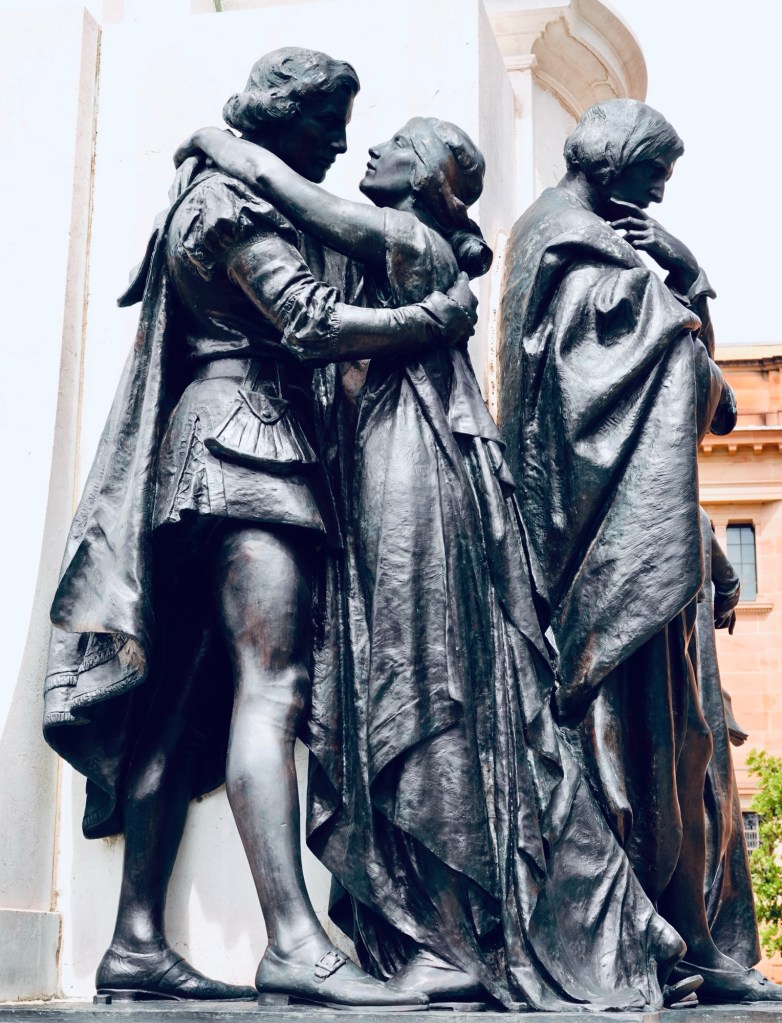
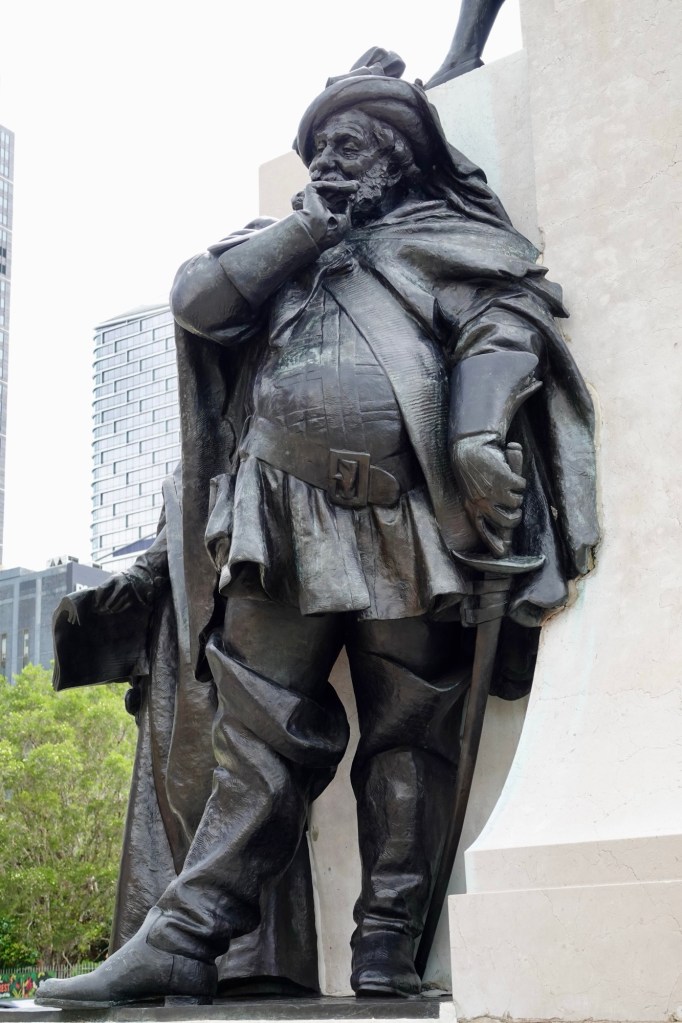
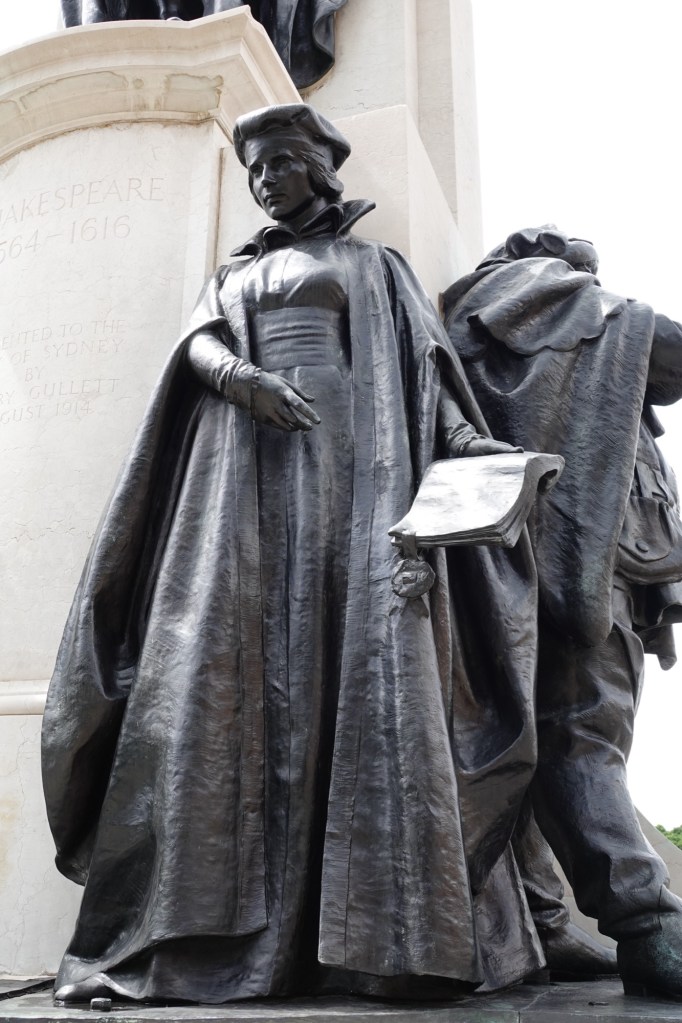
Had we crossed the street we would have been in the Sydney Domain, which incorporates several parks and gardens, but it is so large that we deferred exploration to another day.
Instead we turned back to the library, specifically the older of its two massive buildings, the Mitchell Library.
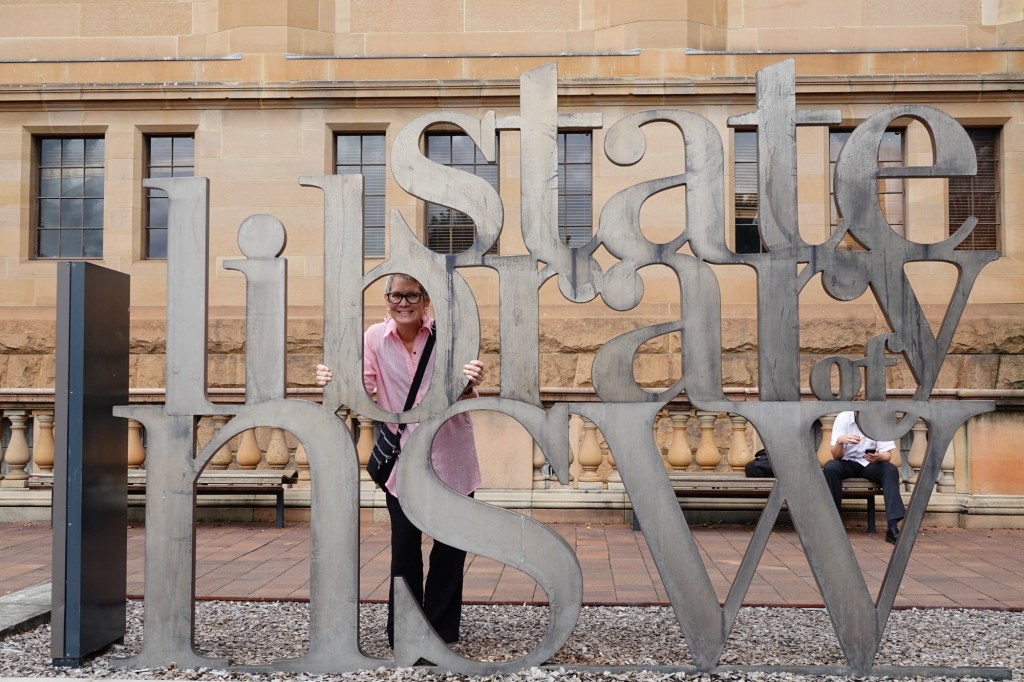
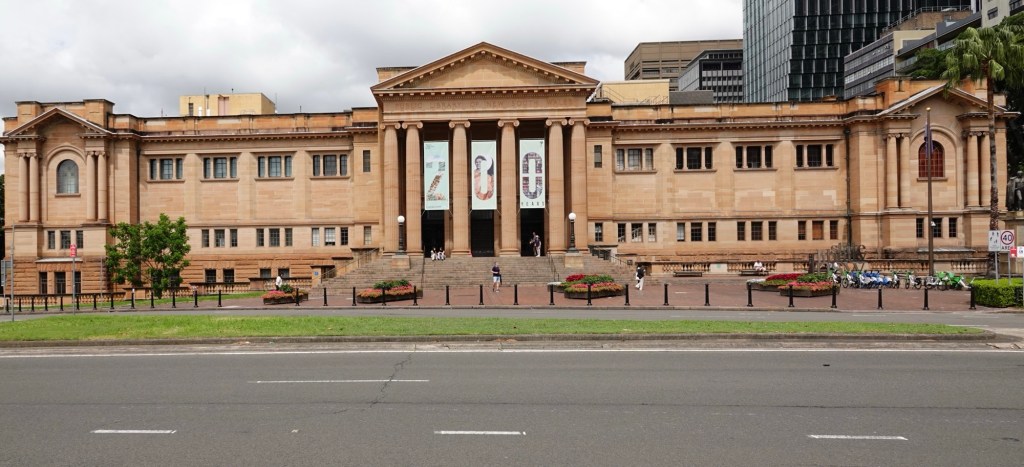
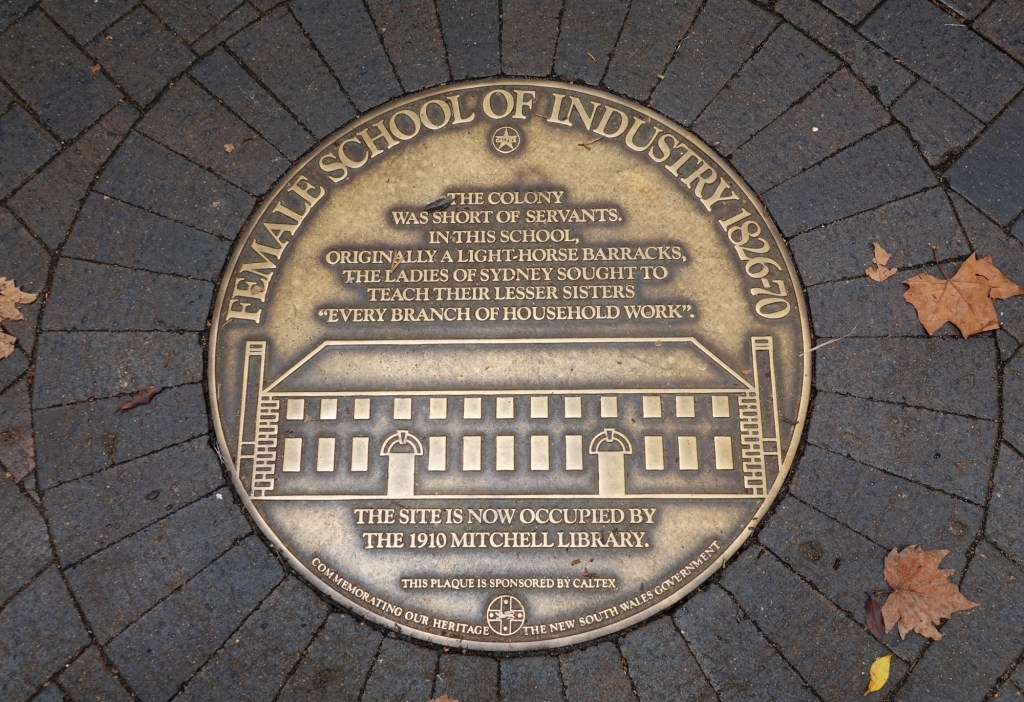
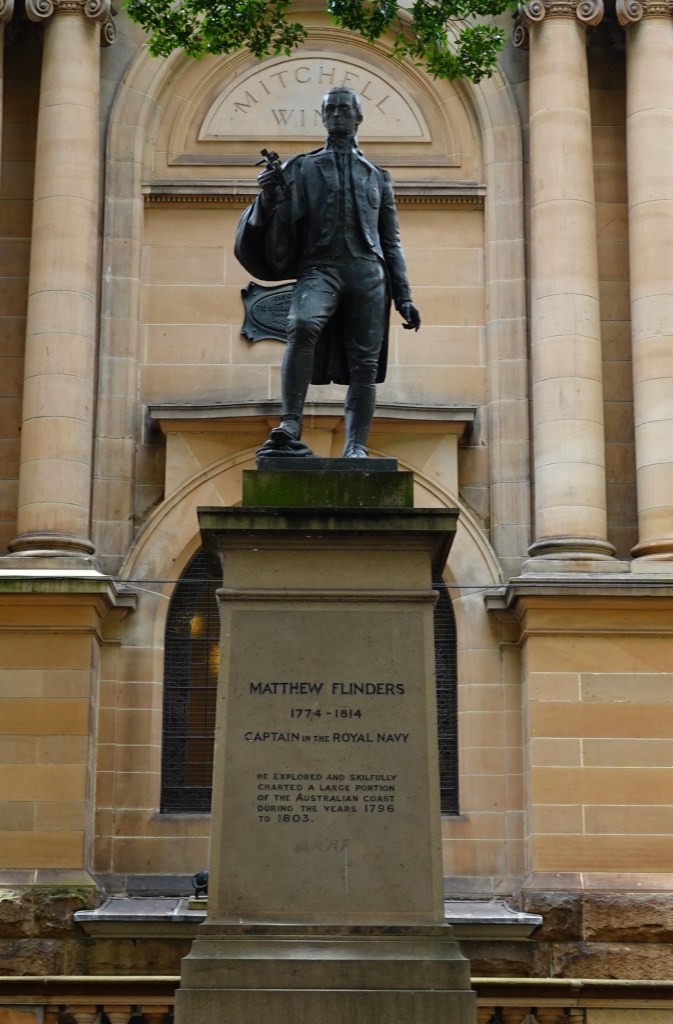
In front of the Mitchell Library building, there was a statue of Captain Matthew Flinders, one of many we’ve seen in Australia honouring an explorer who charted much of Australia’s coast.
A second statue, of Sir Richard Bourke, had pride of place.
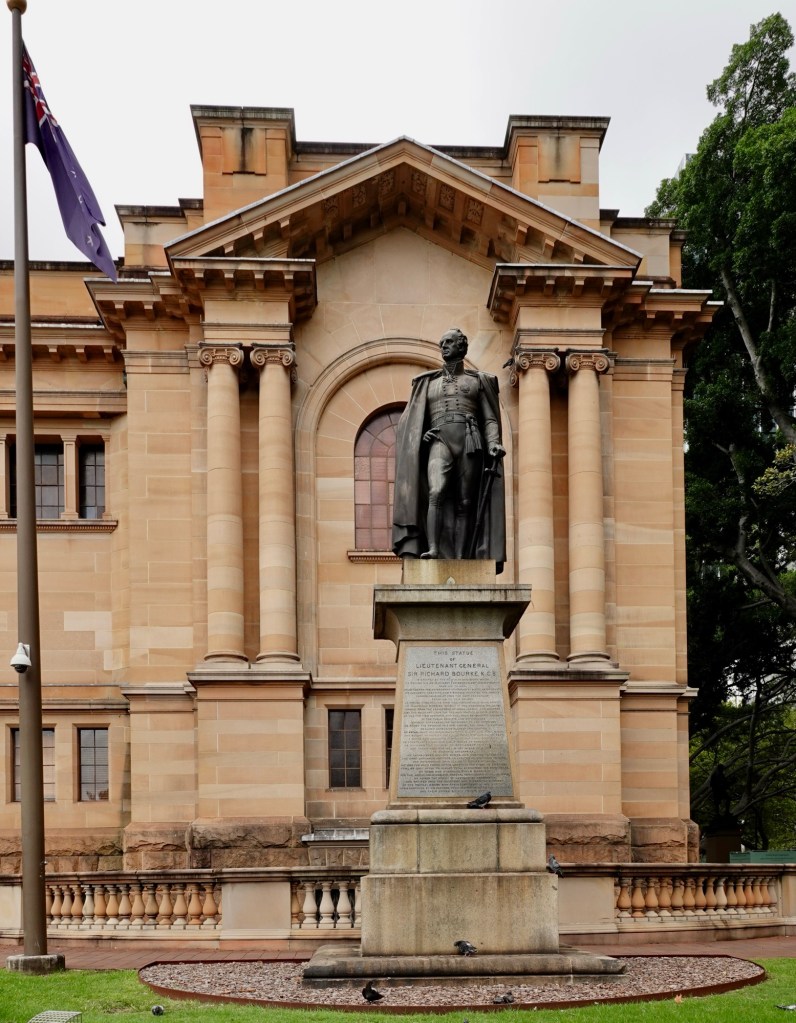
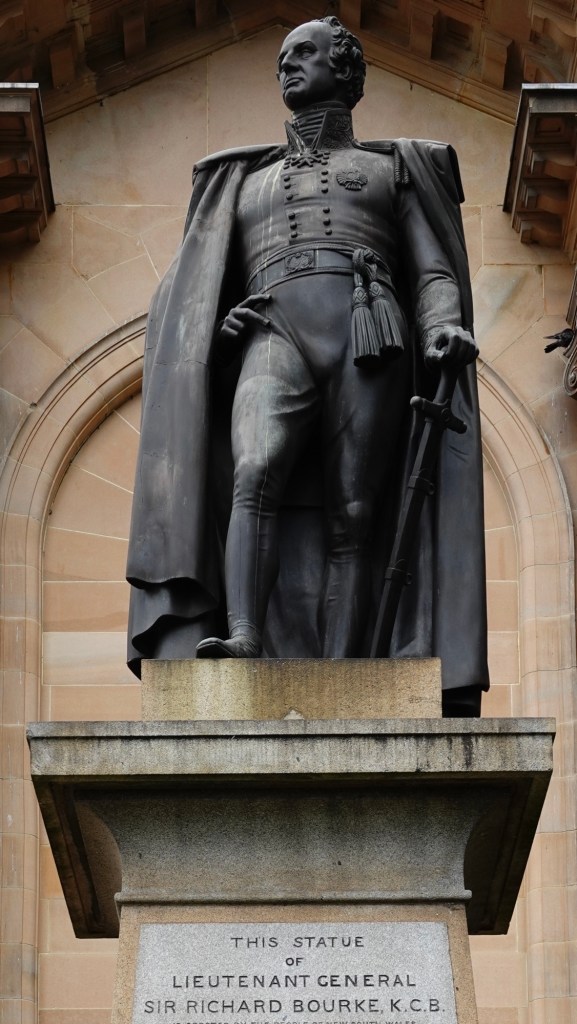
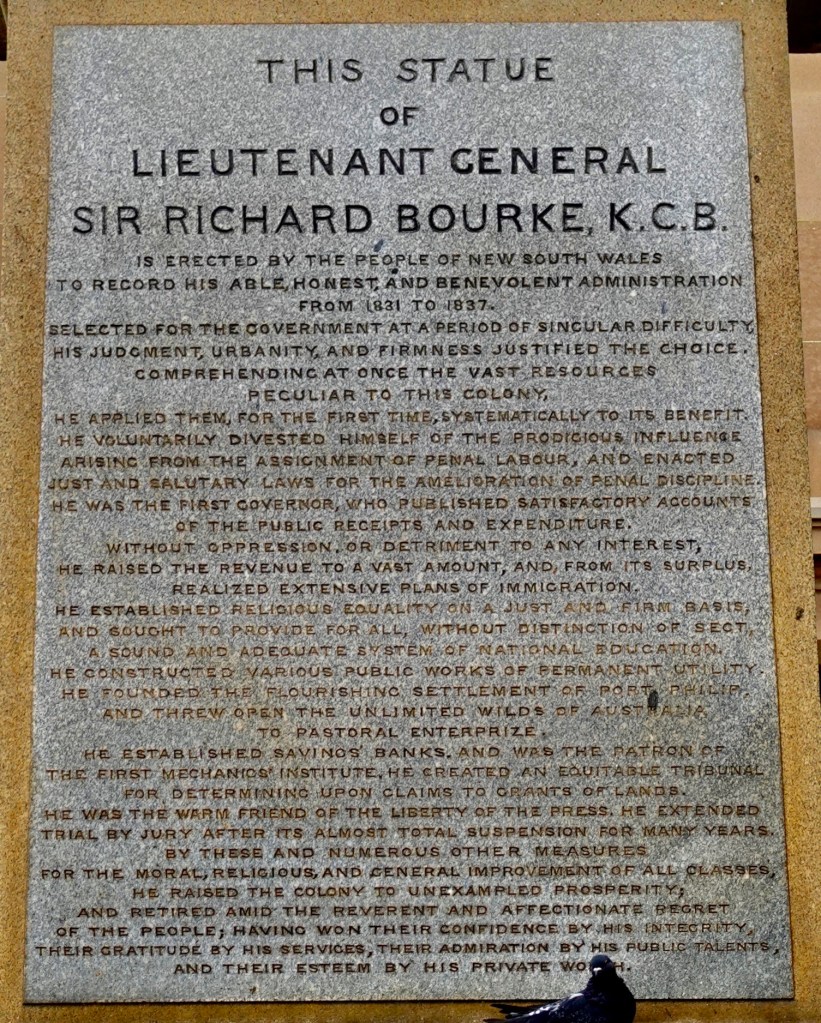
I absolutely loved the detail on the accompanying plaque because it provides not just information but food for thought. I’m not sure how Australia’s Aboriginals would feel about his accomplishment “threw open the unlimited wilds of Australia to pastoral enterprize [sic]”
There are so many decorative elements making the building interesting and attention-grabbing.
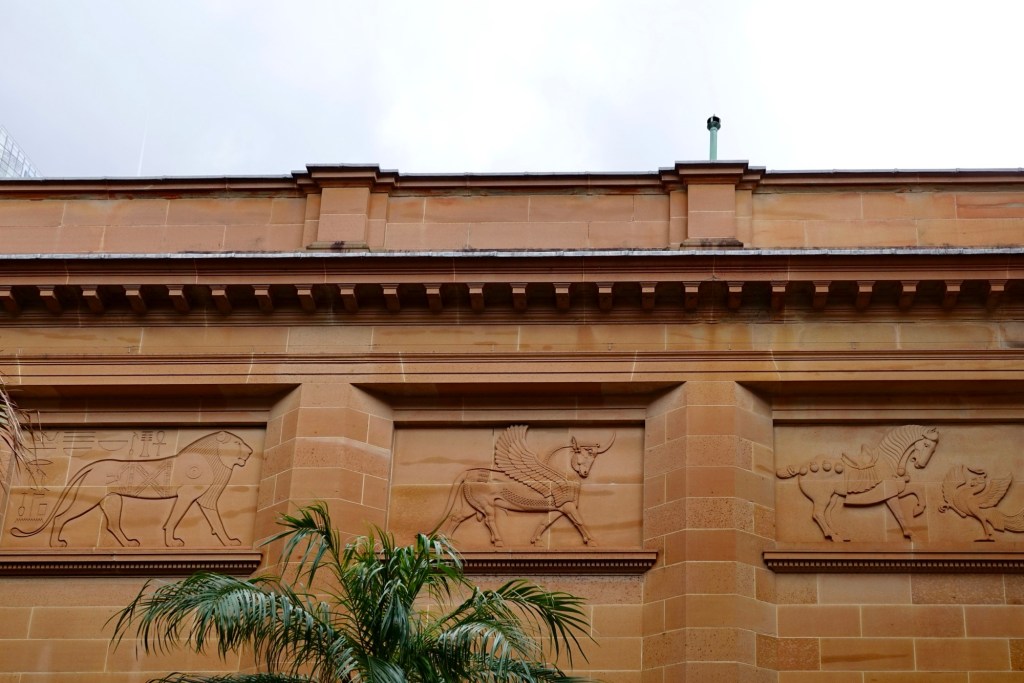
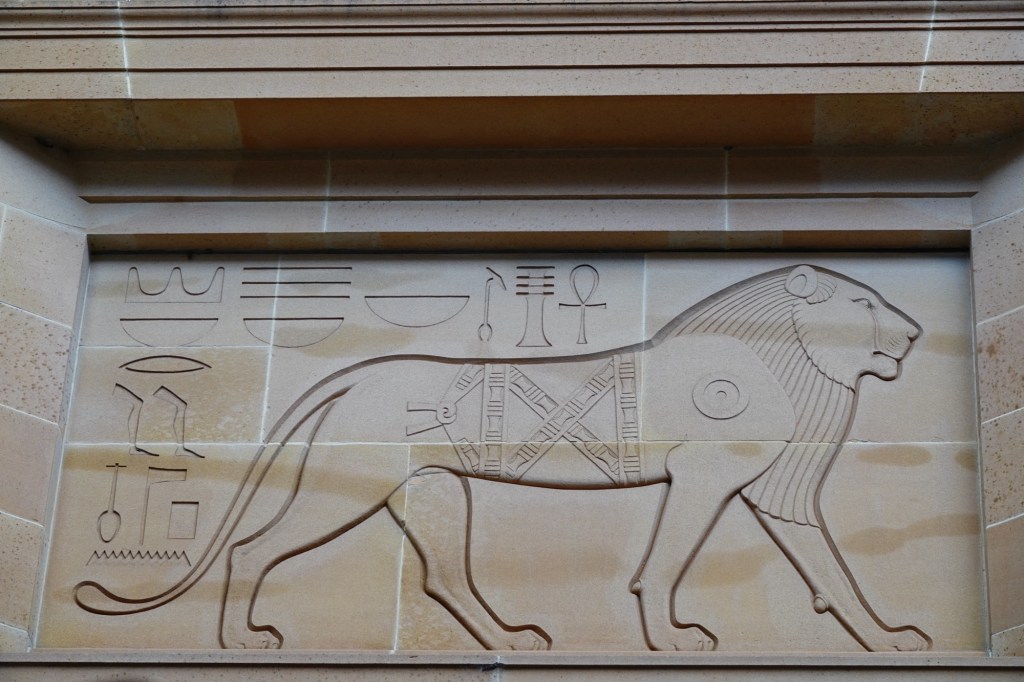
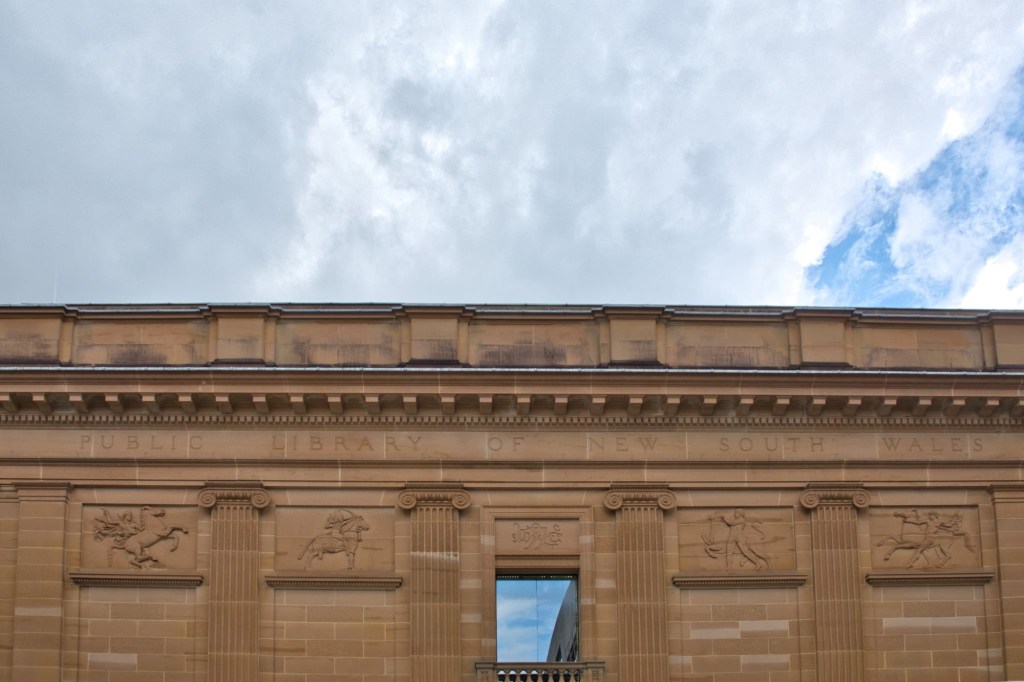
While the Mitchell building is classical on the exterior, inside it is a wonderful blend of old and new, and is very much a combination of library and museum. The second newer library building is devoted to research and lending, and houses a lovely small café and library shop.
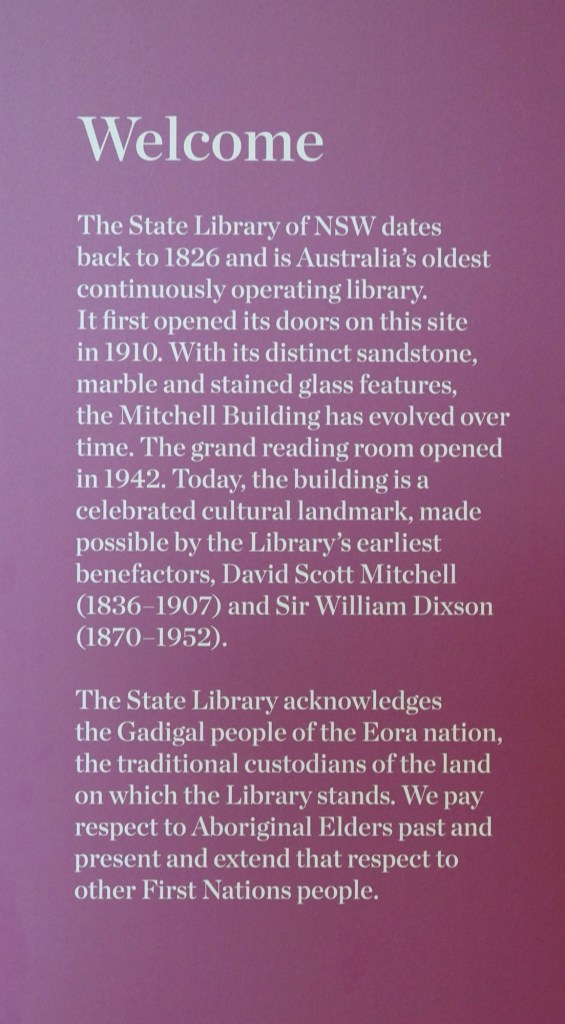
After how incredible the interior of the Victoria State Library in Melbourne was, I was excited to go inside and see how Sydney’s New South Wales State Library compared.
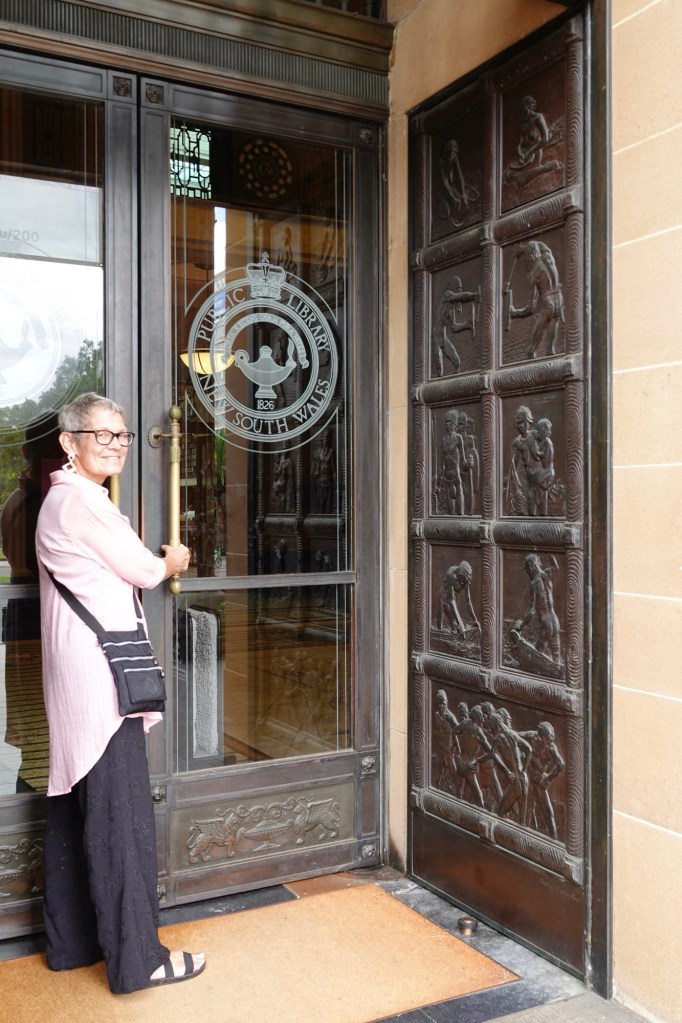
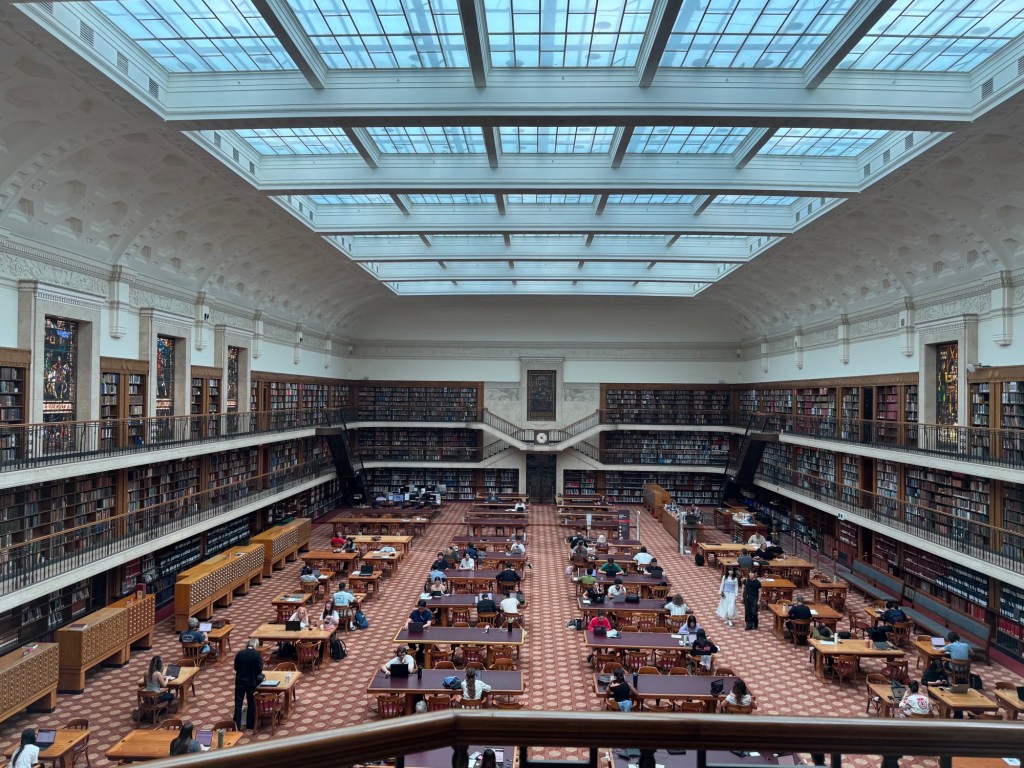
The first “wow” when entering was below our feet.
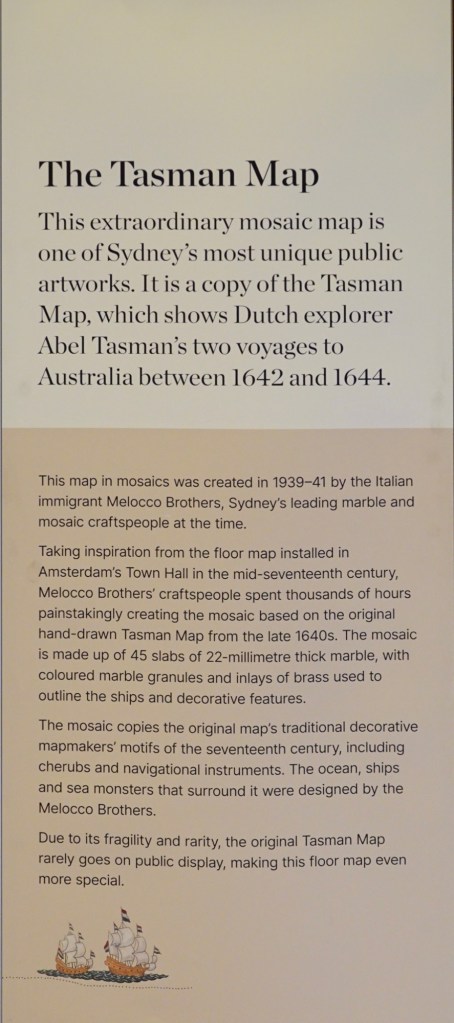
It was impossible to photograph the floor while standing on it, so Ted got an overview from the second floor gallery.
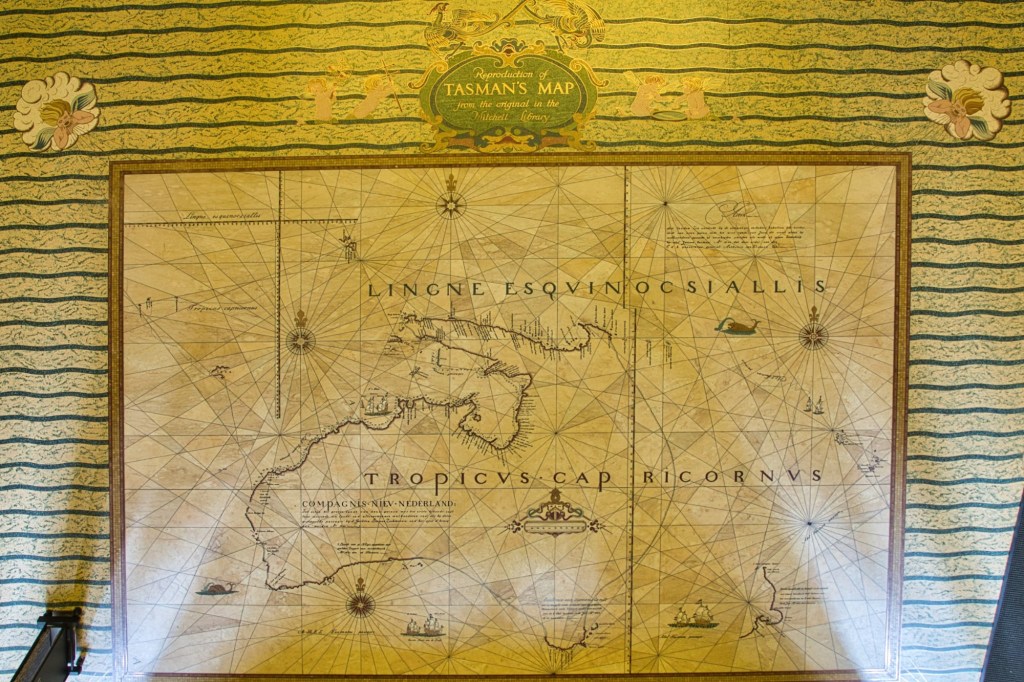
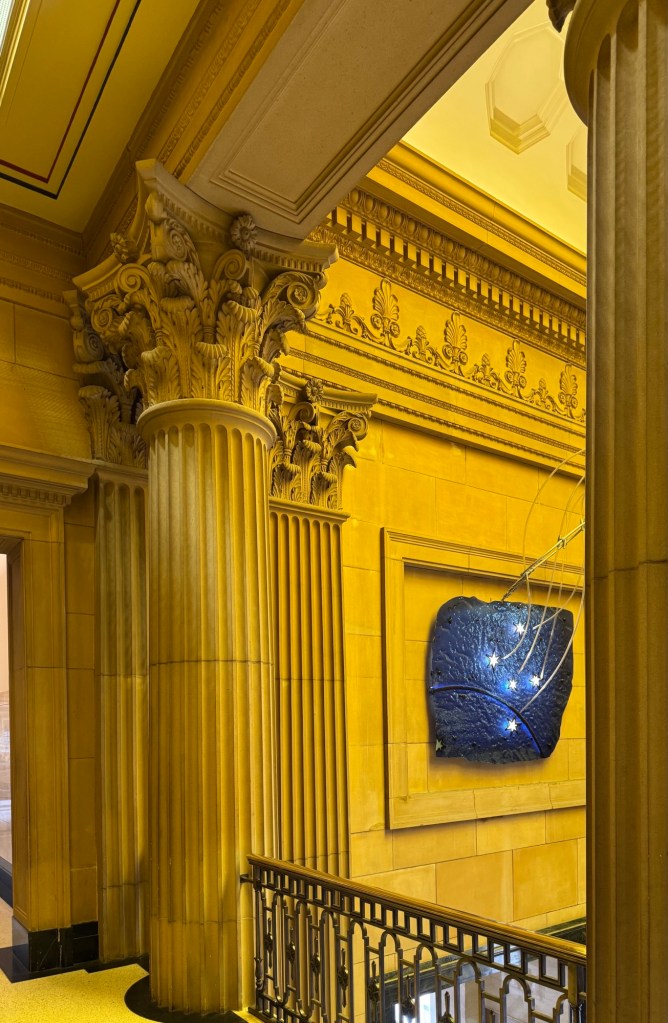
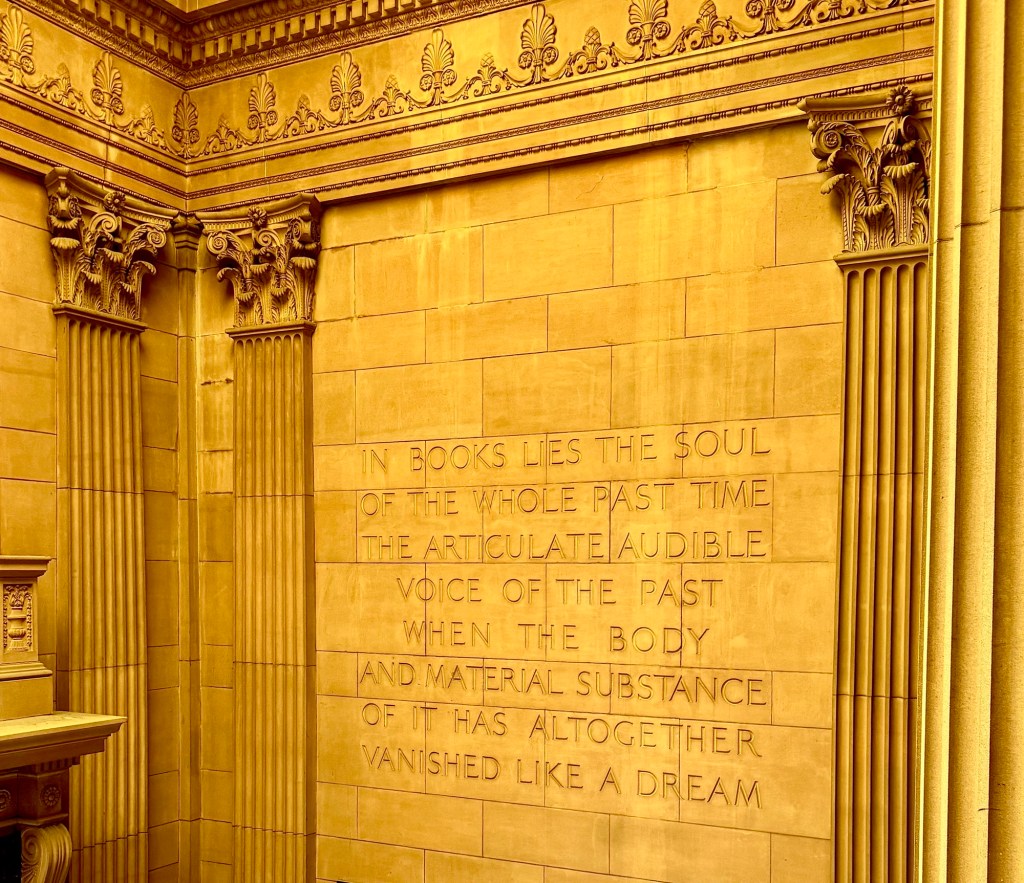
The large reading room has clean bright lines, and some lovely stained glass. While it is certainly not as gorgeous as Melbourne’s domed space, it seemed better used – virtually every desk was occupied by someone using both a book and a screen.
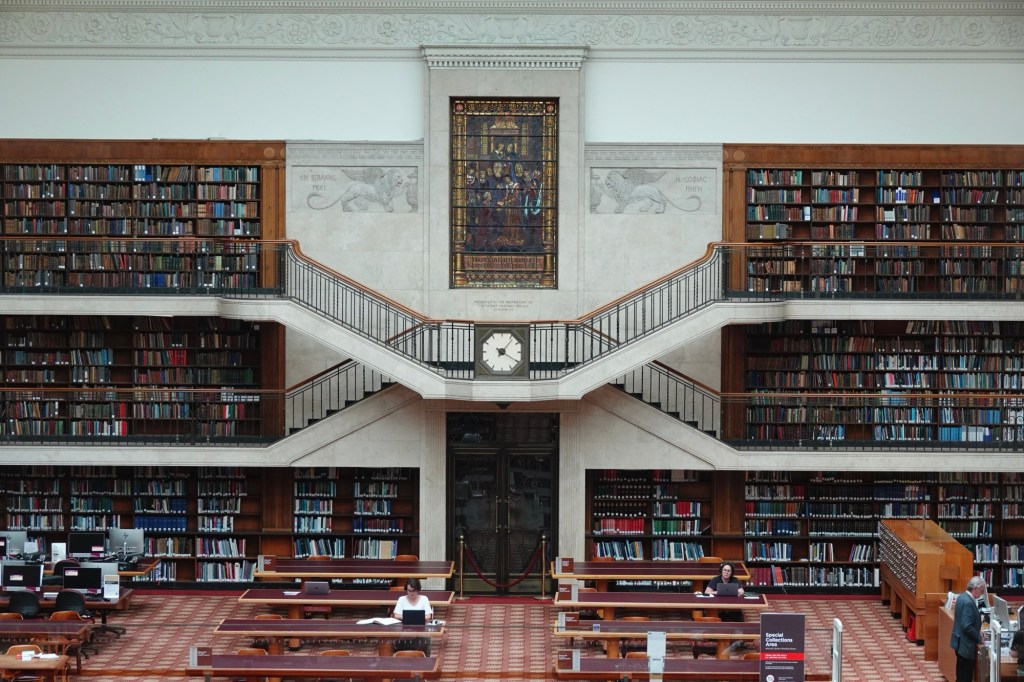
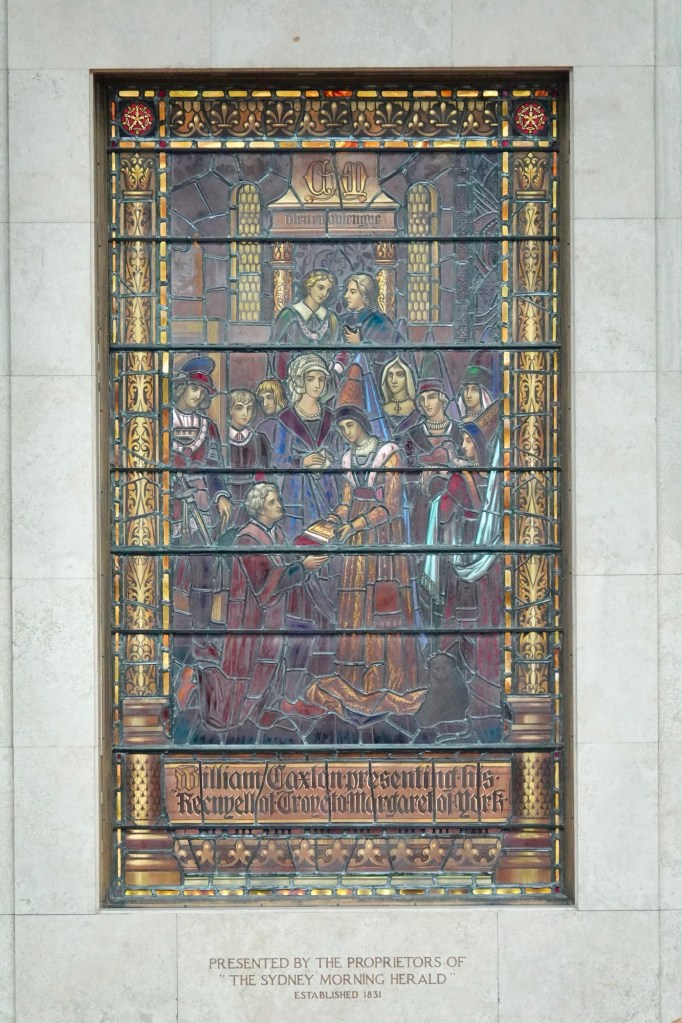
What the NSW State Library has that the Victoria State Library does not is museum artefact and art galleries. Even with no intention to access a single book, this is a place were it would be easy to spend hours.
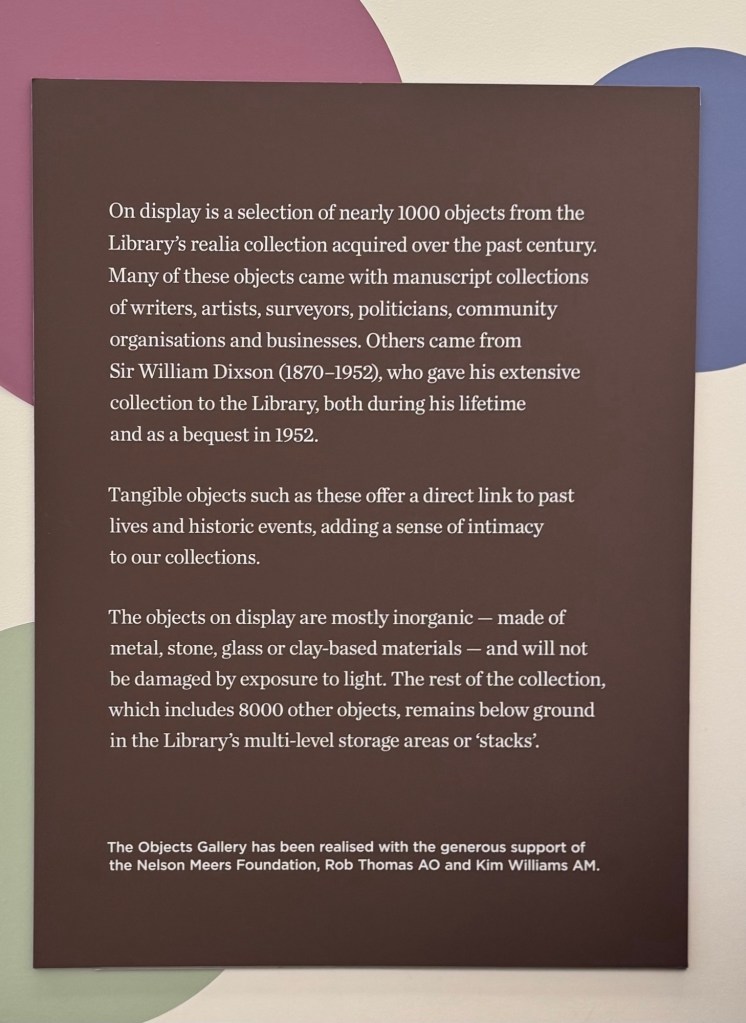
On the ground floor, in a wing separate from the reading room, is the Object Gallery. I don’t think we’ve ever been in a “library” with these kinds of collections.
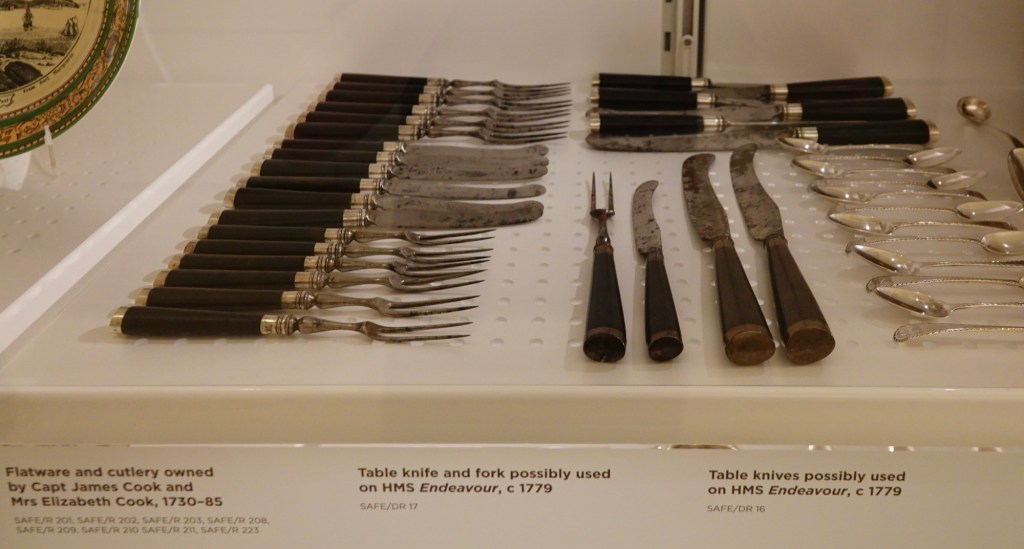
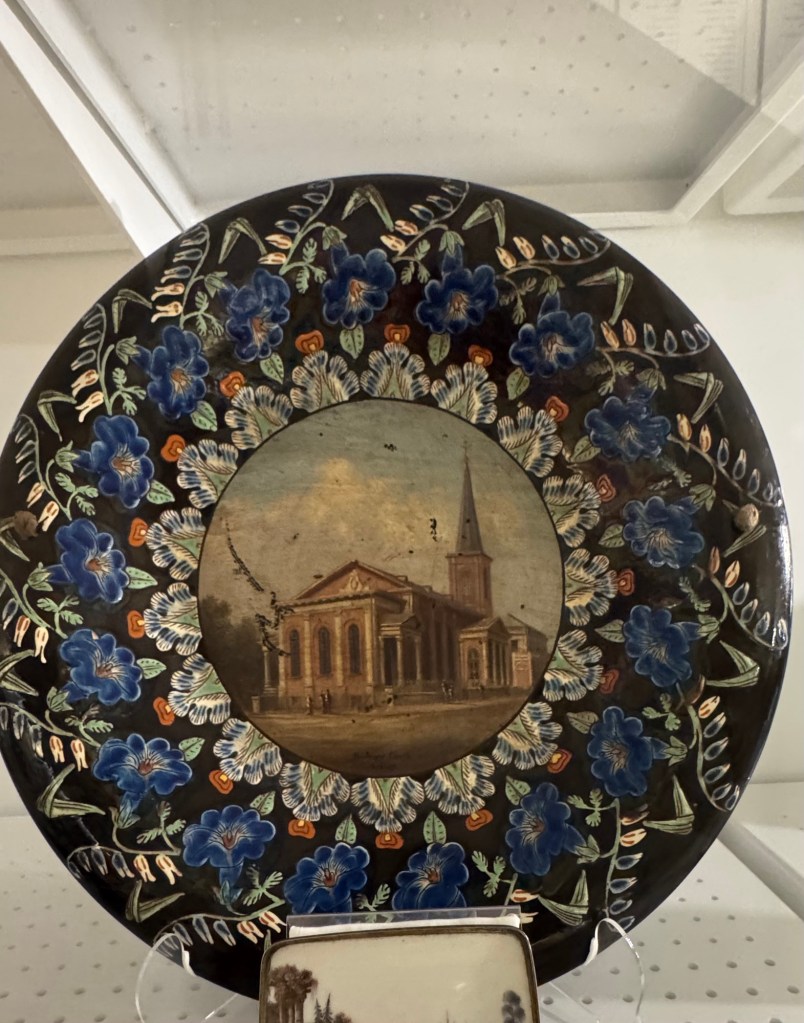
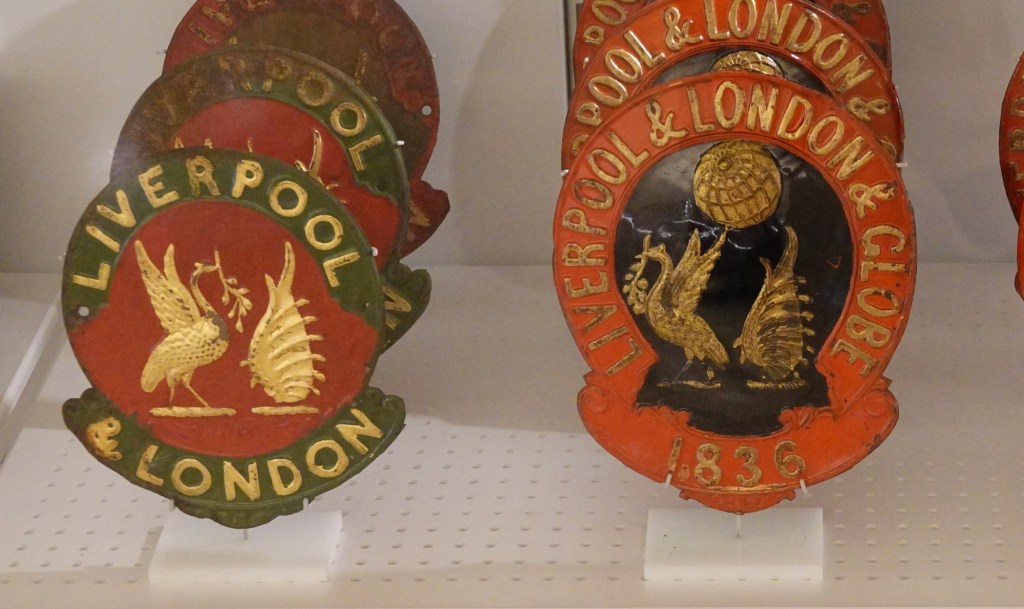
A couple of our favourite items from those on display:
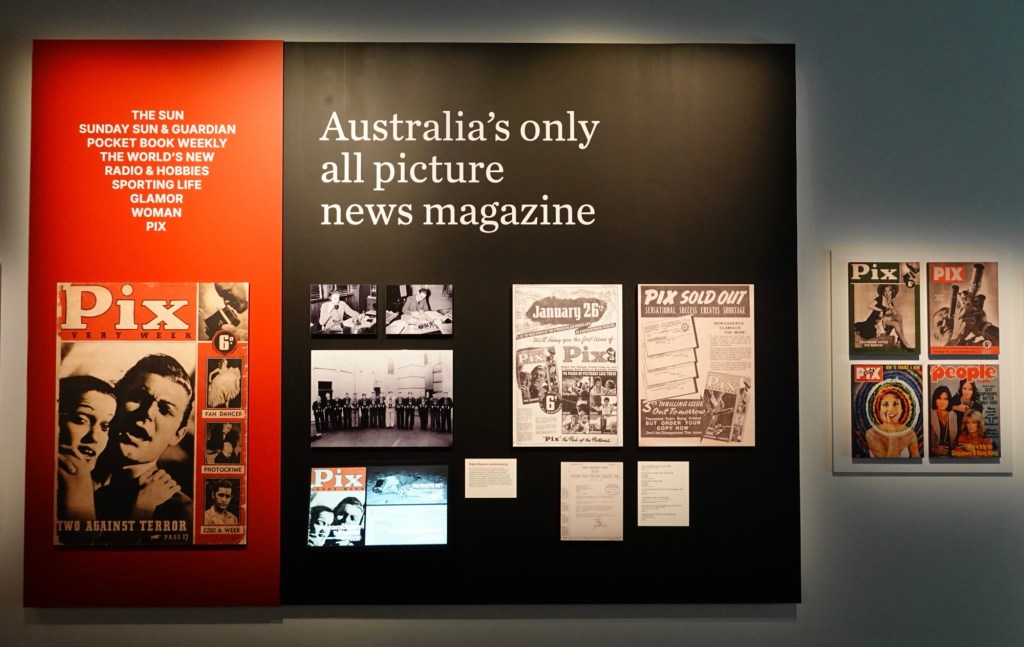
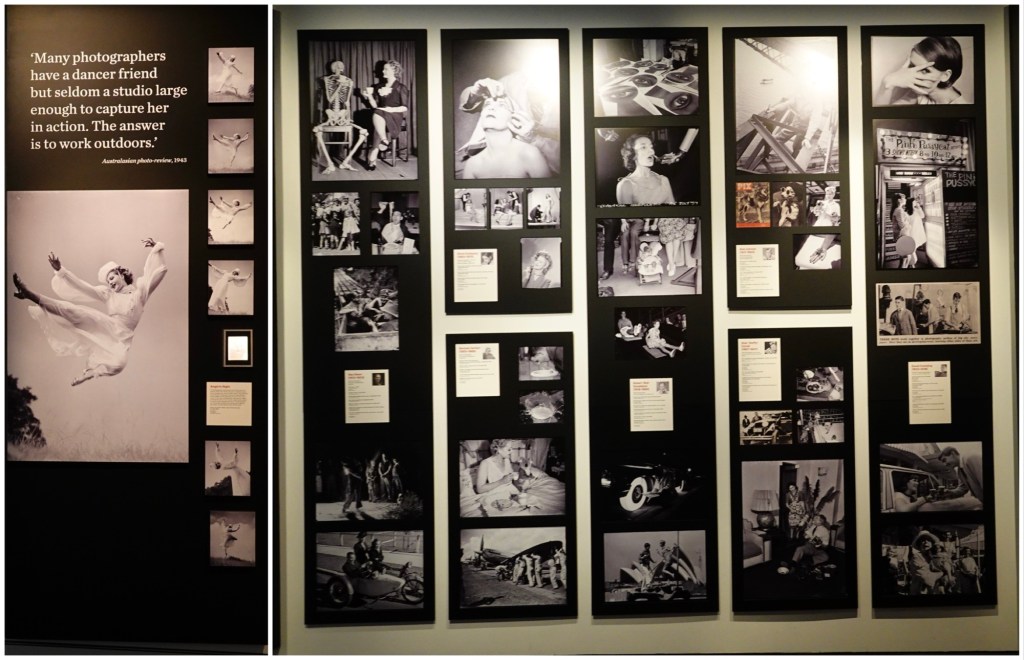
In the underground level, a gallery of photographs from Australia’s most famous “picture magazine”, akin to LOOK in North America. It was a revolutionary concept when it first published in 1938.
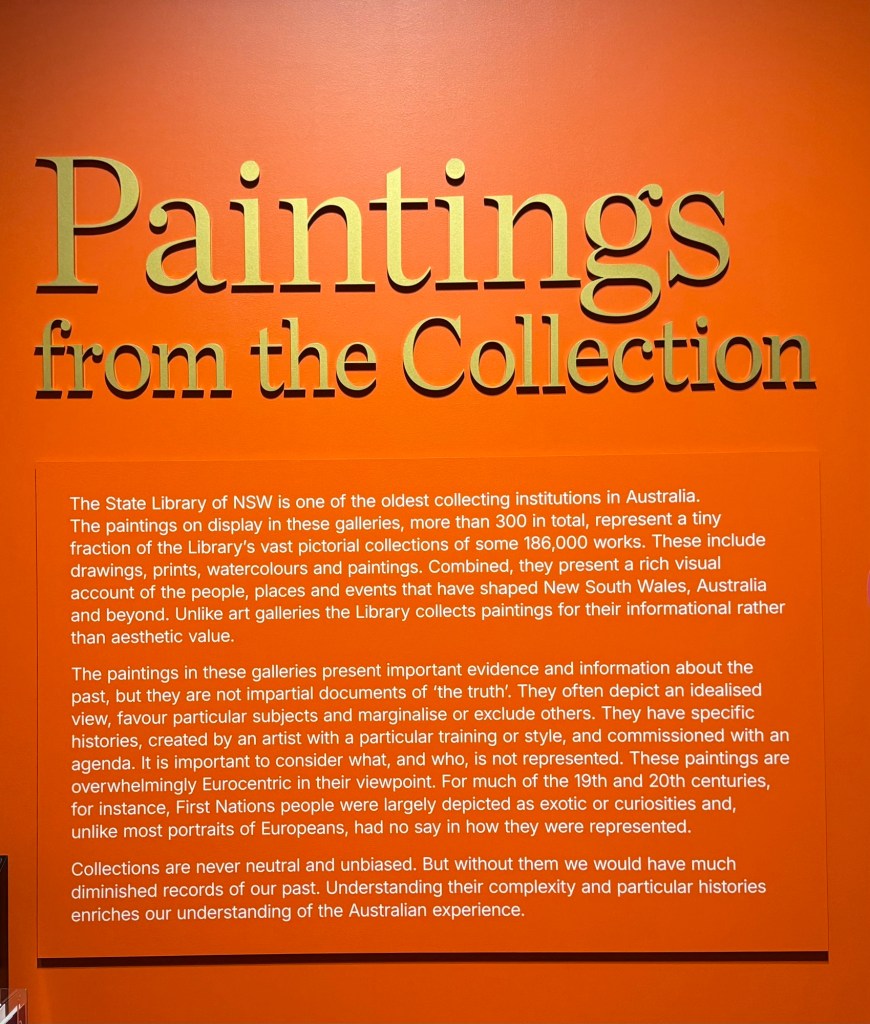
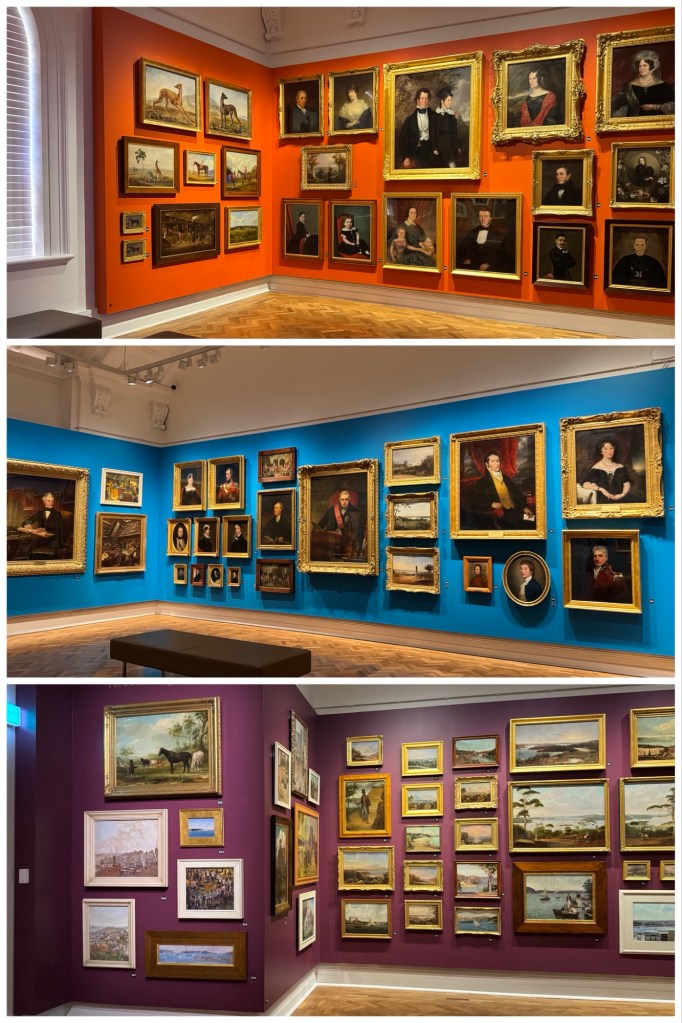
On the library’s upper level, more surprises: an art gallery, an architecture exhibit about the Australian housing dream, a photographer’s showcase, a map room, and a gallery dedicated to the illustrations of Australian children’s author Pamela Allen.
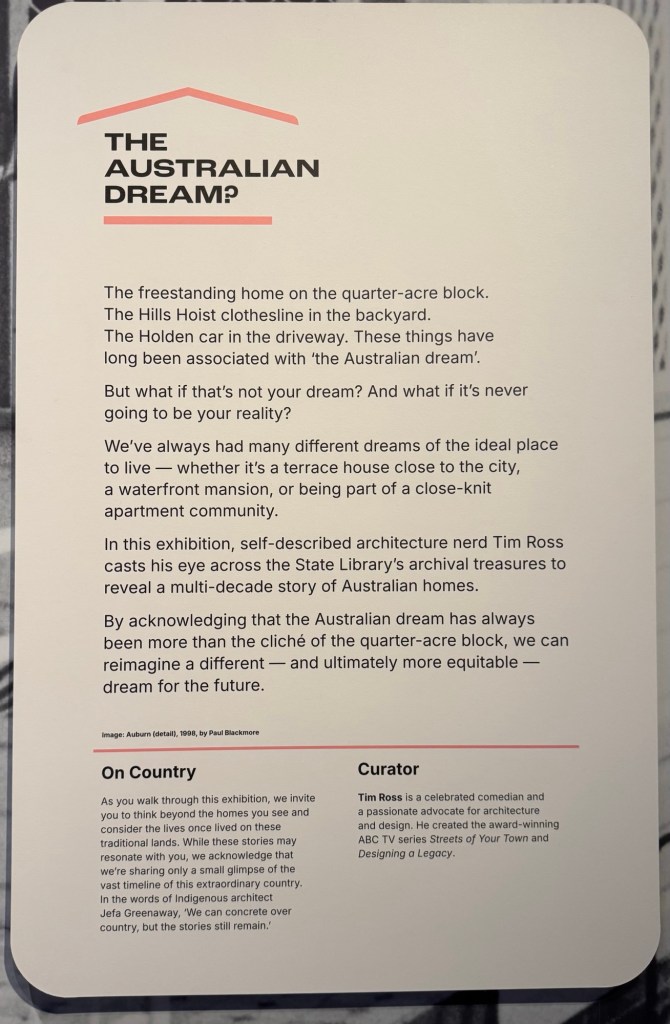
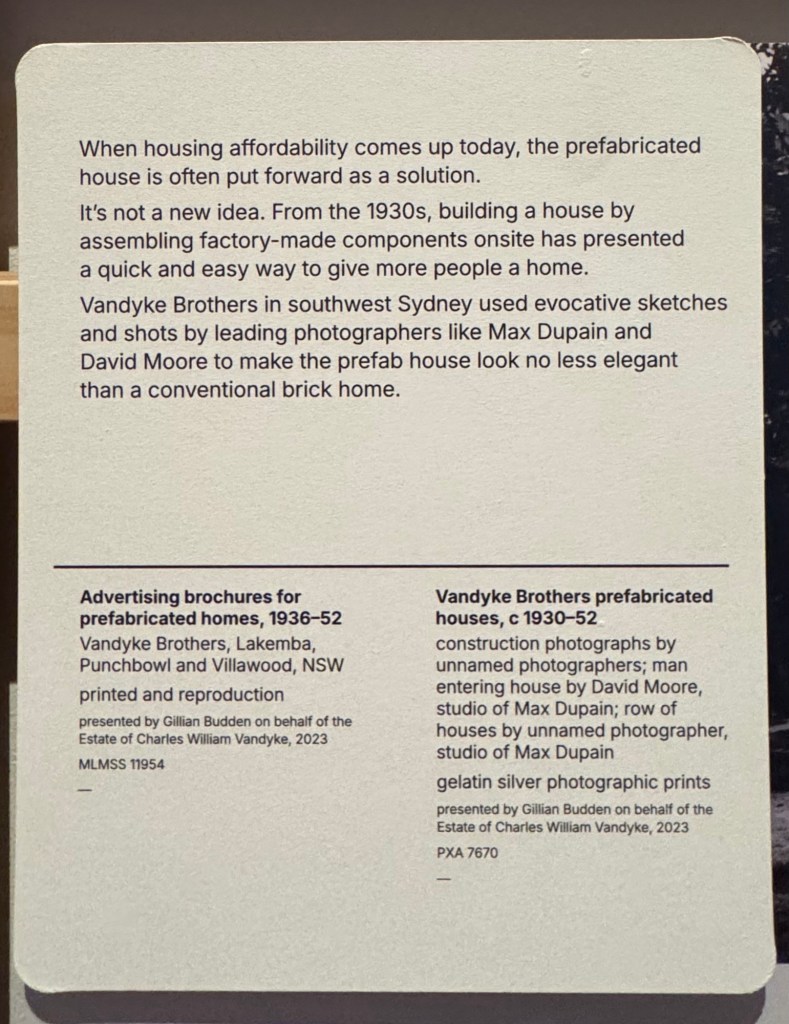
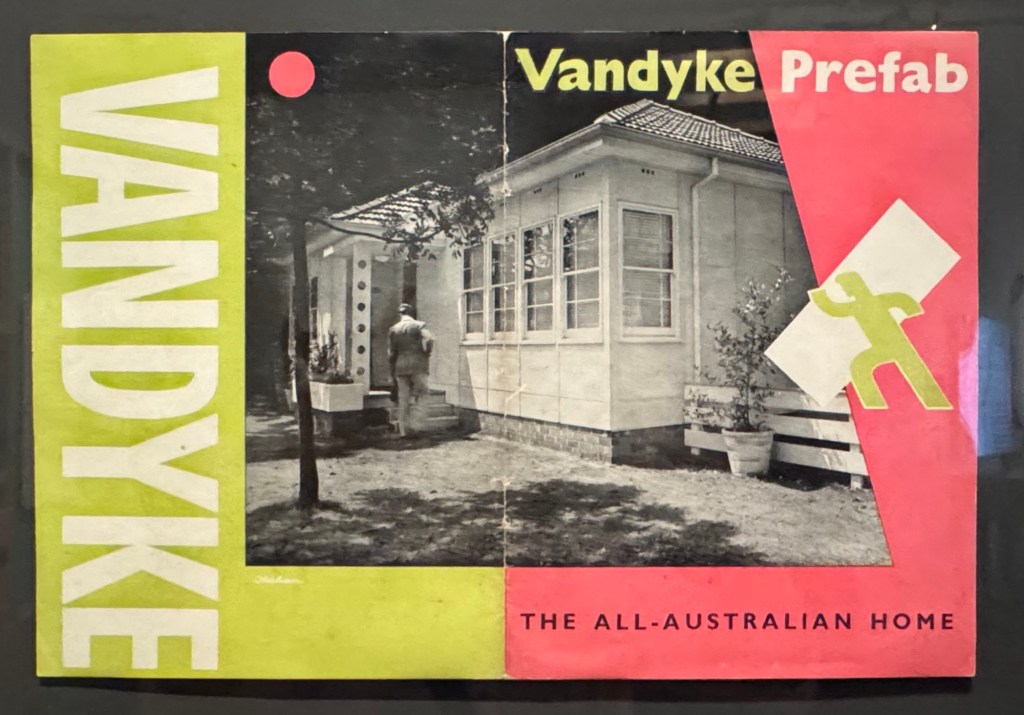
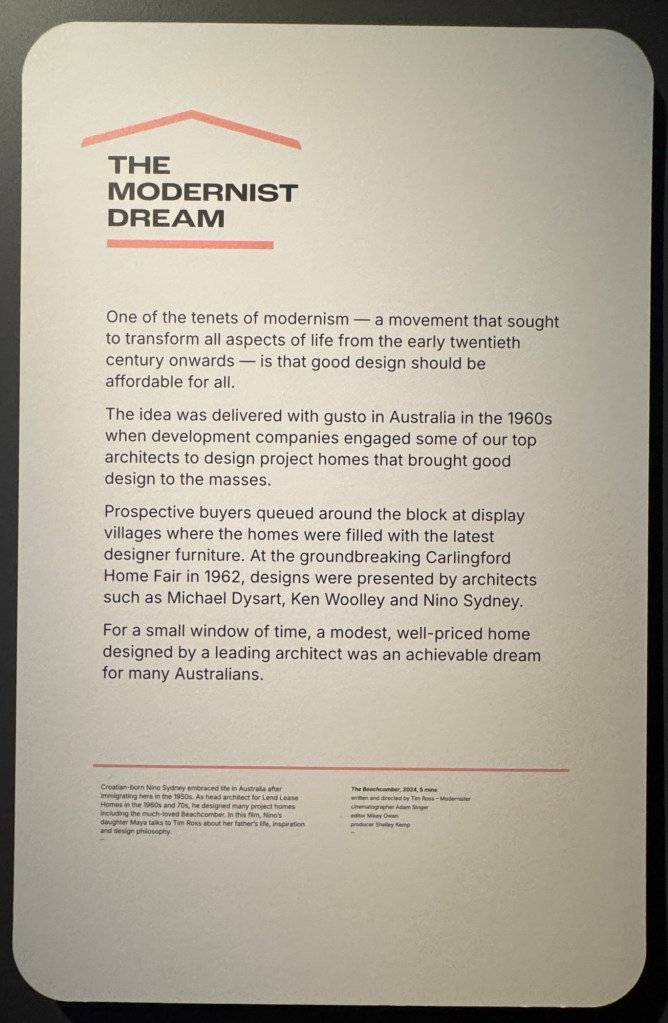
I found the evolution of The Australian Dream especially interesting, summarized as it was with short articles, illustrations, and models.
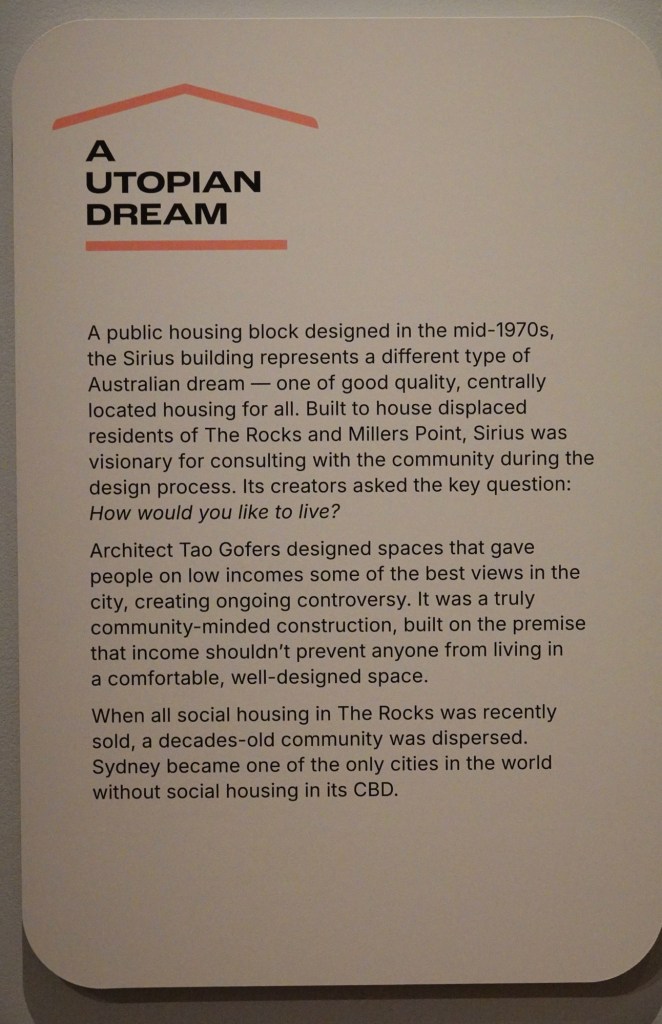
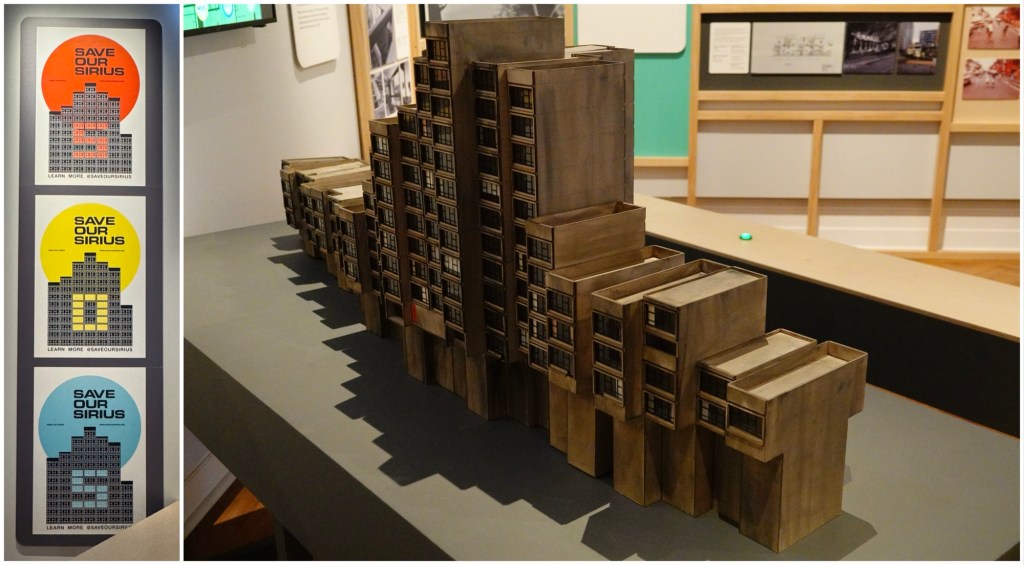
In 2015 the NSW government announced the sale of all social housing in The Rocks, triggering the Save Our Sirius movement. English graphic designer Peter Chadwick – responsible for iconic album covers like Primal Scream’s Screamadelica and Groove Armada’s Vertigo — joined the cause.
His posters helped rally Sydneysiders to try and save the building from demolition. The campaign fended off the wrecking ball, but Sirius was sold to developers who reimagined the Sydney icon as luxury apartments.
We left the Mitchell Building impressed with the ways in which the library has diversified to engage learners.
Ted and I did wander into the new library building as well, but really only for flat whites and to share an ANZAC cookie.
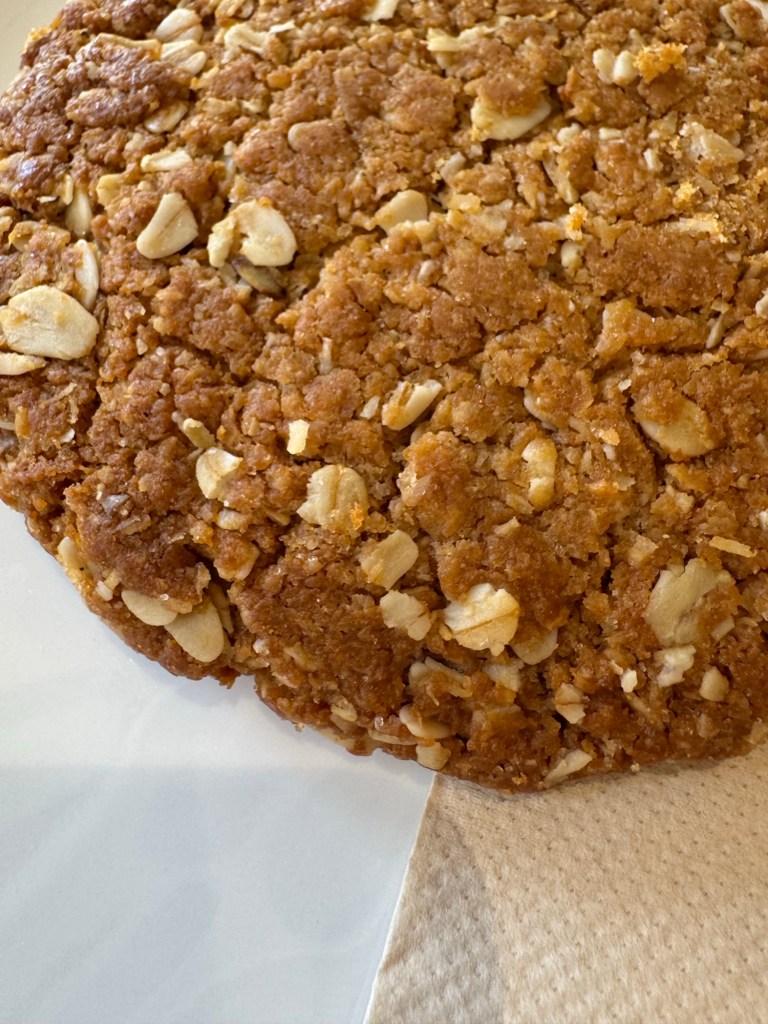
Anzac biscuits are traditional sweet biscuits from Australia and New Zealand, made from rolled oats, flour, sugar, butter, golden syrup, and baking soda, with desiccated coconut often added. They were created during World War I for soldiers of the Australian and New Zealand Army Corps (ANZAC) because their ingredients allowed them to survive long sea journeys without spoiling. The recipe traditionally omits eggs to ensure shelf stability, resulting in a biscuit that can be either crispy or chewy depending on the bake time. Ours included coconut and were crispy.
On the way back to our hotel we walked past several other wonderful buildings, so there will be a few more “Grand Buildings” posts as we return to explore them more fully, because these are places I’m going to want to remember.
 Rose and Ted’s Excellent Adventure
During some free time in Sydney during our 24-25 world cruise, I spent an hour or so in the State Library of NSW, using their free and fast wifi in that large reading room. I didn’t have enough time to explore the rest of the building. Guess we’ll have to go bac.
LikeLiked by 1 person
Almost everywhere we go, I think “we’ll have to come back”. What a wonderful world it can be.
LikeLike