Episode 813 – Melbourne Day 3/5: A River, A Park, and A Shrine
We climbed onto the tram today headed for Federal Square and a walk along the Yarra River that would also get us to the Royal Botanical Gardens, the Shrine of Remembrance, and the National Gallery of Victoria – all of which are free to tour. It was a bit of much needed budget relief; other than a cake and coffee break midday, our other meals were in our apartment.
As it turned out, we didn’t make it to the gallery, because not only are the Gardens and the Shrine both huge, and well worth lingering in, but they are part of a complex called the “Domain Parklands” that include not only the RBG and the Shrine Reserve, but also Government House, Alexandra Gardens, and Queen Victoria Gardens. In total, the area measures a whopping 123 hectares/304 acres!
By the time we were done only partially exploring the parks the National Gallery was closed.
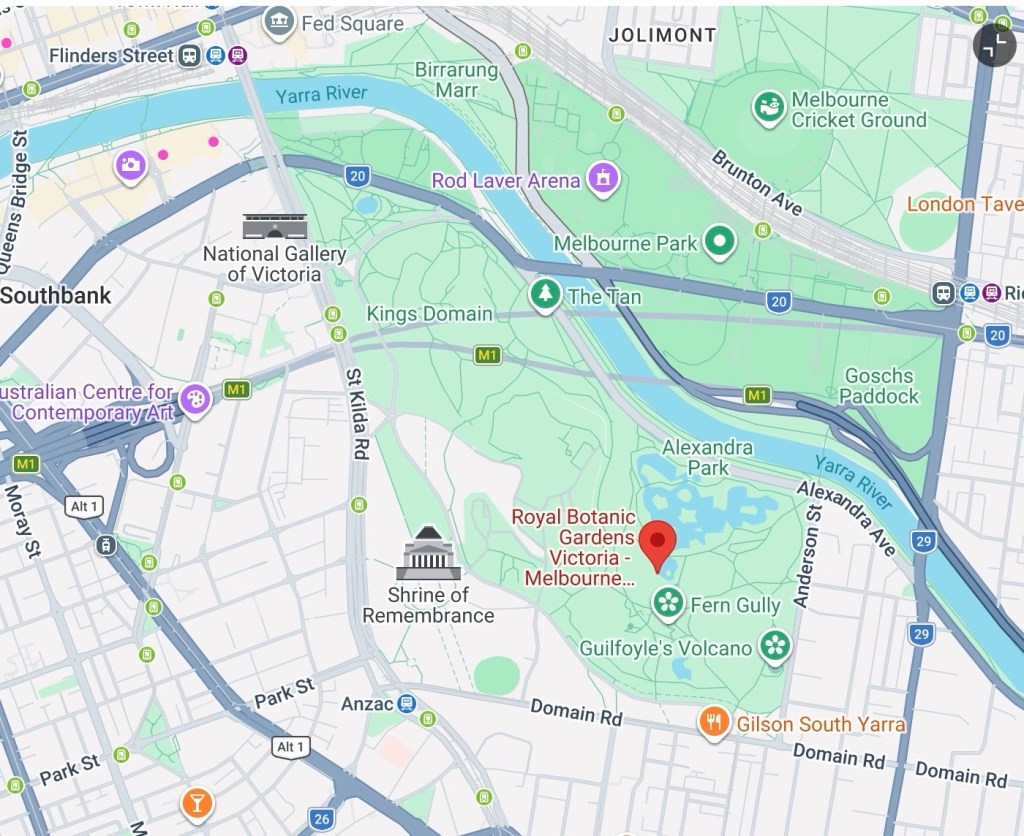
Here’s our walking route in (mostly) pictures, from the time we got off the tram until we re-boarded it at the end of the day. Total steps: just over 14,000. Total equivalent flights of stairs climbed: 8.
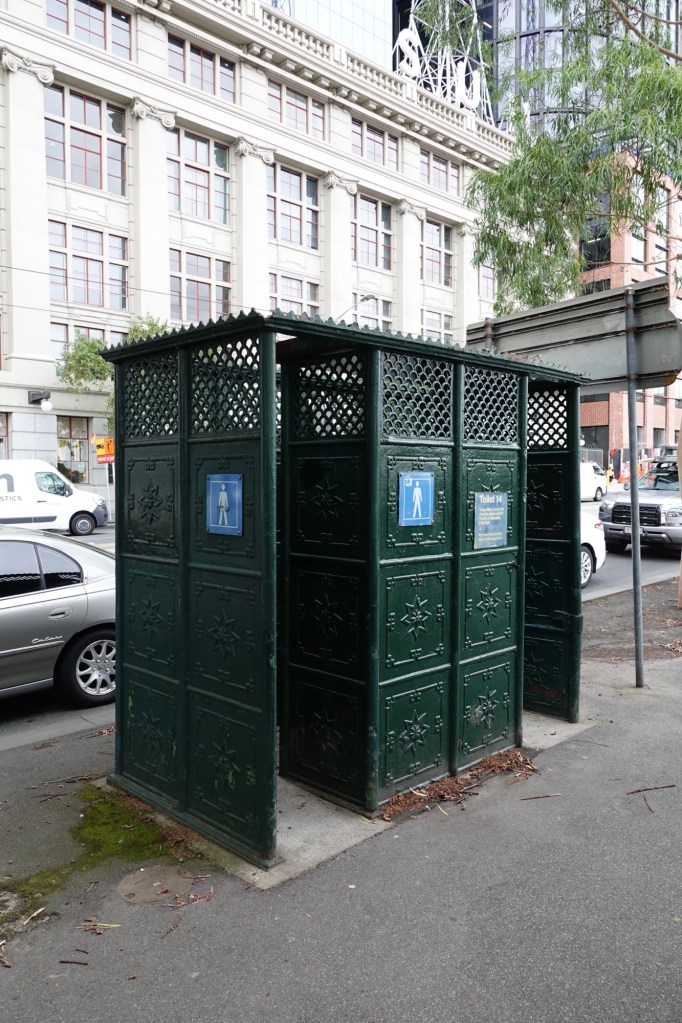
A Victorian era men’s toilet on Flinders Street. Inside, hidden from public eyes, a trough/drain with water constantly running into it down the wall.
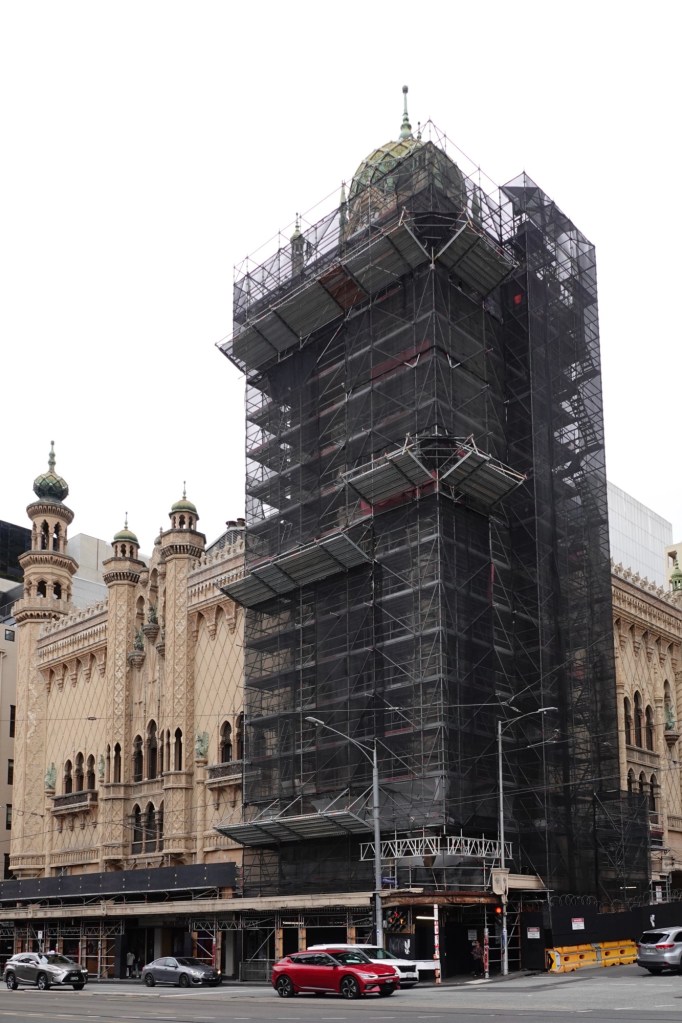
The ornate Forum Theatre,under exterior restoration.
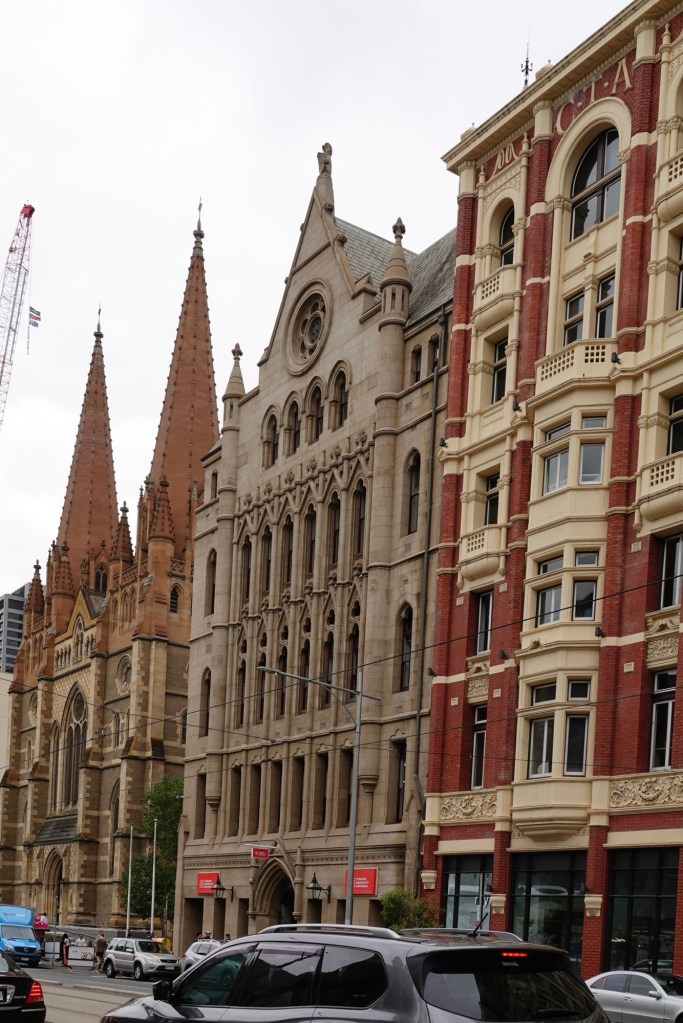
Buildings on Flinders Street, with St. Paul’s Cathedral on the left and Torrens University in the centre
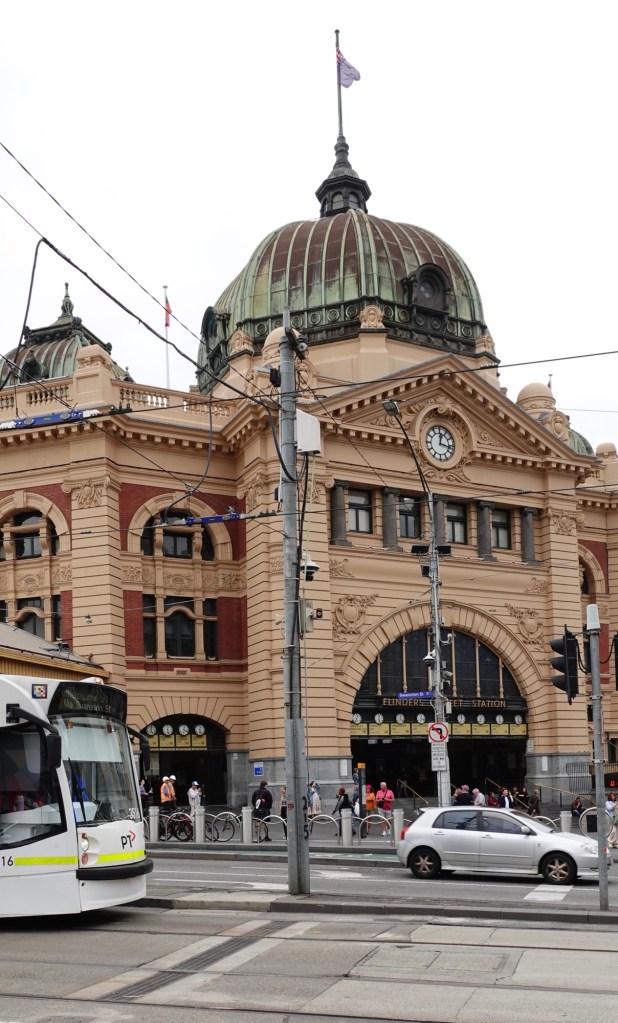
One of the entrances to the massive Flinders Street Station.
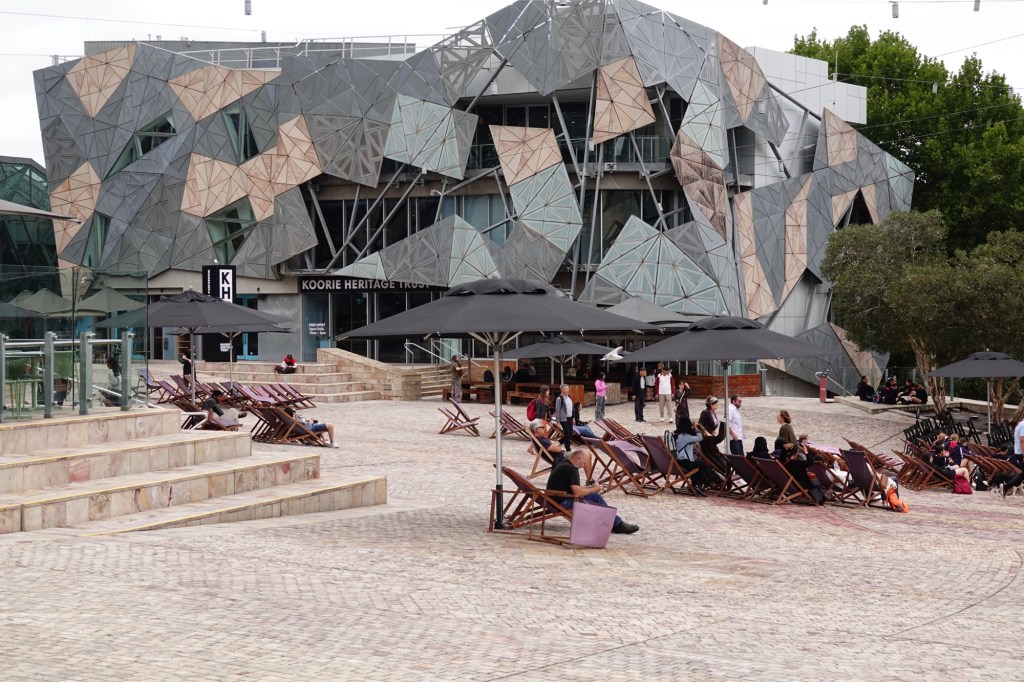
Federation Square, an arts and events space.
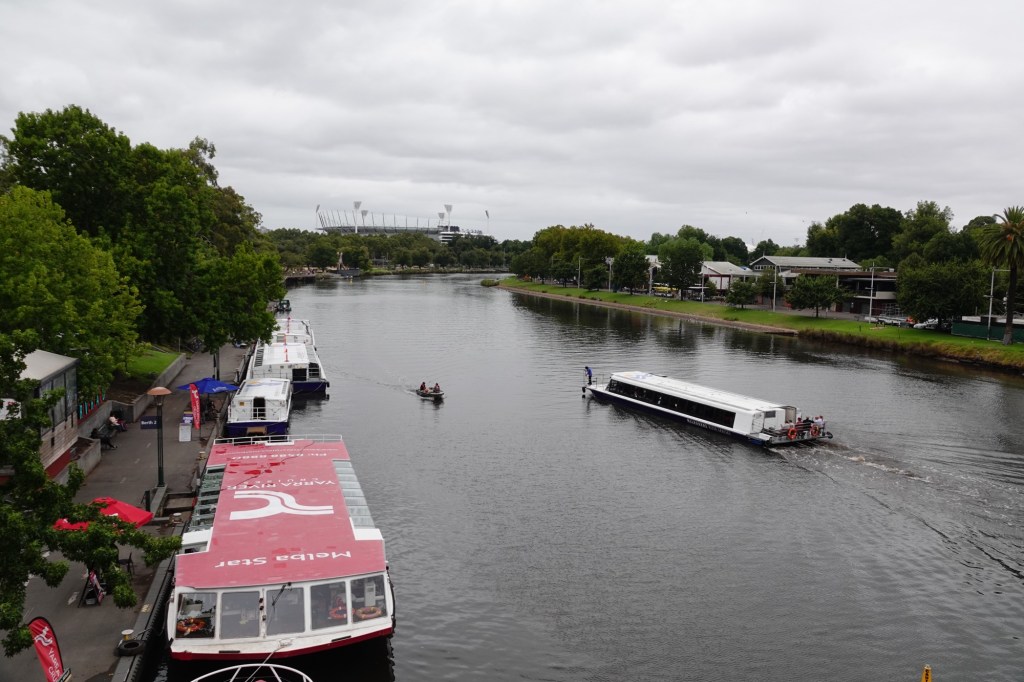
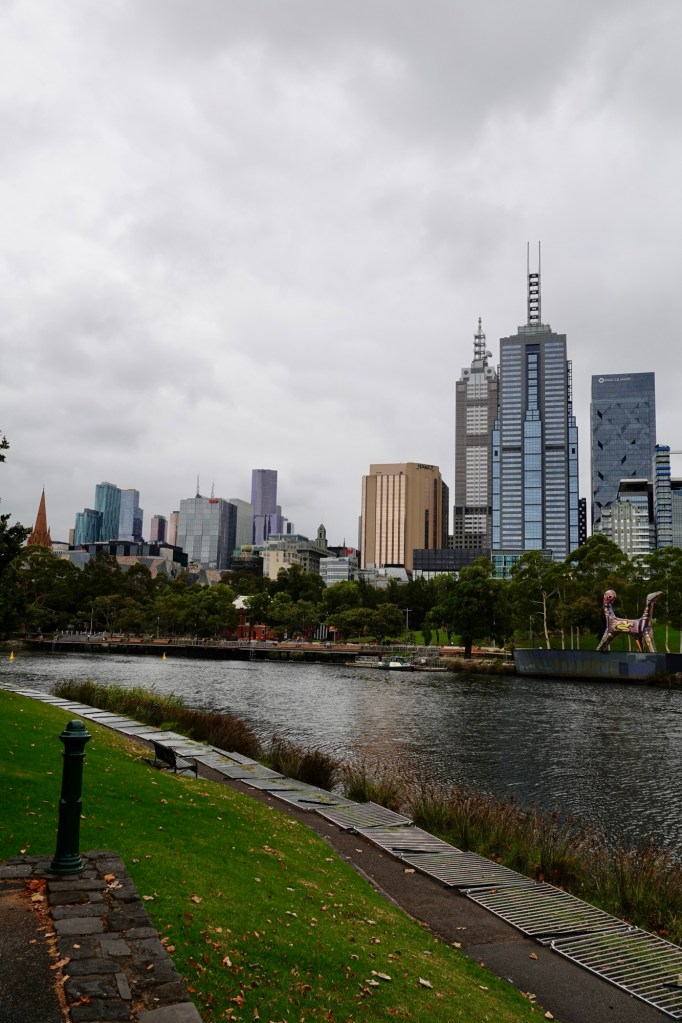
Our first glimpse of the Yarra River.
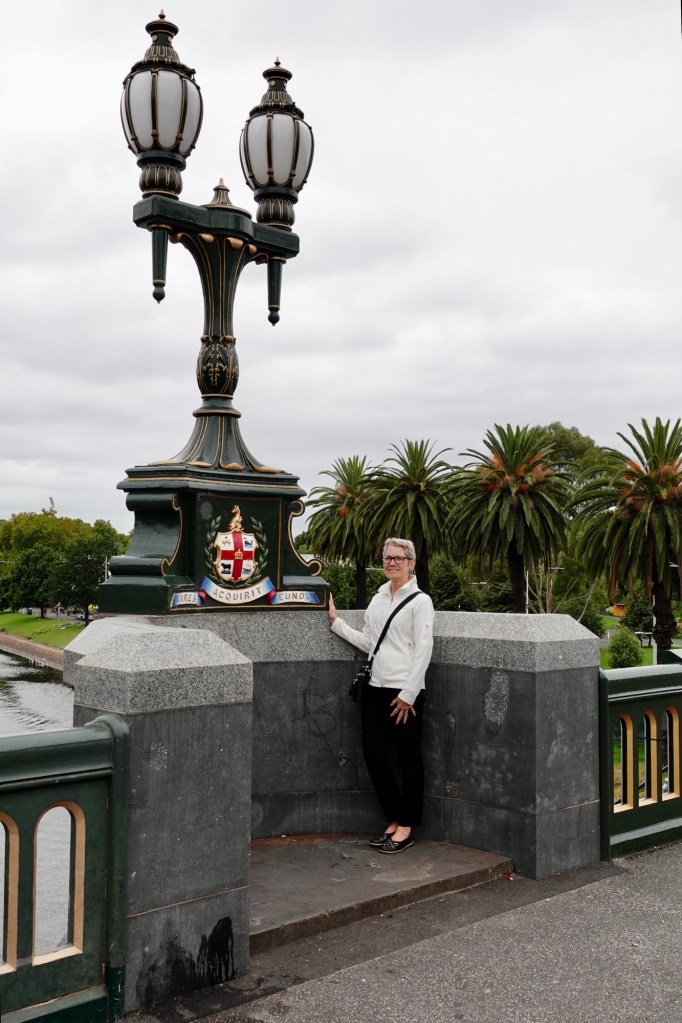
Melbourne’s iconic Princes Bridge over the Yarra.
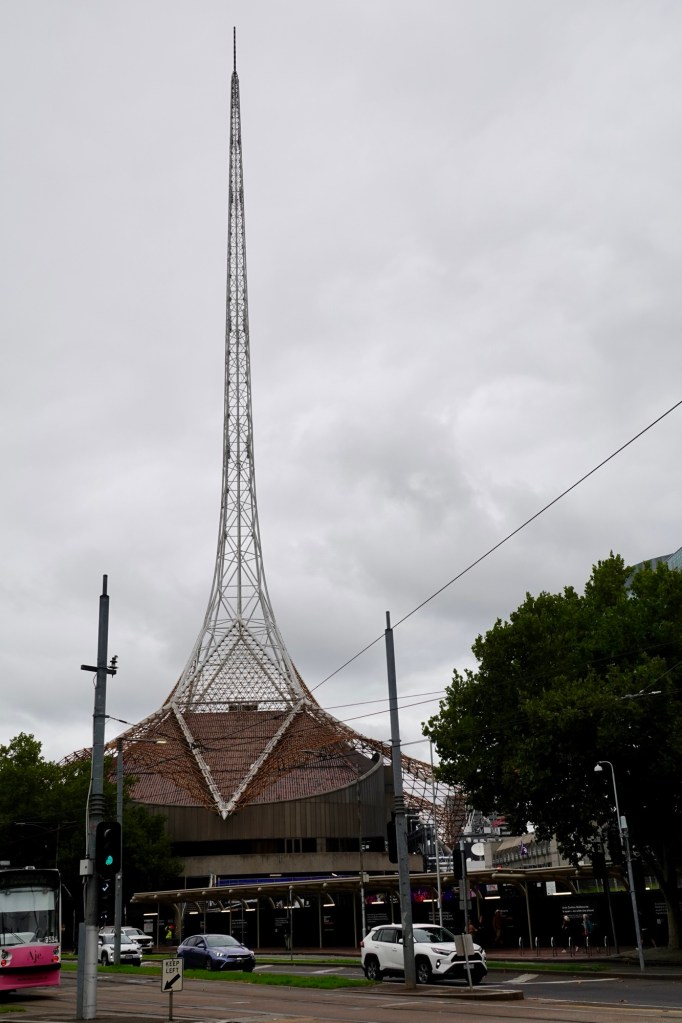
The Arts Centre.
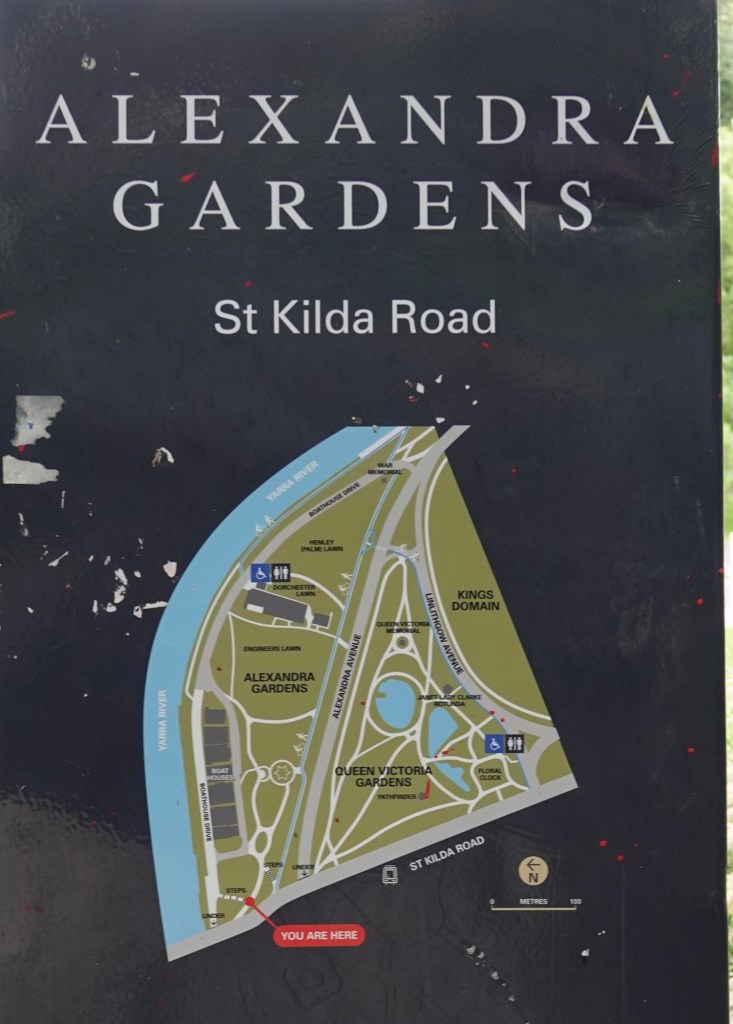
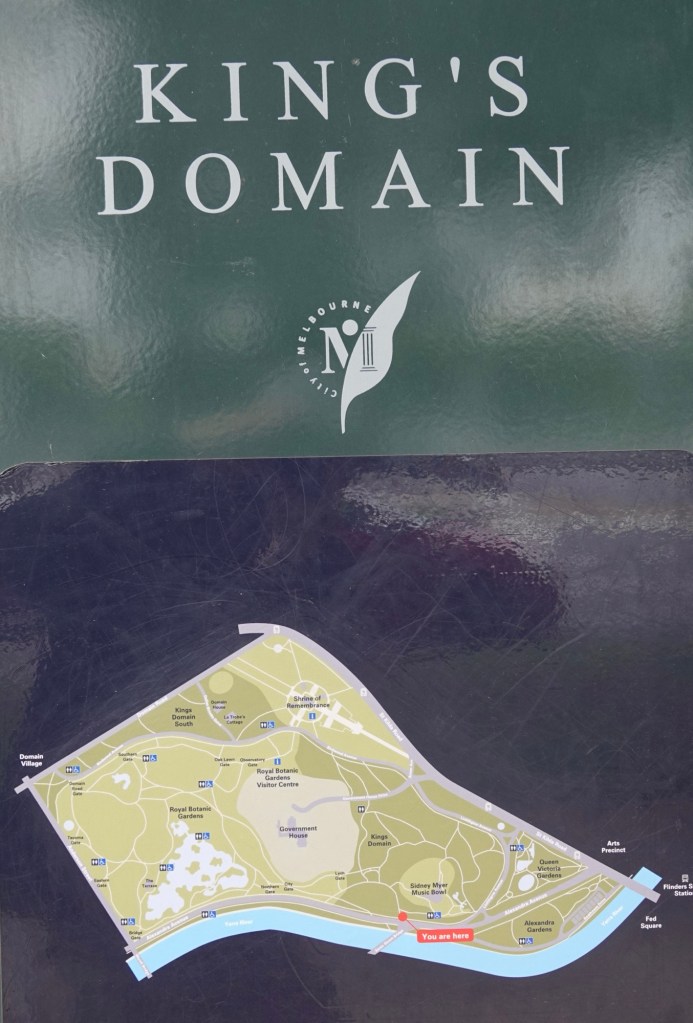
Entering the first of many linked gardens. Fortunately, there are lots of maps like these throughout to help folks find their way.
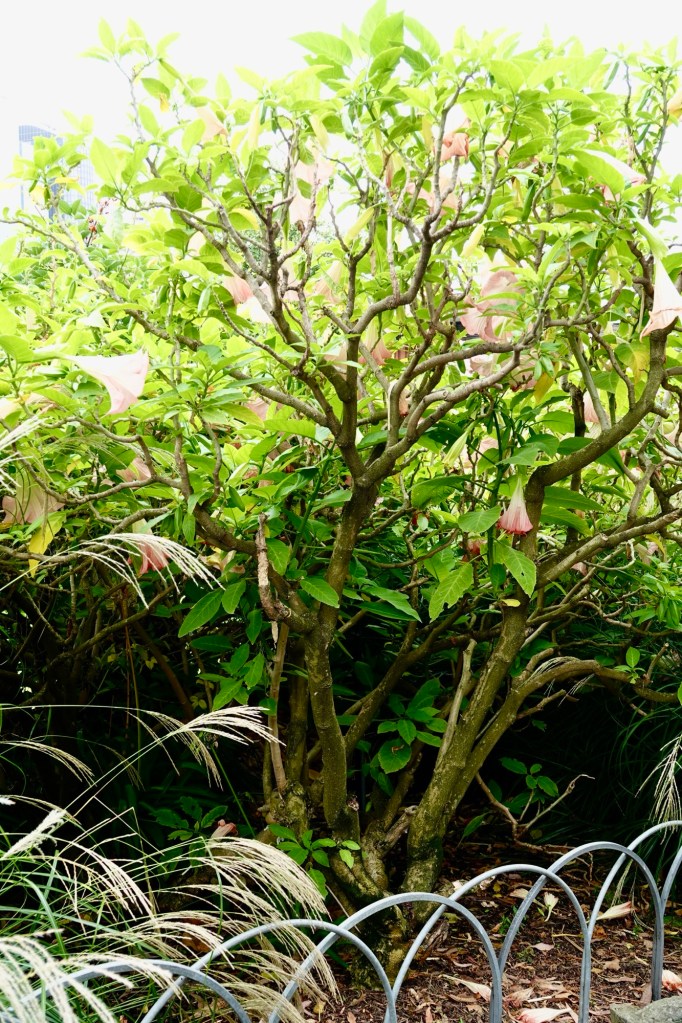
The beautiful but VERY poisonous Angel’s Trumpet plant.
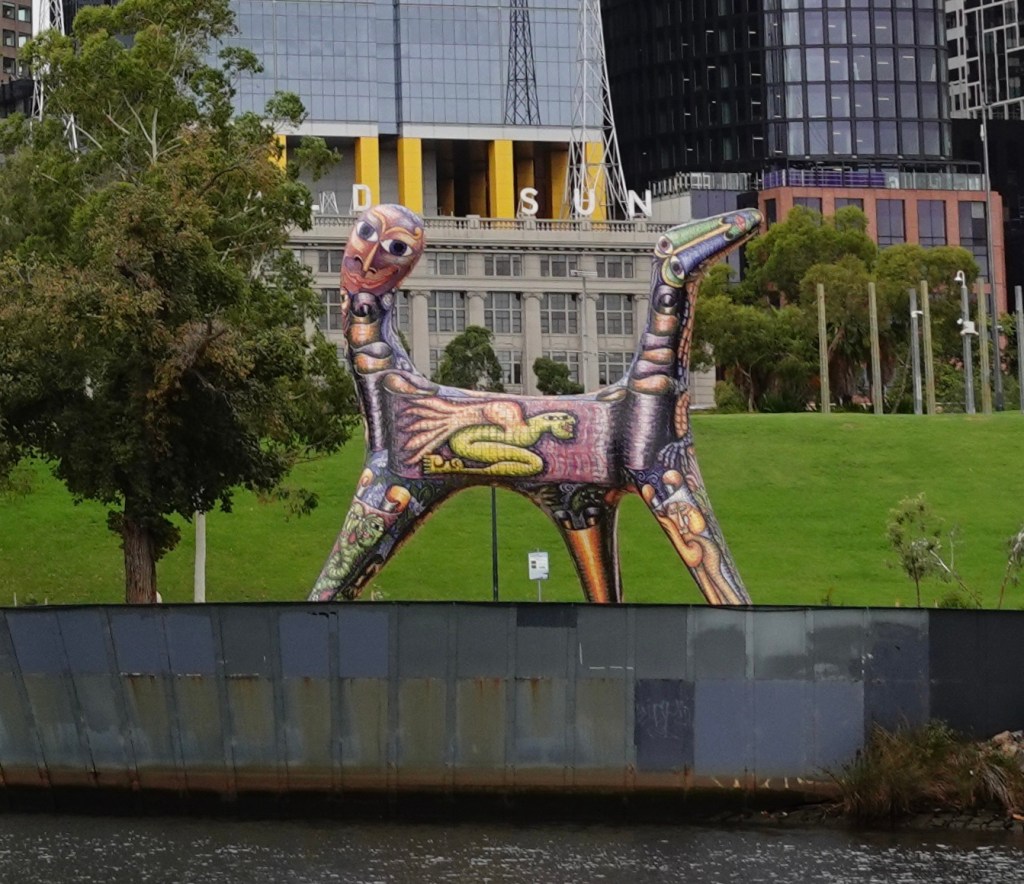
On the opposite bank of the river, “Angel” by Australian artist Deborah Halpern.
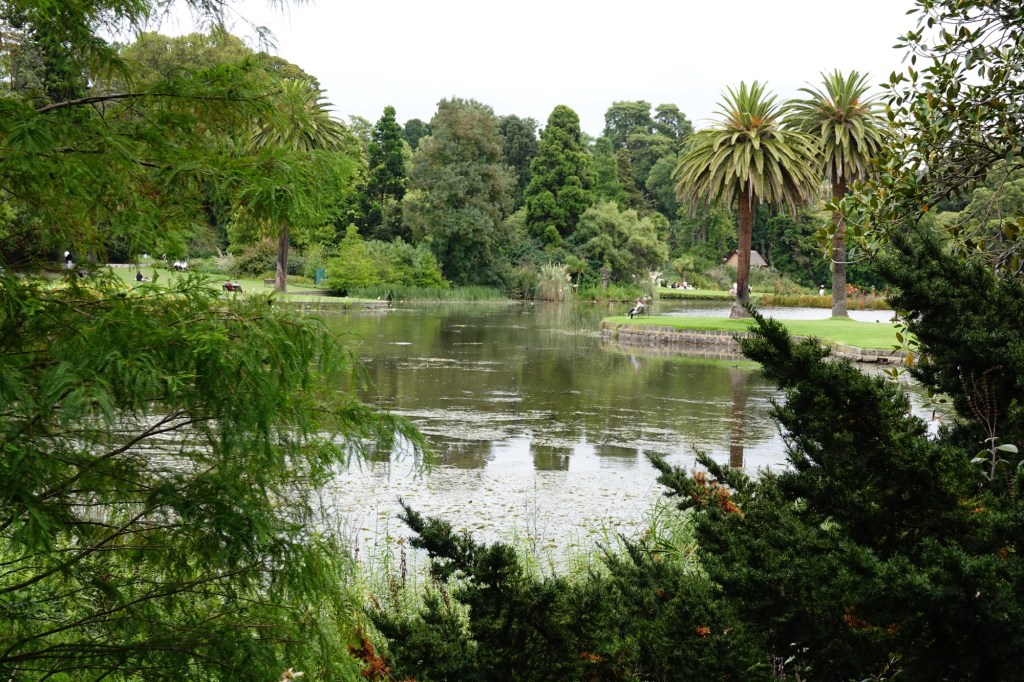
An overview of the park which surrounds Government House and includes all the various gardens.
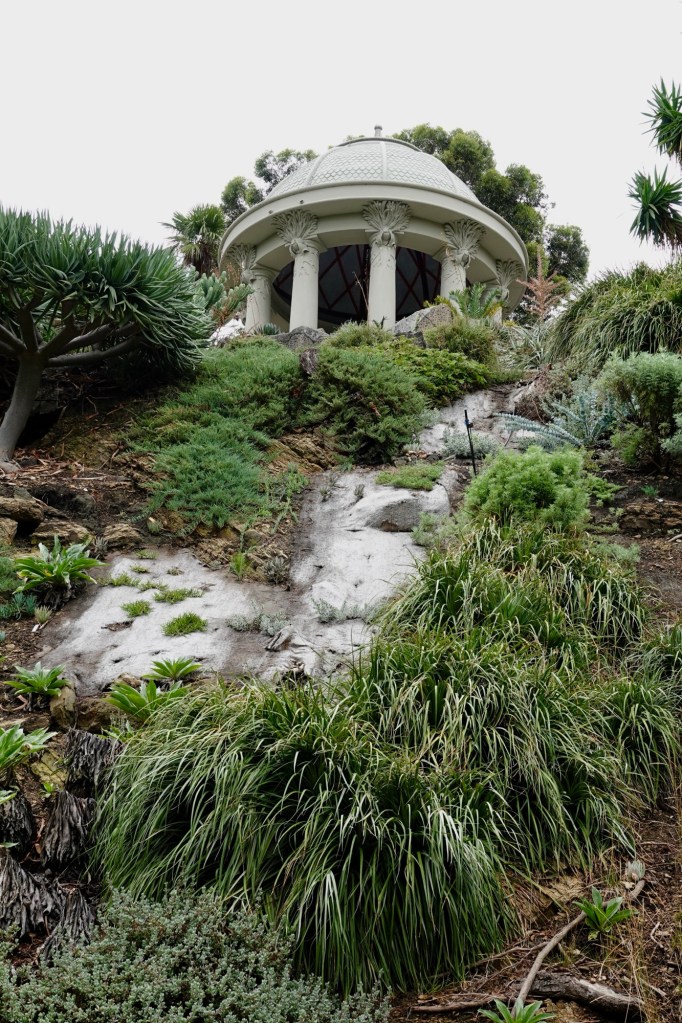
The Temple of the Winds, seen from the Yarra River Trail. We’d see it again.
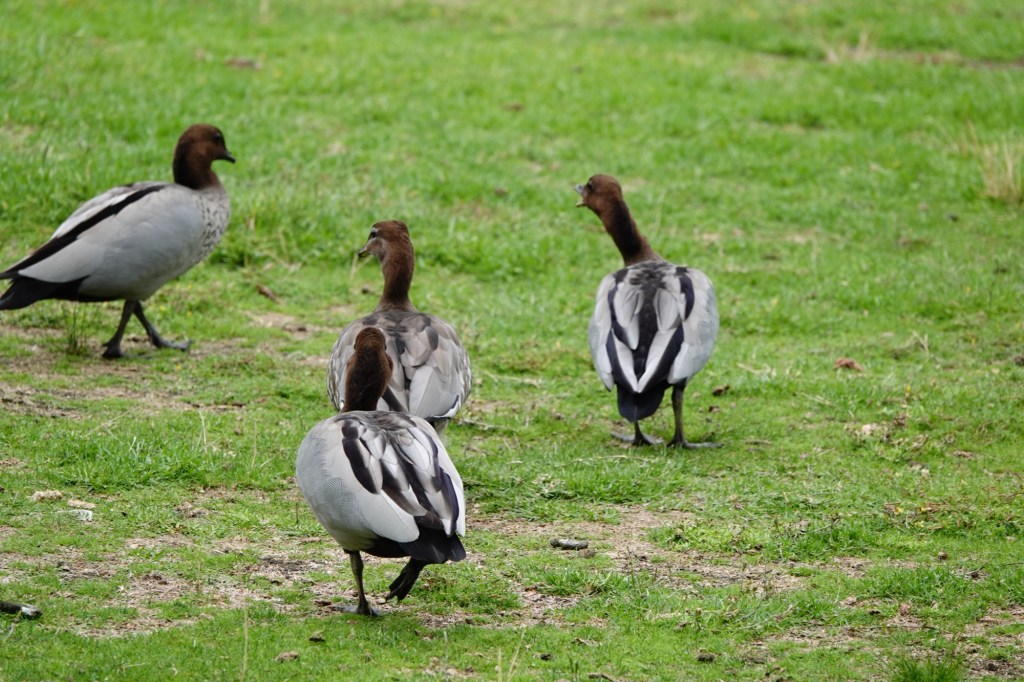
Australian wood ducks.
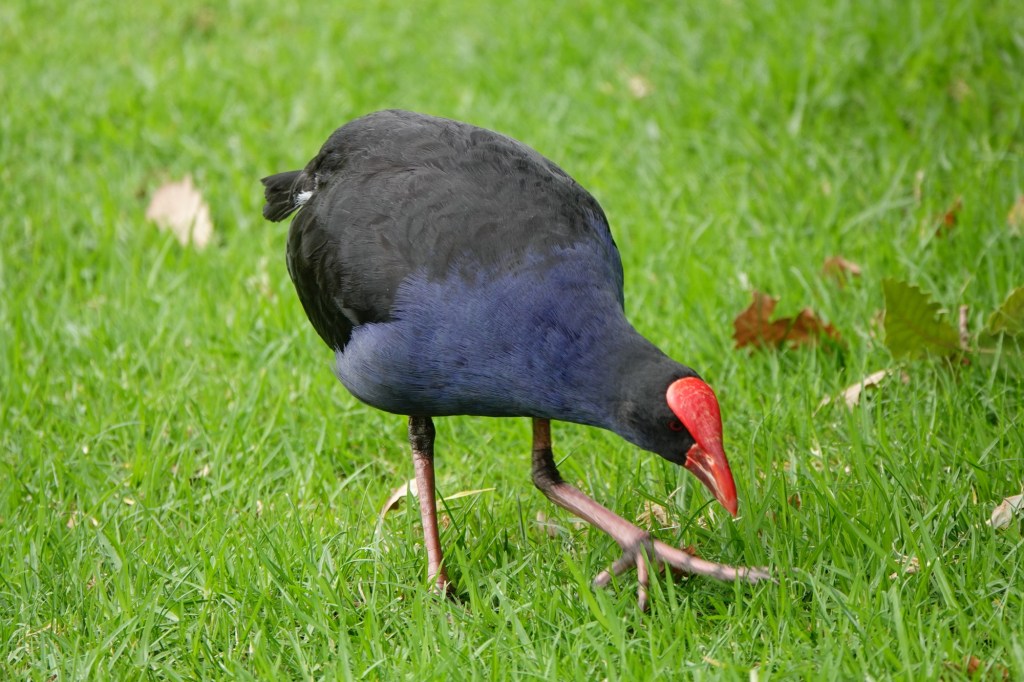
Australasian Swamphen, AKA Purple Swamphen.
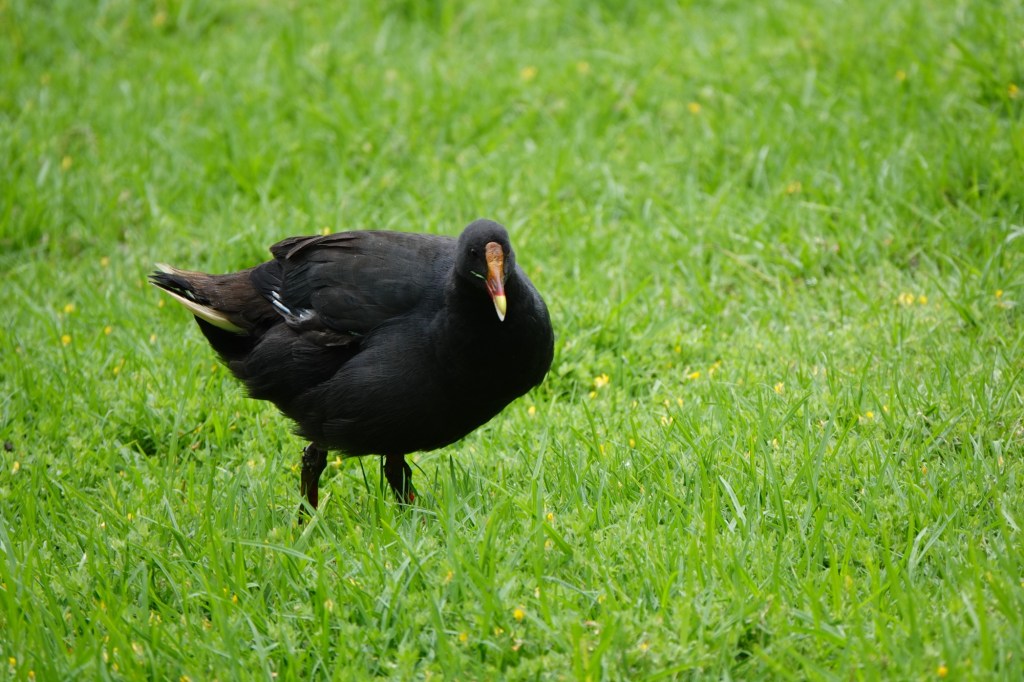
Dusky moorhen.
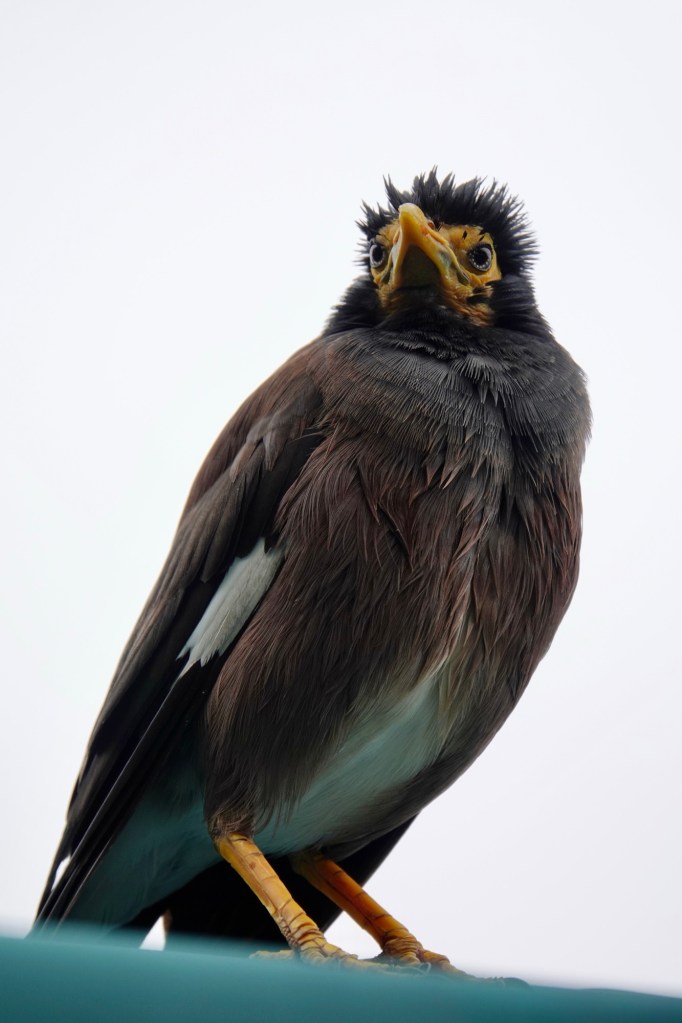
Common myna with an attitude.
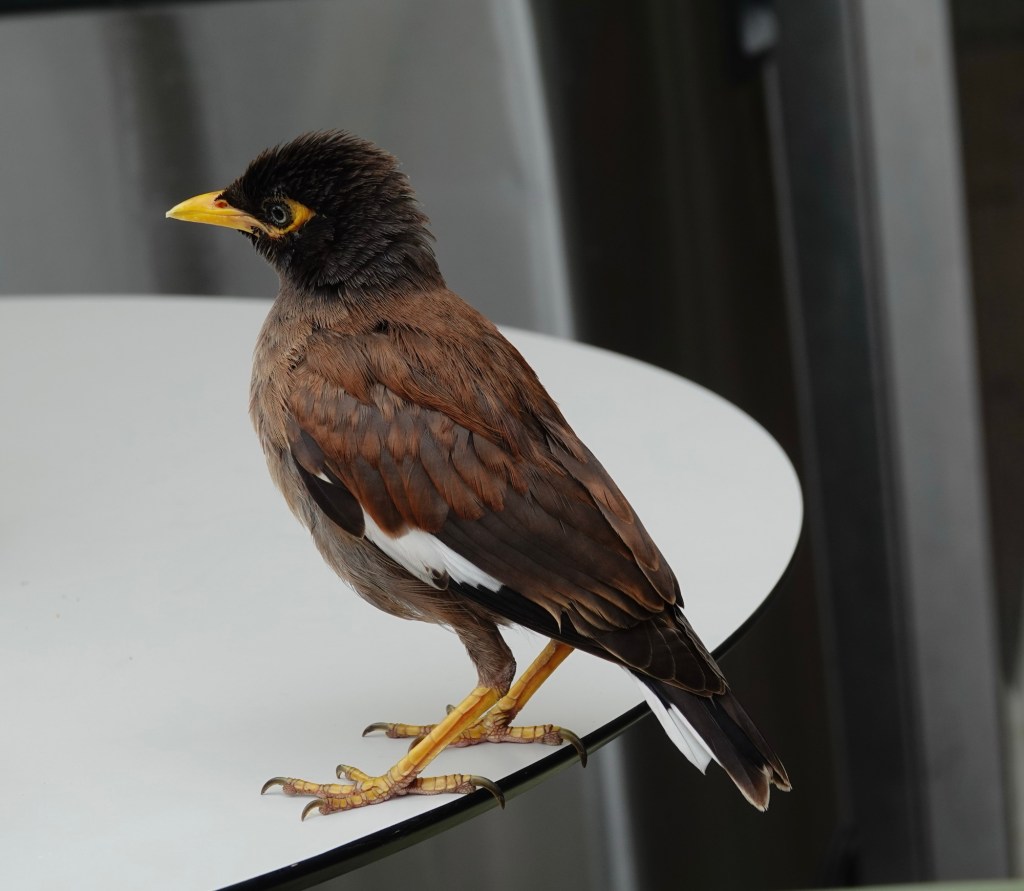
Without the attitude
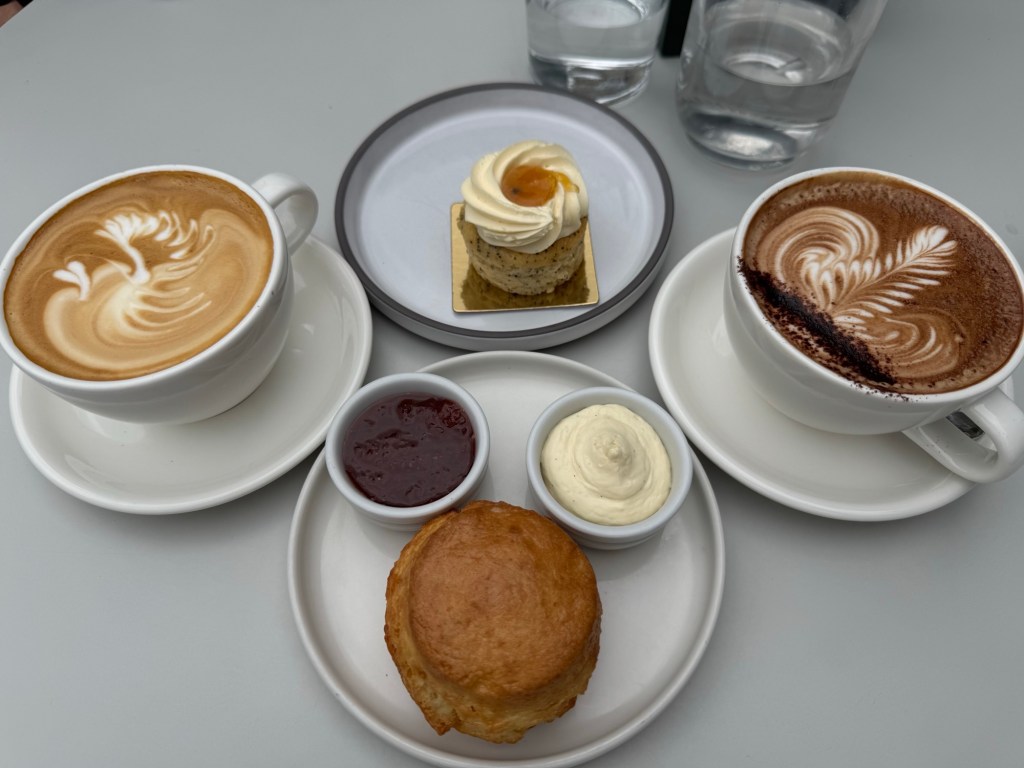
“Lunch” in the Royal Botanic Garden Terrace: flat white, lemon poppyseed cake, scone with jam and cream, mochaccino.
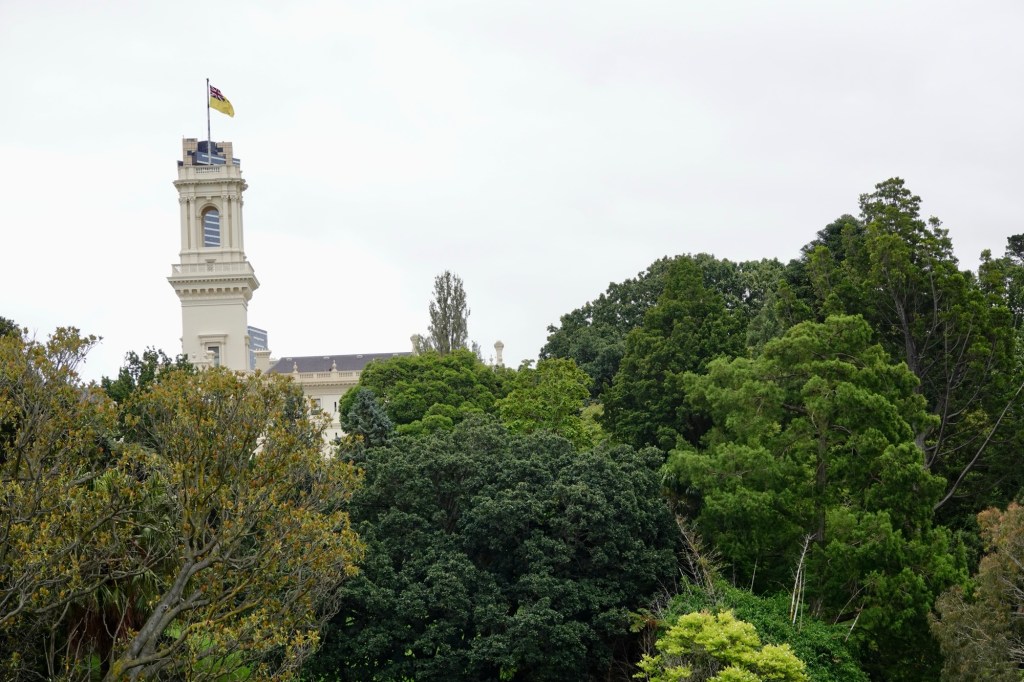
A glimpse of Government House. We were not allowed on the grounds (apparently someone forgot to make us official Canadian ambassadors).
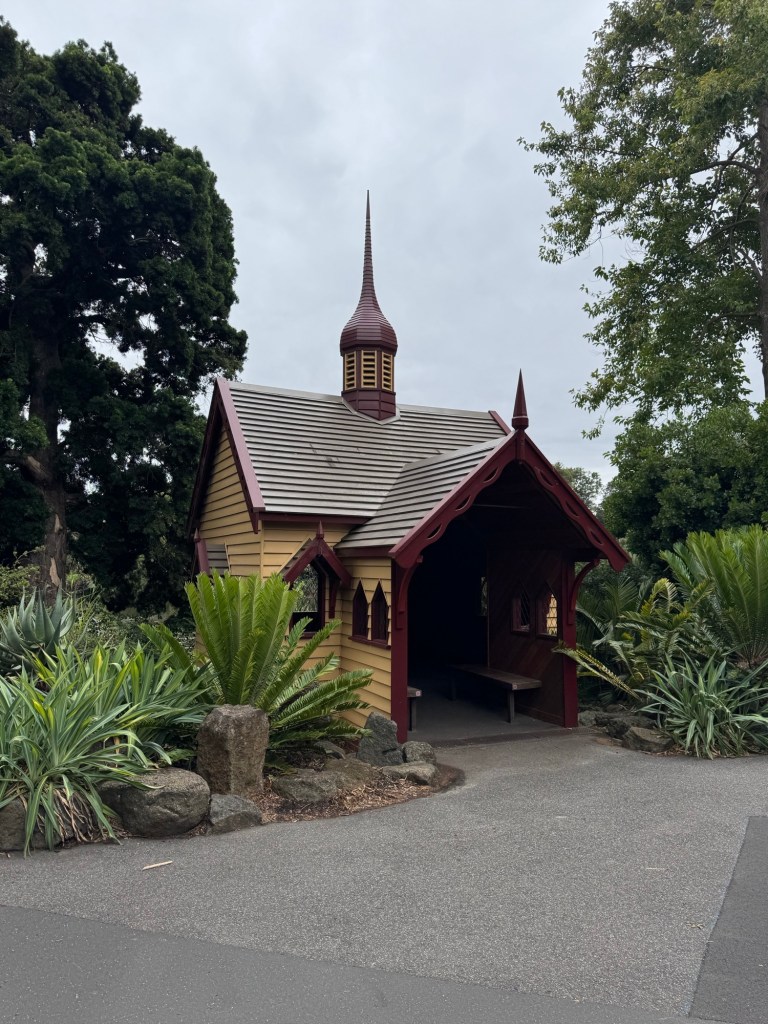
William Tell Rest House.
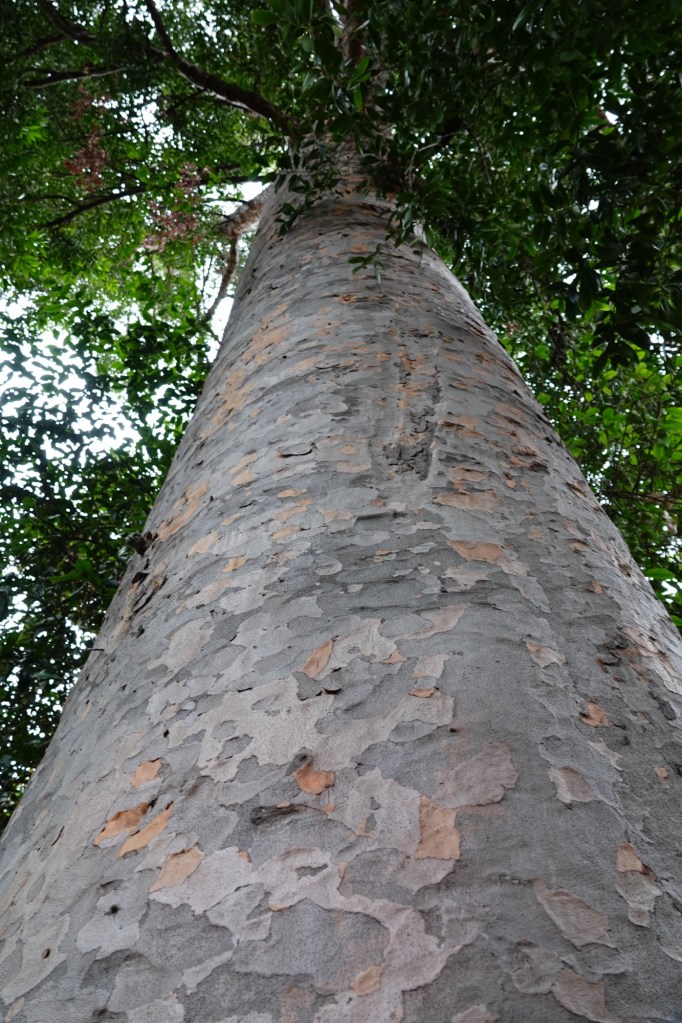
The Queensland Kauris are native conifers. They were heavily logged, and now only occur in two pockets of Queensland. This mighty tree was planted in the mid 1800s.
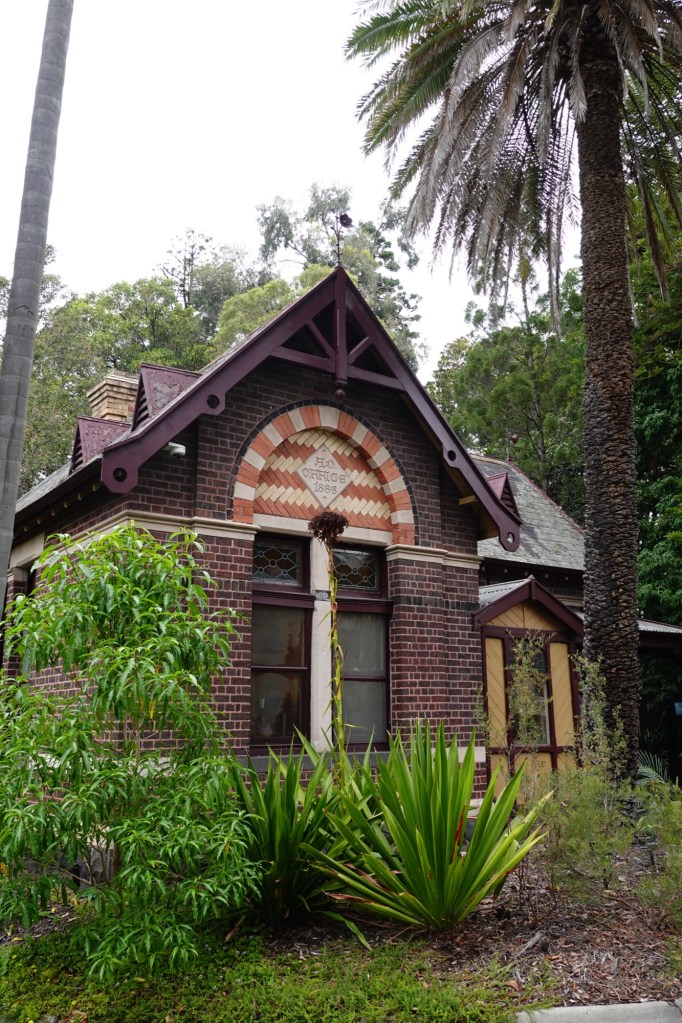
The Observatory Gate Lodge
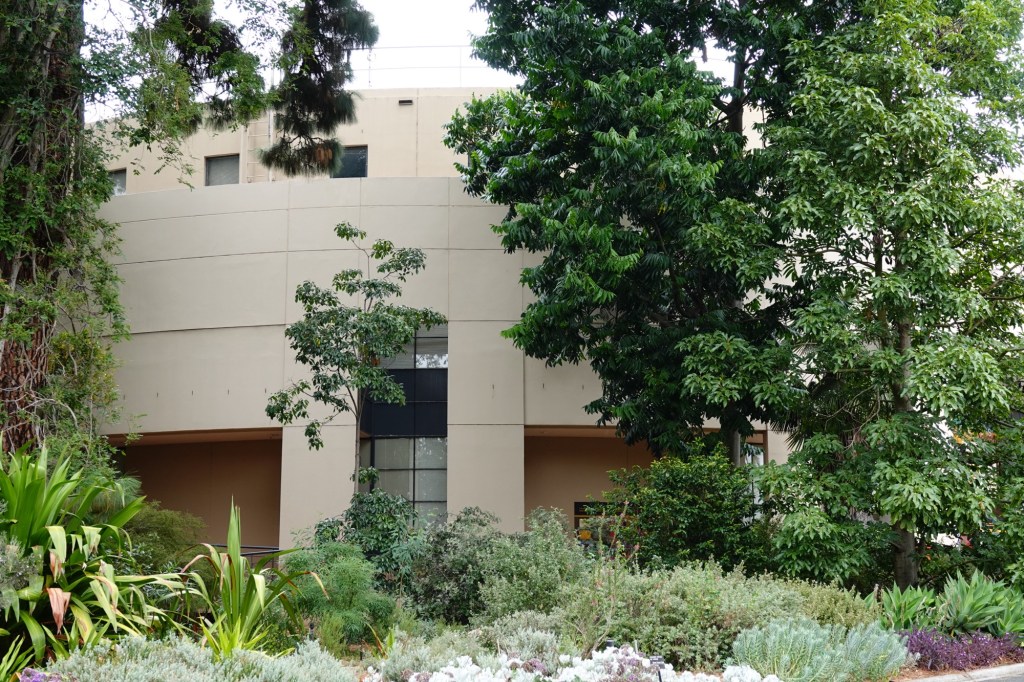
The National Herbarium of Victoria holds Australia’s oldest and most comprehensive collection of preserved plants and fungi. Established in 1853 by Ferdinand von Mueller, the Herbarium now holds more than 1.2 million specimens, along with botanical literature, artwork and historical material. The Herbarium is a working scientific institution – visitors are only allowed pre-approved and by appointment.
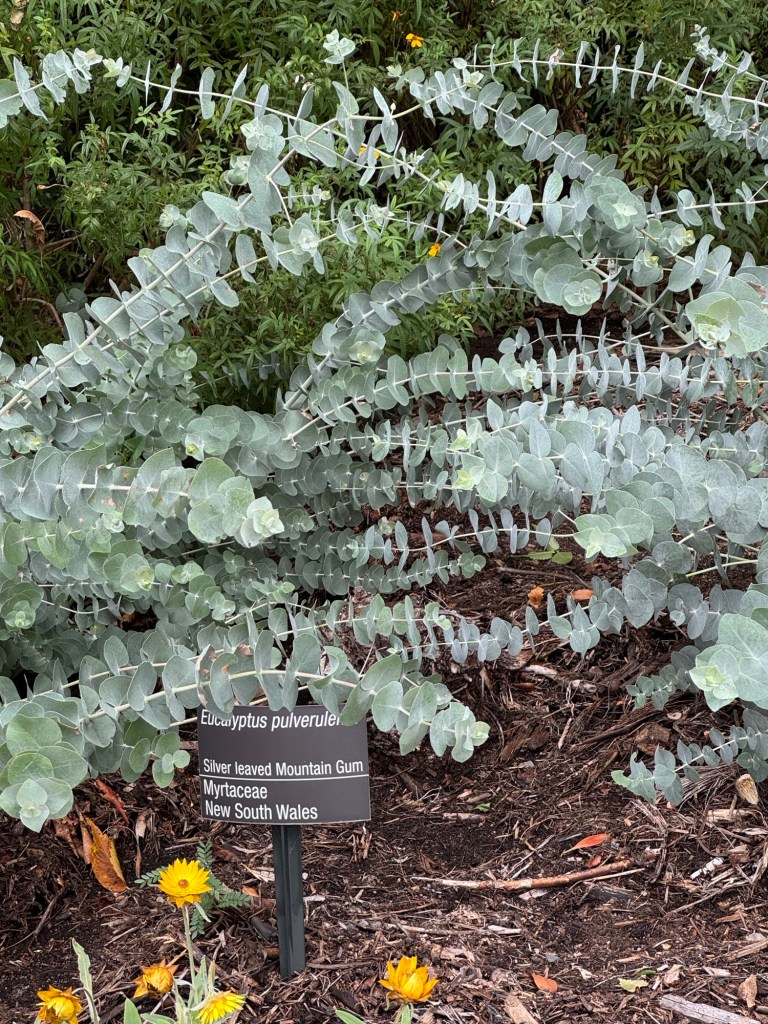
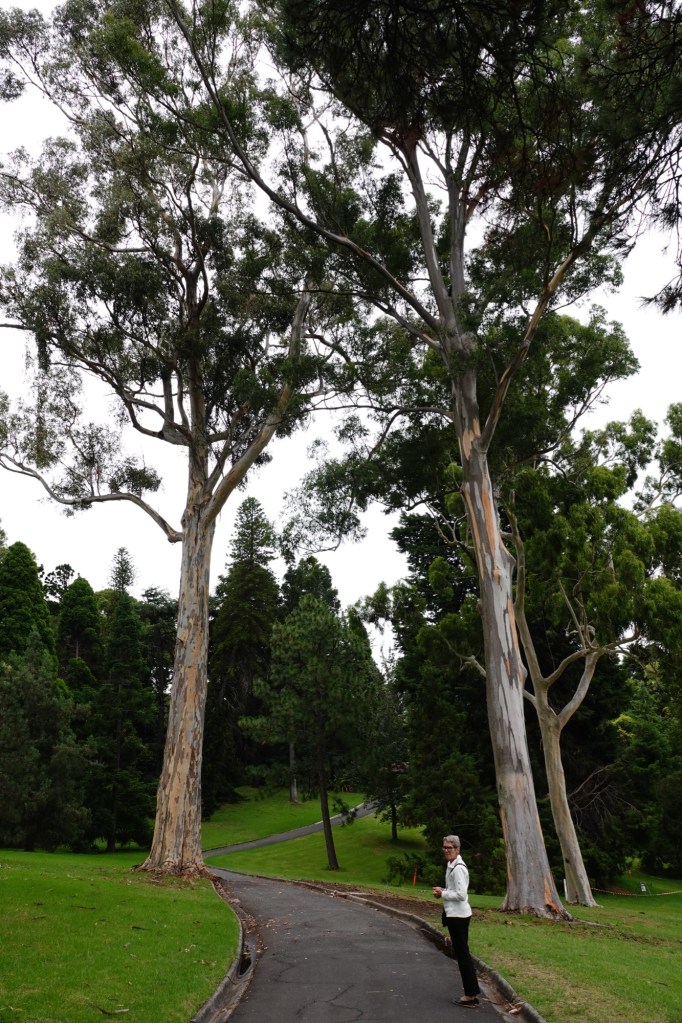
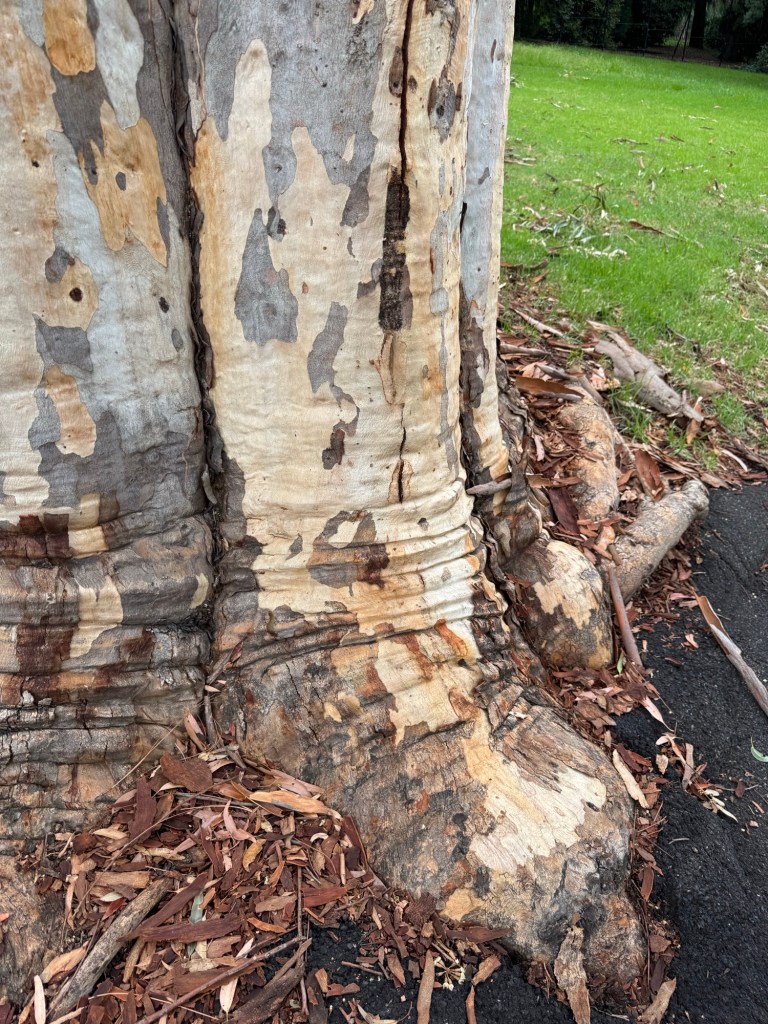
Finally – the kind of eucalyptus I’m used to seeing in floral arrangements.
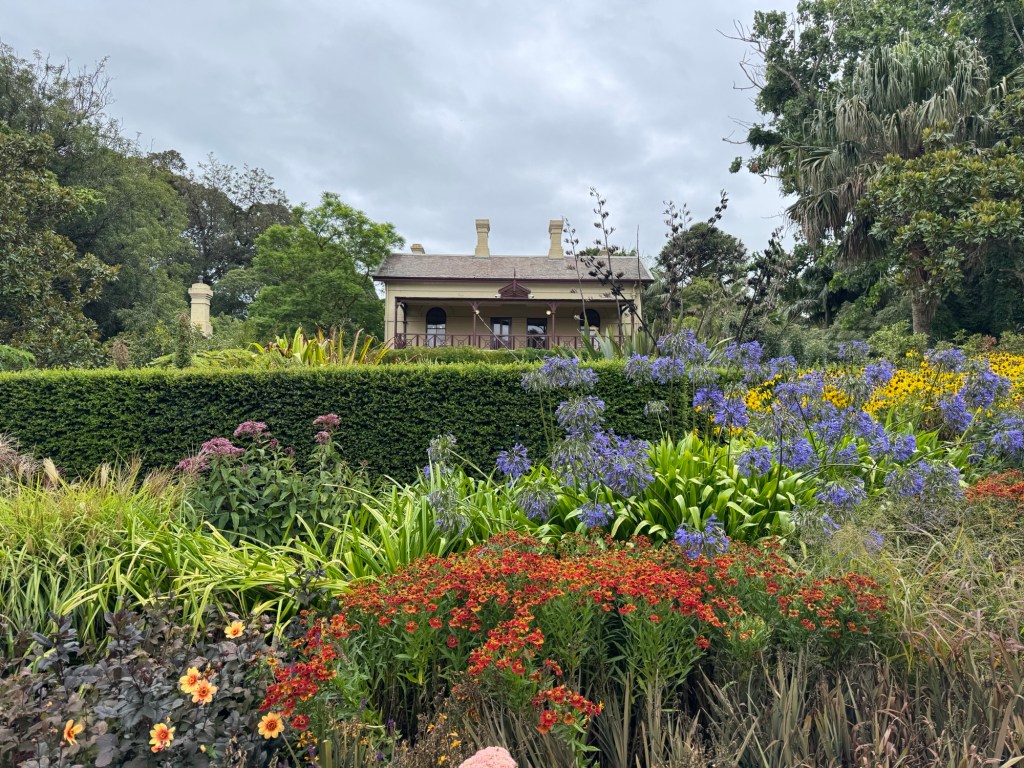
The Garden House (open only as an event venue), with the Perennial Gardens in the foreground.
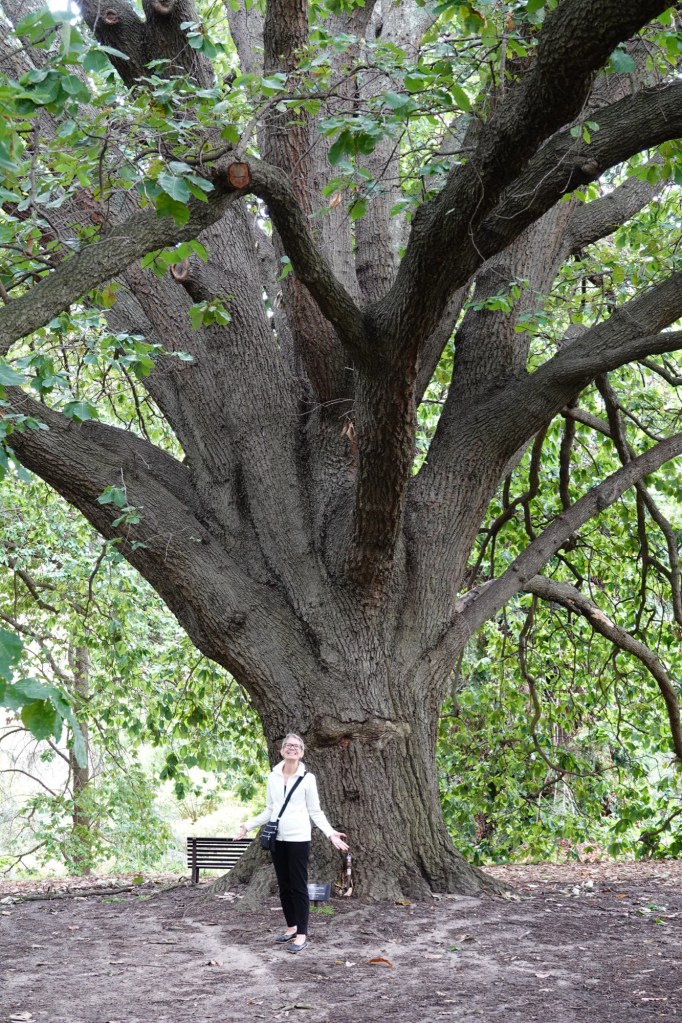
Tristaniopsis laurina KANOOKA, planted by HRH The Duke of York for HRH The Duchess of York 26 April 1927. The Duke later became King George VI. Next to it was an ALGERIAN OAK planted by The Hon. Charles Melbourne Hope 26 March 1895
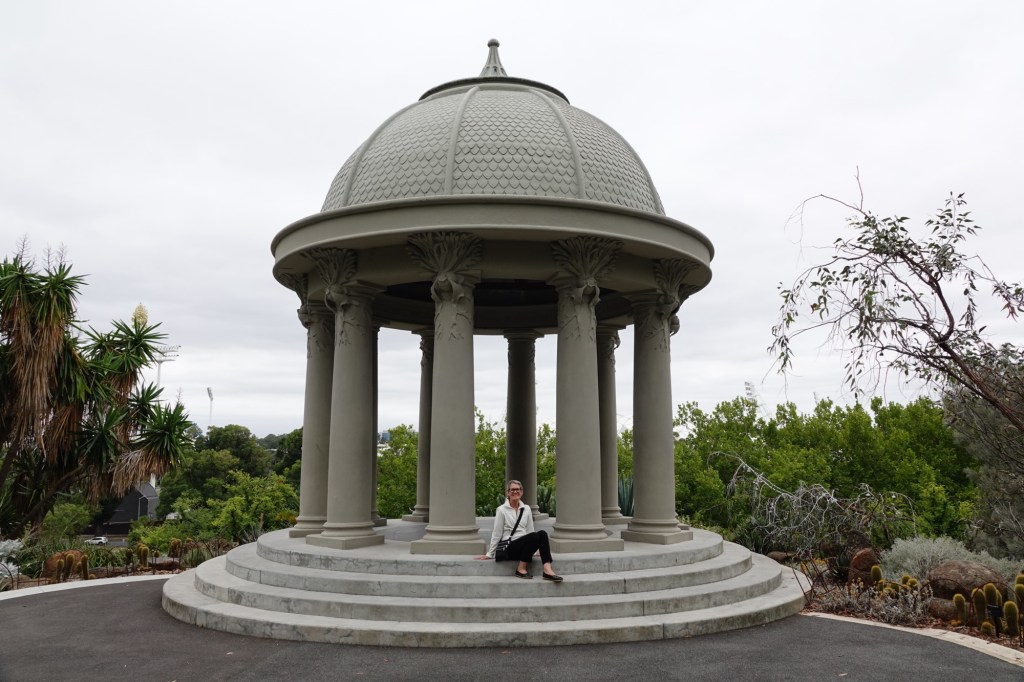
We finally reached the Temple of the Winds.
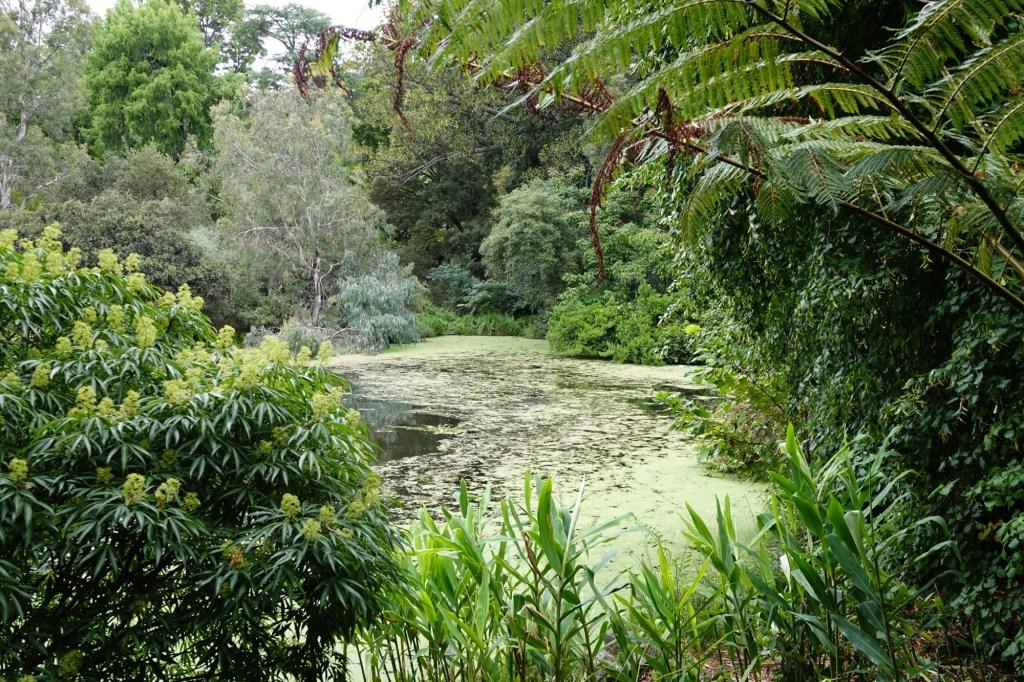
Still no koalas, but several kinds of eucalyptus trees.
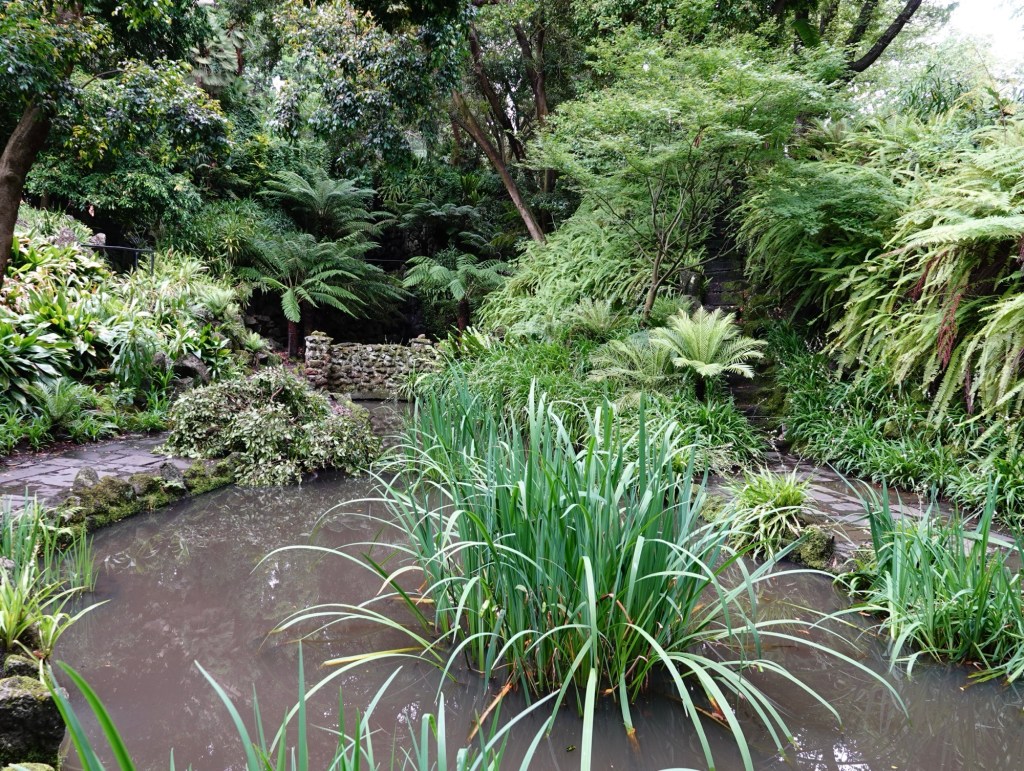
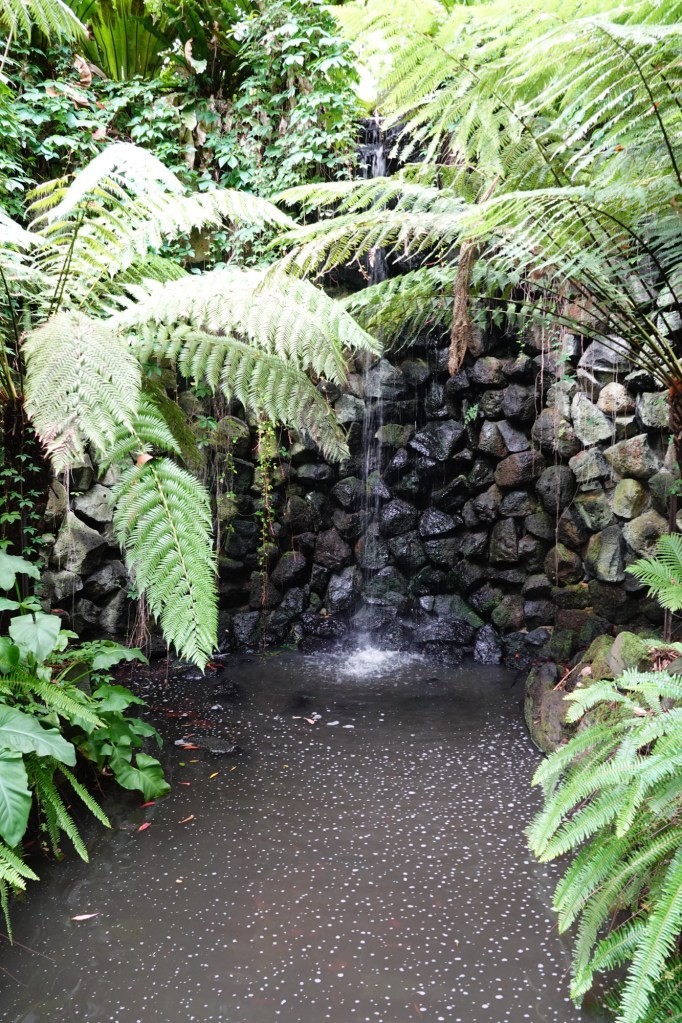
King’s Domain Fern Gully.
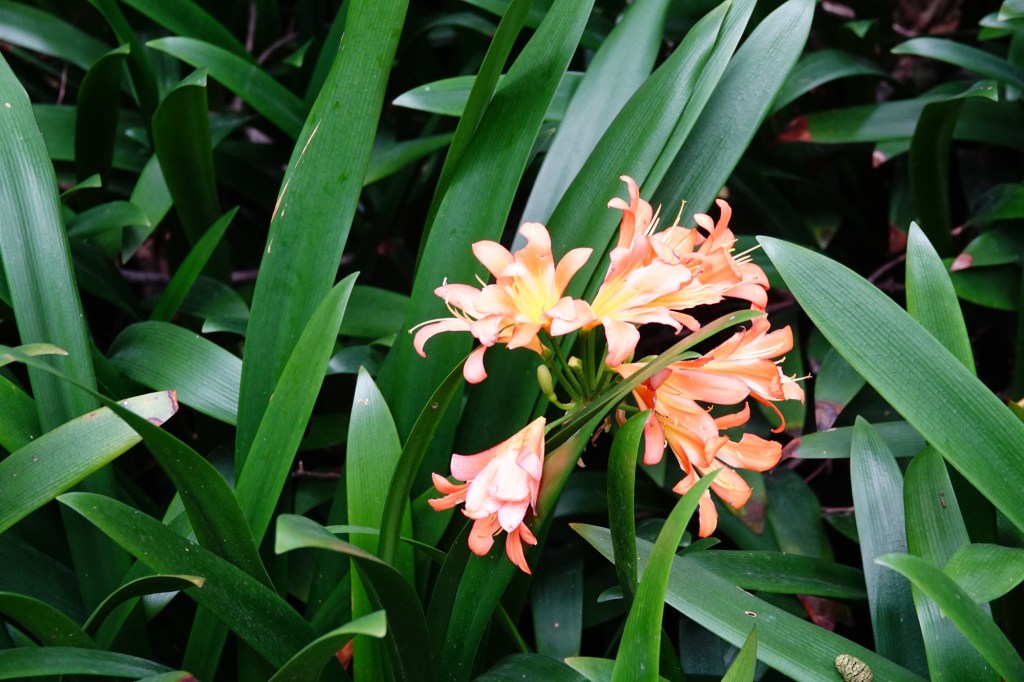
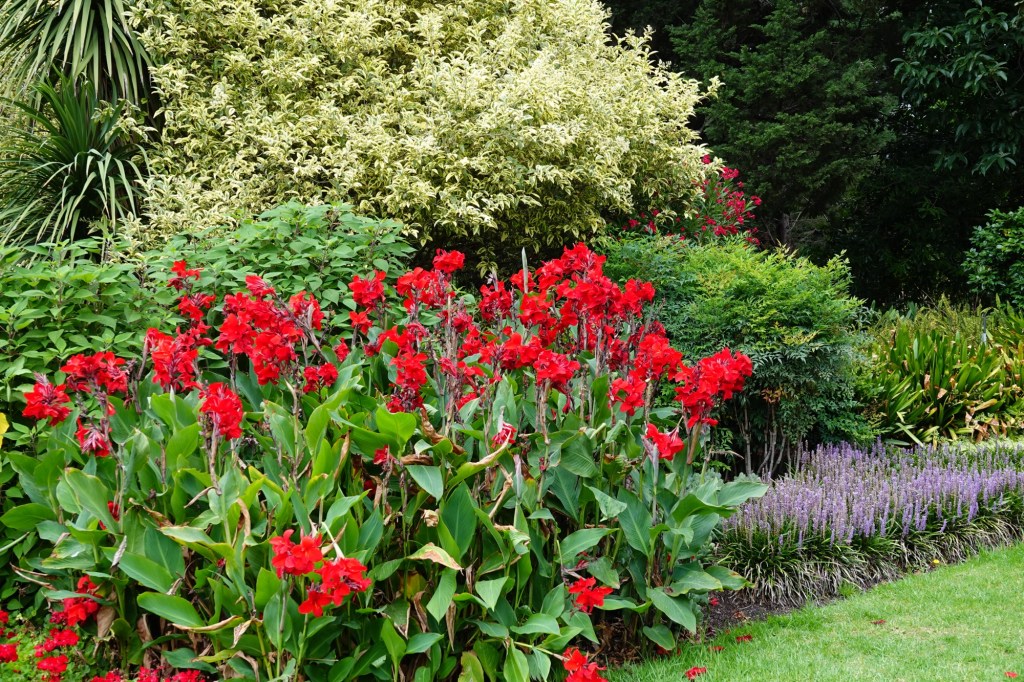
A gorgeous pop of colour.
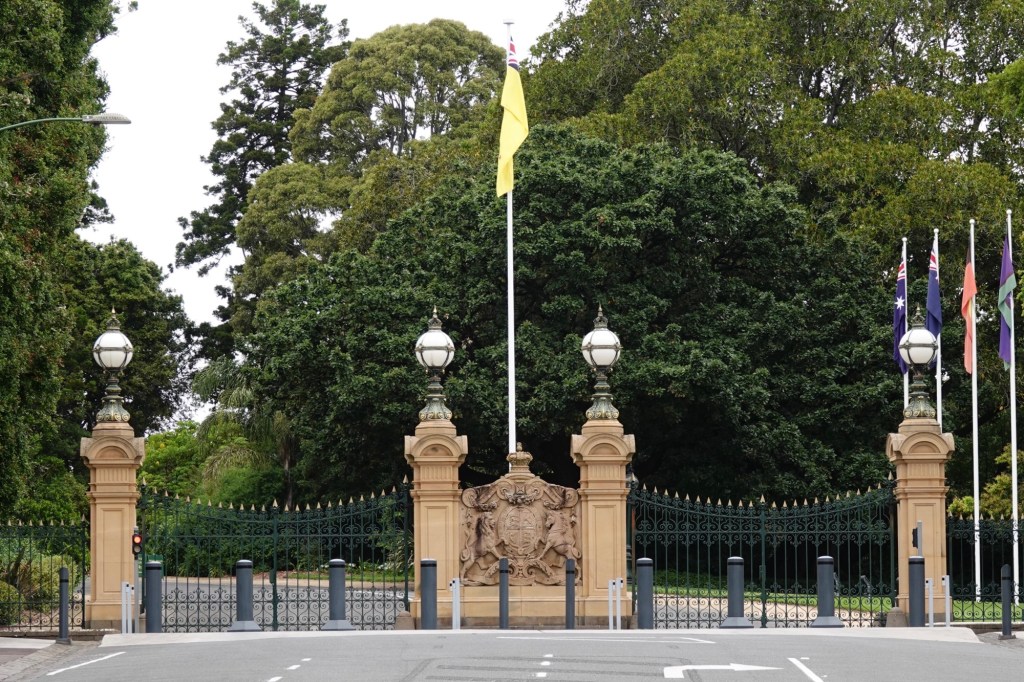
The gates keeping us out of Government House. Sigh.
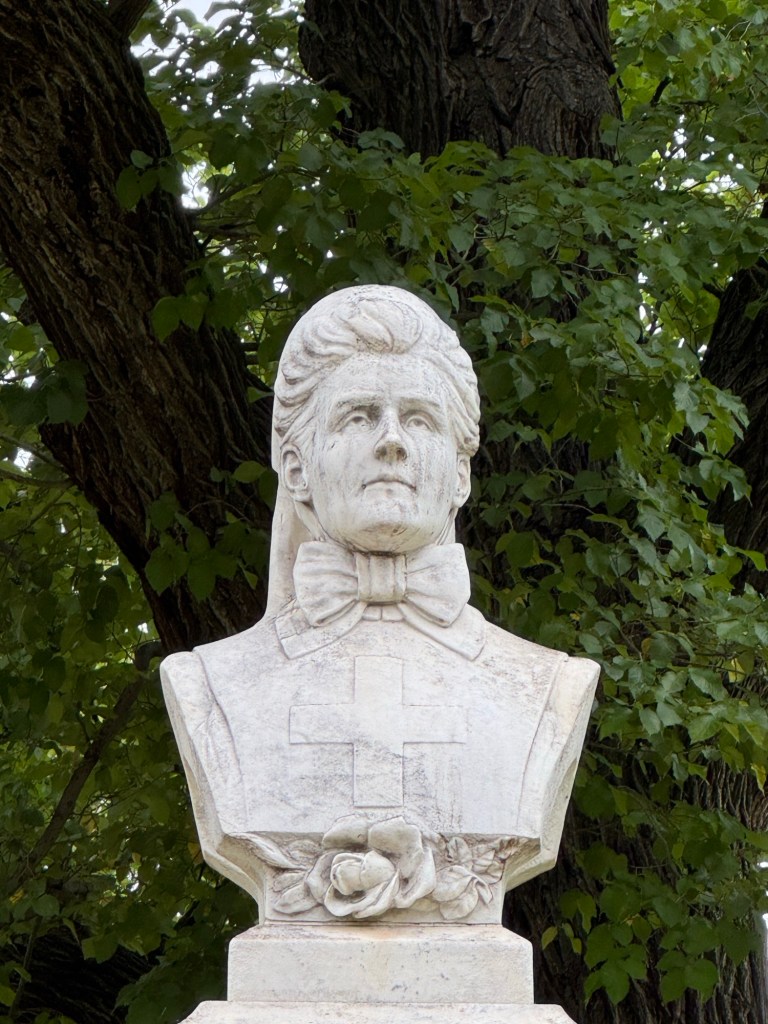
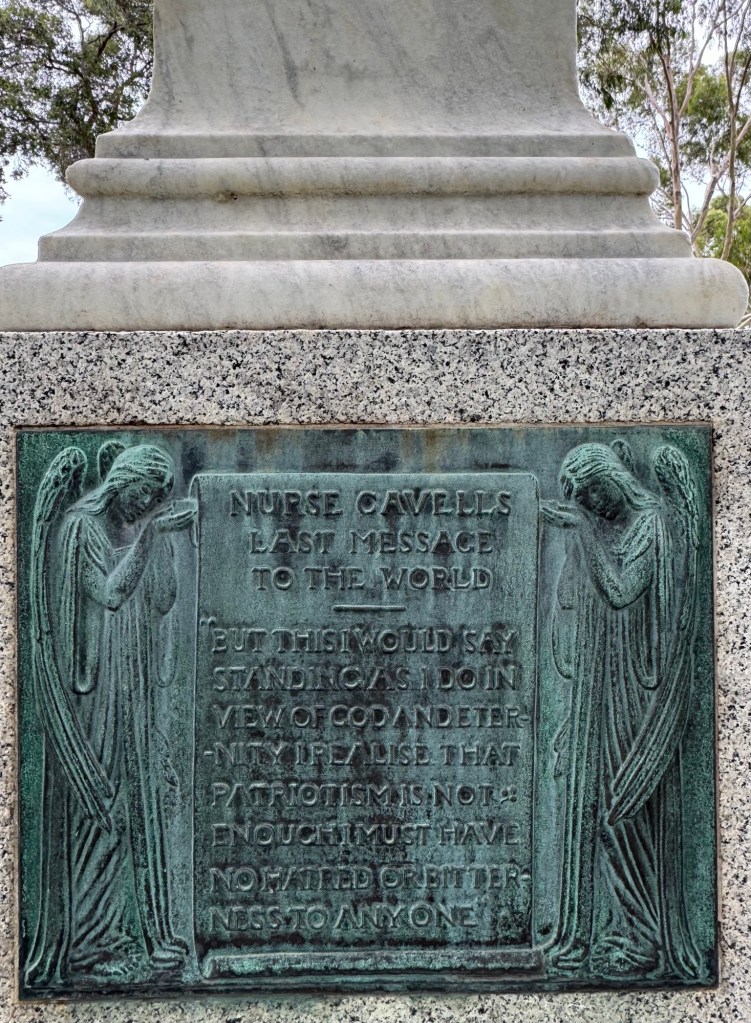
A wonderful last message.
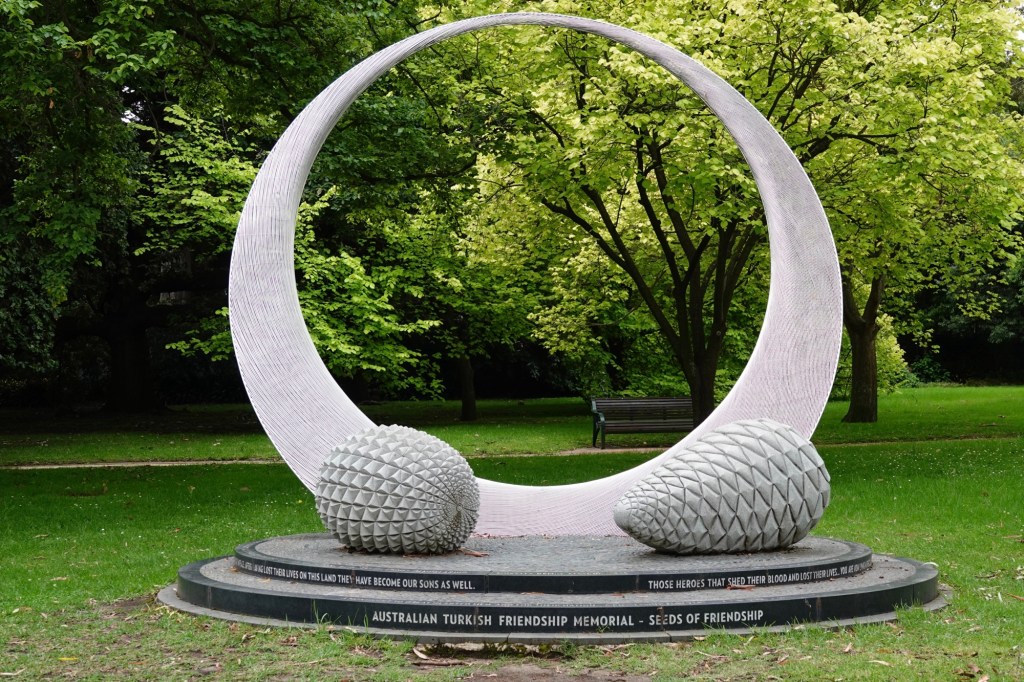
The inscription underneath the Australian Turkish Friendship Memorial – Seeds of Friendship reads: “Those heroes that shed their blood and lost their lives… You are now lying in the soil of a friendly country. Therefore rest in peace. There is no difference between the Johnnies and the Mehmeys to us where they lie side-by-side now here in this country of ours… You, the mothers, who sent their sons from far away countries wipe away your tears; your sons are now lying in our bosom and are in peace. After having lost their lives on this land, they have become our sons as well.”
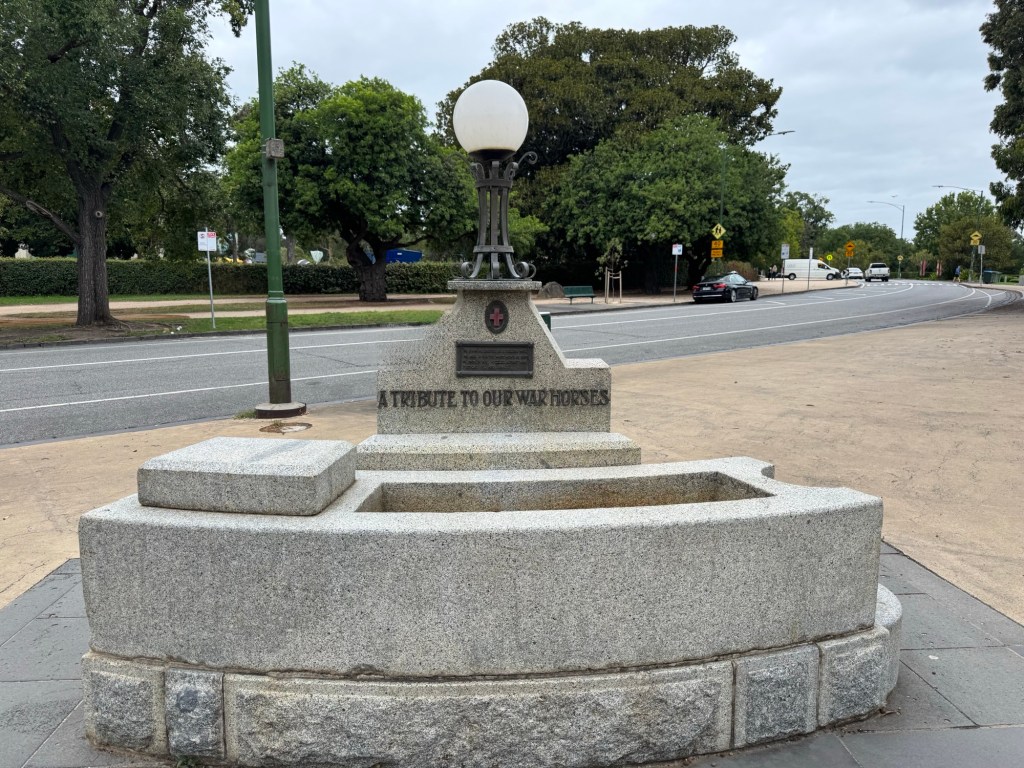
This is the second War Horse memorial we’ve seen; the other was in Adelaide. Both were created to look like horse troughs.
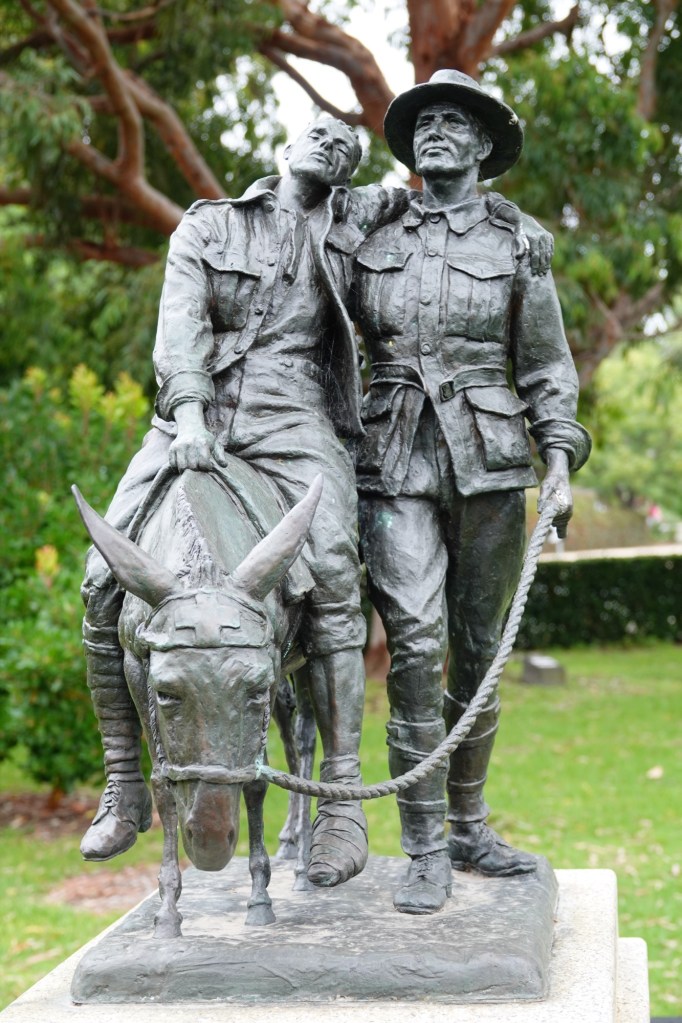
The plaque under this statue read: PRIVATE JOHN SIMPSON 3rd PA AIF. AFTER THE LANDING AT GALLIPOLI SIMPSON WITH HIS LITTLE DONKEY WORKED ALONE DAY AND NIGHT TAKING WATER TO THE FRONT LINE AND CARRYING THE WOUNDED BACK TO THE DRESSING STATIONS. HE AND HIS DONKEY WERE KILLED BY A SHRAPNEL SHELL ON 19-5-15.
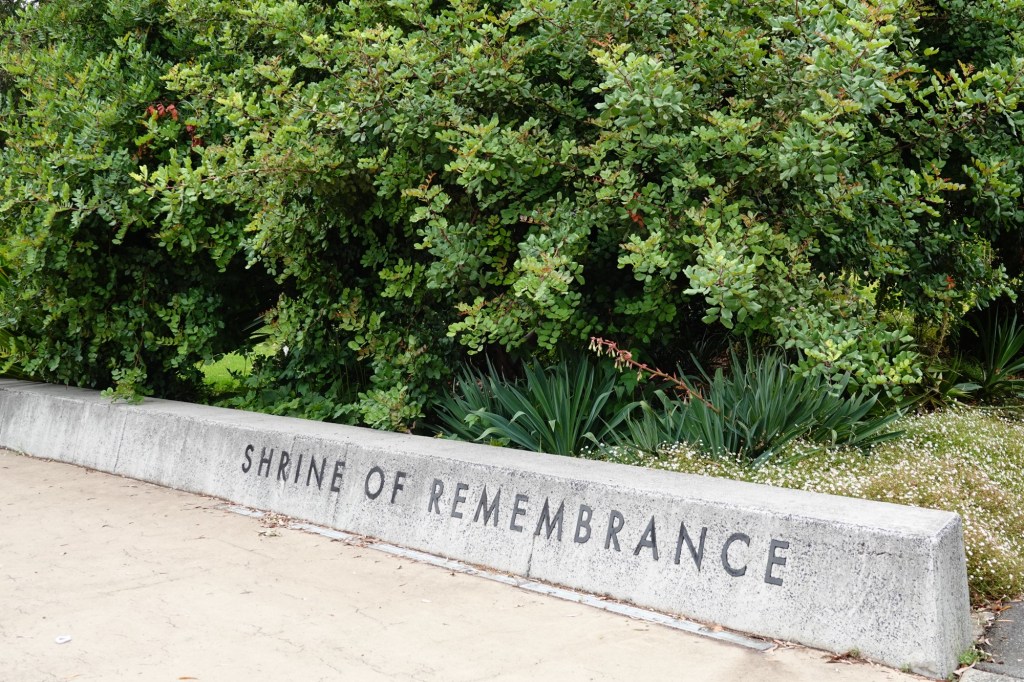
Sign at the entry to the huge park called the Shrine Reserve.
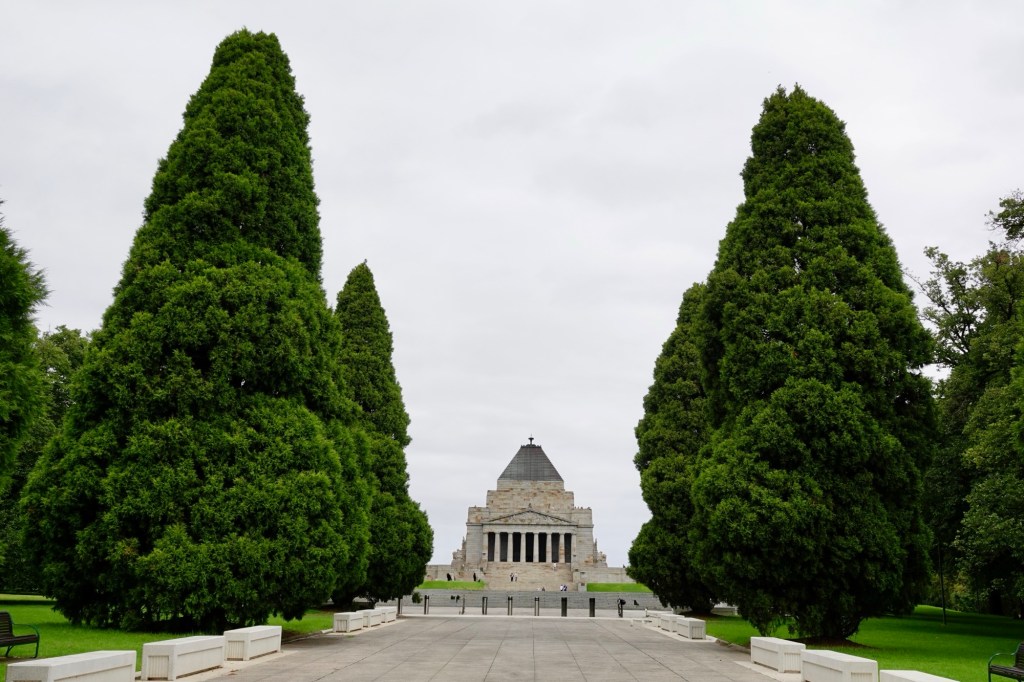
Our first glimpse of the Shrine.
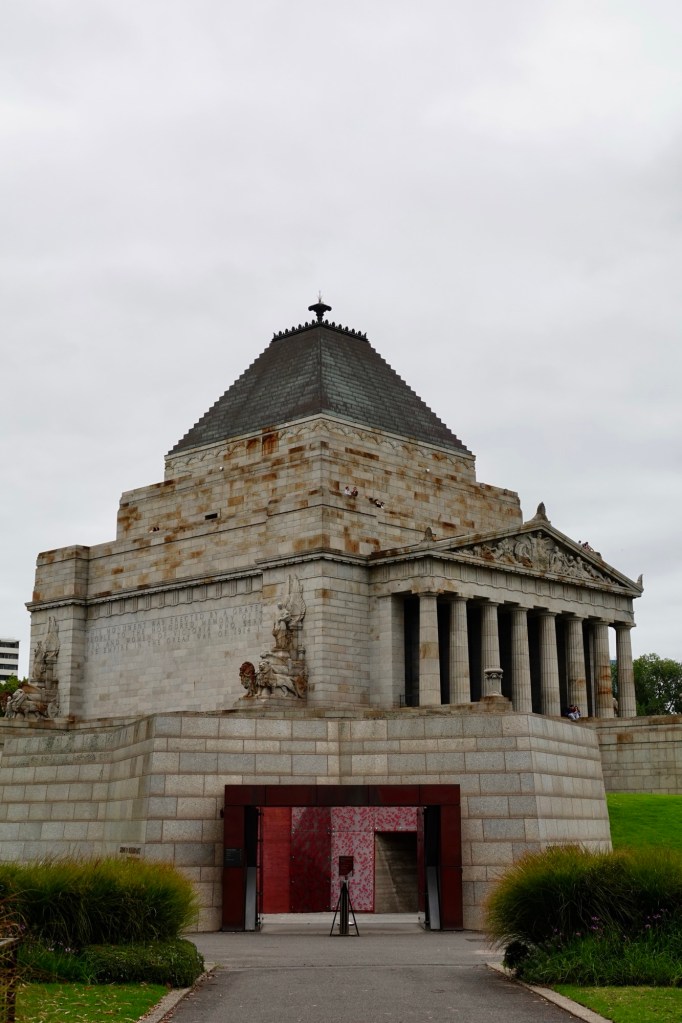
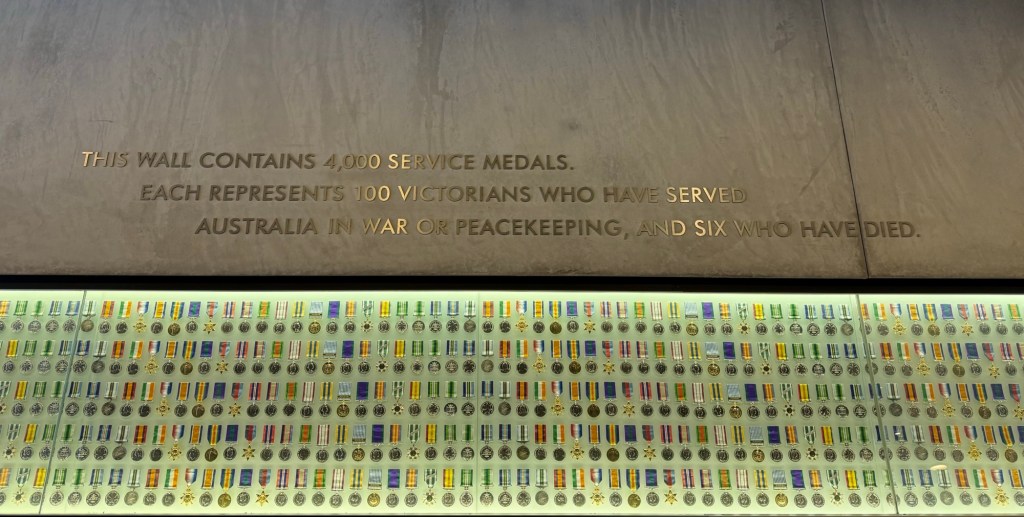
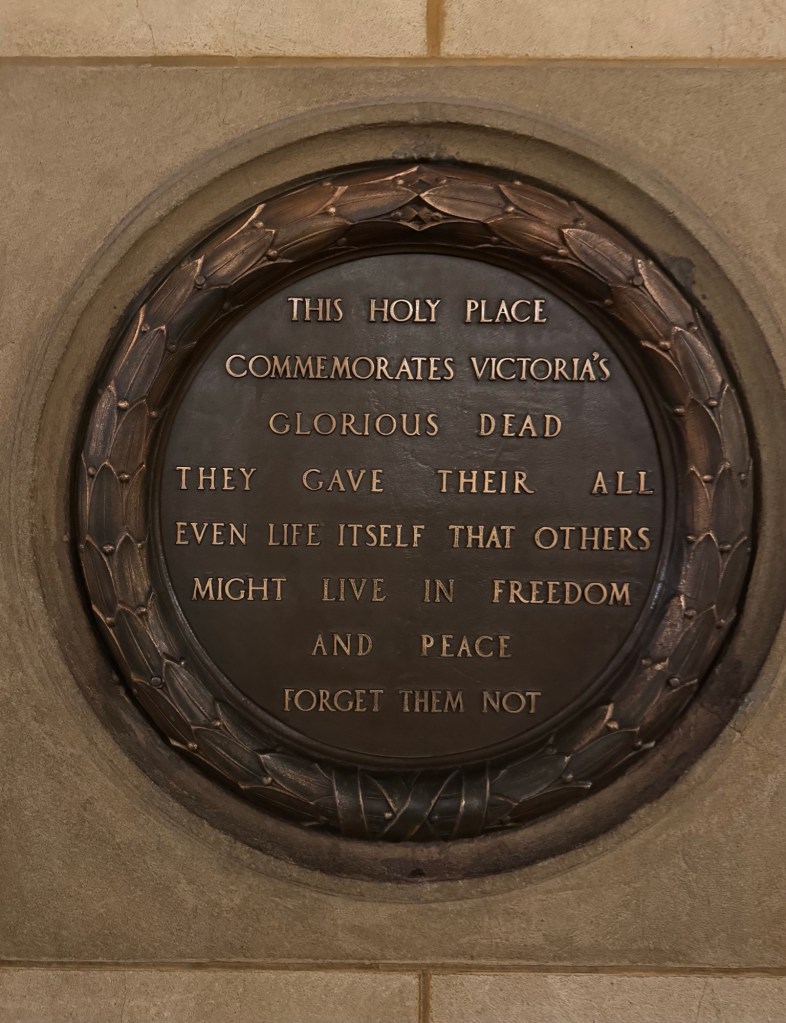
In the entrance hallway.
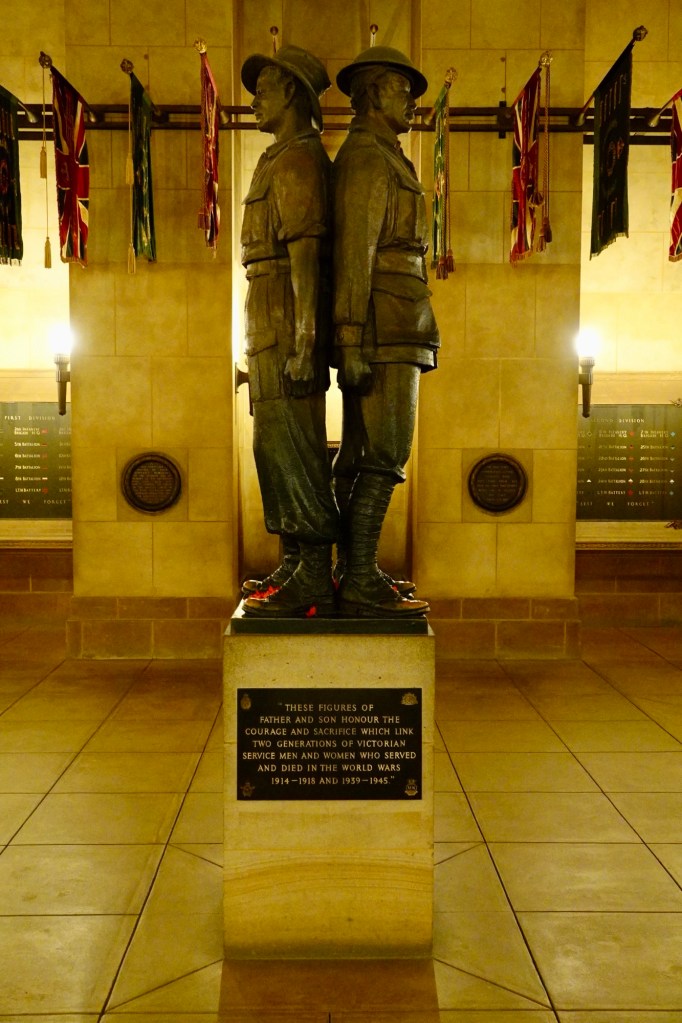
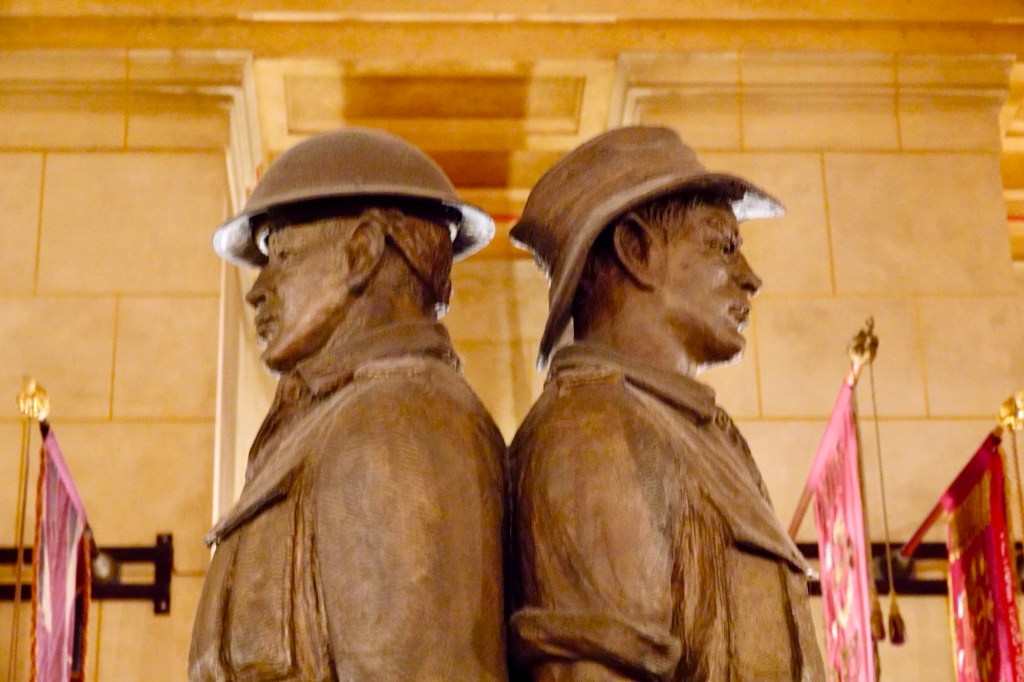
This statue in the crypt depicting a father and son, both in uniform, really brought home how close together the two World Wars were.
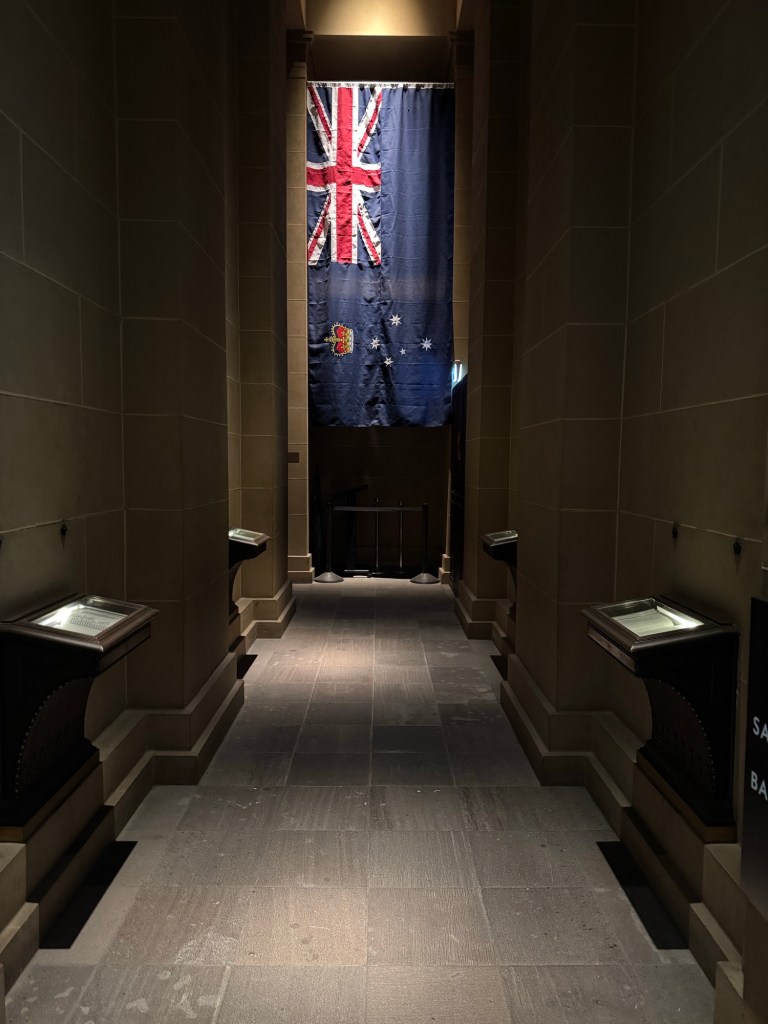
En route to the Sanctuary, flags taken into battles, and books with the lists of fallen soldiers.
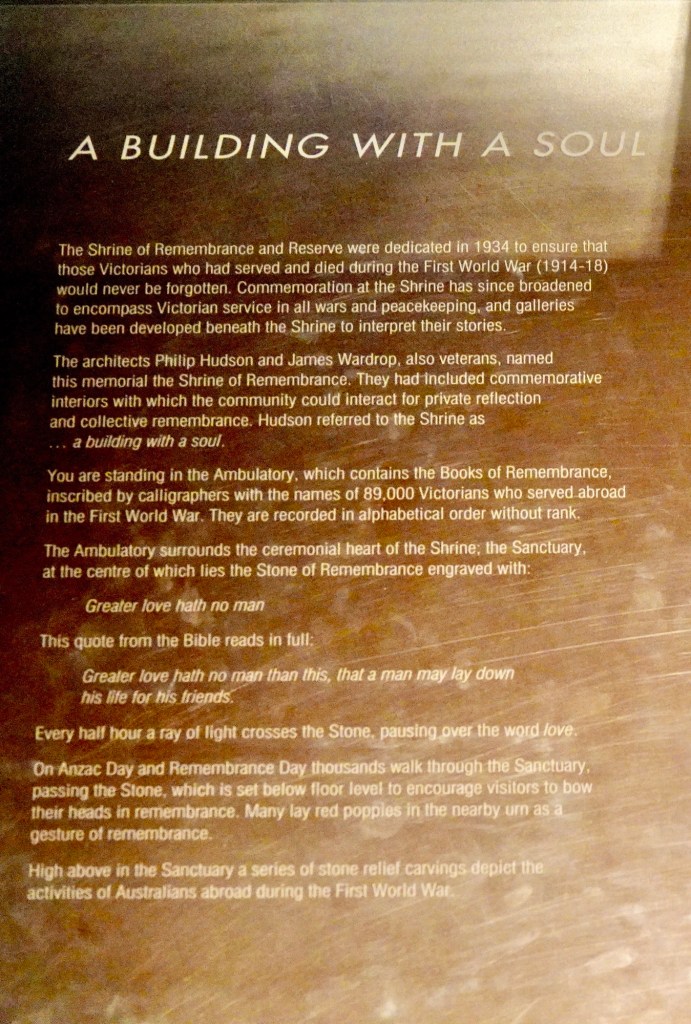
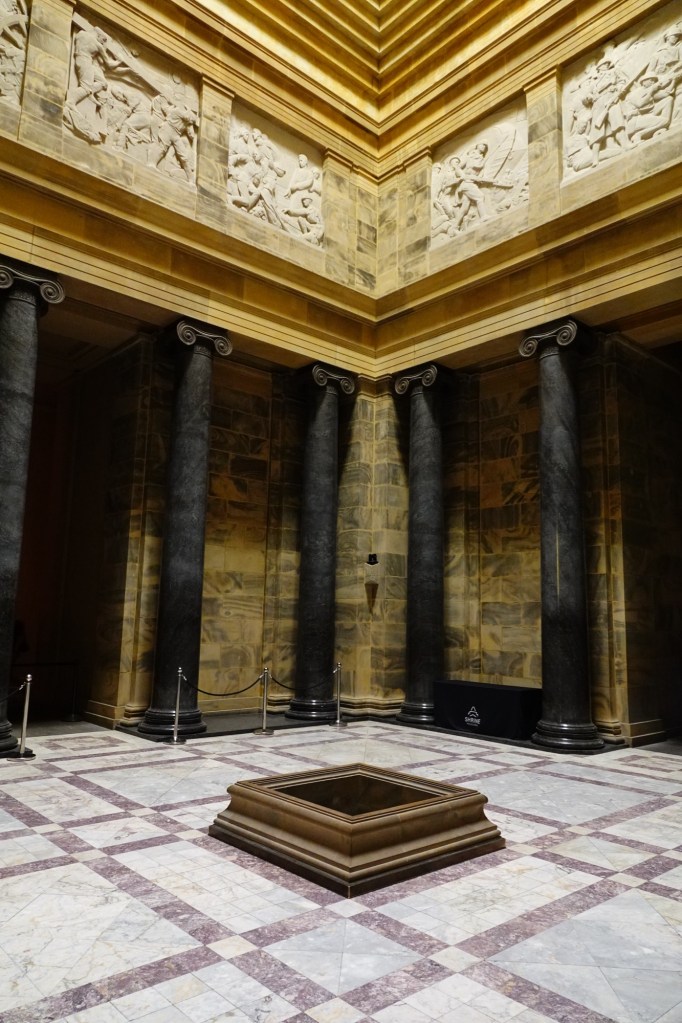
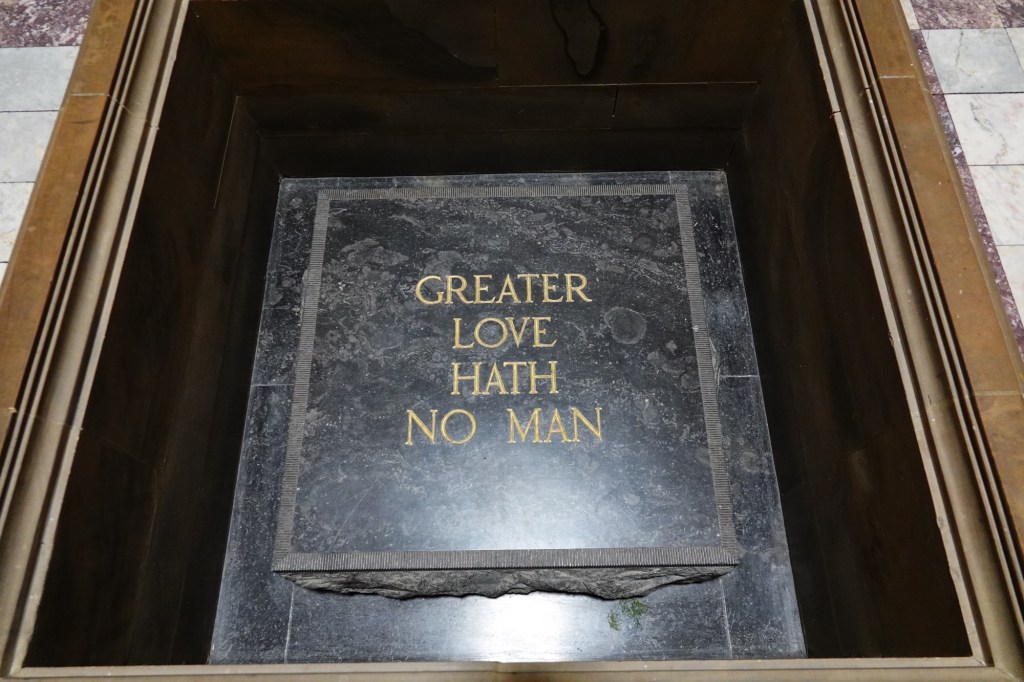
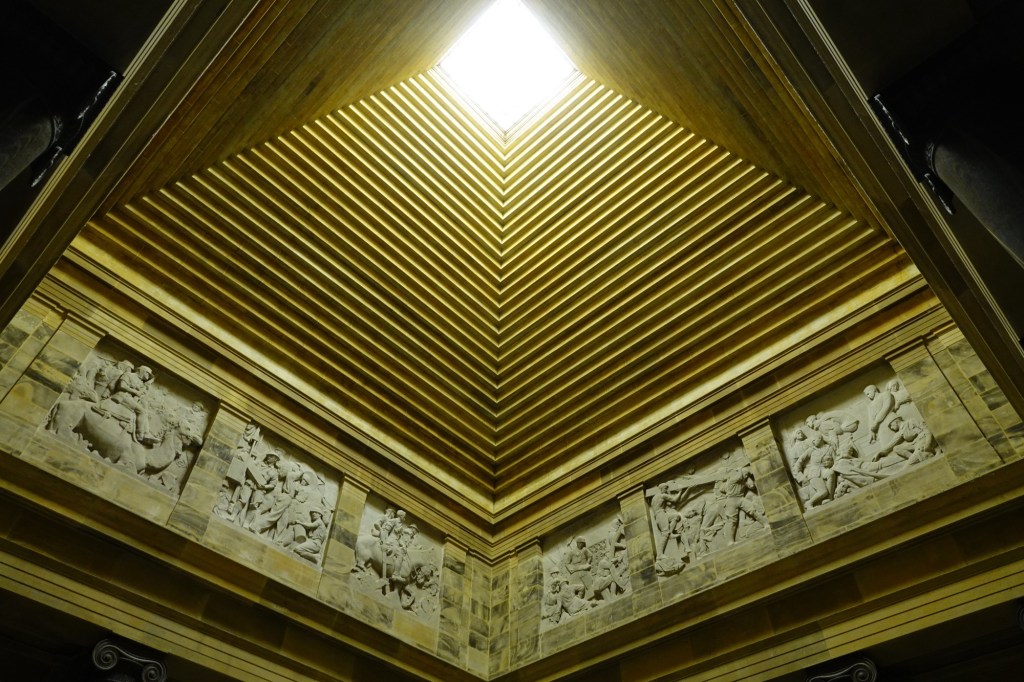
The Sanctuary. Up to 180 remembrance ceremonies are held here annually, usually for specific military units. In the box in the centre of the floor, an inscribed stone…
In addition to the fact that every half hour a ray of light crosses the stone, pausing over the word LOVE, the docent told us that at exactly 11:00 on November 11th each year, the angle of the sun coming through the overhead window perfectly illuminates the entire stone.
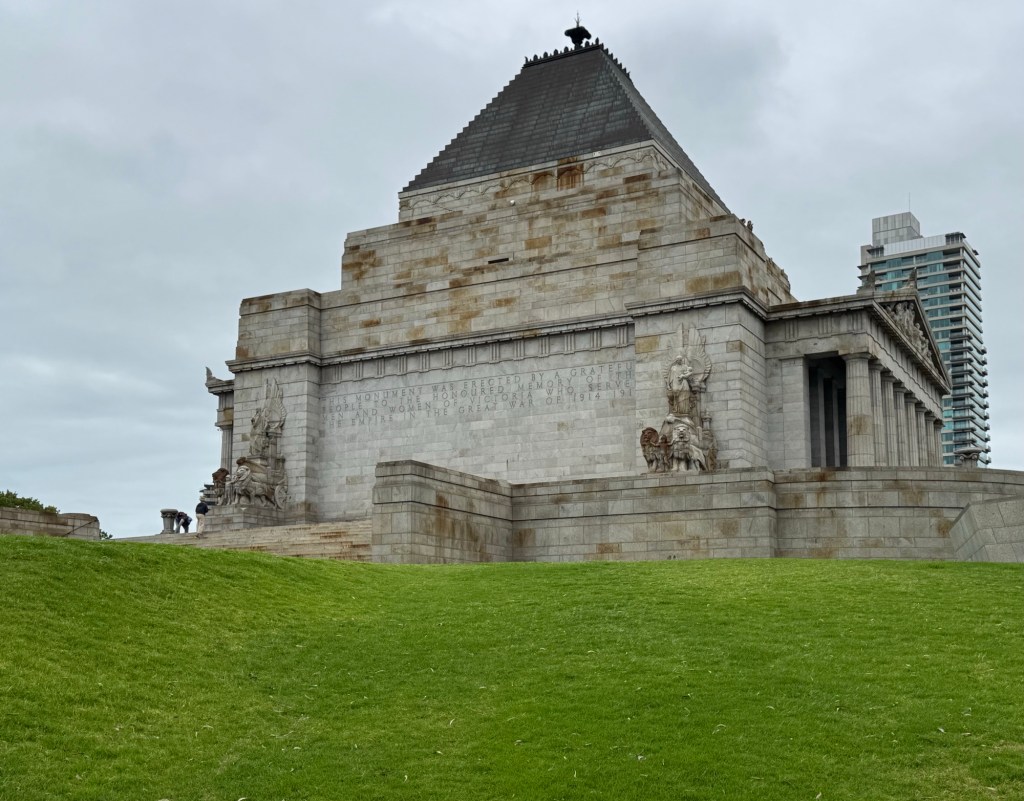
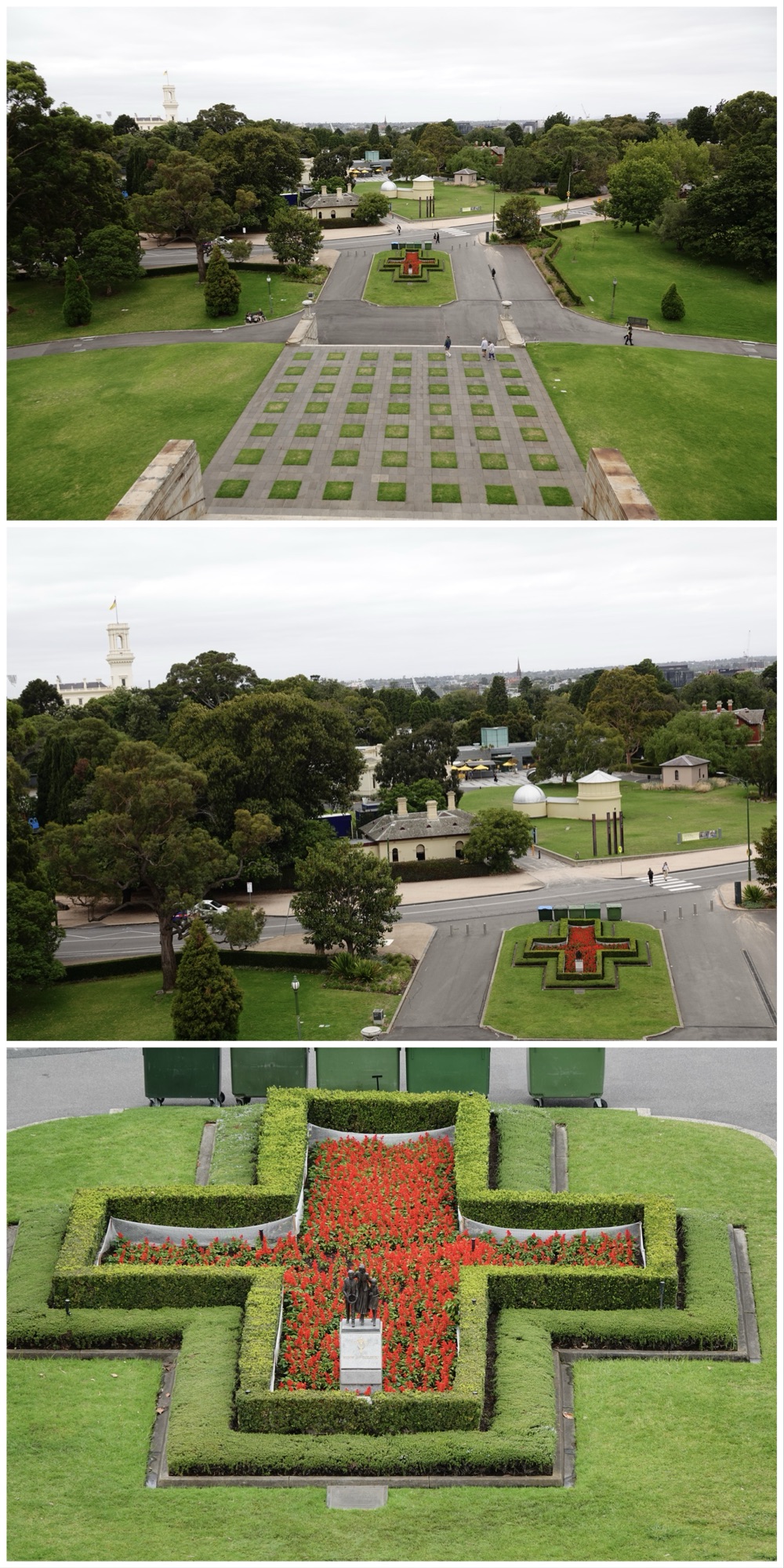
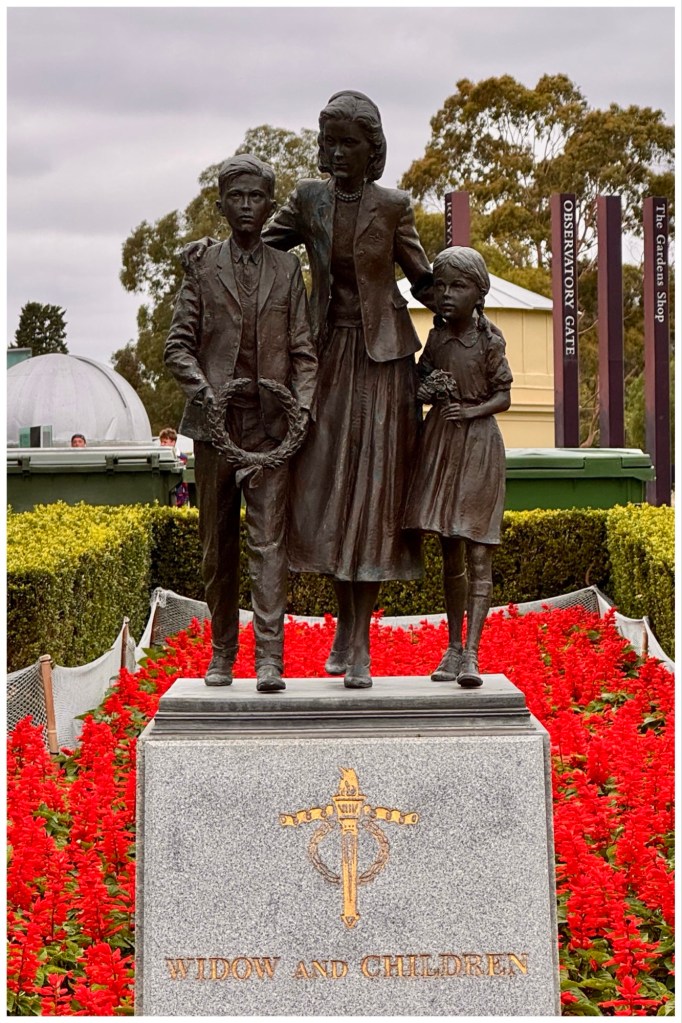
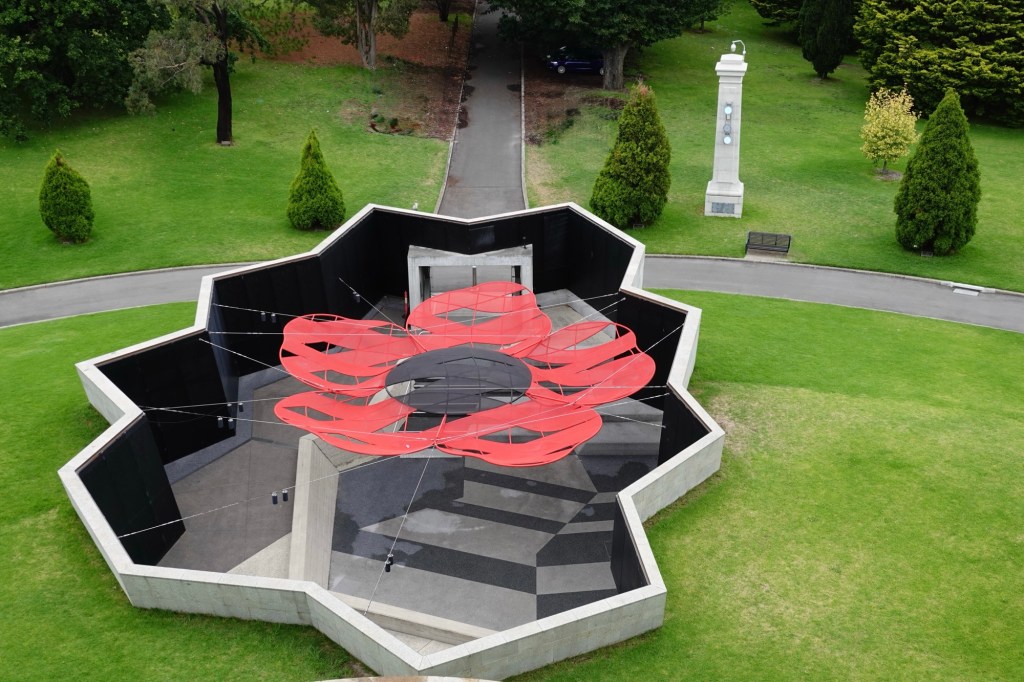
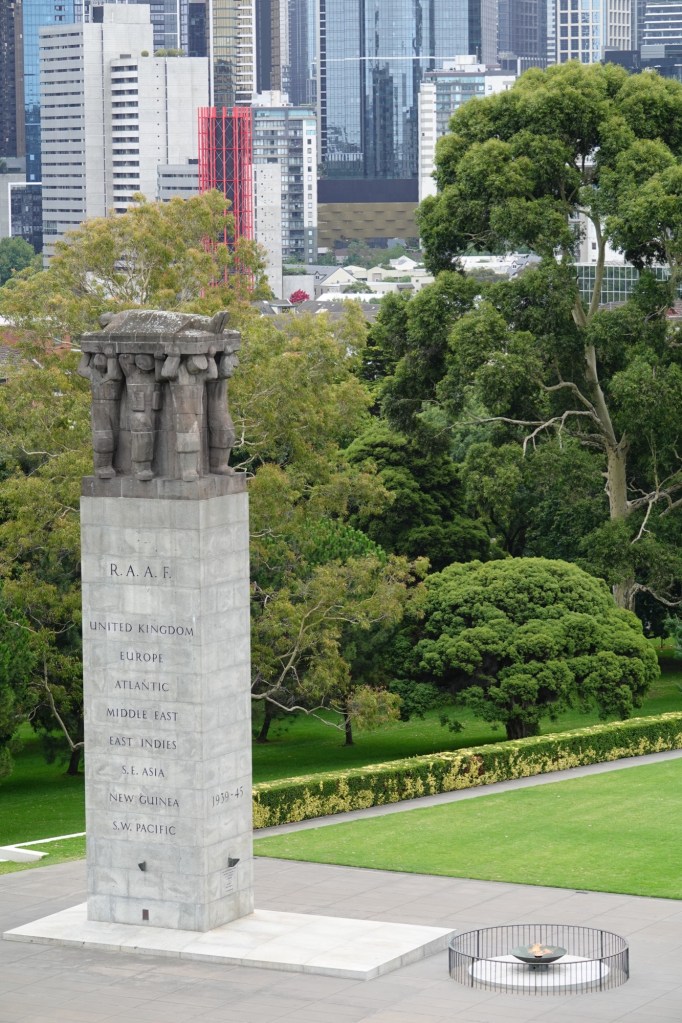
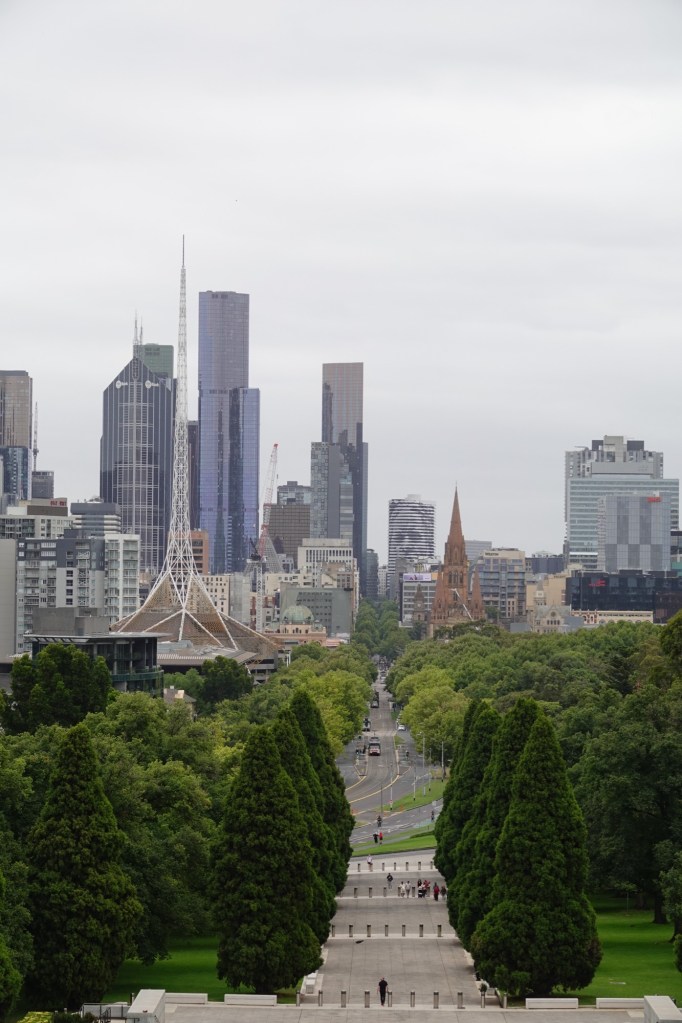
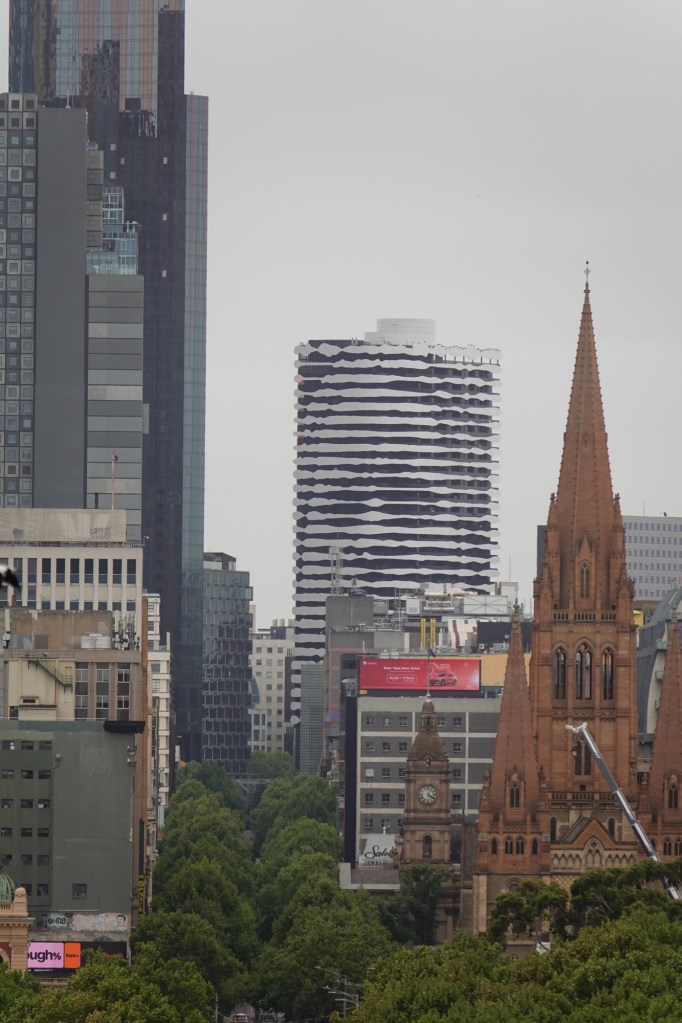
We climbed to the balcony level, from where we got not only a panoramic view of the city, but also of some of the special features of the Shrine Reserve.
On every November 11th, around 20,000 people gather here. On April 25th, ANZAC Day, the crowds can exceed 50,000. But it is not only on those official dates that the costs of war are commemorated; a Last Post ceremony occurs every Friday at 4:45 p.m.
Up close.
The air force memorial reminded me eerily pf the repatriation ceremonies at CFBTrenton during the Afghan war.
After descending the hundreds of steps from the Shrine’s balcony back to ground level, and on the home stretch…
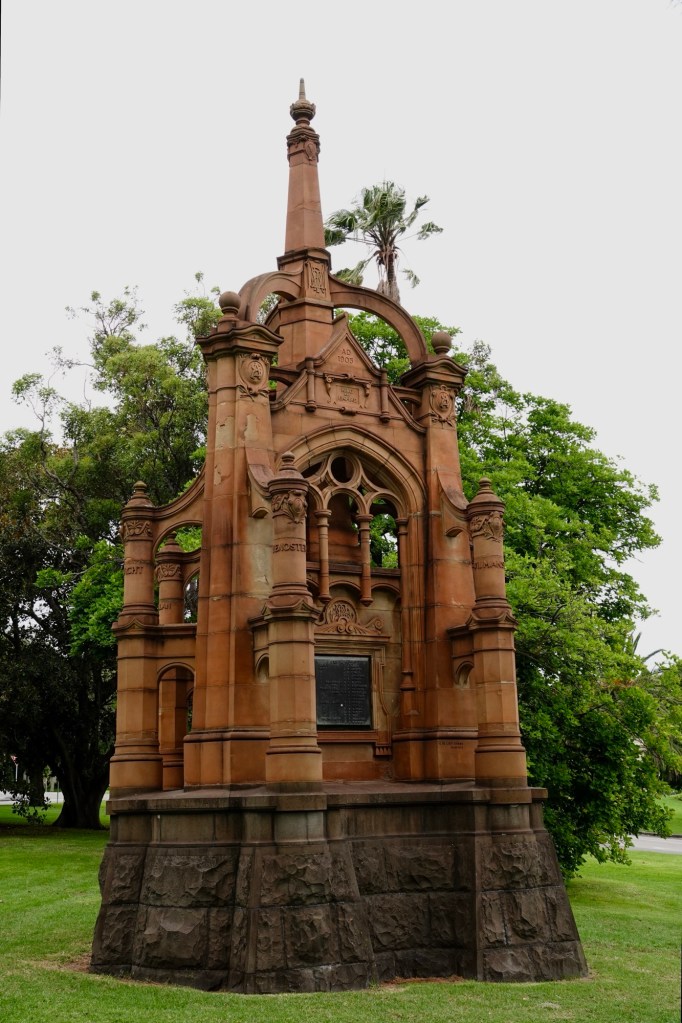
The Boer war memorial, which is somewhat triangular. The three inscriptions at the top underneath AD 1903: “Lest We Forget” , “Honour the Brave”, and “King and Empire”.
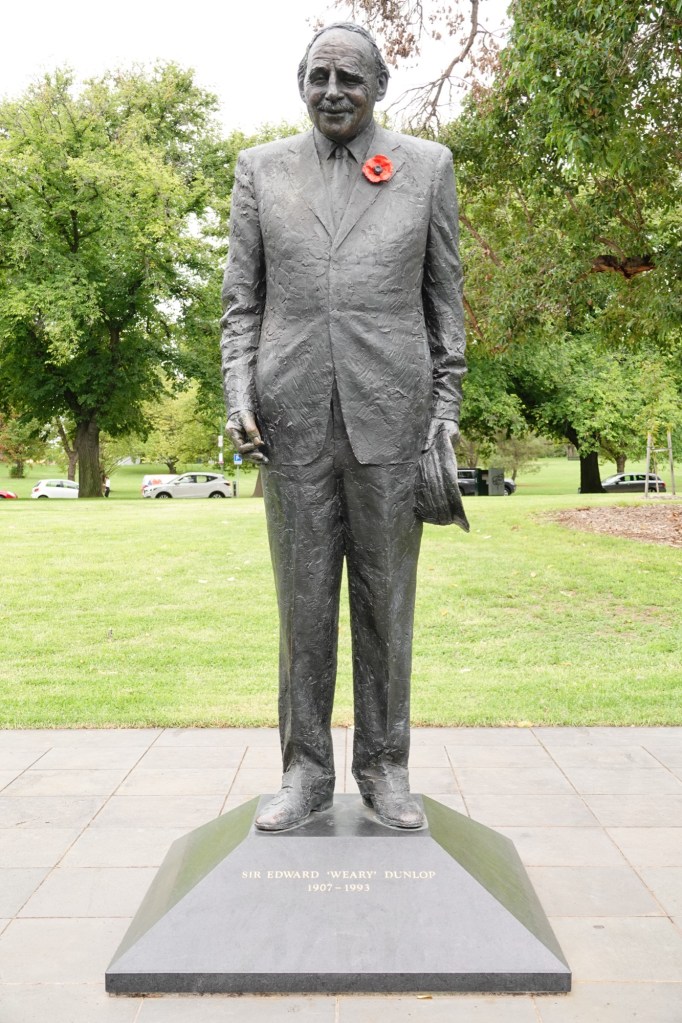
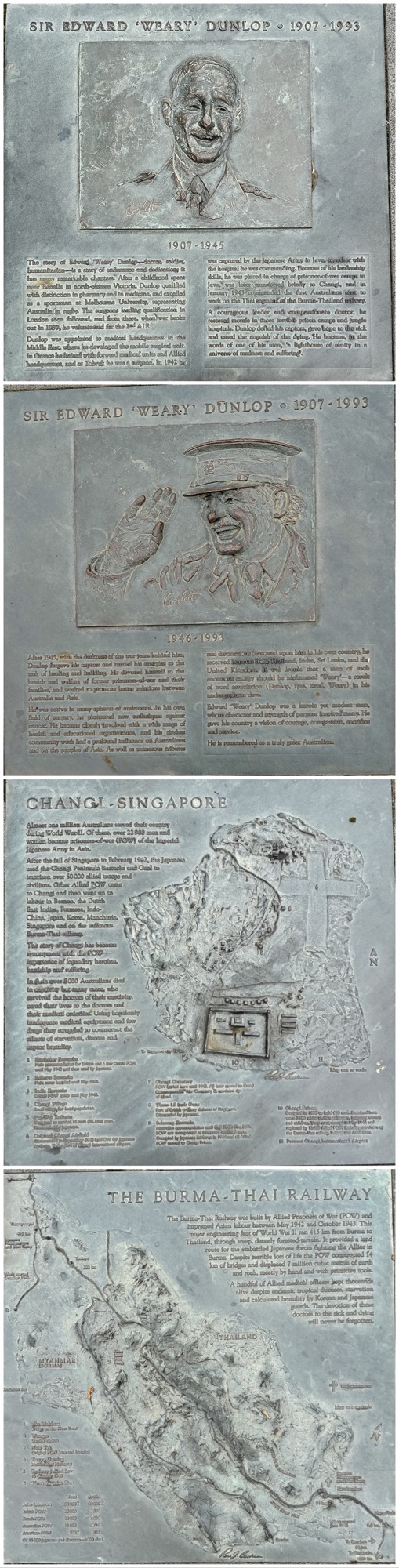
The story of Sir Edward “Weary” Dunlop was fascinating and emotional.
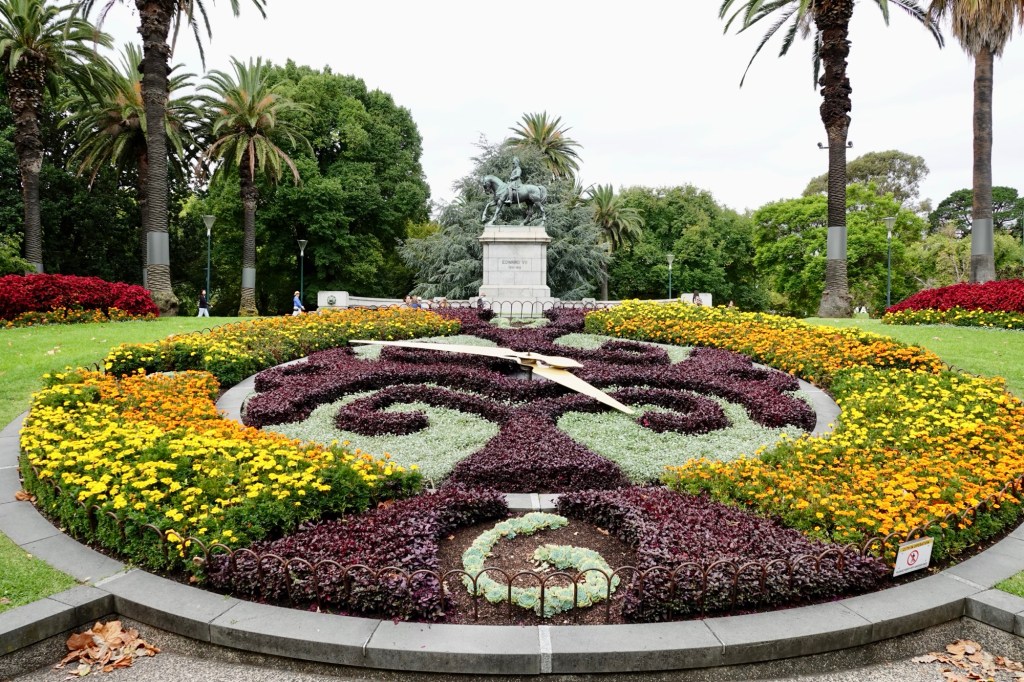
And finally, the floral clock in Queen Victoria Gardens, below the statue of Edward VII.
Really, I would have loved to see more, but our feet disagreed.
 Rose and Ted’s Excellent Adventure