Adelaide is the capital and most populous city of the state of South Australia, not to be confused with the capital of the country of Australia (which is Canberra), or the most populous Australian city (which is currently Melbourne, just inching out Sydney for top spot). Demographic statistics are confusing.
The city was founded in 1836 and named in honour of Adelaide of Saxe-Meiningen, wife of King William IV, the last Hanoverian King of England. That tenuous connection to German heritage is part of what made me want to visit Adelaide.
While only about 6% of the current population have German roots, many more of the vineyards do. The first Germans (Prussians) arrived here in 1838, and brought with them the vine cuttings that were used to found the acclaimed wineries of the Barossa Valley.
The whites from this region, especially the Semillons and Rieslings, are some of my favourites. Hahndorf, Australia’s oldest surviving German settlement, dating to 1839, and visiting the Barossa Valley are both on my wish list of things to do while we’re here.
I continue to channel Ko-Ko, the Mikado’s Lord High Executioner. Once again here in Adelaide “I’ve got a little list”:
- Adelaide Botanic Garden
- Art Gallery of South Australia
- South Australian Natural History Museum
- South Australian State Library
- Adelaide Central Market
- Rundle Mall
- Barossa Valley Wine Tour
- Hahndorf
- Adelaide Fringe Festival
Unfortunately we have just 5 full days in the city. Our first half day was devoted to checking out the facilities in our hotel, doing a bit of grocery shopping, and enjoying a nice dinner, so it doesn’t count.
Our Barossa Valley day is booked and paid for: a 7 hour, 4 winery small group tour. Visiting the heritage German town of Hahndorf, which we can reach via a 1 hour bus ride from the CBD, will take up another full day.
That leaves three. In hindsight, maybe I should have planned for a longer stay, but Melbourne, Canberra, and Sydney await – as do Malaysia, Crete, Poland, and England. The world is just so full of wonderful places to see and stay!
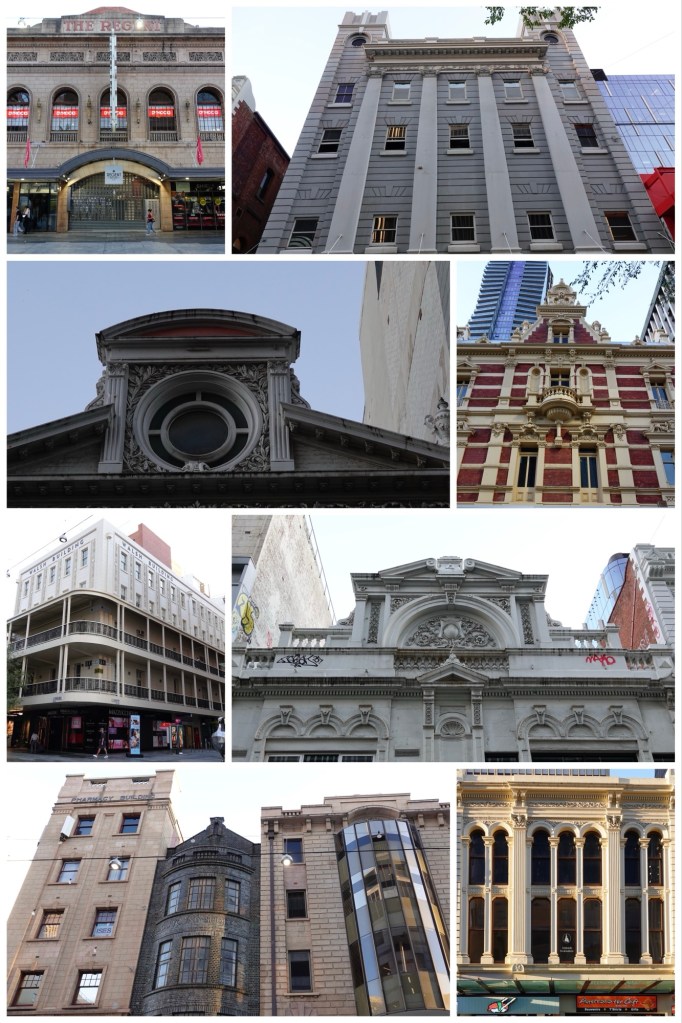
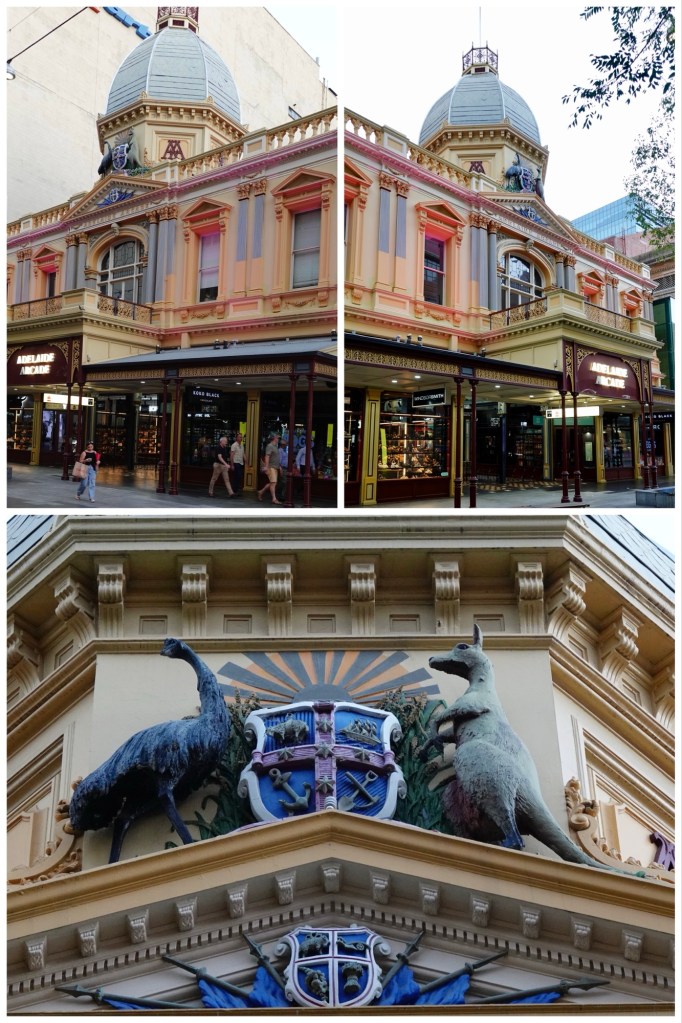
Last night we took one of what will undoubtedly be many walks along Rundle Mall, hoping to take photos of some of the beautiful Victorian era buildings without the daytime shopping crowds. This street was Australia’s first pedestrian mall, created in 1976. At 520 m (1,710 ft) long it is the largest pedestrian mall in the southern hemisphere.
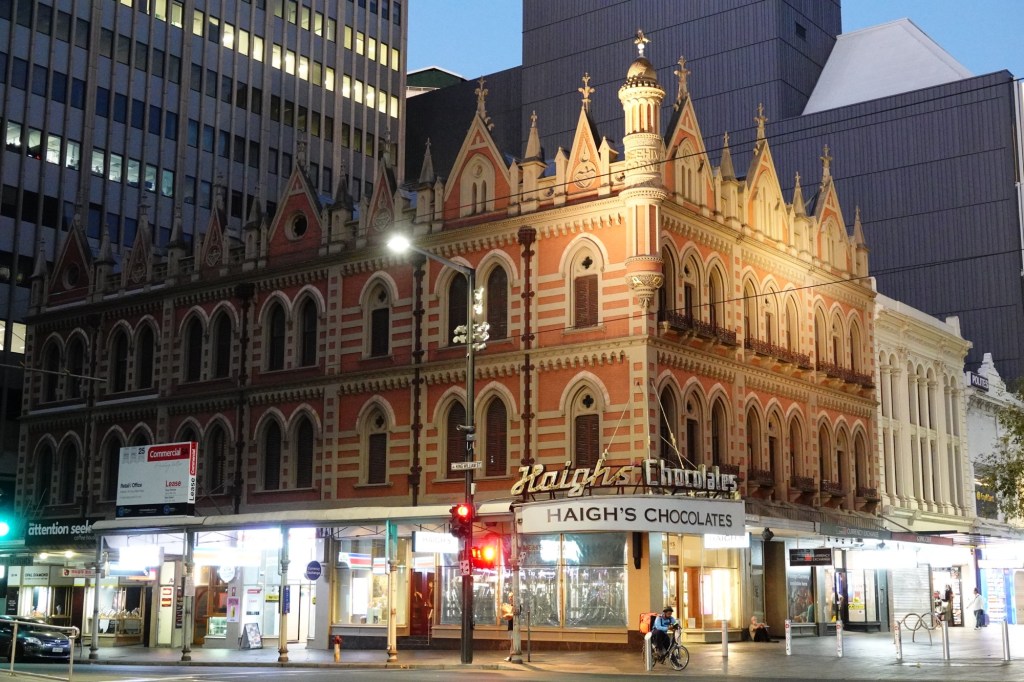
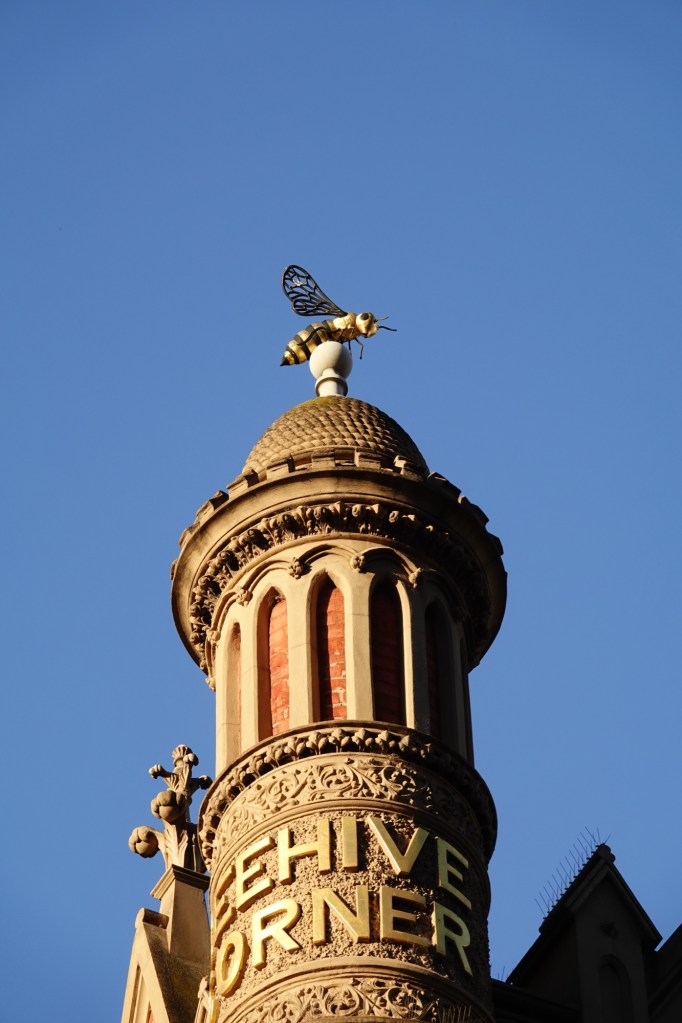
The neo-gothic Beehive building at the corner of Rundle Mall and King William Street was completed in 1896.
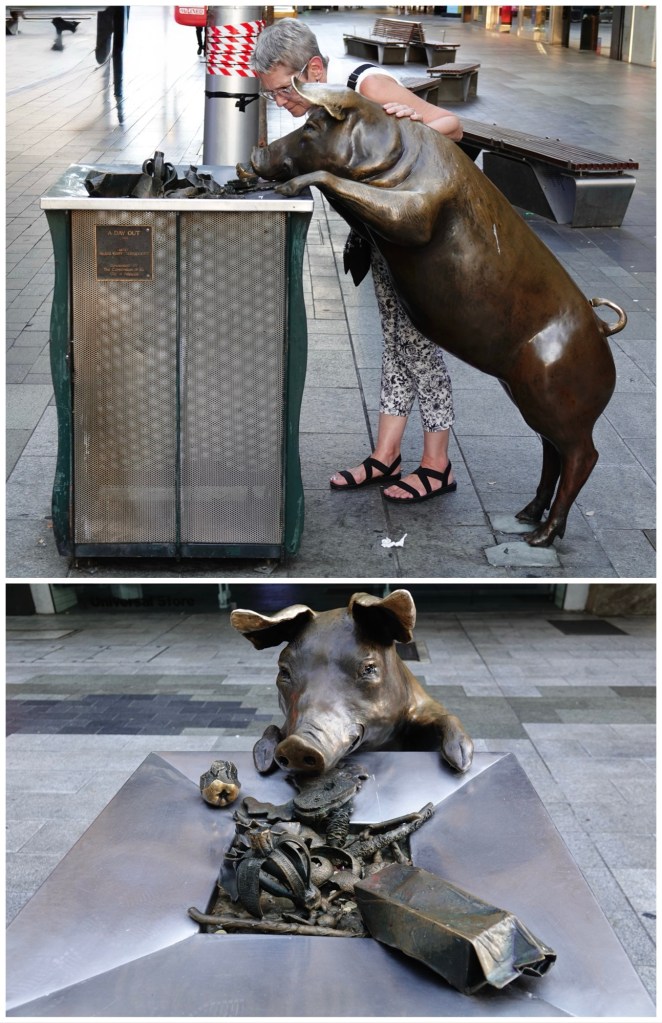
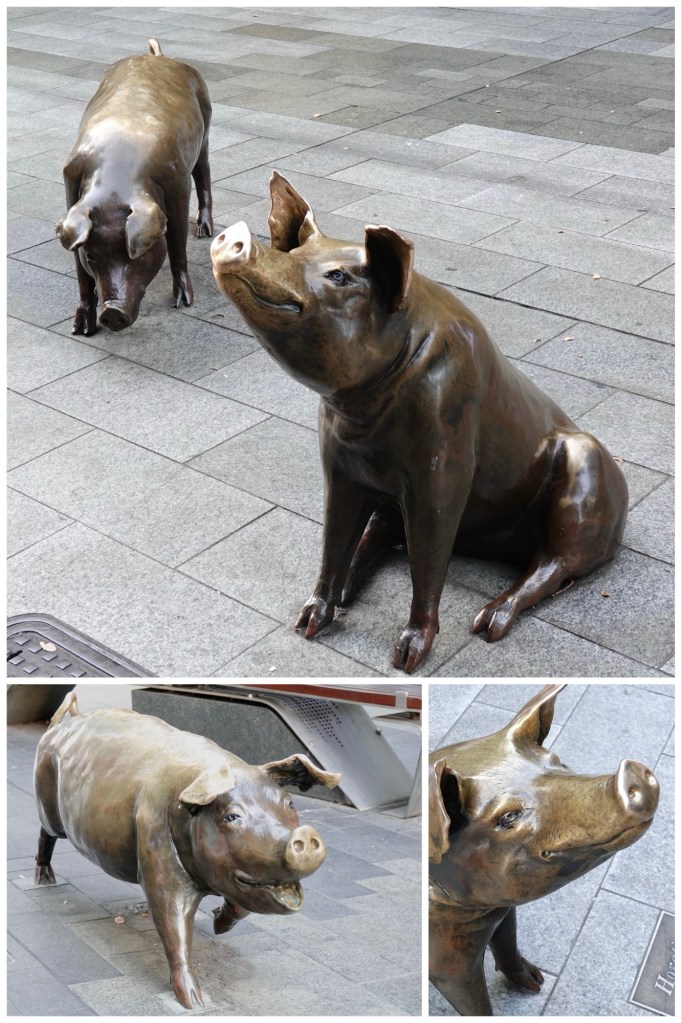
We were amused by the grouping of bronze pigs, a sculpture installation called “A Day Out”, by Marguerite Derricourt.
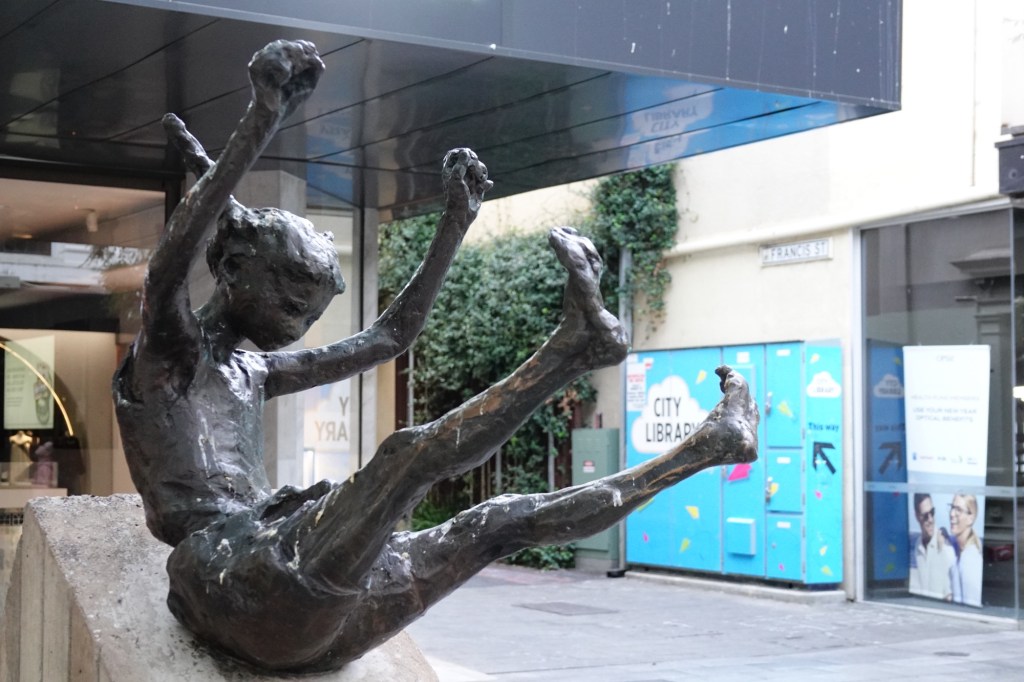
“Girl on a Slide”, by John Dowie.
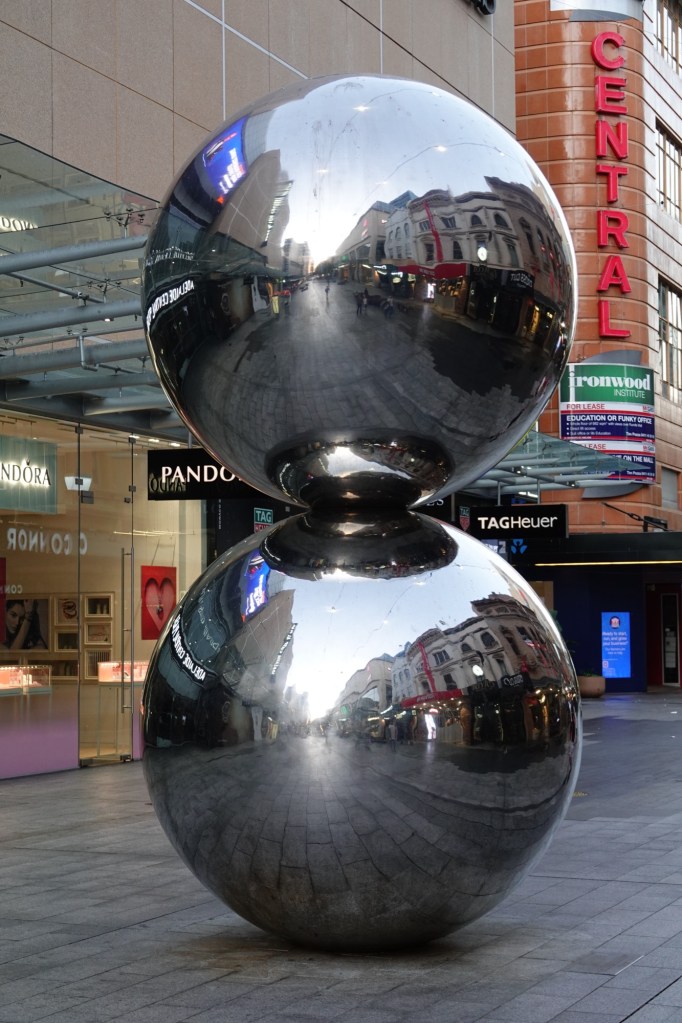
“Spheres”, colloquially known as the “Mall’s Balls”, by Bert Flugelman.
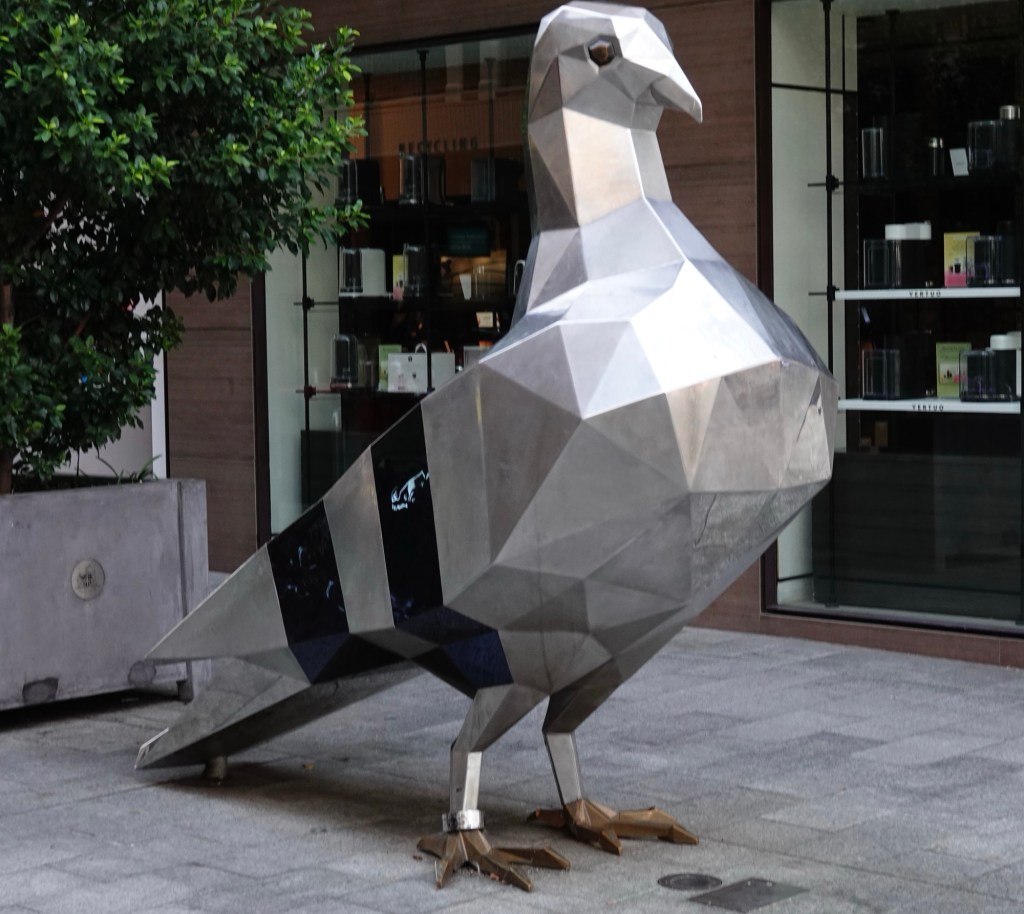
Pigeons are everywhere, including this 2m/6’7” tall steel and cobalt sculpture by Paul Sloan.
During our stroll, we were joined for a few minutes by a local gentleman who explained how much more beautiful the Mall had been before most of the wood and iron verandas had been removed. He pointed out the lone remaining one on the Italianate style Adelaide Arcade, dating to 1885.
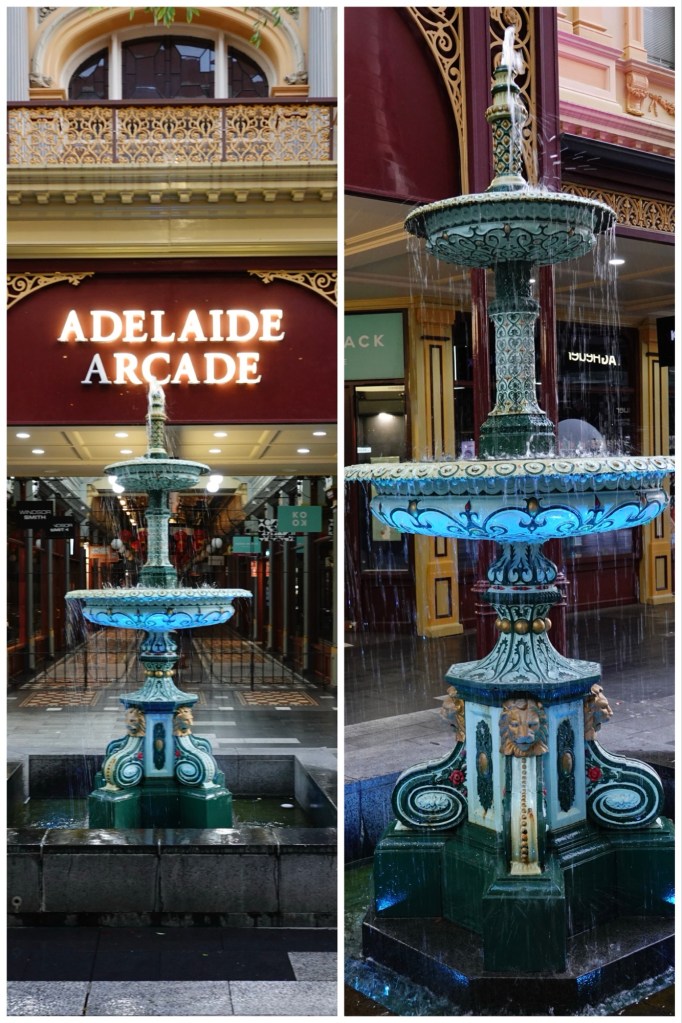
In front of the Adelaide Arcade is an ornate cast iron fountain in Victorian colours.
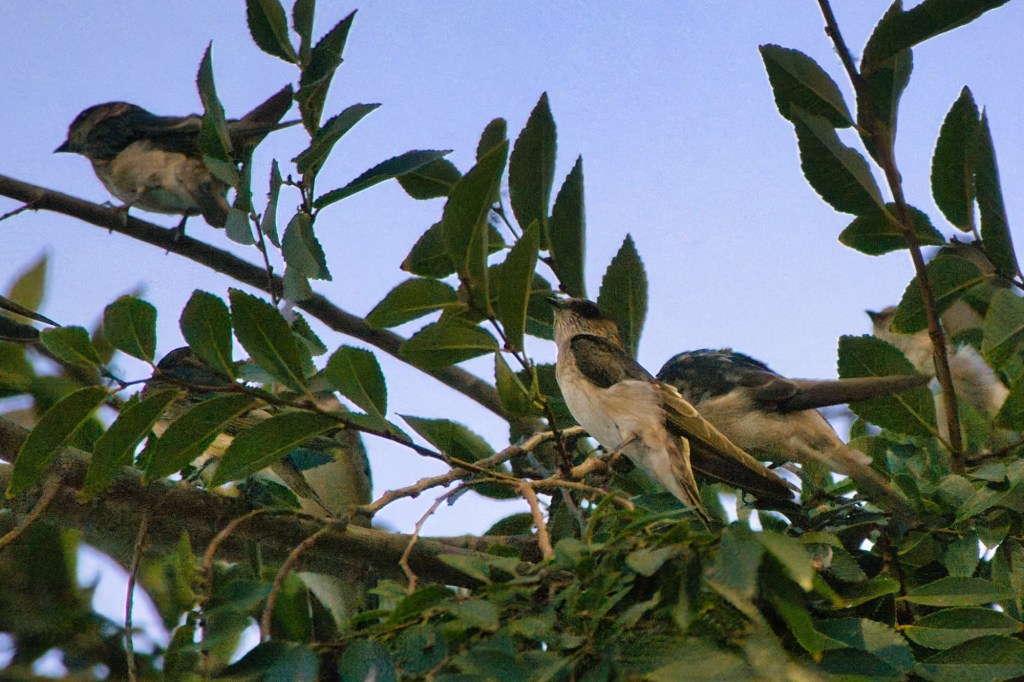
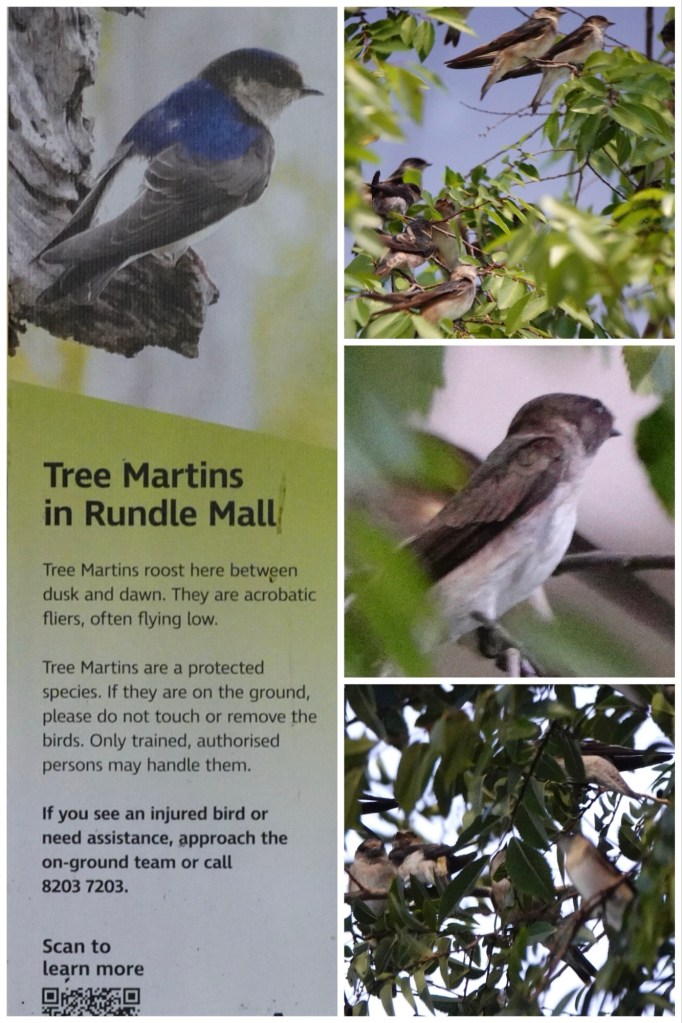
Since we were still on the Mall at dusk, we were able to see – and hear – hundreds of Tree Martins arriving to roost for the night.
This morning thunder boomed and the skies opened, so we opted to wait out the worst of the rain and then visit the indoor attractions on our list: the Art Gallery, the State Library, and the Natural History Museum. We’ll put off the Botanical Gardens until later in the week. ALL of those things are completely free for everyone to enjoy.
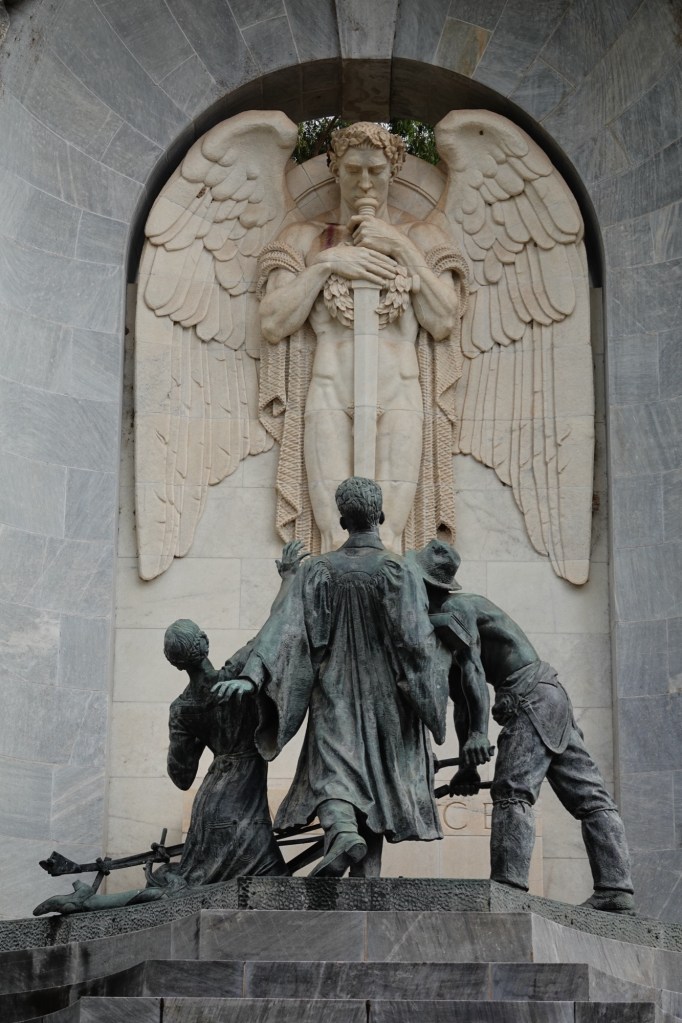
Our walk took us first to the huge South Australian National War Memorial, built in 1926 in commemoration of those who served in the First World War. Other than Canada‘s magnificent memorial at Vimy Ridge, this is perhaps one of the most beautiful we have seen. Not only are the sculptures on both the front and back incredibly moving, but inside the memorial is a chamber listing the names of those from Adelaide who were lost in the war.
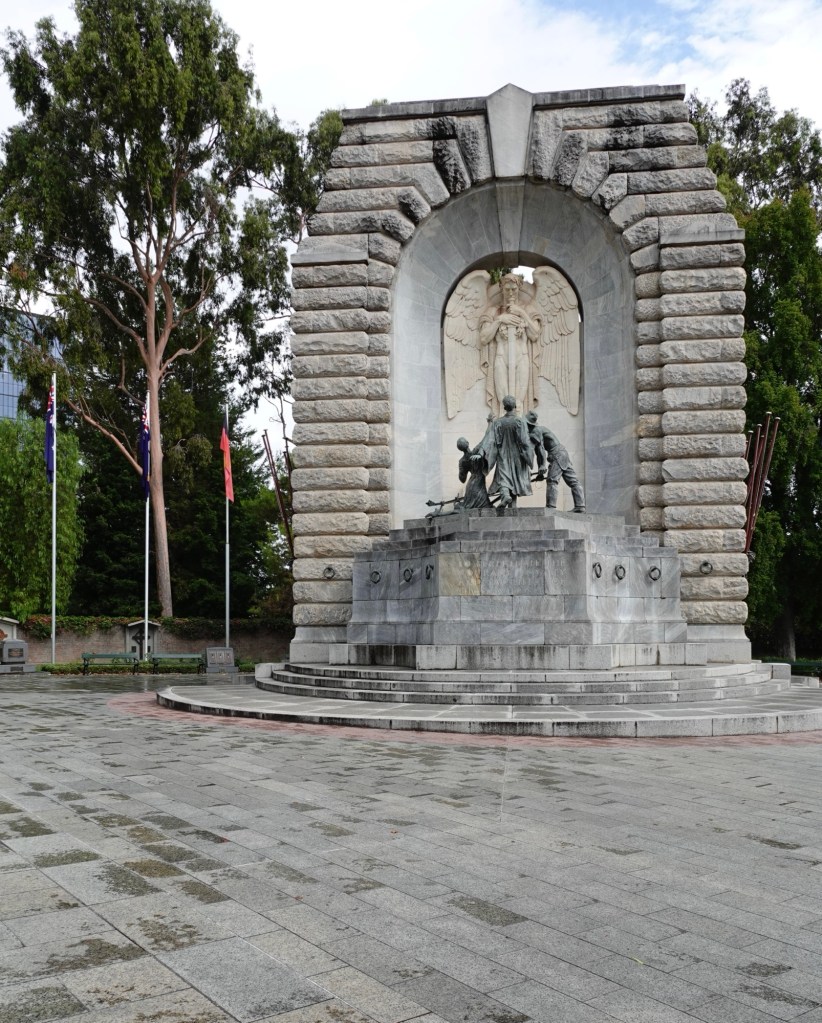
The memorial’s south eastern face represents the “Angel of Duty’ holding an upright sword and calling young people to war and sacrifice.
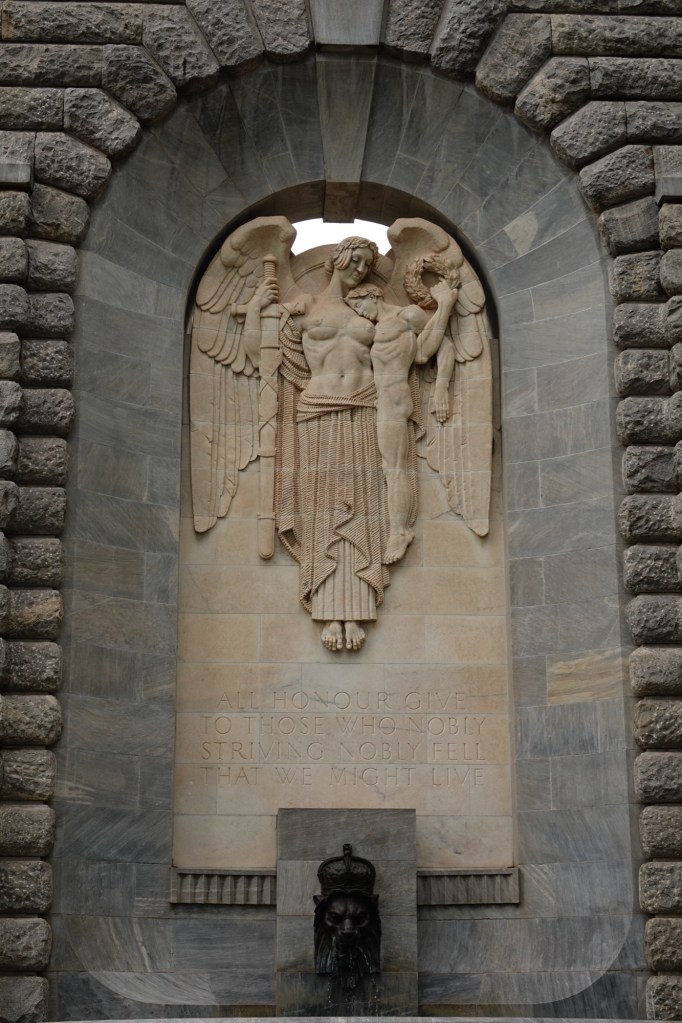
The reverse face represents the Angel of Compassion, holding a sheathed sword and the body of a dead youth, under which is the Fountain of Compassion, representing the continuous flow of memories.
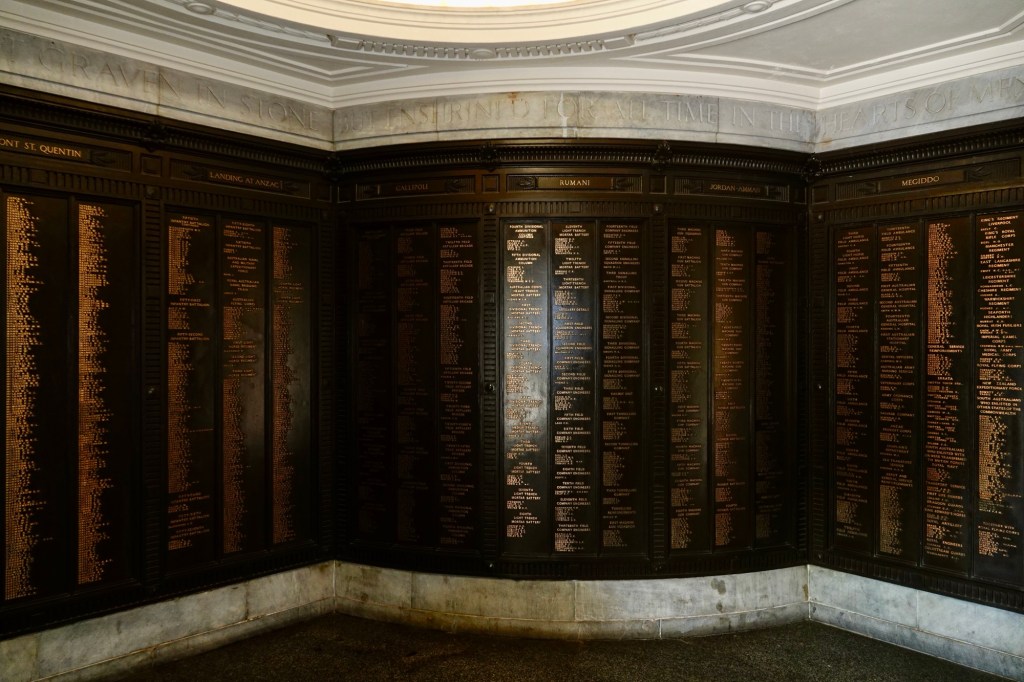
The record room inside the memorial houses honour rolls listing the names of the more than 5500 South Australians who died in the war. The inscription circling the inner chamber of the memorial reads: 1914 to 1918 men of ANZAC. Their glory survives in everlasting remembrance, not graven in stone, but in shrine for all time in the hearts of men.
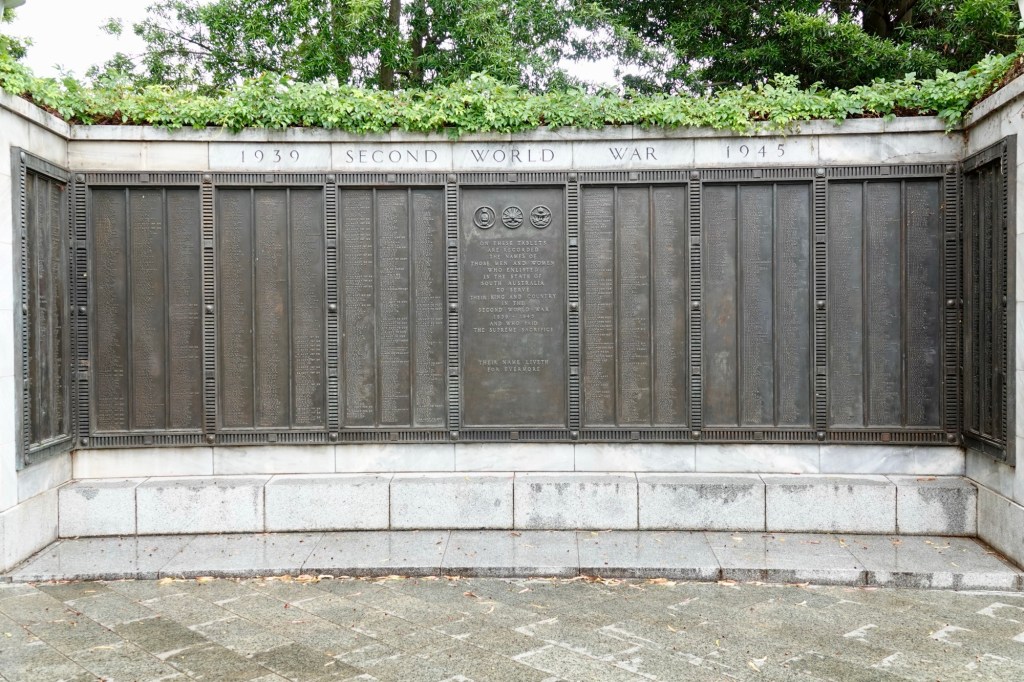
There is a separate WWII memorial wall outside the stone monument.
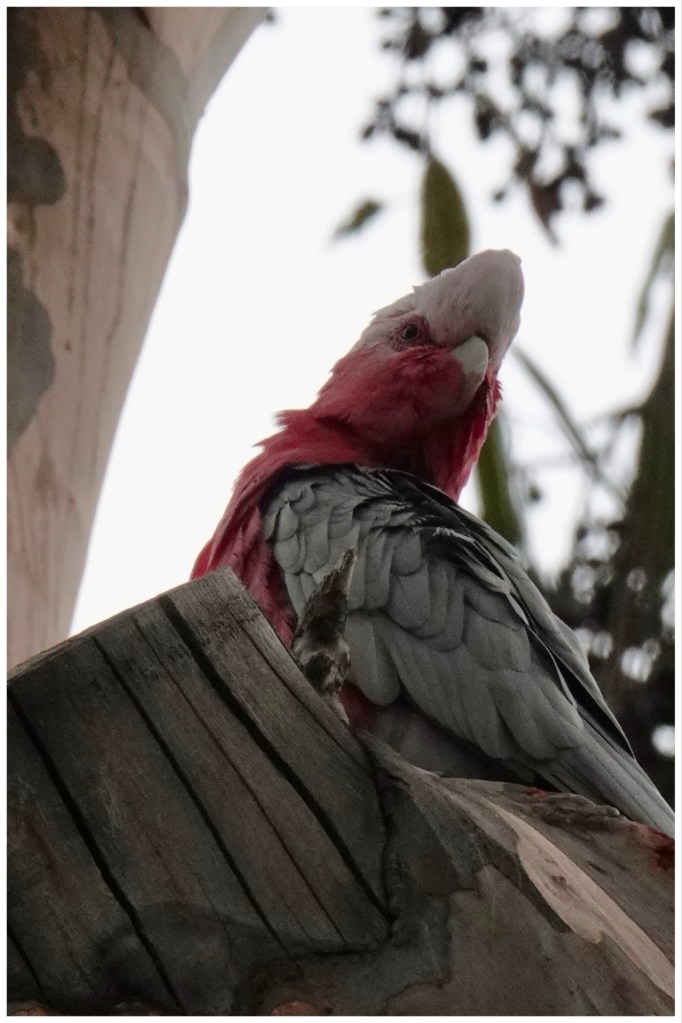
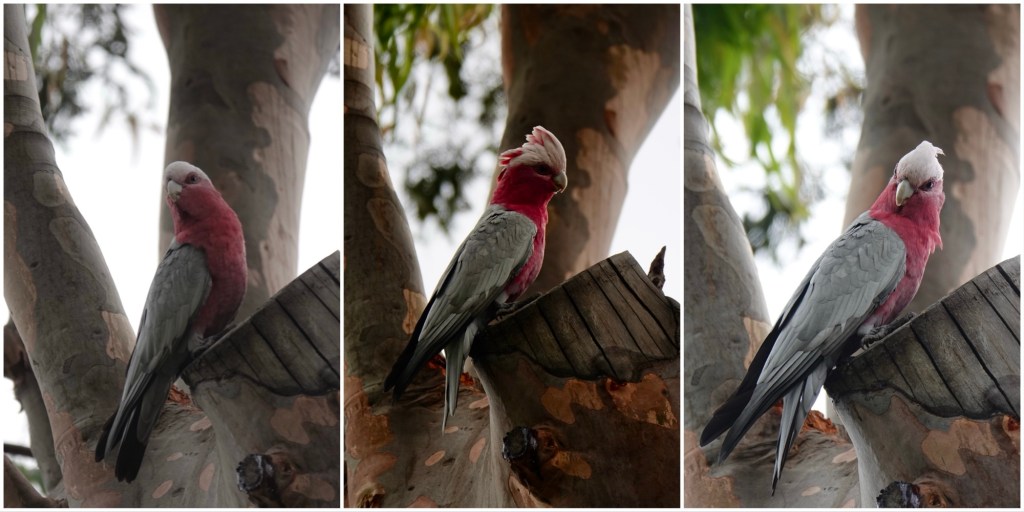
In a eucalyptus tree near the memorial, Ted managed to capture some great photos of a Galah (rose-breasted cockatoo).
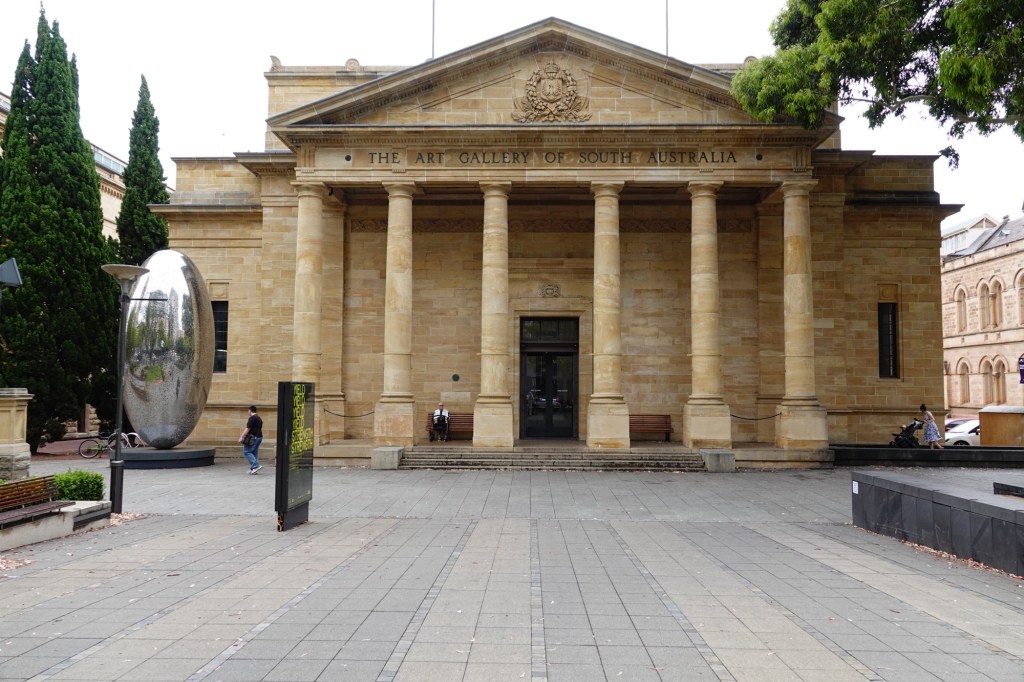
Our next stop, as we were trying to get out of the rain that had re-started, was at the Art Gallery of South Australia.
The pictures we took inside show just how varied the collection here is. There is definitely a focus on Australian and modern artists, although of course there are works from famous Europeans too. The latter we have seen many times, so we focussed on the former. As usual,the photos represent the pieces I particularly enjoyed or wanted to remember.
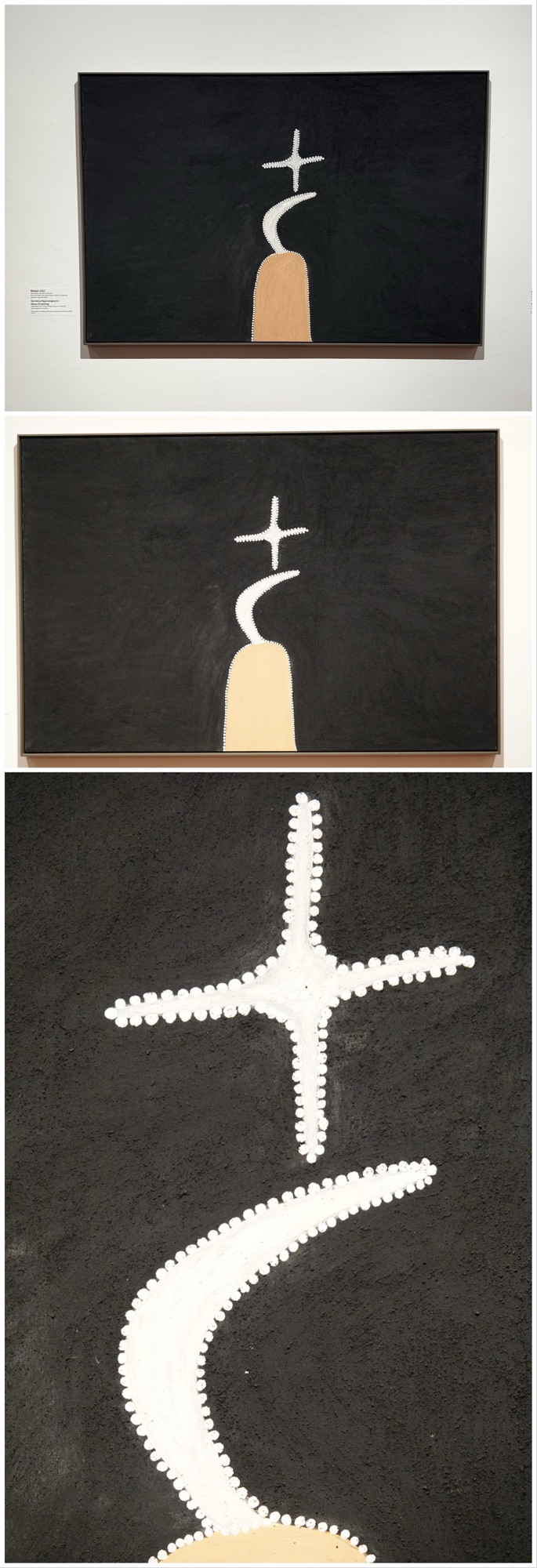
“Garnkiny Ngarrangkarni -Moon Dreaming” (2009), Warmun (Turkey Creek), Western Australia earth pigments on linen -by Mabel Juli, Gija people, Western Australia, born Five Mile, near Moola Boola Station, Kimberley, Western Australia 1933
The huge work (below) made of glass spheres silvered only on half of their surfaces was fascinating because of the way it changed from every angle. Looked at directly, the spheres appeared to be solid black, but as we walked past it, we could see various angles of reflection, until the spheres looked clear.
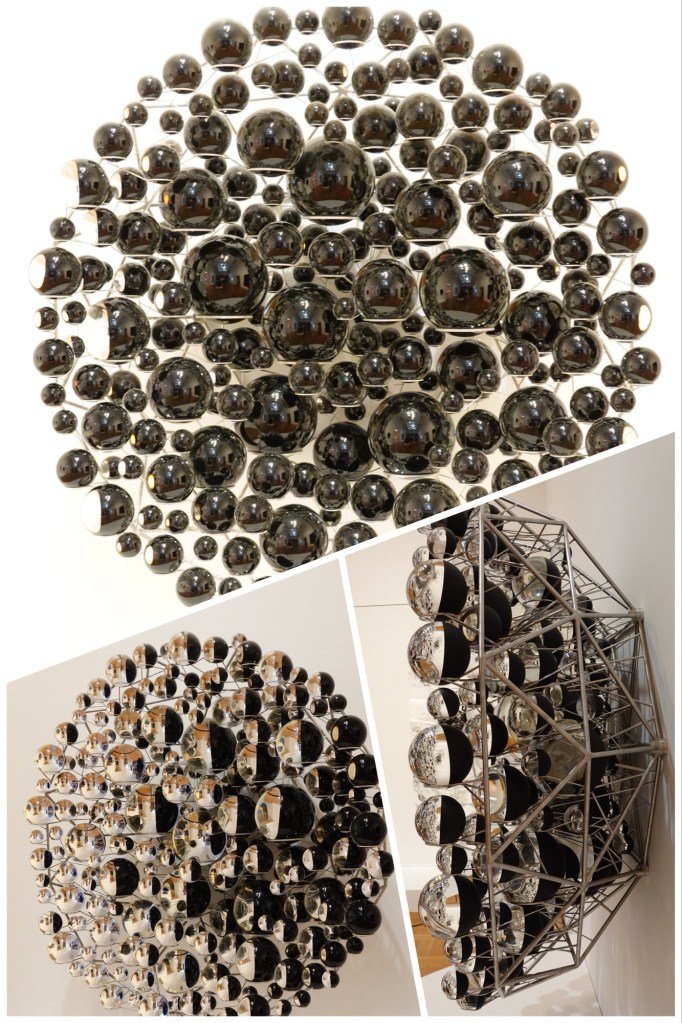
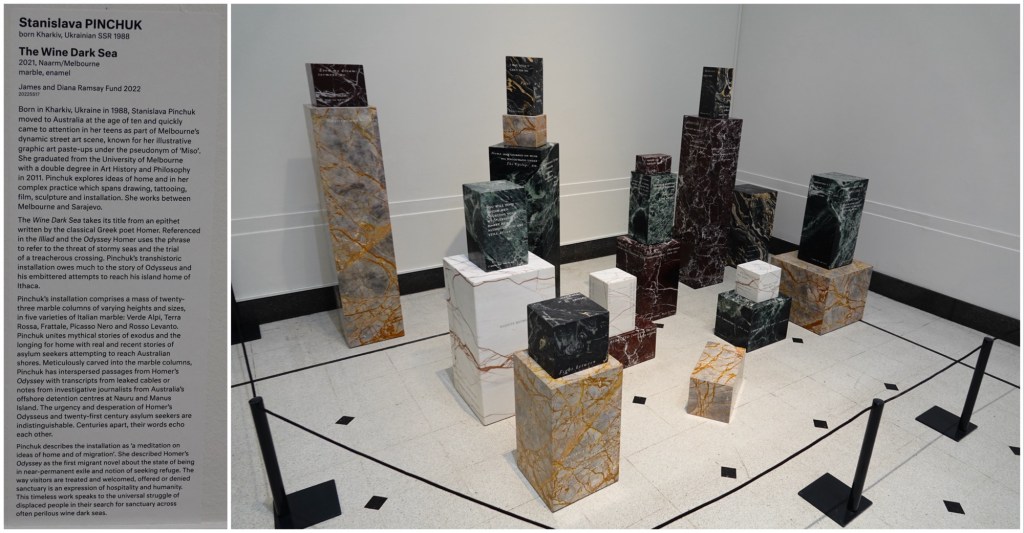
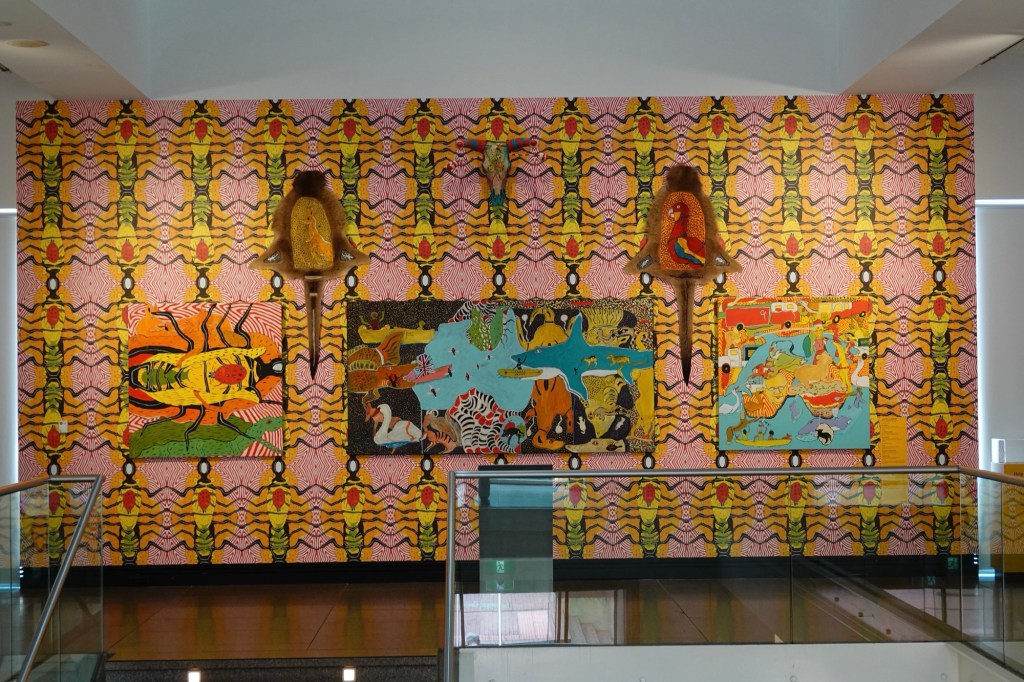
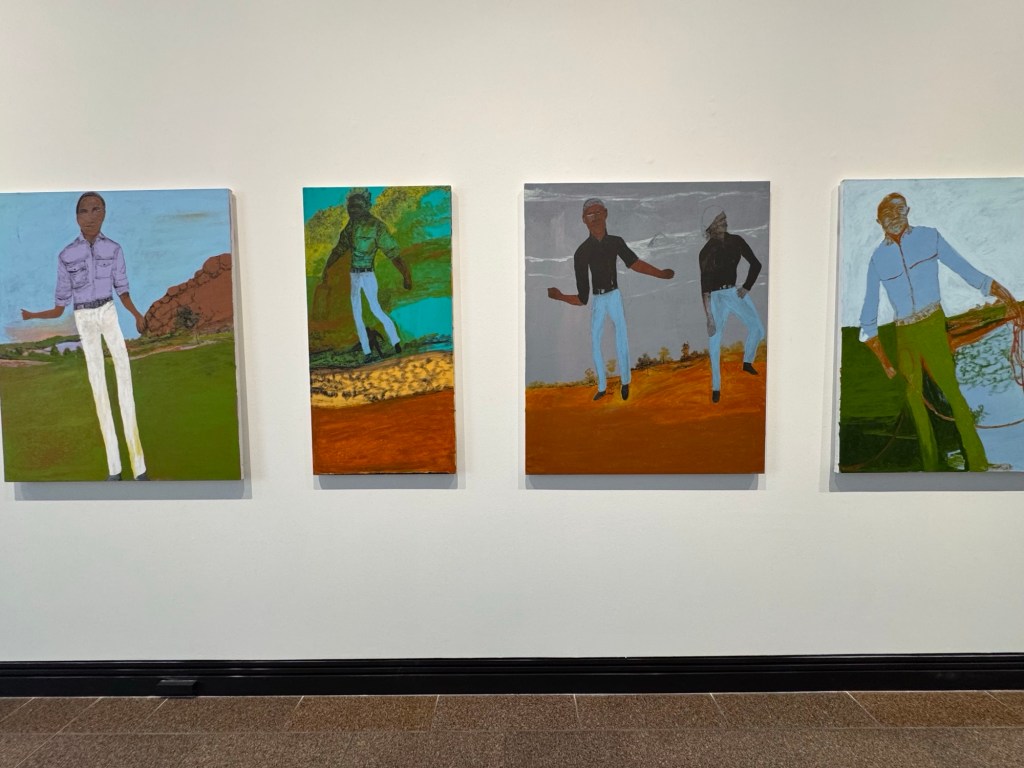
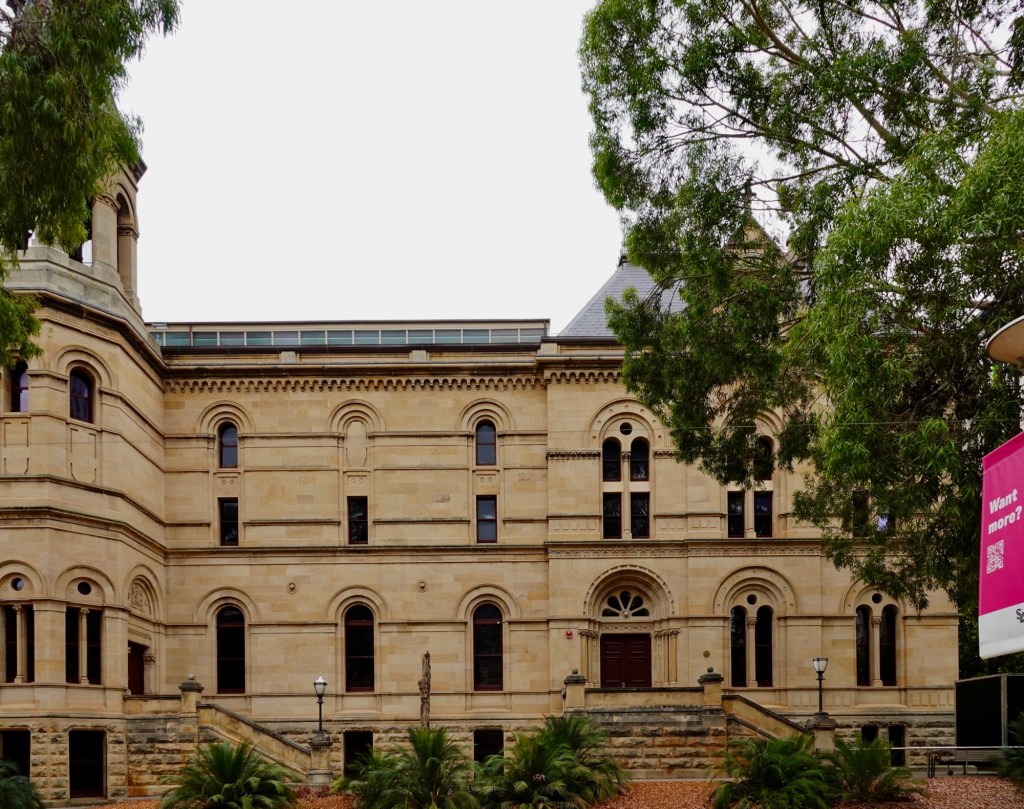
From the Art Gallery we intended to go directly to the Natural History Museum, but were distracted by the incredible architecture of Adelaide University. These buildings definitely contribute to the North Terrace’s reputation as the most beautiful street in Adelaide.
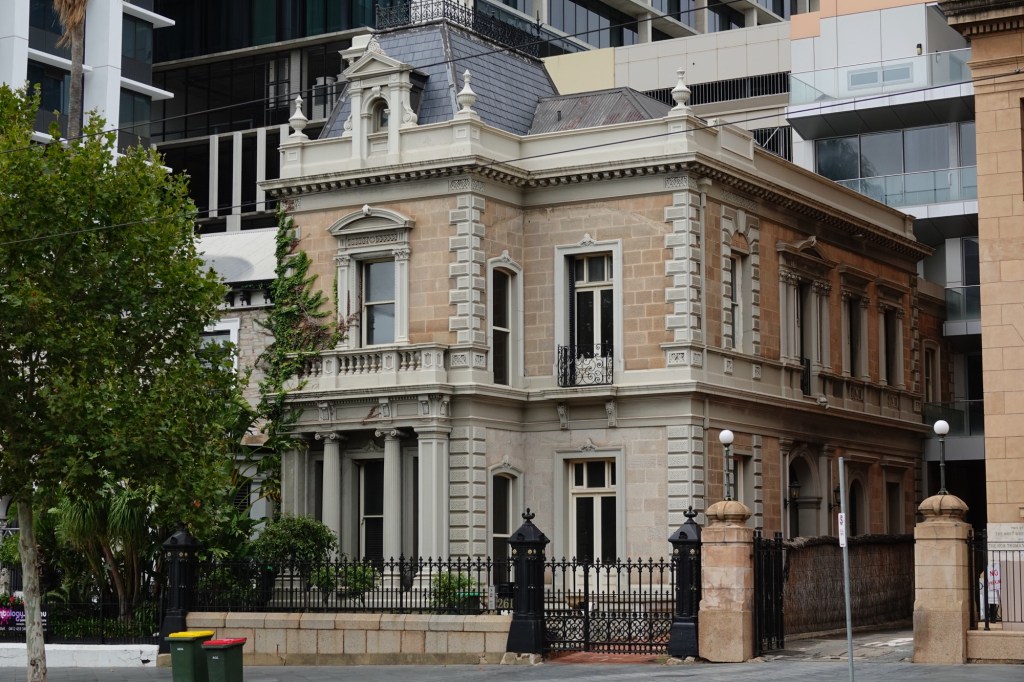
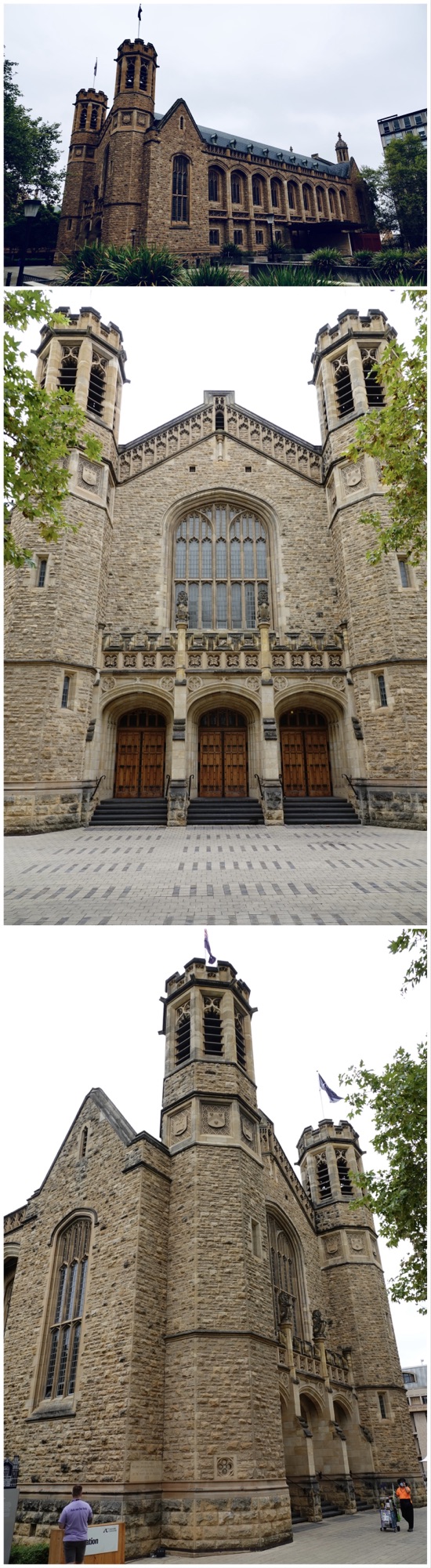
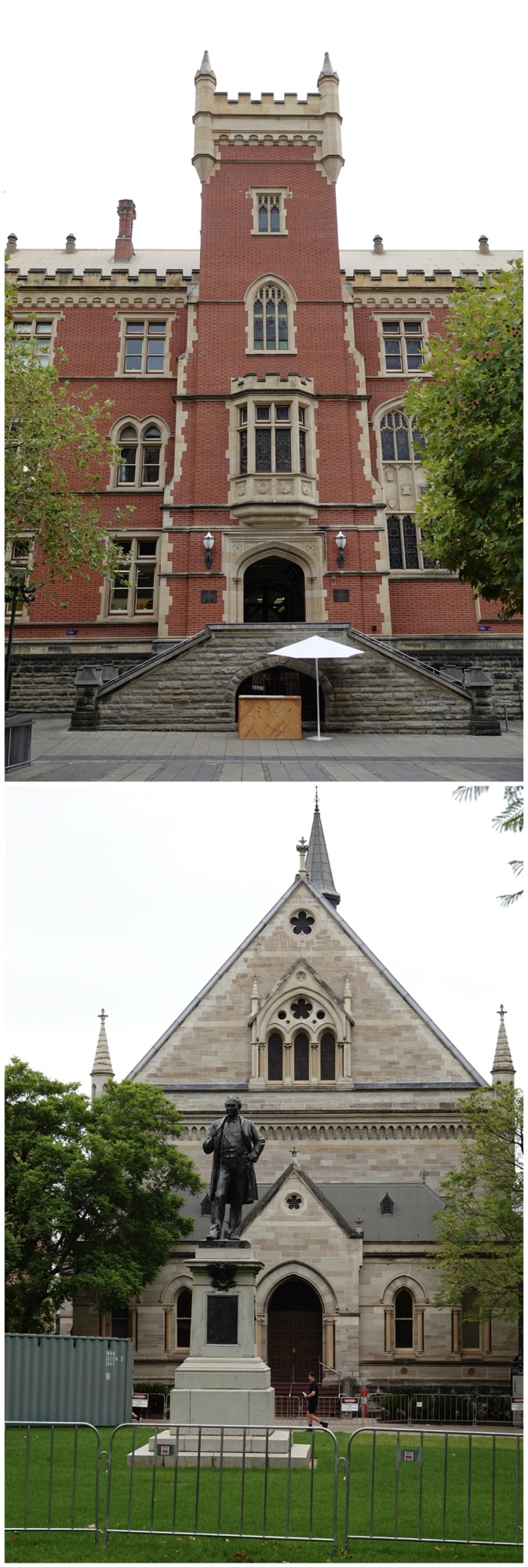
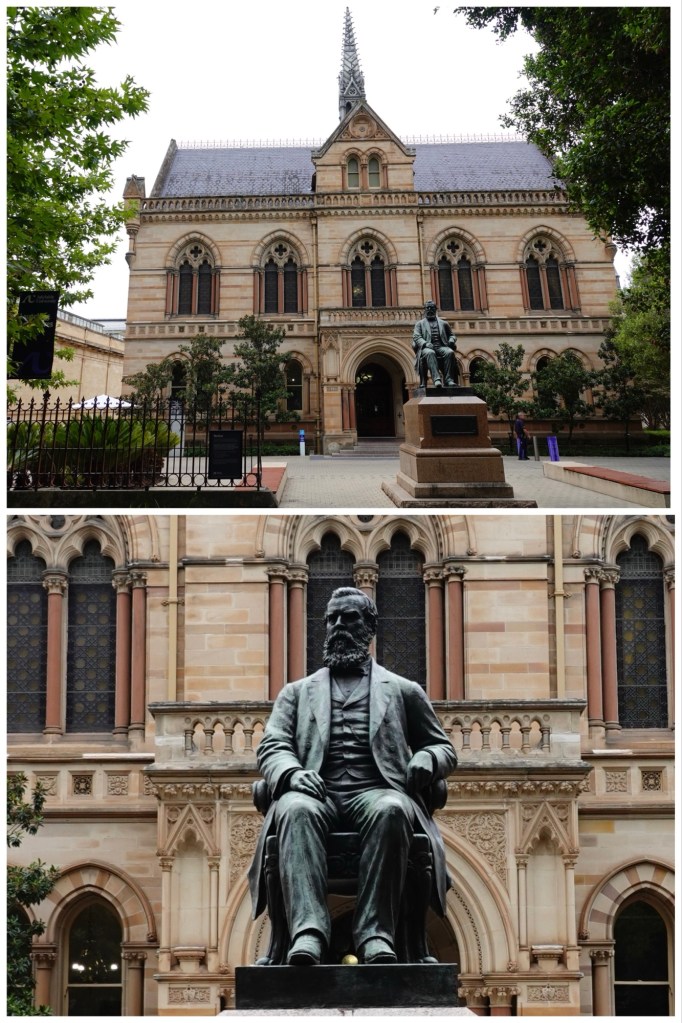
With our eyes and cameras full of lovely buildings, it was time to head into the museum where, after a couple of large flat whites, we skipped the gallery of taxidermied animals and headed straight to the more anthropological galleries.
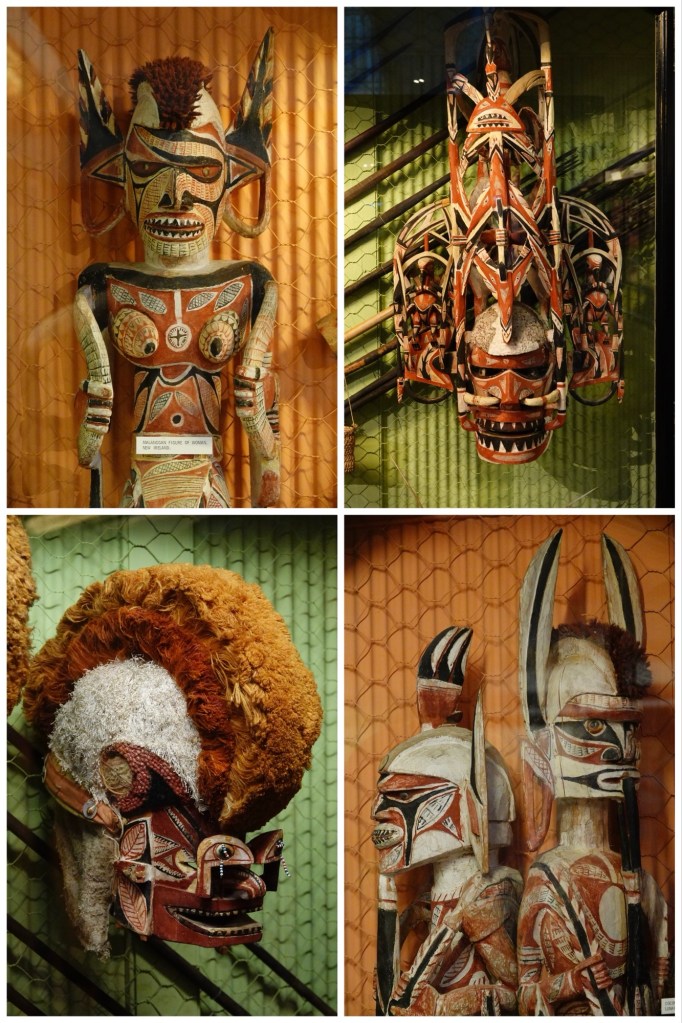
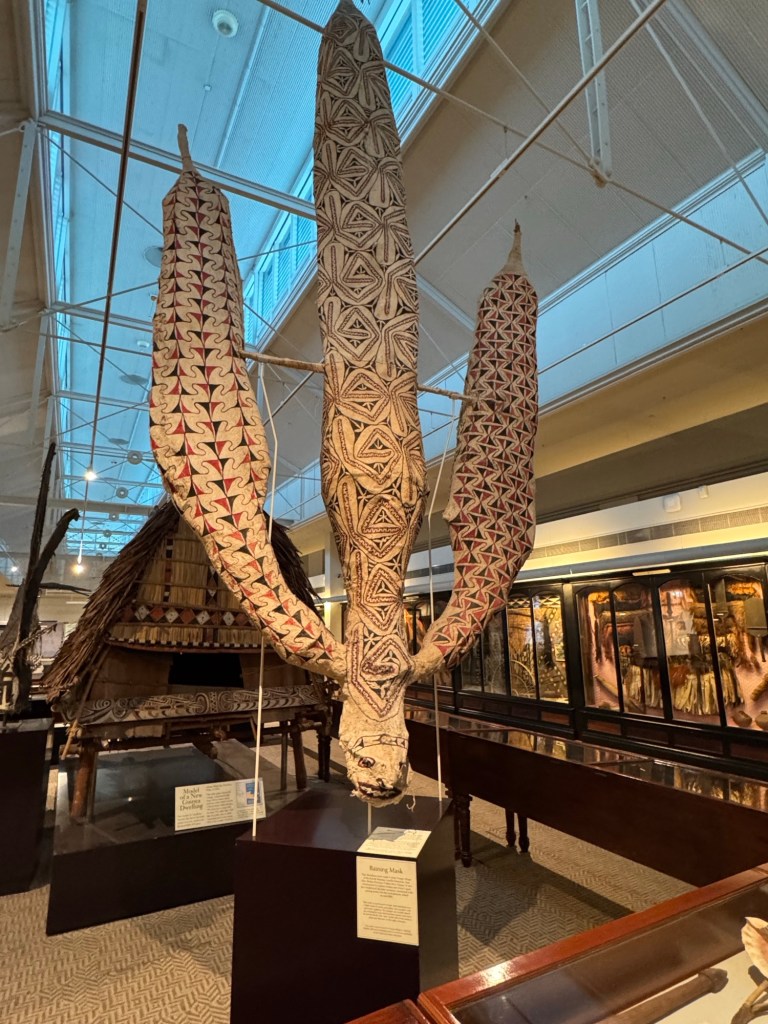
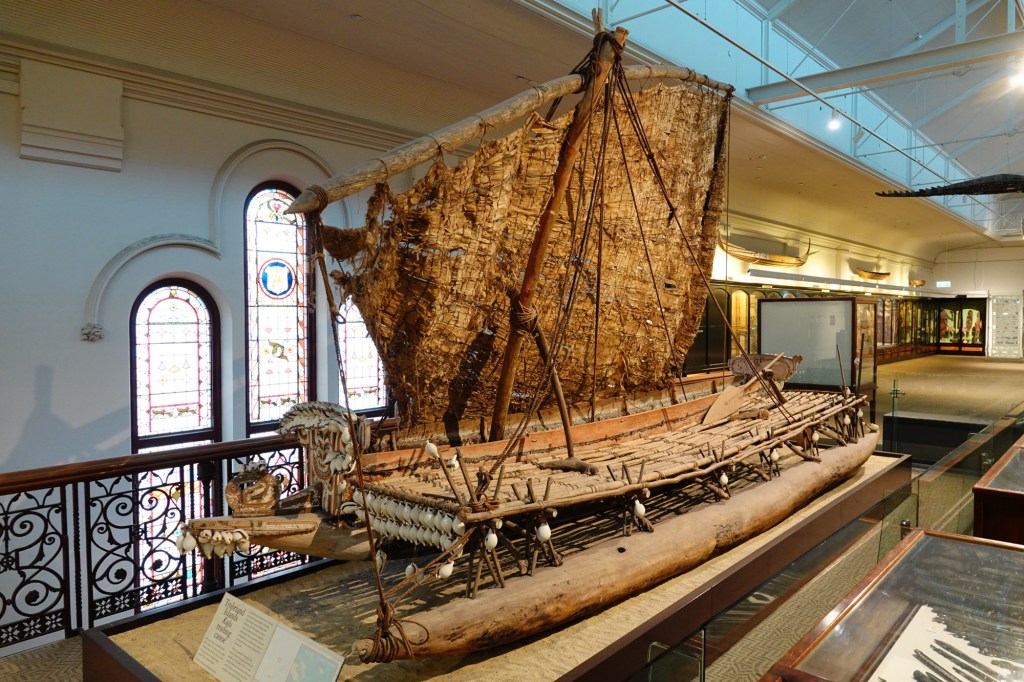
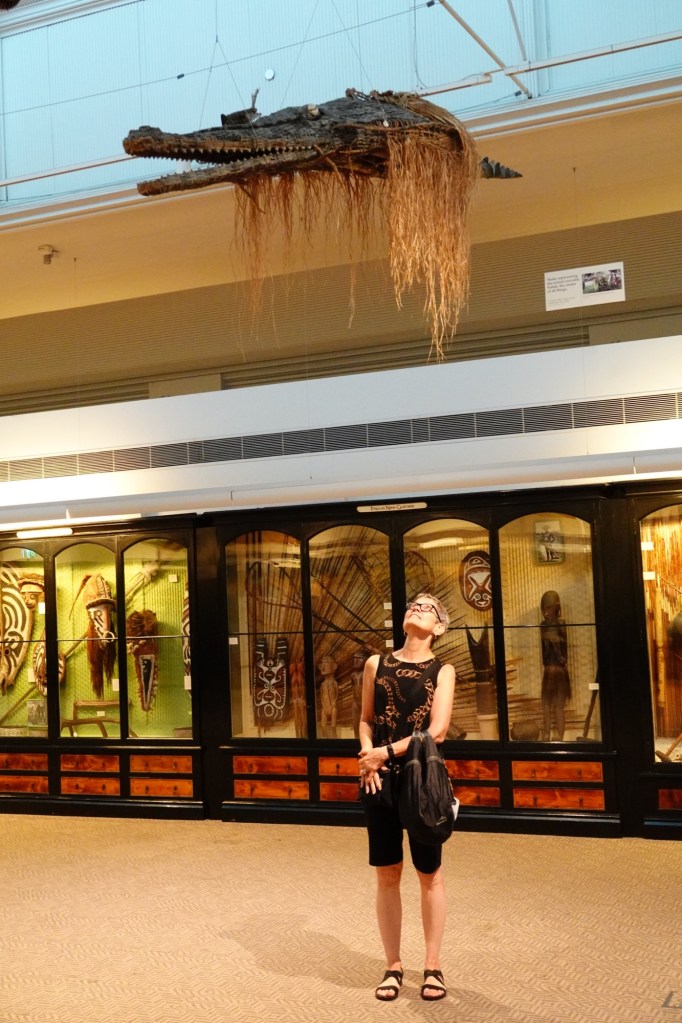
I know it’s a Tuesday, but why was there absolutely no one in the incredible Pacific Cultures galleries? Not one single person. The exhibits here were like nothing I’ve ever seen before, with artefacts from Papua New Guinea, Fiji, and the Solomon Islands: masks, canoes, spears, arrows, and more, all beautifully displayed and curated. The plaques describing the history of the area talked about when these islands were all connected to Australia, perhaps 60,000 years ago. They explained that for at least 80% of the time during which humans occupied the southwest Pacific, Australia and New Guinea were part of the single continent of SAHUL. Human settlement in this part of the world was most likely from Southeast Asia, where humans have been evolving for at least 1 million years.
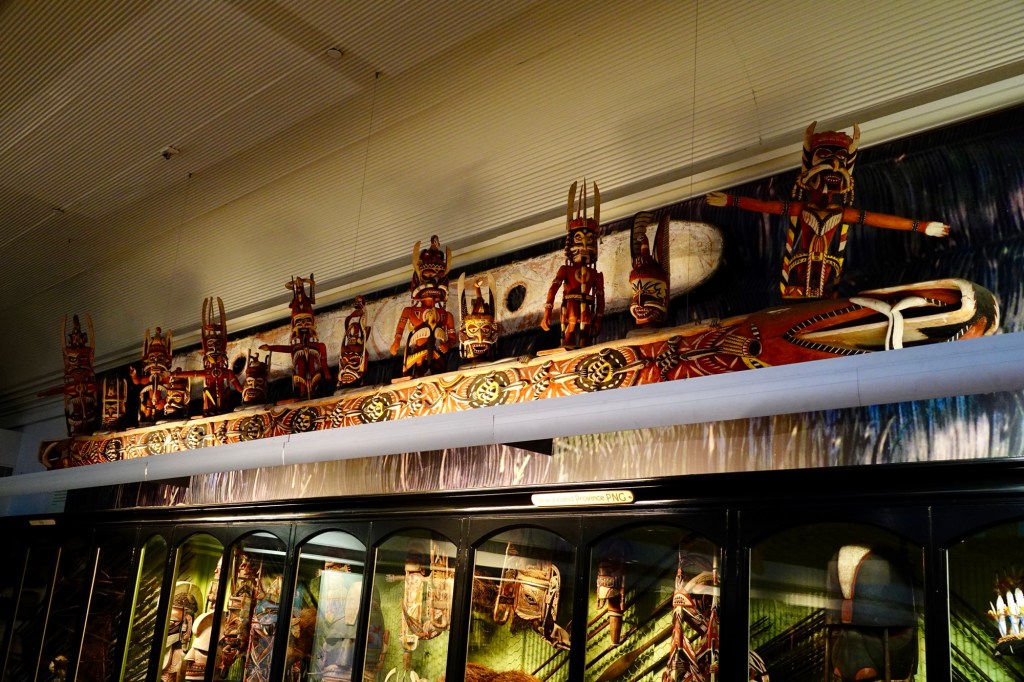
The giant Magan canoe, carved in 1995 but made as a copy of one collected in the early 1900s and now on display and the Stuttgart Museum in Germany, was magnificent.
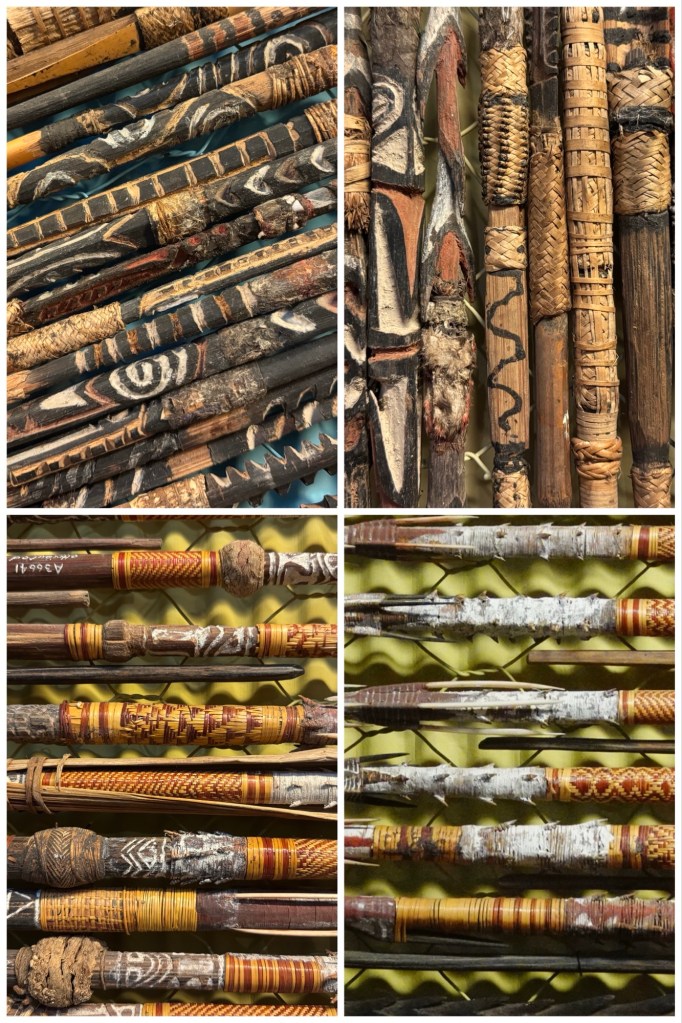
The detail on spears decorated with tiny woven reed and pine needle patterns was unimaginably delicate.
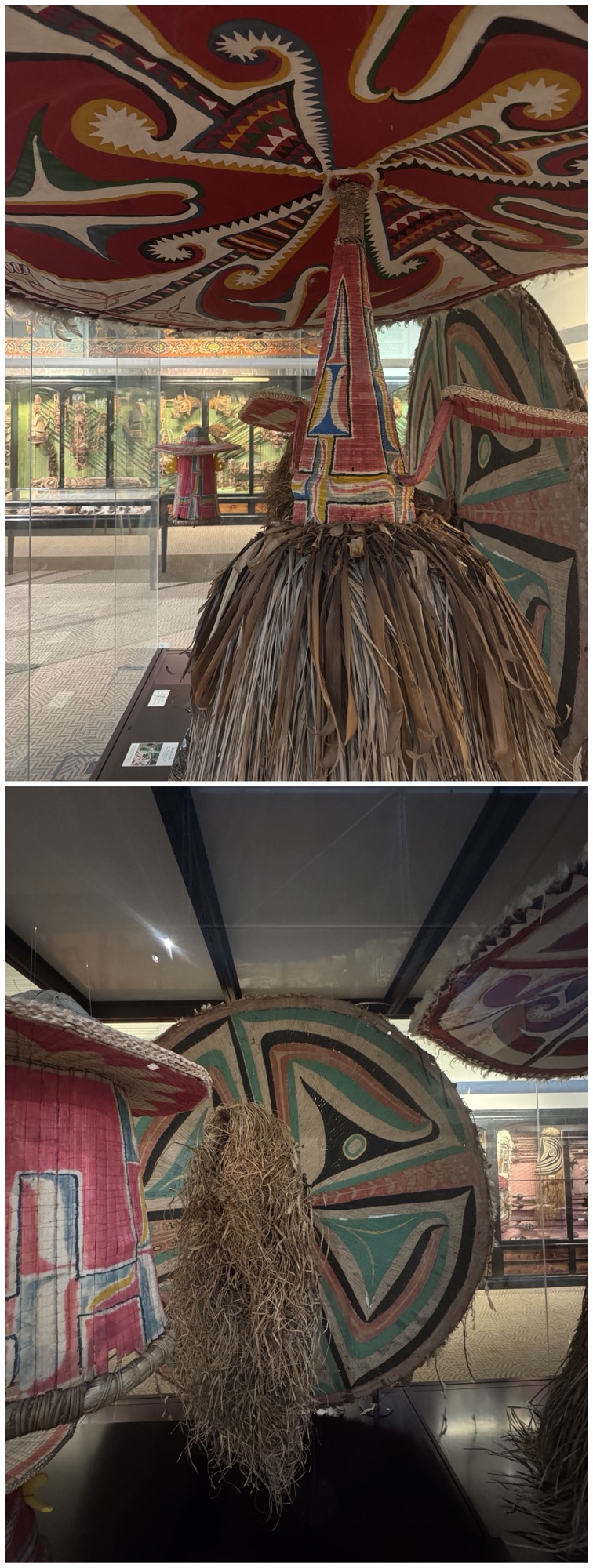
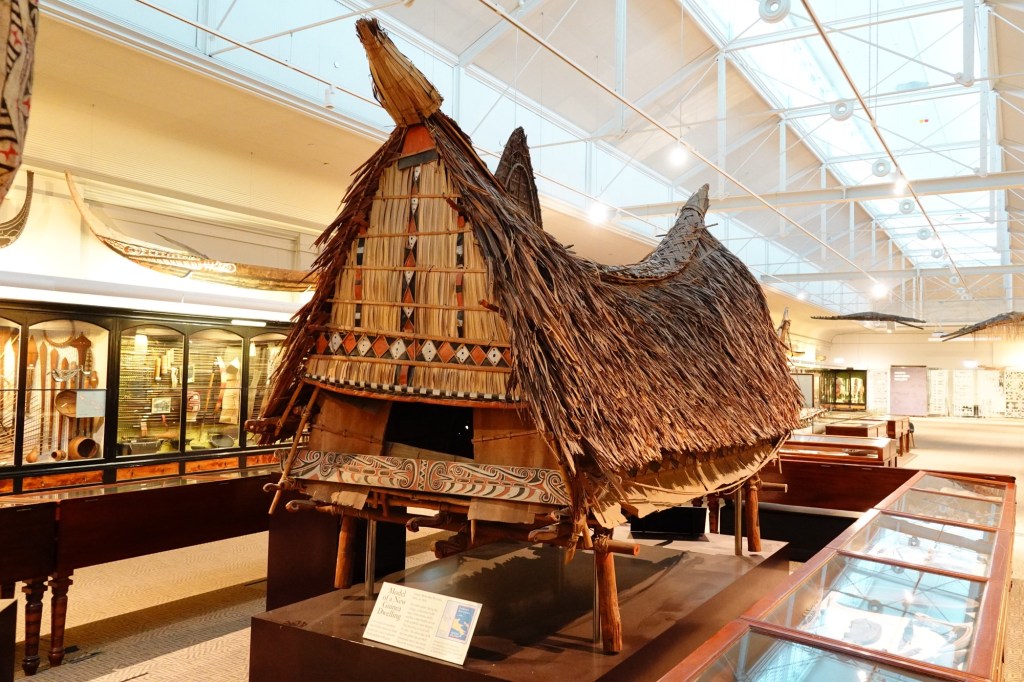
The Susu and Keipa masks worn during ritual dances and with massive circular brims above them were incredibly beautiful and in some ways reminiscent of the whirling skirts of dervishes.
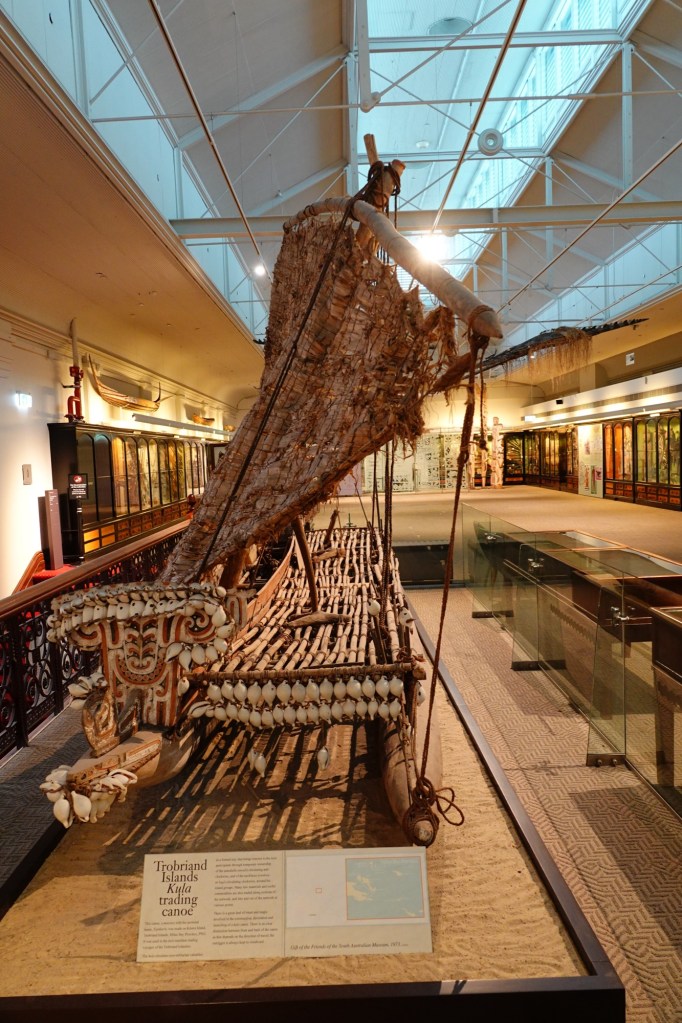
In pride of place in the centre of the hall was a model of a New Guinea dwelling made of bark, dried leaves, and thatch. Again, the decoration was intricate and incredibly beautiful.
We never did get to Vanuatu or the south Solomon Islands on our first world cruise because those locations were canceled, but looking around at the history displayed in this gallery makes me want to go back to the South Pacific to explore those places.
Suspended above us were Susu masks representing representing the primal crocodile Kabak, considered the creator of all things. The size of these masks makes it difficult to believe that dancers could wear them, but the construction is lightweight material that allowed intricate designs and large sized headwear to be balanced on necks and shoulders for long periods of time, since dances often lasted throughout an entire night.
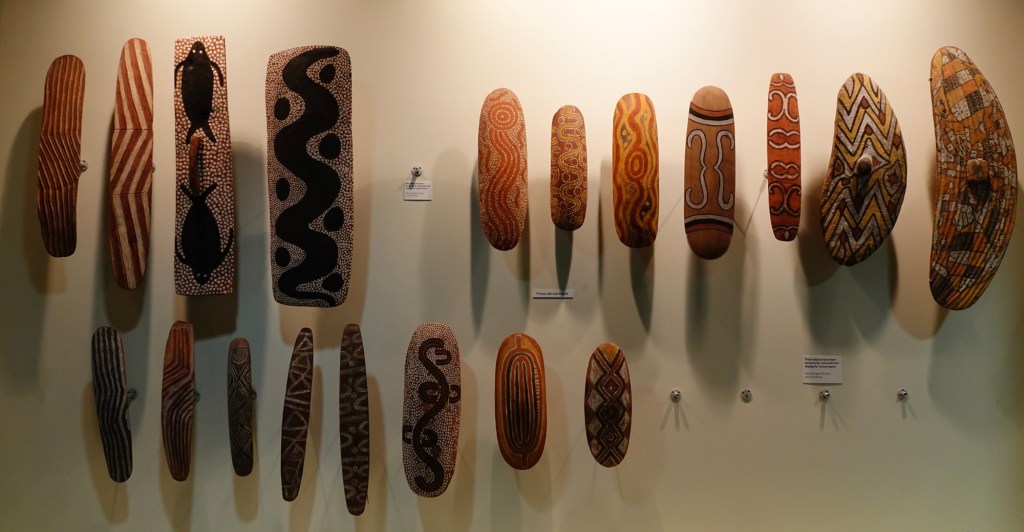
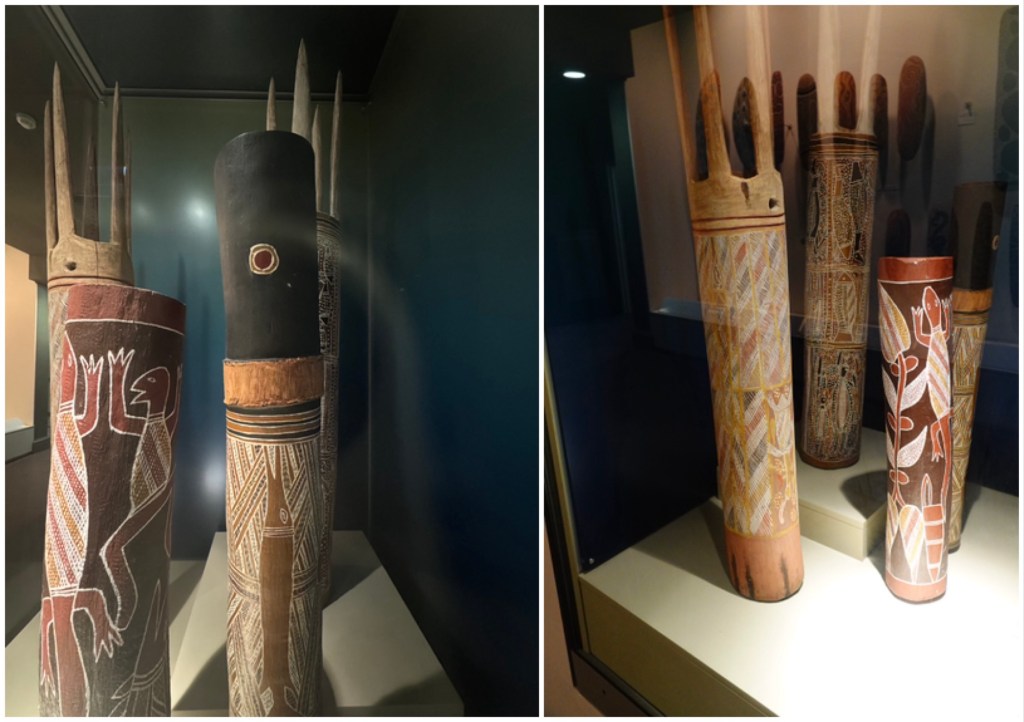
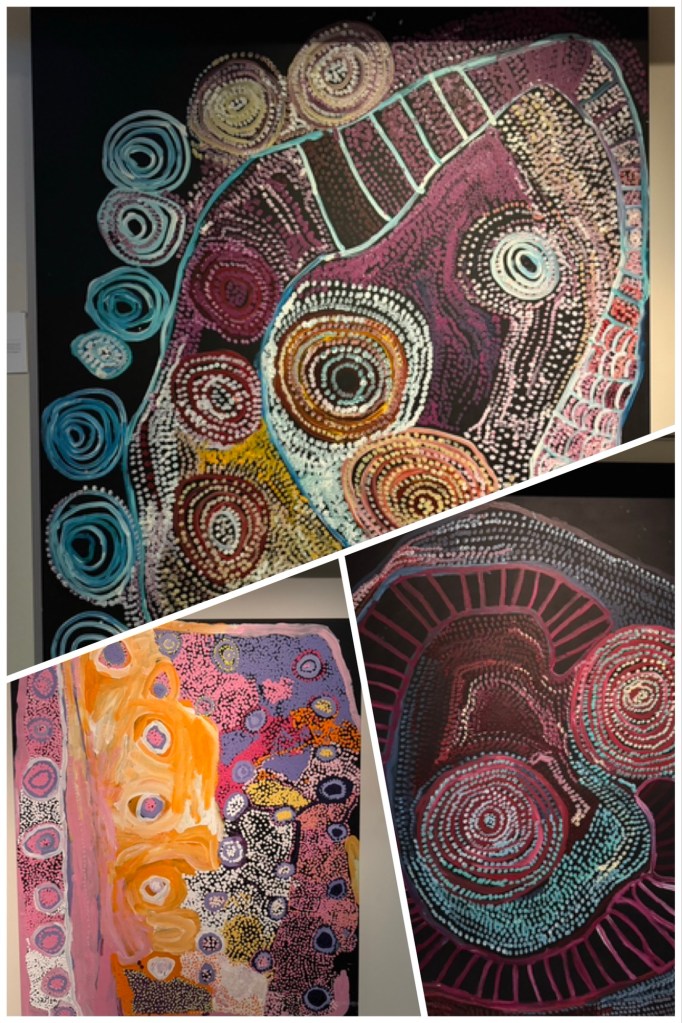
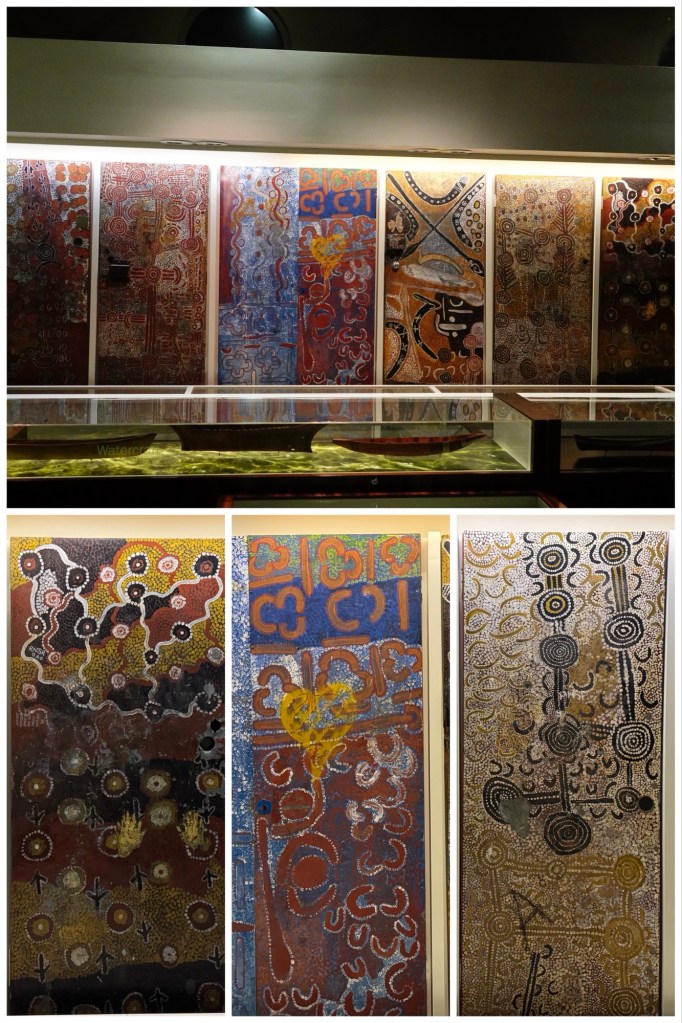
The Australian Aboriginal galleries were quite dark, intended to preserve the pigment on the various artifacts, but making it very difficult to get good photographs that showed how beautiful they really were.
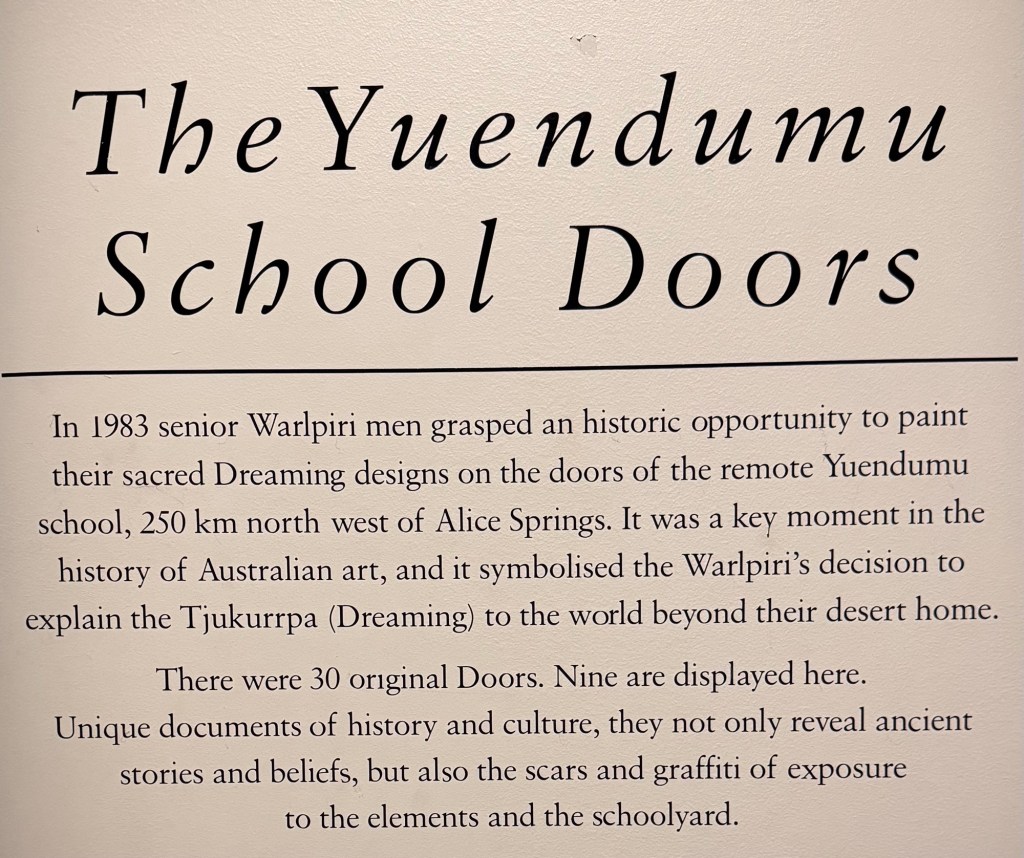
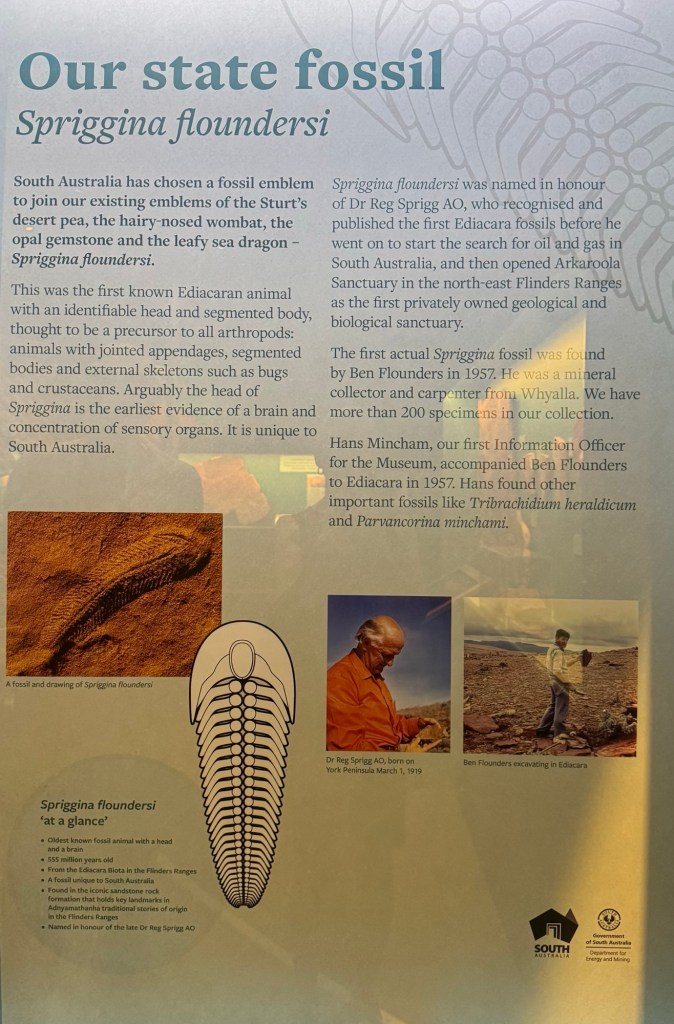
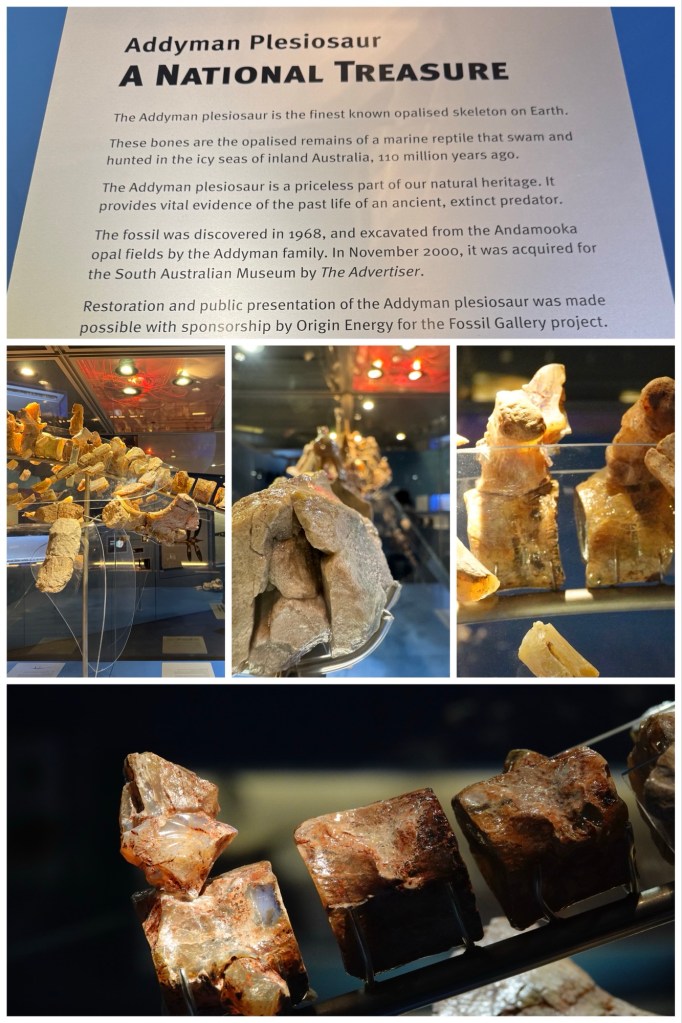
We popped upstairs to the collection of minerals, gemstones, etc., and discovered that the state of Southern Australia has a state fossil. How many places do you know that have a fossil as one of their emblems?
There was also a large exhibit room dedicated to Australia’s contributions toward Antarctic exploration, a reminder that in this hemisphere, it’s the south pole that is significant.
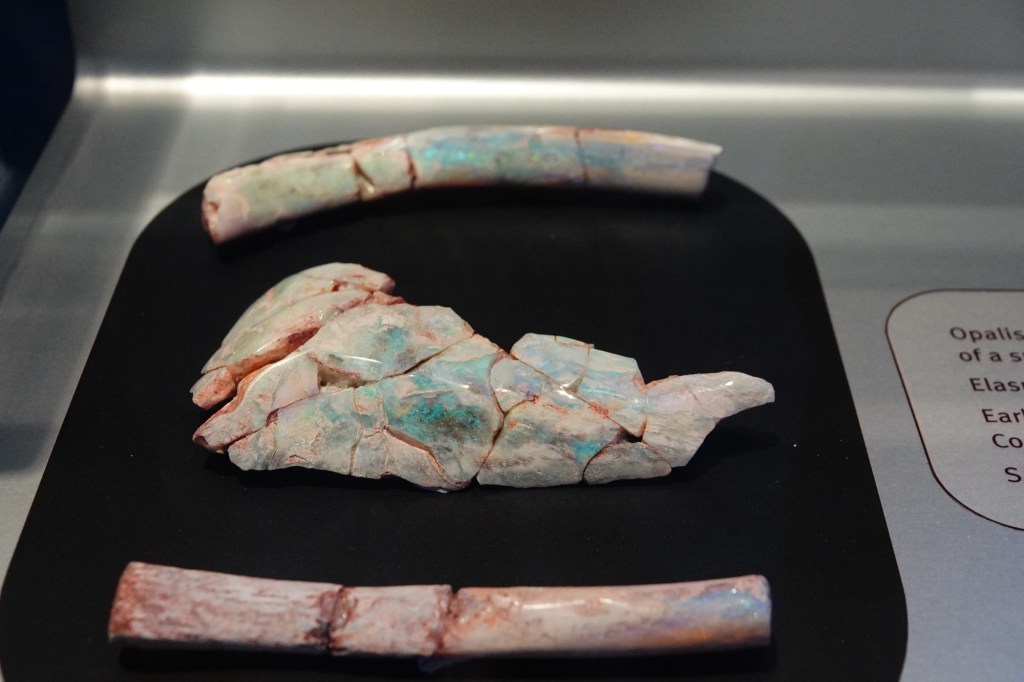
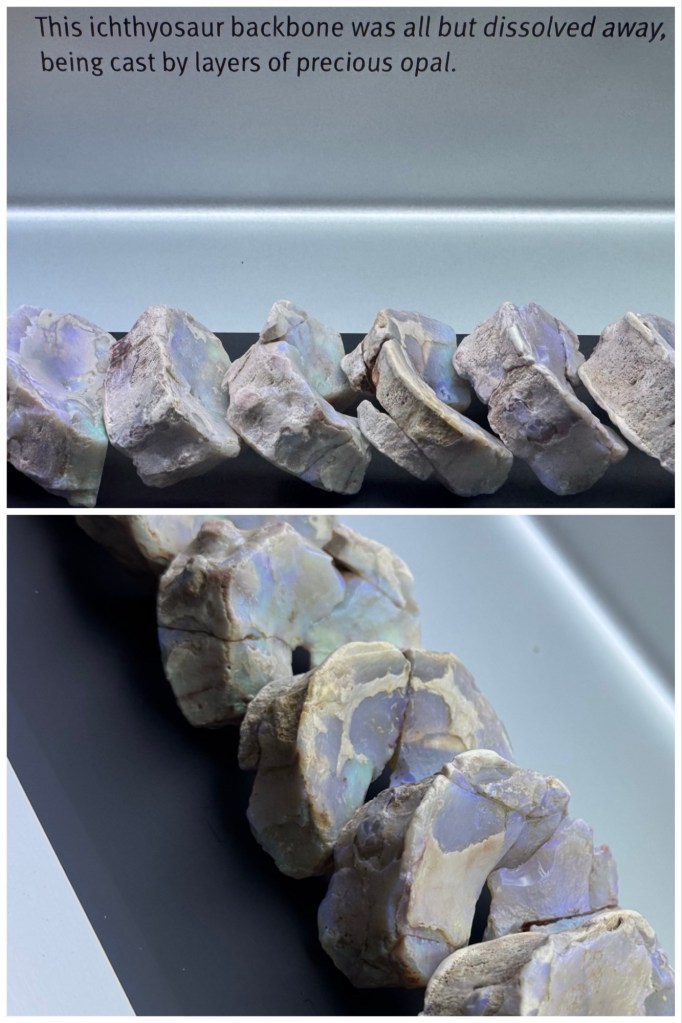
Australia is famous world over for its opals, but I had never heard of opalized bones before. Nonetheless, there was an entire room dedicated to the opal fossils of South Australia.
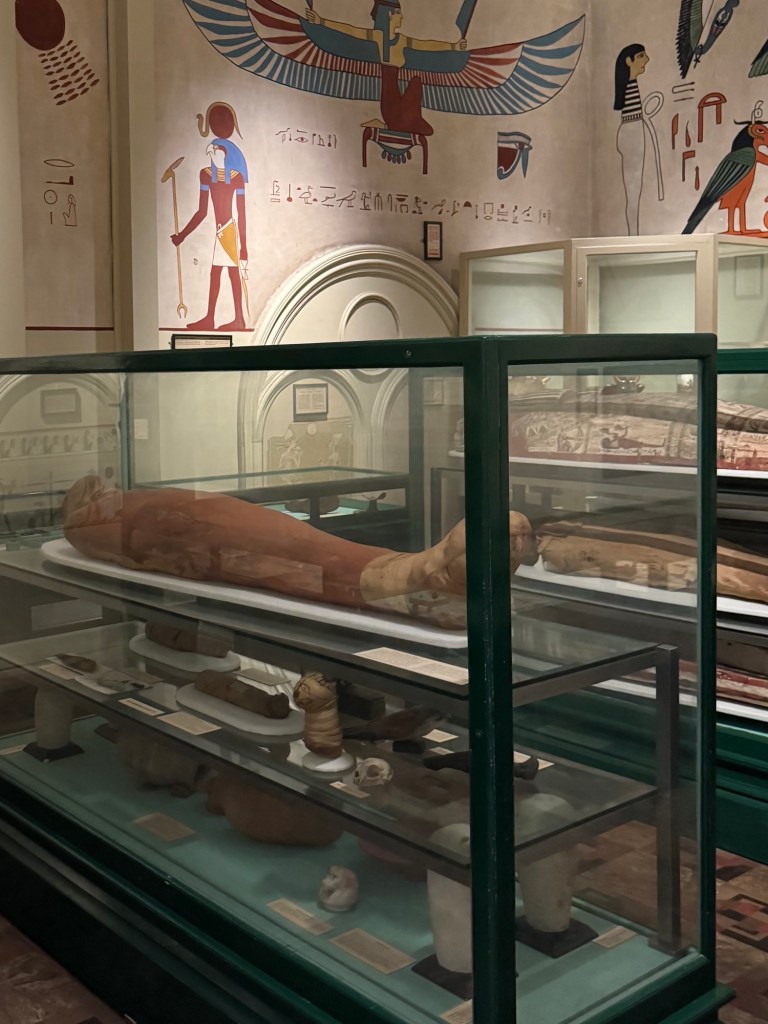
Like most natural history museums around the world there is also an Egyptian room; having recently returned from the tombs in Egypt this held little interest to us other than from the point of view of wondering when this museum, like so many others, will be asked to return its mummies to their original home.
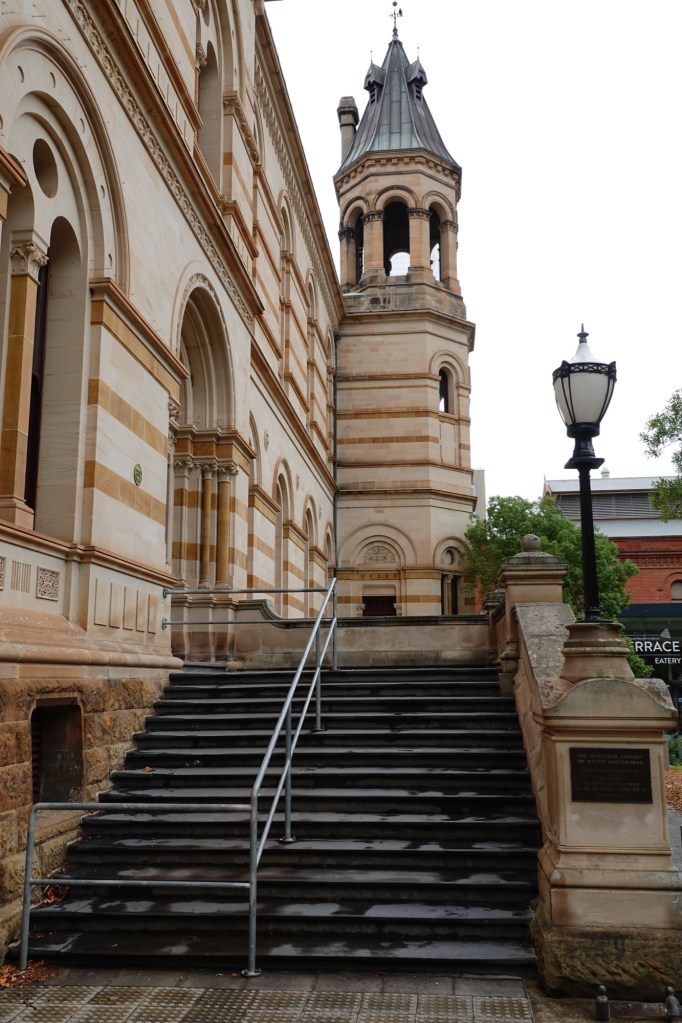
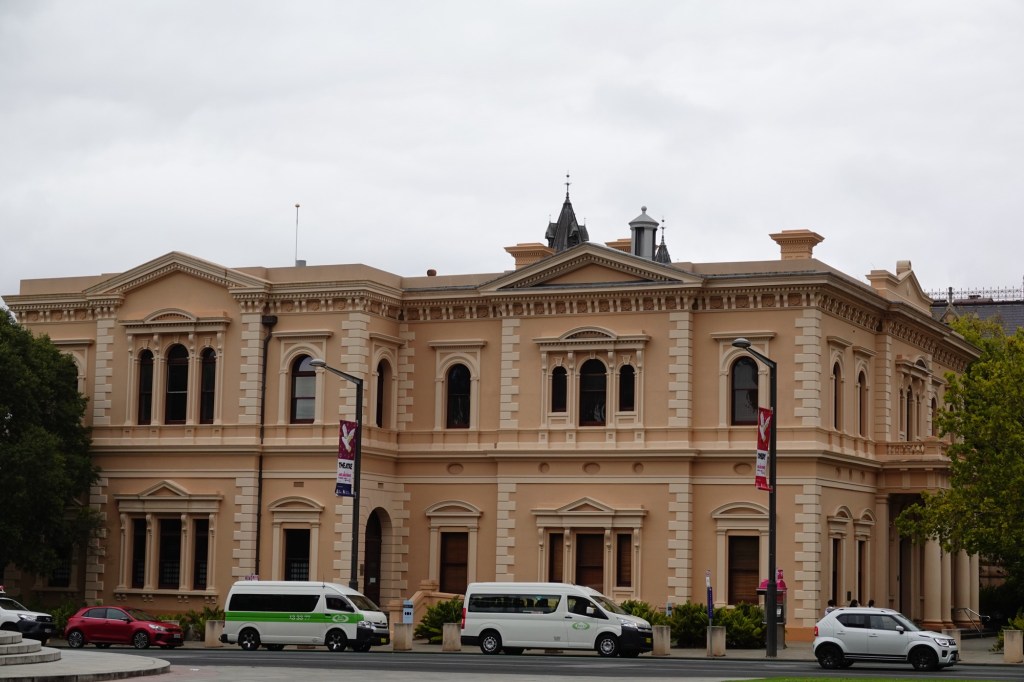
Back outside to the State Library.
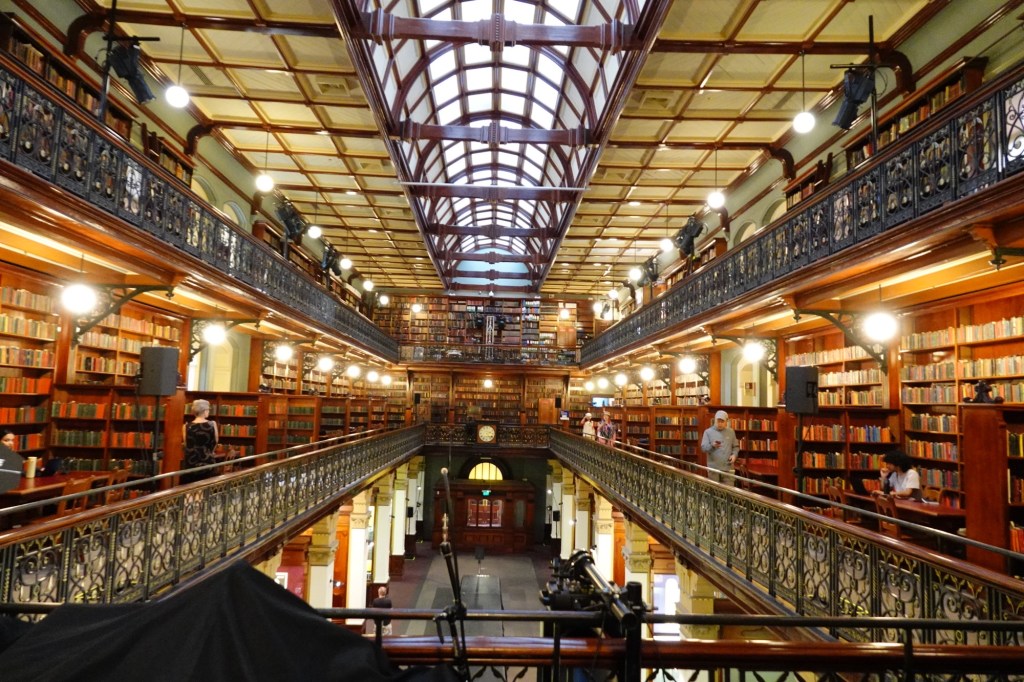
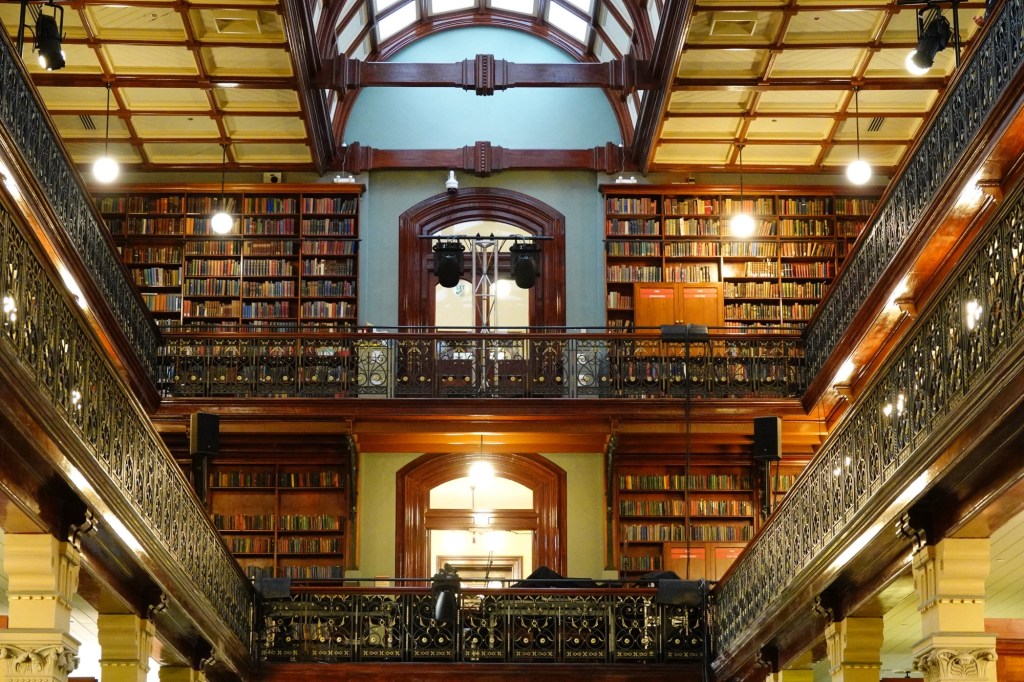
The Mortlock Chamber in the Adelaide State library is purported to be one of the most beautiful libraries in the world, however while the layout reminded me of the library at Trinity College in Dublin (Episode 408) it is nowhere near as lovely.
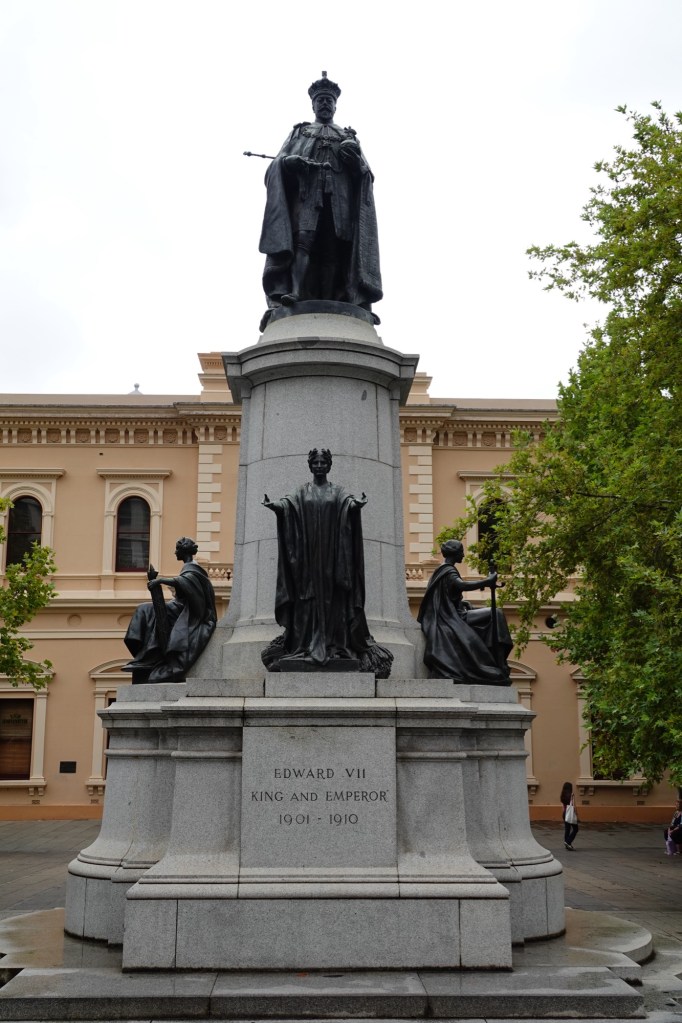
Given the length of her reign and the breadth of her empire, there are statues of Queen Victoria everywhere, but it is quite rare to see a statue of King Edward VII who only reigned for nine years.
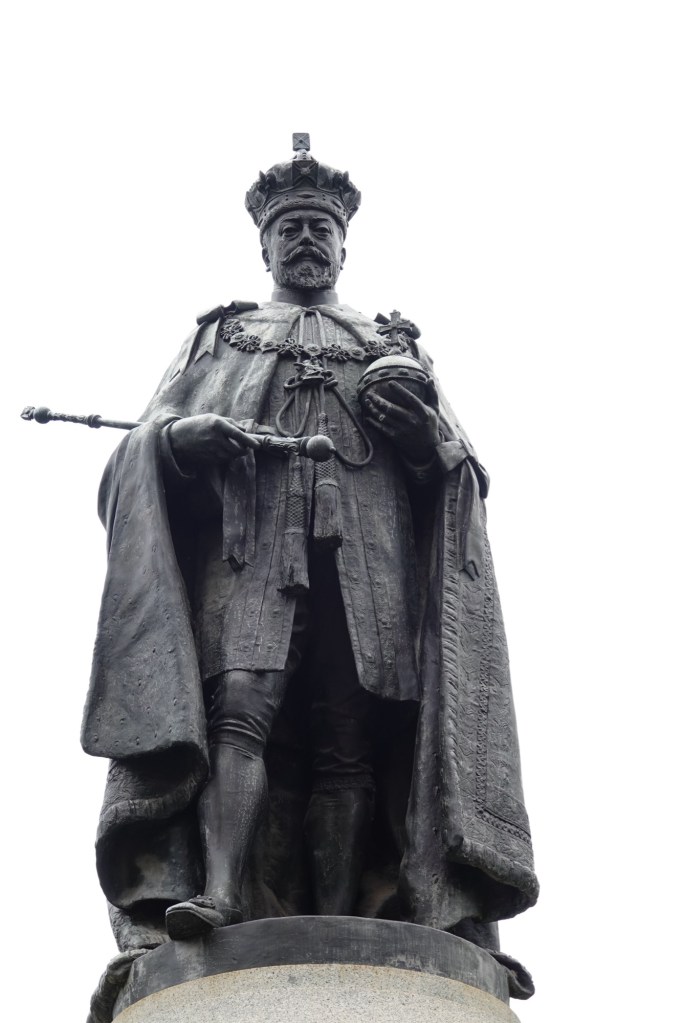
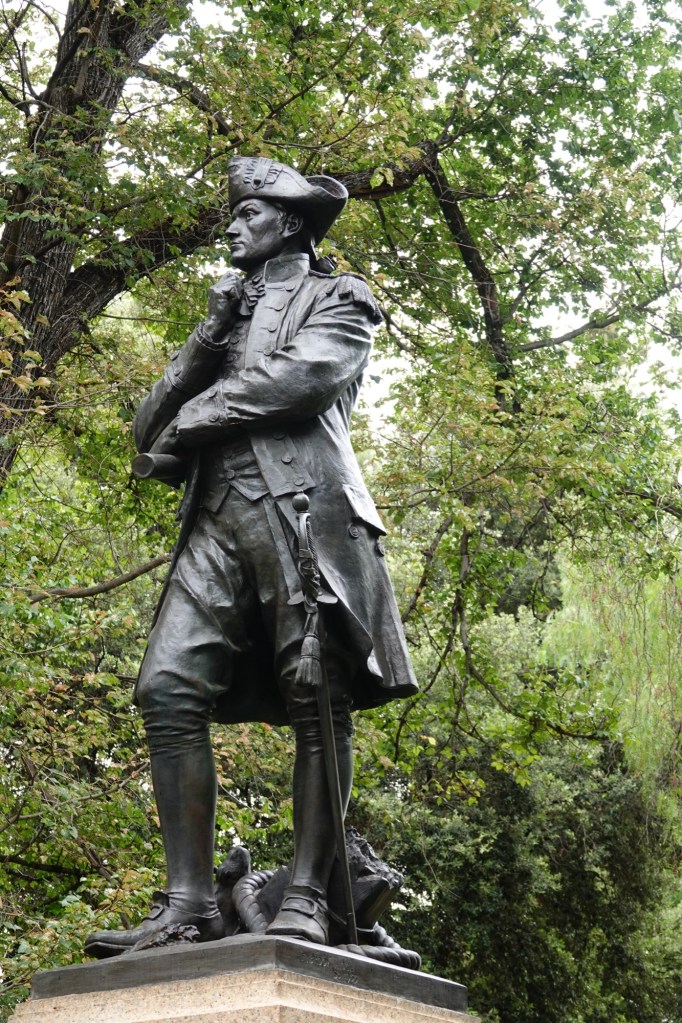
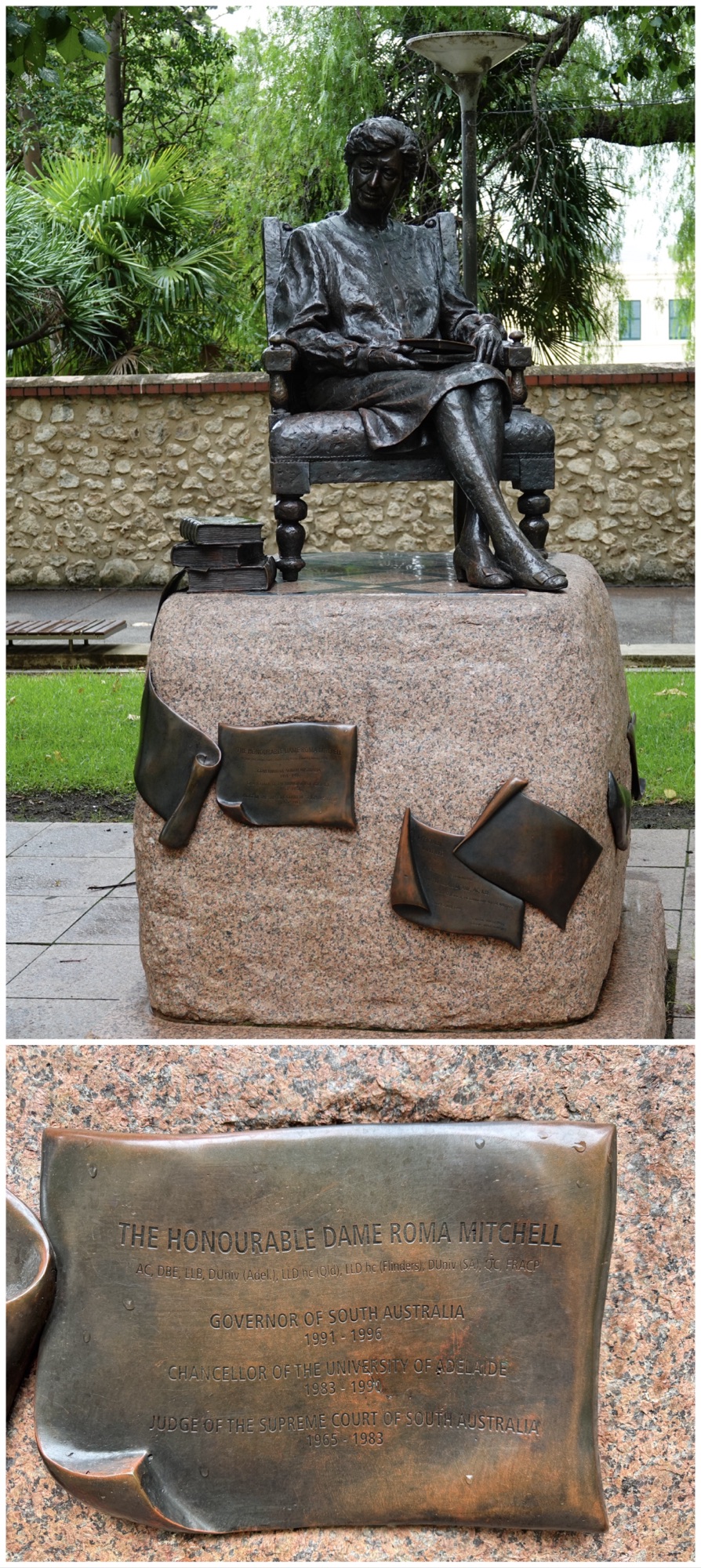
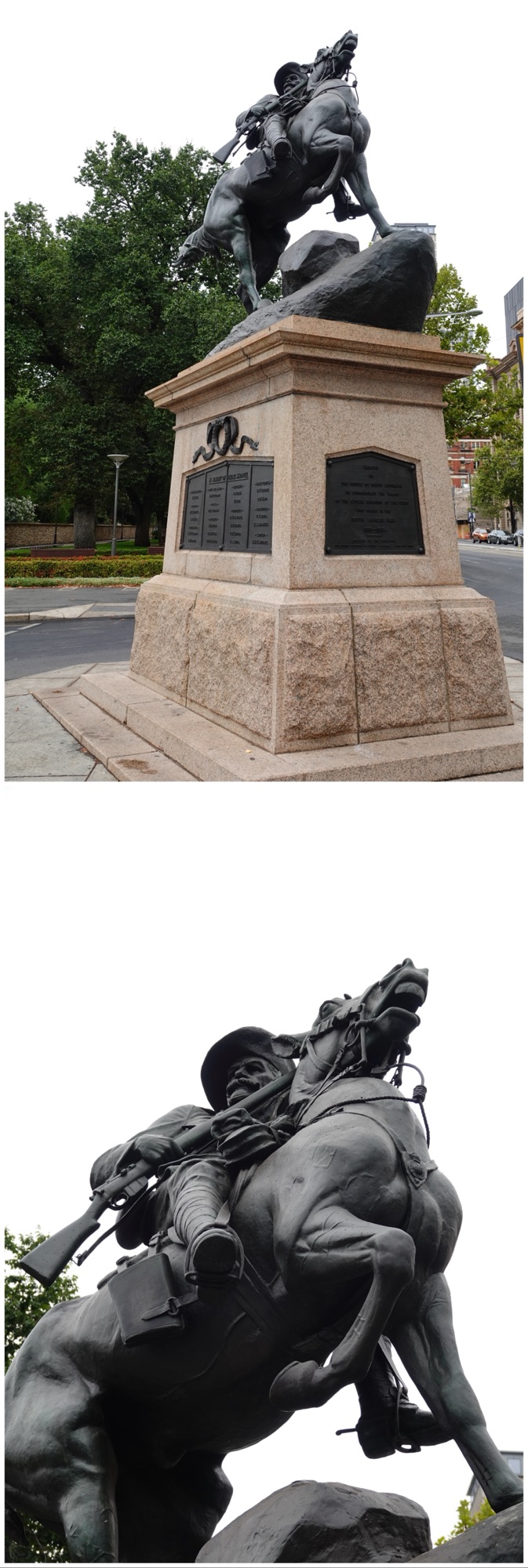
There are many other statues along the North Terrace – far too many to photograph them all.
After a quick stop back at our apartment and before heading to dinner, we met Pierre and Lynn for a drink and conversation. We have lots in common – not only our travelling lifestyle, but also Viking Cruises (including a World Cruise, although not at the same time). What fun it was to get to know them better, with the bonus of their experiences to draw upon as we continue to explore the world. Pierre might be the only person I know who travels with a “wine suitcase” so that he can take vintages home from his travels; clearly he will be a resource for choosing wines! And, now that I know that Lynn plans their trips, I just may be picking her brain about destinations and accommodations (especially when we finally get to Japan in 2028). Hopefully that will mean our paths will cross again… even beyond a planned dinner together when we’re both in Melbourne next week!
Tomorrow our plan is to head by bus to Hahndorf for the day. Schnitzel and German-style wines beckon.
 Rose and Ted’s Excellent Adventure