Before the first humans to settle here arrived from Polynesia around 800 years ago the only mammals in New Zealand were 2 species of bats.
A lot has changed since then, with that first invasive species (yes, humans are invasive!) importing many, many others – for food, for farming, for sport, and often to make this place look more like whatever place they used to call home.
Many of the animals who were here, not having evolved in a place with predators, quickly became extinct. Over 800 years of human settlement here around 100 native species have disappeared, including at least 51 bird species (like all 9 moa species and the Haast’s eagle), one of those two original bats, three frog species, three reptiles, and numerous invertebrates.
Flightless birds had no chance against rats, cats, weasels, possums – and humans with guns. Plant growth couldn’t keep up with rabbits. Native trees were cut down as building material; native plants burned out to create grassland for grazing.
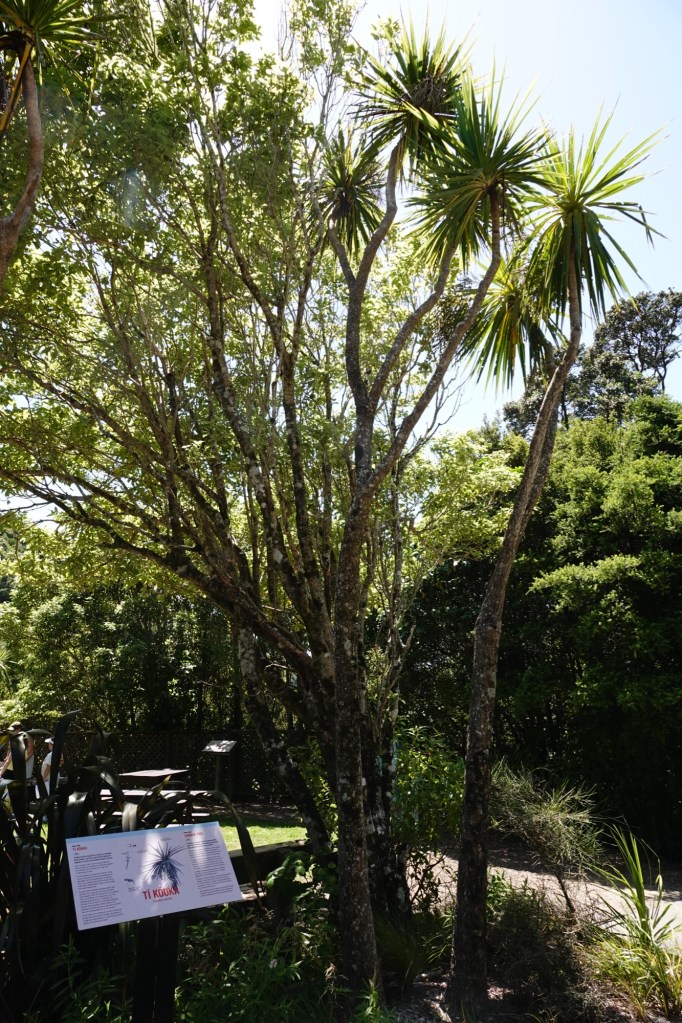
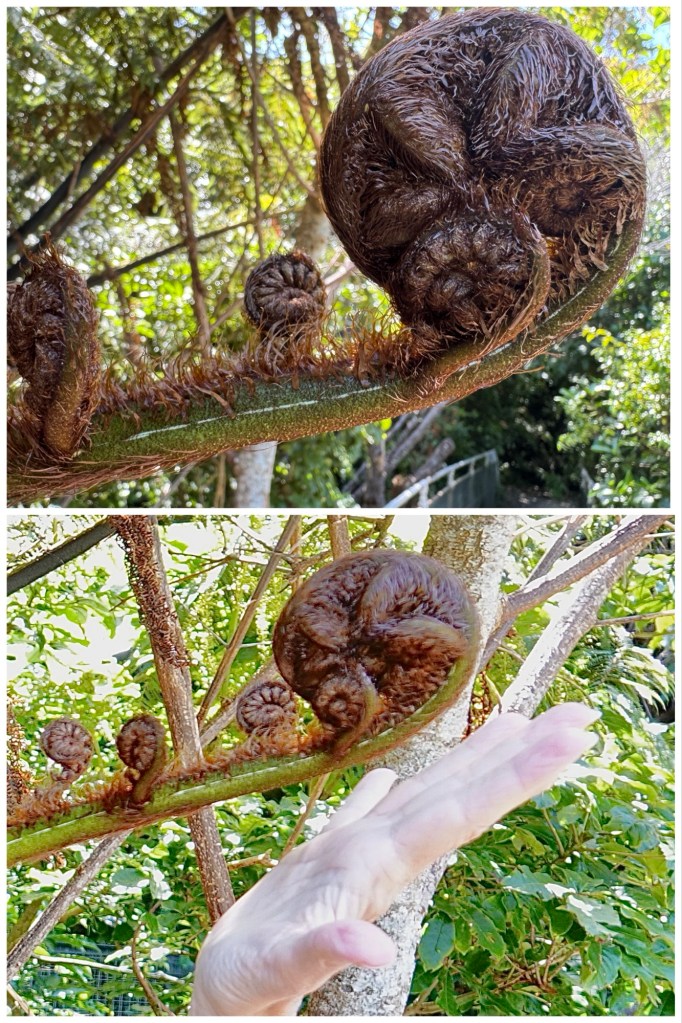
The country’s ecology changed completely.
Zealandia was conceived 26 years ago as a sanctuary representing pre-human New Zealand. It has a vision statement that reaches 500 years into the future (here), but a plan that spans a much more manageable single generation at a time.
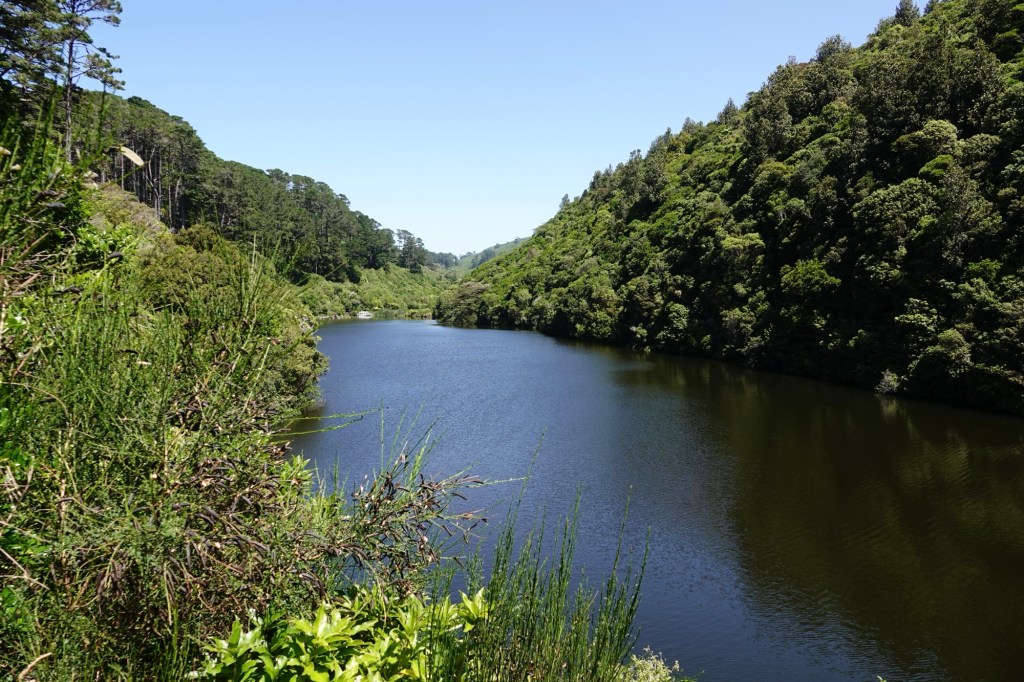
The property was originally the Wellington reservoir, built in 1904 to 1906 and decommissioned in the 1990s. The dry Upper Karori Dam still exists, and we could walk across it for some pretty incredible views of the lake and valley.
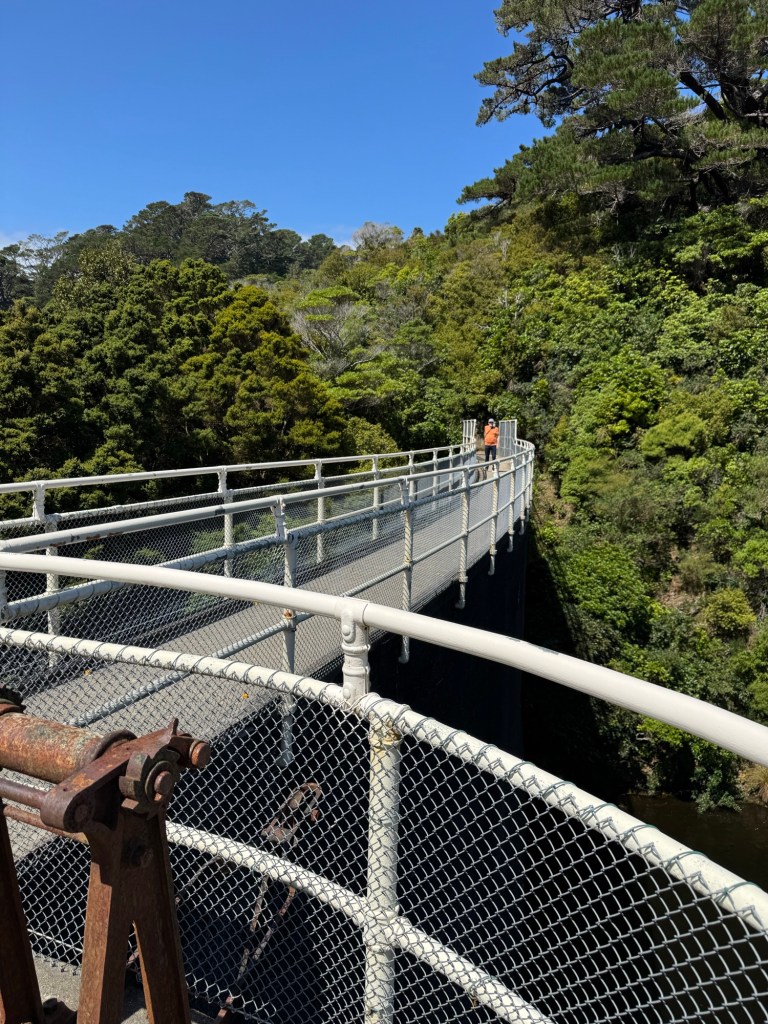
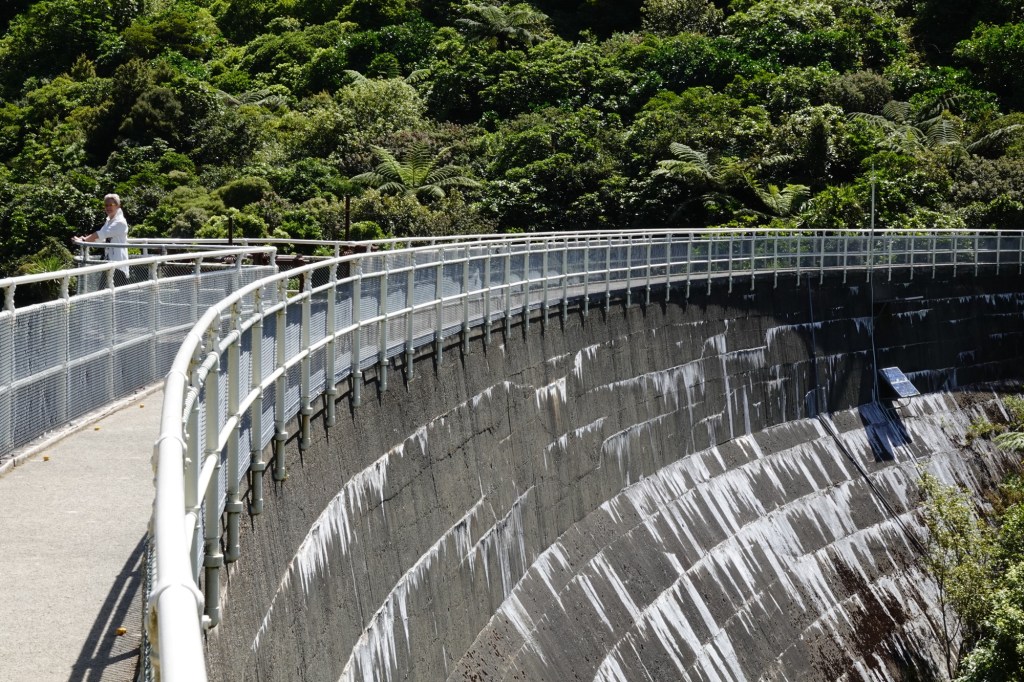
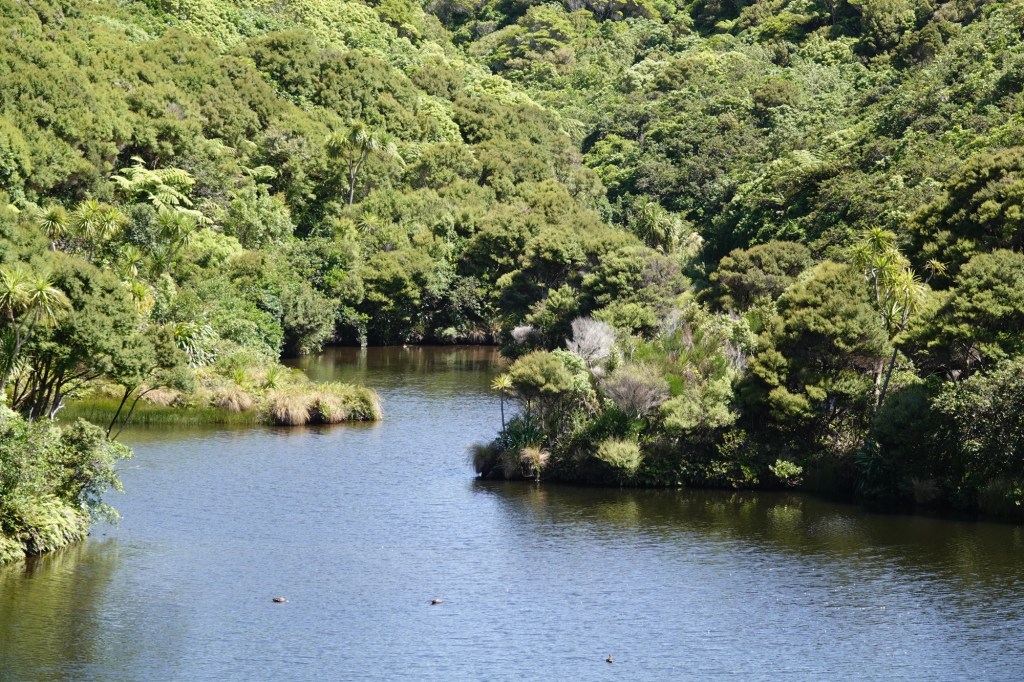
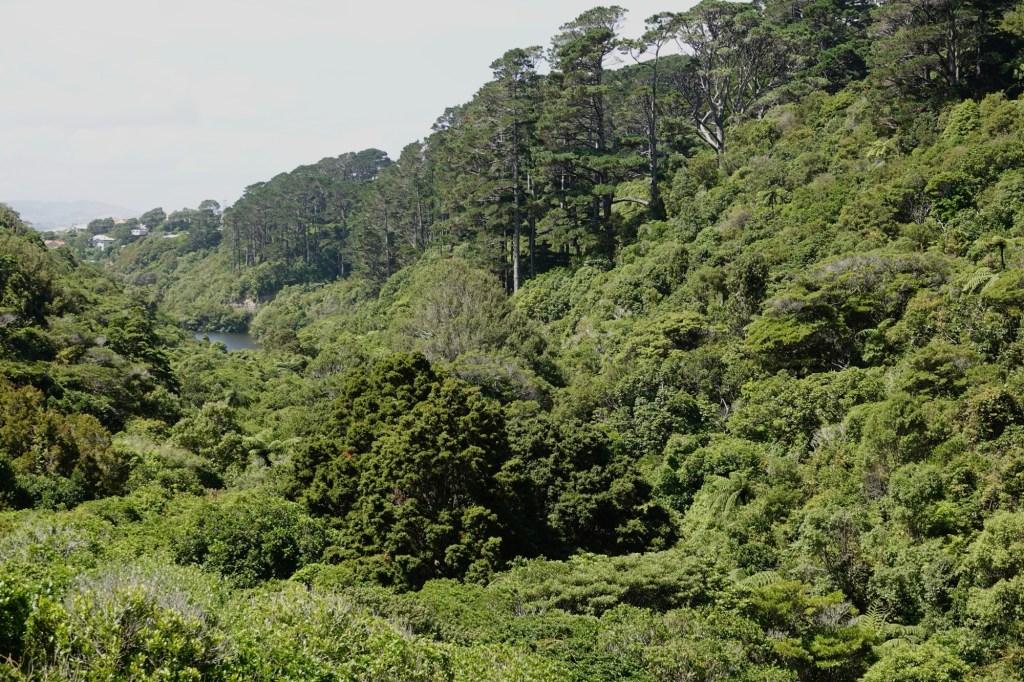
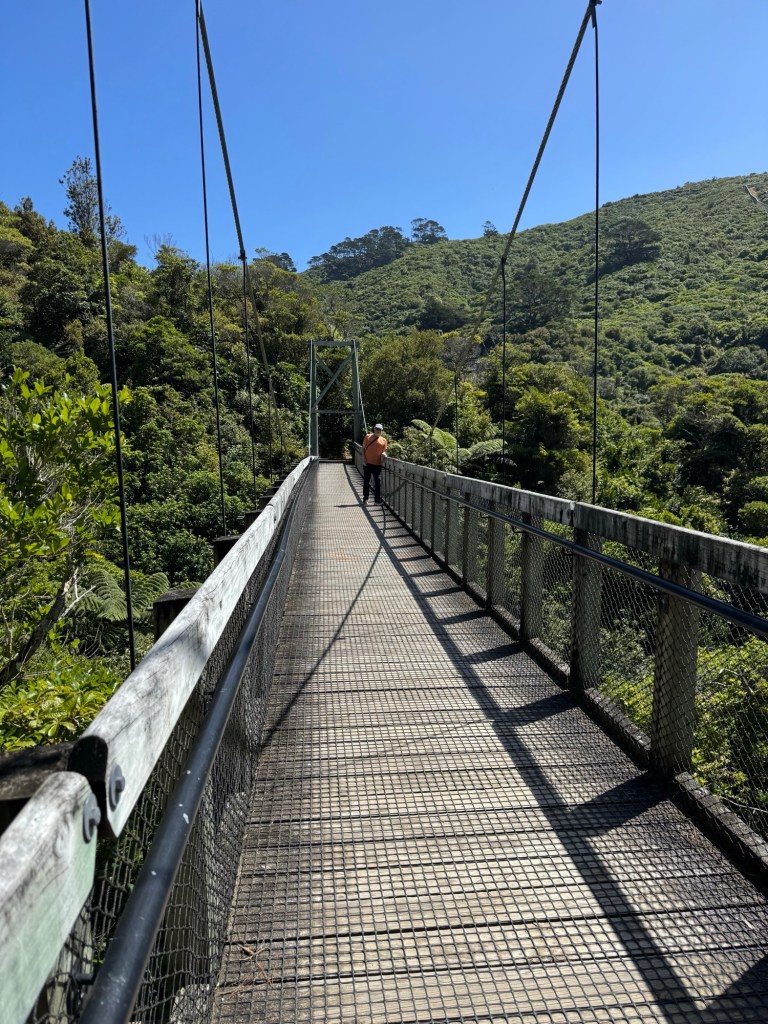
There is also a suspension bridge that allows visitors to be closer to the treetops.
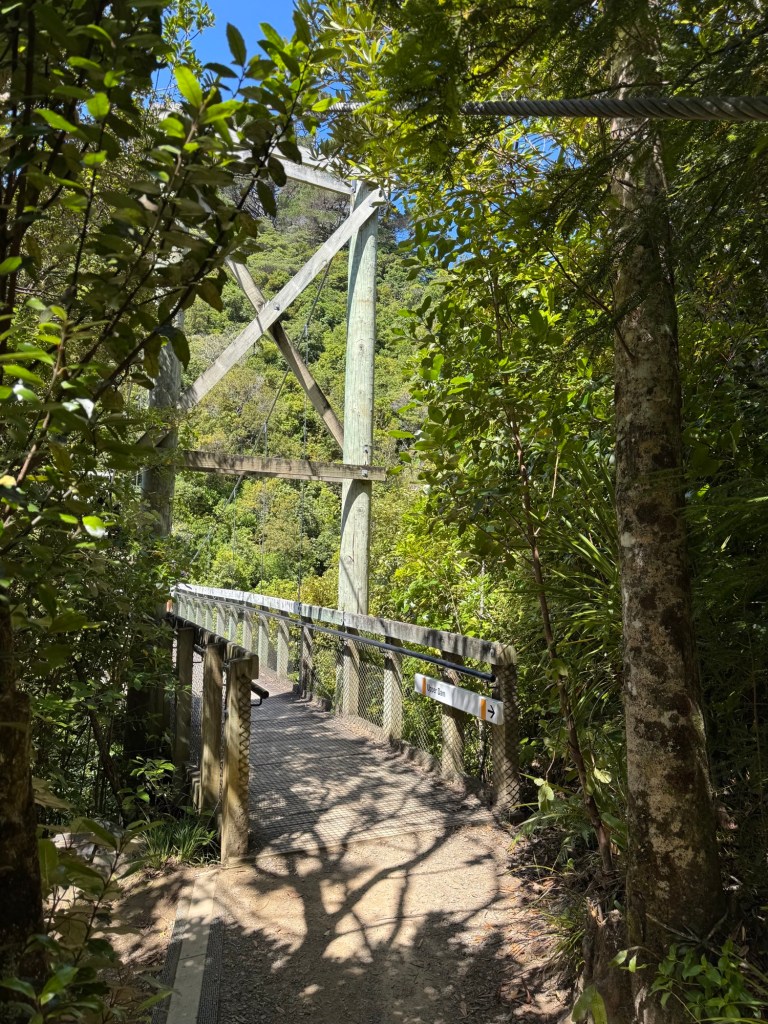
Over a period of about 5 years, the area was fenced, and slowly rid of feral cats, rodents, and other imported predators.
We learned about the process of designing the optimal predator-resistant fencing, and that 100 of the 500 volunteers who currently work here are just involved in fence maintenance. If something does get in, like weasels tunnelling through rotted tree roots, there are poison traps set up within the area. New Zealanders have very little empathy for imported predators.
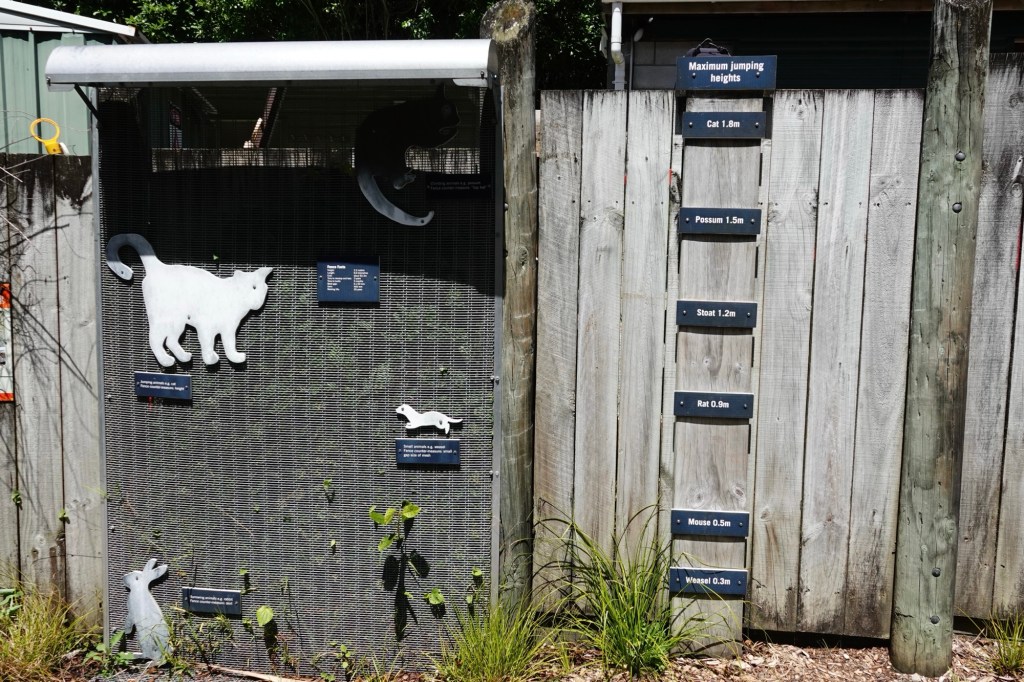
Once the area was made as predator-free as possible, native species were introduced. Some of the wildlife that had not gone extinct was found living on remote islands that people had not settled; small numbers were brought to Zealandia in hopes of regenerating a population.
A good example is the Tuatara, a rare medium-sized reptile that is considered a “living fossil”. It is the only species left on its branch of the evolutionary tree, which would have been very diverse in the Mesozoic era.
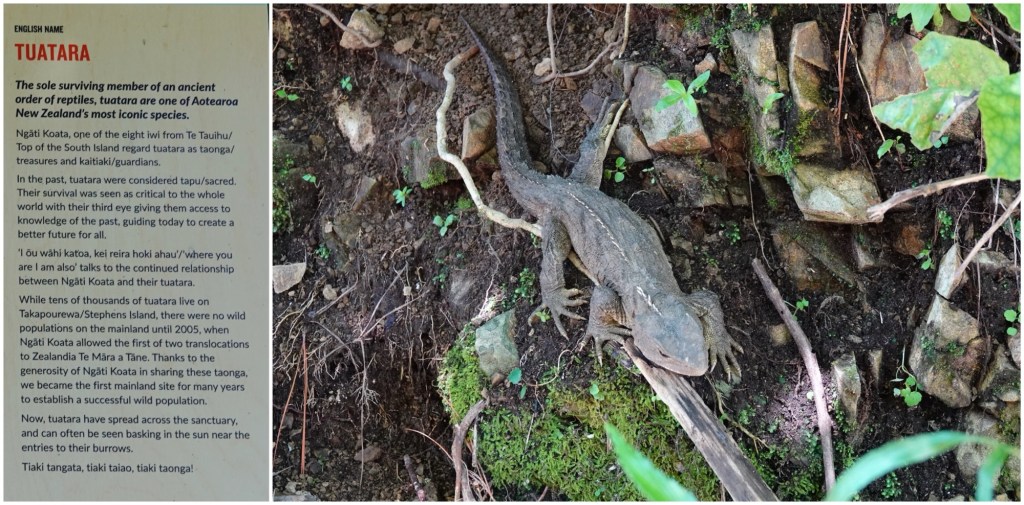
It is the oldest reptile in the world, and endemic to New Zealand. A park naturalist told us that Tuatara are born with a third eye on the top of their heads that allows them to see predators from above. As they age, that eye closes and becomes more of a sensor pad. Millions of years ago, they undoubtedly would have remained three-eyed.
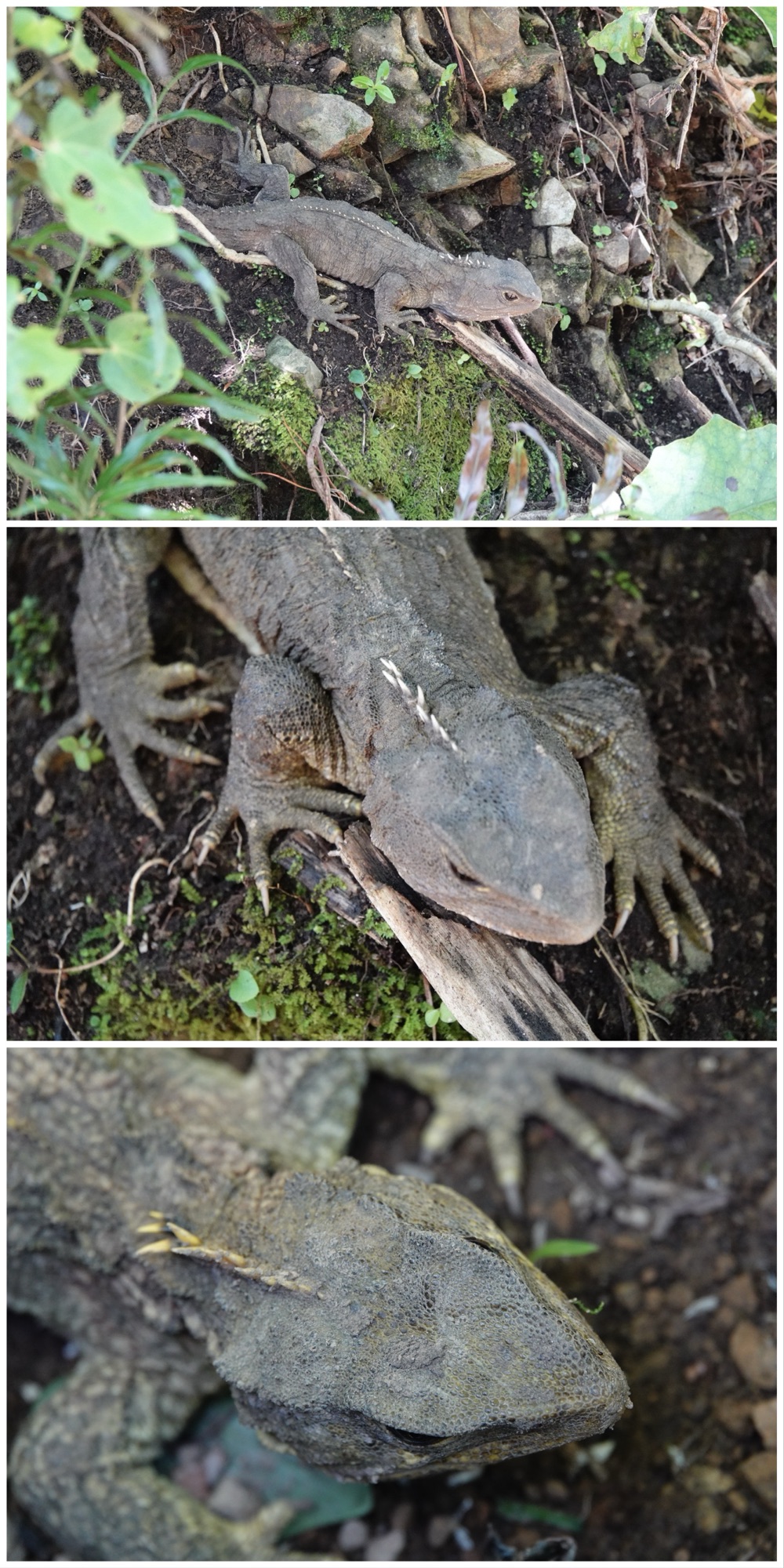
The red beads on some of the Tuatara indicate that they are part of Zealandia’s original population, which had gone extinct on the mainland. Tracking those animals allows the scientists to learn more about how long they survive in the wild. There is apparently one in captivity that has reached 103 years.
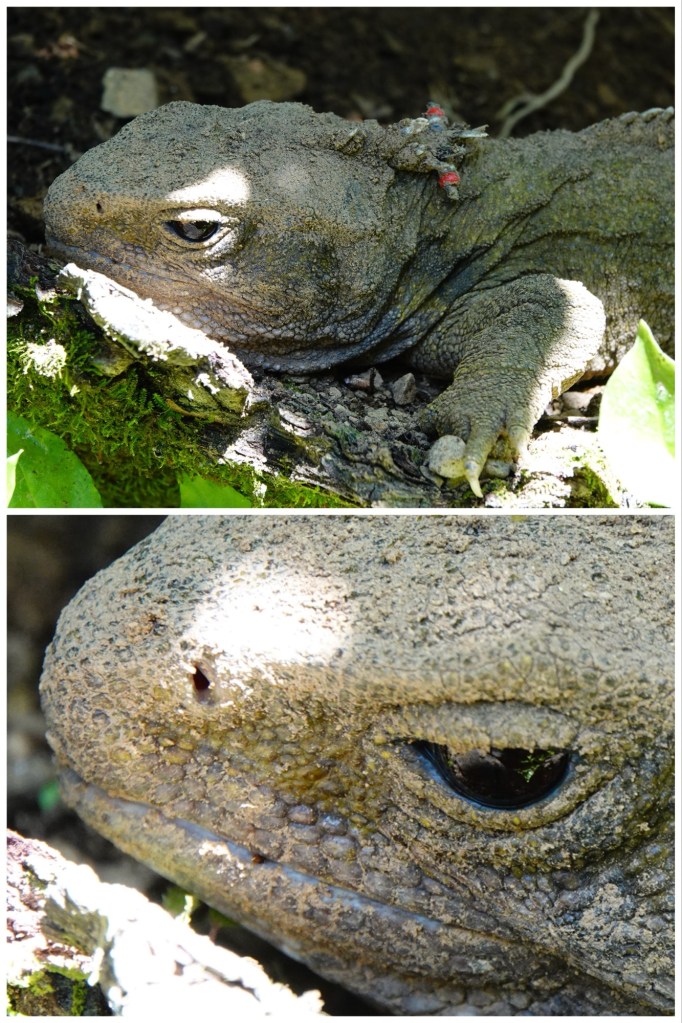
It is a fascinating reptile, about which we would have known nothing without today’s visit.
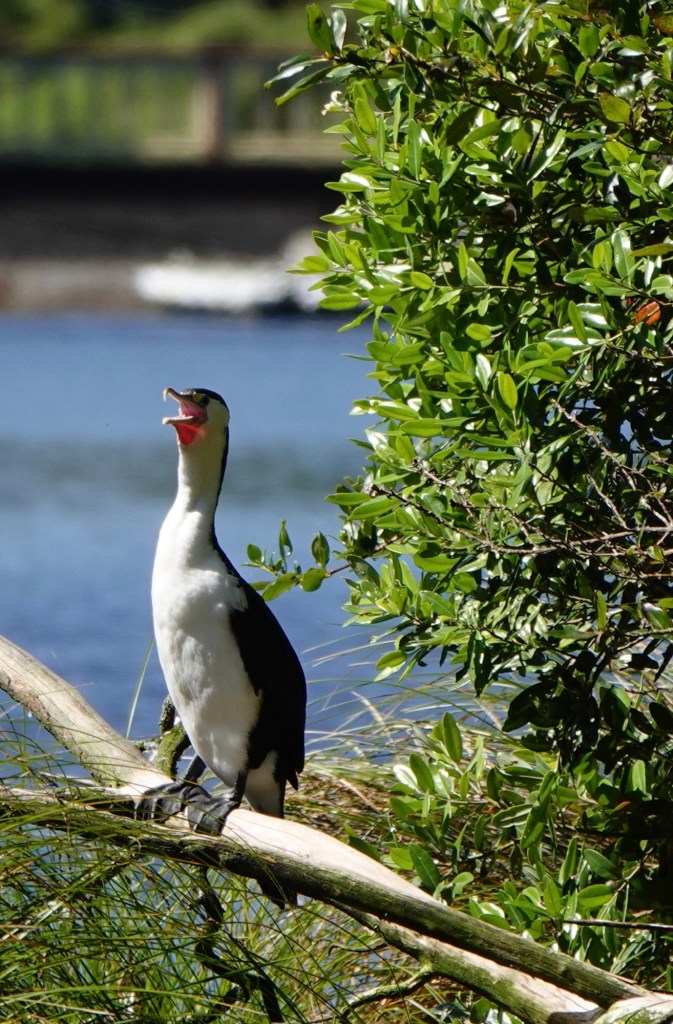
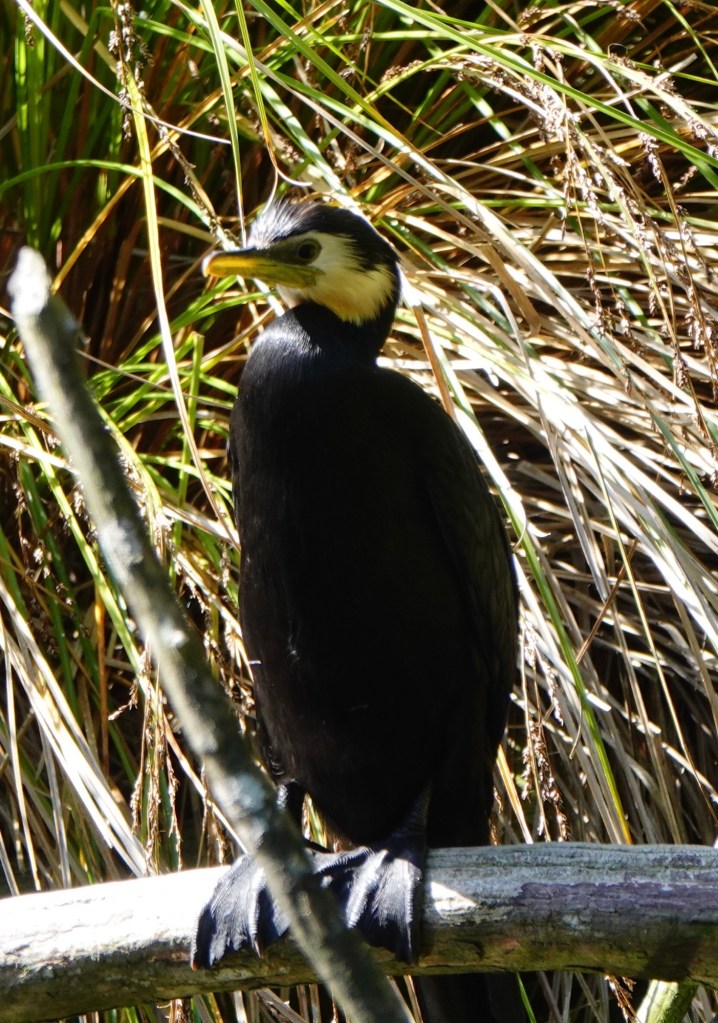
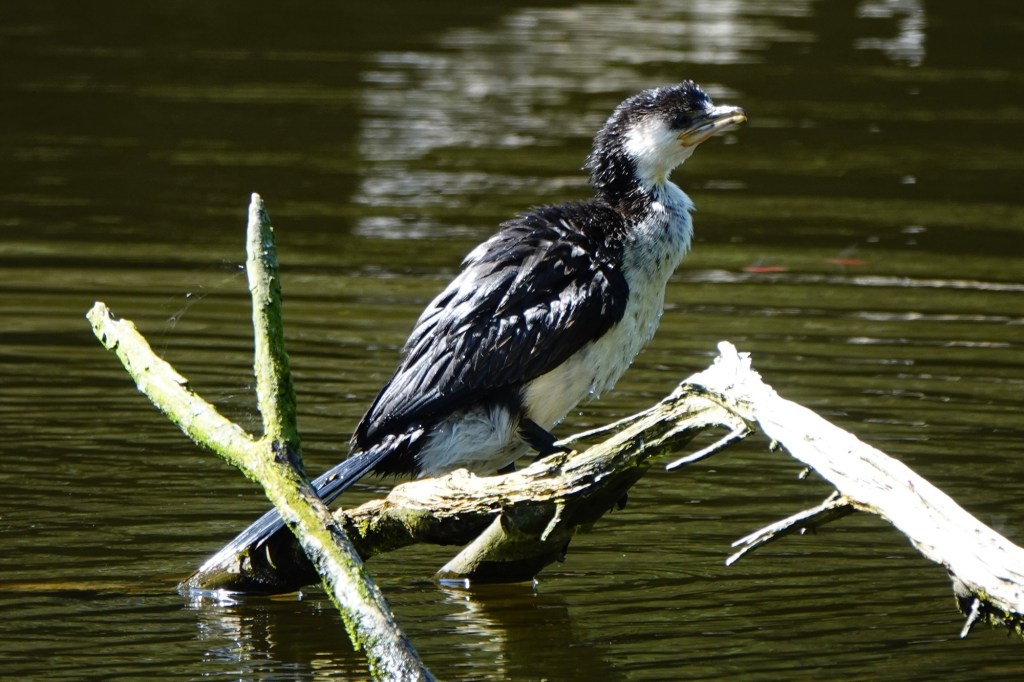
Ted’s goal is always bird photography. Sadly, birds don’t necessarily cooperate, especially when given an environment of trees that never shed their leaves.
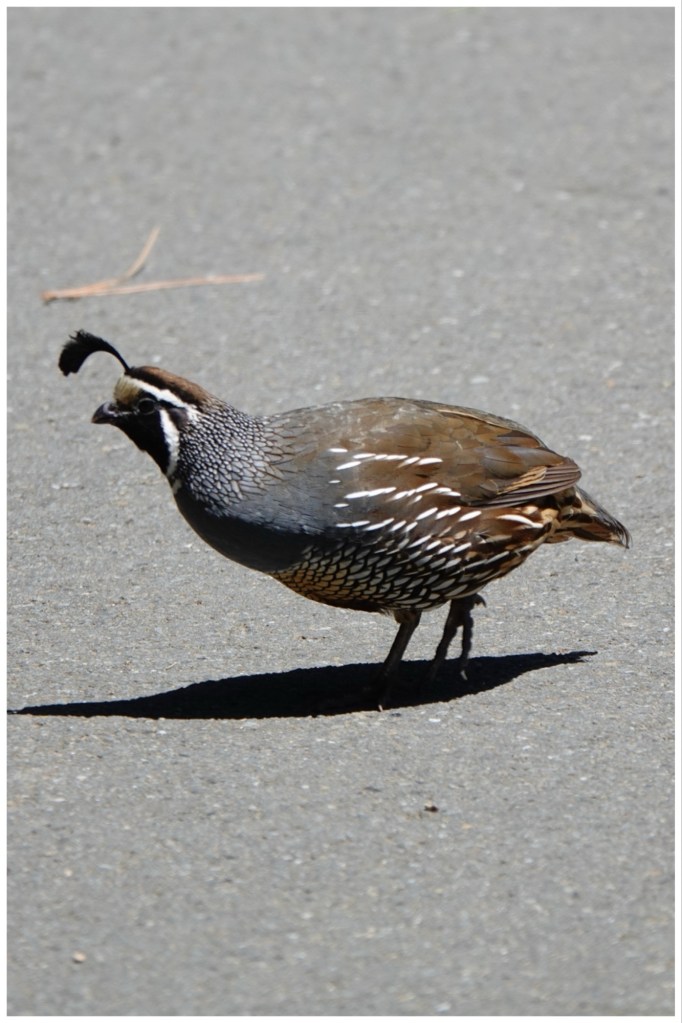
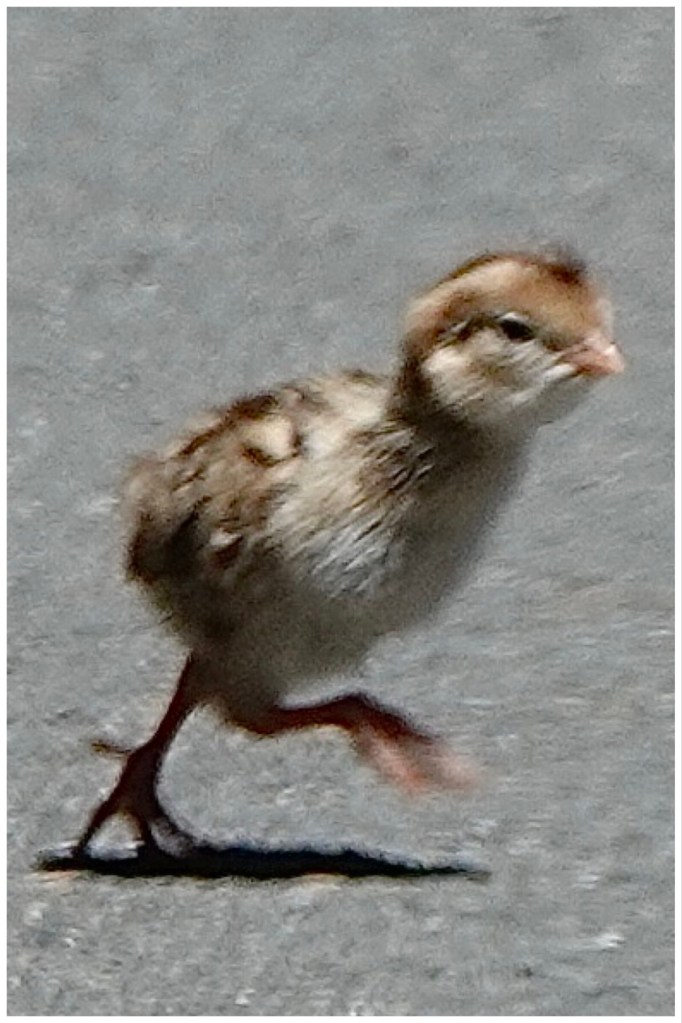
An exception was the Californian Quail, “Koera”, who may not be native, but many scientists think fill an ecological niche left by the koreke – a native New Zealand quail that is now extinct.
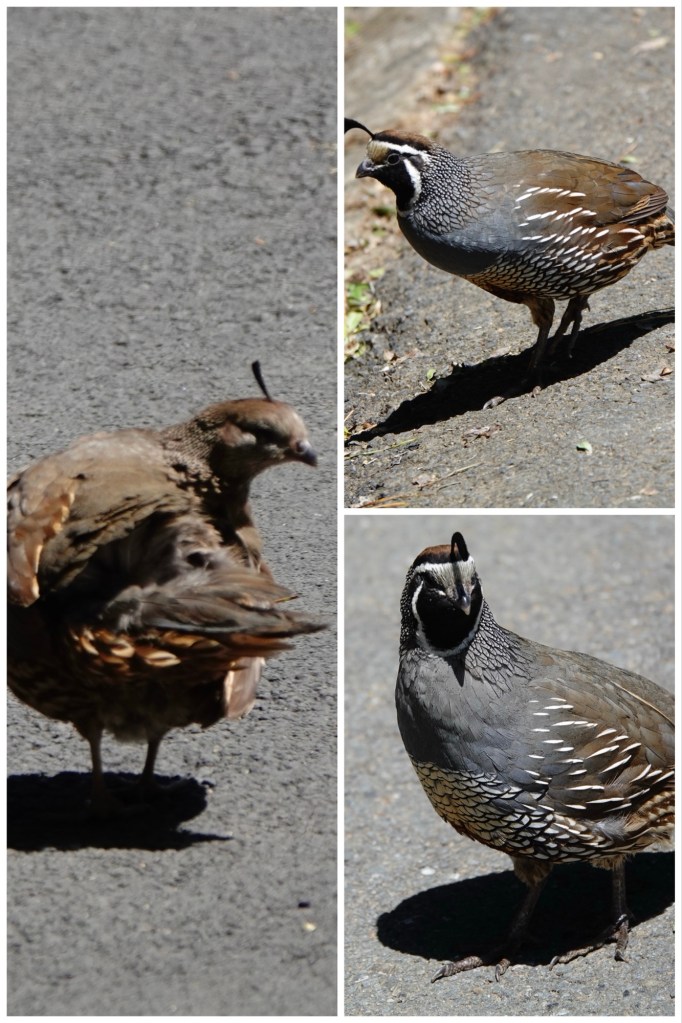
Mãori hunted the koreke sustainably and valued it as a game bird. But in the 1800s, numbers plummeted due to hunting and fires to clear land by settlers. By 1870 it was gone, likely the first bird to become extinct during European settlement.
We read on the interpretive signs the koera at Zealandia Te Māra a Tane weren’t invited – they just showed up.
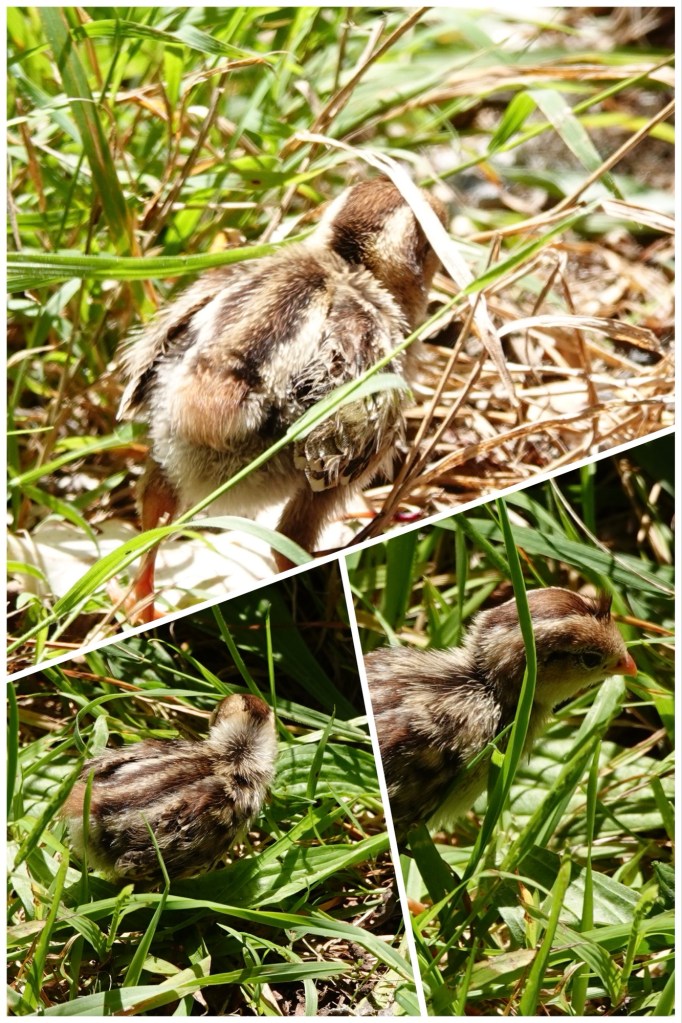
While females can lay twenty or more eggs in a single clutch, chicks have a low survival rate, in part because the chicks are precocial – they don’t wait around for their parents to feed them but are able to dash about on their own soon after hatching. We were lucky to see several.
Ted did manage to catch a few other birds.
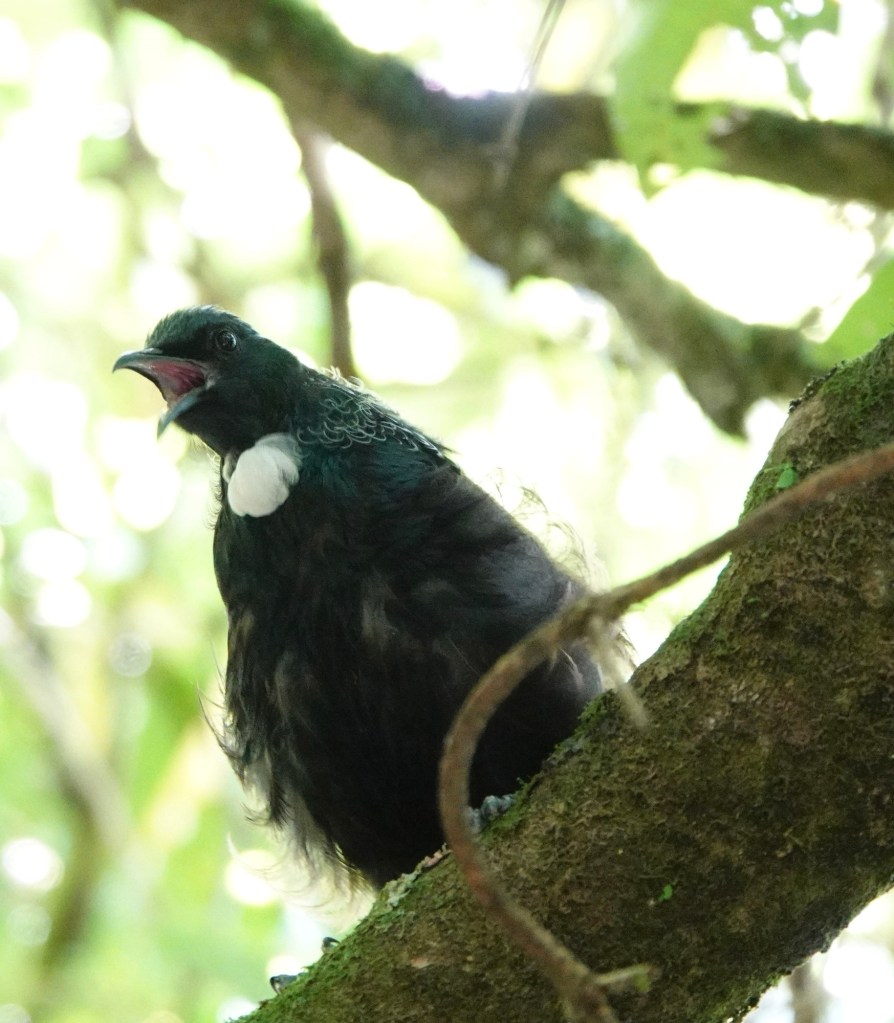
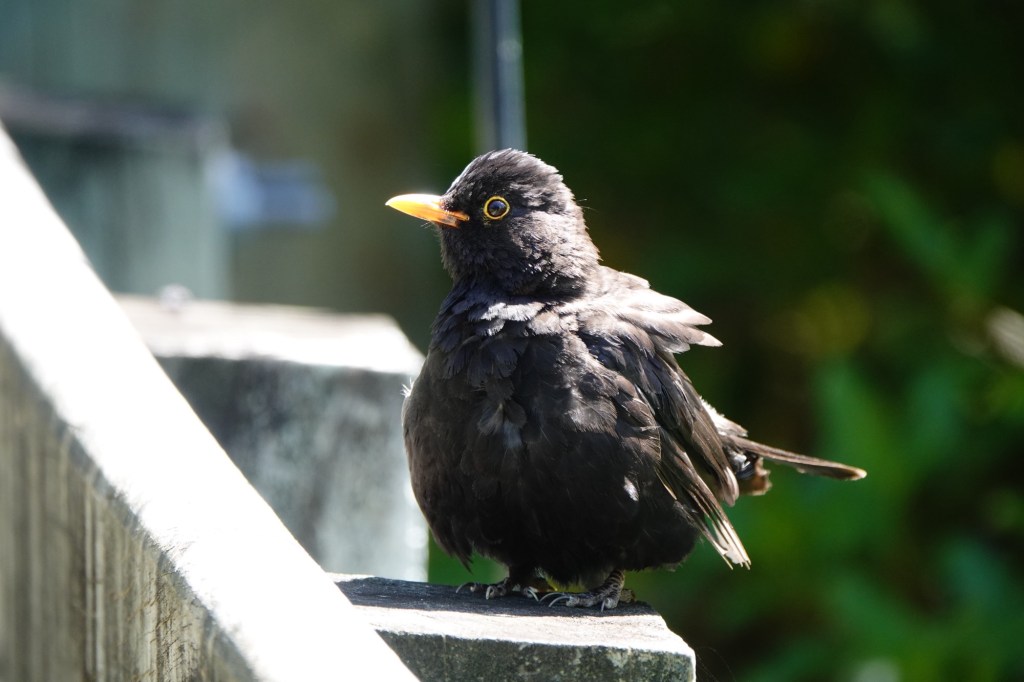
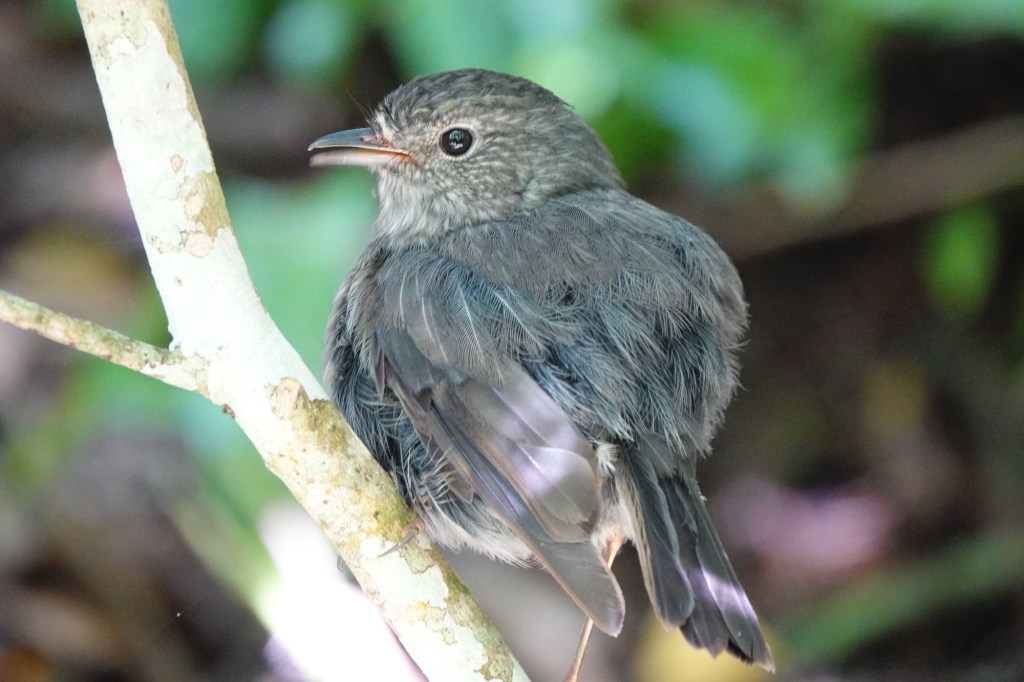
In the wetland areas, a bit more luck.
Our admission ticket to Zealandia would have allowed us to return for a second day, but 70 km per hour winds were predicted, which would make wildlife sightings even less likely, so we decided to do something different. Exactly what that is remains to be seen.
DINING NOTE:
was recommended to us as the place to go for good steak in Wellington, so its price point – steaks averaging $26/100g (3.5 oz) without sides – didn’t seem too bad.
The restaurant was bustling on a Thursday evening, and quite loud. They have no greeter at the door, so we found a waiter in the bar area, accepted the 20 minute wait for a table (they do not take dinner reservations), and prepared ourselves for a great meal.
We had our taste buds ready for New Zealand Southern Stations Wagyu ribeye on the bone, but the only size available was a shareable 1.5 kg (just over 3 pounds!), which would come in at $390 and way too much meat. Japanese Wagyu clocked in at $87/100g; we didn’t even ask about the size. The lamb – always a solid choice in New Zealand – was only available as the 400g (almost 1 lb) size.
Instead we both opted for a 300g “Scotch fillet”, which is what boneless ribeye is called in New Zealand. It’s one of our favourite cuts for the marbling and tenderness. Ted wanted medium rare and I wanted rare, but the chef said that New Zealand ribeye was too marbled for that and we’d need closer to medium in order for the fat the render properly.
I probably should simply have chosen the thicker filet mignon style cut that could have been cooked to rare; I was unimpressed with my steak. Ted really enjoyed the flavour, although he agreed that it was more done than he prefers, and finished mine too. To be fair, the kitchen offered to replace my steak with a rare one, but I wanted neither the wait nor the waste.
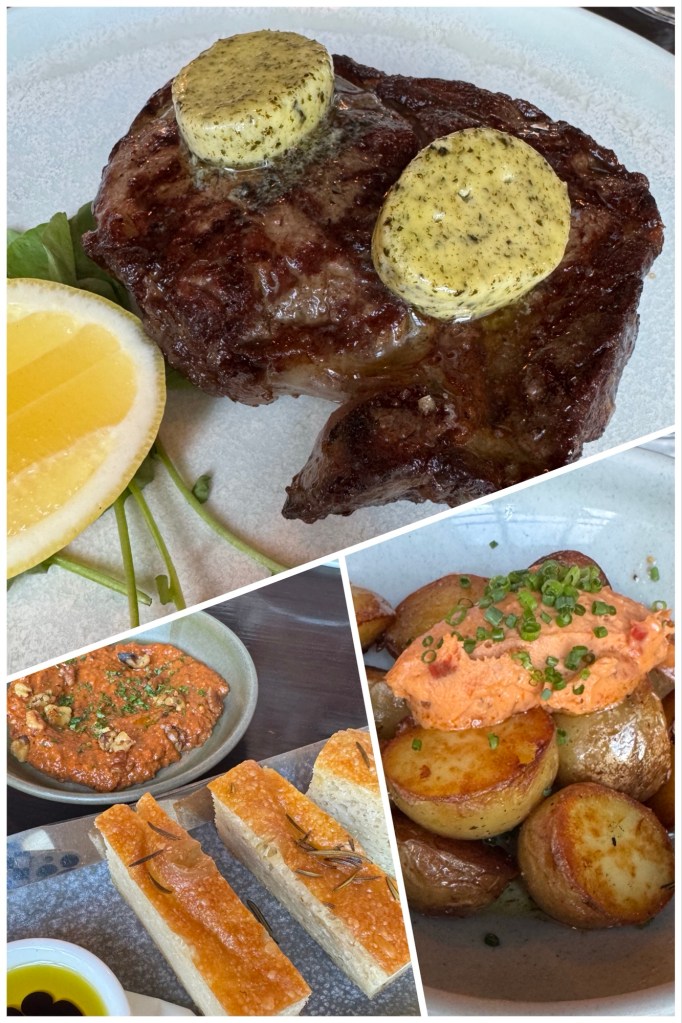
Our shared appetizer, two 300g ribeyes, a side of roast potatoes, 1 draft Abandoned Pilsner, 1 glass of Herringbone syrah, and an Aperol spritz – no dessert or coffee – $218NZD (180CAD/132USD).
 Rose and Ted’s Excellent Adventure