It was a two excursion day. Lots of learning, and lots of time on the Nile, ferried by Nubian riverboat pilots.
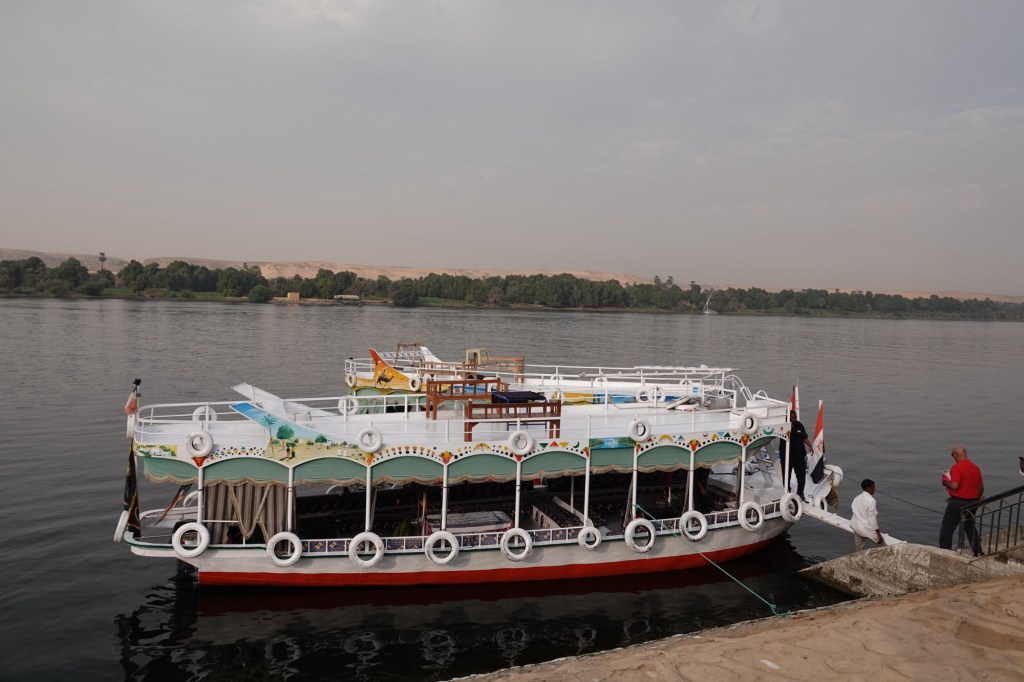
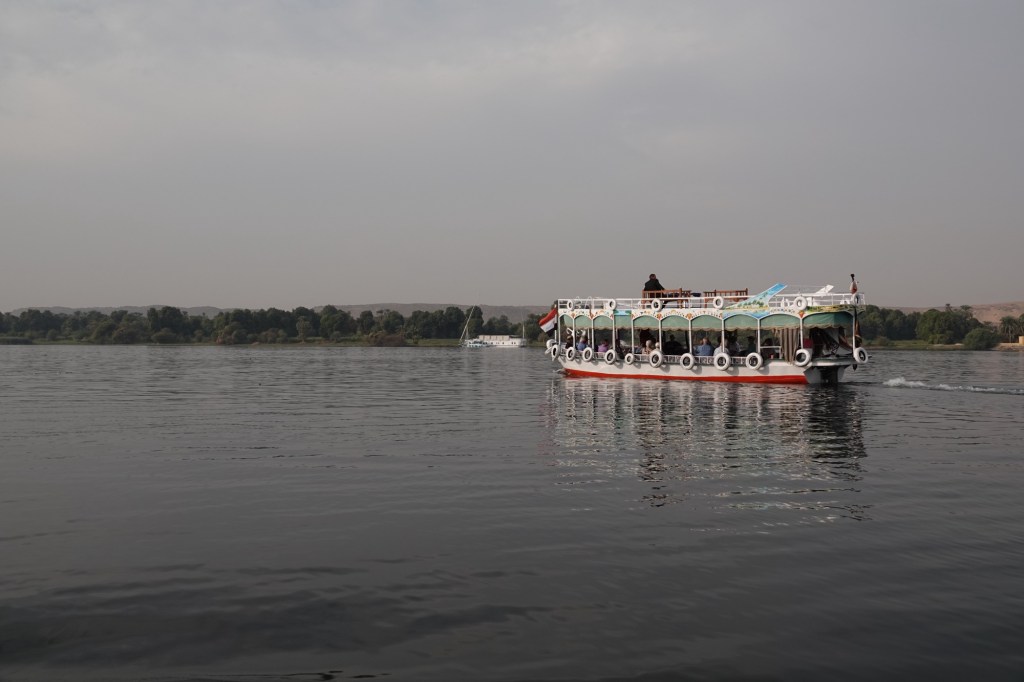
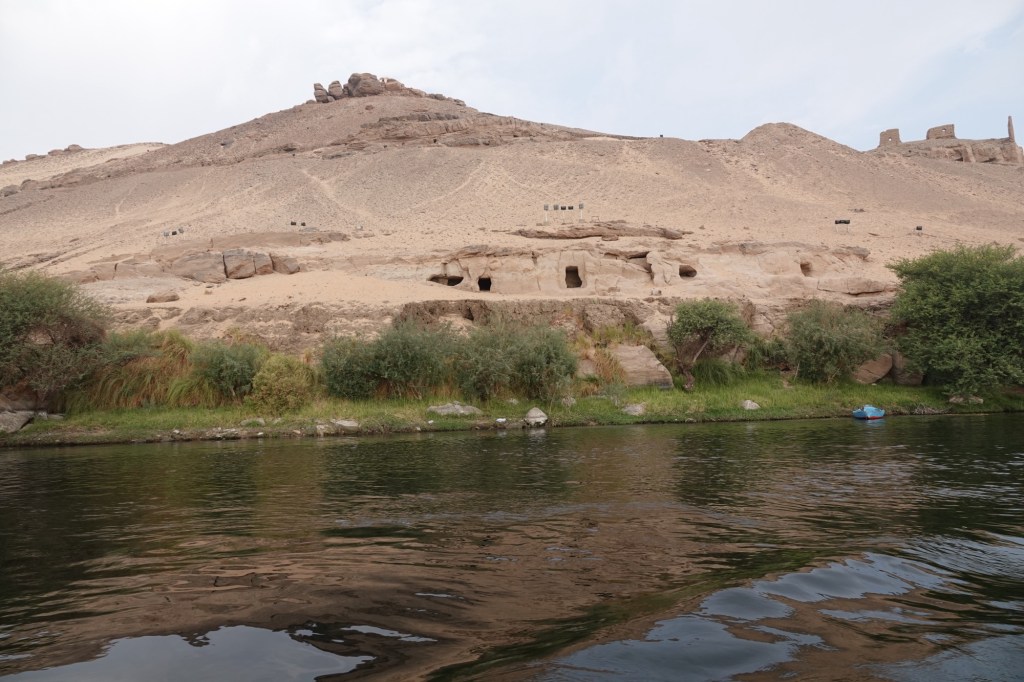
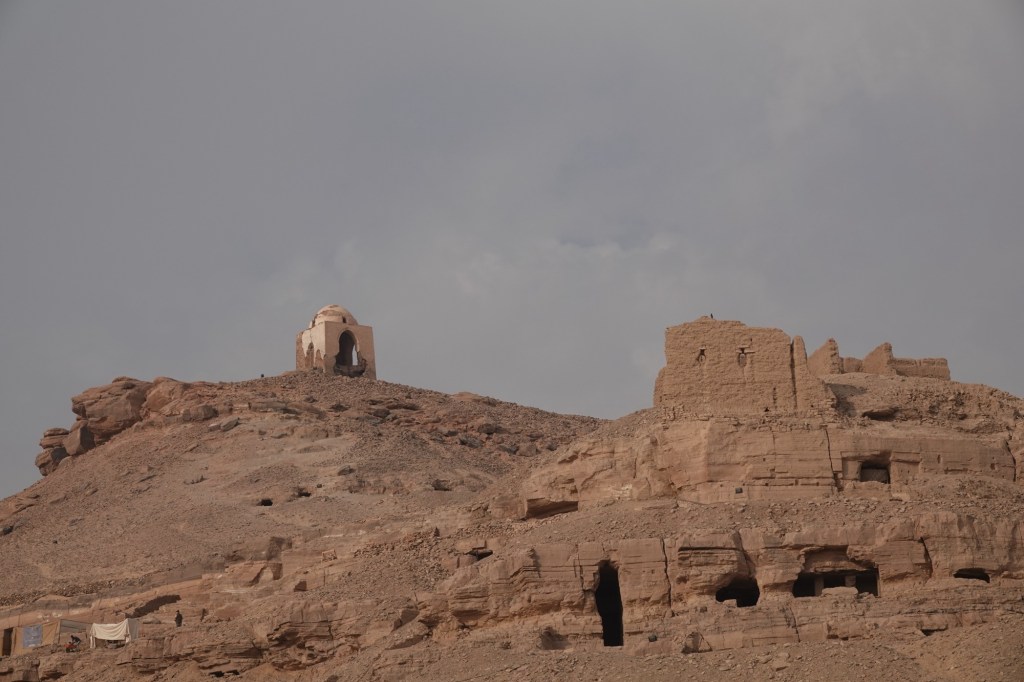
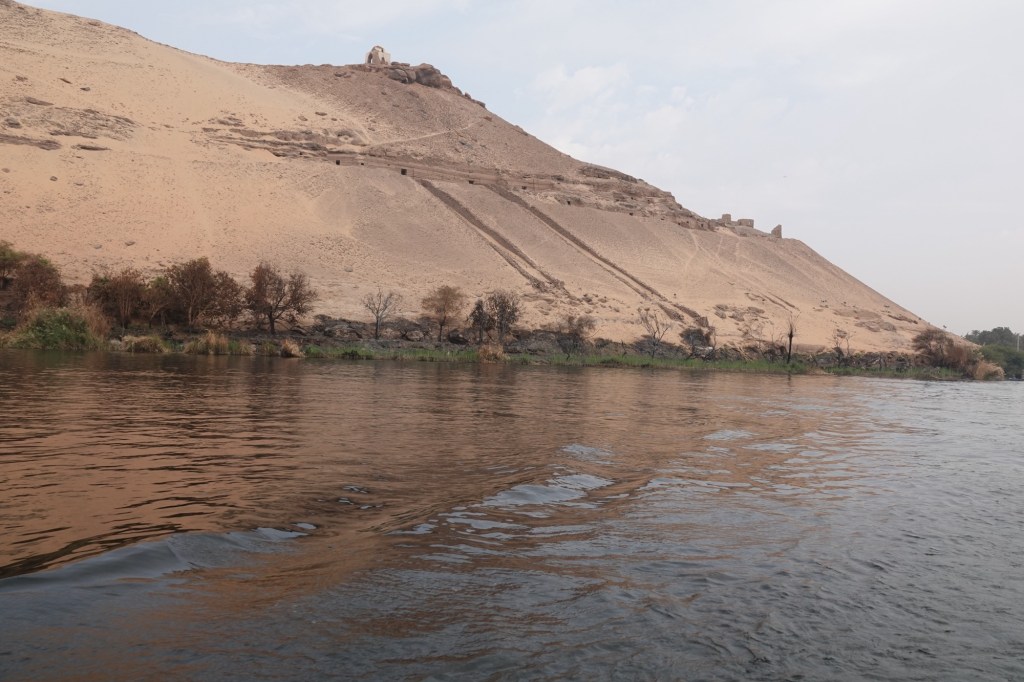
Our hazy early morning motorboat ride was upstream (south) for an hour along the West Bank of the Nile, past date palms and mango orchards, Nubian homes, and the ancient tombs of the priests from Elephantine Island cut halfway up the mountains. We’re constantly reminded that to the ancient Egyptians the west (sunset) side of the Nile was the land of death and the afterlife.
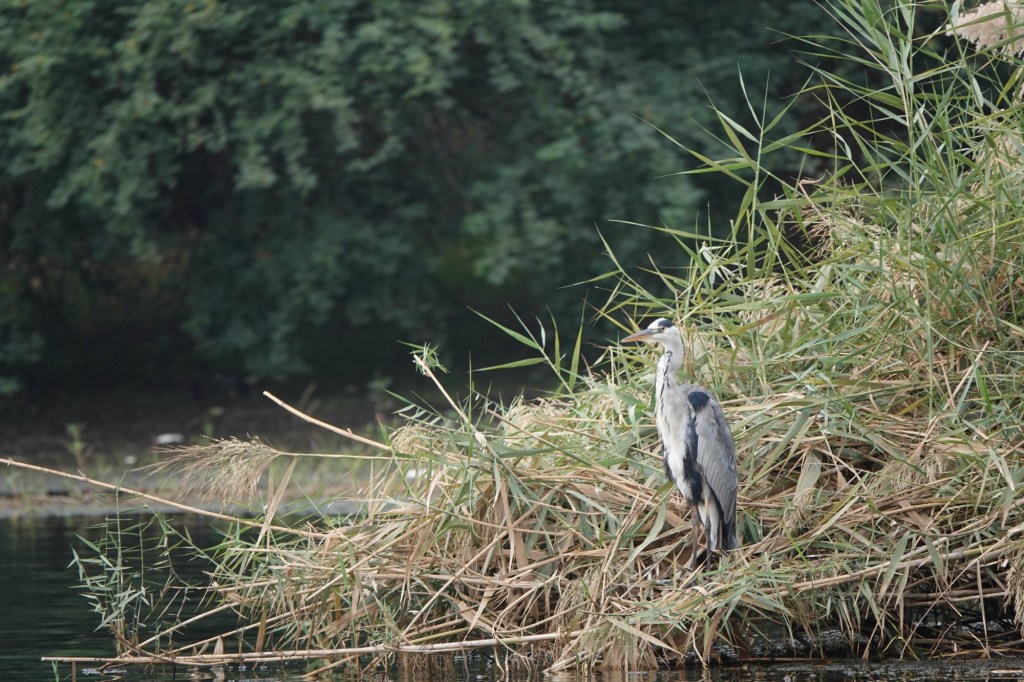
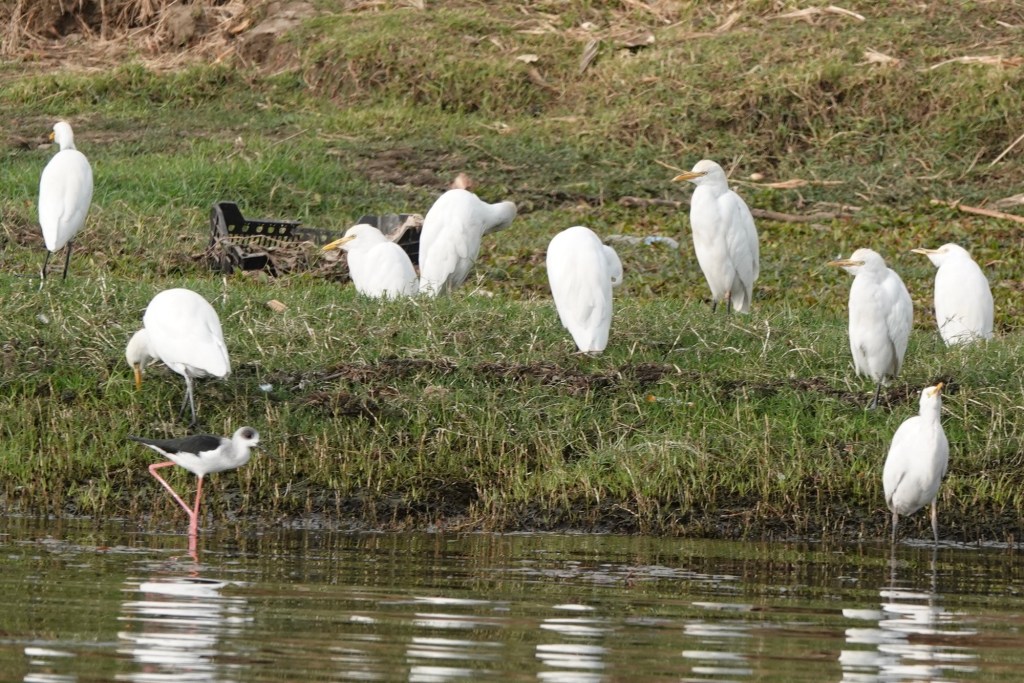
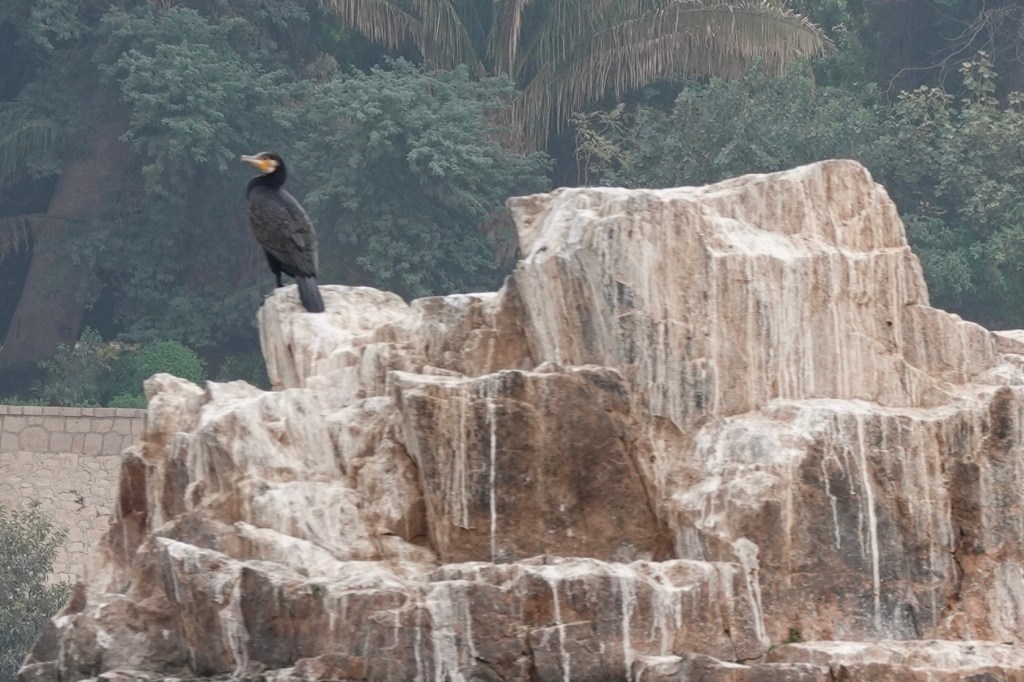
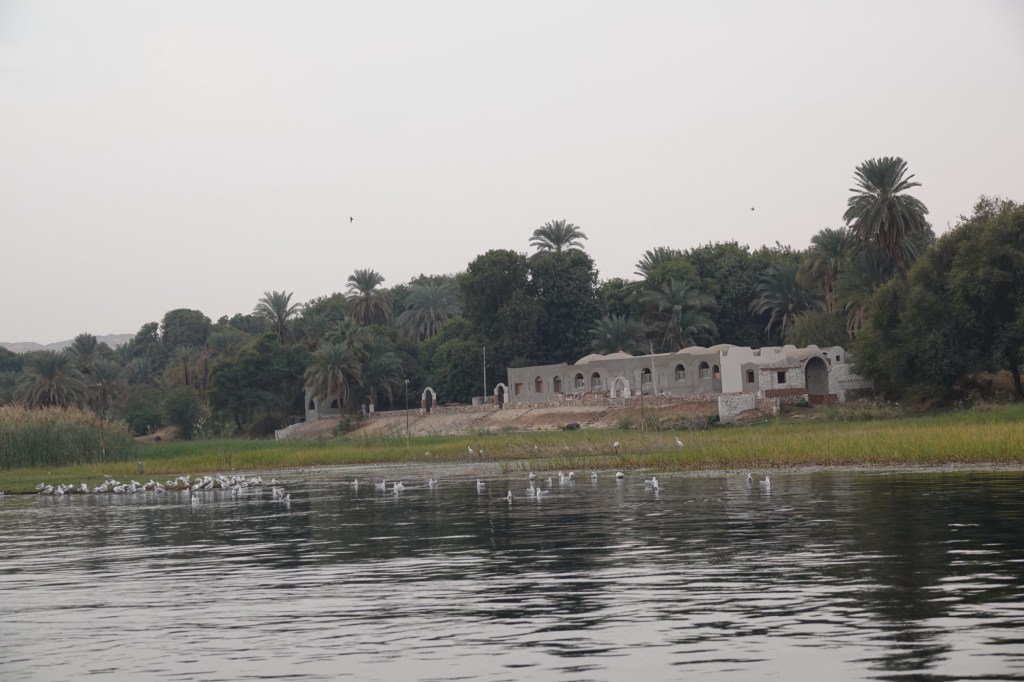
The most common birds along the Nile are egrets, ibis, and herons, but there are also black Nile geese and lots of gulls.
A typical Nubian farm is about 2-3 acres in size. From that a family can apparently make a good living.
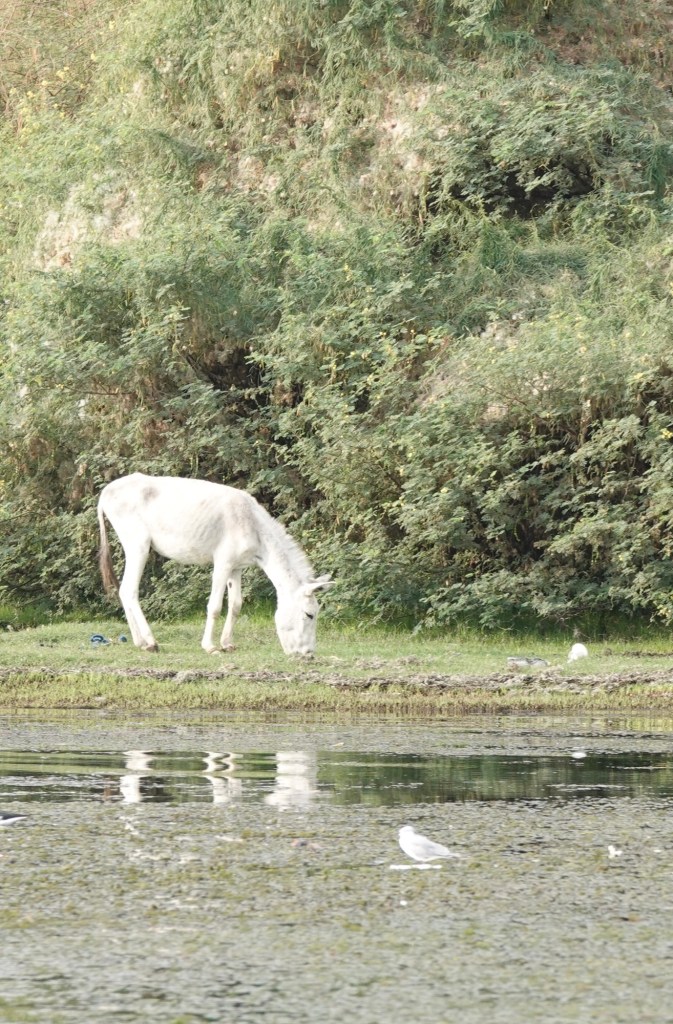
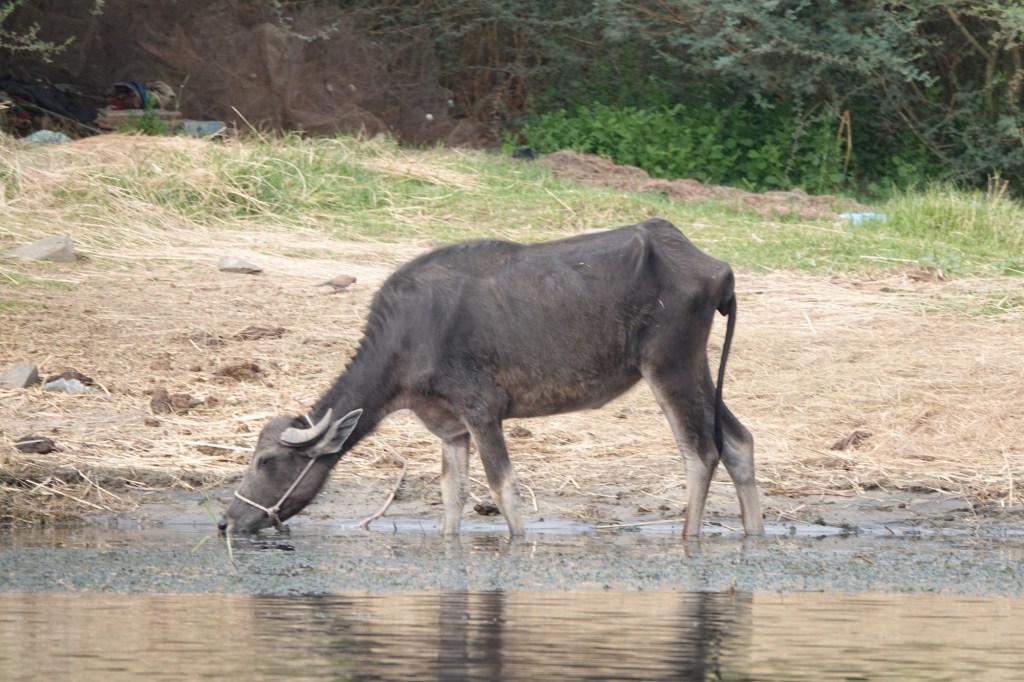
We watched animals including mules and water buffalo grazing on the riverbank.
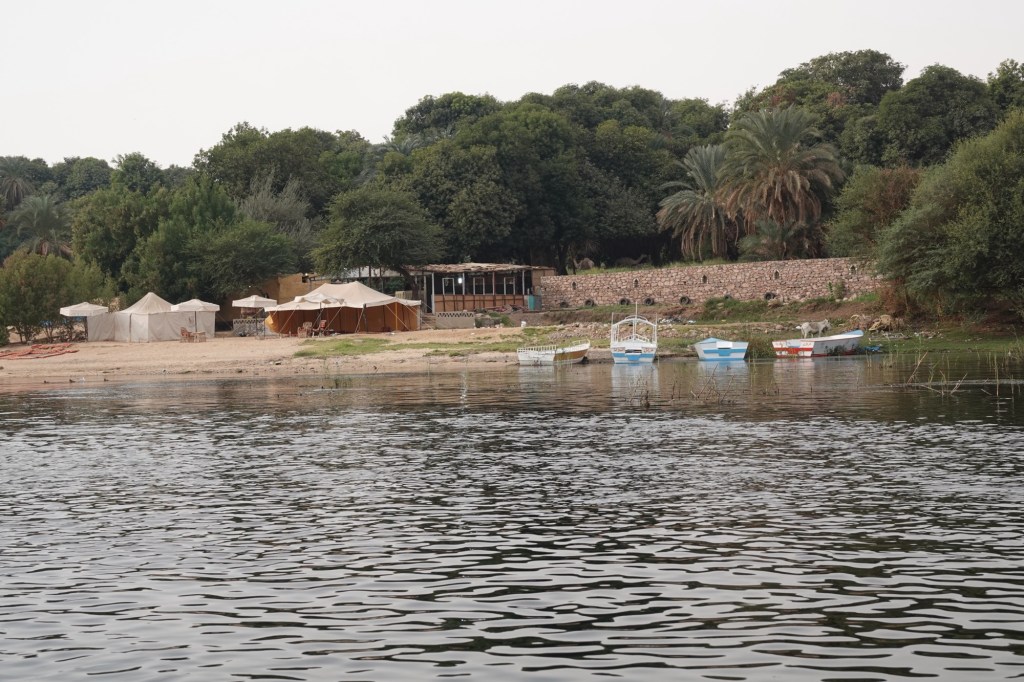
We passed by small beach resorts with tents and barbecue grills. In hot weather (apparently today’s 30°C/87°F doesn’t qualify) people do swim in the Nile. There are no crocodiles on this side of the High Dam. Where the signs indicate “no swimming” it is due to strong river currents, but in other locations swimming is a popular pastime.
On the east bank, we saw many new apartment buildings containing 2 bedroom apartments of 80-100 square metres, intended for university graduates getting married and setting up their first home. They’re aimed at graduates because the price is out of the range of less educated people.
We’d seen lots of ads for those apartments along the streets in Aswan.
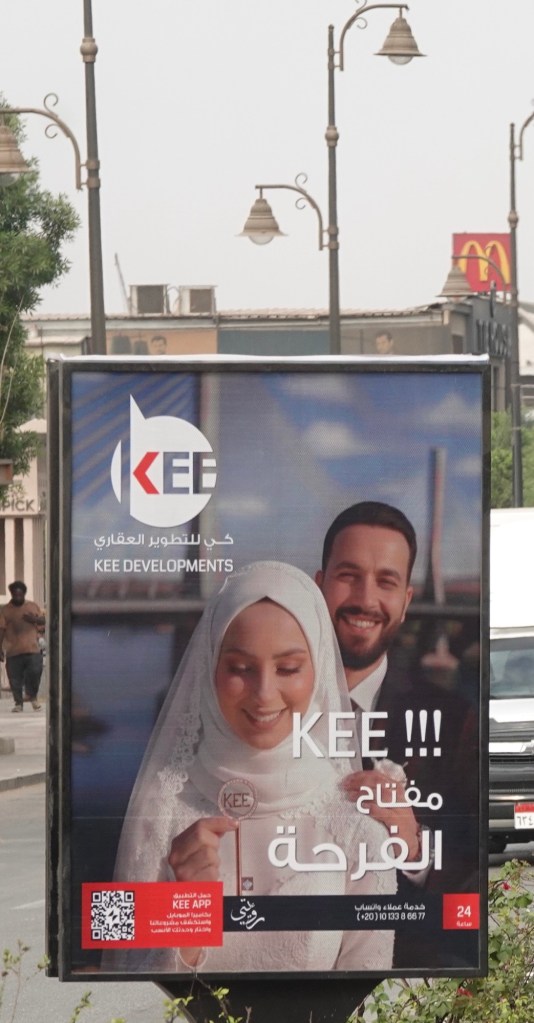
The average price of one of these new apartments is 2.5 million Egyptian pounds ($80,000CAD/50,000USD), to be paid off in instalments over 10 years. We have very little perspective on how that compares to the average Egyptian university graduate’s salary.
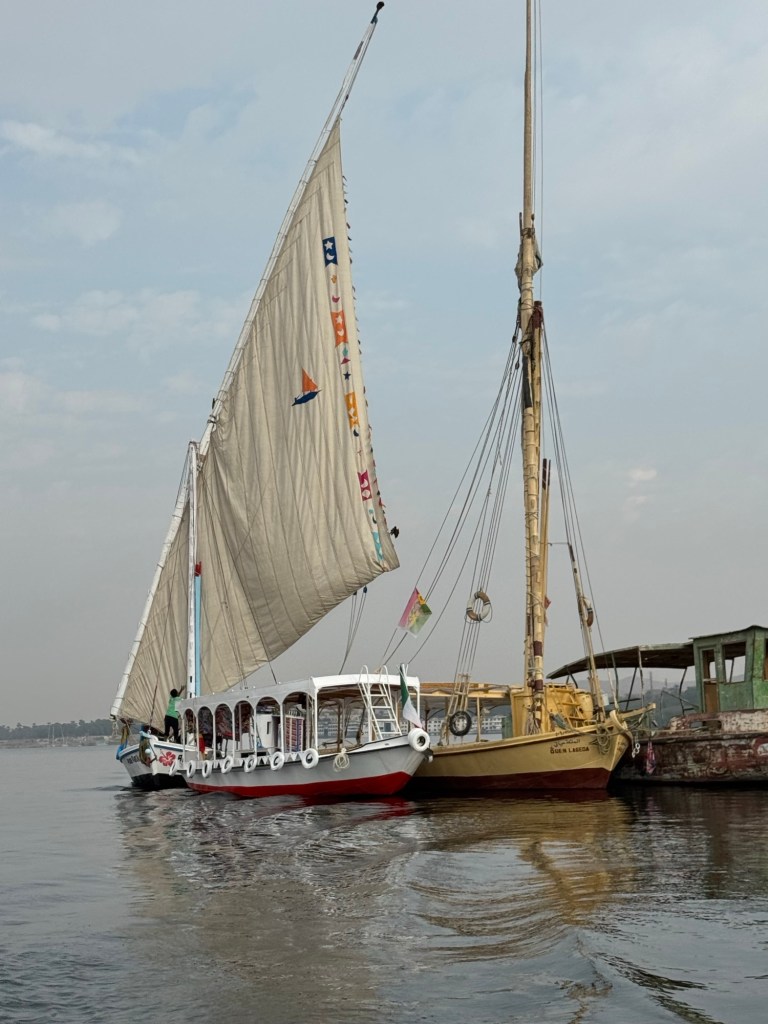
The breeze was wonderfully refreshing. While we were in a motorboat, there were sailboats (felucas) on the river as well.
Looking more closely at what initially seemed like caves, we could just tell that they were tomb entrances. When discovered, they were all empty of mummies or treasure, although some beautiful interior paintings survive. The only way to visit them now is by 2 hour camel ride.
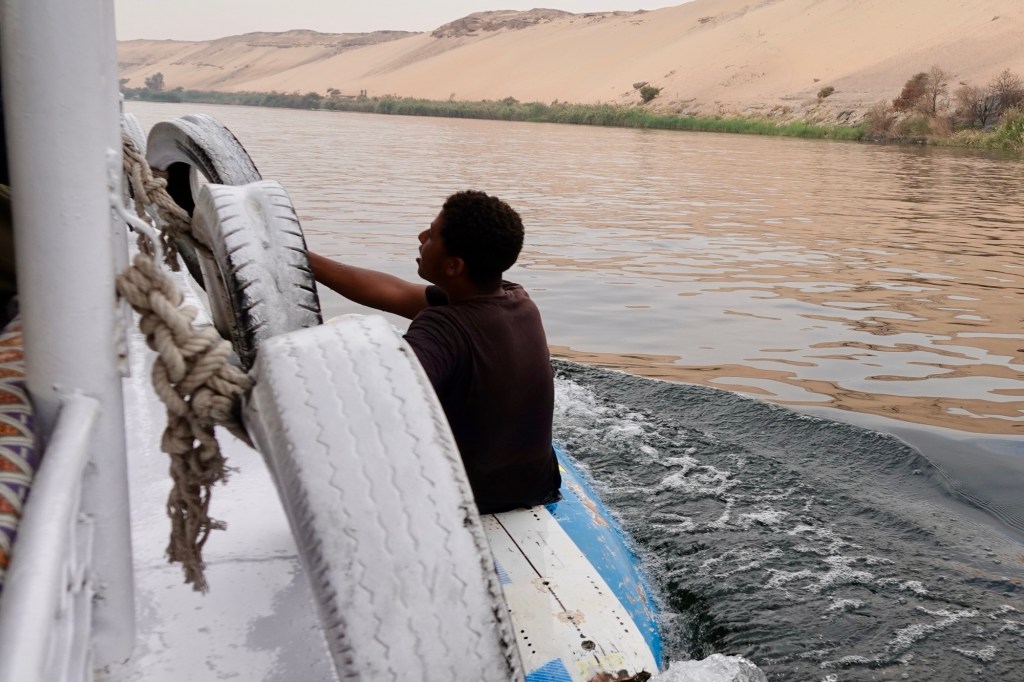
As we sailed, several Nubian children swam up – or used surfboards – to get to our boat looking for tips. Walid discouraged us from giving them money because it encourages them to skip their mandatory schooling and become full time “entrepreneurs”.
We passed the botanical garden established by Lord Kitchener on an island in the river. It was originally a Nubian settlement, but during the time of Kitchener’s Sudanese campaign, led from Egypt, he fell in love with the island and relocated its Nubian inhabitants to homes on the mainland so that he could live on the island himself. After Kitchener returned to Britain, he “gifted” the island and gardens to the state of Aswan. Interesting concept; claim it and then gift it back. The garden is currently pretty wild (we wouldn’t have identified it as anything other than another green island) but a private investor is looking to bring it back to its former glory.
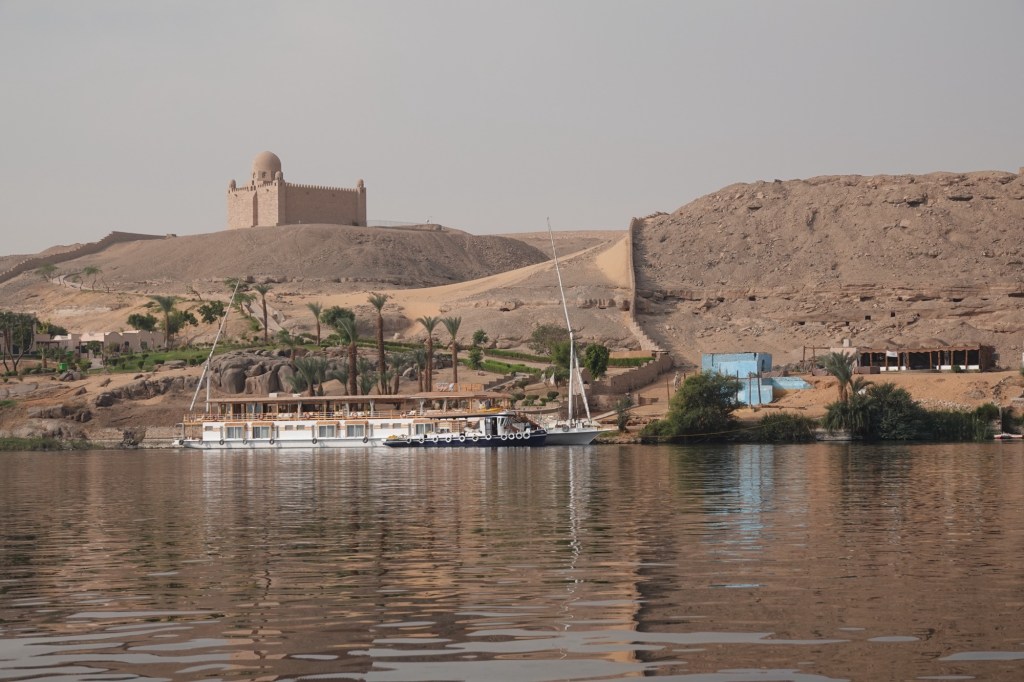
There is a big square hilltop mausoleum, looking a bit like a small fort, that belongs to the Aga Khan, who spent time in Egypt for rheumatism treatment that consisted of burying his legs in the sand here, and subsequently decided that he wanted to be buried in this special place.
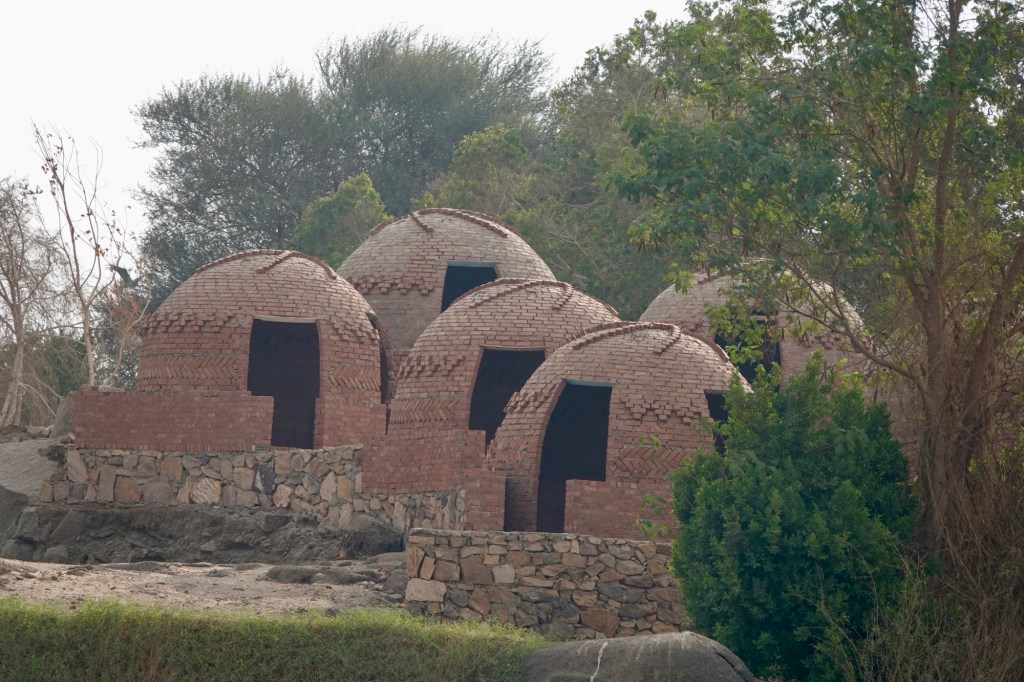
The brick domes we noticed on the east side of one of the Nile islands were not ancient homes, but new construction: “villas” for a Club Med resort location.
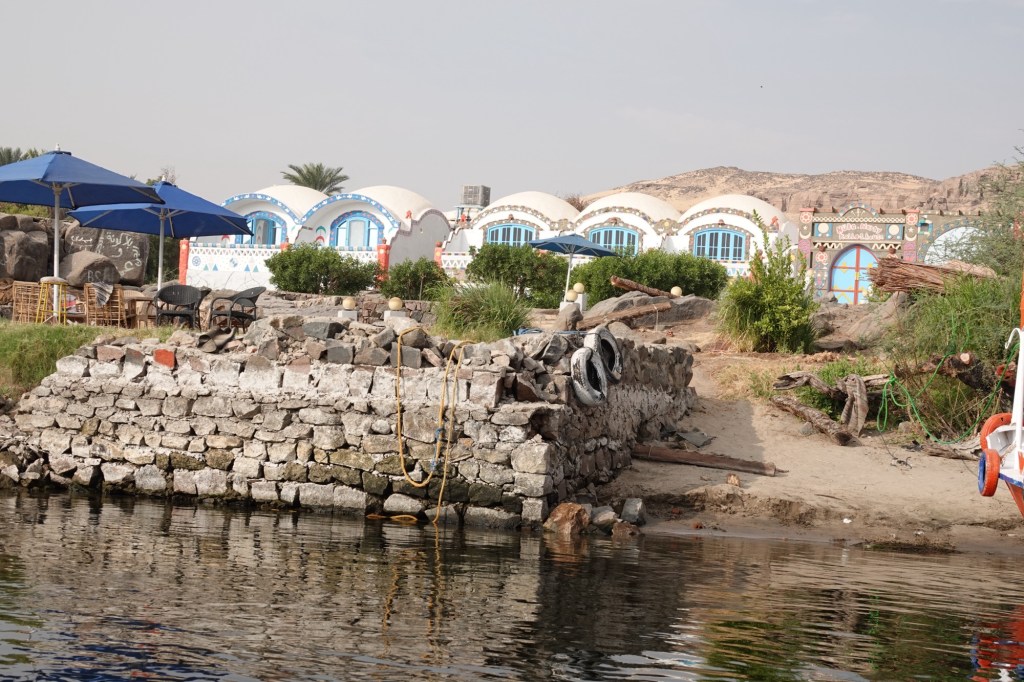
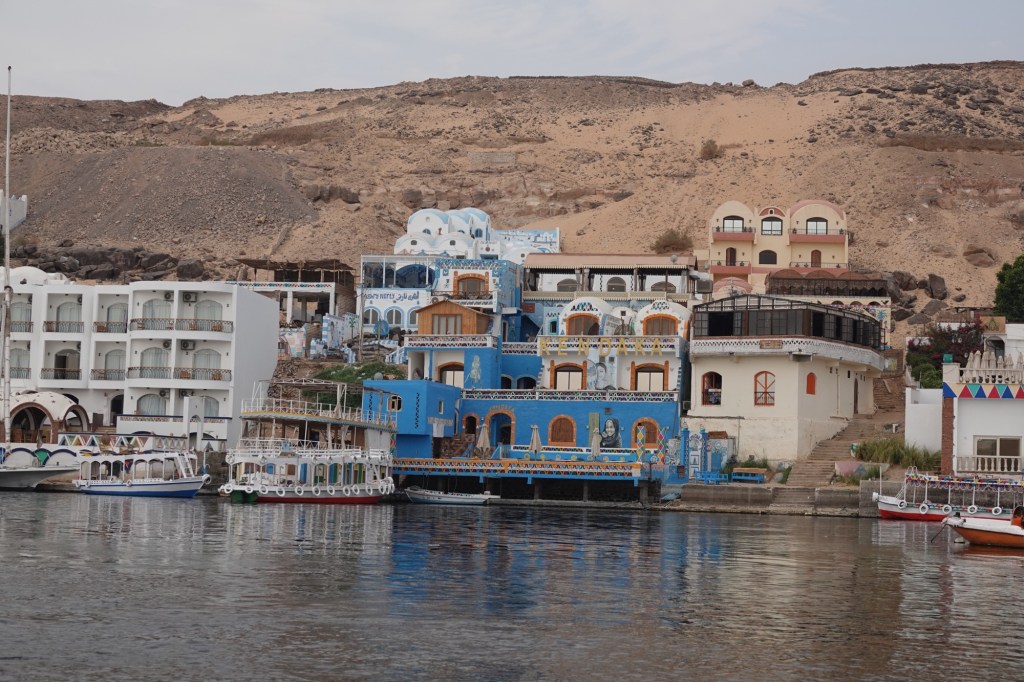
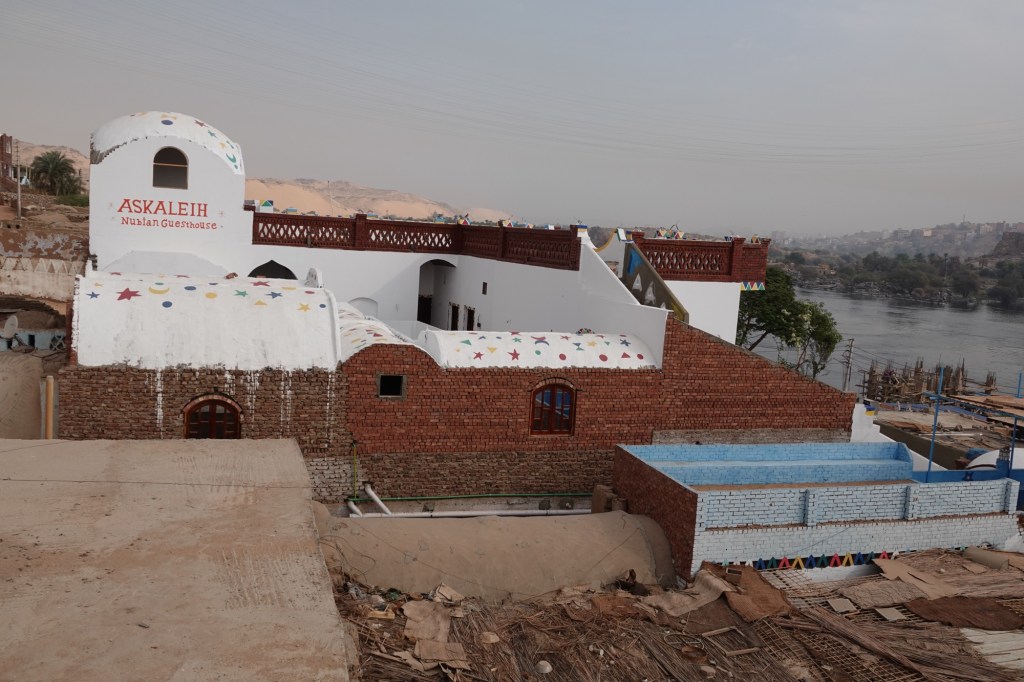
The brightly painted domed construction below is a boutique hotel in the Nubian style.
At times in narrow areas bordered by tall vegetation it felt like Disney World’s jungle boat ride – except THIS was real!
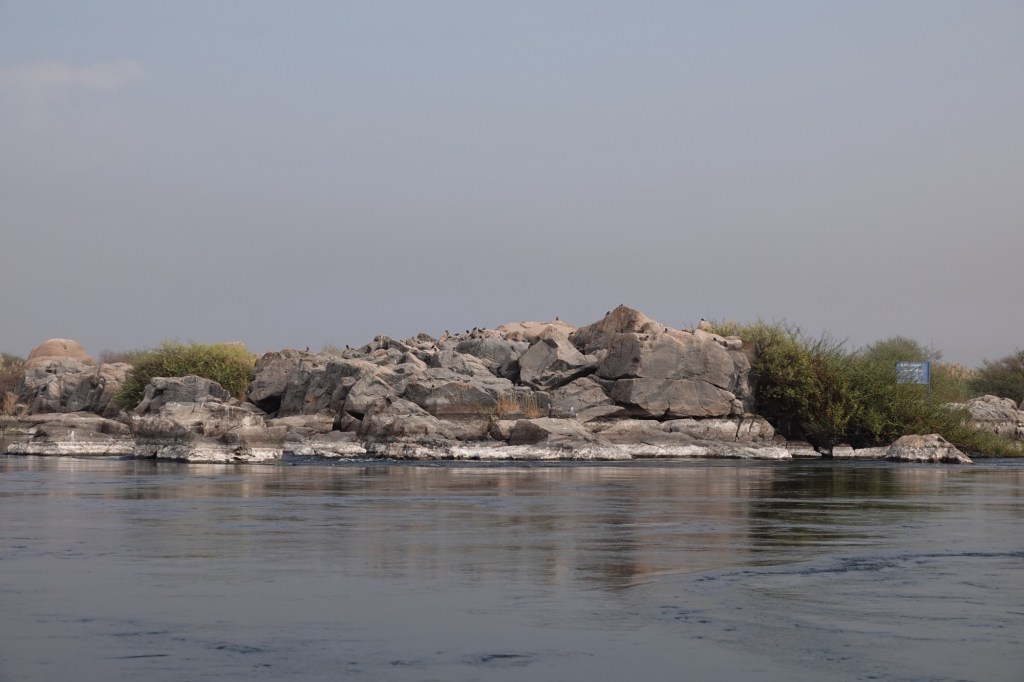
We could see the high water marks on rocks in the river; some would be almost submerged in Egypt’s summer season. Our Nubian pilot was expert in navigating these rocky areas.
The granite outcroppings in the river are particularly impressive.
We got close to a beach resort and its hundreds of camels.
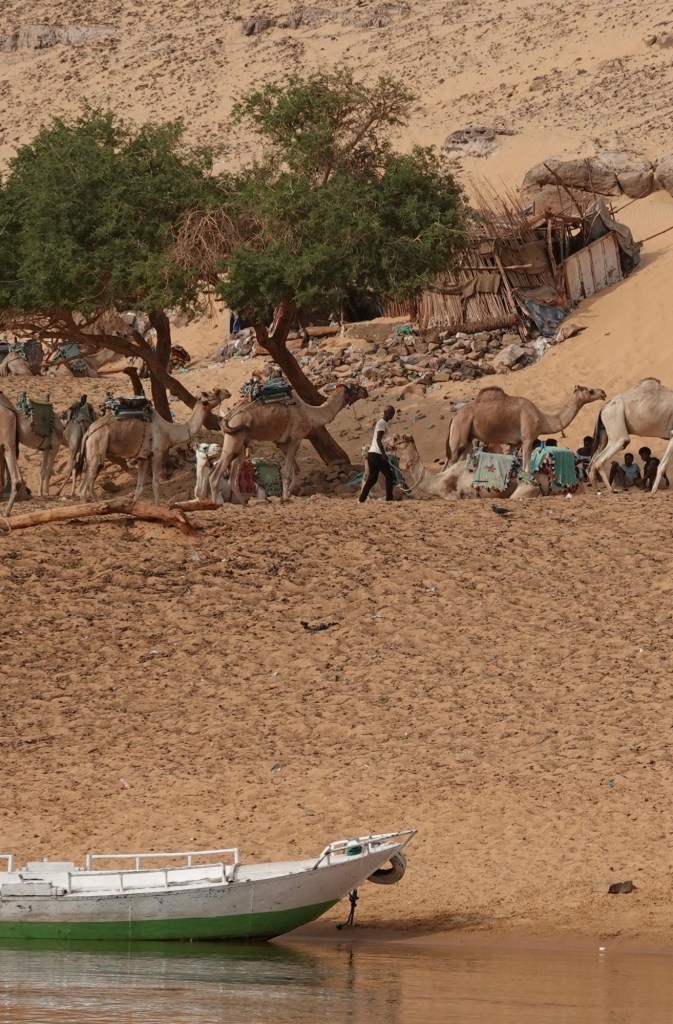
Not only camel rides, but sand surfing is popular in the desert.
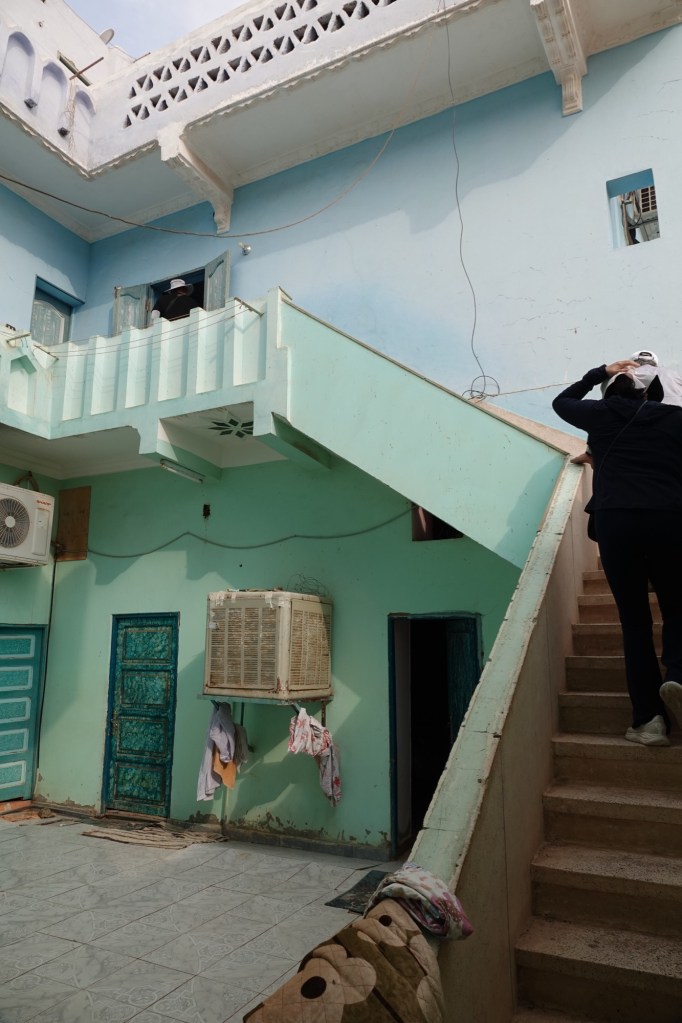
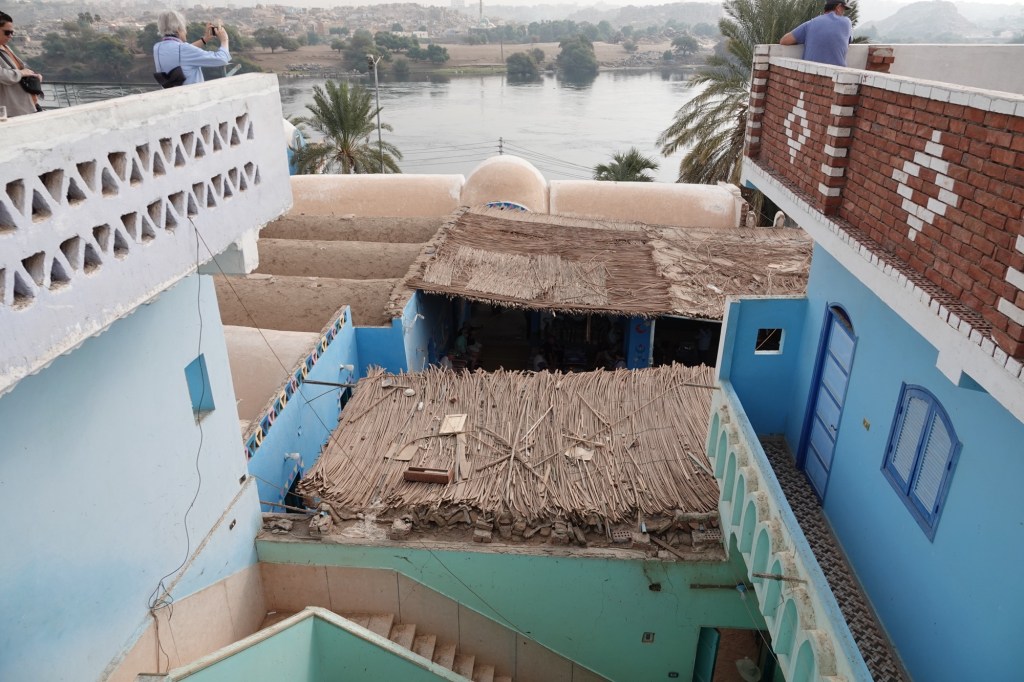
The Nubian village we visited was surprisingly colourful.
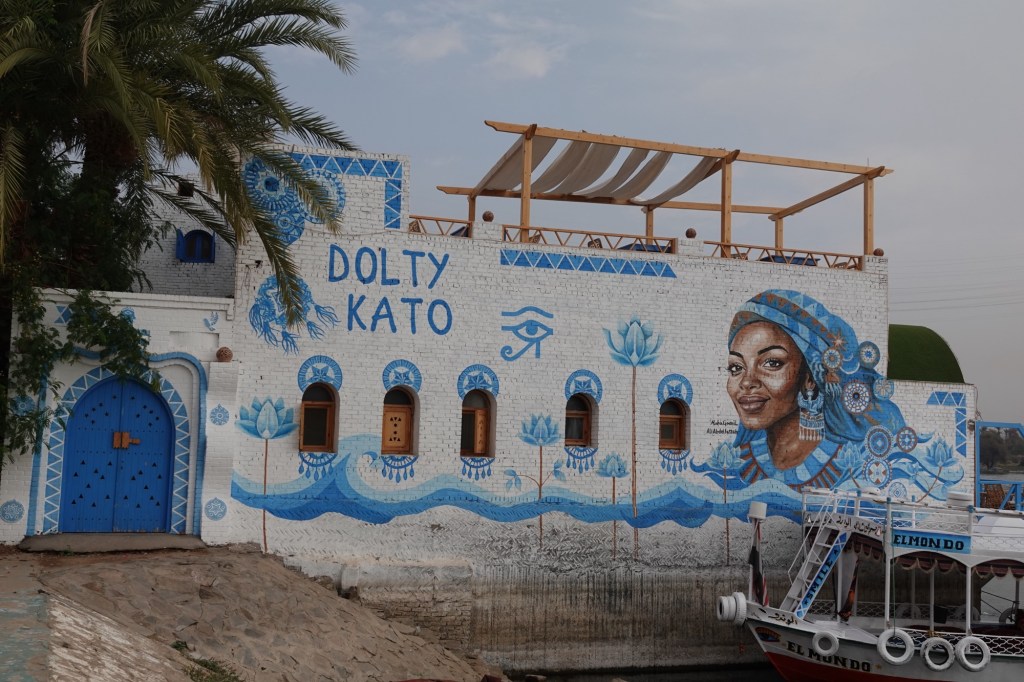
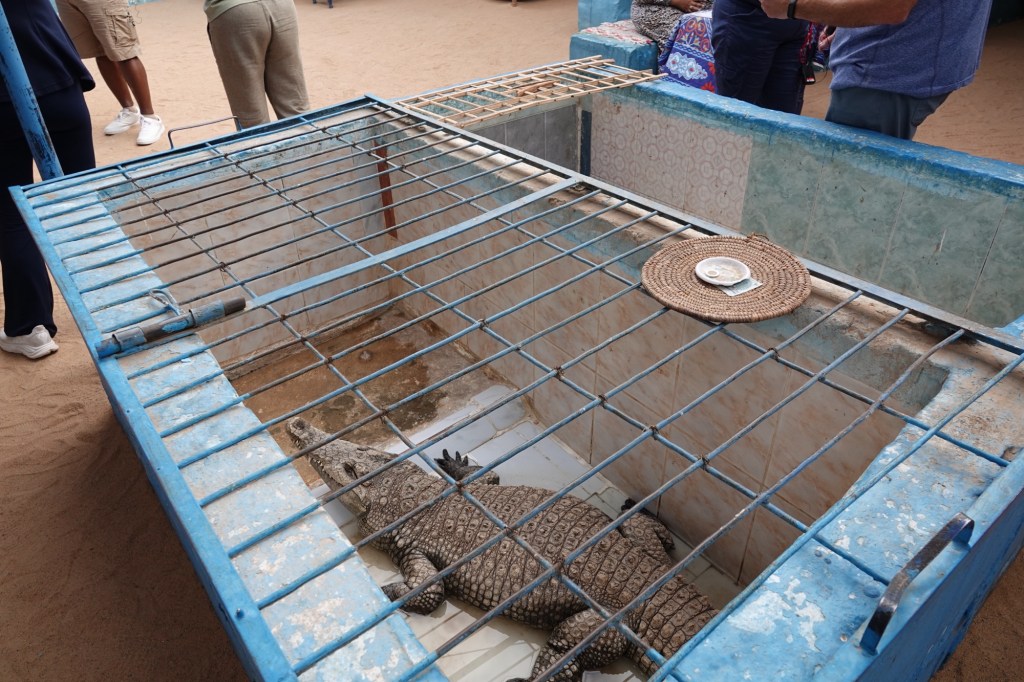
We had the opportunity to visit a Nubian home inhabited by 3 generations. There we had the dubious “privilege” – if we wished- of handling baby Nile crocodiles. Nope. Honestly, the crocodiles in their tiny cages with hardly any water looked quite pitiful, and as if they absolutely should not have been there.
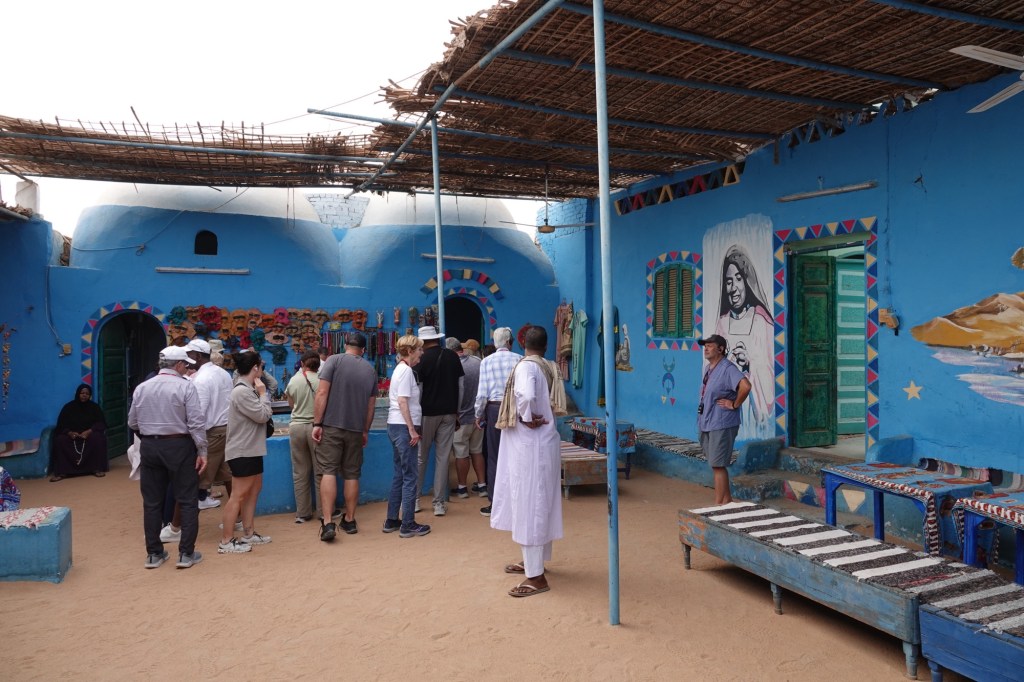
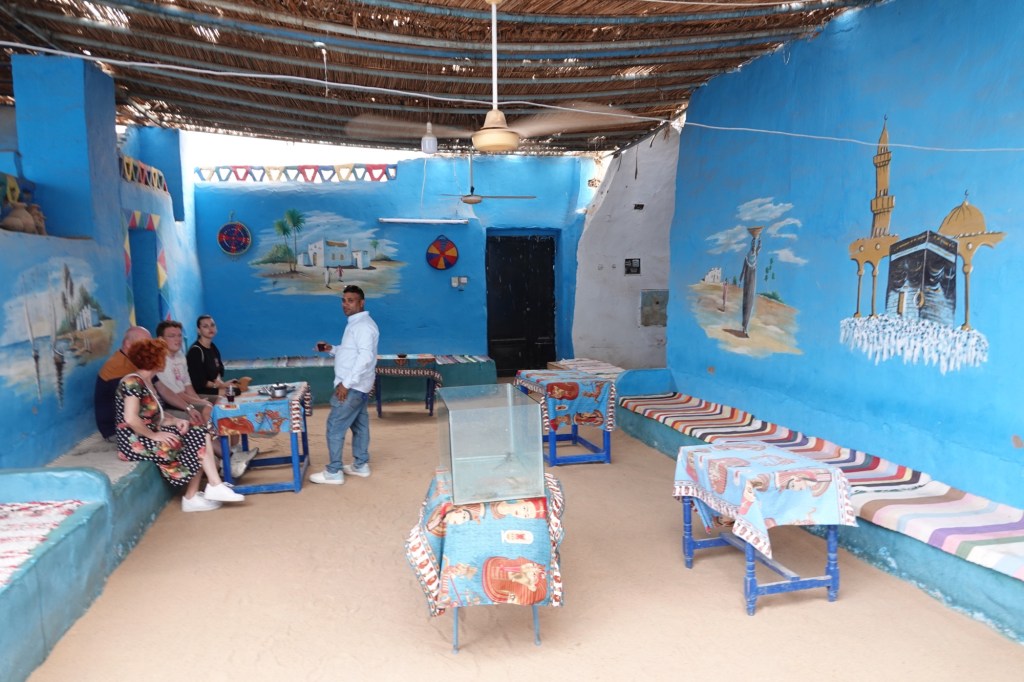
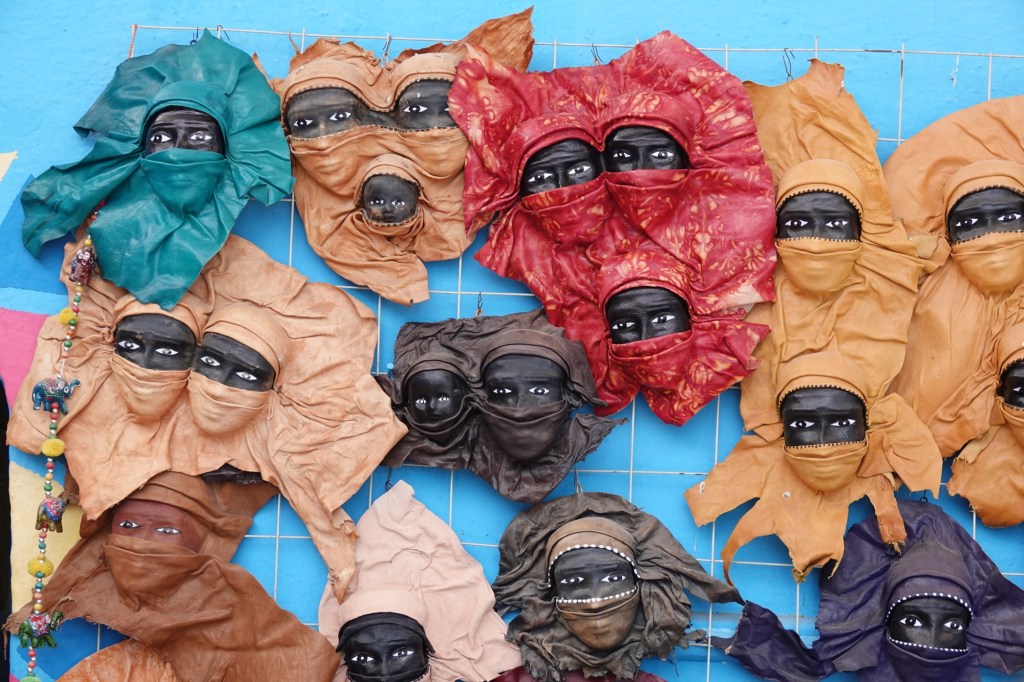
Nubian handicrafts and henna tattoos were also on offer.
Although the Nubians all walk around barefoot for stability, this was the very first – and only, including inside the tombs – place on our tour that walking in my sandals was “treacherous”: slippery sand on worn granite steps, packed earth floors strewn with garbage, and lots of dog feces to negotiate. The flies were pesky too, likely because of the animals.
Walid told us that there are 500,000 to 750,000 Nubians living in Egypt, all of them in Aswan province.
It’s Saturday today, the second day of the Muslim weekend, so I wondered whether there would still be a school visit with student interaction as included in our excursion description. There wasn’t.
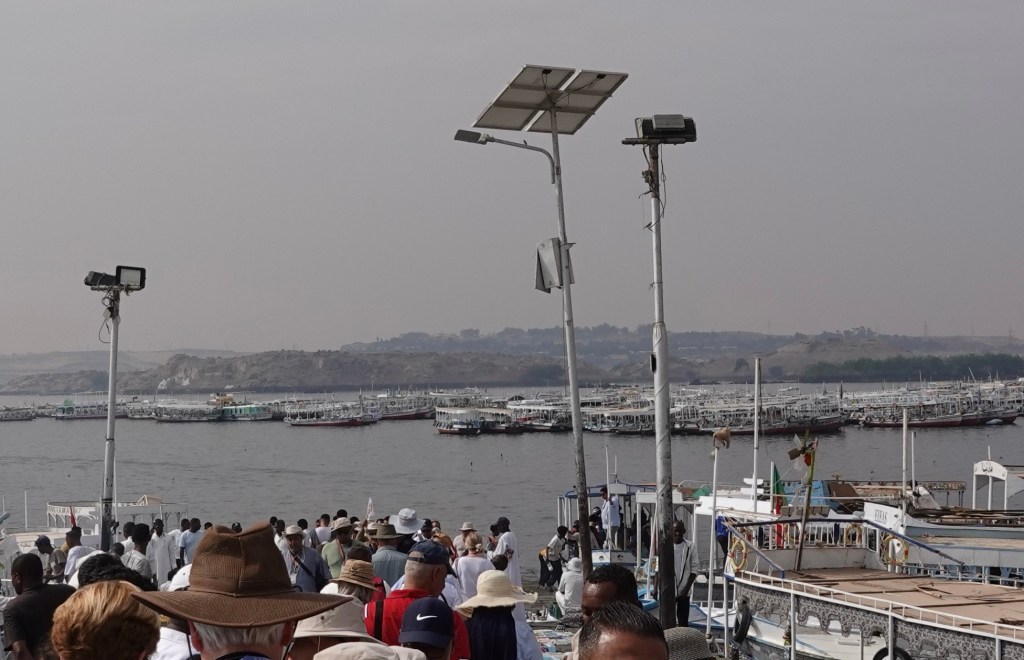
So … on to the temple of Philae. After a short bus ride we boarded a different motorboat. There are 500 of them working in rotation just ferrying tourists back and forth on Aswan Lake, the lake created for the old (British) dam in at the turn of the 20th century. These little boats are not equipped with life jackets, but Viking had us covered, literally. Our bus driver had a life jacket for each of us to take on the boat “just in case”.
The temple dates to the 6th or 7th century BCE and was dedicated to the goddess Isis. Egyptian lore believed that the island of Philae was where Isis gave birth to Horus. Decoration in the temple honours Isis, her brother/husband Osiris, and Horus. The new island location of the Temple of Philae is considered the island of love, and is a popular destination for first dates.
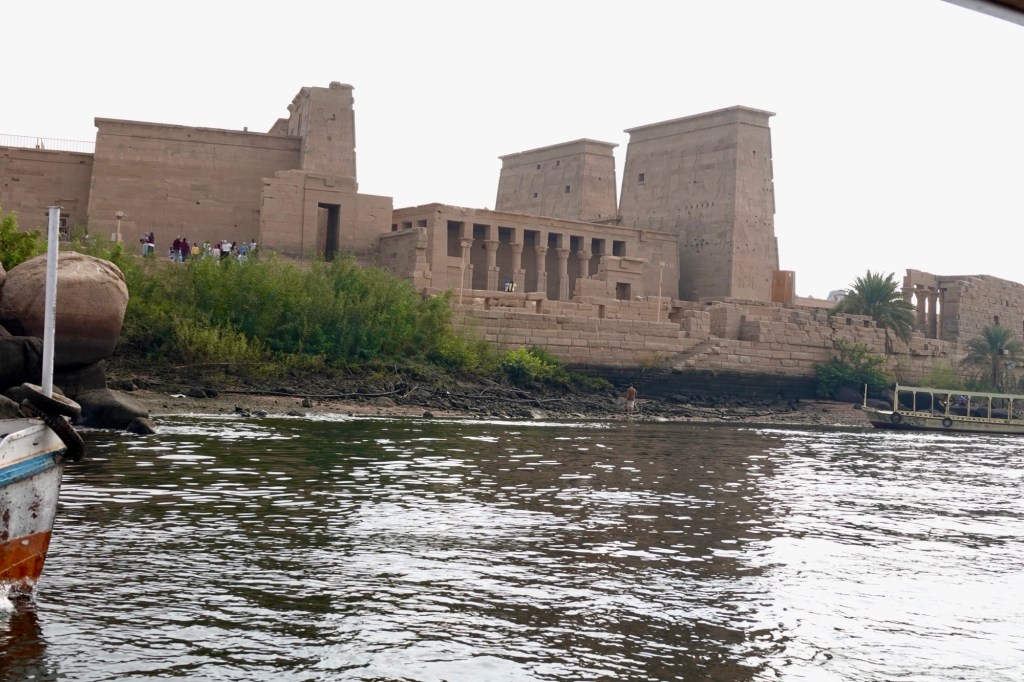
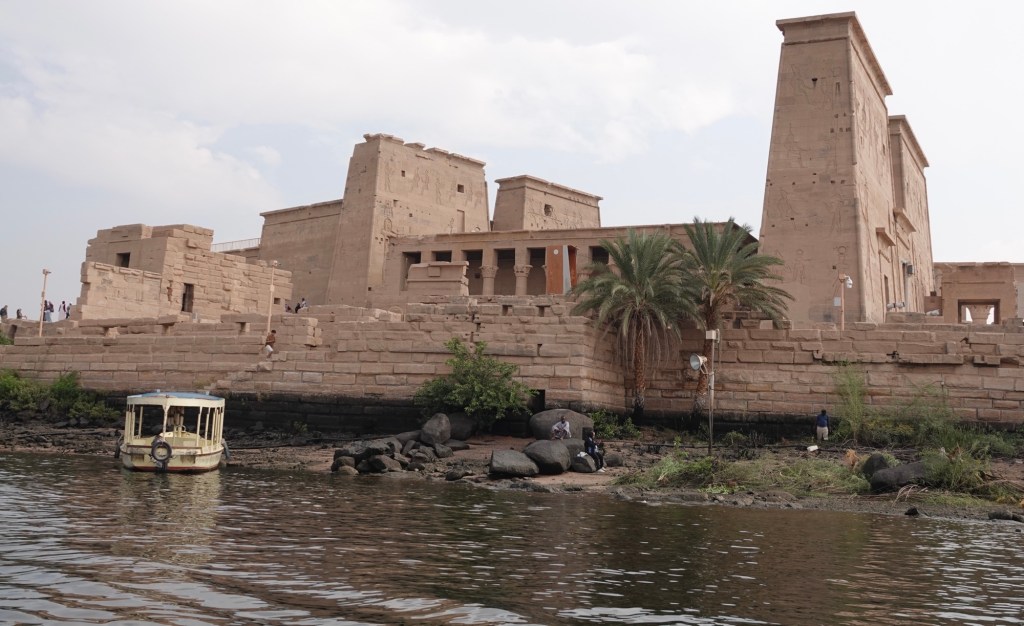
This temple was never buried in sand – a first for us on this trip, although we’ll see another example at Edfu.. But, it was flooded halfway to the top in 1976 while still in its original location between Aswan’s two dams. It was relocated, as 42,000 separate blocks, by the French over a period of around 10 years under the direction of UNESCO.
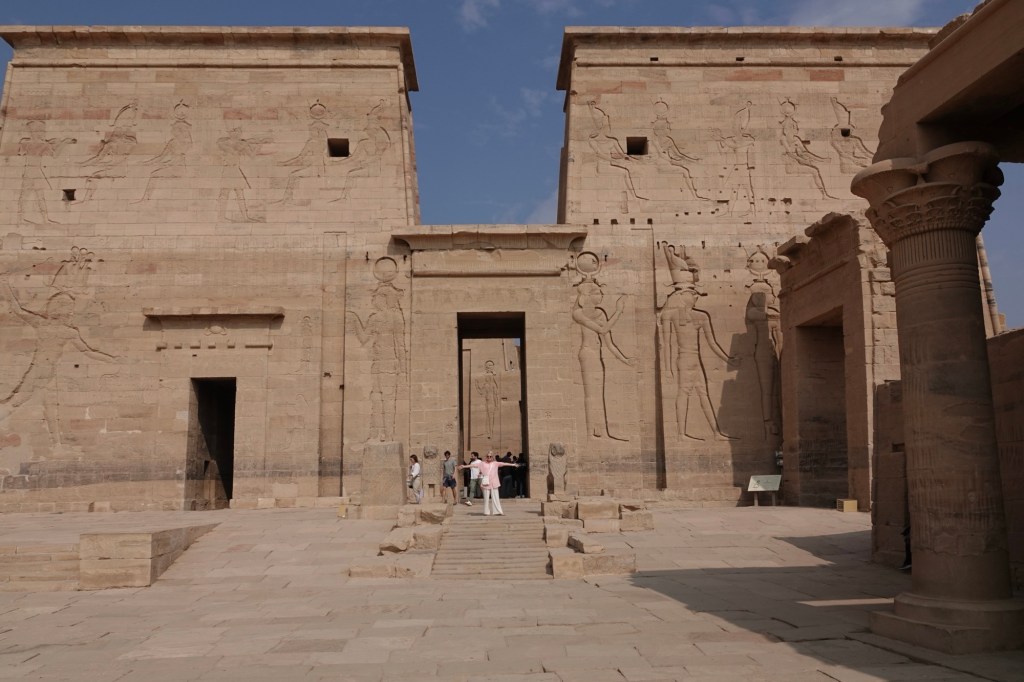
While now called Philae, the ancient temple was actually named Pilak, meaning “south border”, for its location.
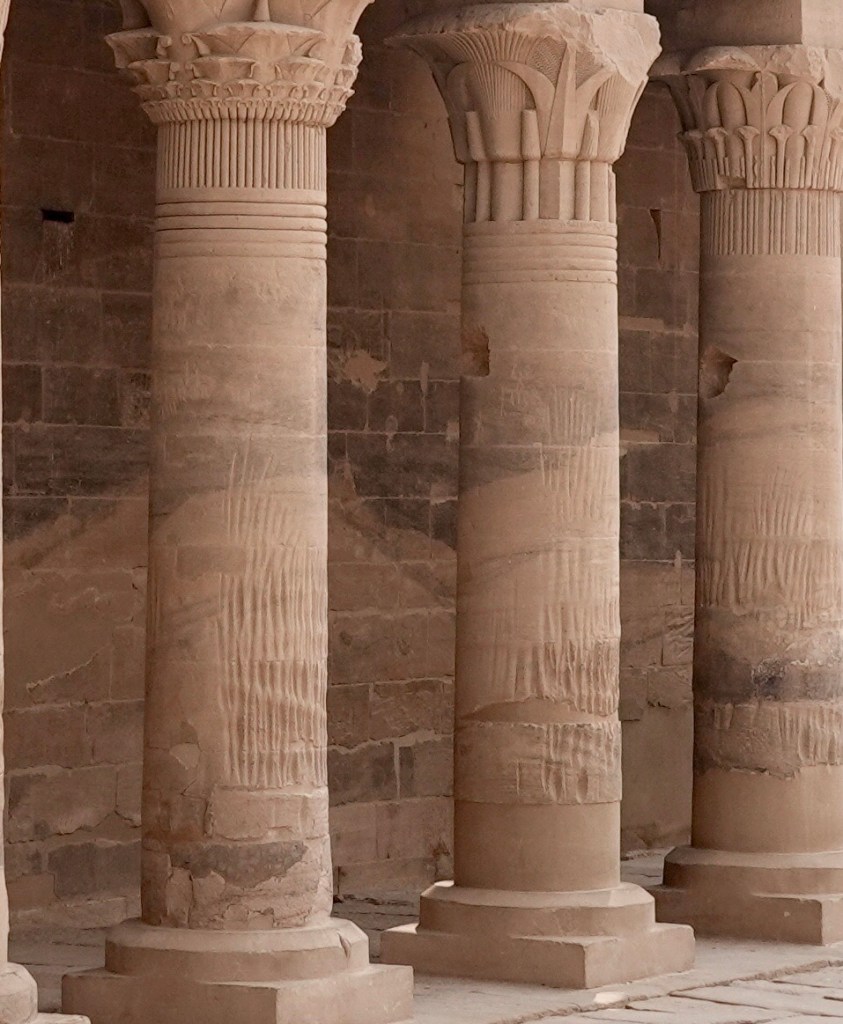
The columns on one side of the first courtyard have capitals depicting lotus, palm, and papyrus.
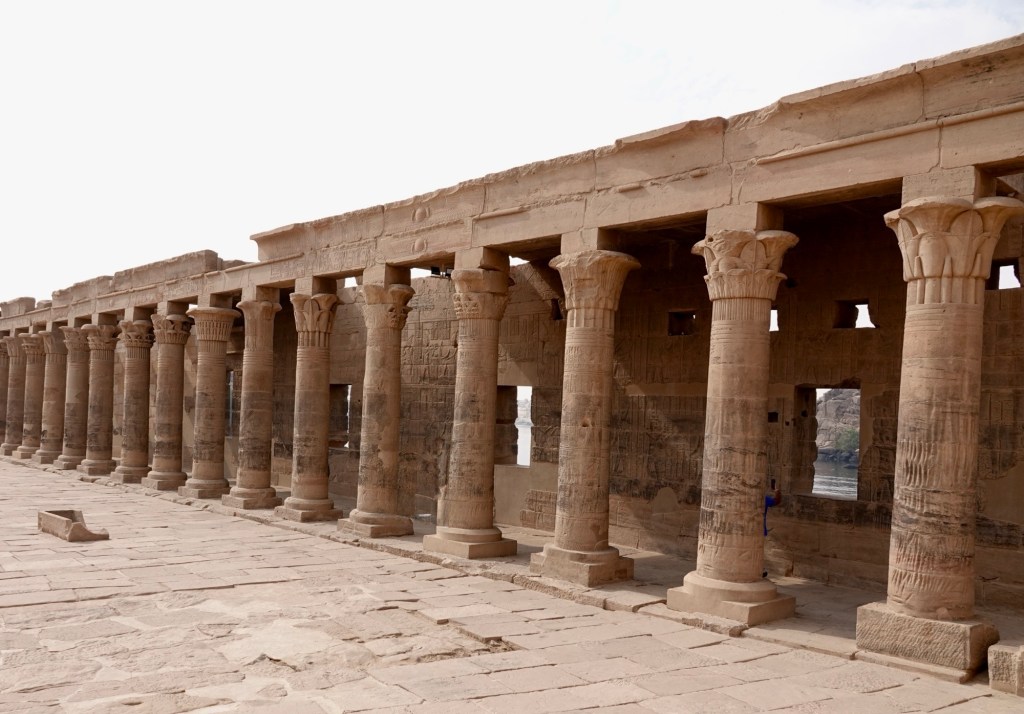
On the other side are many unfinished columns. The “blank” capitals were pointed out to us.
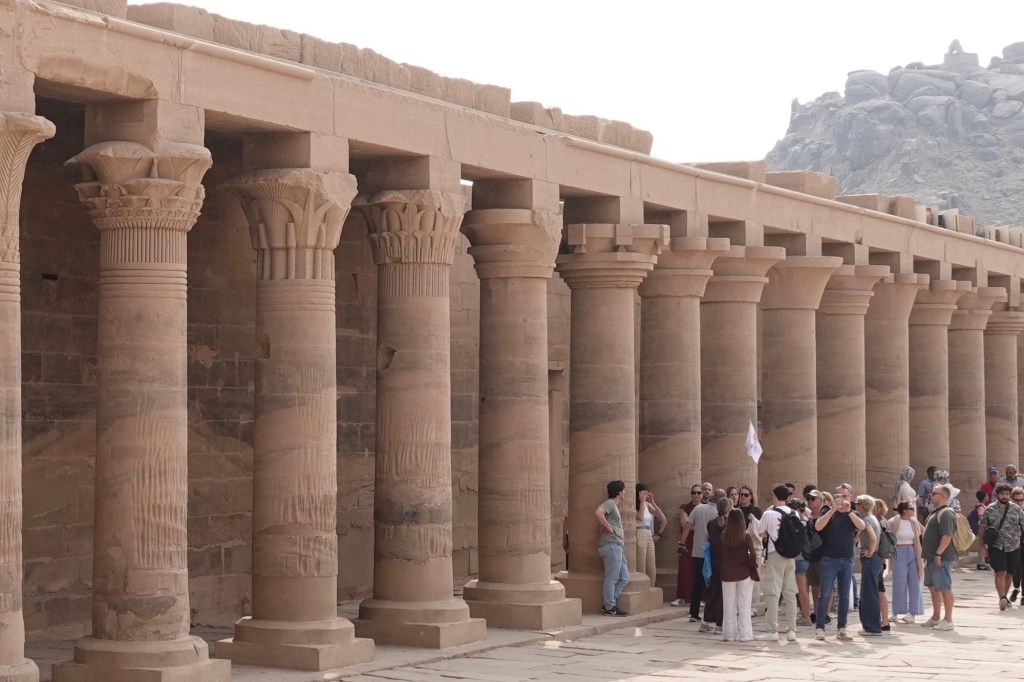
The grooves on the columns themselves are not decorative, but were created by Roman soldiers sharpening their knives, using the sandstone as their whetstones.
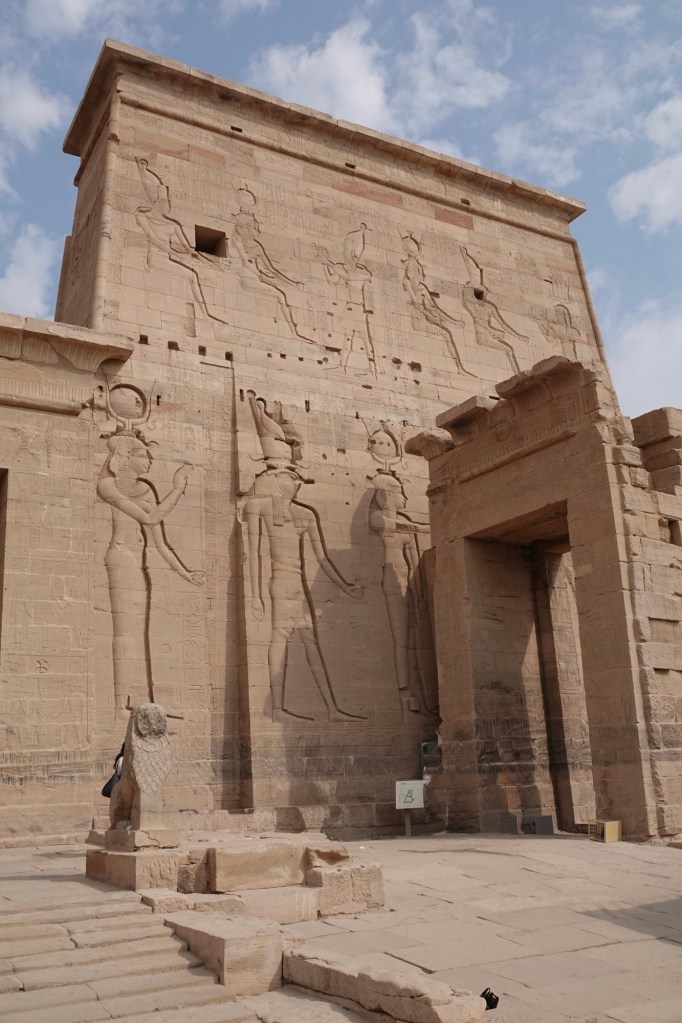
All the figures on the left side of the temple were scraped almost flat and defaced by the first Christians;
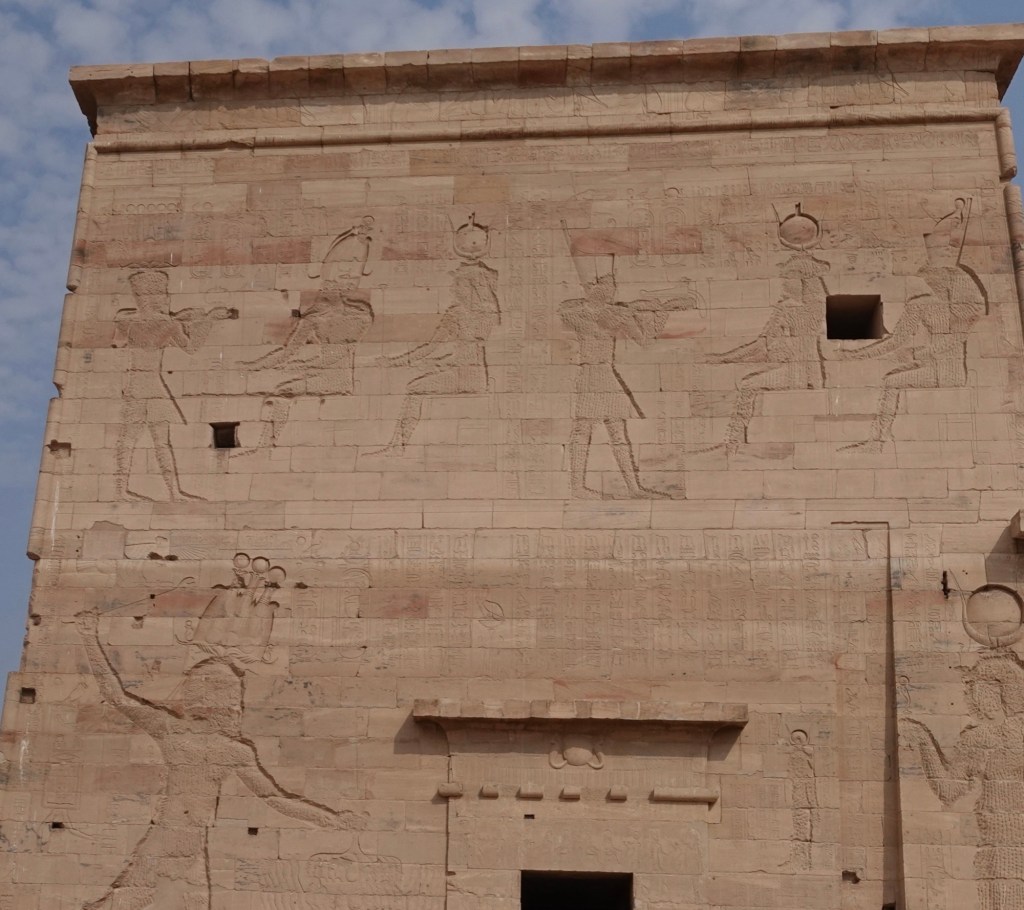
while those on the right remain undamaged for simple lack of time; the Christians were not here long enough – only 20 years. Egyptologists believe that the Christians began with the left side of the temple because it is on the west, representing the afterlife, and they wanted to ensure that the spirits of the ancient gods never returned.
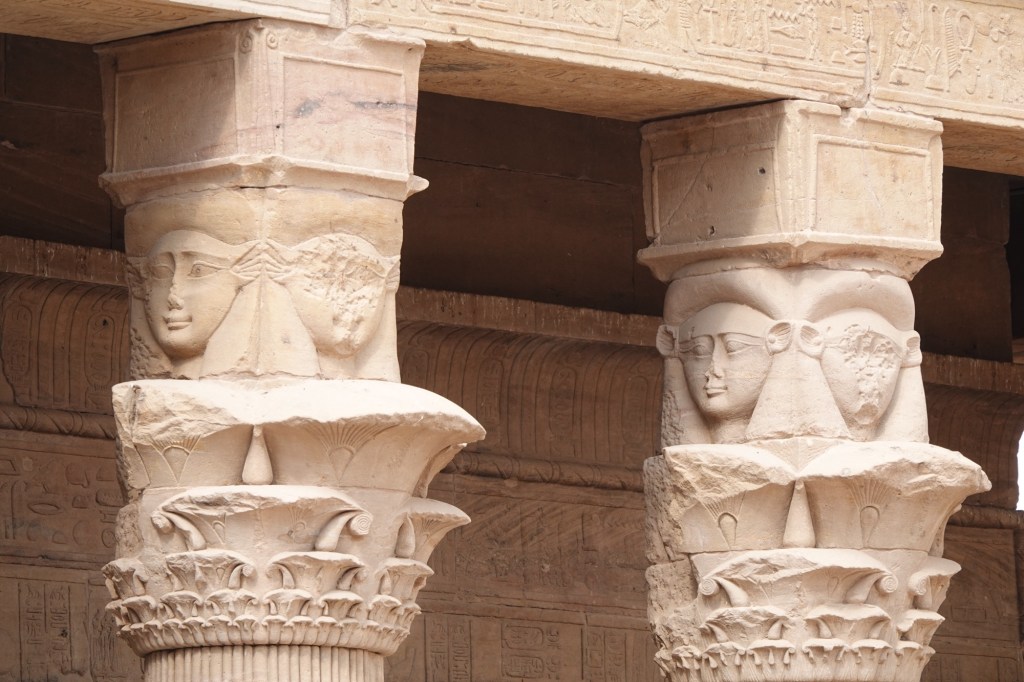
Inside the second courtyard are columns each topped with four images of the cow goddess Hathor, facing the four compass directions.some of these were also defaced.
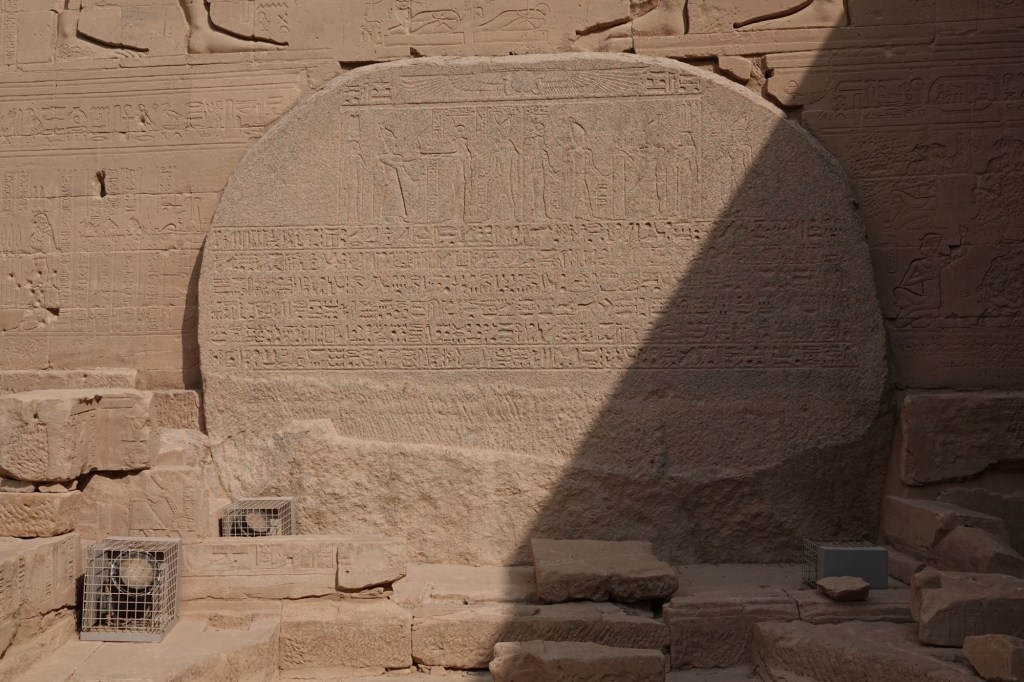
The province of Aswan was dedicated to the ram-headed God Khnum. In order to build a temple dedicated to Isis instead of Khnum, Khnum would have needed to give permission. On a tablet in the temple is a the hieroglyphic record verifying in writing Khnum’s permission for this temple.
I have to wonder what priest designated themselves the god’s scribe.
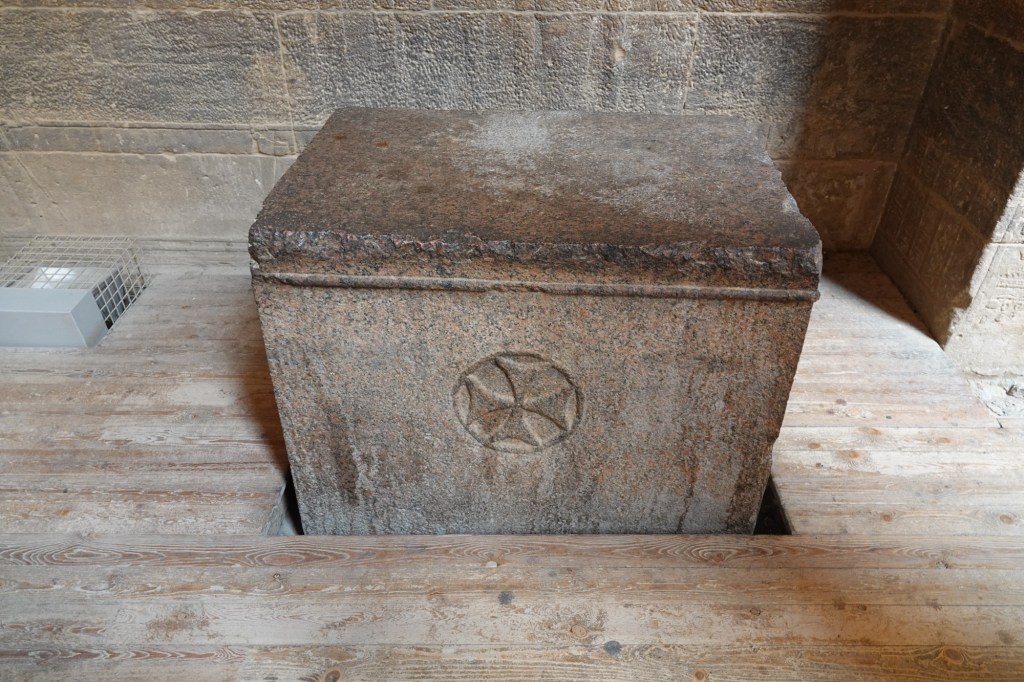
Inside the temple is a stone box “altar” inscribed with what Walid told us was a Coptic cross…
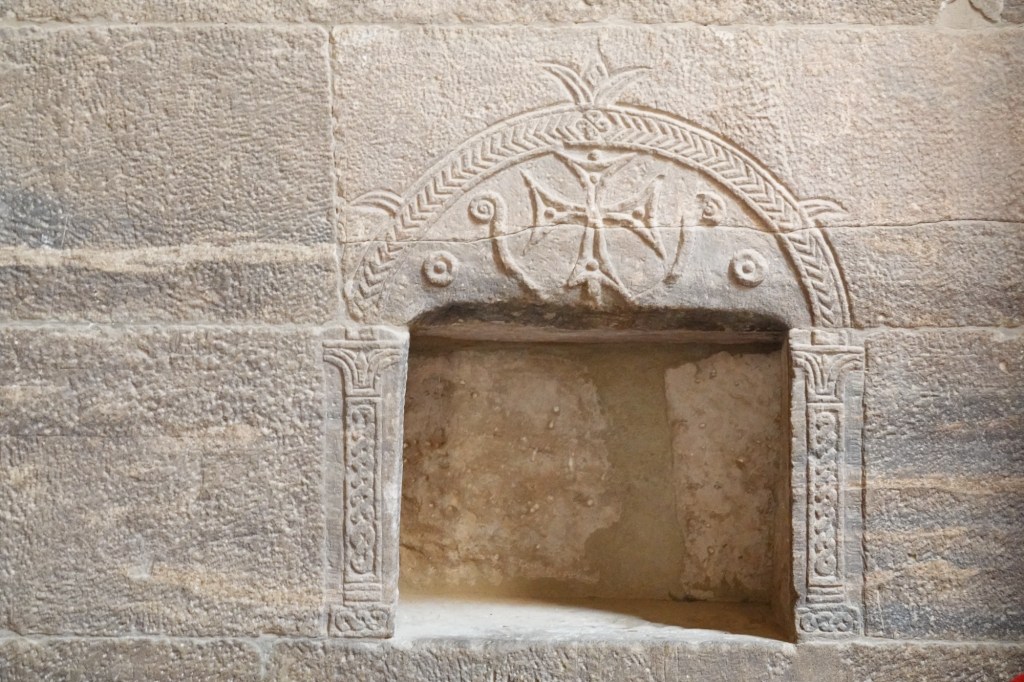
… below a niche symbolizing the gate to heaven and decorated with the carving of another cross atop Noah’s ark.
I always wonder exactly what the source material is for historical discoveries. There must be records of early Christians using these ancient temples as sanctuaries from persecution, yet the cross that was pointed out to us looked a lot more like a Maltese cross dating to the crusades than a Coptic cross dating to the first couple of centuries CE.
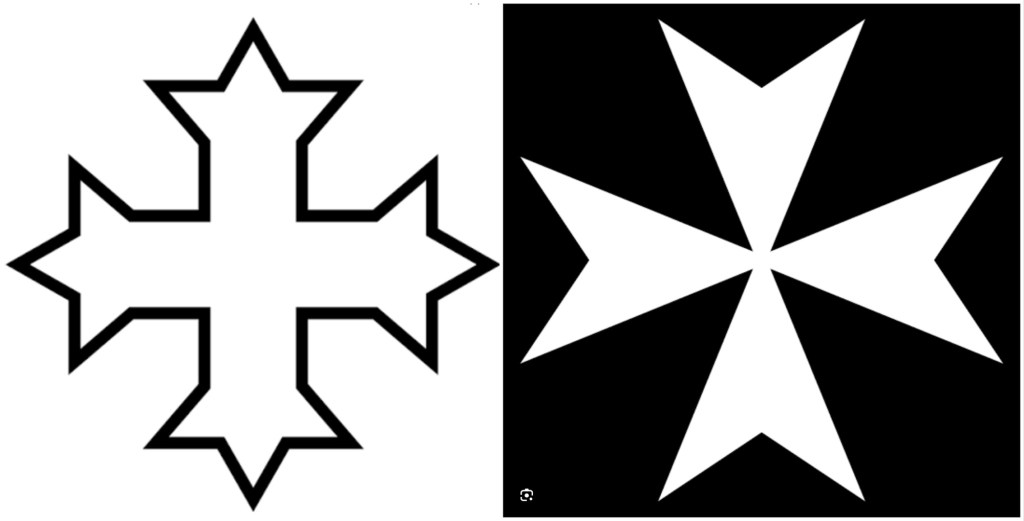
Right: Maltese cross.
I have little doubt that Coptic Christians hid and worshipped here, but in my completely biased opinion it is far more likely that the desecration of carvings and incising of crosses was done during the Crusades by Christians using the cross of Saint John and not those early ascetics.
There was a third larger more traditionally shaped cross cross carved in the temple’s main doorway, and many more throughout the temple.
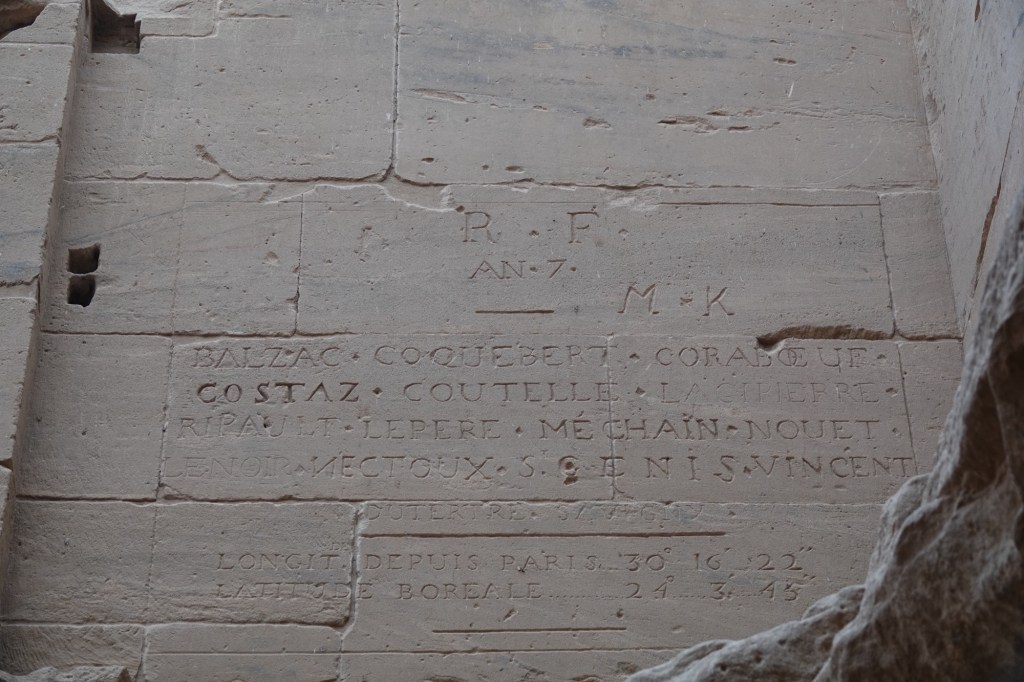
We also saw more modern desecration, including names inscribed by the French team who translated the temple’s hieroglyphics.
The temple ceilings are flat and unadorned; not original because the originals collapsed during the act of moving the temple.
The master scene of the temple is in the small sanctuary, and depicts Isis beside her son Horus (shown in human form), with Horus being breastfed by his mother. Early Christians, seeing this image, decided that it depicted the Virgin Mary breast-feeding Jesus. At some point, they removed her face and it is now located in a Christian monastery in Egypt.
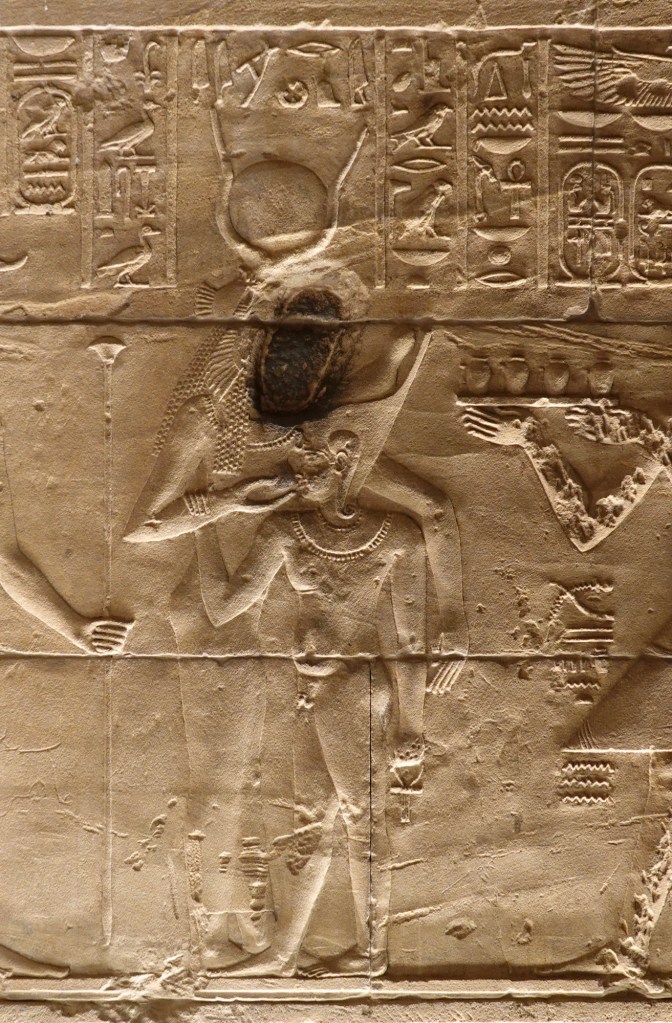
While ornately carved, this temple was not painted; there are none of the beautiful vibrant colours we have come to associate with ancient Egyptian temples.
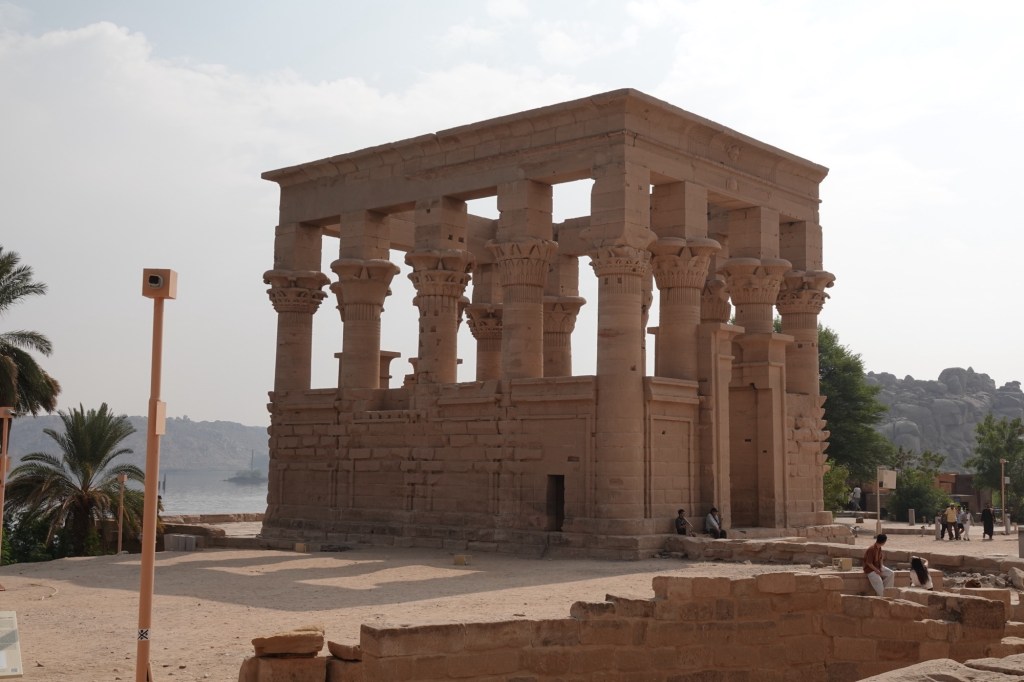
We exited a side door of the temple to get a vantage point from which we could see the original island of Philae and the small chapel was dedicated to Hathor, built by the Roman Emperor Trajan.
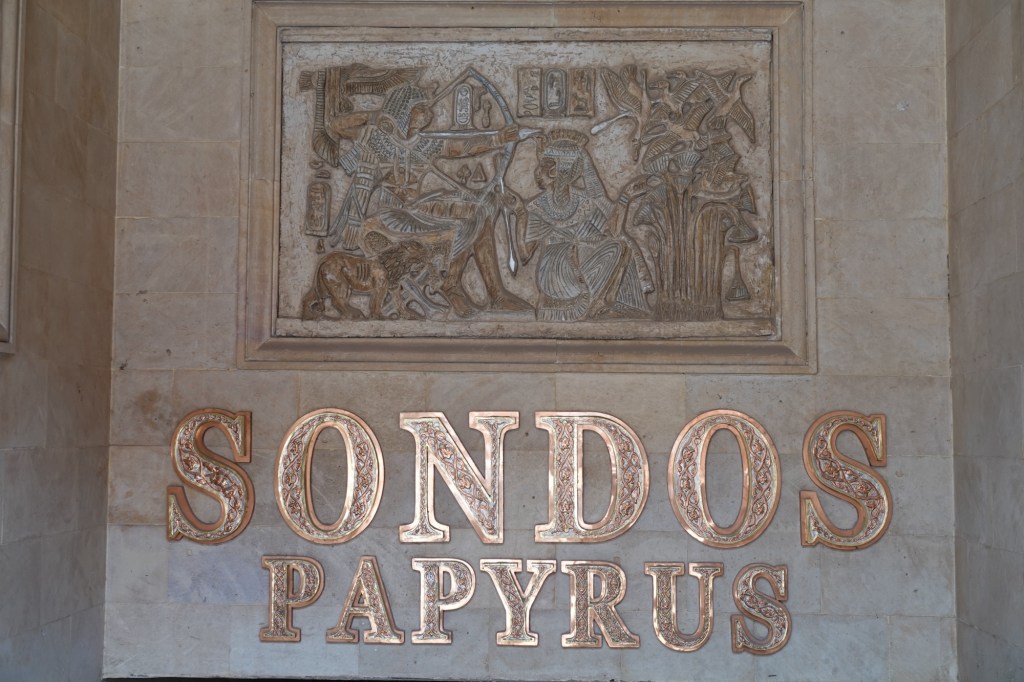
Our last morning stop was at the Papyrus Institute, operated by the University of Aswan’s Faculty of Fine Arts.
Ted and I have seen papyrus growing before – in the 1990’s when we visited the Rosicrucian Egyptian Museum in San Jose, California (which coincidentally contains one of the largest collections of Egyptian tomb artefacts in the western hemisphere).
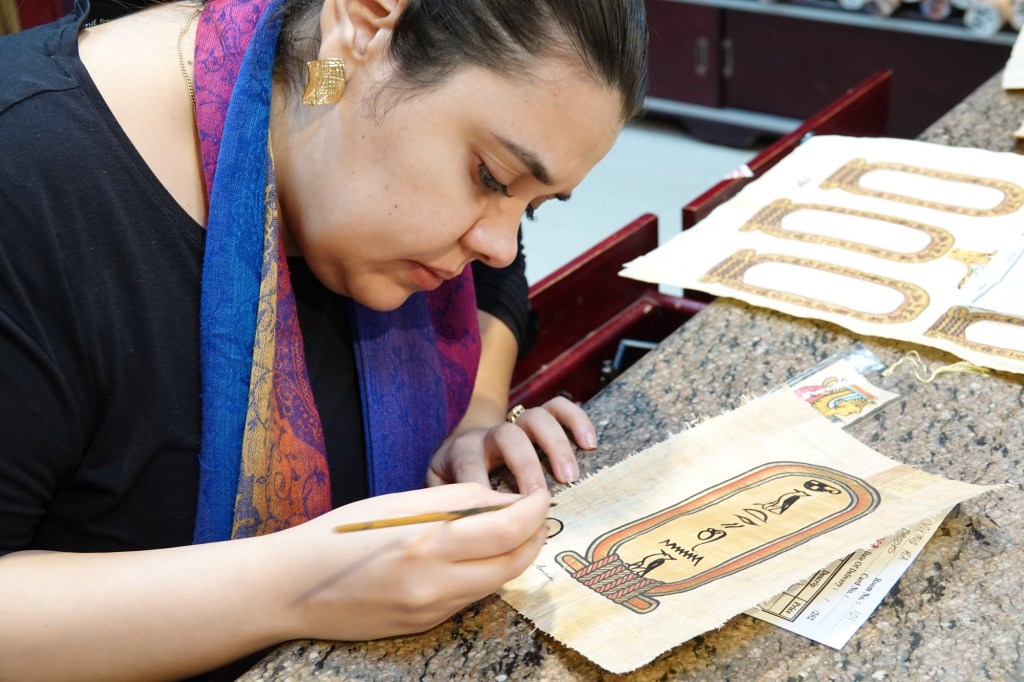
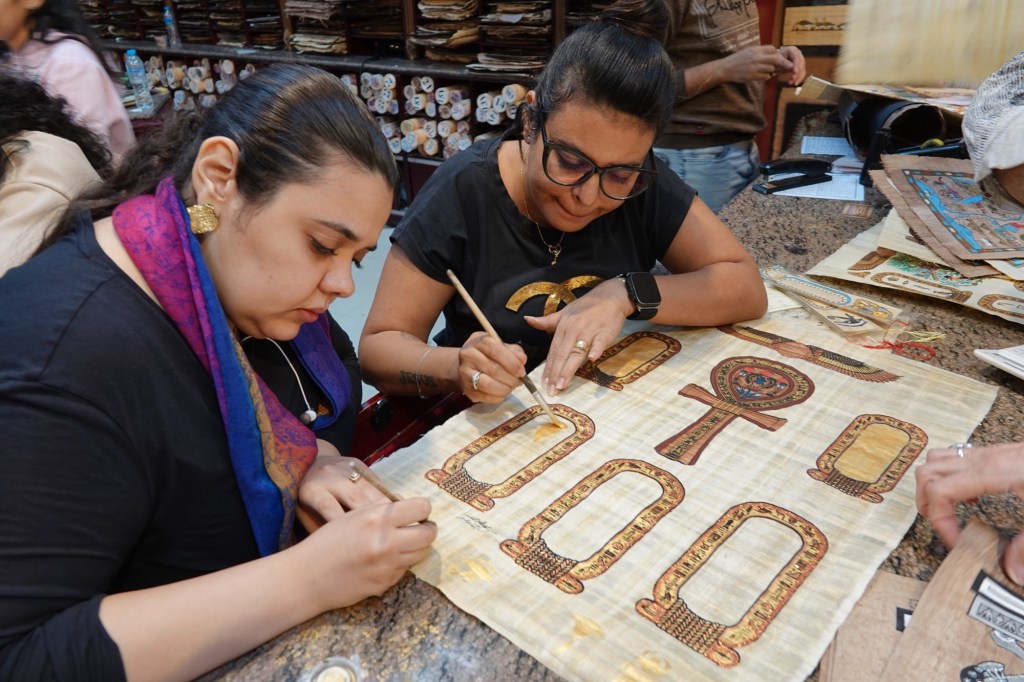
I’d forgotten that papyrus can be harvested four times each year, to be made into paper. Unlike the banana leaves that get passed off as papyrus in all the markets, printed with pictures, we saw actual papyrus, hand painted.
We got to watch the process, and walk through the gallery of one-of-a-kind pieces.
We learned that papyrus was sacred to the ancients because its flower looks like the rays of the sun, and the stem cross-section is pyramid-shaped.
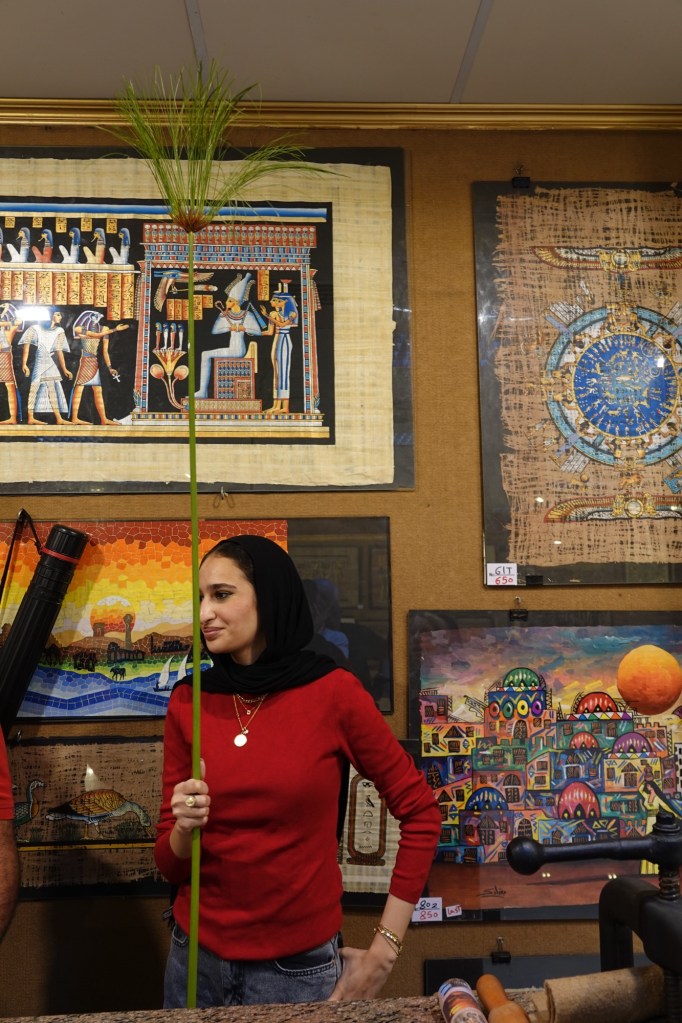
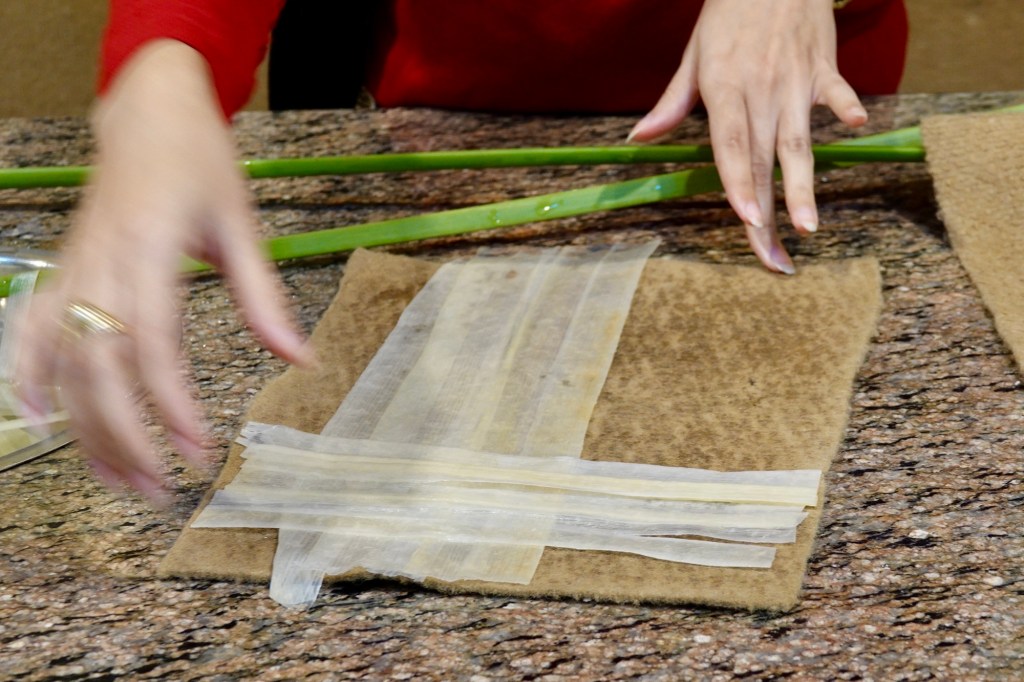
The stem has a high sugar content, like sugar cane, and its fibre must be broken down by pounding, slicing, flattening, and soaking until it can be pounded into thin strips and sheets.
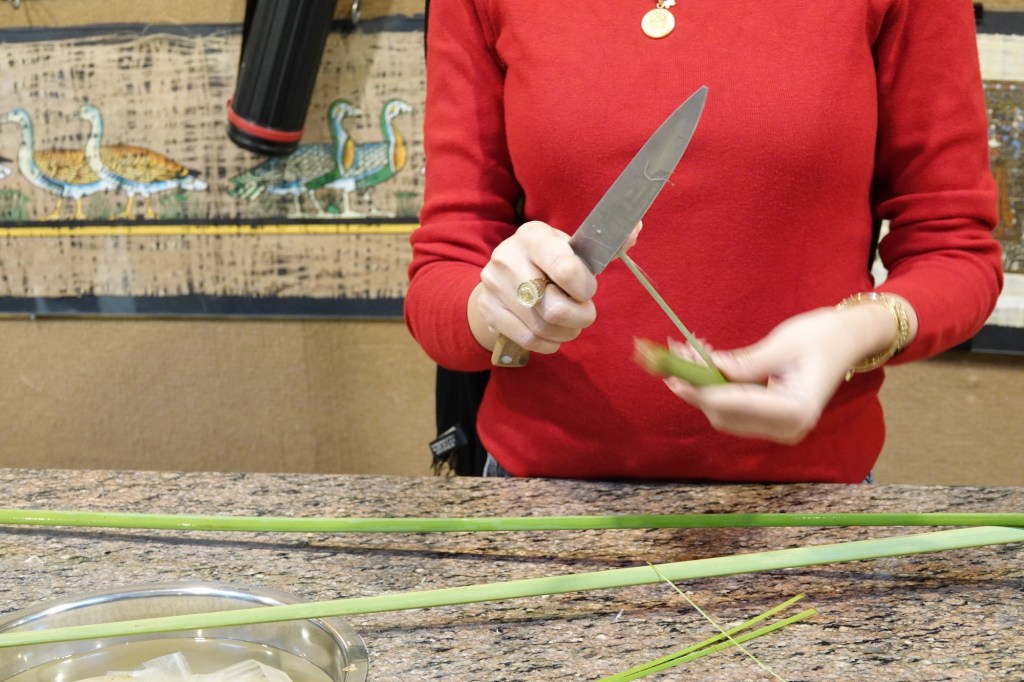
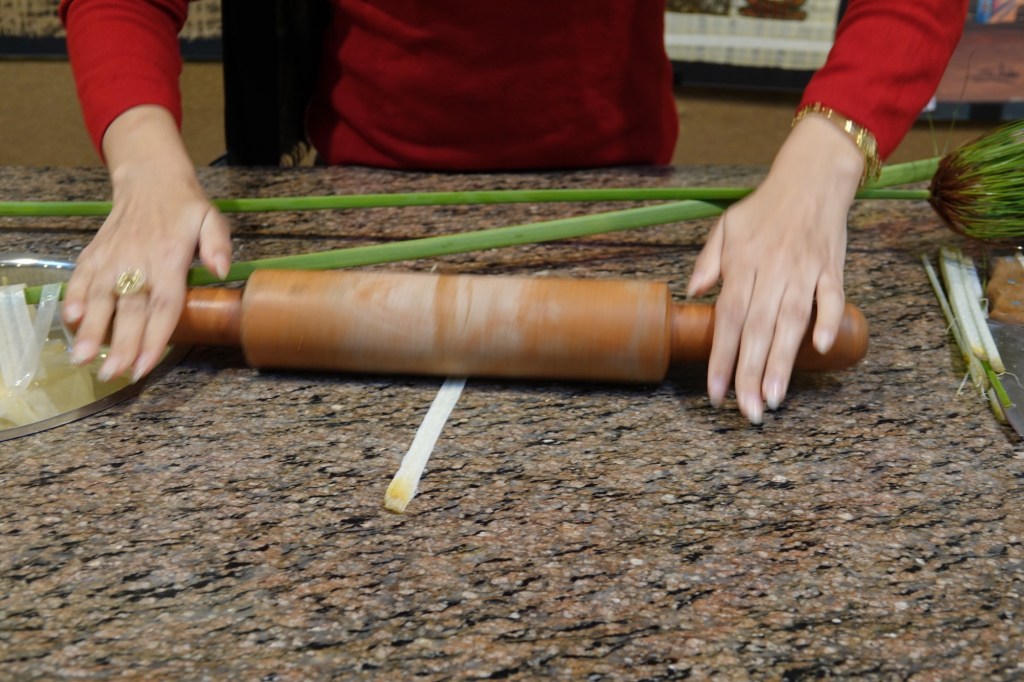
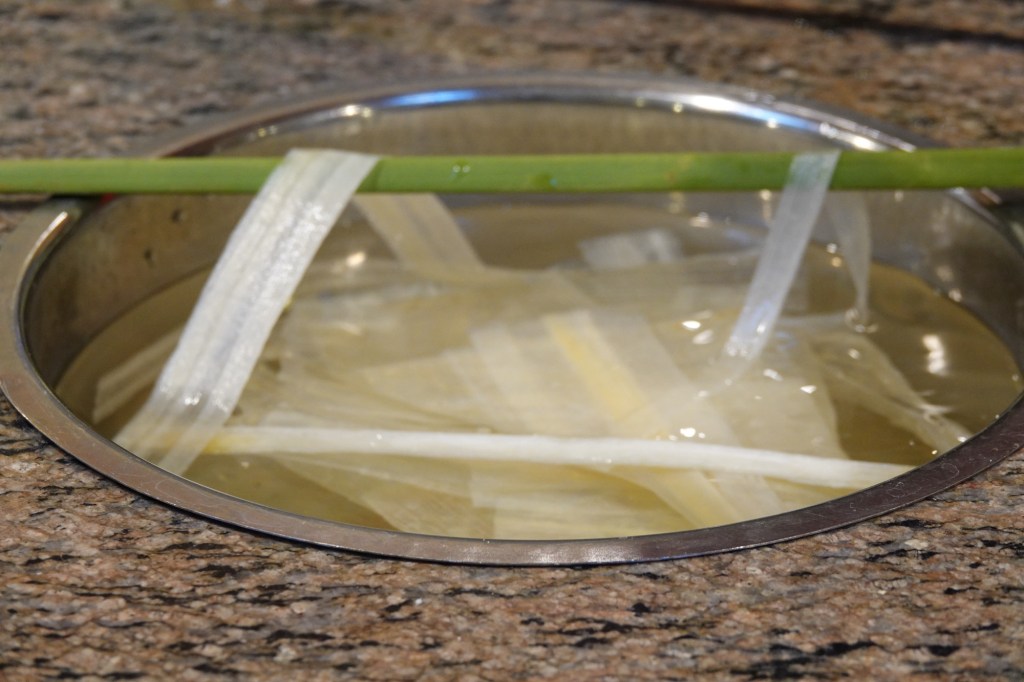
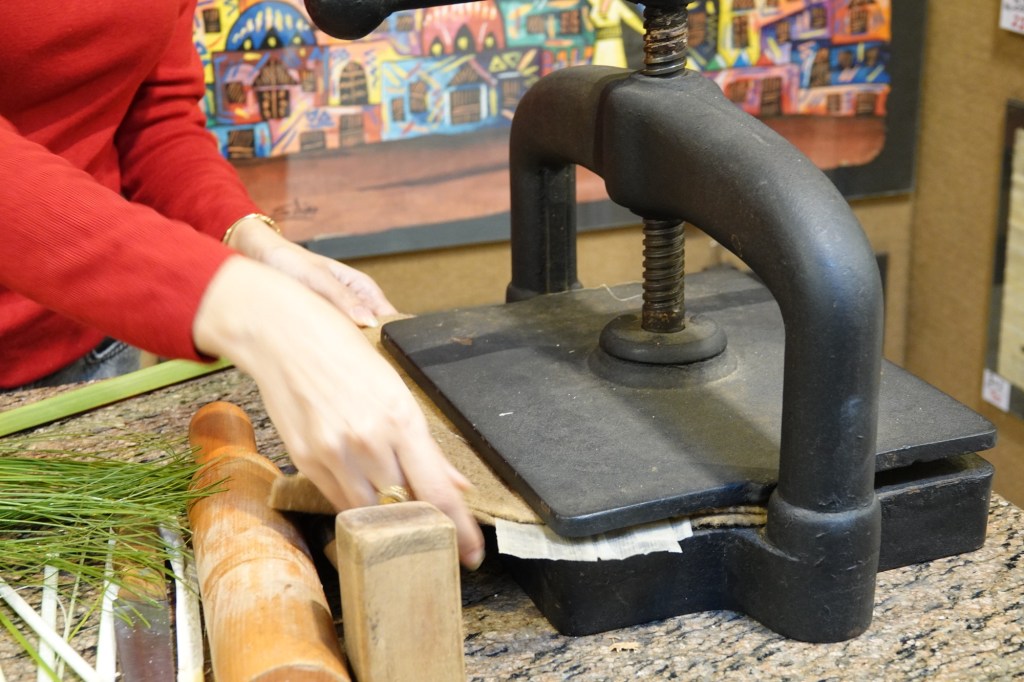
Those strips are overlapped, covered in linen or carpet, and then put into a press to squeeze out the liquid – a bit like putting laundry through a ringer.
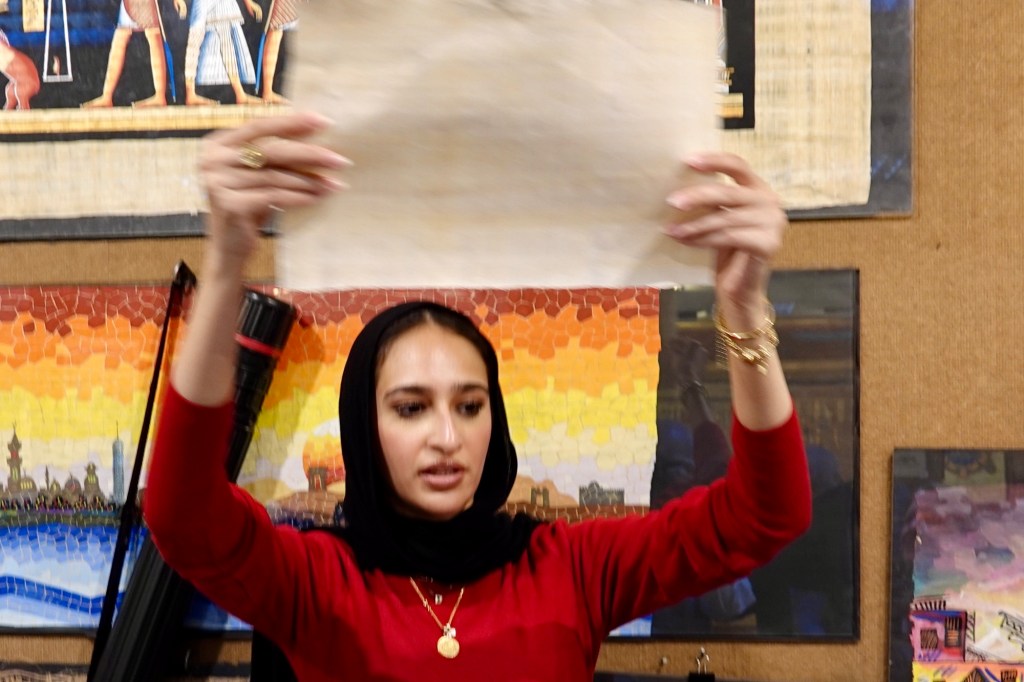
The sugar content of papyrus stems makes the final paper flexible. Banana leaves – which every vendor in every tourist market tries to pass off as papyrus – have no sugar content and will crack and tear if rolled or folded.
No photos of the painted papyri on display in the gallery were allowed since they are copyrighted.
But oh my! Such beautiful, if expensive, things. I really hope those we bought gifts for love them as much as we did when choosing them.
Then it was back to the ship for lunch and an hour or two of blessed air conditioning. We’ve all been complaining a bit about how cold our cabins are, but after 32°C/90°F under full sun for over 3 hours this morning, no one was complaining.
During lunch and the early afternoon we sailed to Kom Ombo, whose ancient name Nubt meant “city of gold”.
The unique temple located here was in walking distance of our mooring spot.
The local god in this province was Sobek, the Nile crocodile god. Even though he was an evil god, he still required a temple, but the local priests knew it would be unpopular and not generate much revenue.
So… the priests had a cunning plan: co-dedicate the temple to Horus, the god of protection.
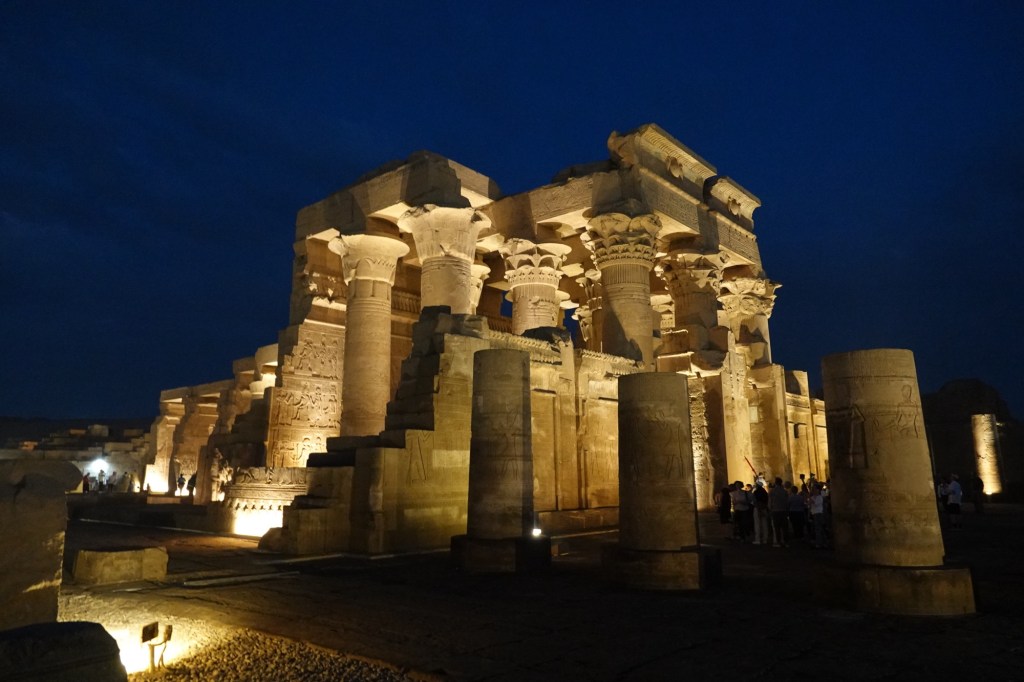
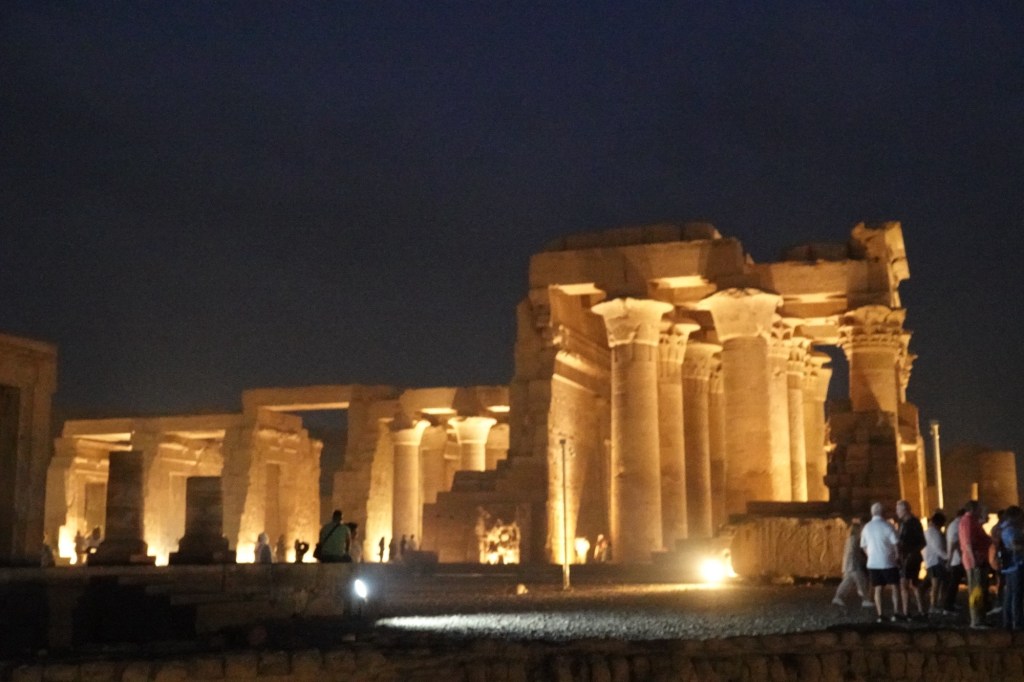
We could clearly see that the facade is actually split, with 2 doorways: the right leading to Sobek’s temple and the left to Horus’, in exact mirror images except for the god depicted in the reliefs.
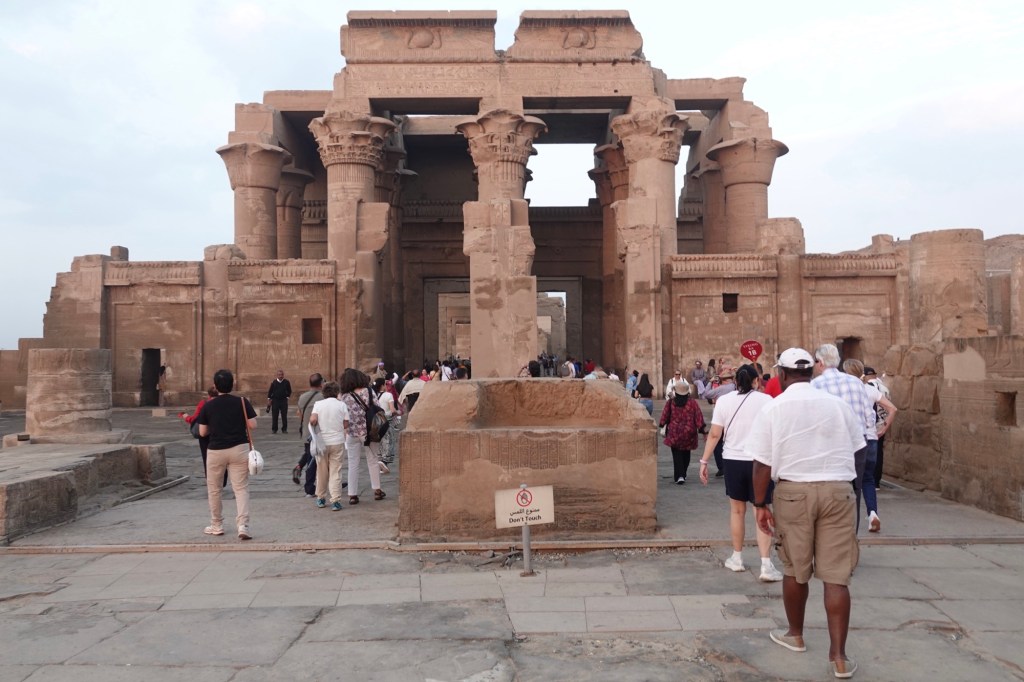
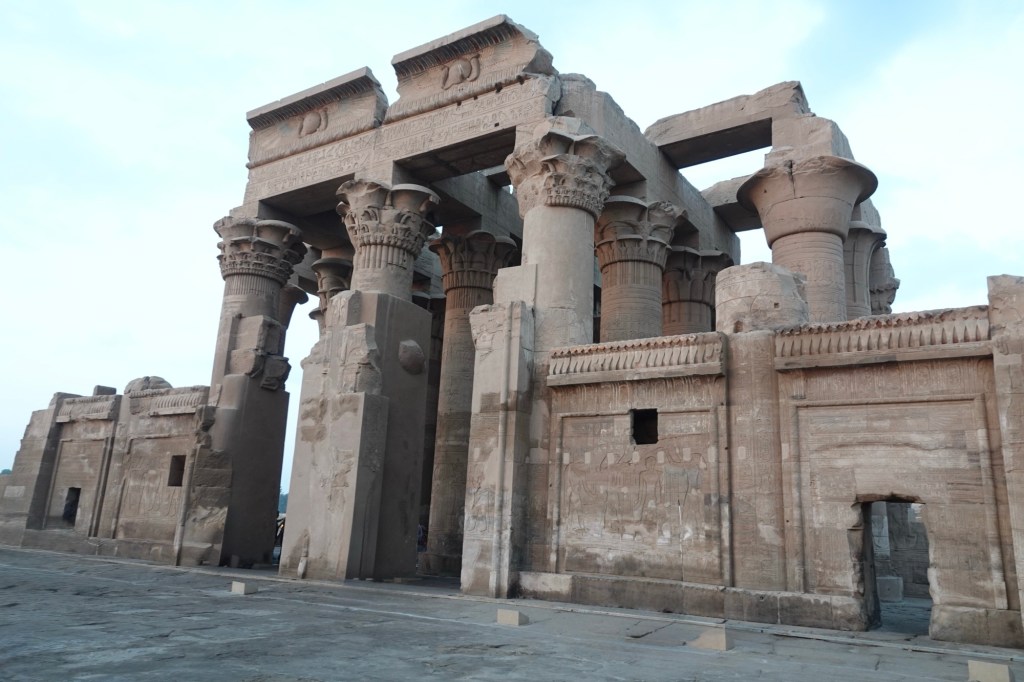
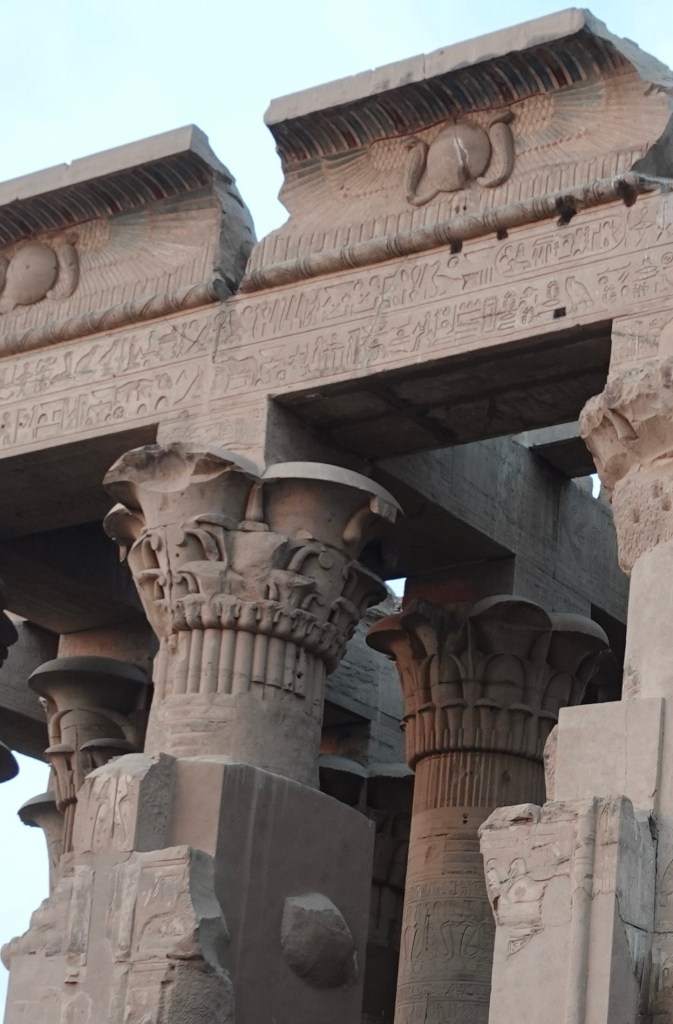
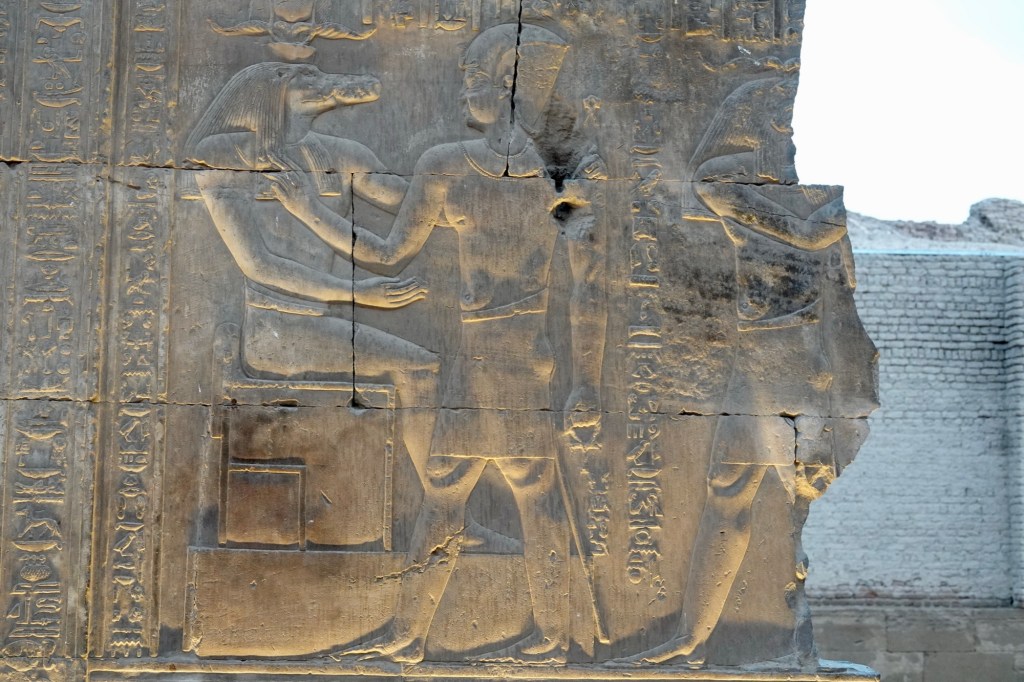
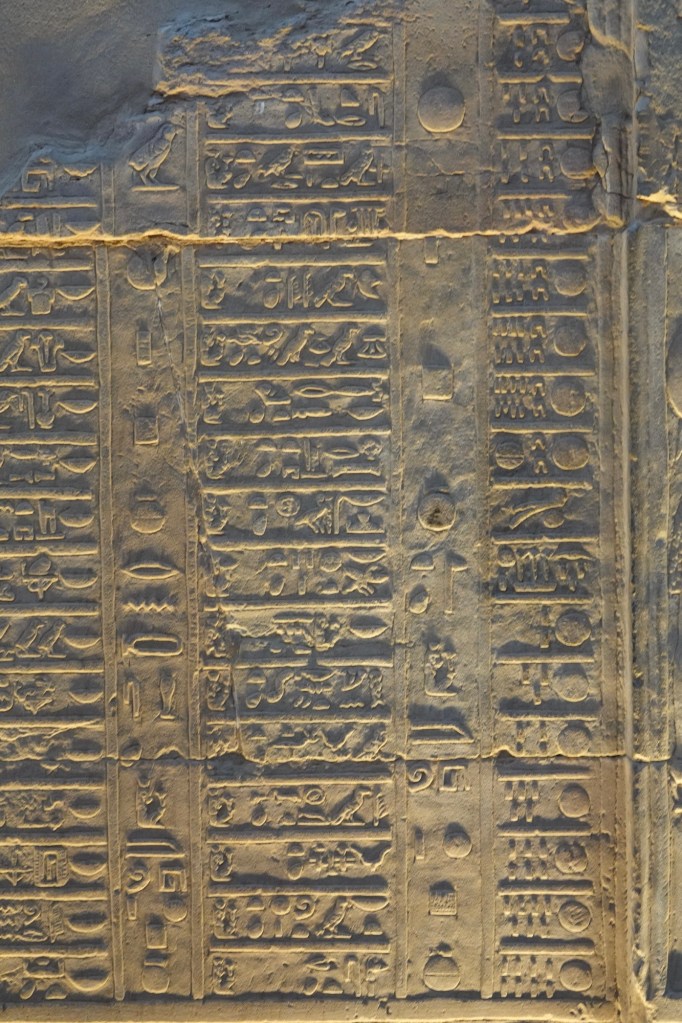
The highlight of Sobek‘s side of the temple is a relief depicting the calendar! The ancient Egyptians believed the year had 3 seasons: flood, seeding, and harvest, each of whom had a lion headed goddess. They used twelve months with three weeks of 10 days each, for a total of 360 days per year. Because the Nile’s flooding was observed to occur 5 days earlier each year, they compensated by adding 5 days which were assigned as the birthdays of Iris, Osiris, Nephthys, Horus, and Seht.
This calendar on the wall describing what happened on each day of the month.
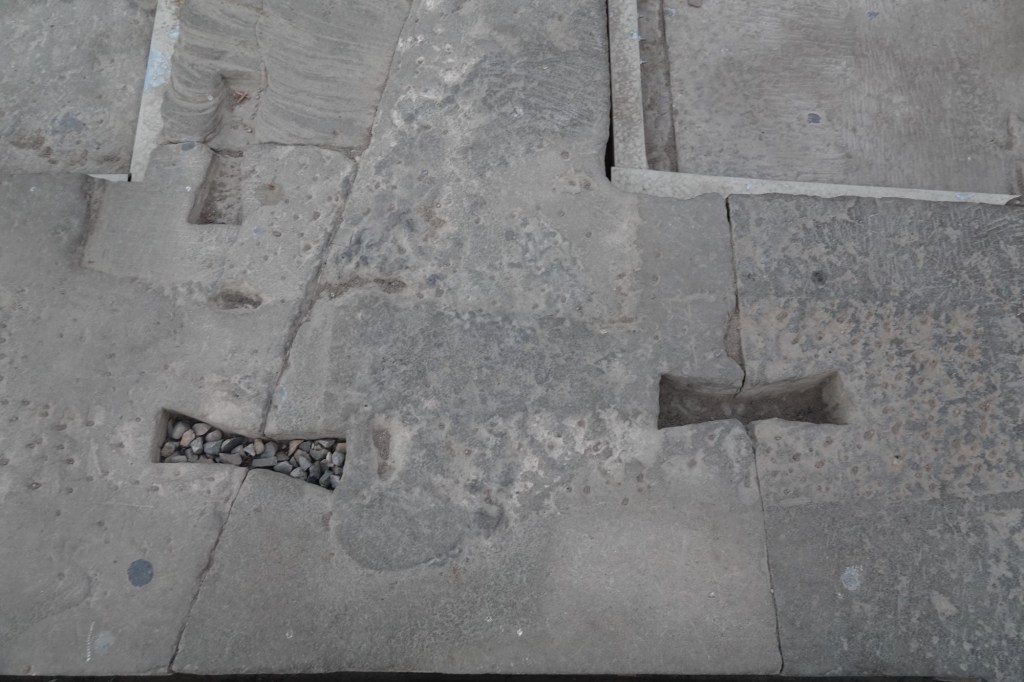
The dovetail shaped holes in the floor stones in the sanctuary reveal how construction blocks were locked in place with wood at a time before cement. This was a fairly new development in the pre-Roman era.
Walid had a great story of the corrupt practices of greedy priests, a story which was discovered on a papyrus in the temple library, documented by the temple scribe. our timing at the temple was absolutely perfect, just before all the crowds descended.
From Sobek’s temple, we proceeded into the hospital located in an addition to the temple built behind the sanctuary. The temple dates to the second century BCE; the hospital addition to the second century CE., added to the temple by the Roman Emperor Trajan.
The hospital is dedicated to the Egyptian God of medicine, Imhotep, the deified architect who designed the Sakkara pyramids 3000 years earlier. The reliefs in the hospital depict medical instruments (including a birthing stool) used in surgeries, dentistry, gynaecology, and complications in childbirth.
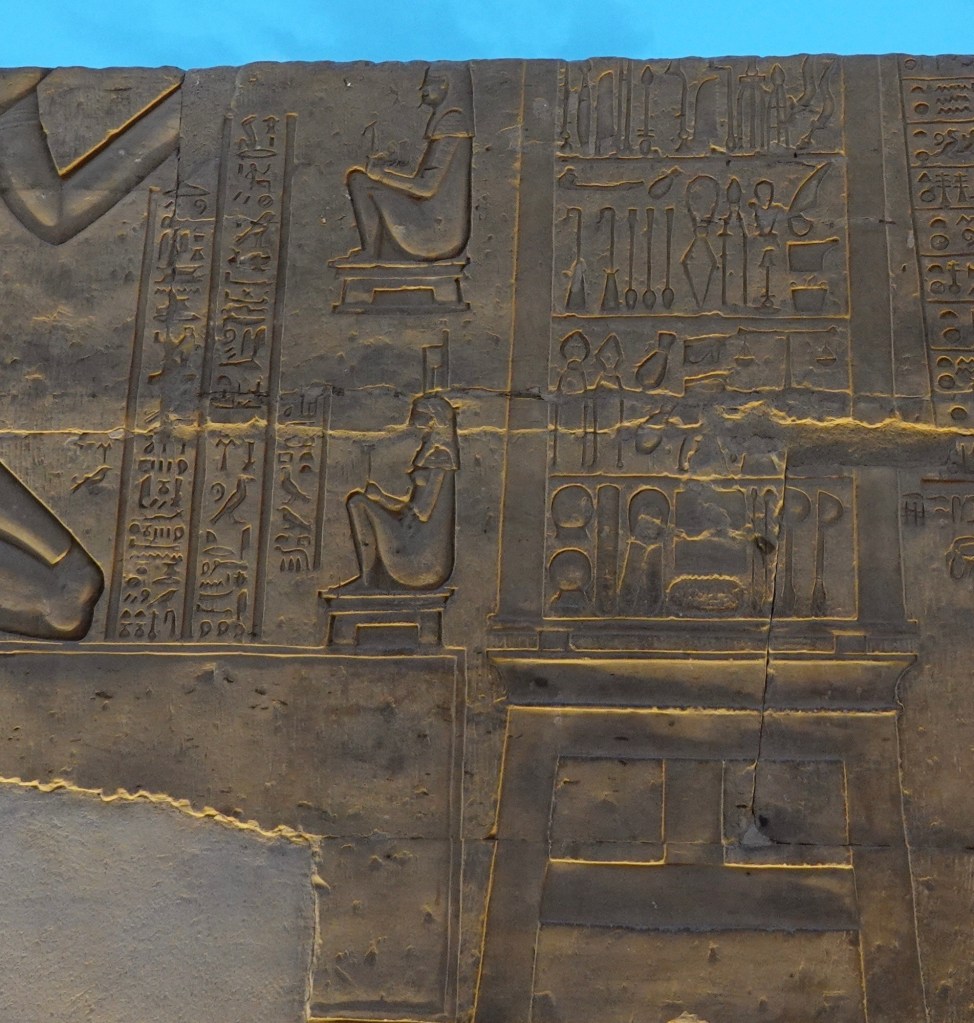
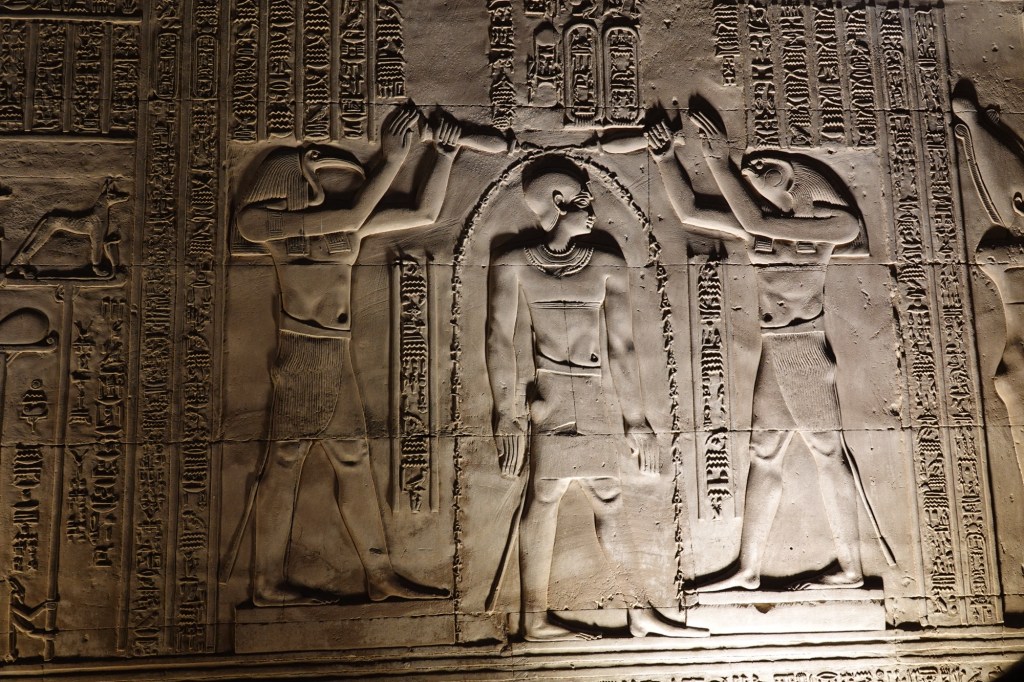
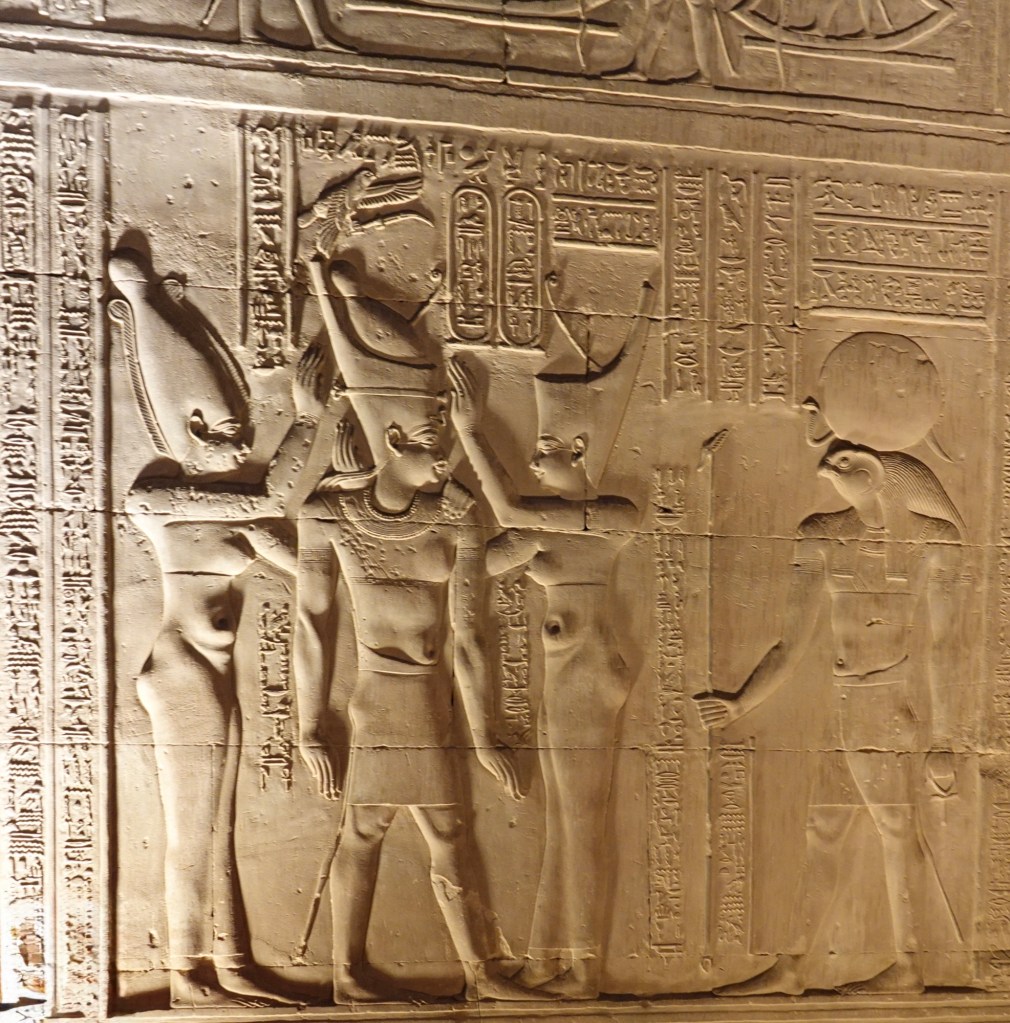
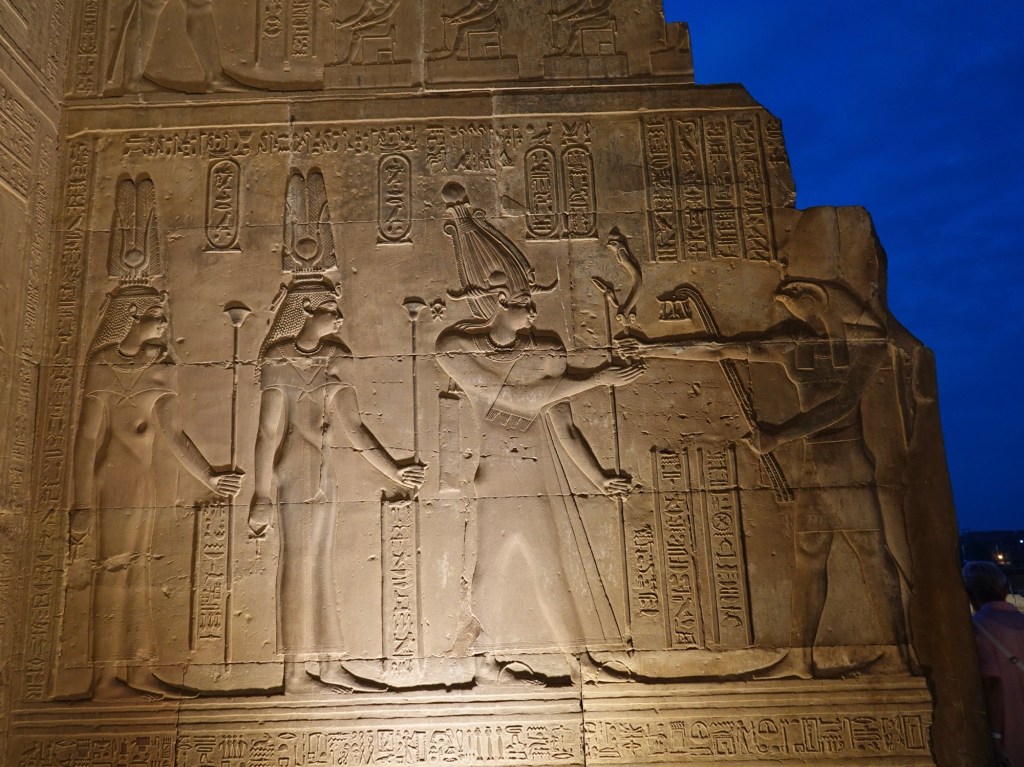
Then it was time to walk to the side of the temple which was dedicated to Horus. In this side of the temple are 3 particularly impressive reliefs depicting Ptolemy XII’s coronation.
First is the pre-coronation purification ritual, showing the gods Horus and Thoth anointing the king with ankhs flowing out of jars, bestowing eternal life.
The second relief shows Ptolemy’s coronation with the double crown of upper and lower Egypt. The crown is supported by Isis and her twin sister Nephthys, watched/protected by Horus.
In the third relief the emperor/pharoah, backed by Cleopatra III and Cleopatra IV, as Horus bestows the symbols of rule.
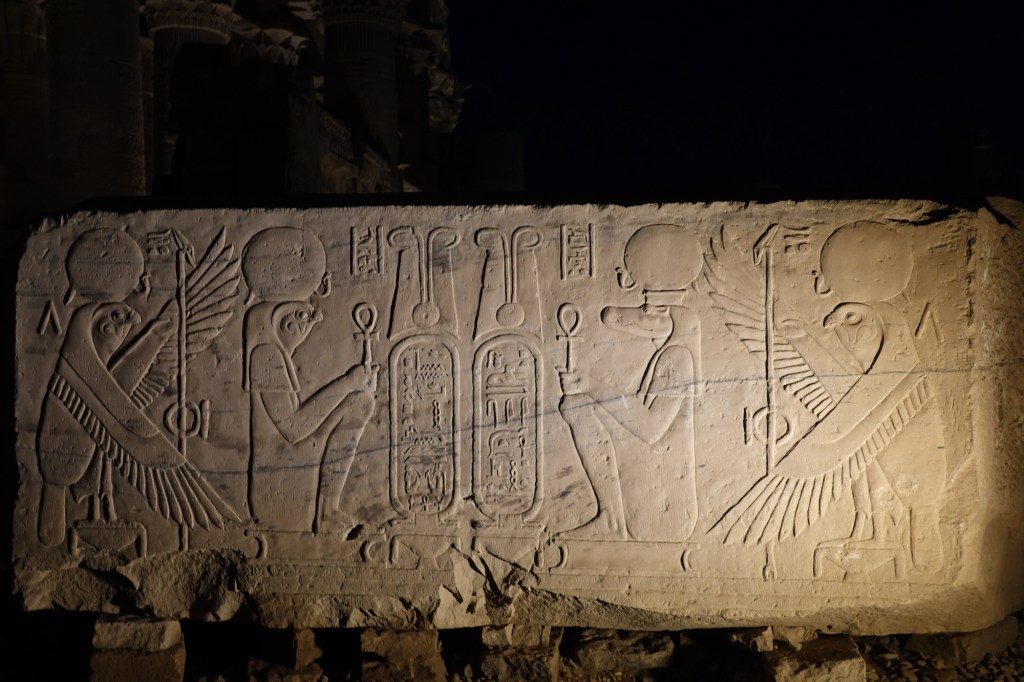
Another of the highlights was the relief showing Horus facing Sobek in a mirror image evenly matched challenge between good and evil. A second image of Horus on either side protects the scene.
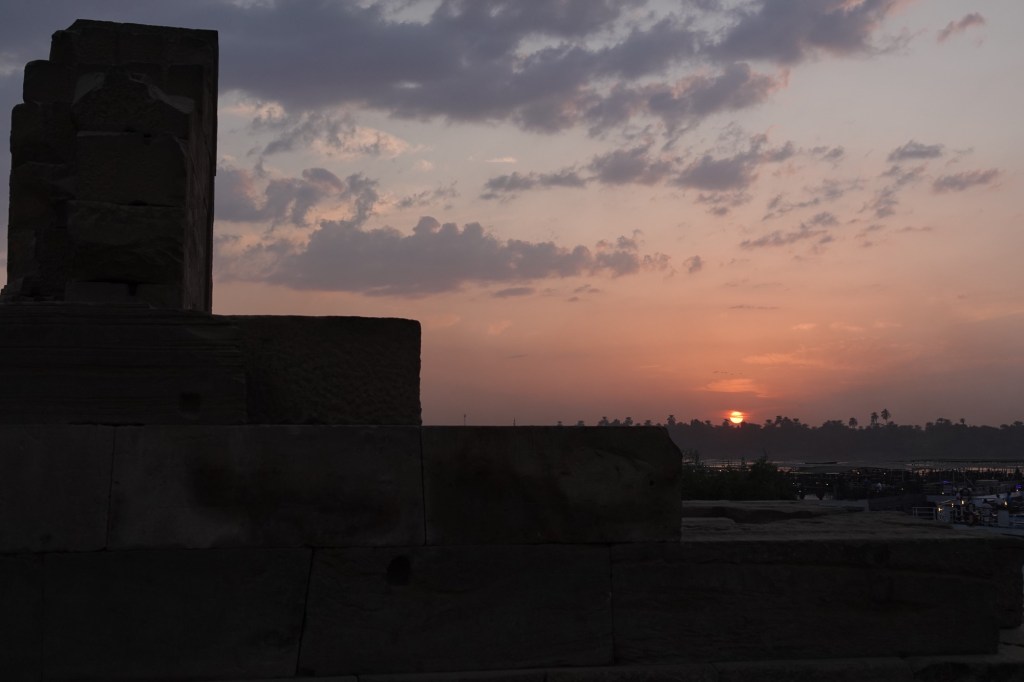
The sun set as we were at the temple, giving it a truly otherworldly air, and also added significantly to how treacherous the uneven stones were to walk on.
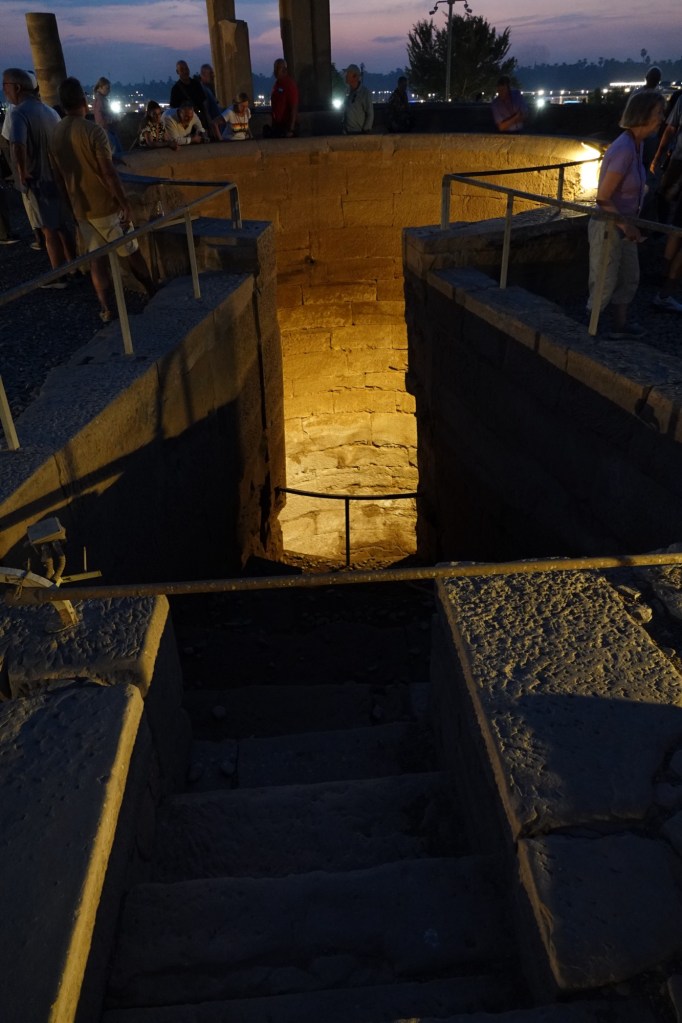
We had the chance to look down into a particularly well preserved Nile-ometer, the well used to measure and record high and low water levels. This one was always inhabited by a crocodile, believed to be the incarnation of Sobek.

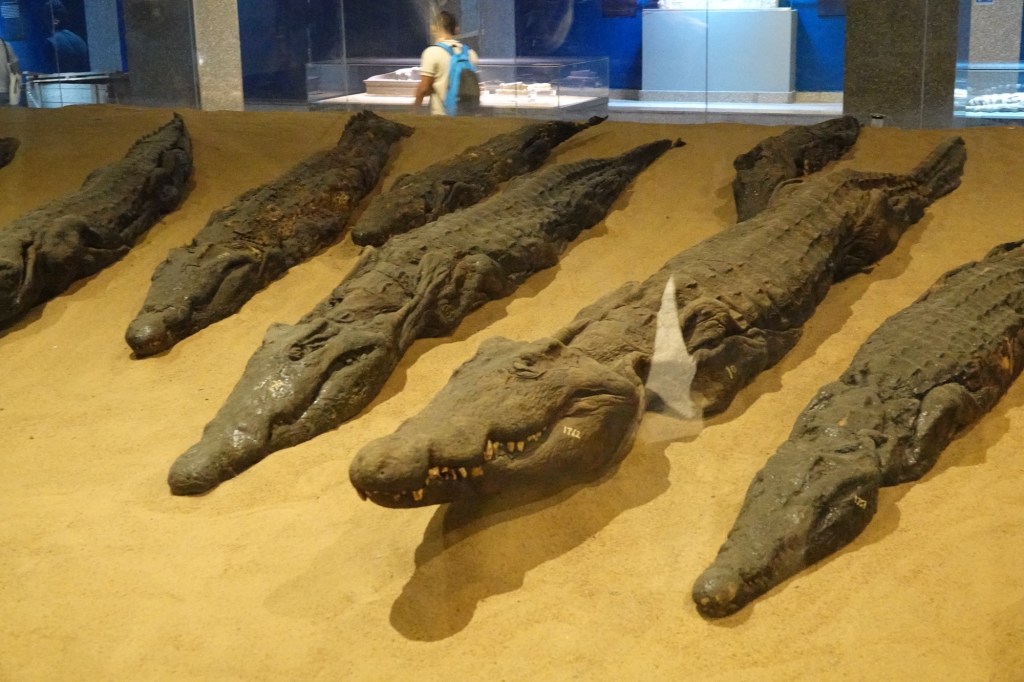
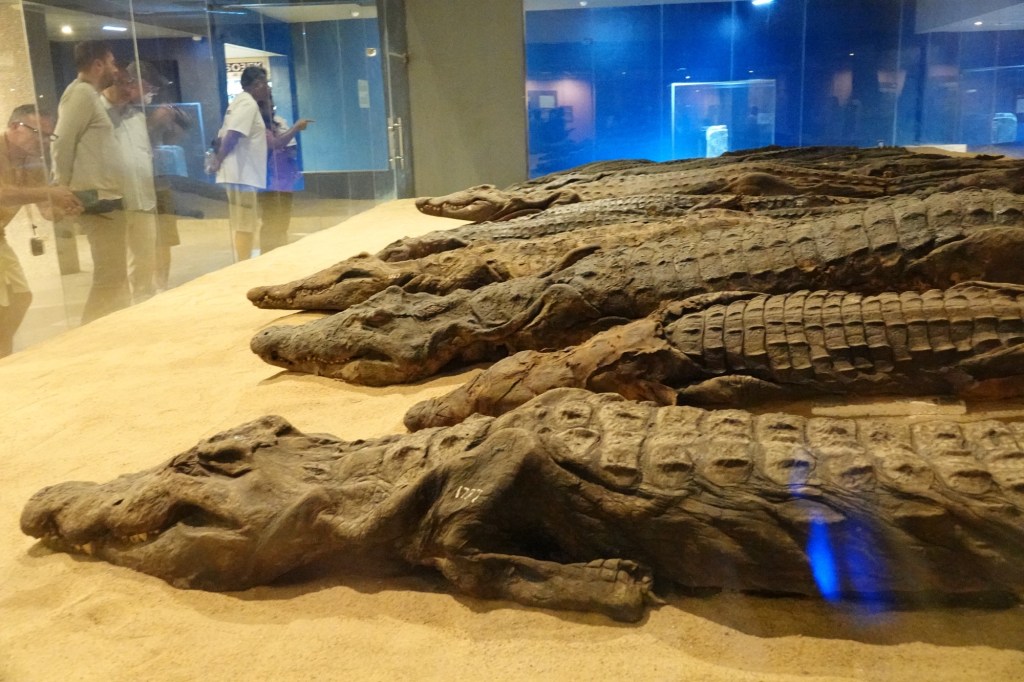
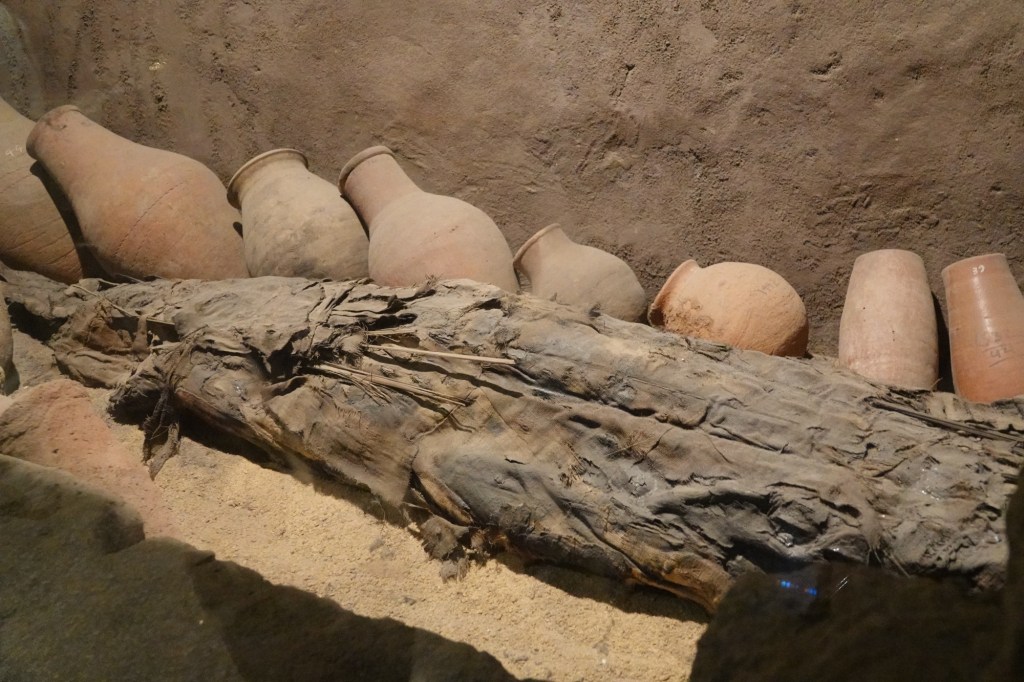
On the same site as the temple is a museum of a series of 22 mummified crocodiles – which lived successively in the Nile-ometer and were considered to be the living incarnation of Sobek – which were originally enshrined in the temple.
It was almost enough to spoil dinner, had dinner tonight not been delicious French onion soup and Chateaubriand.
It’s a tough life, with more still in store tomorrow.
 Rose and Ted’s Excellent Adventure