Since July 2018, when we gave up the rental apartment into which we’d moved after selling our own already downsized condo, Ted and I have only lived (with the exception of a short period in our #2 son’s in-law-suite) in furnished short-term rentals in both Canada and on our travels.
And we’ve loved it.
But after returning from our 24/25 World Cruise this past May, things changed.
We had rented, as per our usual routine, a lovely furnished laneway house in Vancouver, intending to use it as our “Canada time” for a few months. The location was absolute perfect – 4 transit stops from the Vancouver International AirPort, 8 transit stops from the cruise port and all that downtown Vancouver has to offer.
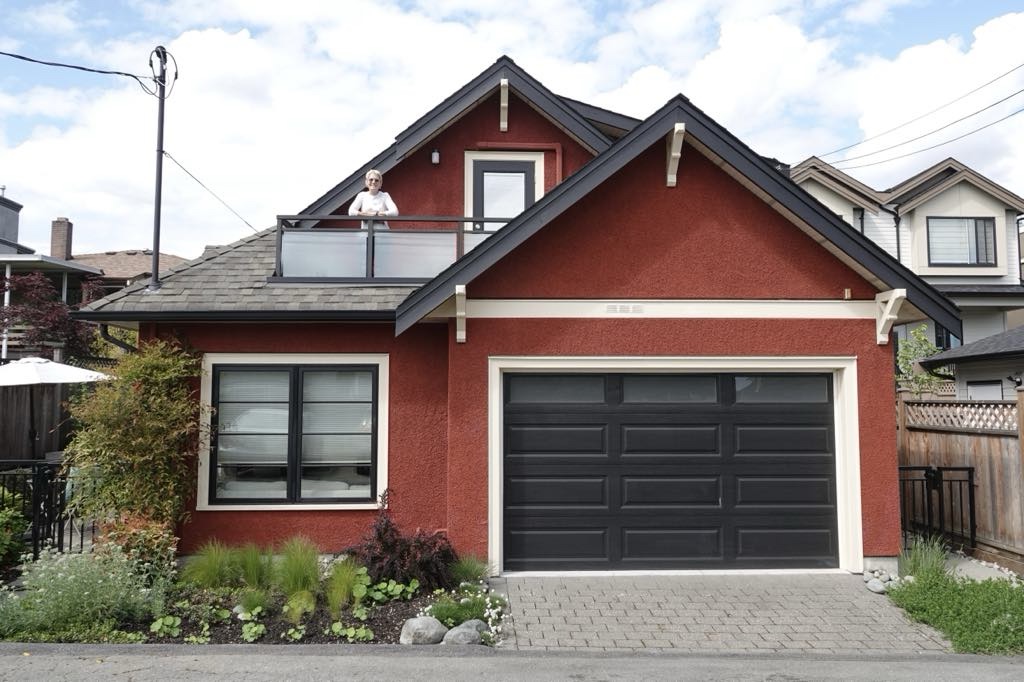
It came with the bonus of the most amazing rental hosts we’ve ever had (and we’ve had some pretty great ones over the past 7-1/2 years).
Really, for folks like us who prefer staying in urban areas, it was perfection.
But life – and urban ordinances – sometimes get in the way of perfection.
Canada’s two largest cities (Toronto and Vancouver, with metropolitan area populations of 7.1 million and 3.1 million, respectively) have affordable housing crises. In both cities, rents average around $4.00 per square foot. Buying a property is crazy too: $850-1000 per square foot in Toronto, and averaging $1000-1100 per square foot in Vancouver.
Both cities have decided that allowing short-term rentals is part of what has driven rental costs up, and in some cases made it attractive for condo owners to let their units sit empty for weeks at a time between rentals, since they can still recoup their costs without 100% occupancy.
The solution: ban short-term rentals in the city “core”, and in some cases consider penalizing/taxing owners for “unoccupied” units.
At first glance, it makes sense.
Unfortunately, as with any issue where politics, bureaucracy, and common sense are expected to work together, things can quickly go awry.
In Toronto, “short term” is now defined as “all or part of a dwelling unit rented out for less than 28 consecutive days in exchange for payment. Short-term rentals include bed and breakfasts, but exclude hotels, motels, student residences owned or operated by publicly funded or non-profit educational institutions. It also excludes other accommodations where there is no payment.” (Toronto.ca)
In Vancouver, it is defined as “the rental of a dwelling or part of a dwelling for less than 90 consecutive days”. (City of Vancouver)
BUT, Vancouver went even further – in order to rent “short term”, you must live in the property as your principal residence. That meant that the accommodation we’d booked, even though it is a building on the property of our hosts’ home – in effect their converted garage – no longer qualifies as part of their “principal residence” since they don’t actually ever live in it, so they cannot legally rent it short term.
That city legislation was passed after we’d already booked our stay through Airbnb, but while we were on our world cruise.
We got to Vancouver in May to changed rules.
Our hosts would have been within their rights to cancel the Airbnb booking after our first prepaid month, and I know they were stressed by the thought that the city could assess hefty fines.
So, back to us ending up with a pied-à-terre.
After a couple of weeks in “our” laneway house, we already knew it was a place to which we’d happily return. We also knew that renting it short term was no longer possible, and in order to do that we would need to look for a new place to live – outside the city, since Airbnb/VRBO is still okay in the suburbs.
Fortunately, a solution presented itself: we’d simply become actual tenants.
Our hosts had been that route before, not always with great results, but Ted and I convinced them that we’d be quiet, responsible, respectful of their beautiful furnishings and contents … and away A LOT.
So here we are.
PROS? A lovely, comfortable (and incredibly well-equipped) place to stay, in a wonderful location. Great landlords who are becoming great friends. A mailing address of our own. Being able to customize things a bit (personalized kitchen cupboard organization). Storage space for our suitcases. Being able to buy larger sizes of food staples. Never worrying about whether we have a place to come if we have an emergency glitch in our travels.
CONS? Adjusting our budget to cover paying rent when we’re “living” elsewhere during our travels. Storage space – not the amount, which is plentiful, but the fact that having storage space means that I shop. It’s not “stuff” that tempts me, but clothing. I have way too much; only a small selection travels with us, and now that we’re storing my excess ourselves instead of in the limited space available at our son’s place, I’m not even trying to curb my on-line shopping addiction. (A significant purge is due after we get back from our winter/spring travels).
I guess we can no longer call ourselves “nomadic”, but our travelling isn’t going to slow down. We’ll simply be returning to the same location between trips.
We’ll have a place to put our feet on the ground whenever we need a feeling of stability.
 Rose and Ted’s Excellent Adventure
If you must have a pied-a-terre, this sounds like an excellent choice. Best wishes to you both!
LikeLiked by 1 person
I’m impressed with your refreshing candor and well written blog. The housing arrangement seems to be beneficial for both parties. You’re such a wonderful resource for future travel and Ted’s excellent photographs are appreciated. The book reviews are merely a bonus.
Thank you
LikeLiked by 1 person
Thank you for the kind words!
LikeLike
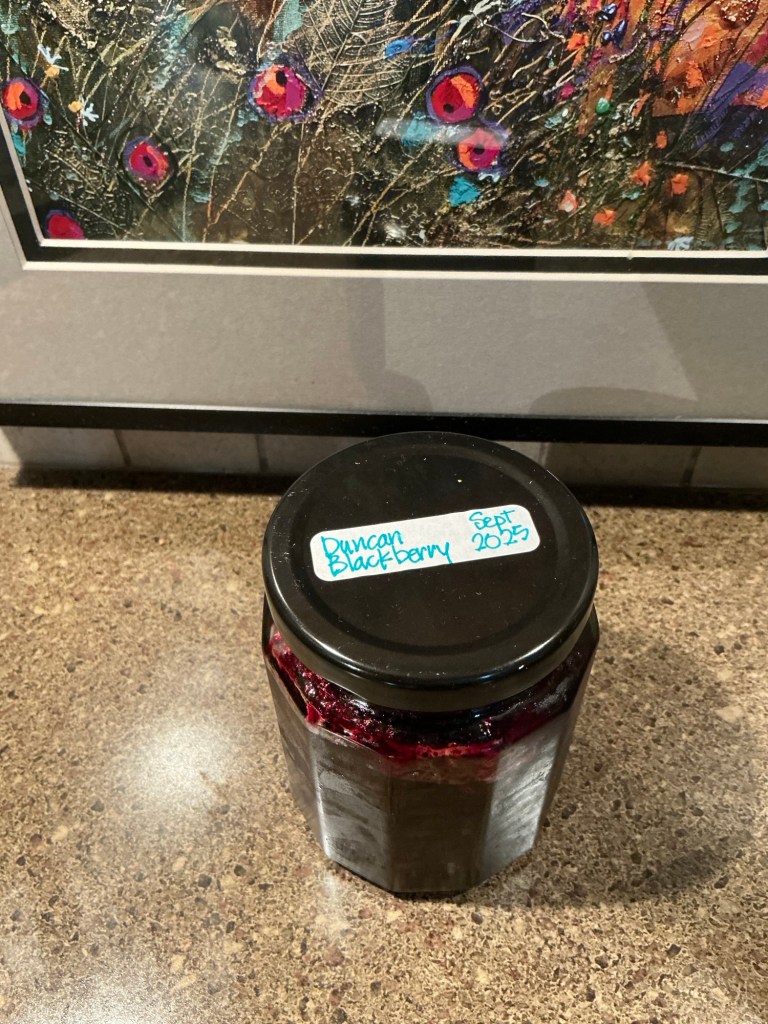
What an interesting read. I’m glad it sorted itself out for you. It’s funny how things can turn out for the best when it all seems to be going the other way. Free Blackberry Jam as well. Good karma 🙂
LikeLiked by 1 person
And now I know what a “laneway house” is. Time to show us what the inside looks like, since it’s going to be your home for at least part of the year.
LikeLiked by 1 person
Check your email LOL
LikeLike
And, I am happy to know that You now know where Home is…
XOXO
LikeLiked by 1 person