We woke to another very foggy morning here in the “sea desert”. The moisture in the air and the temperate temperatures are really quite lovely.
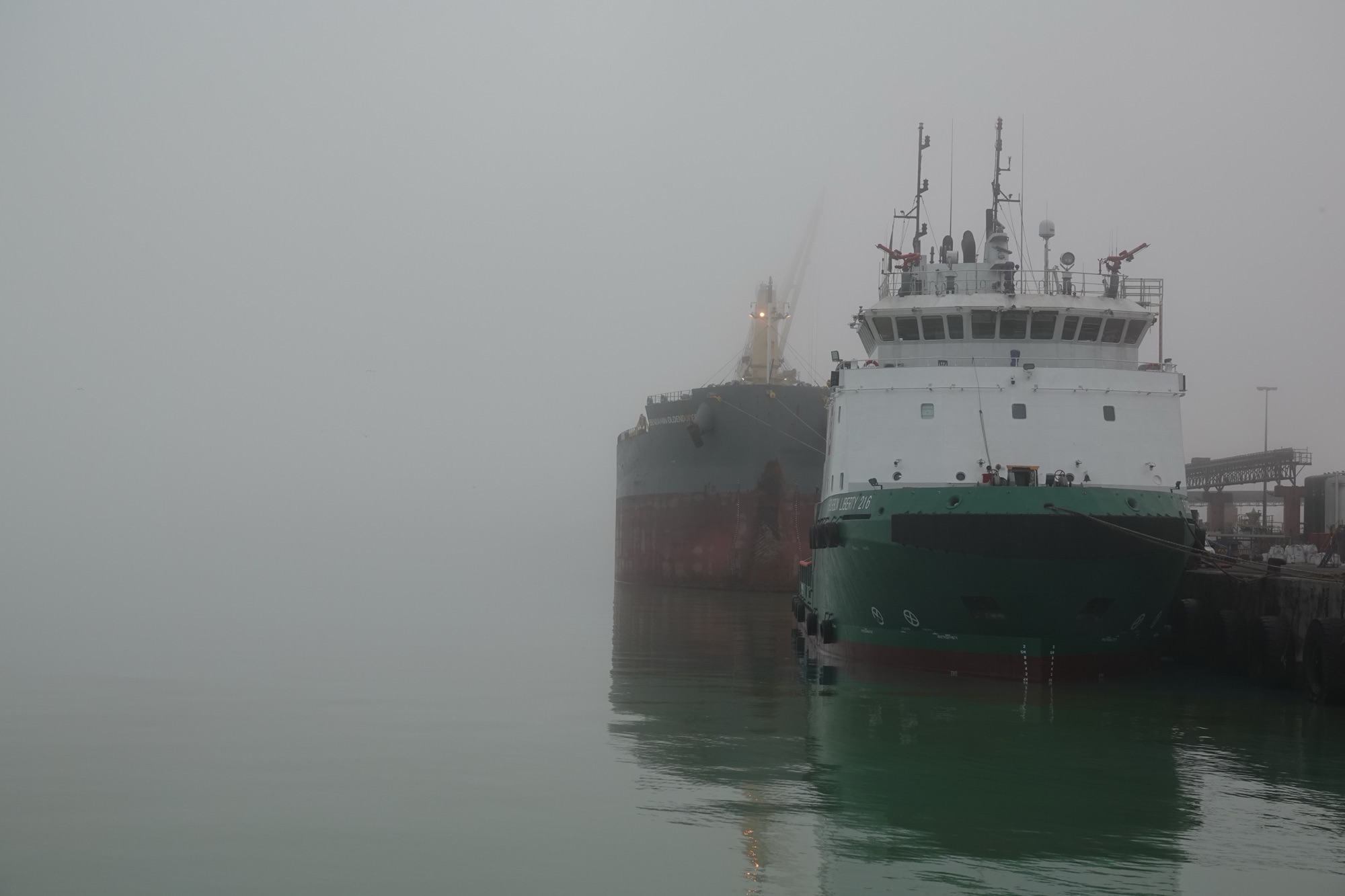
Our tour, called “Nature, History & Artisan Tastings”, began at 8:00 a.m., meeting our guide at the pier and embarking on a picturesque drive to Walvis Bay Lagoon.

Our goal was to admire the lagoon’s famed pink flamingoes. More remarkable, to me anyway, were the pinkish-white pelicans! The tide was out, and both were far out on the wet sand, with their colours further washed out by the continued heavy fog.

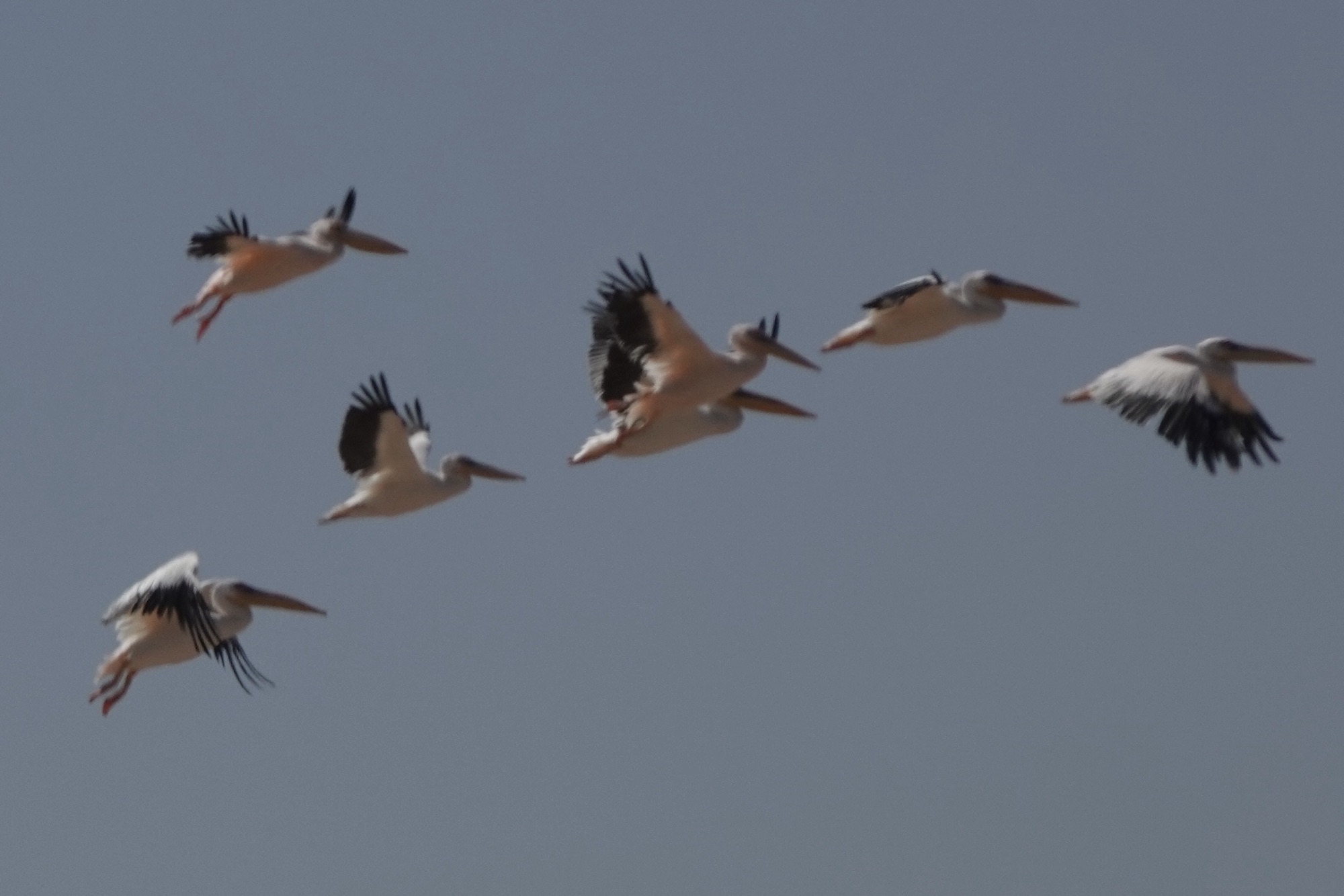

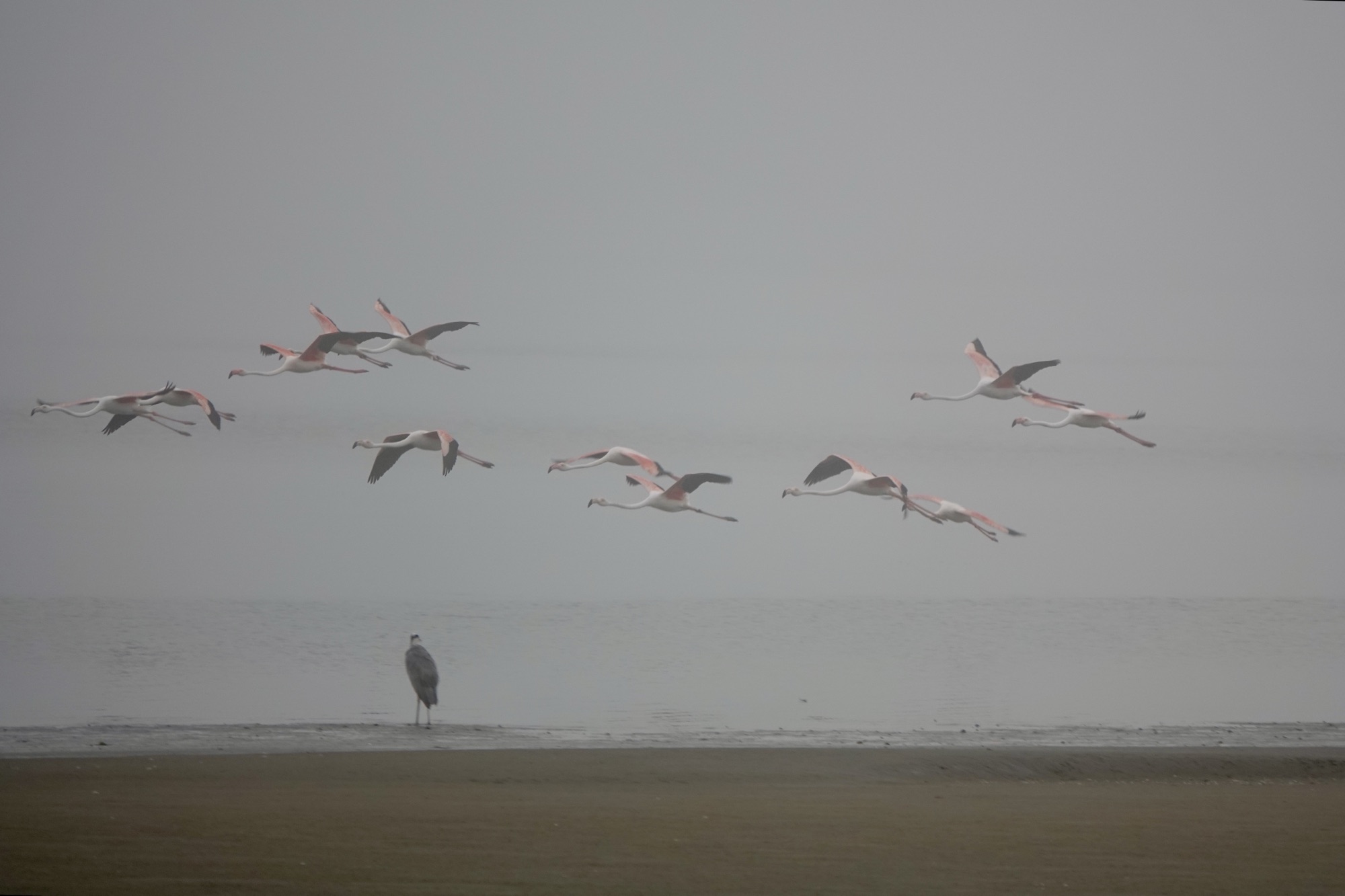
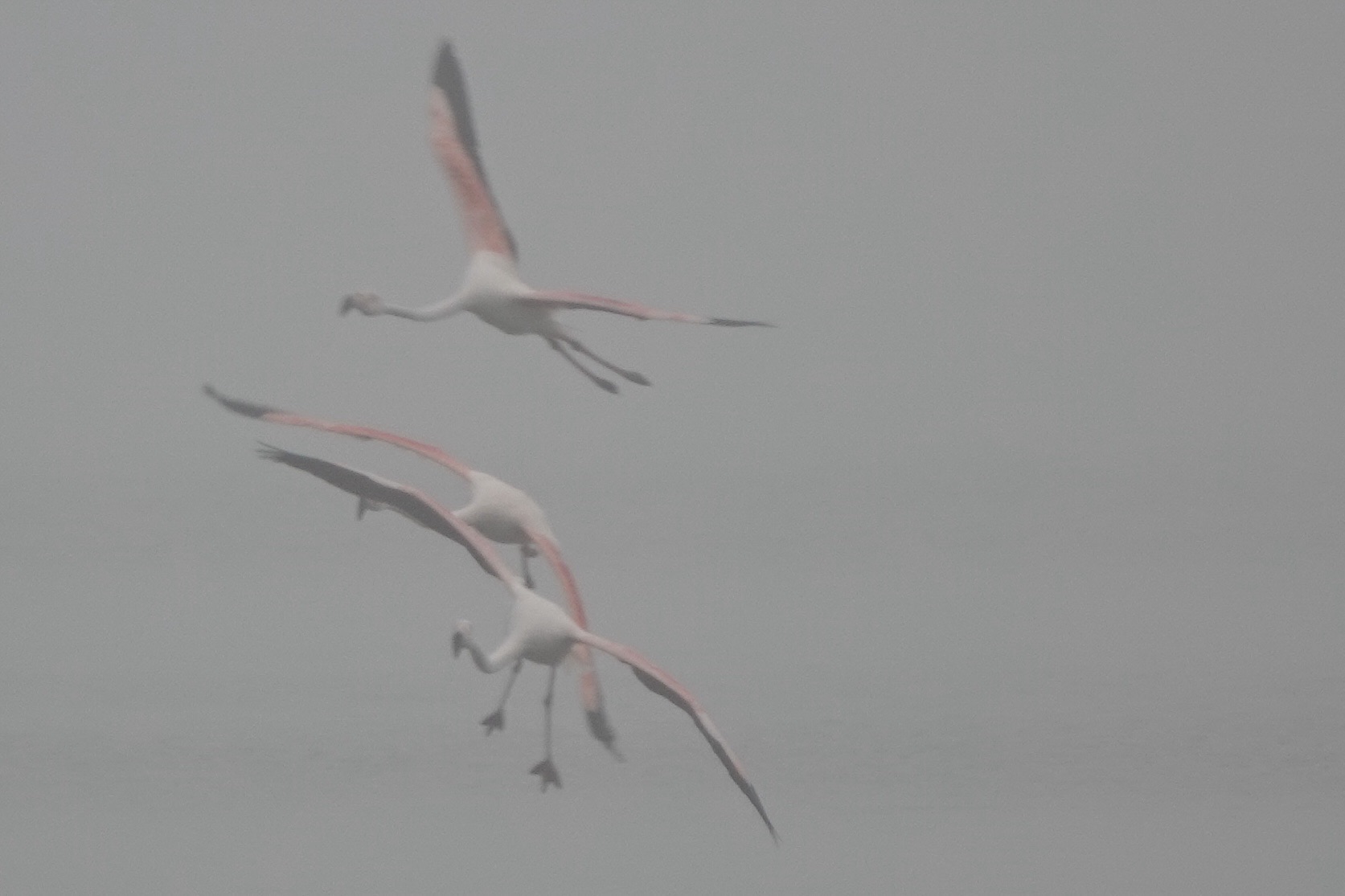
We continued to the Namib Sand Sea, a UNESCO World Heritage Site, to witness a spectacular landscape of towering dunes. Forget “witness” – we walked to the top!

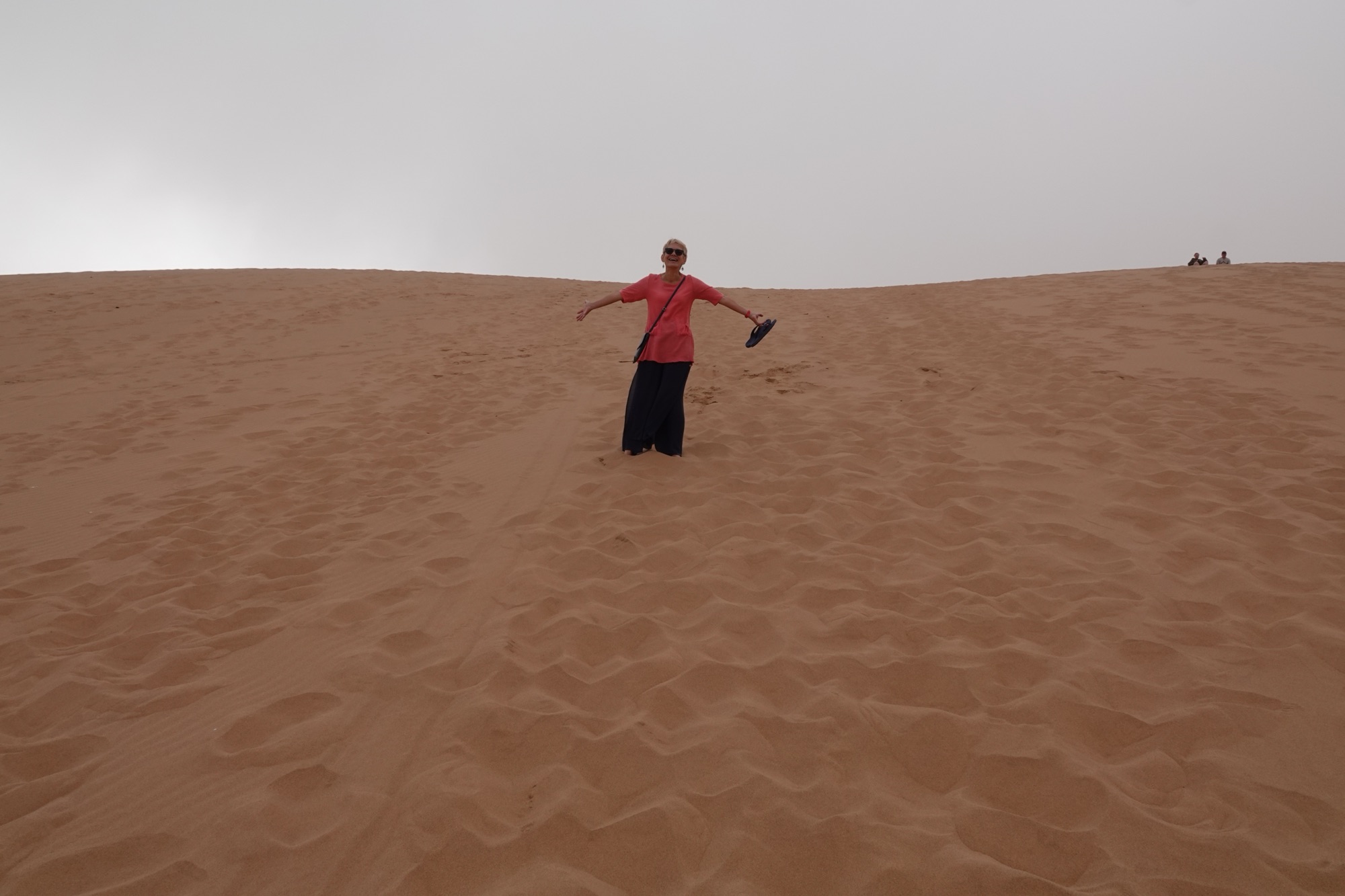

It’s quite incredible to see where the dunes suddenly meet the ocean.

Surprisingly, since the area only averages 20mm/0.78inches of rain PER YEAR, there is still some greenery in portions of the landscape, in addition to palm and Norfolk pine trees. The morning fog plays a big part in that, and in sustaining the sparse wildlife. The fog condenses on the sand beetles, who absorb it. Geckos eat the beetles, ingesting precious moisture. Desert snakes eat the geckos, and hyenas and jackals eat the snakes. It’s a precarious existence.
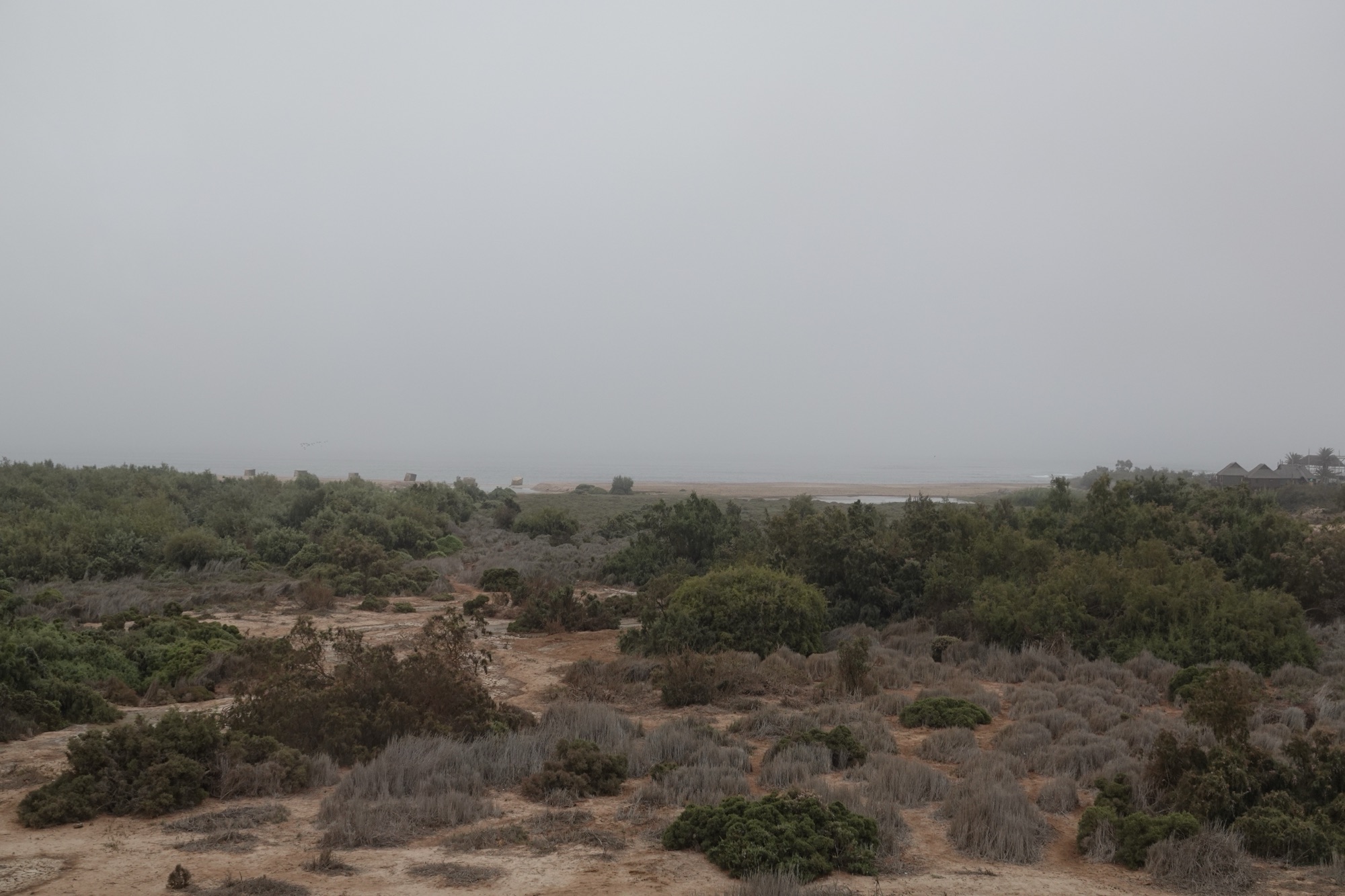
Then at Swakopmund, a town specifically built for beach tourism in the 1890’s, we learned about the town’s history and German heritage, drove past late 19th century German-style buildings, and got a glimpse of the beachfront before embarking on a gin and beer tasting experience.


Our first tastings were at a small craft brewery, run by an Afrikaaner, that still (mostly) complies with the Bavarian Purity Laws of 1516; the big exception is the brewery’s use of yeast, which the purity laws may not have mentioned because it was considered part of the process rather than an ingredient.
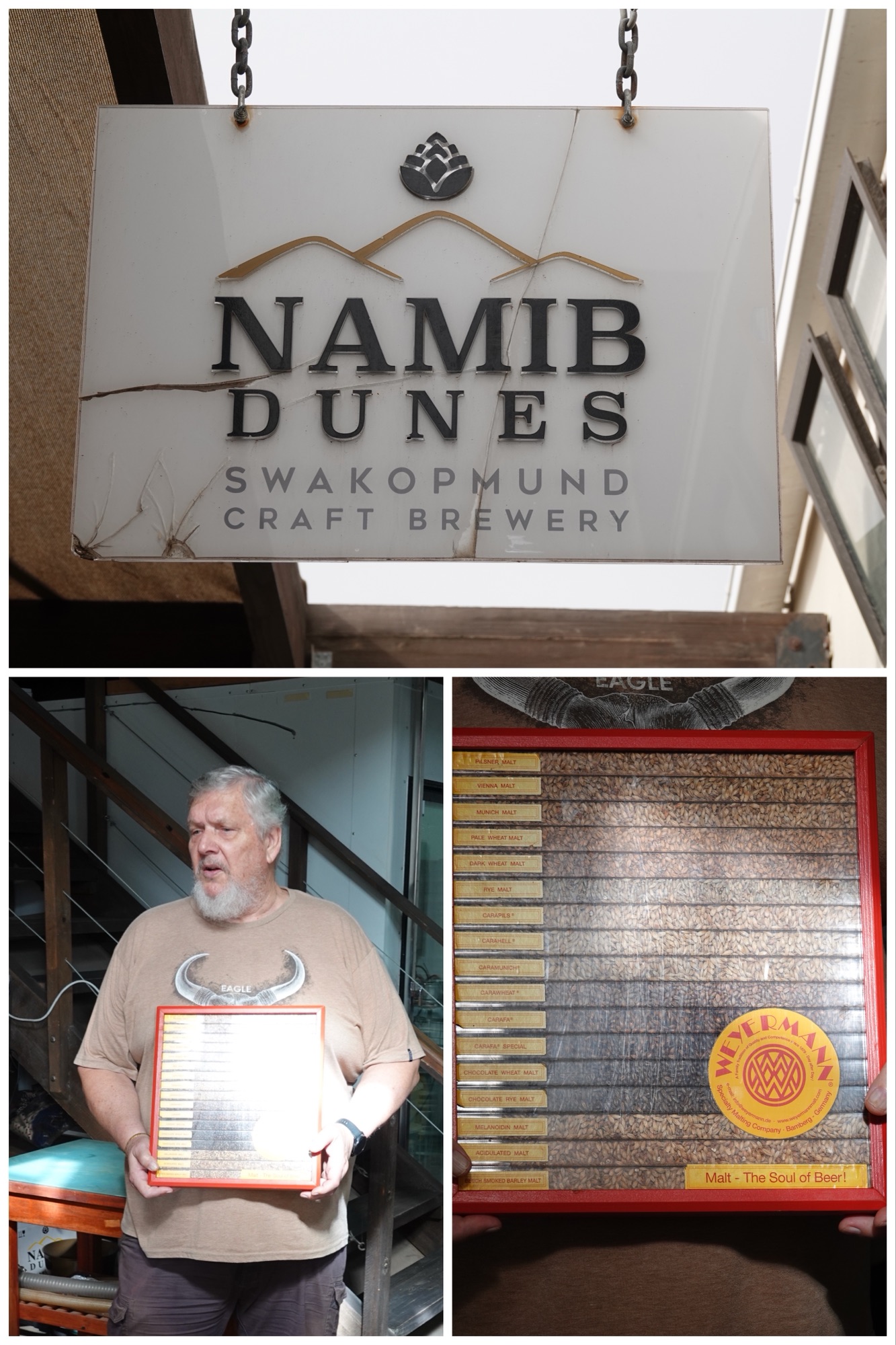
We were greeted with a glass of the only lager the brewery makes, followed by a Belgian-style witbier, an Irish-style red (which had delicious coffee undertones), and an IPA. We learned that the reason pale ales got the “Indian” moniker was that they were a modification of the ales the British used to send to their troops in India. Apparently by the time they arrived, travelling in uncontrolled temperatures, they were pretty awful; the addition of more hops increased their shelf life.
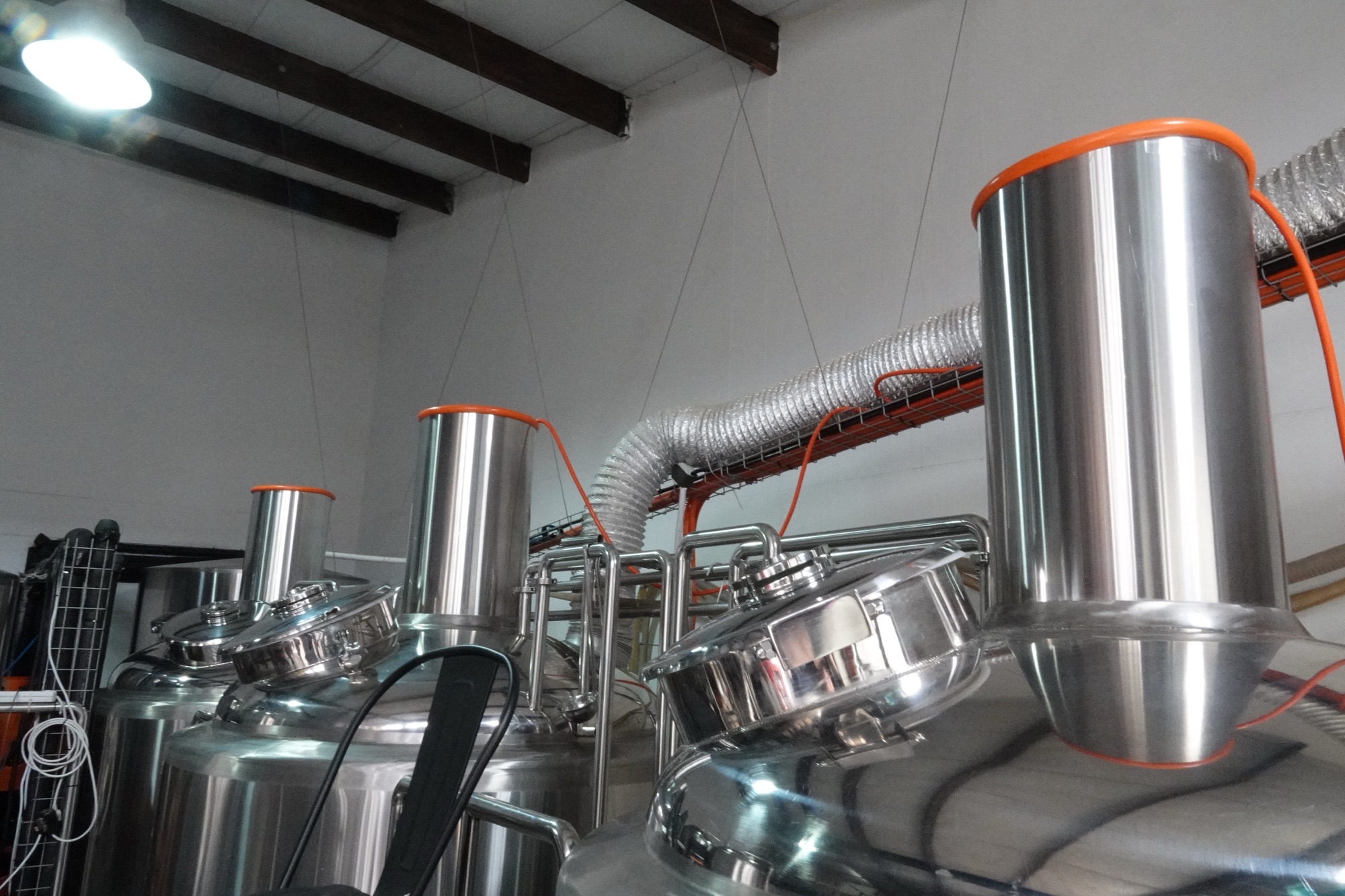


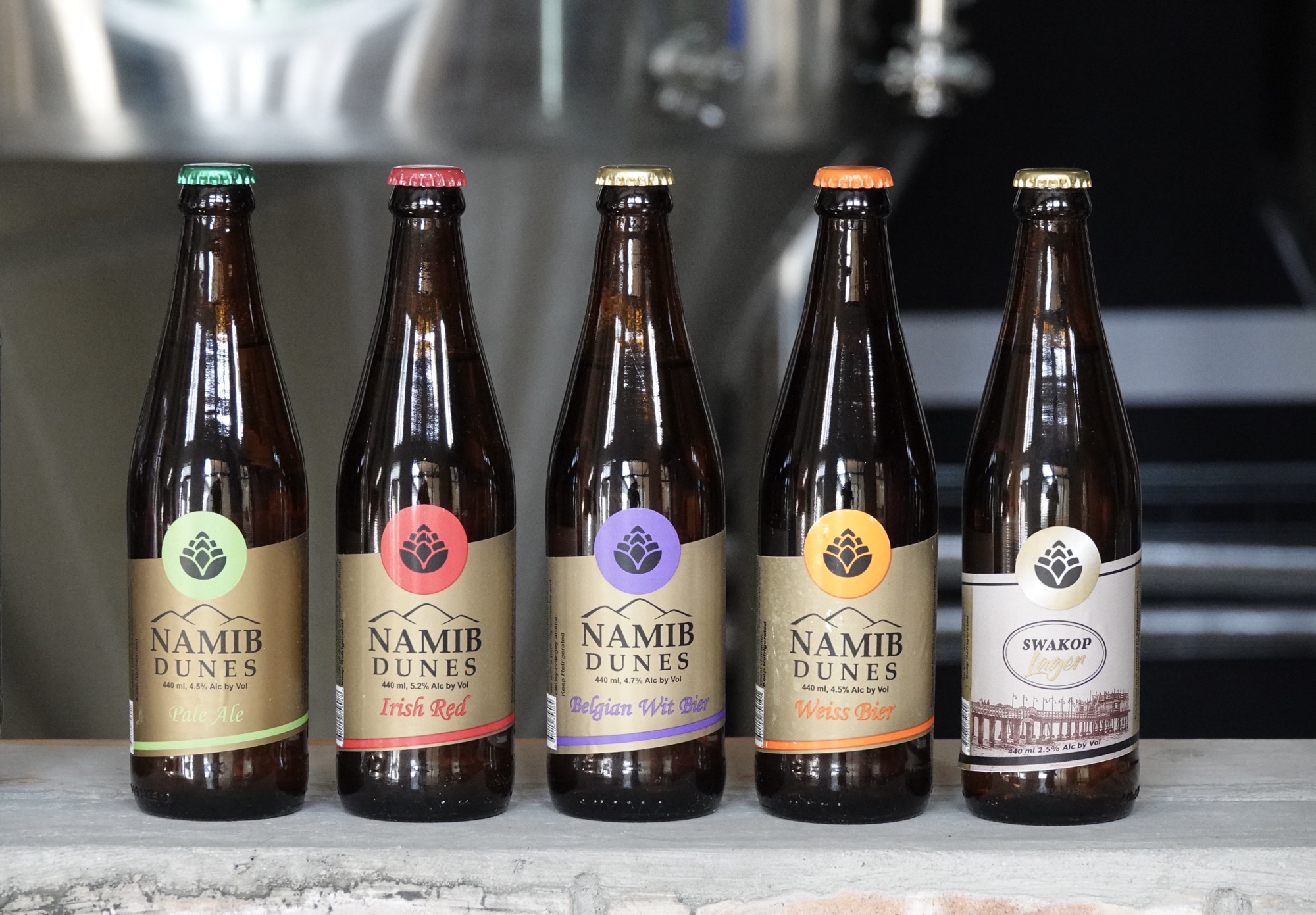
We didn’t sample the brewery’s weissbier, because the owner described it as the least interesting.
I thought I’d prefer the lager or the witbier, but my favourite was actually the red.
We drove through a more middle-class area of Swakopmund…
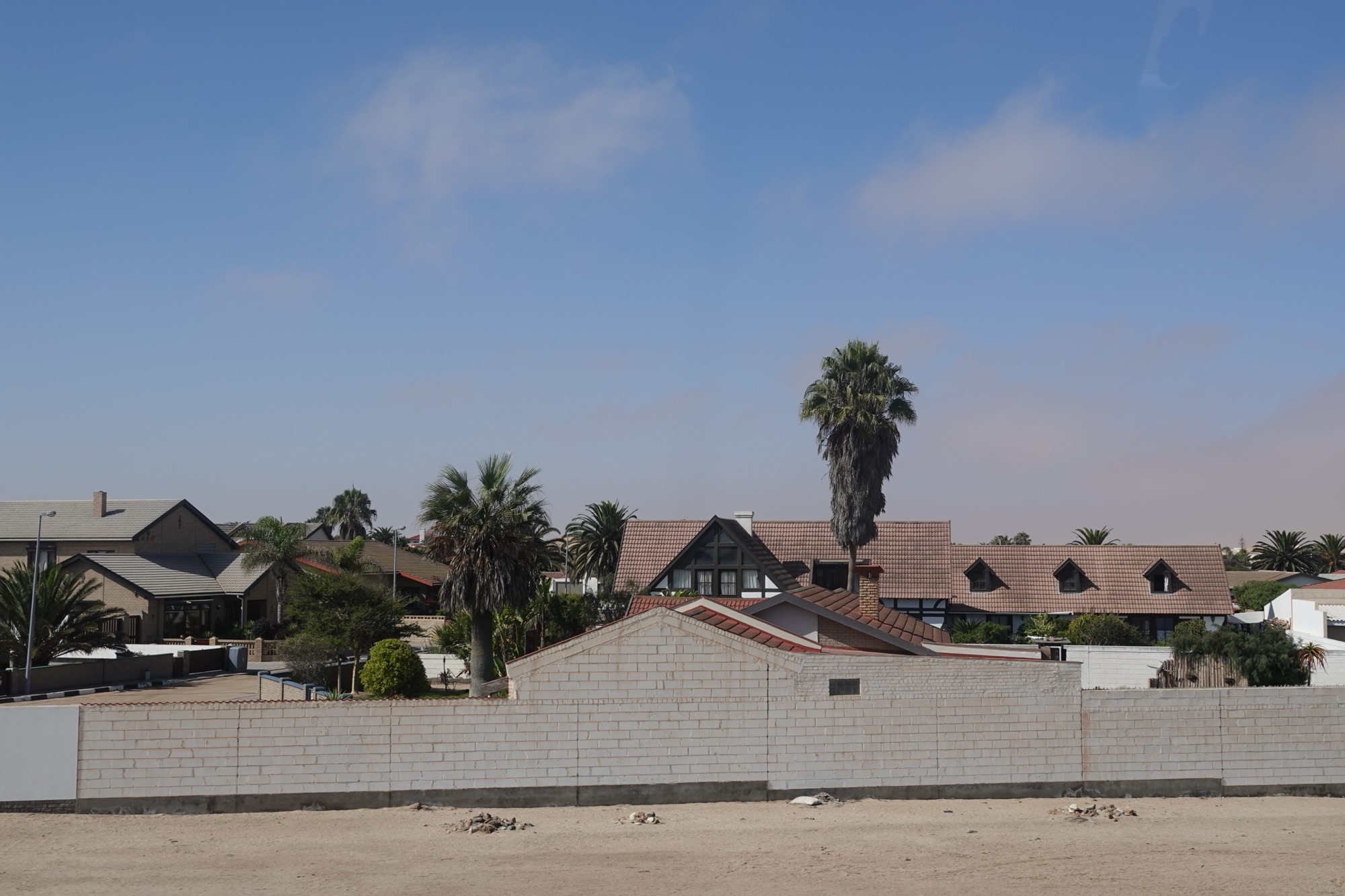
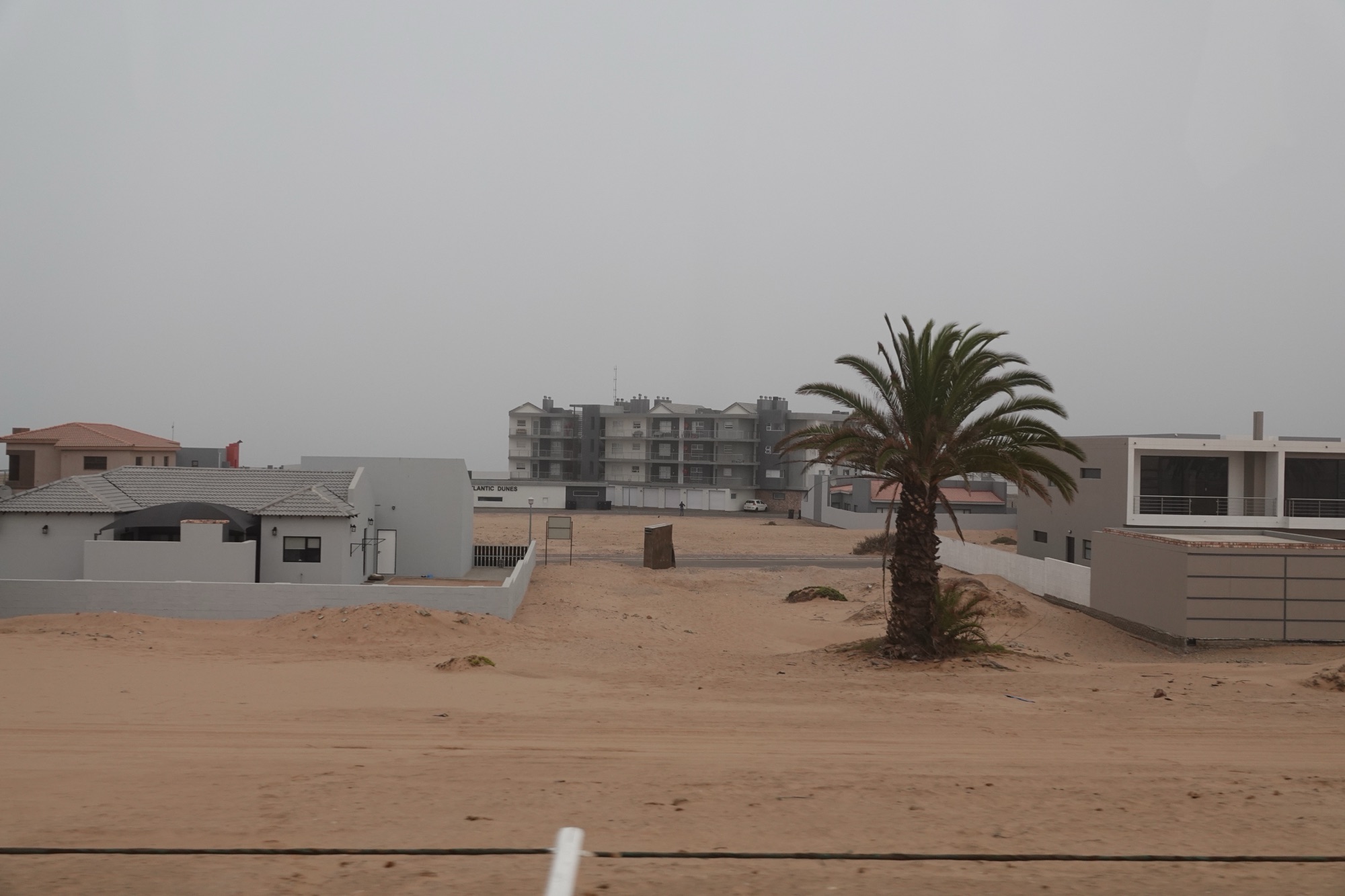
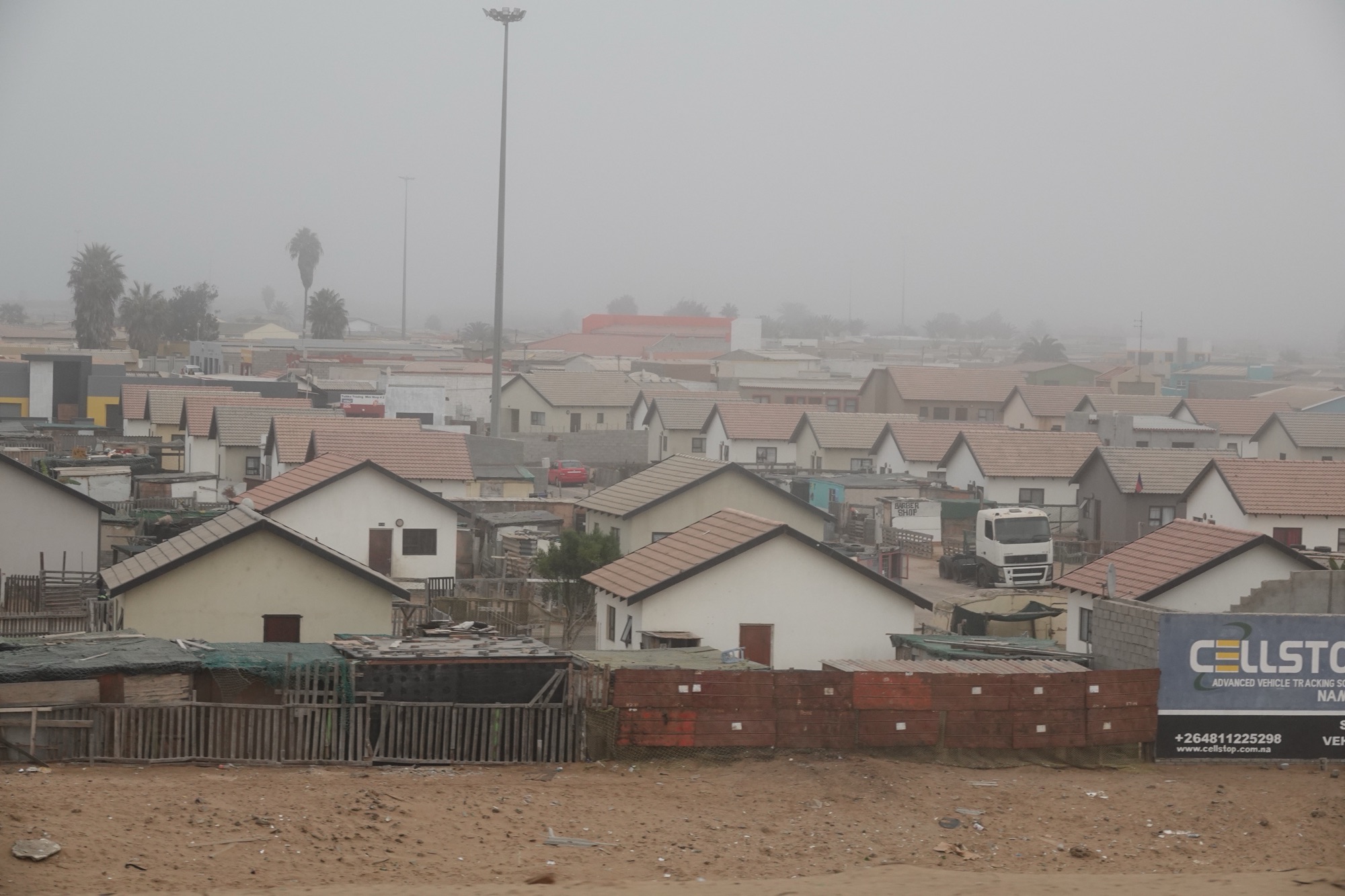
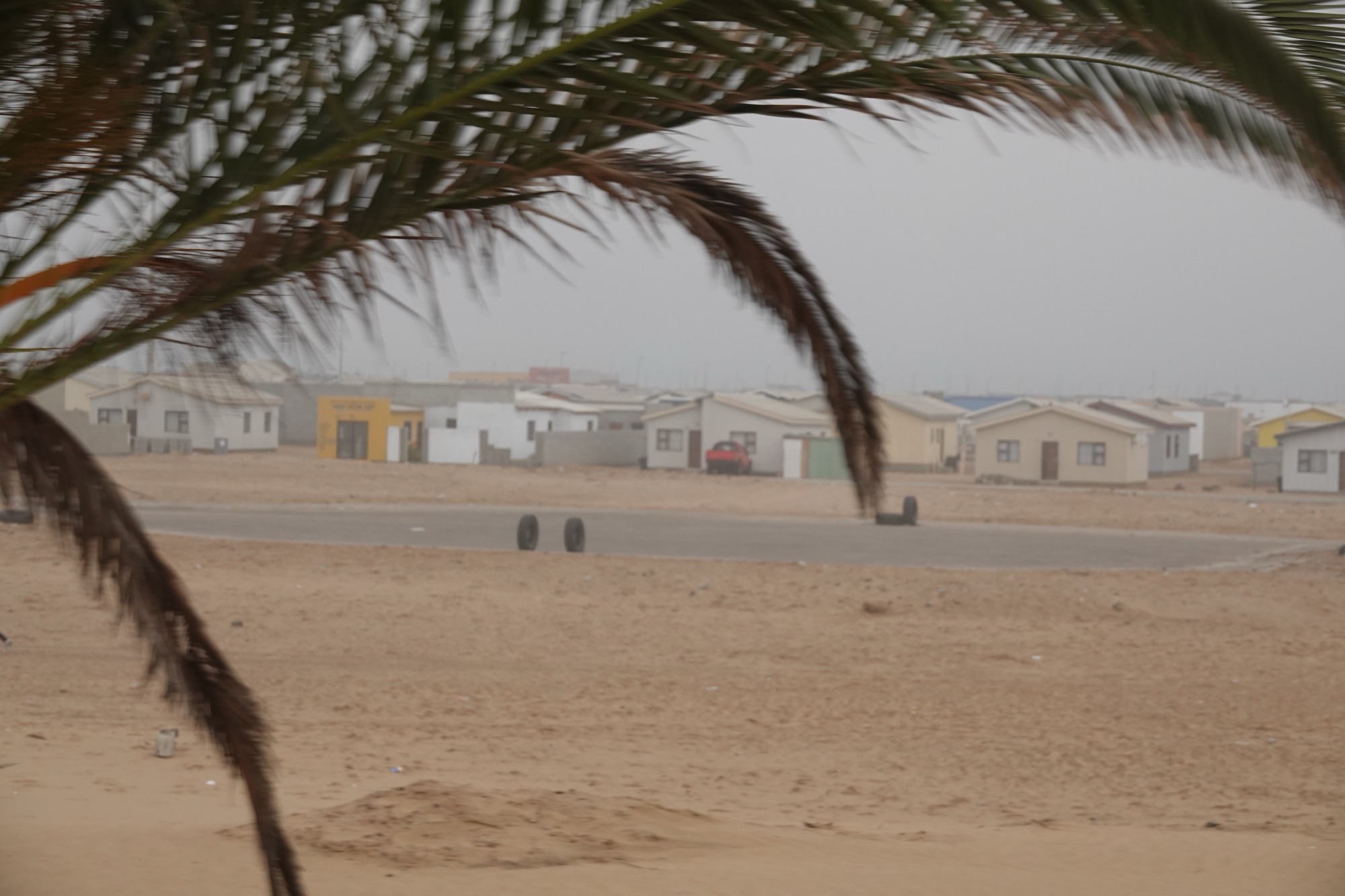
…as well as past tracts of government subsidized housing – which was shockingly better than anything else we’d seen in Africa. The houses were small (about 800 square feet), and close together, but made of sturdy cement and well maintained. The only “shacks” we saw were home-made ones in some of the yards.
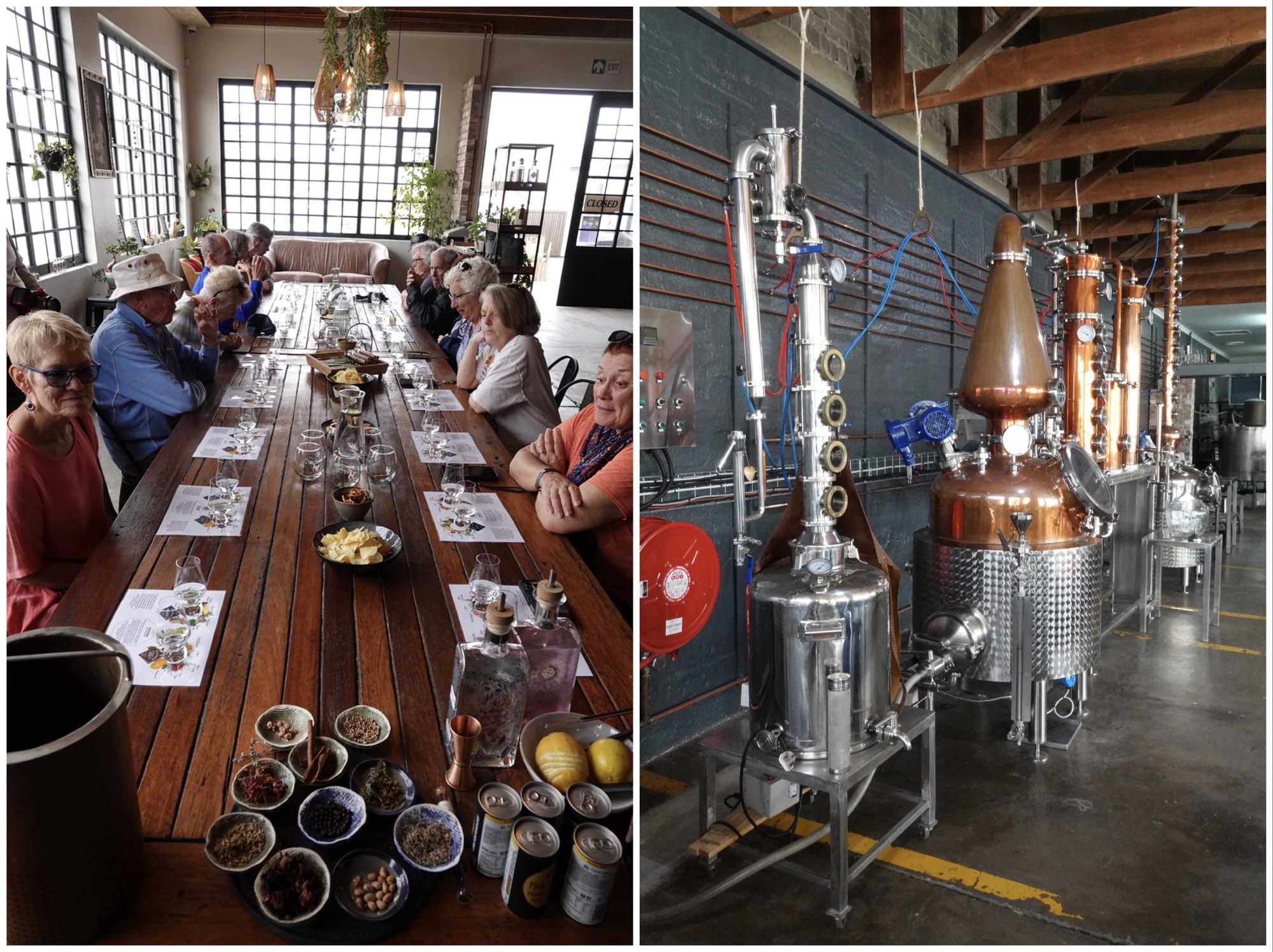
When we reached Stillhouse Atlantic, the craft gin distillery, it was still a bit early in the day for gin, but with a back on board time of 1:00 p.m. and a sail-away by 2:00 p.m., it was always going to be a “bit” early.
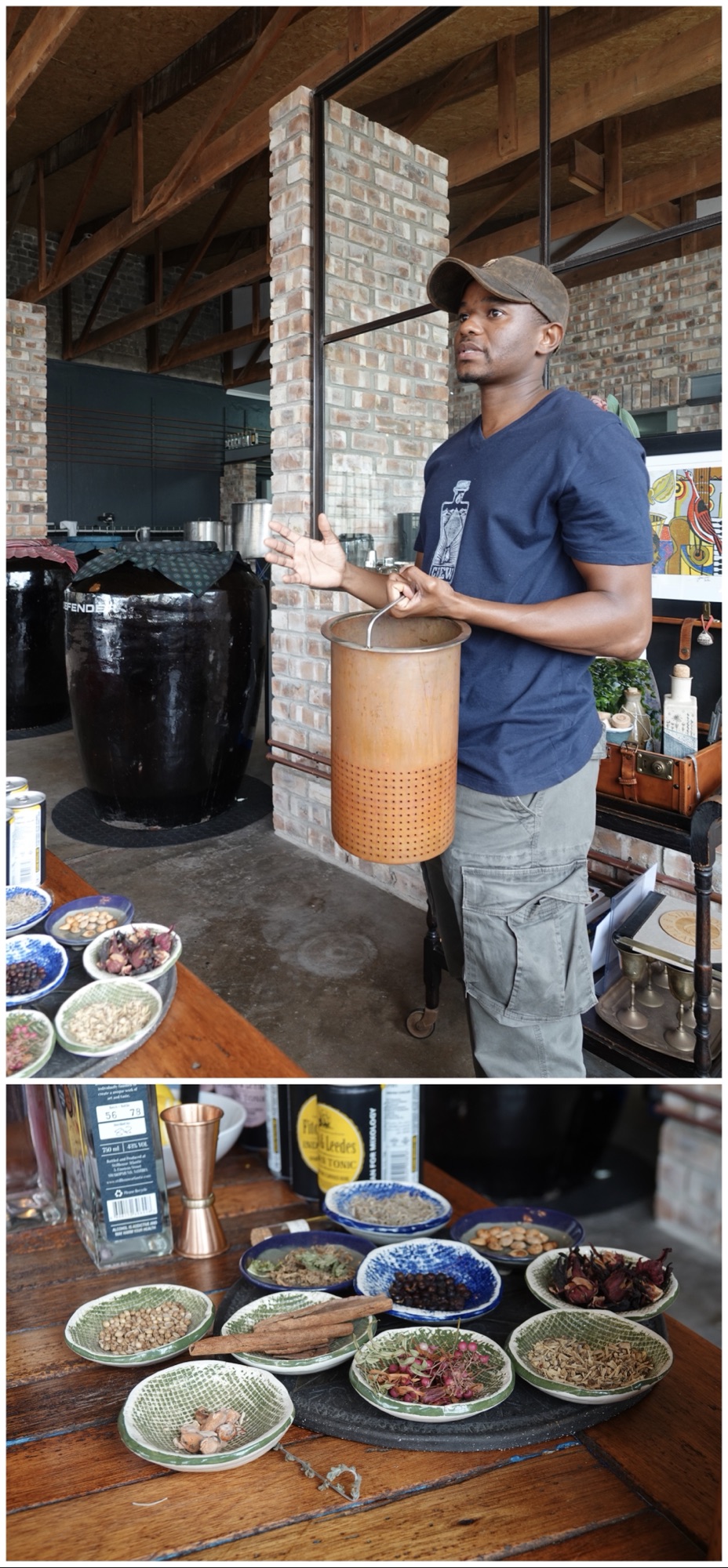
Jackson, who is an apprentice distiller, shared his passion with us as he described the fruits and botanicals used, and the process of going from pure alcohol to “gin”.
We tasted two gins, their classic London Dry and their pink “wild” gin, four different ways: neat, with ice, with ice and lemon zest, and with ice + zest + tonic.

It was amazing how the addition of ice opened up both the nose and the flavour of the gin. Jackson explained that only the lemon peel/zest should be used, and never a lemon slice, since the additional lemon juice changes the acidity of the gin. He quipped, “unless it’s Gordon’s gin – then go ahead and dilute it”. He also emphasized the importance of using good quality tonic.


Can I take it home?
Our tour group got back to the ship feeling very, very mellow, and definitely needing food. Ted and I headed to the pool grill for burgers.
Shortly after leaving Walvis Bay, light fog started to roll in off the cold Atlantic waters, and we glimpsed a fog-shrouded oil rig not far off our starboard side.

Today was also our 47th wedding anniversary, which meant dinner in the Chef’s Table restaurant. We shared dinner with new friends Chris and David, and enjoyed our conversation so much that I completely forgot to take pictures of our food!

(Retrofit: it’s lovely to have friends. After reading this episode my Antiguan/English friend Sue sent me her photos!)

There was no reason to go to bed early tonight, since our next two days are at sea, so we headed for music and (more) gin & tonic in Torshavn.
It was a lovely day, and our visit to Namibia was been a surprising and enjoyable experience. Based on our two days here, we’d come back to Walvis Bay.
 Rose and Ted’s Excellent Adventure