

Maputo begins a stretch of five port days, each with a different kind of excursion.
Today, it was a short 3-hour stroll intended to help us get to know Maputo, Mozambique’s charming capital city.
A lot of passengers were leery to disembark today. The US Department of State’s travel advisory reads as follows, but has not been updated since December 19th, 2024.

The Canadian government’s travel advisory updated March 6, 2025 includes the following statement, and advises travellers to “exercise a high degree of caution”, but does not suggest postponing or reconsidering visiting the country.

We feel confident that Viking stays apprised of the risks (in fact we know that they have a corporate-level security department that is tasked with doing exactly that) and we know from past experience that they will cancel excursions if they feel safety is an issue. It’s one of the many reasons we don’t simply book our own tours in unfamiliar countries.
Now that we’re back on board, I can confidently say that we felt 100% safe on our walk. This may not have been the most exciting excursion we’ve ever been on, but our charming guide Ilidio made it one of the most enjoyable, and it certainly gave us a sense of the country’s history and its future challenges. If he is representative of the young population of Mozambique, then the country – despite its political woes – has a bright future.
When we docked, I commented to Ted that this could be any port in South America. If there’d been hills, it would have reminded me of Valparaiso, Chile. I know that in Mozambique’s rural areas people are very, very poor, but walking through Maputo we could have been in any Mexican city – our friends in Mérida will appreciate that we were reminded of their sidewalks!

There was no motor coach needed today. We walked directly from the dock with Ilidio, to the city’s CFM Railway Station – one of Maputo’s architectural highlights. Designed by Alfredo Augusto de Lima, the remarkable bronze-domed structure dates back to 1910. The dome itself was constructed in South Africa, and its assembly was an innovation for that time.
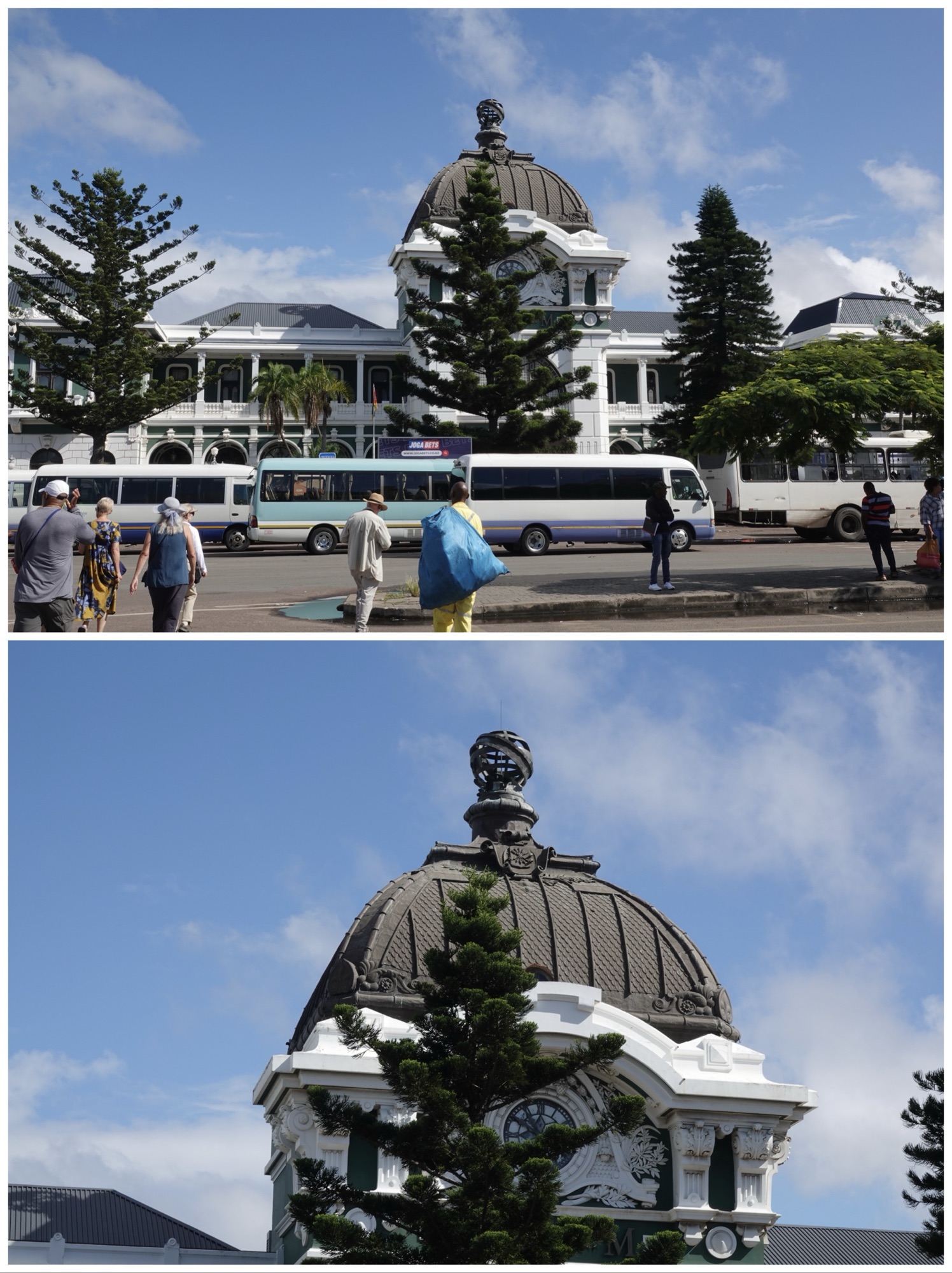
Tracks run along both sides of the station, and the many doors on the building led to waiting rooms, baggage rooms, cafés, and ticket offices.

Today there are still cafés, bars, ticket offices, and a small art gallery, but people simply wait on the platform. We were able to get a glimpse of some of the original Portuguese tile work inside a bar.

There were two vintage train locomotives on display, and a couple of the current commuter trains waiting on the tracks.

The station incorporated beautiful ironwork, and ornate ceilings. In 2016, Time Magazine ranked this station the third most beautiful in the world!

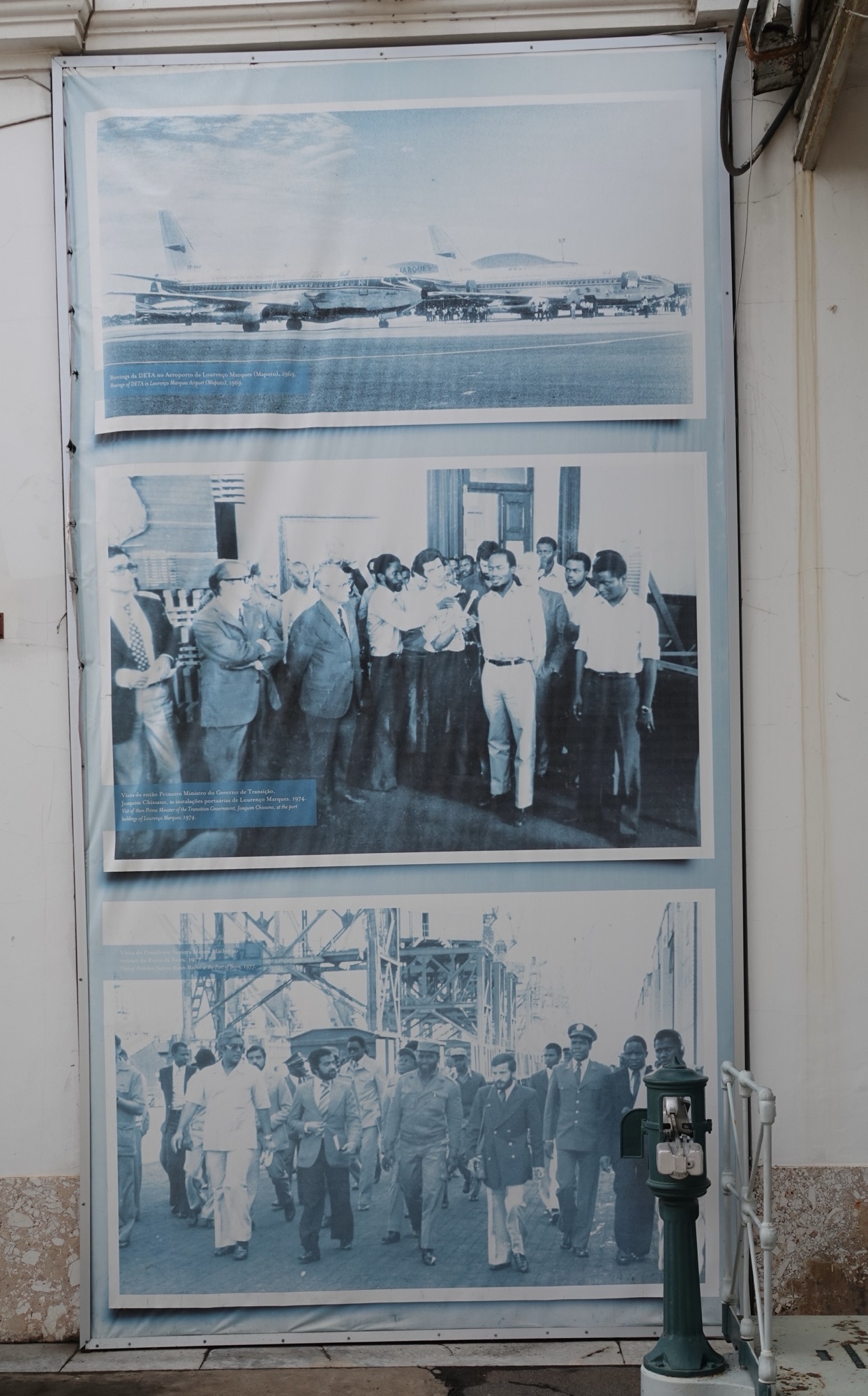
The station also houses a museum, but that was not part of our tour. There were a few plaques and signs though, including photos of Mozambique’s first post-independence President, whose vision for the country was unfulfilled when he was killed in a plane crash coming back from an international conference. His successor, the Vice President, had made the last minute decision not to board the plane; his less popular but long 18-year presidency always carried the shadow of a suspicion that he may have engineered his predecessor’s demise.
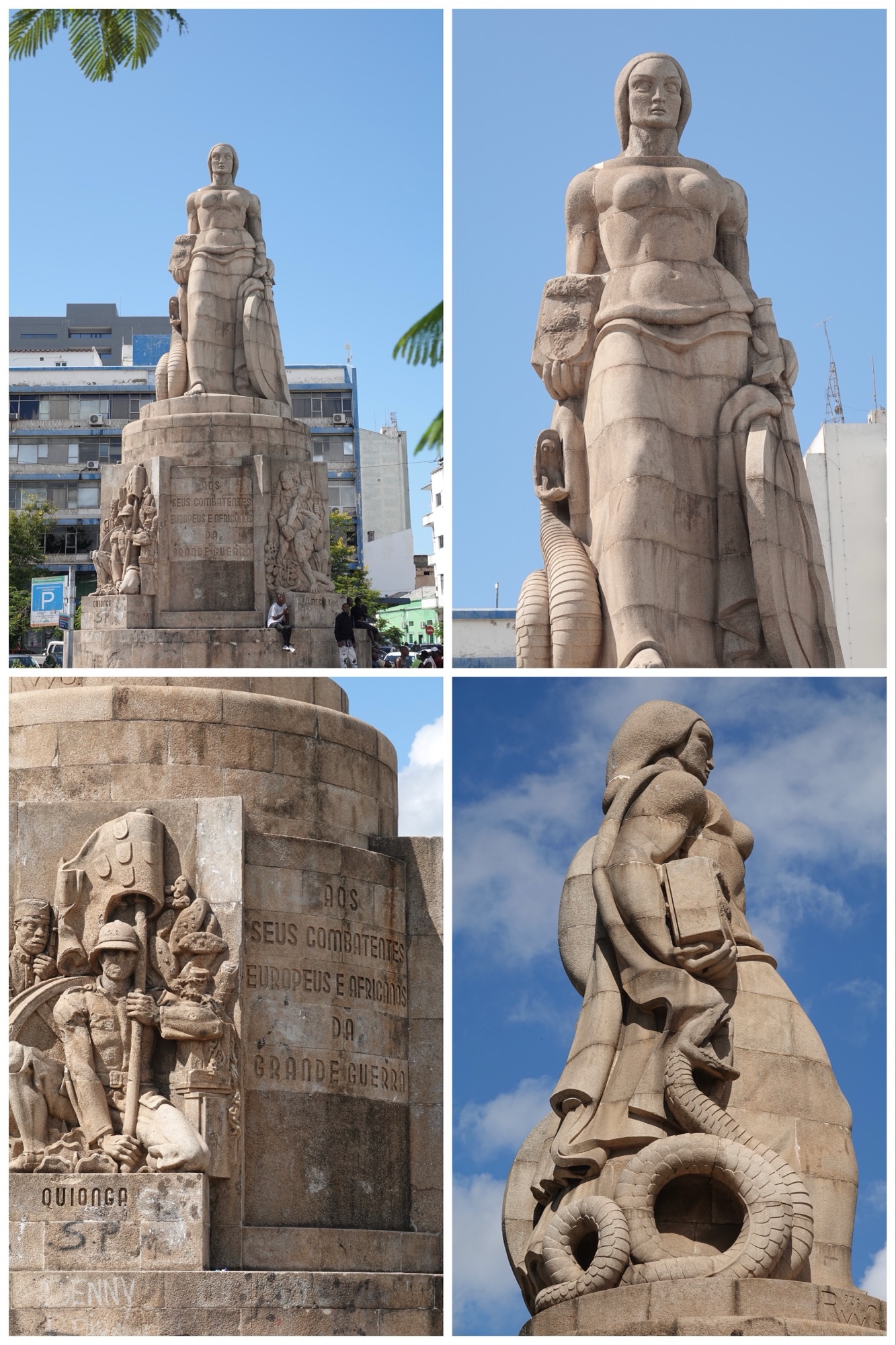
On the way out of the train station, we got our first glimpse the statue commemorating Mozambican soldiers who died during World War I. The country did not send soldiers to fight in WWII because Portugal claimed neutrality . The memorial is in Praça dos Trabalhadores (Workers’ Square). The name of that square gives away the official language of Mozambique: Portuguese.

From Workers’ Square we walked past Jumma Masjid, the oldest mosque in Maputo City, built around 1887. The original mosque is only the low section near the front, which is now shops and a café – the much larger new section is the current place of worship.

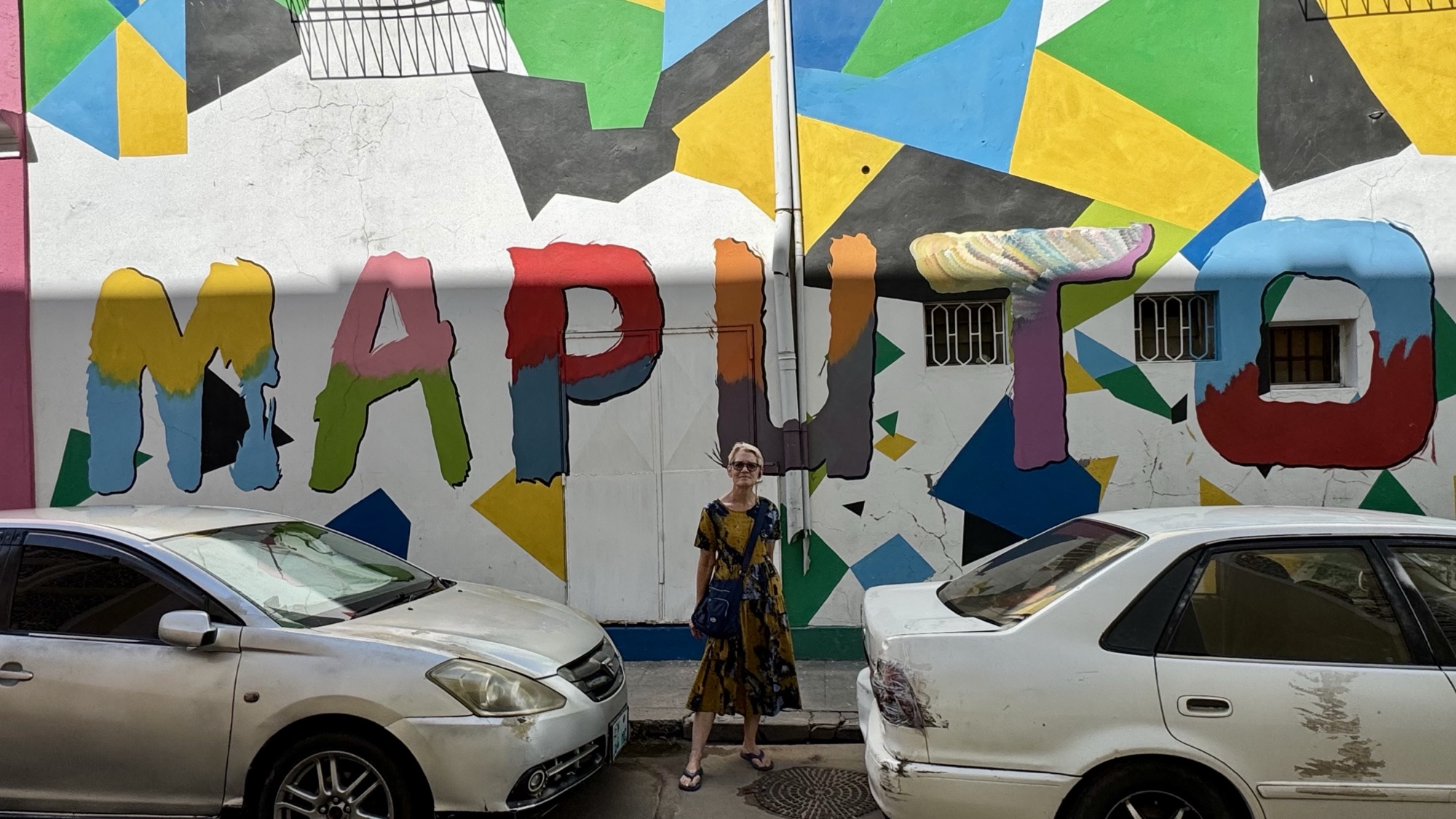
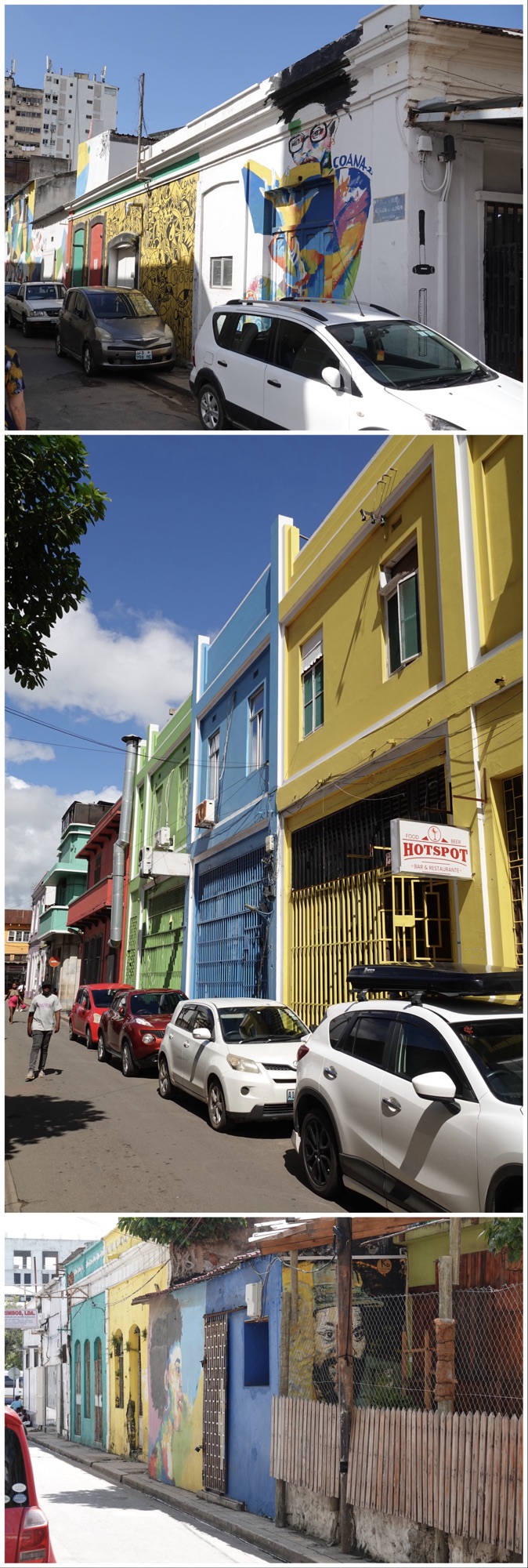
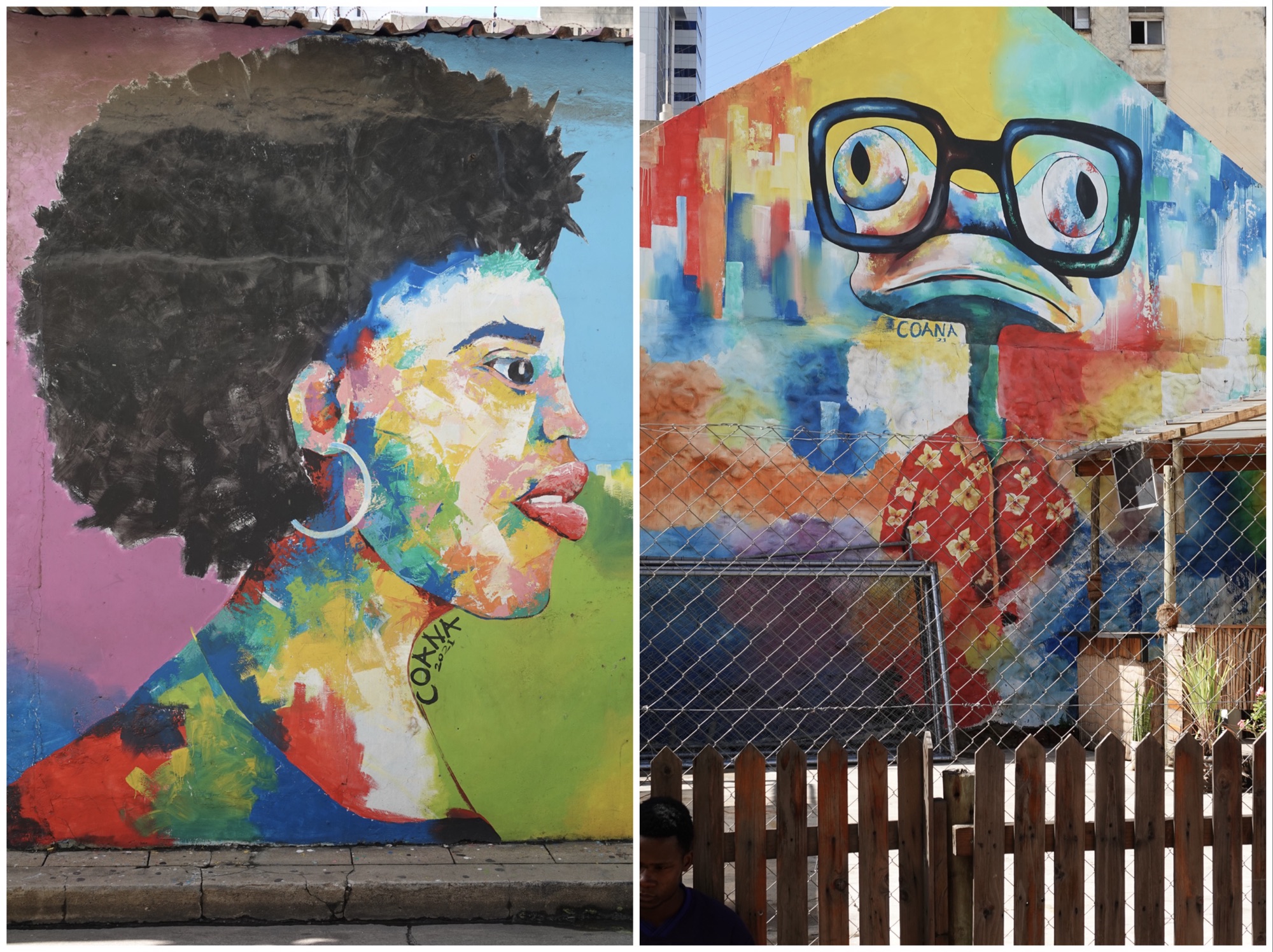
Iladio took us down a couple of colourful streets known for their murals by Mozambican artist Coana. He also specifically pointed out two streets we were NOT allowed to photograph: Maputo’s red light district.
As we continued our walk, our guide pointed out the location of the former wall around the city that the Portuguese erected to keep the native population out except during working hours. Apartheid was alive and well here, although we learned during a lecture yesterday – and our guide mentioned today – that many East Indians, including Mahatma Ghandi, came from South Africa to Mozambique to escape racism. Today, an invisible wall still exists, with those of Portuguese descent considering themselves “better”. Interestingly, in a recent referendum, parents here voted not to have tribal languages taught in school, preferring their children to learn Portuguese exclusively.
We reached Mercado Central, the city’s major produce market. It was a beautiful clean space with absolutely gorgeous produce and wonderful spice mixtures on display, reminding me again of Mérida and its large market.
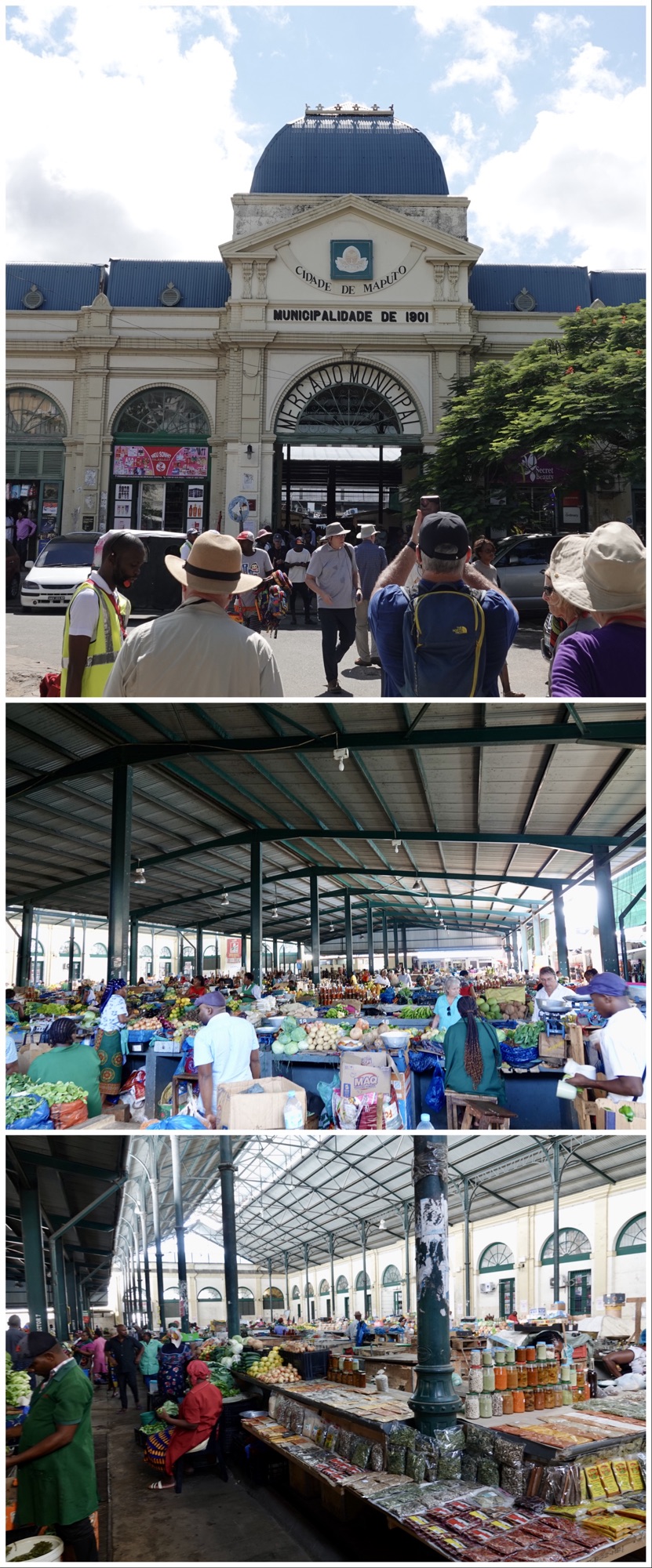
It makes no sense to bring fresh produce onto the ship, but we did buy a pound of peri-peri spiced cashews to snack on for $5, and a 3ft x 4ft batik of “mamas” for $10 (for which I was told I likely overpaid, but it’s just not in me to bargain too hard – plus I really thought it was perfect for my daughter-in-law).

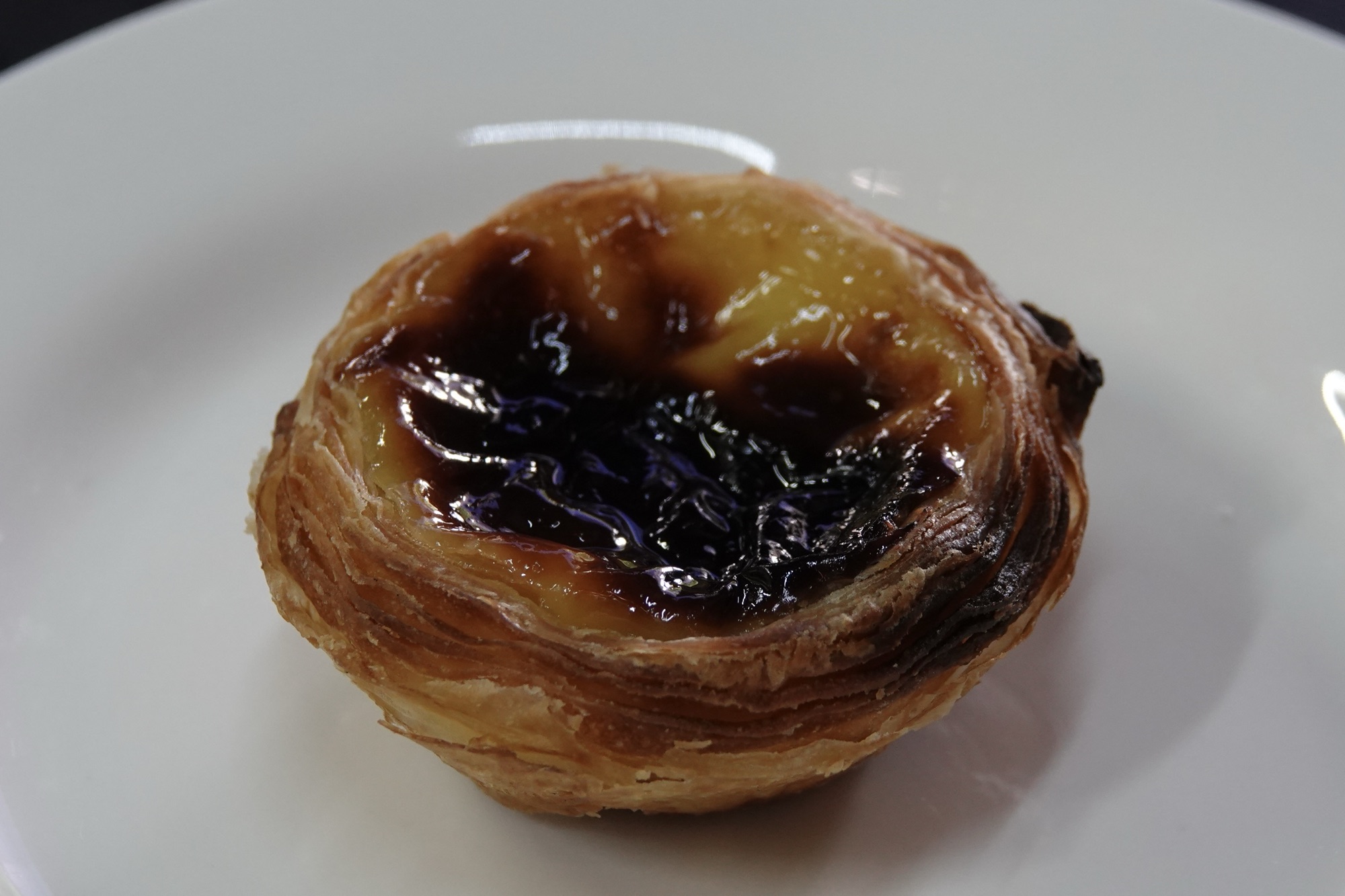
Before heading to Maputo Fort, we had the chance to relax and enjoy authentic Portuguese pasteis de nata (Portuguese tarts) and coffee at Café 25. Apparently I was not the first person to say that the tarts at this café are better than any I’ve eaten in Portugal. The tiny espresso-sized cup of Mozambican coffee was delicious too.
Refreshed, we walked the short distance to Maputo Fort, one of the most visited attractions in the city, which was originally built in 1721 and destroyed and rebuilt on several occasions.
The sign at the entrance to the fort reads: Its history dates back to the late XVIII century when the construction of the first Portuguese fortress in the bay began, within a context of commercial rivalry between several European countries. The Presídio founded by the Portuguese was the target of frequent attacks by the Austrians, Dutch, French, and British. This is why a decision was made to build the fortress out of rock. These early rivalries were later joined, in the 19th century, by the increasing Nguni attacks and local resistances. The new context created after the Berlin Conference [which allowed European colonial powers to “divide up” Africa] led to various military campaigns to conquer Mozambique. The arrest of Ngungunyane, in 1895, symbolizes this conquest but also the resistance met in many parts of the territory.
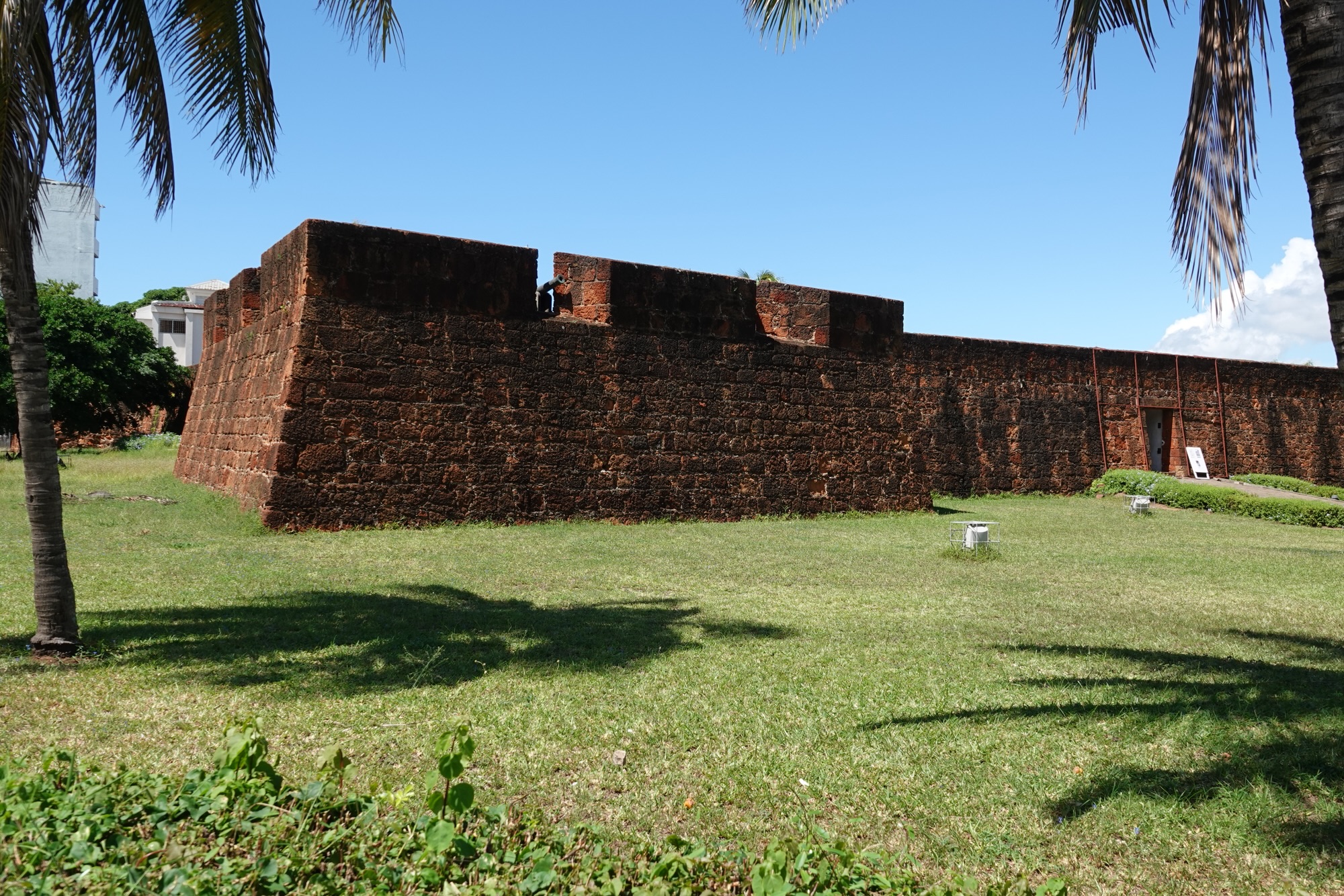

Located inside the fort are several colonial-era statues and reliefs that were removed from the city’s main square after independence. They tell the story of a brutal conquering of Mozambique, but rather than destroy them they were moved inside the fort to be used as tools to teach people about Mozambique’s history.

Portuguese cavalry officer who captured Gungunhana, (alternate spelling) the King of the Gaza Empire.

It was only because the King was already known to the European press that instead of being killed he was exiled to Portugal, and eventually died while imprisoned in the Azores. After Mozambique’s independence, his remains were repatriated and lie in the ornate wooden tomb now in a chapel in the fort.


After a very interesting morning, we walked back to the port terminal, where I succumbed to the temptation of 2.5 metres of brightly printed Ankara (African waxed cotton), which the vendor showed me how to tie into a skirt worn the way the local women do.
The excursion was at a relaxed pace, necessarily so because of the intense heat, but because of our excellent guide we felt we’d gotten a tempting taste of Maputo. We could have chosen a more in-depth cultural experience, but it was actually quite lovely to simply have a leisurely afternoon back on the ship to peruse our photos and put together our notes…
… and enjoy one of the most beautiful sailaways we’ve had.
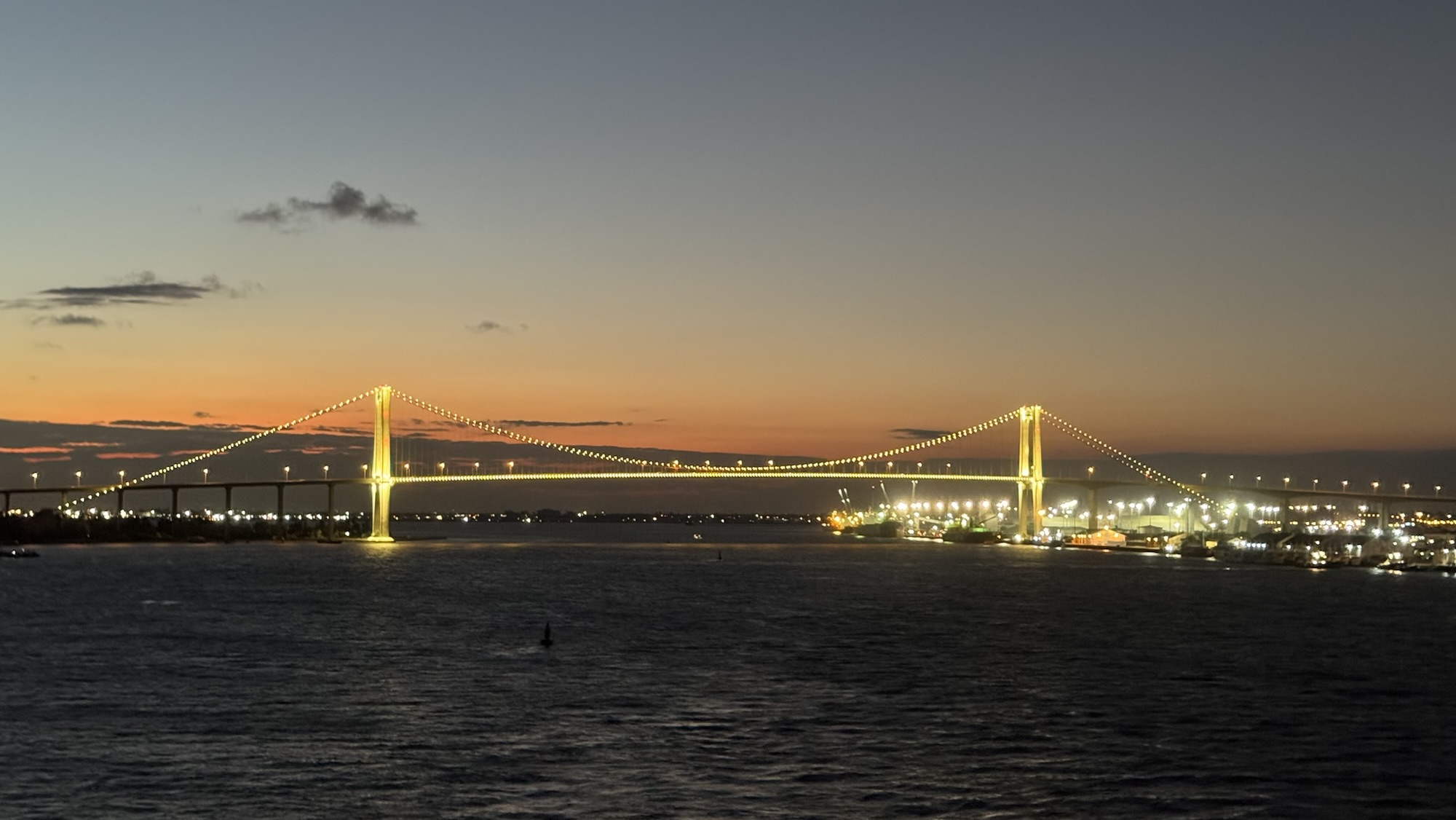
Tomorrow we’ll be on a day safari in Richards Bay, South Africa.
 Rose and Ted’s Excellent Adventure
I was so glad you hadn’t skipped Maputo — very interesting tour and photos of a place I doubt we’ll ever see. I think I’ll check Canadian travel advisories from now on. I hope you’ll post a picture of your wax print cloth purchase! That train station is marvelous — I love colonial architecture, though with mixed feelings sometimes. Thanks so much.
LikeLiked by 1 person