Jambo! Hello!
Mombasa is our first stop on continental Africa, beginning the most exciting leg of this world cruise. I don’t think that Ted and I really ever expected to get to Africa, and the 24 days that we’ll spend here between Mombasa Kenya and Luanda Angola will have a huge impact on whether we’ll decide to return.
This was not only our first time here, but also Viking’s, and Kenya was certainly glad to see us – our arrival got a featured article in the Kenya News!

There is so much to see on this magnificent continent, and we began by acknowledging that we cannot possibly do it all. Hence, no multi-day overland safaris, and no multi-day trip with flight to Victoria Falls.
Instead, we’ll do our best to get a cross-section of indigenous and colonial history, urban and natural landscapes, wildlife, and traditional and modern culture, with a winery thrown in for good measure.
Thank goodness I’m feeling back to 100%.
Sailing into Mombasa I would have been hard pressed to identify the port as African. The shoreline was green, the buildings fairly typical of an industrial port, the visible architecture a mix of colonial and modern styles, and there was the usual profusion of cranes and containers.
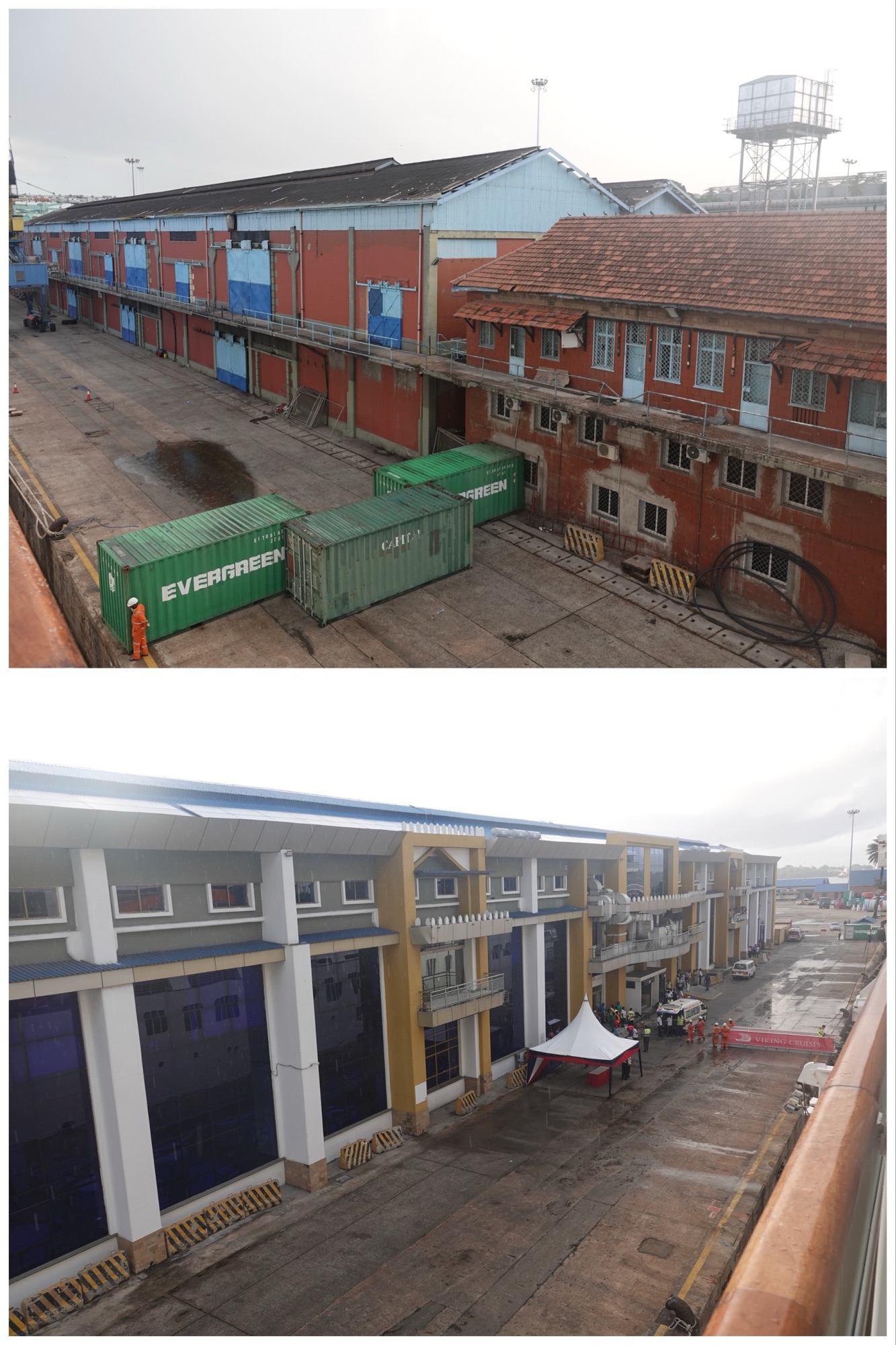
It was only as we got closer that the musical sounds of the language being spoken finally alerted us to the fact we were somewhere completely unfamiliar.
Mombasa is East Africa’s most metropolitan port, and served as the capital of British East Africa until 1907 when Nairobi was made the new capital.
We’re incredibly excited to be here, and we got a wonderful dockside welcome.
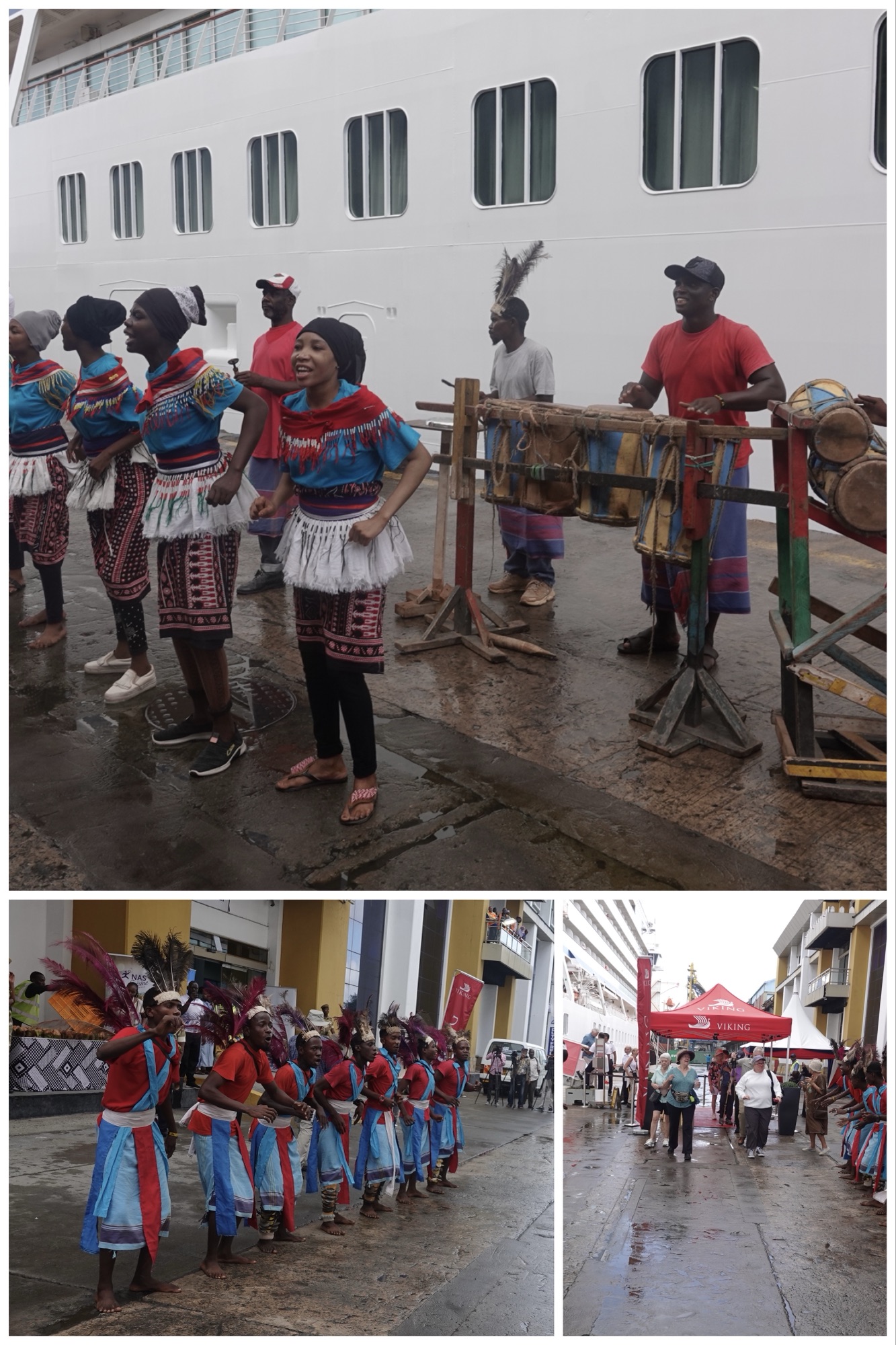
Today’s activity was a 9-1/2 hour optional excursion, including travel time.
Our tour began with a drive from the port through a portion of the city where most of the buildings were originally painted blue and white, representing ocean and peace.

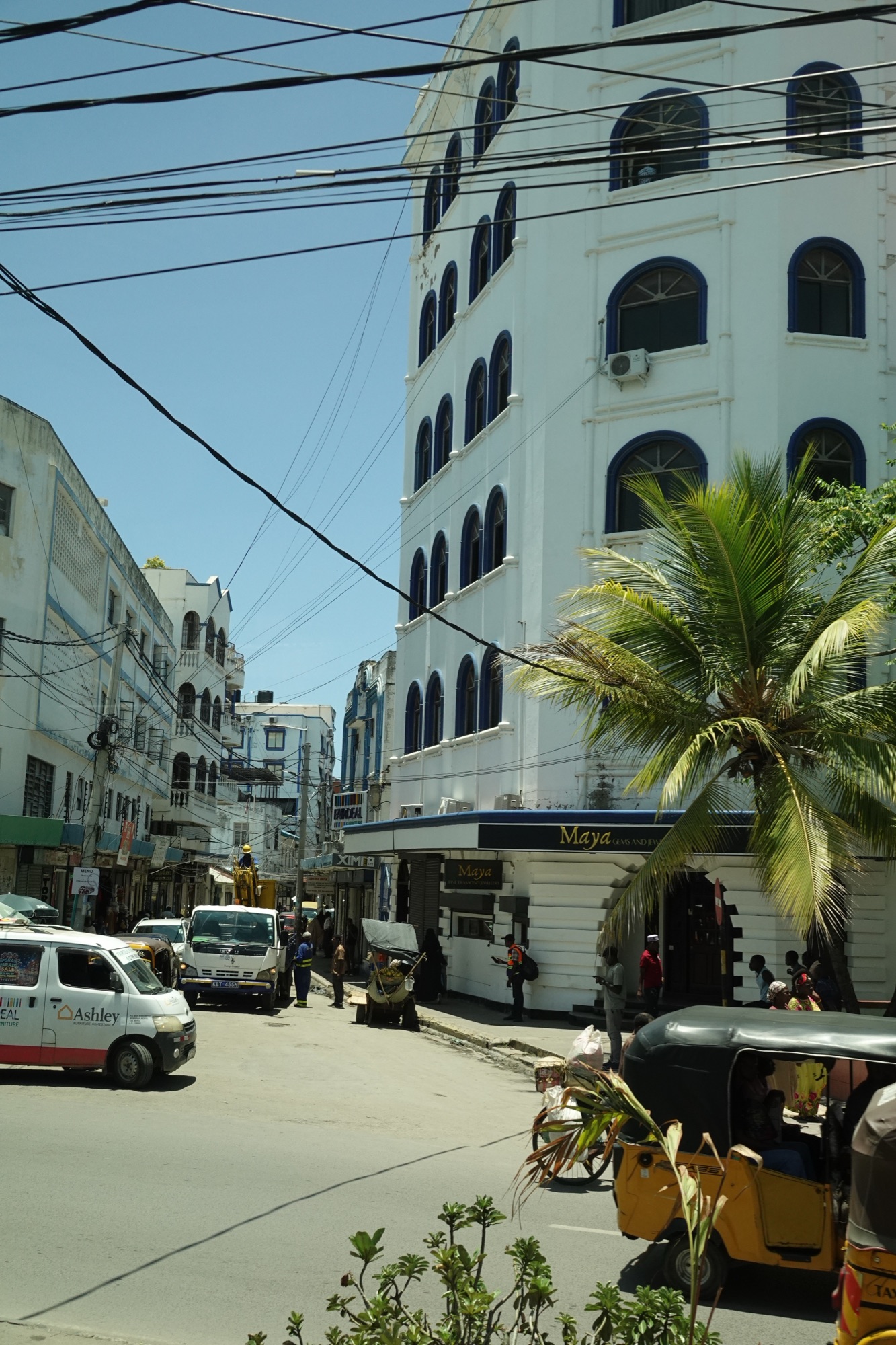
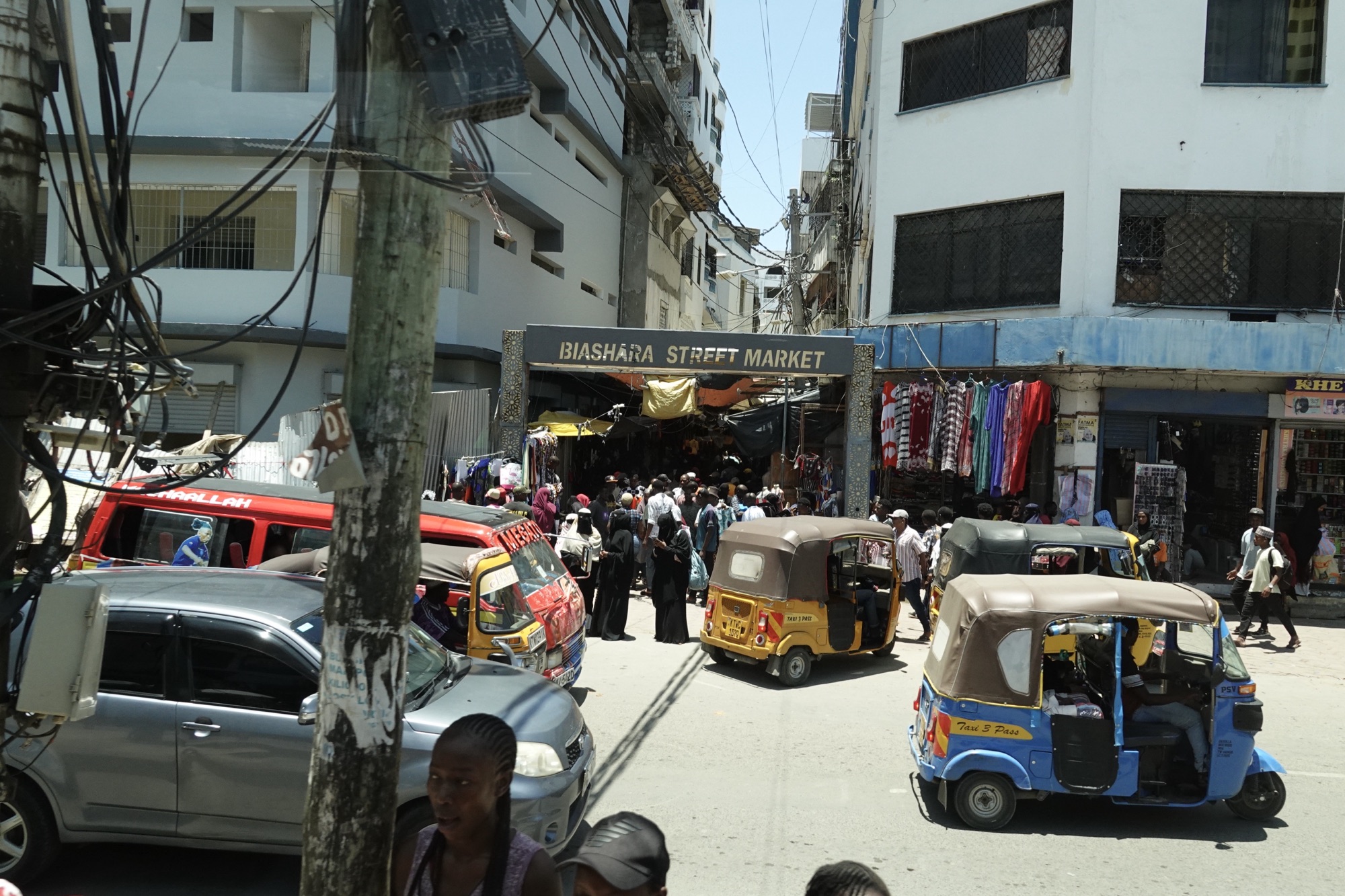
Although later in the day we drove through some prosperous looking areas, much of our morning journey was through crowded neighbourhoods filled with street-side markets under a patchwork of umbrellas, and on roads sometimes bumpy enough that our guide quipped they were preparing us for our safari 4×4’s.

As we drove, our guide told us that the Port of Mombasa serves 13 African countries, including Kenya, Uganda, Rwanda, Burundi, Democratic Republic of Congo, Tanzania, South Sudan, Somalia, and Ethiopia. It’s certainly a busy city, even during Ramadan, which has much more of an impact here than anywhere else in Kenya. Mombasa is 41% Muslim due to its historic Arab influence, while the rest of Kenya is predominantly Christian.
The roads are full of buses, motorcycles, and tuktuks, interspersed with mostly Japanese-made cars.
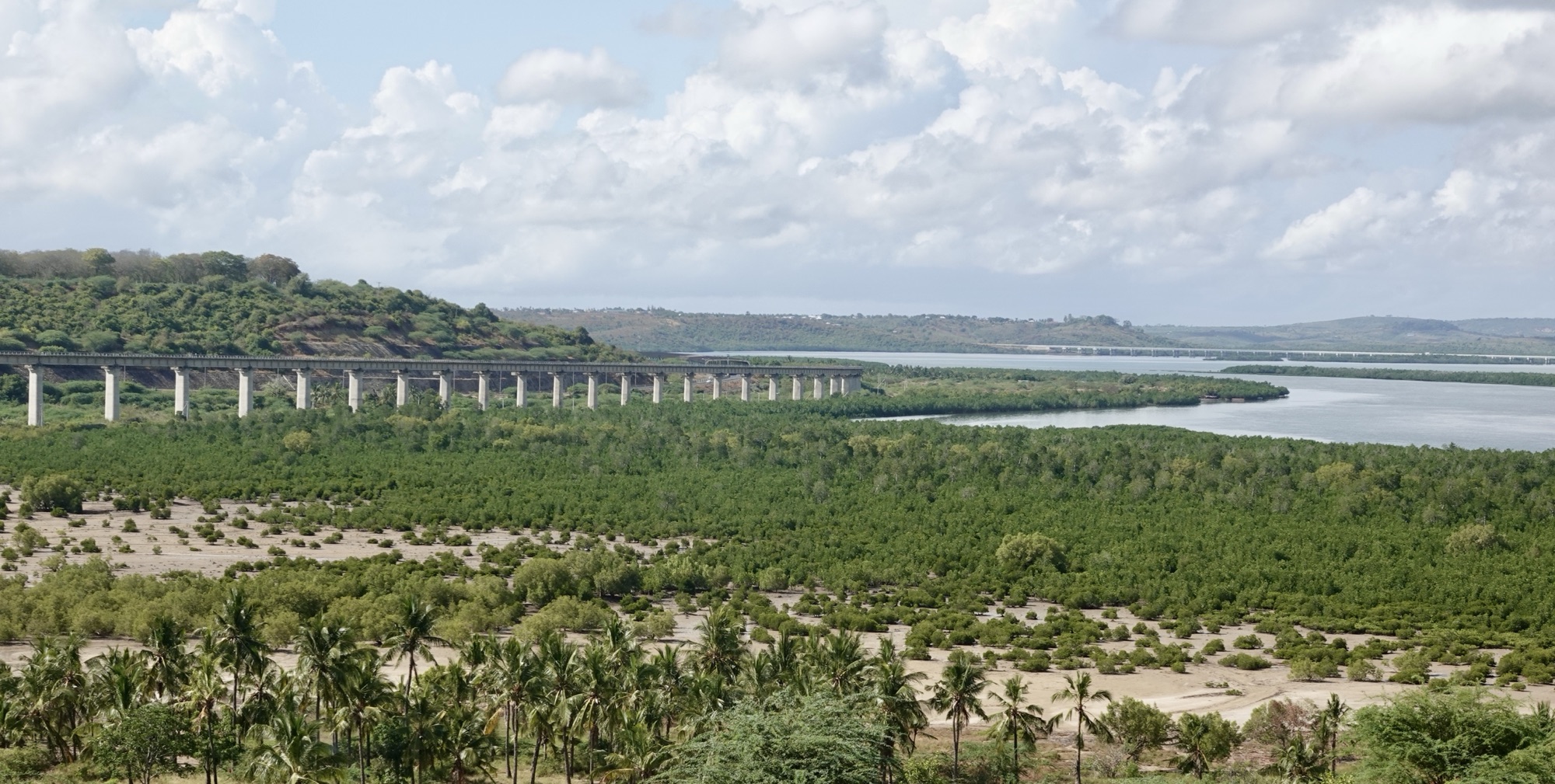
The morning portion of our tour was intended to showcase Mombasa’s important landmarks: the long bridge joining Mombasa’s island portion to its mainland, the train station, the tusk gateway, and the 15th century fort.
The concentric circles and central tower of the Mombasa Terminus, the modern railway station, were designed to represent an ocean ripple.
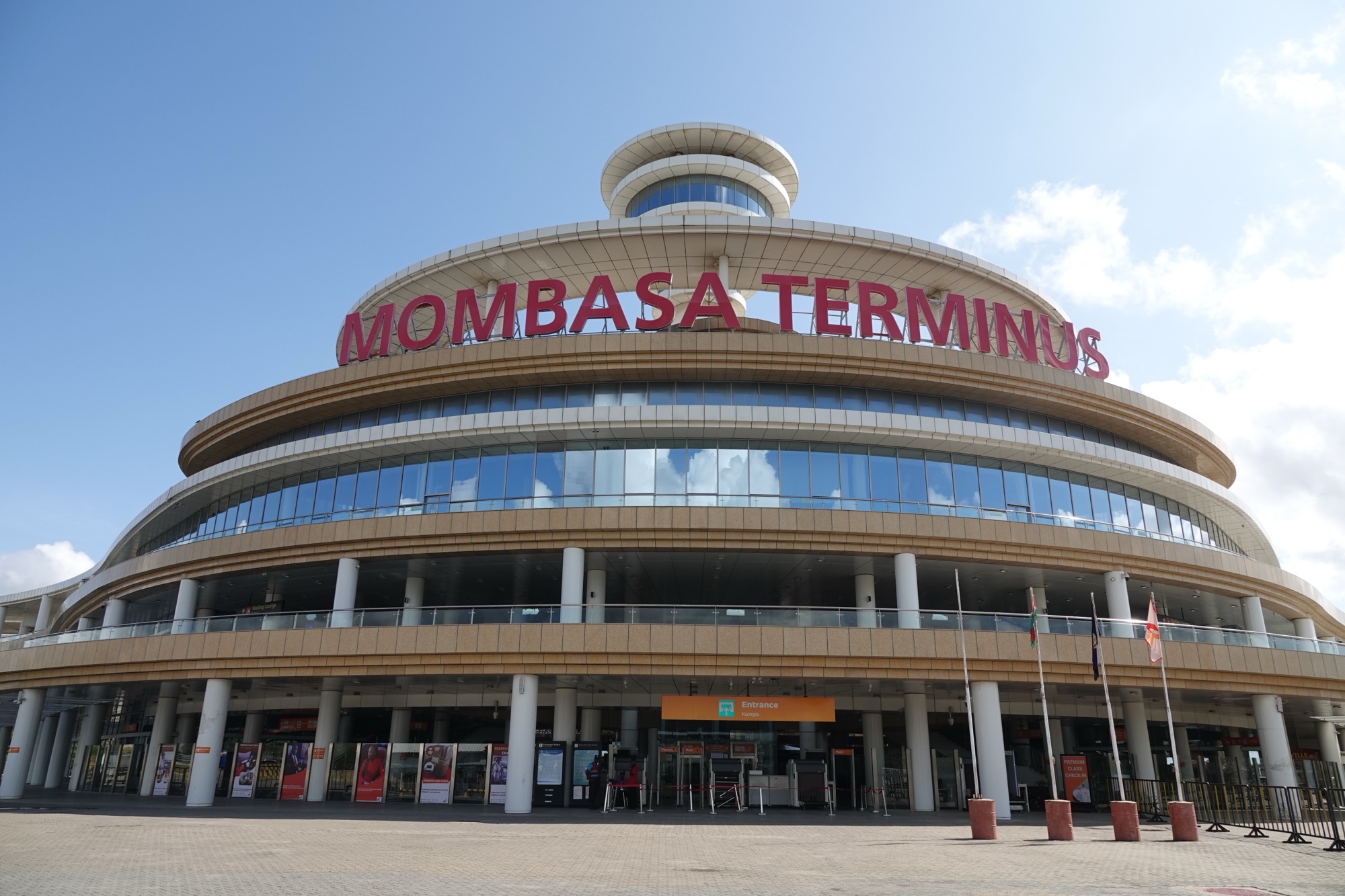
It was gorgeous, but we were confused because there were no people and no train traffic, so why is it here? Well, the Mombasa-Nairobi Railway is one of the largest recipients of China’s Belt and Road Initiative funding and replaced an old British colonial line. Despite what we saw today, in 2018 the railway handled 1.6 million passengers and 5 million tonnes of freight, and in 2019 the government required all cargo being cleared in the port in Mombasa to be handled by the railway, which will increase the freight traffic. I’m writing this a couple of days after the actual tour – all I can say is we found out on day 2 here why it’s so important to encourage freight transfer inland by rail.
The first two of 4 symbolic metal elephant tusk sculptures that cross bustling Moi Avenue were built in 1952 to commemorate Queen Elizabeth II’s visit, and the second two in 1956 for a visit by Princess Margaret. Together they form the letter “M” for Mombasa.

Near the tusks is an urban park where we took a short walk to see the trees full of bats!

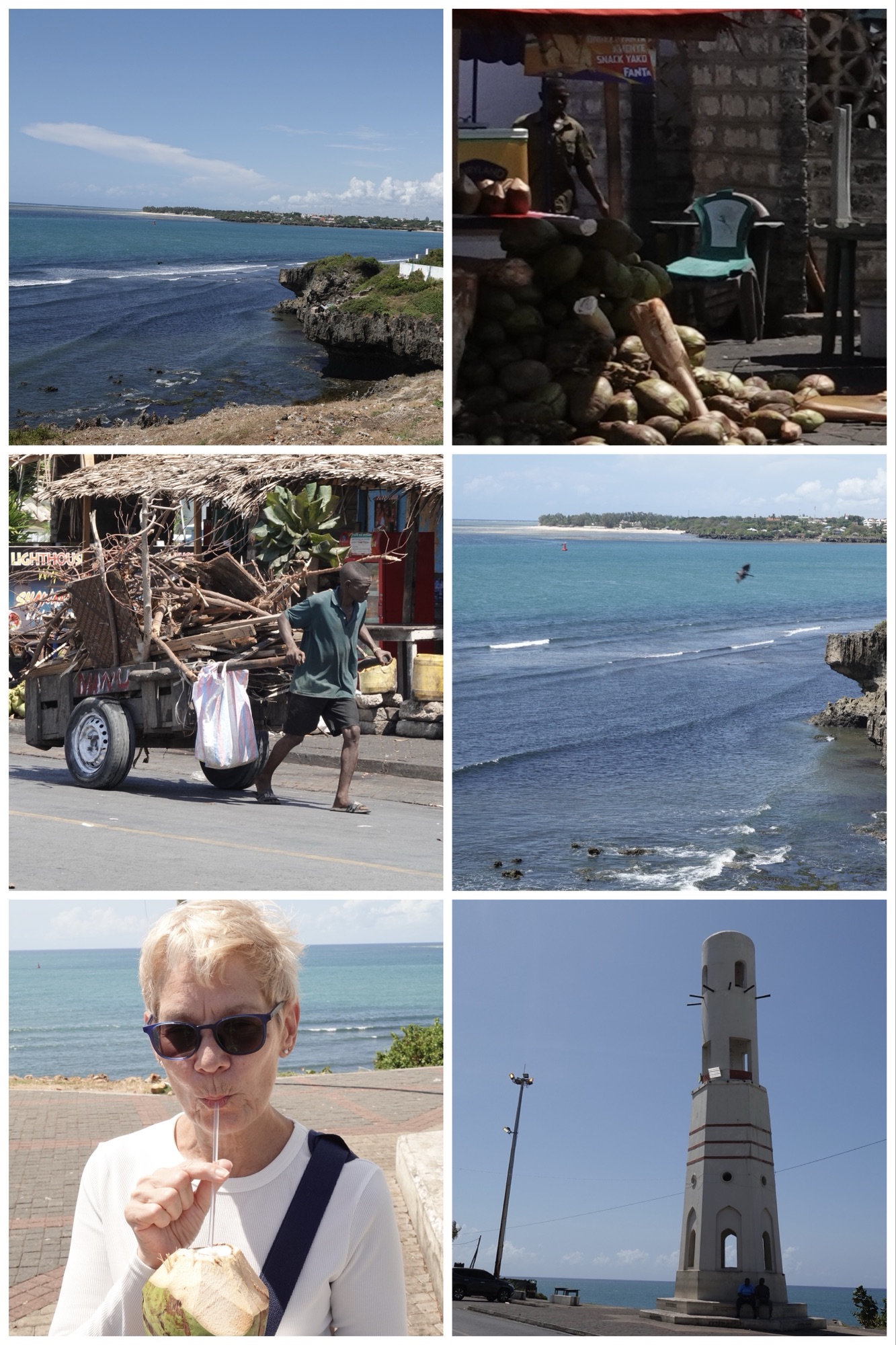
From the “gateway to Africa” we then drove to Fort Jesus, a UNESCO World Heritage Site, first stopping at a waterfront park in Mvita for fresh coconut water. The mantra in hot climates is hydrate, hydrate, hydrate.
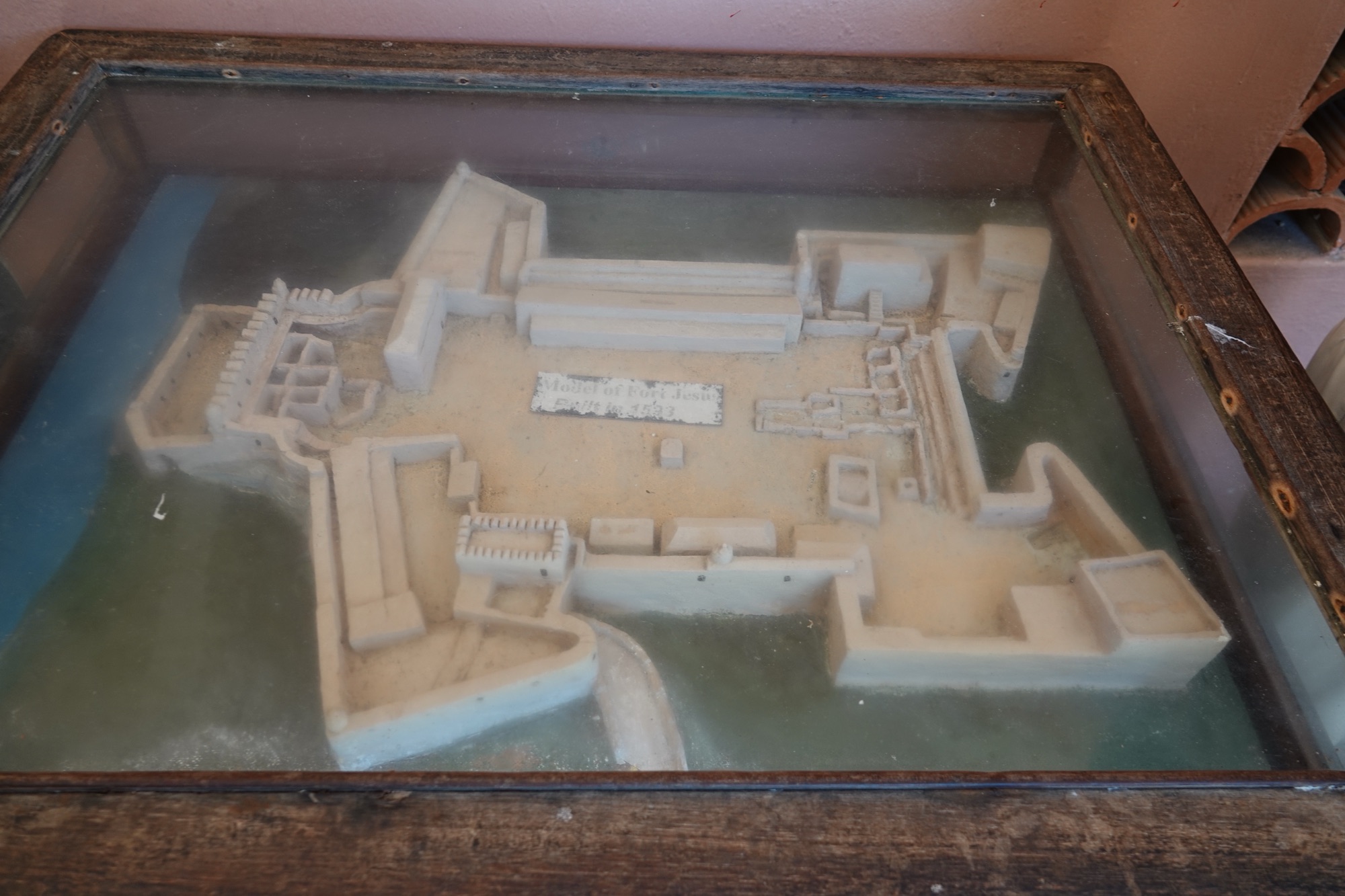
Fort Jesus was built by the Portuguese in 1593-1596 to the designs of Giovanni Battista Cairati to protect the port of Mombasa, and is one of the most outstanding and well preserved examples of 16th century Portuguese military fortification in the world; hence a landmark in the history of this type of construction.

The Fort’s layout and form reflect the Renaissance ideal that perfect proportions and geometric harmony are to be found in the human body. We could absolutely see a “body” in the fort model.
The property covers an area of 2.36 hectares/5.8 acres (about the size of the schoolyard we backed onto when we lived in Milton), which includes the fort’s moat and immediate surroundings.


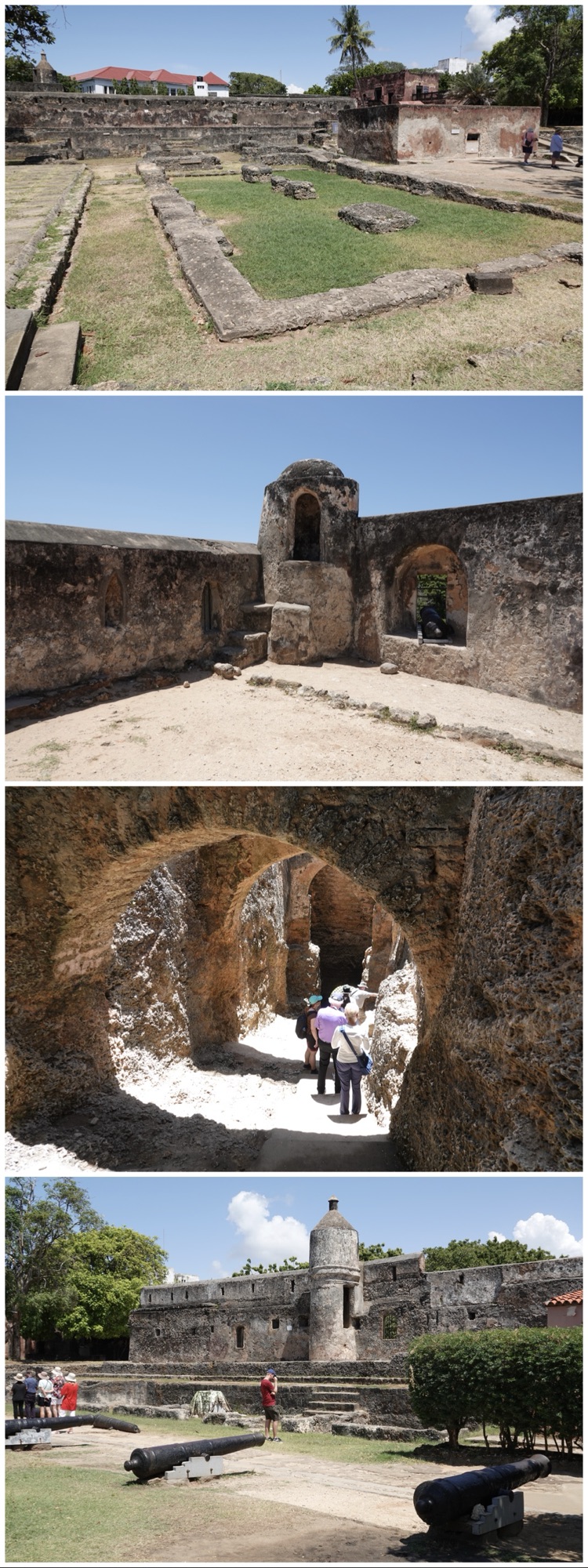
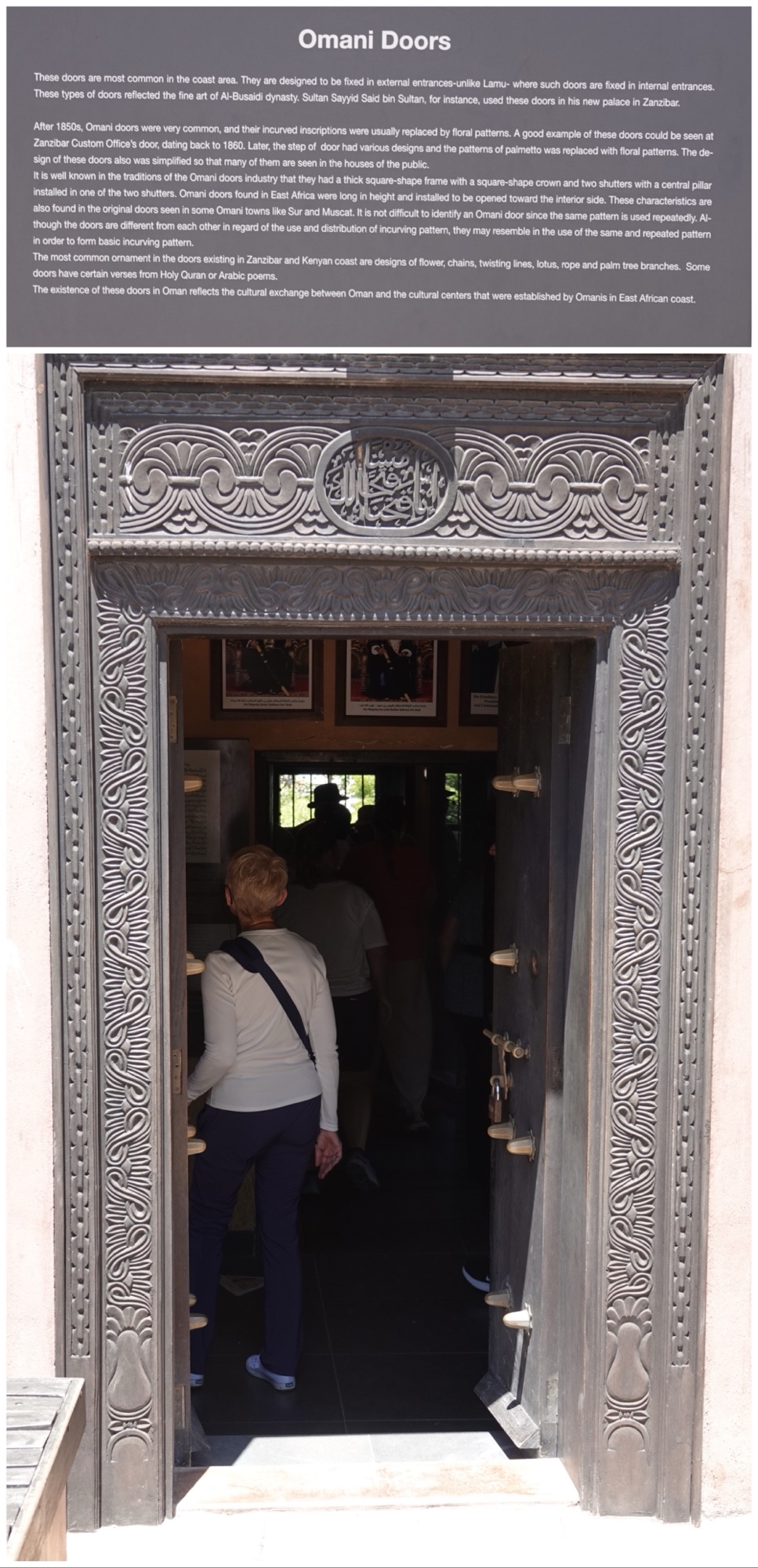
Ted and I agreed that it was one of the best preserved forts we’ve toured, and the Arab-era Omani doors were one of my favourite things about this fort..

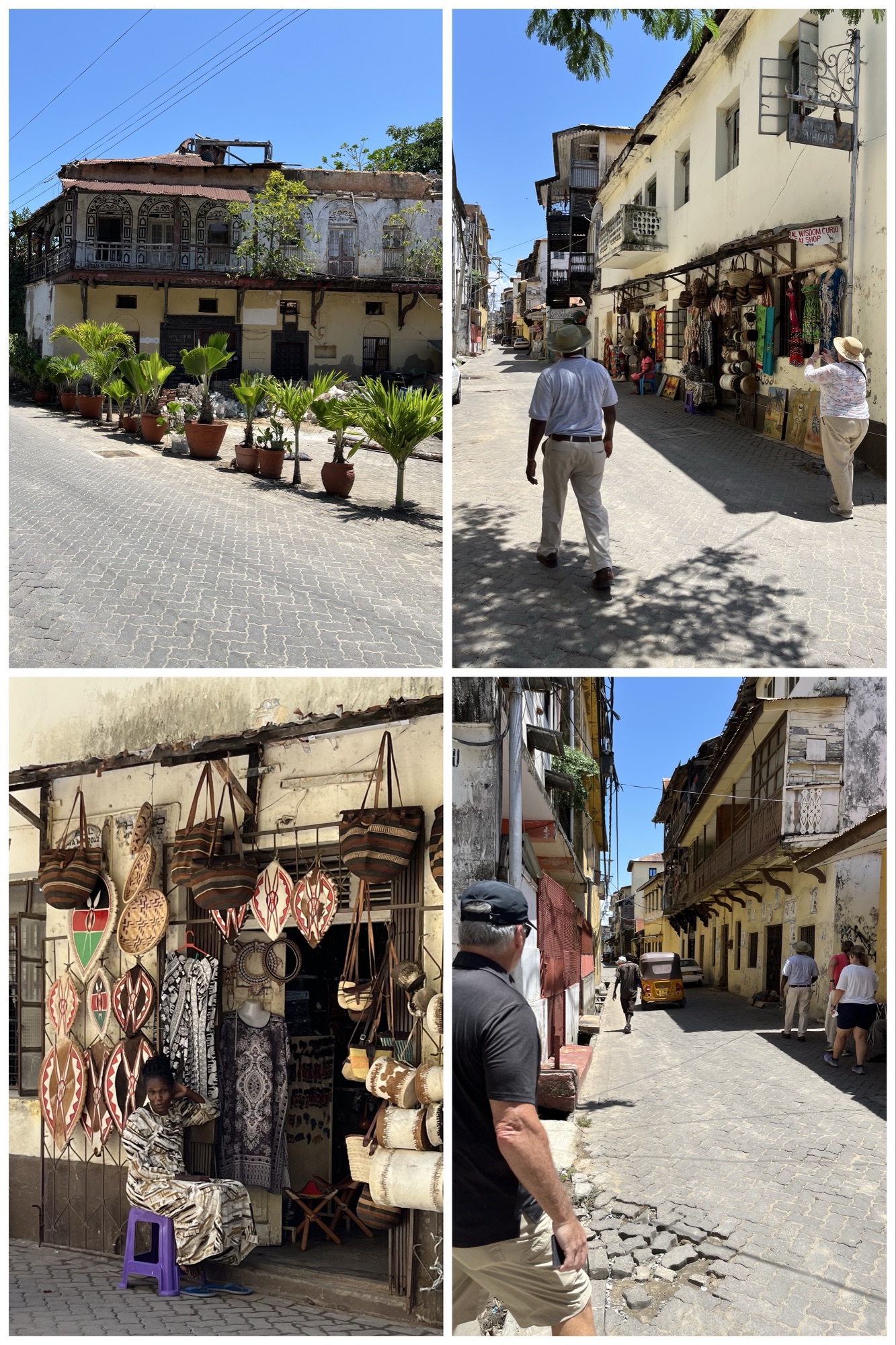
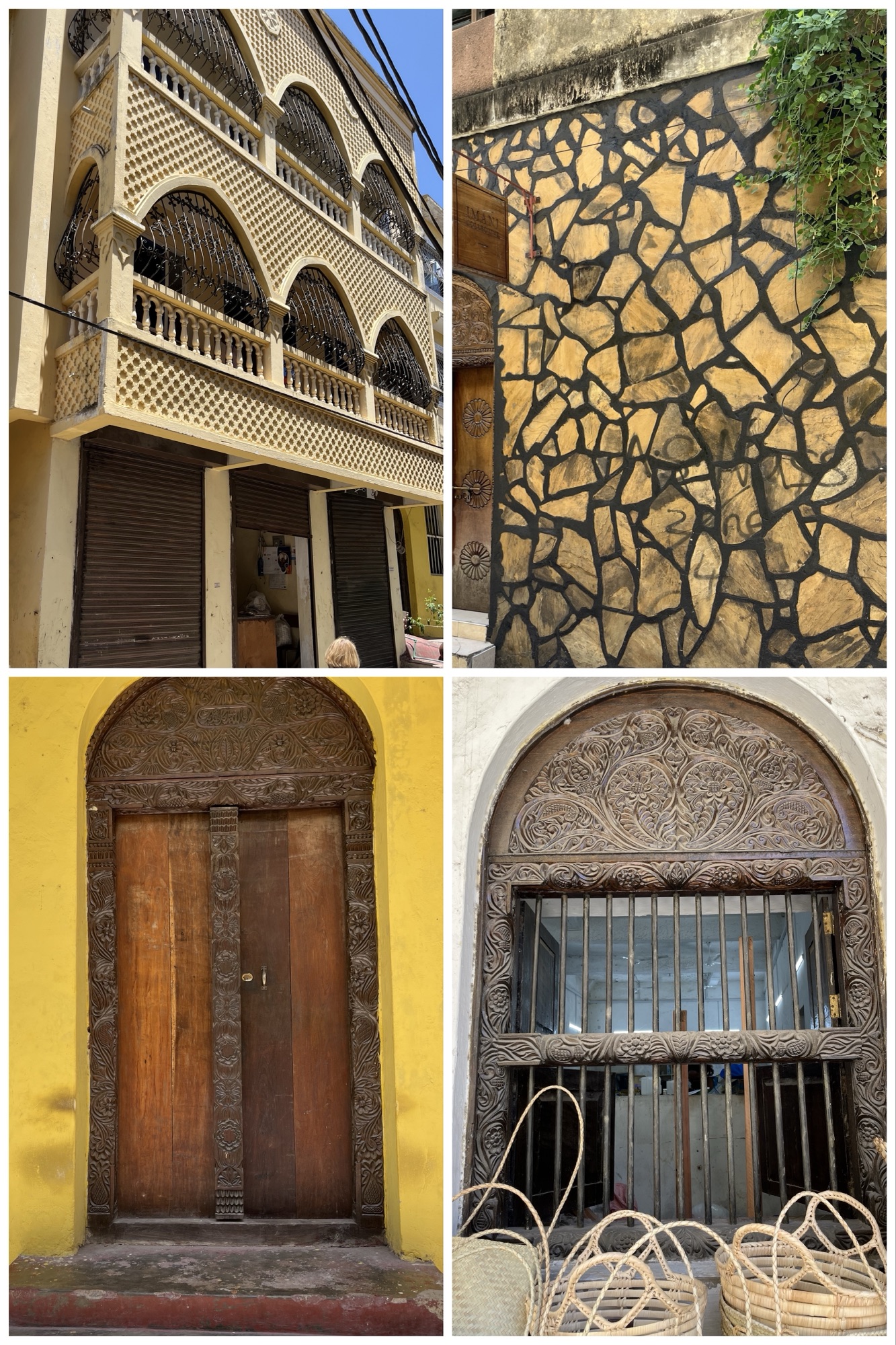
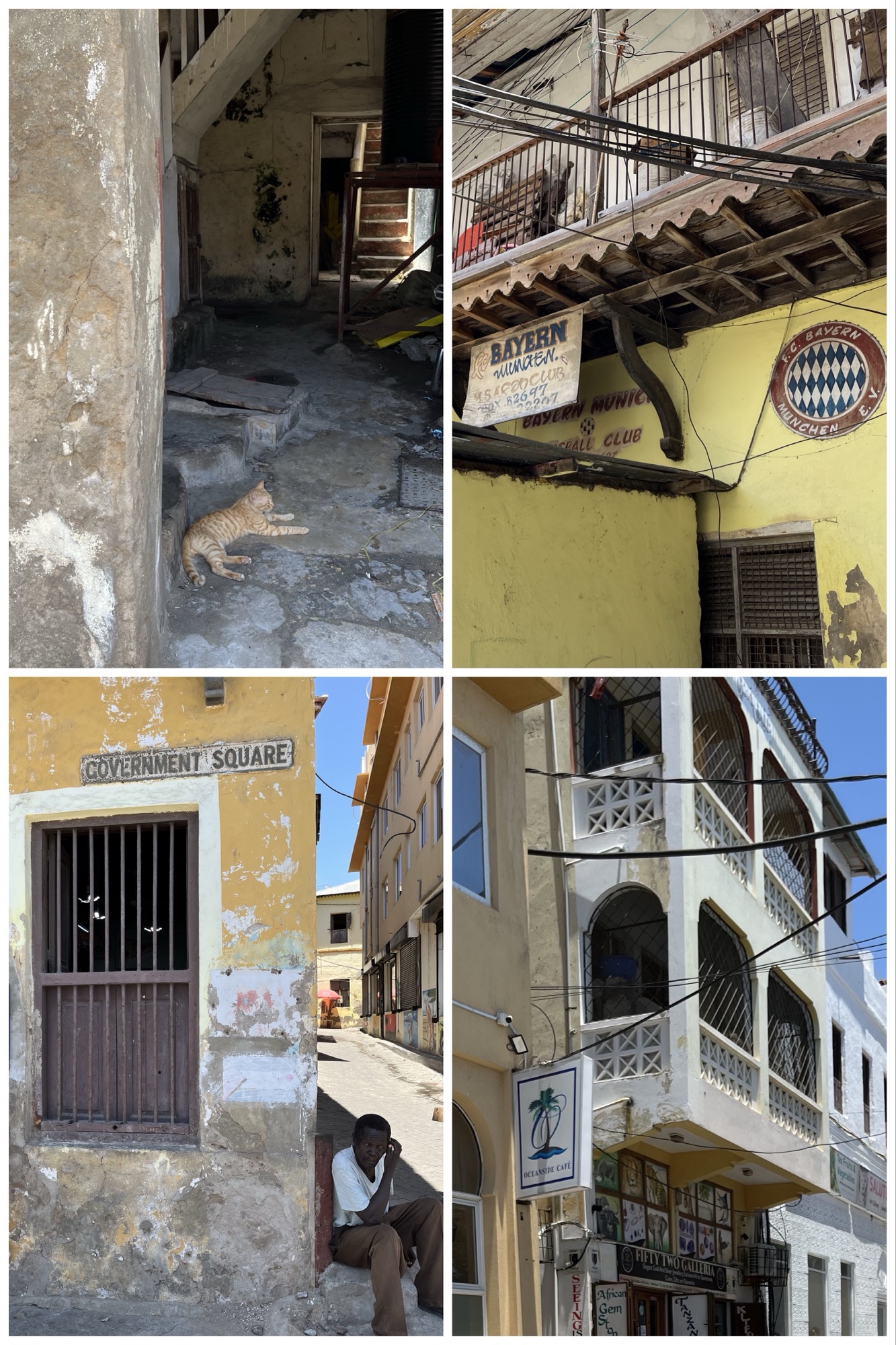
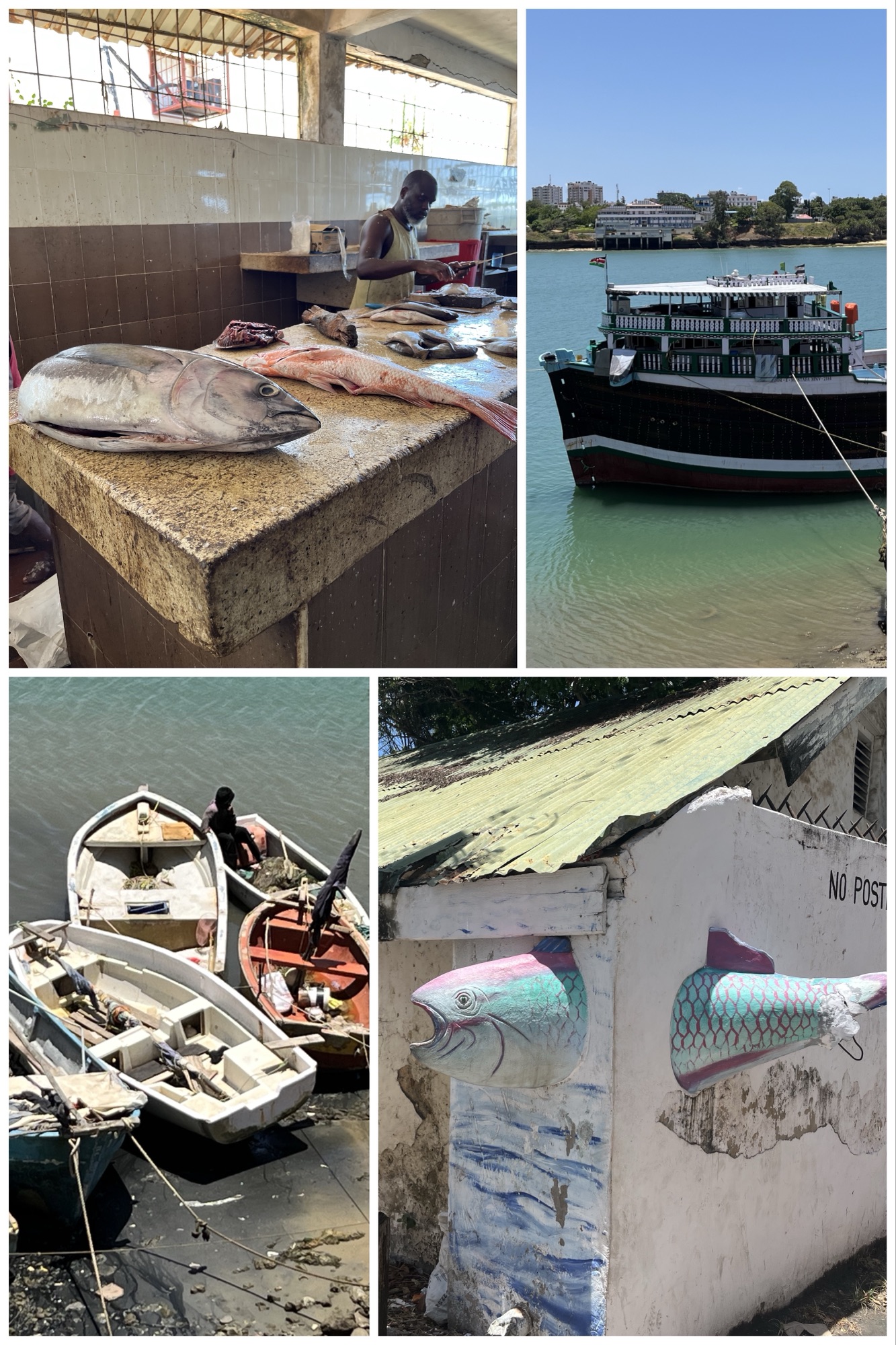
Most of our group, including Ted, were too hot and exhausted by then to take the planned walk through Mombasa’s Old Town, but the 8 of us who went got a glimpse of narrow alleys, stores topped by apartments with 13th century-style Arabic balconies (reminiscent of what Ted and I had seen in Yanbu Saudi Arabia), artisan shops, and a local fish market.
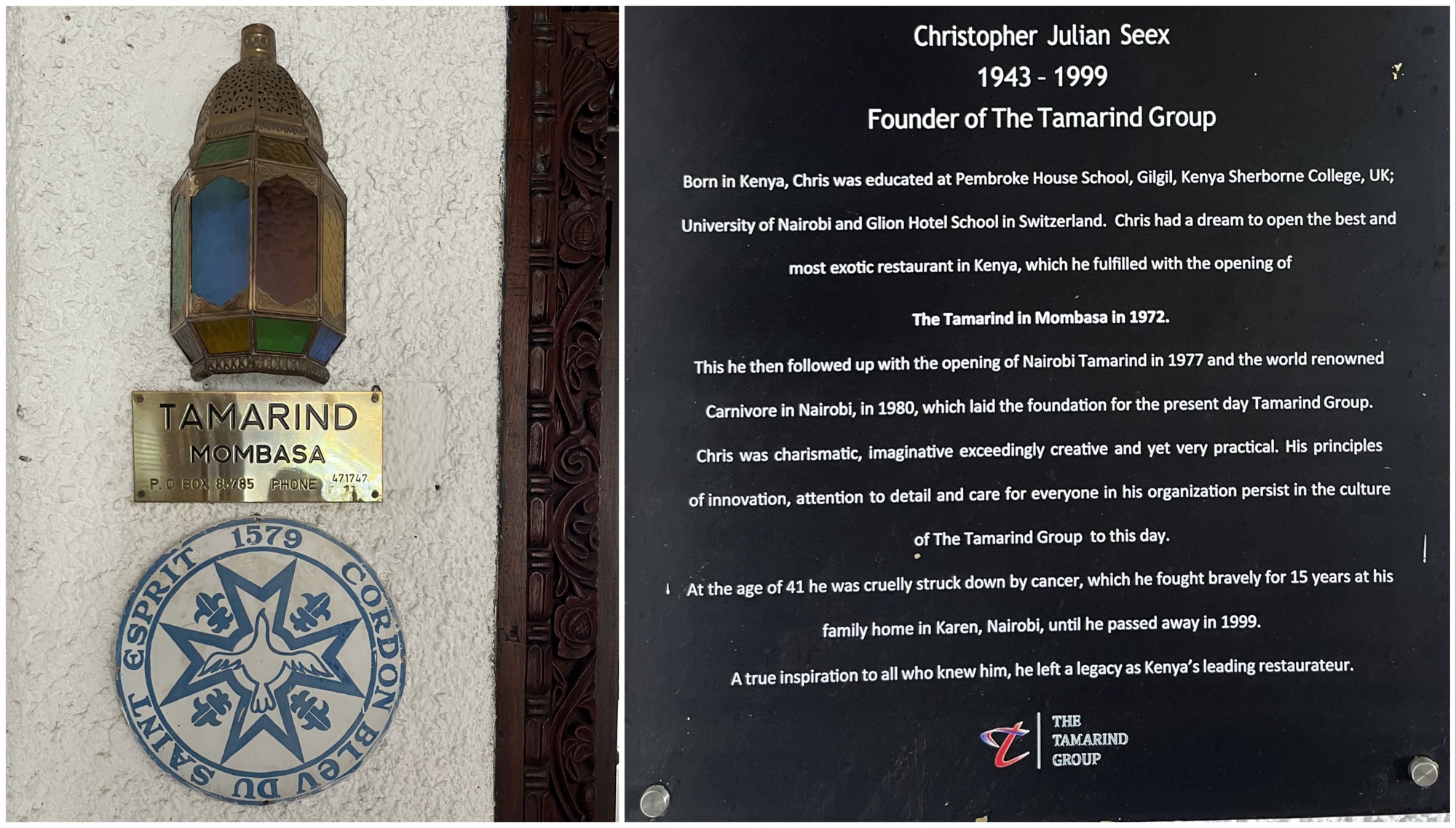
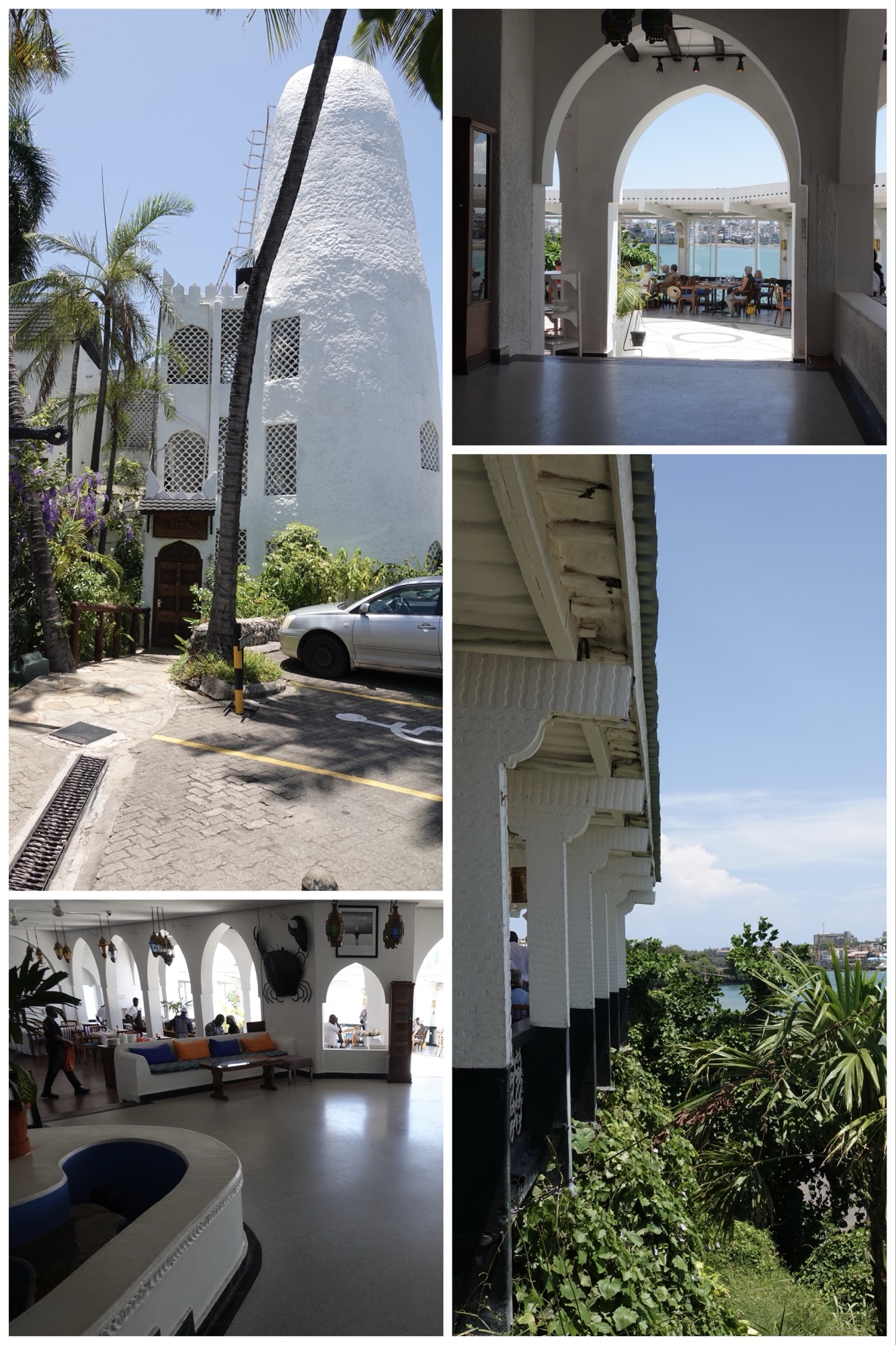
Then it was time for our lunch break, and I have to say that Viking once again chose an exceptional venue that combined good food with ambience and history. The Tamarind Restaurant was a wonderful midday treat.
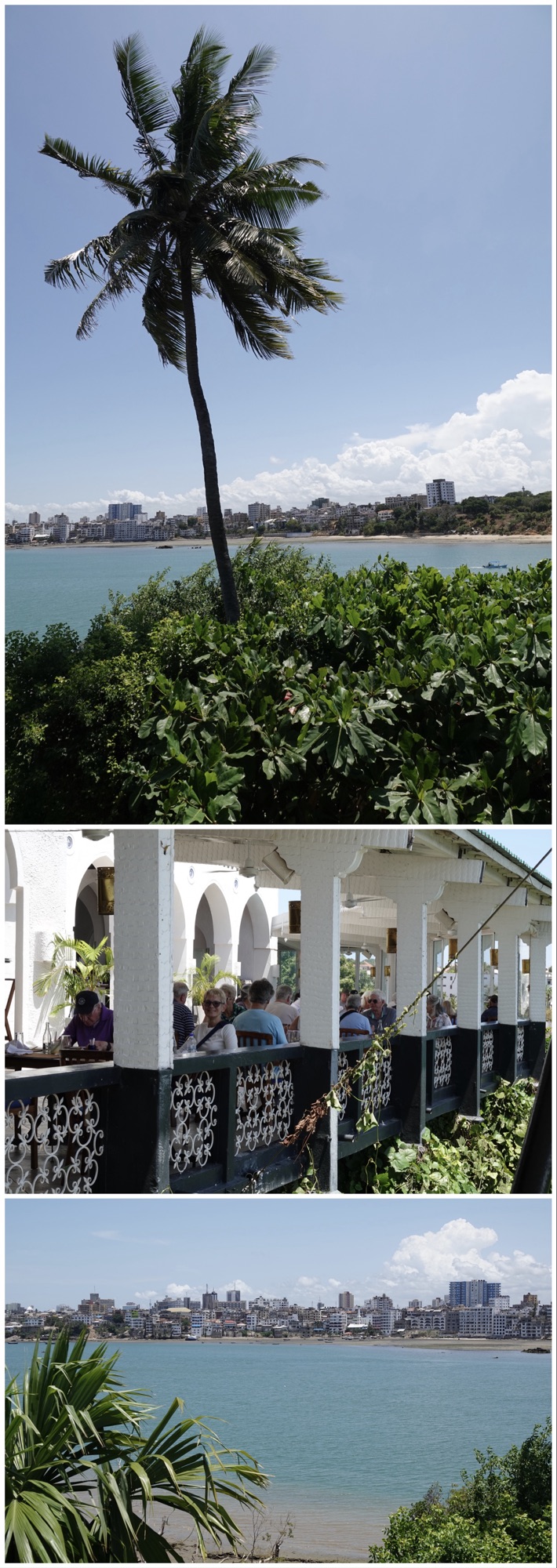
After our meal, we switched focus from history to wildlife. Haller Park Wildlife Sanctuary is home to hippos, giraffes, giant tortoises, and more.
What makes this place extra special is that it was once a quarry. Lafarge Eco Systems is the environmental arm of Bamburi Cement Ltd. (Lafarge Cement is a familiar name to us in Canada). Since 1971, the organization has been rehabilitating and restoring quarry wasteland into beautiful ecosystems such as Haller Park and Forest Trails. The park’s story is of a now world famous ecological showcase and wildlife sanctuary in what was once a barren quarried landscape.
We spent about 2-1/2 hours walking among, and sometimes even interacting with, incredible animals.
The very first thing we saw was a herd of eland.
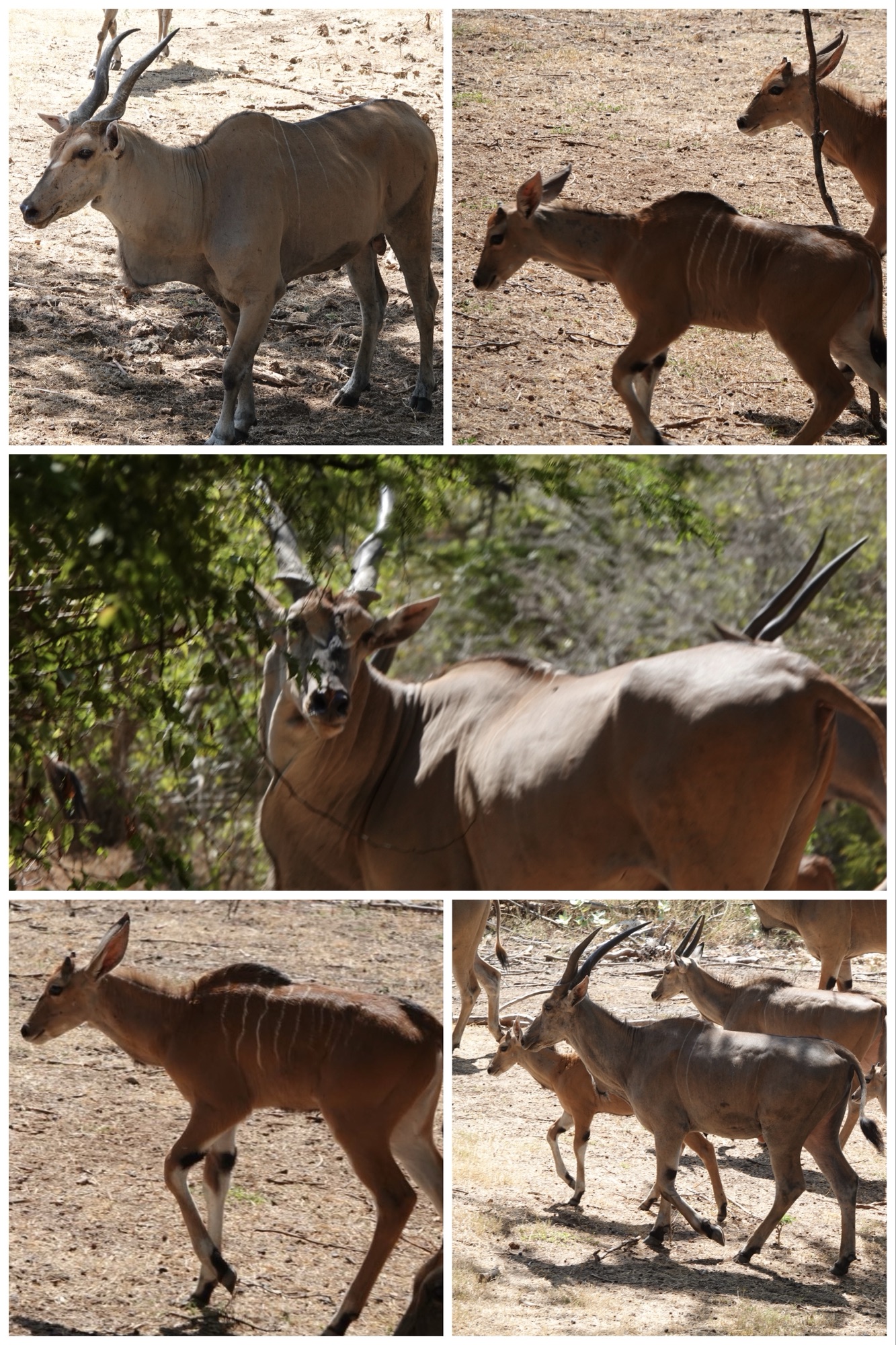
Next we were in search of Owen, the hippo who’d been rescued when he was stranded in a tsunami, but he proved elusive. Instead we headed for the tortoises.

More beautiful savannah creatures crossed our path.


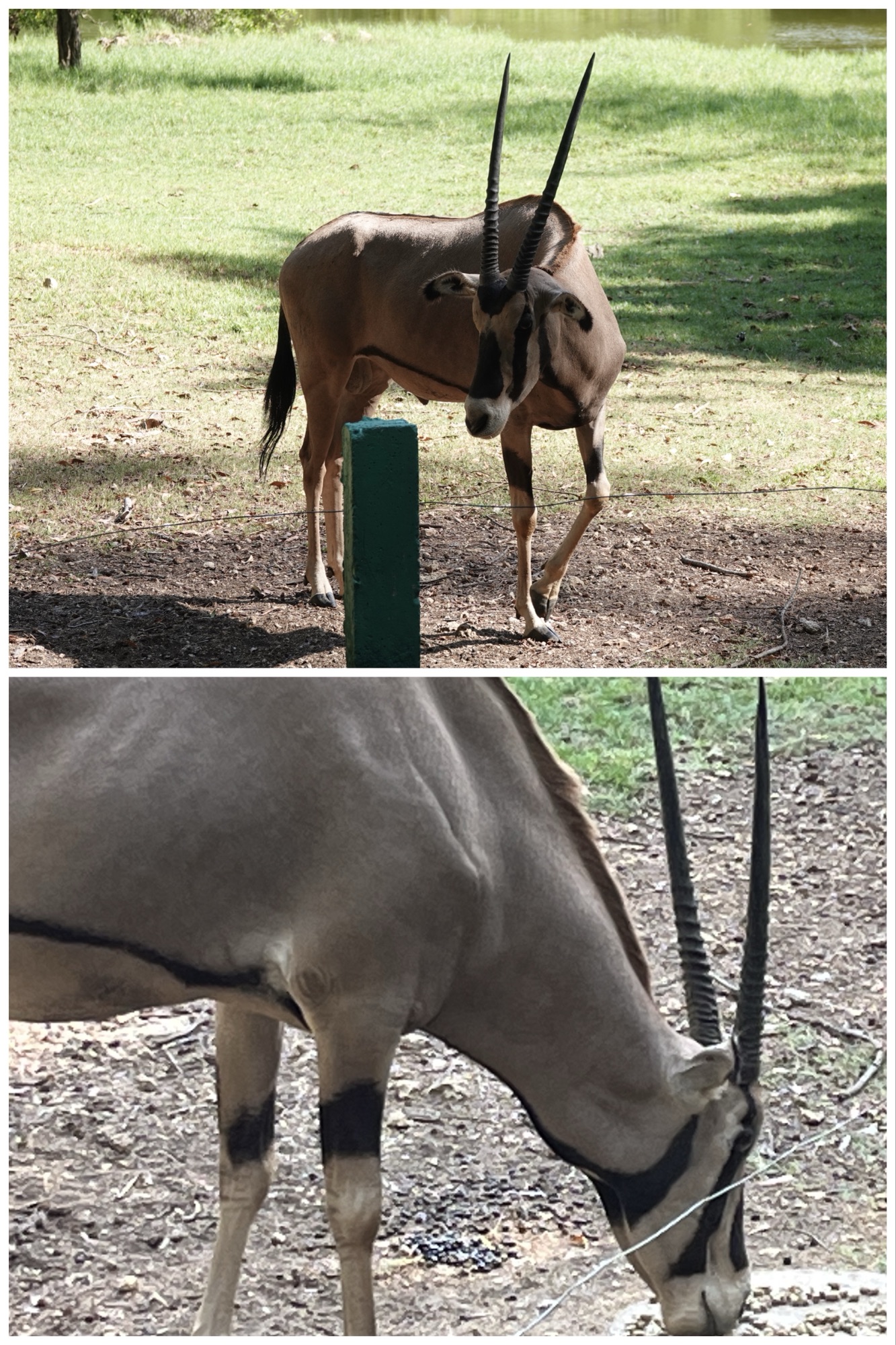

Then we were off to a highlight of my day: feeding the giraffes! Unlike a cow’s huge slimy tongue, the giraffe’s tongue is velvety soft – and apparently its saliva contains a natural antibiotic.
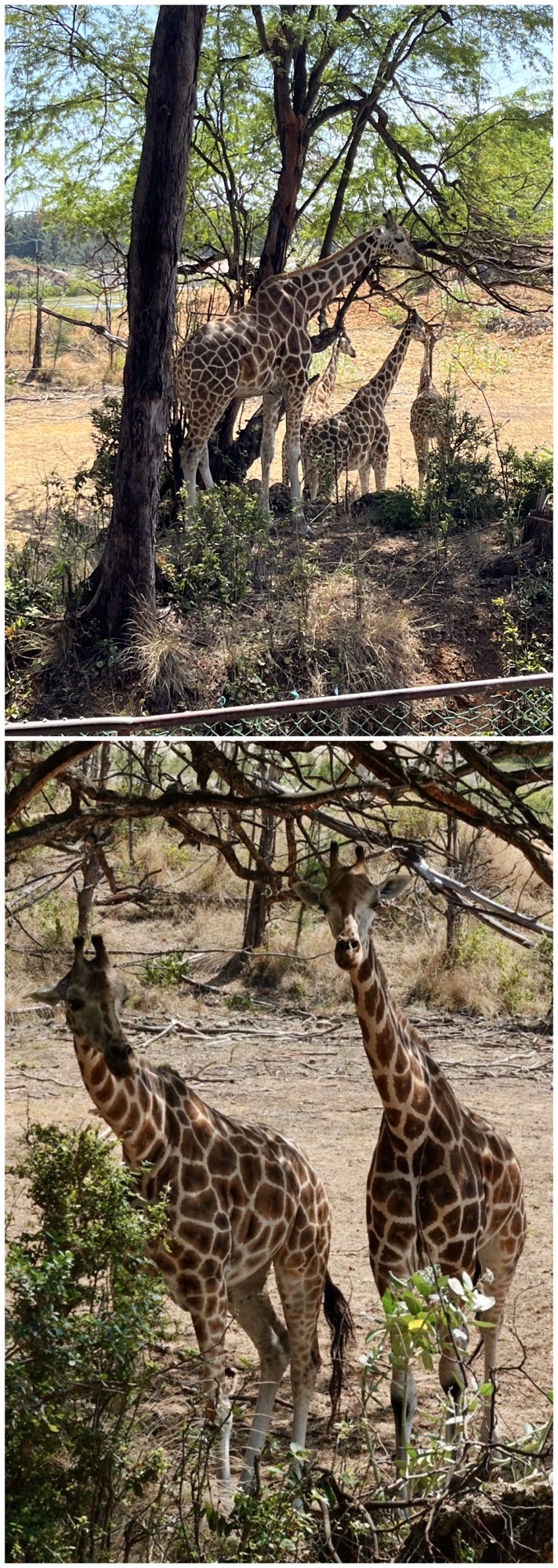

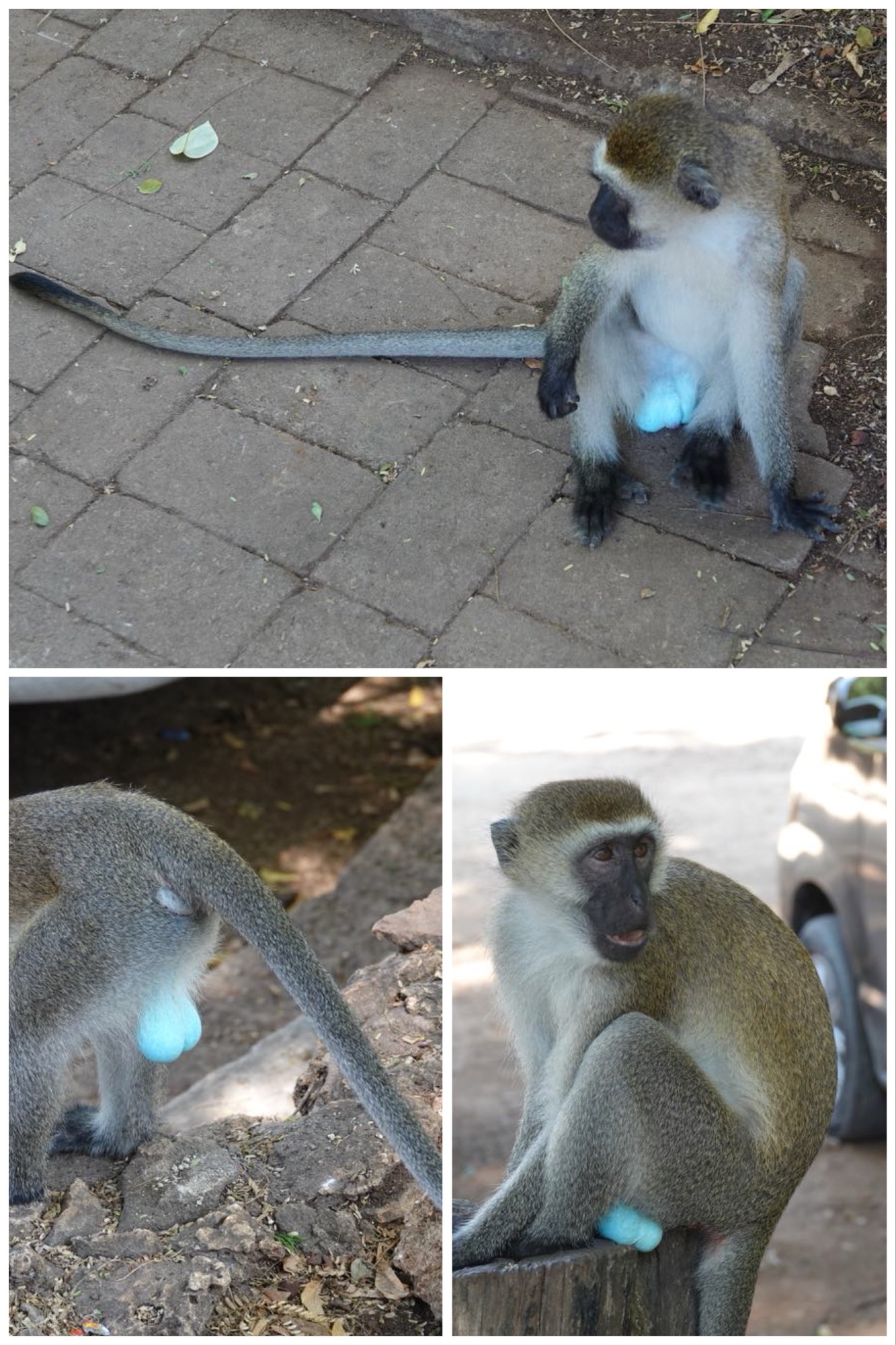
We were off to find some less elusive hippos, but en route there were vervet monkeys absolutely everywhere!


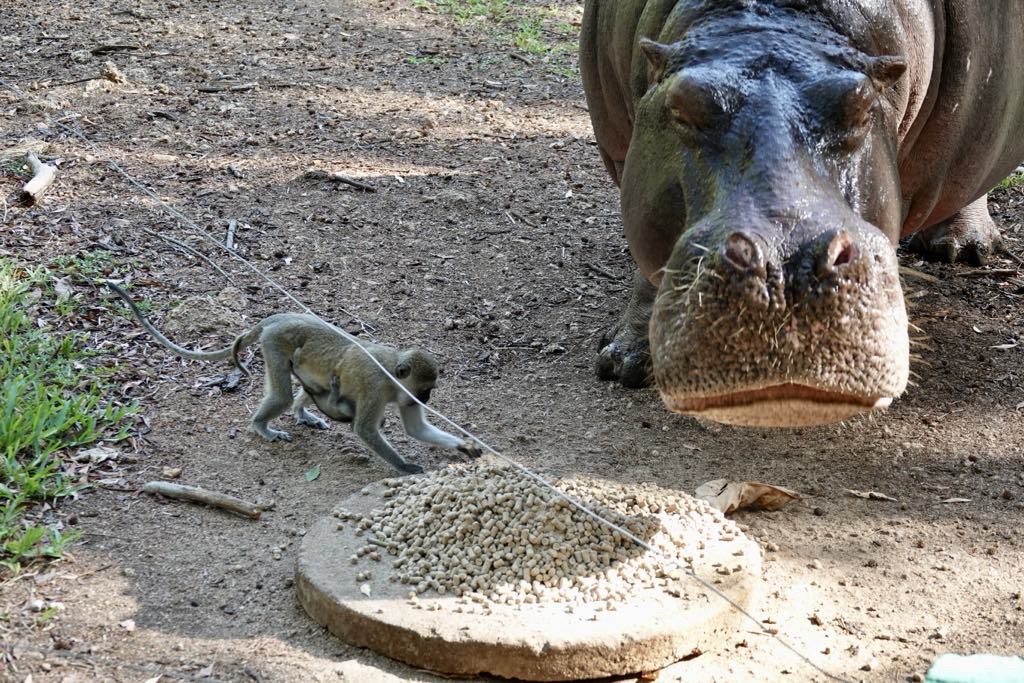
Once we reached the hippo pond, it was feeding time for the male and female pair. The female had an open sore on her back, and the wildlife worker used the opportunity of her being distracted by food to clean and medicate the sore. The hippo paid him no more attention than she would a bird on her back.


The monkeys were even brave enough to steal bits of the hippos’ food.
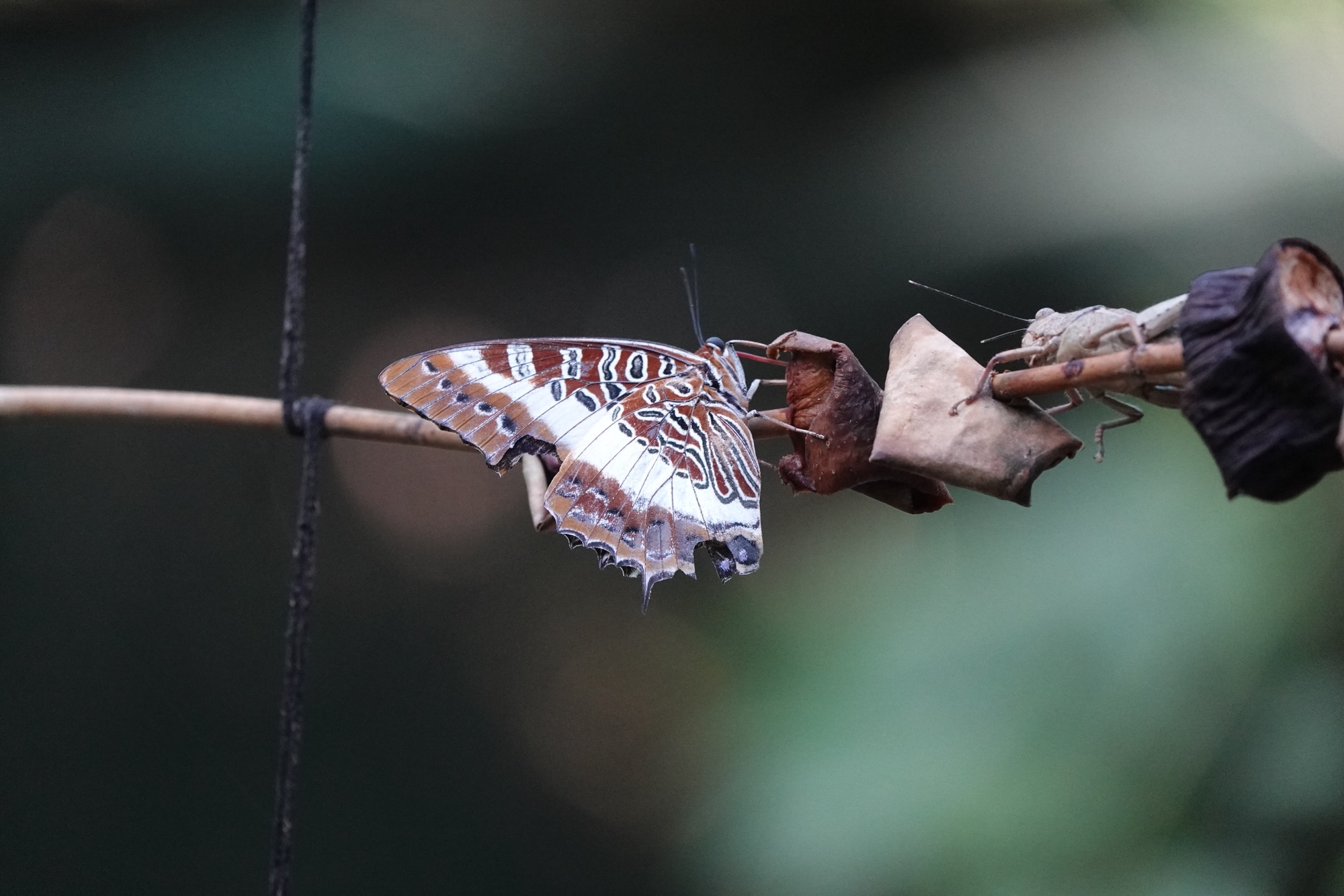
There was a small butterfly house in the park, but only one mature butterfly in it!
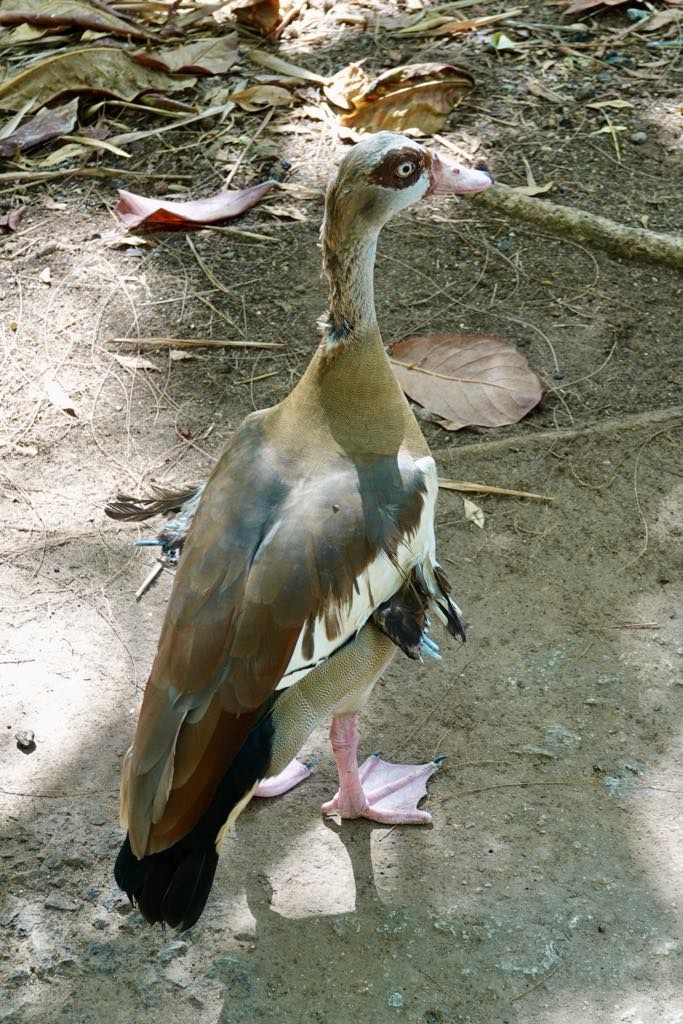
Of course, there are always birds to be photographed, in this case an Egyptian goose, … and a quite beautiful monitor lizard.

Our last stop was checking out the very lazy-looking yellow crocodiles, and then watching the Nile crocodile feeding.
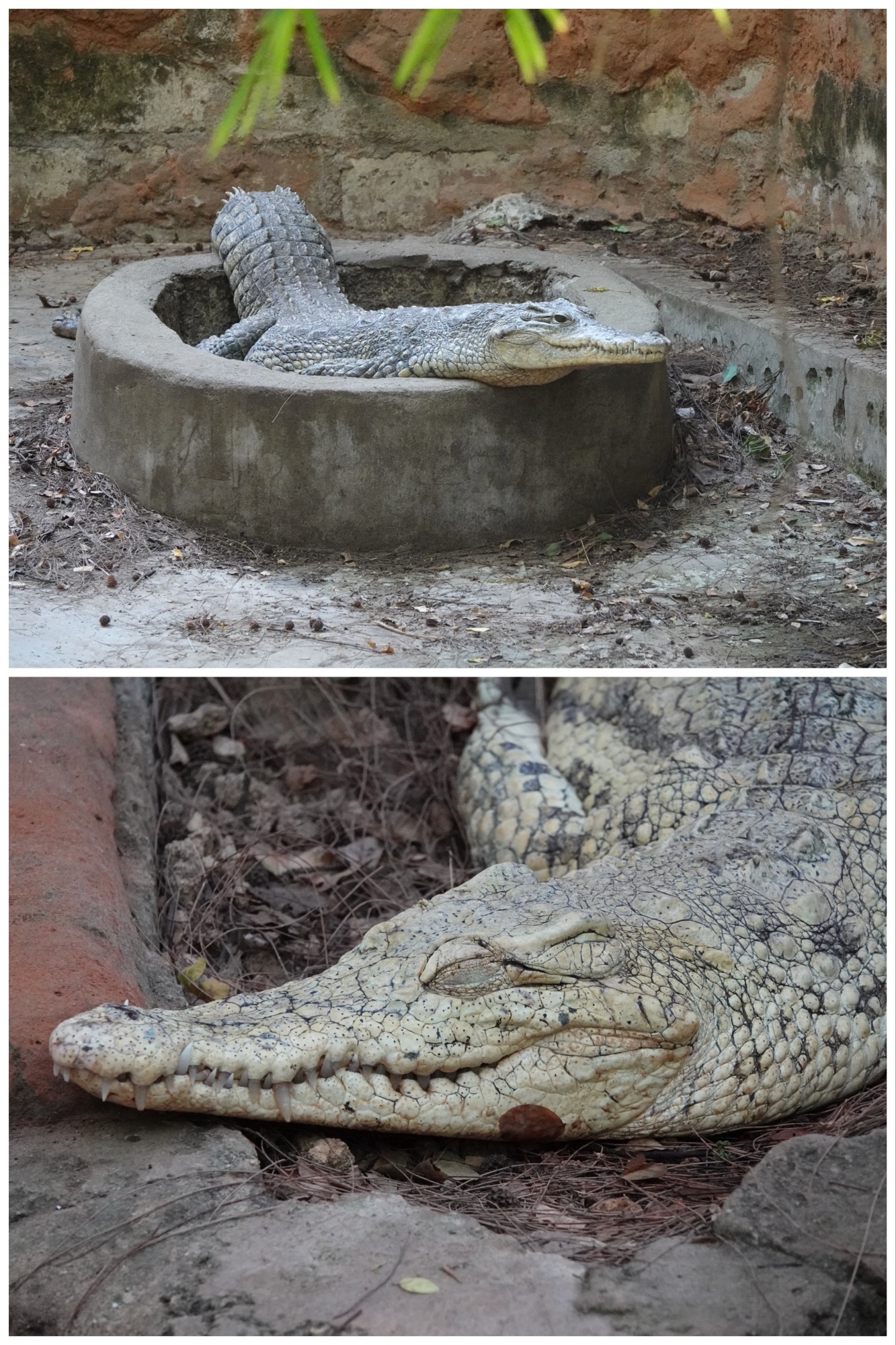

We were really impressed with the way a former quarry had been brought back to life.
En route home we drove past Mombasa’s largest produce and meat markets, which are housed in what were originally the make and female slave markets, respectively. Disconcerting to us; simply acknowledged and repurposed by the Kenyans.

We got back to the ship so tired from the heat and walking that we were absolutely ready to drop, and called it an early night.
Tomorrow we’re up at 4:30 a.m. and on our way an hour later to Tsavo East National Park for a day safari. More animals pictures (hopefully) to come!
 Rose and Ted’s Excellent Adventure
A few years ago, I was looking across our backyard towards Lake Houston and saw a pair of weird “ducks” walking from the lake towards our house. I took a picture and my husband and I finally identified them as Egyptian geese. Apparently, someone in the vicinity had imported them and they got “out”…. Now, they are everywhere in the neighborhood! 😳 I guess they like our Texas climate!
LikeLiked by 1 person
Wow!
All I can say is…they’re geese, so hope they don’t take over!
LikeLike
Brings back so many memories — potato and chili samosas with wonderful Tusker beer on the terrace of a big colonial period hotel (Probably the one now called Sentrim Castle) in Mombasa (about 1988), the unmistakable scent of being back in Africa — wood fired cooking and people who eat a lot of manioc, dinner at Carnivore (one of the restaurants started by the chef who started the restaurant you enjoyed in Mombasa) in Nairobi while serving as escort officer to a group of US actors performing for USIS (the good old days of soft power — cultural diplomacy) tuk tuks, bats, feeding giraffes at a sanctuary — eye level is pretty amazing, isn’t it!?. I look forward the rest of your Africa days with special interest. I hope you and Ted got to try Tusker — one indisputably good thing Europeans brought to Africa was the beer! Thanks for all the detail!
LikeLiked by 1 person
What an amazing life you’ve had!! Glad to be able to rekindle a few memories.
LikeLike