What better way to get ready for our tour of a tea plantation in Sri Lanka than to take in a sea day lecture by Sandy Leoung about the coffee and tea plantations in what was formerly called Ceylon.
My favourite tea is still called “Ceylon” tea.

Sir Lanka was first colonized by Portugal, and then the Dutch, both vying for the lucrative cinnamon trade. Coffee was planted by the Dutch, brought from successful plantations in Java, in 1699.
In 1796 during the Napoleonic Wars Britain took Ceylon, mostly to prevent the French from taking it. In 1815 – and until independence in 1948 – Ceylon became a British colony. Cinnamon and coffee both continued to be important, but the Brits really didn’t know much about successfully managing coffee plantations. Nonetheless, coffee eventually overtook cinnamon as a source of revenue, especially once Robert Boyd Tytler arrived with knowledge that he had gained working on coffee plantations in Jamaica. As more workers were needed, Tamil workers were brought in from India.
Coffee became so popular that “kōpi kāde” (coffee stands) sprung up, and a real coffee culture was created. Sandy compared the coffee mania to the California hold rush. Land badly needed by the locals for food production were taken over for plantations. In 1869, a fungal disease called coffee leaf rust combined with an economic turndown in Europe devastated the industry.
But what about out “my” tea?
Well … in 1824, tea plants brought from India had been successfully planted in Ceylon, but pretty much ignored.
There’s a whole nasty undercurrent here involving the Opium Wars. England, via India, had a monopoly on the opium trade, and was worried that if China legalized the drug – or decided to grow it themselves – they’d lose massive revenues. The British East India Company apparently had no qualms at all about trafficking in a narcotic, as long as it was “other people” who were using it.
So, despite the small details that they had no quality tea plants, and no knowledge at all of how to grow tea, the English decided they’d try growing their own tea. The British East India Company sent Robert Fortune, a 6’2” tall Scot, to “steal” the secrets of tea – and tea seeds and plants – from China where Caucasians were banned (probably had something to do with being the purveyors of illegal opium). Sandy hilariously shared how, “incognito”, Fortune fulfilled his espionage mission, and tea plants ended up in India, eventually cutting China out of the tea trade.
From India, Assam tea plants were brought to Ceylon, and very soon a booming business was created. In 1894, the Ceylon Tea Traders Association was born, and lasted for 125 years.
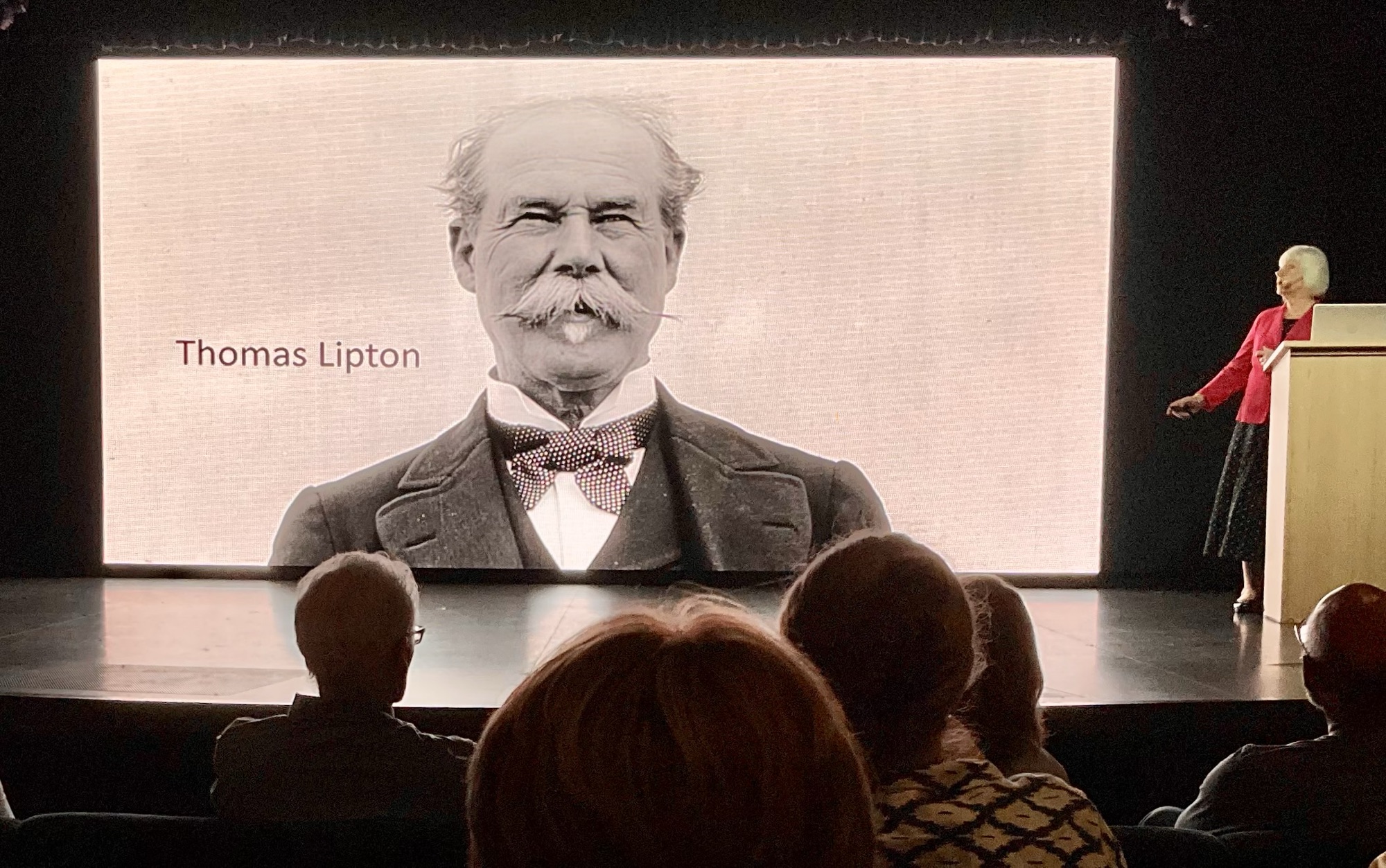
We learned that yet another Scot, Thomas Lipton, was the first (in 1898) to sell tea directly from his own plantation in “packets” instead of simply weighed out from bags. He had a catchy slogan, too: “direct from the tea garden to the tea pot”.
In 1958, Ceylon was granted independence, and in 1972 became its own republic, renamed Sri Lanka.
151 million pounds of Ceylon tea were being exported annually by the turn of the century. The country’s perfect climate conditions help to create the best tea in the world, and the leaves are still painstakingly hand picked. Sales of Ceylon tea in the Western world have far outstripped Chinese tea, which seems somewhat unfair since the plants were initially stolen from China.
I don’t love the history, but that’s also true of my equally beloved coffee.
Life is complicated.
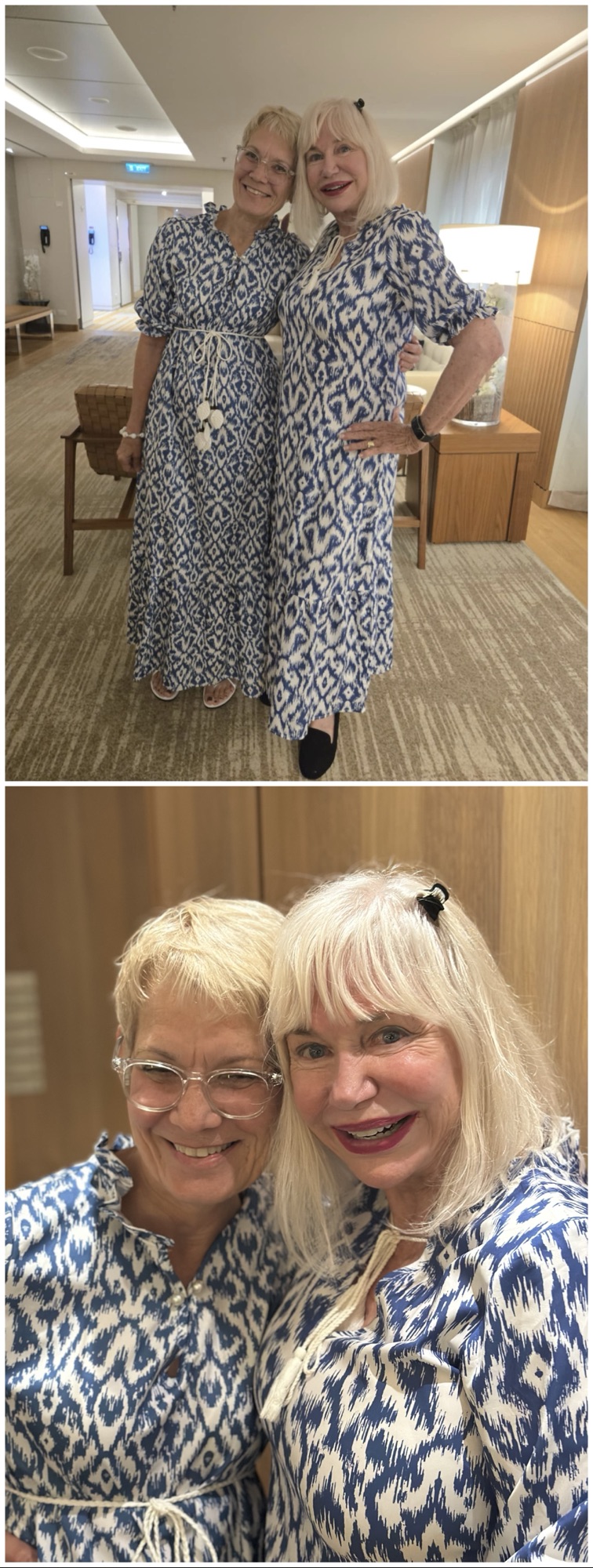
On the first of our two sea days we had a long anticipated dinner with Don and Katherine, friends from our last world cruise in 21/22. They’re an incredibly interesting and fun couple with whom it is always a joy to spend time. We realized a year or so ago that we owned matching dresses, so we used this occasion to be “twins” !
On smooth seas, and with lovely ocean breezes mitigating the evening heat, Viking offered one of their intermittent“Dancing Under the Stars” events. These are always fun because they feature the band, the Viking vocalists, and the vocal talents of our Cruise Director and Assistant CD, plus any officers who choose to join in. I danced with the ladies for about an hour, and then Ted and I headed to Torshavn to enjoy the Resident Guitarist and his quirky, wonderful repertoire of singer/songwriter numbers.
On our second sea day guest speaker Nitza Lowenstein did a talk on Sri Lanka’s culture and traditions. Nitza’s talks generally cover a lot of topics in broad overview, as opposed to delving into any one thing in detail, but the overview is always useful – especially when we’re heading into brand new (to us) territory.
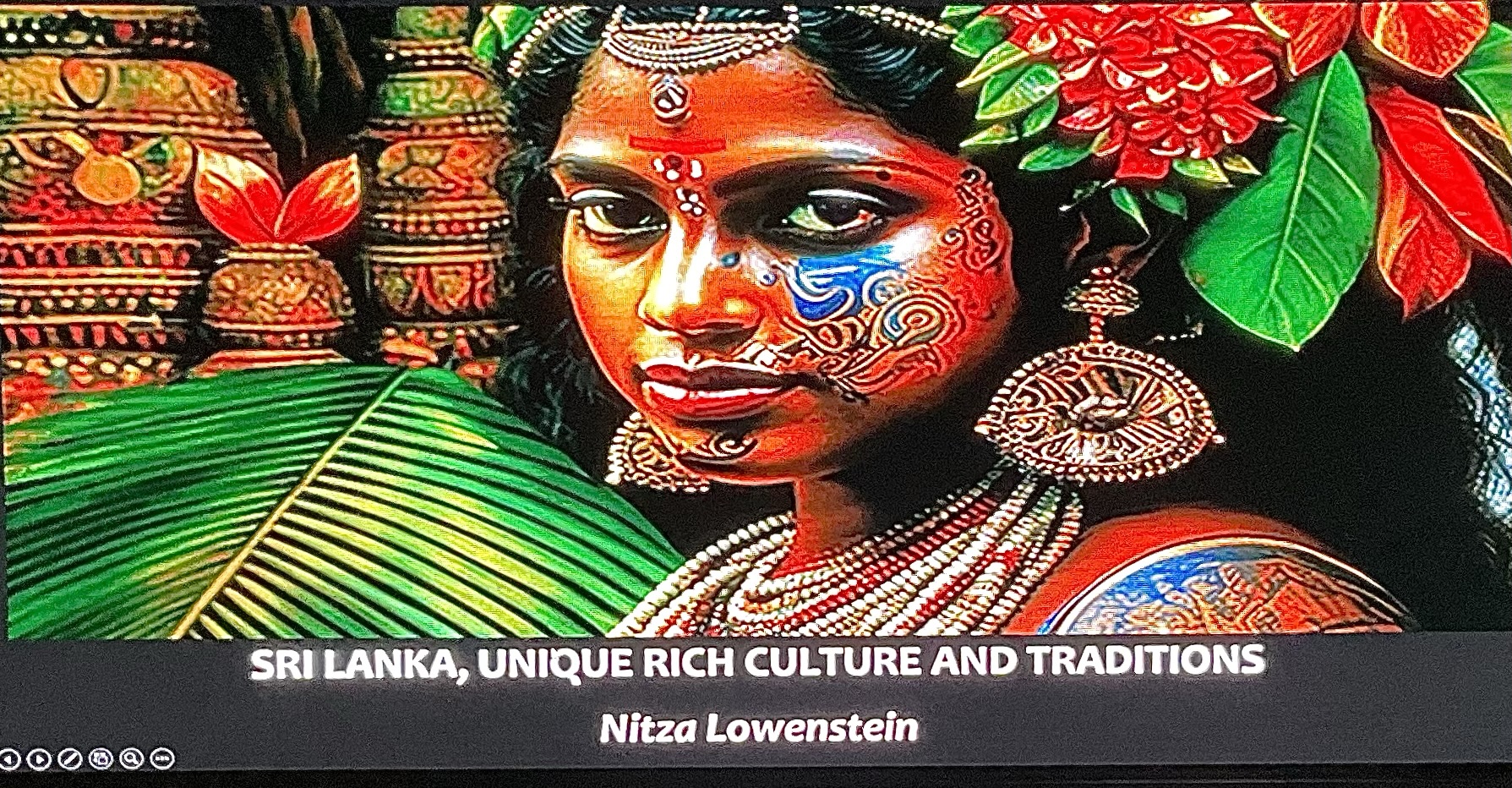
Sri Lanka means “beautiful island”. The former name, Ceylon, apparently came from a Portuguese pronunciation of “Serendip”, the Sanskrit/Arabic name of the island. That reminded me of one of my mother’s favourite words, serendipity, the phenomenon of finding something wonderful that was not actively sought; that could be something as mundane as a lost sock, or something as whimsical as a beautiful piece of vintage jewellery at a garage sale.
The Sri Lankan culture includes Islamic, Hindu, Buddhist, Portuguese, Dutch, and British influences in both its foods and architecture. The major ethnic group (at about 75%) in Sri Lanka are the “Sinhalese”, which means “of lion’s blood (lineage)” in Sanskrit. Tamils are the next largest group at about 15% of the population, and then about 9% are Islamic Moors. There was a bloody civil war from 1983 to 2009 when simmering ethnic tensions between the mainly Buddhist Sinhalese and the largely Hindu Tamil minority (who were there first) exploded. The current situation is peaceful on the surface, but not completely resolved. (More here, including how the period of British colonialism contributed to the tensions: https://hir.harvard.edu/sri-lankan-civil-war/).
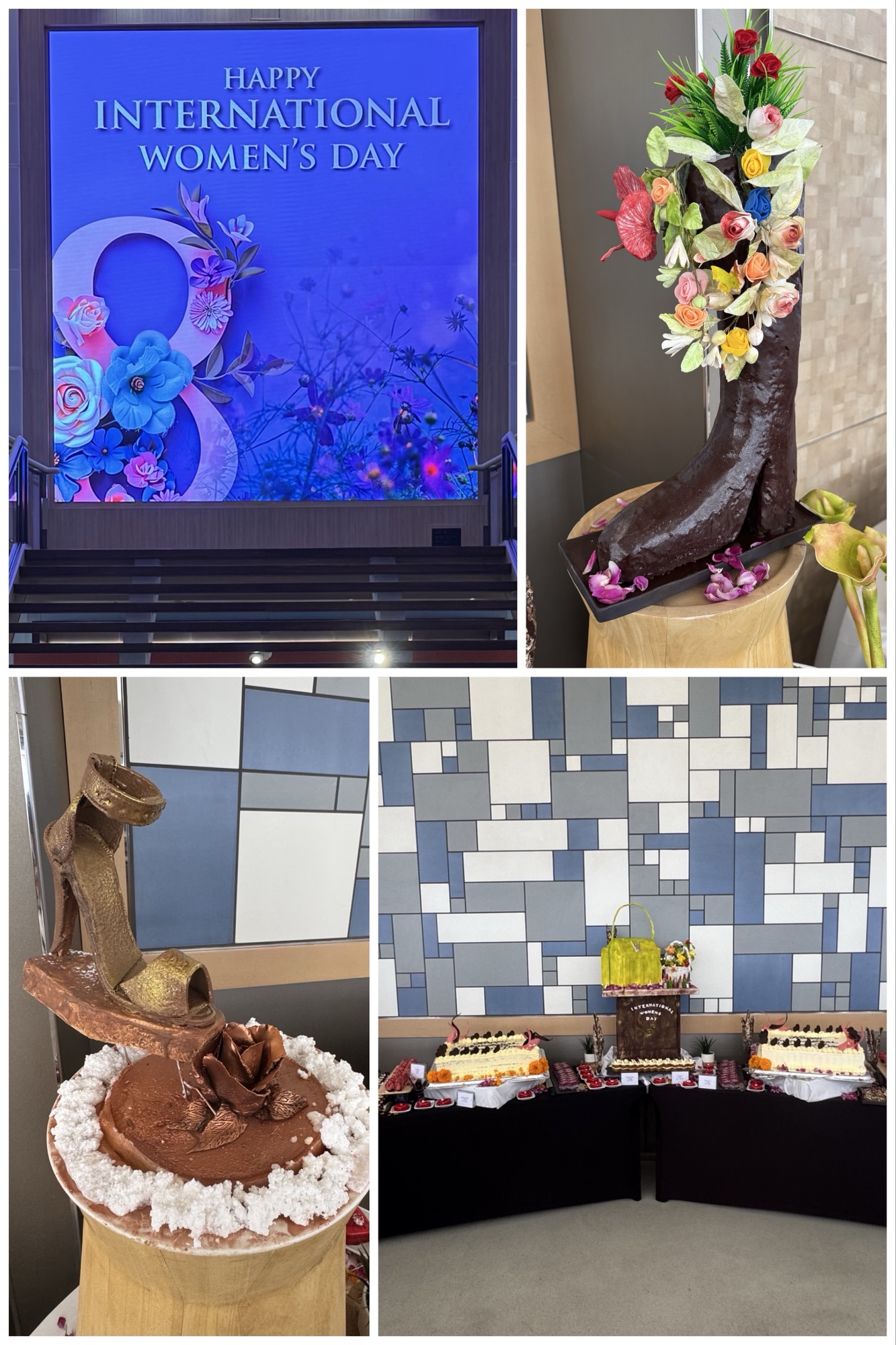
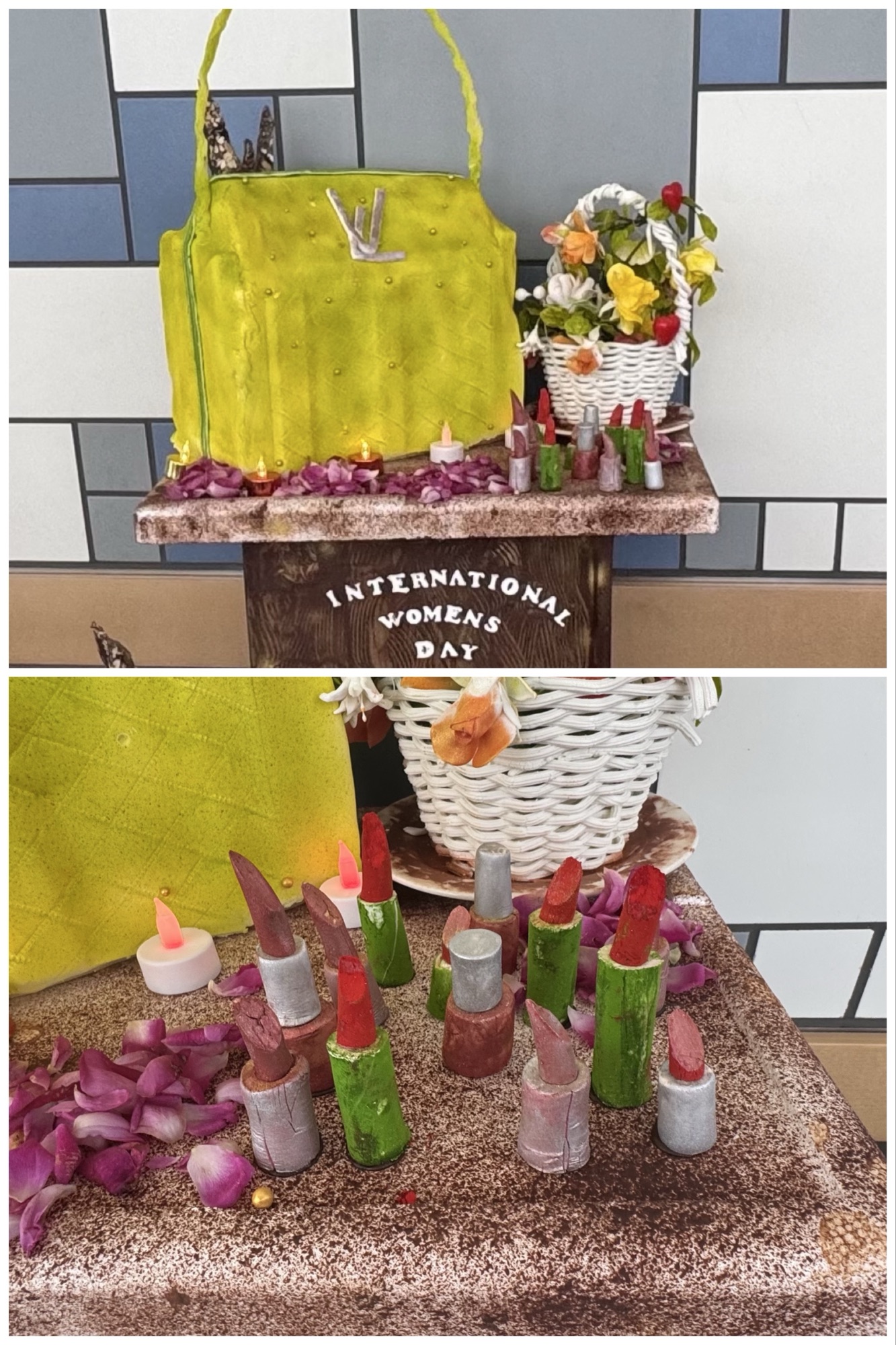
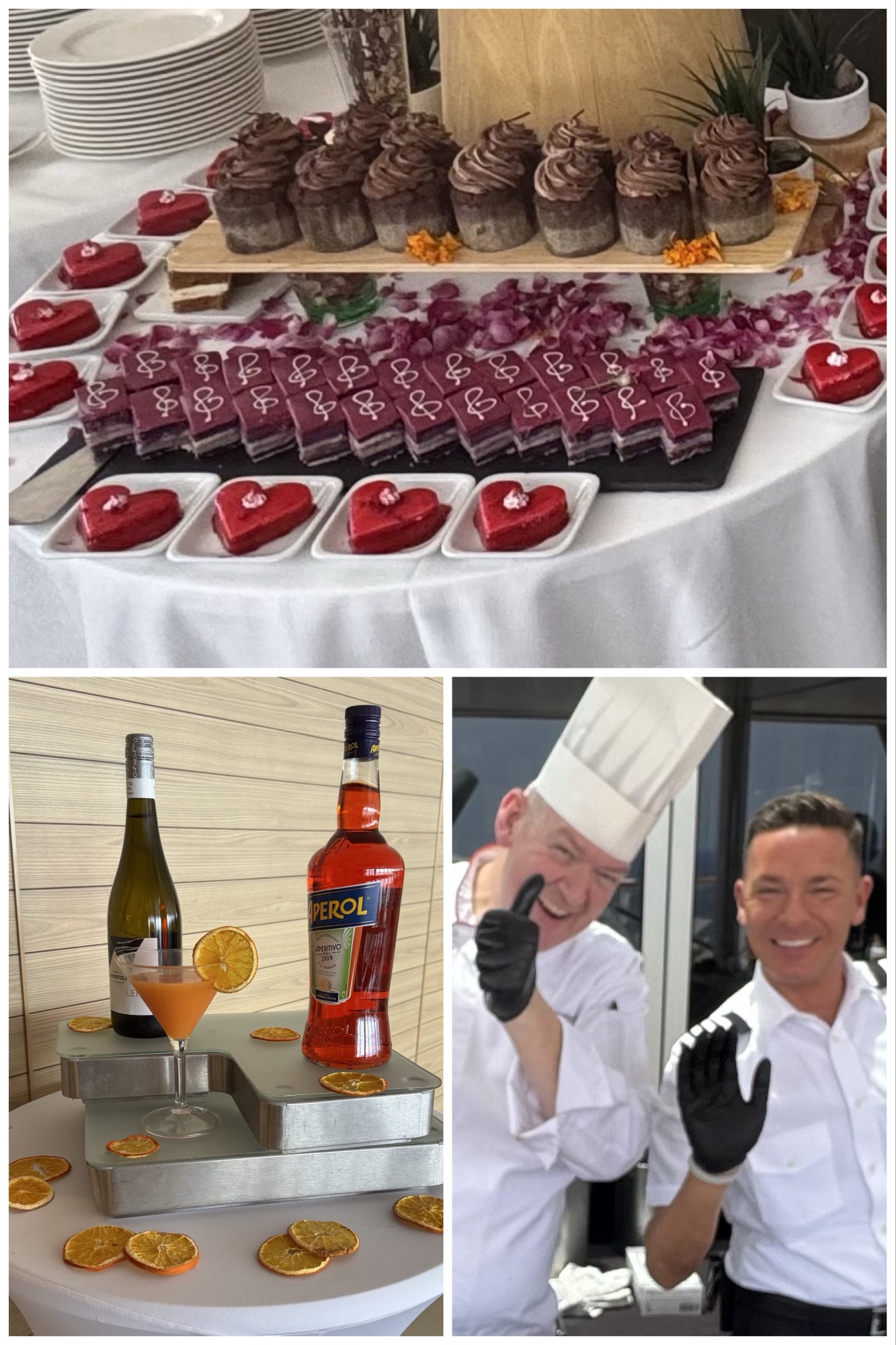
Our second sea day coincided with International Women’s Day. As per usual on a World Cruise where a conscious effort is made to ensure no one misses any significant days from their home countries, the main screen in the atrium was updated, and the culinary team created a special event.

chose vegetable green curry instead.
I had a pair of pants that needed hemming, and a top with a seam that had come undone. Guest Services made an appointment to have the onboard tailor, Rudi, come to our stateroom to get the details and take the items away to alter and repair … at no charge!! Needless to say, I’ll be giving Rudi a tip in the amount I’d expected to pay.
After a couple of hours of relaxing reading (finishing a really entertaining and funny sci-fi novel called The Kaiju Preservation Society), it was time for our Sri Lanka port talk, all about the logistics of our upcoming excursions and what to expect when we reach Colombo tomorrow.
By then it was time to change for dinner with Christine and Rob Rosenbloom, with whom we’ve struck up a new friendship.
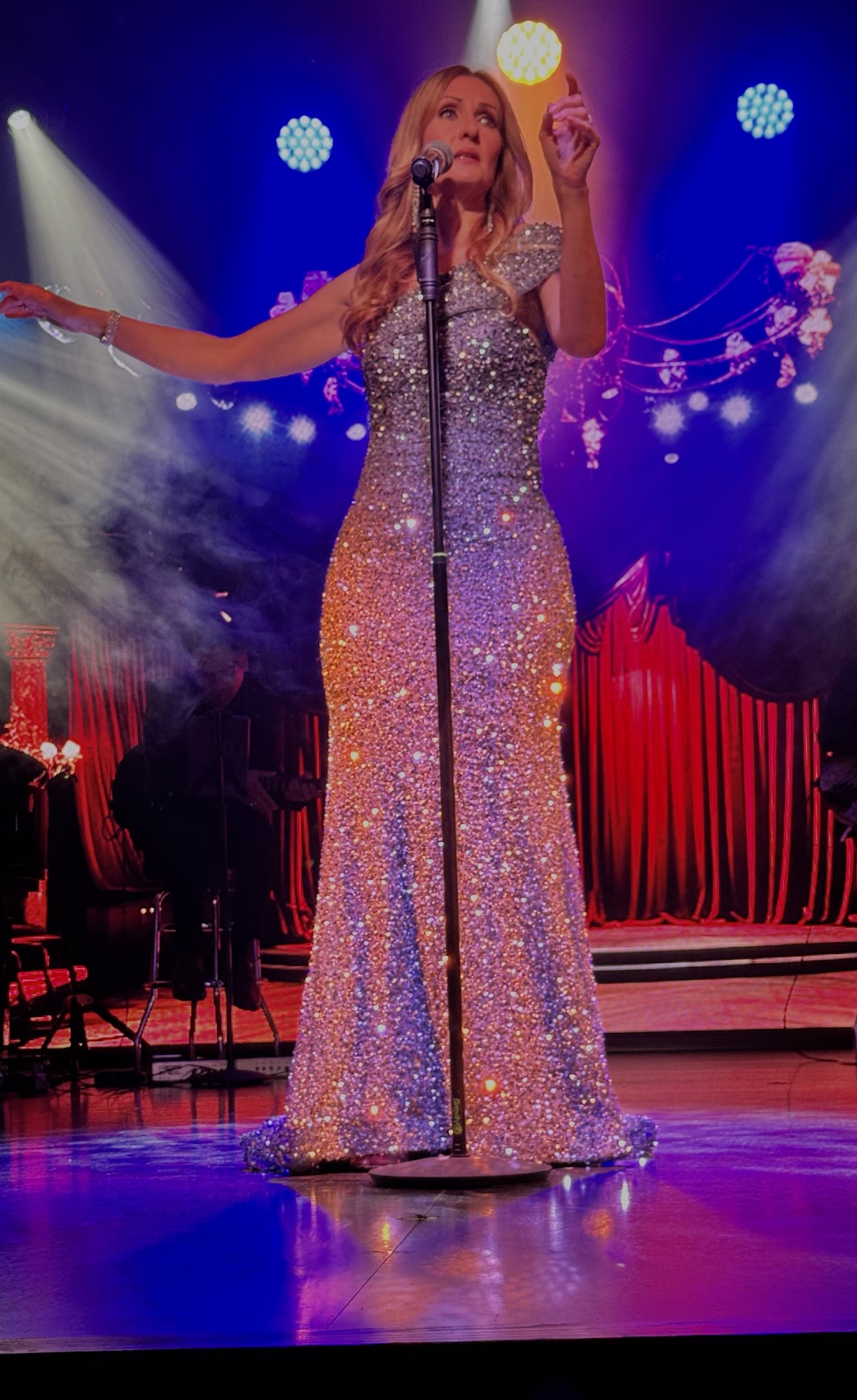
We don’t arrive in Colombo until after noon tomorrow (it’s an overnight stay), so there was no pressing need to get to sleep early. We took in Jennifer Gray’s wonderful show in the Star Theatre, and then closed out the night with guitarist Alan Jenkins again, following him from his first set in Torshavn on Deck 2 to his last one in the Explorers Lounge on 7.
 Rose and Ted’s Excellent Adventure