Just because we’re travelling the world, exploring new countries, and busy with friends and activities every day doesn’t mean I’m totally neglecting my reading.
Here are the books that have kept me company around the world so far:
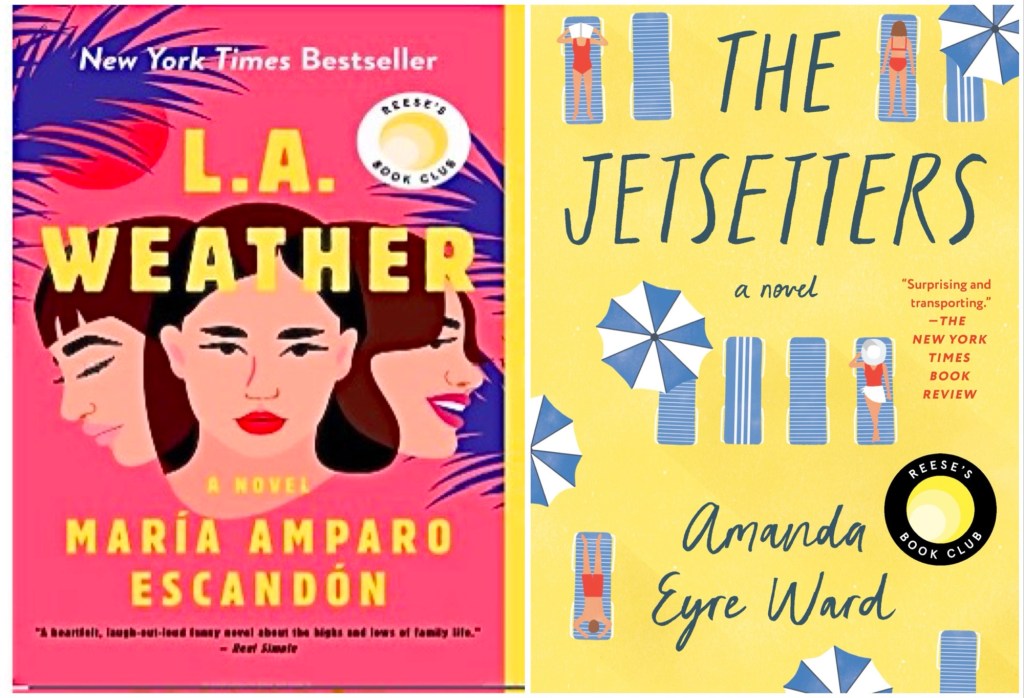
L.A.Weather, by María Amparo Escandón, is as convoluted and satisfying as a Mexican telenovella. While the patriarch of this Mexican American family seems to his family to be losing his grip on everyday life, his wife despairs of ever rekindling his interest in their marriage, and their three adult daughters add to the drama by almost simultaneously announcing that they are divorcing their husbands. Add in the dramatic southern Californian weather with its droughts and wildfires, and the father’s unhealthy obsession with The Weather Network, and just keep reading as it all unfolds one day at a time – exactly like a soap opera… or the weather!
The Jetsetters, by Amanda Eyre Ward, made it onto my reading list solely because was set on an over-the-top stereotype of a cruise ship, the “Splendido Marveloso”, on an itinerary in the Mediterranean. The premise is that when 70-year old widow Charlotte wins a cruise by submitting a sexy essay to a “Want to be a jet-setter?” contest, she invites her 3 estranged children to come along in hopes of reconciling them. Unfortunately, none of them really want to be there, and their complete disinterest in the exotic cruise ports is obvious. The book runs the gamut from darkly funny to gut-wrenchingly sad, with sometimes painfully stark insights into the flawed personalities of it’s all-too-realistic characters. Somehow (despite all the self-absorbed, broken, needy characters) it shouldn’t have been, and yet was, a thoroughly enjoyable read, with a nice twist.

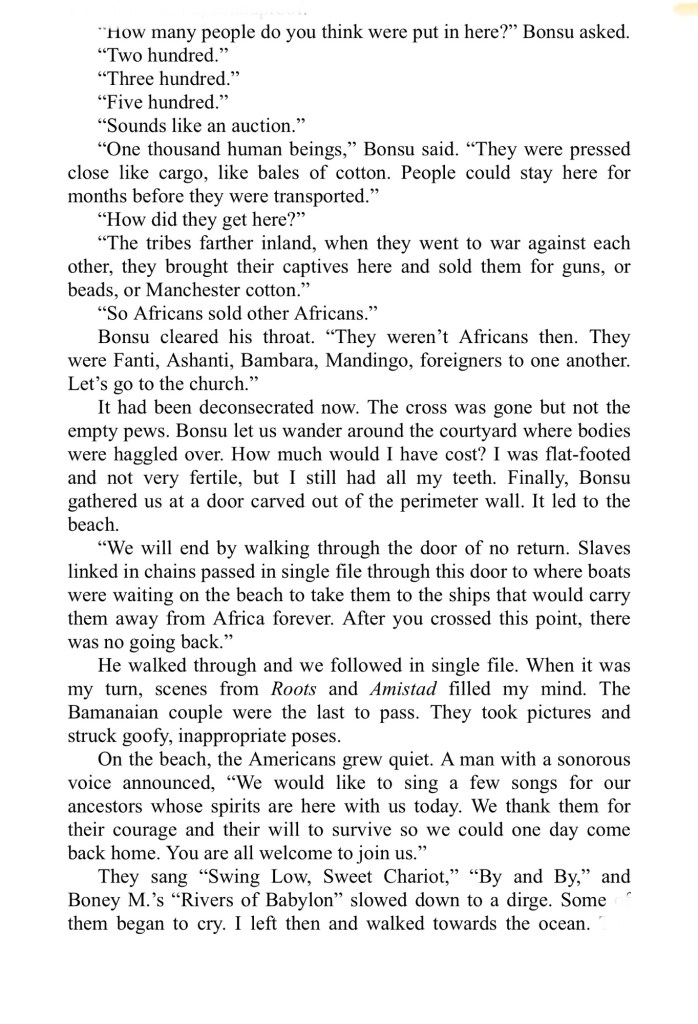
“The sankofa is a mythical bird that flies forward with its head facing back. It’s a poetic image but it cannot work in real life.” (Chapter 29, pg 221)
In Sankofa, author Chibundu Onuzo tells the story of a mixed race 50-ish British woman who, after her mother’s death, goes on a journey of discovery about her own past, inspired by finding the diary of the father she never knew (Francis Aggrey) hidden in her mother’s trunk of documents and memories. Sometimes we are so fixated on the racism on North America that we forget about how prevalent it was in the seats of all the colonial powers. Through Anna’s journey we also get insight into Francis, from his time as a university student in England in the late 1960’s, through his return to Western Africa as an activist, to his reinvention as Kofi Adjei and subsequent election as the first Prime Minister/President – Dictator? – of Bamana (a semi-fictional country based on the Bamana Empire, which was one of the largest states of West Africa in the 18th century). While the novel of necessity focuses on African politics during the period of de-colonization, it is first and foremost the story of a woman coming to better understand her identity. It definitely makes the reader think about how much each of us is, or isn’t, a product of our parents.
The novel itself was fascinating, and made more-so because I knew we’d be visiting West African countries with histories that mirrored Bamana’s: Portuguese colonization, slavery, revolution, and a rocky path to democracy and reclaimed self-governance.
This page is one that resonates with seeing São Miguel fort in Luanda, Angola, which was a major site for slave traffic that was exported to Brazil. (Add episode #)
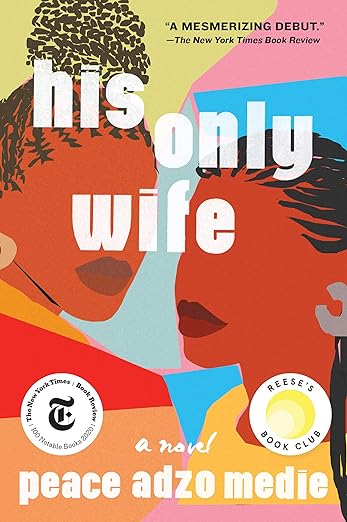
Well, THIS was a different take on the institution of arranged marriages! Afi, the main character, is a poor, beautiful, Ghanaian seamstress, who is married off to Elikem Ganyo, a handsome wealthy businessman. It seems like an advantageous match. The first hint that things might not be all unicorns and rainbows is when Afi’s husband is too busy to attend his own traditional marriage ceremony (he sends his older brother to stand in as a surrogate groom). It turns out that Elikem is already in a serious longterm relationship – and has a daughter – with Muna, a Liberian woman of whom his family disapproves, and the entire reason behind the arranged marriage is to distract Elikem to the point that he will tire of his relationship with Muna. The book provides interesting insights into Ghanaian culture, and the power that women wield.
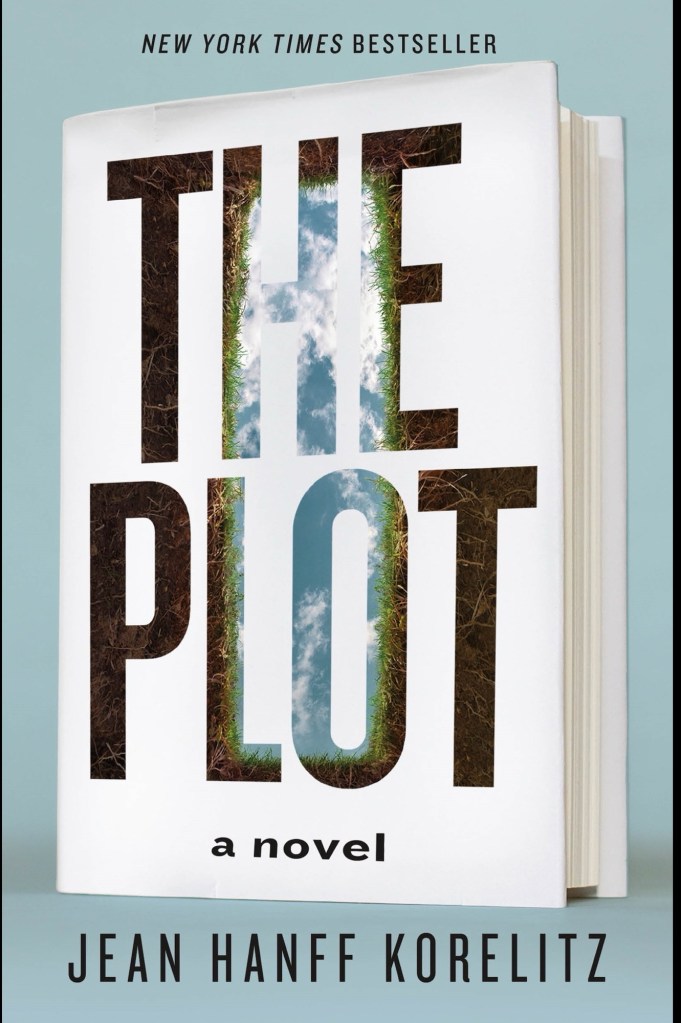
The title of The Plot, by Jean Hanff Korelitz, is a nice play on words, since this mystery/thriller involves an author who steals the idea for the plot of his latest novel from an idea that came from a former student, and is then himself the subject of an extortion plot that eventually leads to his murder. There are lots of moral conundrums, and clever plot twists, that keep the book interesting – although maybe I read too many mysteries, because I figured out the biggest twist less than half way through. I’m not sure I’ll rush out to read the next novel in the series, predictably entitled The Sequel, but I did enjoy this first instalment.

I enjoyed The Yiddish Policemen’s Union so much that I just had to try another of Michael Chabon’s books. Unlike that book, this one is not an alternate history, but a “straightforward” novel about two families – one Black and one Jewish – the husbands co-owning a vintage vinyl record store in the Oakland/Berkley area of California, and their wives working as midwives in the same neighbourhood. Set in 2004, in what may be the last days of the record store, there are lots of flashbacks, some pretty hilarious and quirky character vignettes, and a tangle of sub-plots, including lunch in a blimp and a cameo by Barack Obama. Race, marriage, paternity, pop culture, and community gentrification all take a turn as themes within the book, but I admit to most enjoying the numerous references to the music being sold in the record store. It was an entertaining read, although chapter 3’s CHAPTER-long stream-of-consciousness run-on sentence, punctuated only by dozens of commas, got a bit overwhelming. Overall an interesting read, but in my opinion not nearly as good as The Yiddish Policemen’s Union.

It seemed apropos to read this book before visiting Honolulu and taking the tour of Pearl Harbour. I knew a little bit about the Japanese attack of course, but coming from a Commonwealth country that had already been involved in World War II for over 2 years (since September 10, 1939) before that event, and being the daughter of immigrant parents who lived their childhood and teenage lives in Europe for the war’s duration, I was much more familiar with the events in the European theatre than in the Pacific.
This true account, written in a very readable style (like a spy novel, or Michael Chrichton style “scenes”, but fully annotated footnoted), and really helped put Americans’ – and most especially Japanese-Americans’ – emotions around Pearl Harbour into perspective. The first third of the physical book, in novel style, focuses mostly on the role of Japanese Americans in helping the US win their war against Japan. The second 2/3 is appendices and footnotes, detailing the real lives of the main players, the creation after WWII of the NCIS (Navy Criminal Investigative Service), and the many sources used to ensure the story being told was accurate.
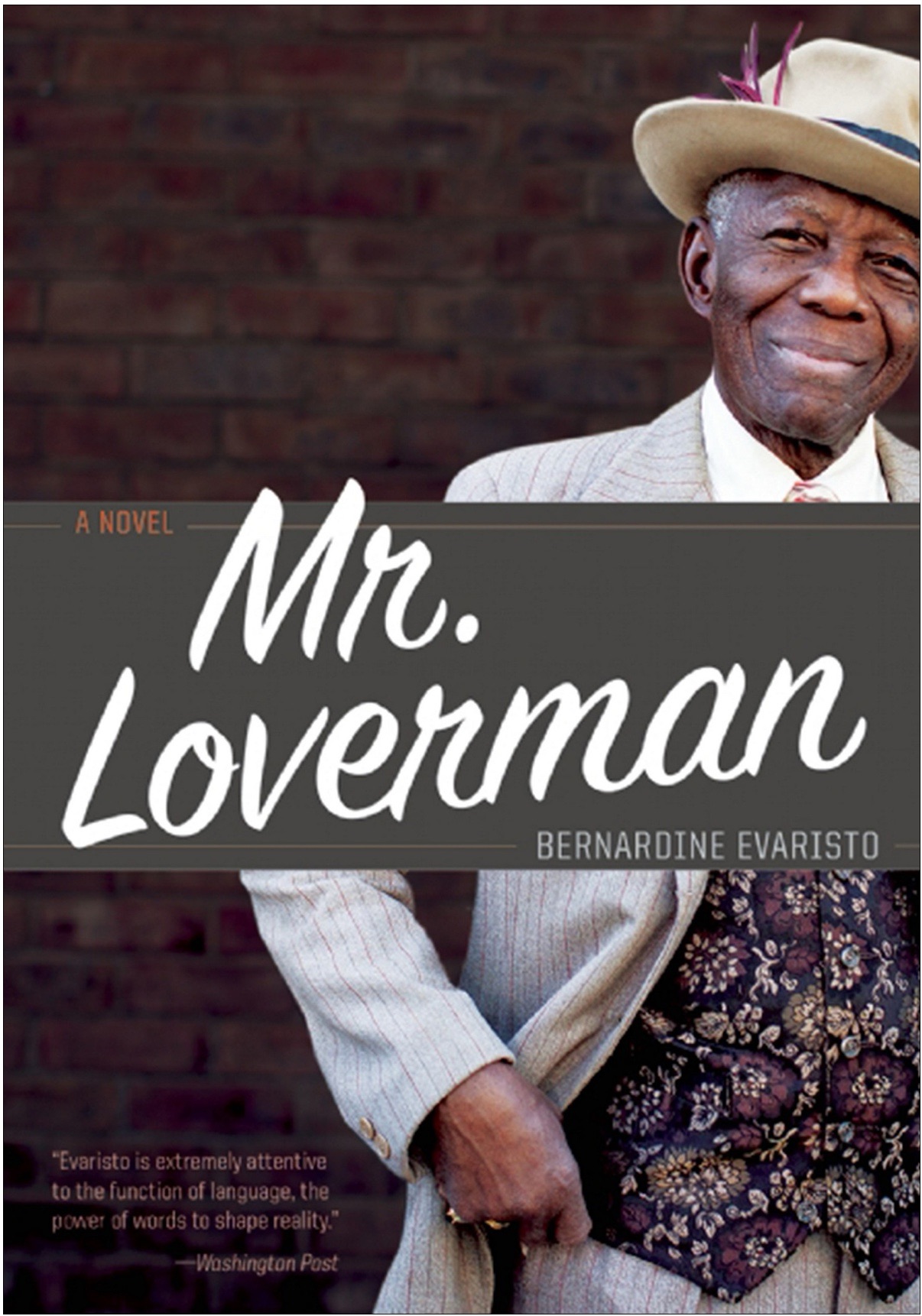
British-Nigerian author Bernardine Evaristo’s 7th novel Mr Loverman explores the life of Britain’s older Caribbean community, through the perspective of a 74-year-old Antiguan-Londoner and closet homosexual, who is wrestling with finally telling his wife of 50 years the truth. We’re let inside his thought process as he reflects back on his double life with both sadness and humour. I especially enjoyed the rhythm of the language in the book, and the winning personality of the narrator.

This Side of Murder is the first in a series of books featuring Verity Kent, a young war widow and ex British Secret Service Agent, as its protagonist. I really wanted to love it so,that I’d have a new series to read, but although the characters and plot were interesting, I really didn’t love the first person narration full of details that sometimes seemed like just a way to up the word count – the colours and fabrics of individuals’ clothing or specific room decors, for instance – that did nothing to move the plot forward. Nonetheless, a remote English location, an engagement party with a strange guest list, and echoes of a wartime intrigue were full of possibilities. It was a quick read, and reasonably entertaining, but did not leave me wanting to come back for more.

I’d been overdue for a really good Victorian-era detective novel and Tim Mason’s The Darwin Affair really hit the spot. It’s got all the required elements: a canny detective, a Dickensian cast of characters (the very creepy Decimus Cobb, apprentices, mudlarks, policemen, bar-keepers, and actual historic figures like Charles Darwin, Thomas Huxley, and Bishop Samuel Wilberforce), a conspiracy that involves the royal family, and lots of plot twists and turns. Absolutely omarvellous!
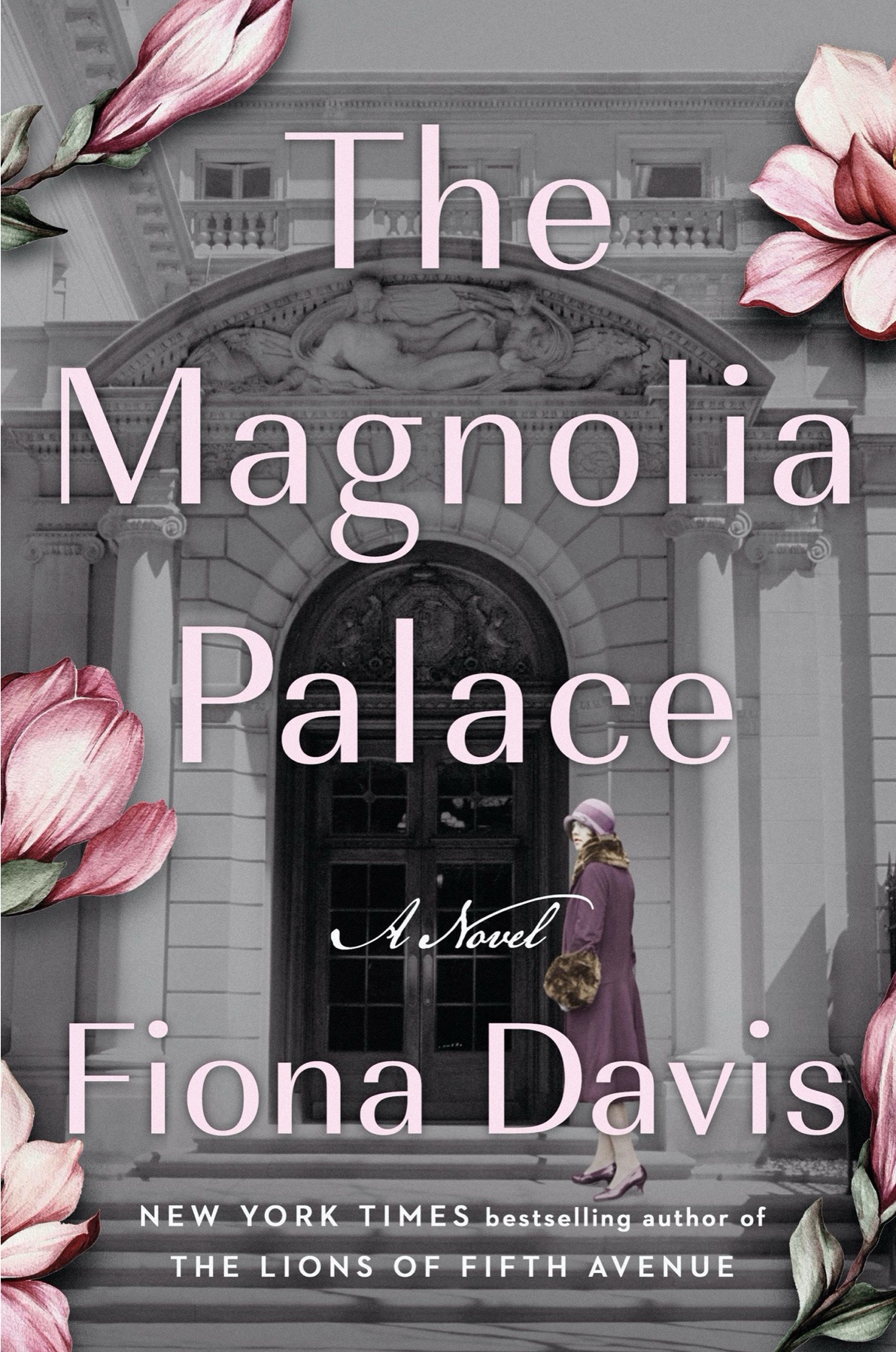
I absolutely love Gilded Age architecture (the period in the U.S. that corresponds to what we in Canada would call Victorian), so a novel in which New York’s iconic Frick Mansion takes centre stage was irresistible. The parallel stories of a 1910’s artist’s model, a 1960’s fashion model, a family drama, and a legendary diamond unfold against this gorgeous background.
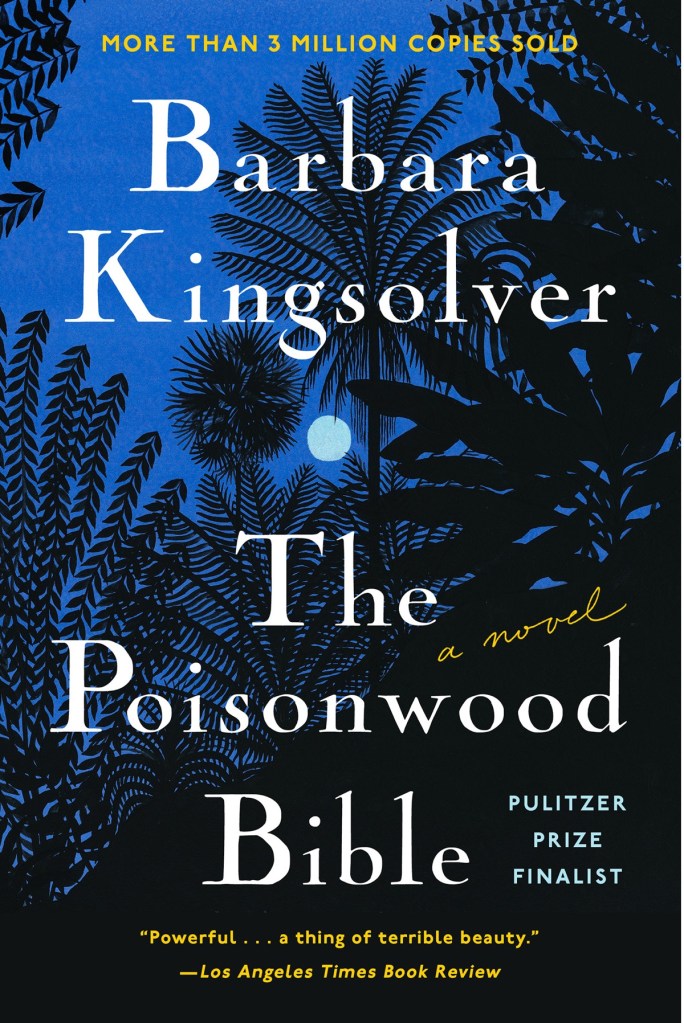
What a book to read on a cruise that will take us around Africa! This was our shipboard book club’s choice: a profoundly disturbing and yet at times profoundly funny story of a misguided Baptist preacher who takes his family to the Congo in 1960, in the midst of that country’s fight for independence from Belgium. The facts of American political interference in Zaire (Congo) Angola and South Africa, Cold War politics, racist attitudes, and the capitalist machinations behind cobalt mining and blood diamonds are deftly interwoven into the narratives of the 5 women – a wife and 4 daughters – of the preacher whose belief in God makes him blind to humanity. It’s an uncomfortable read for many, but absolutely worthwhile. I highly recommend it!
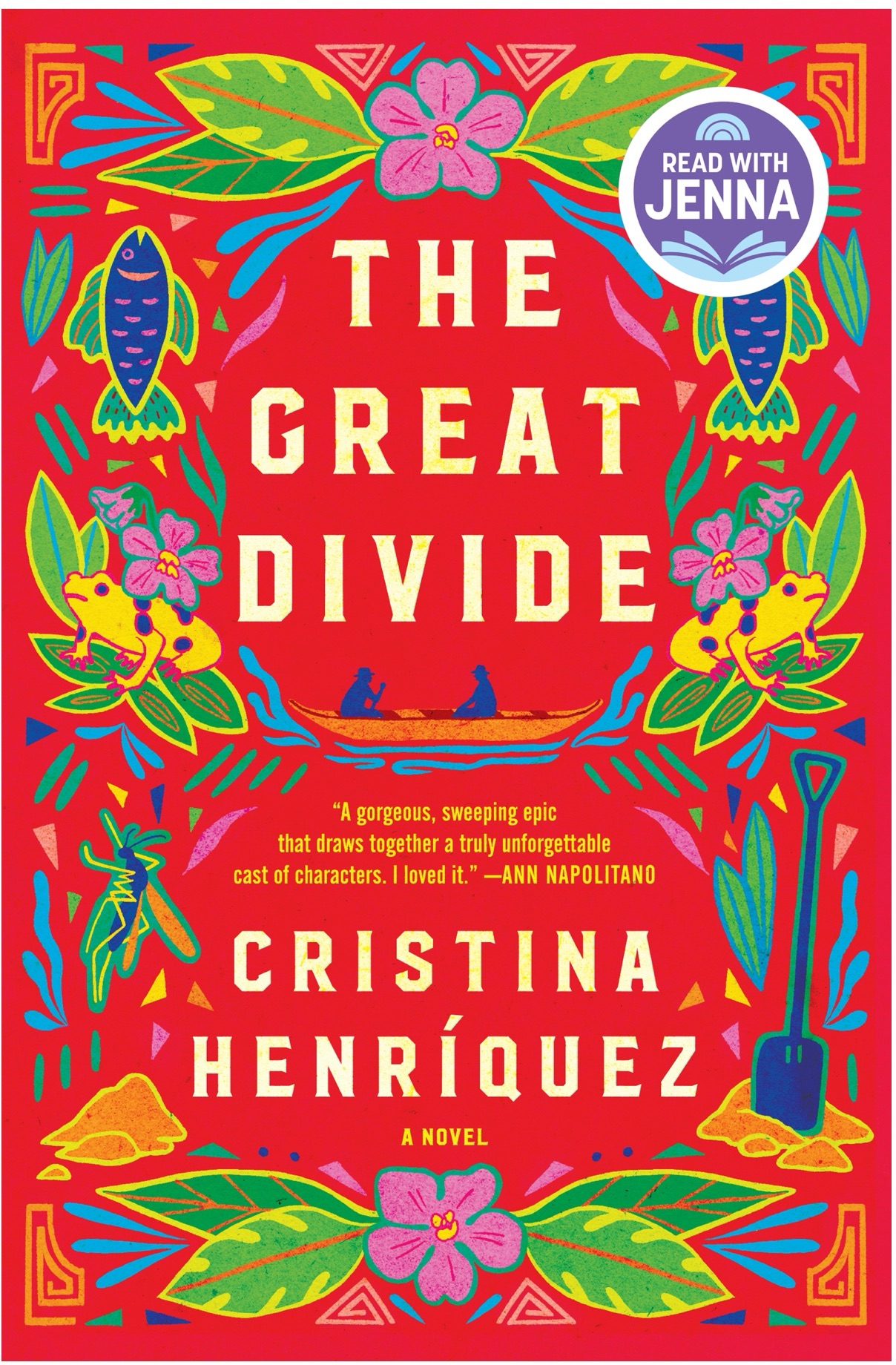
I missed reading this book prior to our latest transit of the Panama Canal, but it’s never too late to- or the wrong time – to read a good historical fiction novel. This one focuses on the concurrent events of the brutal manual labour involved in the building of the Panama Canal, and the struggle to find a way to prevent and cure malaria. As with any really good historical fiction, the underlying facts are well researched and interestingly presented, and the fictional characters and dialogue feel absolutely real. The perspective of Panamanians, instead of industrialists, is eye-opening.

It’s Oxford University, in England, in the year 2060, and time travel is a reality. There are researchers being dropped into and retrieved from the Crusades, Pearl Harbour in 1941, and The Blitz in London, among other places and times. But why are the time travelling “historians” dropped into WWII England suddenly not being retrieved? I loved the intertwined stories and the different perspectives they lent to what was happening to civilians during the war.
What the person who recommended this book to me didn’t say was that at almost 600 pages it was only part one, and ended on a “to be continued” cliffhanger. While I enjoyed the book, I didn’t love it enough to go on to part 2 (All Clear).
Things have gotten busier in March, with more new ports to visit and lots of long excursions. My poor reading list is likely to get neglected for a while.
 Rose and Ted’s Excellent Adventure
Rose, Thank you so much for the reviews. I always like finding new recommended reads and have already loaded a couple to my Kindle. Your and Sarah’s blogs have been so helpful as we begin thinking about our own WC journey scheduled 26-27. It seems so far away, but I know it will be here soon.
Thank you, Melanie
LikeLiked by 1 person