Today we took Viking’s 4 hour included introduction to Singapore via a panoramic tour. It was one of the best included tours we’ve done, mostly because of our excellent guide.
Singapore was known in the 13th to 14th century as Temasek, with its name being changed to Singapura (Sanskrit for “lion city”) towards the end of 14th century by Sang Nila Utama, the founder of Kingdom of Singapura. The island was alternately claimed during this period by the Siamese and the Javanese.
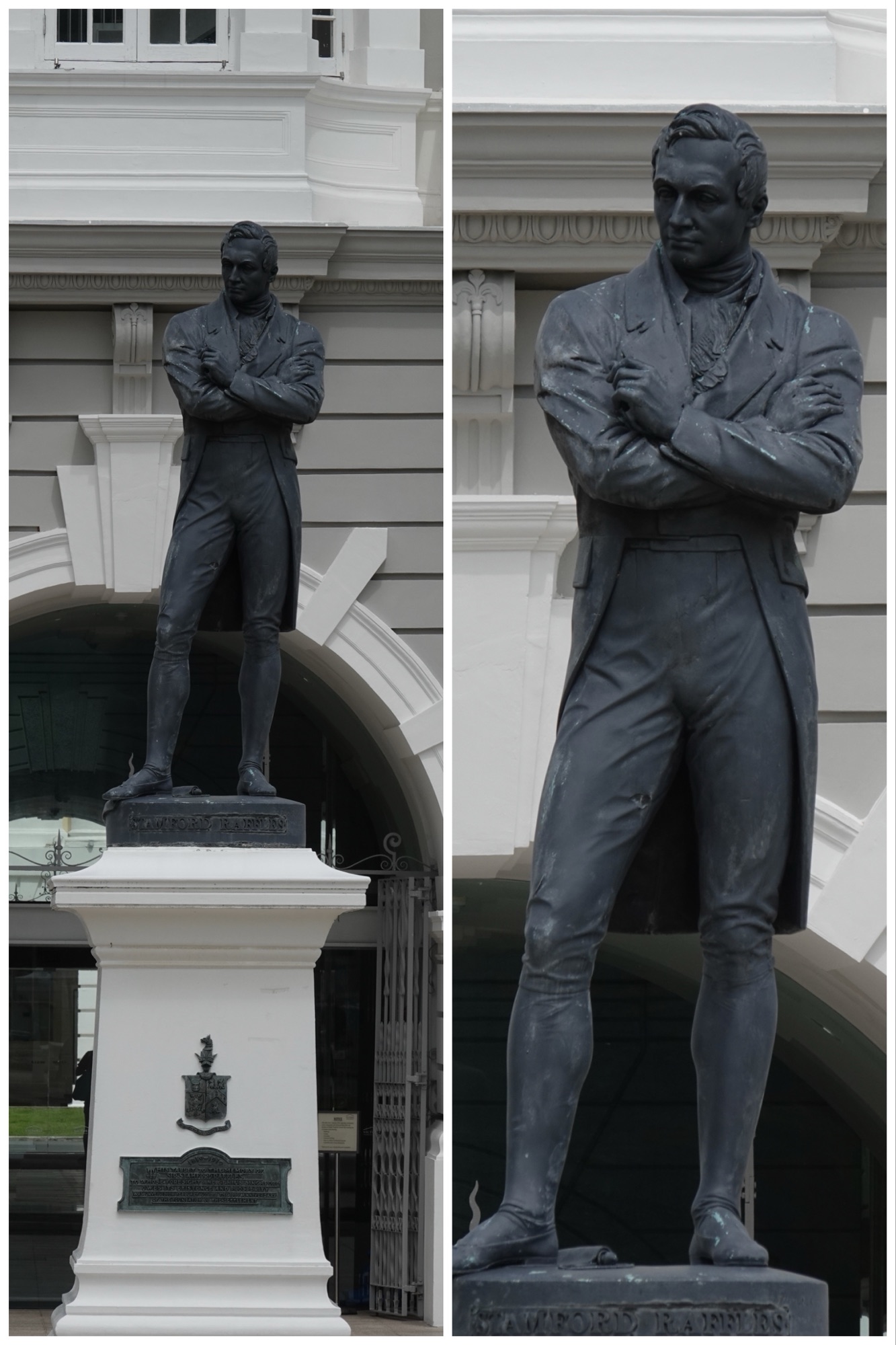
When Stamford Raffles arrived in 1819 looking for an advantageous trading post for the East India Company, it was estimated that there were around 1,000 people living in the whole of the island. Had the Dutch East Indies Company found it first, the island nation’s history may have been completely different, but by 6 February 1819, a treaty had been signed with the island’s Sultan and British Singapore was born.
For an island that is only 35×55 km in size, Singapore now packs in 6 million people: 4 million residents, plus another 2 million students, itinerant workers, tourists, and expats.
English rule was interrupted between 1942 and 1945 when the Japanese conquered the island, and re-established after the war, lasting until 1959. After the British left, there was a brief period of time when Singapore might have become combined with Malaysia or Indonesia, but due to irreconcilable differences, in 1965 Malaysia terminated the potential union and Singapore declared its full independence.
In the Colonial area of the city, huge new bank buildings and 5 star hotels soar among older buildings that date to the turn of the 19th century, but before reaching that area we had a short drive from the port during which our guide gave us all kinds of information about Singapore.
There is lots of public housing in Singapore, and there is no stigma attached to living in it. A typical public housing building has about 200 units, each averaging 1000 sq ft with 3 bedrooms and 2 bathrooms.
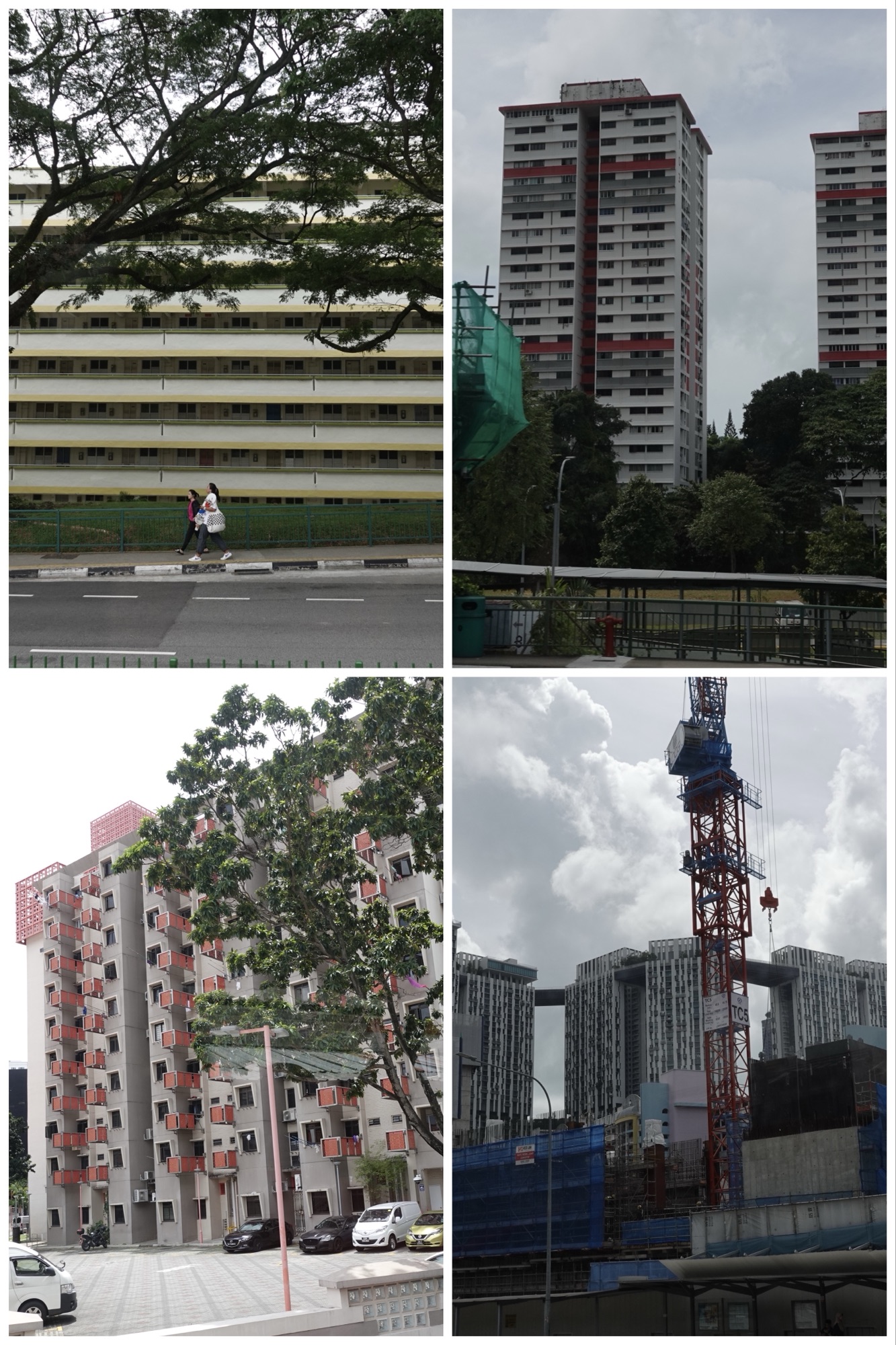
Each apartment currently costs about $500,000 Singaporean to buy, at a government subsidized favourable mortgage rate of about 2.6%, fixed for 30 years. The initial down payment often comes from “mandatory” savings; since there is no pension plan or social security, every employer takes 20% from each employee’s paycheque and adds another 17% to that. That money gets put into savings intended to cover housing, health care, and retirement. Employees can take money out at any time based on their needs.
The government prefers people to own property, assuming they will take better care of what they own, but some cannot afford even the public housing and must try to find affordable rentals, which can be very difficult. Our morning guide told us that unemployment sits at around 10%; our afternoon guide said 2%. Singapore does not release official numbers, but the World Bank suggests 10% based on the high cost of living.
Public housing is not just for low income people. Every married couple is entitled to buy one unit; a single person can buy one if they are over 35 years old. Both our guides joked that in Singapore a marriage proposal does not involve roses and chocolate, but instead contains the words “do you want to sign up for an apartment with me?”. From the date of application until an apartment is assigned can be up to 3 years, leaving time to save up for wedding costs!

By contrast, a private (non-government built) residence of the same size might have a few more features, and a prettier exterior, but would cost $1.7-2 million. Given that the average salary of a new university graduate is about $4K per month, going up to $5-6k per month after 5 years ($72K per year), it’s obvious why so many successful employed people still prefer to live in public housing. On our second tour of the day, that guide told us that eligibility for public housing tops out at a family income of $100K per year – at the time of filling out the application.
In either case, “ownership” does not include land, and is sold in the form of a 99 year lease that can be passed down as inheritance, but only for one generation.
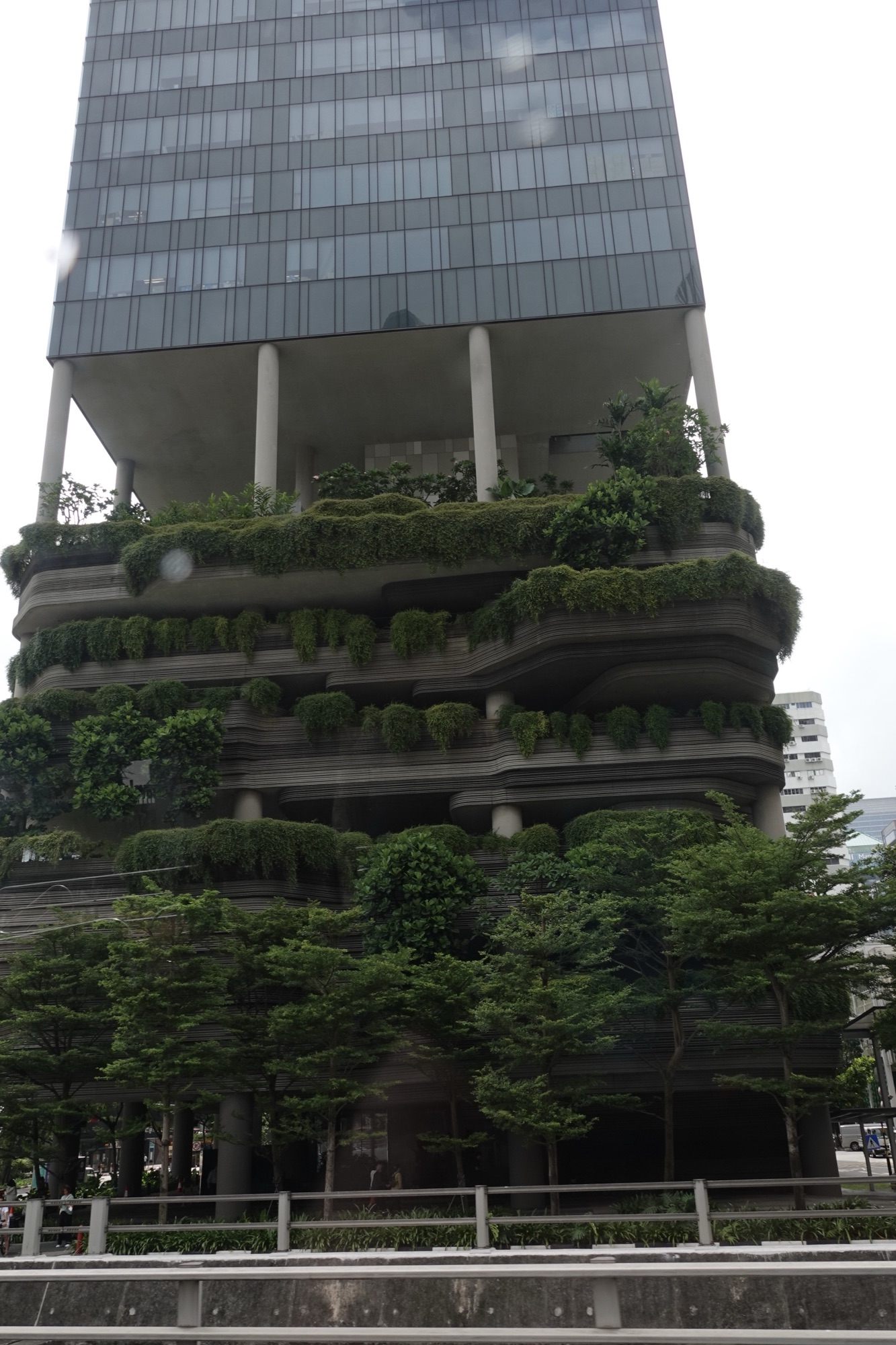
Public housing looks fairly plain, especially when compared to some of Singapore’s spectacular architecture, but there is an emphasis on being green.
The country still uses a modified British parliamentary system, a British education model, and has retained English as its first language.
Singapore’s education system is consistently rated as one of the top in the world. After 3 years of optional pre-school, children go to school for 12 more years: 6 primary, 4 secondary, and 2 college prep. Education is in English first, then Chinese, Malay, or Tamil, depending on their ethnicity. There was no indication that the second language could be chosen as opposed to assigned. All boys must serve 2 years of national military service before university or work; girls may go straight from prep school to their next step. All universities are public and subsidized so that they cost just $18-20K per year.
After taking in all that information, it was time for our first walking stop, around Merlion Park at Marina Bay, which is adjacent to the old British centre of operations.
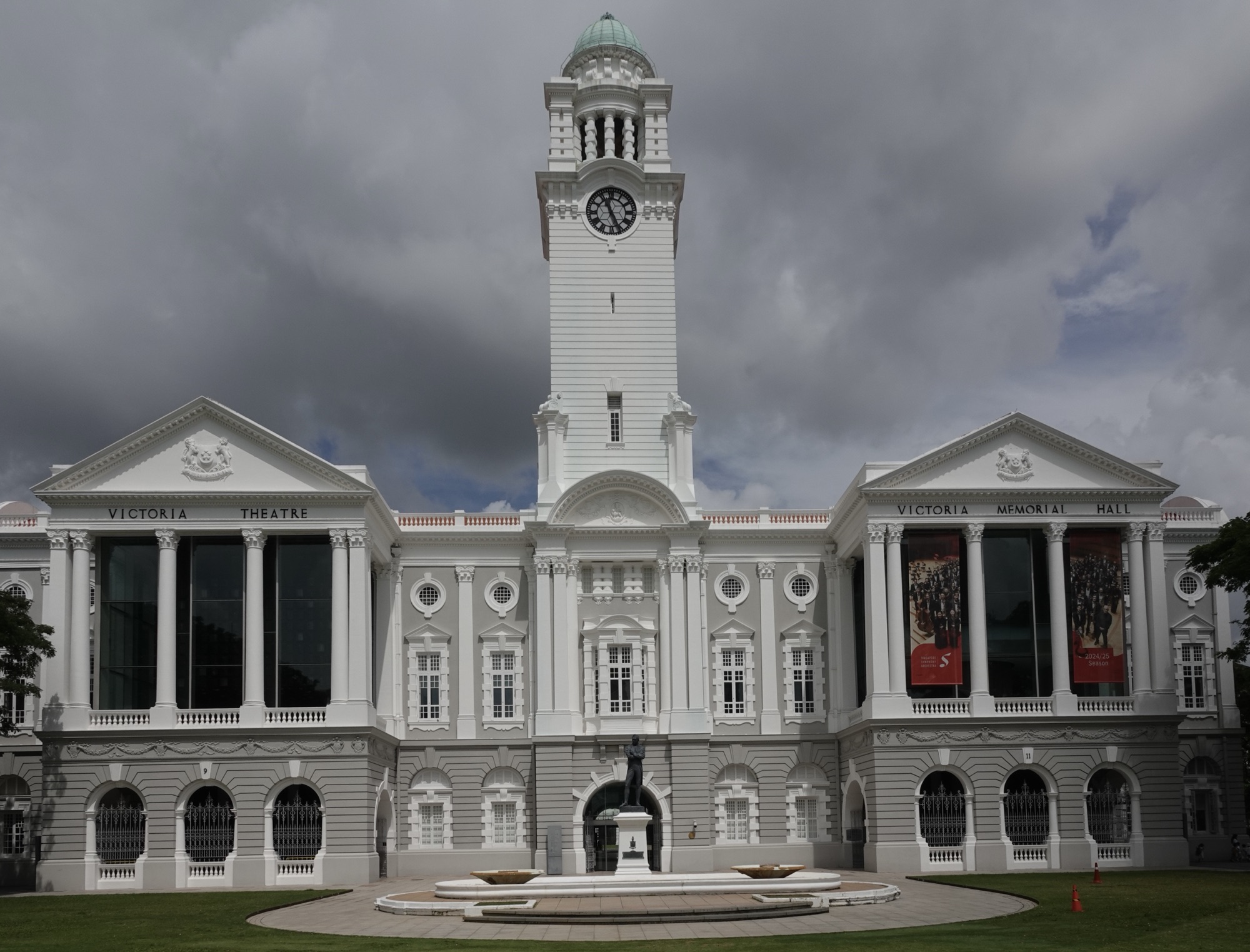
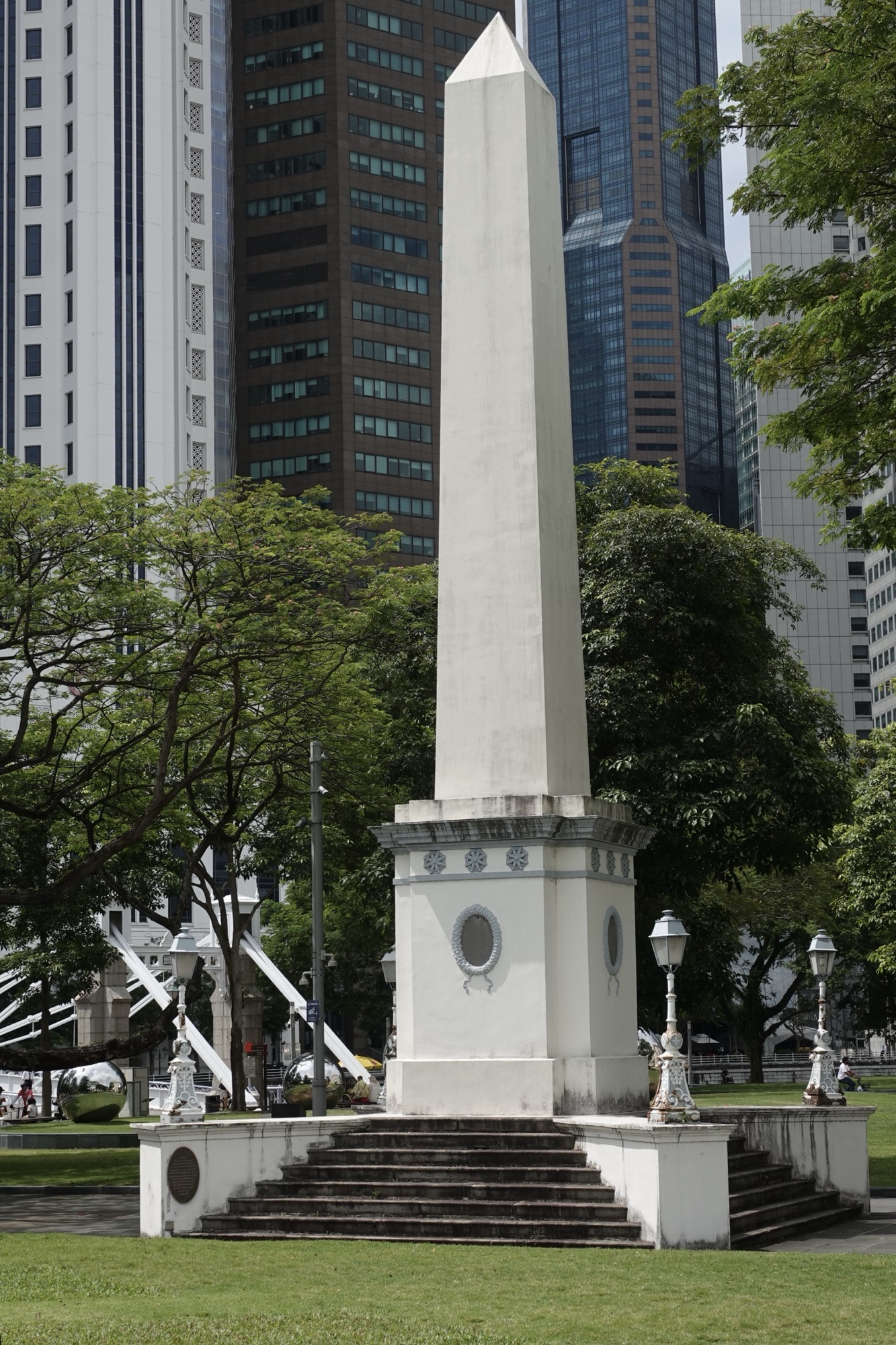
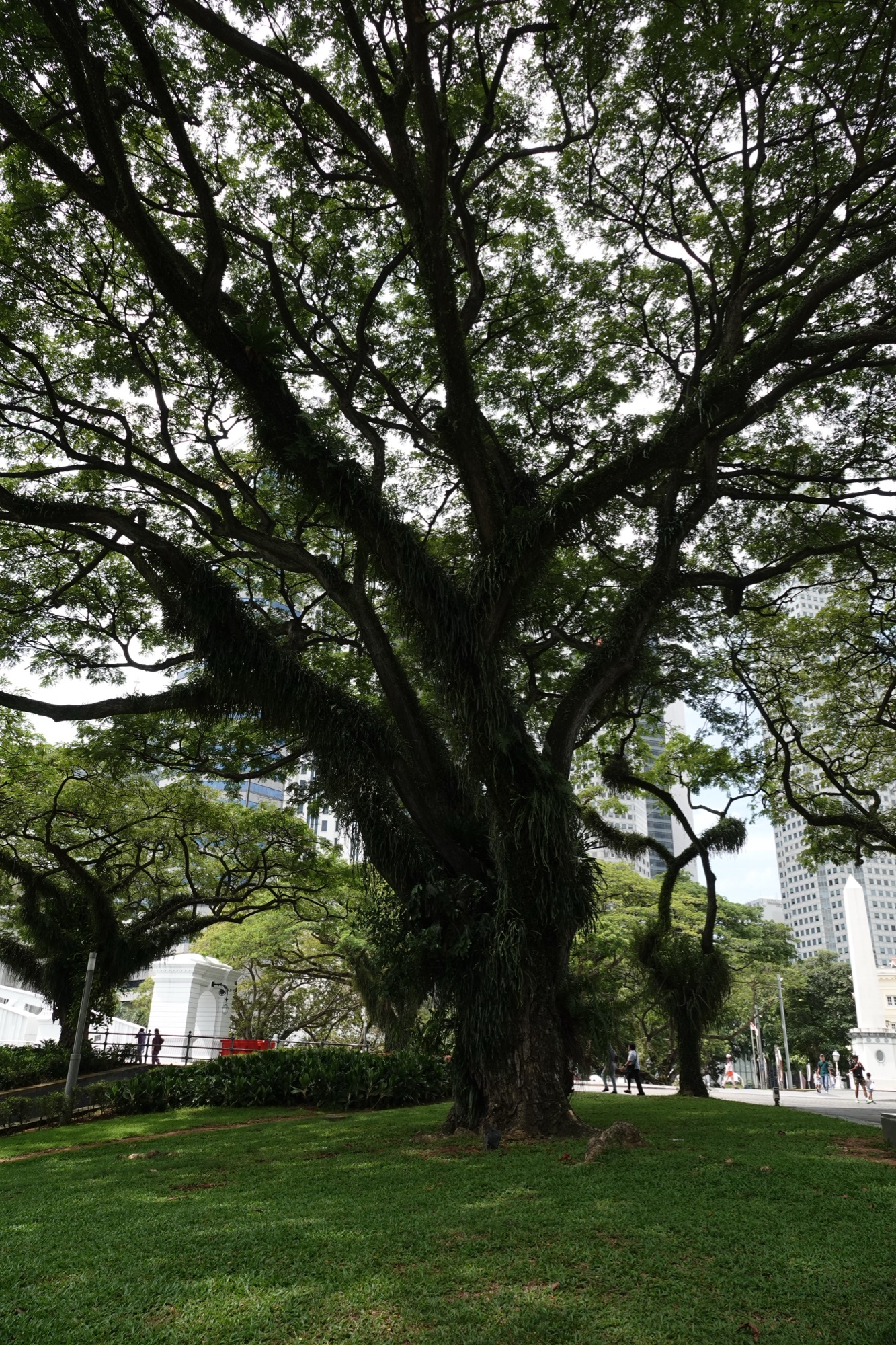
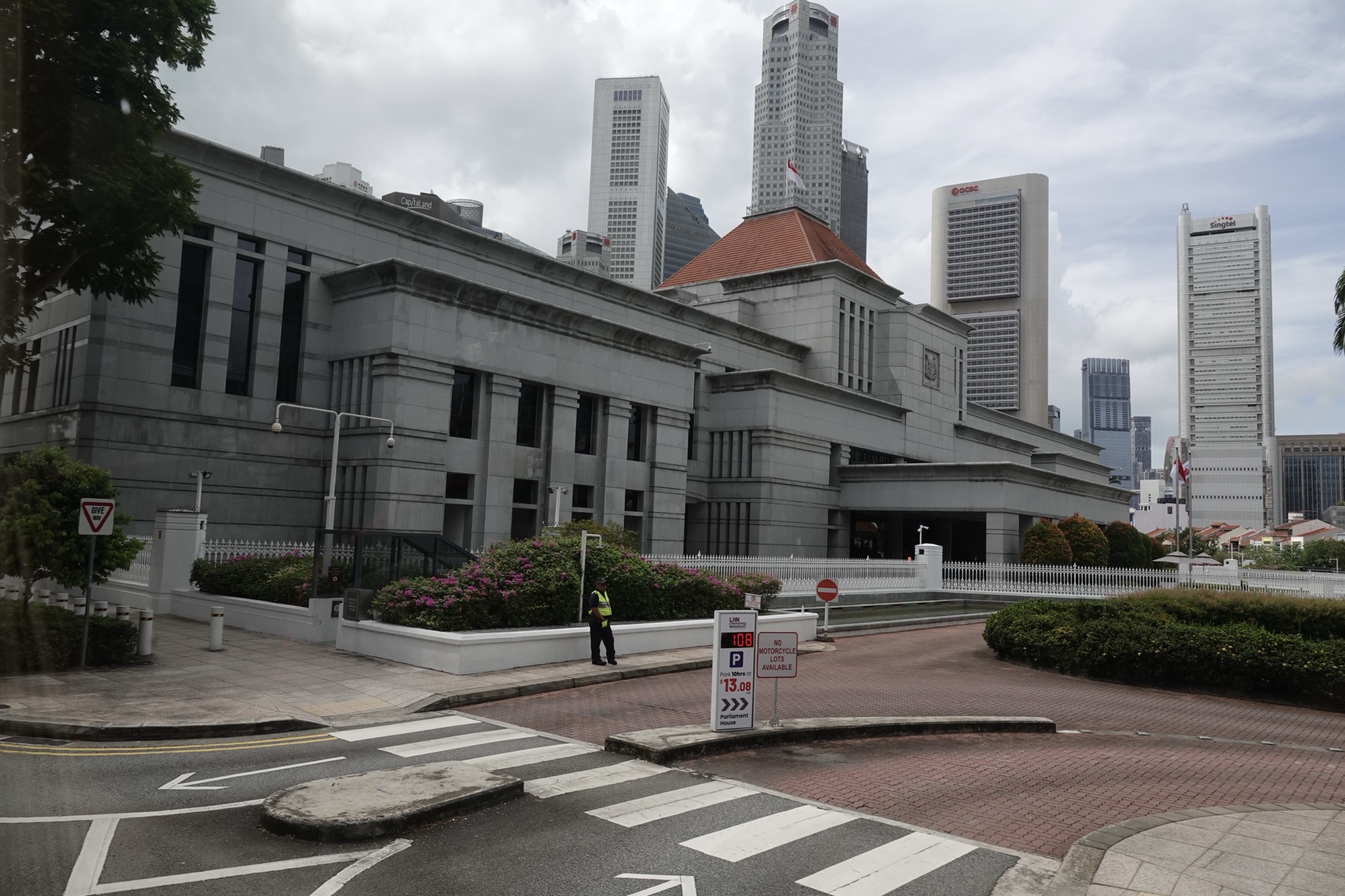

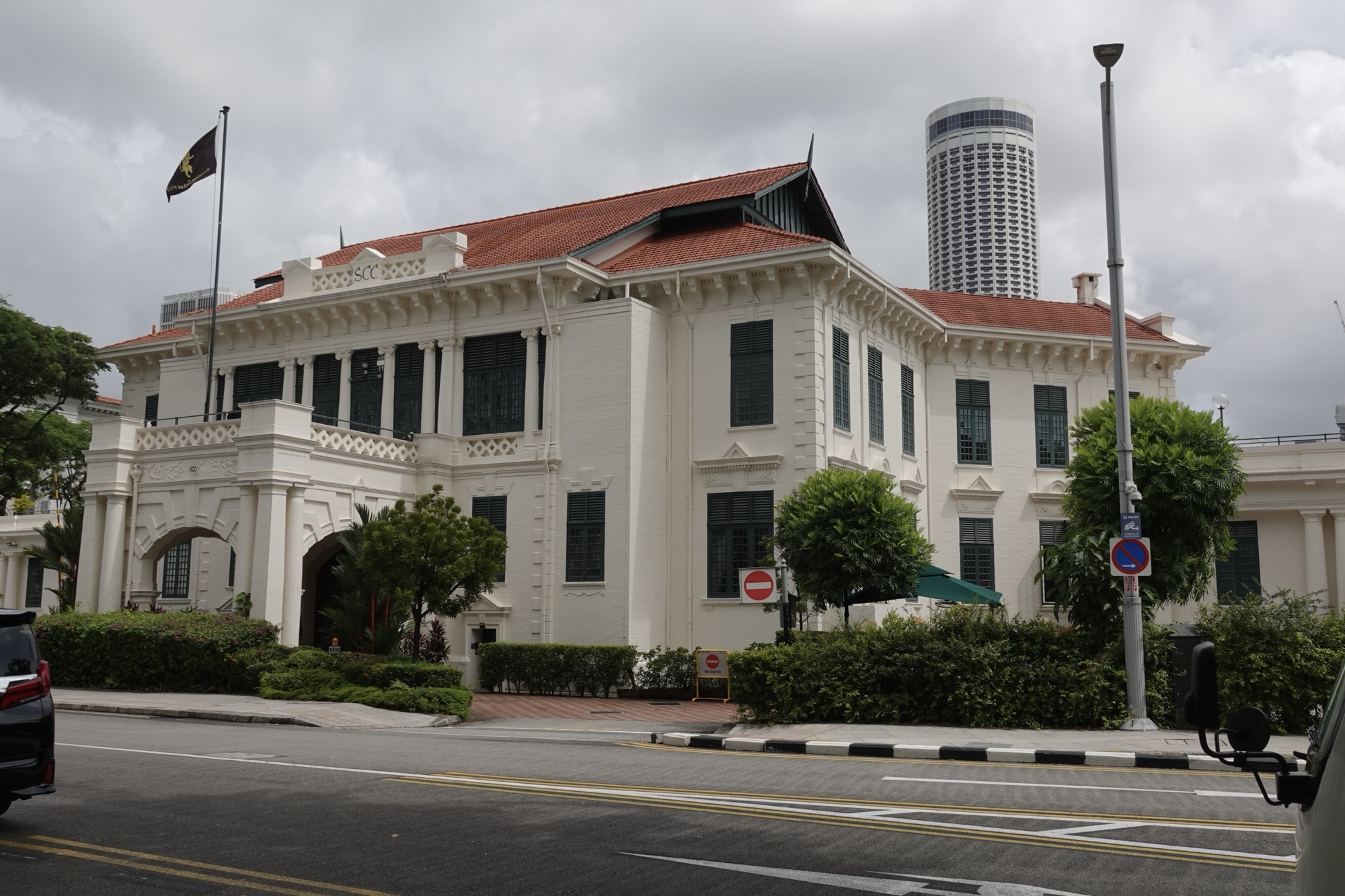
We walked across Anderson Bridge over the Singapore River, passing the 5 star Fullerton hotel (Singapore’s former general post office). Every September a Formula One Grand Prix night race happens here. The rest of the year it is closed to vehicular traffic.


The lagoon at Marina Bay is actually one of Singapore’s 17 rainwater and stream flow collection reservoirs, a necessity since the island does not have natural fresh water resources. The rainwater is purified for drinking water. We learned that even with this initiative, and recycling/filtering/purifying grey water, Singapore still needs to buy water from Malaysia (under an agreement that ends in 2060).
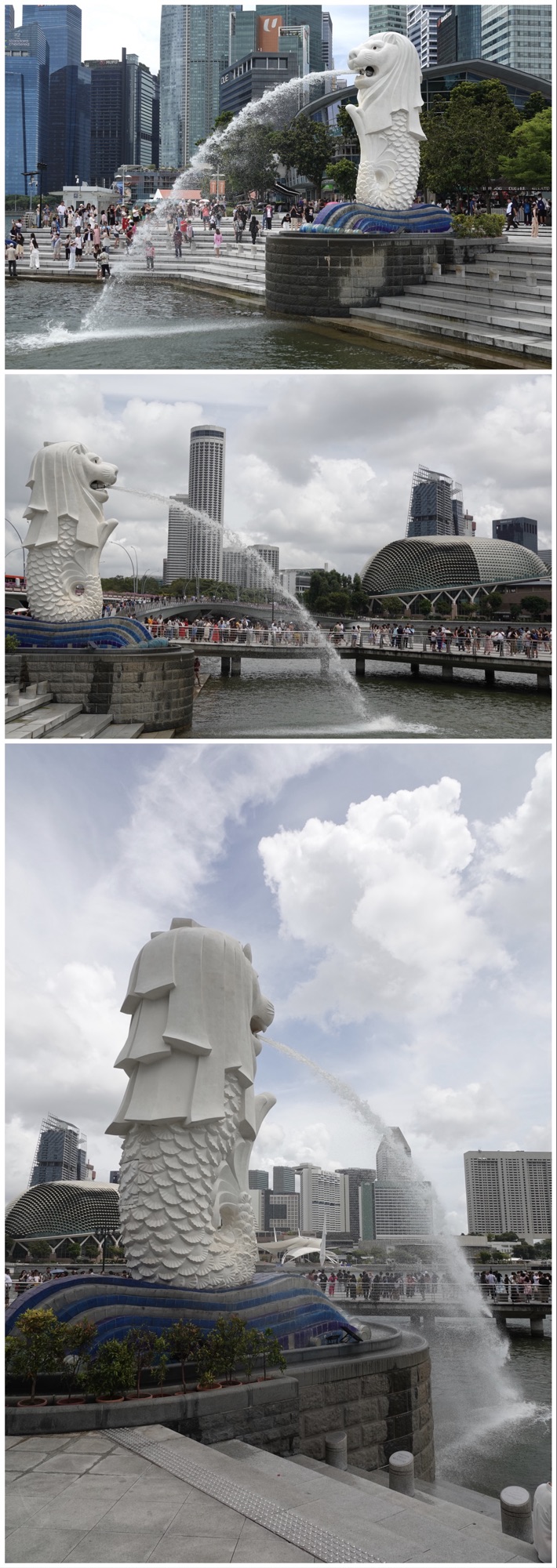
The two things every tourist wants to see here are the Merlion, and the Marina Bay Sands hotel complex.
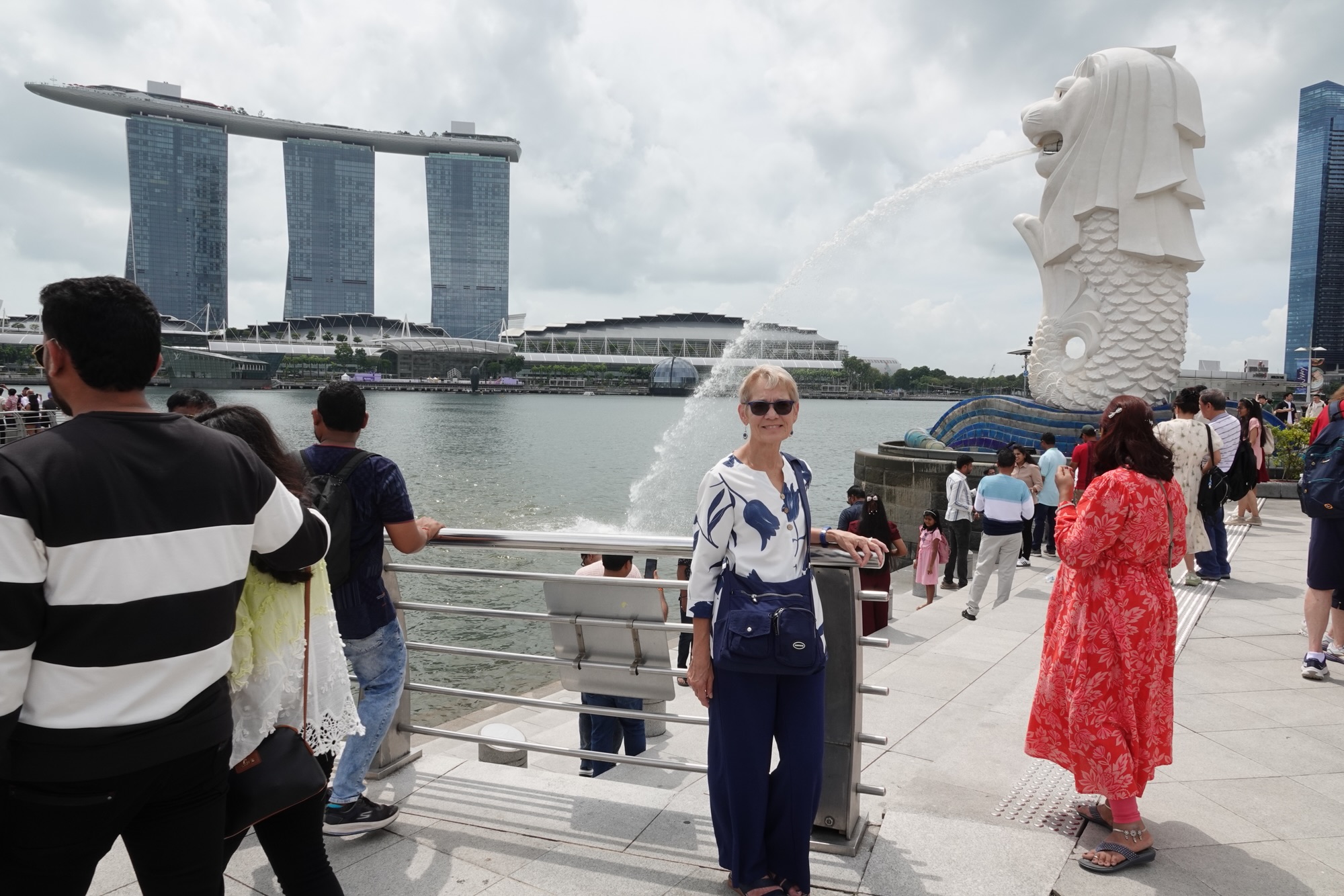
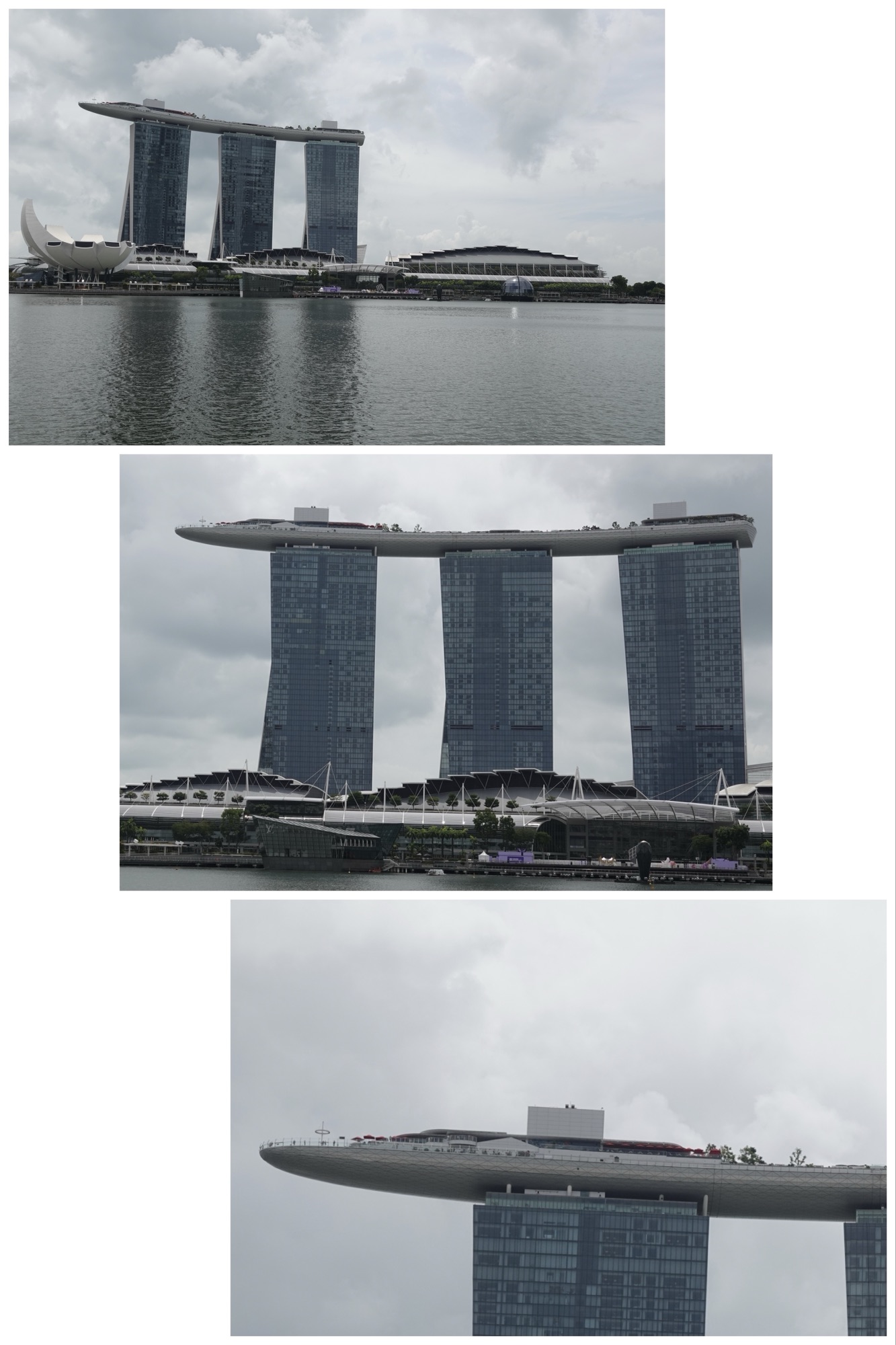
The iconic Marina Bay Sands hotel, with 2600 rooms, costs around $600-700SGD (Singaporean dollars) per night. There is a 150m long infinity pool on top, but if you’re not staying at the resort you can get equally spectacular views from paying to access the hotel’s Skylark observation deck, or by buying a drink at C’est La Vie bar. This resort is part of the Sands brand that owns the Las Vegas Sands, and also includes a casino here. That was a contentious issue for Singapore, but resolved by making access to the casino only possible by passport. Foreign nationals get in free; those with Singaporean passports must pay $150 for a 24 hour pass. That’s in addition to whatever they gamble.
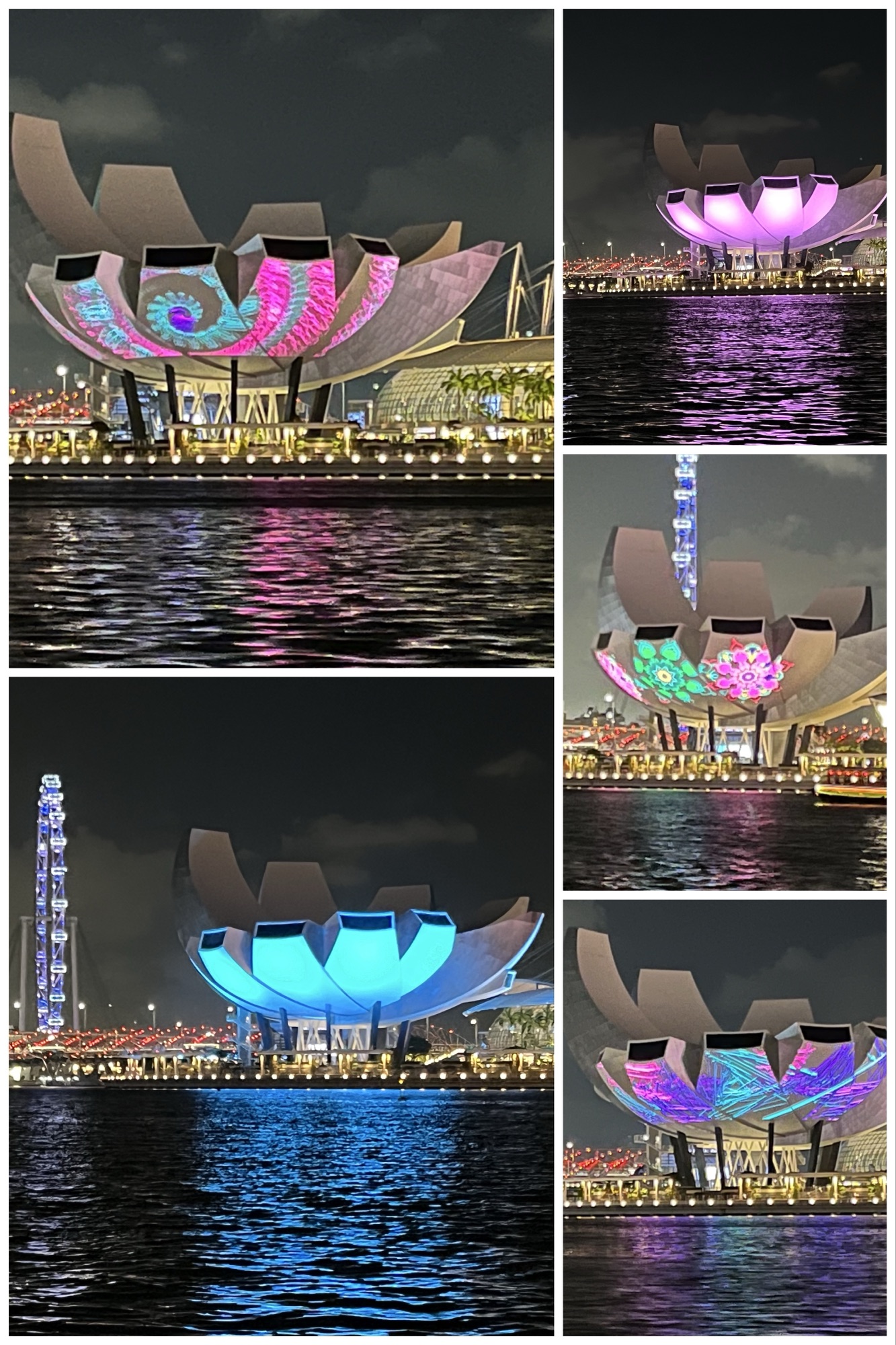
Attached to the hotel complex is Singapore’s art & science museum. It is nicknamed the lotus for its shape, but we were told that it is actually two stylized hands open to receive blessings from heaven. The creation of an arts space was one of Singapore’s conditions for allowing the Sands to build a casino here.
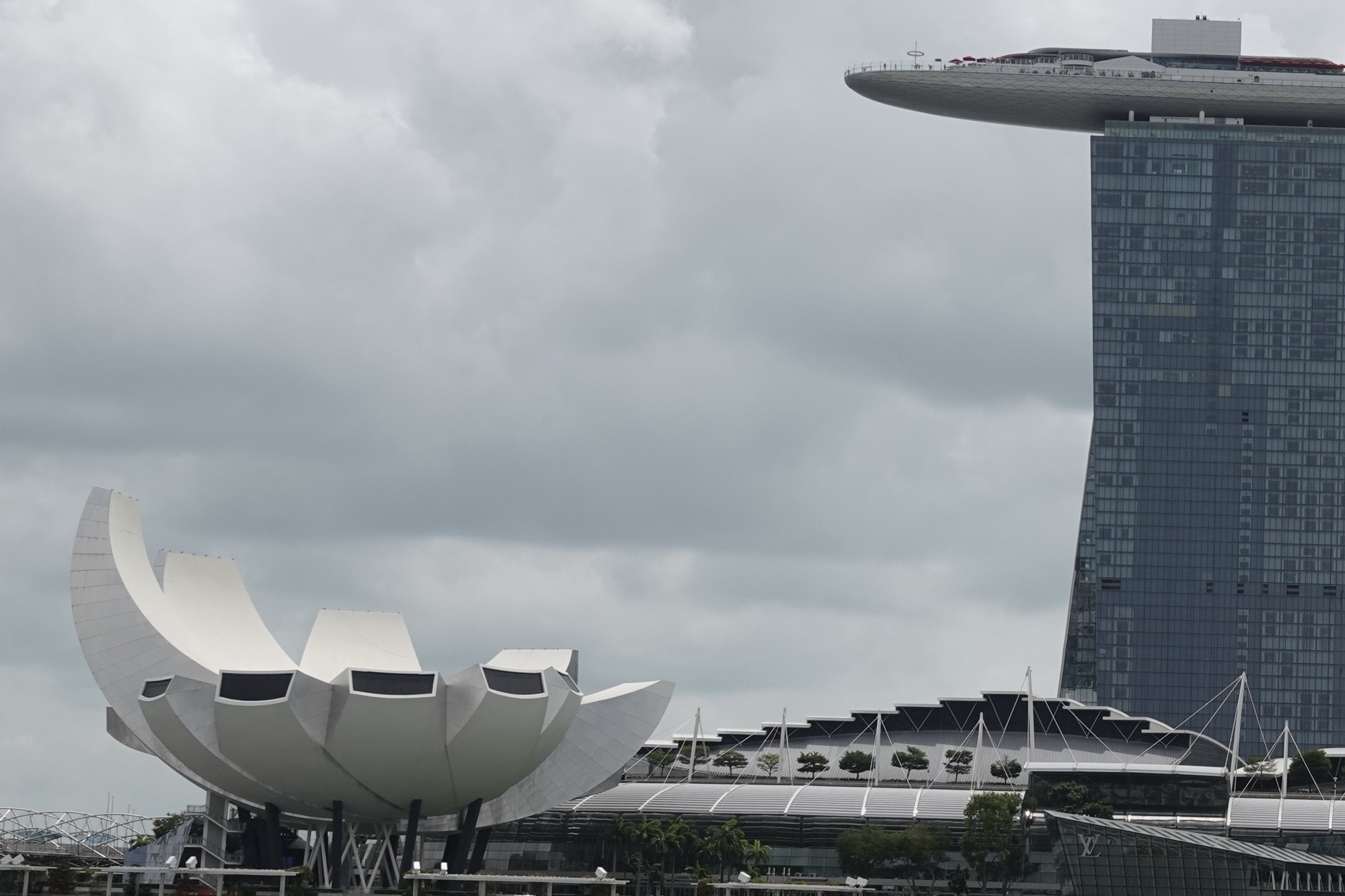
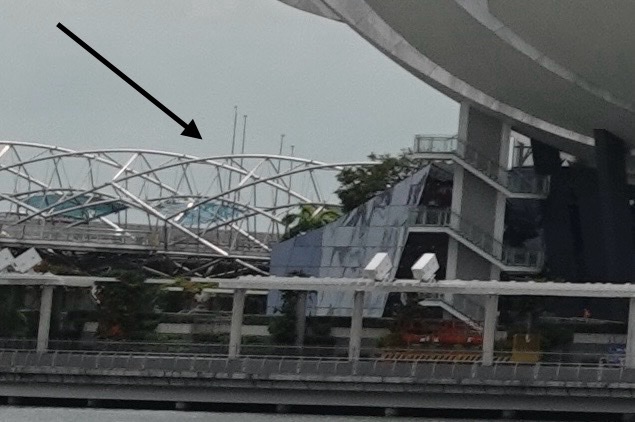
The helix bridge, to the left of the “lotus” in the picture above, was fashioned to look like strands of human DNA. It is the longest pedestrian bridge in Singapore, at 280 metres.
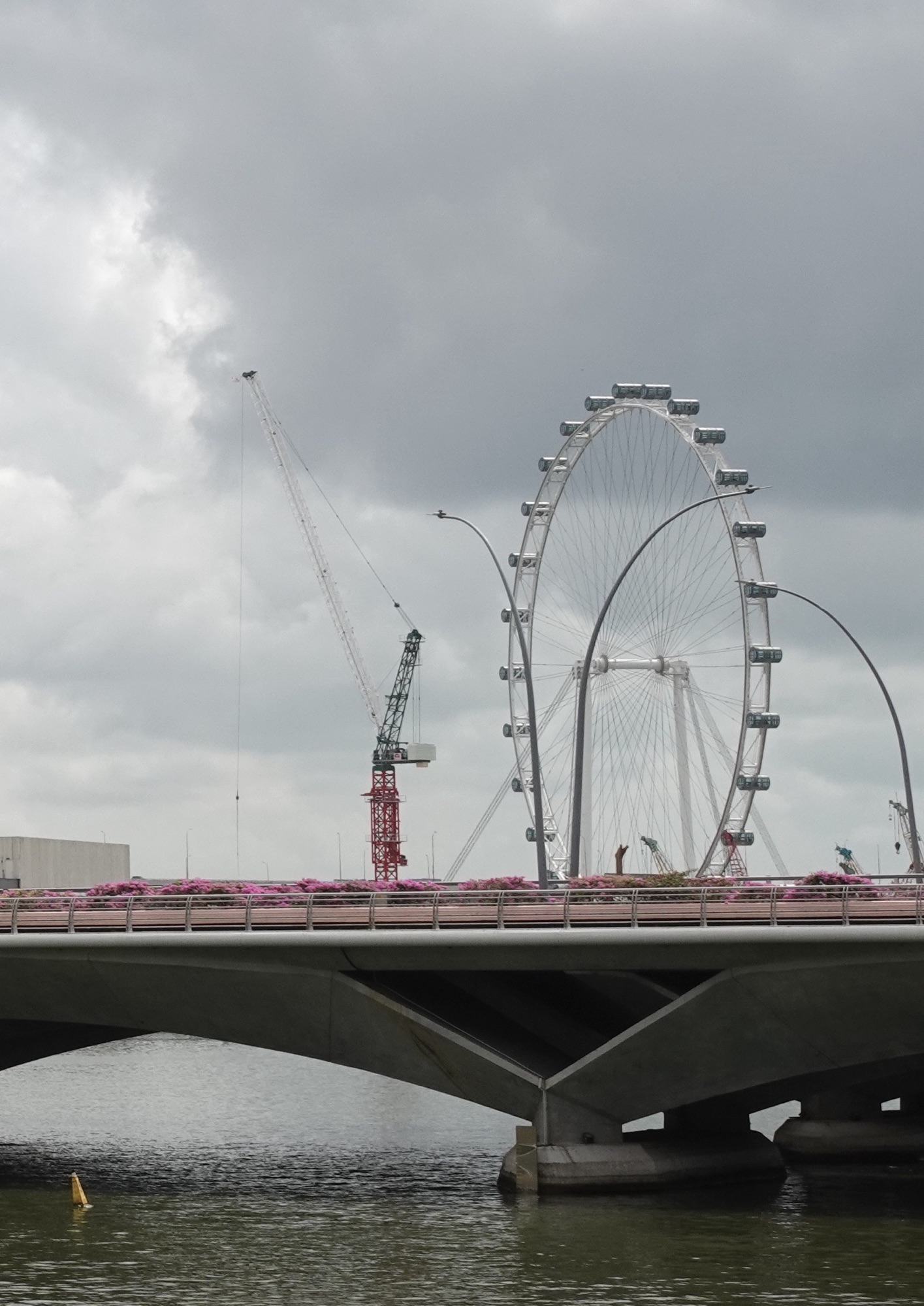
The huge ferris wheel incorporated elements of Feng Shui with 28 capsules each seating 28 people completing a full rotation in 28 minutes. Our guide pointed out the many uses of the lucky numbers 8, 18, and 28 in buildings built by the Chinese, including octagon windows on one of the hotels.
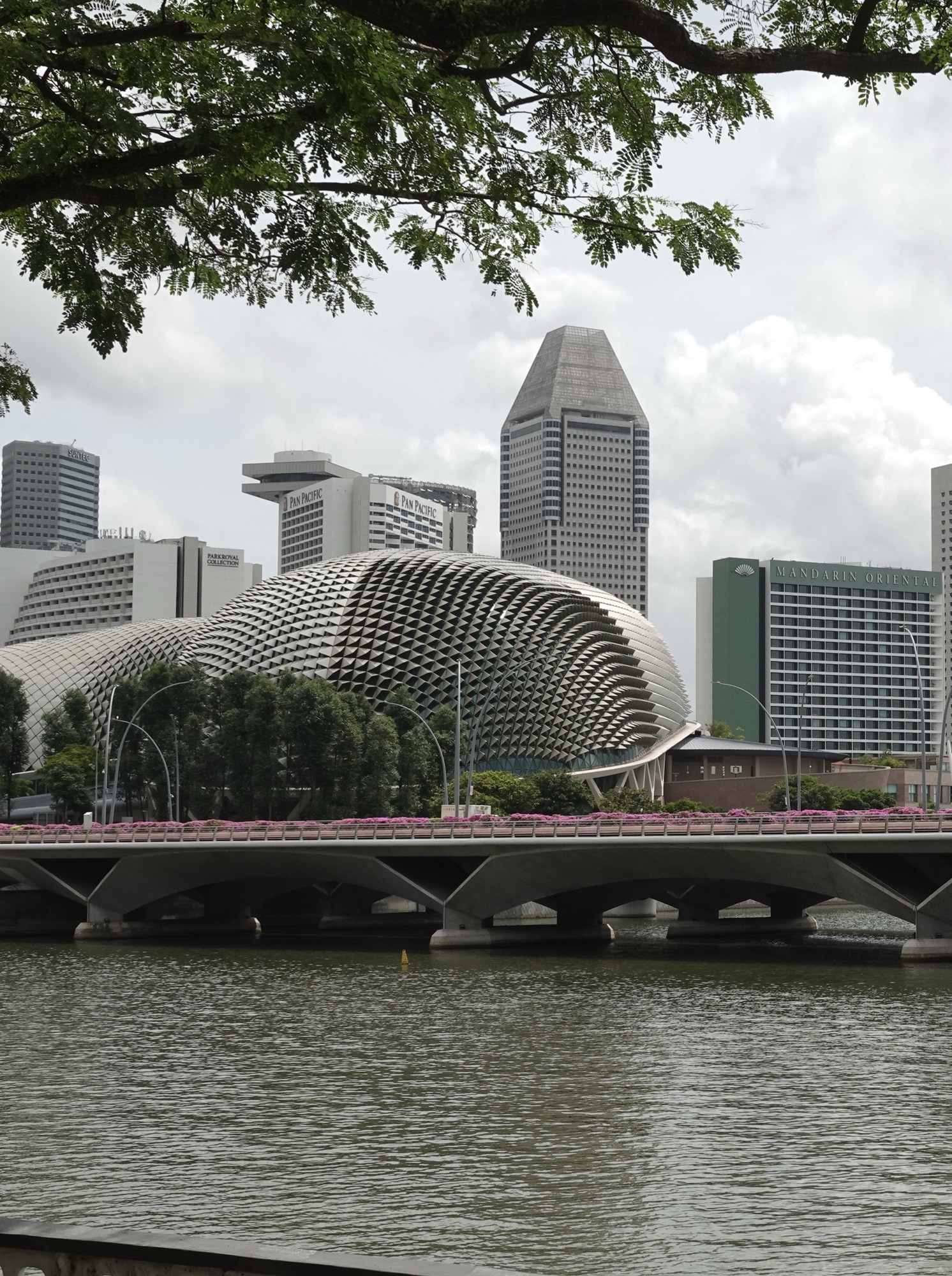
Marina Bay is surrounded by 5 star hotels, plus the Esplanade entertainment area including a concert and opera hall that looks like either a durian fruit or a microphone, depending on who you ask. The glass domes of the halls would be very hot if unclad; German designers studied heat patterns and created the metal shield design with that in mind.
Because it was so hot we stopped for our refreshment at the Esplanade in an air-conditioned café instead of outdoors in Chinatown. Despite, or maybe because of, being overcast, it was an incredibly humid day.
Back on the bus for a short drive, we learned more about the multicultural identity of Singapore.
The population today is 75% Chinese, 15% Malay/Arab, and 8-9% East Indian. That leaves just 1-2% for Eurasians.
We drove first through Little India, where there are lots of gold and pawn shops.
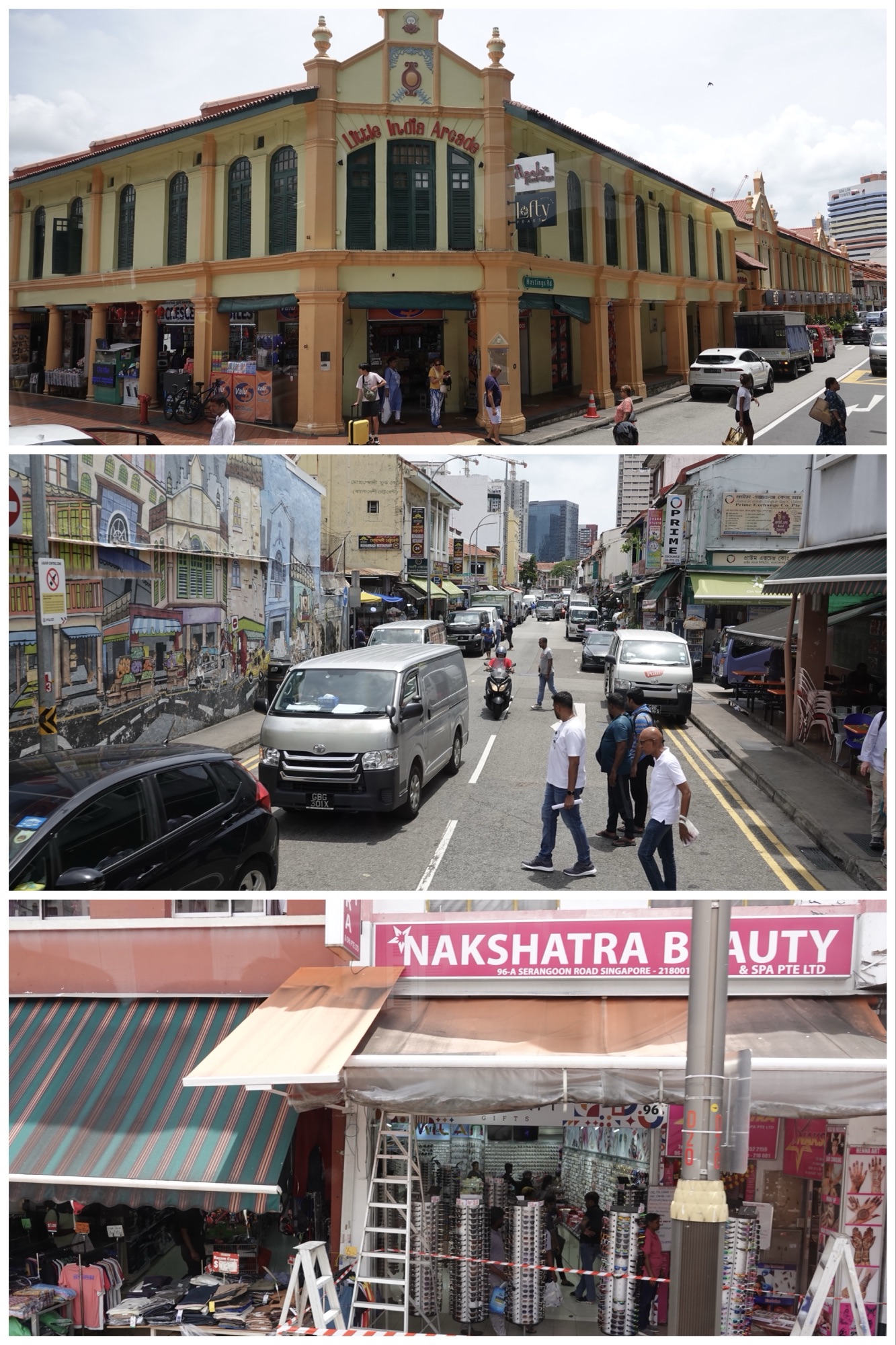
This area of Singapore looks very different than the colonial centre or financial district.
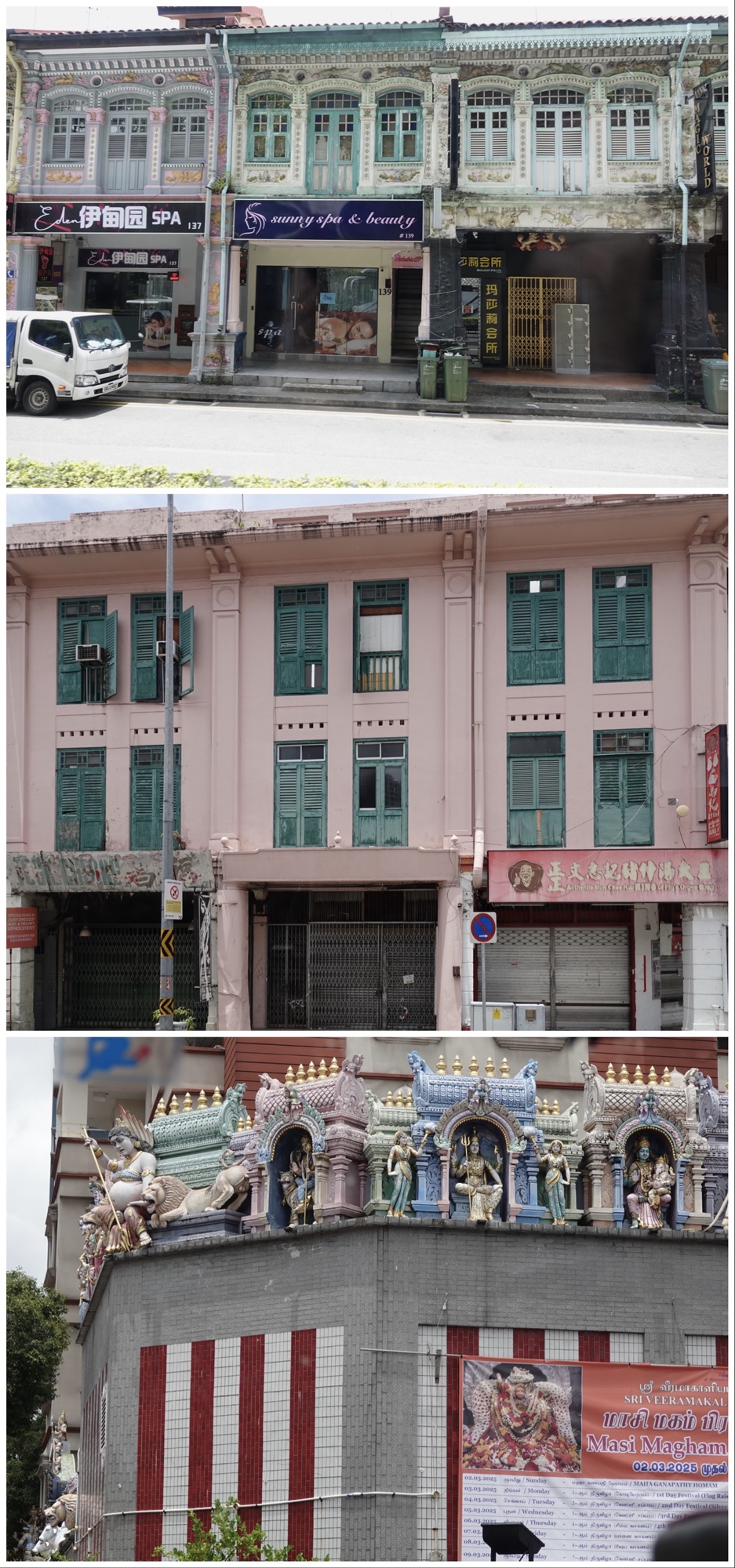
According to our guide, the preponderance of East Indians were brought to Singapore as, or ended up being employed as, domestic servants, echoing the hierarchy established in India during the British Raj. It’s not immediately easy to see, but once we looked closely, it seemed that the service workers behind the scenes even today (clearing tables, sweeping streets, emptying garbage) were mostly Indian. We learned that most of the imported itinerant workers on 2 year work visas also come from India.

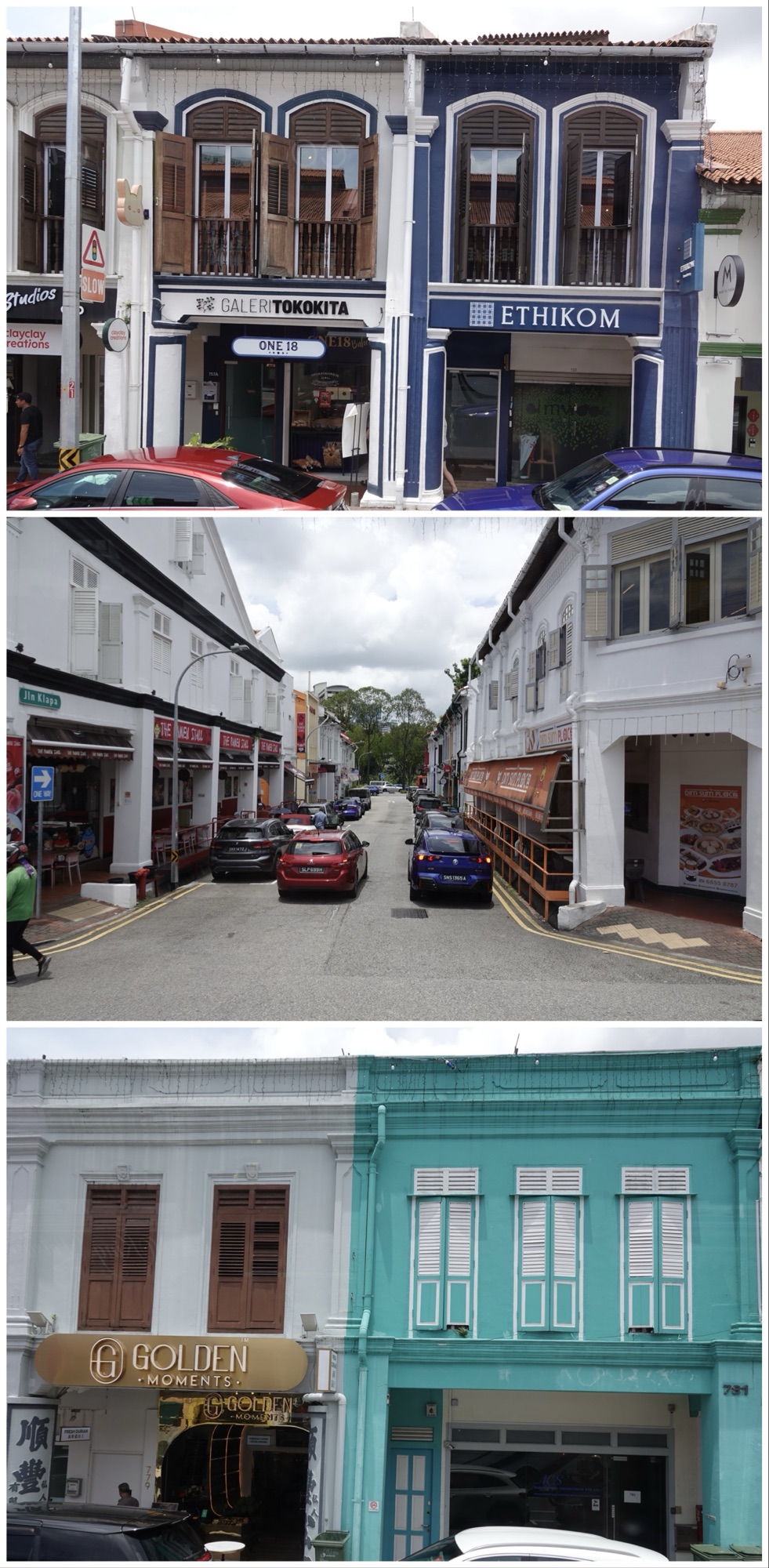
Next came the Malay neighbourhood, Kampong Glam, more informally called Arab Street.
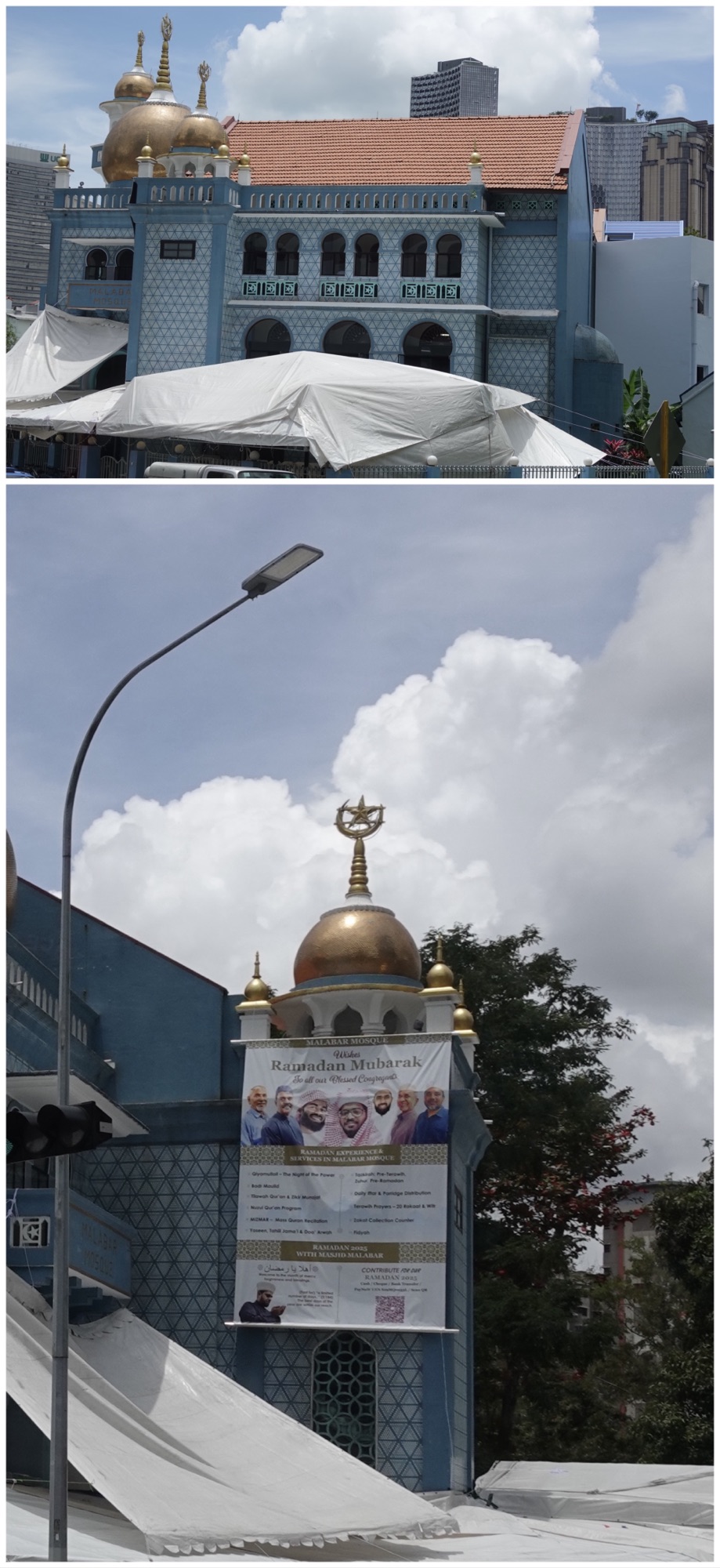
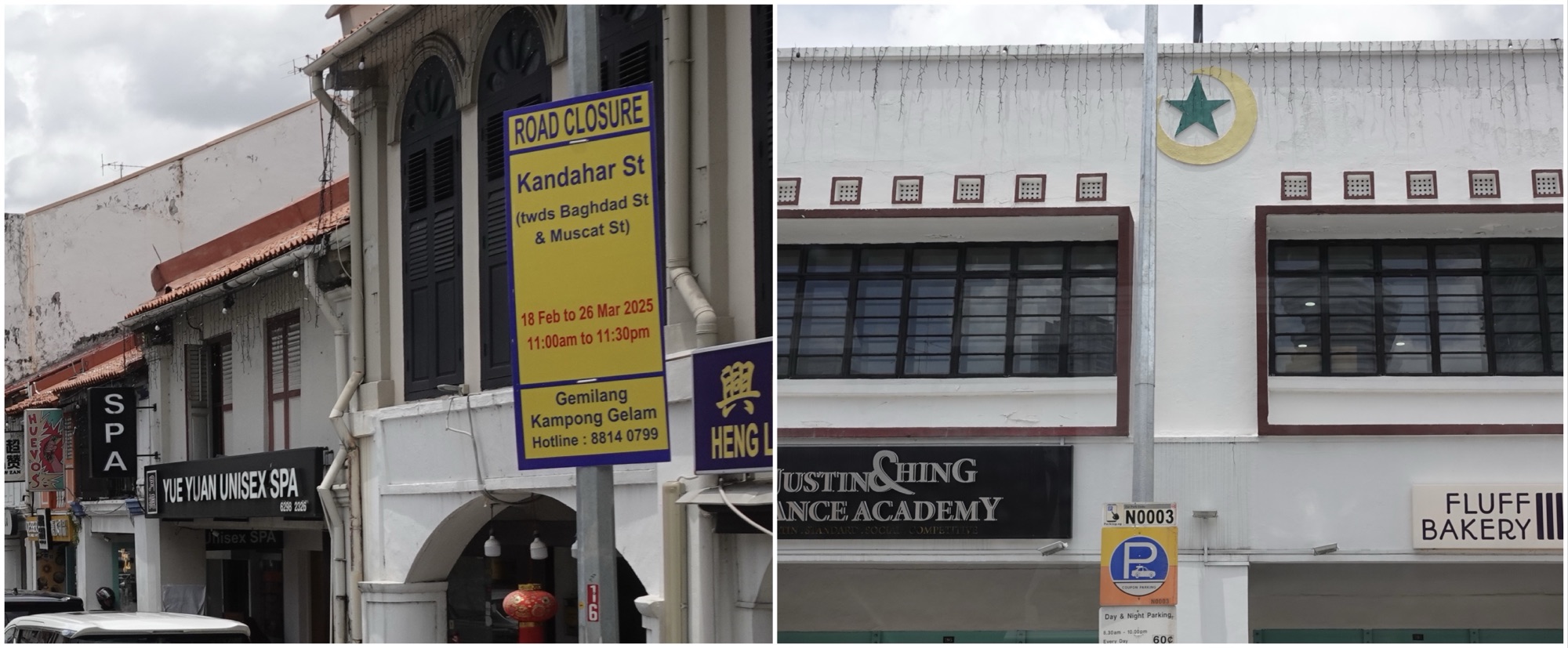
The original Malay population were mostly fishermen, and the city’s iconic Merlion symbol acknowledges that by combining a lion’s head with a fish’s body.
Now in the Malay section of town, along Arab Street, there are more carpet and jewelry sellers than fishermen represented.
Between the Malay area and Chinatown we passed the iconic 1887 Raffles Hotel, which at the time it was built and throughout the English rule was called the “Beach House“ because of its location on the water. It is no longer anywhere near the waterfront; over the past 50 years the entire Marina Bay area has been constructed on reclaimed land that has effectively moved the hotel inland. We didn’t get any useable photos from the bus, but we knew we’d be back in the evening for a Singapore Sling, as part of our after dark tour.
Any finally, our second short walking stop in Chinatown.
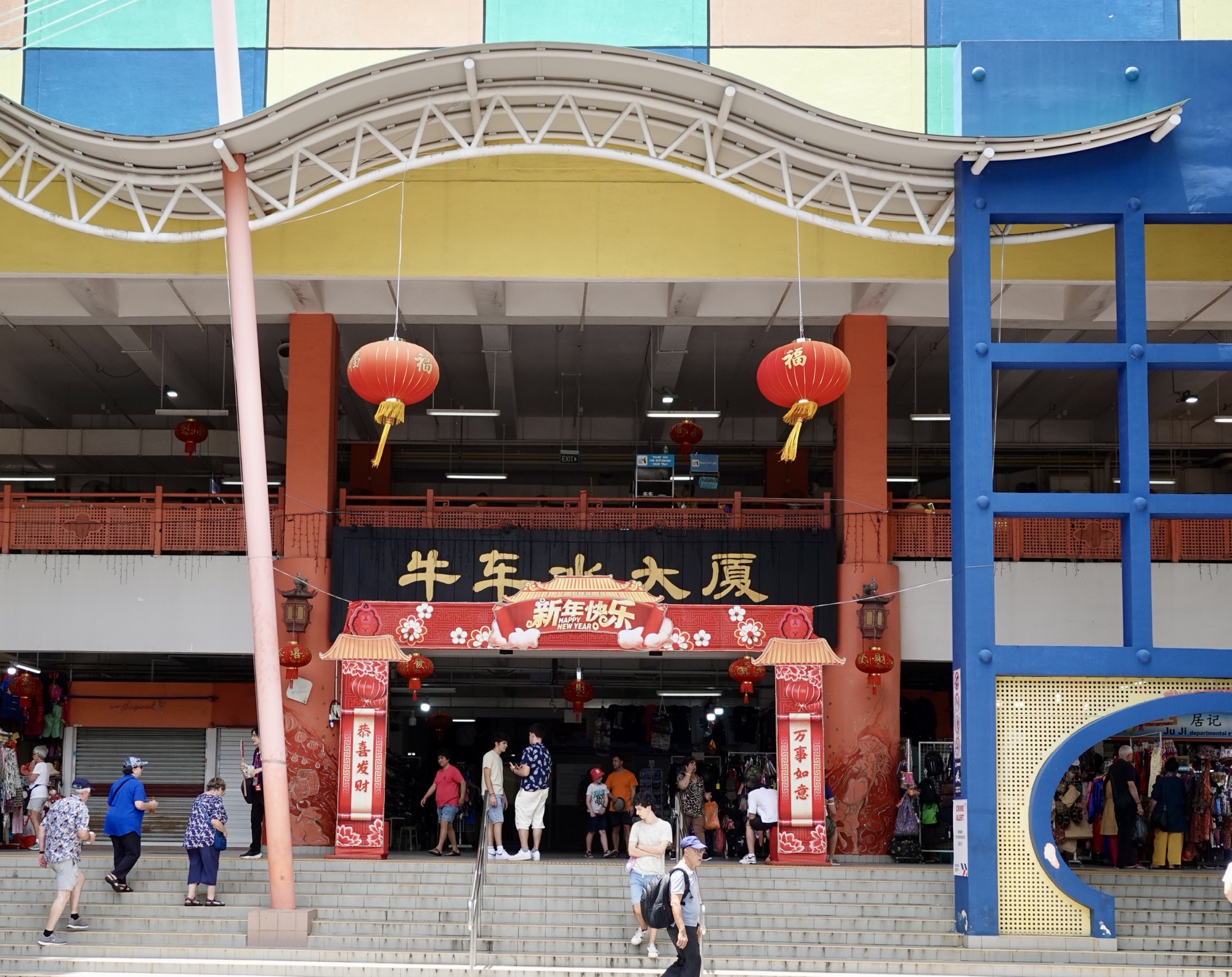
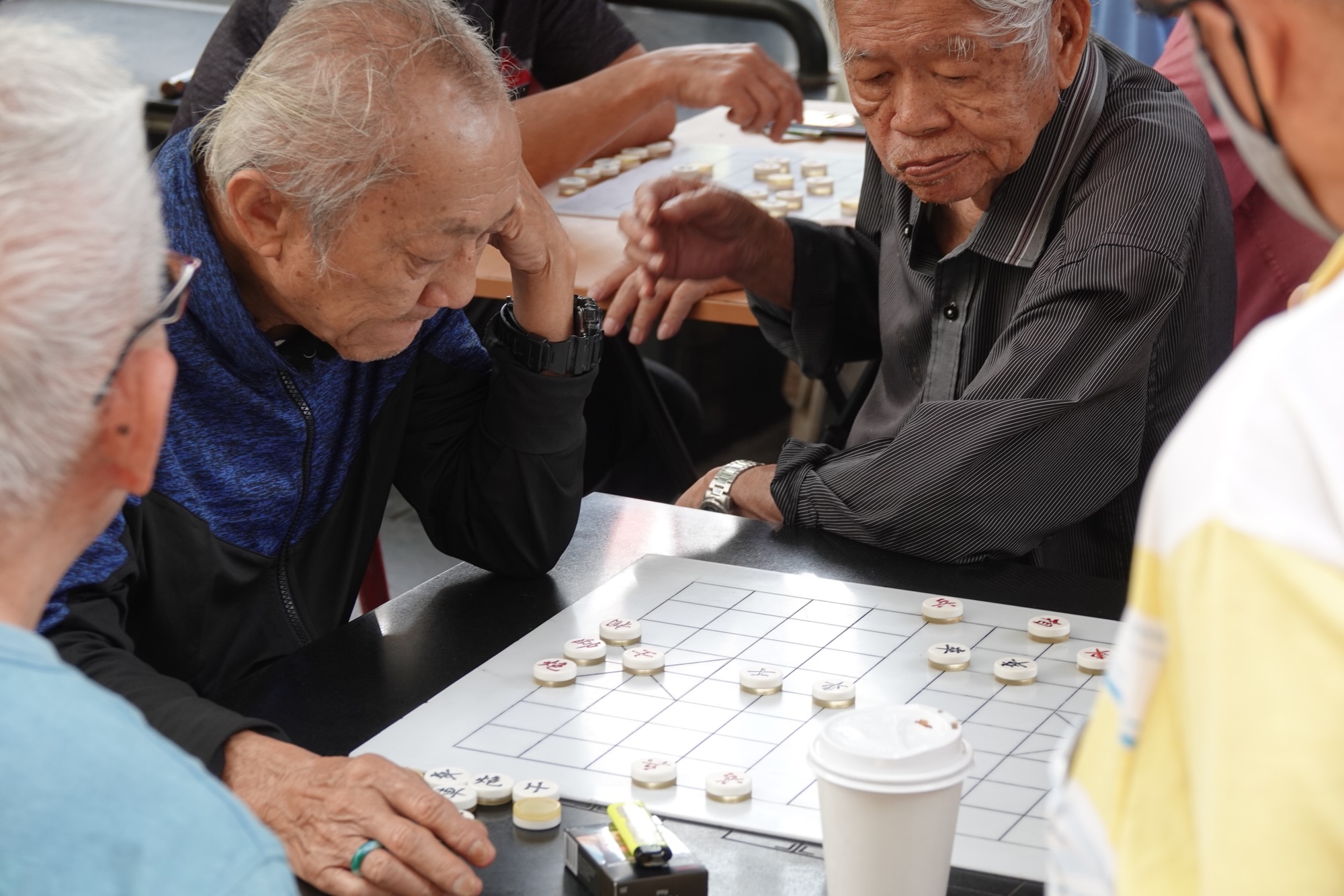
We parked near the square that features the Buddha’s Toe Temple on one side, facing a 3-storey market on the other, with retired Chinese men playing Xiangqi (Chinese chess) at tables in between the two.
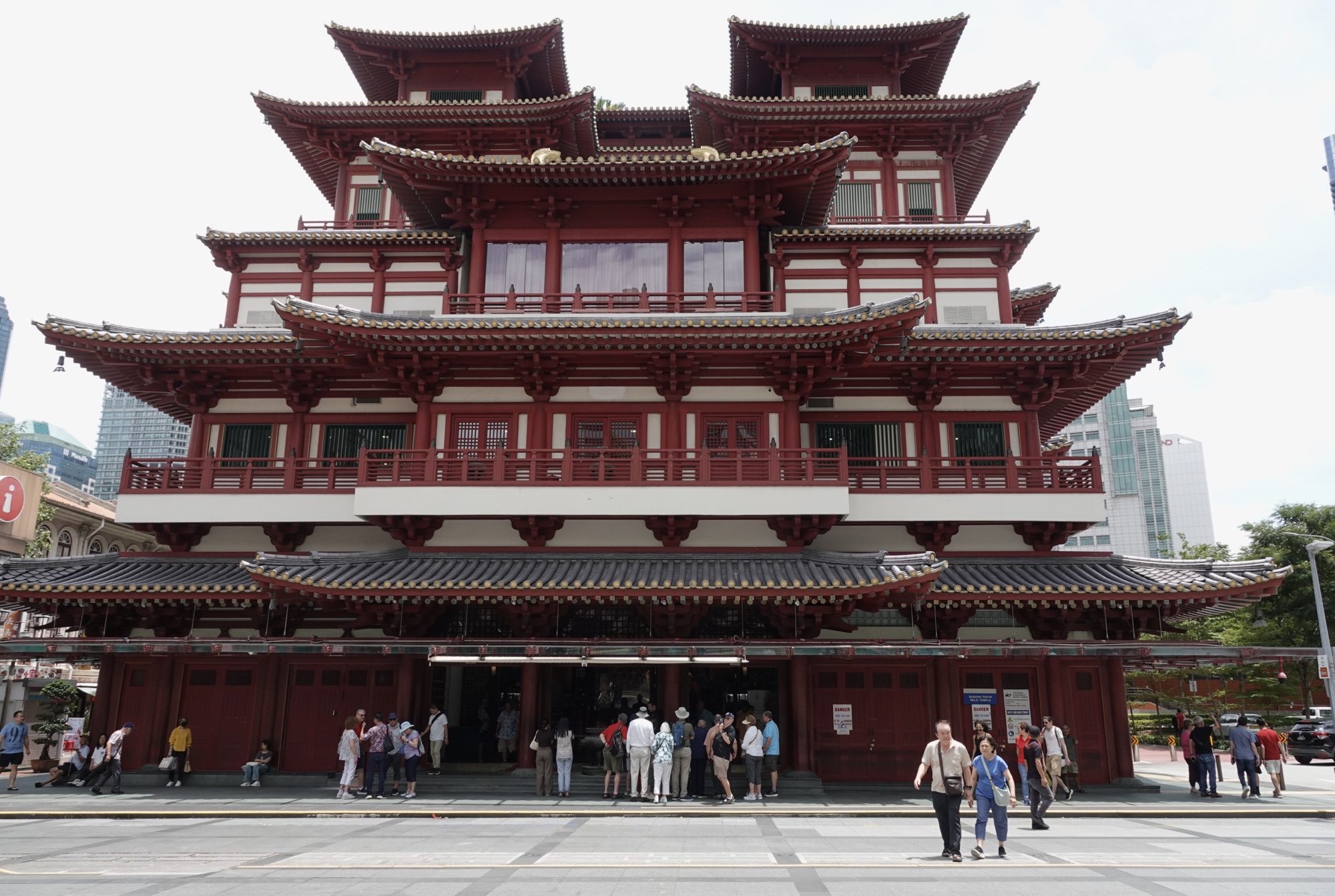
The market consists of three floors: clothing and souvenirs on the main floor, restaurants and eateries on the upper floor, and a “wet market” in the basement. Contrary to popular opinion, “wet” has nothing to do with slaughtering activities, and everything to do with spraying fresh produce with water to keep it crisp, and melting ice from meat and fish displays. Unfortunately, our tour did not include time to explore the market.
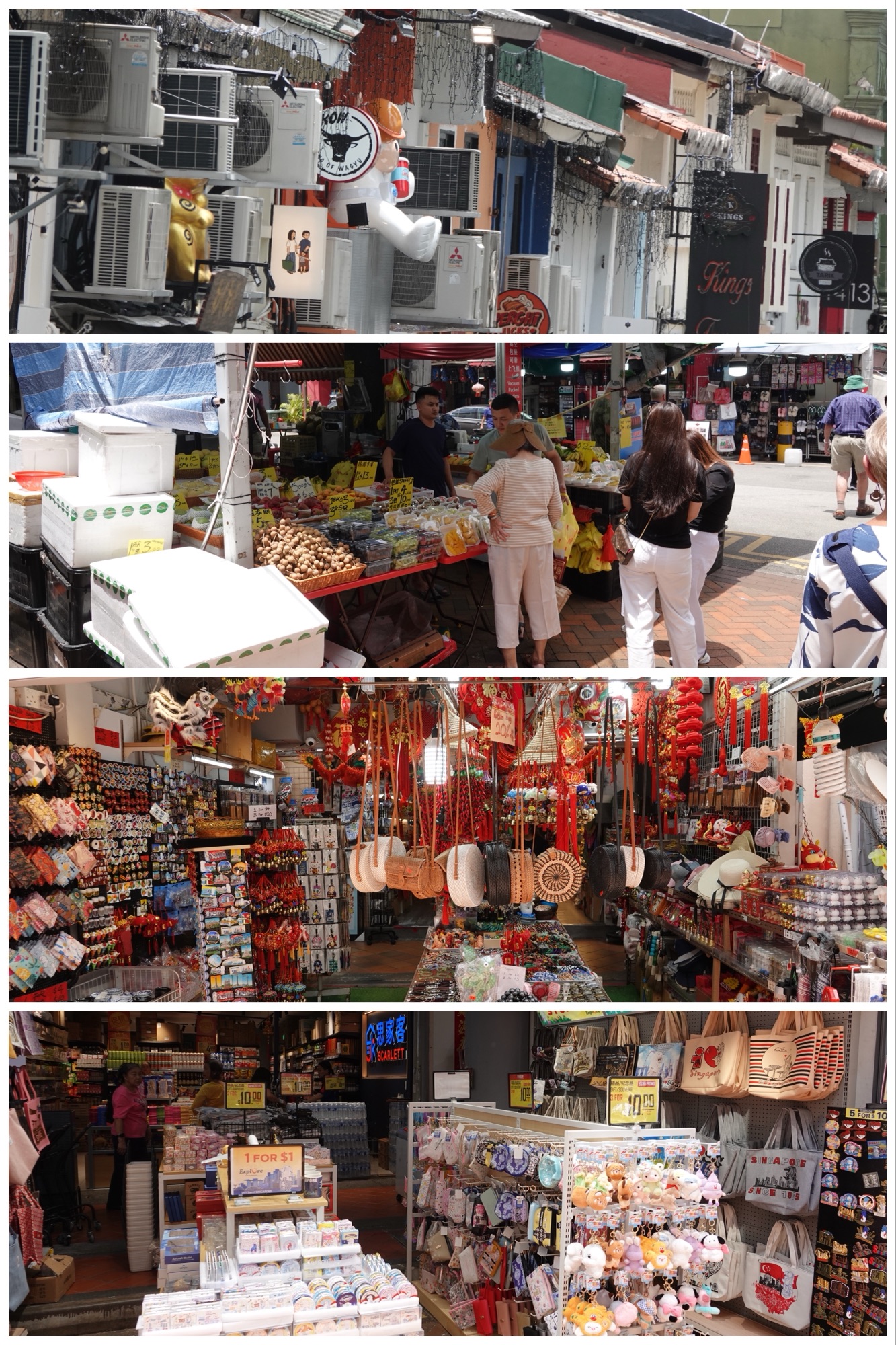
There were also streets of vendors.
When the Chinese immigrated, many came as coolies, performing hard labour for the British. When we saw the houses in which they had lived, my first thought was that they were surprisingly nice, but then we were told that each apartment slept up to 50 coolies, in shifts.
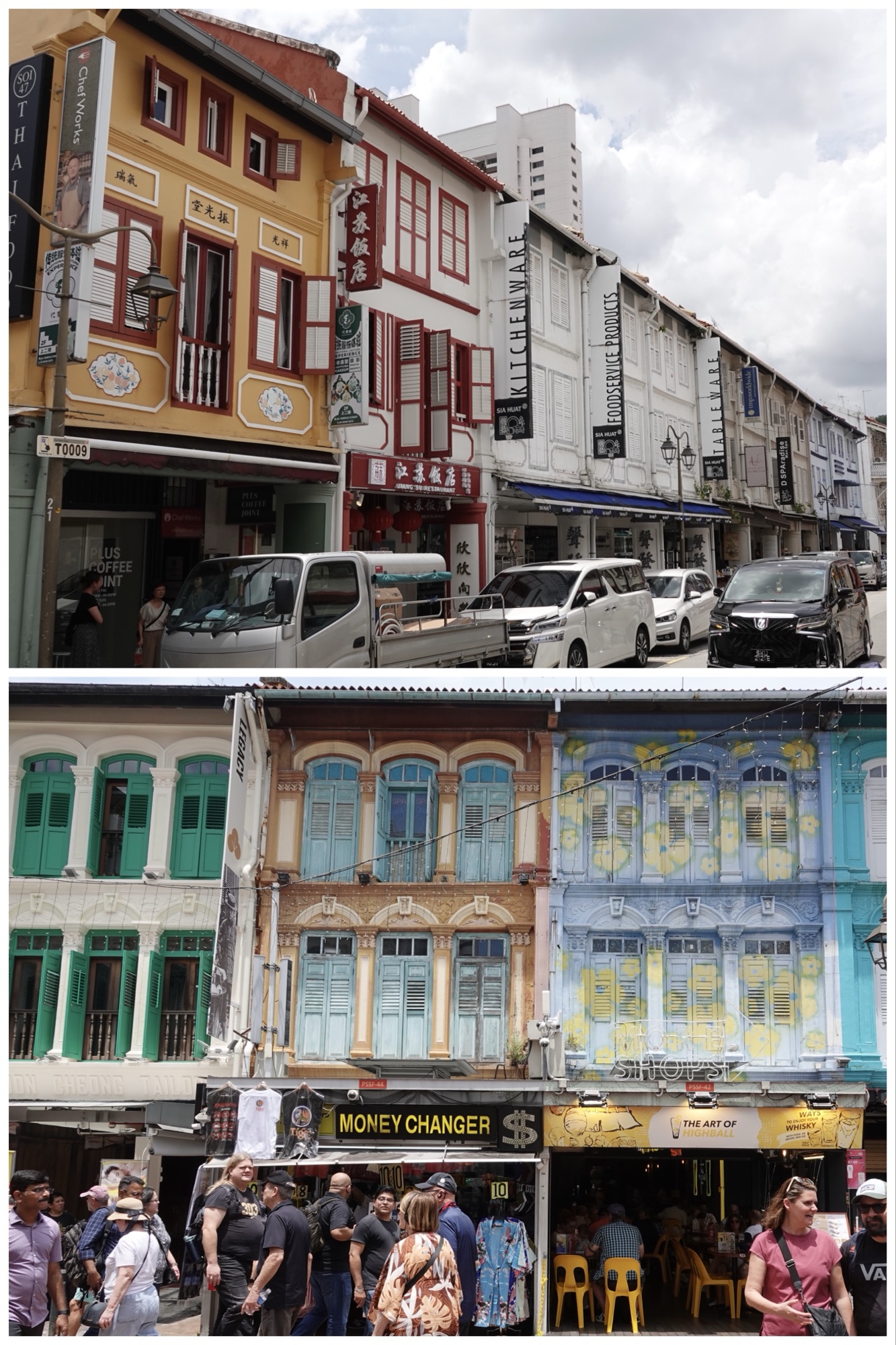
The extremely harrowing physical labour not only exhausted them, but made them susceptible to opium addiction to fight the pain and loneliness (many were here without their families). We walked past a former opium den, but the historic sign was blocked by a vendor. Our guide mentioned that in Singapore today drug trafficking, possession, and use are ALL death penalty offences. Further research on Singapore’s official Central Narcotics Bureau website corrected that.

It’s no joke.
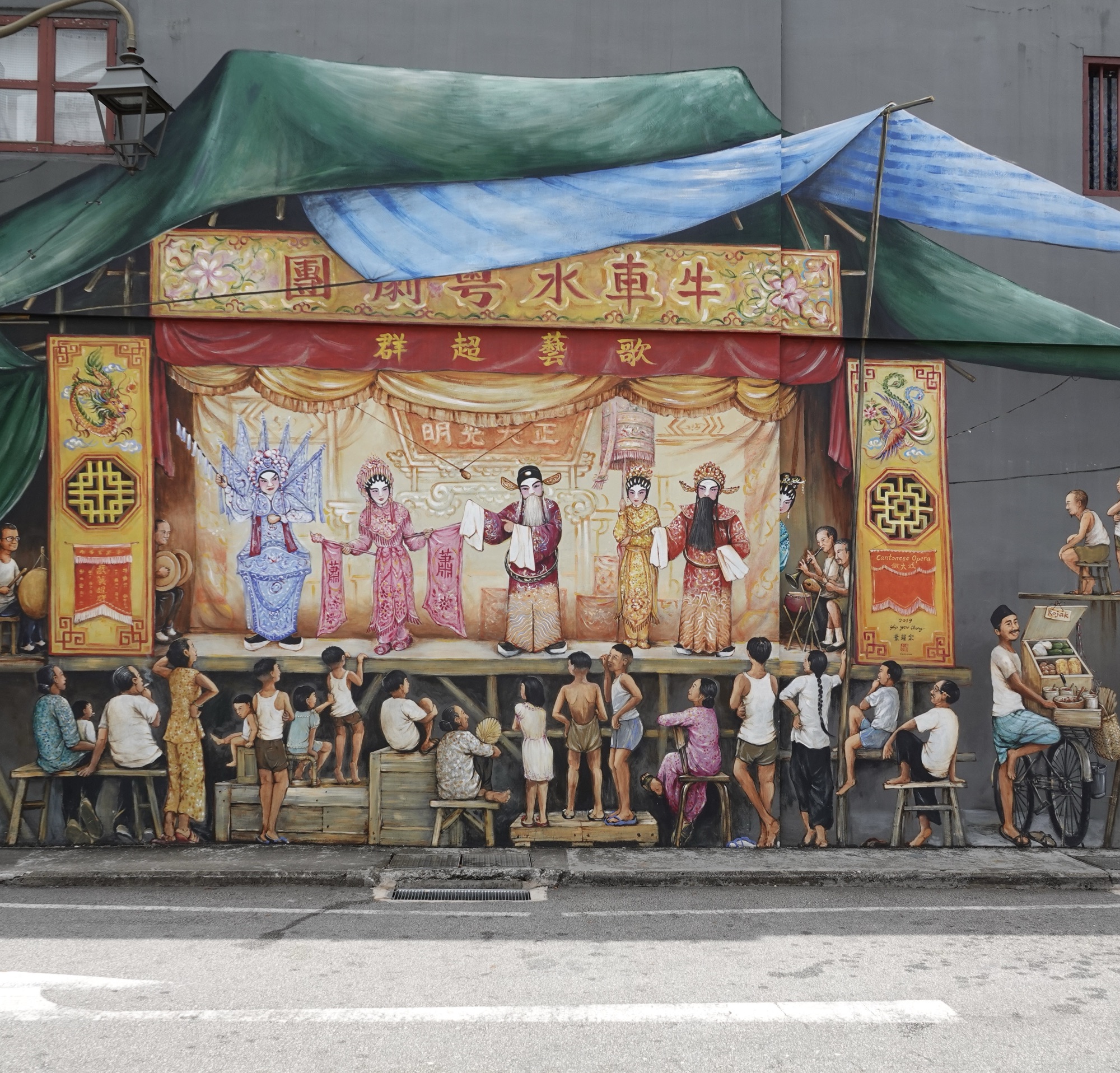
Rounding the corner from the markets, we were really impressed by this mural:
Located in Chinatown is the Sri Mariamman Hindu temple, typical of the style of Hindu temples in Singapore, but nothing like any Hindu temples Ted or I have seen before.
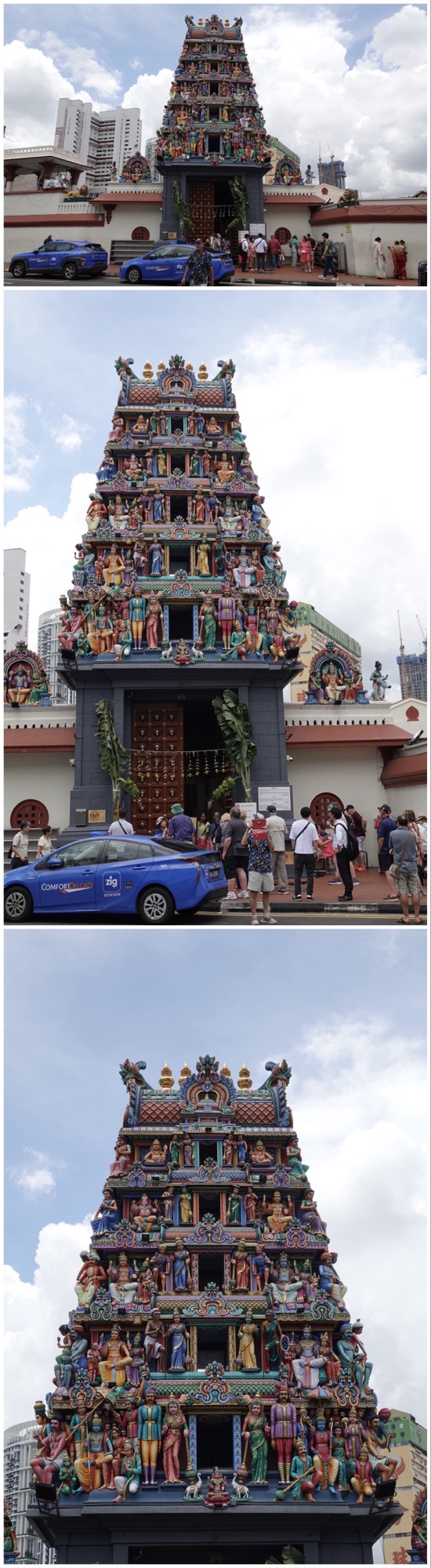
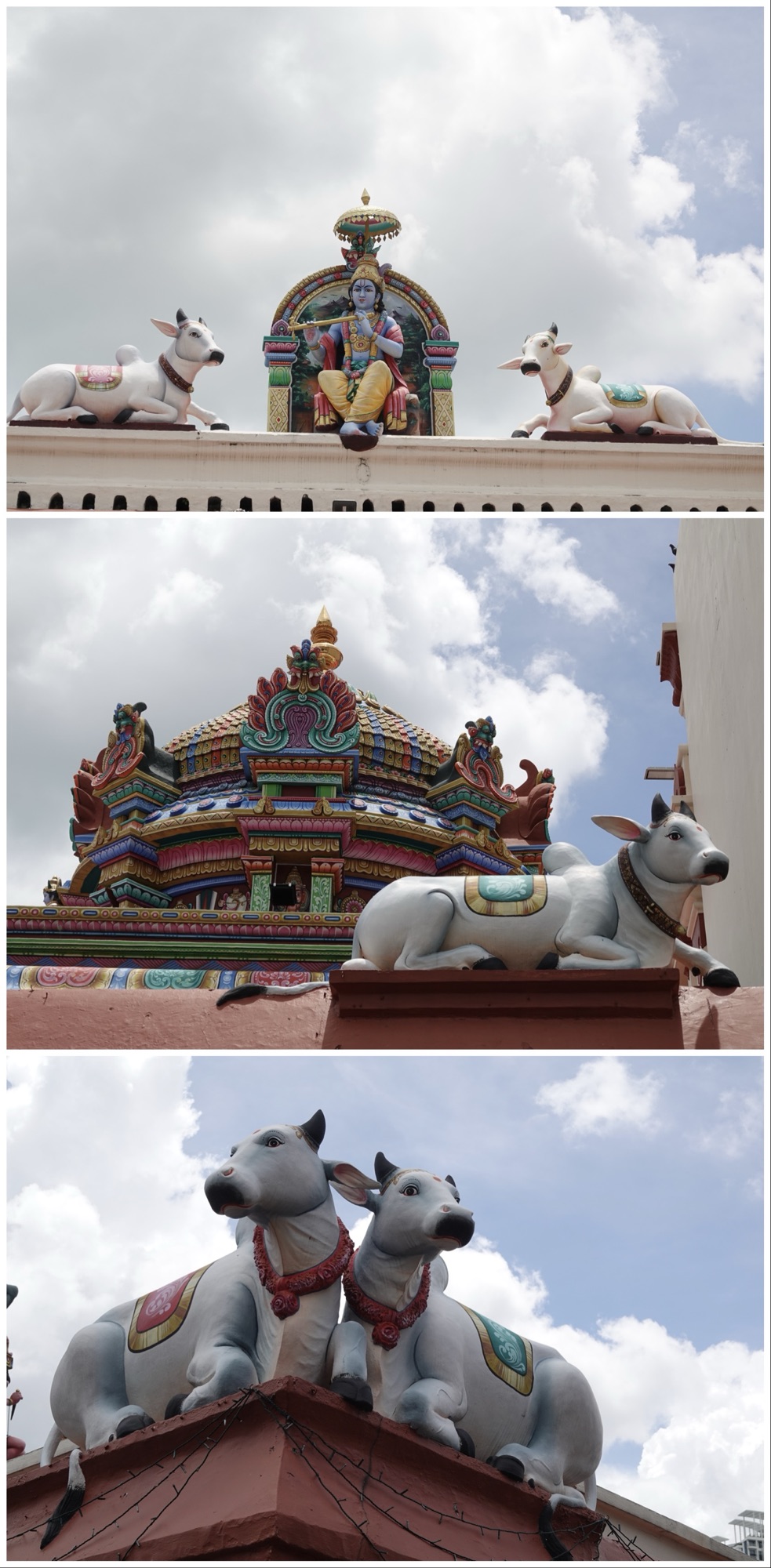
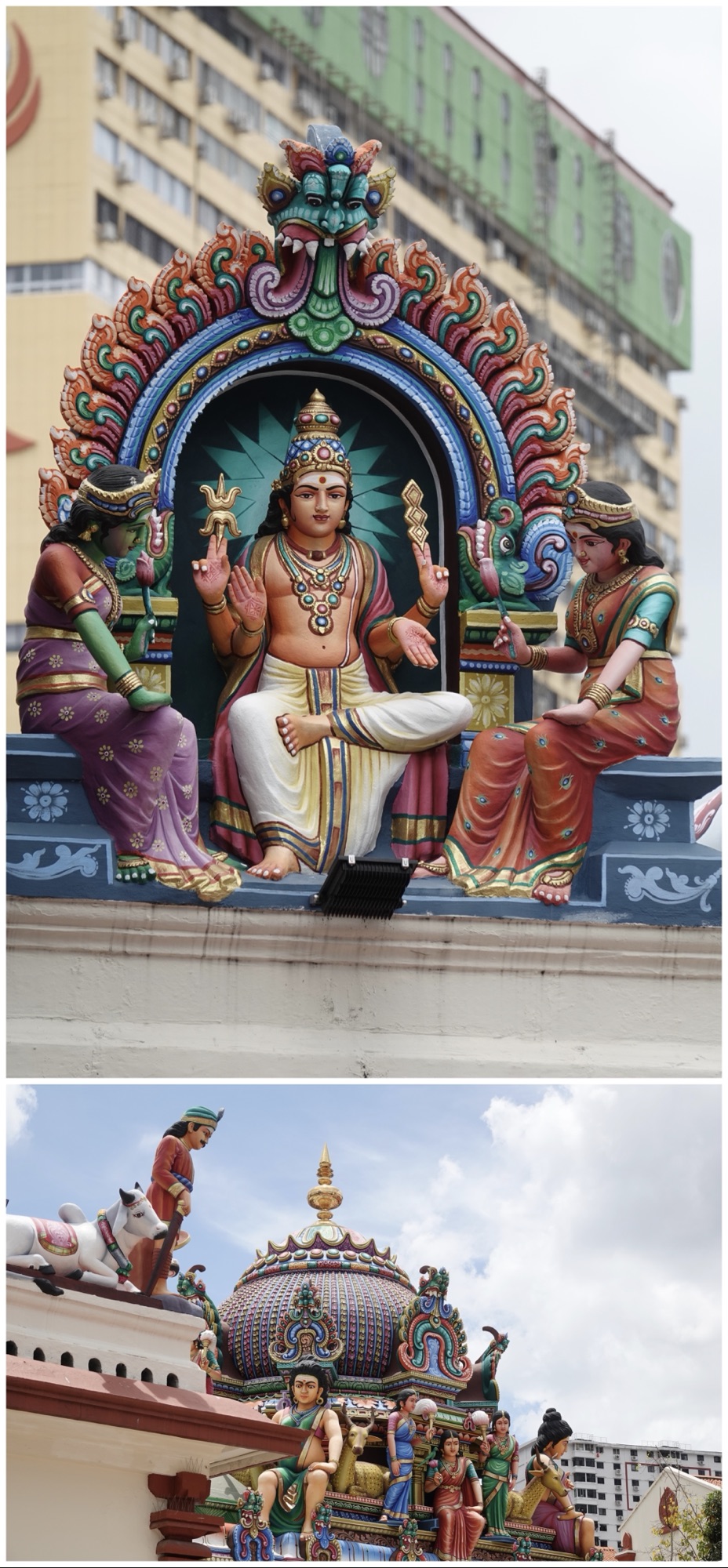
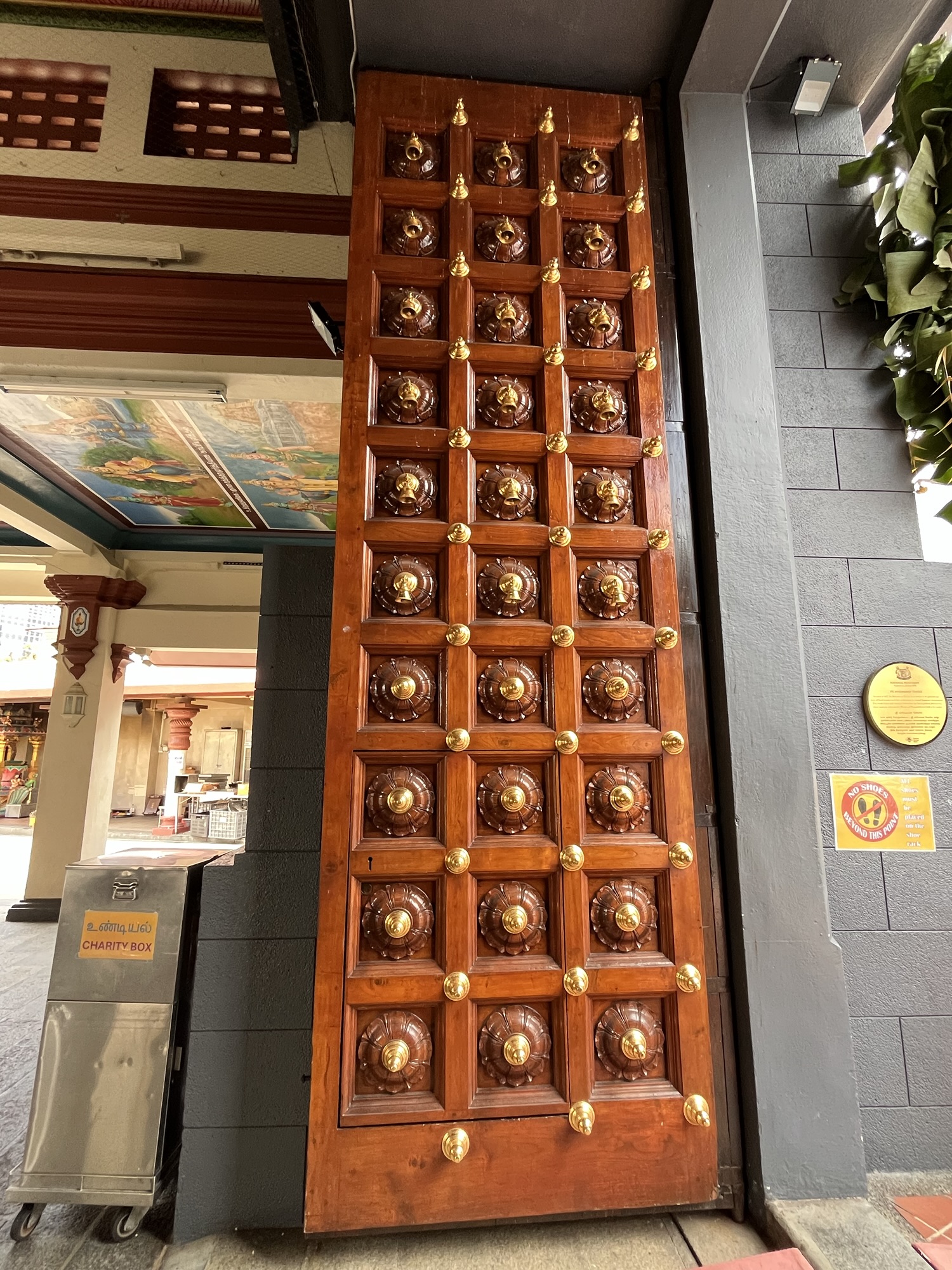
We were so wowed by the outside of the temple that Ted and I both decided to remove our shoes, as required, and go inside the huge wooden doors for a better look.

We were not allowed close to the altar, but were allowed to take photographs.
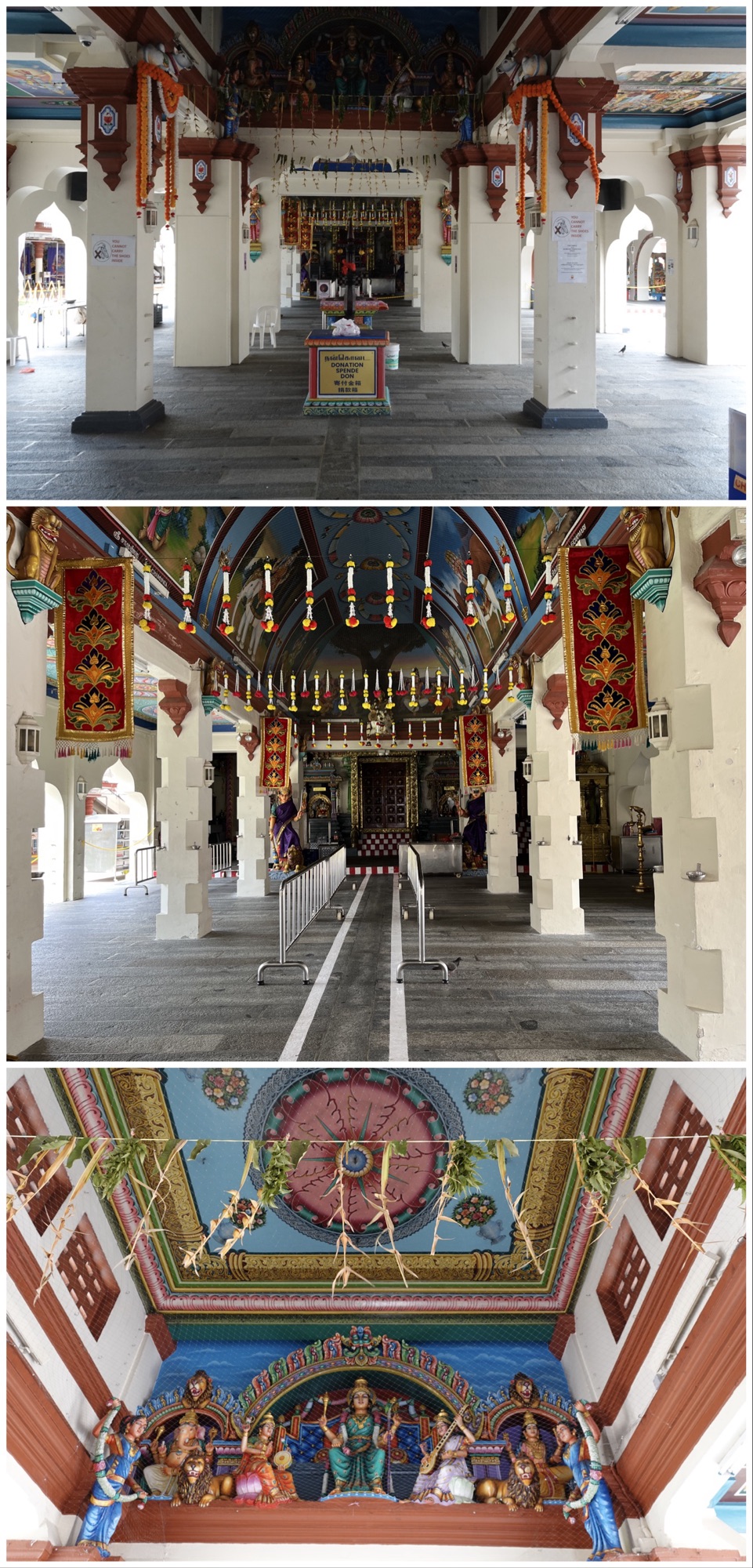
The ceiling of the temple was incredible. Good thing I’ve figured out how to put my cell phone into selfie mode (reverse the focus) and simply hold it flat in my hand to get a nice clear ceiling photo.

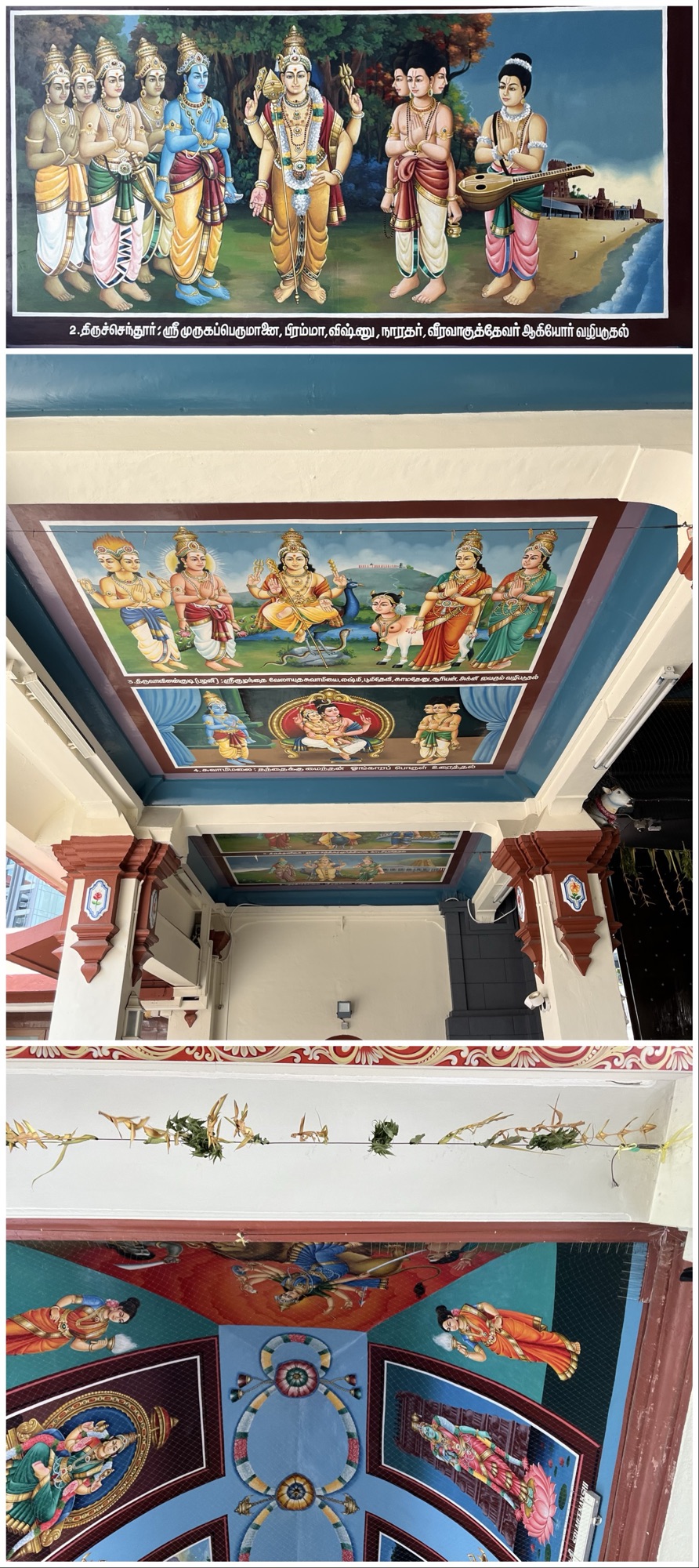
Back in the bus, we drove past a corner where a Buddhist temple, Hindu temple, mosque, and Christian church occupied the four corners. Our guide told us that in the 1960s there were religious riots in Singapore, so now harmony is actively promoted in schools. Racial Harmony Day at all schools in July where the students dress in the “other” culture’s clothing style.
Everyone on our bus – especially those of us who had experienced Jakarta’s insane traffic – noticed the lack of congestion on Singapore’s streets. Given the huge population, we had to wonder why. Our guide told us that cars are super expensive, intentionally. There is a strict quota enforced of how many cars are allowed to be “in circulation”. Before being allowed to buy a car in Singapore, drivers must bid for a Certificate of Entitlement. That regularly costs up to $100K, and is then good for 10 years before needing renewal. Add to that the cost of the car itself, typically around $70K. That definitely narrows the field of drivers. Instead, Singapore has excellent efficient public transit options: tap on tap off buses; elevated, ground level and subway trains; ferries; and even cable cars.
Other queries that our guide addressed were about the island’s cleanliness (gum was banned in the 1980s, cigarettes are almost prohibitively expensive, there are heavy penalties for littering); medical care ( subsidized but not free – public doctor visits cost about $20, private $80-100); and tax rates (15% for incomes up to $10lK, and a maximum tax rate of 24%).
We also learned (SO much new information!) that Singapore has virtually no agriculture and no natural resources. Its revenue comes from banking, “value added” industries like oil refining and the production of semiconductors and microchips, shipping (port fees and dry docking), and – increasingly – tourism.
By the time we got back to the ship to do our turnaround for the evenings excursion, my head was exploding with information, but that’s what having a good guide will do. Thank you again, Viking.
We began our evening excursion with a scenic drive back to Marina Bay as the sun began to set, and did a second walk around the waterfront and into a small portion of the colonial district.
The same places we’d seen on our afternoon walk all looked more elegant at dusk.


Friday evening in Singapore the waterfront really comes alive. That means needing more security: in this case, a robot security guard!

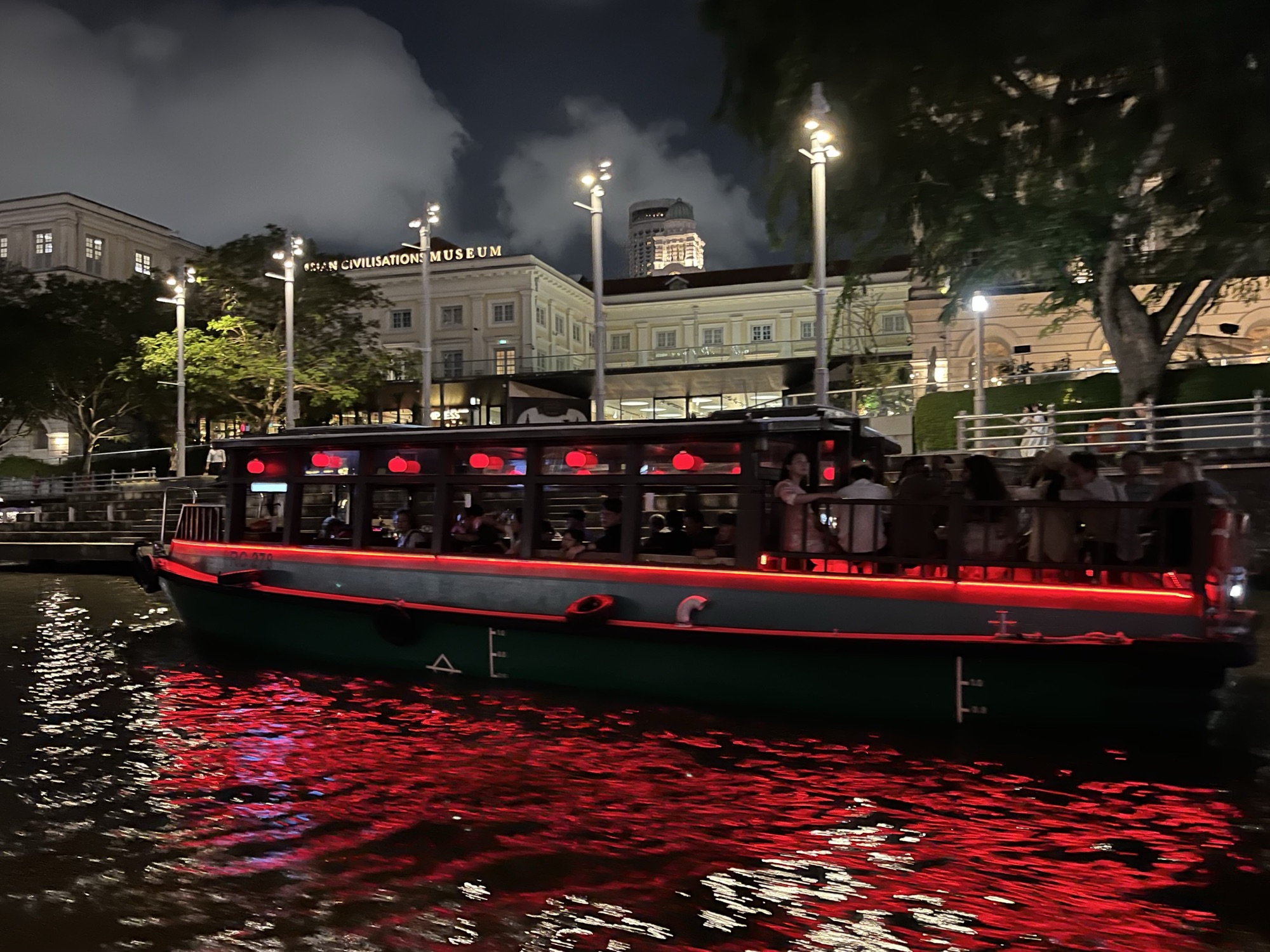
As it became dark, we drove toward Clarke Quay, where we boarded a replica “bum boat” for a half hour ride on the Singapore River. Bum boats were historically used to ferry goods back and forth between ships in the harbour and warehouses along the river. Today the replicas that take tourists on river cruises are powered electrically – another of Singapore’s many green initiatives.
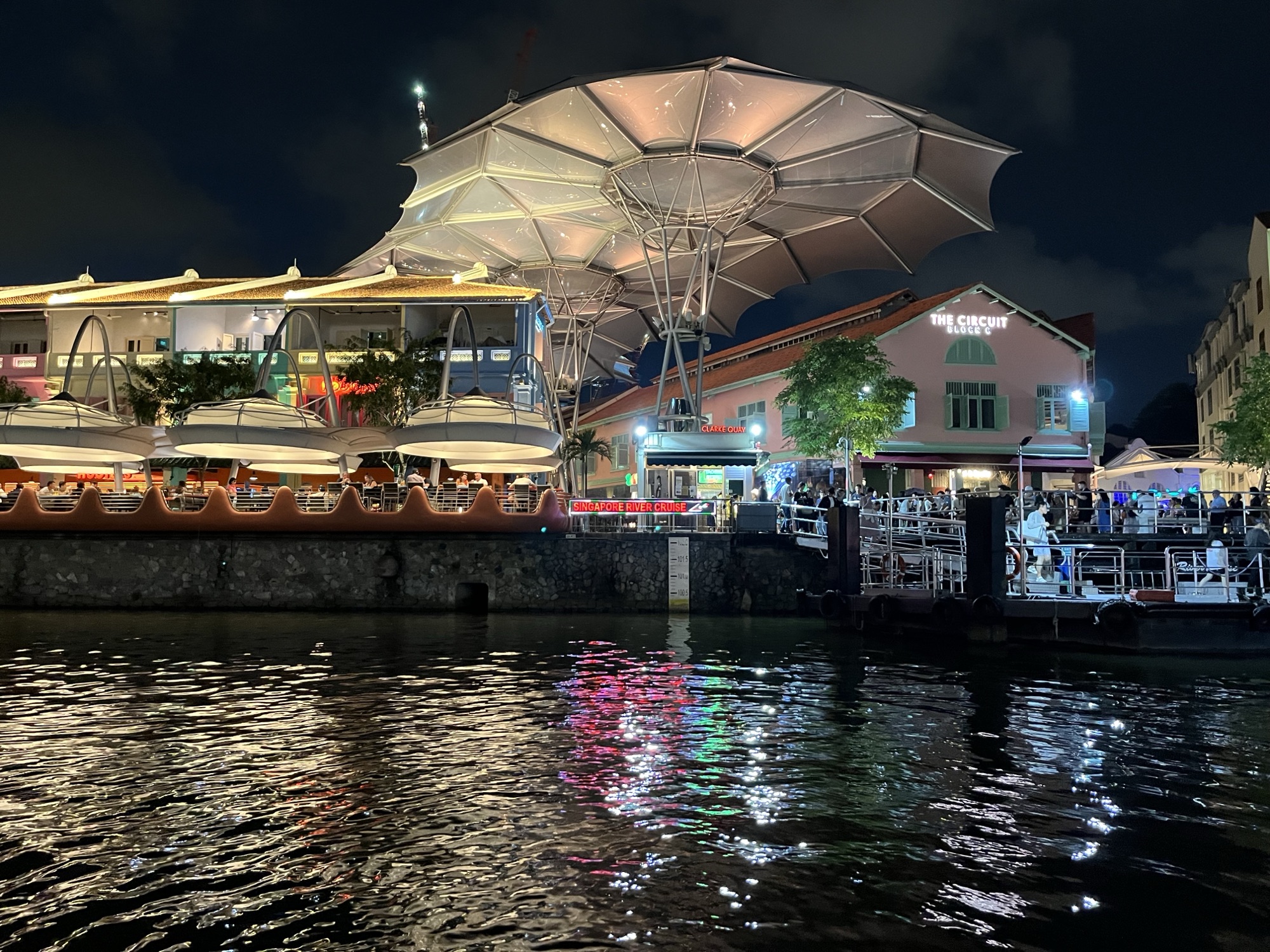
We glided past restored godowns (riverfront warehouses) that are now mostly restaurants…
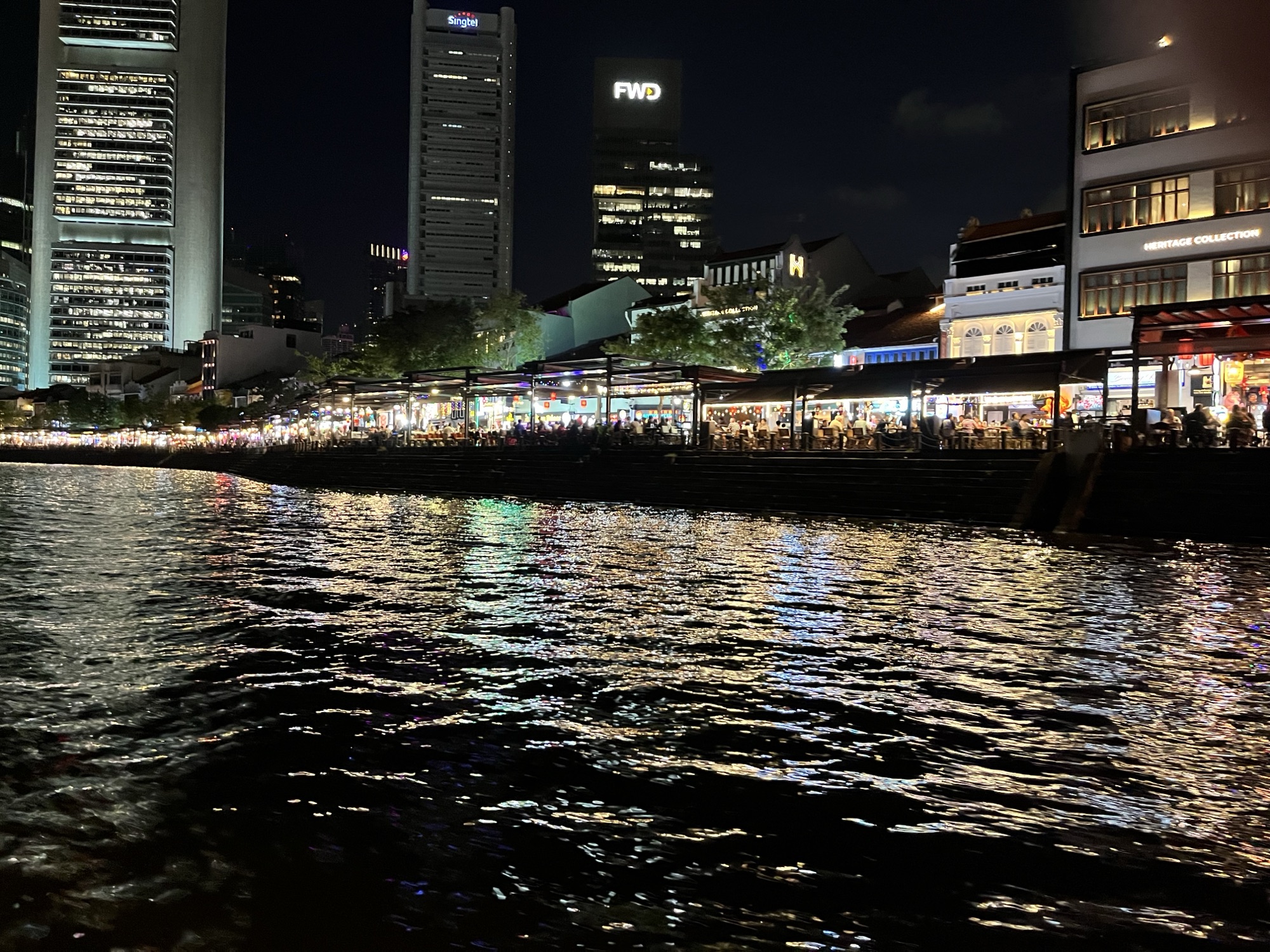
…plus modern skyscrapers in the financial district, and colonial buildings, all beautifully lit.
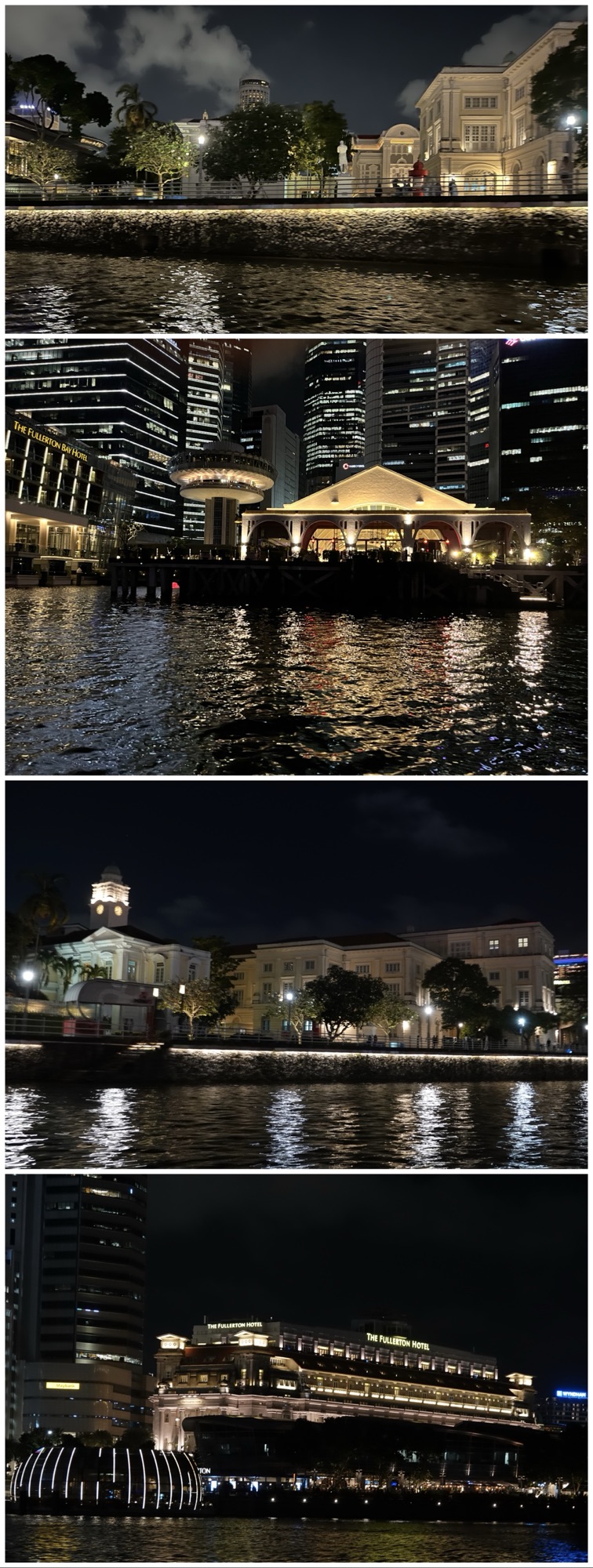
We got another great view of the iconic half-fish, half-lion Merlion statue that we’d seen earlier in the day.

Our timing was perfect to catch the light show in the bay in front of the Marina Bay Sands complex.
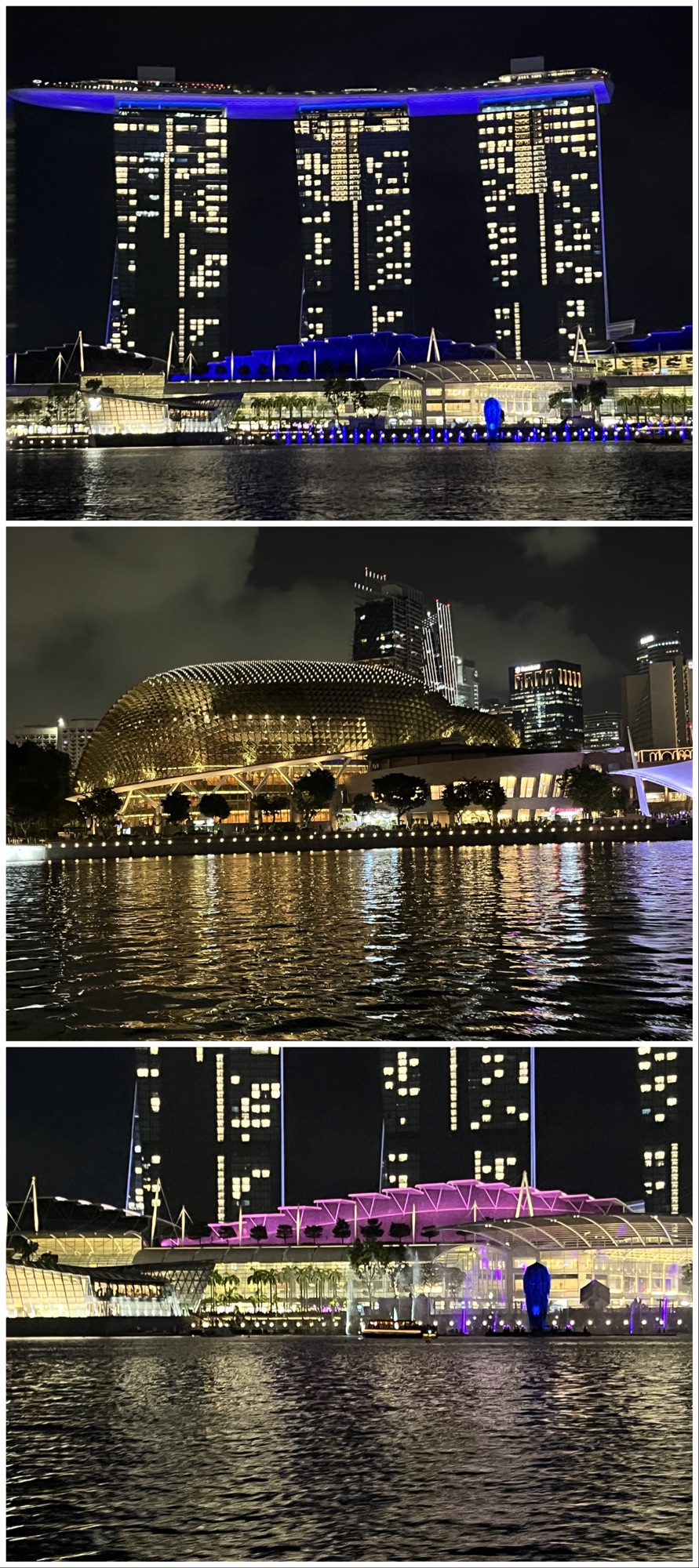
The changing lights on the art and science museum were especially impressive.
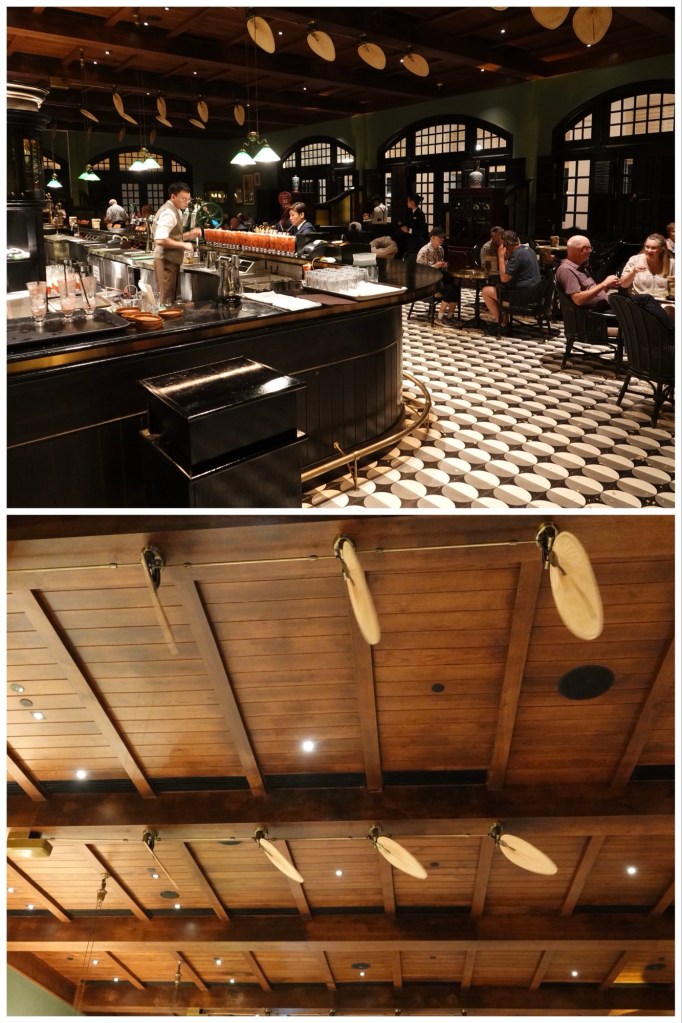
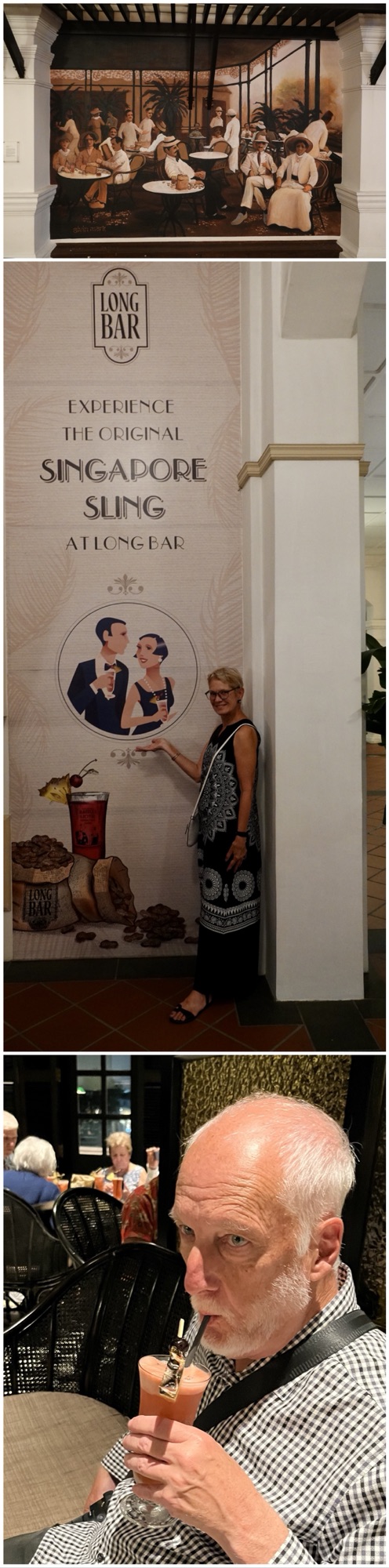
Once back on shore it was off to the famous Raffles Hotel, one of the few remaining great 19th-century hotels in the world. It has been declared a National Monument by the Singapore government. There we had a Singapore Sling and a brief stroll around the hotel, including talking for a moment with its famous Sikh doorman.

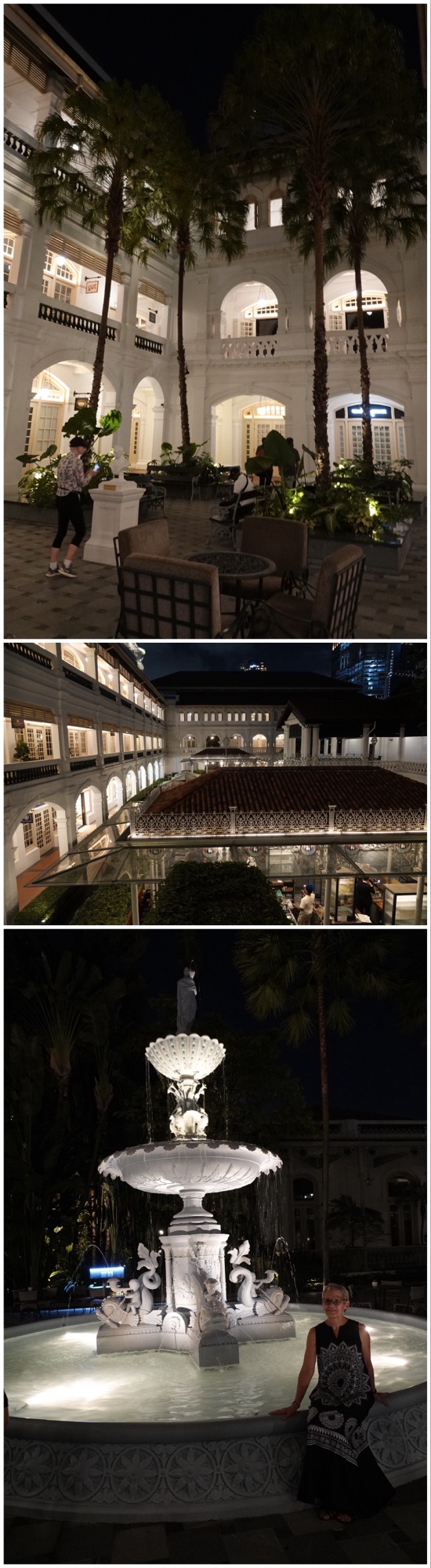
(From the hotel’s website) “The elegant neo-Renaissance architecture and grand spaces of Raffles Hotel Singapore reflected comfort and style, boasting Singapore’s first electric lights and fans. Alongside these innovations, the hotel continued the use of punkah wallahs, which were sheets of cloth rhythmically moving, suspended from the ceiling by means of a cord attached to the toes of the Indian hotel attendants! Since then, punkah wallah ceiling fans have been retained as a design feature at Long Bar, which brings patrons back to the age of the tropical plantation with its earthy décor style, traditionally inspired by Malayan plantation life in the 1920s.”
In informal Indian, a “wallah” is a person concerned or involved with a specified thing or business, so a rickshaw wallah would be a rickshaw driver; a punkah wallah a person who works a fan.
The Singapore Sling was created as a pretty cocktail for women to enjoy, at a time when women drinking alcohol in public was not considered elegant or appropriate. They now cost almost $40 each. Now THAT in my opinion is “not appropriate”… although it fits in with Singapore’s policy of discouraging excessive alcohol consumption.
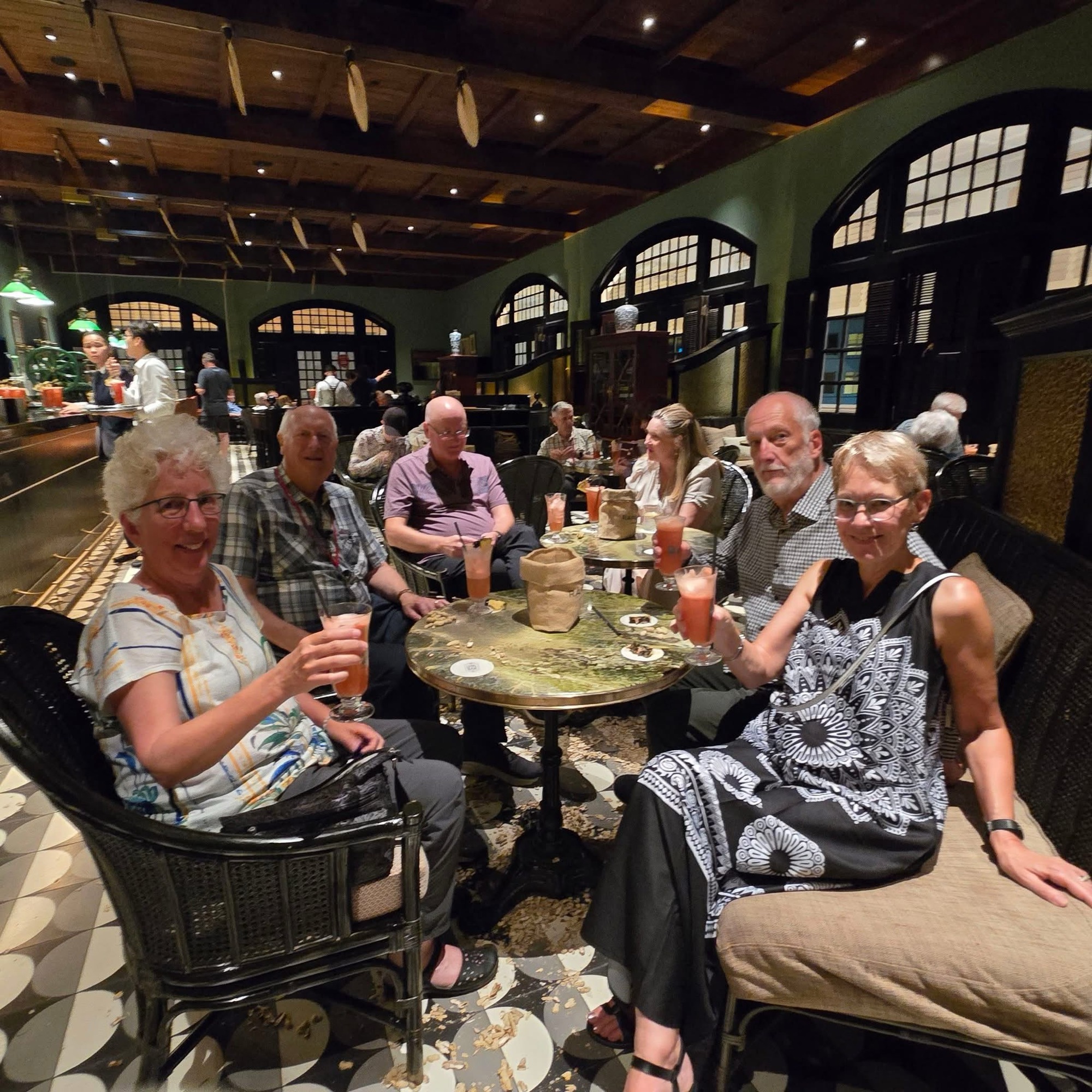
the 21/22 World Cruise.
We got back to the ship around 10:30 p.m,
What an education Singapore has proved to be. On the surface it is incredibly beautiful, metropolitan, and efficient, with an enviably tolerant society, but there are lots of strictly enforced rules that underpin that.
My overall impression was of a wealthy, capitalist, democratic country run a bit like an autocracy. Given my personality, it’s the kind of place I’d love to rule, but maybe not to live in.
A fellow passenger described it as “soulless”. I wouldn’t go that far, but I would say that in our very short experience, we found the Singaporean people to be courteous, but nowhere near as effusively joyful – or as obviously proud of their homeland – as those we met in Indonesia.
My head is full. Good thing tomorrow is a less intense tour day.
 Rose and Ted’s Excellent Adventure
You must have been
LikeLike
Unfortunately your comment got cut off. Not sure why this happens, but we’ll chat on board instead?
LikeLike
Our guide told us th
LikeLike
Unfortunately, your comment got cut off after 3 words
LikeLike