From giant saltwater crocodiles in Darwin to another reptilian giant: the lumbering Komodo dragons, earth’s largest lizards. While nowhere near as large as saltwater crocodiles, they’re still pretty darn big – able to reach lengths of more than 10 feet and typically weighing about 74kg/150 pounds (although they can reach as much as 136kg/300lbs).
Today we were in Komodo National Park on Rinca Island, Indonesia to see them for ourselves.


Rinca Island is just one of the 29 islands of the Komodo National Park, a UNESCO World Heritage Site. It is home to about 2500 Komodo dragons, and about 1750 intrepid humans.
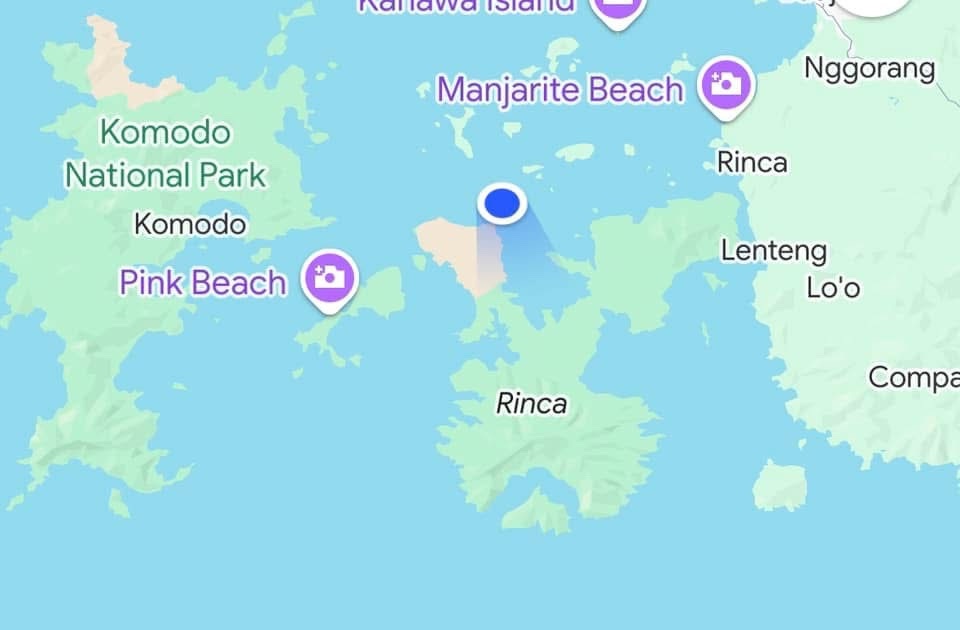
Around us in the water were floating logs (and sadly, also human-generated debris). As we approached our anchor spot, Ted managed to photograph an actual jellyfish … and a plastic bag masking as a jellyfish. Single-use plastics really are an ecological disaster.


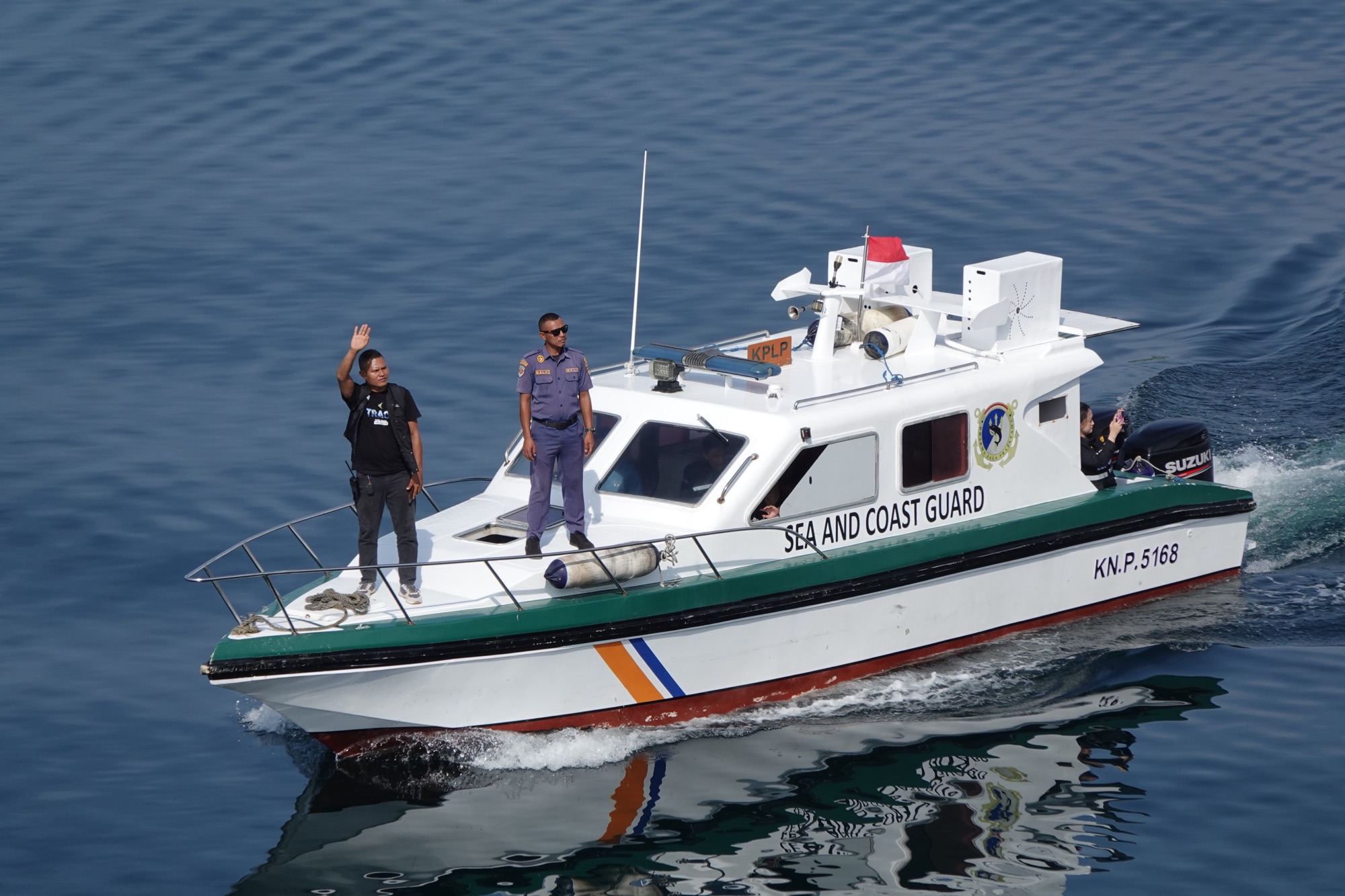
In the waters around us were sampans dragging fishing nets.

In years past, the main island of Komodo could be visited, but the Indonesian government is rehabilitating that island from over-tourism in order to protect the Komodo dragons. Rinca Island has been set up with raised walkways, which allow the dragons to be viewed more safely, if slightly less closely.
That’s okay. I learned from George Sranko’s lecture yesterday that we really don’t want to get all that close.
The weather forecast was for overcast, which would have been a bonus at 28°C/82°F with 80% humidity, but as we arrived just after 8:00 a.m. the sun was already beating down. It felt significantly hotter than 28°C.
Thankfully, it did become slightly overcast by the early afternoon, making our tender ride quite pleasant, especially with the slight breeze generated by our motion through the water.
From a distance, the islands are incredibly green and lush. They’d look like a primeval paradise – if we didn’t know they were filled with dragons.
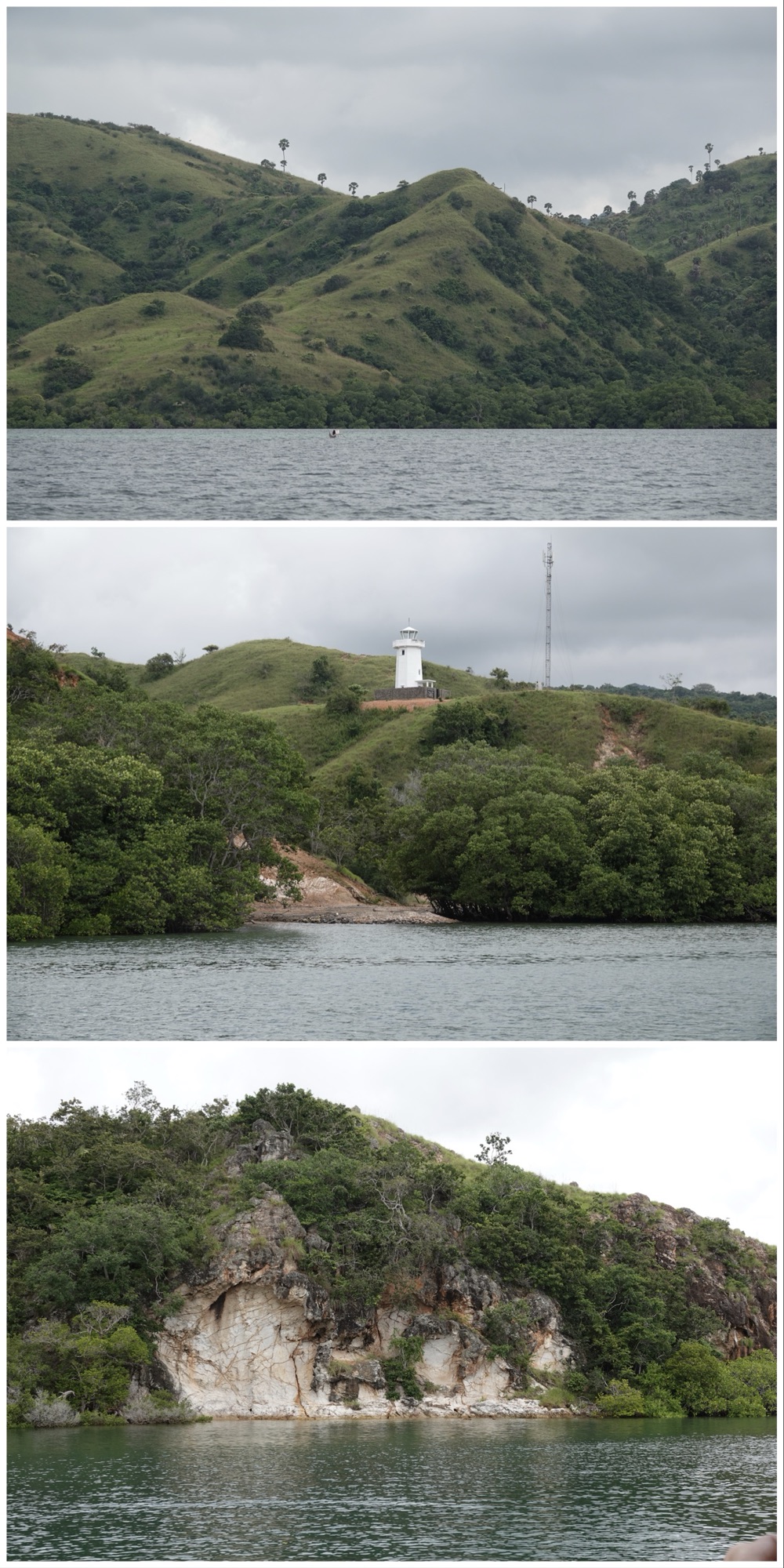
Our tour group was among the last of the day, leaving the ship by tender at 2 p.m. to reach the island around 2:30. Folks were joking that the dragons would already have digested any early tour passengers and be ready for their afternoon snack; funny, and yet not.
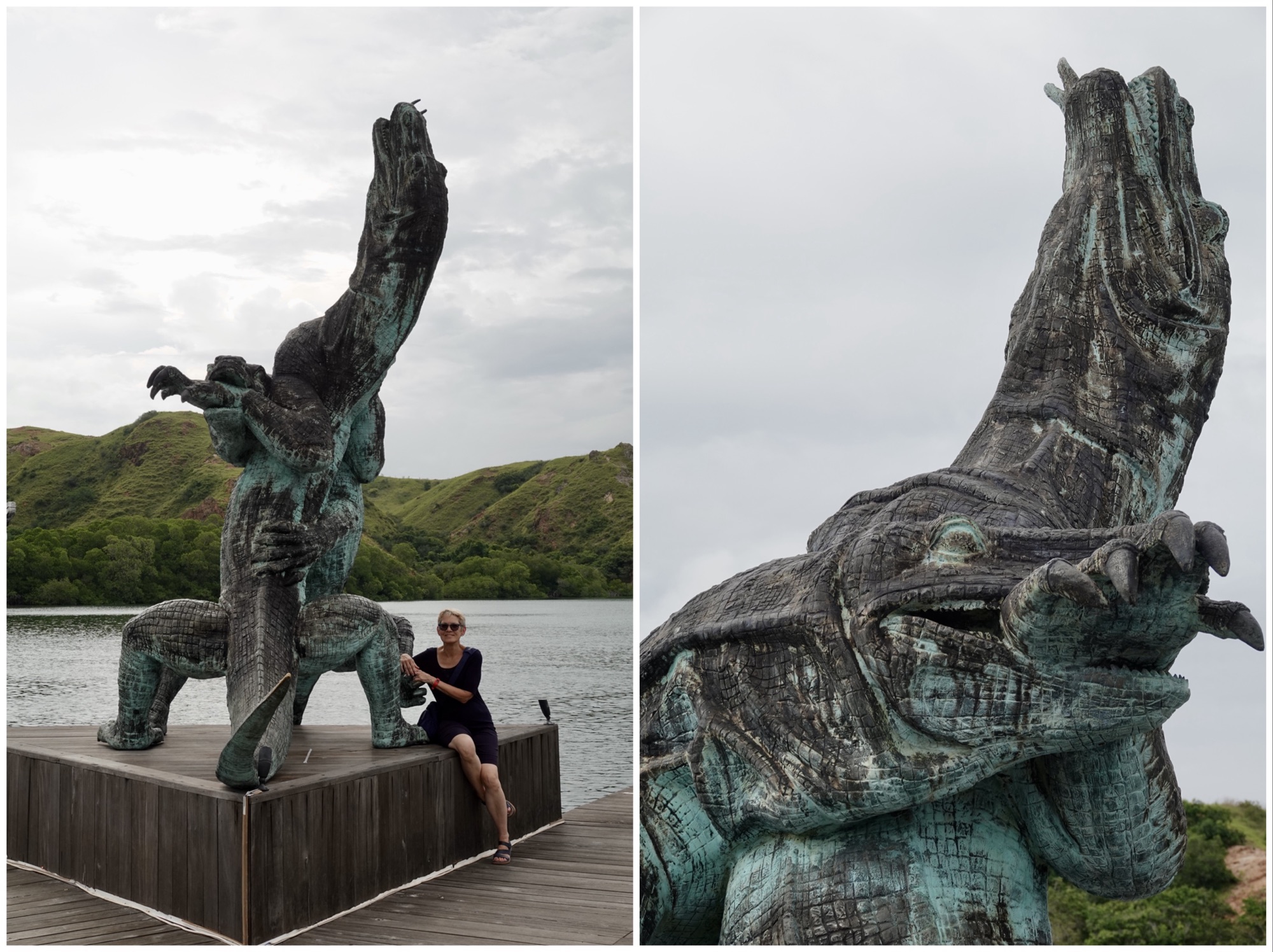
In the park, we walked – with our guide – on specially elevated walkways that allowed us to observe the wildlife without interference.

Unfortunately, we had better luck photographing birds and prey than predators.

Folks who were on the earlier tours got pictures of active dragons, walking and flicking their tongues, as well as long-tailed macaques, and water buffalo at a watering hole; we got statue-still male Komodos who apparently didn’t know or care about the quality of our photos.
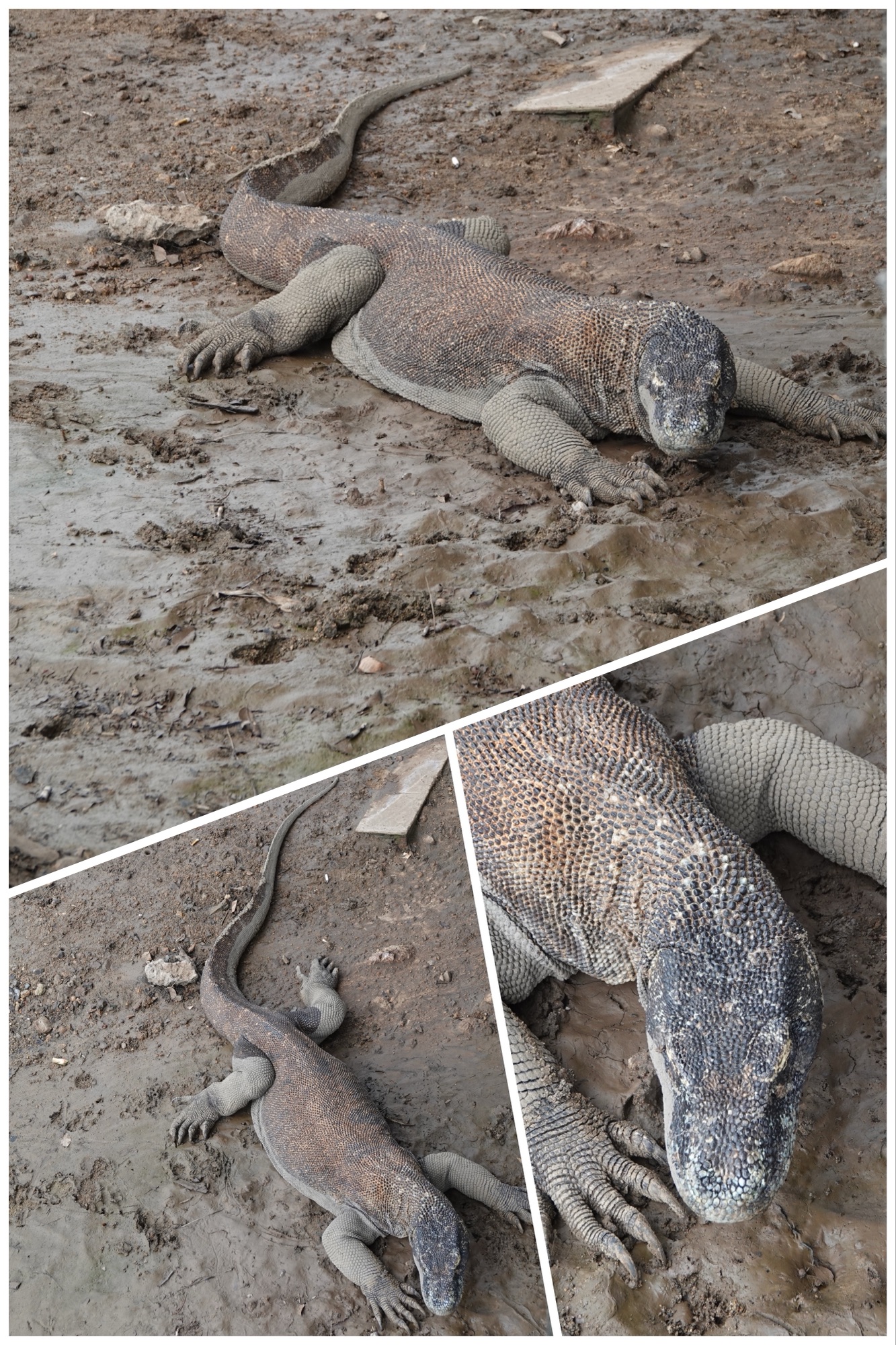
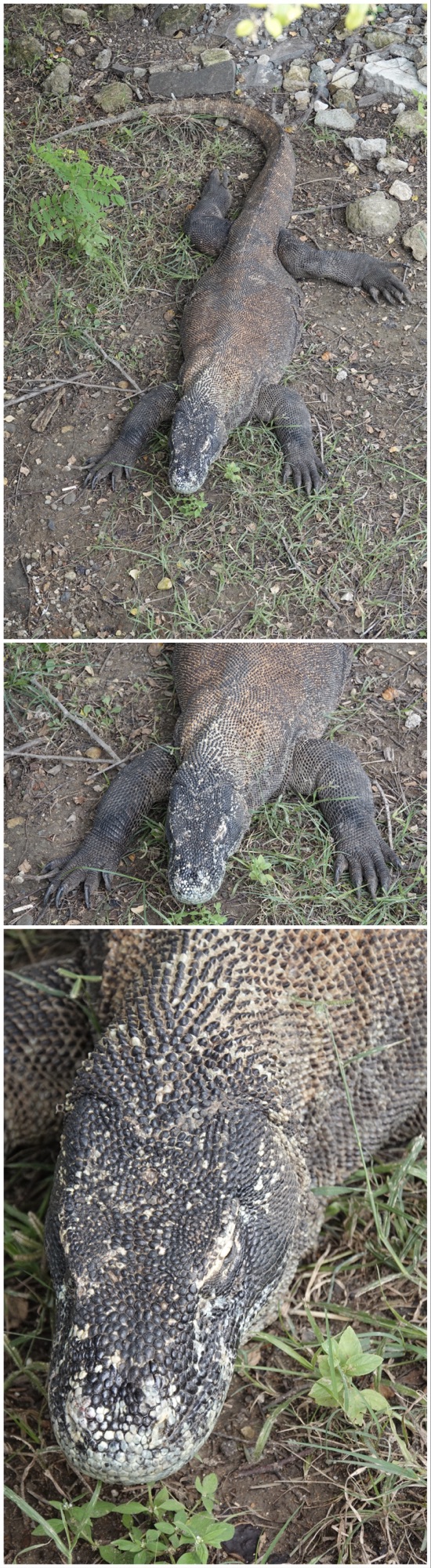


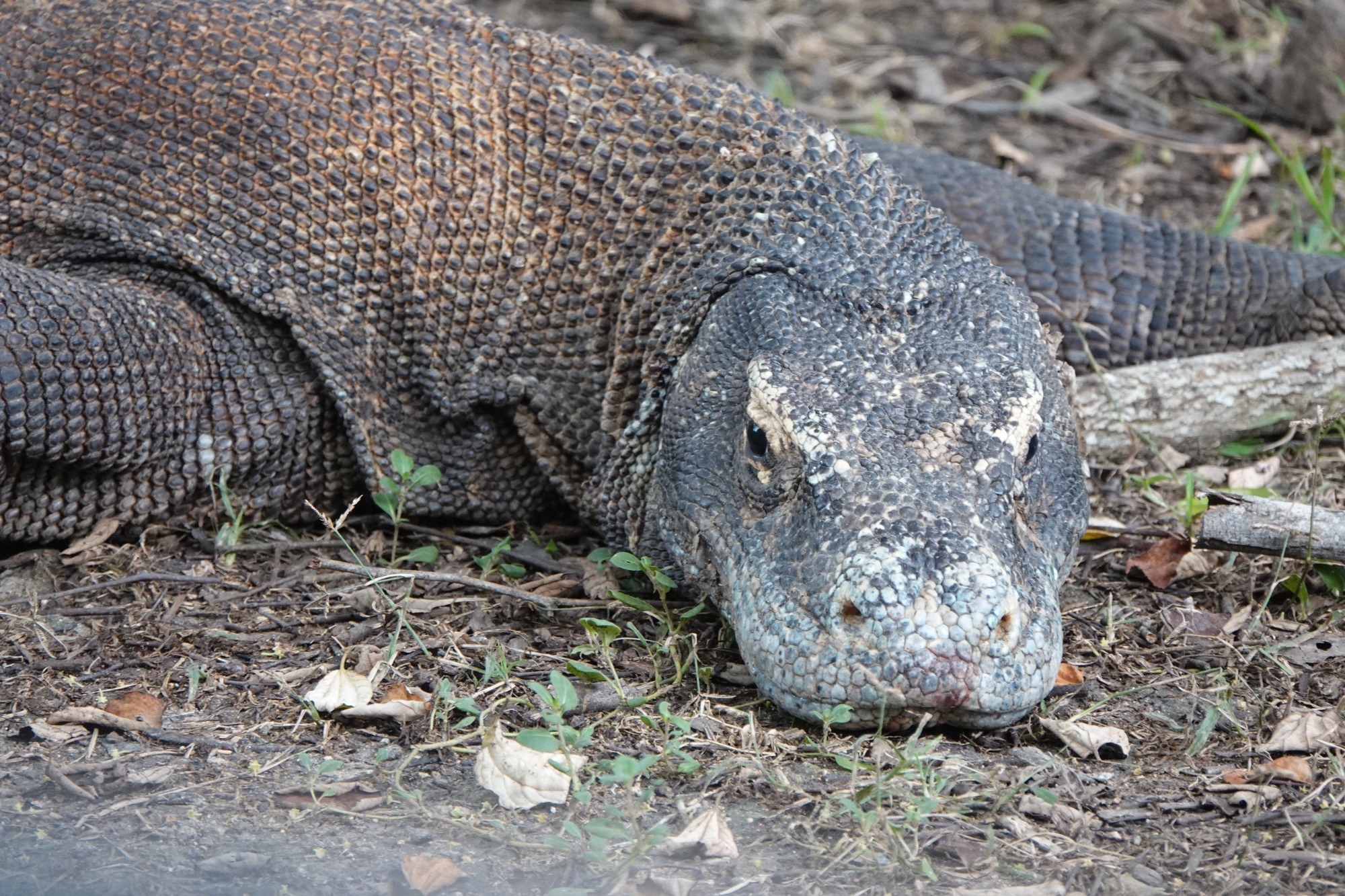
After our guided walk, we had the chance to learn more about the legends, animals, and islands during a brief stop in the visitors’ centre. We got a close-up look at what a dragon’s bones look like, and a comparison of the male and female of the species.
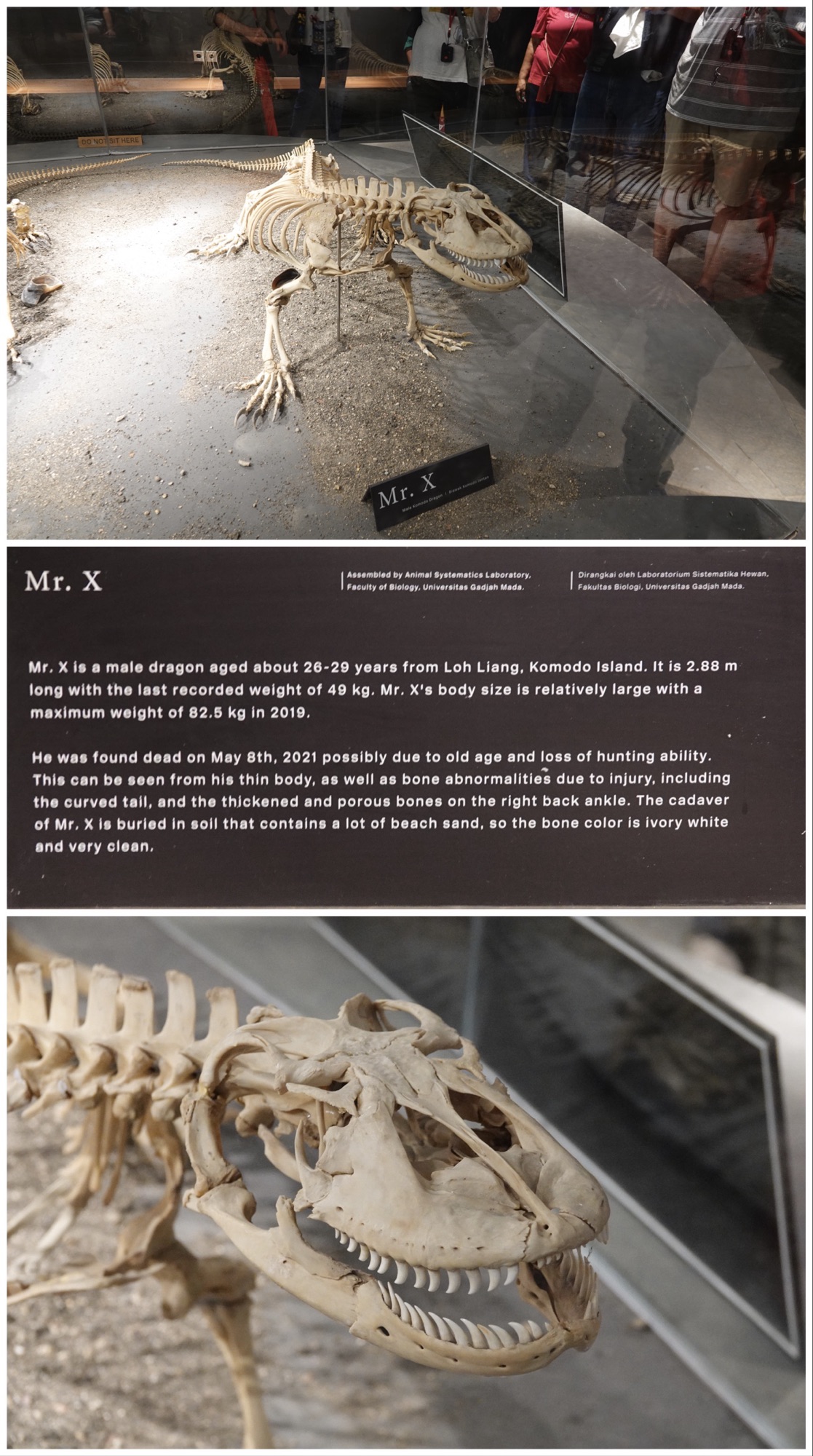

Our guide explained the reason for the stark difference between the male and female “claws”. The female needs to be able to dig a hole into which to lay her eggs. Since she does not stick around to protect them, or the hatchlings, it’s the last “maternal” job she does. The males do nothing but potentially eat the hatchlings.

Bottom right: the male’s claws.
We also learned that although it does not occur in the wild, where both males and females exist, if female Komodo dragons are isolated – as in a zoo – they are parthenogenetic, meaning they can reproduce asexually in order to propagate the species. If you’re curious to learn more about how this works, read this Scientific American article from 2006.
When we returned to the ship it was time to change for our dinner at the Chef’s Table, where to ight’s menu was “Sweet & Salty”.

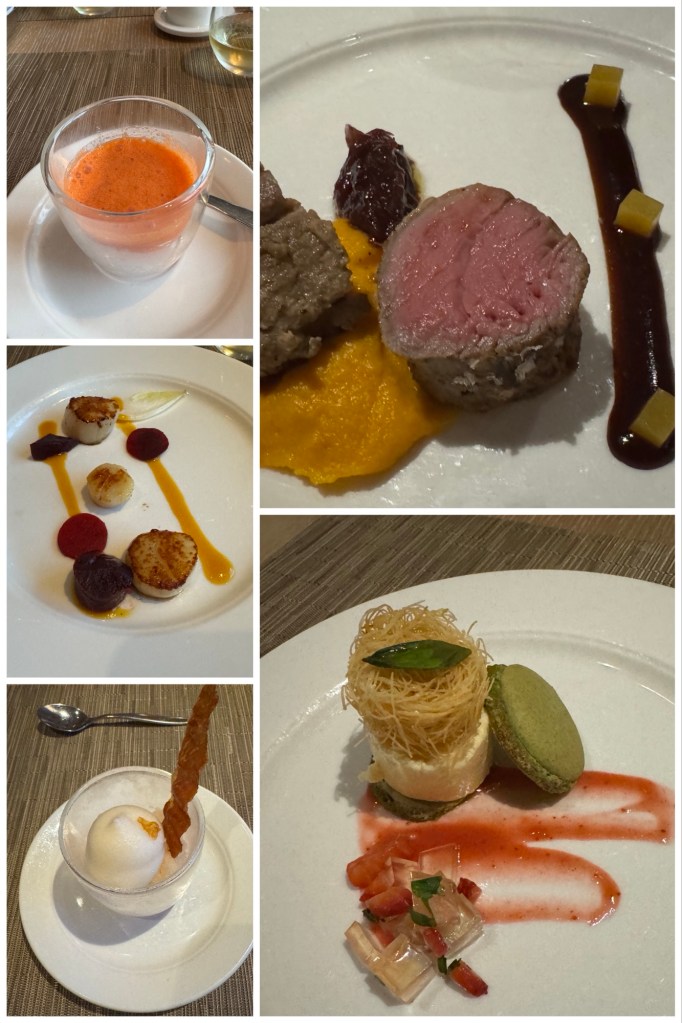
Bottom left: we could have eaten a lot more crispy prosciutto slices with our melon granita! Top right: the plate on which the veal was served was garnished with jus and honey mustard jelly cubes. Bottom right: the Bavaroise was served in a macaron, and topped with the same kind of bird’s nest phyllo pastry used for baklava (called bülbül yuvası in Turkish, which translates to “nightingale’s nest”).
We decided to forego the theatre performance in favour of a quieter evening with the Resident Guitarist, and then a relatively early night.
 Rose and Ted’s Excellent Adventure