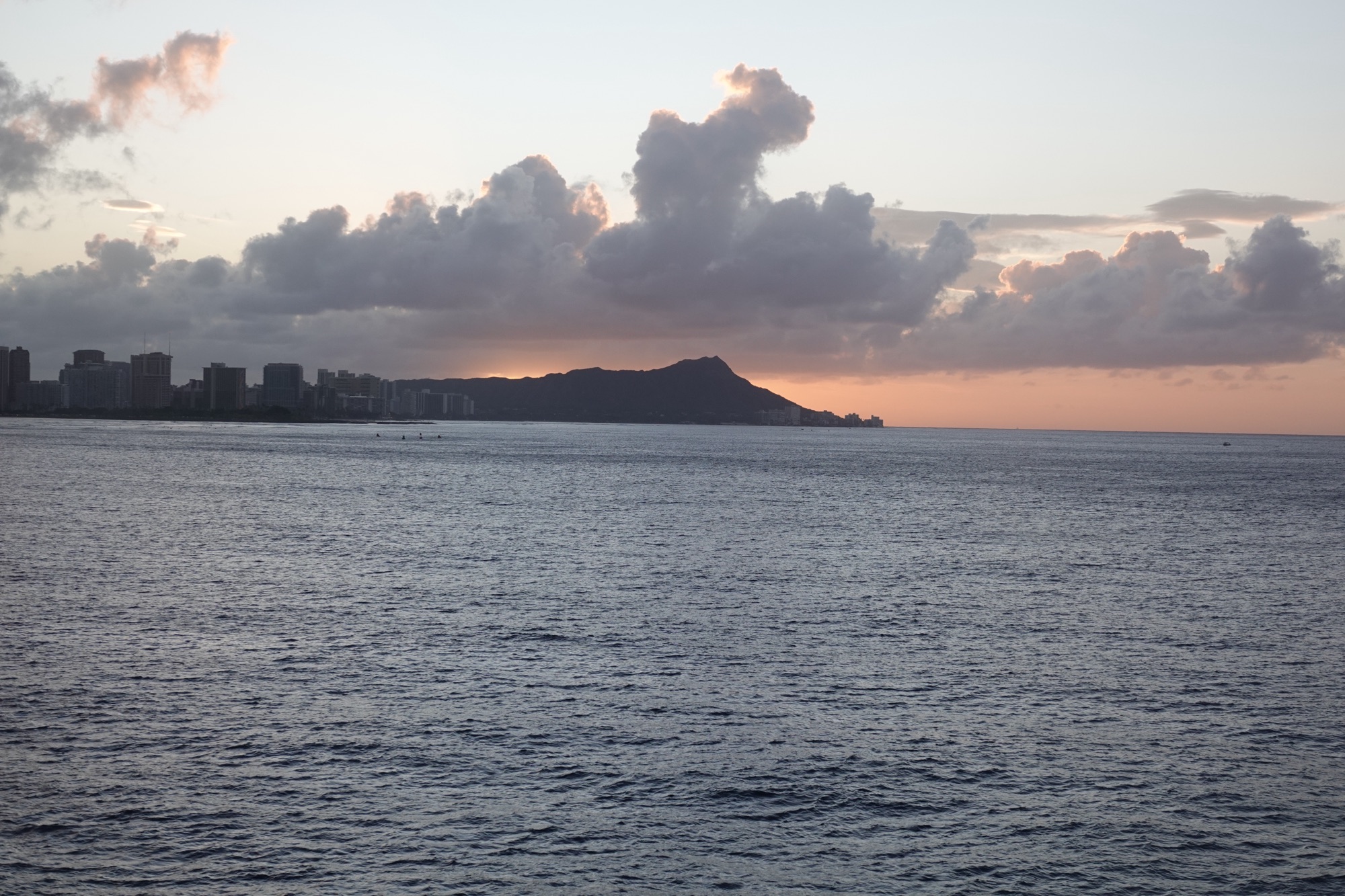
We were in Hawaii last January, too! That cruise was with Holland America, shortly after the devastating fire that razed Lahaina (Episode 472).
It was our first trip to Hawaii, and we’d booked it more as a way to assess Holland America, while simultaneously escaping cold temperatures, than for the destination itself.
Before the trip, I knew very little about Hawaii’s history; I certainly didn’t know about the way in which the colonial sugar barons and their political allies overthrew the Hawaiian monarchy, or about how the islands were important to the United States mostly for their strategic military location.
In August, while we were exploring excursions for this time in Hawaii, British/American comedian/commentator John Oliver did an in-depth piece on Hawaii on his show Last Week Tonight (Season 11, Episode 20). He discussed how Hawaii has long been run for the benefit of everyone but Hawaiians. It was worth a listen again today as we got ready to set foot on Oahu.
Our morning was spent doing a tour called “Honolulu Highlights and Pearl Harbor”, since we had chosen not to visit Pearl Harbor the last time we were here. I’m really glad that I attended the on-board lecture yesterday and also read Ghosts of Honolulu: A Japanese Spy, A Japanese American Spy Hunter, and the Untold Story of Pearl Harbor, by Leon Carroll Jr. and Mark Harmon, before our visit for some perspective.
The tour description read: See Honolulu’s sights and explore Pearl Harbor’s Visitor Center for a glimpse into Hawaii’s World War II history. Meet your guide at the pier and embark on a scenic drive through Honolulu’s Downtown area and Chinatown district. Witness the magnificent City Hall and the lolani Palace, the only royal palace on American soil, and pass by Kawaiahao Church, the Hawaii State Capitol, the governor’s mansion and the homes of early missionaries. After your drive, you will stop at Pearl Harbor, where you will learn about the fateful attack that took almost 2,500 lives. At the Visitor Center, stroll the exhibits that document the events before the surprise attack and its aftermath, including displays of personal memorabilia, dramatic photographs and artifacts.
We docked at Pier 10 in Honolulu, right beside the iconic Aloha Tower.
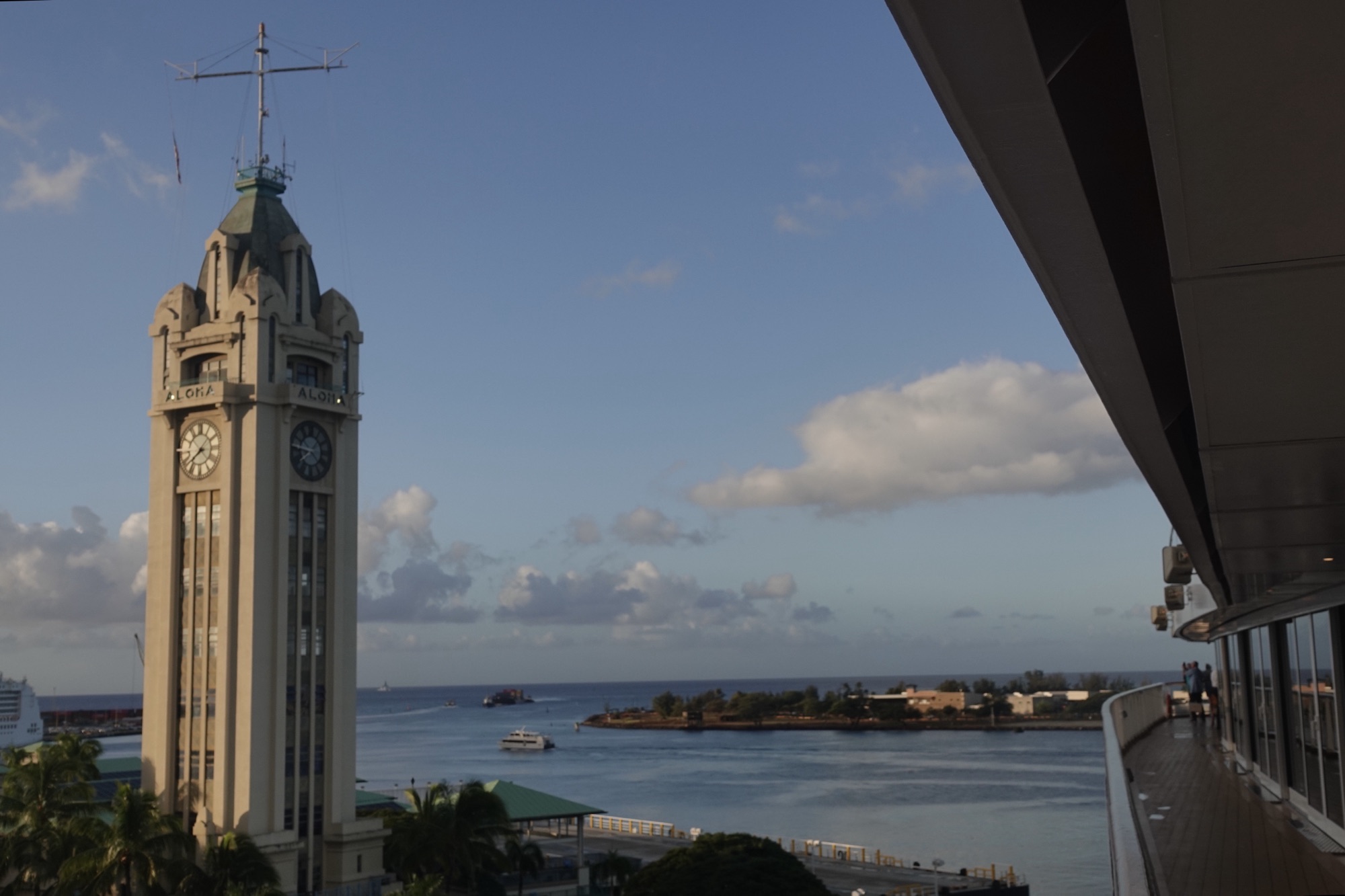
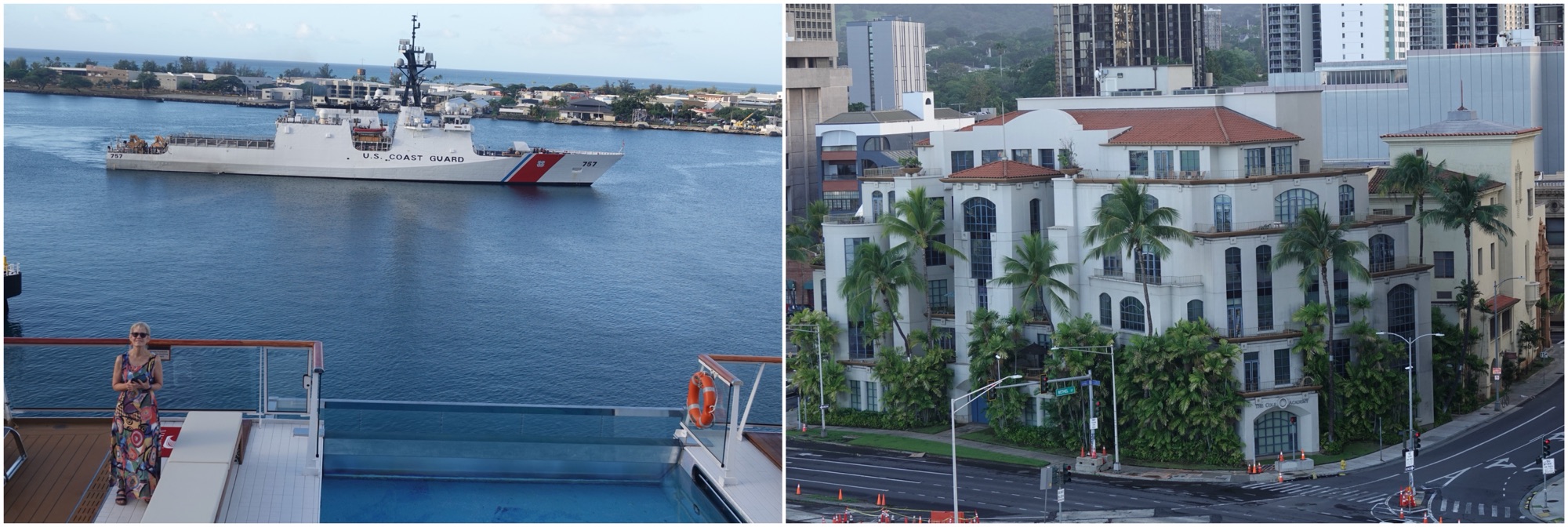
At 9:00 a.m. we were off the ship and on our way, experiencing Honolulu’s unique weather. Many places claim that the weather changes every 10 minutes, but here it truly does, going from bright sunshine to fast-moving clouds delivering refreshingly cool mist, and back to sunshine so fast that there’s no point in even unfurling an umbrella. It makes for some spectacularly short-lived rainbows.
The Pearl Harbor Visitor Center has security measures more stringent than I’d ever seen before. No bags or purses larger than 1-1/2” x 2-1/4” x 5-1/2” are allowed. That’s basically the size of a cellphone. The website clearly states: “backpacks, camera bags, purses, luggage, and fanny packs must all be left at the baggage storage at the entrance to the Pearl Harbor Visitor Center.” That’s a level of security not even the Reichstag in Berlin or Buckingham Palace in London requires. What the website didn’t say was that you pay $7USD plus tax per item handed over for storage.
Unlike our American friends, for whom Pearl Harbor holds so much significance (like Vimy Ridge, Passchendaele, or Juno Beach do for Canadians), for us this site is analogous to visiting other US battle sites like Gettysburg, the Midway, or the Alamo, although we clearly understand the difference that being attacked on one’s home soil means (after all, my family members were in the centre of the arena in Europe in both world wars).
The reverence in which this place, which is not only a memorial but a watery graveyard for over 1100 crew members of the USS Arizona, is held is palpable – even more than we experienced at the Vietnam Memorial. Visitors are even asked to “dress respectfully”; it is closer to a shrine than a historic site.
We chose not to ferry out to Ford Island or the USS Arizona memorial, but instead spent 2 full hours on the Memorial Walkway and in the 2 museums that are integral to the Visitor Center. Both made excellent use of displays, artifacts, newsreels, and quotations to tell the story of the attack on Pearl Harbor in a way both educational and very moving.
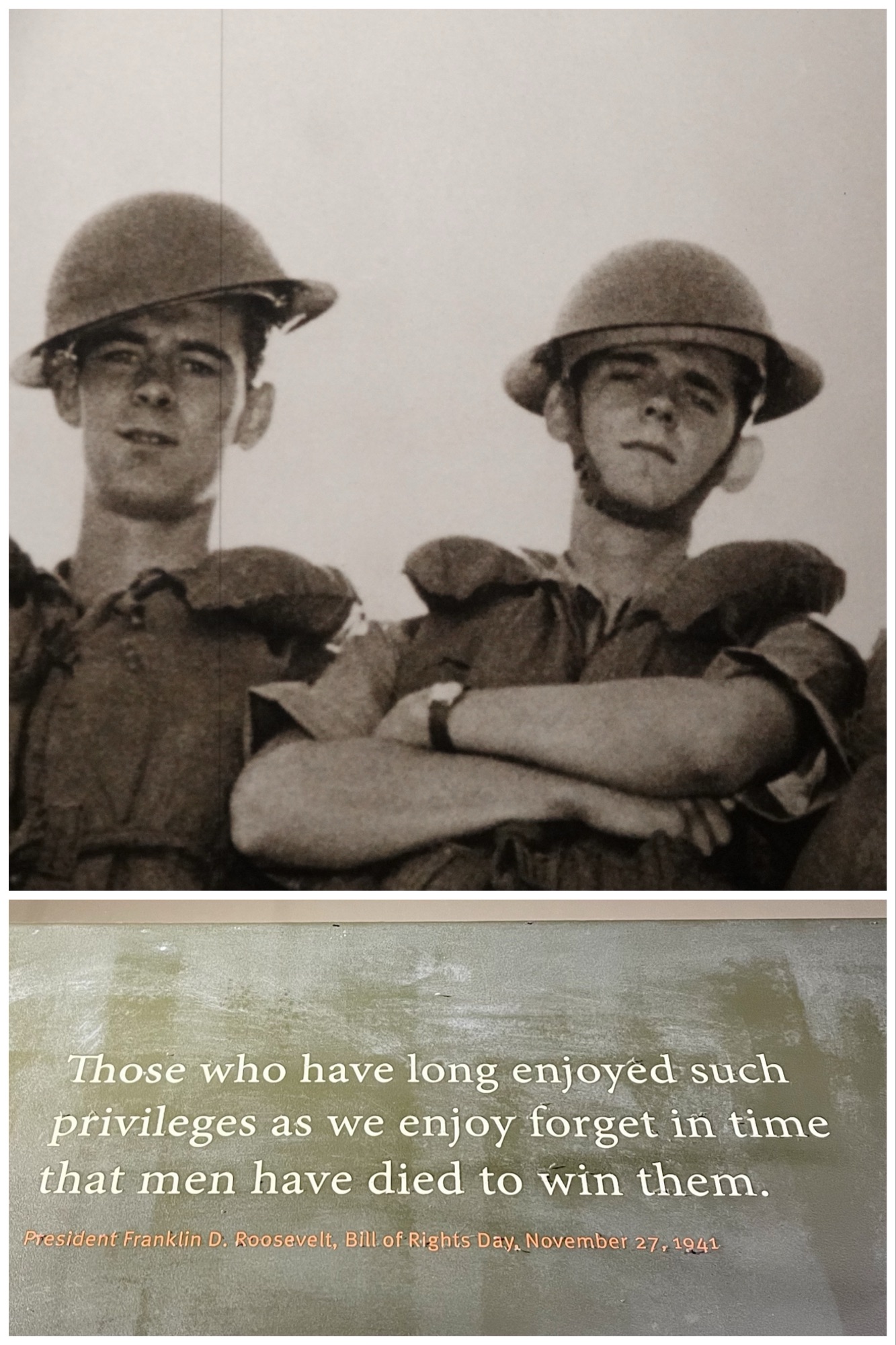
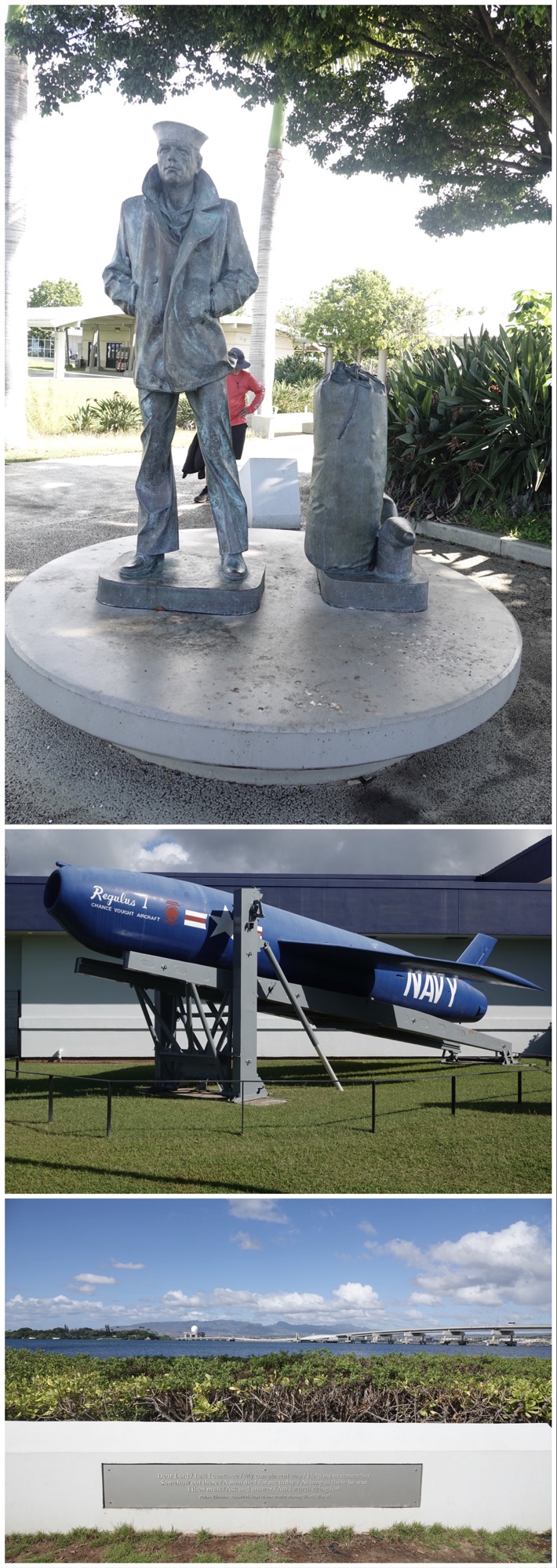
Dear Lord,
Lest I continue
my complacent way,
help me to remember
somehow out there
a man died for me today.
As long as there be war
I then must ask and answer
Am I worth dying for?
 - Poem Eleanor Roosevelt kept in her wallet during World War II.
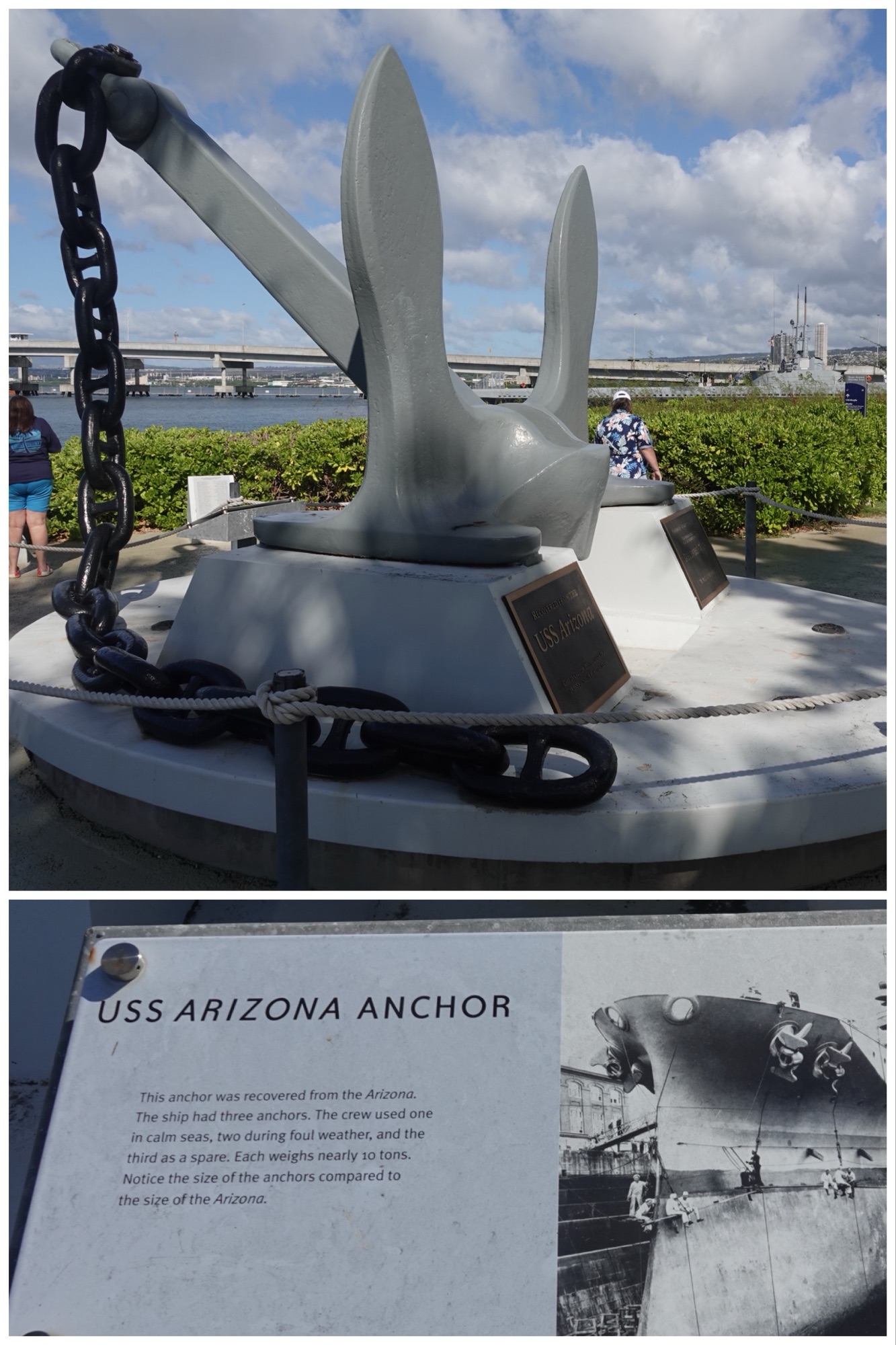
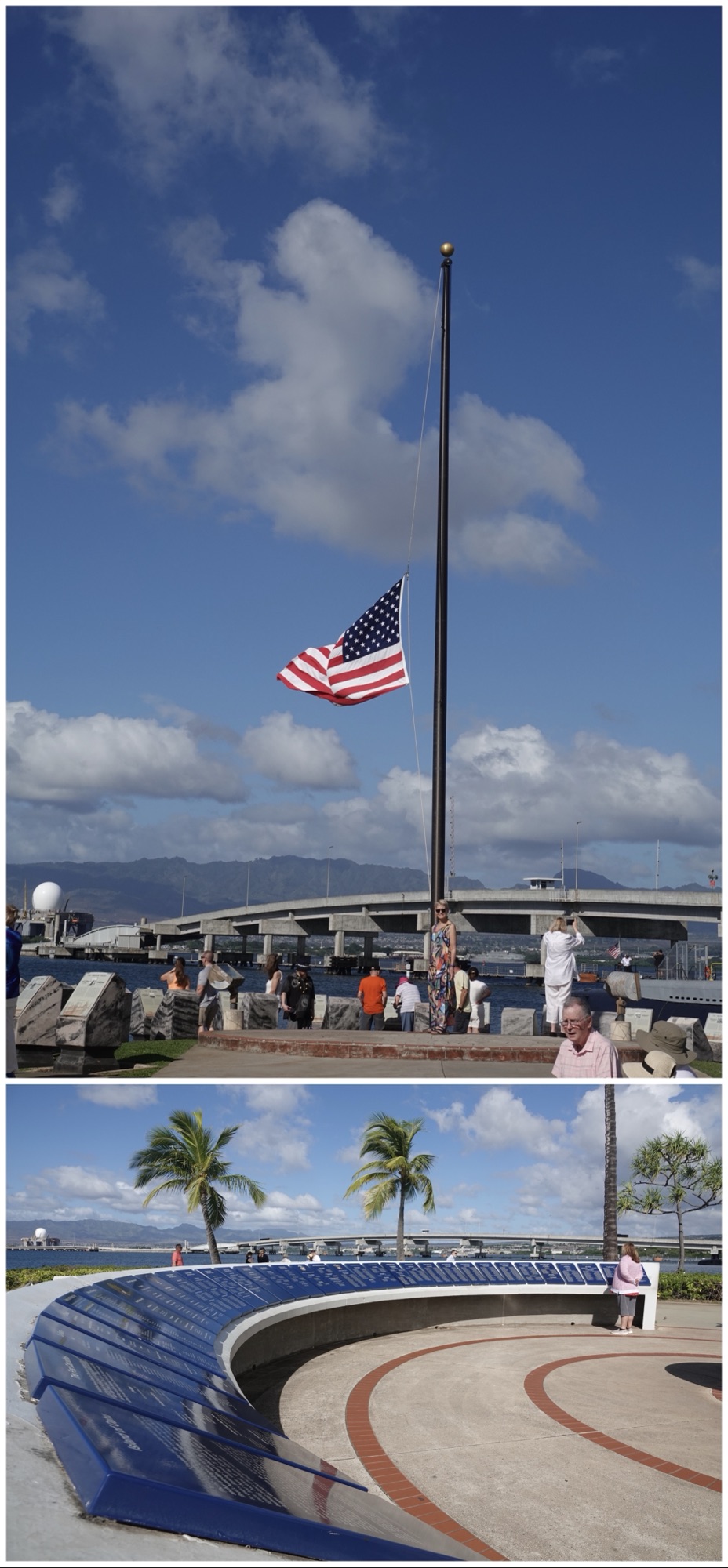
Bottom: the names of all the Pearl Harbor dead.
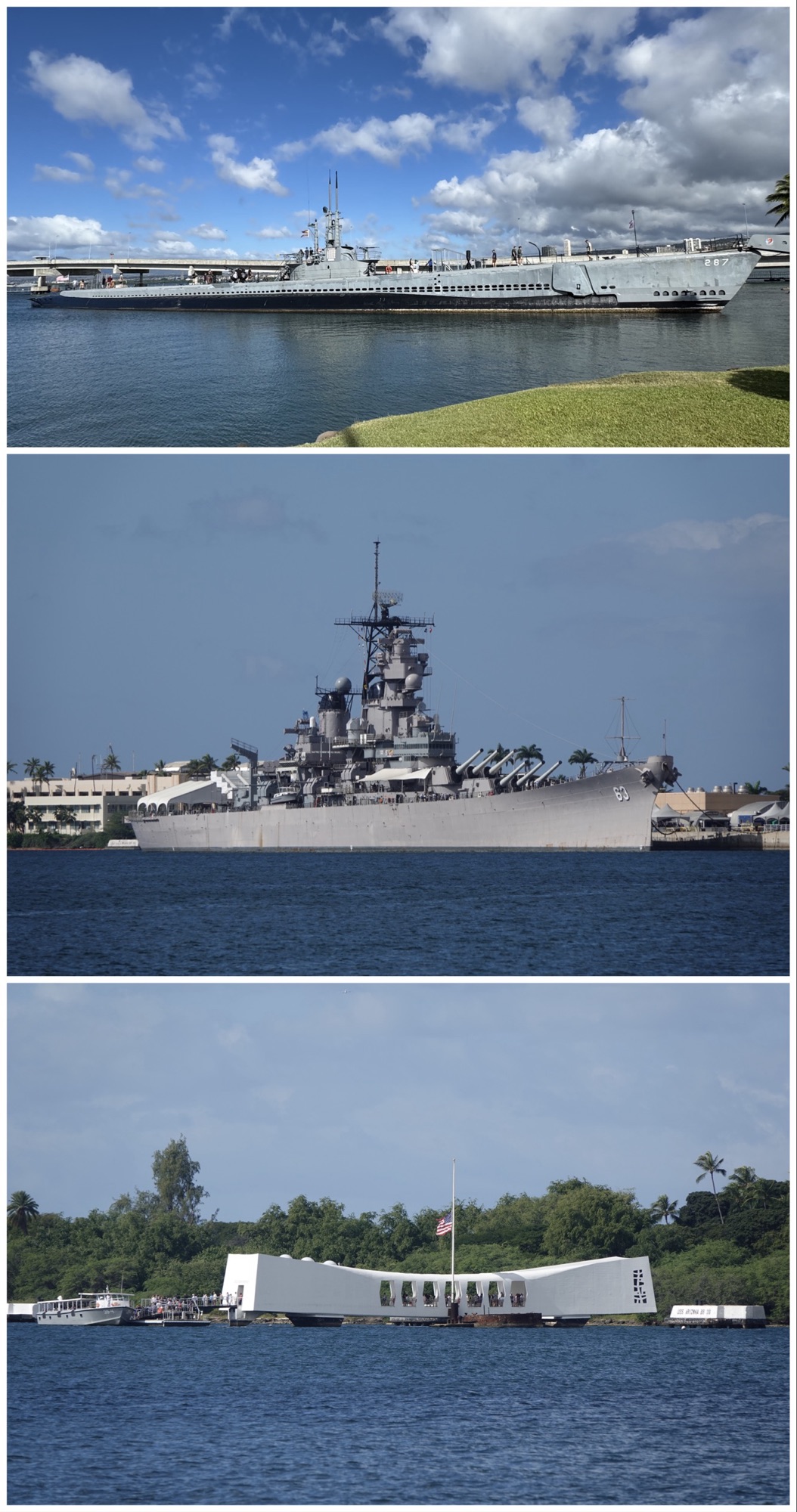
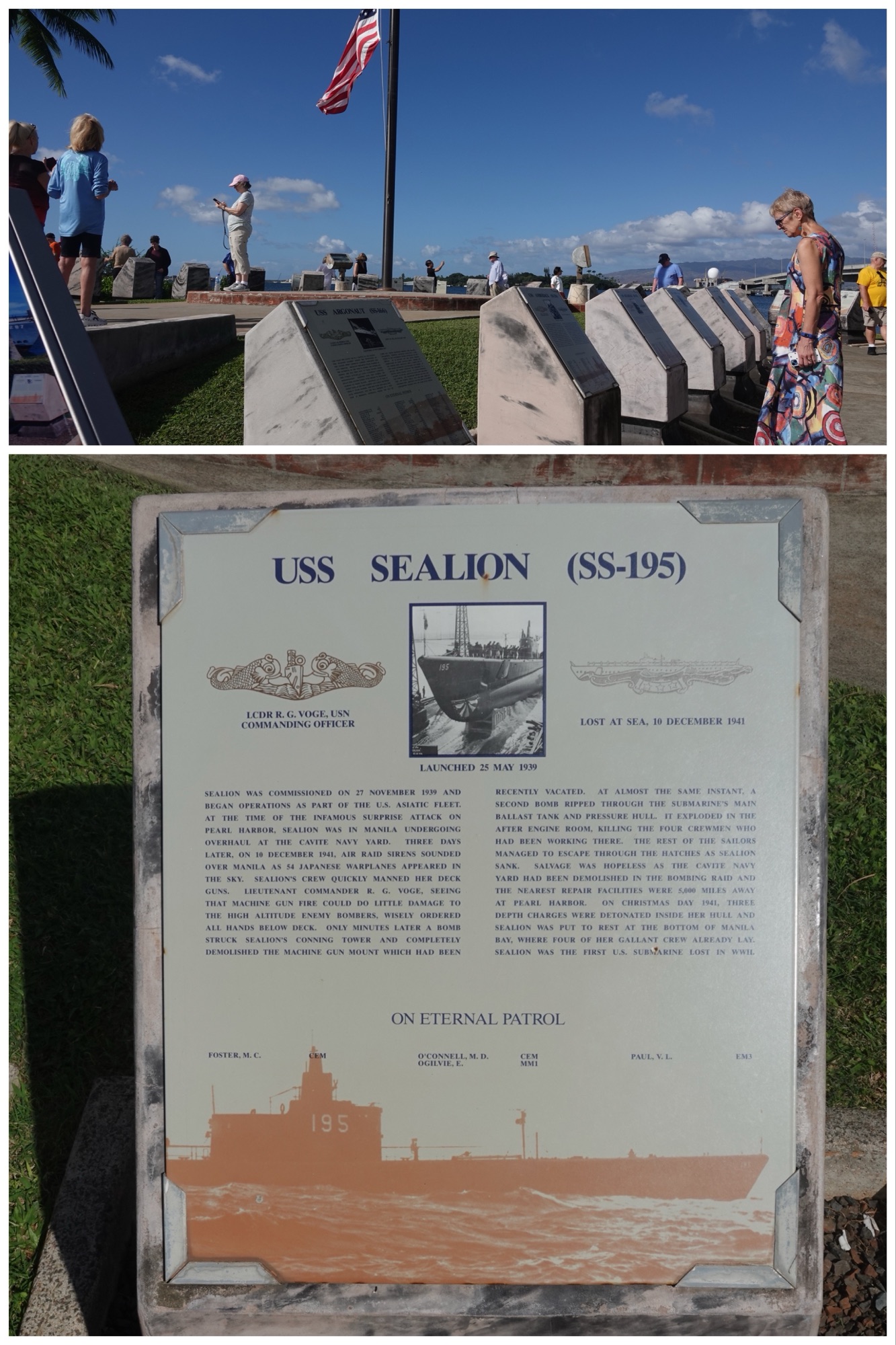
I found it incredibly moving that those buried at sea were listed as “on eternal patrol”.
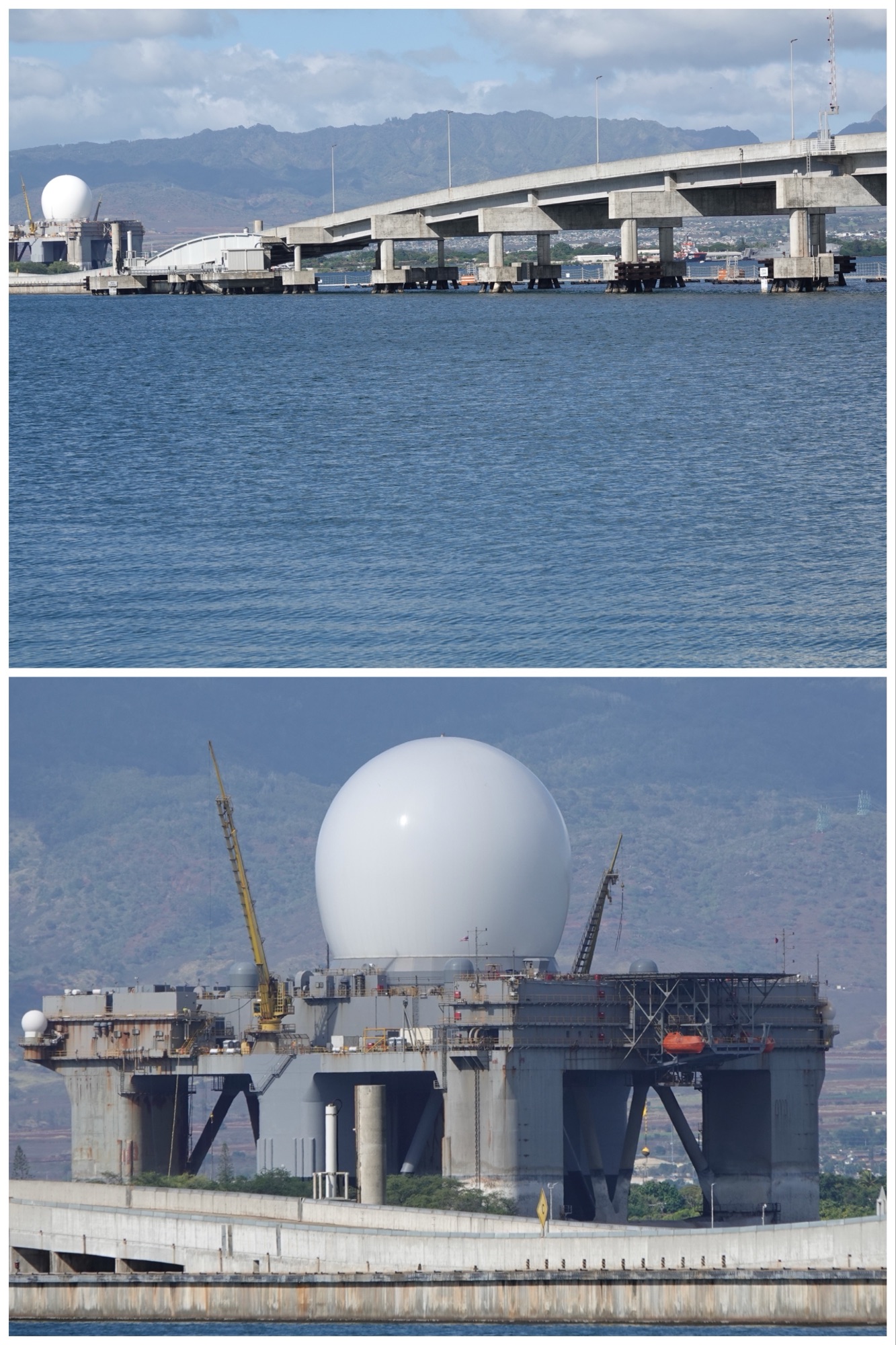
We were dropped off back at the port after our tour, and then set out on foot to get a closer look at many of the sights that we’d had pointed out to us on the bus tour.
Aliʻiolani Hale, home to the Hawaiian State Supreme Court, was originally intended to be the royal palace, but Kamehameha V designated it as the nation’s courthouse, and Iolani Palace became the royal residence.
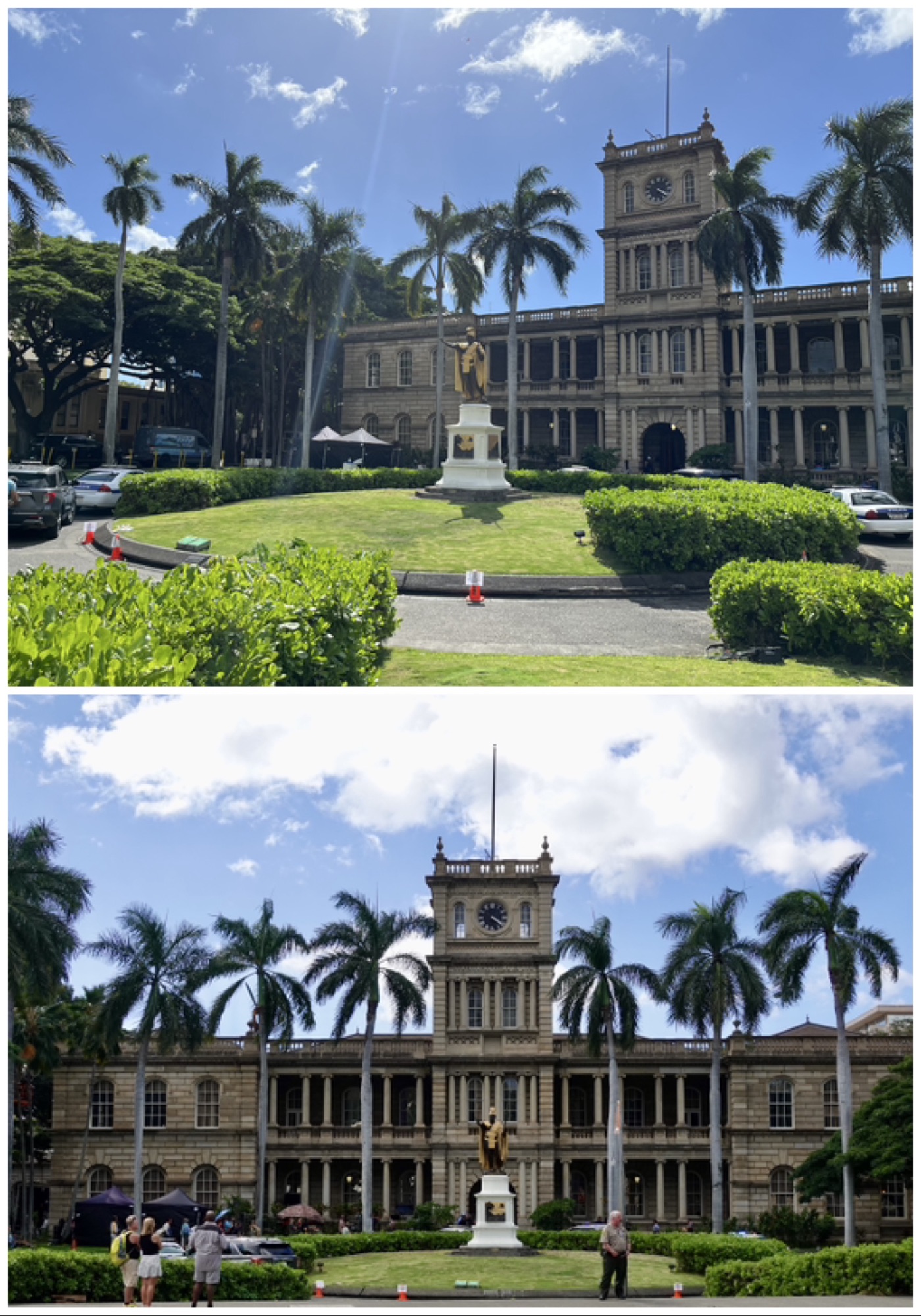
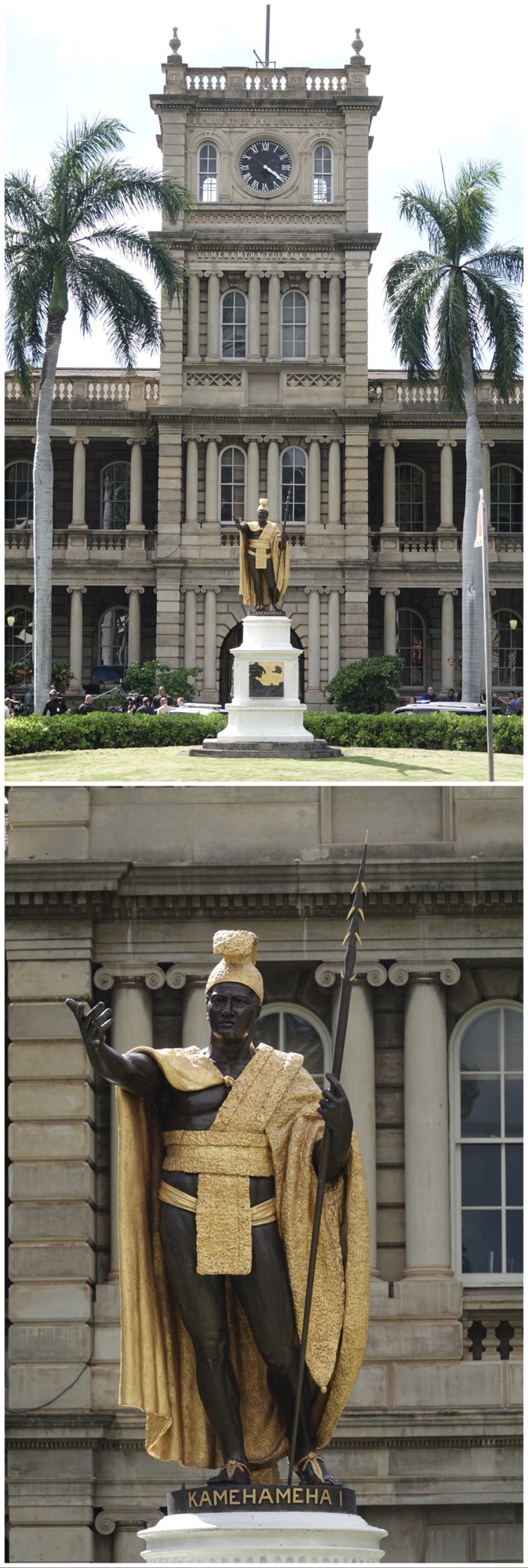
The ʻIolani Palace was the royal residence of the rulers of the Kingdom of Hawaiʻi beginning with Kamehameha III under the Kamehameha Dynasty and ending with Queen Liliʻuokalani under the Kalākaua Dynasty. It was completed in 1882.
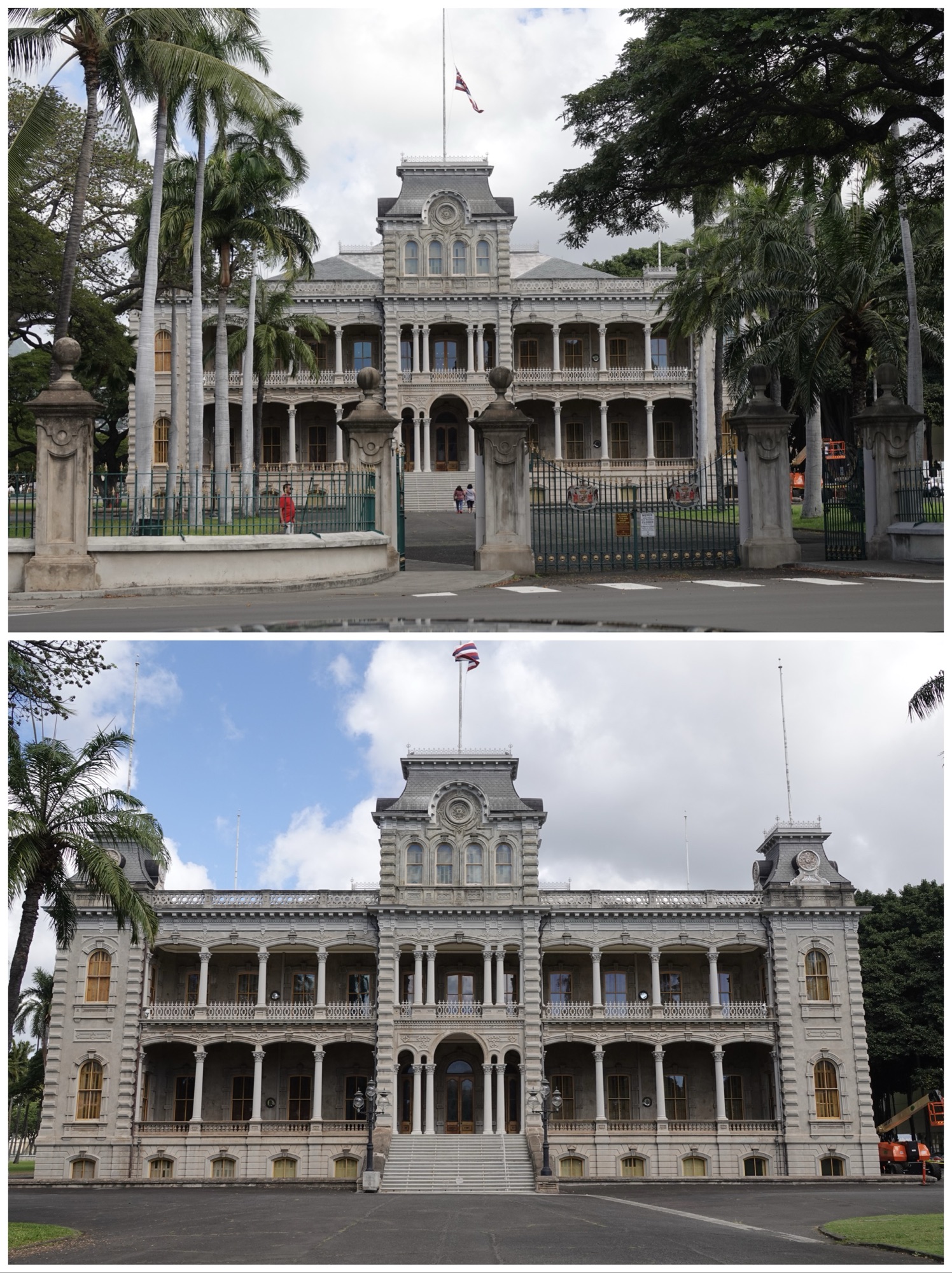
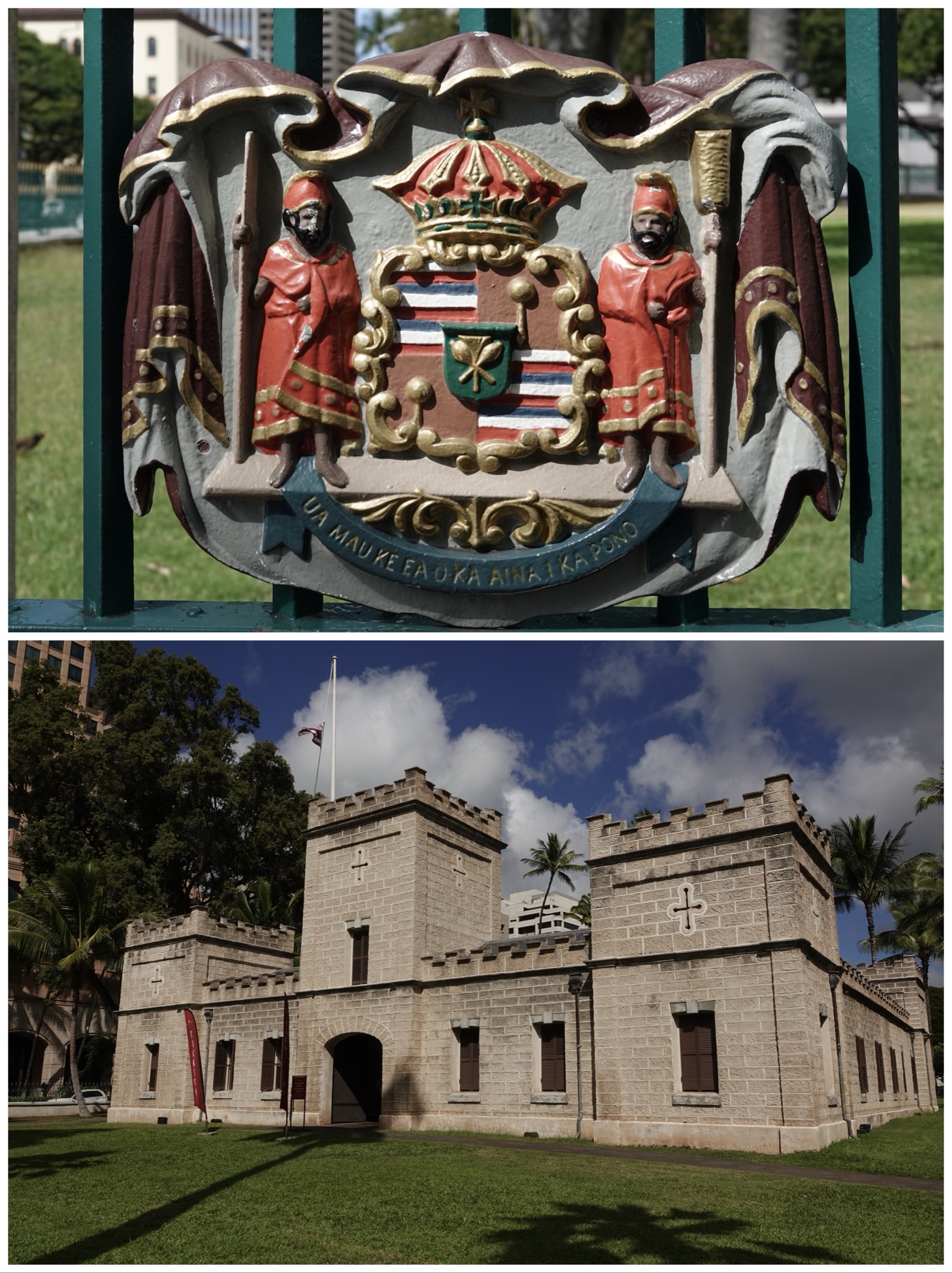
Bottom: the Iolani barracks, which are now a visitor center.
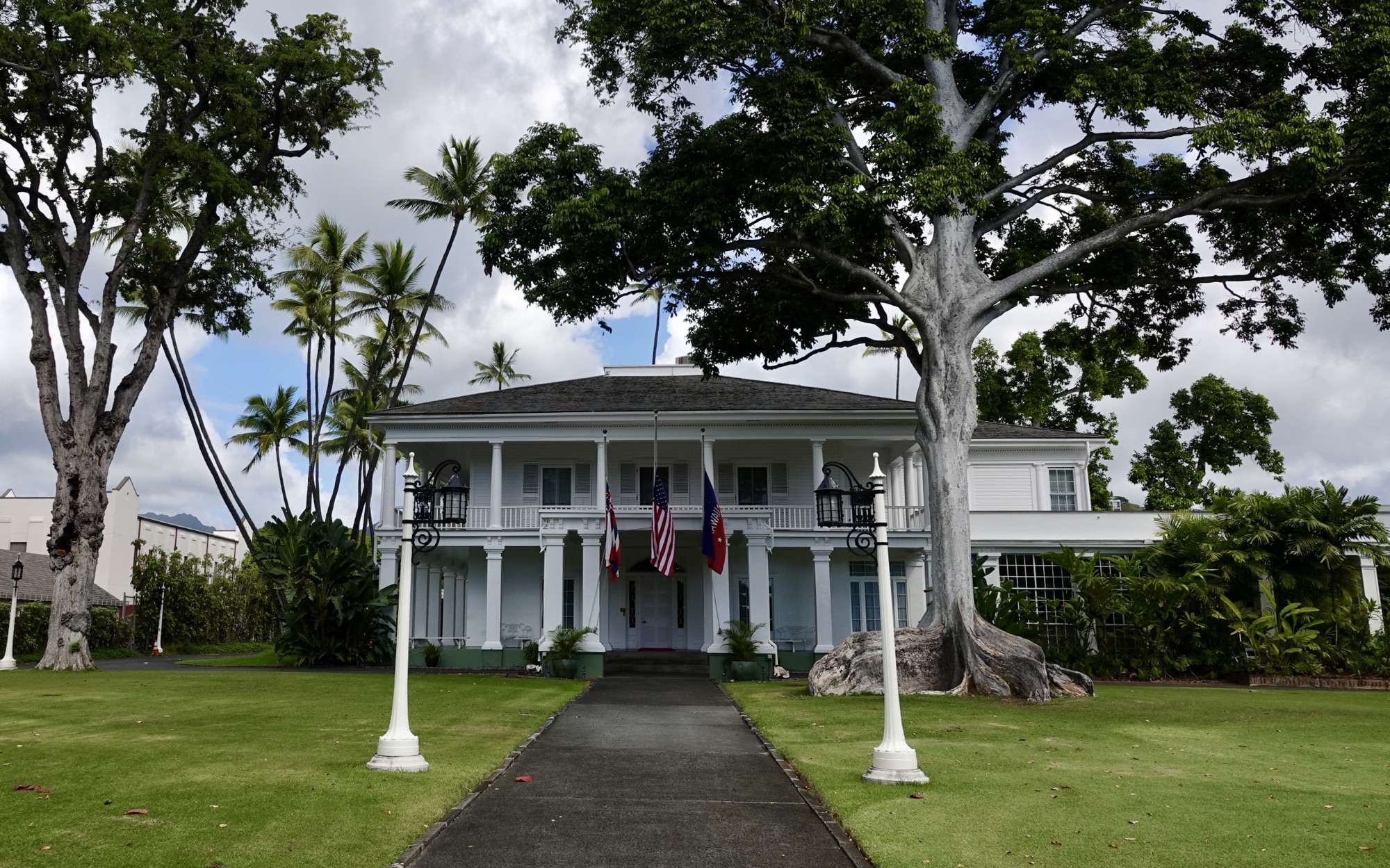
Washington Place, a National Historic Landmark best known as the home of Hawaiʻi’s beloved Queen Liliʻuokalani, is the only official residence of a state governor in the United States that was also home to a monarch.
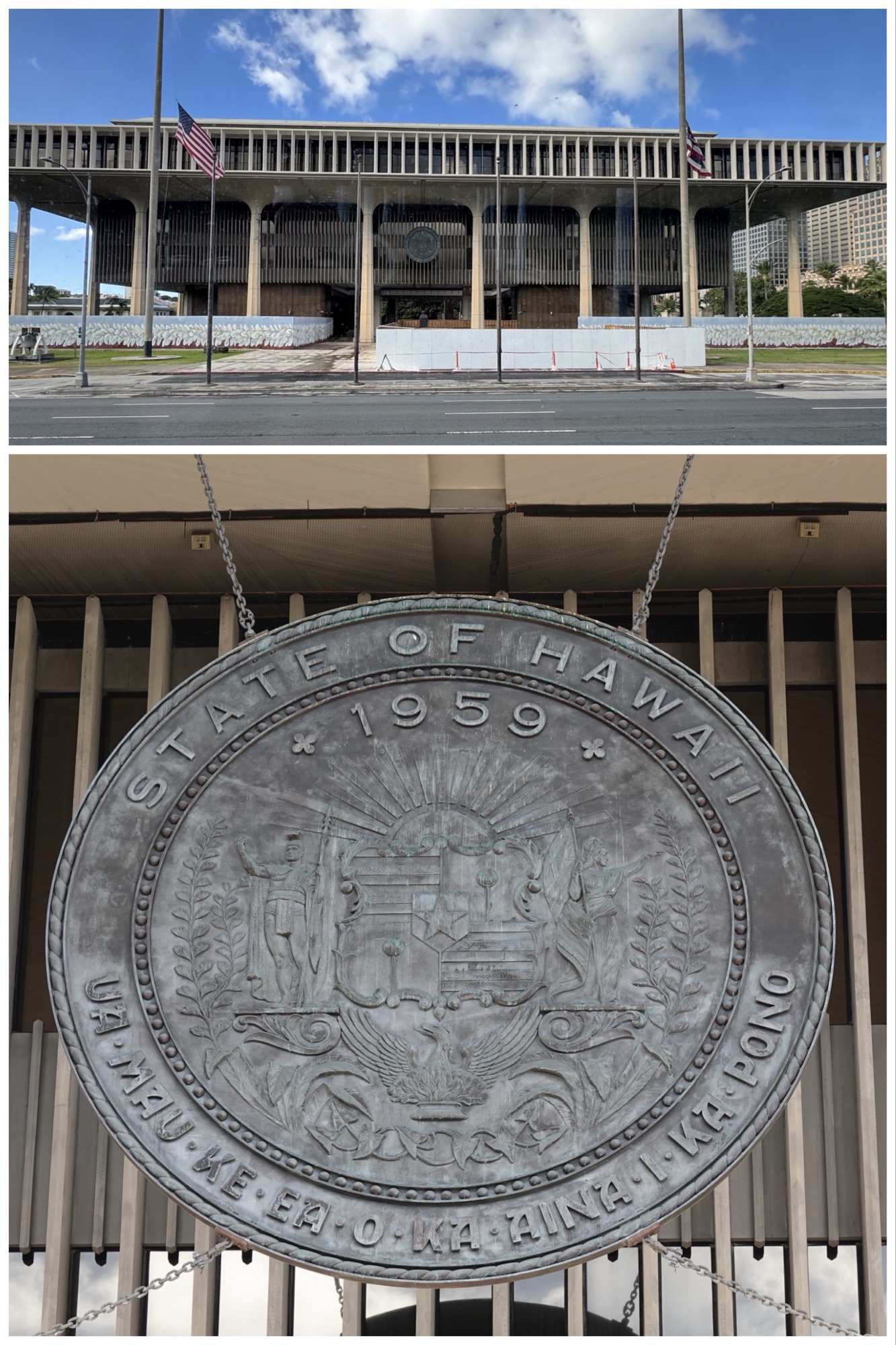
The Hawaiian State Capitol. The building, representing the islands, used to be surrounded by water; that “moat/ocean” is currently being replaced by reflective tile.
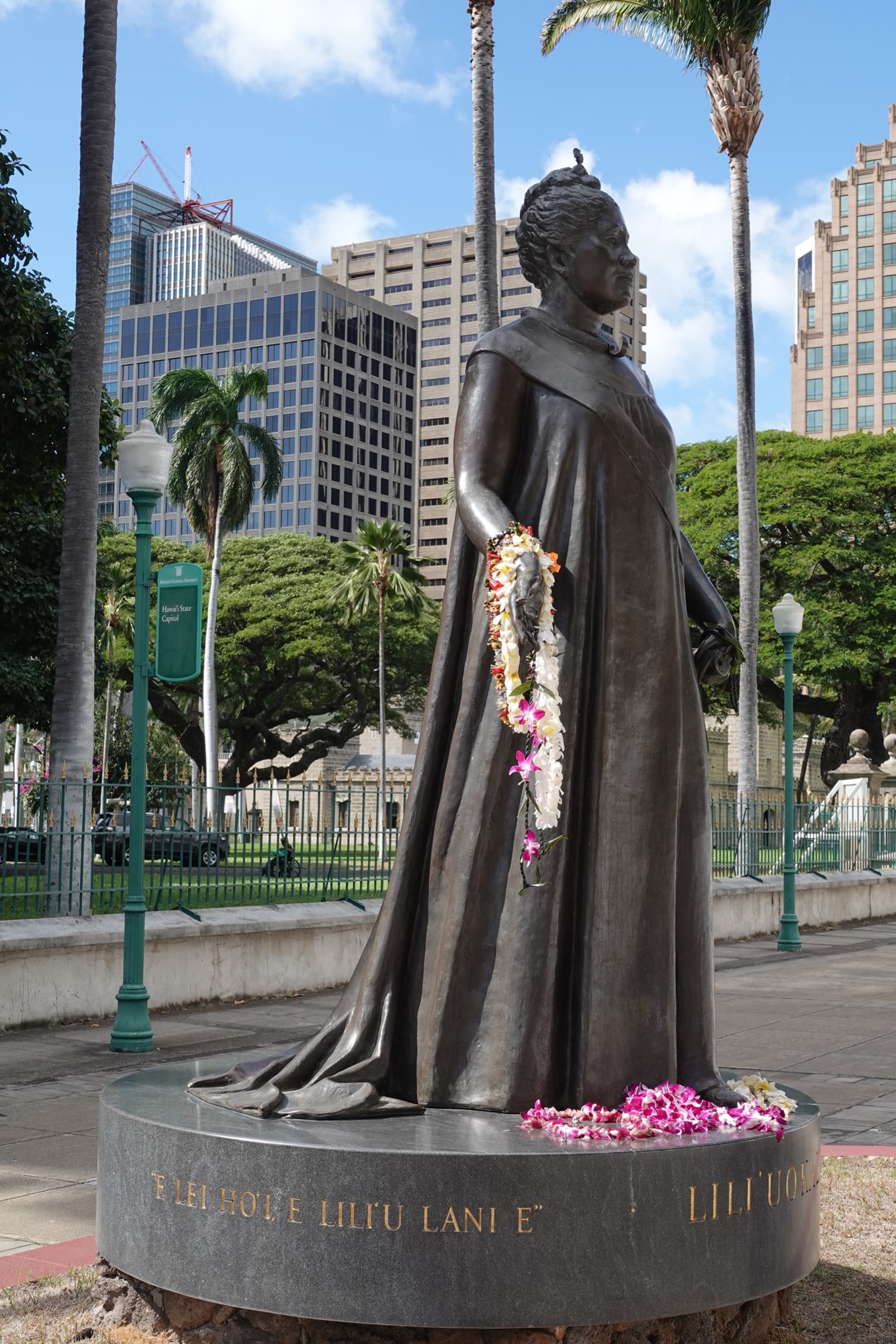
The statue of Queen Liliʻuokalani is located between Iolani Palace and the State Capitol building.
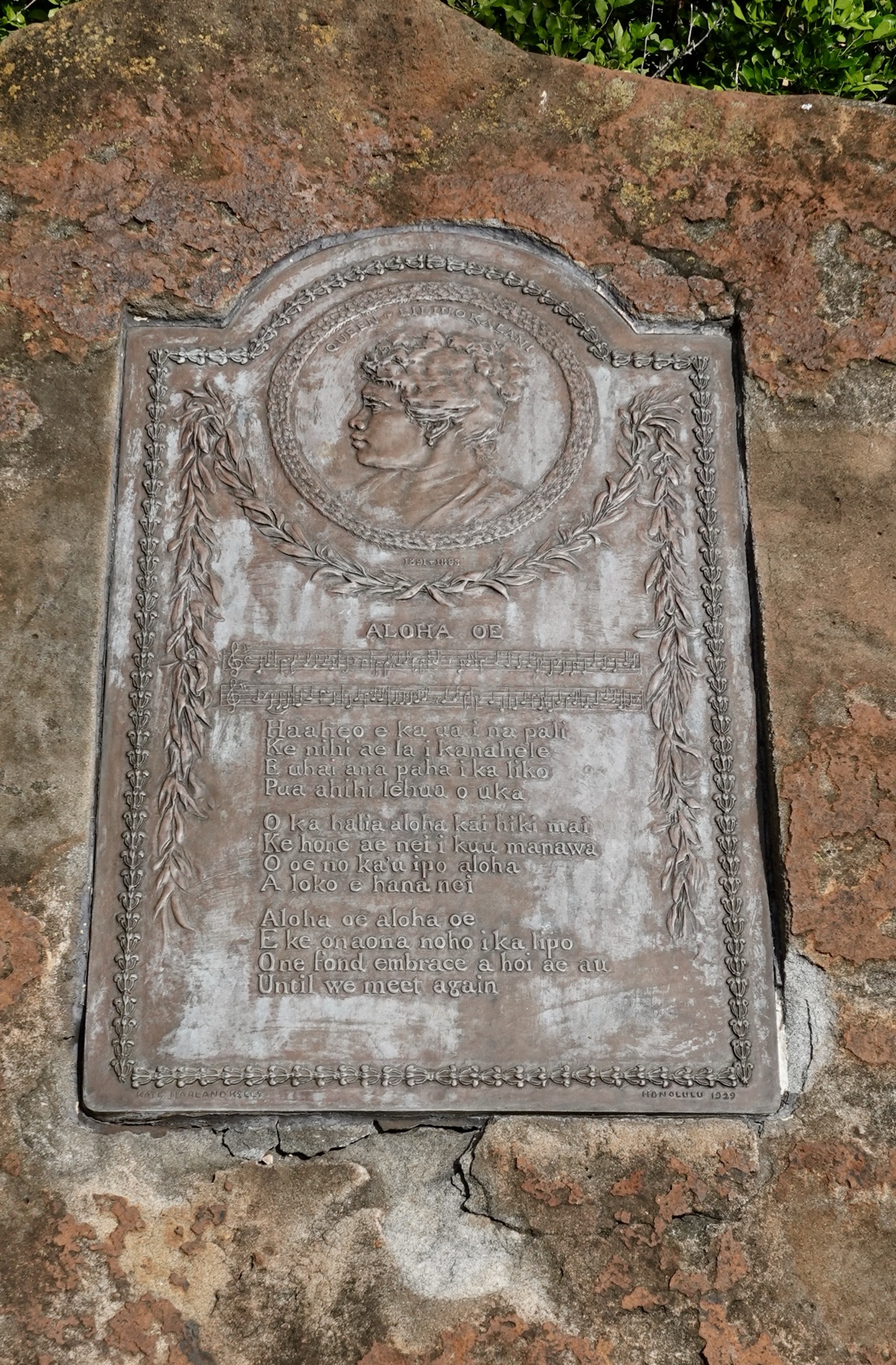
Aloha ʻOe (“Farewell to Thee”), the Hawaiian folk song so familiar to us was written around 1878 by Queen Liliʻuokalani, when she was still Princess of the Hawaiian Kingdom.
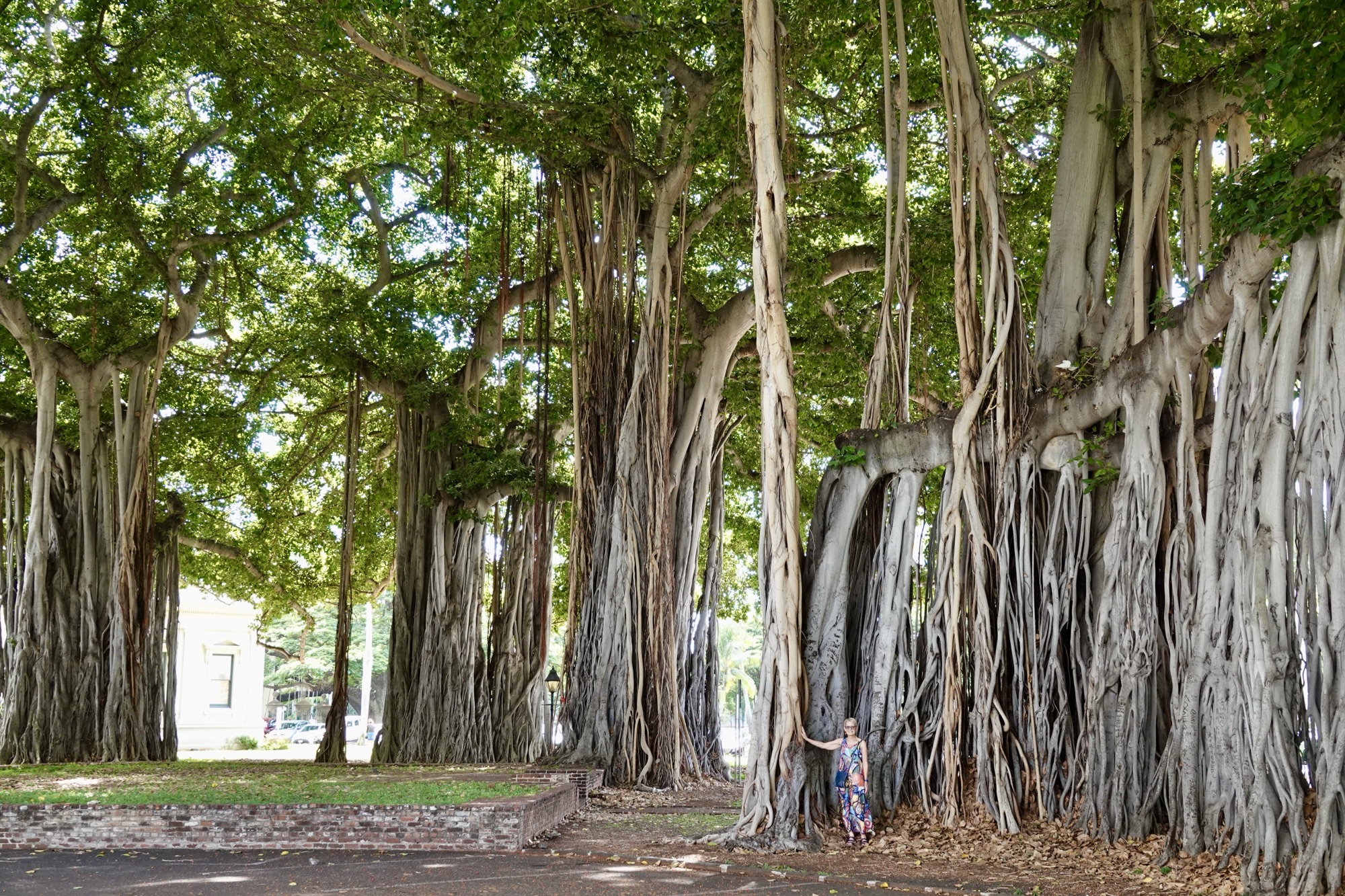
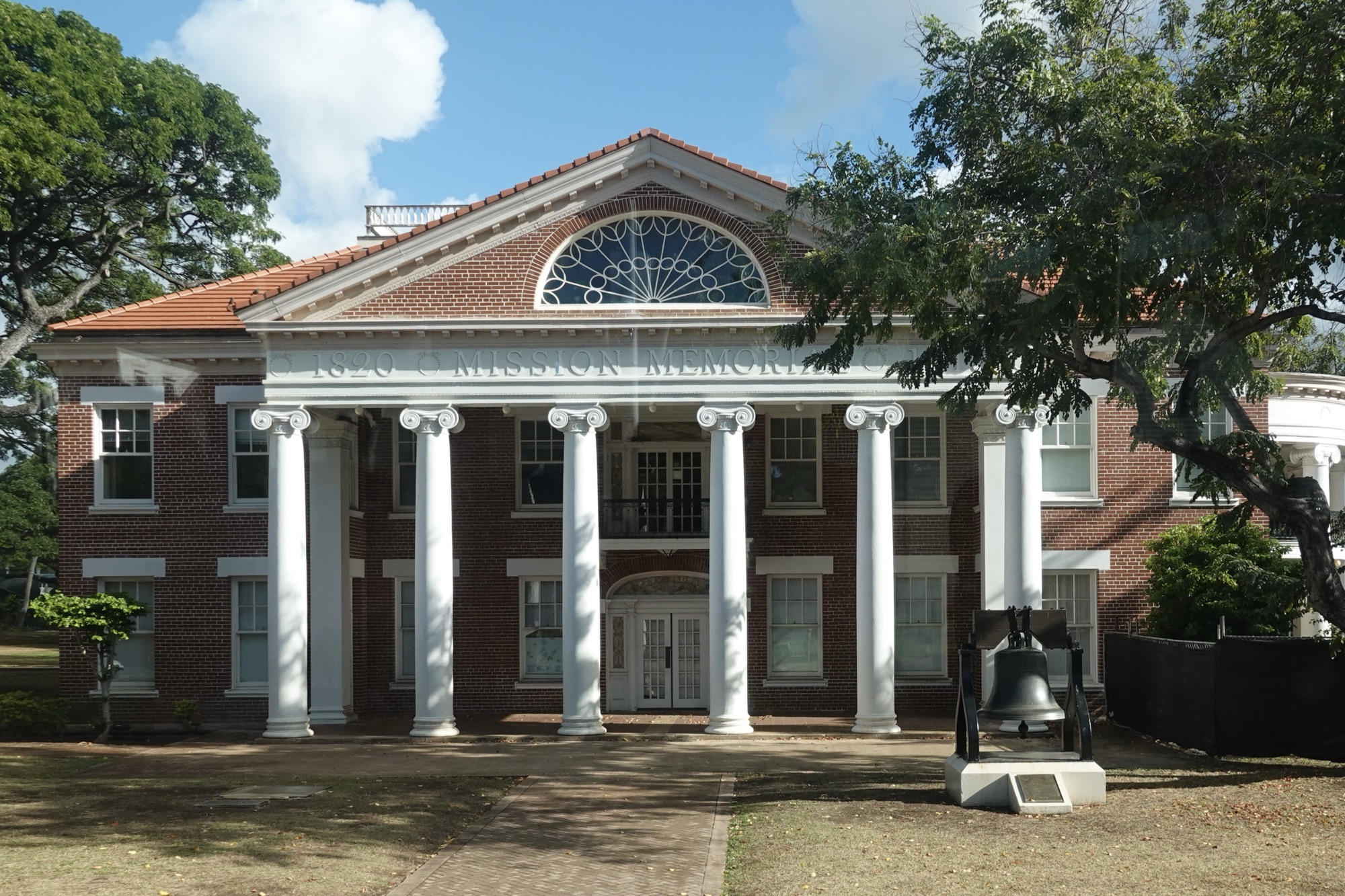
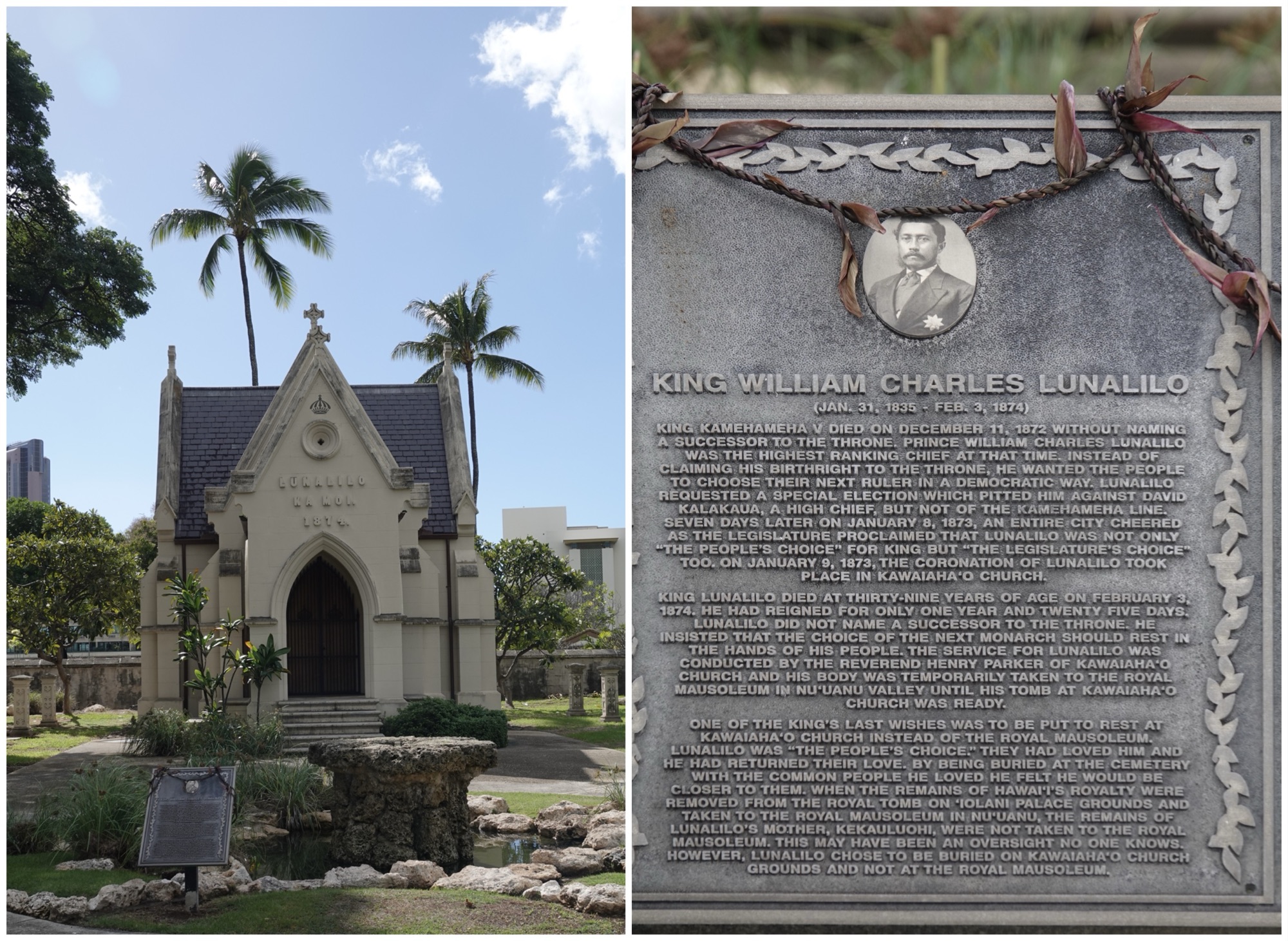
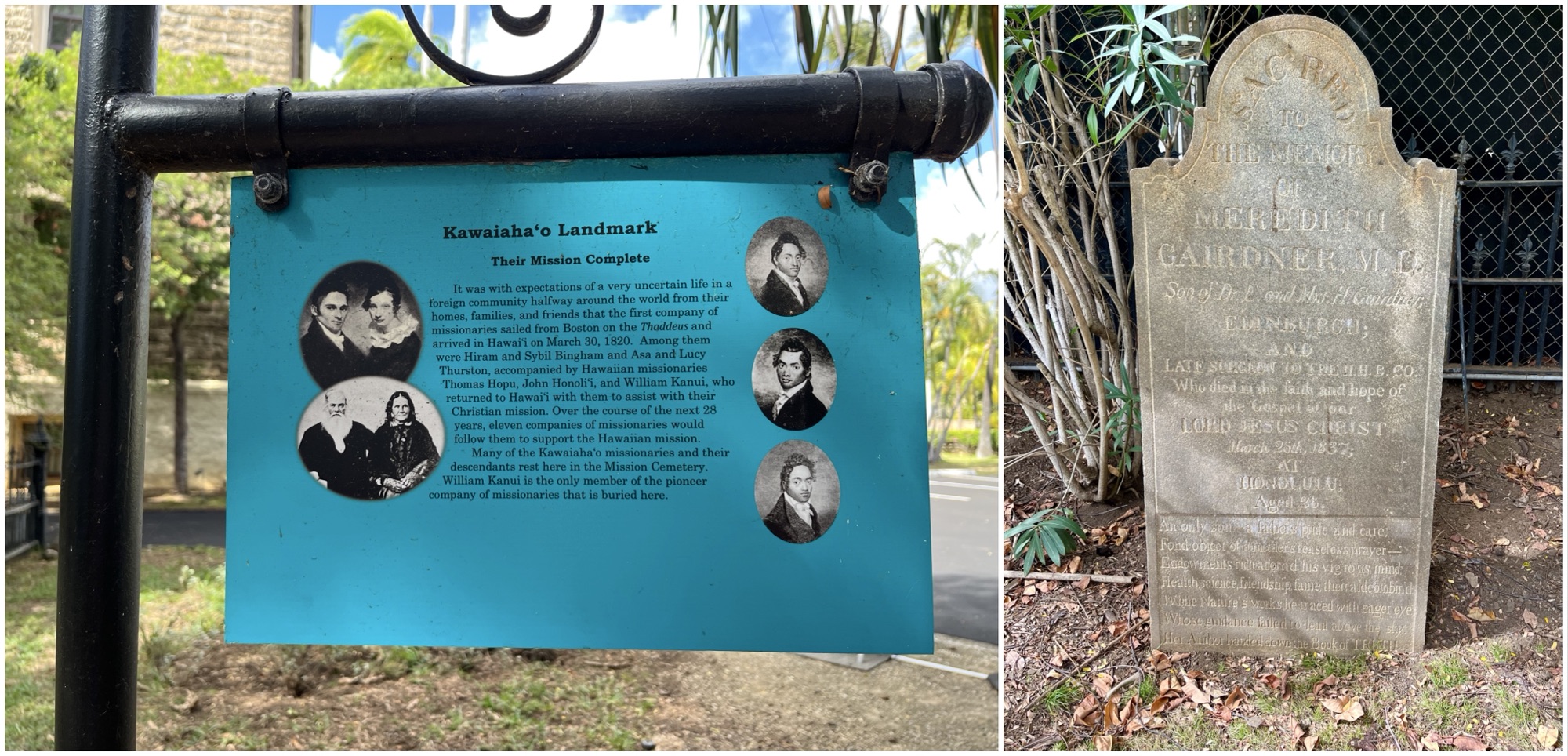
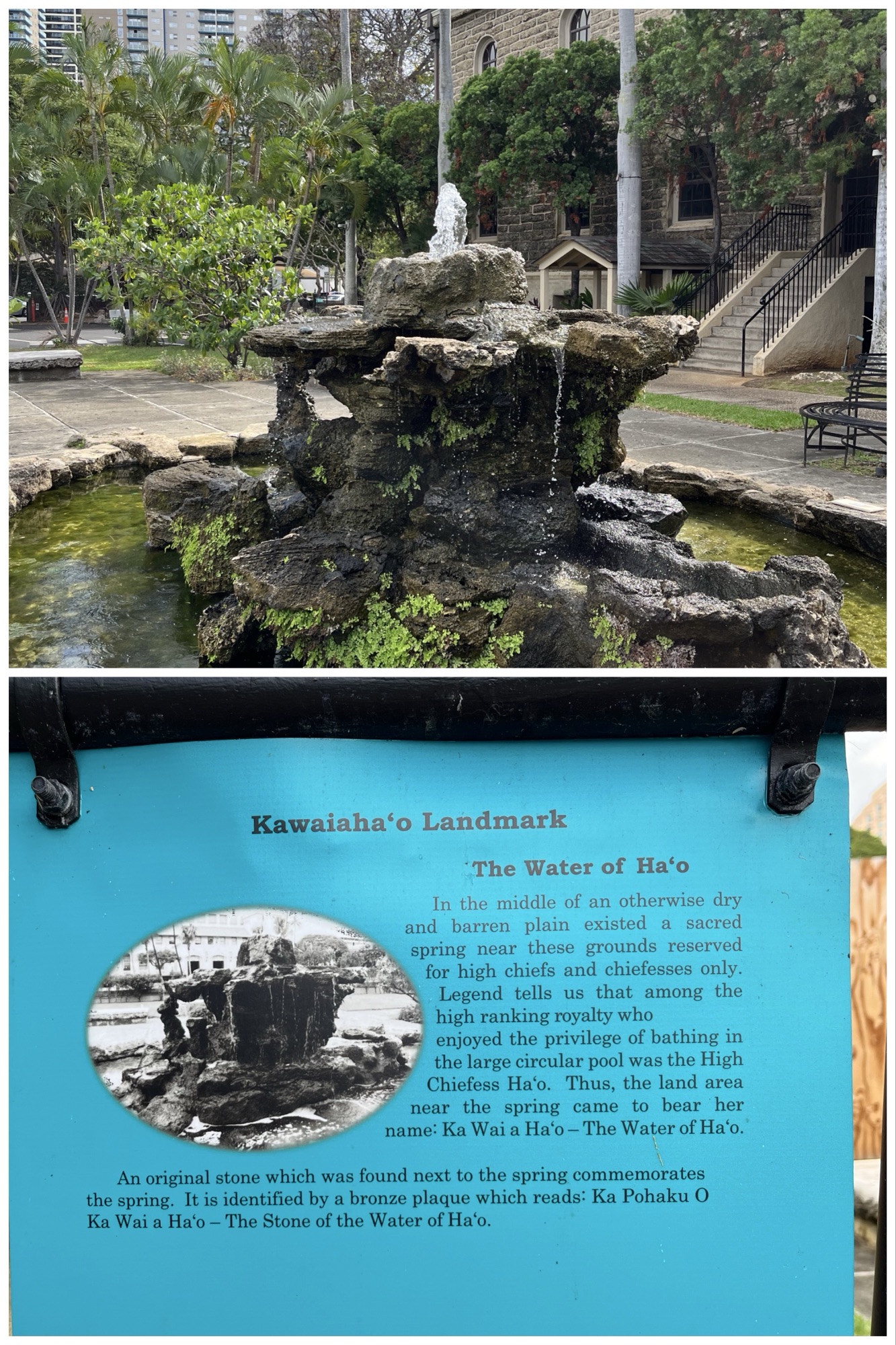
Kawaiaha’o Church (the “Mission Church”) is located a short walk from the palace. The adjacent cemetery is the final resting place of many of the early Christian missionaries who came to “save” the Hawaiians. I’ll admit to having a very biased view of their years here, based almost solely on James Michener’s epic novel “Hawaii”.
The church itself was covered in hoarding while repairs are done, but we were able to photograph the cemetery, mausoleum, grounds, and the Mission Memorial.
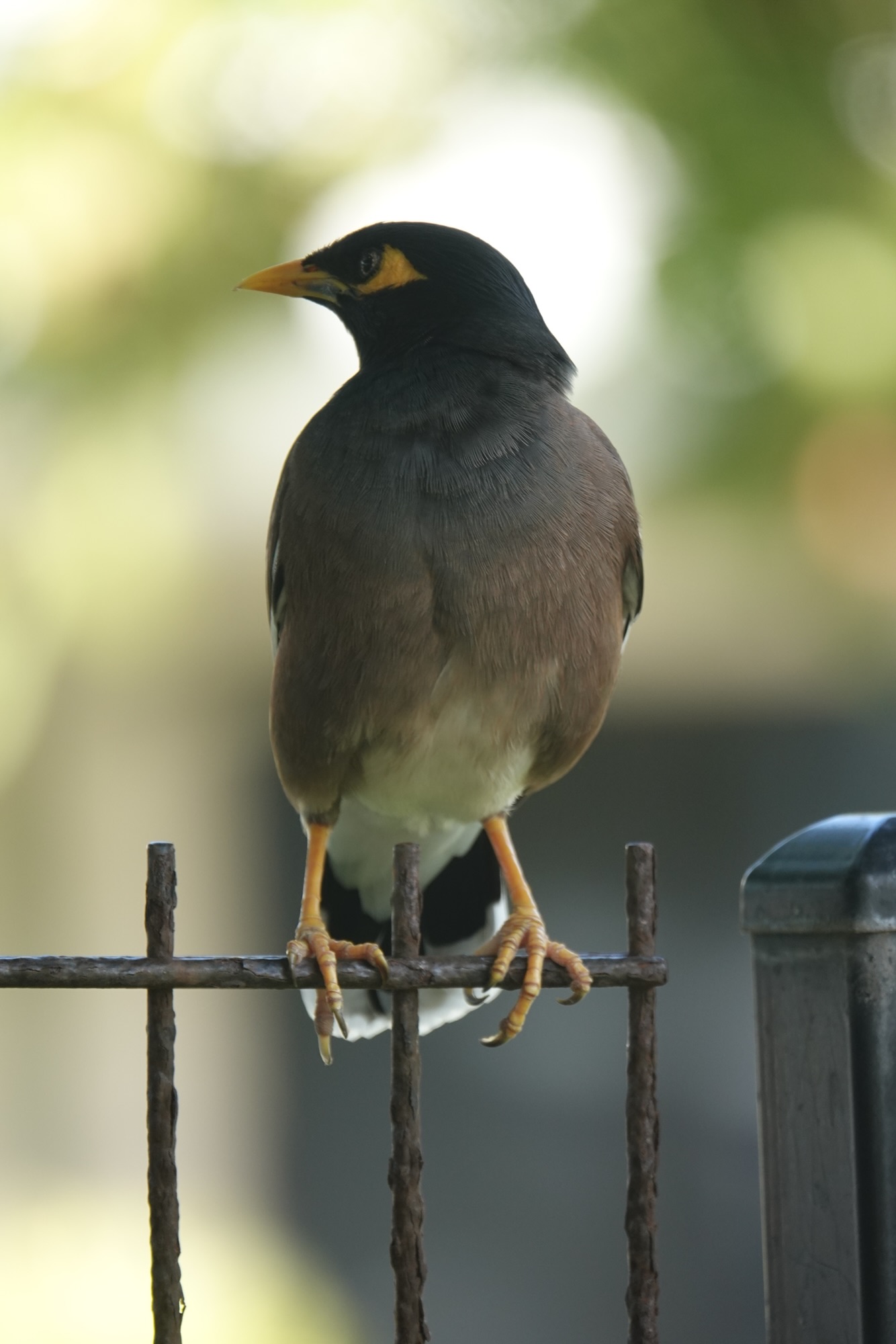
While the architecture and history in Honolulu and Pearl Harbor were fascinating, Ted was also able to capture some local bird life.
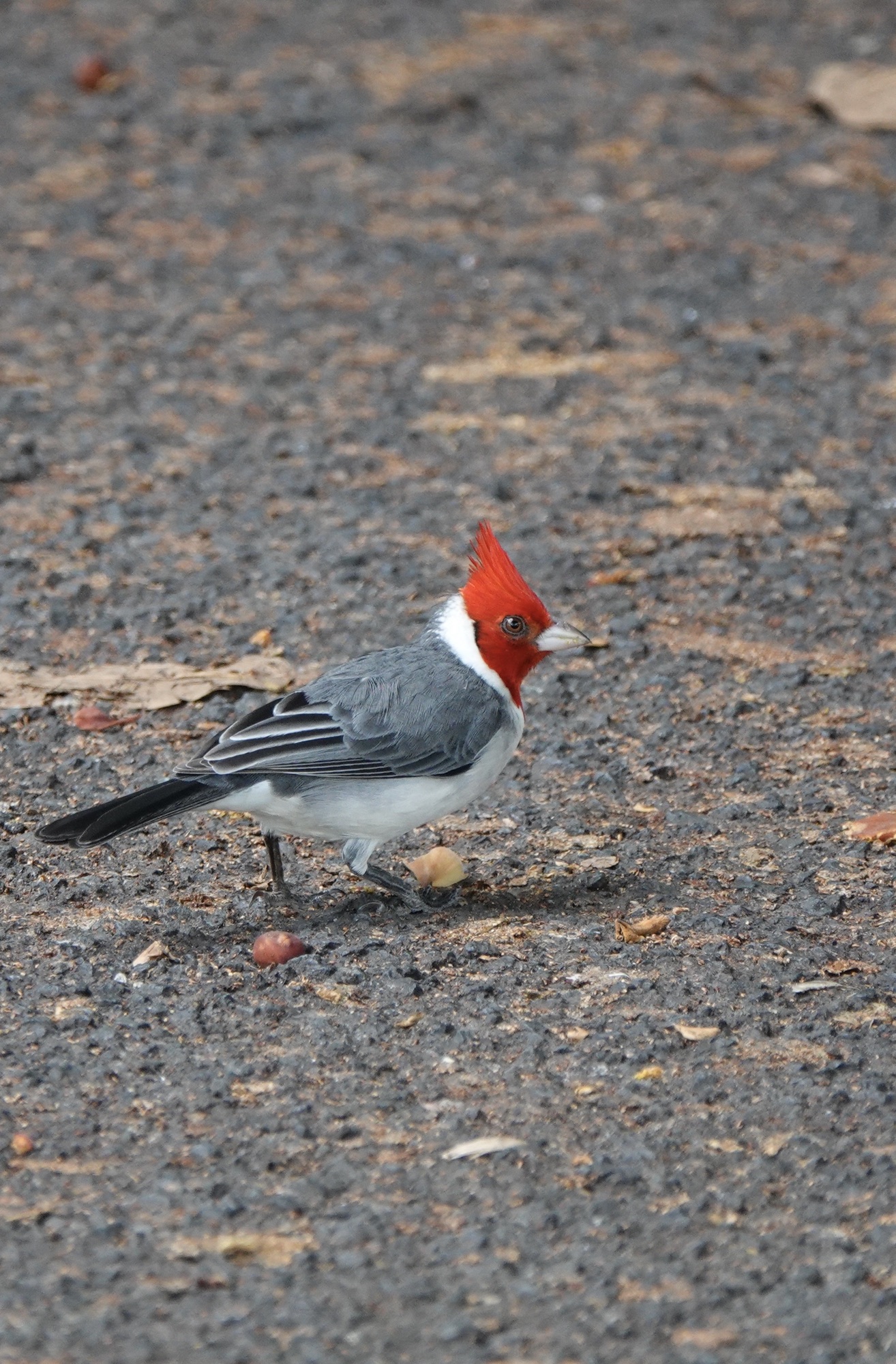
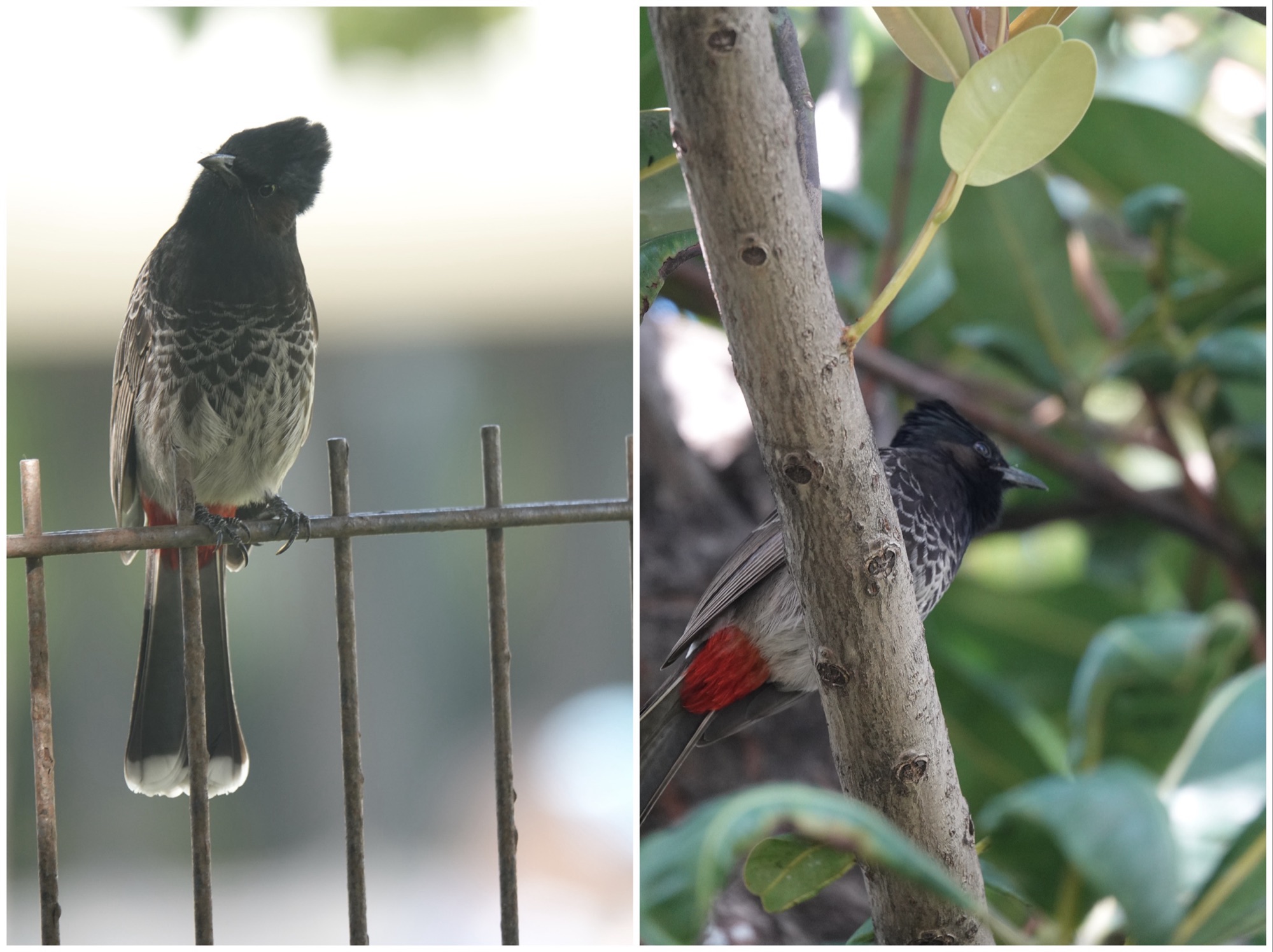
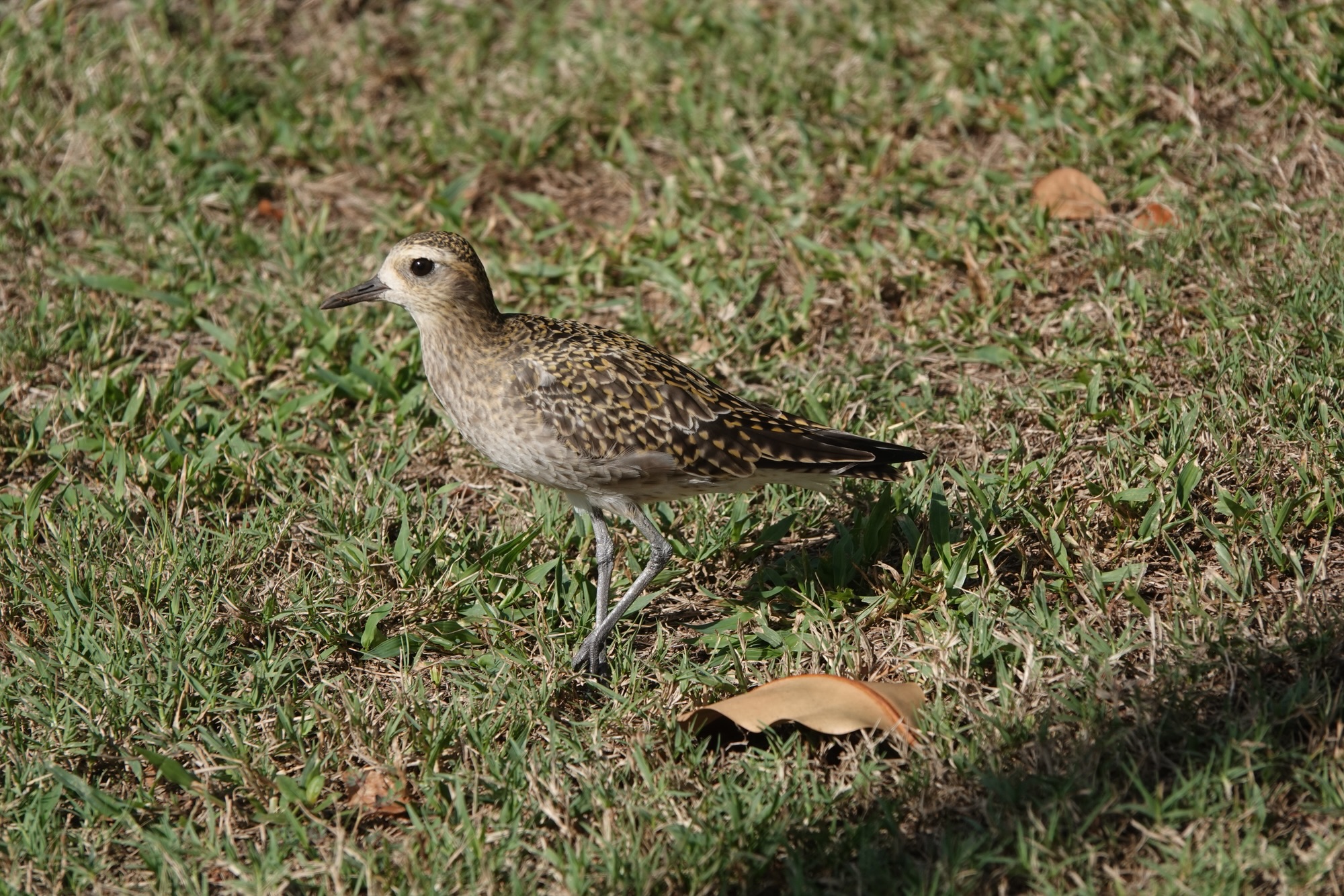
We were in port until 10:00 p.m. so could have stayed in Honolulu for the evening, but Viking had a “destination performance” planned, featuring Polynesian dancers and drummers, that we didn’t want to miss, plus we’d done enough walking and I wanted to get started on choosing photos and writing the blog. Being able to have an Aperol Spritz and listen to Paolo’s guitar were added bonuses.
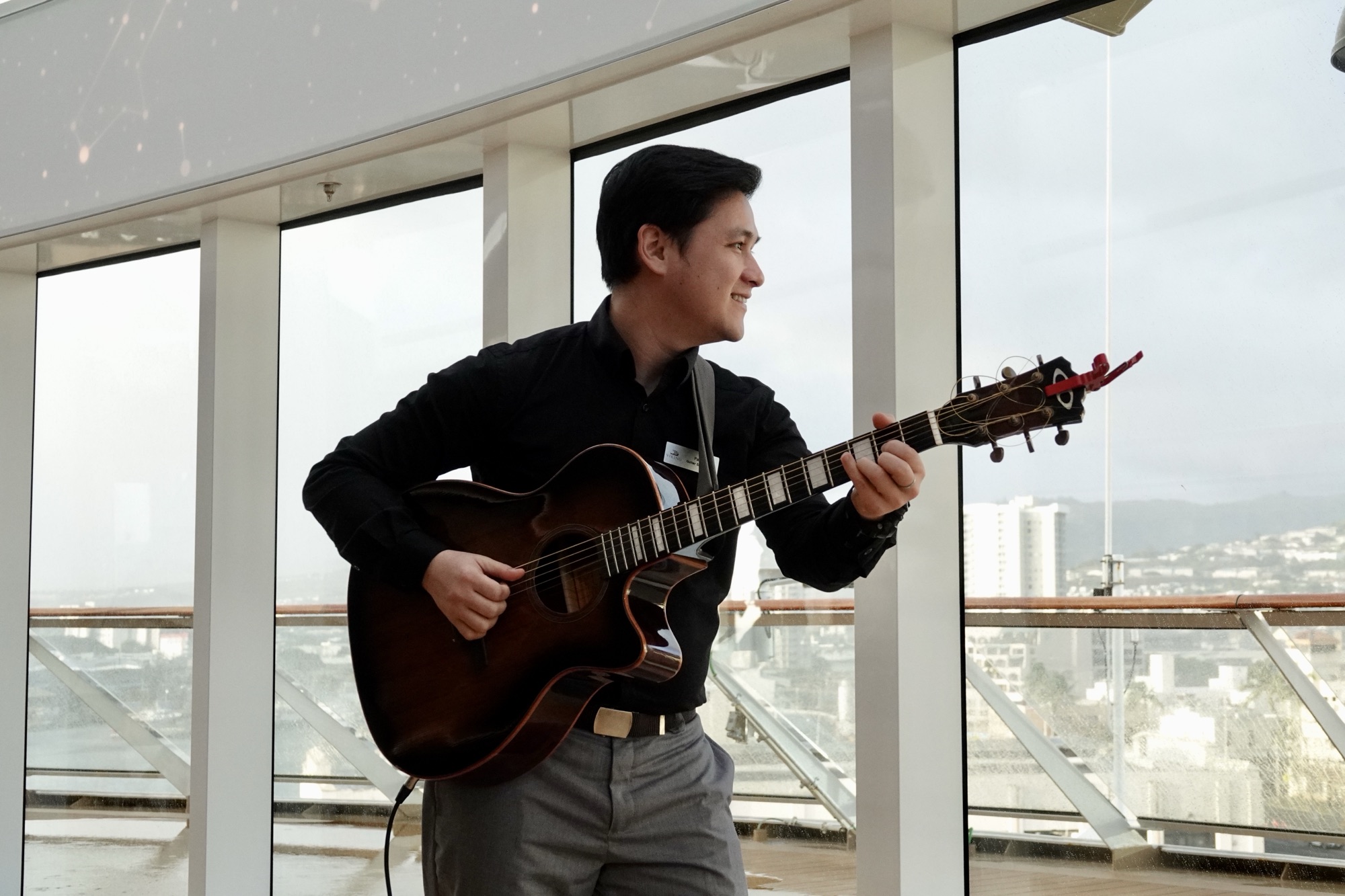
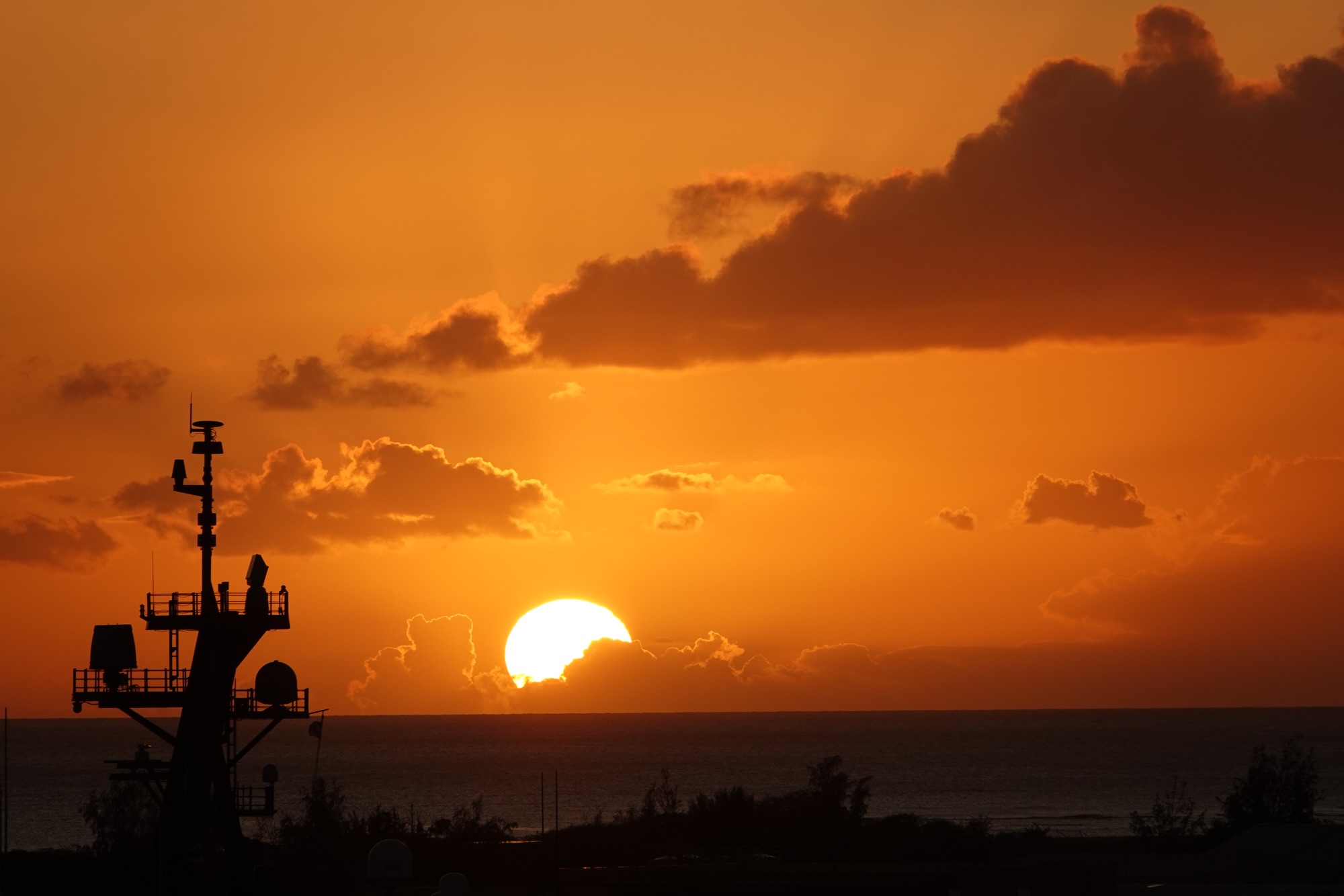
After a beautiful sunset, and dinner, the live entertainment capped a marvellous day.
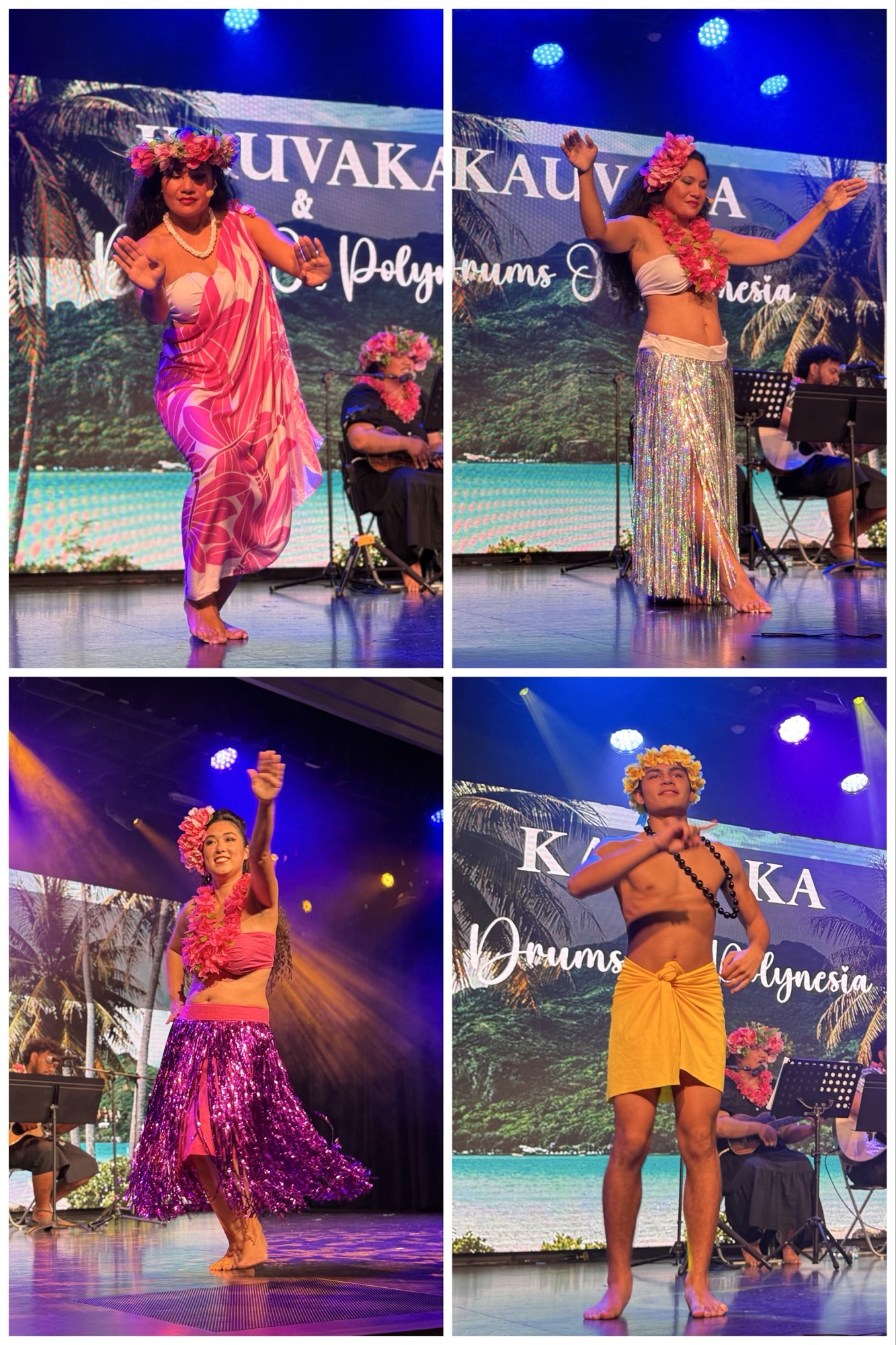
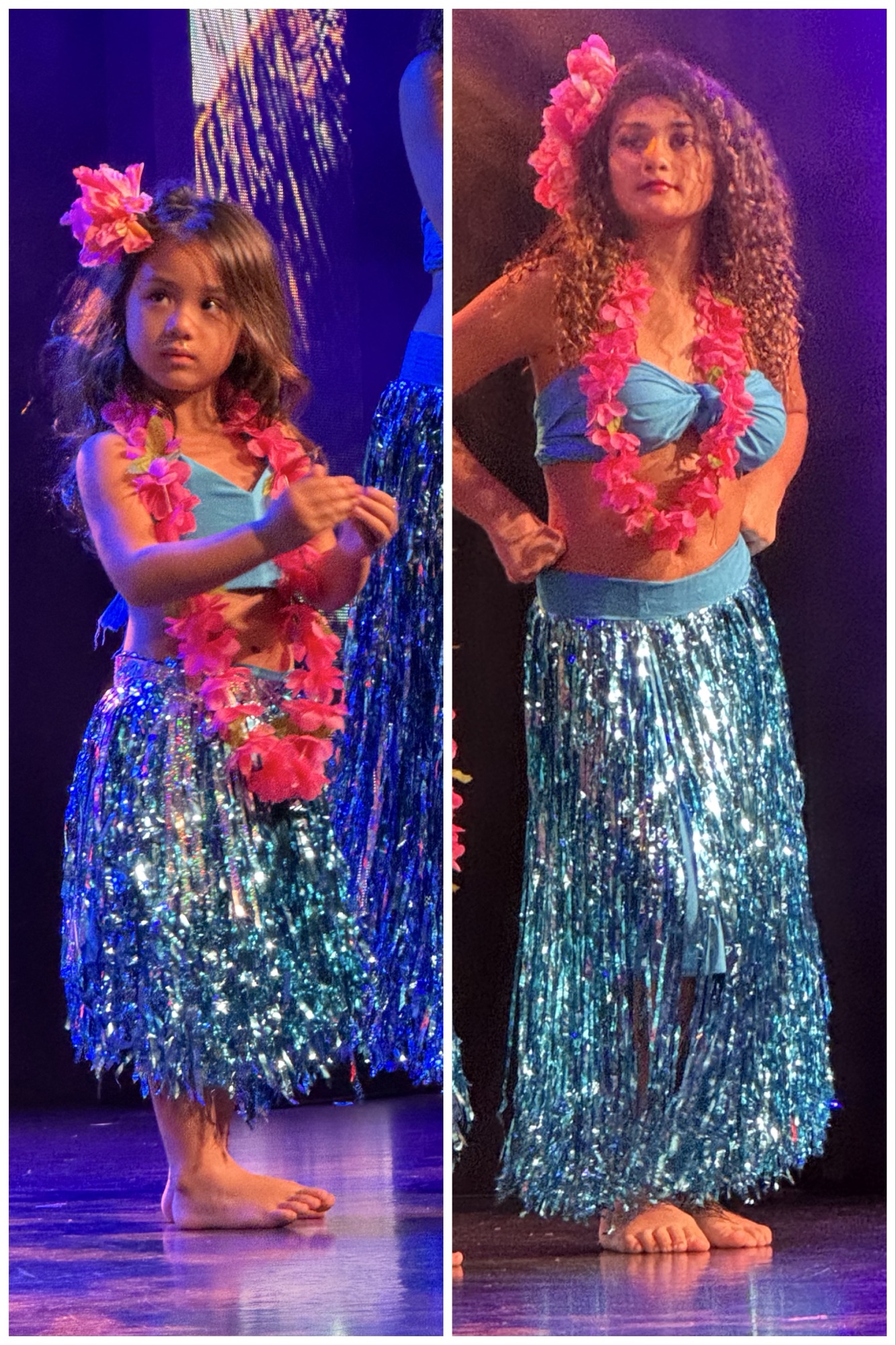
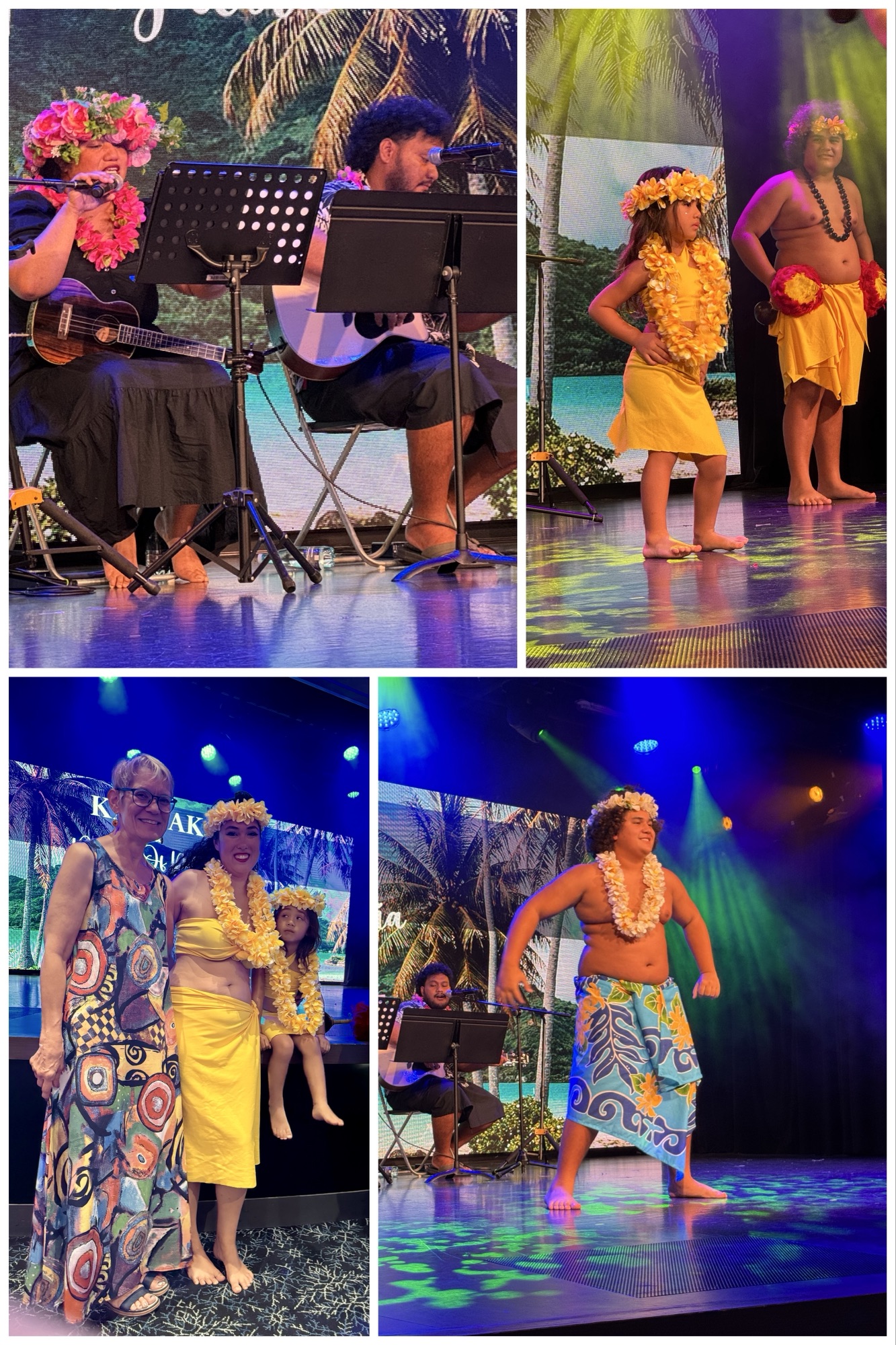
Tomorrow we’ll be in Kauai, land of pineapple and chickens.
 Rose and Ted’s Excellent Adventure
Really enjoyed seeing your blog well done! Thank you and look froward to seeing more. Safe travels
LikeLiked by 1 person
We never seem to choose Oahu for our Hawai’ian trips — so thanks especially for the detailed tour. The miscalculations and assumptions that contributed to the disaster at Pearl Harbor should be highlighted, too, and never forgotten, while still honoring the young men who died.
LikeLiked by 1 person
Agreed. My recent reading really highlighted those – as well as the folly of letting a President make military decisions overriding actual military staff
LikeLike