We’ve spent very little time in the Caribbean on our travels; Jamaica in 1979, Cuba in 2000, and a cruise stop in Cozumel in 2021 is the entirety of our time there.

sends a silly picture to our grandsons from each of our travel destinations.
I think he really rocks this look, but the boys have a different word for it: “cringe-y”.
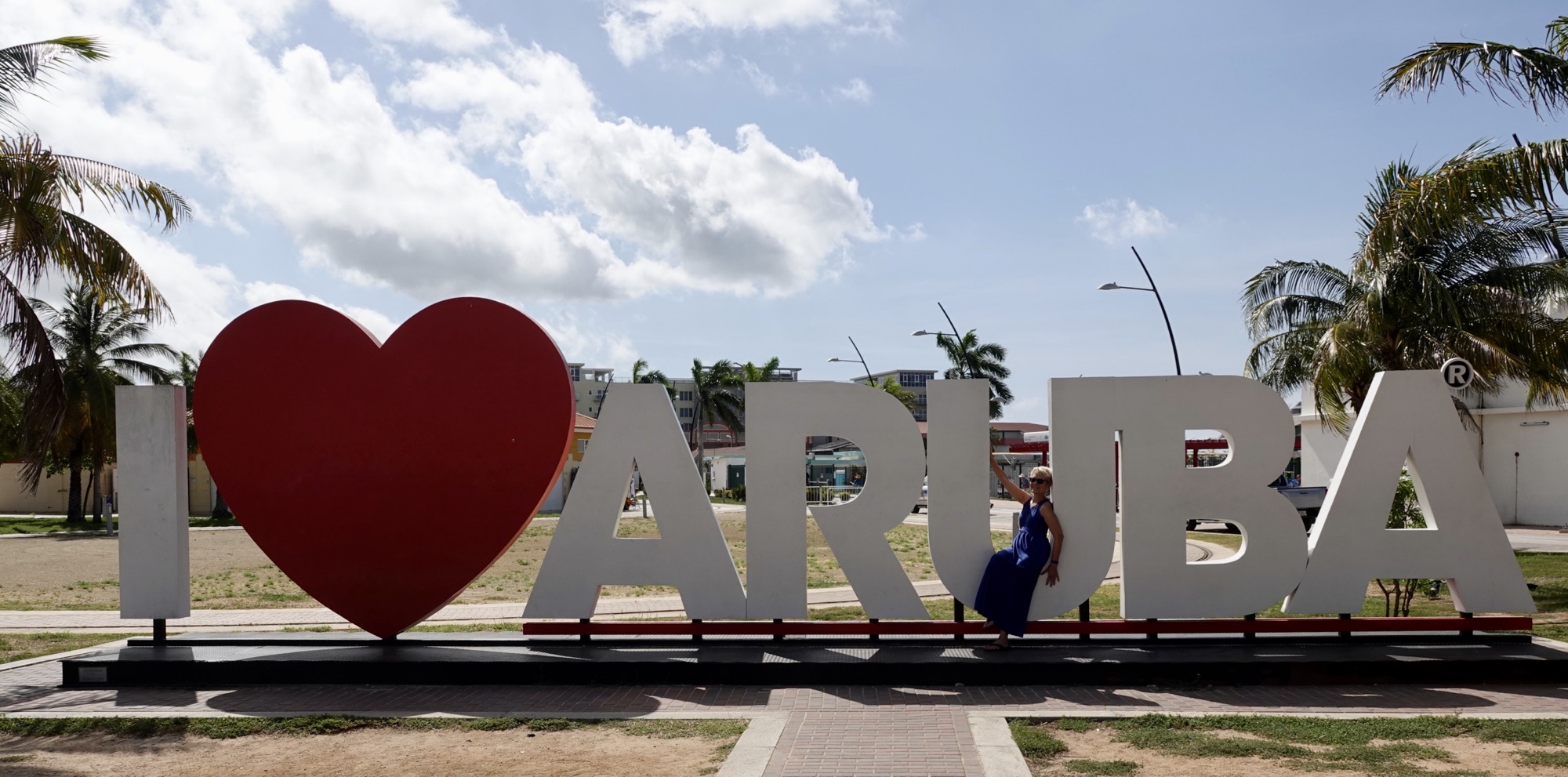


Aruba adds not only a new country to the list of places we’ve travelled, but a new perspective on the Caribbean islands, each of which has a unique history.
The first known inhabitants of what is now Aruba were the semi-nomadic Caiquetio Indians of the Arawak tribe from Venezuela, who hunted and fished from temporary villages here from beginning around 2500 BC until about 1000 AD when they established permanent settlements. Almost 500 years later Aruba was “discovered” (aka taken over) by the gold-seeking Spanish, who apparently declared it “useless” when they found no precious minerals. They weren’t foresighted enough to realize the potential of aloe and rum.

Ironically, it was the Dutch love of herring that brought them to the island, looking for salt (to preserve their catch) in defiance of an order by the Spanish King Phillip II barring Dutch vessels from the area. There was a brief period of British rule from 1806 to 1816 during the Napoleonic Wars, but the island was returned to Dutch authority by the terms of the Anglo-Dutch Treaty of 1814.
Although it has had its own constitution since 1985, Aruba has not attained full independence, and is still considered a “constituent country” within the Kingdom of the Netherlands.
The capital city Oranjestad is considered a prime tourist destination. Its tourism information focuses on the beaches, the duty-free shopping, and the “perfect” weather, highlighting temperatures that remain moderate year-round, ranging from 27.0 °C /80.6 °F to 29.6 °C/85.3 °F and with beautiful trade wind breezes from the northeast via the Atlantic Ocean.
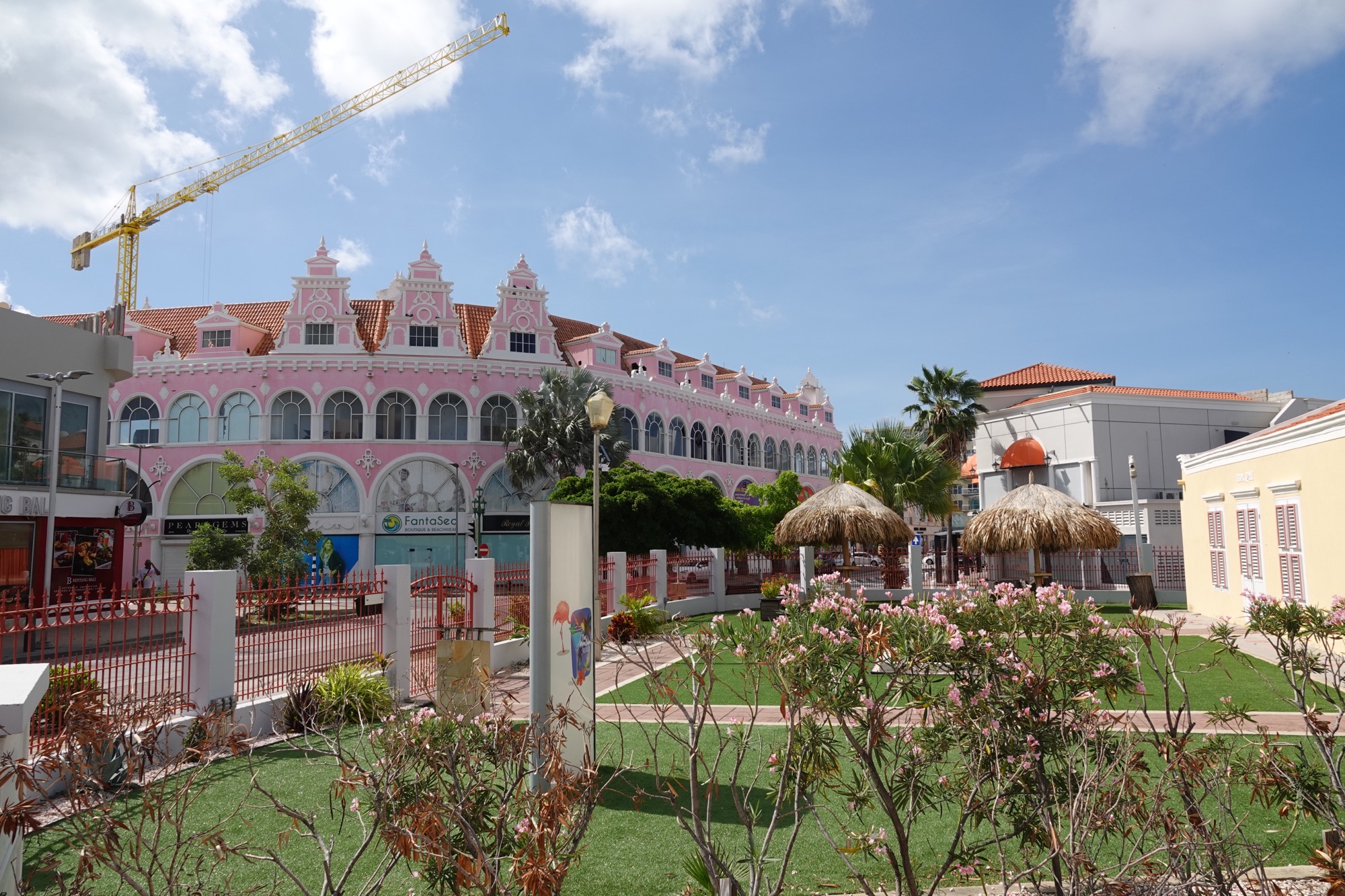
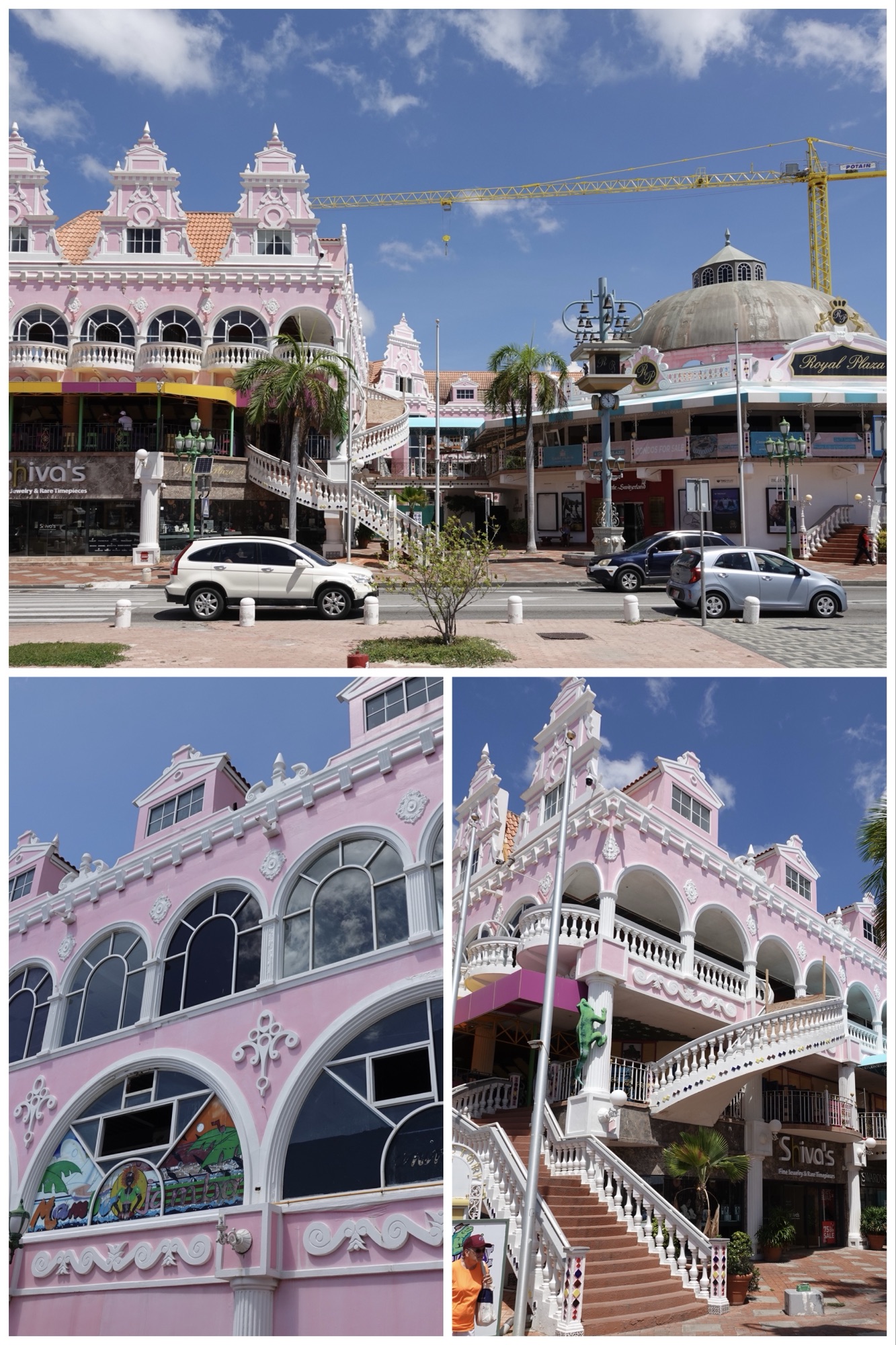
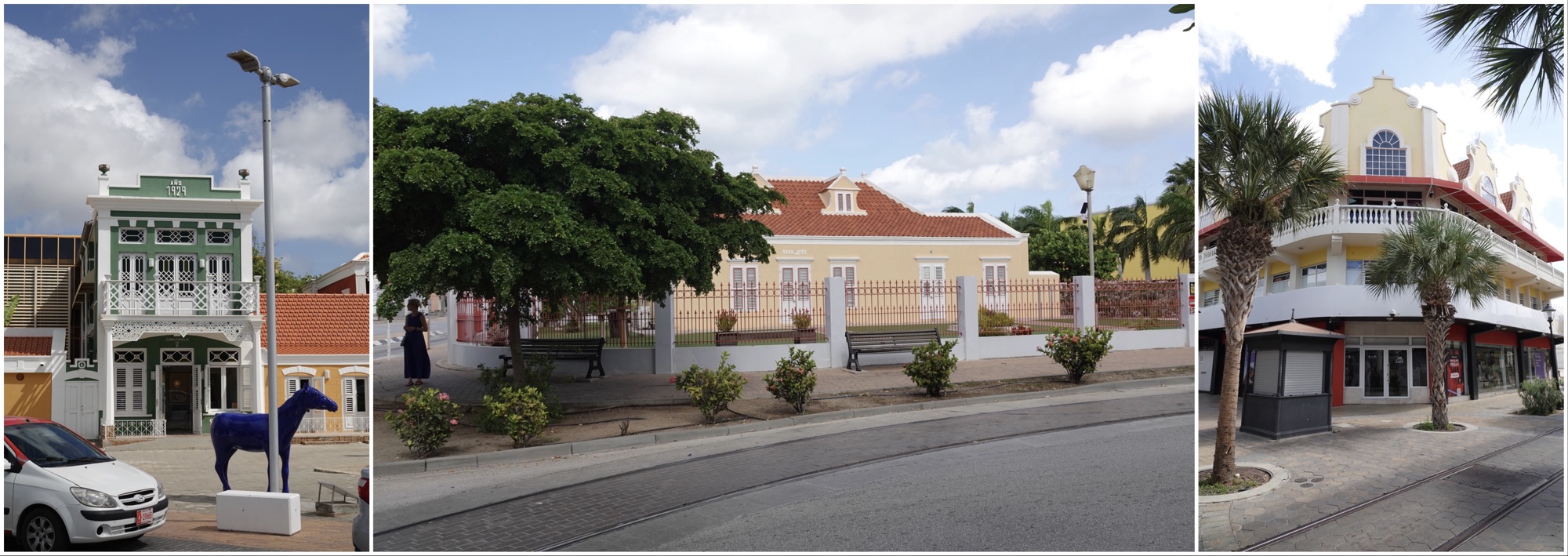
But when I look back at this port, what I’m going to remember is that it confirmed for us that we are NOT beach/hot weather people. By 10:30 a.m. it was 34°C/94°F under full sun with 80% humidity. The 22kph/14mph SE wind wasn’t anywhere near enough to evaporate the perspiration grossly sliding off us. I really wanted to explore the city on foot, because the mid 19th century Dutch-influenced architecture is best seen up close, but the intense heat kept us within the boundaries of L.G.Smith Boulevard along the waterfront and Wilhelminastraat – a round trip of only about 3 km/1.8 miles and 6000+ sweaty steps.
I guess we could have taken the trolley, but it was packed with people and it certainly would not have given Ted the vantage points – or time – to take great photos.

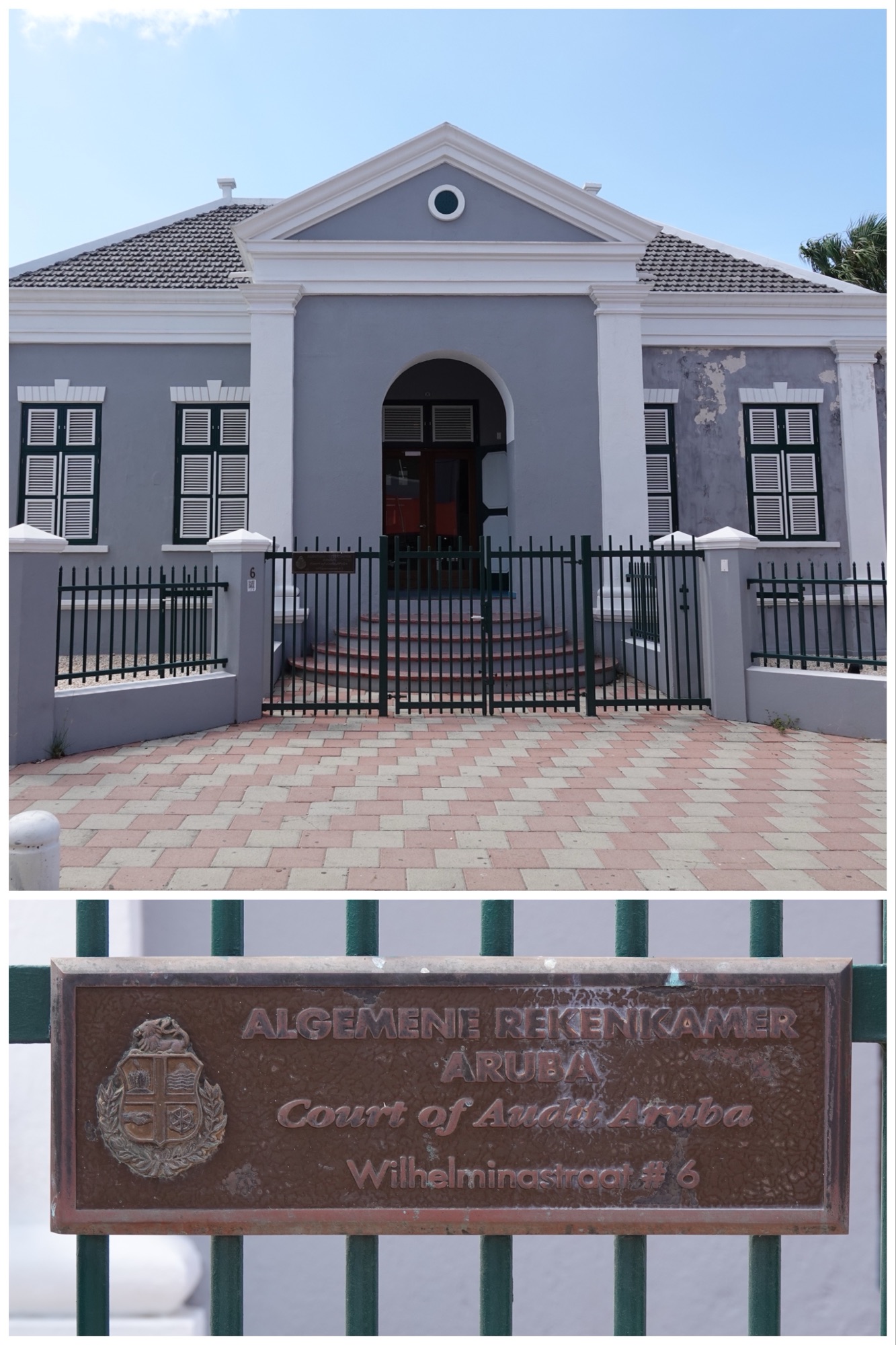
We saw some lovely buildings, in various states of preservation.

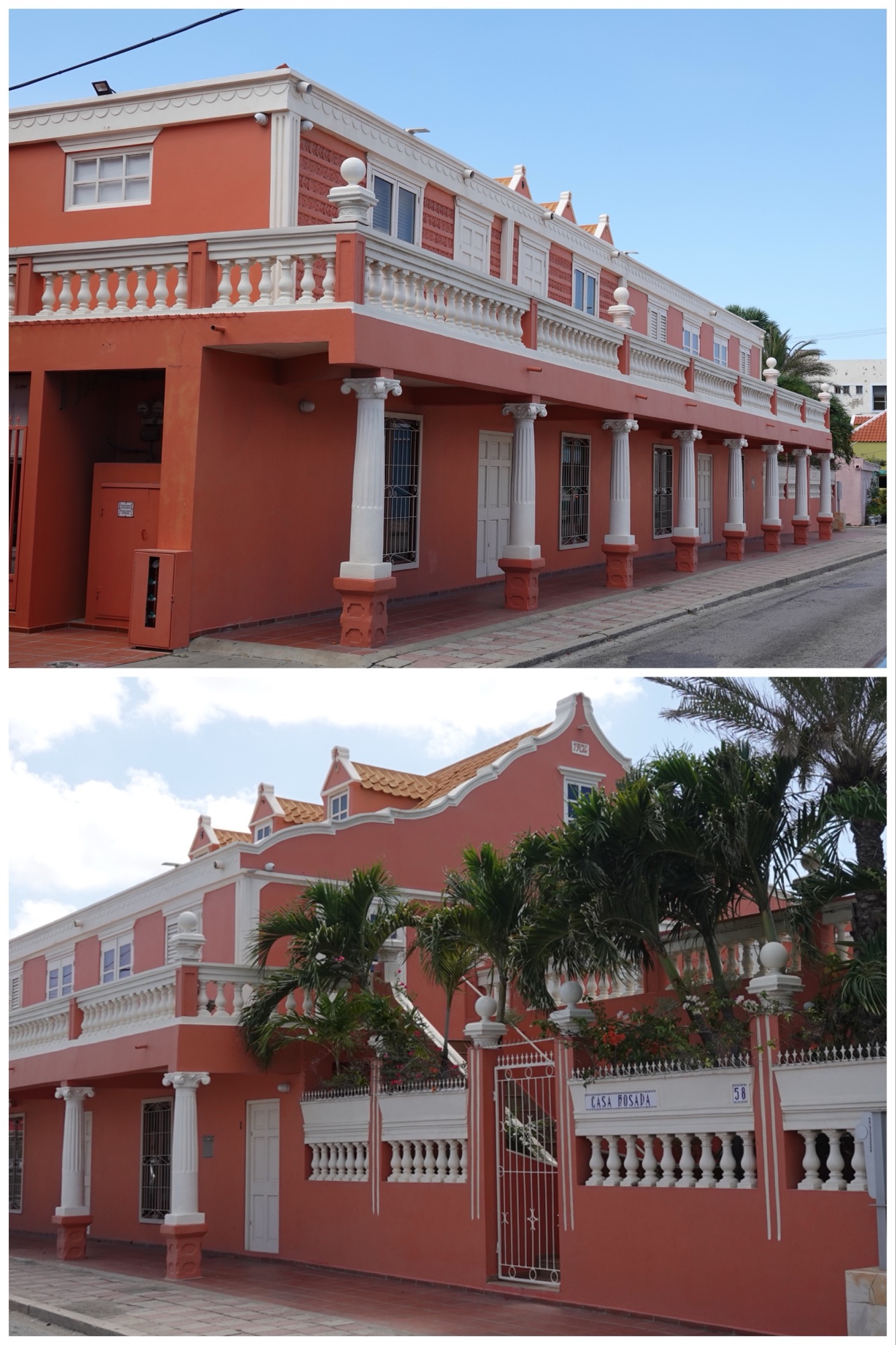

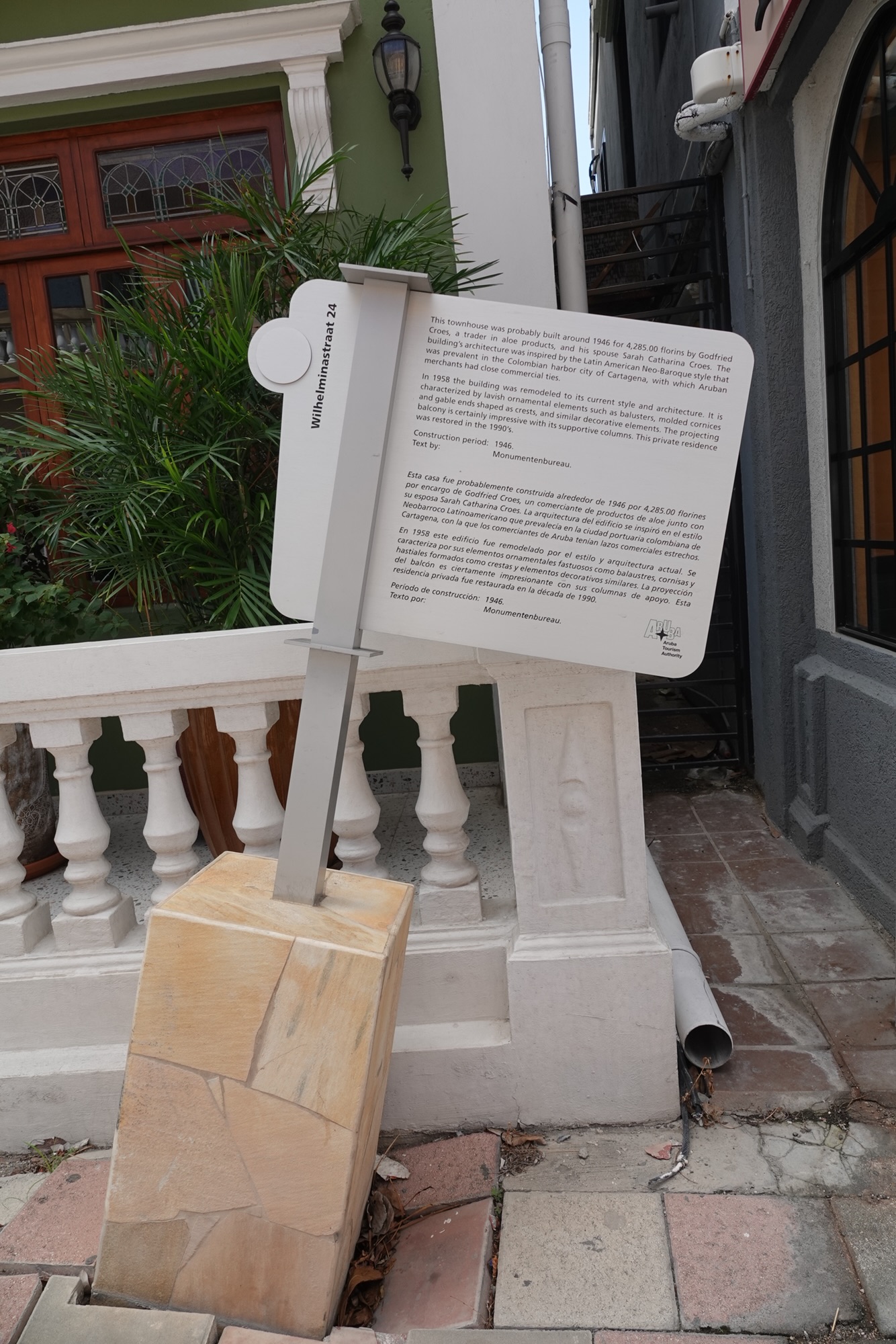
In 1958 the building was remodeled to its current style and architecture. It is characterized by lavish ornamental elements such as balusters, molded cornices and gable ends shaped as crests, and similar decorative elements. The projecting balcony is certainly impressive with its supportive columns. This private residence was restored in the 1990’s.
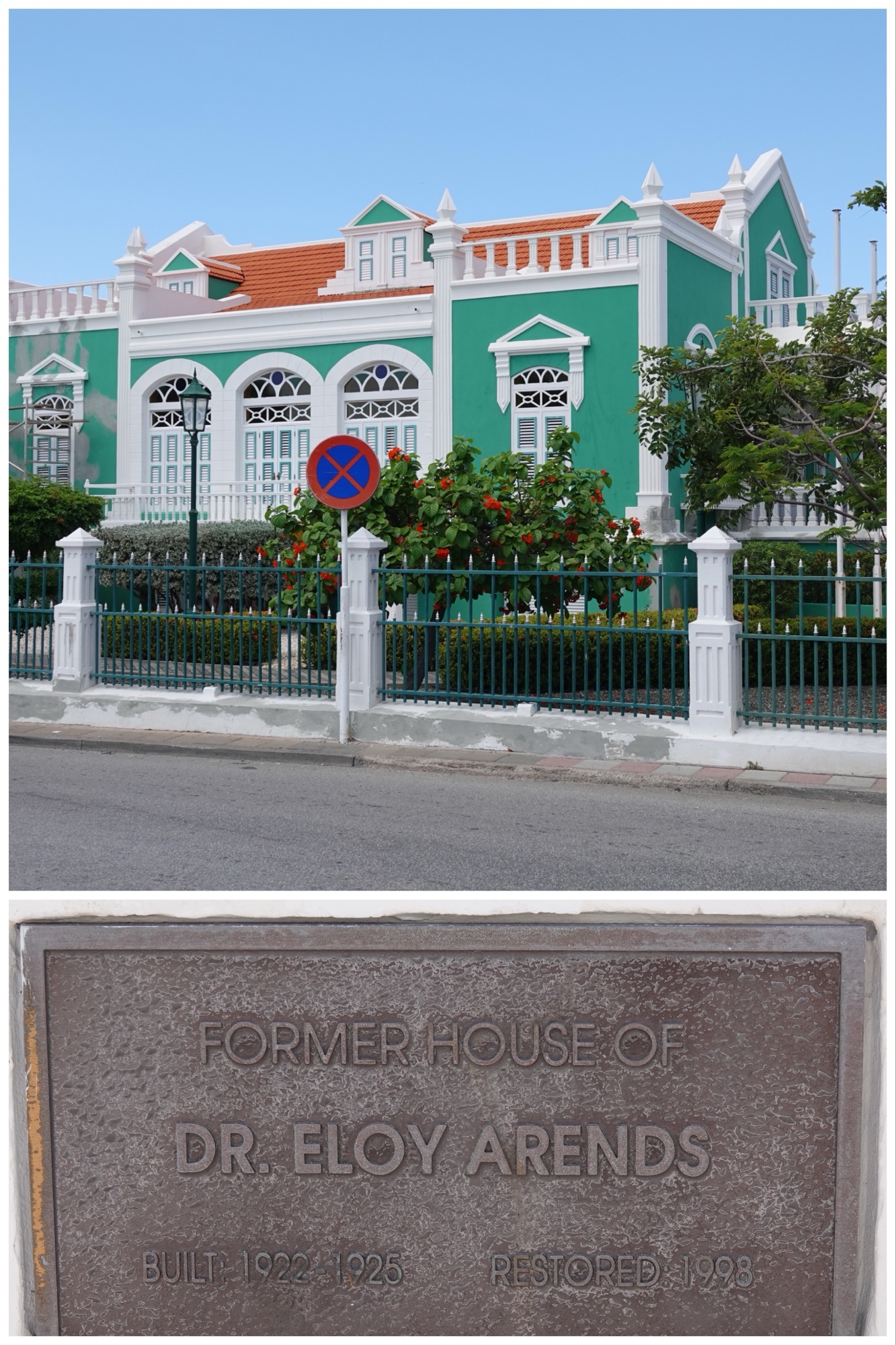
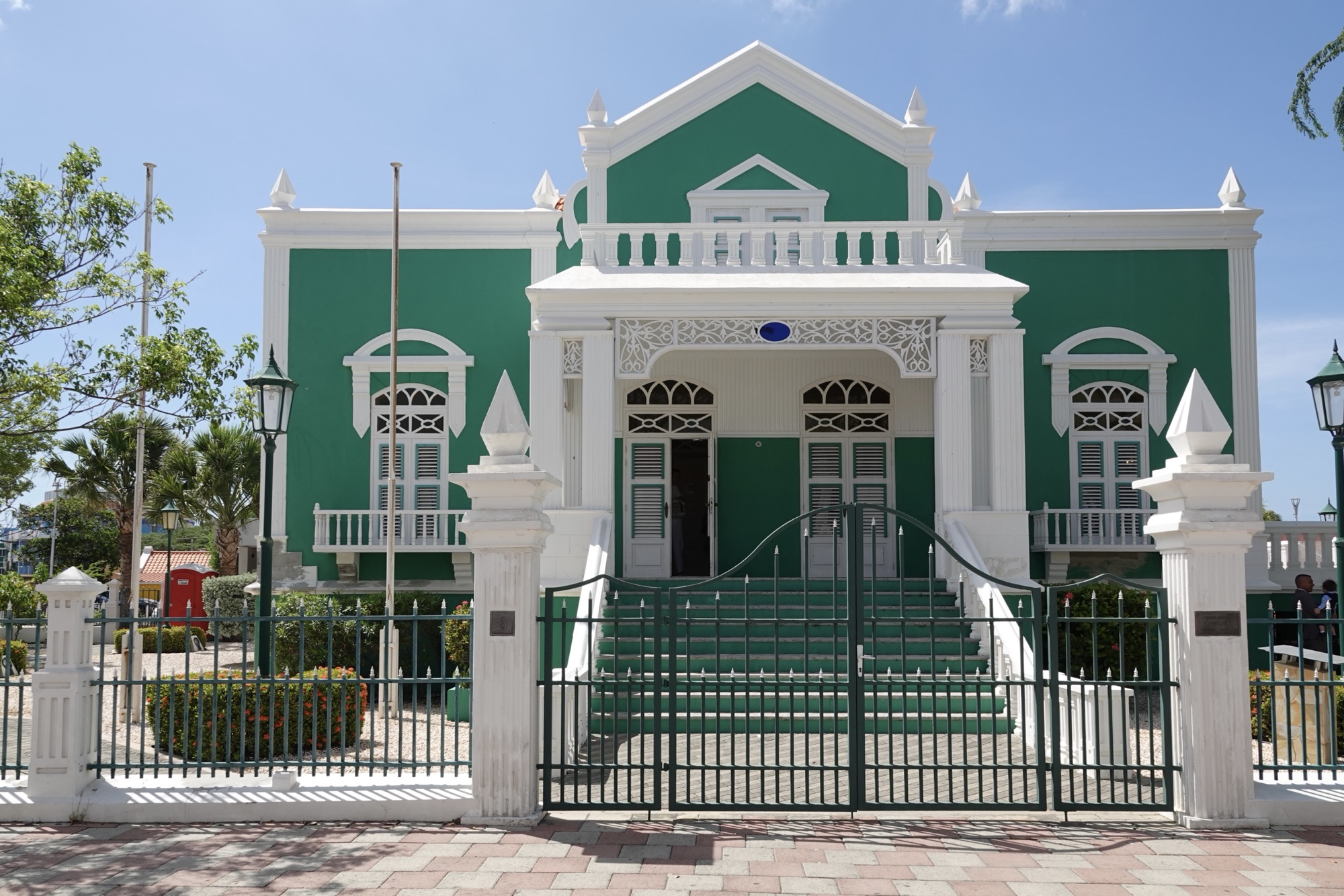
(From the historic marker) The building above, known to locals as the Eloy Arends’ House, is considered to be one of the most beautiful townhouses in Oranjestad. In all probability designed by Chibi Wever, Nicolas Picus and Dada Picus, the building was commissioned by Aruban physician Jacobo Eloy Arends, who worked as a general practitioner on the island before becoming a government physician in 1920. He also became the first Aruban to be appointed to the Advisory Council (Raad van Advies). Eloy had this stately home built in anticipation of his marriage to Maria Monica Laclé. In those days, it was customary for an engaged couple to hold off on marriage until the groom could offer his bride a fully furnished house. The future wife was not even allowed to be in the area, let alone see the house before it was ready. According to local superstitions, couples complying with these rules would enjoy a long and prosperous marriage.
In 1960, the house was passed on to Eloy’s son, who converted it into a dental clinic and laboratory. In 1986, the property was purchased by the government and restored ten years later.
Currently, civil marriages are performed daily at this charming mansion. The elegant detailing and ornamentation are quite unique, reflecting different styles, making it one of the most iconic images of historic Oranjestad.
There was actually a beautiful wedding party being photographed on the steps when we arrived at the house, but they did not want their photo taken by anyone other than their own photographer, so we waited until they had moved into the gardens.

To me, the bell tower looked like an iced wedding cake.
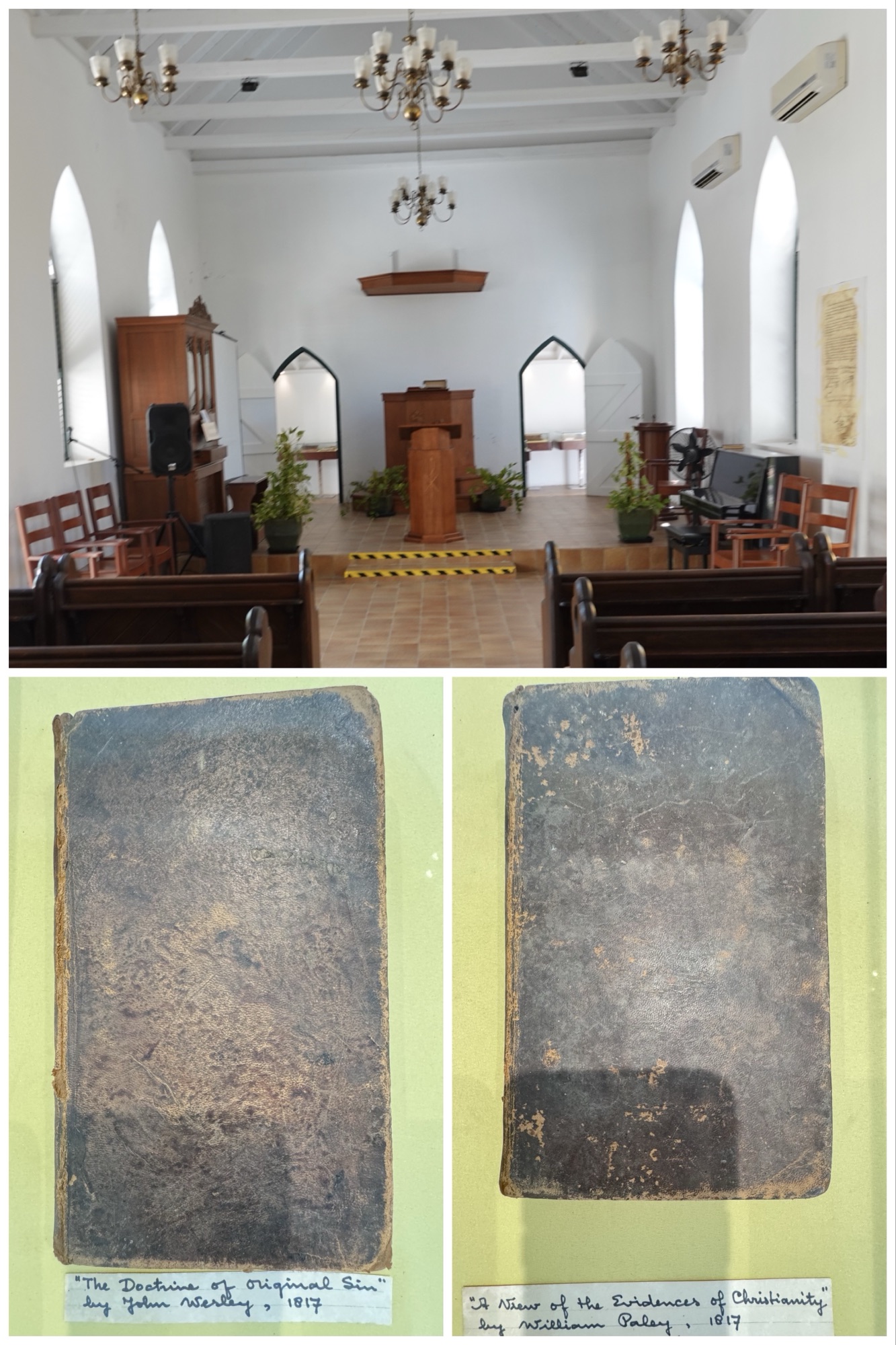
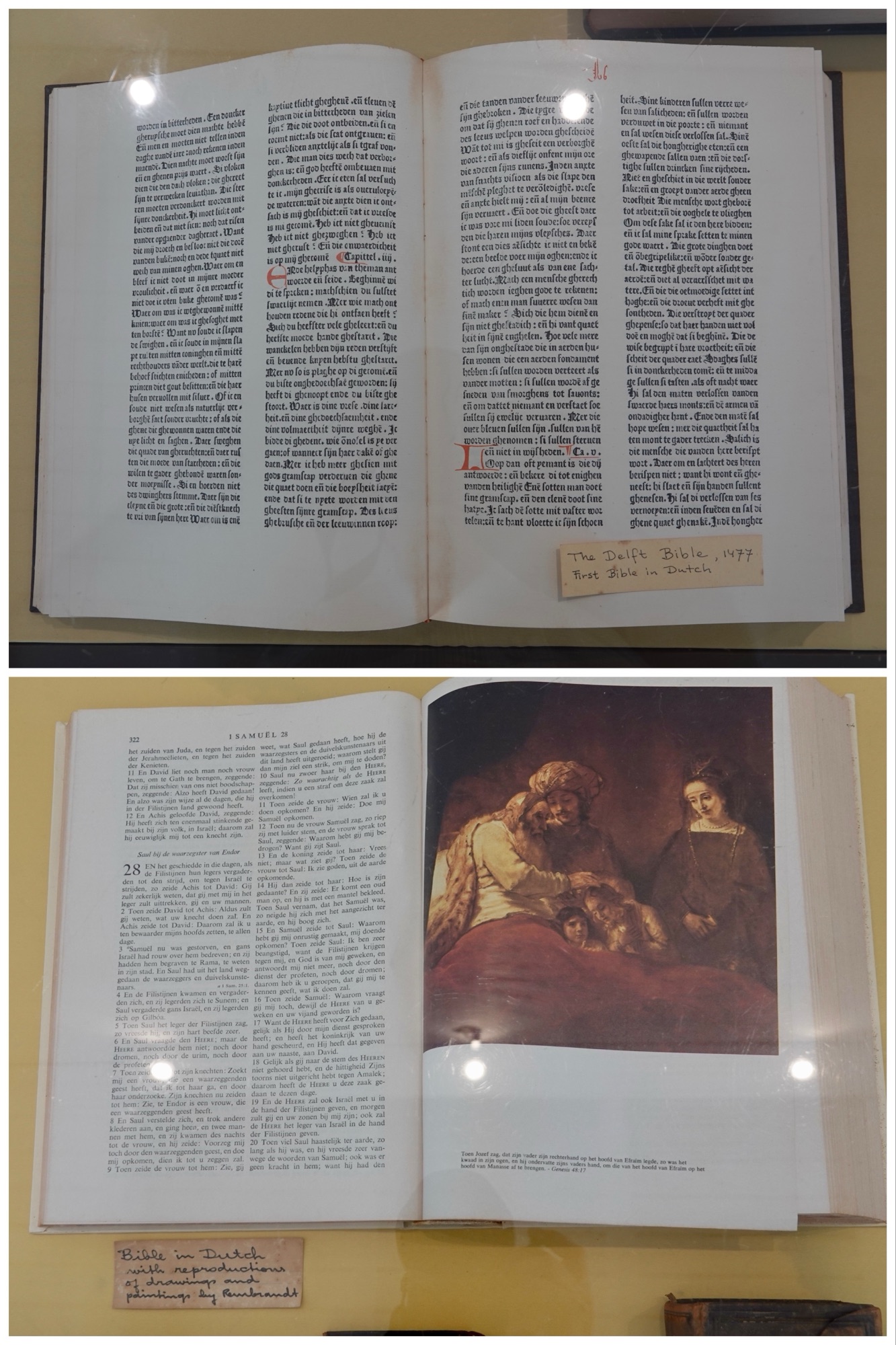
The original church now houses a Bible Museum in what was the original sacristy behind the altar. I had a lovely long chat with one of the church Deacons while we were there, and learned a bit more about how multicultural Aruba is. Her own immediate family is an Aruban, Dutch, American, English, Surinaman mixture, and she described it as “all the beautiful shades of brown from beige to dark chocolate”.

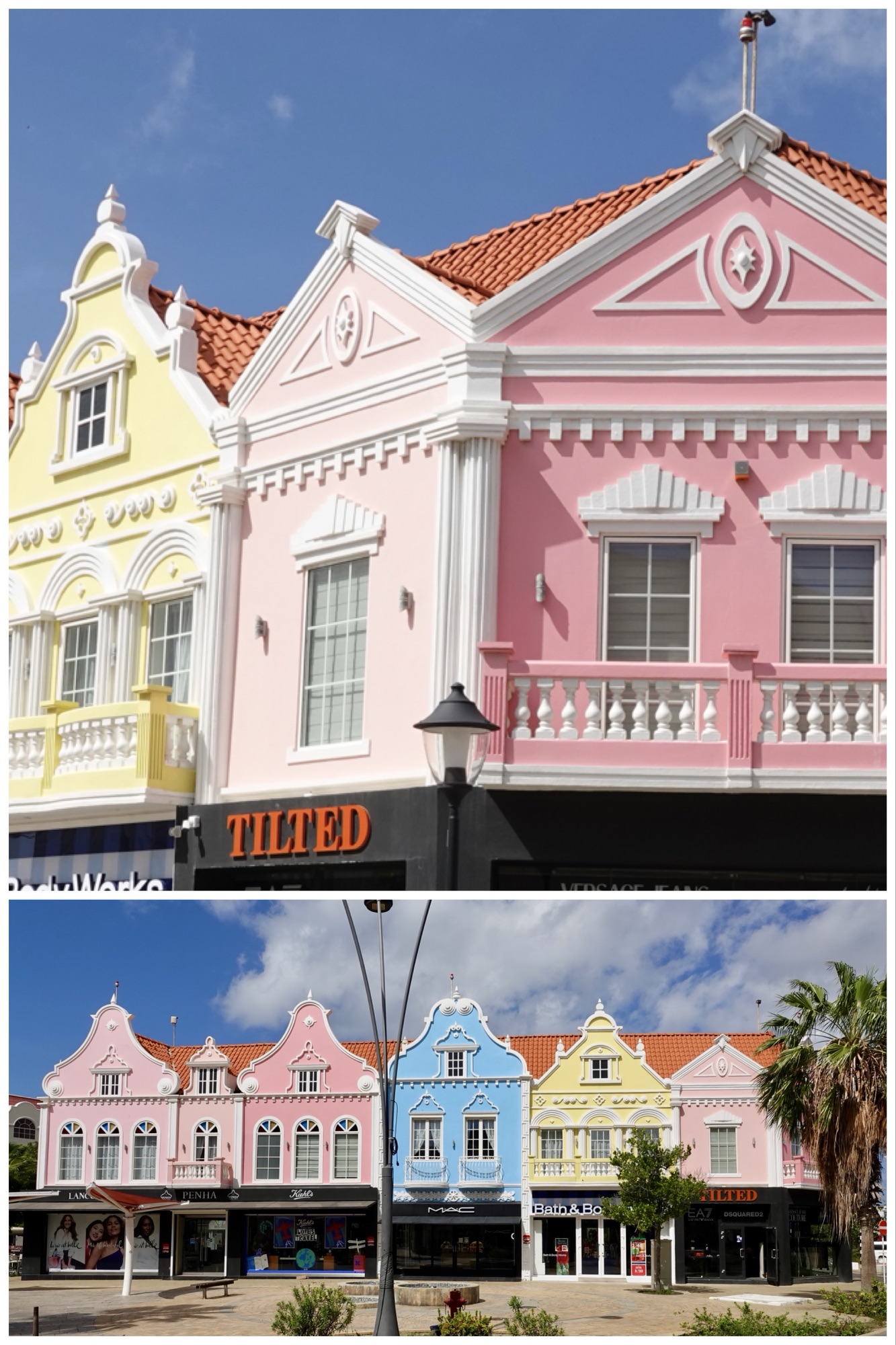
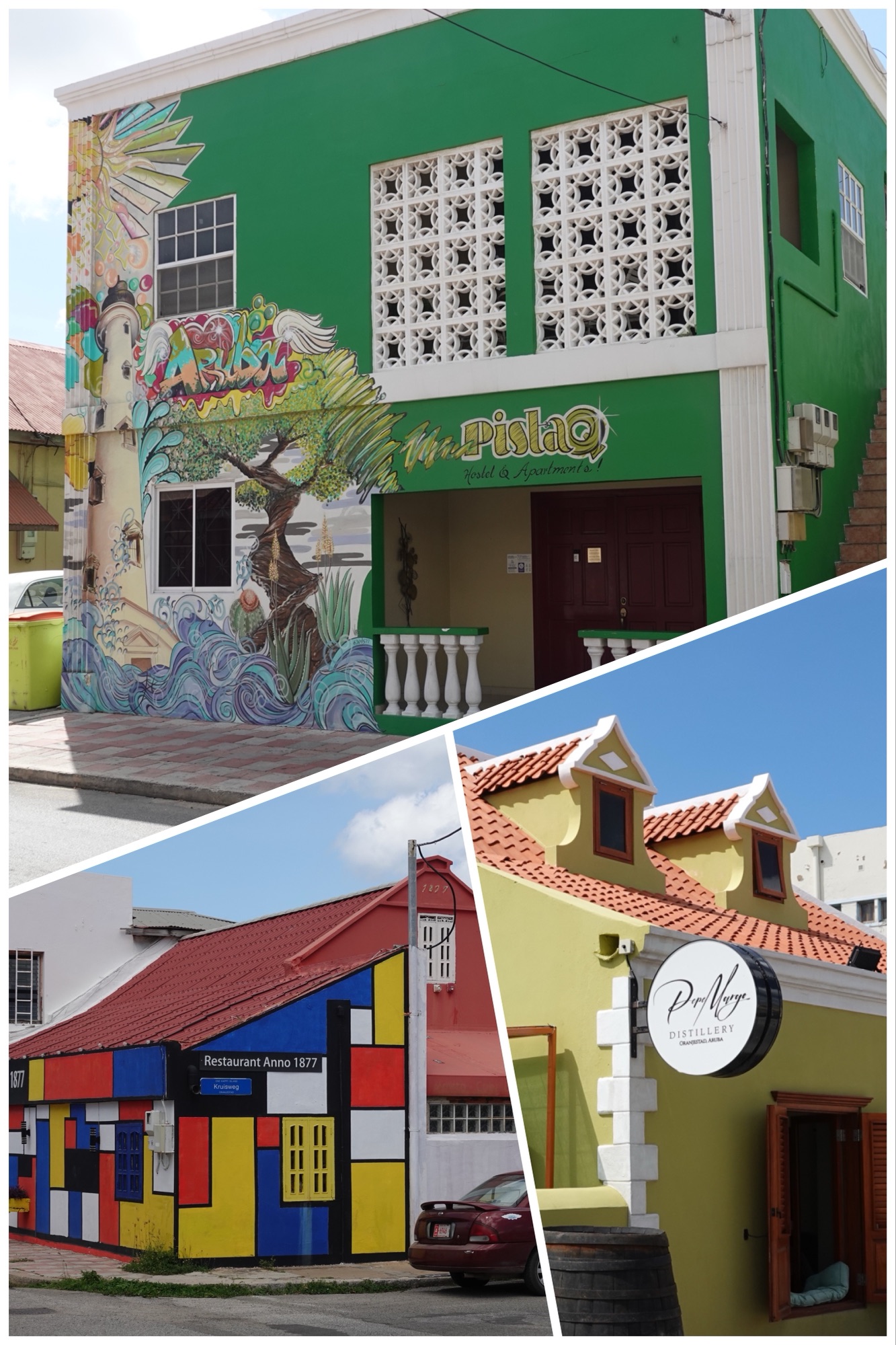
Everywhere we looked, both neon bright and softer pastel colours accosted our vision.

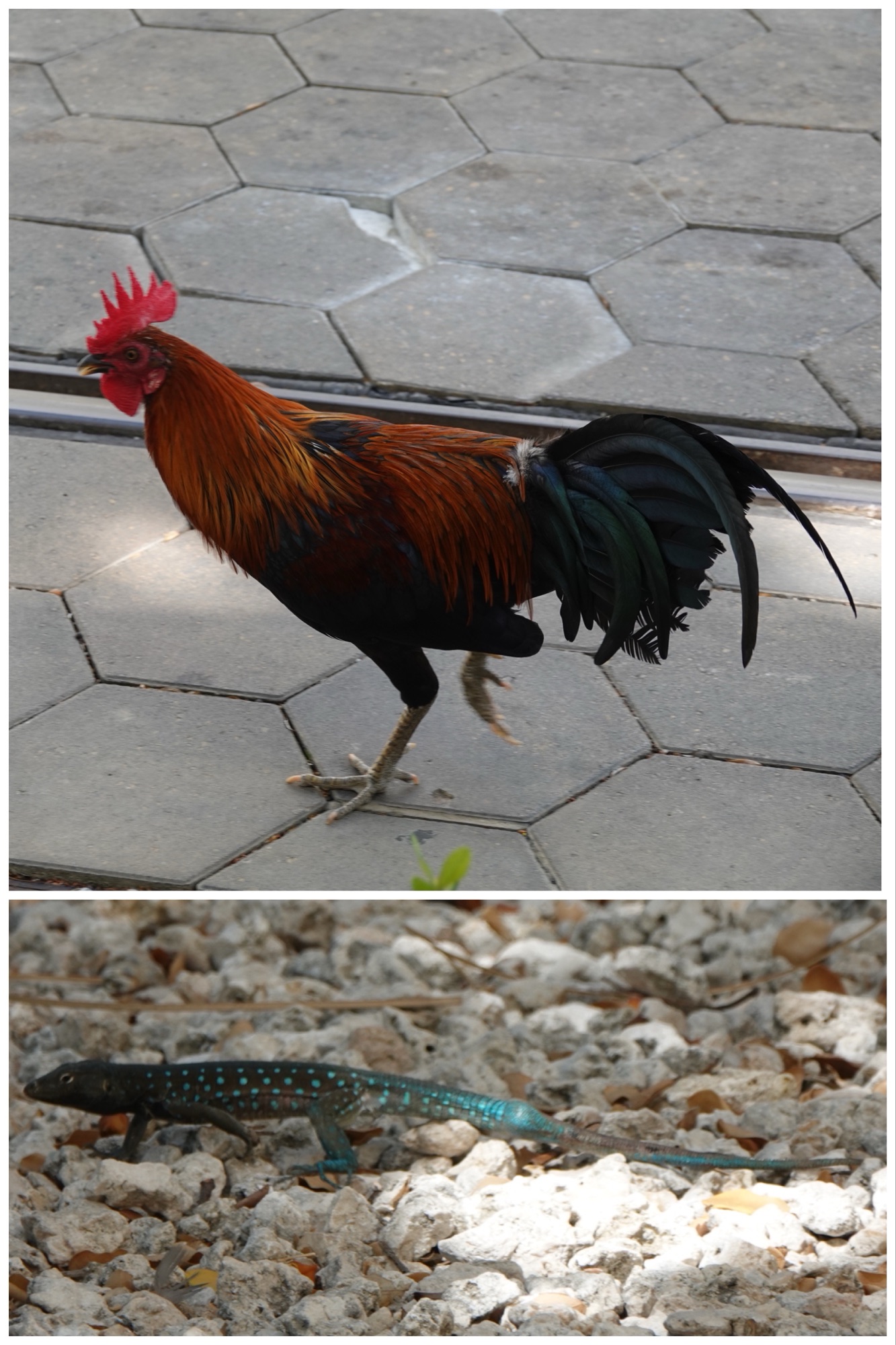
Even the animals that crossed our paths added to the colour overload.
Except for the extreme heat, I’d have agreed that it was Dushi Bida!

“Dushi” when used to describe food means sweet or yummy. When used as a term of endearment for a lover or spouse it means “sweetheart”; for a child it means “sweetie”. “Mi dushi” means my darling, while “Danki dushi” – which means thanks babe – could also be said to a stranger. “Dushi Bida” means life is good in Papiamentu (the Portuguese-based creole language spoken in the Dutch Caribbean). Basically, “dushi” is used here the way “habibi” is used in Egypt.
I wanted to dip my toes into the Caribbean before we headed back to the ship for a cool drink and blessed air conditioning. Unfortunately, because this wasn’t really a tourist “beach”, but just a sandy ledge beside the marina, the water was full of floating trash. It seems there’s hardly anywhere in the world where people aren’t too lazy to dispose of something as simple as a plastic water bottle, or a candy wrapper, properly.

For the next two days we’ll be at sea, headed for our final destination: Port Everglades Cruise Port in Fort Lauderdale. We’ll be home just in time to celebrate two of our grandsons’ October birthdays.
This cruise has been a lovely break. In 57 days we board the Viking Sky for a 138-day World Cruise, at which point I’ll be back to diarizing our journey almost daily. We’d love having everyone follow along!
 Rose and Ted’s Excellent Adventure
Awe, laugh, cry!The houses are so beautiful!. Actually most of wh
LikeLike
Thank You, I enjoy armchair travelling the world! Through your emails. I’m looking forward to the next world cruise diaries. One day I hope to be
LikeLiked by 1 person