October 6 Itinerary: Like a mirage looming up out of the rock in the countryside, the former royal city of Meknes is yet another unexpected delight of Morocco. This beautiful city has old city walls, monumental gates and palatial ruins. We visit the city walls, the Royal stables and the intricate Bab Al Mansour Gates. We then visit the remarkable ancient Roman ruin of Volubilis (a UNESCO World Heritage Site) before proceeding to Fez.
🐪 🐫 🐪 🐫🐪 🐫🐪 🐫🐪 🐫🐪 🐫🐪 🐫🐪 🐫🐪 🐫🐪 🐫🐪 🐫🐪 🐪 🐫🐪 🐫🐪 🐫
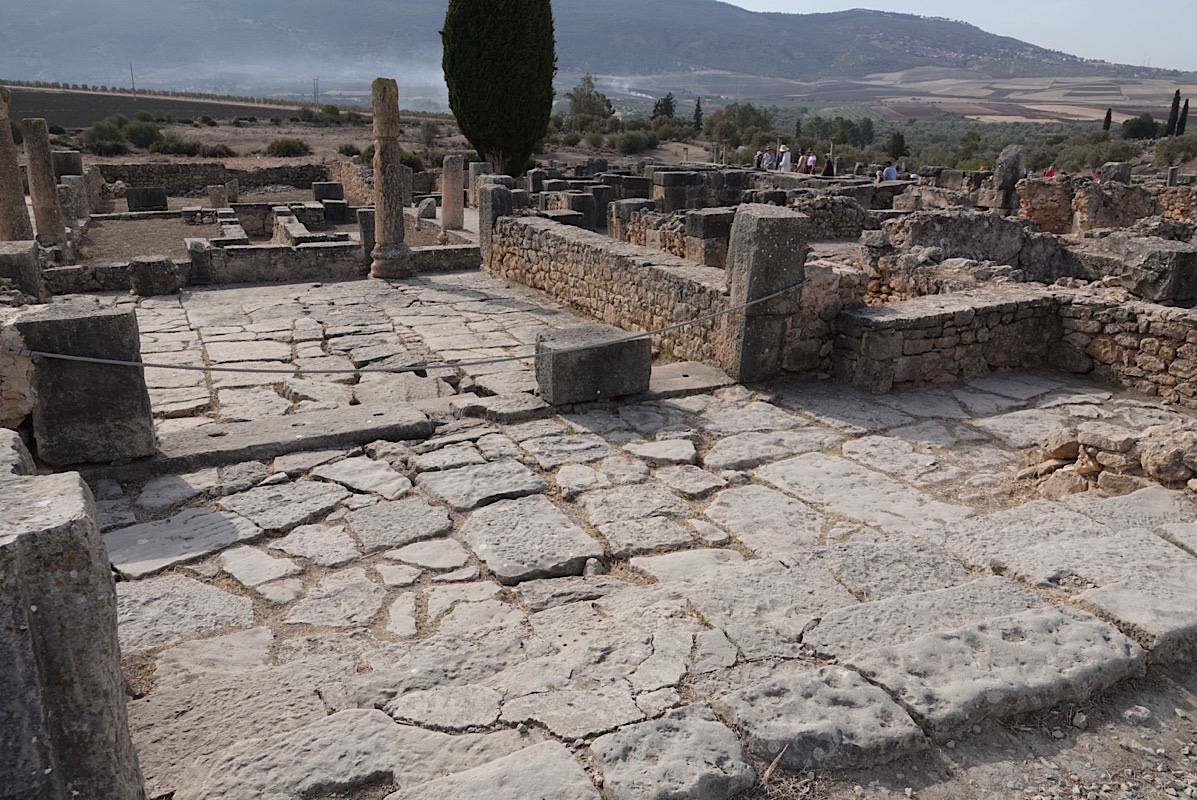
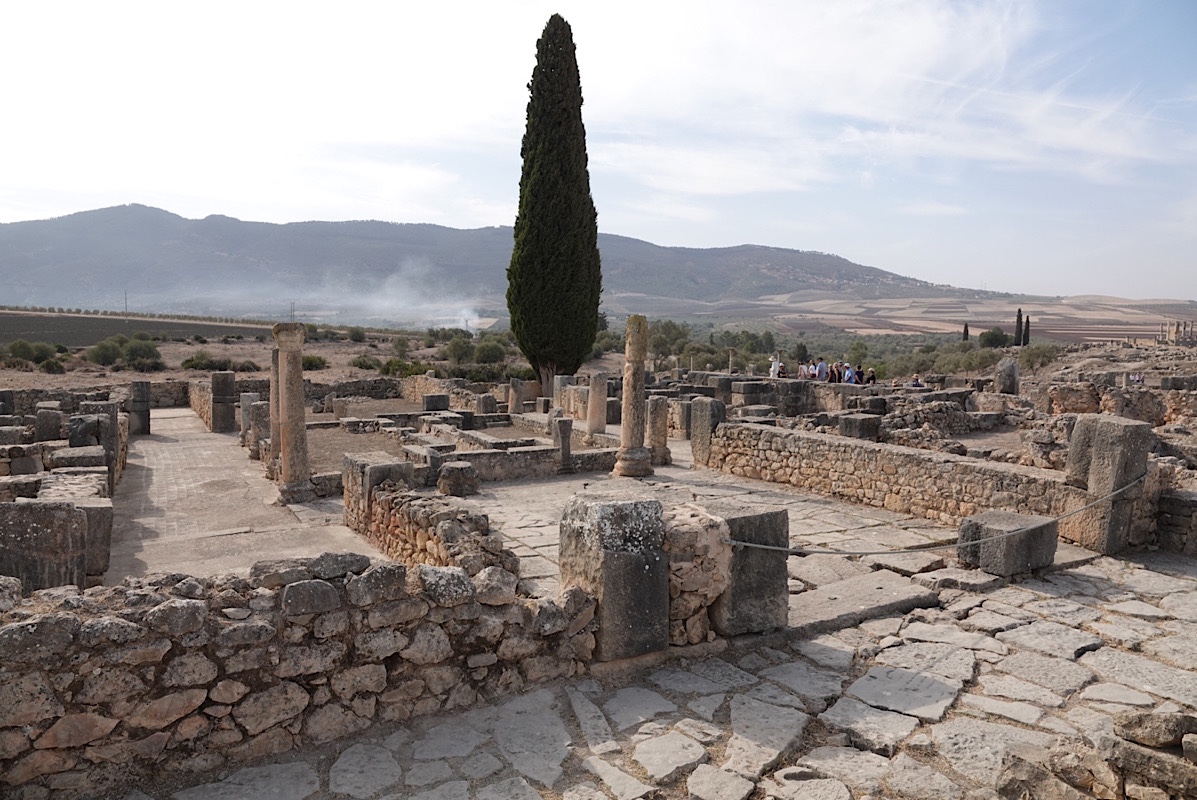
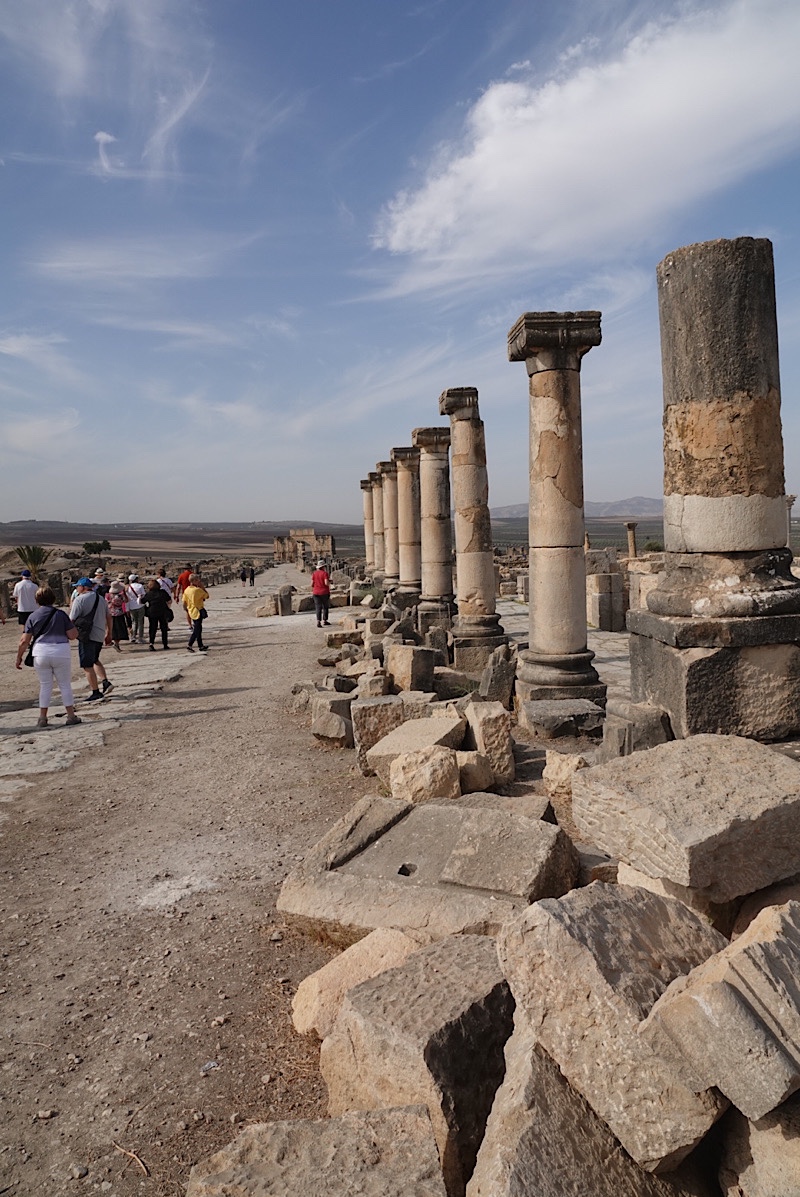
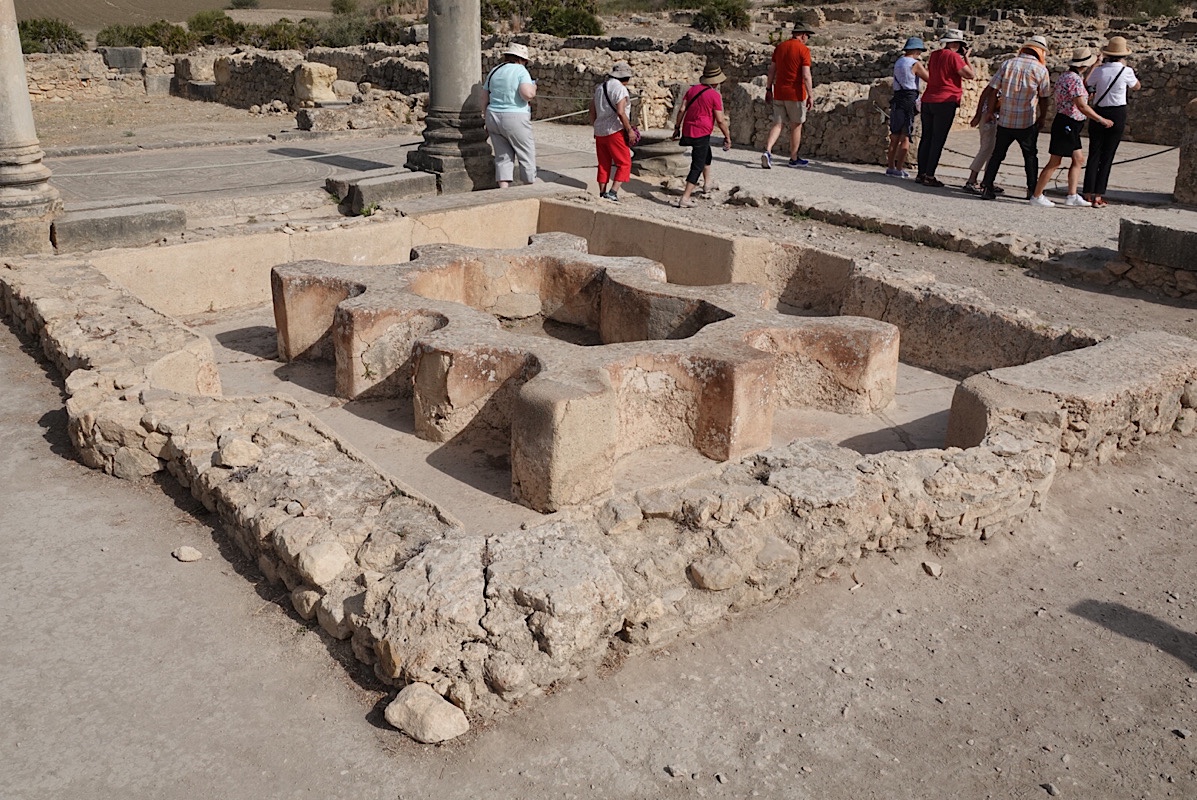
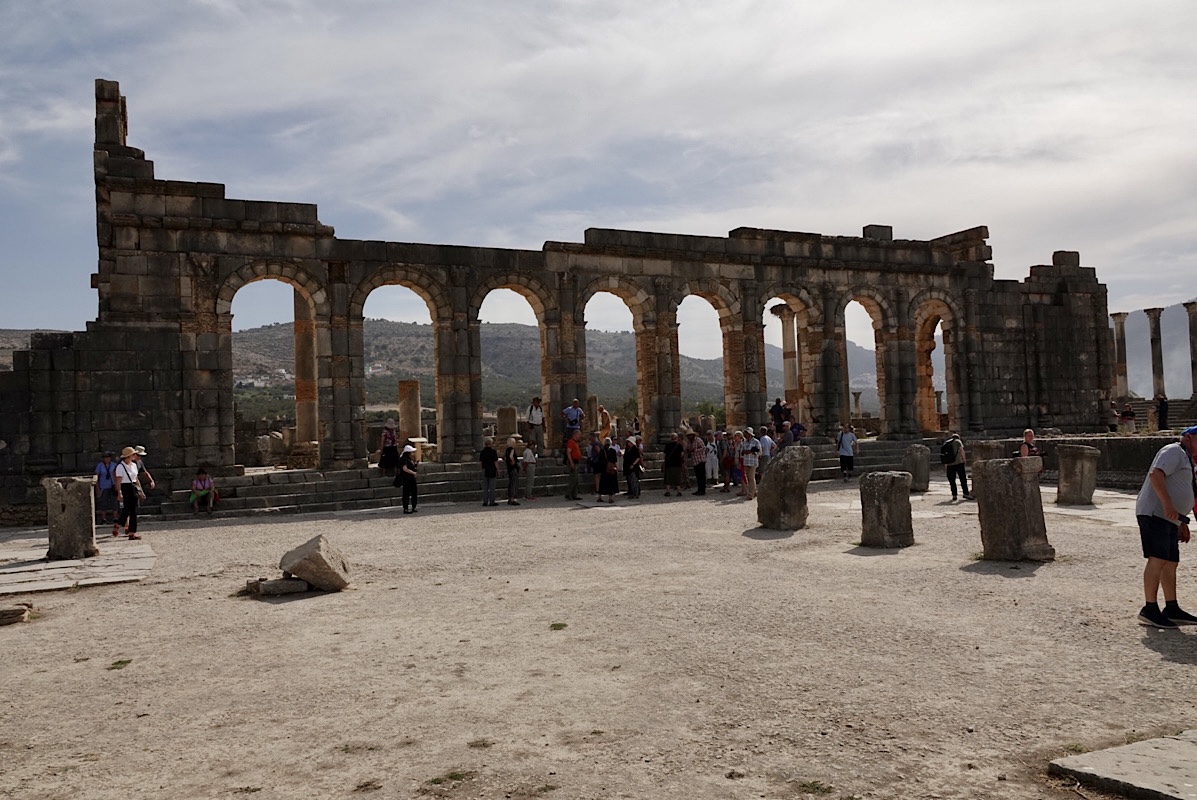
After a delicious breakfast in which on my plate, anyway, fresh Moroccan bread featured prominently (Msemmen, which is similar to Indian paratha, and Baghrir, the “crepe with 1000 holes” that has an almost crumpet-like texture) we headed out of the “ville nouvelle” to some surprising Roman ruins.
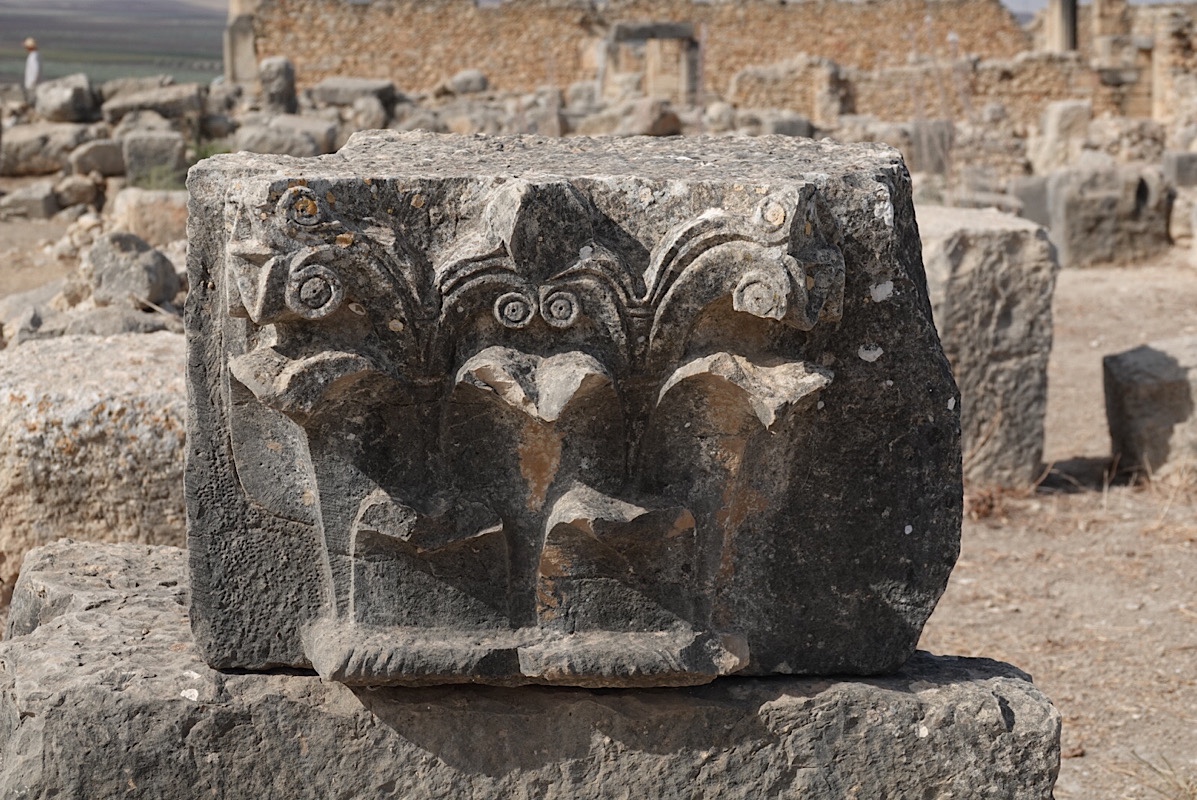
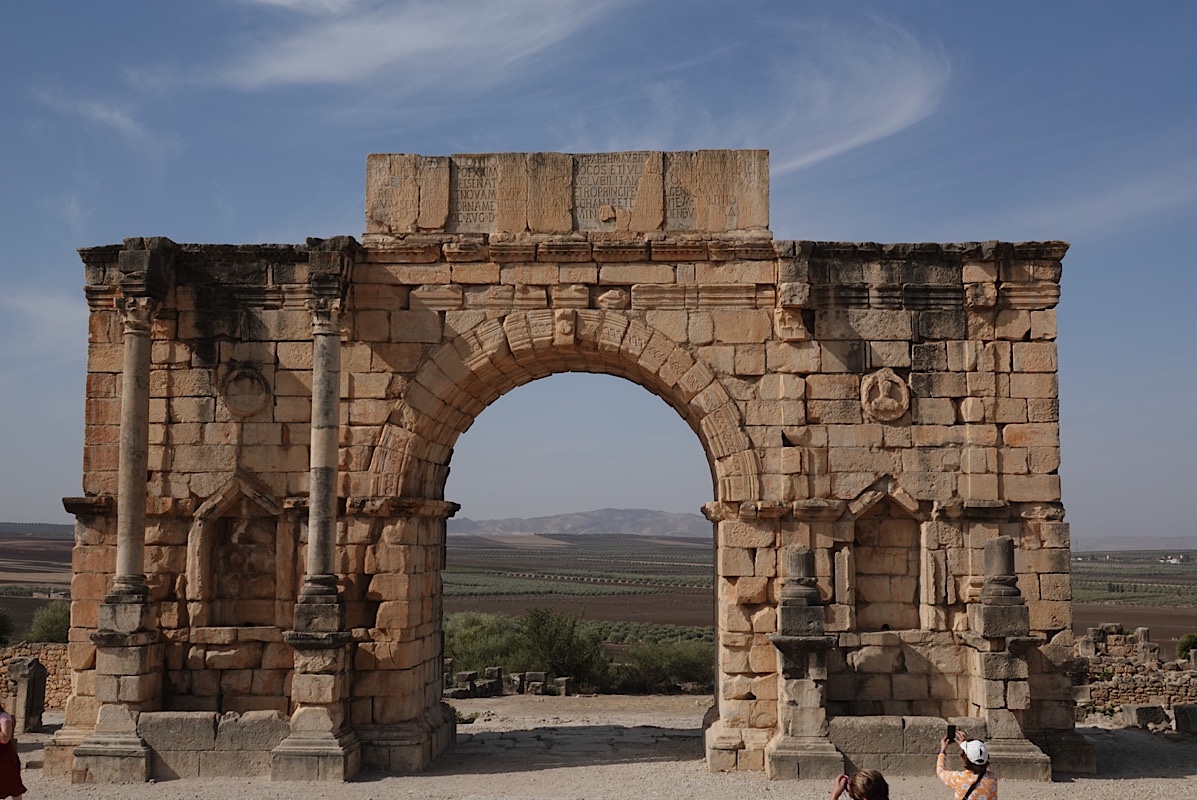
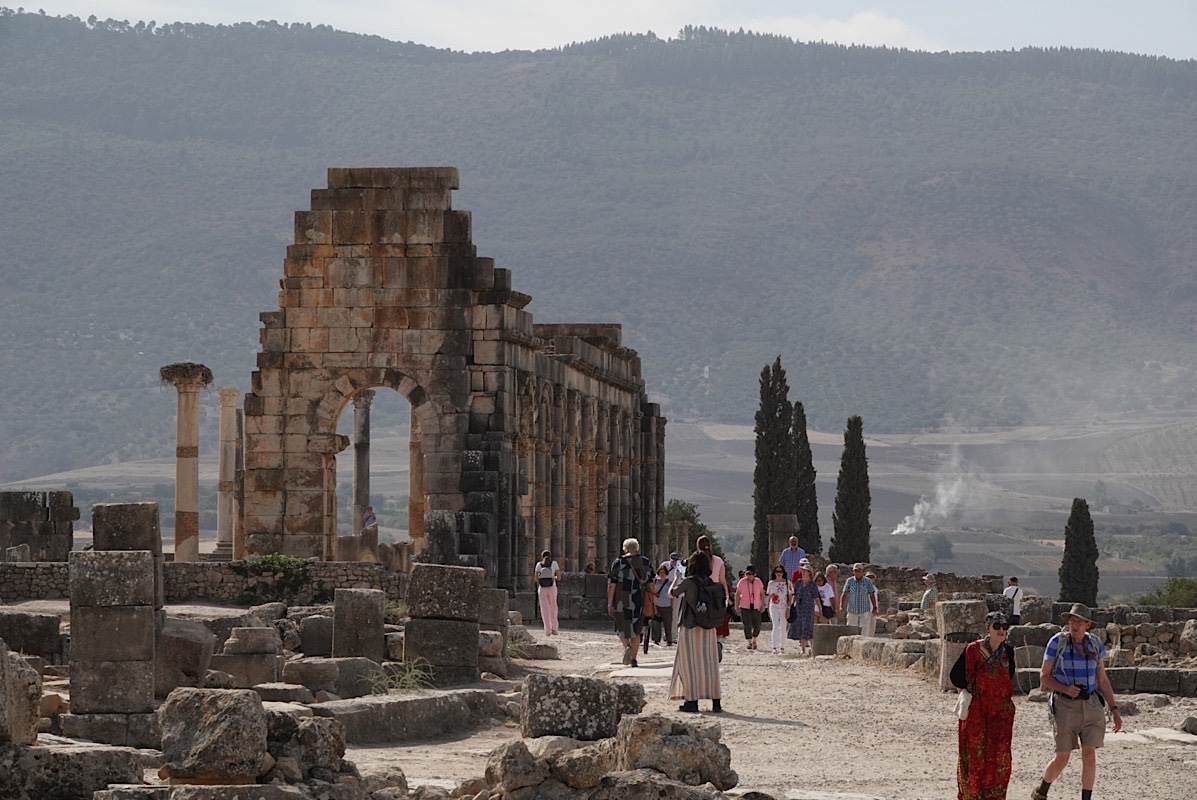
UNESCO describes the Archaeological Site of Volubilis: “The Mauritanian capital, founded in the 3rd century B.C., became an important outpost of the Roman Empire and was graced with many fine buildings. Extensive remains of these survive in the archaeological site, located in a fertile agricultural area. Volubilis was later briefly to become the capital of Idris I, founder of the Idrisid dynasty, who is buried at nearby Moulay Idris.”


I expected something much smaller; Volubilis covers almost 100 acres, and was inhabited until the 11th century, even though the Berbers removed the Romans by about 285 BCE. After that, the ruins remained mostly intact until they were devastated by the Great Lisbon Earthquake of 1755, and subsequently looted by Moroccan rulers seeking stone for building Meknes.


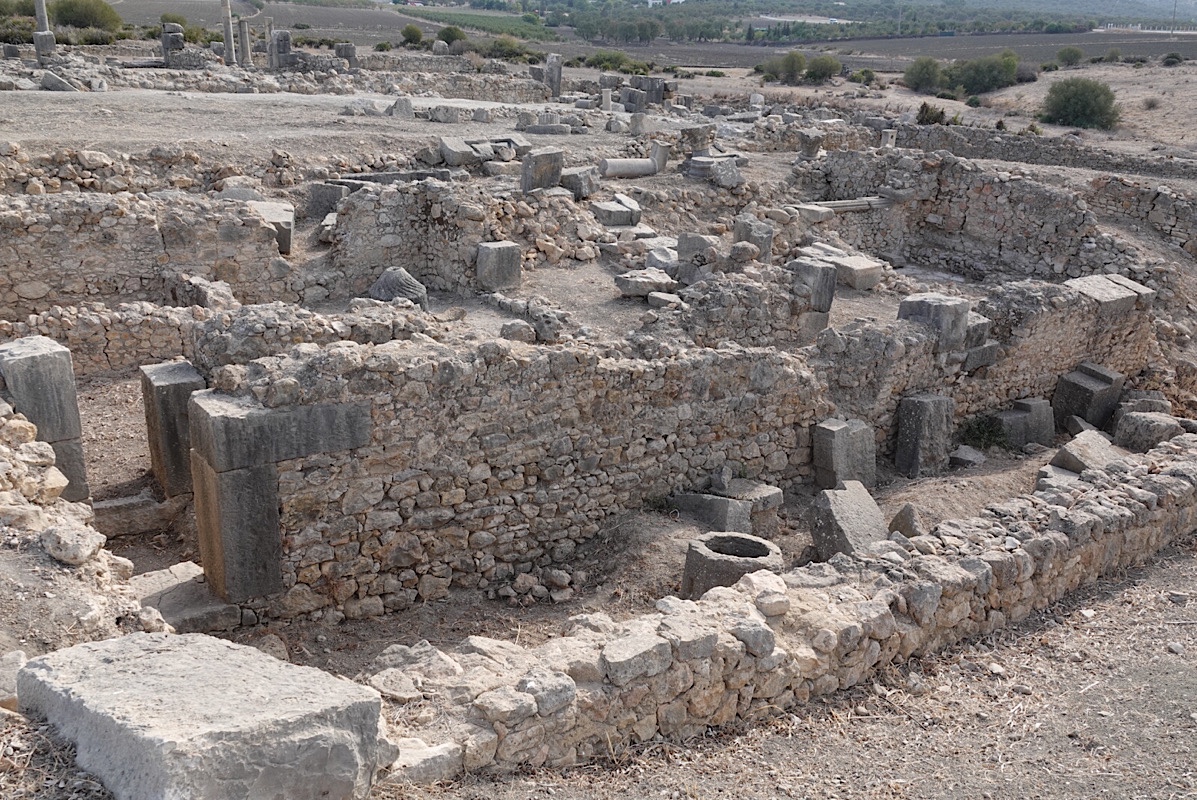
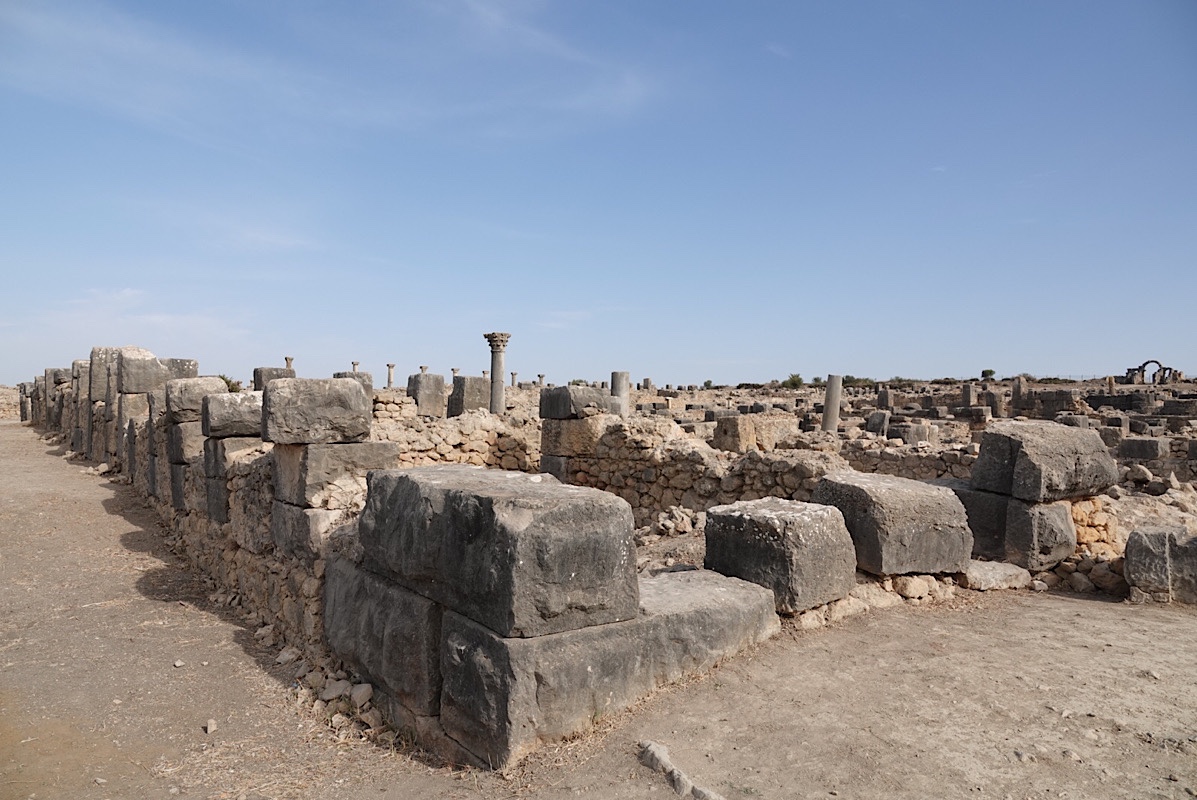
In Morocco, the Tourism Ministry mandates that large tour groups employ a local guide, so even though we have the extremely knowledgeable Fouad as our guide, we needed to replace him here with a local “expert”. Sadly, he told us no more than we could have learned on our own by reading the few signs on site.
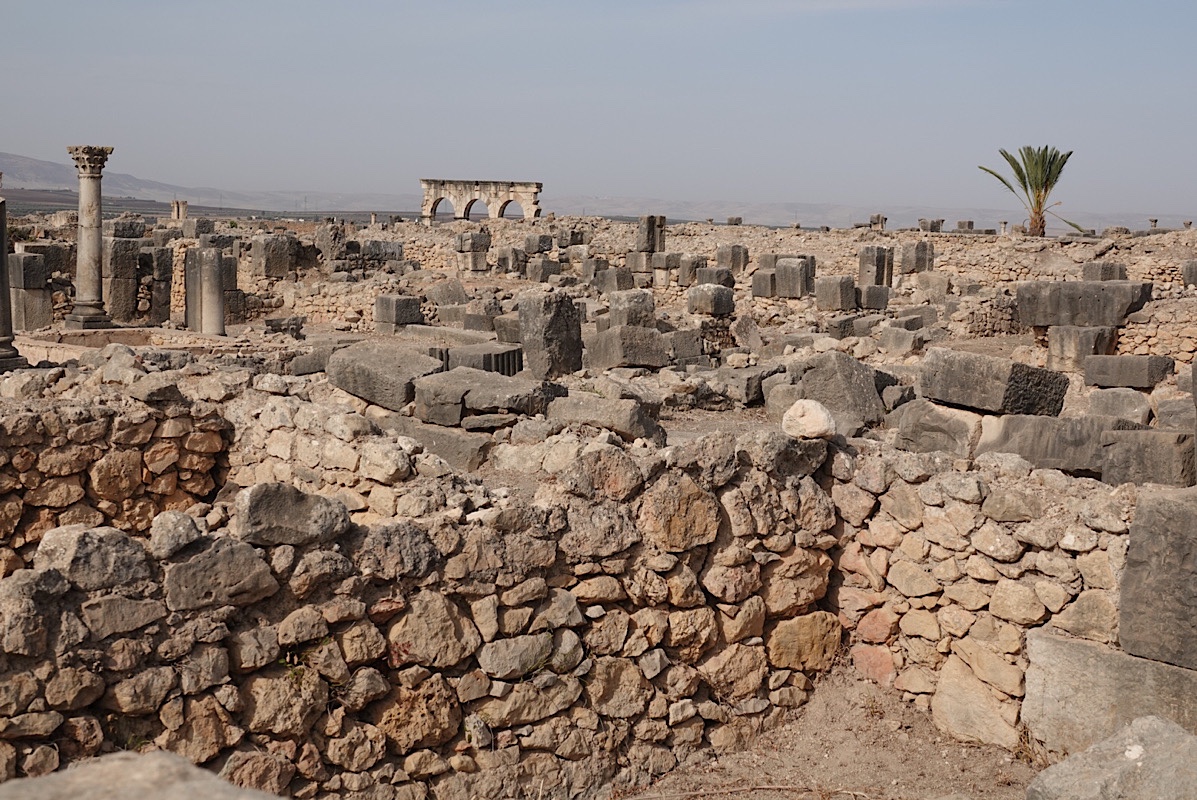

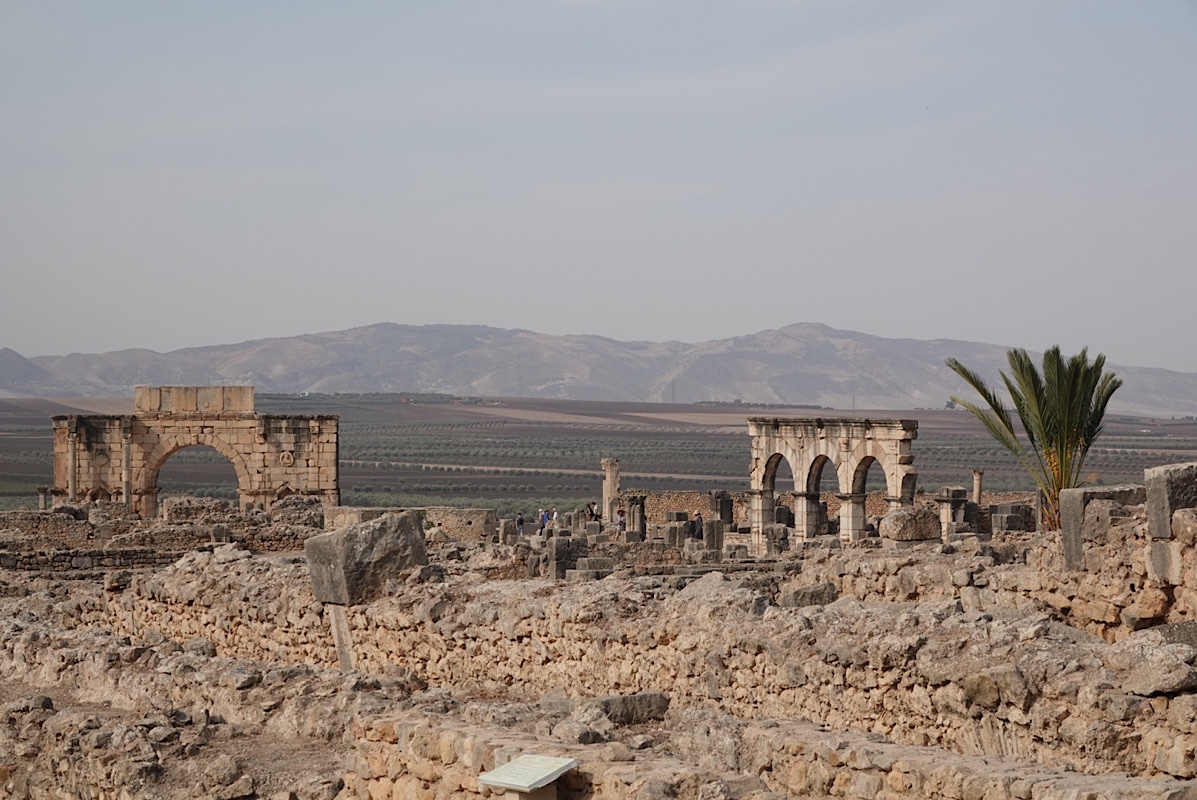

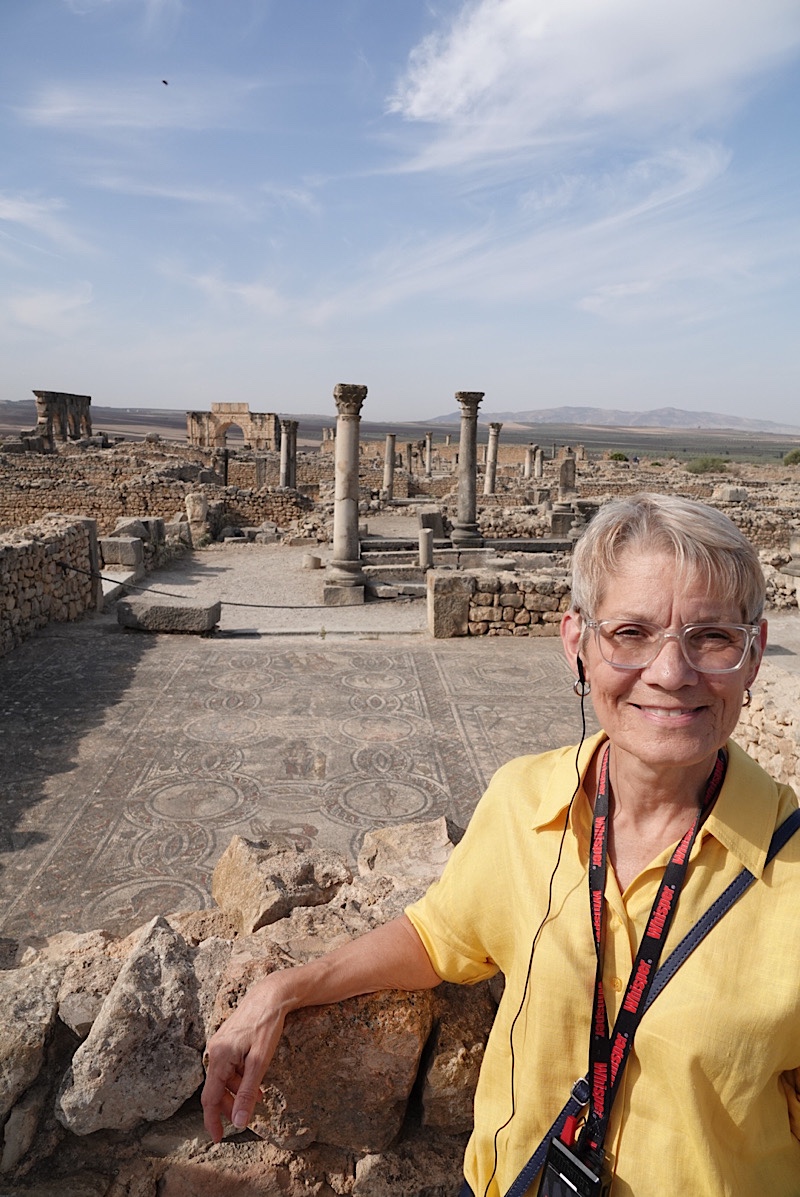



It had been a really scorching hot walk in the sun at the archeological site, so we were grateful for a really nice lunch in cooler surroundings at Palais Terrab, back in the new part of Meknes.

We were served “Moroccan style”, with all three courses shared by our table.

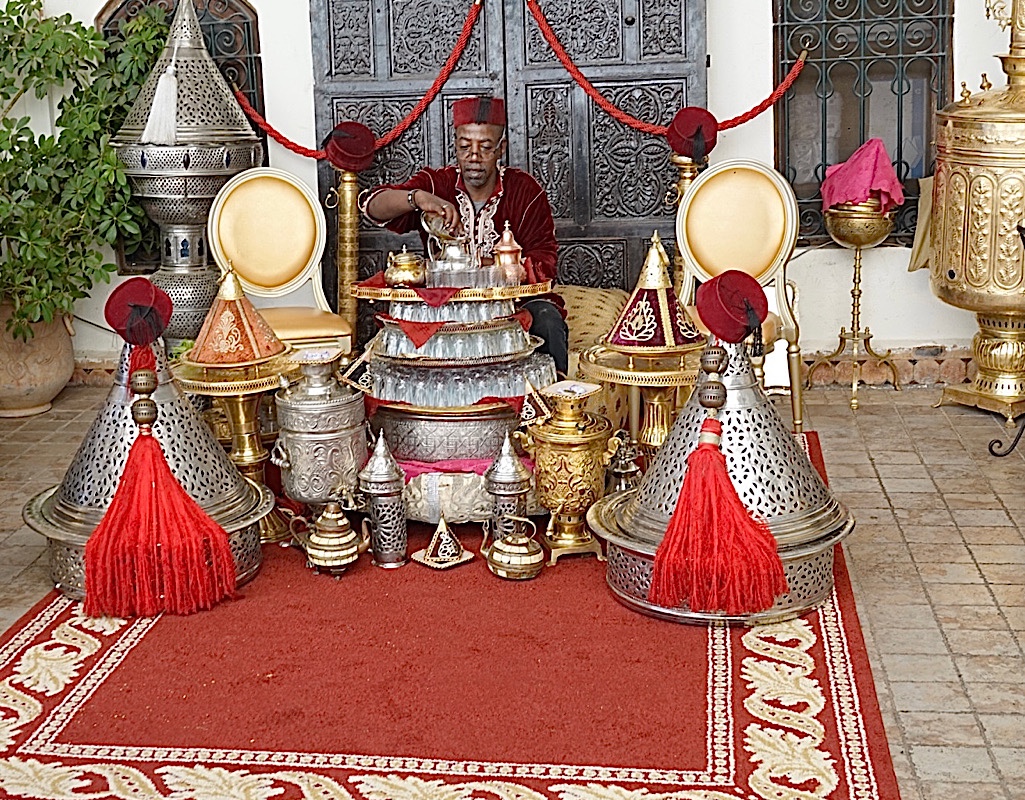
Afterward we sipped sweet mint tea and munched a Moroccan cookie in the courtyard.
On to our panoramic city tour.
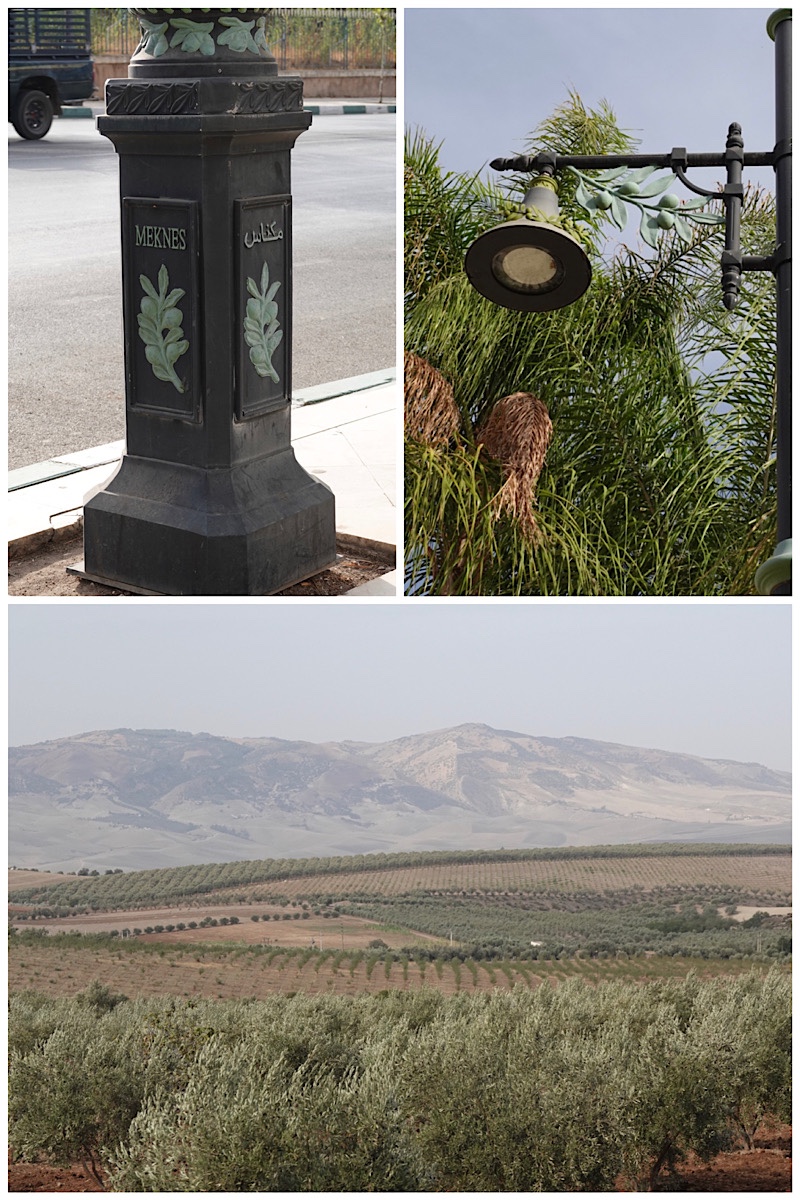
Meknes is nicknamed Aceituna (the Spanish word for olive) for all the olive trees that are found here, and sometimes also called the Versailles of Morocco because Sultan Moulay Ismail, who wanted to marry the daughter of his compatriot Louis the 14th, built a castle to rival Versailles in order to woo her. Nonetheless, she didn’t marry him. We didn’t see the palace, so I have no way of judging whether it should have convinced her.
There are over 40 km of walls surrounding the city of Meknes, built by the sultan, who was so unpopular in his imperial city of Fes that he moved the imperial capital here to Meknes. Wikipedia talks about the long-reigning sultan as having 200 wives, a harem of up to 500, and more than 800 children. Our guide Fouad suggested that was a combination of “legend” and sensationalist 18th century press.

The UNESCO site is undergoing massive restoration, which meant that the most important components were not tour-able; in the case of the Gate of Mansour, the 17th century main gate (there are 25 gates in all), it was not even visible except as an image depicted on the protective hoarding.

We saw only the exterior of the Sultan’s huge granary, where enough food for a 10 year seige could be stored. The granary has extra thick walls to keep the interior cold like a refrigerator. It too was not open because the site is being renovated, but normally visitors would be able to go in and experience the cold. Underground wells fed by cold spring water from the mid Atlas mountains also helped cool the granary.

The stables beside the granary could hold 4000 horses. The Sultan was said to have 12,000 horses, but the remainder were stabled outside the city walls.

The large basin, empty for restoration and looking like a huge sandlot, when full would have contained millions of gallons of water for the city. It will again once the project is complete.

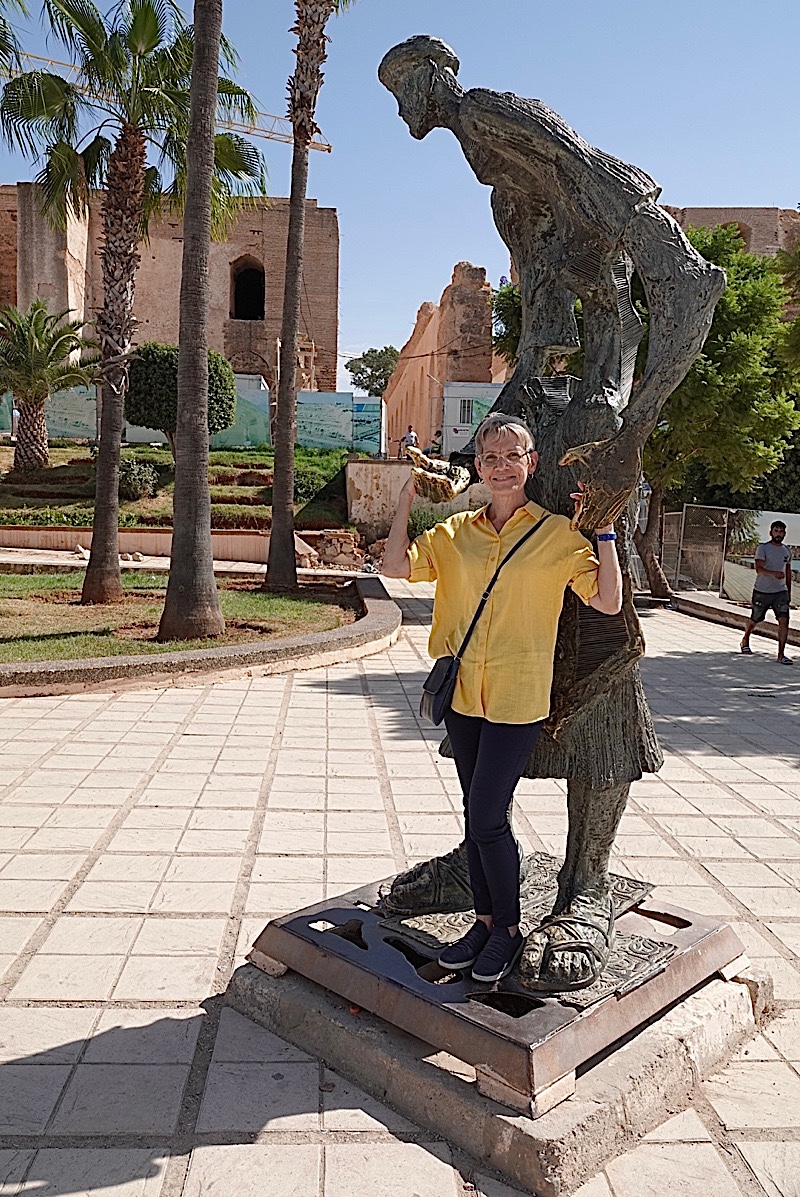
This fairly modern bronze statue of a water carrier located near the basin is missing its bronze water bag. Our guide told us that that portion of the statue, shaped like a goatskin bag, was stolen. Living up to the nickname often given to humans by extraterrestrials in science fiction – “bags of water” – I’m standing in for the missing piece.
Our accommodation for the next 2 nights is the Hotel Les Merinides in Fes. The lobby and grounds are lovely. Our room itself is just “fine”; this is the first hotel of the trip not to have air-conditioning, and it is HOT!


Dinners continue to be buffet style, with tonight’s featuring varied and wonderful salads and delicious desserts bookending some pretty meh main courses. The exception was a superb seafood pastilla, which was no help at all to Ted.
Tomorrow is a very full day in Fez, visiting a ceramic workshop, a textile cooperative, and a tannery … and trying, with Fouad’s help, not to get lost in the over 9,000 (!!!) labyrinthine streets and alleyways of Fez’ massive medina.
 Rose and Ted’s Excellent Adventure
Well, as blue as yesterday’s Chefchaouen was, I’d have to say your day in Meknes was brown. As in “definitely desert-y”! How blah it must be to live that every day… Good on you to have chosen to wear your gorgeous, bright yellow shirt today! (Of course you know that I’d notice! LOL.)
This sounds like a fabulous trip, Rose, and a glimpse into a very different part of our world. You know I will never get there, and so your insights are very much treasured.
Hugs…. And, happy Thanksgiving!
B.
LikeLiked by 1 person